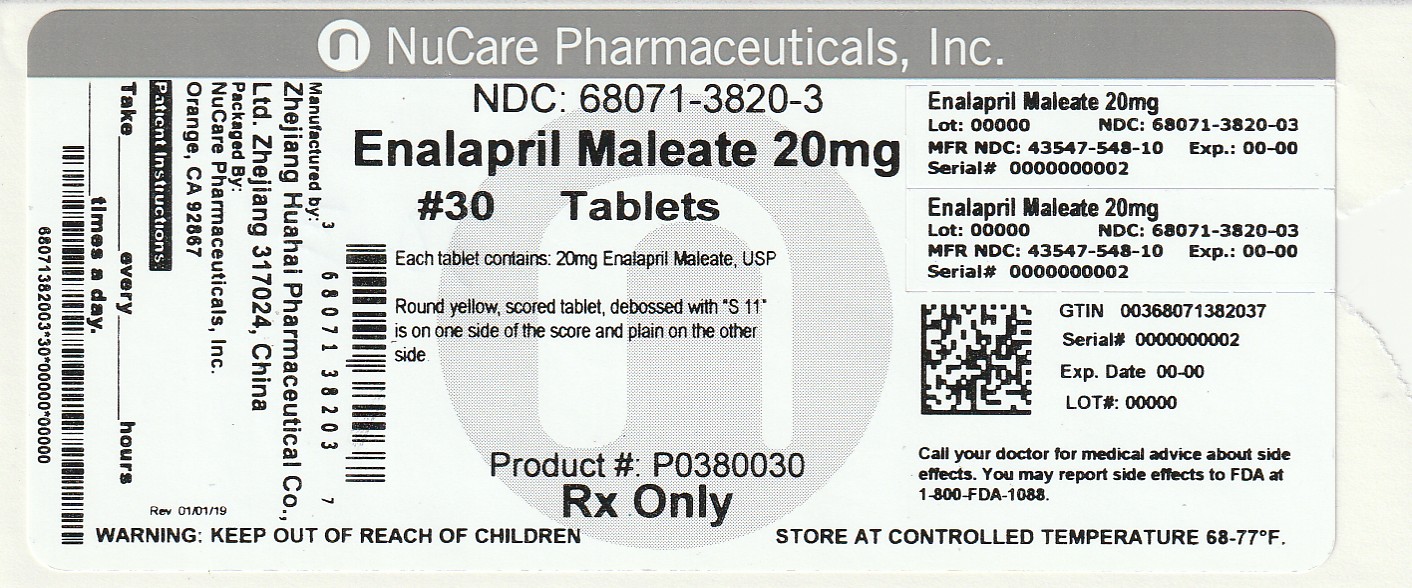
(enalapril · DailyMed)
ENAP 10MG
Enalapril Maleate 10mg
What it does
Enalapril is a medication that helps lower blood pressure and is part of a class of drugs known as ACE inhibitors.
Commonly used for: high blood pressure (hypertension), heart failure
Read more in plain English ↓Plain-language summary for general understanding - not medical advice. Always follow your pharmacist/doctor.
Ask about this medicine
Answers come only from this medicine's registration record, BNF monograph and interaction data - not medical advice.
Medicine sourcing is available in Kenya only. We don't sell or dispense medicines - licensed pharmacies do.
Sourcing - Kenya onlyRegistration & product details
Source: Botswana Medicines Regulatory Authority · fetched 2026-09-18 04:32:20
About this medicine
Enalapril is a medication that helps lower blood pressure and is part of a class of drugs known as ACE inhibitors.
What it treats
- high blood pressure (hypertension)
- heart failure
How it works
Enalapril works by relaxing blood vessels, which helps to lower blood pressure and improve blood flow.
Who it's for
This medication is used for adults with high blood pressure or heart-related conditions.
Drug class
ACE inhibitors
Cautions
- • Be careful if you are taking other medications that can lower blood pressure.
- • Avoid medications that may lower blood pressure too much.
- • Use caution if taking drugs that increase potassium levels in the blood.
AI-assisted summary grounded in BNF data - general information only, not medical advice. Always confirm with your pharmacist or doctor.
Clinical monograph: enalapril
BNF-referencedEnalapril is an antihypertensive medication belonging to the class of angiotensin-converting enzyme (ACE) inhibitors. It is primarily used to treat hypertension and heart failure, improving cardiac performance and reducing blood pressure without increasing heart rate. Enalapril exhibits natriuretic and uricosuric effects and is effective in various populations, including those with low-renin hypertension.
Indications
- Hypertension
- Heart failure
- Left ventricular dysfunction following myocardial infarction
- Diabetic nephropathy
Dosage
Children: Refer to the BNF for Children for appropriate paediatric dosing guidelines.
Adults: For the treatment of hypertension, the initial dose is typically 5 mg daily, which can be adjusted based on blood pressure response. The maximum dose is usually 40 mg per day.
Mechanism of action
Enalapril works by inhibiting the angiotensin-converting enzyme (ACE), which prevents the conversion of angiotensin I to angiotensin II, a potent vasoconstrictor. This results in vasodilation, reduced peripheral vascular resistance, and decreased blood pressure. Additionally, it reduces the reuptake of norepinephrine and promotes sodium and water reabsorption, contributing to its antihypertensive effects.
Pharmacodynamics
Enalapril effectively lowers blood pressure in all grades of essential and renovascular hypertension and does so without increasing heart rate. Its antihypertensive effects last for at least 24 hours, and with continuous use, a steady-state response may develop over several weeks. In patients with congestive heart failure, enalapril improves cardiac output and reduces both preload and afterload, resulting in enhanced clinical outcomes.
Pharmacokinetics
Enalapril is administered orally and is rapidly converted to its active metabolite, enalaprilat, which is responsible for its pharmacological effects. It has a bioavailability of approximately 60%, with peak plasma concentrations occurring within 1 hour. The drug is primarily excreted by the kidneys, necessitating dose adjustments in patients with renal impairment. Its half-life is approximately 11 hours, allowing for once-daily dosing in most cases.
Adverse effects
- Cough
- Hyperkalemia
- Hypotension
- Dizziness
- Fatigue
- Angioedema
- Renal impairment
Interactions
- Potassium-sparing diuretics may increase the risk of hyperkalemia.
- NSAIDs may reduce the antihypertensive effect of enalapril.
- Other antihypertensive agents may have additive effects on blood pressure.
- Lithium levels may increase when used concurrently with enalapril.
Precautions
- Monitor renal function before and during treatment.
- Use with caution in patients with a history of angioedema.
- Discontinue if signs of angioedema occur.
- Consider risk of hyperkalemia in patients with renal impairment.
Pregnancy
Enalapril is contraindicated during pregnancy as it may cause injury or death to the developing fetus, particularly in the second and third trimesters.
Breast-feeding
Enalapril should be used with caution during breastfeeding as it is excreted in breast milk.
Storage
Store at room temperature, away from moisture and heat. Keep out of reach of children.
Formulations
- Tablets: 2.5 mg, 5 mg, 10 mg, 20 mg
AI-synthesized from BNF references - general information only, not a substitute for professional medical advice or the current BNF. Verify doses with a pharmacist.
Clinical monograph: Enalaprilmaleate
BNF-referencedEnalapril maleate is an angiotensin-converting enzyme (ACE) inhibitor used primarily in the management of hypertension and heart failure. As a prodrug, it is converted in the body to enalaprilat, which is the active form that exerts its therapeutic effects. Enalapril helps to lower blood pressure by inhibiting the conversion of angiotensin I to angiotensin II, a potent vasoconstrictor, thus leading to vasodilation and decreased blood volume.
Indications
- Hypertension
- Heart failure
- Prophylaxis of symptomatic heart failure after renal impairment
- Myocardial infarction in clinically stable patients with left ventricular dysfunction
- Diabetic nephropathy in type 1 diabetes mellitus
Dosage
Adults: Initially 2.5 mg
Mechanism of action
Enalapril maleate functions as an ACE inhibitor, blocking the enzyme that converts angiotensin I to angiotensin II. This reduction in angiotensin II levels leads to decreased vasoconstriction, lower levels of aldosterone secretion, and ultimately results in reduced blood pressure and decreased workload on the heart. Additionally, it promotes diuresis by reducing fluid retention.
Pharmacodynamics
The pharmacodynamics of enalapril involve the reduction of peripheral vascular resistance, resulting in decreased blood pressure. It also reduces preload and afterload on the heart, making it beneficial for patients with heart failure. The onset of action typically occurs within one hour after oral administration, with peak effects seen at 4 to 6 hours. The duration of action can extend up to 24 hours, allowing for once-daily dosing in most cases.
Pharmacokinetics
Enalapril is rapidly absorbed after oral administration, with peak plasma concentrations occurring within 1 hour. It undergoes hepatic conversion to enalaprilat, which is responsible for its pharmacological effects. The elimination half-life of enalaprilat ranges from 11 to 30 hours, allowing for effective blood pressure control with once-daily dosing. Renal impairment can significantly affect the clearance of enalaprilat; therefore, dose adjustments may be necessary based on the patient's renal function. Enalapril is primarily excreted by the kidneys, and care should be taken in patients with renal impairment.
Contra-indications
- History of hypersensitivity to enalapril or any ACE inhibitor
- Angioedema related to previous ACE inhibitor therapy
- Pregnancy
- Severe renal impairment (creatinine clearance less than 10 mL/min)
- Aortic stenosis
- Uncontrolled heart failure
Adverse effects
- Hypotension
- Hyperkalemia
- Cough
- Dizziness
- Fatigue
- Nausea
- Diarrhea
- Renal impairment
- Angioedema
- Rash
- Gynaecomastia
- Sleep disorders
- Aplastic anemia (rare)
Interactions
- Diuretics may enhance the hypotensive effect of enalapril
- Potassium-sparing diuretics may increase the risk of hyperkalemia
- NSAIDs may reduce the antihypertensive effect
- Lithium levels may increase when used concurrently
- Other antihypertensives may have additive effects
Precautions
- Monitor renal function and potassium levels during treatment
- Caution in patients with renal artery stenosis
- Caution in patients with a history of angioedema
- Gradual dose adjustments recommended in renal impairment
- Use with caution in patients with hepatic impairment
Pregnancy
Enalapril is contraindicated during pregnancy as it may cause fetal harm, including renal dysfunction and skull malformation.
Breast-feeding
Avoid in the first few weeks postpartum, particularly in preterm infants due to the risk of profound neonatal hypotension. Can be used in breastfeeding mothers if essential, but infant's blood pressure should be monitored.
Storage
Store in a cool, dry place away from light. Keep out of reach of children.
Formulations
- Enalapril 2.5 mg tablets
- Enalapril 5 mg tablets
- Enalapril 10 mg tablets
- Enalapril 20 mg tablets
- Enalapril 25 mg tablets
- Enalapril oral solution
AI-synthesized from BNF references - general information only, not a substitute for professional medical advice or the current BNF. Verify doses with a pharmacist.
Molecular reference: enalapril
PubChem CID 5388962Molecular formula: C20H28N2O5
Mechanism of action
The renin-angiotensin-aldosterone system (RAAS) is a signaling pathway that works in synergism with the sympathetic system to regulate blood pressure and fluid and electrolyte homeostasis. Activation of this system upon stimulation by different factors, such as low blood pressure and nerve impulses, leads to increased release of norepinephrine (NE) from sympathetic nerve terminals and effects on the vascular growth, vasoconstriction, and salt retention in the kidneys. Renin is released from Renin acts on the precursor prottein angiotensinogen, which is a plasma globulin synthesized from the liver, to produce cleaved peptide hormone angiotensin I. Angiotensin I then can be further cleaved by ACE to produce angiotensin II, a vasoconstrictive peptide hormone. Present in different isoforms, angiotensin converting enzyme (ACE) is peptidyl dipeptidase enzyme expressed in various tissues, including the vascular tissues, such as the heart, brain, and kidneys. ACE also plays a role in inactivation of bradykinin, a potent vasodepressor peptide. Angiotensin II mediates various actions on the body by working on its G-protein coupled receptors, AT1 and AT2. It causes direct vasoconstriction of precapillary arterioles and postcapillary venules, inhibits the reuptake of NE thereby increasing available levels, stimulates the release of catecholamines from the adrenal medulla, reduces urinary excretion of sodium ions and water by promoting proximal tubular reabsorption, stimulates synthesis and release of aldosterone from the adrenal cortex, and stimulates hypertrophy of both vascular smooth muscle cells and cardiac myocytes. Enalapril is a pharmacologically inactive prodrug that requires hepatic biotransformation to form [enalaprilat], its active metabolite that works on the RAAS to inhibit ACE. Biotransformation is critial for the therapeutic actions of the drug, as enalapril itself is only a weak inhibitor of ACE. ACE inhibition results in reduced production and plasma levels of angiotensin II, increased plasma renin activity due to the loss of feedback inhibition by angiotensin II, and decreased aldosterone secretion. However, plasma aldosterone levels usually return to normal during long-term administration of enalapril. Decreased levels of angiotensin II subsequently leads to the dilatation of peripheral vessles and reduced vascular resistance which in turn lower blood pressure. While inhibition of ACE leading to suppression of RAAS is thought to be the primary mechanism of action of enalapril, the drug was shown to still exert antihypertensive effects on individuals with low-renin hypertension. It is suggested that enalapril may mediate its pharmacological actions via other modes of action that are not fully understood. As ACE is structurally similar to kininase I, which is a carboxypeptidase that degrades bradykinin, whether increased levels of bradykinin play a role in the therapeutic effects of enalapril remains to be elucidated. Enalapril maleate is a prodrug of enalaprilat and has little pharmacologic activity until hydrolyzed in vivo to enalaprilat. ... Enalapril prevents the conversion of angiotensin I to angiotensin II (a potent vasoconstrictor) through inhibition of angiotensin-converting enzyme (ACE). The drug competes with physiologic substrate (angiotensin I) for the active site of ACE; the affinity of enalaprilat for ACE is approximately 200,000 times greater than that of angiotensin I. In vitro on a molar basis, the affinity of enalaprilat for ACE is 300-1000 or 2-17 times that of enalapril or captopril, respectively. However, in vitro on a molar basis, the ACE-inhibitory effect of enalapril was shown to be similar to that of enalaprilat in rat plasma and kidneys, because these tissues extensively hydrolyze enalapril to form enalaprilat. The drug apparently does not inhibit brain ACE in animals.
Pharmacodynamics
Enalapril is an antihypertensive agent that exhibits natriuretic and uricosuric properties. Enalapril lowers blood pressure in all grades of essential and renovascular hypertension, and peripheral vascular resistance without causing an increase in heart rate. Individuals with low-renin hypertensive population were still responsive to enalapril. The duration of hypertensive effect in the systolic and diastolic blood pressure persists for at least 24 hours following initial administration of a single oral dose, and repeated daily administration of enalapril confers an additional reduction in blood pressure and a steady-state antihypertensive response may take several weeks. In patients with severe congestive heart failure and inadequate clinical response to conventional antihypertensive therapies, treatment with enalapril resulted in improvements in cardiac performance as observed by a reduction in both preload and afterload, and improved clinical status long-term. Furthermore, enalapril was shown to increase cardiac output and stroke volume while decreasing pulmonary capillary wedge pressure in patients with congestive heart failure refractory to conventional treatment with digitalis and diuretics. In clinical studies, enalapril reduced left ventricular mass, and did not affect cardiac function or myocardial perfusion during exercise. Enalapril is not highly associated with the risk of bradycardia unlike most diuretics and beta-blockers and it does not produce rebound hypertension upon discontinuation of therapy. Enalapril is not reported to produce hypokalaemia, hyperglycaemia, hyperuricaemia or hypercholesterolaemia. In the kidneys, enalapril was shown to increase renal blood flow and decrease renal vascular resistance. It also augmented the glomerular filtration rate in patients with a glomerular filtration rate less than 80 mL/min. When used in combination, enalapril was shown to attenuate the extent of drug-induced hypokalemia caused by hydrochlorothiazide and the antihypertensive effects of both drugs were potentiated.
Source: PubChem (NCBI) · pathways from PathBank, Reactome, WikiPathways & PharmGKB.
Molecular reference: Enalaprilmaleate
PubChem CID 5462344Molecular formula: C24H32N2O9
Source: PubChem (NCBI) · pathways from PathBank, Reactome, WikiPathways & PharmGKB.
This drug in other countries
The same active ingredient registered across other registries we cover - including different brands.
- ACEPRIL TABLETS · Laboratory & Allied
- BQL 5 TABLETS · Zawadi Healthcare
- CADPRIL · Zain Pharma
- CARDACE 10MG TABLETS · Cosmos
- CARDACE 20MG TABLETS · Cosmos
- CARDACE 5MG TABLETS · Cosmos
- AMPRIL_10 10MG UNCOATED TABLET
- AMPRIL_5 5MG UNCOATED TABLET
- DAWAPRIL_10 10MG TABLET
- DAWAPRIL_5 5MG TABLET
- DILVAS-10 10MG TABLET
- DILVAS-5 5MG TABLET