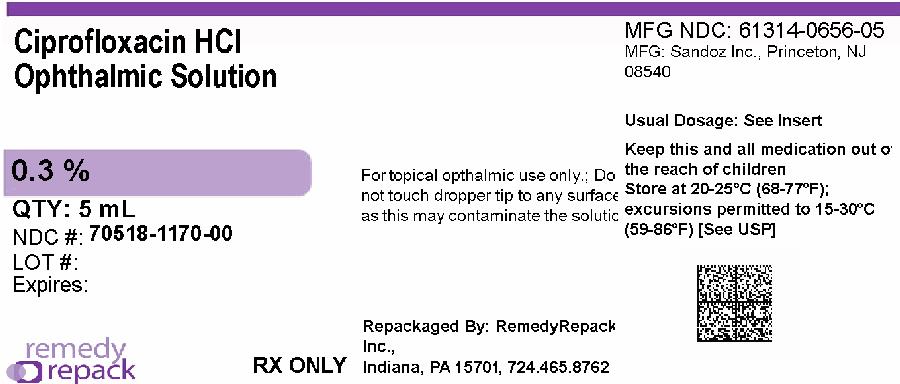
(ciprofloxacin · DailyMed)
Epirocin
Acetic Acid Glacial 0.5 mg,Benzalkonium chloride 0.6 mg,Ciprofloxacin Hydrochloride equivalent to Ciprofloxacin 3 mg/ml,Disodium Edetate 0.5 mg,Mannitol 46 mg,Sodium Acetate Anhydrous 1.2 mg,Sodium Hydroxide, QS ml,Water for Injection TO 1 ML ml
What it does
Acetic acid is often used in medical settings for various purposes, including treating certain conditions.
Commonly used for: ear infections (otitis), skin infections, wound cleaning
Read more in plain English ↓Plain-language summary for general understanding - not medical advice. Always follow your pharmacist/doctor.
Ask about this medicine
Answers come only from this medicine's registration record, BNF monograph and interaction data - not medical advice.
Medicine sourcing is available in Kenya only. We don't sell or dispense medicines - licensed pharmacies do.
Sourcing - Kenya onlyRegistration & product details
Source: Tanzania Medicines and Medical Devices Authority · fetched 2026-03-11 23:39:44
Drug Interactions
41Severe (2)
Quinolones - decreases absorption
Strontiumispredictedtodecreasetheabsorptionof quinolones.Avoid.oTheoretical
Tizanidine - increases exposure
Ciprofloxacin increases the exposure to tizanidine. Avoid.
Moderate (16)
Aminophylline - increases exposure
Ciprofloxacin is predicted to increase the exposure to aminophylline. Adjust dose.
Antiepileptics - affects concentration
Ciprofloxacin affects the concentration of antiepileptics (fosphenytoin, phenytoin). Monitor concentration and adjust dose.
Antipsychotics, Second Generation - increases concentration
Ciprofloxacin increases the concentration of antipsychotics, second generation (clozapine). Monitor adverse effects and adjust dose.
Antipsychotics, Second Generation - increases exposure
Ciprofloxacin is predicted to increase the exposure to antipsychotics, second generation (olanzapine). Adjust dose.
Clozapine - increases concentration
Ciprofloxacin increases the concentration of antipsychotics, second generation (clozapine). Monitor adverse effects and adjust dose.
Unknown (23)
Agomelatine - increases exposure
Ciprofloxacin is predicted to increase the exposure to agomelatine.
Anaesthetics,local - increases exposure
Ciprofloxacin is predicted to increase the exposure to anaesthetics, local (ropivacaine).
Anagrelide - increases exposure
Ciprofloxacinispredictedtoincreasetheexposureto anagrelide.oTheoretical
Antiarrhythmics - increases exposure
Ciprofloxacin slightly increases the exposure to antiarrhythmics (lidocaine).
Chlorpromazine - increases exposure
Ciprofloxacin is predicted to increase the exposure to phenothiazines (chlorpromazine).
Data from BNF 85 (British National Formulary). This is not a substitute for professional medical advice. Matched via: class
About acetic
Acetic acid is often used in medical settings for various purposes, including treating certain conditions.
What it treats
- ear infections (otitis)
- skin infections
- wound cleaning
How it works
Acetic acid helps to create an environment that can kill harmful bacteria and promote healing.
Who it's for
Acetic acid can be used by people suffering from specific infections or conditions as directed by a healthcare professional.
AI-assisted summary grounded in BNF data - general information only, not medical advice. Always confirm with your pharmacist or doctor.
About benzalkonium
Benzalkonium is a disinfectant and antiseptic used to kill germs and prevent infections.
What it treats
- skin infections
- wound cleaning
- eye infections
- nasal congestion relief
How it works
Benzalkonium works by disrupting the cell membranes of bacteria and viruses, effectively killing them.
Who it's for
It is suitable for adults and children needing antiseptic treatment or disinfection.
Cautions
- • Avoid contact with eyes and sensitive skin.
- • Do not use on deep wounds or serious burns.
AI-assisted summary grounded in BNF data - general information only, not medical advice. Always confirm with your pharmacist or doctor.
About ciprofloxacin
Ciprofloxacin is an antibiotic used to treat various bacterial infections.
What it treats
- bacterial infections of the lungs (pneumonia)
- urinary tract infections (UTIs)
- skin infections
- gastrointestinal infections
How it works
It works by stopping the growth of bacteria in the body.
Who it's for
Ciprofloxacin is for adults and children who need treatment for bacterial infections.
Drug class
Quinolones
AI-assisted summary grounded in BNF data - general information only, not medical advice. Always confirm with your pharmacist or doctor.
About disodium
Disodium is a compound that may be used in various medical applications, particularly in maintaining electrolyte balance.
What it treats
- maintaining salt and water balance in the body
- supporting kidney function
How it works
Disodium helps to regulate the levels of sodium in the body, which is important for many bodily functions, including nerve and muscle activity.
Who it's for
It is usually prescribed for individuals who need help with electrolyte balance, such as those with certain kidney conditions or those undergoing specific treatments.
AI-assisted summary grounded in BNF data - general information only, not medical advice. Always confirm with your pharmacist or doctor.
About edetate
Edetate is used to treat conditions caused by metal poisoning, such as lead or mercury poisoning.
What it treats
- metal poisoning
- lead poisoning
- mercury poisoning
How it works
Edetate works by binding to heavy metals in the body, helping to remove them through urine.
Who it's for
It is for individuals who have been exposed to harmful levels of certain metals.
AI-assisted summary grounded in BNF data - general information only, not medical advice. Always confirm with your pharmacist or doctor.
About glacial
Glacial is a medicinal product used for specific health conditions.
How it works
The exact way glacial works in the body is not specified, but it is used in certain treatments.
Who it's for
Glacial may be suitable for individuals needing specific medical treatment.
AI-assisted summary grounded in BNF data - general information only, not medical advice. Always confirm with your pharmacist or doctor.
About hydroxide
Hydroxide is a compound used to help neutralize stomach acid and relieve indigestion or heartburn.
What it treats
- indigestion
- heartburn
How it works
Hydroxide works by neutralizing the excess acid in the stomach, which helps to reduce discomfort.
Who it's for
Hydroxide is suitable for adults and children experiencing symptoms of excess stomach acid.
AI-assisted summary grounded in BNF data - general information only, not medical advice. Always confirm with your pharmacist or doctor.
About mannitol
Mannitol is a type of sugar alcohol used mainly to help reduce swelling and pressure in the body, especially in the eyes and brain.
What it treats
- reducing pressure in the brain (intracranial hypertension)
- treating eye swelling (ocular hypertension)
- promoting urine production in kidney failure
How it works
Mannitol works by drawing water out of tissues and into the bloodstream, helping to decrease swelling and pressure.
Who it's for
Mannitol is typically used for patients with conditions that cause high pressure in the brain or eyes, and those with certain kidney issues.
AI-assisted summary grounded in BNF data - general information only, not medical advice. Always confirm with your pharmacist or doctor.
Clinical monograph: Ciprofloxacin
BNF-referencedCiprofloxacin is a broad-spectrum antibiotic belonging to the fluoroquinolone class, effective against a wide range of both Gram-negative and Gram-positive bacteria. It works primarily by inhibiting bacterial DNA gyrase and topoisomerase IV, enzymes crucial for DNA replication and transcription. This inhibition leads to the death of susceptible bacteria, making ciprofloxacin a valuable option in treating various bacterial infections, including urinary tract infections, respiratory infections, and skin infections.
Indications
- Bacterial infections
- Urinary tract infections
- Respiratory tract infections
- Skin and soft tissue infections
- Acute pyelonephritis
- Severe diabetic foot infections
- Anthrax (treatment and post-exposure prophylaxis)
- Disseminated gonococcal infection (unlicensed)
Mechanism of action
Ciprofloxacin acts on bacterial topoisomerase II (DNA gyrase) and topoisomerase IV. It binds to the alpha subunits of DNA gyrase, preventing the supercoiling of bacterial DNA, which is essential for DNA replication. This inhibition leads to bacterial cell death. Ciprofloxacin exhibits bactericidal activity during both logarithmic and stationary growth phases, particularly against organisms like Escherichia coli and Pseudomonas aeruginosa.
Pharmacodynamics
Ciprofloxacin is characterized by its potent activity against many Gram-negative and some Gram-positive bacteria, achieved through its mechanism of action on DNA gyrase and topoisomerase IV. It binds with significantly higher affinity to bacterial DNA gyrase compared to mammalian enzymes, thus minimizing potential side effects. There is no cross-resistance between ciprofloxacin and other antibiotic classes, which enhances its use in cases of antibiotic resistance. Additionally, ciprofloxacin is under investigation for potential effects against malaria, cancers, and AIDS.
Pharmacokinetics
Ciprofloxacin is rapidly absorbed after oral administration, with bioavailability around 70-80%. It is widely distributed in body tissues and fluids, including the lungs, liver, kidneys, and prostate. The drug undergoes hepatic metabolism and is primarily excreted via the kidneys, with a half-life of about 4 hours. Dosing adjustments may be necessary in renal impairment. Ciprofloxacin's pharmacokinetic profile supports its efficacy in treating systemic infections.
Contra-indications
- Hypersensitivity to ciprofloxacin or other quinolones
- Concurrent use with tizanidine
Adverse effects
- Nausea
- Diarrhea
- Headache
- Dizziness
- Tendon rupture
- QT interval prolongation
- Photosensitivity
- Rash
- Superinfection
Interactions
- Severe: ciprofloxacin + tizanidine (increases exposure)
- Moderate: ciprofloxacin + aminophylline (increases exposure)
- Moderate: ciprofloxacin + antiepileptics (affects concentration)
- Moderate: ciprofloxacin + fosphenytoin (affects concentration)
- Moderate: ciprofloxacin + phenytoin (affects concentration)
- Moderate: ciprofloxacin + antipsychotics (increases concentration)
- Moderate: ciprofloxacin + clozapine (increases concentration)
- Moderate: ciprofloxacin + olanzapine (increases exposure)
- Moderate: ciprofloxacin + dopaminereceptor agonists (increases exposure)
Precautions
- Risk of arthropathy in children
- History of tendon disorders
- Concurrent use of drugs that prolong the QT interval
- Ensure adequate hydration to prevent crystalluria
- Monitor for signs of superinfection
Pregnancy
Avoid in pregnancy due to potential risk of arthropathy in animal studies; safer alternatives should be considered.
Breast-feeding
Ciprofloxacin is excreted in breast milk; caution is advised when administered to nursing mothers.
Storage
Store at room temperature, away from moisture and heat. Protect from light.
Formulations
- Oral tablet: 250 mg, 500 mg, 750 mg
- Intravenous infusion: 400 mg/200 mL
- Eye drops: concentration may vary
AI-synthesized from BNF references - general information only, not a substitute for professional medical advice or the current BNF. Verify doses with a pharmacist.
Clinical monograph: Mannitol
BNF-referencedMannitol is an osmotic diuretic and a sugar alcohol that is used primarily to reduce elevated intracranial pressure and to promote diuresis in various medical conditions, including cerebral edema and acute kidney injury. It is metabolically inert in humans and is eliminated primarily through the kidneys. Mannitol works by elevating blood plasma osmolality, drawing water out of tissues and into the bloodstream, which helps to reduce fluid volume and pressure in the brain and other compartments.
Indications
- Cerebral edema
- Elevated intracranial pressure
- Acute kidney injury
- Oliguria
- Glaucoma
- Renal function diagnostic aid
Dosage
Adults: For cerebral edema, administer 0
Mechanism of action
Mannitol elevates blood plasma osmolality, resulting in enhanced flow of water from tissues, including the brain and cerebrospinal fluid, into interstitial fluid and plasma. This action reduces cerebral edema and intracranial pressure. As a diuretic, it increases the osmolality of glomerular filtrate, leading to increased urinary excretion of water and preventing sodium and chloride reabsorption in the renal tubules. Mannitol also facilitates the urinary excretion of toxic substances and can help in assessing renal function by measuring glomerular filtration rate (GFR).
Pharmacodynamics
Mannitol is classified as an osmotic diuretic. It is chemically similar to other sugar alcohols but has a unique ability to promote diuresis by remaining unabsorbed in the renal tubules. Its use is indicated for conditions associated with increased body fluids, such as cerebral edema and glaucoma. Mannitol may be combined with other diuretics to enhance diuretic efficacy. Inhaled formulations are used in cystic fibrosis, though they may cause bronchospasm and hemoptysis.
Pharmacokinetics
Mannitol is freely filtered by the glomeruli with less than 10% tubular reabsorption, which allows for its urinary excretion rate to serve as a measurement of GFR. It does not undergo significant metabolism and is eliminated primarily through the kidneys. The onset of action occurs within 30 to 60 minutes after intravenous administration, with effects lasting for several hours. Administration may require monitoring of renal function and fluid balance.
Contra-indications
- Anuria
- Severe dehydration
- Severe renal impairment
- Intracranial bleeding
Adverse effects
- Asthenia
- Gastrointestinal disturbances
- Dry mouth
- Confusion
- Visual impairment
- Hypotension
- Electrolyte imbalances
- Pulmonary edema
- Hemoptysis (with inhalation use)
- Bronchospasm (with inhalation use)
Interactions
- Potassium-sparing diuretics may increase the risk of hyperkalemia
- Other diuretics may have additive effects
- Caution with nephrotoxic agents
Precautions
- Caution in patients with diabetes mellitus
- Caution in the elderly
- Caution in patients with gout
- Caution in patients with hepatic impairment
- Monitor renal function and electrolytes regularly
- May cause blue fluorescence of urine
Pregnancy
Manufacturer advises avoid due to potential toxicity in animal studies.
Breast-feeding
Manufacturer advises avoid due to lack of information available.
Storage
Store in a cool, dry place, away from light. Do not freeze.
Formulations
- Solution for injection
- Inhalation powder
- Oral solution
AI-synthesized from BNF references - general information only, not a substitute for professional medical advice or the current BNF. Verify doses with a pharmacist.
Clinical monograph: Benzalkoniumchloride
BNF-referencedBenzalkonium chloride is a quaternary ammonium compound used primarily as an antiseptic and disinfectant. It is effective against a broad spectrum of microorganisms, including bacteria, viruses, and fungi, making it suitable for various topical applications.
Indications
- Seborrhoeic dermatitis
- Dandruff
- Scalp psoriasis
- Bacterial infections affecting the scalp
Dosage
Children: For children, apply 3 times a week for 1 week, then apply twice weekly as needed. Refer to BNF for Children for further details.
Adults: Apply to the affected area as directed, typically 1-3 times weekly depending on the condition being treated. Refer to specific product guidelines for detailed dosing.
Mechanism of action
Benzalkonium chloride exerts its antimicrobial effect by disrupting the cell membrane of microorganisms, leading to leakage of cellular contents and ultimately cell death. This is facilitated by its cationic nature, which allows it to bind to negatively charged bacterial surfaces.
Pharmacodynamics
Benzalkonium chloride demonstrates rapid bactericidal activity, with effectiveness observed against gram-positive and gram-negative bacteria, fungi, and some viruses. Its antiseptic properties may be enhanced in the presence of moisture and are typically influenced by the concentration of the solution used.
Pharmacokinetics
Benzalkonium chloride is poorly absorbed through the skin. After topical application, it remains primarily at the site of application, where it exerts localized effects. Systemic absorption is minimal, and it is primarily eliminated through the skin and urine. However, specific pharmacokinetic data may vary based on formulation and application site.
Pregnancy
Benzalkonium chloride should be used with caution during pregnancy. Refer to specific guidelines or consult a healthcare professional.
Breast-feeding
Benzalkonium chloride should be used with caution while breastfeeding. Refer to specific guidelines or consult a healthcare professional.
Storage
Store in a cool, dry place away from direct sunlight. Keep out of reach of children.
Formulations
- Shampoo
- Soap or detergent
- Topical solution
AI-synthesized from BNF references - general information only, not a substitute for professional medical advice or the current BNF. Verify doses with a pharmacist.
Clinical monograph: acetic
Acetic acid, commonly known as vinegar when diluted, is a colorless organic compound with a pungent smell and sour taste. It is primarily used in various applications including food preservation, flavoring, and as a chemical reagent. In medicine, it has antiseptic properties and is utilized in various formulations for its therapeutic effects, particularly in treating infections and as an astringent.
Indications
- Infections (topical treatment)
- Wound care (as an antiseptic)
- Ear infections (as an ear drop solution)
- Acid-base balance in metabolic acidosis
Dosage
Children: Refer to established guidelines as dosage may vary based on the formulation and indication.
Adults: Refer to established guidelines as dosage may vary based on the formulation and indication.
Mechanism of action
Acetic acid exerts its effects primarily through its ability to lower pH levels, creating an acidic environment which is inhospitable to many pathogens. It can disrupt the integrity of microbial cell membranes, leading to cell lysis and death. Additionally, acetic acid can promote the healing of wounds and enhance the absorption of certain medications when used as a solvent.
Pharmacodynamics
The pharmacodynamics of acetic acid involve its interaction with biological systems, leading to changes in cellular functions. Its acidic nature helps in the denaturation of proteins and disruption of microbial metabolism. This contributes to its antibacterial and antifungal activities, making it effective against a range of pathogens.
Pharmacokinetics
Acetic acid is rapidly absorbed in the gastrointestinal tract when ingested. It is metabolized primarily in the liver, converting to acetyl CoA and subsequently entering various metabolic pathways including the citric acid cycle. The elimination half-life varies but is generally short, with excretion occurring mainly via urine. When applied topically, absorption is minimal, and local effects are predominant.
Pregnancy
The safety of acetic acid during pregnancy has not been established. Use only if the potential benefit justifies the potential risk to the fetus.
Breast-feeding
There is no specific information available regarding the use of acetic acid during breastfeeding. Caution is advised.
Storage
Store in a cool, dry place away from direct sunlight. Keep tightly closed in a well-ventilated area.
AI-synthesized from BNF references - general information only, not a substitute for professional medical advice or the current BNF. Verify doses with a pharmacist.
Clinical monograph: benzalkonium
BNF-referencedBenzalkonium chloride is a cationic surfactant and biocidal agent used for its antimicrobial properties. It is commonly utilized as a disinfectant, antiseptic, and preservative in various pharmaceutical and healthcare applications. Its bactericidal action is primarily attributed to its ability to disrupt cellular membranes of microorganisms, leading to loss of cellular integrity and function.
Indications
- Disinfection of surfaces
- Antiseptic for skin
- Preservative in pharmaceuticals
- Treatment of minor cuts and abrasions
Dosage
Children: Refer to the BNF for Children for specific dosing recommendations in pediatric populations.
Adults: Refer to the BNF for specific formulations and concentrations as doses may vary based on the application and preparation.
Mechanism of action
The bactericidal action of benzalkonium chloride is believed to result from the disruption of intermolecular interactions, which leads to the dissociation of cellular membrane lipid bilayers in bacteria. This disruption compromises cellular permeability, causing leakage of vital cellular contents. Moreover, the agent can deactivate important molecular complexes such as enzymes that regulate various respiratory and metabolic activities within the cells. Cationic surfactants like benzalkonium chloride can thus effectively disrupt critical intermolecular interactions and tertiary structures in biochemical systems, impairing bacterial function.
Pharmacodynamics
Benzalkonium chloride is classified as a biocidal agent with a relatively long duration of action. It exhibits a spectrum of activity against various microorganisms, including bacteria, certain viruses, fungi, and protozoa; however, it is ineffective against bacterial spores. The agent tends to demonstrate greater efficacy against gram-positive bacteria compared to gram-negative ones. The mode of action can be bacteriostatic (preventing growth) or bactericidal (killing bacteria), depending on its concentration. The activity of benzalkonium chloride is generally stable across different pH levels but is enhanced at elevated temperatures and with extended exposure.
Pharmacokinetics
The pharmacokinetic properties of benzalkonium chloride, including absorption, distribution, metabolism, and excretion, are not fully characterized. Its topical application limits systemic exposure, and it primarily exerts localized effects at the site of application. The duration of action and efficacy may be influenced by the formulation and concentration used.
Pregnancy
Benzalkonium chloride is generally considered safe for use during pregnancy when applied topically, but systemic absorption should be minimized. Always consult a healthcare provider for use during pregnancy.
Breast-feeding
Benzalkonium chloride is considered safe for topical application during breastfeeding, but care should be taken to avoid exposure to the infant. Consultation with a healthcare provider is recommended.
Storage
Store at room temperature, away from moisture and heat. Keep in a tightly closed container, protected from light.
Formulations
- Topical solution
- Disinfectant wipes
- Liquid antiseptics
AI-synthesized from BNF references - general information only, not a substitute for professional medical advice or the current BNF. Verify doses with a pharmacist.
Clinical monograph: disodium
BNF-referencedDisodium is a chemical compound composed of two sodium ions. It is not commonly referenced as a standalone drug but is often found in various formulations and compounds, particularly in the context of sodium salts. Disodium salts can have various applications in medicine, including as electrolytes in intravenous solutions and in the formulation of certain medications.
Indications
- Electrolyte replacement
- Volume expansion in hypovolemic patients
- Management of hyponatremia
- Support in intravenous fluid therapy
Dosage
Children: Refer to the BNF for Children for appropriate dosing in paediatric patients, as dosages may vary based on the formulation and clinical condition.
Adults: Refer to specific product information or clinical guidelines for dosage recommendations, as disodium is often part of combination products.
Mechanism of action
Disodium compounds often function by providing sodium ions that are essential for various physiological processes. Sodium ions play a critical role in maintaining osmotic balance, nerve impulse transmission, and muscle contraction. In the context of intravenous solutions, disodium helps to restore electrolyte balance in patients.
Pharmacodynamics
The pharmacodynamics of disodium is primarily related to its role in electrolyte balance and fluid homeostasis. Sodium ions are vital for the function of excitable tissues, including neurons and muscle cells. Changes in sodium levels can affect blood pressure, hydration status, and overall cellular function.
Pharmacokinetics
The pharmacokinetics of disodium compounds depend on their specific formulation and route of administration. When administered intravenously, disodium is rapidly distributed in the extracellular fluid, where it helps to maintain osmotic pressure. Sodium is primarily excreted by the kidneys, and its levels can be influenced by fluid intake, dietary sodium, and renal function.
Pregnancy
Use with caution. Consult a healthcare provider for specific guidance.
Breast-feeding
Use with caution. Consult a healthcare provider for specific guidance.
Storage
Store at room temperature, away from moisture and direct sunlight.
AI-synthesized from BNF references - general information only, not a substitute for professional medical advice or the current BNF. Verify doses with a pharmacist.
Clinical monograph: edetate
BNF-referencedEdetate, also known as edetic acid or disodium edetate, is a chelating agent used primarily to treat heavy metal poisoning, particularly lead and mercury. It works by binding to metal ions in the bloodstream, facilitating their excretion from the body. Edetate is also utilized in certain diagnostic procedures and as part of treatment regimens for conditions associated with calcium overload.
Indications
- Lead poisoning
- Mercury poisoning
- Calcium overload
- Certain diagnostic procedures involving heavy metals
Dosage
Children: Refer to the BNF for Children for appropriate dosing information tailored for paediatric patients.
Adults: Refer to the BNF for specific dosing guidelines based on the condition being treated, considering factors such as the severity of metal poisoning and renal function.
Mechanism of action
Edetate functions by forming stable complexes with divalent and trivalent metal ions, including lead and calcium, through its multiple carboxylate and amine groups. This chelation renders the metals more soluble and promotes their renal excretion, thereby reducing their toxic effects in the body.
Pharmacodynamics
The chelation of metals by edetate decreases the free metal concentration in the bloodstream, which mitigates the toxic effects associated with heavy metal accumulation. The efficacy of edetate in removing metals such as lead has been well documented, and its ability to bind calcium can influence calcium homeostasis in certain clinical scenarios.
Pharmacokinetics
Edetate is administered intravenously, with rapid distribution throughout the extracellular fluid. It is primarily excreted unchanged by the kidneys. The onset of action occurs quickly after administration, and the duration depends on the dose and the patient's renal function. The elimination half-life is approximately 1 hour but may vary based on renal clearance.
Contra-indications
- Hypersensitivity to edetate or any component of the formulation
- Severe renal impairment
- Active bleeding disorders
Adverse effects
- Hypocalcemia
- Nausea
- Vomiting
- Diarrhea
- Abdominal pain
- Headache
- Rash
- Fever
Interactions
- May enhance the effects of anticoagulants
- Concurrent use with calcium supplements may reduce effectiveness
- May interfere with the absorption of certain medications due to changes in gastrointestinal motility
Precautions
- Use with caution in patients with renal impairment
- Monitor electrolyte levels, particularly calcium, during treatment
- Assess the patient's hydration status before administration
Pregnancy
Limited data on the use of edetate in pregnancy. Use only if the potential benefit justifies the potential risk to the fetus.
Breast-feeding
Caution is advised as it is not known whether edetate is excreted in human milk. Weigh the risks and benefits before use.
Storage
Store in a cool, dry place, protected from light. Do not freeze.
Formulations
- Edetate disodium injection
- Edetate calcium disodium injection
AI-synthesized from BNF references - general information only, not a substitute for professional medical advice or the current BNF. Verify doses with a pharmacist.
Clinical monograph: glacial
Glacial acetic acid is a colorless liquid organic compound with a pungent smell. It is a key component in the production of vinegar and is used as a chemical reagent and solvent in various industrial applications. In medicine, glacial acetic acid is used for its antiseptic and astringent properties, particularly in the treatment of certain infections and as a topical treatment.
Indications
- Topical treatment of localized infections
- Antiseptic for skin and mucous membrane applications
- Astringent in certain dermatological conditions
Dosage
Children: Refer to professional resources for specific dosing information, as it can vary based on formulation and condition treated.
Adults: Refer to professional resources for specific dosing information, as it can vary based on formulation and condition treated.
Mechanism of action
Glacial acetic acid exerts its effects primarily through its acidic properties, leading to protein denaturation and cell lysis in microbial cells. This action disrupts cellular integrity, promoting the death of bacteria and fungi. Additionally, it can alter the pH of tissues, which may contribute to its antiseptic effects.
Pharmacodynamics
The pharmacodynamic effects of glacial acetic acid are largely attributed to its ability to lower the pH in the local environment, which can inhibit the growth of certain pathogens. Its astringent properties help to reduce secretions and promote tissue contraction, which can be beneficial in managing conditions that involve inflammation or excessive exudation.
Pharmacokinetics
Glacial acetic acid is absorbed through the skin and mucous membranes when applied topically. Once absorbed, it can be metabolized by the liver, with elimination primarily occurring through urine. The exact pharmacokinetic parameters can vary based on the route of administration and the formulation used, but detailed data on half-life and volume of distribution are not well-characterized in standard references.
Pregnancy
Glacial acetic acid should be used during pregnancy only if the potential benefit justifies the potential risk to the fetus. It is classified as a category C drug.
Breast-feeding
It is not known whether glacial acetic acid is excreted in human milk. Caution should be exercised when administering to nursing mothers.
Storage
Store in a tightly closed container, in a cool, dry place away from incompatible substances.
AI-synthesized from BNF references - general information only, not a substitute for professional medical advice or the current BNF. Verify doses with a pharmacist.
Clinical monograph: hydroxide
BNF-referencedHydroxide, represented by the molecular formula HO-, is an anion commonly found in various chemical and biological systems. It plays a crucial role in acid-base chemistry and is a fundamental component in many biochemical pathways. Hydroxide ions are involved in maintaining pH balance in biological systems and participate in various metabolic processes.
Dosage
Children: Refer to specific guidelines for pediatric dosing; consult the BNF for Children for accurate dosage information.
Adults: Refer to specific guidelines for use; dosage may vary based on the context of use.
Mechanism of action
Hydroxide ions act primarily as bases, neutralizing acids to form water and salts. They participate in various biochemical pathways, including selenium metabolism and the degradation of reactive oxygen species. Hydroxide can influence enzyme activity and stability by altering the pH of the environment, thereby affecting metabolic reactions.
Pharmacodynamics
Hydroxide ions can impact biological processes by changing the local pH, which influences enzyme activity, ion transport, and the solubility of other compounds. Their ability to neutralize acids can help regulate physiological pH, contributing to homeostasis in living organisms.
Pharmacokinetics
As an inorganic ion, hydroxide does not undergo traditional pharmacokinetic processes like absorption, distribution, metabolism, or excretion. Instead, it is rapidly equilibrated in biological fluids and participates in acid-base reactions, having immediate effects on the local environment.
Pregnancy
There is limited information regarding the use of hydroxide during pregnancy. Consult a healthcare professional for advice.
Breast-feeding
Limited data is available on the excretion of hydroxide in breast milk. Consult a healthcare professional before use.
Storage
Store in a cool, dry place away from direct sunlight. Keep out of reach of children.
AI-synthesized from BNF references - general information only, not a substitute for professional medical advice or the current BNF. Verify doses with a pharmacist.
Molecular reference: Ciprofloxacin
PubChem CID 2764Molecular formula: C17H18FN3O3
Mechanism of action
Ciprofloxacin acts on bacterial topoisomerase II (DNA gyrase) and topoisomerase IV. Ciprofloxacin's targeting of the alpha subunits of DNA gyrase prevents it from supercoiling the bacterial DNA which prevents DNA replication. The mechanism by which ciprofloxacin's inhibition of DNA gyrase or topoisomerase IV results in death in susceptible organisms has not been fully determined. Unlike beta-lactam anti-infectives, which are most active against susceptible bacteria when they are in the logarithmic phase of growth, studies using Escherichia coli and Pseudomonas aeruginosa indicate that ciprofloxacin can be bactericidal during both logarithmic and stationary phases of growth; this effect does not appear to occur with gram-positive bacteria (e.g., Staphylococcus aureus). In vitro studies indicate that ciprofloxacin concentrations that approximate the minimum inhibitory concentration (MIC) of the drug induce filamentation in susceptible organisms; high concentrations of the drug result in enlarged or elongated cells that may not be extensively filamented. Although the bactericidal effect of some fluoroquinolones (e.g., norfloxacin) evidently requires competent RNA and protein synthesis in the bacterial cell, and concurrent use of anti-infectives that affect protein synthesis (e.g., chloramphenicol, tetracyclines) or RNA synthesis (e.g., rifampin) inhibit the in vitro bactericidal activity of these drugs, the bactericidal effect of ciprofloxacin is only partially reduced in the presence of these anti-infectives. This suggests that ciprofloxacin has an additional mechanism of action that is independent of RNA and protein synthesis. Ciprofloxacin usually is bactericidal in action. Like other fluoroquinolone anti-infectives, ciprofloxacin inhibits DNA synthesis in susceptible organisms via inhibition of the enzymatic activities of 2 members of the DNA topoisomerase class of enzymes, DNA gyrase and topoisomerase IV. DNA gyrase and topoisomerase IV have distinct essential roles in bacterial DNA replication. DNA gyrase, a type II DNA topoisomerase, was the first identified quinolone target; DNA gyrase is a tetramer composed of 2 GyrA and 2 GyrB subunits. DNA gyrase introduces negative superhelical twists in DNA, an activity important for initiation of DNA replication. DNA gyrase also facilitates DNA replication by removing positive super helical twists. Topoisomerase IV, another type II DNA topoisomerase, is composed of 2 ParC and 2 ParE subunits. DNA gyrase and topoisomerase IV are structurally related; ParC is homologous to GyrA and ParE is homologous to GyrB. Topoisomerase IV acts at the terminal states of DNA replication by allowing for separation of interlinked daughter chromosomes so that segregation into daughter cells can occur. Fluoroquinolones inhibit these topoisomerase enzymes by stabilizing either the DNA-DNA gyrase complex or the DNA-topoismerase IV complex; these stabilized complexes block movement of the DNA replication fork and thereby inhibit DNA replication resulting in cell death. ... Ciprofloxacin is cytotoxic to a variety of cultured mammalian cell lines at concn that deplete cells of mtDNA. The IC50 values for ciprofloxacin varied from 40-80 ug/ml depending on the cell line tested. Cytotoxicity required continuous exposure of cells to drug for 2-4 days, which corresponded to approx three or four cell doublings. Shorter times of drug exposure did not cause significant cytotoxicity. In addition, cells became drug resistant when they were grown under conditions that bypassed the need for mitochondrial respiration. Resistance was not due to a decr in cellular drug accumulation, ... /indicating/ that ciprofloxacin cytotoxicity is caused by the loss of mtDNA encoded functions. Analysis of mtDNA from ciprofloxacin treated cells revealed the presence of site specific, double stranded DNA breaks. ... Exonuclease protection studies indicated that the 5'-, but not the 3', ends of the drug induced DNA breaks were tightly assoc
Pharmacodynamics
Ciprofloxacin is a second generation fluoroquinolone that is active against many Gram negative and Gram positive bacteria. It produces its action through inhibition of bacterial DNA gyrase and topoisomerase IV. Ciprofloxacin binds to bacterial DNA gyrase with 100 times the affinity of mammalian DNA gyrase. There is no cross resistance between fluoroquinolones and other classes of antibiotics, so it may be of clinical value when other antibiotics are no longer effective. Ciprofloxain and its derivatives are also being investigated for its action against malaria, cancers, and AIDS.
Biological pathways
Source: PubChem (NCBI) · pathways from PathBank, Reactome, WikiPathways & PharmGKB.
Molecular reference: Mannitol
PubChem CID 6251Molecular formula: C6H14O6
Mechanism of action
Mannitol is an osmotic diuretic that is metabolically inert in humans and occurs naturally, as a sugar or sugar alcohol, in fruits and vegetables. Mannitol elevates blood plasma osmolality, resulting in enhanced flow of water from tissues, including the brain and cerebrospinal fluid, into interstitial fluid and plasma. As a result, cerebral edema, elevated intracranial pressure, and cerebrospinal fluid volume and pressure may be reduced. As a diurectic mannitol induces diuresis because it is not reabsorbed in the renal tubule, thereby increasing the osmolality of the glomerular filtrate, facilitating excretion of water, and inhibiting the renal tubular reabsorption of sodium, chloride, and other solutes. Mannitol promotes the urinary excretion of toxic materials and protects against nephrotoxicity by preventing the concentration of toxic substances in the tubular fluid. As an Antiglaucoma agent mannitol levates blood plasma osmolarity, resulting in enhanced flow of water from the eye into plasma and a consequent reduction in intraocular pressure. As a renal function diagnostic aid mannitol is freely filtered by the glomeruli with less than 10% tubular reabsorption. Therefore, its urinary excretion rate may serve as a measurement of glomerular filtration rate (GFR). The exact mechanism of action of inhaled mannitol in the symptomatic maintenance treatment of cystic fibrosis remains unclear. It is hypothesized that mannitol produces an osmotic gradient across the airway epithelium that draws fluid into the extracellular space and alters the properties of the airway surface mucus layer, allowing easier mucociliary clearance. MANNITOL IS.../USED/ IN PROPHYLAXIS OF ACUTE RENAL FAILURE. IT IS USED FOR THIS PURPOSE IN CONDITIONS AS DIVERSE AS CARDIOVASCULAR OPERATIONS, SEVERE TRAUMATIC INJURY, OPERATIONS IN THE PRESENCE OF SEVERE JAUNDICE, AND MGMNT OF HEMOLYTIC TRANSFUSION REACTIONS. IN EACH OF THESE CONDITIONS, A PRECIPITOUS FALL IN THE FLOW OF URINE MAY BE ANTICIPATED EITHER AS THE RESULT OF AN ACUTELY REDUCED FILTRATION RATE OR FROM ACUTE CHANGES IN TUBULAR PERMEABILITY. THE LATTER MAY BE CONSEQUENCE OF THE PRESENCE OF NOXIOUS AGENT WITHIN THE TUBULAR FLUID IN EXCESSIVELY HIGH CONCN, IN SOME INSTANCES SUFFICIENT TO RESULT IN ACTUAL PRECIPITATION. IN THESE SITUATIONS, MANNITOL EXERTS OSMOTIC EFFECT WITHIN THE TUBULAR FLUID, INHIBITS WATER REABSORPTION, & MAINTAINS THE RATE OF URINE FLOW. ...CONCN OF TOXIC AGENT WITHIN TUBULAR FLUID DOES NOT REACH EXCESSIVELY HIGH LEVELS THAT OTHERWISE WOULD HAVE BEEN ACHIEVED BY MORE COMPLETE REABSORPTION OF WATER. ...EVEN THOUGH /GLOMERULAR/ FILTRATION RATE IS REDUCED, MANNITOL IS STILL FILTERED @ GLOMERULUS. THE TUBULAR IMPERMEABILITY TO MANNITOL IS NOT ALTERED BY ACUTE RENAL ISCHEMIA OF SHORT DURATION. HENCE, THE MANNITOL THAT IS FILTERED IS ALSO EXCRETED IN THE VOIDED URINE. UNREABSORBED SOLUTE LIMITS BACK DIFFUSION OF WATER. ...URINE VOL CAN BE MAINTAINED EVEN IN PRESENCE OF DECR GLOMERULAR FILTRATION.
Pharmacodynamics
Chemically, mannitol is an alcohol and a sugar, or a polyol; it is similar to xylitol or sorbitol. However, mannitol has a tendency to lose a hydrogen ion in aqueous solutions, which causes the solution to become acidic. For this reason, it is not uncommon to add a substance to adjust its pH, such as sodium bicarbonate. Mannitol is commonly used to increase urine production (diuretic). It is also used to treat or prevent medical conditions that are caused by an increase in body fluids/water (e.g., cerebral edema, glaucoma, kidney failure). Mannitol is frequently given along with other diuretics (e.g., furosemide, chlorothiazide) and/or IV fluid replacement. Inhaled mannitol has the possibility to cause bronchospasm and hemoptysis; the occurrence of either should lead to discontinuation of inhaled mannitol.
Biological pathways
Source: PubChem (NCBI) · pathways from PathBank, Reactome, WikiPathways & PharmGKB.
Molecular reference: benzalkonium
PubChem CID 2330Molecular formula: C22H40N+
Mechanism of action
Although not entirely elucidated, the bactericidal action of benzalkonium chloride is believed to be due to the disruption of intermolecular interactions. Such disruption can cause the dissociation of cellular membrane lipid bilayers of bacteria, resulting in compromised cellular permeability control and the leakage of important cellular contents. Additionally, other important molecular complexes like enzymes which control the maintenance of a great range of respiratory and metabolic cellular activities, are also susceptible to such deactivation. Consequently, a variety of critical intermolecular interactions and tertiary structures in very highly specific biochemical systems that allow bacterial agents to function normally can be readily disrupted or deactivated by cationic surfactants like benzalkonium chloride..
Pharmacodynamics
Benzalkonium chloride solutions are generally categorized as biocidal agents with relative long durations of action. Their spectrum of activity has been demonstrated against bacteria, to some viruses, fungi, and protozoa, although bacterial spores are treated as being resistant to the agent. Additionally, the agent generally shows more activity against gram-positive than gram-negative bacteria. Finally, solutions of benzalkonium chloride are bacteriostatic or bactericidal based on their concentration. Bacteriostatic agents act to prevent further growth of bacterial organisms that are present while bactericidal agents function to kill bacteria that are present. In general, the activity of the agent is not largely affected by pH, but such activity does increase substantially at higher temperatures and prolonged exposure times.
Source: PubChem (NCBI) · pathways from PathBank, Reactome, WikiPathways & PharmGKB.
Molecular reference: disodium
PubChem CID 141233Molecular formula: Na2
Source: PubChem (NCBI) · pathways from PathBank, Reactome, WikiPathways & PharmGKB.
Molecular reference: edetate
PubChem CID 6144Molecular formula: C10H12N2O8Na4
Source: PubChem (NCBI) · pathways from PathBank, Reactome, WikiPathways & PharmGKB.
Molecular reference: hydroxide
PubChem CID 961Molecular formula: HO-
Biological pathways
Source: PubChem (NCBI) · pathways from PathBank, Reactome, WikiPathways & PharmGKB.
This drug in other countries
The same active ingredient registered across other registries we cover - including different brands.
- ABYCID SUSPENSION (Each 5ml contains Magnesium Hydroxide BP/ Dried Aluminium Hydroxide BP Magnesium Trisilicate BP Activated Dimethicone (Simethicone) B 225mg/200mg/25mg) · Socomed Pharmceuticals Pvt Limited
- ABYMED-500 TABLETS (Each tablet contains Ciprofloxacin 500mg) · Socomed Pharmaceuticals
- ACIQUARD O SUSPENSION (Each 5ml contains Dried Aluminium Hydroxide / Magnesium Hydroxide / Simethicone / Oxethazaine 250mg/250mg/50mg/10mg) · Pharmanova
- AFRICIP SOLUTION FOR INFUSION · Aishwarya Lifesciences
- ALCIPRO INFUSION · Atlantic Life Science
- ALUMINIUM HYDROXIDE 500MG TABLETS · Letap Pharmaceuticals