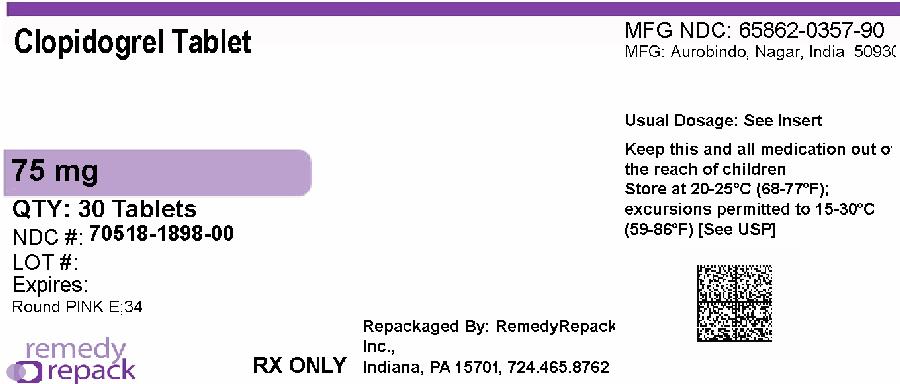
(clopidogrel · DailyMed)
FAROPLAV-A 75/75
Acetyl Methionine 5.00 mg/Tab,Aspirin 75 mg,Clopidogrel Bisulfate 75 mg,Colloidal Silicon Dioxide 0.25 mg/Tab,L-Histidine 15.00 mg/Tab,Magnesium Stearate 0.125 mg/Tab,Poliomyelitis Virus Type 2 29.07 mg/Tab,Purified Water 0.00 mg/Tab,Purified talc 5.25 mg/Tab
What it does
Acetyl is a compound often used in various medications. It is important to understand its uses and precautions before taking it.
Commonly used for: pain relief, fever reduction, inflammation control
Read more in plain English ↓Plain-language summary for general understanding - not medical advice. Always follow your pharmacist/doctor.
Ask about this medicine
Answers come only from this medicine's registration record, BNF monograph and interaction data - not medical advice.
Medicine sourcing is available in Kenya only. We don't sell or dispense medicines - licensed pharmacies do.
Sourcing - Kenya onlyRegistration & product details
Source: Tanzania Medicines and Medical Devices Authority · fetched 2026-03-11 23:36:25 · updated 2026-10-19 03:00:44
Drug Interactions
40Pharmacodynamic Warnings
Clopidogrel appears in TABLE 4: Drugs with antiplatelet effects
Aspirin appears in TABLE 4: Drugs with antiplatelet effects
Severe (5)
Aspirin - increases risk of adverse effects
Bismuth subsalicylate is predicted to increase the risk of adverse effects when given with aspirin. Avoid.
Clopidogrel - decreases efficacy
Voriconazole is predicted to decrease the efficacy of clopidogrel. Avoid.
Clopidogrel - decreases efficacy
HIV-protease inhibitors (ritonavir) might decrease the efficacy of clopidogrel. Avoid.
Clopidogrel - decreases efficacy
Moclobemide is predicted to decrease the efficacy of clopidogrel. Avoid.
Clopidogrel - decreases efficacy
Ritonavirmightdecreasetheefficacyofclopidogrel.Avoid. oTheoretical
Moderate (3)
Pemetrexed - increases exposure
Aspirin (high-dose) potentially increases the exposure to pemetrexed. Use with caution or avoid.
Pioglitazone - increases exposure
Clopidogrel increases the exposure to pioglitazone. Monitor blood glucose and adjust dose.
Treprostinil - increases exposure
Clopidogrel is predicted to increase the exposure to treprostinil. Adjust dose. Also see TABLE 4 p. 1517
Unknown (32)
Alendronate - increases risk of gastrointestinal irritation
Aspirin (high-dose) is predicted to increase the risk of gastrointestinal irritation when given with bisphosphonates (alendronate, ibandronate).
Alitretinoin - increases exposure
Clopidogrel is predicted to increase the exposure to retinoids (alitretinoin). Adjust alitretinoin dose, p. 1382.
Anti-Androgens - increases exposure
Clopidogrel is predicted to increase the exposure to anti-androgens (apalutamide) and anti-androgens (apalutamide) are predicted to increase the exposure to the active metabolite of clopidogrel. Avoid
Apalutamide - increases exposure
Clopidogrel is predicted to increase the exposure to anti-androgens (apalutamide) and anti-androgens (apalutamide) are predicted to increase the exposure to the active metabolite of clopidogrel. Avoid
Apalutamide And Apalutamide Is Predicted To Increase The Https - increases exposure
Clopidogrelispredictedtoincreasetheexposureto apalutamideandapalutamideispredictedtoincreasethe https://www.facebook.c (Books-Courses-Medic
Data from BNF 85 (British National Formulary). This is not a substitute for professional medical advice. Matched via: exact
About acetyl
Acetyl is a compound often used in various medications. It is important to understand its uses and precautions before taking it.
What it treats
- pain relief
- fever reduction
- inflammation control
How it works
Acetyl helps reduce pain and inflammation by influencing certain chemicals in the body.
Who it's for
Acetyl is typically used by adults and children for common conditions like headaches, muscle pain, and fever.
AI-assisted summary grounded in BNF data - general information only, not medical advice. Always confirm with your pharmacist or doctor.
About aspirin
Aspirin is a medication commonly used to relieve pain, reduce inflammation, and lower fever. It also helps prevent blood clots.
What it treats
- pain relief
- inflammation reduction
- fever reduction
- prevention of blood clots
How it works
Aspirin works by blocking substances in the body that cause pain, fever, and inflammation. It also prevents blood cells from sticking together.
Who it's for
Aspirin is suitable for adults needing pain relief or those at risk of heart problems due to blood clots.
Cautions
- • Be careful if you are taking other medications that affect blood clotting.
AI-assisted summary grounded in BNF data - general information only, not medical advice. Always confirm with your pharmacist or doctor.
About bisulfate
Bisulfate is a medication often used to help manage certain health conditions.
What it treats
- heart conditions
- respiratory issues
How it works
Bisulfate works by helping to relax blood vessels and improve blood flow.
Who it's for
This medication is usually prescribed for adults who have specific heart or lung problems.
Cautions
- • Consult your doctor if you have allergies to sulfites.
- • Inform your healthcare provider if you are pregnant or breastfeeding.
AI-assisted summary grounded in BNF data - general information only, not medical advice. Always confirm with your pharmacist or doctor.
About clopidogrel
Clopidogrel is a medication that helps prevent blood clots by making your blood less sticky.
What it treats
- prevention of heart attacks
- prevention of strokes
- peripheral artery disease management
How it works
Clopidogrel works by blocking platelets in your blood from sticking together, which helps to keep your blood flowing smoothly.
Who it's for
Clopidogrel is for individuals at risk of blood clots, such as those with heart conditions or a history of strokes.
Cautions
- • Avoid combining with other medications that also prevent blood clots.
AI-assisted summary grounded in BNF data - general information only, not medical advice. Always confirm with your pharmacist or doctor.
About colloidal
Colloidal solutions are often used in various medical treatments and can help improve the delivery of certain medications.
What it treats
- supporting hydration
- helping with nutrient absorption
- improving medication effectiveness
How it works
Colloidal solutions contain small particles that can help carry and deliver substances in the body more effectively.
Who it's for
Adults and children who need assistance with hydration or nutrient delivery.
AI-assisted summary grounded in BNF data - general information only, not medical advice. Always confirm with your pharmacist or doctor.
About dioxide
Dioxide is used in various medical applications, but specific details about its class or interactions are not provided.
How it works
The exact mechanism of action for dioxide is not specified, but it generally serves various therapeutic roles in medicine.
Who it's for
Dioxide may be suitable for individuals needing treatment related to its specific applications, but more information is needed to identify specific patient groups.
AI-assisted summary grounded in BNF data - general information only, not medical advice. Always confirm with your pharmacist or doctor.
About l-histidine
L-histidine is an amino acid that plays a role in various bodily functions, including the production of proteins and enzymes.
What it treats
- improving muscle growth and recovery
- supporting immune function
- helping with certain types of allergies
How it works
L-histidine helps the body produce proteins and enzymes that are essential for growth and repair.
Who it's for
It is suitable for individuals needing support for muscle recovery or those with certain allergies.
AI-assisted summary grounded in BNF data - general information only, not medical advice. Always confirm with your pharmacist or doctor.
About methionine
Methionine is an amino acid that plays a role in various body functions, including making proteins and supporting metabolism.
What it treats
- liver disease
- certain types of depression
- cognitive disorders
How it works
Methionine helps in the production of important substances in the body, such as proteins and antioxidants.
Who it's for
Methionine may be used by adults and children who need support for liver health or specific mental health conditions.
AI-assisted summary grounded in BNF data - general information only, not medical advice. Always confirm with your pharmacist or doctor.
About poliomyelitis
Poliomyelitis is a viral disease that can cause paralysis. Vaccination is key to prevention.
What it treats
- poliomyelitis (polio)
How it works
Vaccines stimulate the immune system to recognize and fight the poliovirus, preventing infection.
Who it's for
The vaccine is recommended for children and individuals at risk of exposure to the virus.
AI-assisted summary grounded in BNF data - general information only, not medical advice. Always confirm with your pharmacist or doctor.
About purified
Purified ingredients are often used in various medicines to ensure safety and effectiveness by removing impurities.
What it treats
- various medical conditions
How it works
Purified ingredients help in delivering the intended effects of the medicine without the risk of contaminants.
Who it's for
People who need medications with safe and effective ingredients.
AI-assisted summary grounded in BNF data - general information only, not medical advice. Always confirm with your pharmacist or doctor.
About silicon
Silicon is a mineral that may help support healthy bones and connective tissues.
What it treats
- bone health
- joint health
- skin health
How it works
Silicon helps form collagen, which is important for maintaining the strength and elasticity of bones and tissues.
Who it's for
Silicon is for individuals looking to support their bone and joint health.
AI-assisted summary grounded in BNF data - general information only, not medical advice. Always confirm with your pharmacist or doctor.
About tab
This medication is used to treat various health conditions. Please consult your healthcare provider for more specific information.
How it works
The exact mechanism of action is not specified, but it generally helps manage certain medical conditions.
Who it's for
This medicine may be suitable for patients with specific health issues, as advised by a healthcare professional.
AI-assisted summary grounded in BNF data - general information only, not medical advice. Always confirm with your pharmacist or doctor.
About talc
Talc is a mineral used primarily to absorb moisture and reduce friction. It is commonly found in various personal care products.
What it treats
- skin irritation
- diaper rash
- chafing
- sweating
How it works
Talc works by absorbing moisture and providing a smooth surface, which helps to prevent irritation and discomfort on the skin.
Who it's for
Talc is suitable for anyone needing relief from moisture-related skin issues, including babies and adults.
Cautions
- • Avoid using on broken or irritated skin.
- • Keep away from the eyes and mouth.
AI-assisted summary grounded in BNF data - general information only, not medical advice. Always confirm with your pharmacist or doctor.
About virus
Viruses are microscopic organisms that can cause infections in humans, animals, and plants.
What it treats
- viral infections
- common cold
- influenza (flu)
- HIV/AIDS
- hepatitis
How it works
Viruses invade living cells and use them to reproduce, which can lead to illness.
Who it's for
Viruses can affect anyone, but some groups, like those with weakened immune systems, are more at risk.
AI-assisted summary grounded in BNF data - general information only, not medical advice. Always confirm with your pharmacist or doctor.
Clinical monograph: Aspirin
BNF-referencedAspirin, also known as acetylsalicylic acid, is a non-steroidal anti-inflammatory drug (NSAID) that exhibits analgesic, antipyretic, and anti-inflammatory properties. It is primarily used for its antiplatelet effects to prevent thrombus formation and manage cardiovascular conditions.
Indications
- Prevention of thrombus formation after cardiac surgery
- Thromboembolism prophylaxis
- Management of Kawasaki disease
- Pain relief
- Fever reduction
- Anti-inflammatory treatment
Dosage
Children: Refer to BNF for Children for specific dosing; general guidance includes 1-5 mg/kg once daily for children aged 1 month to 11 years (max. dose 75 mg) and 75 mg once daily for children aged 12-17 years.
Adults: For antiplatelet effects, typically 75-150 mg once daily. For inflammatory conditions, doses may range from 300 mg to 3 g daily, divided into several doses.
Mechanism of action
Aspirin irreversibly inhibits cyclooxygenase (COX-1 and COX-2) enzymes, leading to decreased production of thromboxane A2, a potent promoter of platelet aggregation, thereby reducing platelet aggregation and thrombus formation.
Pharmacodynamics
Aspirin's antiplatelet effect is dose-dependent, with lower doses primarily affecting platelet function and higher doses providing anti-inflammatory and analgesic effects. It is effective in reducing the risk of cardiovascular events and managing inflammatory conditions.
Pharmacokinetics
Aspirin is rapidly absorbed from the gastrointestinal tract, with peak plasma concentrations occurring approximately 1-2 hours post-ingestion. It is extensively metabolized in the liver, and its elimination half-life varies depending on the dose. Aspirin is primarily excreted as salicylic acid and other metabolites in the urine.
Contra-indications
- Active gastrointestinal bleeding
- Severe renal impairment
- Severe hepatic impairment
- Hypersensitivity to aspirin or other NSAIDs
- History of peptic ulcer disease
- Asthma exacerbated by aspirin or other NSAIDs
Adverse effects
- Gastrointestinal irritation
- Dyspepsia
- Gastrointestinal bleeding
- Allergic reactions
- Tinnitus
- Reye's syndrome in children
Interactions
- Severe interaction with bismuth subsalicylate (increases risk of adverse effects)
- Moderate interaction with pemetrexed (increases exposure)
- Unknown interactions with bisphosphonates (increases risk of gastrointestinal irritation and renal impairment)
- Unknown interaction with corticosteroids (decreases concentration)
- Unknown interaction with daptomycin (increases risk of renal impairment)
- Unknown interaction with erlotinib (increases risk of gastrointestinal perforation)
Precautions
- Use with caution in patients with a history of gastrointestinal disorders
- Monitor renal function in long-term use
- Avoid use in children with viral infections due to the risk of Reye's syndrome
- Consider proton pump inhibitors for patients at high risk of gastrointestinal bleeding
Pregnancy
Use with caution; not recommended in the third trimester due to risk of bleeding complications.
Breast-feeding
Generally considered safe; aspirin is excreted in breast milk in small amounts.
Storage
Store below 25°C in a tightly closed container, protect from light.
Formulations
- Tablet
- Liquid formulation
- Effervescent tablet
AI-synthesized from BNF references - general information only, not a substitute for professional medical advice or the current BNF. Verify doses with a pharmacist.
Clinical monograph: Clopidogrel
BNF-referencedClopidogrel is an antiplatelet medication that belongs to the thienopyridine class. It is primarily used to prevent atherothrombotic events in patients at risk of myocardial infarction, stroke, and other cardiovascular complications. Clopidogrel is administered orally and is known for its ability to irreversibly inhibit platelet aggregation, thereby reducing the risk of clot formation. Its long duration of action and once-daily dosing make it a convenient option in clinical practice.
Indications
- Prevention of atherothrombotic events in patients with acute coronary syndrome
- Secondary prevention of ischaemic stroke
- Prevention of atherothrombotic events in peripheral arterial disease
Mechanism of action
Clopidogrel is activated through a two-step metabolic process to form an active thiol-containing metabolite. This metabolite irreversibly binds to the P2Y12 ADP receptors on platelets, preventing ADP from activating the GPIIb/IIIa complex, which is crucial for platelet aggregation. As a result, clopidogrel inhibits platelet aggregation for the lifespan of the platelets (approximately 7 to 10 days). The inhibition of the P2Y12 receptor reduces platelet activation and aggregation not just from ADP, but also from other agonists.
Pharmacodynamics
Clopidogrel is a prodrug that serves as a potent antiplatelet agent, effectively reducing the risk of myocardial infarction and stroke. Its pharmacological effects are long-lasting, allowing for once-daily dosing. Clopidogrel exhibits a broad therapeutic window, and its dosage ranges from 75 mg to 300 mg per day, depending on the clinical scenario. Its action helps maintain blood flow and prevent occlusive vascular events.
Pharmacokinetics
Clopidogrel is well absorbed in the gastrointestinal tract, with peak plasma concentrations occurring within 1 to 2 hours after oral administration. It undergoes extensive hepatic metabolism, primarily through CYP450 enzymes, which convert it into its active form. The elimination half-life of clopidogrel is approximately 6 hours, but the antiplatelet effect lasts much longer due to the irreversible nature of its action on platelets. It is primarily excreted through urine, with a majority of the dose eliminated as inactive metabolites.
Contra-indications
- Active bleeding
Adverse effects
- Confusion
- Fever
- Gynaecomastia
- Hallucination
- Hepatic disorders
- Hypotension
- Myalgia
- Neutropenia
- Severe cutaneous adverse reactions (SCARs)
- Stomatitis
- Taste altered
- Ulcerative colitis
- Vasculitis
- Vertigo
- Wound haemorrhage
Interactions
- Voriconazole + clopidogrel: Severe (decreases efficacy)
- HIV protease inhibitors + clopidogrel: Severe (decreases efficacy)
- Moclobemide + clopidogrel: Severe (decreases efficacy)
- Ritonavir + clopidogrel: Severe (decreases efficacy)
- Clopidogrel + pioglitazone: Moderate (increases exposure)
- Clopidogrel + treprostinil: Moderate (increases exposure)
- Clopidogrel + apalutamide: Unknown (increases exposure)
- Clopidogrel + enzalutamide: Unknown (increases exposure)
- Fluconazole + clopidogrel: Unknown (decreases efficacy)
- Clopidogrel + anti-androgens: Unknown (increases exposure)
Precautions
- Caution with history of hypersensitivity reactions to thienopyridines
- Caution in moderate hepatic impairment
- Caution in renal impairment
- Discontinue 7 days before elective surgery if antiplatelet effect not desirable
- Patients at risk of increased bleeding from trauma, surgery, or other pathological conditions
Pregnancy
Manufacturer advises avoid-no information available.
Breast-feeding
Manufacturer advises avoid.
Storage
Store in a cool, dry place, away from direct sunlight.
Formulations
- Clopidogrel 75 mg tablet
- Clopidogrel 300 mg tablet
- Clopidogrel oral suspension
AI-synthesized from BNF references - general information only, not a substitute for professional medical advice or the current BNF. Verify doses with a pharmacist.
Clinical monograph: acetyl
BNF-referencedAcetyl is a functional group derived from acetic acid, characterized by the molecular formula C2H3O. It plays a crucial role in various biochemical processes, including the formation of acetylated compounds, which are important in metabolic pathways and cellular functions. Acetyl groups are involved in acetylation reactions that can modify proteins, influencing their function and interactions.
Mechanism of action
The acetyl group can participate in a variety of biochemical reactions, most notably in the acetylation of proteins, where it may modulate the activity of enzymes and receptors. This modification can impact gene expression, signal transduction, and metabolic processes.
Pharmacodynamics
Acetylation is a key process in pharmacodynamics, affecting the pharmacological activity of numerous drugs and endogenous compounds. By adding an acetyl group, the solubility, stability, and bioavailability of compounds can be altered, influencing their therapeutic effects and duration of action.
Pharmacokinetics
The pharmacokinetics of acetylated compounds can vary widely depending on the specific drug involved. Generally, acetylation can enhance drug metabolism and excretion, impacting the half-life and overall clearance from the body. Variability in acetylation can also lead to differences in drug efficacy and toxicity among individuals.
AI-synthesized from BNF references - general information only, not a substitute for professional medical advice or the current BNF. Verify doses with a pharmacist.
Clinical monograph: bisulfate
BNF-referencedBisulfate, also known as hydrogen sulfate, is an anion derived from sulfuric acid. It plays a crucial role in various biochemical processes and is often utilized in industrial applications. In a medical context, bisulfate is involved in regulating pH levels and maintaining acid-base balance in the body.
Indications
- Acid-base imbalance
- Buffering agent in biochemical reactions
- Industrial applications
Mechanism of action
Bisulfate acts as a buffering agent, helping to maintain the pH of biological fluids. It can donate protons (H+) in solution, contributing to acid-base homeostasis. This property is essential in various metabolic pathways, particularly in the regulation of cellular functions and enzyme activities.
Pharmacodynamics
The pharmacodynamics of bisulfate involve its ability to interact with other ions and compounds in the body, influencing acid-base balance. By acting as a proton donor, bisulfate contributes to the overall acidity or alkalinity of the environment, which can affect cellular metabolism and function. It plays a significant role in respiratory and metabolic acidosis and alkalosis.
Pharmacokinetics
The pharmacokinetics of bisulfate are not extensively detailed in traditional pharmacological literature. However, it is known that bisulfate can be rapidly absorbed and utilized in metabolic processes. Its effects are largely dependent on the physiological conditions of the body, including the presence of other electrolytes and the overall acid-base status.
Pregnancy
There are no specific studies on the use of bisulfate in pregnancy. Caution is advised when administering to pregnant women.
Breast-feeding
It is not known whether bisulfate is excreted in human milk. Caution is advised when administering to breastfeeding women.
Storage
Store in a cool, dry place away from direct sunlight. Keep out of reach of children.
AI-synthesized from BNF references - general information only, not a substitute for professional medical advice or the current BNF. Verify doses with a pharmacist.
Clinical monograph: colloidal
Colloidal solutions are mixtures in which small particles are dispersed throughout a continuous medium. They can be used in various medical applications, including as intravenous fluids for volume expansion and as drug delivery systems. Colloidal solutions can improve the solubility and stability of drugs, enhancing their therapeutic effects.
Indications
- Hypovolemic shock
- Severe burns
- Postoperative fluid replacement
- Sepsis
- Trauma management
Dosage
Children: Refer to established guidelines for specific dosing, as it varies based on the type of colloidal solution used and the clinical condition being treated.
Adults: Refer to established guidelines for specific dosing, as it varies based on the type of colloidal solution used and the clinical condition being treated.
Mechanism of action
Colloidal solutions work by maintaining oncotic pressure in the blood, thus helping to retain fluid within the vascular system. This is primarily due to the large molecular weight of the colloidal particles, which cannot easily pass through capillary walls. The presence of colloids in the blood helps to draw water into the circulation, increasing blood volume and improving tissue perfusion.
Pharmacodynamics
The pharmacodynamics of colloidal solutions are centered on their ability to exert osmotic pressure, which helps maintain blood volume and pressure. This effect is particularly important in conditions such as hypovolemia and shock, where fluid replacement is necessary to restore hemodynamic stability. The efficacy of colloidal solutions can vary depending on the type of colloid used, as well as the underlying clinical condition being treated.
Pharmacokinetics
Colloidal solutions are typically administered intravenously and their pharmacokinetics can vary based on the specific formulation. Generally, colloids are distributed throughout the vascular compartment and have a longer duration of action compared to crystalloids, as they remain in circulation longer. The elimination of colloids is primarily through the reticuloendothelial system, where they are metabolized or eliminated by the liver and spleen. Factors such as particle size and composition can influence their distribution and clearance.
Adverse effects
- Allergic reactions
- Injection site reactions
- Nausea
- Vomiting
- Headache
- Fever
Precautions
- Use with caution in patients with known allergies to any component of the formulation
- Monitor for signs of hypersensitivity during administration
- Consider volume overload in patients with cardiac or renal impairment
Pregnancy
The safety of colloidal solutions during pregnancy has not been established. Use only if the potential benefit justifies the potential risk to the fetus.
Breast-feeding
It is not known whether colloidal solutions are excreted in human milk. Caution should be exercised when administering to breastfeeding mothers.
Storage
Store at room temperature, protect from light, and do not freeze. Keep out of reach of children.
Formulations
- Colloidal silver
- Colloidal gold
- Colloidal iron
- Other metal colloids
AI-synthesized from BNF references - general information only, not a substitute for professional medical advice or the current BNF. Verify doses with a pharmacist.
Clinical monograph: dioxide
Dioxide refers to a class of chemical compounds that contain two oxygen atoms bonded to another element or group. The most commonly referenced dioxide is carbon dioxide (CO2), a colorless, odorless gas produced by respiration in animals and plants and by the combustion of organic matter. In a clinical context, dioxides are often involved in various physiological processes and can play roles in drug mechanisms, particularly with respect to gas exchange and acid-base balance in the body.
Indications
- Monitoring respiratory function
- Assessment of metabolic status
- Management of respiratory acidosis
- Management of respiratory alkalosis
Dosage
Children: Dosing for interventions related to carbon dioxide levels in pediatric patients should be guided by clinical protocols and the BNF for Children.
Adults: Dosing for interventions related to carbon dioxide levels is typically based on clinical assessment and individual patient needs. Refer to clinical guidelines for specific scenarios.
Mechanism of action
Carbon dioxide acts primarily as a signaling molecule in the body, influencing respiratory drive and blood pH. It is produced during cellular respiration and is a critical component of the bicarbonate buffering system, which helps maintain acid-base homeostasis. Elevated levels of CO2 in the blood stimulate ventilation in the lungs, increasing the rate of gas exchange and facilitating the removal of excess CO2.
Pharmacodynamics
The pharmacodynamic effects of dioxides, particularly carbon dioxide, are closely related to its concentration in the blood. As CO2 levels increase, it leads to respiratory acidosis, which can stimulate the respiratory centers in the brain to increase ventilation. Conversely, low levels of CO2 can cause respiratory alkalosis, potentially leading to decreased respiratory drive. CO2 also plays a role in vasodilation and can affect blood flow and pressure through its influence on smooth muscle tone.
Pharmacokinetics
Carbon dioxide is produced endogenously during metabolic processes and is transported in the bloodstream primarily in three forms: dissolved in plasma, as bicarbonate ions (HCO3-), and bound to hemoglobin. The half-life of CO2 in the bloodstream is very short due to its rapid exchange with alveolar gas in the lungs. The elimination of CO2 occurs through exhalation, making it a dynamic component of respiratory physiology.
Pregnancy
Data on the effects of dioxide during pregnancy are limited. Caution is advised due to potential risks associated with exposure.
Breast-feeding
Limited data are available regarding the excretion of dioxide in human milk. Caution is recommended.
Storage
Store in a cool, dry place, away from direct sunlight and moisture.
AI-synthesized from BNF references - general information only, not a substitute for professional medical advice or the current BNF. Verify doses with a pharmacist.
Clinical monograph: lhistidine
BNF-referencedL-histidine is an essential amino acid that plays a critical role in various physiological processes, including the synthesis of proteins, the production of histamine, and the chelation of metals such as copper and iron. It is especially important in the context of immune function and antioxidant activity. L-histidine is involved in the treatment of conditions such as rheumatoid arthritis and allergic diseases, and its deficiency can lead to hearing impairments.
Indications
- Rheumatoid arthritis
- Allergic diseases
- Ulcers
- Anemia
Dosage
Children: Refer to the BNF for Children for specific dosing recommendations.
Adults: Refer to the BNF for specific dosing guidelines.
Mechanism of action
The exact actions of supplemental L-histidine are not fully understood, but it is postulated to have immunomodulatory and antioxidant properties. It serves as the precursor for histamine, which can enhance suppressor T cell activity and potentially down-regulate the production of reactive oxygen species in immune cells. This may confer benefits in conditions like rheumatoid arthritis, where oxidative stress is a concern.
Pharmacodynamics
L-histidine is abundant in hemoglobin and contributes to various bodily functions. It has been clinically associated with treating rheumatoid arthritis, allergic diseases, ulcers, and anemia. Deficiencies in L-histidine can lead to complications such as impaired hearing. Its metabolites, particularly histamine, exhibit immunomodulatory effects and antioxidant capabilities.
Pharmacokinetics
L-histidine is absorbed through the gastrointestinal tract, and its bioavailability can be influenced by dietary intake. Once ingested, it is incorporated into proteins and utilized in various metabolic pathways, including histidine biosynthesis and tRNA charging. The metabolism of L-histidine involves its conversion to histamine, which subsequently participates in numerous physiological processes.
Pregnancy
There is limited data on the use of L-histidine during pregnancy. Consult healthcare professionals.
Breast-feeding
Limited information is available on the excretion of L-histidine in human milk. Consult healthcare professionals before use.
Storage
Store in a cool, dry place, away from direct sunlight. Keep out of reach of children.
Formulations
- L-histidine powder
- L-histidine capsules
- L-histidine tablets
AI-synthesized from BNF references - general information only, not a substitute for professional medical advice or the current BNF. Verify doses with a pharmacist.
Clinical monograph: methionine
BNF-referencedMethionine is an essential amino acid that plays a critical role in various metabolic processes, including protein synthesis, detoxification, and antioxidant defense. It serves as a precursor to other important biomolecules, including L-cysteine and S-adenosylmethionine, contributing to cellular functions such as methylation and sulfur metabolism. Methionine is also involved in the synthesis of lecithin, which is significant for liver health and cholesterol metabolism. Additionally, methionine has potential protective effects against hepatotoxic agents, including acetaminophen.
Indications
- Methionine deficiency
- Hepatotoxicity prevention
- Cholesterol management
Mechanism of action
The mechanism of the possible anti-hepatotoxic activity of L-methionine is not entirely clear. It is thought that metabolism of high doses of acetaminophen in the liver leads to decreased levels of hepatic glutathione and increased oxidative stress. L-methionine serves as a precursor to L-cysteine, which has antioxidant properties and is a precursor to glutathione. The antioxidant activity of L-methionine and its metabolites likely contribute to its potential anti-hepatotoxic effects. Methionine also exhibits free-radical scavenging activity and chelating ability due to its sulfur content.
Pharmacodynamics
L-Methionine functions as a primary supplier of sulfur, which is essential for preventing hair, skin, and nail disorders. It aids in lowering cholesterol levels by enhancing the liver's production of lecithin, reducing liver fat, and protecting kidney function. Methionine acts as a natural chelating agent for heavy metals and helps regulate ammonia formation, contributing to ammonia-free urine and reduced bladder irritation. Furthermore, it influences hair follicles and promotes hair growth, in addition to its potential protective effects against hepatotoxins like acetaminophen.
Pharmacokinetics
Methionine is absorbed from the gastrointestinal tract and is distributed throughout the body, where it is utilized in protein synthesis and converted into other metabolites, such as S-adenosylmethionine and L-cysteine. The metabolism of methionine involves several pathways, including transsulfuration to cysteine and incorporation into proteins. The renal clearance of methionine is significant, as it is involved in the regulation of nitrogen balance and the formation of ammonia.
Adverse effects
- Nausea
- Vomiting
- Abdominal pain
- Allergic reactions
Precautions
- Use with caution in patients with liver disease
- Monitor for allergic reactions in sensitive individuals
Pregnancy
There is insufficient evidence to determine the safety of methionine during pregnancy. Consult a healthcare provider before use.
Breast-feeding
It is not known whether methionine is excreted in human milk. Caution is advised when administering to breastfeeding women.
Storage
Store in a cool, dry place away from direct sunlight. Keep out of reach of children.
Formulations
- Oral tablets
- Powder for oral solution
AI-synthesized from BNF references - general information only, not a substitute for professional medical advice or the current BNF. Verify doses with a pharmacist.
Clinical monograph: poliomyelitis
Poliomyelitis, commonly known as polio, is an infectious disease caused by the poliovirus. It primarily affects children under five years of age and can lead to paralysis, respiratory issues, and in severe cases, death. The virus is transmitted through the fecal-oral route or, less commonly, through contaminated water or food. Vaccination has significantly reduced the incidence of polio worldwide. The disease can manifest in various forms, including asymptomatic, non-paralytic, and paralytic poliomyelitis.
Indications
- Prevention of poliomyelitis infection
- Vaccination in children and high-risk populations
Dosage
Children: Refer to the BNF for Children for specific dosages and recommendations for vaccination schedules.
Adults: Refer to specific vaccination guidelines for adults, as dosages may vary based on risk factors and prior vaccination history.
Mechanism of action
Poliovirus enters the body through the oral route, replicating in the oropharynx and gastrointestinal tract before spreading to the central nervous system via the bloodstream. Once inside the CNS, the virus selectively infects motor neurons in the anterior horn of the spinal cord, leading to cell lysis and resulting in muscle weakness or paralysis. The immune response to the virus contributes to inflammation and further neuronal damage.
Pharmacodynamics
The poliovirus's pathogenicity is primarily due to its ability to evade the host's immune response and its selective neurotropism. The destruction of motor neurons leads to flaccid paralysis, with recovery possible in some cases as the motor neurons may regenerate. The severity of the disease correlates with the extent of neuronal involvement, which can vary widely among individuals.
Pharmacokinetics
Poliovirus is an RNA virus that does not undergo traditional pharmacokinetic processes as it is not treated with drugs. Instead, the prevention of polio relies on vaccination strategies. The inactivated poliovirus vaccine (IPV) and the oral poliovirus vaccine (OPV) are used to induce immunity. After administration, the vaccines promote the development of antibodies against the virus without causing disease.
Contra-indications
- Hypersensitivity to the vaccine component
- Severe immunodeficiency
- Acute febrile illness
Adverse effects
- Pain at injection site
- Fever
- Fatigue
- Headache
- Nausea
- Allergic reactions
Interactions
- Immunosuppressive therapies may reduce vaccine efficacy
- Concomitant administration with other vaccines may affect immune response
Precautions
- Use with caution in individuals with moderate to severe acute illness
- Consider history of allergic reactions
- Monitor for signs of anaphylaxis after administration
Pregnancy
Poliomyelitis vaccination is generally considered safe during pregnancy, but consult a healthcare professional.
Breast-feeding
The vaccine is considered safe for breastfeeding mothers.
Storage
Store at 2 to 8 degrees Celsius. Do not freeze. Protect from light.
Formulations
- Inactivated poliovirus vaccine (IPV)
- Oral poliovirus vaccine (OPV)
AI-synthesized from BNF references - general information only, not a substitute for professional medical advice or the current BNF. Verify doses with a pharmacist.
Clinical monograph: purified
Purified refers to a substance that has been processed to remove impurities, contaminants, or unwanted substances, resulting in a more concentrated and effective form of the original compound. In pharmacology, purified compounds are often used to enhance therapeutic efficacy and reduce adverse effects. The purification process can apply to a variety of substances, including drugs, biological products, and chemical compounds.
Dosage
Children: Refer to specific drug formulations and product labels as purified substances can vary widely in their use and dosing.
Adults: Refer to specific drug formulations and product labels as purified substances can vary widely in their use and dosing.
Mechanism of action
The mechanism of action for purified compounds varies widely depending on the specific substance. Generally, purified drugs exert their effects by interacting with specific biological targets, such as receptors, enzymes, or ion channels, leading to a desired therapeutic effect. This interaction can involve binding to receptors to activate or inhibit signaling pathways, modulating enzymatic activity, or altering physiological processes.
Pharmacodynamics
Pharmacodynamics describes the effects of a drug on the body and the relationship between drug concentration and effect. For purified drugs, this can involve dose-response relationships and the time course of their action. The purified form often enhances potency and reduces variability in response among patients, which can lead to more predictable therapeutic outcomes. The overall effect is determined by the drug's affinity for its target, the efficacy of the drug-receptor interaction, and the downstream signaling pathways activated as a result of this interaction.
Pharmacokinetics
Pharmacokinetics involves the absorption, distribution, metabolism, and excretion (ADME) of a drug. For purified substances, absorption can be more efficient due to the absence of impurities that may affect solubility or stability. Distribution may also be enhanced, leading to higher bioavailability. Metabolism can be influenced by the structure of the purified compound, as it may be metabolized more readily by liver enzymes. Excretion typically occurs through the kidneys or liver, depending on the molecular characteristics of the purified drug.
Pregnancy
Consult with a healthcare professional, as the safety of purified forms of medications during pregnancy may vary depending on the specific substance.
Breast-feeding
Consult with a healthcare professional, as the safety of purified forms of medications during breastfeeding may vary depending on the specific substance.
Storage
Store in a cool, dry place, away from light and moisture, and keep out of reach of children.
AI-synthesized from BNF references - general information only, not a substitute for professional medical advice or the current BNF. Verify doses with a pharmacist.
Clinical monograph: silicon
BNF-referencedSilicon, represented by the molecular formula Si, is a metalloid that plays a significant role in various biological processes, particularly in the formation of connective tissues and bone. It is thought to contribute to the structural integrity of collagen and other extracellular matrix components. Silicon is not classified as an essential element in the human diet, but it is involved in the metabolism of minerals and may affect bone health and formation.
Indications
- Potential role in bone health
- Support for connective tissue formation
- May aid in mineral metabolism
Dosage
Children: There is no established clinical dosage for silicon in paediatric populations, as it is not classified as an essential nutrient.
Adults: There is no established clinical dosage for silicon in adults, as it is not classified as an essential nutrient.
Mechanism of action
Silicon is believed to enhance the synthesis of glycosaminoglycans and collagen, which are important for the structural integrity of connective tissues. It may also influence the activity of certain enzymes involved in bone mineralization, thus playing a role in maintaining bone density and health.
Pharmacodynamics
The pharmacodynamics of silicon is not fully elucidated; however, it is thought to involve the modulation of bone metabolism and the promotion of connective tissue health. Silicon may have a synergistic effect with other minerals, such as calcium and magnesium, aiding in their utilization and metabolism in the body.
Pharmacokinetics
The pharmacokinetics of silicon is complex, as it is not absorbed through typical gastrointestinal pathways. Instead, silicon is thought to be taken up in the form of silicates and then distributed throughout the body, particularly in connective tissues. The elimination of silicon occurs primarily through renal excretion, with some variations depending on dietary intake and individual metabolism.
Pregnancy
Silicon is generally considered safe during pregnancy, as it is a naturally occurring element in the human body. However, specific recommendations regarding supplementation should be followed based on the advice of a healthcare provider.
Breast-feeding
Silicon is present in breast milk in small amounts. Its safety during breastfeeding is generally regarded as acceptable, although supplementation should be approached with caution and under medical advice.
Storage
Silicon should be stored in a cool, dry place, protected from light and moisture. Follow specific storage recommendations provided by the manufacturer if available.
AI-synthesized from BNF references - general information only, not a substitute for professional medical advice or the current BNF. Verify doses with a pharmacist.
Clinical monograph: talc
BNF-referencedTalc is a mineral composed of magnesium, silicon, and oxygen, commonly used in various pharmaceutical applications due to its excellent absorptive properties. It is often employed as an excipient in drug formulations and as a bulking agent in tablets and powders. Talc is also utilized in some medical procedures, such as pleurodesis, to prevent the recurrence of pleural effusions.
Indications
- Used as an excipient in drug formulations
- Pleurodesis for the management of recurrent pleural effusions
Dosage
Children: Refer to specific guidelines for paediatric use, as dosing may differ based on age and clinical condition.
Adults: Refer to specific guidelines for the appropriate dosage in pleurodesis and other applications, as it may vary based on clinical context.
Mechanism of action
Talc exhibits very good absorptive properties, allowing it to absorb moisture and other substances effectively. This characteristic is particularly useful in pharmaceutical formulations, where it may enhance the stability and texture of the drug product.
Pharmacodynamics
Talc's primary pharmacodynamic effect is its ability to act as an inert filler and bulking agent in pharmaceutical preparations. It does not have any intrinsic pharmacological activity but serves to improve the physical properties of formulations, such as flowability and compressibility.
Pharmacokinetics
Talc is not absorbed systemically when used as an excipient or in medical procedures. Its effects are local, and it remains in the site of application, where it functions primarily as a mechanical agent. The pharmacokinetics of talc in the context of its use in pleurodesis involves its ability to promote adhesion of the pleural surfaces, thereby preventing fluid accumulation.
Pregnancy
Talc is classified as a substance with minimal systemic absorption, but safety during pregnancy has not been well established. Consult relevant guidelines.
Breast-feeding
Talc is not expected to be absorbed in significant amounts; however, caution is advised and consult guidelines.
Storage
Store in a cool, dry place, away from direct sunlight.
AI-synthesized from BNF references - general information only, not a substitute for professional medical advice or the current BNF. Verify doses with a pharmacist.
Clinical monograph: virus
Viruses are submicroscopic infectious agents that replicate only inside the living cells of an organism. They are composed of genetic material (either DNA or RNA) surrounded by a protein coat and, in some cases, an outer lipid envelope. Viruses can infect all types of life forms, from animals and plants to microorganisms, including bacteria (bacteriophages). They are responsible for a wide range of diseases, from the common cold to serious conditions such as HIV/AIDS, influenza, and COVID-19.
Indications
- Influenza
- HIV/AIDS
- Hepatitis B and C
- Herpes simplex virus infections
- Cytomegalovirus infections
- COVID-19
- Respiratory syncytial virus infections
Dosage
Children: Refer to specific antiviral agents for dosing guidance.
Adults: Refer to specific antiviral agents for dosing guidance.
Mechanism of action
Viruses infect host cells by attaching to specific receptors on the cell surface. Once inside, they hijack the host cell's machinery to replicate their genetic material and produce viral proteins. New viral particles are assembled and released from the host cell, often destroying the cell in the process. The specific mechanism can vary depending on the virus type, including integration into the host genome in retroviruses or utilizing specific pathways for replication.
Pharmacodynamics
The pharmacodynamics of antiviral agents depend on the specific virus and the mechanism of action. Antiviral drugs may inhibit viral entry into host cells, block viral replication, or prevent the assembly of new virions. The effectiveness of antiviral therapy often relates to the stage of viral replication and the immune response of the host.
Pharmacokinetics
Pharmacokinetics of antiviral drugs varies widely based on the specific medication used. Generally, antiviral agents are absorbed through the gastrointestinal tract and distributed throughout the body. They may undergo hepatic metabolism and are often excreted through the kidneys. The half-life of these drugs can range from a few hours to several days, influencing dosing schedules.
AI-synthesized from BNF references - general information only, not a substitute for professional medical advice or the current BNF. Verify doses with a pharmacist.
Molecular reference: Aspirin
PubChem CID 2244Molecular formula: C9H8O4
Mechanism of action
Acetylsalicylic acid (ASA) blocks prostaglandin synthesis. It is non-selective for COX-1 and COX-2 enzymes. Inhibition of COX-1 results in the inhibition of platelet aggregation for about 7-10 days (average platelet lifespan). The acetyl group of acetylsalicylic acid binds with a serine residue of the cyclooxygenase-1 (COX-1) enzyme, leading to irreversible inhibition. This prevents the production of pain-causing prostaglandins. This process also stops the conversion of arachidonic acid to thromboxane A2 (TXA2), which is a potent inducer of platelet aggregation. Platelet aggregation can result in clots and harmful venous and arterial thromboembolism, leading to conditions such as pulmonary embolism and stroke. It is important to note that there is 60% homology between the protein structures of COX-1 and COX-2. ASA binds to serine 516 residue on the active site of COX-2 in the same fashion as its binding to the serine 530 residue located on the active site of COX-1. The active site of COX-2 is, however, slightly larger than the active site of COX-1, so that arachidonic acid (which later becomes prostaglandins) manages to bypass the aspirin molecule inactivating COX-2. ASA, therefore, exerts more action on the COX-1 receptor rather than on the COX-2 receptor. A higher dose of acetylsalicylic acid is required for COX-2 inhibition. Produce analgesia through a peripheral action by blocking pain impulse generation and via a central action, possibly in the hypothalamus. The peripheral action may predominate and probably involves inhibition of the synthesis or prostaglandins, and possibly inhibition of the synthesis and/or actions of other substances, which sensitize pain receptors to mechanical or chemical stimulation. /Salicylates/ May produce antipyresis by acting centrally on the hypothalamic heat-regulating center to produce peripheral vasodilation resulting in increased cutaneous blood flow, sweating, and heat loss. The central action may involve inhibition of prostaglandin synthesis in the hypothalamus; however, there is some evidence that fevers caused by endogenous pyrogens that do not act via a prostaglandin mechanism may also respond to salicylate therapy. /Salicylates/ CNS ... ESP NUCLEI LOCATED IN HYPOTHALAMUS PLAYS MAJOR ROLE IN REGULATION OF PERIPHERAL MECHANISMS CONCERNED WITH BODY HEAT PRODN & LOSS. WITH SALICYLATES, HEAT PRODN IS NOT INHIBITED, BUT HEAT LOSS IS INCR BY INCR PERIPHERAL BLOOD FLOW & PERSPIRATION. /SALICYLATES/ Aspirin acetylates prostaglandin endoperoxide synthase (prostaglandin G/H-synthase) and irreversibly inhibits its cyclooxygenase (COX) activity. The enzyme catalyzes the conversion of arachidonic acid to PGH2, the first committed step in prostanoid biosynthesis. Two isoforms of prostaglandin endoperoxide synthase exist, PGHS-1 and PGHS-2 (also referred to as COX-1 and COX-2, respectively). PGHS-1 (COX-1) is expressed constitutively in most cell types, including platelets. PGHS-2 (COX-2) is undetectable in most mammalian cells, but its expression can be induced rapidly in response to mitogenic and inflammatory stimuli. Aspirin is a relatively selective inhibitor of platelet PGHS-1 (cyclooxygenase-1, COX-1). The existence of 2 isoenzymes with different aspirin sensitivities, coupled with extremely different recovery rates of their cyclooxygenase (COX) activity following inactivation by aspirin, at least partially explains the different dosage requirements and durations of aspirin effects on platelet function versus the drug's analgesic and anti-inflammatory effects. Human platelets and vascular endothelial cells process PGH2 to produce thromboxane A2 and prostacyclin (epoprostenol, PGI2), respectively. Thromboxane A2 induces platelet aggregation and vasoconstriction, while prostacyclin inhibits platelet aggregation and induces vasodilation. Aspirin is antithrombotic in a wide range of doses inhibiting thromboxane A2 and prostacyclin. For more Mechanism of Action (Complete) data for ACETYLSALICY
Pharmacodynamics
**Effects on pain and fever** Acetylsalicylic acid disrupts the production of prostaglandins throughout the body by targeting cyclooxygenase-1 (COX-1) and cyclooxygenase-2 (COX-2). Prostaglandins are potent, irritating substances that have been shown to cause headaches and pain upon injection into humans. Prostaglandins increase the sensitivity of pain receptors and substances such as histamine and bradykinin. Through the disruption of the production and prevention of release of prostaglandins in inflammation, this drug may stop their action at pain receptors, preventing symptoms of pain. Acetylsalicylic acid is considered an antipyretic agent because of its ability to interfere with the production of brain prostaglandin E1. Prostaglandin E1 is known to be an extremely powerful fever-inducing agent. **Effects on platelet aggregation** The inhibition of platelet aggregation by ASA occurs because of its interference with thromboxane A2 in platelets, caused by COX-1 inhibition. Thromboxane A2 is an important lipid responsible for platelet aggregation, which can lead to clot formation and future risk of heart attack or stroke. **A note on cancer prevention** ASA has been studied in recent years to determine its effect on the prevention of various malignancies. In general, acetylsalicylic acid is involved in the interference of various cancer signaling pathways, sometimes inducing or upregulating tumor suppressor genes. Results of various studies suggest that there are beneficial effects of long-term ASA use in the prevention of several types of cancer, including stomach, colorectal, pancreatic, and liver cancers. Research is ongoing.
Biological pathways
Source: PubChem (NCBI) · pathways from PathBank, Reactome, WikiPathways & PharmGKB.
Molecular reference: Clopidogrel
PubChem CID 60606Molecular formula: C16H16ClNO2S
Mechanism of action
Clopidogrel is activated via a 2 steps reaction to an active thiol-containing metabolite. This active form is a platelet inhibitor that irreversibly binds to P2Y<sub>12</sub> ADP receptors on platelets. This binding prevents ADP binding to P2Y<sub>12</sub> receptors, activation of the glycoprotein GPIIb/IIIa complex, and platelet aggregation. Clopidogrel must be metabolized by CYP450 enzymes to produce the active metabolite that inhibits platelet aggregation. The active metabolite of clopidogrel selectively inhibits the binding of adenosine diphosphate (ADP) to its platelet P2Y12 receptor and the subsequent ADP-mediated activation of the glycoprotein GPIIb/IIIa complex, thereby inhibiting platelet aggregation. This action is irreversible. Consequently, platelets exposed to clopidogrel's active metabolite are affected for the remainder of their lifespan (about 7 to 10 days). Platelet aggregation induced by agonists other than ADP is also inhibited by blocking the amplification of platelet activation by released ADP. The P2Y12 receptor plays a crucial role in the regulation of platelet activation by several agonists, which is irreversibly antagonized by the active metabolite of clopidogrel, a widely used anti-thrombotic drug. In this study, we investigated whether reduction of platelet reactivity leads to reduced inflammatory responses using a rat model of erosive arthritis. We evaluated the effect of clopidogrel on inflammation in Lewis rats in a peptidoglycan polysaccharide (PG-PS)-induced arthritis model with four groups of rats: 1) untreated, 2) clopidogrel-treated, 3) PG-PS-induced, and 4) PG-PS-induced and clopidogrel-treated. There were significant differences between the PG-PS+clopidogrel group when compared to the PG-PS group including: increased joint diameter and clinical manifestations of inflammation, elevated plasma levels of pro-inflammatory cytokines (IL-1 beta, interferon (IFN) gamma, and IL-6), an elevated neutrophil blood count and an increased circulating platelet count. Plasma levels of IL-10 were significantly lower in the PG-PS+clopidogrel group compared to the PG-PS group. Plasma levels of platelet factor 4 (PF4) were elevated in both the PG-PS and the PG-PS+clopidogrel groups, however PF4 levels showed no difference upon clopidogrel treatment, suggesting that the pro- inflammatory effect of clopidogrel may be due to its action on cells other than platelets. Histology indicated an increase in leukocyte infiltration at the inflammatory area of the joint, increased pannus formation, blood vessel proliferation, subsynovial fibrosis and cartilage erosion upon treatment with clopidogrel in PG-PS-induced arthritis animals. In summary, animals treated with clopidogrel showed a pro-inflammatory effect in the PG-PS-induced arthritis animal model, which might not be mediated by platelets.
Pharmacodynamics
Clopidogrel is a prodrug of a platelet inhibitor used to reduce the risk of myocardial infarction and stroke. It has a long duration of action as it is taken once daily and a large therapeutic window as it is given in doses of 75-300mg daily.
Biological pathways
Source: PubChem (NCBI) · pathways from PathBank, Reactome, WikiPathways & PharmGKB.
Molecular reference: acetyl
PubChem CID 137849Molecular formula: C2H3O
Source: PubChem (NCBI) · pathways from PathBank, Reactome, WikiPathways & PharmGKB.
Molecular reference: bisulfate
PubChem CID 61778Molecular formula: HO4S-
Source: PubChem (NCBI) · pathways from PathBank, Reactome, WikiPathways & PharmGKB.
Molecular reference: l-histidine
PubChem CID 6274Molecular formula: C6H9N3O2
Mechanism of action
Since the actions of supplemental L-histidine are unclear, any postulated mechanism is entirely speculative. However, some facts are known about L-histidine and some of its metabolites, such as histamine and trans-urocanic acid, which suggest that supplemental L-histidine may one day be shown to have immunomodulatory and/or antioxidant activities. Low free histidine has been found in the serum of some rheumatoid arthritis patients. Serum concentrations of other amino acids have been found to be normal in these patients. L-histidine is an excellent chelating agent for such metals as copper, iron and zinc. Copper and iron participate in a reaction (Fenton reaction) that generates potent reactive oxygen species that could be destructive to tissues, including joints. L-histidine is the obligate precursor of histamine, which is produced via the decarboxylation of the amino acid. In experimental animals, tissue histamine levels increase as the amount of dietary L-histidine increases. It is likely that this would be the case in humans as well. Histamine is known to possess immunomodulatory and antioxidant activity. Suppressor T cells have H2 receptors, and histamine activates them. Promotion of suppressor T cell activity could be beneficial in rheumatoid arthritis. Further, histamine has been shown to down-regulate the production of reactive oxygen species in phagocytic cells, such as monocytes, by binding to the H2 receptors on these cells. Decreased reactive oxygen species production by phagocytes could play antioxidant, anti-inflammatory and immunomodulatory roles in such diseases as rheumatoid arthritis. This latter mechanism is the rationale for the use of histamine itself in several clinical trials studying histamine for the treatment of certain types of cancer and viral diseases. In these trials, down-regulation by histamine of reactive oxygen species formation appears to inhibit the suppression of natural killer (NK) cells and cytotoxic T lymphocytes, allowing these cells to be more effective in attacking cancer cells and virally infected cells.
Pharmacodynamics
Is found abundantly in hemoglobin; has been used in the treatment of rheumatoid arthritis, allergic diseases, ulcers and anemia. A deficiency can cause poor hearing.
Biological pathways
Source: PubChem (NCBI) · pathways from PathBank, Reactome, WikiPathways & PharmGKB.
Molecular reference: methionine
PubChem CID 6137Molecular formula: C5H11NO2S
Mechanism of action
The mechanism of the possible anti-hepatotoxic activity of L-methionine is not entirely clear. It is thought that metabolism of high doses of acetaminophen in the liver lead to decreased levels of hepatic glutathione and increased oxidative stress. L-methionine is a precursor to L-cysteine. L-cysteine itself may have antioxidant activity. L-cysteine is also a precursor to the antioxidant glutathione. Antioxidant activity of L-methionine and metabolites of L-methionine appear to account for its possible anti-hepatotoxic activity. Recent research suggests that methionine itself has free-radical scavenging activity by virtue of its sulfur, as well as its chelating ability. Amino acids are selected for protein synthesis by binding with transfer RNA (tRNA) in the cell cytoplasm. The information on the amino acid sequence of each individual protein is contained in the sequence of nucleotides in the messenger RNA (mRNA) molecules, which are synthesized in the nucleus from regions of DNA by the process of transcription. The mRNA molecules then interact with various tRNA molecules attached to specific amino acids in the cytoplasm to synthesize the specific protein by linking together individual amino acids; this process, known as translation, is regulated by amino acids (e.g., leucine), and hormones. Which specific proteins are expressed in any particular cell and the relative rates at which the different cellular proteins are synthesized, are determined by the relative abundances of the different mRNAs and the availability of specific tRNA-amino acid combinations, and hence by the rate of transcription and the stability of the messages. From a nutritional and metabolic point of view, it is important to recognize that protein synthesis is a continuing process that takes place in most cells of the body. In a steady state, when neither net growth nor protein loss is occurring, protein synthesis is balanced by an equal amount of protein degradation. The major consequence of inadequate protein intakes, or diets low or lacking in specific indispensable amino acids relative to other amino acids (often termed limiting amino acids), is a shift in this balance so that rates of synthesis of some body proteins decrease while protein degradation continues, thus providing an endogenous source of those amino acids most in need. /Protein synthesis/ The mechanism of intracellular protein degradation, by which protein is hydrolyzed to free amino acids, is more complex and is not as well characterized at the mechanistic level as that of synthesis. A wide variety of different enzymes that are capable of splitting peptide bonds are present in cells. However, the bulk of cellular proteolysis seems to be shared between two multienzyme systems: the lysosomal and proteasomal systems. The lysosome is a membrane-enclosed vesicle inside the cell that contains a variety of proteolytic enzymes and operates mostly at acid pH. Volumes of the cytoplasm are engulfed (autophagy) and are then subjected to the action of the protease enzymes at high concentration. This system is thought to be relatively unselective in most cases, although it can also degrade specific intracellular proteins. The system is highly regulated by hormones such as insulin and glucocorticoids, and by amino acids. The second system is the ATP-dependent ubiquitin-proteasome system, which is present in the cytoplasm. The first step is to join molecules of ubiquitin, a basic 76-amino acid peptide, to lysine residues in the target protein. Several enzymes are involved in this process, which selectively targets proteins for degradation by a second component, the proteasome. /Protein degradation/ Methionine dependence, the inability of cells to grow when the amino acid methionine is replaced in culture medium by its metabolic precursor homocysteine, is characteristic of many cancer cell lines and some tumors in situ. Most cell lines proliferate normally under these conditions. The methionine dependent t
Pharmacodynamics
L-Methionine is a principle supplier of sulfur which prevents disorders of the hair, skin and nails; helps lower cholesterol levels by increasing the liver's production of lecithin; reduces liver fat and protects the kidneys; a natural chelating agent for heavy metals; regulates the formation of ammonia and creates ammonia-free urine which reduces bladder irritation; influences hair follicles and promotes hair growth. L-methionine may protect against the toxic effects of hepatotoxins, such as acetaminophen. Methionine may have antioxidant activity.
Biological pathways
Source: PubChem (NCBI) · pathways from PathBank, Reactome, WikiPathways & PharmGKB.
Molecular reference: silicon
PubChem CID 5461123Molecular formula: Si
Source: PubChem (NCBI) · pathways from PathBank, Reactome, WikiPathways & PharmGKB.
Molecular reference: talc
PubChem CID 165411828Molecular formula: H2Mg3O12Si4
Mechanism of action
It has very good absorptive properties.
Source: PubChem (NCBI) · pathways from PathBank, Reactome, WikiPathways & PharmGKB.
This drug in other countries
The same active ingredient registered across other registries we cover - including different brands.
- (L-Isoleucine /L-Leucine / L-Lysine Hydrochloride/ L-Methionine / L-Phenylalanine / L-Threonine / L-Tryptophan /L-Valine /L-Arginine / L-Histidine / Glycine / L-Alanine / L-Proline / L-Aspartic Acid / L-Asparagine H2O/L-Cysteine Hydrochloride · Otsuka Pharmaceutical
- ABRYSVO · Pfizer
- AMINOFORTE LIQUID (Each 5ml contains folic acid/cholecalciferol/L-arginine/L-valine/L-tryptophan/L-threonine/L-methionine/L-leucine/L-isoleucine/Thiamine/Riboflavin/L-histidine/Ascorbic acid/Pyridoxine/Cyanocobalamin/Vitamin A/L-lysine/calcium panthothenate/nicotinamide/tocopherol acetate 0.75mg/200iu/13.28mg/6.7mg/5mg/4.2mg/5mg/9.2mg/18.3mg/5.9mg/5mg/30mg/3.71mg/40mg/1.5mg/5mcg/2500iu) · Yew Supplements
- ANTIPLAR TABLETS · Emcure Pharmaceuticals
- ASPIRIN 300MG TABLETS · Geo Medicore
- ASPIRIN TABLETS · Letap Pharmaceuticals