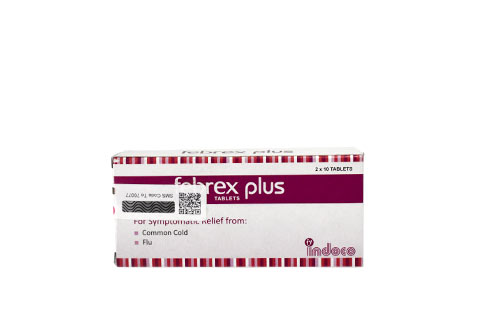
FEBREX PLUS SYRUP
PHENYLPROPANOLAMINEHYDROCHLORIDE BPPARACETAMOL BP CHLORPHENAMINE MALEATE BP
What it does
Bpparacetamol is a medication commonly used to relieve pain and reduce fever.
Commonly used for: pain relief (analgesia), fever reduction (antipyretic)
Read more in plain English ↓Plain-language summary for general understanding - not medical advice. Always follow your pharmacist/doctor.
Ask about this medicine
Answers come only from this medicine's registration record, BNF monograph and interaction data - not medical advice.
Hard to find? We help patients in Kenya source rare medicines. We don't sell or dispense medicines - licensed pharmacies do.
Source this medicineRegistration & product details
Source: Pharmacy and Poisons Board · fetched 2026-01-28 22:09:44 · updated 2026-03-23 04:54:54
About bpparacetamol
Bpparacetamol is a medication commonly used to relieve pain and reduce fever.
What it treats
- pain relief (analgesia)
- fever reduction (antipyretic)
How it works
It works by blocking pain signals in the brain and helps to lower body temperature.
Who it's for
It is suitable for adults and children who need relief from pain or fever.
AI-assisted summary grounded in BNF data - general information only, not medical advice. Always confirm with your pharmacist or doctor.
About chlorpheniramine
Chlorpheniramine is a sedating antihistamine used to relieve allergy symptoms.
What it treats
- allergies
- hay fever (allergic rhinitis)
- common cold symptoms
How it works
It reduces the effects of natural substances in the body that cause allergy symptoms.
Who it's for
It is suitable for adults and children experiencing allergic reactions.
Drug class
Antihistamines, sedating
AI-assisted summary grounded in BNF data - general information only, not medical advice. Always confirm with your pharmacist or doctor.
About phenylpropanolaminehydrochloride
Phenylpropanolamine hydrochloride is a medication commonly used as a decongestant and appetite suppressant.
What it treats
- nasal congestion
- appetite suppression
How it works
It works by narrowing the blood vessels in the nasal passages, which helps reduce swelling and congestion.
Who it's for
This medication is for adults and children over a certain age who are experiencing nasal congestion or need help managing their appetite.
AI-assisted summary grounded in BNF data - general information only, not medical advice. Always confirm with your pharmacist or doctor.
Clinical monograph: bpparacetamol
Bupropion is an atypical antidepressant that primarily acts as a norepinephrine-dopamine reuptake inhibitor (NDRI). It is commonly used for the treatment of major depressive disorder and as an aid to smoking cessation. Bupropion is known for its stimulating effects and is often preferred for patients who experience fatigue or lethargy with traditional antidepressants.
Indications
- Major depressive disorder
- Seasonal affective disorder
- Smoking cessation (as an aid)
Dosage
Children: Safety and efficacy in children have not been established, and specific dosing recommendations are not available.
Adults: Refer to specific product guidelines for dosing details, as dosages vary based on indication and formulation. Generally, it is initiated at a low dose and titrated as tolerated.
Mechanism of action
Bupropion's mechanism of action involves the inhibition of the reuptake of norepinephrine and dopamine, which increases the availability of these neurotransmitters in the synaptic cleft. It also has some antagonistic effects at nicotinic acetylcholine receptors, which may contribute to its efficacy in smoking cessation.
Pharmacodynamics
Bupropion exhibits a unique pharmacological profile compared to other antidepressants. It has a lower risk of sexual side effects and weight gain. Its stimulating properties can help alleviate symptoms of depression and improve energy levels. The drug's effects on dopaminergic and noradrenergic systems make it effective in managing depressive symptoms and aiding in the cessation of nicotine addiction.
Pharmacokinetics
Bupropion is well absorbed after oral administration, with peak plasma concentrations occurring approximately 2 hours after dosing. It undergoes extensive hepatic metabolism, primarily by cytochrome P450 2B6. The elimination half-life ranges from 21 to 30 hours. The drug is primarily excreted in the urine, with metabolites accounting for most of the drug's clearance from the body.
Adverse effects
- Nausea
- Vomiting
- Rash
- Liver damage (with overdose)
- Allergic reactions
Interactions
- Alcohol (increased risk of liver toxicity)
- Warfarin (may enhance anticoagulant effect)
- Certain antiepileptic drugs (may increase risk of hepatotoxicity)
Precautions
- Use with caution in patients with liver disease
- Monitor patients with chronic alcohol use
- Caution in patients with renal impairment
Pregnancy
Paracetamol is generally considered safe during pregnancy but should be used at the lowest effective dose for the shortest duration necessary.
Breast-feeding
Paracetamol is excreted in breast milk in small amounts and is considered safe for use while breastfeeding.
Storage
Store in a cool, dry place away from direct light. Keep out of reach of children.
Formulations
- Tablets
- Oral suspension
- Suppositories
- Injectable solution
AI-synthesized from BNF references - general information only, not a substitute for professional medical advice or the current BNF. Verify doses with a pharmacist.
Clinical monograph: chlorpheniramine
BNF-referencedChlorpheniramine is a sedating antihistamine belonging to the alkylamine class, primarily used for the relief of allergic symptoms. It is effective in alleviating conditions such as allergic rhinitis and urticaria by blocking the action of histamine at the H1 receptor. Chlorpheniramine is known for its anticholinergic properties, providing a drying effect on nasal mucosa and reducing symptoms associated with upper respiratory allergies.
Indications
- Allergic rhinitis (hay fever)
- Urticaria (hives)
- Allergic conjunctivitis
- Common cold symptoms
Dosage
Children: For children aged 6-12 years, the dose is typically 2 mg every 4 to 6 hours, not exceeding 12 mg per day. For children under
Adults: The usual adult dose for chlorpheniramine is 4 mg every 4 to 6 hours, not to exceed 24 mg per day.
Mechanism of action
Chlorpheniramine binds to the histamine H1 receptor, preventing endogenous histamine from exerting its effects. This leads to temporary relief from symptoms such as sneezing, pruritus, and increased vascular permeability associated with allergic reactions. The drug competes with histamine for H1-receptor sites on effector cells, thus antagonizing most of the pharmacological effects of histamine, including its actions on smooth muscle and vascular permeability.
Pharmacodynamics
In allergic reactions, allergens trigger the degranulation of mast cells and basophils, leading to the release of histamine. Chlorpheniramine, as an H1 antagonist, competes for receptor binding, effectively blocking histamine-induced effects, such as itching, vasodilation, and bronchoconstriction. This results in relief from symptoms like sneezing, watery eyes, and nasal discharge.
Pharmacokinetics
Chlorpheniramine is well absorbed from the gastrointestinal tract. It undergoes hepatic metabolism and its effects can last for several hours. The onset of action is typically observed within 1 to 2 hours following oral administration, with peak effects occurring around 2 to 6 hours. The drug is eliminated primarily through urine, with a half-life ranging from 12 to 15 hours, though this can vary based on individual factors.
Contra-indications
- Hypersensitivity to chlorpheniramine or any component of the formulation
- Acute asthma attacks
- Severe hypertension
- Narrow-angle glaucoma
- Prostatic hypertrophy
Adverse effects
- Drowsiness
- Dizziness
- Dry mouth
- Blurred vision
- Constipation
- Urinary retention
- Confusion
- Headache
Interactions
- Alcohol
- CNS depressants
- MAO inhibitors
- Anticholinergic agents
- Beta-blockers
Precautions
- Use with caution in patients with cardiovascular disease
- Caution in patients with liver or kidney impairment
- Avoid in elderly patients due to increased risk of sedation and anticholinergic effects
- May impair the ability to drive or operate machinery
Pregnancy
Chlorpheniramine should be used in pregnancy only if clearly needed. Consult medical professionals for guidance.
Breast-feeding
Chlorpheniramine is excreted in breast milk. Caution is advised when administering to nursing mothers.
Storage
Store at room temperature, away from moisture and heat. Keep out of reach of children.
Formulations
- Tablets
- Syrup
- Oral suspension
AI-synthesized from BNF references - general information only, not a substitute for professional medical advice or the current BNF. Verify doses with a pharmacist.
Clinical monograph: phenylpropanolamine
BNF-referencedPhenylpropanolamine (PPA) is a sympathomimetic agent that acts primarily as a decongestant. It is structurally similar to pseudoephedrine and is used to alleviate nasal congestion by acting on alpha- and beta-adrenergic receptors. PPA has been included in various formulations, including those for cough and cold remedies, as well as appetite suppressants. However, it has been associated with an increased risk of hemorrhagic stroke, particularly in women, leading to its withdrawal from the market in the United States.
Indications
- Nasal congestion
- Cough-cold formulations
- Appetite suppression
Dosage
Adults: Refer to the BNF for
Mechanism of action
Phenylpropanolamine acts directly on alpha- and, to a lesser extent, beta-adrenergic receptors in the respiratory tract mucosa. Activation of alpha-adrenergic receptors induces vasoconstriction, which decreases tissue hyperemia, edema, and nasal congestion, thereby improving nasal airway patency. PPA may also stimulate beta-receptors, resulting in tachycardia and a positive inotropic effect. The drug likely functions by releasing norepinephrine from its storage sites, with alpha-adrenergic effects emerging from inhibition of adenyl cyclase activity and beta-adrenergic effects from cyclic adenosine 3',5'-monophosphate (AMP) production via adenyl cyclase activation. Repeated use can lead to norepinephrine depletion, resulting in tachyphylaxis.
Pharmacodynamics
Phenylpropanolamine, classified as a sympathomimetic, primarily serves as a decongestant. Its usage has declined due to safety concerns, particularly the risk of hemorrhagic stroke in female patients. Despite its decongestant properties, the FDA has advised against its use in over-the-counter products since 2000, reflecting its potential adverse effects.
Pharmacokinetics
The pharmacokinetics of phenylpropanolamine include its absorption, distribution, metabolism, and excretion characteristics, though specific data on half-life and bioavailability are not detailed in the provided information. Its sympathomimetic effects are mediated through adrenergic receptor stimulation, and prolonged use may lead to decreased efficacy due to tachyphylaxis.
Contra-indications
- Hypersensitivity to phenylpropanolamine or any component of the formulation
- Severe hypertension
- Severe coronary artery disease
- Hyperthyroidism
- Glaucoma
- Concurrent use of monoamine oxidase inhibitors (MAOIs)
Adverse effects
- Hypertension
- Tachycardia
- Nervousness
- Dizziness
- Insomnia
- Headache
- Dry mouth
- Nausea
- Vomiting
- Constipation
Interactions
- MAO inhibitors - may cause hypertensive crisis
- Tricyclic antidepressants - may enhance hypertensive effect
- Beta-blockers - may diminish the effectiveness of phenylpropanolamine
- Other sympathomimetics - increased risk of cardiovascular side effects
Precautions
- Use with caution in patients with cardiovascular disease
- Monitor blood pressure regularly during treatment
- Caution in patients with diabetes, prostate enlargement, or urinary retention
- Not recommended for use in children under 12 years of age
Pregnancy
Phenylpropanolamine should be used during pregnancy only if the potential benefit justifies the potential risk to the fetus. Safety in pregnancy has not been established.
Breast-feeding
It is not known whether phenylpropanolamine is excreted in human milk. Caution is advised when administering to breastfeeding women.
Storage
Store at room temperature, away from moisture and heat. Keep out of reach of children.
Formulations
- Phenylpropanolamine hydrochloride tablet
- Phenylpropanolamine syrup
AI-synthesized from BNF references - general information only, not a substitute for professional medical advice or the current BNF. Verify doses with a pharmacist.
Clinical monograph: phenylpropanolaminehydrochloride
Phenylpropanolamine hydrochloride is a sympathomimetic amine that acts as a nasal decongestant and appetite suppressant. It is commonly used in over-the-counter medications for the relief of nasal congestion associated with allergies, colds, and sinusitis, as well as in weight loss formulations. The drug works primarily by stimulating alpha-adrenergic receptors, leading to vasoconstriction in the nasal mucosa, thereby reducing swelling and congestion.
Indications
- Nasal congestion due to allergies
- Common cold
- Sinusitis
- Appetite suppression
Dosage
Children: Refer to specific product guidelines for dosing information, as it can vary by formulation and indication.
Adults: Refer to specific product guidelines for dosing information, as it can vary by formulation and indication.
Mechanism of action
Phenylpropanolamine acts primarily as an adrenergic agonist, stimulating alpha-1 adrenergic receptors. This stimulation results in vasoconstriction of blood vessels in the nasal mucosa, leading to decreased edema and congestion. Additionally, it may have effects on the central nervous system, contributing to appetite suppression.
Pharmacodynamics
The pharmacodynamics of phenylpropanolamine involves its action on adrenergic receptors, particularly alpha-1 receptors, which mediate smooth muscle contraction and vasoconstriction. This leads to increased blood pressure and decreased blood flow to the nasal mucosa, ameliorating symptoms of nasal congestion. Its central effects may also include increased alertness and decreased appetite, although these effects vary among individuals.
Pharmacokinetics
Phenylpropanolamine is absorbed from the gastrointestinal tract and reaches peak plasma concentrations within 1 to 3 hours after oral administration. It is metabolized by monoamine oxidase and other pathways in the liver, with a half-life ranging from 2 to 4 hours. The drug is primarily excreted in the urine, both as unchanged drug and metabolites. Factors such as age, liver function, and other medications can influence its pharmacokinetics.
Contra-indications
- Hypersensitivity to phenylpropanolamine or any component of the formulation
- Severe hypertension
- Severe cardiovascular disorders
- Hyperthyroidism
- Glaucoma
- Use in patients taking monoamine oxidase inhibitors (MAOIs)
Adverse effects
- Insomnia
- Nervousness
- Dizziness
- Headache
- Tachycardia
- Palpitations
- Hypertension
- Dry mouth
- Nausea
Interactions
- Increased risk of hypertension when used with other sympathomimetics
- Potentially increased effects with MAOIs leading to hypertensive crises
- May decrease effectiveness of antihypertensive medications
Precautions
- Use with caution in patients with a history of hypertension
- Monitor blood pressure regularly during treatment
- Caution in patients with diabetes mellitus or prostate enlargement
- Avoid use in pregnant or breastfeeding women unless clearly necessary
Pregnancy
Phenylpropanolamine is not recommended during pregnancy due to potential risks. Consult a healthcare provider for alternative treatments.
Breast-feeding
It is advisable to avoid phenylpropanolamine while breastfeeding due to potential effects on the infant. Consult a healthcare provider for safer alternatives.
Storage
Store at room temperature, away from moisture and heat. Keep out of reach of children.
Formulations
- Tablets
- Capsules
- Syrup
AI-synthesized from BNF references - general information only, not a substitute for professional medical advice or the current BNF. Verify doses with a pharmacist.
Molecular reference: chlorpheniramine
PubChem CID 2725Molecular formula: C16H19ClN2
Mechanism of action
Chlorpheniramine binds to the histamine H1 receptor. This blocks the action of endogenous histamine, which subsequently leads to temporary relief of the negative symptoms brought on by histamine. Antihistamines used in the treatment of allergy act by competing with histamine for H1-receptor sites on effector cells. They thereby prevent, but do not reverse, responses mediated by histamine alone. Antihistamines antagonize, in varying degrees, most of the pharmacological effects of histamine, including urticaria and pruritus. Also, the anticholinergic actions of most antihistamines provide a drying effect on the nasal mucosa. /Antihistamines/ H1 antagonists inhibit most responses of smooth muscle to histamine. Antagonism of the constrictor action of histamine on respiratory smooth muscle is easily shown in vivo and in vitro. /Histamine Antagonists: H1 Antagonists/ H1 antagonists strongly block the action of histamine that results in increased permeability and formation of edema and wheal. /Histamine Antagonists: H1 Antagonists/ Within the vascular tree, the H1 antagonists inhibit both the vasoconstrictor effects of histamine and, to a degree, the more rapid vasodilator effects that are mediated by H1 receptors on endothelial cells. Residual vasodilatation reflects the involvement of H2 receptors on smooth muscle and can be suppressed only by the concurrent administration of an H2 antagonist. Effects of the histamine antagonists on histamine induced changes in systemic blood pressure parallel these vascular effects. /Histamine Antagonists: H1 Antagonists/ Many of the H1 antagonists tend to inhibit responses to acetylcholine that are mediated by muscarinic receptors. These atropine like actions are sufficiently prominent in some of the drugs to be manifest during clinical usage ... . /Histamine Antagonists: H1 Antagonists/
Pharmacodynamics
In allergic reactions an allergen interacts with and cross-links surface IgE antibodies on mast cells and basophils. Once the mast cell-antibody-antigen complex is formed, a complex series of events occurs that eventually leads to cell-degranulation and the release of histamine (and other chemical mediators) from the mast cell or basophil. Once released, histamine can react with local or widespread tissues through histamine receptors. Histamine, acting on H<sub>1</sub>-receptors, produces pruritis, vasodilatation, hypotension, flushing, headache, tachycardia, and bronchoconstriction. Histamine also increases vascular permeability and potentiates pain. Chlorpheniramine, is a histamine H1 antagonist (or more correctly, an inverse histamine agonist) of the alkylamine class. It competes with histamine for the normal H<sub>1</sub>-receptor sites on effector cells of the gastrointestinal tract, blood vessels and respiratory tract. It provides effective, temporary relief of sneezing, watery and itchy eyes, and runny nose due to hay fever and other upper respiratory allergies.
Biological pathways
Source: PubChem (NCBI) · pathways from PathBank, Reactome, WikiPathways & PharmGKB.
Molecular reference: phenylpropanolamine
PubChem CID 10297Molecular formula: C9H13NO
Mechanism of action
Phenylpropanolamine acts directly on alpha- and, to a lesser degree, beta-adrenergic receptors in the mucosa of the respiratory tract. Stimulation of alpha-adrenergic receptors produces vasoconstriction, reduces tissue hyperemia, edema, and nasal congestion, and increases nasal airway patency. PPA indirectly stimulates beta-receptors, producing tachycardia and a positive inotropic effect. The mechanism of action of phenylpropanolamine has not been conclusively determined. The drug may directly stimulate adrenergic receptors but probably indirectly stimulates both A- and B-adrenergic receptors by releasing norepinephrine from its storage sites. It is believed that B-adrenergic effects result from stimulation of cyclic adenosine 3',5'-monophosphate (AMP) production by activation of the enzyme adenyl cyclase, whereas A-adrenergic effects result from inhibition of adenyl cyclase activity. With prolonged use or too frequent administration, indirectly acting sympathomimetics may deplete norepinephrine in sympathetic nerve endings and tachyphylaxis may develop. Tachyphylaxis induced by one indirectly acting sympathomimetic may result in refractoriness to other drugs of the same class. /Phenylpropanolamine hydrochloride/ Whether the alpha1- and alpha2-adrenoceptor mediated increases in diastolic blood pressure effected by phenylpropanolamine and its enantiomers are altered by, or independent of beta2-mediated vasodilation, or beta2-adrenoceptor blockade were studied in pithed rats. The pressor responses were enhanced in the presence of the antagonist ICI-118551 and diminished in the presence of albuterol. It was concluded that each form of phenylpropanolamine possesses the intrinsic ability to interact with all of the adrenoceptors in the system used and that the interaction with those adrenoceptors determines the net increase in diastolic blood pressure that follows the intravenous administration of the compounds. These findings have a bearing on the recent controversy regarding the use of beta-blocking agents in the treatment of overdosage of phenylpropanolamine.
Pharmacodynamics
Phenylpropanolamine (PPA), a sympathomimetic agent structurally similar to pseudoephedrine, is used to treat nasal congestion. Phenylpropanolamine is found in appetite suppressant formulations and with guaifenesinin in cough-cold formulations. In 2000, the FDA requested that all drug companies discontinue marketing products containing phenylpropanolamine, due to an increased risk of hemorrhagic stroke in women who used phenylpropanolamine.
Source: PubChem (NCBI) · pathways from PathBank, Reactome, WikiPathways & PharmGKB.
This drug in other countries
The same active ingredient registered across other registries we cover - including different brands.
- ABYCOLD SYRUP (Each 5ml contains Paracetamol/ Phenylephrine hydrochloride/ Chlorpheniramine maleate – 125mg/2.5mg/ 1mg Paracetamol/Phenylephrine Hydrochloride/Chlorpheniramine Maleate 125mg/2.5mg/ 1mg) · Socomed Pharmceuticals Pvt Limited
- ABYCOLD PLUS TABLETS · Socomed Pharma
- ABYCOLD-X TABLETS · Socomed Pharma
- ABYMOL FORTE CAPSULES (Each hard gelatin capsule contains Paracetamol/ Diclofenac sodium/ Caffeine Paracetamol/Phenylephrine Hydrochloride/Chlorpheniramine Maleate 325mg/50mg/30mg) · Socomed Pharmceuticals Pvt Limited
- AMIDOL COLD & FLU TABLETS (Each tablet contains Paracetamol/ Caffeine/ Phenylephrine Hydrochloride/ Chlorpheniramine Maleate 500mg/30mg/5mg/2mg) · Shalina Laboratories
- APFLU SYRUP · Cadila Pharmaceutical