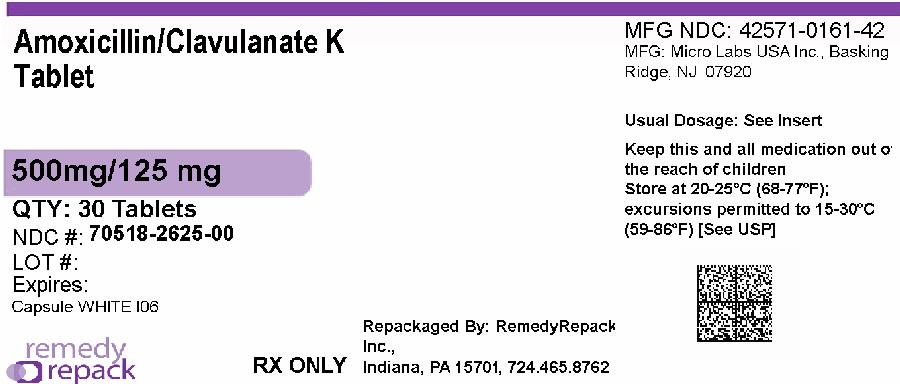
(amoxicillin · DailyMed)
FLUCAMOX 250
Amoxicillin 125 mg (As Amoxicillin Trihydrate) 143.50 mg/ 5ml,Aspartame 25 mg/6 mL,Flucloxacillin 125 mg (As Flucloxacillin magnesium octahydrate) 147.90 mg/5 ml,Menthol 5 mg/6 mL,Xanthan gum 15 mg/6 mL
What it does
Amoxicillin is an antibiotic used to treat infections caused by bacteria.
Commonly used for: infections of the ear, nose, and throat, urinary tract infections, pneumonia, skin infections
Read more in plain English ↓Plain-language summary for general understanding - not medical advice. Always follow your pharmacist/doctor.
Ask about this medicine
Answers come only from this medicine's registration record, BNF monograph and interaction data - not medical advice.
Medicine sourcing is available in Kenya only. We don't sell or dispense medicines - licensed pharmacies do.
Sourcing - Kenya onlyRegistration & product details
Source: Tanzania Medicines and Medical Devices Authority · fetched 2026-04-14 13:33:36 · updated 2026-10-19 03:00:44
Drug Interactions
13Pharmacodynamic Warnings
Flucloxacillin appears in TABLE 1: Drugs that cause hepatotoxicity
Severe (2)
Penicillins - increases risk of adverse effects
Valproate increases the risk of adverse effects when given with penicillins (pivmecillinam). Avoid.
Penicillins - increases risk of adverse effects
Valproate increases the risk of adverse effects when given with penicillins (pivmecillinam). Avoid.
Unknown (11)
Amoxicillin - increases risk of skin rash
Allopurinol increases the risk of skin rash when given with penicillins (amoxicillin, ampicillin).
Penicillins - increases risk of skin rash
Allopurinol increases the risk of skin rash when given with penicillins (amoxicillin, ampicillin).
Penicillins - increases exposure
Leflunomide is predicted to increase the exposure to penicillins (benzylpenicillin).
Penicillins - increases exposure
Nitisinone is predicted to increase the exposure to penicillins (benzylpenicillin).
Penicillins - increases exposure
Teriflunomide is predicted to increase the exposure to penicillins (benzylpenicillin).
Data from BNF 85 (British National Formulary). This is not a substitute for professional medical advice. Matched via: class
About amoxicillin
Amoxicillin is an antibiotic used to treat infections caused by bacteria.
What it treats
- infections of the ear, nose, and throat
- urinary tract infections
- pneumonia
- skin infections
How it works
It kills bacteria or stops their growth, helping to clear up infections.
Who it's for
Amoxicillin is suitable for adults and children who have bacterial infections.
Drug class
Penicillins
AI-assisted summary grounded in BNF data - general information only, not medical advice. Always confirm with your pharmacist or doctor.
About aspartame
Aspartame is a low-calorie sweetener used as a sugar substitute in various food and drink products.
What it treats
- weight management
- diabetes
- sugar-free products
How it works
Aspartame provides a sweet taste without the calories of sugar, making it a popular choice for those looking to reduce sugar intake.
Who it's for
Aspartame is suitable for individuals looking to lower their sugar consumption, including those with diabetes and those trying to manage their weight.
AI-assisted summary grounded in BNF data - general information only, not medical advice. Always confirm with your pharmacist or doctor.
About flucloxacillin
Flucloxacillin is an antibiotic that helps fight bacterial infections.
What it treats
- skin infections
- bone infections
- chest infections (pneumonia)
- ear infections (otitis)
- throat infections (tonsillitis)
How it works
It works by stopping the growth of bacteria, helping your body to fight off the infection.
Who it's for
Flucloxacillin is suitable for people who have bacterial infections that are sensitive to it.
Drug class
Penicillins
Cautions
- • Avoid using with other medications that can harm the liver.
AI-assisted summary grounded in BNF data - general information only, not medical advice. Always confirm with your pharmacist or doctor.
About gum
Gum is a chewable product often used for freshening breath and promoting oral health.
What it treats
- breath freshening
- oral health improvement
How it works
Chewing gum stimulates saliva production, which helps clean the mouth and reduce cavities.
Who it's for
Anyone who wants to improve their breath or maintain oral hygiene.
AI-assisted summary grounded in BNF data - general information only, not medical advice. Always confirm with your pharmacist or doctor.
About menthol
Menthol is a natural compound often used for its soothing and cooling effects.
What it treats
- cough relief
- muscle pain relief
- skin irritation treatment
How it works
Menthol creates a cooling sensation on the skin and mucous membranes, which can help relieve discomfort.
Who it's for
Menthol is suitable for adults and children who need relief from coughs, muscle aches, or skin irritation.
AI-assisted summary grounded in BNF data - general information only, not medical advice. Always confirm with your pharmacist or doctor.
About xanthan
Xanthan is a natural thickening agent used in food and other products.
What it treats
- thickening agent in food
- stabilizer in cosmetics
- binding agent in pharmaceuticals
How it works
Xanthan helps to improve the texture and consistency of products by thickening them.
Who it's for
Suitable for most people, including those with certain dietary restrictions.
AI-assisted summary grounded in BNF data - general information only, not medical advice. Always confirm with your pharmacist or doctor.
Clinical monograph: Flucloxacillin
BNF-referencedFlucloxacillin is a penicillin-type antibiotic that is effective against a range of bacterial infections, particularly those caused by beta-lactamase-producing staphylococci. It works primarily by inhibiting bacterial cell wall synthesis, leading to cell lysis and death. Its stability against various beta-lactamases enhances its efficacy against resistant bacterial strains.
Indications
- Bacterial infections due to beta-lactamase-producing staphylococci
- Cellulitis
- Endocarditis (in combination with other antibiotics)
- Osteomyelitis
- Impetigo
- Severe infections in cystic fibrosis patients
Dosage
Children: For neonates up to 7 days
Adults: The usual adult dosage for severe infections is 1 g every 6 hours, with a maximum of 4 g per day. For specific conditions, such as Staphylococcal infections, the dose may vary; consult the BNF for detailed guidance.
Mechanism of action
Flucloxacillin binds to specific penicillin-binding proteins (PBPs) within the bacterial cell wall, inhibiting the final stages of cell wall synthesis. This action leads to cell lysis, facilitated by bacterial autolytic enzymes. It may also interfere with autolysin inhibitors, enhancing its bactericidal effect.
Pharmacodynamics
As a beta-lactam antibiotic, flucloxacillin exhibits bactericidal activity, primarily against gram-positive bacteria, including Staphylococcus aureus. It is effective against both aerobic and anaerobic bacteria, and its activity results from the inhibition of peptidoglycan synthesis in the bacterial cell wall. Flucloxacillin demonstrates resistance to hydrolysis by certain beta-lactamases, allowing it to treat infections caused by resistant strains effectively.
Pharmacokinetics
Flucloxacillin is absorbed well when administered orally, with peak plasma concentrations typically occurring 1-2 hours post-dose. It is distributed widely in body tissues and fluids, including bone and bile. The drug is primarily excreted via the kidneys, with around 70-90% of an administered dose excreted as unchanged drug in the urine. Its half-life is approximately 0.5 to 1 hour, necessitating multiple daily doses for effective treatment.
Adverse effects
- Vulvo-vaginal fungal infection
- Dizziness
- Fatigue
- Gastrointestinal discomfort
- Gastrointestinal disorders
- Headache
- Oral ulceration
- Vertigo
Interactions
- Refer to Appendix 1: penicillins (severe infection)
Precautions
- Avoid in acute porphyrias
- Monitor liver and renal function tests required in long-term use
Pregnancy
Not known to be harmful, but the manufacturer advises avoidance.
Breast-feeding
Trace amount in milk, but appropriate to use.
Storage
Store in a cool, dry place away from direct sunlight.
Formulations
- Tablets
- Injectable solution
AI-synthesized from BNF references - general information only, not a substitute for professional medical advice or the current BNF. Verify doses with a pharmacist.
Clinical monograph: Amoxicillin
BNF-referencedAmoxicillin is a broad-spectrum antibiotic belonging to the penicillin class, effective against a variety of bacterial infections. It is commonly used to treat conditions such as urinary tract infections, sinusitis, community-acquired pneumonia, and salmonellosis.
Indications
- Bacterial infections
- Urinary tract infections
- Sinusitis
- Uncomplicated community-acquired pneumonia
- Salmonellosis
- Oral infections
- Lyme disease (under expert supervision)
- Acute exacerbation of bronchiectasis
- Anthrax (treatment and post-exposure prophylaxis)
Dosage
Children: 1 month–11 years: 30 mg/kg 3 times a day for 21 days; children 1–4 years: 250 mg 3 times a day; children 5–11 years: 500 mg 3 times a day.
Adults: 500 mg 3 times a day; increased if necessary up to 1 g 3 times a day in severe infections.
Mechanism of action
Amoxicillin works by inhibiting bacterial cell wall synthesis, leading to cell lysis and death. It binds to penicillin-binding proteins (PBPs) located inside the bacterial cell wall, interfering with the transpeptidation process necessary for cell wall integrity.
Pharmacodynamics
Amoxicillin exhibits bactericidal activity against susceptible bacteria. Its action is time-dependent, meaning that its effectiveness is related to the duration of time that the drug concentration remains above the minimum inhibitory concentration (MIC) for the target pathogen.
Pharmacokinetics
Amoxicillin is well absorbed from the gastrointestinal tract, with peak plasma concentrations achieved within 1-2 hours after oral administration. It is widely distributed in body tissues and fluids, and it is excreted primarily via the kidneys. The elimination half-life is approximately 1 hour, and renal impairment may necessitate dosage adjustments.
Adverse effects
- Skin rash
- Gastrointestinal disturbances (nausea, vomiting, diarrhea)
- Allergic reactions (including anaphylaxis)
- Superinfection (due to resistant organisms)
Interactions
- Allopurinol (increases risk of skin rash)
Precautions
- History of penicillin allergy
- Renal impairment (reduce dose)
- Use with caution in patients with mononucleosis
Pregnancy
Use only if clearly needed; no adequate studies in pregnant women.
Breast-feeding
Amoxicillin is excreted in breast milk; use with caution.
Storage
Store in a cool, dry place away from direct sunlight.
Formulations
- Phenoxymethylpenicillin 250mg/5ml oral solution
- Phenoxymethylpenicillin 250 mg tablets
AI-synthesized from BNF references - general information only, not a substitute for professional medical advice or the current BNF. Verify doses with a pharmacist.
Clinical monograph: aspartame
BNF-referencedAspartame is a low-calorie artificial sweetener that is approximately 180 to 200 times sweeter than sucrose. It is commonly used to sweeten a variety of low-calorie and reduced-calorie food products and beverages, including soft drinks and tabletop sweeteners. Aspartame is composed of two amino acids, aspartic acid and phenylalanine, linked by a methyl ester bond. It is metabolized in the body as a protein, with its constituent amino acids utilized in various physiological mechanisms.
Dosage
Children: Refer to the specific product guidelines for appropriate use, as dosages may vary depending on the product formulation.
Adults: Refer to the specific product guidelines for appropriate use, as dosages may vary depending on the product formulation.
Mechanism of action
Aspartame is metabolized into aspartic acid, phenylalanine, and methanol. These components are then absorbed into the bloodstream and utilized in normal physiological processes, similar to how these amino acids are used when derived from protein-rich foods.
Pharmacodynamics
Aspartame functions as a low-calorie sweetener, providing sweetness without significant caloric contribution. It is composed of naturally occurring amino acids, aspartic acid and phenylalanine, which are utilized by the body in the same way as those derived from dietary proteins. The sweetening effect of aspartame is primarily due to its high sweetness potency compared to sucrose.
Pharmacokinetics
Upon ingestion, aspartame is hydrolyzed in the gastrointestinal tract into its individual components: aspartic acid, phenylalanine, and methanol. These metabolites are then absorbed into the bloodstream. They do not accumulate in the body and are utilized in metabolic processes similar to those of their natural counterparts found in food.
Contra-indications
- Phenylketonuria (PKU)
Adverse effects
- Headaches
- Allergic reactions
- Gastrointestinal disturbances
- Mood changes
Precautions
- Use with caution in individuals with phenylketonuria due to phenylalanine content.
Pregnancy
Considered safe for use during pregnancy, but it is advisable to consult with a healthcare provider.
Breast-feeding
Considered safe for use during breastfeeding, but it is advisable to consult with a healthcare provider.
Storage
Store in a cool, dry place away from direct sunlight.
Formulations
- Tablets
- Powder
- Liquid sweeteners
AI-synthesized from BNF references - general information only, not a substitute for professional medical advice or the current BNF. Verify doses with a pharmacist.
Clinical monograph: menthol
BNF-referencedMenthol is a cyclic monoterpene alcohol that is widely used as a flavoring agent and in topical analgesic preparations due to its cooling sensation. It is commonly derived from peppermint oil and is known for its soothing properties in various applications, including cough drops, ointments, and as a fragrance in personal care products.
Indications
- Topical analgesic for muscle and joint pain
- Cough suppressant in cough drops and lozenges
- Relief of minor throat irritation
- Cooling agent in various cosmetic and personal care products
Dosage
Children: Refer to BNF for Children for specific dosing guidelines, as doses may vary based on age and formulation.
Adults: For topical use, apply a thin layer to the affected area not more than 3 to 4 times daily. For cough drops, follow the product-specific instructions as per the formulation.
Mechanism of action
Menthol acts as an agonist for the transient receptor potential subtype M8 (TRPM8), a non-selective cation channel that is activated by cold temperatures. This activation leads to calcium influx in mast cells, inducing the release of histamine, which can trigger allergic responses such as urticaria, asthma, and rhinitis. Menthol's ability to induce histamine release via TRPM8 suggests potential therapeutic applications for TRPM8 antagonists in managing cold- and menthol-induced allergies.
Pharmacodynamics
Menthol produces a cooling effect by stimulating sensory neurons that convey cold sensations. It interacts with TRPM8 channels, leading to the activation of intracellular signaling pathways that can result in vasodilation and increased blood flow to the area of application. This cooling sensation can provide symptomatic relief in conditions characterized by pain or irritation.
Pharmacokinetics
Menthol is absorbed through the skin and mucous membranes, with systemic effects depending on the route of administration. Its bioavailability can vary, and it is metabolized primarily in the liver. The elimination half-life and excretion pathways have not been extensively characterized, but menthol is generally considered to have a rapid onset of action with effects lasting for a few hours.
Adverse effects
- Allergic reactions
- Urticaria
- Asthma
- Rhinitis
- Skin irritation
Precautions
- Use with caution in patients with known allergies to menthol or related compounds
- May exacerbate asthma in sensitive individuals
Pregnancy
There are no well-controlled studies of menthol in pregnant women. Menthol should be used during pregnancy only if clearly needed.
Breast-feeding
Menthol is excreted in breast milk. Caution should be exercised when administering to nursing mothers.
Storage
Store in a cool, dry place away from light. Keep out of reach of children.
Formulations
- Topical ointment
- Cream
- Liquid
AI-synthesized from BNF references - general information only, not a substitute for professional medical advice or the current BNF. Verify doses with a pharmacist.
Clinical monograph: xanthan
BNF-referencedXanthan is a polysaccharide that is produced by the fermentation of glucose or sucrose by the bacterium Xanthomonas campestris. It is commonly used as a thickening agent and stabilizer in food products, as well as in pharmaceuticals and cosmetics due to its ability to form gels and enhance viscosity. Xanthan is known for its pseudoplastic behavior, where its viscosity decreases under shear stress, making it useful in various formulations.
Indications
- Used as a thickening agent in food products
- Utilized in pharmaceutical formulations as a stabilizer
- Employed in cosmetics for texture improvement
- Applied in industrial products for its viscosity properties
Dosage
Children: Refer to specific product guidelines for appropriate use. Xanthan is used in formulations as a thickener or stabilizer, and dosage should be evaluated based on the specific product and formulation.
Adults: Refer to specific product guidelines for appropriate use. Xanthan is typically used in small quantities as a thickener or stabilizer in food and pharmaceutical products.
Mechanism of action
Xanthan functions primarily as a thickener and stabilizer. It acts by interacting with water molecules to form a gel-like consistency, which enhances the texture and stability of products. Its unique rheological properties allow it to maintain viscosity under varying conditions, which is beneficial in food and pharmaceutical applications.
Pharmacodynamics
Xanthan's action is primarily physical rather than pharmacological. It does not exert a direct therapeutic effect but influences the delivery and stability of active ingredients in formulations. The gel formation and viscosity changes help ensure the uniform distribution of substances in liquid formulations, which can improve the effectiveness of the drug delivery.
Pharmacokinetics
As xanthan is a polysaccharide, it is not absorbed in the gastrointestinal tract when ingested. It passes through the digestive system largely unchanged. In terms of metabolism, xanthan is broken down by colonic bacteria, resulting in short-chain fatty acids. Its pharmacokinetic profile indicates that it has a low bioavailability due to its large molecular size and structure.
Pregnancy
There is insufficient data on the use of xanthan during pregnancy. Consult a healthcare professional before use.
Breast-feeding
There is insufficient data on the excretion of xanthan in human milk. Consult a healthcare professional before use.
Storage
Store in a cool, dry place, away from direct sunlight.
Formulations
- Xanthan gum powder
AI-synthesized from BNF references - general information only, not a substitute for professional medical advice or the current BNF. Verify doses with a pharmacist.
Molecular reference: Amoxicillin
PubChem CID 33613Molecular formula: C16H19N3O5S
Mechanism of action
Amoxicillin competitively inhibits penicillin-binding protein 1 and other high molecular weight penicillin binding proteins. Penicillin bind proteins are responsible for glycosyltransferase and transpeptidase reactions that lead to cross-linking of D-alanine and D-aspartic acid in bacterial cell walls. Without the action of penicillin binding proteins, bacteria upregulate autolytic enzymes and are unable to build and repair the cell wall, leading to bacteriocidal action. The penicillins and their metabolites are potent immunogens because of their ability to combine with proteins and act as haptens for acute antibody-mediated reactions. The most frequent (about 95 percent) or "major" determinant of penicillin allergy is the penicilloyl determinant produced by opening the beta-lactam ring of the penicillin. This allows linkage of the penicillin to protein at the amide group. "Minor" determinants (less frequent) are the other metabolites formed, including native penicillin and penicilloic acids. /Penicillins/ Amoxicillin is similar to penicillin in its bactericidal action against susceptible bacteria during the stage of active multiplication. It acts through the inhibition of cell wall biosynthesis that leads to the death of the bacteria.
Pharmacodynamics
Amoxicillin competitively inhibit penicillin binding proteins, leading to upregulation of autolytic enzymes and inhibition of cell wall synthesis. Amoxicillin has a long duration of action as it is usually given twice daily. Amoxicillin has a wide therapeutic range as mild overdoses are not associated with significant toxicity. Patients should be counselled regarding the risk of anaphylaxis, _Clostridium difficile_ infections, and bacterial resistance.
Biological pathways
Source: PubChem (NCBI) · pathways from PathBank, Reactome, WikiPathways & PharmGKB.
Molecular reference: Flucloxacillin
PubChem CID 21319Molecular formula: C19H17ClFN3O5S
Mechanism of action
By binding to specific penicillin-binding proteins (PBPs) located inside the bacterial cell wall, flucloxacillin inhibits the third and last stage of bacterial cell wall synthesis. Cell lysis is then mediated by bacterial cell wall autolytic enzymes such as autolysins; it is possible that flucloxacillin interferes with an autolysin inhibitor.
Pharmacodynamics
Flucloxacillin is a penicillin beta-lactam antibiotic used in the treatment of bacterial infections caused by susceptible, usually gram-positive, organisms. The name "penicillin" can either refer to several variants of penicillin available, or to the group of antibiotics derived from the penicillins. Flucloxacillin has <i>in vitro</i> activity against gram-positive and gram-negative aerobic and anaerobic bacteria. The bactericidal activity of Flucloxacillin results from the inhibition of cell wall synthesis and is mediated through flucloxacillin binding to penicillin binding proteins (PBPs). Flucloxacillin is stable against hydrolysis by a variety of beta-lactamases, including penicillinases, and cephalosporinases and extended spectrum beta-lactamases.
Source: PubChem (NCBI) · pathways from PathBank, Reactome, WikiPathways & PharmGKB.
Molecular reference: aspartame
PubChem CID 134601Molecular formula: C14H18N2O5
Mechanism of action
180 to 200 times sweeter than sucrose, it is metabolized as a protein and its subsequent amino-acids used up in there respective mechanisms.
Pharmacodynamics
Aspartame (L-alpha-aspartyl-L-phenylalanine methyl ester) is a low-calorie sweetener used to sweeten a wide variety of low- and reduced-calorie foods and beverages, including low-calorie tabletop sweeteners. Aspartame is composed of two amino acids, aspartic acid and phenylalanine, as the methyl ester. Aspartic acid and phenylalanine are also found naturally in protein containing foods, including meats, grains and dairy products. Methyl esters are also found naturally in many foods such as fruits and vegetable and their juices. Upon digestion, aspartame breaks down into three components (aspartic acid, phenylalanine and methanol), which are then absorbed into the blood and used in normal body processes. Neither aspartame nor its components accumulates in the body. These components are used in the body in the same ways as when they are derived from common foods.
Source: PubChem (NCBI) · pathways from PathBank, Reactome, WikiPathways & PharmGKB.
Molecular reference: menthol
PubChem CID 1254Molecular formula: C10H20O
Mechanism of action
Exposure to low temperatures often causes allergic responses or urticaria. Similarly, menthol, a common food additive is also known to cause urticaria, asthma, and rhinitis. However, despite the obvious clinical implications, the molecular mechanisms responsible for inducing allergic responses to low temperatures and menthol have not been determined. Because a non-selective cation channel, transient receptor potential subtype M8 (TRPM8) is activated by cold and menthol, we hypothesized that this channel mediates cold- and menthol-induced histamine release in mast cells. Here, we report that TRPM8 is expressed in the basophilic leukemia mast cell line, RBL-2H3, and that exposure to menthol or low temperatures induced Ca(2+) influx in RBL-2H3 cells, which was reversed by a TRPM8 blocker. Furthermore, menthol, a TRPM8 agonist, induced the dose-dependent release of histamine from RBL-2H3 cells. When TRPM8 transcripts were reduced by siRNA (small interfering RNA), menthol- and cold-induced Ca(2+) influx and histamine release were significantly reduced. In addition, subcutaneous injection of menthol evoked scratching, a typical histamine-induced response which was reversed by a TRPM8 blocker. Thus, our findings indicate that TRPM8 mediates the menthol- and cold-induced allergic responses of mast cells, and suggest that TRPM8 antagonists be viewed as potential treatments for cold- and menthol-induced allergies. /DL-Menthol/ Menthol's characteristic cooling sensation is due, in part, to the activation of sensory neurons generally termed transient receptor potential (TRP) channels, in particular transient receptor potential melastatin family member 8 (TRPM8) and transient receptor potential subfamily A, member 1 (TRPA1). Menthol acts upon TRPM8 receptors by rapidly increasing intracellular calcium and mobilizing calcium flux through the channels to induce cold response signals at the application site. Aside from its cold-inducing sensation capabilities, menthol exhibits cytotoxic effects in cancer cells, induces reduction in malignant cell growth, and engages in synergistic excitation of GABA receptors and sodium ion channels resulting in analgesia. /DL-Menthol/ In recent years, the transient receptor potential melastatin member 8 (TRPM8) channel has emerged as a promising prognostic marker and putative therapeutic target in prostate cancer. We have found that forced overexpression of TRPM8 in PC-3 cells can inhibit the cell proliferation and motility probably through the TRPM8 activation. In this study, we aimed to investigate whether activating the TRPM8 channel by its selective agonist menthol can inhibit the proliferation and motility of androgen-independent prostate cancer (AIPC) with remarkable expression of TRPM8. Menthol is a naturally occurring compound, which has been widely used in cosmetics and pharmaceutical products, and also as flavoring in food. DU145 cells are androgen-independent but have a remarkable expression of TRPM8. The demonstration of the existence of TRPM8 and the absence of TRPA1 in DU145 cells provided the foundation for the following experiments, because both TRPM8 and TRPA1 are molecular targets of menthol. The outcome of MTT assay indicated that menthol inhibited the cell growth (p < 0.01). Cell cycle distribution and scratch assay analysis revealed that menthol induced cell cycle arrest at the G(0)/G(1) phase (p < 0.01). Furthermore, menthol inhibited the migration of DU145 cells by downregulating the focal-adhesion kinase. So it suggests that the activation of the existing TRPM8 channels may serve as a potential and pragmatic treatment for those AIPC with remarkable expression of TRPM8, and menthol is a useful compound for future development as an anticancer agent. /DL-Menthol/
Source: PubChem (NCBI) · pathways from PathBank, Reactome, WikiPathways & PharmGKB.
Molecular reference: xanthan
PubChem CID 7107Molecular formula: C13H10O
Source: PubChem (NCBI) · pathways from PathBank, Reactome, WikiPathways & PharmGKB.
This drug in other countries
The same active ingredient registered across other registries we cover - including different brands.
- ABICOF JUNIOR SYRUP · Socomed Pharmaceutical
- ABICOF SYRUP · Socomed Pharmaceutical
- AC-CLAV 1000 TABLETS (Each film coated tablet contains Amoxicillin and Cluvalanate Potassium 1000mg · Kiux Pharma
- AC-CLAV 625 TABLETS (Each film coated tablet contains Amoxicillin and Clavulanate Potassium 625 · Kiux Pharma
- ACICLAVCARE 1G TABLETS (Each film-coated tablet contains Amoxicillin trihydrate / Potassium clavulanate 1g) · East African Overseas
- ACINET 1.2G INJECTION (Each vial contains Amoxicillin Sodium/Potassium Clavulanate 1g/0.2g · East African Creasteas