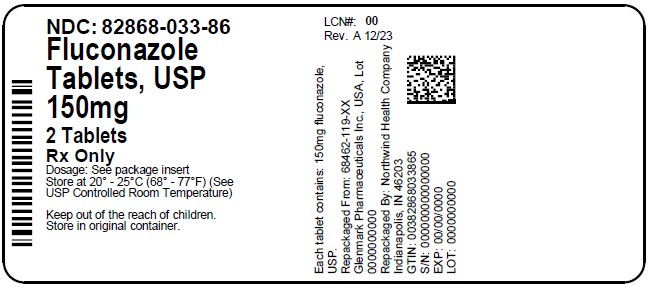
(fluconazole · DailyMed)
FLUCAN-200
Black/Orange Size “2” Hard Gelatin empty capsule -- -,Calcium Hydrogen phosphate anhydrous. 18.0 mg/6 mL,Croscannellose Sodium 14.00 mg/6 mL,Fluconazole 200 mg,Lactose (Monohydrate 30.0 mg/6 mL,Magnesium Sterate 3.00 mg/6 mL,Microcrystalline Cellulose (PH-102) 11.0 mg/6 mL,Povidone (K30) 4.00 mg/6 mL
What it does
Black is an ingredient used in various medicinal products.
Read more in plain English ↓Plain-language summary for general understanding - not medical advice. Always follow your pharmacist/doctor.
Ask about this medicine
Answers come only from this medicine's registration record, BNF monograph and interaction data - not medical advice.
Medicine sourcing is available in Kenya only. We don't sell or dispense medicines - licensed pharmacies do.
Sourcing - Kenya onlyRegistration & product details
Source: Tanzania Medicines and Medical Devices Authority · fetched 2026-03-11 23:46:43 · updated 2026-10-19 03:00:45
Drug Interactions
26Pharmacodynamic Warnings
Fluconazole appears in TABLE 1: Drugs that cause hepatotoxicity
Fluconazole appears in TABLE 9: Drugs that prolong the QT interval
Severe (2)
Bosentan - increases exposure
Fluconazole is predicted to increase the exposure to endothelin receptor antagonists (bosentan). Avoid.
Endothelin Receptor Antagonists - increases exposure
Fluconazole is predicted to increase the exposure to endothelin receptor antagonists (bosentan). Avoid.
Moderate (11)
Antiepileptics - increases concentration
Fluconazole increases the concentration of antiepileptics (fosphenytoin, phenytoin). Monitor concentration and adjust dose.
Atorvastatin - increases exposure
Fluconazole is predicted to increase the exposure to statins (atorvastatin, simvastatin). Monitor and adjust dose. Also see TABLE 1 p. 1517.
Coumarins - increases anticoagulant effect
Fluconazole increases the anticoagulant effect of coumarins. Monitor INR and adjust dose.
Fluconazole - decreases exposure
Rifampicin slightly decreases the exposure to antifungals, azoles (fluconazole). Adjust dose.
Fosphenytoin - increases concentration
Fluconazole increases the concentration of antiepileptics (fosphenytoin, phenytoin). Monitor concentration and adjust dose.
Unknown (13)
Abrocitinib - increases exposure
Fluconazole is predicted to increase the exposure to abrocitinib. Adjust abrocitinib dose, p. 1380.
Antiarrhythmics - increases exposure
Fluconazole is predicted to increase the exposure to antiarrhythmics (dronedarone). Theoretical → Also see TABLE 9 p. 1519
Cannabidiol - increases exposure
Fluconazoleispredictedtoincreasetheexposureto cannabidiol.oTheoretical
Cilostazol - increases exposure
Fluconazole is predicted to increase the exposure to cilostazol. Adjust cilostazol dose, p. 253.
Clopidogrel - decreases efficacy
Fluconazoleispredictedtodecreasetheefficacyofclopidogrel. Avoid.rTheoretical
Data from BNF 85 (British National Formulary). This is not a substitute for professional medical advice. Matched via: exact
About black
Black is an ingredient used in various medicinal products.
How it works
The specific mechanism of action for black is not provided.
Who it's for
Black may be suitable for different patient groups, depending on its applications.
AI-assisted summary grounded in BNF data - general information only, not medical advice. Always confirm with your pharmacist or doctor.
About croscannellose
Croscannellose is a substance used to improve the effectiveness of certain medications by helping them dissolve better in the body.
What it treats
- helping certain medicines work better
How it works
It helps medications dissolve more easily, making them more effective when you take them.
Who it's for
People who are taking specific medicines that contain croscannellose.
AI-assisted summary grounded in BNF data - general information only, not medical advice. Always confirm with your pharmacist or doctor.
About empty
This medication is not classified or specified with any known interactions or cautions.
How it works
No specific mechanism of action is provided.
Who it's for
This medication is not indicated for any specific condition.
AI-assisted summary grounded in BNF data - general information only, not medical advice. Always confirm with your pharmacist or doctor.
About fluconazole
Fluconazole is an antifungal medication used to treat infections caused by fungi.
What it treats
- fungal infections (mycoses)
- thrush (oral candidiasis)
- fungal infections in the blood (candidemia)
How it works
Fluconazole works by stopping the growth of fungi in the body.
Who it's for
Fluconazole is for people with fungal infections, including those with weakened immune systems.
Cautions
- • Be careful if you are taking other medications that can harm the liver.
- • Avoid if taking medications that can affect heart rhythm.
AI-assisted summary grounded in BNF data - general information only, not medical advice. Always confirm with your pharmacist or doctor.
About gelatin
Gelatin is a substance often used in various food products and supplements. It is derived from animal collagen and is commonly used to help improve joint health and support digestion.
What it treats
- joint pain
- digestive health
- skin elasticity
How it works
Gelatin helps to provide structure to the body, supporting joints, skin, and digestive tract by providing essential proteins.
Who it's for
Gelatin is suitable for people looking to support their joint health, improve skin appearance, or enhance digestion.
AI-assisted summary grounded in BNF data - general information only, not medical advice. Always confirm with your pharmacist or doctor.
About hard
Hard is a medicinal ingredient used to help with various health conditions.
How it works
Hard works by interacting with specific body systems to provide relief or treatment for certain conditions.
Who it's for
Hard is suitable for individuals experiencing the conditions it is meant to treat.
AI-assisted summary grounded in BNF data - general information only, not medical advice. Always confirm with your pharmacist or doctor.
About hydrogen
Hydrogen is a chemical element often used in various applications but is not a conventional medicine. It is important to understand its uses and safety.
How it works
Hydrogen is a basic element and does not have a direct medicinal effect like traditional drugs. Its properties are utilized in various scientific and industrial processes.
Who it's for
Hydrogen is not prescribed for specific medical conditions as it is not classified as a medicine.
AI-assisted summary grounded in BNF data - general information only, not medical advice. Always confirm with your pharmacist or doctor.
About lactose
Lactose is a sugar found in milk and dairy products. It is often used as an excipient in medications.
What it treats
- lactose intolerance
- as a filler in tablets and capsules
How it works
Lactose helps improve the texture and stability of medications and is sometimes used as a sweetener.
Who it's for
Individuals who require lactose as part of their medication or those who consume dairy products.
Cautions
- • May cause digestive issues in people with lactose intolerance.
AI-assisted summary grounded in BNF data - general information only, not medical advice. Always confirm with your pharmacist or doctor.
About orange
Orange is a fruit that is rich in vitamins and nutrients, particularly vitamin C, which can support overall health.
What it treats
- boosting the immune system
- providing hydration
- improving skin health
How it works
Oranges contain antioxidants and vitamins that help protect the body from damage and support various bodily functions.
Who it's for
Oranges can be enjoyed by most people as part of a healthy diet.
AI-assisted summary grounded in BNF data - general information only, not medical advice. Always confirm with your pharmacist or doctor.
About povidone
Povidone is a synthetic polymer often used as a disinfectant and to help deliver medications in various forms.
What it treats
- skin infections
- wound care
- eye infections (conjunctivitis)
How it works
Povidone works by killing bacteria and other germs, helping to prevent infections.
Who it's for
Povidone is suitable for people needing treatment for skin or eye infections.
AI-assisted summary grounded in BNF data - general information only, not medical advice. Always confirm with your pharmacist or doctor.
About size
Size is a medication used to treat various health conditions, although specific details about its class and interactions are not provided.
How it works
The exact mechanism of how Size works is not detailed.
Who it's for
Size is prescribed for individuals needing treatment for certain health issues, but specific conditions are not mentioned.
AI-assisted summary grounded in BNF data - general information only, not medical advice. Always confirm with your pharmacist or doctor.
Clinical monograph: Fluconazole
BNF-referencedFluconazole is a triazole antifungal agent that is primarily used to prevent and treat various fungal infections, particularly those caused by Candida species and Cryptococcus neoformans. It works by inhibiting the synthesis of ergosterol, an essential component of fungal cell membranes, thereby exhibiting fungistatic activity. Fluconazole is administered either orally or intravenously, making it versatile for different clinical settings, including in immunocompromised patients.
Indications
- Invasive candidal infections (including candidaemia and disseminated candidiasis)
- Cryptococcal infections (including meningitis)
- Candidal balanitis
- Vulvovaginal candidiasis
- Mucosal candidiasis (except genital)
- Prevention of fungal infections in immunocompromised patients
Dosage
Adults: For most indications, the adult oral dose is 50 mg daily for 2–4
Mechanism of action
Fluconazole selectively inhibits the fungal cytochrome P450 enzyme lanosterol 14-α-demethylase, which is crucial for converting lanosterol to ergosterol, necessary for fungal cell wall synthesis. By binding to the iron in the heme group of this enzyme, fluconazole prevents the demethylation of lanosterol, leading to the accumulation of methylated sterols in the fungal membrane, disrupting its structure and function and halting fungal growth.
Pharmacodynamics
Fluconazole exhibits fungistatic activity against a wide range of fungi, including Candida albicans, Candida glabrata, Candida parapsilosis, Candida tropicalis, and Cryptococcus neoformans. Its action involves interference with cell wall synthesis and growth, as well as cell adhesion, making it effective in treating fungal infections. Resistance can develop due to mutations in the target enzyme or other mechanisms, highlighting the importance of susceptibility testing.
Pharmacokinetics
Fluconazole is well-absorbed after oral administration, with bioavailability exceeding 90%. It has a long half-life, allowing for once-daily dosing. The drug is primarily excreted unchanged in the urine, which necessitates dose adjustments in patients with renal impairment. Fluconazole penetrates well into various body fluids, including cerebrospinal fluid, making it particularly useful for treating central nervous system infections.
Contra-indications
- Acute porphyrias
Adverse effects
- Nausea
- Abdominal pain
- Diarrhea
- Headache
- Dizziness
- Skin rash
- Elevated liver enzymes
- QT interval prolongation
Interactions
- Fluconazole + endothelin receptor antagonists: Severe (increases exposure)
- Fluconazole + bosentan: Severe (increases exposure)
- Fluconazole + antiepileptics: Moderate (increases concentration)
- Fluconazole + fosphenytoin: Moderate (increases concentration)
- Fluconazole + phenytoin: Moderate (increases concentration)
- Fluconazole + coumarins: Moderate (increases anticoagulant effect)
- Fluconazole + rifamycins: Moderate (increases risk of uveitis)
- Fluconazole + rifabutin: Moderate (increases risk of uveitis)
- Fluconazole + ruxolitinib: Moderate (increases exposure)
- Fluconazole + statins: Moderate (increases exposure)
Precautions
- Monitor liver function tests during therapy
- Use with caution in patients with a history of QT interval prolongation
- Assess for potential drug interactions, especially with other medications that prolong QT interval
Pregnancy
Fluconazole is categorized as a pregnancy category D drug, indicating evidence of risk to the fetus. It should be used only if the potential benefit justifies the potential risk.
Breast-feeding
Fluconazole is excreted in breast milk. Caution should be exercised when administering fluconazole to a nursing mother.
Storage
Store at room temperature, protected from light and moisture. Reconstituted solutions should be used promptly or stored at controlled temperatures as specified by product guidelines.
Formulations
- Oral tablets (50 mg, 150 mg, 200 mg)
- Oral suspension (10 mg/mL, 40 mg/mL)
- Intravenous infusion (2 mg/mL)
AI-synthesized from BNF references - general information only, not a substitute for professional medical advice or the current BNF. Verify doses with a pharmacist.
Clinical monograph: Gelatin
BNF-referencedGelatin is a plasma substitute derived from protein obtained from plasma, serum, or normal placentas, with at least 95% of the protein being albumin. It is used to restore blood volume in patients with low blood volume conditions such as hypovolemic shock, burns, and during cardiopulmonary bypass procedures. Gelatin solutions can be isotonic, containing 3.5-5% protein, or concentrated, containing 15-25% protein.
Indications
- Low blood volume
- Hypovolemic shock
- Burns
- Cardiopulmonary bypass
Dosage
Children: Initially 10-20 mL per kilogram. Adjust according to the patient's condition and response, using 3.5-4% solution. Use under specialist supervision to mitigate the risk of fluid overload.
Adults: Dose according to requirements, typically administered intravenously. Consult product literature for specific dosing guidance.
Mechanism of action
Gelatin acts as a plasma expander by increasing the oncotic pressure in the vascular compartment, which helps to retain fluid within the bloodstream and restore circulating blood volume. This mechanism aids in maintaining blood pressure and improving tissue perfusion.
Pharmacodynamics
Gelatin solutions increase blood volume and improve hemodynamic stability in patients experiencing hypovolemic conditions. By drawing water into the vascular space, they help to counteract the effects of low blood volume, such as hypotension and compromised organ perfusion.
Pharmacokinetics
Gelatin is administered intravenously, and its effects can be observed relatively quickly. The half-life and the metabolic clearance depend on the formulation and concentration of the solution. Gelatin is gradually metabolized by macrophages and eliminated by the renal system. Close monitoring of fluid balance is essential, particularly in patients with cardiac or renal impairment.
Contra-indications
- Severe liver disease
- History of circulatory disease
- Severe cardiac disease
Adverse effects
- Fever
- Flushing
- Nausea
- Urticaria
- Rare or very rare shock
Interactions
- Calcium salts
Precautions
- Monitor cardiovascular and respiratory function
- Correct dehydration when administering
- Administer slowly to avoid rapid rise in blood pressure and cardiac failure
- Increased capillary permeability
Pregnancy
Consult product literature for specific guidance regarding use in pregnancy.
Breast-feeding
Consult product literature for specific guidance regarding use in breastfeeding.
Storage
Store at controlled room temperature, protect from light. Refer to product-specific storage instructions.
Formulations
- 5% solution for infusion
- 20% solution for infusion
- Concentrated solution (15-25% protein)
- Isotonic solution (3.5-5% protein)
AI-synthesized from BNF references - general information only, not a substitute for professional medical advice or the current BNF. Verify doses with a pharmacist.
Clinical monograph: black
Black is a term that can refer to various substances, but in pharmacological contexts, it is important to clarify the specific drug being referenced. Without additional information, it is challenging to provide a detailed monograph. Generally, drugs can have distinct properties, mechanisms of action, and therapeutic uses based on their chemical structures. Therefore, a precise identification is necessary for adequate information.
Dosage
Children: Refer to specific guidelines or literature for dosing information.
Adults: Refer to specific guidelines or literature for dosing information.
Pregnancy
Consult healthcare professionals before use. Safety during pregnancy is not well established.
Breast-feeding
Consult healthcare professionals before use. Safety during breastfeeding is not well established.
Storage
Store in a cool, dry place away from direct sunlight.
AI-synthesized from BNF references - general information only, not a substitute for professional medical advice or the current BNF. Verify doses with a pharmacist.
Clinical monograph: croscannellose
Croscarmellose sodium is a sodium salt of carboxymethylcellulose, primarily used as a disintegrant in pharmaceutical formulations. It enhances the dissolution of tablets and capsules by promoting rapid disintegration, allowing for improved bioavailability of active ingredients. Croscarmellose sodium is commonly utilized in various dosage forms, including oral tablets and capsules, and is recognized for its effectiveness in both immediate-release and controlled-release formulations.
Indications
- Used as a disintegrant in tablet and capsule formulations
- Enhancement of drug bioavailability
- Facilitation of rapid disintegration of oral dosage forms
Dosage
Children: Refer to the specific formulation guidelines, as croscarmellose sodium is used in varying concentrations depending on the formulation.
Adults: Refer to the specific formulation guidelines, as croscarmellose sodium is used in varying concentrations depending on the formulation.
Mechanism of action
Croscarmellose sodium acts by swelling and forming a gel-like structure upon contact with water. This swelling leads to the rapid breakdown of the tablet or capsule matrix, facilitating the liberation of active pharmaceutical ingredients. The mechanism involves the hydration of the polymer chains, which disrupts the cohesive forces in the formulation, allowing for quicker disintegration and subsequent absorption.
Pharmacodynamics
As a disintegrant, croscarmellose sodium does not exert pharmacological effects on the body but rather enhances the delivery and effectiveness of other active drugs. Its role is crucial in ensuring that medications dissolve properly, thereby influencing the onset of action, peak plasma concentrations, and overall therapeutic efficacy of the administered drugs.
Pharmacokinetics
Croscarmellose sodium is not absorbed in the gastrointestinal tract, as its primary function is to aid in the disintegration of solid dosage forms. After serving its purpose, it is excreted unchanged. The substance does not have a systemic pharmacokinetic profile since it does not enter systemic circulation.
Pregnancy
Croscarmellose sodium is generally considered safe during pregnancy, but consult a healthcare provider for specific recommendations.
Breast-feeding
Croscarmellose sodium is unlikely to pose a risk during breastfeeding; however, consult a healthcare provider for personalized advice.
Storage
Store in a cool, dry place away from moisture and direct sunlight.
Formulations
- Croscarmellose sodium is commonly available as a powder or granule for pharmaceutical use.
AI-synthesized from BNF references - general information only, not a substitute for professional medical advice or the current BNF. Verify doses with a pharmacist.
Clinical monograph: empty
BNF-referencedParitaprevir is an antiviral medication primarily used in the treatment of chronic hepatitis C virus (HCV) infection. It functions as a potent inhibitor of the NS3/4A serine protease, which is crucial for the viral life cycle. By blocking this enzyme, paritaprevir effectively disrupts the replication and assembly of the virus, thereby aiding in the management of HCV infection.
Indications
- Chronic hepatitis C virus infection
- Genotype 1 HCV infection
Dosage
Children: Refer to BNF for Children for specific dosing information tailored to paediatric patients.
Adults: Refer to BNF for specific dosing information based on the clinical scenario.
Mechanism of action
Paritaprevir inhibits the NS3/4A serine protease of the Hepatitis C Virus (HCV). This enzyme is responsible for cleaving the viral polypeptide into essential structural and nonstructural proteins necessary for the assembly of mature virus. By inhibiting NS3/4A, paritaprevir prevents viral replication and function.
Pharmacodynamics
At concentrations significantly above therapeutic levels, paritaprevir and its combination with ombitasvir do not prolong the QTc interval to a clinically relevant extent. This suggests a favorable safety profile concerning cardiac effects at therapeutic doses.
Pharmacokinetics
Paritaprevir is absorbed effectively after oral administration, with its pharmacokinetic profile characterized by a peak plasma concentration occurring within a few hours post-dose. It is extensively metabolized in the liver, primarily via CYP3A4, and is eliminated mainly through fecal excretion. The half-life of paritaprevir allows for once-daily dosing when used in combination therapies.
Pregnancy
The safety of paritaprevir in pregnancy has not been established. Use only if the potential benefit justifies the potential risk to the fetus.
Breast-feeding
It is unknown if paritaprevir is excreted in human milk. Caution is advised when administered to breastfeeding women.
Storage
Store at room temperature, away from moisture and heat. Keep out of reach of children.
AI-synthesized from BNF references - general information only, not a substitute for professional medical advice or the current BNF. Verify doses with a pharmacist.
Clinical monograph: hard
Hard, commonly referred to in various contexts, can refer to a range of substances or drugs depending on the specific context. In pharmacology, it is crucial to specify the drug in question for accurate information. Generally, the term may allude to substances that exhibit a strong, potent effect on the body, leading to significant pharmacological actions. The effects can vary widely based on the specific compound in question, its classification, and its intended medical use.
Dosage
Children: Refer to specific pediatric dosing guidelines based on the identified drug, as 'hard' does not provide sufficient information.
Adults: Refer to specific drug information for dosing guidelines, as 'hard' does not specify a particular medication.
Mechanism of action
The mechanism of action for drugs termed 'hard' must be specified for accurate information, as this phrase does not designate a specific compound. Mechanisms may involve receptor interaction, enzyme inhibition, or modulation of biochemical pathways, depending on the drug in question. For example, opioid analgesics work primarily by binding to mu-opioid receptors in the central nervous system, leading to analgesic effects.
Pharmacodynamics
Pharmacodynamics refers to the effects of a drug on the body and its mechanisms of action. The pharmacodynamics of any drug classified as 'hard' would depend on its specific pharmacological profile, including its efficacy, potency, and the nature of its therapeutic effects. For instance, in the case of opioids, pharmacodynamic effects include pain relief, sedation, and potential respiratory depression.
Pharmacokinetics
Pharmacokinetics involves the absorption, distribution, metabolism, and excretion (ADME) of a drug. The pharmacokinetics of a substance termed 'hard' would vary significantly based on the specific drug. For many medications, absorption may occur via oral or parenteral routes, distribution may involve binding to plasma proteins, metabolism may occur in the liver, and excretion is typically renal. Each of these parameters is critical for understanding the drug's action and potential side effects.
Pregnancy
Consult a healthcare professional before use, as safety has not been established.
Breast-feeding
Consult a healthcare professional before use, as safety has not been established.
Storage
Store in a cool, dry place, away from direct sunlight.
AI-synthesized from BNF references - general information only, not a substitute for professional medical advice or the current BNF. Verify doses with a pharmacist.
Clinical monograph: hydrogen
BNF-referencedHydrogen (H2) is a colorless, odorless gas that has garnered significant interest for its potential therapeutic effects, particularly due to its antioxidant and anti-inflammatory properties. Research suggests that hydrogen-rich water may have beneficial effects on vascular health and could serve as an anti-aging agent by reducing oxidative stress and inflammation in endothelial cells. Its mechanism of action involves the activation of the Nrf2 pathway, which contributes to the protective effects against cellular senescence and other forms of oxidative damage.
Indications
- Oxidative stress-related conditions
- Inflammatory conditions
- Potential anti-aging applications
- Vascular health enhancement
Dosage
Children: Refer to specific product formulations and guidelines, as dosing can vary based on the concentration of hydrogen in the product used.
Adults: Refer to specific product formulations and guidelines, as dosing can vary based on the concentration of hydrogen in the product used.
Mechanism of action
Molecular hydrogen acts primarily as an antioxidant and anti-inflammatory agent. It is believed to exert its beneficial effects through the activation of the Nrf2 pathway, which enhances the expression of antioxidant enzymes and protects cells from oxidative stress. Hydrogen-rich environments have been shown to mitigate the harmful effects of various toxins on human umbilical vein endothelial cells, thereby promoting vascular health and longevity.
Pharmacodynamics
Hydrogen's pharmacodynamic properties are linked to its role as a potent antioxidant, which reduces reactive oxygen species (ROS) and modulates inflammation. It has been documented to counteract cellular senescence in endothelial cells, thereby maintaining vascular integrity and promoting overall health. The long-lasting effects of hydrogen exposure can be observed even after its concentration in the medium has decreased, suggesting a sustained activation of protective cellular pathways.
Pharmacokinetics
Hydrogen is a gaseous molecule that diffuses rapidly across biological membranes. Its absorption and distribution in the body are influenced by the method of administration, with hydrogen-rich water being a common delivery form. Once in the bloodstream, hydrogen is quickly utilized by tissues, and its concentration diminishes rapidly, with a half-life that can vary based on conditions. The elimination of hydrogen primarily occurs via exhalation, making it a non-toxic molecule with a favorable safety profile.
Pregnancy
Hydrogen is generally considered safe during pregnancy, but it is advisable to consult a healthcare provider for specific recommendations.
Breast-feeding
Hydrogen is considered safe during breastfeeding, but as with any substance, it is recommended to discuss with a healthcare provider.
Storage
Hydrogen should be stored in a cool, dry place away from direct sunlight and heat sources, in appropriate gas cylinders designed for compressed gases.
Formulations
- Hydrogen gas (H2)
- Hydrogen-rich water
AI-synthesized from BNF references - general information only, not a substitute for professional medical advice or the current BNF. Verify doses with a pharmacist.
Clinical monograph: hydrogenphosphate
BNF-referencedHydrogenphosphate (HPO4^2-) is an inorganic phosphate compound that plays a crucial role in various biological processes, including energy metabolism and cellular signaling. It is a key component in the formation of nucleotides, nucleic acids, and phospholipids, and is essential for ATP production and cellular energy transfer.
Mechanism of action
Hydrogenphosphate acts as a substrate for various enzymatic reactions where phosphate groups are transferred or incorporated into organic molecules. It is involved in metabolic pathways such as nicotine biosynthesis and NAD/NADH cycling, facilitating biochemical reactions that are vital for cellular function.
Pharmacodynamics
Hydrogenphosphate is crucial for maintaining cellular homeostasis. It regulates acid-base balance and is involved in energy metabolism. The phosphate groups it provides are integral to the structure and function of ATP, which is the primary energy currency of the cell. Additionally, hydrogenphosphate influences signal transduction pathways through phosphorylation and dephosphorylation processes.
Pharmacokinetics
Hydrogenphosphate is readily absorbed in the gastrointestinal tract and distributed throughout the body. Its elimination primarily occurs through renal excretion, where it is filtered and reabsorbed by the kidneys. The balance of hydrogenphosphate levels is tightly regulated by various physiological mechanisms to ensure proper metabolic function.
Pregnancy
There is limited information regarding the safety of hydrogenphosphate in pregnancy. Consult relevant guidelines and consider potential risks versus benefits.
Breast-feeding
Data on the excretion of hydrogenphosphate in human milk are not available. Caution is advised.
Storage
Store in a cool, dry place away from direct sunlight. Ensure containers are tightly closed.
AI-synthesized from BNF references - general information only, not a substitute for professional medical advice or the current BNF. Verify doses with a pharmacist.
Clinical monograph: lactose
BNF-referencedLactose is a disaccharide sugar composed of galactose and glucose, primarily found in milk and dairy products. It serves as a source of energy and is metabolized by the enzyme lactase. In individuals with lactase deficiency, lactose can lead to gastrointestinal symptoms such as bloating, diarrhea, and abdominal pain.
Indications
- Lactose intolerance
- As a filler or excipient in pharmaceutical formulations
Dosage
Children: Refer to the BNF for Children for specific dosing information based on age and clinical context.
Adults: Refer to the BNF for specific dosing information based on clinical context.
Mechanism of action
Lactose is metabolized in the intestine by the enzyme lactase into its constituent monosaccharides, glucose and galactose. In individuals with lactase deficiency, unabsorbed lactose passes into the colon, where it is fermented by bacteria, leading to gas production and osmotic effects that contribute to diarrhea.
Pharmacodynamics
The pharmacodynamics of lactose are primarily related to its effects on gastrointestinal function. In healthy individuals, lactose is effectively broken down into glucose and galactose, which are absorbed and utilized for energy. In individuals with lactose intolerance, the unabsorbed lactose can cause osmotic diarrhea and colonic fermentation, leading to discomfort and symptoms associated with lactose intolerance.
Pharmacokinetics
Lactose is not absorbed in the gastrointestinal tract until it is hydrolyzed into glucose and galactose by lactase. The absorption of glucose and galactose occurs in the small intestine. The half-life is not applicable as lactose is not typically administered as a medication but is rather ingested as a natural component of food. Its metabolism primarily occurs in the intestine.
Adverse effects
- Bloating
- Diarrhea
- Abdominal pain
- Flatulence
Precautions
- Use with caution in patients with lactose intolerance.
- Consider potential for gastrointestinal upset in sensitive individuals.
Pregnancy
Lactose is generally considered safe for use during pregnancy. However, consult a healthcare professional for individual advice.
Breast-feeding
Lactose is safe to use while breastfeeding, as it is a natural sugar present in breast milk.
Storage
Store in a cool, dry place, away from direct sunlight.
Formulations
- Powder
- Granules
- Tablets
- Syrup
AI-synthesized from BNF references - general information only, not a substitute for professional medical advice or the current BNF. Verify doses with a pharmacist.
Clinical monograph: orange
Orange juice is a popular beverage derived from the fruit of the orange tree. It is rich in vitamin C, flavonoids, and various other nutrients. While primarily consumed for its refreshing taste and nutritional benefits, it may also interact with certain medications, affecting their absorption and efficacy.
Dosage
Children: Refer to BNF for Children for specific recommendations regarding the consumption of orange juice in children.
Adults: There is no standard dosage for orange juice as it is typically consumed as a beverage. Moderation is advised, especially for individuals on certain medications.
Mechanism of action
The exact mechanism of action of orange juice is not fully understood, but it is known to contain compounds that can influence the metabolism of certain drugs. For instance, it may affect the activity of cytochrome P450 enzymes, particularly CYP3A4, which can alter the pharmacokinetics of medications.
Pharmacodynamics
Orange juice is known to enhance the bioavailability of certain nutrients and may influence the pharmacological effects of some drugs. Its high vitamin C content contributes to various physiological functions, including antioxidant activity, which may indirectly support overall health.
Pharmacokinetics
The pharmacokinetics of orange juice itself are not extensively studied, but it is generally absorbed well through the gastrointestinal tract. The compounds in orange juice can affect the absorption and metabolism of medications, leading to varied clinical effects depending on the drug in question.
Interactions
- orange juice + celiprolol: Unknown (decreases exposure)
Formulations
- juice
- whole fruit
AI-synthesized from BNF references - general information only, not a substitute for professional medical advice or the current BNF. Verify doses with a pharmacist.
Clinical monograph: povidone
Povidone, also known as polyvinylpyrrolidone (PVP), is a synthetic polymer that is used as a water-soluble binder, stabilizer, and film-forming agent in various pharmaceutical formulations. It is recognized for its ability to enhance the solubility and bioavailability of drugs, making it valuable in both topical and oral therapies. Povidone has antiseptic properties and is commonly used in wound care, surgical scrubs, and as an excipient in medications.
Indications
- Topical antiseptic for skin disinfection
- Surgical scrubs and hand sanitizers
- Wound care management
- Pharmaceutical excipient in solid and liquid formulations
Dosage
Children: Refer to specific product guidelines for pediatric dosing recommendations, as doses can vary based on formulation and intended use.
Adults: Refer to specific product guidelines for dosing recommendations, as doses can vary based on the formulation and intended use.
Mechanism of action
Povidone acts by forming a complex with iodine when used as an antiseptic, which releases iodine slowly to exert its antimicrobial effect. The iodine disrupts microbial cell walls and interferes with protein synthesis, leading to cell death. Additionally, as a polymer, povidone can enhance drug solubility and stability by forming a hydrophilic matrix.
Pharmacodynamics
Povidone has a broad spectrum of antimicrobial activity against bacteria, viruses, and fungi. Its antiseptic properties are primarily due to the release of iodine, which is effective in reducing microbial load and preventing infection. The polymer's ability to bind to various substances allows it to be utilized in formulations that require improved stability and solubility.
Pharmacokinetics
Povidone is not absorbed systemically when applied topically, as it remains localized at the site of application. Its pharmacokinetics are largely dependent on the formulation and route of administration, with the polymer being metabolized by hydrolysis and excreted in urine as low-molecular-weight compounds. The release and activity of iodine are influenced by the concentration of povidone and the presence of organic matter.
Adverse effects
- Local irritation
- Allergic reactions
- Skin rashes
- Hypersensitivity reactions
Precautions
- Use with caution in patients with known allergies to iodine or povidone-iodine
- Avoid use in deep puncture wounds or serious burns
Pregnancy
Povidone is generally considered safe for use during pregnancy, but it is advisable to consult a healthcare professional before use.
Breast-feeding
Povidone is considered safe during breastfeeding, but it is recommended to consult a healthcare professional.
Storage
Store at room temperature, away from moisture and heat. Keep the container tightly closed.
Formulations
- Topical solution
- Ointment
- Surgical scrub
- Gauze impregnated with povidone-iodine
AI-synthesized from BNF references - general information only, not a substitute for professional medical advice or the current BNF. Verify doses with a pharmacist.
Clinical monograph: size
Size is a term that typically refers to the physical dimensions or magnitude of an object or entity, but in pharmacological contexts, it may relate to dosage forms, concentrations, or the scale of drug effects. The specific context of 'size' in pharmacology is not well-defined, and as such, it is essential to consider the specific drug or compound in question for accurate information.
Dosage
Children: Refer to the specific drug's prescribing information for paediatric dosing guidelines.
Adults: Refer to the specific drug's prescribing information for adult dosing guidelines.
Mechanism of action
The mechanism of action would depend on the specific drug referred to by 'size'. Generally, drugs exert their effects through interaction with biological targets such as receptors, enzymes, or ion channels, leading to a physiological response.
Pharmacodynamics
Pharmacodynamics refers to the effects of the drug on the body, including the relationship between drug concentration and effect. This can involve receptor binding, signal transduction, and the resulting biological effects. Specific dynamics would vary based on the drug in question.
Pharmacokinetics
Pharmacokinetics describes the absorption, distribution, metabolism, and excretion (ADME) of a drug. Factors such as bioavailability, volume of distribution, half-life, and clearance would vary significantly based on the specific drug being considered.
Pregnancy
Safety in pregnancy has not been established. Use only if the potential benefit justifies the potential risk to the fetus.
Breast-feeding
Use with caution, as it is not known whether it is excreted in human milk.
Storage
Store in a cool, dry place away from direct sunlight.
AI-synthesized from BNF references - general information only, not a substitute for professional medical advice or the current BNF. Verify doses with a pharmacist.
Molecular reference: Fluconazole
PubChem CID 3365Molecular formula: C13H12F2N6O
Mechanism of action
Fluconazole is a very selective inhibitor of fungal cytochrome P450 dependent enzyme _lanosterol 14-α-demethylase_. This enzyme normally works to convert _lanosterol_ to _ergosterol_, which is necessary for fungal cell wall synthesis. The free nitrogen atom located on the azole ring of fluconazole binds with a single iron atom located in the heme group of lanosterol 14-α-demethylase. This prevents oxygen activation and, as a result, inhibits the demethylation of lanosterol, halting the process of ergosterol biosynthesis. Methylated sterols are then found to accumulate in the fungal cellular membrane, leading to an arrest of fungal growth. These accumulated sterols negatively affect the structure and function of the fungal cell plasma membrane. Fluconazole resistance may arise from an alteration in the amount or function of the target enzyme (lanosterol 14-α-demethylase), altered access to this enzyme, or a combination of the above. Other mechanisms may also be implicated, and studies are ongoing. Fluconazole usually is fungistatic in action. Fluconazole and other triazole-derivative antifungal agents (e.g., itraconazole, terconazole) appear to have a mechanism of action similar to that of the imidazole-derivative antifungal agents (e.g., butoconazole, clotrimazole, econazole, ketoconazole, miconazole, oxiconazole). Like imidazoles, fluconazole presumably exerts its antifungal activity by altering cellular membranes resulting in increased membrane permeability, leakage of essential elements (eg, amino acids, potassium), and impaired uptake of precursor molecules (eg, purine and pyrimidine precursors to DNA). Although the exact mechanism of action of fluconazole and other triazoles has not been fully determined, the drugs inhibit cytochrome P-450 14-a-desmethylase in susceptible fungi, which leads to accumulation of C-14 methylated sterols (e.g., lanosterol) and decreased concentrations of ergosterol. It appears that this may occur because a nitrogen atom (N-4) in the triazole molecule binds to the heme iron of cytochrome P-450 14-a-desmethylase in susceptible fungi. Unlike some imidazoles (eg, clotrimazole, econazole, miconazole, oxiconazole) that suppress ATP concentrations in intact cells and spheroplasts of C. albicans, fluconazole does not appear to have an appreciable effect on ATP concentrations in the organism. It is unclear whether this effect is related to the in vivo antifungal effects of the drugs. Fluconazole generally is fungistatic against Candida albicans when the organism is in either the stationary or early logarithmic phase of growth. Fungistatic; may be fungicidal, depending on the concentration; azole antifungals interfere with cytochrome P450 enzyme activity, which is necessary for the demethylation of 14-alpha-methylsterols to ergosterol. Ergosterol, the principal sterol in the fungal cell membrane, becomes depleted. This damages the cell membrane, producing alterations in membrane functions and permeability. In Candida albicans, azole antifungals inhibit transformation of blastospores into invasive mycelial form.
Pharmacodynamics
Fluconazole has been demonstrated to show fungistatic activity against the majority of strains of the following microorganisms, curing fungal infections: _Candida albicans, Candida glabrata (Many strains are intermediately susceptible), Candida parapsilosis, Candida tropicalis, Cryptococcus neoformans_ This is achieved through steroidal inhibition in fungal cells, interfering with cell wall synthesis and growth as well as cell adhesion, thereby treating fungal infections and their symptoms. The fungistatic activity of fluconazole has also been shown in normal and immunocompromised animal models with both systemic and intracranial fungal infections caused by _Cryptococcus neoformans_ and for systemic infections caused by Candida albicans. It is important to note that resistant organisms have been found against various strains of organisms treated with fluconazole. This further substantiates the need to perform susceptibility testing when fluconazole is considered as an antifungal therapy. **A note on steroidal effects of fluconazole** There has been some concern that fluconazole may interfere with and inactivate human steroids/hormones due to the inhibition of hepatic cytochrome enzymes. Fluconazole has demonstrated to be more selective for _fungal_ cytochrome P-450 enzymes than for a variety of mammalian cytochrome P-450 enzymes. Fluconazole 50 mg administered daily for up to 28 days in individuals of reproductive age has been show to have no effect on testosterone plasma concentrations of males and plasma concentrations of steroids in females. A 200-400 mg dose of fluconazole showed no clinically relevant effect on steroid levels or on ACTH-stimulated steroid response in healthy males, in one clinical study mentioned on the European Medicines Agency label. Other studies have shown no significant effects of fluconazole on steroid levels, further confirming these data.
Source: PubChem (NCBI) · pathways from PathBank, Reactome, WikiPathways & PharmGKB.
Molecular reference: empty
PubChem CID 45110509Molecular formula: C40H43N7O7S
Mechanism of action
Paritaprevir is a potent inhibitor of the NS3/4A serine protease of Hepatitis C Virus (HCV). Following viral replication of HCV genetic material and translation into a single polypeptide, Nonstructural Protein 3 (NS3) and its activating cofactor Nonstructural Protein 4A (NS4A) are responsible for cleaving it into the following structural and nonstructural proteins required for assembly into mature virus: NS3, NS4A, NS4B, NS5A, and NS5B. By inhibiting viral protease NS3/4A, paritaprevir therefore prevents viral replication and function.
Pharmacodynamics
At concentrations approximately 6 and 1.8 times the therapeutic concentrations of paritaprevir and ombitasvir, the combination did not prolong QTc to any clinically relevant extent.
Source: PubChem (NCBI) · pathways from PathBank, Reactome, WikiPathways & PharmGKB.
Molecular reference: hydrogen
PubChem CID 783Molecular formula: H2
Mechanism of action
Substantial evidence indicates that molecular hydrogen (H2) has beneficial vascular effects because of its antioxidant and/or anti-inflammatory effects. Thus, hydrogen-rich water may prove to be an effective anti-aging drink. This study examined the effects of H2 on endothelial senescence and clarified the mechanisms involved. Hydrogen-rich medium was produced by a high-purity hydrogen gas generator. Human umbilical vein endothelial cells (HUVECs) were incubated with 2,3,7,8-tetrachlorodibenzo-p-dioxin (TCDD) for various time periods in normal or hydrogen-rich medium. The baseline H2concentration in hydrogen-rich medium was 0.55 +/- 0.07 mmol/L. This concentration gradually decreased, and H2 was almost undetectable in medium after 12 hr. At 24 hr after TCDD exposure, HUVECs treated with TCDD exhibited increased 8OHdG and acetyl-p53 expression, decreased nicotinamide adenine dinucleotide (NAD(+))/NADH ratio, impaired Sirt1 activity, and enhanced senescence-associated beta-galactosidase. However, HUVECs incubated in hydrogen-rich medium did not exhibit these TCDD-induced changes accompanying Nrf2 activation, which was observed even after H2 was undetectable in the medium. Chrysin, an inhibitor of Nrf2, abolished the protective effects of H2 on HUVECs. H2 has long-lasting antioxidant and anti-aging effects on vascular endothelial cells through the Nrf2 pathway, even after transient exposure to H2. Hydrogen-rich water may thus be a functional drink that increases longevity. /Hydrogen-rich water/ Amyloid beta (Abeta) peptides are identified /as a/ cause of neurodegenerative diseases such as Alzheimer's disease (AD). Previous evidence suggests Abeta-induced neurotoxicity is linked to the stimulation of reactive oxygen species (ROS) production. The accumulation of Abeta-induced ROS leads to increased mitochondrial dysfunction and triggers apoptotic cell death. This suggests antioxidant therapies may be beneficial for preventing ROS-related diseases such as AD. Recently, hydrogen-rich water (HRW) has been proven effective in treating oxidative stress-induced disorders because of its ROS-scavenging abilities. However, the precise molecular mechanisms whereby HRW prevents neuronal death are still unclear. In the present study, we evaluated the putative pathways by which HRW protects against Abeta-induced cytotoxicity /in SK-N-MC cells/. Our results indicated that HRW directly counteracts oxidative damage by neutralizing excessive ROS, leading to the alleviation of Abeta-induced cell death. In addition, HRW also stimulated AMP-activated protein kinase (AMPK) in a sirtuin 1 (Sirt1)-dependent pathway, which upregulates forkhead box protein O3a (FoxO3a) downstream antioxidant response and diminishes Abeta-induced mitochondrial potential loss and oxidative stress. Taken together, our findings suggest that HRW may have potential therapeutic value to inhibit Abeta-induced neurotoxicity. /Hydrogen-rich water/ The NLRP3 inflammasome, an intracellular multi-protein complex controlling the maturation of cytokine interleukin-1beta, plays an important role in lipopolysaccharide (LPS)-induced inflammatory cascades. Recently, the production of mitochondrial reactive oxygen species (mtROS) in macrophages stimulated with LPS has been suggested to act as a trigger during the process of NLRP3 inflammasome activation that can be blocked by some mitochondria-targeted antioxidants. Known as a ROS scavenger, molecular hydrogen (H2) has been shown to possess therapeutic benefit on LPS-induced inflammatory damage in many animal experiments. Due to the unique molecular structure, H2 can easily target the mitochondria, suggesting that H2 is a potential antagonist of mtROS-dependent NLRP3 inflammasome activation. Here we have showed that, in mouse macrophages, H2 exhibited substantial inhibitory activity against LPS-initiated NLRP3 inflammasome activation by scavenging mtROS. Moreover, the elimination of mtROS by H2 resultantly inhibited mtROS-mediated NLRP3 deubi
Biological pathways
Source: PubChem (NCBI) · pathways from PathBank, Reactome, WikiPathways & PharmGKB.
Molecular reference: hydrogenphosphate
PubChem CID 3681305Molecular formula: HO4P-2
Biological pathways
Source: PubChem (NCBI) · pathways from PathBank, Reactome, WikiPathways & PharmGKB.
Molecular reference: lactose
PubChem CID 6134Molecular formula: C12H22O11
Source: PubChem (NCBI) · pathways from PathBank, Reactome, WikiPathways & PharmGKB.
This drug in other countries
The same active ingredient registered across other registries we cover - including different brands.
- AJ WELLNESS VITALWOMAN 45+ CAPSULES · Renown Pharmaceuticals
- ARGIMAN TABLETS · Mmc Healthcare
- BETASEP SOLUTION · Jamjoom Pharmaceuticals
- BITAFLUC CAPSULES (Each hard gelatin capsule contains Fluconazole 150mg) · Lincoln Pharmaceuticals
- BITAFLUC CAPSULES (Each hard gelatin capsule contains Fluconazole 200mg) · Lincoln Pharmaceuticals
- COLIVIT-DEX WSP · Dex Iberica