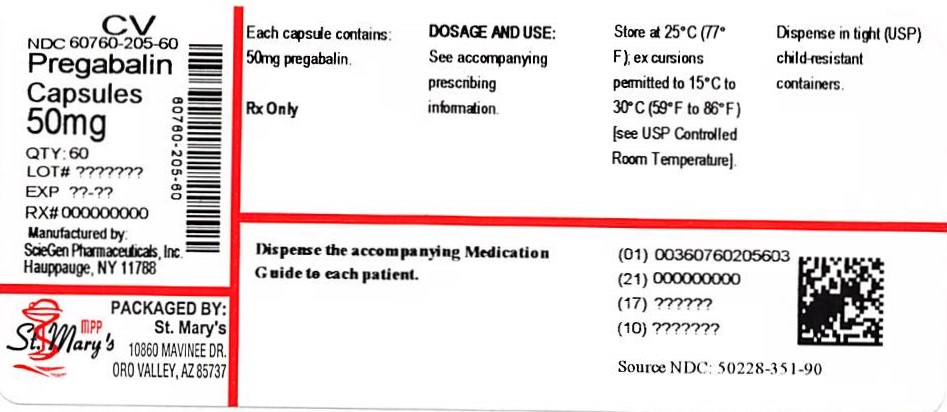
(pregabalin · DailyMed)
GALAXY'S NEUROCARE-25 CAPSULES
METHYLCOBALAMIN, PREGABALIN, FOLIC ACID, PYRIDOXINE HYDROCHLORIDE, ALPHA LIPOIC ACID
What it does
Alpha is a medication used to treat various health conditions. It is important to follow your healthcare provider's guidance when using this medication.
Commonly used for: high blood pressure (hypertension), anxiety disorders, certain types of pain
Read more in plain English ↓Plain-language summary for general understanding - not medical advice. Always follow your pharmacist/doctor.
Ask about this medicine
Answers come only from this medicine's registration record, BNF monograph and interaction data - not medical advice.
Hard to find? We help patients in Kenya source rare medicines. We don't sell or dispense medicines - licensed pharmacies do.
Source this medicineRegistration & product details
Source: Pharmacy and Poisons Board · fetched 2026-01-28 20:11:41 · updated 2026-08-03 04:11:53
Drug Interactions
65Pharmacodynamic Warnings
Pregabalin appears in TABLE 11: Drugs with CNS depressant effects
Severe (7)
Antiepileptics - decreases absorption
Iron chelators (dexrazoxane) might decrease the absorption of antiepileptics (fosphenytoin, phenytoin). Avoid.
Antiepileptics - decreases exposure
Lumacaftor is predicted to decrease the exposure to antiepileptics (carbamazepine, fosphenytoin, phenobarbital, phenytoin, primidone). Avoid.
Antiepileptics - decreases concentration
St John’s wort is predicted to decrease the concentration of antiepileptics (fosphenytoin, phenobarbital, phenytoin, primidone). Avoid.
Antiepileptics - increases risk of overheating and dehydration
Hydroxyzine potentially increases the risk of overheating and dehydration when given with antiepileptics (zonisamide). Avoid in children.
Antiepileptics - increases risk of overheating and dehydration
Haloperidol potentially increases the risk of overheating and dehydration when given with antiepileptics (zonisamide). Avoid in children.
Antiepileptics - decreases absorption
Dexrazoxane might decrease the absorption of antiepileptics (fosphenytoin, phenytoin). Avoid.
Antiepileptics - increases risk of overheating and dehydration
Oxybutynin potentially increases the risk of overheating and dehydration when given with antiepileptics (zonisamide). Avoid in children.
Moderate (25)
Antiepileptics - increases concentration
Intravenous chloramphenicol increases the concentration of antiepileptics (fosphenytoin, phenytoin) and antiepileptics (fosphenytoin, phenytoin) affect the concentration of intravenous chloramphenicol
Antiepileptics - decreases concentration
Diazoxide decreases the concentration of antiepileptics (fosphenytoin, phenytoin) and antiepileptics (fosphenytoin, phenytoin) are predicted to decrease the effects of diazoxide. Monitor concentration
Antiepileptics - increases concentration
Disulfiramincreasestheconcentrationofantiepileptics (fosphenytoin,phenytoin).Monitorconcentrationandadjust dose.rStudy →AlsoseeTABLE12p.1520
Antiepileptics - increases concentration
Fluorouracilincreasestheconcentrationofantiepileptics (fosphenytoin,phenytoin).Monitorconcentrationandadjust dose.rAnecdotal 1xidneppA|snoitcaretnI A1 https://www.facebook.c (Books-Courses-Medic
Antiepileptics - decreases concentration
Folates are predicted to decrease the concentration of antiepileptics (fosphenytoin, phenobarbital, phenytoin, primidone). Monitor concentration and adjust dose.
Unknown (33)
Antiepileptics - increases risk of overheating and dehydration
Acetazolamide potentially increases the risk of overheating and dehydration when given with antiepileptics (zonisamide). Avoid in children.
Antiepileptics - increases risk of visual disturbances
Alcohol potentially increases the risk of visual disturbances when given with antiepileptics (retigabine).
Antiepileptics - decreases exposure
Enzalutamide is predicted to slightly decrease the exposure to antiepileptics (brivaracetam).
Antiepileptics - decreases exposure
Apalutamidepotentiallydecreasestheexposureto antiepileptics(valproate).nTheoretical
Antiepileptics - increases concentration
Capecitabine increases the concentration of antiepileptics (fosphenytoin, phenytoin).
Data from BNF 85 (British National Formulary). This is not a substitute for professional medical advice. Matched via: class
About alpha
Alpha is a medication used to treat various health conditions. It is important to follow your healthcare provider's guidance when using this medication.
What it treats
- high blood pressure (hypertension)
- anxiety disorders
- certain types of pain
How it works
Alpha works by affecting certain chemicals in the brain that help regulate mood and pain perception.
Who it's for
Alpha is prescribed for adults and may also be used in children under the supervision of a healthcare provider.
AI-assisted summary grounded in BNF data - general information only, not medical advice. Always confirm with your pharmacist or doctor.
About folate
Folate is a type of B vitamin that is important for the production of red blood cells and helps prevent certain types of birth defects.
What it treats
- prevention of neural tube defects in pregnancy
- treatment of folate deficiency
- supporting overall health
How it works
Folate helps the body make DNA and is essential for the growth and division of cells.
Who it's for
Folate is suitable for pregnant women, those planning to become pregnant, and individuals with low levels of folate.
AI-assisted summary grounded in BNF data - general information only, not medical advice. Always confirm with your pharmacist or doctor.
About lipoic
Lipoic is a natural compound that acts as an antioxidant, helping to protect cells from damage.
What it treats
- diabetes (high blood sugar)
- nervous system disorders (neuropathy)
How it works
It helps reduce oxidative stress in the body, which can improve insulin sensitivity and support nerve health.
Who it's for
It is typically used by people with diabetes or those experiencing nerve pain.
AI-assisted summary grounded in BNF data - general information only, not medical advice. Always confirm with your pharmacist or doctor.
About methylcobalamin
Methylcobalamin is a form of vitamin B12 that helps your body produce red blood cells and maintain healthy nerve cells.
What it treats
- Vitamin B12 deficiency
- Peripheral neuropathy (nerve damage)
- Anemia
How it works
It supports the production of red blood cells and helps in the proper functioning of the nervous system.
Who it's for
It is suitable for individuals with low vitamin B12 levels or conditions affecting nerve health.
AI-assisted summary grounded in BNF data - general information only, not medical advice. Always confirm with your pharmacist or doctor.
About pregabalin
Pregabalin is a medication used to treat nerve pain and certain types of seizures. It helps calm overactive nerves in the brain.
What it treats
- nerve pain (neuropathic pain)
- seizures (epilepsy)
- anxiety disorders
How it works
Pregabalin works by reducing the number of signals sent by nerves to the brain, which helps decrease pain and seizure activity.
Who it's for
Pregabalin is suitable for adults and some children who have nerve pain or epilepsy.
Drug class
Antiepileptics
Cautions
- • Be careful if you are taking other medications that can cause drowsiness or slow down brain activity.
AI-assisted summary grounded in BNF data - general information only, not medical advice. Always confirm with your pharmacist or doctor.
About pyridoxine
Pyridoxine, also known as vitamin B6, is important for many bodily functions including the metabolism of proteins and the creation of neurotransmitters.
What it treats
- pyridoxine deficiency
- nerve pain (neuropathy)
- certain types of anemia
How it works
Pyridoxine helps the body use proteins and carbohydrates effectively and is essential for the production of chemicals that transmit signals in the brain.
Who it's for
Pyridoxine is for individuals who need to increase their vitamin B6 levels due to dietary deficiencies or certain health conditions.
AI-assisted summary grounded in BNF data - general information only, not medical advice. Always confirm with your pharmacist or doctor.
Clinical monograph: Pyridoxinehydrochloride
BNF-referencedPyridoxine hydrochloride, also known as Vitamin B6, is a water-soluble vitamin that plays a crucial role in various bodily functions, including amino acid metabolism, neurotransmitter synthesis, and the regulation of gene expression. It is essential for the proper function of enzymes involved in the metabolism of proteins, carbohydrates, and fats. Pyridoxine is commonly used to treat and prevent vitamin B6 deficiencies and is also indicated in specific neuropathies, including those induced by isoniazid and penicillamine.
Indications
- Vitamin B6 deficiency
- Isoniazid-induced neuropathy (prophylaxis and treatment)
- Idiopathic sideroblastic anaemia
- Prevention of penicillamine-induced neuropathy in Wilson's disease
- Metabolic diseases such as cystathioninuria and homocystinuria
- Premenstrual syndrome
Mechanism of action
Pyridoxine hydrochloride is converted in the body to pyridoxal phosphate, which is the active form of vitamin B6. It serves as a cofactor for more than 100 enzymatic reactions, particularly those involved in the metabolism of amino acids, the synthesis of neurotransmitters (such as serotonin, dopamine, and gamma-aminobutyric acid), and the production of hemoglobin. Its role in neurotransmitter synthesis makes it crucial for normal brain function and mood regulation.
Pharmacodynamics
Pyridoxine hydrochloride exerts its effects by facilitating the conversion of amino acids into neurotransmitters and is involved in the synthesis of heme. It impacts the metabolism of tryptophan to serotonin and is essential for the production of norepinephrine and gamma-aminobutyric acid, which are vital for proper neurological function. Deficiency of vitamin B6 can lead to neurological symptoms, including peripheral neuropathy and cognitive disturbances.
Pharmacokinetics
Pyridoxine hydrochloride is readily absorbed from the gastrointestinal tract. It is primarily metabolized in the liver, where it is converted to its active form, pyridoxal phosphate. The elimination half-life of pyridoxine is approximately 15-20 days, and it is excreted primarily through the urine. Renal impairment may affect the metabolism and excretion of pyridoxine, necessitating dose adjustments.
Contra-indications
- Hyperkalaemia
- Severe liver damage
Adverse effects
- Peripheral neuritis
- Hepatitis
- Hypoglycaemia
- Urine discolouration
Interactions
- Potassium aminobenzoate
- Isoniazid
Precautions
- Caution in renal impairment (increased risk of hyperkalaemia)
- Interrupt treatment during periods of low food intake (such as fasting, anorexia, and nausea) to reduce risk of hypoglycaemia
- Monitor liver function tests monthly during high-dose therapy
Pregnancy
Manufacturer advises avoiding use in pregnancy due to potential risk of birth defects; however, no adverse effects have been reported at normal dietary levels.
Breast-feeding
Theoretical risk of toxicity in infants if mothers take large doses.
Storage
Store in a cool, dry place away from direct sunlight. Keep out of reach of children.
Formulations
- Pyridoxine hydrochloride 10 mg tablets
- Pyridoxine hydrochloride 20 mg tablets
- Pyridoxine hydrochloride 50 mg tablets
- Pyridoxine hydrochloride oral solution 20 mg per 1 ml
AI-synthesized from BNF references - general information only, not a substitute for professional medical advice or the current BNF. Verify doses with a pharmacist.
Clinical monograph: Pregabalin
BNF-referencedPregabalin is an anticonvulsant medication that is structurally related to gamma-aminobutyric acid (GABA). It is primarily used for the management of epilepsy, neuropathic pain, and generalized anxiety disorder. Pregabalin modulates the release of excitatory neurotransmitters by binding to the alpha2-delta subunit of voltage-gated calcium channels in the central nervous system, which contributes to its antiseizure and analgesic effects. It does not interact directly with GABA receptors but may enhance GABAergic activity indirectly.
Indications
- Epilepsy
- Neuropathic pain
- Generalized anxiety disorder
Dosage
Adults: The usual starting dose is 150 mg daily, divided into two or three doses. The dose may be increased to a maximum of 600 mg daily based on clinical response and tolerability. Refer to the BNF for specific dosing adjustments in
Mechanism of action
Pregabalin binds presynaptically to the alpha2-delta subunit of voltage-gated calcium channels in the central nervous system. This binding modulates the release of several excitatory neurotransmitters, including glutamate, substance P, norepinephrine, and calcitonin gene-related peptide. By preventing the trafficking of the alpha2-delta subunit from the dorsal root ganglia to the spinal dorsal horn, pregabalin contributes to its anticonvulsant and analgesic effects.
Pharmacodynamics
Pregabalin increases the density of GABA transporters in cultured neurons but does not bind directly to GABA-A, GABA-B, or benzodiazepine receptors. It does not affect dopamine, serotonin, or opiate receptors, nor does it modulate sodium channels or cyclooxygenase activity. Its primary action is through the inhibition of excitatory neurotransmitter release, which helps in controlling seizures and alleviating neuropathic pain.
Pharmacokinetics
Pregabalin is rapidly absorbed after oral administration, with peak plasma concentrations usually reached within 1 hour. It has a bioavailability of approximately 90%, and its plasma concentration does not significantly change with increasing doses. Pregabalin is not extensively metabolized; it is primarily excreted unchanged in the urine. The elimination half-life is about 6 hours, and dose adjustments may be necessary in patients with renal impairment.
Adverse effects
- Dizziness
- Somnolence
- Dry mouth
- Edema
- Weight gain
- Blurred vision
- Difficulty concentrating
- Euphoria
- Depression
- Angioedema
Interactions
- CNS depressants may enhance the sedative effects of pregabalin
- Concurrent use with opioids may increase the risk of respiratory depression
- Antiepileptic drugs may have additive effects
Precautions
- Use with caution in patients with a history of substance abuse
- Monitor for signs of angioedema, especially in patients with a history of angioedema
- Caution in patients with renal impairment, as dosage adjustments may be necessary
Pregnancy
Pregabalin is classified as category C. Animal studies have shown adverse effects, and there are no well-controlled studies in pregnant women. Use only if the potential benefit justifies the potential risk to the fetus.
Breast-feeding
Pregabalin is excreted in breast milk. The effects on a nursing infant are unknown, and caution is advised when administering to nursing mothers.
Storage
Store at room temperature, away from moisture and heat. Keep out of reach of children.
Formulations
- Capsules: 25 mg, 50 mg, 75 mg, 100 mg, 150 mg, 200 mg, 225 mg, 300 mg
- Oral solution: 20 mg/mL
- Chewable tablets: 50 mg
AI-synthesized from BNF references - general information only, not a substitute for professional medical advice or the current BNF. Verify doses with a pharmacist.
Clinical monograph: alpha
BNF-referencedAlpha is a medication classified as an alpha-adrenergic antagonist. It is primarily used to treat conditions related to hypertension and other disorders involving the adrenergic system. It works by blocking alpha-adrenergic receptors, which leads to vasodilation and a subsequent reduction in blood pressure. Its pharmacological effects can also be utilized in managing symptoms of conditions such as benign prostatic hyperplasia.
Indications
- Hypertension
- Benign prostatic hyperplasia
- Urinary retention related to prostate enlargement
Dosage
Children: Refer to the BNF for Children for appropriate dosing guidelines in the paediatric population.
Adults: Refer to the BNF for specific dosing recommendations based on individual clinical scenarios.
Mechanism of action
Alpha acts by selectively blocking alpha-1 adrenergic receptors, which are responsible for mediating vasoconstriction in blood vessels. By inhibiting these receptors, alpha promotes vasodilation, leading to a decrease in peripheral vascular resistance and subsequently lowering blood pressure. Additionally, this action can help alleviate urinary symptoms associated with an enlarged prostate.
Pharmacodynamics
The pharmacodynamics of alpha involve its competitive antagonism at alpha-1 adrenergic receptors, resulting in decreased vasoconstriction and increased blood flow. This mechanism is beneficial in conditions characterized by high blood pressure and urinary retention due to prostatic enlargement. The onset of action typically occurs within hours, with peak effects observed within a few days of consistent dosing.
Pharmacokinetics
Alpha is absorbed well from the gastrointestinal tract, with peak plasma concentrations achieved within 1-3 hours post-administration. The drug undergoes hepatic metabolism, primarily via cytochrome P450 enzymes, resulting in active and inactive metabolites. The elimination half-life varies, but it generally is around 6-12 hours, allowing for once-daily dosing in many cases. Renal excretion is a significant route for its metabolites, necessitating caution in patients with renal impairment.
Interactions
- maois, irreversible + alpha blockers: Severe (increases effects)
- ribociclib + alpha blockers: Severe (increases exposure)
- cobicistat + alpha blockers: Moderate (increases exposure)
- idelalisib + alpha blockers: Moderate (increases exposure)
- dronedarone + alpha blockers: Unknown (increases exposure)
- antifungals, azoles + alpha blockers: Unknown (increases exposure)
- crizotinib + alpha blockers: Unknown (increases exposure)
- imatinib + alpha blockers: Unknown (increases exposure)
- letermovir + alpha blockers: Unknown (increases exposure)
- clarithromycin + alpha blockers: Unknown (increases exposure)
AI-synthesized from BNF references - general information only, not a substitute for professional medical advice or the current BNF. Verify doses with a pharmacist.
Clinical monograph: folate
BNF-referencedFolate, also known as vitamin B9, is a water-soluble vitamin essential for the synthesis of nucleic acids and amino acids. It plays a crucial role in cellular division and growth, making it particularly important during periods of rapid growth such as pregnancy and infancy. Folate is naturally found in various foods, including leafy green vegetables, fruits, and legumes. It is also available as a dietary supplement and is often used to prevent or treat folate deficiency, which can lead to conditions such as megaloblastic anemia.
Indications
- Folate deficiency
- Megaloblastic anemia
- Prevention of neural tube defects in pregnancy
- Supplementation in patients on certain medications (e.g., methotrexate)
Dosage
Children: Refer to the BNF for Children for appropriate pa
Adults: Refer to specific guidelines or the BNF for appropriate adult dosing based on the indication.
Mechanism of action
Folate functions as a coenzyme in the conversion of homocysteine to methionine, a process that is vital for DNA synthesis and repair. It is involved in the one-carbon metabolism pathway, where it acts as a carrier of one-carbon units necessary for the synthesis of purines and thymidylate, thus supporting the production of nucleotides and DNA. This mechanism is particularly important in rapidly dividing cells.
Pharmacodynamics
Folate is critical for the formation of red blood cells and the proper functioning of the nervous system. It aids in the production of nucleic acids, which are essential for cell proliferation. Folate deficiency can lead to impaired DNA synthesis, resulting in megaloblastic anemia characterized by the presence of large, immature red blood cells in the bloodstream. Adequate folate levels are also associated with reduced risk of neural tube defects in developing fetuses.
Pharmacokinetics
Folate is absorbed in the proximal part of the small intestine, primarily in the jejunum, and is transported in the bloodstream bound to plasma proteins. It undergoes hepatic metabolism and is stored mainly in the liver. The elimination half-life varies, but dietary folate can be retained in the body for several weeks. Excess folate is excreted through the urine. The bioavailability of folate from food sources is lower compared to synthetic folic acid found in supplements.
Interactions
- folates+fluorouracil: Severe (increases risk of toxicity)
- folates+antiepileptics: Moderate (decreases concentration)
- folates+fosphenytoin: Moderate (decreases concentration)
- folates+phenobarbital: Moderate (decreases concentration)
- folates+phenytoin: Moderate (decreases concentration)
- folates+primidone: Moderate (decreases concentration)
- sulfasalazine+folates: Unknown (decreases absorption)
Pregnancy
Folate is essential for fetal development and is often recommended to prevent neural tube defects.
Breast-feeding
Folate is generally safe during breastfeeding, as it is important for both maternal and infant health.
Storage
Store in a cool, dry place, away from direct sunlight.
Formulations
- Tablets
- Injection
AI-synthesized from BNF references - general information only, not a substitute for professional medical advice or the current BNF. Verify doses with a pharmacist.
Clinical monograph: lipoic
Lipoic acid, also known as alpha-lipoic acid, is a naturally occurring antioxidant that plays a crucial role in mitochondrial energy metabolism. It is both water-soluble and fat-soluble, allowing it to function in various cellular environments. Lipoic acid is involved in the regeneration of other antioxidants and the metabolism of carbohydrates, proteins, and fats.
Indications
- Diabetic neuropathy
- Oxidative stress-related disorders
- Metabolic syndrome
- Weight management
- Liver health
Dosage
Children: Refer to specific product guidelines, as safety and efficacy in children have not been established.
Adults: Refer to specific product guidelines, as dosages may vary based on the formulation and indication.
Mechanism of action
Lipoic acid acts as a cofactor for mitochondrial enzyme complexes, particularly those involved in the Krebs cycle, enhancing energy production. It also possesses antioxidant properties, neutralizing free radicals and regenerating other antioxidants such as vitamins C and E. Additionally, lipoic acid can modulate various signaling pathways, including those related to insulin sensitivity and inflammation.
Pharmacodynamics
Lipoic acid has a dual role as a coenzyme and an antioxidant. By participating in the decarboxylation of alpha-keto acids, it aids in energy production. Its antioxidant properties contribute to the protection of cells from oxidative stress, which is implicated in various chronic diseases. Lipoic acid can improve insulin sensitivity, making it beneficial in managing glucose metabolism disorders.
Pharmacokinetics
After oral administration, lipoic acid is absorbed in the gastrointestinal tract, with peak plasma concentrations occurring within 30 to 60 minutes. It undergoes hepatic metabolism, primarily via reduction and conjugation, resulting in various metabolites. The elimination half-life is approximately 30 minutes to 2 hours, and it is excreted primarily in urine. The bioavailability of lipoic acid can be affected by food intake.
Adverse effects
- Nausea
- Vomiting
- Abdominal pain
- Skin rash
- Hypoglycemia
Interactions
- May enhance the effects of insulin and other antidiabetic medications
- May interact with heavy metal chelators
Precautions
- Use with caution in patients with diabetes due to the risk of hypoglycemia
- Monitor blood sugar levels in diabetic patients
Pregnancy
Safety during pregnancy has not been established; use only if clearly needed.
Breast-feeding
It is not known whether lipoic acid is excreted in human breast milk; caution is advised.
Storage
Store in a cool, dry place away from light.
Formulations
- Capsules
- Tablets
- Injectable solutions
AI-synthesized from BNF references - general information only, not a substitute for professional medical advice or the current BNF. Verify doses with a pharmacist.
Clinical monograph: methylcobalamin
BNF-referencedMethylcobalamin is a form of vitamin B12, essential for various biological processes including DNA synthesis, red blood cell formation, and neurological function. It is particularly important in the metabolism of homocysteine, which is a risk factor for cardiovascular diseases. Methylcobalamin is often used in the treatment of vitamin B12 deficiency and associated conditions such as neuropathy and megaloblastic anemia.
Indications
- Vitamin B12 deficiency
- Megaloblastic anemia
- Peripheral neuropathy
- Neuropathic pain
- Multiple sclerosis
Dosage
Children: For paediatric patients, refer to the BNF for Children for appropriate dosing guidelines.
Adults: The typical adult dosage for methylcobalamin is 500 micrograms to 1,000 micrograms administered intramuscularly or subcutaneously, usually once daily for the initial treatment, followed by maintenance doses as needed.
Mechanism of action
Methylcobalamin serves as a cofactor for the enzyme methionine synthase, which catalyzes the conversion of homocysteine to methionine. This reaction is crucial in the synthesis of S-adenosylmethionine (SAMe), an important methyl donor in numerous methylation reactions within the body. Methylcobalamin also plays a role in myelin formation and the maintenance of nerve cells.
Pharmacodynamics
Methylcobalamin exhibits neuroprotective effects, promoting nerve regeneration and repair in peripheral neuropathy. It is believed to enhance nerve conduction and improve neurological function. The physiological effects are primarily attributed to its role in methylation processes and the synthesis of neurotransmitters.
Pharmacokinetics
Methylcobalamin is water-soluble and is absorbed in the intestine. The bioavailability can be affected by gastrointestinal health, and intrinsic factor is not required for its absorption. It is distributed throughout the body, with high concentrations in the liver, kidneys, and brain. The elimination half-life of methylcobalamin is approximately 6 hours, and it is excreted primarily in the urine.
Adverse effects
- Nausea
- Diarrhea
- Headache
- Dizziness
- Anxiety
- Rash
- Pruritus
Precautions
- Monitor patients with Leber's disease due to potential optic nerve damage.
- Caution in patients with allergies to cobalt or vitamin B12.
- Use with caution in patients with renal impairment.
Pregnancy
Methylcobalamin is classified as a category A drug. It is generally considered safe during pregnancy, but consultation with a healthcare provider is recommended.
Breast-feeding
Methylcobalamin is excreted in breast milk. It is generally considered safe during breastfeeding, but consultation with a healthcare provider is recommended.
Storage
Store in a cool, dry place away from direct sunlight. Keep out of reach of children.
Formulations
- Tablets
- Injections
- Sublingual tablets
- Oral solutions
AI-synthesized from BNF references - general information only, not a substitute for professional medical advice or the current BNF. Verify doses with a pharmacist.
Clinical monograph: pyridoxine
BNF-referencedPyridoxine, also known as vitamin B6, is a water-soluble vitamin that is essential for various biochemical processes in the body. It comprises a group of three related compounds, including pyridoxine, pyridoxal, and pyridoxamine, along with their phosphorylated derivatives. Pyridoxine primarily serves as a precursor to pyridoxal 5'-phosphate, the active coenzyme form that plays a vital role in amino acid metabolism, glycogen synthesis, and the production of neurotransmitters such as serotonin and dopamine.
Indications
- Vitamin B6 deficiency
- Peripheral neuropathy associated with isoniazid therapy
- Supplementation in specific dietary deficiencies
Dosage
Children: Refer to the BNF for Children for specific paediatric dosing guidance.
Adults: Refer to the BNF for specific dosing details, typically 10-50 mg daily for deficiency.
Mechanism of action
Pyridoxine, mainly in its active form pyridoxal 5'-phosphate, is involved in numerous biochemical reactions, including amino acid metabolism, glycogen breakdown, nucleic acid synthesis, and the production of key neurotransmitters. It aids in the synthesis of hemoglobin and sphingolipids, and its deficiency can impair several physiological processes, including immune response and vascular health.
Pharmacodynamics
Pyridoxine is utilized for the prevention and treatment of vitamin B6 deficiency, particularly in individuals undergoing treatment with isoniazid, which can deplete vitamin B6 levels. It may also have beneficial effects on blood pressure and lipid profiles, as studies have shown it can lower both systolic and diastolic blood pressure, inhibit platelet aggregation, and improve cholesterol levels. Additionally, it plays a role in enhancing immune function and protecting endothelial cells from injury.
Pharmacokinetics
Pyridoxine is rapidly absorbed from the gastrointestinal tract. It is transported to tissues where it is phosphorylated to its active form, pyridoxal 5'-phosphate. The vitamin is primarily excreted in urine as pyridoxine and its metabolites. Its half-life varies depending on the individual’s nutritional status and other factors. Adequate dietary intake is essential for maintaining optimal levels in the body.
Pregnancy
Pyridoxine is generally considered safe during pregnancy. However, high doses should be avoided unless specifically prescribed.
Breast-feeding
Pyridoxine is excreted in breast milk, but at normal dietary levels it is considered safe for breastfeeding mothers.
Storage
Store in a cool, dry place away from direct sunlight. Keep out of reach of children.
Formulations
- Tablets
- Oral solution
- Injectable form
AI-synthesized from BNF references - general information only, not a substitute for professional medical advice or the current BNF. Verify doses with a pharmacist.
Molecular reference: Pregabalin
PubChem CID 5486971Molecular formula: C8H17NO2
Mechanism of action
Although the mechanism of action has not been fully elucidated, studies involving structurally related drugs suggest that presynaptic binding of pregabalin to voltage-gated calcium channels is key to the antiseizure and antinociceptive effects observed in animal models. By binding presynaptically to the alpha2-delta subunit of voltage-gated calcium channels in the central nervous system, pregabalin modulates the release of several excitatory neurotransmitters including glutamate, substance-P, norepinephrine, and calcitonin gene related peptide. In addition, pregabalin prevents the alpha2-delta subunit from being trafficked from the dorsal root ganglia to the spinal dorsal horn, which may also contribute to the mechanism of action. Although pregabalin is a structural derivative of the inhibitory neurotransmitter gamma-aminobutyric acid (GABA), it does not bind directly to GABA or benzodiazepine receptors. Pregabalin is an anticonvulsant that is structurally related to the inhibitory CNS neurotransmitter gamma-aminobutyric acid (GABA). Pregabalin also has demonstrated analgesic activity. Although pregabalin was developed as a structural analog of GABA, the drug does not bind directly to GABA-A, GABA-B, or benzodiazepine receptors; does not augment GABA-A responses in cultured neurons; and does not alter brain concentrations of GABA in rats or affect GABA uptake or degradation. However, in cultured neurons, prolonged application of pregabalin increases the density of GABA transporter protein and increases the rate of functional GABA transport. Pregabalin binds with high affinity to the alpha2-delta site (an auxiliary subunit of voltage-gated calcium channels) in CNS tissues. ... In vitro, pregabalin reduces the calcium-dependent release of several neurotransmitters, including glutamate, norepinephrine, and substance P, possibly by modulation of calcium channel function. Pregabalin does not block sodium channels, is not active at opiate receptors, and does not alter cyclooxygenase enzyme activity. It is inactive at serotonin and dopamine receptors and does not inhibit dopamine, serotonin, or noradrenaline reuptake. Pregabalin is a potent ligand for the alpha-2-delta subunit of voltage-gated calcium channels in the central nervous system that exhibits potent anticonvulsant, analgesic, and anxiolytic activity in a range of animal models. ... Potent binding to the alpha-2-delta site reduces depolarization-induced calcium influx with a consequential modulation in excitatory neurotransmitter release. Pregabalin has no demonstrated effects on GABAergic mechanisms. ... For more Mechanism of Action (Complete) data for PREGABALIN (6 total), please visit the HSDB record page.
Pharmacodynamics
Although the structure of pregabalin is similar to gamma-aminobutyric acid (GABA), it does not bind to GABA receptors. Instead, it binds the alpha2-delta subunit of presynaptic voltage-gated calcium channels in the central nervous system. Pregabalin does not modulate dopamine receptors, serotonin receptors, opiate receptors, sodium channels or cyclooxygenase activity.
Source: PubChem (NCBI) · pathways from PathBank, Reactome, WikiPathways & PharmGKB.
Molecular reference: alpha
PubChem CID 14647596Molecular formula: C10H13NO2
Source: PubChem (NCBI) · pathways from PathBank, Reactome, WikiPathways & PharmGKB.
Molecular reference: folate
PubChem CID 135405876Molecular formula: C19H19N7O6
Source: PubChem (NCBI) · pathways from PathBank, Reactome, WikiPathways & PharmGKB.
Molecular reference: methylcobalamin
PubChem CID 10898559Molecular formula: C63H91CoN13O14P
Source: PubChem (NCBI) · pathways from PathBank, Reactome, WikiPathways & PharmGKB.
Molecular reference: pyridoxine
PubChem CID 1054Molecular formula: C8H11NO3
Mechanism of action
Vitamin B6 is the collective term for a group of three related compounds, pyridoxine (PN), pyridoxal (PL) and pyridoxamine (PM), and their phosphorylated derivatives, pyridoxine 5'-phosphate (PNP), pyridoxal 5'-phosphate (PLP) and pyridoxamine 5'-phosphate (PMP). Although all six of these compounds should technically be referred to as vitamin B6, the term vitamin B6 is commonly used interchangeably with just one of them, pyridoxine. Vitamin B6, principally in its biologically active coenzyme form pyridoxal 5'-phosphate, is involved in a wide range of biochemical reactions, including the metabolism of amino acids and glycogen, the synthesis of nucleic acids, hemogloblin, sphingomyelin and other sphingolipids, and the synthesis of the neurotransmitters serotonin, dopamine, norepinephrine and gamma-aminobutyric acid (GABA).
Pharmacodynamics
Vitamin B6 (pyridoxine) is a water-soluble vitamin used in the prophylaxis and treatment of vitamin B6 deficiency and peripheral neuropathy in those receiving isoniazid (isonicotinic acid hydrazide, INH). Vitamin B6 has been found to lower systolic and diastolic blood pressure in a small group of subjects with essential hypertension. Hypertension is another risk factor for atherosclerosis and coronary heart disease. Another study showed pyridoxine hydrochloride to inhibit ADP- or epinephrine-induced platelet aggregation and to lower total cholesterol levels and increase HDL-cholesterol levels, again in a small group of subjects. Vitamin B6, in the form of pyridoxal 5'-phosphate, was found to protect vascular endothelial cells in culture from injury by activated platelets. Endothelial injury and dysfunction are critical initiating events in the pathogenesis of atherosclerosis. Human studies have demonstrated that vitamin B6 deficiency affects cellular and humoral responses of the immune system. Vitamin B6 deficiency results in altered lymphocyte differentiation and maturation, reduced delayed-type hypersensitivity (DTH) responses, impaired antibody production, decreased lymphocyte proliferation and decreased interleukin (IL)-2 production, among other immunologic activities.
Biological pathways
Source: PubChem (NCBI) · pathways from PathBank, Reactome, WikiPathways & PharmGKB.
This drug in other countries
The same active ingredient registered across other registries we cover - including different brands.
- .FORMULA 1 HEALTHY MEAL SHAKE MIX BANANA CREAM · Fine Foods
- ABIVIT DROPS · Accelius Global
- ABVITE ADULT MULTIVITAMIN GUMMIES · Abvite
- ABYCO SYRUP (Clear syrupy liquid contains Cyproheptadine HCL BP/Thiamine HCL (Vitamin B1) BP/Riboflavin (Vitamin B2) (as a Riboflavin 5 phosphate sodium)/Pyridoxine HCL (Vitamin B6) BP/Cyanocobalamin (Vitamin B12) BP/D-Panthenol (Dexpanthenol) USP 2mg/5mg/2.2mg/5mg/5mg/25mg) · Socomed Pharma
- ABYCO CAPSULES ORAL (Each film-coated tablet contains Cyproheptadine Hydrochloride Eq/Cyproheptadine HCl Anhydrous/Thiamine Hydrochloride (Vitamin B1)/Riboflavin (Vitamin B2)/Pyridoxine Hydrochloride (Vitamin B6)/Cyanocobalamin (Vitamin B12) /Calcium Pantothenate 4mg/2mg/2.2mg/1.5mg/1mcg/5mg) · Socomed Pharma
- ABYTONE SYRUP (Each 5ml contains Cyproheptadine HCL (Anhydrous) / Vitamin B1 / Vitamin B2 / Vitamin B6 / D-panthenol / Vitamin B3 – 2.0mg / 2.0mg / 2.0mg / 0.75mg / 2.5mg / 22.5 mg Cyproheptadine HCL (Anhydrous) / Vitamin B1 / Vitamin B2 / Vitamin B6 / D-panthenol / Vitamin B3 2.0mg / 2.0mg / 2.0mg / 0.75mg / 2.5mg / 22.5 mg) · Socomed Pharmaceuticals