International reference: 2 US FDA recalls for this ingredient
CGMP Deviations; trace amounts of N-Nitroso N-Methyl 4-amino butyric acid (NMBA) detected in the active pharmaceutical ingredient (butyric)
CGMP Deviations; trace amounts of N-Nitroso N-Methyl 4-amino butyric acid (NMBA) detected in the active pharmaceutical ingredient (butyric)
US-market enforcement records (OpenFDA), shown for reference - not specific to this product in Zambia.
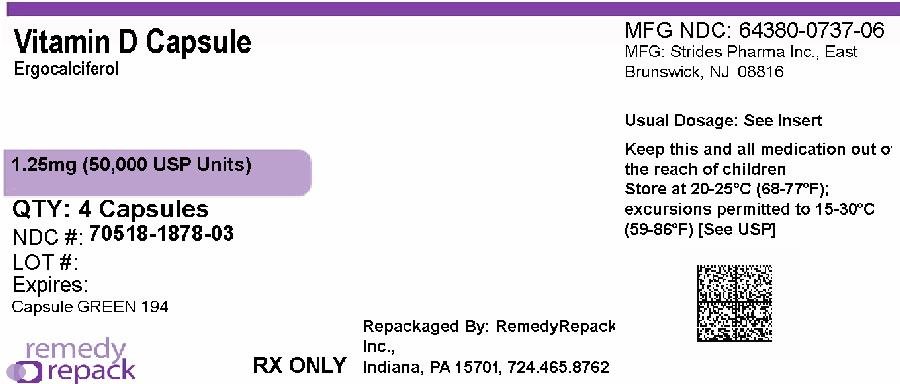
(vitamin · DailyMed)
Gamalate B6 tablet
Gamma-Amino Butyric Acid (G.A.B.A) 0.075 g,Gamma-Amino-Beta-Hydroxy-Butyric Acid (G.A.B.O.B) 0.037 g,Magnesium Glutamate Hydrobromide (M.G.H) 0.075 g,Vitamin B6 (Pyridoxine Hydrochloride 0.037 g
What it does
Butyric is a substance that may help improve gut health and support digestion.
Commonly used for: digestive issues, inflammatory bowel disease (IBD), irritable bowel syndrome (IBS)
Read more in plain English ↓Plain-language summary for general understanding - not medical advice. Always follow your pharmacist/doctor.
Ask about this medicine
Answers come only from this medicine's registration record, BNF monograph and interaction data - not medical advice.
Medicine sourcing is available in Kenya only. We don't sell or dispense medicines - licensed pharmacies do.
Sourcing - Kenya onlyRegistration & product details
Source: Zambia Medicines Regulatory Authority · fetched 2026-03-12 00:04:35 · updated 2026-09-28 03:36:18
Drug Interactions
7Severe (2)
Vitamin - increases risk of vitamin a toxicity
TretinoinispredictedtoincreasetheriskofvitaminAtoxicity whengivenwithvitaminA.Avoid.rStudy Ribavirin e
Vitamin - increases risk of vitamin a toxicity
Retinoids(tretinoin)arepredictedtoincreasetheriskof vitaminAtoxicitywhengivenwithvitaminA.Avoid.r Study VitaminDsubstances . . . . . alfacalcidol.calcipotri..ol calcitriol colecalciferol ergocalcifero
Moderate (1)
Vitamin - increases risk of toxicity
Retinoids (bexarotene) are predicted to increase the risk of toxicity when given with vitamin A. Adjust dose.
Unknown (4)
Vitamin - decreases effects
Carbamazepine is predicted to decrease the effects of vitamin D substances.
Vitamin - increases exposure
Cobicistat is predicted to increase the exposure to vitamin D substances (paricalcitol).
Vitamin - increases exposure
Idelalisib is predicted to increase the exposure to vitamin D substances (paricalcitol).
Vitamin - increases exposure
Clarithromycin is predicted to increase the exposure to vitamin D substances (paricalcitol).
Data from BNF 85 (British National Formulary). This is not a substitute for professional medical advice. Matched via: exact
About butyric
Butyric is a substance that may help improve gut health and support digestion.
What it treats
- digestive issues
- inflammatory bowel disease (IBD)
- irritable bowel syndrome (IBS)
How it works
Butyric helps nourish the cells in the intestines and may reduce inflammation.
Who it's for
People experiencing digestive problems or conditions affecting the intestines.
AI-assisted summary grounded in BNF data - general information only, not medical advice. Always confirm with your pharmacist or doctor.
About glutamate
Glutamate is an amino acid that plays a key role in the brain and nervous system, often involved in nerve signal transmission.
What it treats
- promoting brain function
- supporting nerve health
How it works
Glutamate helps transmit signals between nerve cells, which is essential for brain activity and communication.
Who it's for
It is generally for individuals looking to support their cognitive functions or nerve health.
AI-assisted summary grounded in BNF data - general information only, not medical advice. Always confirm with your pharmacist or doctor.
About hydrobromide
Hydrobromide is a medication used to treat various conditions, often related to respiratory issues.
What it treats
- coughs
- asthma
- allergic reactions
How it works
Hydrobromide works by relaxing the muscles in the airways, making it easier to breathe.
Who it's for
It is suitable for adults and children with respiratory problems or allergies.
AI-assisted summary grounded in BNF data - general information only, not medical advice. Always confirm with your pharmacist or doctor.
About vitamin
Vitamins are essential nutrients that support various bodily functions and overall health.
What it treats
- nutritional deficiency
- general health maintenance
How it works
Vitamins support normal bodily functions, including metabolism, immune function, and cell repair.
Who it's for
Anyone needing to improve their nutrient intake or maintain good health.
AI-assisted summary grounded in BNF data - general information only, not medical advice. Always confirm with your pharmacist or doctor.
Clinical monograph: butyric
Butyric acid, also known as butanoic acid, is a short-chain fatty acid that occurs naturally in various foods and is produced by the gut microbiota through fermentation of dietary fibers. It is recognized for its potential health benefits, particularly in gut health, and is being studied for its therapeutic effects in various conditions, including inflammatory bowel disease and metabolic disorders.
Indications
- Inflammatory bowel disease (IBD)
- Ulcerative colitis
- Crohn's disease
- Irritable bowel syndrome (IBS)
- Metabolic syndrome
- Gut health maintenance
Dosage
Children: Dosage must be determined based on individual clinical scenarios and should be guided by healthcare practitioners familiar with paediatric care.
Adults: Dosage varies widely depending on the formulation and clinical indication. Refer to specific product guidelines and consult healthcare professionals for recommendations.
Mechanism of action
Butyric acid exerts its effects primarily through its role as a histone deacetylase inhibitor, which influences gene expression and promotes the differentiation of gut epithelial cells. It also serves as an energy source for colonocytes and has anti-inflammatory properties by modulating the immune response in the gut.
Pharmacodynamics
Butyric acid is known to enhance intestinal barrier function, promote mucosal healing, and exert anti-inflammatory effects. It helps to increase the production of mucins and promotes the growth of beneficial gut bacteria, contributing to overall gut health. Additionally, it has effects on lipid metabolism and may play a role in regulating appetite and metabolism.
Pharmacokinetics
Butyric acid is rapidly absorbed in the gastrointestinal tract and is extensively metabolized in the liver. Its bioavailability can vary based on dietary intake and the presence of gut microbiota. It is also known to be taken up by colonocytes, where it is used as a primary energy source. The elimination of butyric acid occurs primarily through metabolic pathways, although specific details on half-life and clearance rates in humans are limited.
Adverse effects
- Abdominal pain
- Diarrhea
- Nausea
- Vomiting
- Flatulence
Precautions
- Use with caution in patients with gastrointestinal disorders
- Monitor for gastrointestinal side effects
- Not recommended in patients with known allergies to butyric acid or its derivatives
Pregnancy
Safety during pregnancy has not been established. Use with caution and only if the potential benefit justifies the potential risk to the fetus.
Breast-feeding
Consult a healthcare provider before use during breastfeeding, as it is not known whether butyric acid is excreted in human milk.
Storage
Store in a cool, dry place away from direct sunlight. Keep out of reach of children.
Formulations
- Oral capsules
- Powder for oral solution
AI-synthesized from BNF references - general information only, not a substitute for professional medical advice or the current BNF. Verify doses with a pharmacist.
Clinical monograph: glutamate
BNF-referencedGlutamate is a non-essential amino acid and serves as the most abundant excitatory neurotransmitter in the central nervous system. It plays a critical role in synaptic plasticity, cognitive functions such as learning and memory, and is involved in various metabolic pathways. Despite its importance, excessive glutamate can lead to excitotoxicity, contributing to neurodegenerative diseases.
Indications
- Cognitive enhancement
- Neuroprotective strategies in neurodegenerative diseases
- Potential roles in mood disorders
Dosage
Children: Refer to BNF for Children for specific dosing information.
Adults: Refer to BNF for specific dosing information.
Mechanism of action
Glutamate activates both ionotropic (AMPA, kainate, and NMDA receptors) and metabotropic glutamate receptors. It is primarily involved in neuronal signaling and synaptic transmission. Due to its inability to cross the blood-brain barrier, it is converted into L-glutamine for utilization in the brain.
Pharmacodynamics
As an excitatory neurotransmitter, glutamate is essential for normal brain function. It is a key player in neurotransmission and synaptic plasticity, influencing learning and memory. Moreover, it acts as a precursor for GABA synthesis in GABAergic neurons.
Pharmacokinetics
Glutamate is not freely available in significant quantities in the brain due to the blood-brain barrier. Instead, it is synthesized from glucose and other precursors. Its metabolism involves conversion into L-glutamine, which is then utilized in the brain. The transient nature of glutamate makes it challenging to study pharmacokinetically.
Pregnancy
Glutamate is generally regarded as safe during pregnancy when consumed in normal dietary amounts, but excessive intake, particularly in supplement form, should be approached with caution.
Breast-feeding
Glutamate is considered safe during breastfeeding as it is naturally present in various foods and is not expected to pose a risk to nursing infants.
Storage
Store in a cool, dry place, away from direct sunlight. Keep out of reach of children.
AI-synthesized from BNF references - general information only, not a substitute for professional medical advice or the current BNF. Verify doses with a pharmacist.
Clinical monograph: hydrobromide
BNF-referencedHydrobromide refers to a chemical compound formed when hydrobromic acid reacts with an organic base. It is commonly associated with various drugs that are administered in hydrobromide salt form. These salts enhance the stability and solubility of the active pharmaceutical ingredients. The hydrobromide salts are often used in formulations for their pharmacological effects, particularly in the central nervous system and respiratory conditions.
Indications
- Respiratory conditions (e.g., asthma, chronic obstructive pulmonary disease)
- Cough (e.g., as an antitussive)
- Anxiety and sleep disorders (when associated with specific formulations)
Dosage
Children: Refer to the BNF for Children for appropriate dosing information, as it is determined based on weight and age for the specific formulation.
Adults: Refer to the specific product monograph for dosing information, as it varies based on the drug formulation and indication.
Mechanism of action
Hydrobromides often act as competitive antagonists or agonists at specific receptor sites, depending on the drug involved. The exact mechanism can vary widely, but many hydrobromide-containing drugs modulate neurotransmitter activity, impacting various pathways in the body such as those involved in the central nervous system or respiratory function. The metabolic pathways include Phase I reactions primarily mediated by cytochrome P450 enzymes, which facilitate the functionalization and clearance of these compounds.
Pharmacodynamics
The pharmacodynamics of hydrobromide salts are largely determined by the specific drug they are associated with. Generally, hydrobromides may exhibit effects such as sedation, bronchodilation, or antitussive actions. The efficacy and adverse effects are influenced by the drug's receptor selectivity, affinity, and the pharmacological properties inherent to the parent compound.
Pharmacokinetics
Hydrobromides typically exhibit variable pharmacokinetic profiles depending on the specific drug formulation. They are generally absorbed rapidly following oral administration, with peak plasma concentrations occurring within a few hours. Metabolism primarily occurs in the liver through cytochrome P450 enzymes, particularly CYP2E1, among others. The elimination half-life varies but is often in the range of several hours, allowing for once or twice-daily dosing in many formulations. Excretion is usually via the kidneys, with metabolites being eliminated in urine.
Pregnancy
There are no adequate and well-controlled studies in pregnant women. Use only if clearly needed and the potential benefits justify the potential risks to the fetus.
Breast-feeding
Caution is advised; consider the importance of the drug to the mother against potential risks to the breastfeeding infant.
Storage
Store in a cool, dry place away from light. Keep out of reach of children.
AI-synthesized from BNF references - general information only, not a substitute for professional medical advice or the current BNF. Verify doses with a pharmacist.
Clinical monograph: vitamin
BNF-referencedVitamins are organic compounds that are essential for various metabolic processes in the body. They play crucial roles in maintaining health, supporting the immune system, and promoting growth and development. Different vitamins have specific functions, and they are required in varying amounts depending on age, sex, and physiological conditions.
Indications
- Vitamin deficiency syndromes (e.g., scurvy for vitamin C deficiency, rickets for vitamin D deficiency)
- Support for immune function
- Antioxidant support
- Bone health maintenance
- Vision health
- Energy metabolism support
Dosage
Children: Refer to the BNF for Children for specific vitamin dosing guidelines, which depend on age and nutritional requirements.
Adults: Refer to specific vitamin guidelines as dosage varies significantly depending on the type of vitamin and individual needs.
Mechanism of action
Vitamins function primarily as coenzymes or precursors for coenzymes in enzymatic reactions. For instance, B vitamins are involved in energy metabolism, while vitamins A, C, D, E, and K support various physiological functions including vision, antioxidant activity, calcium regulation, and blood clotting. Each vitamin has a unique mechanism of action based on its structure and role in the body.
Pharmacodynamics
Vitamins exert their effects at the cellular level, influencing metabolic pathways, gene expression, and immune responses. For example, vitamin D regulates calcium and phosphate homeostasis, while vitamin A is crucial for vision and immune function. Deficiencies in vitamins can lead to a range of disorders, highlighting their importance in maintaining health.
Pharmacokinetics
The pharmacokinetics of vitamins vary widely. Fat-soluble vitamins (A, D, E, and K) are stored in liver and adipose tissues and can be released into circulation as needed. Water-soluble vitamins (B-complex and C) are not stored and must be consumed regularly, with excess amounts excreted in urine. Absorption rates, half-lives, and distribution can also differ based on the specific vitamin and individual metabolic factors.
Interactions
- tretinoin+vitamin: Severe (increases risk of vitamin toxicity)
- retinoids+vitamin: Severe (increases risk of vitamin toxicity)
- retinoids+vitamin: Moderate (increases risk of toxicity)
- carbamazepine+vitamin: Unknown (decreases effects)
- cobicistat+vitamin: Unknown (increases exposure)
- vitamin D substances+digoxin: Unknown (increases risk of toxicity)
- idelalisib+vitamin: Unknown (increases exposure)
- clarithromycin+vitamin: Unknown (increases exposure)
Pregnancy
Consult healthcare professional before use. Vitamin supplementation during pregnancy should be carefully managed to avoid hypervitaminosis.
Breast-feeding
Consult healthcare professional before use. Some vitamins can pass into breast milk and may affect the infant.
Storage
Store in a cool, dry place, away from direct sunlight. Ensure it is kept out of reach of children.
Formulations
- {'name': 'Vitamin A', 'form': 'Capsule', 'strength': '10000 IU'}
- {'name': 'Vitamin D', 'form': 'Tablet', 'strength': '1000 IU'}
- {'name': 'Vitamin E', 'form': 'Softgel', 'strength': '400 IU'}
AI-synthesized from BNF references - general information only, not a substitute for professional medical advice or the current BNF. Verify doses with a pharmacist.
Molecular reference: glutamate
PubChem CID 33032Molecular formula: C5H9NO4
Mechanism of action
Glutamate activates both ionotropic and metabotropic glutamate receptors. The ionotropic ones being non-NMDA (AMPA and kainate) and NMDA receptors. Free glutamic acid cannot cross the blood-brain barrier in appreciable quantities; instead it is converted into L-glutamine, which the brain uses for fuel and protein synthesis. It is conjectured that glutamate is involved in cognitive functions like learning and memory in the brain, though excessive amounts may cause neuronal damage associated in diseases like amyotrophic lateral sclerosis, lathyrism, and Alzheimer's disease. Also, the drug phencyclidine (more commonly known as PCP) antagonizes glutamate at the NMDA receptor, causing behavior reminiscent of schizophrenia. Glutamate in action is extremely difficult to study due to its transient nature.
Pharmacodynamics
In addition to being one of the building blocks in protein synthesis, it is the most widespread neurotransmitter in brain function, as an excitatory neurotransmitter and as a precursor for the synthesis of GABA in GABAergic neurons.
Biological pathways
Source: PubChem (NCBI) · pathways from PathBank, Reactome, WikiPathways & PharmGKB.
Molecular reference: hydrobromide
PubChem CID 260Molecular formula: BrH
Biological pathways
Source: PubChem (NCBI) · pathways from PathBank, Reactome, WikiPathways & PharmGKB.
Molecular reference: vitamin
PubChem CID 266052Molecular formula: C14H15NO7
Source: PubChem (NCBI) · pathways from PathBank, Reactome, WikiPathways & PharmGKB.
This drug in other countries
The same active ingredient registered across other registries we cover - including different brands.
- ABIVIT DROPS · Accelius Global
- ACTIKID MAGIC BEANS JELLY BEANS · Amapharm
- ADULT BEDIKOF SYRUP · Enicar Pharmaceuticals
- ADVANCED EGG FORMULA POWDER · Advanced Agrovets Biotechnologies
- AJ WELLNESS VITALMAN 45+ CAPSULES · Renown Pharmaceuticals
- AJ WELLNESS VITALMAN 65+ CAPSULES · Renown Pharmaceuticals