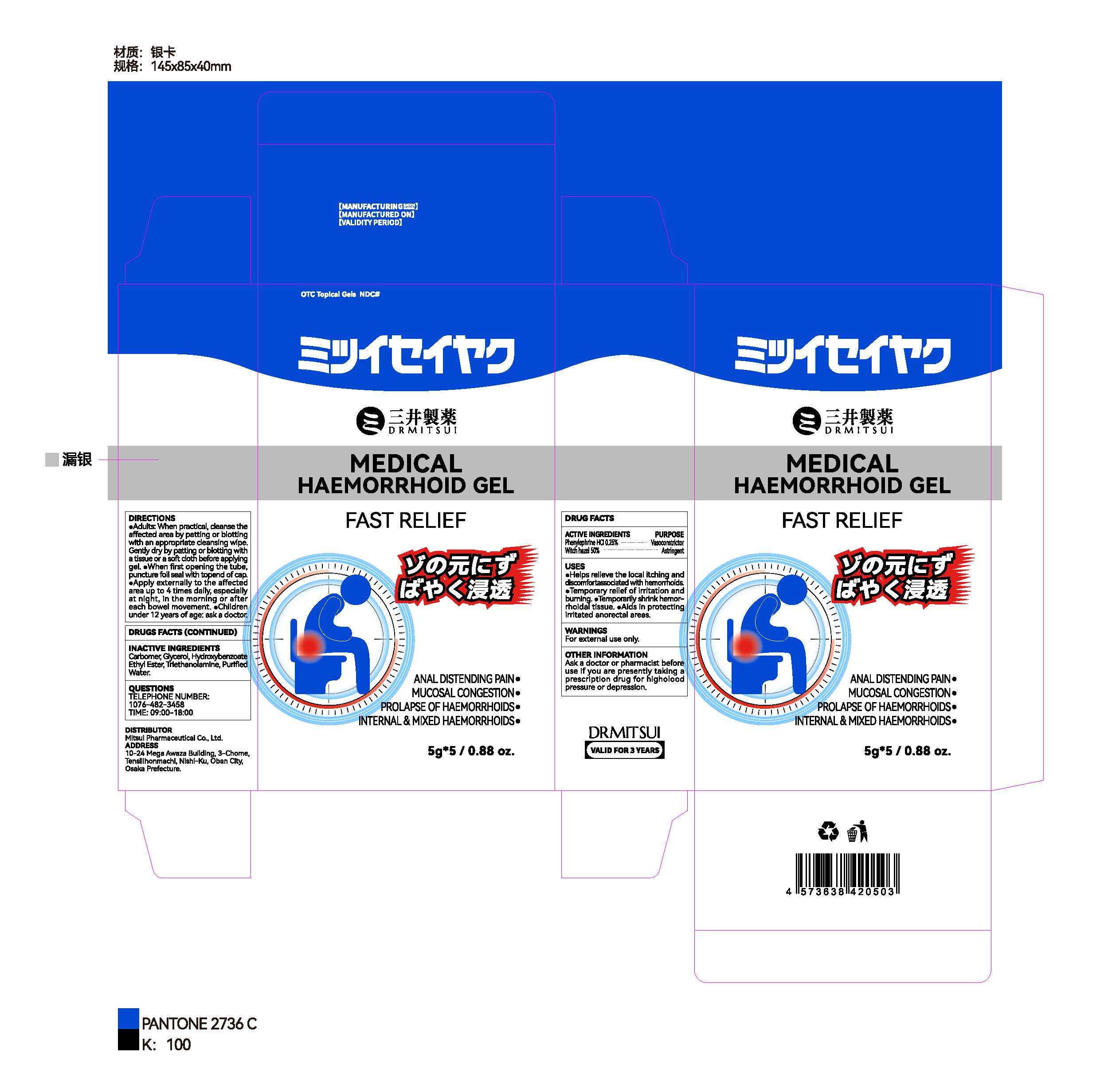
(medical · DailyMed)
Gauze and Bandages
Medical devices
Ask about this medicine
Answers come only from this medicine's registration record, BNF monograph and interaction data - not medical advice.
Medicine sourcing is available in Kenya only. We don't sell or dispense medicines - licensed pharmacies do.
Sourcing - Kenya onlyRegistration & product details
Source: National Agency for Food and Drug Administration and Control · fetched 2026-04-15 21:39:32 · updated 2026-10-15 04:35:10
Clinical monograph: devices
Devices refer to medical instruments or apparatus that are used in the diagnosis, treatment, or management of health conditions. They can range from simple tools, such as syringes and thermometers, to complex machinery like ventilators and dialysis machines. Devices play a crucial role in modern medicine, enhancing patient care and treatment outcomes. They are designed to assist healthcare professionals in delivering effective therapy and monitoring patients' health.
Indications
- Monitoring of vital signs
- Administration of medication
- Surgical interventions
- Support for respiratory function
- Assistance in mobility (e.g., prosthetics)
- Diagnostic imaging
Dosage
Children: Refer to specific device instructions and manufacturer's guidelines for proper use and dosage recommendations.
Adults: Refer to specific device instructions and manufacturer's guidelines for proper use and dosage recommendations.
Mechanism of action
The mechanism of action of medical devices varies widely depending on their type and purpose. For instance, diagnostic devices like imaging machines (e.g., MRI, CT scanners) utilize electromagnetic radiation to create images of the body's internal structures, while therapeutic devices such as pacemakers deliver electrical impulses to regulate heart rhythm. Each device operates based on specific physical principles or biological interactions tailored to its intended function.
Pharmacodynamics
Pharmacodynamics for devices is not directly applicable as it pertains to the relationship between drug concentration and its effect on the body. However, the effectiveness of a device can be understood in terms of its ability to achieve desired clinical outcomes, such as improving patient mobility with prosthetics or monitoring vital signs accurately with telemetry devices. The efficacy of a device often depends on its design, technology, and the skill of the operator.
Pharmacokinetics
Pharmacokinetics is also not relevant for devices in the traditional sense, as they do not involve drug absorption, distribution, metabolism, or excretion. Instead, the performance of medical devices is evaluated based on their reliability, accuracy, lifespan, and maintenance requirements. Factors influencing the effectiveness of devices include user training, material compatibility with biological tissues, and environmental conditions during use.
AI-synthesized from BNF references - general information only, not a substitute for professional medical advice or the current BNF. Verify doses with a pharmacist.
Clinical monograph: medical
Medical is a term that encompasses a broad range of interventions aimed at promoting health, preventing disease, and treating medical conditions. In pharmacology, medical drugs are agents that interact with biological systems to produce therapeutic effects, often classified by their intended use, mechanism of action, and pharmacological profile.
Dosage
Children: Refer to specific drug monographs for dosing guidelines, as it varies based on the condition and drug used.
Adults: Refer to specific drug monographs for dosing guidelines, as it varies based on the condition and drug used.
Mechanism of action
Medical drugs can act through various mechanisms, including receptor activation or inhibition, enzyme modulation, and alteration of cellular signaling pathways. Each drug has a specific target, often a protein such as a receptor or enzyme, leading to a physiological response that alleviates symptoms or cures disease.
Pharmacodynamics
Pharmacodynamics involves the study of the effects of drugs on the body, including the relationship between drug concentration and effect. Factors such as drug affinity, intrinsic activity, and the presence of other biological molecules can influence the therapeutic outcome. Medical drugs may exert their effects through agonism or antagonism of receptors, modulation of neurotransmitter levels, or alteration of metabolic pathways.
Pharmacokinetics
Pharmacokinetics describes the absorption, distribution, metabolism, and excretion (ADME) of drugs within the body. Drugs can be administered via various routes, which affects their bioavailability. Once in the bloodstream, they are distributed to tissues, metabolized primarily in the liver, and eliminated via renal or hepatic pathways. Variability in pharmacokinetics can occur due to factors such as age, sex, body mass, and comorbid conditions.
Pregnancy
Consult healthcare provider before use, as safety in pregnancy is not well established.
Breast-feeding
Consult healthcare provider, as excretion in breast milk is possible.
Storage
Store at room temperature, away from moisture and heat.
AI-synthesized from BNF references - general information only, not a substitute for professional medical advice or the current BNF. Verify doses with a pharmacist.