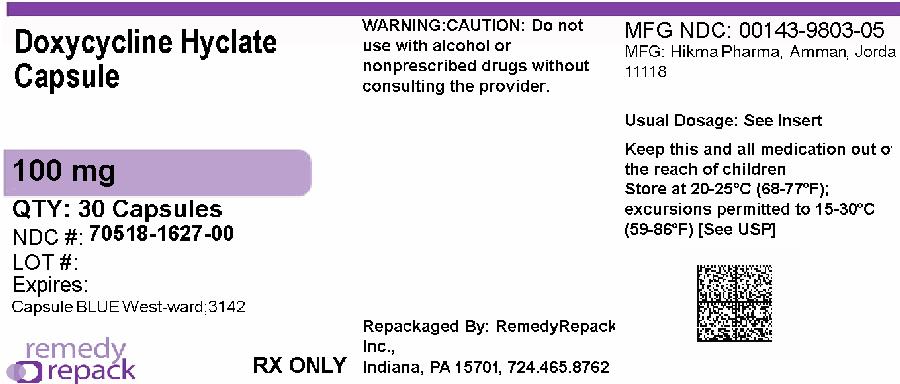
(doxycycline · DailyMed)
GENDOXY WSP
Colloidal Anhydrous Silica BP 30 mg/g,Dextrose Monohydrate 505 mg/g,Doxycycline Hyclate 200 mg/g,Gentamicin Sulfate 200 mg/g,Sodium Benzoate 5 mg/g,Sodium Sulfate Anhydrous 60 mg/g
What it does
Benzoate is a compound often used as a preservative in food and medicines.
Commonly used for: food preservation, medicinal uses in certain formulations
Read more in plain English ↓Plain-language summary for general understanding - not medical advice. Always follow your pharmacist/doctor.
Ask about this medicine
Answers come only from this medicine's registration record, BNF monograph and interaction data - not medical advice.
Medicine sourcing is available in Kenya only. We don't sell or dispense medicines - licensed pharmacies do.
Sourcing - Kenya onlyRegistration & product details
Source: Tanzania Medicines and Medical Devices Authority · fetched 2026-03-11 23:53:58 · updated 2026-09-24 03:00:47
Drug Interactions
18Pharmacodynamic Warnings
Doxycycline appears in TABLE 1: Drugs that cause hepatotoxicity
Gentamicin appears in TABLE 2: Drugs that cause nephrotoxicity
Gentamicin appears in TABLE 19: Drugs that cause ototoxicity
Gentamicin appears in TABLE 20: Drugs with neuromuscular blocking effects
Severe (3)
Agalsidasealfa - decreases effects
Aminoglycosidesarepredictedtodecreasetheeffectsof agalsidasealfa.Avoid.oTheoretical
Agalsidasebeta - decreases effects
Aminoglycosidesarepredictedtodecreasetheeffectsof agalsidasebeta.Avoid.oTheoretical
Tetracyclines - decreases absorption
Strontium is predicted to decrease the absorption of tetracyclines. Avoid. Theoretical Sucralfate
Moderate (5)
Doxycycline - decreases concentration
Fosphenytoin is predicted to decrease the concentration of tetracyclines (doxycycline). Adjust dose.
Doxycycline - decreases exposure
Rifampicin modestly decreases the exposure to tetracyclines (doxycycline). Adjust dose.
Lithium - increases risk of lithium toxicity
Tetracyclines are predicted to increase the risk of lithium toxicity when given with lithium. Avoid or adjust dose.
Tetracyclines - decreases concentration
Fosphenytoin is predicted to decrease the concentration of tetracyclines (doxycycline). Adjust dose.
Tetracyclines - decreases exposure
Rifampicin modestly decreases the exposure to tetracyclines (doxycycline). Adjust dose.
Unknown (10)
Aminoglycosides - decreases exposure
Miconazole potentially decreases the exposure to aminoglycosides (tobramycin).
Ciclosporin - increases concentration
Doxycyclineispredictedtoincreasetheconcentrationof ciclosporin.rTheoretical
Neostigmine - decreases effects
Aminoglycosidesarepredictedtodecreasetheeffectsof neostigmine.oTheoretical
Neratinib - decreases concentration
Aminoglycosides are predicted to decrease the effects of neostigmine. Theoretical Nepafenac → see NSAIDs Neratinib → see TABLE 1 p. 1517 (hepatotoxicity) FOOD AND LIFESTYLE Avoid pomegranate, and pome
Pyridostigmine - decreases effects
Aminoglycosidesarepredictedtodecreasetheeffectsof pyridostigmine.oTheoretical
Relugolix - increases exposure
Gentamicin is predicted to increase the exposure to relugolix. Avoid or take relugolix first and separate administration by at least 6 hours. Theoretical Aminophylline → see TABLE 17 p. 1521 (reduced
Tetracyclines - decreases exposure
Mitotane is predicted to decrease the exposure to tetracyclines (eravacycline). Adjust eravacycline dose, p. 625.
Tetracyclines - decreases exposure
Rifampicin is predicted to decrease the exposure to tetracyclines (eravacycline). Adjust eravacycline dose, p. 625.
Tetracyclines - decreases exposure
St John's wort is predicted to decrease the exposure to tetracyclines (eravacycline). Adjust eravacycline dose, p. 625.
Tetracyclines - decreases absorption
Oralzincispredictedtodecreasetheabsorptionof tetracyclines.Separateadministrationby2to3hours. oTheoretical https://www.facebook.c (Books-Courses-Medic
Data from BNF 85 (British National Formulary). This is not a substitute for professional medical advice. Matched via: class
About benzoate
Benzoate is a compound often used as a preservative in food and medicines.
What it treats
- food preservation
- medicinal uses in certain formulations
How it works
Benzoate helps prevent the growth of harmful bacteria and fungi, keeping products safe for longer.
Who it's for
People consuming products containing benzoate, including children and adults.
AI-assisted summary grounded in BNF data - general information only, not medical advice. Always confirm with your pharmacist or doctor.
About colloidal
Colloidal solutions are often used in various medical treatments and can help improve the delivery of certain medications.
What it treats
- supporting hydration
- helping with nutrient absorption
- improving medication effectiveness
How it works
Colloidal solutions contain small particles that can help carry and deliver substances in the body more effectively.
Who it's for
Adults and children who need assistance with hydration or nutrient delivery.
AI-assisted summary grounded in BNF data - general information only, not medical advice. Always confirm with your pharmacist or doctor.
About dextrose
Dextrose is a form of sugar that provides energy and can be used to treat low blood sugar levels.
What it treats
- low blood sugar (hypoglycemia)
- dehydration
- providing energy for patients unable to eat
How it works
Dextrose is quickly absorbed into the bloodstream and raises blood sugar levels, providing immediate energy.
Who it's for
Dextrose is suitable for people who need a quick source of energy, especially those with diabetes or other conditions that cause low blood sugar.
AI-assisted summary grounded in BNF data - general information only, not medical advice. Always confirm with your pharmacist or doctor.
About doxycycline
Doxycycline is an antibiotic used to treat various infections.
What it treats
- bacterial infections
- acne
- respiratory infections
- malaria prevention
How it works
It works by stopping the growth of bacteria.
Who it's for
It is for adults and children who need treatment for bacterial infections.
Drug class
Tetracyclines
Cautions
- • Be cautious if taking other medications that can harm the liver.
AI-assisted summary grounded in BNF data - general information only, not medical advice. Always confirm with your pharmacist or doctor.
About gentamicin
Gentamicin is an antibiotic used to treat various bacterial infections.
What it treats
- bacterial infections
- severe infections
- infections in the blood (sepsis)
How it works
Gentamicin works by stopping bacteria from growing and multiplying.
Who it's for
Gentamicin is for individuals with bacterial infections, particularly those severe or resistant to other antibiotics.
Drug class
Aminoglycosides
Cautions
- • Be cautious if taking other drugs that can harm the kidneys.
- • Be cautious if taking other drugs that can affect hearing.
- • Be cautious if taking drugs that can weaken muscle function.
AI-assisted summary grounded in BNF data - general information only, not medical advice. Always confirm with your pharmacist or doctor.
About hyclate
Hyclate is a medication that may be used for various conditions, providing relief and support in treatment.
What it treats
- stomach cramps
- irritable bowel syndrome (IBS)
How it works
Hyclate helps to relax the muscles in the stomach and intestines, which reduces pain and discomfort.
Who it's for
This medication is generally for adults and children experiencing stomach or bowel issues.
AI-assisted summary grounded in BNF data - general information only, not medical advice. Always confirm with your pharmacist or doctor.
About silica
Silica is a natural substance that can be found in various forms and is often used to help with digestion and absorb excess moisture.
What it treats
- digestive issues
- absorption of moisture
How it works
Silica helps improve digestion by supporting the body's ability to break down food and absorb nutrients.
Who it's for
Silica may be suitable for adults experiencing digestive discomfort or needing help with moisture control.
AI-assisted summary grounded in BNF data - general information only, not medical advice. Always confirm with your pharmacist or doctor.
Clinical monograph: Doxycycline
BNF-referencedDoxycycline is a broad-spectrum tetracycline antibiotic effective against a variety of bacterial infections. It acts by inhibiting protein synthesis in susceptible bacteria, thereby halting their growth and replication. It is commonly used for treating infections such as chlamydia, rickettsia, and mycoplasma, and is also indicated for acne and certain periodontal diseases.
Indications
- Bacterial infections
- Acne
- Destructive (refractory) periodontal disease
- Exacerbations of chronic bronchitis
- Leptospirosis
- Chlamydia infections
- Rickettsial infections
- Mycoplasma infections
- Acute necrotising ulcerative gingivitis
Dosage
Children: For children aged 12–17 years, initially 200 mg daily in 1–2 divided doses for the
Adults: Initially 200 mg daily in 1–2 divided doses for the first day, then maintenance 100 mg daily.
Mechanism of action
Doxycycline exerts its antibacterial effects by binding to the 30S ribosomal subunit of bacterial ribosomes, inhibiting the binding of aminoacyl-tRNA to the mRNA-ribosome complex. This inhibition of protein synthesis is crucial for bacterial growth and is the primary mechanism by which doxycycline exhibits its antimicrobial activity. It also impacts cellular metabolism and has been associated with non-genotoxic carcinogenic effects.
Pharmacodynamics
Doxycycline has a broad spectrum of activity against Gram-positive, Gram-negative bacteria, and some protozoa. Its bacteriostatic action is particularly effective against certain resistant strains, including MRSA. The drug's efficacy may vary based on the sensitivity of the bacteria, and resistance can develop through various mechanisms, such as efflux pumps and ribosomal protection.
Pharmacokinetics
Doxycycline is well absorbed from the gastrointestinal tract, with peak plasma concentrations typically reached within 2 hours after oral administration. It has a high volume of distribution and is approximately 90% protein-bound. The drug is metabolized in the liver and excreted primarily in feces, with a smaller fraction eliminated in urine. The half-life of doxycycline is approximately 18 to 22 hours, allowing for once or twice daily dosing in most cases.
Contra-indications
- Pregnancy
- Breastfeeding
- Hypersensitivity to doxycycline or other tetracyclines
- Myasthenia gravis
- Severe hepatic impairment
Adverse effects
- Photosensitivity
- Dizziness
- Headache
- Nausea
- Vomiting
- Diarrhoea
- Angioedema
- Skin reactions
- Pseudomembranous enterocolitis
- Tooth discolouration
- Intracranial hypertension
- Thrombocytopenia
- Stevens-Johnson syndrome
- Pancreatitis
Interactions
- Fosphenytoin (decreases concentration)
- Rifampicin (decreases exposure)
- Ciclosporin (unknown effect on concentration)
- Antacids containing aluminium or magnesium (reduce absorption)
- Iron supplements (reduce absorption)
- Warfarin (may enhance anticoagulant effect)
Precautions
- Use with caution in renal impairment
- May cause increased intracranial pressure
- Risk of superinfection (e.g., fungal infections)
- Avoid exposure to sunlight or sun lamps
- Monitor liver function in patients receiving prolonged therapy
Pregnancy
Should not be given to pregnant women; effects on skeletal development have been documented in the first trimester in animal studies. Administration during the second or third trimester may cause discoloration of the child's teeth, and maternal hepatotoxicity has been reported with large parenteral doses.
Breast-feeding
Should not be given to women who are breastfeeding; absorption may lead to discoloration of teeth in the infant.
Storage
Store in a cool, dry place away from light. Keep out of reach of children.
Formulations
- Tablets
- Capsules
- Oral suspension
- Oral solution
AI-synthesized from BNF references - general information only, not a substitute for professional medical advice or the current BNF. Verify doses with a pharmacist.
Clinical monograph: Gentamicin
BNF-referencedGentamicin is an aminoglycoside antibiotic used for the treatment of various bacterial infections. It is effective against a broad range of Gram-negative and some Gram-positive bacteria. Gentamicin works by inhibiting bacterial protein synthesis and disrupting the integrity of the bacterial cell membrane, leading to cell death. It is often used in serious infections such as sepsis, pneumonia, meningitis, and endocarditis, particularly in hospital settings.
Indications
- Bacterial infections
- Sepsis
- Pneumonia
- Meningitis
- Endocarditis
- Biliary tract infections
- Prostatitis
- Surgical prophylaxis
- Acute diverticulitis
- Leg ulcer infections
Dosage
Adults: 3–5 mg/kg daily in 3 divided doses, or a single daily dose of 5–7 mg/kg adjusted according to serum-gentamicin concentration. For surgical prophylaxis, 1.5 mg/kg administered intraven
Mechanism of action
Gentamicin exerts its antibacterial effects through a multi-phase mechanism. Initially, it binds to negatively charged components of bacterial cell membranes, increasing membrane permeability. Following this, it enters the bacterial cell via energy-dependent transport mechanisms, where it binds to the 30S ribosomal subunit. This binding causes mistranslation of proteins and disrupts membrane integrity, resulting in bacterial cell death. The action is concentration-dependent, leading to rapid bactericidal effects.
Pharmacodynamics
Gentamicin has a rapid onset of action due to its mechanism of disrupting the bacterial cell membrane and inhibiting protein synthesis. Its effectiveness is enhanced by higher concentrations, and it demonstrates a post-antibiotic effect where bacteria remain suppressed even after drug levels fall below the minimum inhibitory concentration. The drug's efficacy is influenced by factors like the bacterial strain and its susceptibility patterns.
Pharmacokinetics
Gentamicin is usually administered intravenously or intramuscularly. It has a volume of distribution of approximately 0.25 L/kg and is not significantly protein-bound. The drug is primarily eliminated via renal excretion, with a half-life of 2 to 3 hours in individuals with normal renal function. Dosing adjustments are necessary in patients with renal impairment to avoid toxicity. Serum levels should be monitored to optimize therapeutic efficacy while minimizing toxicity.
Contra-indications
- Hypersensitivity to gentamicin or any aminoglycoside
- Severe renal impairment
- Pre-existing auditory or vestibular dysfunction
Adverse effects
- Ototoxicity (hearing loss, vertigo, tinnitus)
- Nephrotoxicity
- Neuromuscular blockade
- Allergic reactions (rash, pruritus)
- Injection site reactions
Interactions
- Gentamicin + relugolix: Unknown (increases exposure)
- Gentamicin + other nephrotoxic drugs (e.g., vancomycin, cisplatin): Increased risk of nephrotoxicity
- Gentamicin + neuromuscular blocking agents: Enhanced neuromuscular blockade
Precautions
- Monitor renal function during therapy, especially in patients with pre-existing renal impairment
- Caution in patients with pre-existing hearing loss or vestibular disorders
- Use with caution in pregnant women and during breastfeeding
Pregnancy
Use only if clearly needed and the benefit justifies the risk to the fetus. Limited data on use in pregnancy.
Breast-feeding
Gentamicin is excreted in breast milk, exercise caution when administering to breastfeeding mothers. Monitor infant for possible side effects.
Storage
Store below 25°C. Protect from light. Do not freeze.
Formulations
- Injection solution (various concentrations)
- Ophthalmic solution (0.3% w/v)
- Topical ointment (0.1% w/v)
AI-synthesized from BNF references - general information only, not a substitute for professional medical advice or the current BNF. Verify doses with a pharmacist.
Clinical monograph: benzoate
BNF-referencedBenzoate is the conjugate base of benzoic acid, characterized by the molecular formula C7H5O2-. It is primarily utilized as a food preservative and has various roles in metabolic pathways within the human body. As a naturally occurring compound, it plays a role in the biosynthesis of several secondary metabolites and is involved in the degradation of certain aromatic compounds.
Indications
- Food preservative
- Treatment of urea cycle disorders
- Metabolic disorders involving benzoyl-CoA
Dosage
Children: Refer to the BNF for Children for specific dosing guidelines based on condition.
Adults: Refer to the BNF for specific dosing guidelines based on condition.
Mechanism of action
Benzoate acts mainly by inhibiting the growth of bacteria and fungi through its ability to lower the pH, creating an environment that is less favorable for microbial growth. It is also involved in metabolic pathways where it helps in the conjugation of toxic substances, facilitating their excretion from the body.
Pharmacodynamics
Benzoate is known for its antimicrobial properties, which are particularly effective against a wide range of fungi and bacteria. Its efficacy as a preservative is due to its ability to penetrate microbial cell membranes and disrupt their metabolic processes. Additionally, it has been observed to modulate various metabolic pathways, particularly those associated with aromatic compound degradation.
Pharmacokinetics
After ingestion, benzoate is rapidly absorbed in the gastrointestinal tract. It is metabolized primarily in the liver, where it undergoes conjugation with glycine to form hippurate, which is then excreted in the urine. The half-life of benzoate varies depending on individual metabolic rates but is generally short due to its efficient conversion and excretion.
Pregnancy
There is limited data on the use of benzoate in pregnancy. Consultation with healthcare professionals is advised before use.
Breast-feeding
Limited data is available on the excretion of benzoate in breast milk. Caution is recommended when administering to nursing mothers.
Storage
Store in a cool, dry place away from direct sunlight. Keep out of reach of children.
AI-synthesized from BNF references - general information only, not a substitute for professional medical advice or the current BNF. Verify doses with a pharmacist.
Clinical monograph: colloidal
Colloidal solutions are mixtures in which small particles are dispersed throughout a continuous medium. They can be used in various medical applications, including as intravenous fluids for volume expansion and as drug delivery systems. Colloidal solutions can improve the solubility and stability of drugs, enhancing their therapeutic effects.
Indications
- Hypovolemic shock
- Severe burns
- Postoperative fluid replacement
- Sepsis
- Trauma management
Dosage
Children: Refer to established guidelines for specific dosing, as it varies based on the type of colloidal solution used and the clinical condition being treated.
Adults: Refer to established guidelines for specific dosing, as it varies based on the type of colloidal solution used and the clinical condition being treated.
Mechanism of action
Colloidal solutions work by maintaining oncotic pressure in the blood, thus helping to retain fluid within the vascular system. This is primarily due to the large molecular weight of the colloidal particles, which cannot easily pass through capillary walls. The presence of colloids in the blood helps to draw water into the circulation, increasing blood volume and improving tissue perfusion.
Pharmacodynamics
The pharmacodynamics of colloidal solutions are centered on their ability to exert osmotic pressure, which helps maintain blood volume and pressure. This effect is particularly important in conditions such as hypovolemia and shock, where fluid replacement is necessary to restore hemodynamic stability. The efficacy of colloidal solutions can vary depending on the type of colloid used, as well as the underlying clinical condition being treated.
Pharmacokinetics
Colloidal solutions are typically administered intravenously and their pharmacokinetics can vary based on the specific formulation. Generally, colloids are distributed throughout the vascular compartment and have a longer duration of action compared to crystalloids, as they remain in circulation longer. The elimination of colloids is primarily through the reticuloendothelial system, where they are metabolized or eliminated by the liver and spleen. Factors such as particle size and composition can influence their distribution and clearance.
Adverse effects
- Allergic reactions
- Injection site reactions
- Nausea
- Vomiting
- Headache
- Fever
Precautions
- Use with caution in patients with known allergies to any component of the formulation
- Monitor for signs of hypersensitivity during administration
- Consider volume overload in patients with cardiac or renal impairment
Pregnancy
The safety of colloidal solutions during pregnancy has not been established. Use only if the potential benefit justifies the potential risk to the fetus.
Breast-feeding
It is not known whether colloidal solutions are excreted in human milk. Caution should be exercised when administering to breastfeeding mothers.
Storage
Store at room temperature, protect from light, and do not freeze. Keep out of reach of children.
Formulations
- Colloidal silver
- Colloidal gold
- Colloidal iron
- Other metal colloids
AI-synthesized from BNF references - general information only, not a substitute for professional medical advice or the current BNF. Verify doses with a pharmacist.
Clinical monograph: dextrose
BNF-referencedDextrose, also known as D-glucose, is a simple sugar that serves as a primary energy source for the body. It is commonly used in medical settings to treat hypoglycemia and provide caloric intake in patients unable to consume food orally. Dextrose is readily absorbed and utilized by various tissues, making it essential for cellular metabolism.
Indications
- Hypoglycemia
- Caloric supplementation in patients unable to eat
- Fluid replacement therapy
- Parenteral nutrition
Dosage
Children: Paediatric doses must be determined based on clinical condition and specific needs. Refer to the BNF for Children for appropriate dosing information.
Adults: The dosage of dextrose in adults varies based on clinical condition and route of administration. For hypoglycemia, intravenous dextrose 50% (D50W) is commonly administered. Refer to the BNF for specific dosing guidelines.
Mechanism of action
Dextrose supplies energy to tissues by generating ATP and NADH through glycolysis, where glucose is phosphorylated by hexokinase to form glucose 6-phosphate. This activates glucose for breakdown, ultimately converting glucose into energy molecules. Dextrose also plays a role in gene transcription, enzyme activity, and hormone secretion, regulating glucose homeostasis and cellular metabolic integrity.
Pharmacodynamics
Blood glucose acts as a crucial energy source for cellular activities and functions as a signaling molecule. It is oxidized into carbon dioxide and water, producing energy through glycolysis, the citric cycle, and oxidative phosphorylation. Dextrose can be converted into fat for energy storage and is stored as glycogen in the liver and muscles. Its administration, particularly orally, enhances insulin secretion due to stimulation of incretin hormones.
Pharmacokinetics
Dextrose is rapidly absorbed in the gastrointestinal tract, leading to a quick elevation of blood glucose levels. It is distributed throughout the body and can be utilized by various tissues for energy. The metabolism of dextrose primarily occurs in the liver, where it can be stored as glycogen or converted into fat. Renal excretion may occur when blood glucose levels are excessively high.
Adverse effects
- Hyperglycemia
- Fluid overload
- Hypokalemia
- Thrombophlebitis at injection site
Interactions
- Corticosteroids may increase blood glucose levels
- Beta-blockers may mask symptoms of hypoglycemia
- Diuretics may cause electrolyte imbalances
Precautions
- Use with caution in patients with diabetes mellitus
- Monitor blood glucose levels regularly
- Use cautiously in patients with renal impairment or heart failure
Pregnancy
Dextrose is generally considered safe for use during pregnancy when clinically indicated, but should be used with caution.
Breast-feeding
Dextrose can be used during breastfeeding as it is a natural sugar found in breast milk.
Storage
Store at room temperature, away from direct sunlight, and protect from freezing.
Formulations
- Dextrose 5% solution for infusion
- Dextrose 10% solution for infusion
- Dextrose 50% solution for injection
- Oral dextrose tablets
AI-synthesized from BNF references - general information only, not a substitute for professional medical advice or the current BNF. Verify doses with a pharmacist.
Clinical monograph: hyclate
Hyclate, often referring to hyoscine hydrobromide, is a medication primarily used for its anticholinergic properties. It is effective in treating motion sickness, nausea, and vomiting, as well as in the management of muscle spasms in the gastrointestinal tract. Hyoscine works by blocking the action of acetylcholine at muscarinic receptors in the body, leading to decreased secretions and reduced gastrointestinal motility.
Indications
- Motion sickness
- Nausea and vomiting
- Gastrointestinal spasms
- Preoperative sedation
Dosage
Children: Refer to the BNF for Children for specific dosing recommendations based on the child's age, weight, and condition being treated.
Adults: Refer to the appropriate clinical guidelines or BNF for specific dosing recommendations based on the condition being treated and patient factors.
Mechanism of action
Hyclate exerts its effects by antagonizing muscarinic acetylcholine receptors, which are found throughout the central and peripheral nervous systems. This inhibition leads to a decrease in acetylcholine-induced effects, particularly in the gastrointestinal system and vestibular apparatus, thus alleviating symptoms of nausea and motion sickness.
Pharmacodynamics
The pharmacodynamic effects of hyoscine include reduced gastrointestinal motility, decreased secretions, and a sedative effect on the central nervous system. Its antimuscarinic activity can result in side effects such as dry mouth, blurred vision, constipation, and drowsiness, depending on the dose and individual patient response.
Pharmacokinetics
Hyclate is well-absorbed from the gastrointestinal tract, and its peak plasma concentrations are typically reached within 2 hours after oral administration. The drug is widely distributed throughout the body, including the central nervous system where it crosses the blood-brain barrier. Hyoscine is metabolized in the liver and excreted primarily through the urine. The half-life of hyoscine is approximately 3 to 5 hours, but this can vary based on the formulation and route of administration.
Contra-indications
- Hypersensitivity to hyoscyamine or any of the excipients
- Glaucoma
- Myasthenia gravis
- Severe ulcerative colitis
- Tachycardia
Adverse effects
- Dry mouth
- Blurred vision
- Constipation
- Urinary retention
- Dizziness
- Confusion
- Nausea
- Vomiting
Interactions
- Anticholinergic agents may enhance effects
- Opioids may increase risk of constipation
- Antidepressants may increase anticholinergic effects
- Antihistamines may have additive sedative effects
Precautions
- Use with caution in patients with prostate enlargement
- May exacerbate conditions like heart disease or hypertension
- Caution in elderly patients due to increased sensitivity
Pregnancy
Consult the prescribing information; safety during pregnancy is not established.
Breast-feeding
Consult a healthcare provider; may inhibit lactation.
Storage
Store at room temperature, away from moisture and heat.
Formulations
- Oral tablets
- Injection solution
- Extended-release capsules
AI-synthesized from BNF references - general information only, not a substitute for professional medical advice or the current BNF. Verify doses with a pharmacist.
Clinical monograph: silica
BNF-referencedSilica, primarily in the form of silicon dioxide (SiO2), is a naturally occurring mineral found in various forms, including crystalline and amorphous structures. It is widely used in various industries, including construction, manufacturing, and as a food additive. Silica is known for its high melting point and chemical stability. In clinical contexts, exposure to crystalline silica has been linked to respiratory diseases such as silicosis and lung cancer due to its cytotoxic effects on lung cells. The different forms of silica exhibit varying degrees of biological activity, with crystalline silica being more hazardous than amorphous types.
Indications
- Silicosis
- Chronic obstructive pulmonary disease (COPD)
- Lung cancer associated with silica exposure
Dosage
Adults: Silica is not administered as a drug, but rather
Mechanism of action
Silica, particularly crystalline forms like quartz and cristobalite, can induce cytotoxicity and morphological transformation in cells. The cytotoxic effects are attributed to the presence of silanol groups and trace iron on the silica surface, which can generate reactive oxygen species. These interactions lead to cellular damage and transformation, suggesting multiple molecular mechanisms underlying silica's biological effects. The activity is sensitive to the silica's surface structure and composition, indicating that the biological response is a phenomenon originating from the silica's surface characteristics.
Pharmacodynamics
Silica's pharmacodynamic effects are largely related to its cytotoxic and transforming properties, particularly in lung tissue. The inhalation of crystalline silica can lead to the activation of inflammatory pathways, oxidative stress, and apoptosis in alveolar macrophages and epithelial cells. This can result in chronic inflammation, fibrosis, and ultimately, diseases such as silicosis and lung cancer. The degree of these effects varies based on the type of silica, its crystalline structure, and the presence of surface modifications.
Pharmacokinetics
The pharmacokinetics of silica is complex as it is not absorbed systemically when inhaled or ingested. Instead, inhaled silica particles can deposit in the alveolar region of the lungs, where they may persist for long periods. The body responds to silica exposure through inflammatory processes, and macrophages attempt to phagocytize silica particles. However, the persistence of these particles can lead to chronic lung conditions. Clearance mechanisms are inefficient, leading to prolonged retention in lung tissue.
Adverse effects
- Cytotoxicity
- Morphological transformation of cells
- Respiratory issues
- Silicosis
- Lung cancer
Precautions
- Use caution in occupational settings with silica dust exposure
- Regular monitoring of lung function in exposed individuals
Pregnancy
There is insufficient data on the effects of silica on pregnancy. It is advised to minimize exposure.
Breast-feeding
Limited data available; caution is advised due to potential respiratory effects.
Storage
Store in a cool, dry place, away from moisture and incompatible materials.
Formulations
- Crystalline silica
- Amorphous silica (diatomaceous earth)
- Silica gel
AI-synthesized from BNF references - general information only, not a substitute for professional medical advice or the current BNF. Verify doses with a pharmacist.
Molecular reference: Doxycycline
PubChem CID 54671203Molecular formula: C22H24N2O8
Biological pathways
Source: PubChem (NCBI) · pathways from PathBank, Reactome, WikiPathways & PharmGKB.
Molecular reference: Gentamicin
PubChem CID 3467Molecular formula: C21H43N5O7
Mechanism of action
There are 3 key phases of aminoglycoside entry into cells. The first “ionic binding phase” occurs when polycationic aminoglycosides bind electrostatically to negatively charged components of bacterial cell membranes including with lipopolysaccharides and phospholipids within the outer membrane of Gram-negative bacteria and to teichoic acids and phospholipids within the cell membrane of Gram-positive bacteria. This binding results in displacement of divalent cations and increased membrane permeability, allowing for aminoglycoside entry. The second “energy-dependent phase I” of aminoglycoside entry into the cytoplasm relies on the proton-motive force and allows a limited amount of aminoglycoside access to its primary intracellular target - the bacterial 30S ribosome. This ultimately results in the mistranslation of proteins and disruption of the cytoplasmic membrane. Finally, in the “energy-dependent phase II” stage, concentration-dependent bacterial killing is observed. Aminoglycoside rapidly accumulates in the cell due to the damaged cytoplasmic membrane, and protein mistranslation and synthesis inhibition is amplified. The necessity of oxygen-dependent active transport explains why aminoglycosides are ineffective against anaerobic bacteria. Hence, aminoglycosides have both immediate bactericidal effects through membrane disruption and delayed bactericidal effects through impaired protein synthesis; observed experimental data and mathematical modeling support this two-mechanism model. Inhibition of protein synthesis is a key component of aminoglycoside efficacy. Structural and cell biological studies suggest that aminoglycosides bind to the 16S rRNA in helix 44 (h44), near the A site of the 30S ribosomal subunit, altering interactions between h44 and h45. This binding also displaces two important residues, A1492 and A1493, from h44, mimicking normal conformational changes that occur with successful codon-anticodon pairing in the A site. Overall, aminoglycoside binding has several negative effects including inhibition of translation, initiation, elongation, and ribosome recycling. Recent evidence suggests that the latter effect is due to a cryptic second binding site situated in h69 of the 23S rRNA of the 50S ribosomal subunit. Also, by stabilizing a conformation that mimics correct codon-anticodon pairing, aminoglycosides promote error-prone translation. Mistranslated proteins can incorporate into the cell membrane, inducing the damage discussed above. Aminoglycosides are usually bactericidal in action. Although the exact mechanism of action has not been fully elucidated, the drugs appear to inhibit protein synthesis in susceptible bacteria by irreversibly binding to 30S ribosomal subunits. /Aminoglycosides/ ... Aminoglycosides are aminocyclitols that kill bacteria by inhibiting protein synthesis as they bind to the 16S rRNA and by disrupting the integrity of bacterial cell membrane. Aminoglycoside resistance mechanisms include: (a) the deactivation of aminoglycosides by N-acetylation, adenylylation or O-phosphorylation, (b) the reduction of the intracellular concentration of aminoglycosides by changes in outer membrane permeability, decreased inner membrane transport, active efflux, and drug trapping, (c) the alteration of the 30S ribosomal subunit target by mutation, and (d) methylation of the aminoglycoside binding site. ... /Aminoglycosides/
Biological pathways
Source: PubChem (NCBI) · pathways from PathBank, Reactome, WikiPathways & PharmGKB.
Molecular reference: benzoate
PubChem CID 242Molecular formula: C7H5O2-
Biological pathways
Source: PubChem (NCBI) · pathways from PathBank, Reactome, WikiPathways & PharmGKB.
Molecular reference: dextrose
PubChem CID 5793Molecular formula: C6H12O6
Mechanism of action
Glucose supplies most of the energy to all tissues by generating energy molecules ATP and NADH during a series of metabolism reactions called glycolysis. Glycolysis can be divided into two main phases where the preparatory phase is initiated by the phosphorylation of glucose by hexokinase to form glucose 6-phosphate. The addition of the high-energy phosphate group activates glucose for the subsequent breakdown in later steps of glycolysis and is the rate-limiting step. Products end up as substrates for following reactions, to ultimately convert C6 glucose molecule into two C3 sugar molecules. These products enter the energy-releasing phase where the total of 4ATP and 2NADH molecules are generated per one glucose molecule. The total aerobic metabolism of glucose can produce up to 36 ATP molecules. These energy-producing reactions of glucose are limited to D-glucose as L-glucose cannot be phosphorylated by hexokinase. Glucose can act as precursors to generate other biomolecules such as vitamin C. It plays a role as a signaling molecule to control glucose and energy homeostasis. Glucose can regulate gene transcription, enzyme activity, hormone secretion, and the activity of glucoregulatory neurons. The types, number, and kinetics of glucose transporters expressed depends on the tissues and fine-tunes glucose uptake, metabolism, and signal generation to preserve cellular and whole body metabolic integrity. Vascular calcification is a hallmark of type 2 diabetes. Glucose stimulates calcification in culture of vascular smooth muscle cells (VSMCs) but the underlying mechanisms remain obscure. We observed that high glucose levels stimulated mouse and human VSMC trans-differentiation into chondrocytes, with increased levels of Sox9, type II collagen, glycosaminoglycan and Runx2 expression, and increased alkaline phosphatase activity and mineralization. These effects were associated with increased expression of IL-1beta, which stimulated alkaline phosphatase and calcification, suggesting that glucose induces chondrocyte differentiation of VSMCs, possibly through IL-1beta activation.
Pharmacodynamics
Blood glucose is an obligatory energy source for humans involved in various cellular activities, and it also acts as a signaling molecule for diverse glucose-sensing molecules and proteins. Glucose undergoes oxidation into carbon dioxide, water, and yields energy molecules in the process of glycolysis and subsequent citric cycle and oxidative phosphorylation. Glucose is readily converted into fat in the body which can be used as a source of energy as required. Under a similar conversion into storage of energy, glucose is stored in the liver and muscles as glycogen. Glucose stores are mobilized in a regulated manner, depending on the tissues' metabolic demands. Oral glucose tablets or injections serve to increase the supply of glucose and oral glucose administration is more effective in stimulating insulin secretion because it stimulates the incretin hormones from the gut, which promotes insulin secretion.
Biological pathways
Source: PubChem (NCBI) · pathways from PathBank, Reactome, WikiPathways & PharmGKB.
Molecular reference: silica
PubChem CID 24261Molecular formula: O2Si
Mechanism of action
...Some quartz and cristobalite dusts (crystalline) as well as the diatomaceous earths (amorphous), but not the pyrogenic amorphous silica, were cytotoxic and induced morphological transformation of SHE cells in a concentration-dependent manner. The ranking in cytotoxicity was different from that in transforming potency, suggesting two separate molecular mechanisms for the two effects. The cytotoxic and transforming potencies were different from one dust to another, even among the same structural silicas. The type of crystalline structure (quartz vs cristobalite) and the crystalline vs biogenic amorphous form did not correlate with cytotoxic or transforming potency of silica dusts. Comparison of cellular effects induced by original and surface modified samples revealed that several surface functionalities modulate cytotoxic and transforming potencies. The cytotoxic effects appeared to be related to the distribution and abundance of silanol groups and to the presence of trace amounts of iron on the silica surface. Silica particles with fractured surfaces and/or iron-active sites, able to generate reactive oxygen species, induced SHE cell transformation. The results show that the activity of silica at the cellular level is sensitive to the composition and structure of surface functionalities and confirm that the biological response to silica is a surface originated phenomenon. In vivo exposure of rat lungs to crystalline silica either by intratracheal instillation or by inhalation results in an increase in mRNA levels for inducible nitric oxide synthase (iNOS) in bronchoalveolar lavage cells (BALC), elevated nitric oxide (.NO) production by BALC, and an increase in .NO-dependent chemiluminescence (CL) from alveolar macrophages (AM). Induction of iNOS message occurs in both AM and polymorphonuclear leukocytes (PMN) harvested from silica-exposed lungs but is not significantly elevated in lavaged lung tissue. This review presents characteristics of simple and complicated coal workers' pneumoconiosis (CWP) as well as pathologic indices of acute and chronic silicosis by summarizing results of in vitro, animal, and human investigations. These results support four basic mechanisms in the etiology of CWP and silicosis: a) direct cytotoxicity of coal dust or silica, resulting in lung cell damage, release of lipases and proteases, and eventual lung scarring; b) activation of oxidant production by pulmonary phagocytes, which overwhelms the antioxidant defenses and leads to lipid peroxidation, protein nitrosation, cell injury, and lung scarring; c) activation of mediator release from alveolar macrophages and epithelial cells, which leads to recruitment of polymorphonuclear leukocytes and macrophages, resulting in the production of proinflammatory cytokines and reactive species and in further lung injury and scarring; d) secretion of growth factors from alveolar macrophages and epithelial cells, stimulating fibroblast proliferation and eventual scarring. Results of in vitro and animal studies provide a basis for proposing these mechanisms for the initiation and progression of pneumoconiosis. Data obtained from exposed workers lend support to these mechanisms. /The authors/ reported previously that freshly fractured silica (FFSi) induces activator protein-1 (AP-1) activation through extracellular signal-regulated protein kinases (ERKs) and p38 kinase pathways. In the present study, the biologic activities of FFSi and aged silica (ASi) were compared by measuring their effects on the AP-1 activation and phosphorylation of ERKs and p38 kinase. The roles of reactive oxygen species (ROS) in this silica-induced AP-1 activation were also investigated. FFSi-induced AP-1 activation was four times higher than that of ASi in JB6 cells. FFSi also caused greater phosphorylation of ERKs and p38 kinase than ASi. FFSi generated more ROS than ASi when incubated with the cells as measured by electron spin resonance (ESR). Studies using ROS-sensitive dyes and
Source: PubChem (NCBI) · pathways from PathBank, Reactome, WikiPathways & PharmGKB.
This drug in other countries
The same active ingredient registered across other registries we cover - including different brands.
- AMIDERM CREAM · Lincoln Pharmaceuticals
- AMPROLIUM 20% WATER SOLUBLE POWDER · Shijiazhuang Jinding Pharmaceutical
- ASCOT GENTAMICIN EYE/EAR DROPS (Each bottle contains Gentamicin Sulfate 0.3%w/v) · Pharmax India
- ASCOT GENTAMICIN 0.3%w/v EYE/EAR DROPS · Pharmax India
- AXAZOLID INTRAVENOUS INJECTION · Axa Parenterals
- BECLOGEN CREAM · S Kant Healthcare