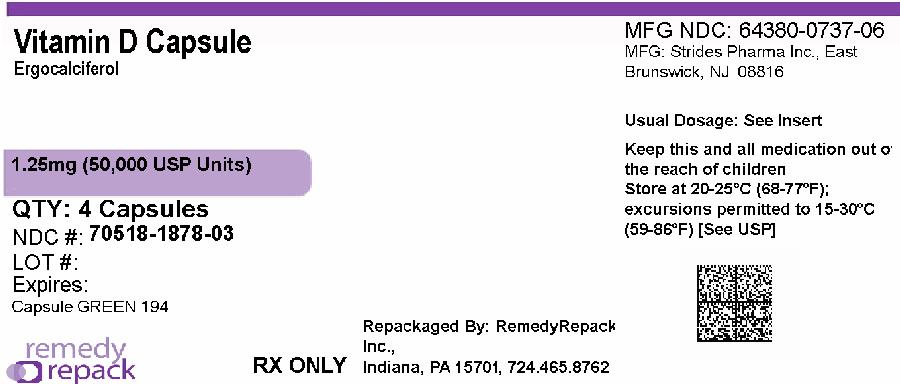
(vitamin · DailyMed)
ANDROSITOL GRANULES
Myo-inositol/Vitamin /L-Carnitine/Folic acid/Selenium
What it does
Folate is a type of B vitamin that is important for the production of red blood cells and helps prevent certain types of birth defects.
Commonly used for: prevention of neural tube defects in pregnancy, treatment of folate deficiency, supporting overall health
Read more in plain English ↓Plain-language summary for general understanding - not medical advice. Always follow your pharmacist/doctor.
Ask about this medicine
Answers come only from this medicine's registration record, BNF monograph and interaction data - not medical advice.
Medicine sourcing is available in Kenya only. We don't sell or dispense medicines - licensed pharmacies do.
Sourcing - Kenya onlyRegistration & product details
Source: Food and Drugs Authority · fetched 2026-04-18 08:45:53 · updated 2026-09-01 04:00:30
Drug Interactions
7Severe (2)
Vitamin - increases risk of vitamin a toxicity
TretinoinispredictedtoincreasetheriskofvitaminAtoxicity whengivenwithvitaminA.Avoid.rStudy Ribavirin e
Vitamin - increases risk of vitamin a toxicity
Retinoids(tretinoin)arepredictedtoincreasetheriskof vitaminAtoxicitywhengivenwithvitaminA.Avoid.r Study VitaminDsubstances . . . . . alfacalcidol.calcipotri..ol calcitriol colecalciferol ergocalcifero
Moderate (1)
Vitamin - increases risk of toxicity
Retinoids (bexarotene) are predicted to increase the risk of toxicity when given with vitamin A. Adjust dose.
Unknown (4)
Vitamin - decreases effects
Carbamazepine is predicted to decrease the effects of vitamin D substances.
Vitamin - increases exposure
Cobicistat is predicted to increase the exposure to vitamin D substances (paricalcitol).
Vitamin - increases exposure
Idelalisib is predicted to increase the exposure to vitamin D substances (paricalcitol).
Vitamin - increases exposure
Clarithromycin is predicted to increase the exposure to vitamin D substances (paricalcitol).
Data from BNF 85 (British National Formulary). This is not a substitute for professional medical advice. Matched via: exact
About folate
Folate is a type of B vitamin that is important for the production of red blood cells and helps prevent certain types of birth defects.
What it treats
- prevention of neural tube defects in pregnancy
- treatment of folate deficiency
- supporting overall health
How it works
Folate helps the body make DNA and is essential for the growth and division of cells.
Who it's for
Folate is suitable for pregnant women, those planning to become pregnant, and individuals with low levels of folate.
AI-assisted summary grounded in BNF data - general information only, not medical advice. Always confirm with your pharmacist or doctor.
About l-carnitine
L-carnitine is a substance that helps the body use fat for energy.
What it treats
- weight loss
- fatigue
- heart disease (cardiovascular disease)
- muscle weakness
How it works
It helps transport fatty acids into the cells, where they can be burned for energy.
Who it's for
It is used by people looking to improve their energy levels and support fat metabolism.
AI-assisted summary grounded in BNF data - general information only, not medical advice. Always confirm with your pharmacist or doctor.
About myo-inositol
Myo-inositol is a natural substance that may help improve insulin sensitivity and support ovarian function.
What it treats
- polycystic ovary syndrome (PCOS)
- insulin resistance
- ovarian health
How it works
Myo-inositol helps in the regulation of insulin and may promote better ovarian function, which can be beneficial for women with certain reproductive health issues.
Who it's for
This supplement is often used by women, particularly those dealing with polycystic ovary syndrome or insulin-related conditions.
AI-assisted summary grounded in BNF data - general information only, not medical advice. Always confirm with your pharmacist or doctor.
About selenium
Selenium is a mineral that is important for various bodily functions, including supporting the immune system and maintaining healthy cells.
What it treats
- supports immune health
- promotes healthy cell function
- may help prevent certain diseases
How it works
Selenium acts as an antioxidant, helping to protect cells from damage caused by free radicals.
Who it's for
Selenium is for people who need support for their immune system or those who have low levels of this mineral.
AI-assisted summary grounded in BNF data - general information only, not medical advice. Always confirm with your pharmacist or doctor.
About vitamin
Vitamins are essential nutrients that support various bodily functions and overall health.
What it treats
- nutritional deficiency
- general health maintenance
How it works
Vitamins support normal bodily functions, including metabolism, immune function, and cell repair.
Who it's for
Anyone needing to improve their nutrient intake or maintain good health.
AI-assisted summary grounded in BNF data - general information only, not medical advice. Always confirm with your pharmacist or doctor.
Clinical monograph: Selenium
BNF-referencedSelenium is a trace element essential for human health, playing a crucial role in various biological processes. It is primarily incorporated into selenoproteins, which are vital for antioxidant defense, thyroid hormone metabolism, and immune function. Selenium deficiency can lead to several health issues, including impaired immune response and increased oxidative stress.
Indications
- Selenium deficiency
- Supportive therapy in conditions requiring antioxidant support
- Potential adjunct in cancer prevention strategies
Dosage
Children: Refer to BNF for Children for specific dosing information.
Adults: Initially 100–500 micrograms daily, adjusted according to response and serum levels.
Mechanism of action
Selenium is metabolized to selenophosphate and selenocysteine, which are essential for the synthesis of selenoproteins. This process involves the incorporation of selenium into proteins through a specialized tRNA that recognizes the RNA sequence UGA, which is facilitated by SECIS structures and SBP-2 proteins. Key selenoproteins, like glutathione peroxidases, help protect cells from oxidative damage, thus playing a significant role in reducing the risk of diseases such as atherosclerosis and certain cancers.
Pharmacodynamics
Selenium is incorporated into various selenoproteins that perform essential functions, including antioxidant activity, redox balance, and regulation of thyroid hormones. Its role in antioxidant defense mechanisms is particularly important for protecting cells against reactive oxygen species (ROS). Selenium supplementation has been linked to improved immune function and potential cancer prevention.
Pharmacokinetics
Selenium is absorbed through the gastrointestinal tract, and its bioavailability can vary based on the source and form of selenium. Once absorbed, it is distributed to various tissues, where it is incorporated into selenoproteins. Selenium is primarily excreted through urine, and its half-life can depend on dietary intake and individual metabolism. Selenium status can be assessed through blood levels of selenoproteins and selenium itself.
Adverse effects
- Nausea
- Anaemia
- Aplastic anaemia
- Skin reactions
- Gastrointestinal disorders
Precautions
- Selenium supplementation should not be given unless there is good evidence of deficiency.
- Use caution in patients with a history of hypersensitivity to selenium or its compounds.
Pregnancy
Limited information is available regarding selenium supplementation during pregnancy. Consult specialist sources for guidance.
Breast-feeding
Limited information is available; the effect of selenium on copper levels in milk is conflicting, and its impact on the infant is unknown.
Storage
After opening, store in a refrigerator (2–8°C).
Formulations
- Tablets (e.g., L-Selenomethionine 200 micrograms, SelenoPrecise 100 micrograms)
- Capsules (e.g., Trientine dihydrochloride 250 mg)
- Injection solutions (e.g., Sodium selenite 50 micrograms per 1 ml)
AI-synthesized from BNF references - general information only, not a substitute for professional medical advice or the current BNF. Verify doses with a pharmacist.
Clinical monograph: folate
BNF-referencedFolate, also known as vitamin B9, is a water-soluble vitamin essential for the synthesis of nucleic acids and amino acids. It plays a crucial role in cellular division and growth, making it particularly important during periods of rapid growth such as pregnancy and infancy. Folate is naturally found in various foods, including leafy green vegetables, fruits, and legumes. It is also available as a dietary supplement and is often used to prevent or treat folate deficiency, which can lead to conditions such as megaloblastic anemia.
Indications
- Folate deficiency
- Megaloblastic anemia
- Prevention of neural tube defects in pregnancy
- Supplementation in patients on certain medications (e.g., methotrexate)
Dosage
Children: Refer to the BNF for Children for appropriate pa
Adults: Refer to specific guidelines or the BNF for appropriate adult dosing based on the indication.
Mechanism of action
Folate functions as a coenzyme in the conversion of homocysteine to methionine, a process that is vital for DNA synthesis and repair. It is involved in the one-carbon metabolism pathway, where it acts as a carrier of one-carbon units necessary for the synthesis of purines and thymidylate, thus supporting the production of nucleotides and DNA. This mechanism is particularly important in rapidly dividing cells.
Pharmacodynamics
Folate is critical for the formation of red blood cells and the proper functioning of the nervous system. It aids in the production of nucleic acids, which are essential for cell proliferation. Folate deficiency can lead to impaired DNA synthesis, resulting in megaloblastic anemia characterized by the presence of large, immature red blood cells in the bloodstream. Adequate folate levels are also associated with reduced risk of neural tube defects in developing fetuses.
Pharmacokinetics
Folate is absorbed in the proximal part of the small intestine, primarily in the jejunum, and is transported in the bloodstream bound to plasma proteins. It undergoes hepatic metabolism and is stored mainly in the liver. The elimination half-life varies, but dietary folate can be retained in the body for several weeks. Excess folate is excreted through the urine. The bioavailability of folate from food sources is lower compared to synthetic folic acid found in supplements.
Interactions
- folates+fluorouracil: Severe (increases risk of toxicity)
- folates+antiepileptics: Moderate (decreases concentration)
- folates+fosphenytoin: Moderate (decreases concentration)
- folates+phenobarbital: Moderate (decreases concentration)
- folates+phenytoin: Moderate (decreases concentration)
- folates+primidone: Moderate (decreases concentration)
- sulfasalazine+folates: Unknown (decreases absorption)
Pregnancy
Folate is essential for fetal development and is often recommended to prevent neural tube defects.
Breast-feeding
Folate is generally safe during breastfeeding, as it is important for both maternal and infant health.
Storage
Store in a cool, dry place, away from direct sunlight.
Formulations
- Tablets
- Injection
AI-synthesized from BNF references - general information only, not a substitute for professional medical advice or the current BNF. Verify doses with a pharmacist.
Clinical monograph: lcarnitine
BNF-referencedLevocarnitine, also known as L-carnitine, is a naturally occurring compound synthesized in the body from the amino acids lysine and methionine, with vitamin C playing a crucial role in its production. It functions primarily as a carrier molecule facilitating the transport of long-chain fatty acids across the inner mitochondrial membrane, thus playing a vital role in energy metabolism. In addition to its role in lipid metabolism, levocarnitine also helps in exporting acyl groups from cells to urine, preventing toxic accumulation. It is noted for its peripheral antagonistic action against thyroid hormone in certain tissues and has shown efficacy in mitigating symptoms associated with hyperthyroidism.
Mechanism of action
Levocarnitine acts as a carrier molecule for long-chain fatty acids, transporting them into mitochondria for beta-oxidation, which is critical for energy production. It also exports acyl groups from subcellular organelles and cells to urine, preventing toxic accumulation. The mechanism of action includes interactions with carnitine transporters, translocases, and acetyltransferases. Additionally, it normalizes the brain's redox state and enhances urea synthesis in the liver, potentially activating the glucocorticoid receptor. L-carnitine's antagonistic effects on thyroid hormone action, including inhibiting its nuclear entry, contribute to its therapeutic applications.
Pharmacodynamics
Levocarnitine plays a significant role in lipid metabolism and energy production through its involvement in the transport of fatty acids into the mitochondria. A deficiency in carnitine can lead to various metabolic issues, including liver, heart, and muscle dysfunction. The therapeutic use of levocarnitine includes its ability to stimulate gastric and pancreatic secretions and treat hyperlipoproteinemias. The L-isomer of carnitine is specifically active in lipid metabolism, and its deficiency can be identified through biochemical markers such as low plasma concentrations of free carnitine and elevated acylcarnitine levels.
Pharmacokinetics
Levocarnitine is absorbed in the intestines and distributed throughout the body tissues. It is primarily metabolized in the liver, with excretion occurring via urine. The pharmacokinetics of levocarnitine can vary based on dietary intake, physiological status, and specific health conditions that may affect its metabolism and clearance. The bioavailability of levocarnitine may also be
Adverse effects
- Nausea
- Vomiting
- Abdominal cramps
- Diarrhea
- Fishy body odor
- Rash
- Seizures (rare)
Interactions
- Anticoagulants may have altered effects.
- Thyroid hormones may have altered action due to L-carnitine's peripheral antagonism.
Precautions
- Use with caution in patients with renal impairment.
- Monitor for potential interactions with other medications.
Pregnancy
Limited data is available on the use of levocarnitine during pregnancy. Use only if clearly needed and after assessing benefits versus risks.
Breast-feeding
Levocarnitine is excreted in human milk. Caution is advised when administered to nursing mothers.
Storage
Store in a cool, dry place away from direct sunlight. Keep out of reach of children.
Formulations
- Oral solution
- Tablets
- Capsules
AI-synthesized from BNF references - general information only, not a substitute for professional medical advice or the current BNF. Verify doses with a pharmacist.
Clinical monograph: myoinositol
BNF-referencedMyo-inositol is a naturally occurring carbohydrate and a form of inositol, which is a six-carbon cyclic sugar alcohol. It plays a crucial role in cellular processes, particularly in the formation of phosphoinositides that are involved in cell signaling pathways. Myo-inositol is commonly used as a dietary supplement and has garnered attention for its potential benefits in various health conditions, including polycystic ovary syndrome (PCOS) and metabolic disorders.
Indications
- Polycystic ovary syndrome (PCOS)
- Insulin resistance
- Metabolic syndrome
- Mood disorders
- Neurodegenerative diseases
Dosage
Children: Dosage for paediatric patients is not established; refer to BNF for Children for specific guidance.
Adults: The typical adult dose of myo-inositol is 2 to 4 grams daily, usually divided into two doses.
Mechanism of action
Myo-inositol functions primarily as a precursor in the biosynthesis of inositol phosphates, which are critical for cell signaling. It contributes to the synthesis of 1D-myo-inositol hexakisphosphate and other inositol phosphates, facilitating the regulation of cellular functions such as insulin signaling and lipid metabolism. Myo-inositol also plays a role in the modulation of neurotransmitter signaling, particularly in the central nervous system.
Pharmacodynamics
Myo-inositol has been shown to influence insulin sensitivity and may help in restoring ovarian function in women with PCOS. It acts as a second messenger in various hormonal signaling pathways, particularly those involving insulin and follicle-stimulating hormone (FSH). The drug's action can lead to improved ovarian response and metabolic profiles in affected individuals.
Pharmacokinetics
Myo-inositol is well-absorbed when administered orally, with a bioavailability that may vary based on the formulation. It is distributed throughout the body and has a half-life that supports multiple dosing regimens. Myo-inositol is eliminated primarily through renal excretion, and its metabolism is closely linked to the pathways of inositol phosphate metabolism.
Pregnancy
The safety of myoinositol during pregnancy has not been established. Consultation with a healthcare professional is advised.
Breast-feeding
Myoinositol is generally considered safe during breastfeeding, but it is recommended to consult a healthcare provider for personalized advice.
Storage
Store at room temperature, away from moisture and direct sunlight. Keep out of reach of children.
Formulations
- Powder
- Tablet
- Capsule
AI-synthesized from BNF references - general information only, not a substitute for professional medical advice or the current BNF. Verify doses with a pharmacist.
Clinical monograph: vitamin
BNF-referencedVitamins are organic compounds that are essential for various metabolic processes in the body. They play crucial roles in maintaining health, supporting the immune system, and promoting growth and development. Different vitamins have specific functions, and they are required in varying amounts depending on age, sex, and physiological conditions.
Indications
- Vitamin deficiency syndromes (e.g., scurvy for vitamin C deficiency, rickets for vitamin D deficiency)
- Support for immune function
- Antioxidant support
- Bone health maintenance
- Vision health
- Energy metabolism support
Dosage
Children: Refer to the BNF for Children for specific vitamin dosing guidelines, which depend on age and nutritional requirements.
Adults: Refer to specific vitamin guidelines as dosage varies significantly depending on the type of vitamin and individual needs.
Mechanism of action
Vitamins function primarily as coenzymes or precursors for coenzymes in enzymatic reactions. For instance, B vitamins are involved in energy metabolism, while vitamins A, C, D, E, and K support various physiological functions including vision, antioxidant activity, calcium regulation, and blood clotting. Each vitamin has a unique mechanism of action based on its structure and role in the body.
Pharmacodynamics
Vitamins exert their effects at the cellular level, influencing metabolic pathways, gene expression, and immune responses. For example, vitamin D regulates calcium and phosphate homeostasis, while vitamin A is crucial for vision and immune function. Deficiencies in vitamins can lead to a range of disorders, highlighting their importance in maintaining health.
Pharmacokinetics
The pharmacokinetics of vitamins vary widely. Fat-soluble vitamins (A, D, E, and K) are stored in liver and adipose tissues and can be released into circulation as needed. Water-soluble vitamins (B-complex and C) are not stored and must be consumed regularly, with excess amounts excreted in urine. Absorption rates, half-lives, and distribution can also differ based on the specific vitamin and individual metabolic factors.
Interactions
- tretinoin+vitamin: Severe (increases risk of vitamin toxicity)
- retinoids+vitamin: Severe (increases risk of vitamin toxicity)
- retinoids+vitamin: Moderate (increases risk of toxicity)
- carbamazepine+vitamin: Unknown (decreases effects)
- cobicistat+vitamin: Unknown (increases exposure)
- vitamin D substances+digoxin: Unknown (increases risk of toxicity)
- idelalisib+vitamin: Unknown (increases exposure)
- clarithromycin+vitamin: Unknown (increases exposure)
Pregnancy
Consult healthcare professional before use. Vitamin supplementation during pregnancy should be carefully managed to avoid hypervitaminosis.
Breast-feeding
Consult healthcare professional before use. Some vitamins can pass into breast milk and may affect the infant.
Storage
Store in a cool, dry place, away from direct sunlight. Ensure it is kept out of reach of children.
Formulations
- {'name': 'Vitamin A', 'form': 'Capsule', 'strength': '10000 IU'}
- {'name': 'Vitamin D', 'form': 'Tablet', 'strength': '1000 IU'}
- {'name': 'Vitamin E', 'form': 'Softgel', 'strength': '400 IU'}
AI-synthesized from BNF references - general information only, not a substitute for professional medical advice or the current BNF. Verify doses with a pharmacist.
Molecular reference: Selenium
PubChem CID 6326970Molecular formula: Se
Mechanism of action
Selenium is first metabolized to selenophosphate and selenocysteine. Selenium incorporation is genetically encoded through the RNA sequence UGA. This sequence is recognized by RNA ste loop structures called selenocysteine inserting sequences (SECIS). These structures require the binding of SECIS binding proteins (SBP-2) to recognize selenocystiene. The specialized tRNA is first bound to a serine residue which is then enzymatically processed to a selylcysteyl-tRNA by selenocystiene sythase using selenophosphate as a selenium donor. Other unidentified proteins are required as part of the binding of this tRNA to the ribosome. Selenoproteins appear to be necessary for life as mice with the specialized tRNA gene knocked out exhibited early embryonic lethality. The most important selenoproteins seem to be the glutathione peroxidases and thioredoxin reductases which are part of the body's defenses againts reactive oxygen species (ROS). The importance of selenium in these anti-oxidant proteins has been implicated in the reduction of atherosclerosis by preventing the oxidation of low density lipoprotein. Selenium supplementation is also being investigated in the prevention of cancer and has been suggested to be beneficial to immune function. Converging data from epidemiological, ecological, and clinical studies have shown that selenium (Se) can decrease the risk for some types of human cancers. Induction of apoptosis is considered an important cellular event that can account for the cancer preventive effects of Se. Prior to occurrence of apoptosis, Se compounds alter the expression and/or activities of signaling molecules, mitochondria-associated factors, transcriptional factors, tumor suppressor genes, and cellular reduced glutathione. Mechanistic studies have demonstrated that the methylselenol metabolite pool has many desirable attributes of chemoprevention, whereas the hydrogen selenide pool with excess of selenoprotein synthesis can lead to DNA single-strand breaks. To elucidate the effects of Se on cytotoxic events, it should be remembered that the chemical forms and the dose of Se, and the experimental system used, are determinants of its biological activities. This mini-review focuses on elucidation of the molecular mechanisms of cancer prevention by Se with the apoptotic approach. /Selenium/ Selenium status can also influence thyroid hormone function via the deiodinase enzymes. Selenium is a critical component of the deiodinase enzymes, including iodothyronine 5'-deiodinases, which convert the prohormone thyroxine (T4) to the active circulating form, triiodothyronine (T3). Selenium is also a component of GPX, the main enzyme responsible for protecting thyroid cells against oxidative damage. GPX is involved in the detoxification of hydrogen peroxide, which is produced in the thyroid during the conversion of T4 to T3. /Selenium/ Selenium readily substitutes for sulfur in biomolecules and in many biochemical reactions, especially when the concentration of selenium is high and the concentration of sulfur is low in the organism. Inactivation of the sulfhydryl enzymes necessary for oxidative reactions in cellular respiration, through effects on mitochondrial and microsomal electron transport, might contribute to acute selenium toxicity. Selenium may have a role in hepatic heme metabolism that is related to GPX or lipid peroxidation. Selenocysteine is specifically found in some proteins (e.g., glutathione peroxidase); selenomethionine appears to randomly substitute for methionine in protein synthesis. This appears to be an additional mechanism for intermediate- or chronic-duration toxicity. Skin, hair, and nail damage are significant indicators of chronic selenium overexposure. The mechanism causing these integumentary effects is unclear, but could be related to the high selenium concentrations in these tissues as a consequence of the substitution of selenium for sulfur in certain amino acids, including the disulfide bridges that pr
Pharmacodynamics
Selenium is incorporated into many different selenoproteins which serve various functions throughout the body.
Biological pathways
Source: PubChem (NCBI) · pathways from PathBank, Reactome, WikiPathways & PharmGKB.
Molecular reference: folate
PubChem CID 135405876Molecular formula: C19H19N7O6
Source: PubChem (NCBI) · pathways from PathBank, Reactome, WikiPathways & PharmGKB.
Molecular reference: l-carnitine
PubChem CID 10917Molecular formula: C7H15NO3
Mechanism of action
Levocarnitine can be synthesised within the body from the amino acids lysine or methionine. Vitamin C (ascorbic acid) is essential to the synthesis of carnitine. Levocarnitine is a carrier molecule in the transport of long chain fatty acids across the inner mitochondrial membrane. It also exports acyl groups from subcellular organelles and from cells to urine before they accumulate to toxic concentrations. Only the L isomer of carnitine (sometimes called vitamin BT) affects lipid metabolism. Levocarnitine is handled by several proteins in different pathways including carnitine transporters, carnitine translocases, carnitine acetyltransferases and carnitine palmitoyltransferases. L-Carnitine is a peripheral antagonist of thyroid hormone action in some tissues. It inhibits thyroid hormone entry into cell nuclei. In a controlled clinical trial, L-carnitine was shown to reverse or prevent some symptoms of hyperthyroidism. ... Mortality and metabolic consequences of acute ammonium intoxication in mice are reduced by pharmacologic admin of L-carnitine. The mechanism for this effect may have 2 components. L-Carnitine admin normalizes the redox state of the brain (perhaps by incr the avail of beta-hydroxybutyrate and/or acetyl-L-carnitine to the brain), and it incr the rate of urea synth in the liver, perhaps in part by activation of the glucocorticoid receptor. At least part of the protective effect is associated with flux through the carnitine acyltransferases, as analogs of L-carnitine that are competitive inhibitors of carnitine acyltransferases enhance the toxicity of acute ammonium admin. Thus, it has been proposed that L-carnitine incr urea synth in the liver by facilitating fatty acid entry into mitochondria, leading to incr flux through the beta-oxidation pathway, an incr of intramitochondrial reducing equivalents, and enhancement of ATP production. ... Levocarnitine is necessary for normal mammalian fat utilization and energy metabolism. It facilitates entry of long-chain fatty acids into cellular mitochondria, where they are used during oxidation and energy production. It also exports acyl groups from subcellular organelles and from cells to urine before they accumulate to toxic concentrations. Carnitine's primary mechanism of action is apparently attributable to its role as a cofactor in the transformation of free long-chain fatty acids into acylcarnitines for subsequent transport into the mitochondrial matrix. Carnitine is involved in the metabolism of ketones for energy and the conversion of branched-chain amino acids - valine, leucine, and isoleucine - into energy. /Carnitine/ L-Carnitine participates in a reversible transesterification reaction, in which an acyl group is transferred from coenzyme A to the hydroxyl group of L-carnitine ... /This reaction facilitates the/ transfer of long-chain fatty acids from cytoplasm ... /and/ chain-shortened /very-long-chain/ fatty acids from peroxisomes to mitochondria /and the/ modulation of the acyl-CoA/CoA ratio in cellular compartments.
Pharmacodynamics
Levocarnitine is a carrier molecule in the transport of long chain fatty acids across the inner mitochondrial membrane. It also exports acyl groups from subcellular organelles and from cells to urine before they accumulate to toxic concentrations. Lack of carnitine can lead to liver, heart, and muscle problems. Carnitine deficiency is defined biochemically as abnormally low plasma concentrations of free carnitine, less than 20 µmol/L at one week post term and may be associated with low tissue and/or urine concentrations. Further, this condition may be associated with a plasma concentration ratio of acylcarnitine/levocarnitine greater than 0.4 or abnormally elevated concentrations of acylcarnitine in the urine. Only the L isomer of carnitine (sometimes called vitamin BT) affects lipid metabolism. The "vitamin BT" form actually contains D,L-carnitine, which competitively inhibits levocarnitine and can cause deficiency. Levocarnitine can be used therapeutically to stimulate gastric and pancreatic secretions and in the treatment of hyperlipoproteinemias.
Biological pathways
Source: PubChem (NCBI) · pathways from PathBank, Reactome, WikiPathways & PharmGKB.
Molecular reference: myo-inositol
PubChem CID 892Molecular formula: C6H12O6
Biological pathways
Source: PubChem (NCBI) · pathways from PathBank, Reactome, WikiPathways & PharmGKB.
Molecular reference: vitamin
PubChem CID 266052Molecular formula: C14H15NO7
Source: PubChem (NCBI) · pathways from PathBank, Reactome, WikiPathways & PharmGKB.
This drug in other countries
The same active ingredient registered across other registries we cover - including different brands.