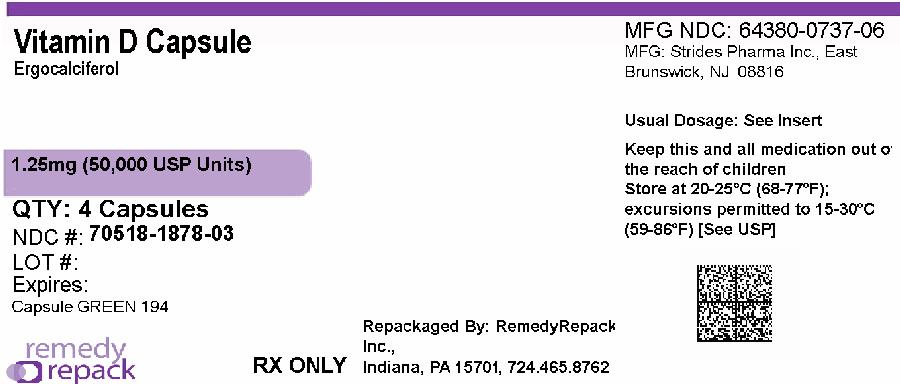
(vitamin · DailyMed)
BAODING AMINOVIT FORTE LIQUID (Each 1L contains Vitamin A 15,000,000iu/ Vitamin D3 2,500,000iu/ Vitamin E 6,000iu/ Vitamin K3 1.0g/ Pantothenic acid B5 2.8g/ Thiamine B1 2.0g/ Riboflavin B2 1.5g/ Pyridoxine B6 1.5g/ Vitamin B12 2.5mg/ Nicotinamide B3 6.5g/ Choline chloride 100g/ Methionine 120g/ Lysine 50g/ Vitamin C 10g/ Threonine 8g/ Serine 0.42g/ Glycine 0.7g/ Valine 0.5g/ Isoleucine 0.36g/ Leucine 0.5g/ Tyrosine 0.25g/ Histidine 0.2g/ Arginine 0.8g/ Phenylalanine 0.72g/ Tryptophan 0.2g)
BAVitamin A 15,000,000iu/ Vitamin D3 2,500,000iu/ Vitamin E 6,000iu/ Vitamin K3 1.0g/ Pantothenic acid B5 2.8g/ Thiamine B1 2.0g/ Riboflavin B2 1.5g/ Pyridoxine B6 1.5g/ Vitamin B12 2.5mg/ Nicotinamide B3 6.5g/ Choline chloride 100g/ Methionine 120g/ Lysine 50g/ Vitamin C 10g/ Threonine 8g/ Serine 0.42g/ Glycine 0.7g/ Valine 0.5g/ Isoleucine 0.36g/ Leucine 0.5g/ Tyrosine 0.25g/ Histidine 0.2g/ Arginine 0.8g/ Phenylalanine 0.72g/ Tryptophan 0.2g)
What it does
Arginine is an amino acid that helps with various bodily functions, including blood flow and immune support.
Commonly used for: heart disease, erectile dysfunction, high blood pressure (hypertension), sickle cell disease
Read more in plain English ↓Plain-language summary for general understanding - not medical advice. Always follow your pharmacist/doctor.
Ask about this medicine
Answers come only from this medicine's registration record, BNF monograph and interaction data - not medical advice.
Medicine sourcing is available in Kenya only. We don't sell or dispense medicines - licensed pharmacies do.
Sourcing - Kenya onlyRegistration & product details
Source: Food and Drugs Authority · fetched 2026-04-18 08:32:59 · updated 2026-10-27 04:00:12
Drug Interactions
8Pharmacodynamic Warnings
Tryptophan appears in TABLE 13: Drugs that cause serotonin syndrome
Severe (2)
Vitamin - increases risk of vitamin a toxicity
TretinoinispredictedtoincreasetheriskofvitaminAtoxicity whengivenwithvitaminA.Avoid.rStudy Ribavirin e
Vitamin - increases risk of vitamin a toxicity
Retinoids(tretinoin)arepredictedtoincreasetheriskof vitaminAtoxicitywhengivenwithvitaminA.Avoid.r Study VitaminDsubstances . . . . . alfacalcidol.calcipotri..ol calcitriol colecalciferol ergocalcifero
Moderate (1)
Vitamin - increases risk of toxicity
Retinoids (bexarotene) are predicted to increase the risk of toxicity when given with vitamin A. Adjust dose.
Unknown (5)
Levodopa - decreases concentration
Tryptophan greatly decreases the concentration of levodopa.
Vitamin - decreases effects
Carbamazepine is predicted to decrease the effects of vitamin D substances.
Vitamin - increases exposure
Cobicistat is predicted to increase the exposure to vitamin D substances (paricalcitol).
Vitamin - increases exposure
Idelalisib is predicted to increase the exposure to vitamin D substances (paricalcitol).
Vitamin - increases exposure
Clarithromycin is predicted to increase the exposure to vitamin D substances (paricalcitol).
Data from BNF 85 (British National Formulary). This is not a substitute for professional medical advice. Matched via: exact
About arginine
Arginine is an amino acid that helps with various bodily functions, including blood flow and immune support.
What it treats
- heart disease
- erectile dysfunction
- high blood pressure (hypertension)
- sickle cell disease
How it works
Arginine helps produce nitric oxide, which widens blood vessels and improves blood flow.
Who it's for
Arginine is for adults who may need support for heart health, blood circulation, or sexual function.
AI-assisted summary grounded in BNF data - general information only, not medical advice. Always confirm with your pharmacist or doctor.
About ascorbic acid
Ascorbic acid, commonly known as Vitamin C, is essential for overall health and helps the body in many ways.
What it treats
- scurvy
- immune system support
- wound healing
- antioxidant support
How it works
Ascorbic acid helps in the production of collagen, a protein important for skin, blood vessels, and connective tissues, and acts as an antioxidant to protect cells.
Who it's for
It is suitable for people needing vitamin C, such as those with a deficiency or increased requirements due to illness or stress.
AI-assisted summary grounded in BNF data - general information only, not medical advice. Always confirm with your pharmacist or doctor.
About bavitamin
Bavitamin is a supplement that provides essential vitamins to support overall health.
What it treats
- vitamin deficiency
- fatigue
- poor nutrition
How it works
Bavitamin supplies necessary vitamins that help the body function properly and maintain good health.
Who it's for
This supplement is for anyone who needs extra vitamins, especially those who may not get enough from their diet.
AI-assisted summary grounded in BNF data - general information only, not medical advice. Always confirm with your pharmacist or doctor.
About choline
Choline is a nutrient important for various bodily functions, including brain health and liver function.
What it treats
- supporting brain health
- helping with liver function
How it works
Choline helps produce important substances in the body, like phospholipids, which are essential for cell membranes.
Who it's for
Choline can be beneficial for people needing support for cognitive function and liver health.
AI-assisted summary grounded in BNF data - general information only, not medical advice. Always confirm with your pharmacist or doctor.
About cyanocobalamin
Cyanocobalamin is a form of vitamin B12 that is important for maintaining healthy nerve cells and producing red blood cells.
What it treats
- vitamin B12 deficiency
- pernicious anemia
- certain types of anemia
How it works
It helps in the production of red blood cells and supports the nervous system.
Who it's for
It is for people who have low levels of vitamin B12, including those with certain dietary restrictions or absorption issues.
AI-assisted summary grounded in BNF data - general information only, not medical advice. Always confirm with your pharmacist or doctor.
About glycine
Glycine is an amino acid that plays a role in various bodily functions.
What it treats
- supporting mood and mental health
- helping with sleep issues
- aiding muscle recovery
How it works
Glycine helps to build proteins in the body and can have a calming effect on the brain.
Who it's for
Glycine may be suitable for adults looking to improve their mood, sleep, or muscle recovery.
AI-assisted summary grounded in BNF data - general information only, not medical advice. Always confirm with your pharmacist or doctor.
About histidine
Histidine is an amino acid that plays a role in various bodily functions and is important for growth and tissue repair.
What it treats
- nutritional support
- growth issues
- tissue repair
How it works
Histidine helps the body produce proteins and enzymes that are essential for many physiological processes.
Who it's for
Histidine may be beneficial for individuals needing extra nutritional support, such as those recovering from illness or surgery.
AI-assisted summary grounded in BNF data - general information only, not medical advice. Always confirm with your pharmacist or doctor.
About isoleucine
Isoleucine is an essential amino acid that helps in building proteins and is important for muscle health.
What it treats
- muscle growth
- muscle repair
- nutritional support
How it works
Isoleucine helps your body produce proteins, which are necessary for growth and health, especially in muscles.
Who it's for
It is suitable for people needing extra protein support, such as athletes or those recovering from surgery.
AI-assisted summary grounded in BNF data - general information only, not medical advice. Always confirm with your pharmacist or doctor.
About leucine
Leucine is an essential amino acid that helps the body build proteins and is important for muscle health.
What it treats
- muscle growth
- muscle repair
- nutrition support
How it works
Leucine helps stimulate protein synthesis in the body, which is essential for building and repairing muscles.
Who it's for
Leucine is beneficial for athletes, bodybuilders, and anyone looking to improve muscle health.
AI-assisted summary grounded in BNF data - general information only, not medical advice. Always confirm with your pharmacist or doctor.
About lysine
Lysine is an essential amino acid that helps your body build proteins and supports immune function.
What it treats
- to support the treatment of cold sores (herpes simplex)
- to promote muscle recovery and growth
- to improve overall health and wellness
How it works
Lysine helps the body produce proteins and supports various bodily functions, including the immune system.
Who it's for
Lysine is for people looking to boost their protein intake, support immune health, or manage cold sores.
Cautions
- • Consult a healthcare professional if you have kidney issues.
- • May cause gastrointestinal discomfort in some individuals.
AI-assisted summary grounded in BNF data - general information only, not medical advice. Always confirm with your pharmacist or doctor.
About methionine
Methionine is an amino acid that plays a role in various body functions, including making proteins and supporting metabolism.
What it treats
- liver disease
- certain types of depression
- cognitive disorders
How it works
Methionine helps in the production of important substances in the body, such as proteins and antioxidants.
Who it's for
Methionine may be used by adults and children who need support for liver health or specific mental health conditions.
AI-assisted summary grounded in BNF data - general information only, not medical advice. Always confirm with your pharmacist or doctor.
About nicotinamide
Nicotinamide is a form of vitamin B3 that helps maintain healthy skin and supports various body functions.
What it treats
- acne (acne vulgaris)
- skin conditions
- dry skin
- certain types of dermatitis
How it works
Nicotinamide helps improve skin health by reducing inflammation and promoting cell repair.
Who it's for
It is suitable for people looking to improve their skin condition or reduce acne.
AI-assisted summary grounded in BNF data - general information only, not medical advice. Always confirm with your pharmacist or doctor.
About pantothenic
Pantothenic acid, also known as vitamin B5, is important for the body to convert food into energy and is involved in the synthesis of hormones and cholesterol.
What it treats
- vitamin deficiency
- general health support
How it works
Pantothenic acid helps the body break down carbohydrates, fats, and proteins, turning them into energy.
Who it's for
This vitamin is for anyone looking to support their overall health and energy levels.
AI-assisted summary grounded in BNF data - general information only, not medical advice. Always confirm with your pharmacist or doctor.
About phenylalanine
Phenylalanine is an amino acid that helps in the production of proteins in the body.
What it treats
- Phenylketonuria (PKU)
- Dietary supplement
How it works
Phenylalanine is used by the body to create proteins, which are important for growth and repair of tissues.
Who it's for
This is mainly for people with phenylketonuria (PKU) who need to manage their phenylalanine levels.
AI-assisted summary grounded in BNF data - general information only, not medical advice. Always confirm with your pharmacist or doctor.
About pyridoxine
Pyridoxine, also known as vitamin B6, is important for many bodily functions including the metabolism of proteins and the creation of neurotransmitters.
What it treats
- pyridoxine deficiency
- nerve pain (neuropathy)
- certain types of anemia
How it works
Pyridoxine helps the body use proteins and carbohydrates effectively and is essential for the production of chemicals that transmit signals in the brain.
Who it's for
Pyridoxine is for individuals who need to increase their vitamin B6 levels due to dietary deficiencies or certain health conditions.
AI-assisted summary grounded in BNF data - general information only, not medical advice. Always confirm with your pharmacist or doctor.
About riboflavin
Riboflavin, also known as Vitamin B2, is essential for energy production and helps maintain healthy skin, eyes, and nerve functions.
What it treats
- Vitamin B2 deficiency
- Mouth sores
- Migraines
How it works
Riboflavin helps the body convert food into energy and supports various cellular functions.
Who it's for
Riboflavin is suitable for individuals who may not get enough Vitamin B2 from their diet or have specific health conditions.
AI-assisted summary grounded in BNF data - general information only, not medical advice. Always confirm with your pharmacist or doctor.
About serine
Serine is an amino acid that plays a role in building proteins and supporting various body functions.
What it treats
- supporting protein synthesis
- neurotransmitter function
- muscle metabolism
How it works
Serine helps in the creation of proteins and other important molecules in the body.
Who it's for
It is used by individuals needing support for their protein intake or metabolic processes.
AI-assisted summary grounded in BNF data - general information only, not medical advice. Always confirm with your pharmacist or doctor.
About thiamine
Thiamine, also known as vitamin B1, is a nutrient that helps convert food into energy and supports the nervous system.
What it treats
- thiamine deficiency
- Wernicke-Korsakoff syndrome
- beriberi
How it works
Thiamine helps the body use carbohydrates for energy and is essential for the proper functioning of the nervous system.
Who it's for
Thiamine is for people who have low levels of vitamin B1 or certain conditions that increase the need for it.
AI-assisted summary grounded in BNF data - general information only, not medical advice. Always confirm with your pharmacist or doctor.
About threonine
Threonine is an amino acid that is important for the body's protein production.
What it treats
- supporting protein synthesis
- promoting muscle growth
- aiding in the production of antibodies
How it works
Threonine helps the body build proteins which are essential for various functions including muscle development and immune response.
Who it's for
Threonine is suitable for individuals needing extra support in protein intake, such as athletes or those with specific dietary needs.
AI-assisted summary grounded in BNF data - general information only, not medical advice. Always confirm with your pharmacist or doctor.
About tryptophan
Tryptophan is an amino acid that helps the body produce serotonin, a chemical that can affect mood and sleep.
What it treats
- depression
- anxiety
- insomnia
- mood disorders
How it works
Tryptophan is converted in the body to serotonin, which helps improve mood and regulate sleep.
Who it's for
Adults looking for support with mood and sleep issues.
Cautions
- • Be careful if taking other medications that can lead to serotonin syndrome, a serious condition caused by too much serotonin.
AI-assisted summary grounded in BNF data - general information only, not medical advice. Always confirm with your pharmacist or doctor.
About tyrosine
Tyrosine is an amino acid that helps the body produce important substances like neurotransmitters and hormones.
What it treats
- stress
- depression
- attention deficit hyperactivity disorder (ADHD)
- phenylketonuria (PKU)
How it works
Tyrosine is a building block for proteins and is involved in making brain chemicals that affect mood and mental function.
Who it's for
Tyrosine may be suitable for those experiencing stress, mood disorders, or certain metabolic conditions.
AI-assisted summary grounded in BNF data - general information only, not medical advice. Always confirm with your pharmacist or doctor.
About valine
Valine is an essential amino acid that the body needs for growth and tissue repair.
What it treats
- muscle recovery
- supporting immune function
How it works
Valine helps build proteins and is important for energy production in muscles.
Who it's for
This is for individuals needing extra support for muscle health or recovery, especially athletes.
AI-assisted summary grounded in BNF data - general information only, not medical advice. Always confirm with your pharmacist or doctor.
About vitamin
Vitamins are essential nutrients that support various bodily functions and overall health.
What it treats
- nutritional deficiency
- general health maintenance
How it works
Vitamins support normal bodily functions, including metabolism, immune function, and cell repair.
Who it's for
Anyone needing to improve their nutrient intake or maintain good health.
AI-assisted summary grounded in BNF data - general information only, not medical advice. Always confirm with your pharmacist or doctor.
Clinical monograph: Cyanocobalamin
BNF-referencedCyanocobalamin, commonly known as vitamin B12, is a water-soluble vitamin essential for various bodily functions, including DNA synthesis, red blood cell formation, and neurological function. It plays a crucial role in the metabolism of fatty acids and amino acids. Deficiency in vitamin B12 can lead to megaloblastic anemia and neurological disorders.
Mechanism of action
Cyanocobalamin serves as a cofactor for methionine synthase and L-methylmalonyl-CoA mutase enzymes. Methionine synthase is essential for the synthesis of purines and pyrimidines that form DNA. L-methylmalonyl-CoA mutase is involved in the degradation of propionate, crucial for fat and protein metabolism. The lack of vitamin B12 results in the accumulation of methylmalonyl CoA, contributing to neurological manifestations. Additionally, it is vital for the synthesis of methionine from homocysteine, and its deficiency can lead to functional folate deficiency, which impacts red blood cell formation.
Pharmacodynamics
Cyanocobalamin corrects vitamin B12 deficiency and alleviates symptoms and laboratory abnormalities associated with pernicious anemia, such as megaloblastic indices, gastrointestinal lesions, and neurological damage. It is essential for growth, cell reproduction, hematopoiesis, nucleoprotein, and myelin synthesis. The drug significantly impacts fat and carbohydrate metabolism, as well as protein synthesis. Rapidly dividing cells, such as those in the bone marrow, have a high demand for vitamin B12. Parenteral administration of cyanocobalamin can quickly reverse the anemia and gastrointestinal symptoms of vitamin B12 deficiency, while also preventing the progression of related neurological damage.
Pharmacokinetics
Cyanocobalamin is absorbed in the intestine, primarily in the ileum, via specific transport mechanisms that may be impaired in individuals with intrinsic factor deficiency (as seen in pernicious anemia). Once absorbed, it is widely distributed in body tissues, with significant concentrations found in the liver, kidneys, and heart. The vitamin is stored in the liver, where it can be released into circulation as needed. Cyanocobalamin undergoes conversion to its active forms, methylcobalamin and adenosylcobalamin, which are utilized in various metabolic processes. The elimination half-life is variable, but it is generally excreted via urine as metabolites
Adverse effects
- Abdominal distension
- Decreased appetite
- Flatulence
- Nausea
Interactions
- Folic acid may interact with cyanocobalamin, especially in cases of megaloblastic anemia caused by folate deficiency.
Precautions
- Should not be given alone for pernicious anemia.
- Use caution in patients with Leber's disease, as it may worsen optic atrophy.
Pregnancy
Cyanocobalamin is essential during pregnancy as it helps prevent neural tube defects. It is advised that females of childbearing potential take 5 mg of folic acid daily before conception and throughout pregnancy.
Breast-feeding
Cyanocobalamin is generally considered safe during breastfeeding, but it is advised to monitor the infant for any adverse effects.
Storage
Store in a cool, dry place, away from direct sunlight. Protect from moisture.
Formulations
- Tablet: 1000 micrograms
- Tablet: 500 micrograms
- Tablet: 100 micrograms
- Oral solution: 50 micrograms per ml
- Solution for injection: 1000 micrograms per ml
AI-synthesized from BNF references - general information only, not a substitute for professional medical advice or the current BNF. Verify doses with a pharmacist.
Clinical monograph: Pyridoxinehydrochloride
BNF-referencedPyridoxine hydrochloride, also known as Vitamin B6, is a water-soluble vitamin that plays a crucial role in various bodily functions, including amino acid metabolism, neurotransmitter synthesis, and the regulation of gene expression. It is essential for the proper function of enzymes involved in the metabolism of proteins, carbohydrates, and fats. Pyridoxine is commonly used to treat and prevent vitamin B6 deficiencies and is also indicated in specific neuropathies, including those induced by isoniazid and penicillamine.
Indications
- Vitamin B6 deficiency
- Isoniazid-induced neuropathy (prophylaxis and treatment)
- Idiopathic sideroblastic anaemia
- Prevention of penicillamine-induced neuropathy in Wilson's disease
- Metabolic diseases such as cystathioninuria and homocystinuria
- Premenstrual syndrome
Mechanism of action
Pyridoxine hydrochloride is converted in the body to pyridoxal phosphate, which is the active form of vitamin B6. It serves as a cofactor for more than 100 enzymatic reactions, particularly those involved in the metabolism of amino acids, the synthesis of neurotransmitters (such as serotonin, dopamine, and gamma-aminobutyric acid), and the production of hemoglobin. Its role in neurotransmitter synthesis makes it crucial for normal brain function and mood regulation.
Pharmacodynamics
Pyridoxine hydrochloride exerts its effects by facilitating the conversion of amino acids into neurotransmitters and is involved in the synthesis of heme. It impacts the metabolism of tryptophan to serotonin and is essential for the production of norepinephrine and gamma-aminobutyric acid, which are vital for proper neurological function. Deficiency of vitamin B6 can lead to neurological symptoms, including peripheral neuropathy and cognitive disturbances.
Pharmacokinetics
Pyridoxine hydrochloride is readily absorbed from the gastrointestinal tract. It is primarily metabolized in the liver, where it is converted to its active form, pyridoxal phosphate. The elimination half-life of pyridoxine is approximately 15-20 days, and it is excreted primarily through the urine. Renal impairment may affect the metabolism and excretion of pyridoxine, necessitating dose adjustments.
Contra-indications
- Hyperkalaemia
- Severe liver damage
Adverse effects
- Peripheral neuritis
- Hepatitis
- Hypoglycaemia
- Urine discolouration
Interactions
- Potassium aminobenzoate
- Isoniazid
Precautions
- Caution in renal impairment (increased risk of hyperkalaemia)
- Interrupt treatment during periods of low food intake (such as fasting, anorexia, and nausea) to reduce risk of hypoglycaemia
- Monitor liver function tests monthly during high-dose therapy
Pregnancy
Manufacturer advises avoiding use in pregnancy due to potential risk of birth defects; however, no adverse effects have been reported at normal dietary levels.
Breast-feeding
Theoretical risk of toxicity in infants if mothers take large doses.
Storage
Store in a cool, dry place away from direct sunlight. Keep out of reach of children.
Formulations
- Pyridoxine hydrochloride 10 mg tablets
- Pyridoxine hydrochloride 20 mg tablets
- Pyridoxine hydrochloride 50 mg tablets
- Pyridoxine hydrochloride oral solution 20 mg per 1 ml
AI-synthesized from BNF references - general information only, not a substitute for professional medical advice or the current BNF. Verify doses with a pharmacist.
Clinical monograph: Nicotinamide
BNF-referencedNicotinamide, also known as niacinamide, is a form of vitamin B3 that is involved in numerous biological processes including energy metabolism and DNA repair. It is primarily utilized topically for the treatment of skin conditions such as papulopustular rosacea and inflammatory acne vulgaris. Nicotinamide is known for its anti-inflammatory properties and its ability to improve skin barrier function, making it beneficial for various dermatological conditions.
Indications
- Papulopustular rosacea
- Inflammatory acne vulgaris
Dosage
Children: Refer to the BNF for Children for specific dosing recommendations.
Adults: For papulopustular rosacea, apply daily for up to 4 months. The treatment course may be repeated; discontinue if no improvement is observed after 3 months. For inflammatory acne vulgaris, apply twice daily, reduced to once daily or alternate days if irritation occurs.
Mechanism of action
Nicotinamide exhibits anti-inflammatory effects by inhibiting the release of pro-inflammatory cytokines and enhancing the barrier function of the skin. It is also involved in the NAD salvage pathway, which is essential for maintaining cellular energy levels and promoting cell repair mechanisms. Additionally, nicotinamide contributes to the synthesis of coenzymes involved in metabolic processes, including the conversion of niacin into NAD+.
Pharmacodynamics
Nicotinamide is known for its ability to improve skin hydration and reduce transepidermal water loss. It has been shown to decrease the appearance of acne lesions and rosacea by modulating inflammatory responses and accelerating cell turnover. Its antioxidant properties also help to protect the skin from oxidative stress and UV damage.
Pharmacokinetics
When applied topically, nicotinamide is absorbed through the skin layers, with minimal systemic absorption. Its peak plasma concentrations are generally low, and the drug has a half-life that varies depending on the route of administration. The metabolism of nicotinamide occurs primarily in the liver, where it is converted into its active forms, including NAD+. The elimination route is via the kidneys, with metabolites excreted in urine.
Contra-indications
- Pregnancy
- Severe acne involving large areas
- Severe skin reactions
Adverse effects
- Sunburn
- Skin reactions (common or very common)
- Cheilitis
- Eyelid oedema
- Flushing
- Dry skin
- Eye irritation
- Photosensitivity reactions
- Transient skin pigmentation changes
Interactions
- Clindamycin
- Topical retinoids
- Abrasive cleaners
- Comedogenic cosmetics
Precautions
- Avoid exposure to UV light, including sunlight and sunlamps
- Wash hands immediately after use
- Avoid contact with eyes and mucous membranes
- Use moisturizers to reduce the risk of skin irritation
- Discontinue treatment if severe irritation occurs
Pregnancy
Avoid use during pregnancy due to potential risks, as limited information is available regarding toxicity.
Breast-feeding
Amount of drug in milk after topical application is probably too small to be harmful; ensure infant does not come in contact with treated areas.
Storage
Store at room temperature away from moisture and light.
Formulations
- Cream
- Gel
AI-synthesized from BNF references - general information only, not a substitute for professional medical advice or the current BNF. Verify doses with a pharmacist.
Clinical monograph: Ascorbicacid
BNF-referencedAscorbic acid, also known as Vitamin C, is a water-soluble vitamin essential for various bodily functions, including the synthesis of collagen, neurotransmitters, and the immune response. It acts as an antioxidant, protecting cells from damage by free radicals.
Indications
- Vitamin C deficiency
- Scurvy
- Adjunct therapy in iron overload conditions
Dosage
Children: Child 1 month–3 years: 125–250 mg daily in 1–2 divided doses; Child 4–11 years: 250–500 mg daily in 1–2 divided doses; Child 12–17 years: 0.5–1 g daily in 1–2 divided doses.
Adults: 500 mg daily, taken in 1-2 divided doses, depending on the clinical condition and dietary needs.
Mechanism of action
Ascorbic acid functions primarily as a reducing agent, facilitating enzymatic reactions in the body, including the hydroxylation of proline and lysine in collagen synthesis. It also plays a role in the absorption of iron from the gastrointestinal tract and enhances the immune response.
Pharmacodynamics
Ascorbic acid is crucial for the maintenance of connective tissue and is involved in the metabolism of several amino acids. Its antioxidant properties help to mitigate oxidative stress and may play a role in reducing the risk of chronic diseases.
Pharmacokinetics
Ascorbic acid is absorbed in the intestines and is widely distributed throughout the body. The renal clearance of ascorbic acid is dose-dependent, with higher doses leading to increased excretion. The half-life varies but is generally around 15 to 30 minutes in healthy individuals, with tissue saturation levels influencing its retention.
Contra-indications
- Hypercalcaemia
- Hyperoxaluria
- Patients with cardiac dysfunction
Adverse effects
- Abdominal pain
- Headache
- Nausea
- Vomiting
- Diarrhoea
- Constipation
- Weight loss
- Polyuria
- Sweating
- Thirst
- Vertigo
Interactions
- Increases risk of cardiovascular adverse effects with iron chelators
- Increases risk of cardiovascular adverse effects with deferiprone
- Increases risk of cardiovascular adverse effects with desferrioxamine
Precautions
- Use with caution in patients with iron overload
- Monitor for symptoms of overdose
Pregnancy
High doses teratogenic in animals but therapeutic doses unlikely to be harmful.
Storage
Store in a cool, dry place away from direct sunlight.
Formulations
- Ascorbic acid 50 mg tablets
- Ascorbic acid 100 mg tablets
- Ascorbic acid 200 mg tablets
- Ascorbic acid 250 mg tablets
- Ascorbic acid 500 mg capsules
AI-synthesized from BNF references - general information only, not a substitute for professional medical advice or the current BNF. Verify doses with a pharmacist.
Clinical monograph: Riboflavin
BNF-referencedRiboflavin, also known as vitamin B2, is a water-soluble vitamin crucial for various biochemical functions in the body. It plays a pivotal role in energy production through the metabolism of fats, carbohydrates, and proteins. Additionally, riboflavin is essential for red blood cell formation, maintaining skin health, and supporting overall growth and reproduction. It has antioxidant properties and is involved in the prevention of certain eye disorders, including cataracts.
Indications
- Vitamin B2 deficiency
- Isoniazid-induced neuropathy (prophylaxis and treatment)
- Metabolic diseases
- Cystathioninuria
- Homocystinuria
- Wilson's disease
- Prevention of penicillamine-induced neuropathy
Mechanism of action
Riboflavin acts as a precursor to flavin mononucleotide (FMN) and flavin adenine dinucleotide (FAD), which are essential coenzymes in various enzymatic reactions. It binds to riboflavin hydrogenase, riboflavin kinase, and riboflavin synthase, facilitating the production of FMN and FAD. These coenzymes are critical for normal tissue respiration and energy metabolism, influencing hydrogen transport in oxidative enzyme systems such as cytochrome C reductase and succinic dehydrogenase. Moreover, riboflavin contributes to the antioxidant activity by aiding in the production of reduced glutathione, a key antioxidant in the body.
Pharmacodynamics
Riboflavin is an easily absorbed, water-soluble micronutrient that supports energy production by assisting in the metabolism of fats, carbohydrates, and proteins. It is vital for red blood cell formation, antibody production, and regulating growth and reproduction. The vitamin plays a significant role in maintaining healthy skin, nails, and hair, as well as supporting thyroid activity. Riboflavin also has therapeutic implications in preventing or treating various eye disorders, including cataracts.
Pharmacokinetics
Riboflavin is rapidly absorbed in the gastrointestinal tract, with its bioavailability influenced by dietary intake. It is primarily excreted through urine, with excess intake leading to bright yellow urine, which is a harmless side effect. The vitamin does not accumulate in the body, necessitating regular dietary intake to maintain adequate levels.
Adverse effects
- Urine discolouration
- Peripheral neuritis
Precautions
- With intravenous use, risk of cardiovascular collapse; resuscitation facilities must be available and monitor closely.
Pregnancy
Crosses the placenta but no adverse effects reported; information at high doses limited.
Breast-feeding
Present in breast milk but no adverse effects reported; information at high doses limited.
Storage
Store in a cool, dry place away from direct sunlight.
Formulations
- 100 mg modified-release tablets
- 50 mg capsules
- 100 mg capsules
- 100 mg tablets
- Oral solution
AI-synthesized from BNF references - general information only, not a substitute for professional medical advice or the current BNF. Verify doses with a pharmacist.
Clinical monograph: Arginine
BNF-referencedArginine is an amino acid used primarily as a dietary supplement in the management of urea cycle disorders, particularly in cases of hyperammonaemia due to various enzymatic deficiencies.
Indications
- Urea cycle disorders
- Hyperammonaemia types I and II
- Citrullinaemia
- Arginosuccinic aciduria
- Deficiency of N-acetyl glutamate synthetase
- Acute hyperammonaemia in carbamylphosphate synthetase deficiency
- Acute hyperammonaemia in ornithine transcarbamylase deficiency
Dosage
Children: Neonate: 100–300 mg/kg daily in 3–4 divided doses; Child (body-weight up to 40 kg): 6 mg/kg/hour; Child (body-weight 40 kg and above): 4 mg/kg/hour.
Adults: Refer to BNF for specific dosing based on condition; typically administered as 5–50 mg/kg twice daily, adjusted according to plasma ammonia concentration.
Mechanism of action
Arginine serves as a substrate for the synthesis of nitric oxide (NO), a crucial signaling molecule, and contributes to the urea cycle, facilitating the detoxification of ammonia in the liver.
Pharmacodynamics
As a precursor for nitric oxide, arginine plays a vital role in vasodilation and modulating blood flow. It also aids in protein synthesis and supports metabolic processes in the body.
Pharmacokinetics
Arginine is absorbed from the gastrointestinal tract and is distributed throughout the body. It undergoes hepatic metabolism, primarily via the urea cycle, and its half-life is influenced by renal function.
Pregnancy
Use only if clearly needed; consult specialist.
Breast-feeding
Use with caution; benefits should outweigh risks.
Storage
Store in a cool, dry place away from direct sunlight.
Formulations
- L-Arginine 500 mg tablets
- L-Arginine 1 gram tablets
- L-Arginine powder for solution
- L-Arginine 500 mg capsules
- L-Arginine 21% concentrate for solution for infusion
AI-synthesized from BNF references - general information only, not a substitute for professional medical advice or the current BNF. Verify doses with a pharmacist.
Clinical monograph: Thiamine
BNF-referencedThiamine, also known as vitamin B1, is a water-soluble vitamin that is essential for carbohydrate metabolism and plays a critical role in energy production. It acts as a coenzyme in several biochemical pathways, particularly in the conversion of pyruvate to acetyl-CoA and in the pentose phosphate pathway. Thiamine deficiency can lead to serious health issues, including Wernicke-Korsakoff syndrome, beriberi, and other neurological disorders. Thiamine is found in various foods such as whole grains, legumes, nuts, and meat.
Indications
- Vitamin B1 deficiency
- Wernicke-Korsakoff syndrome
- Beriberi
- Isoniazid-induced neuropathy (prophylaxis and treatment)
- Severe depletion or malabsorption of vitamins B and C
Dosage
Adults: For vitamin deficiency: 25–100 mg daily. For severe deficiency: 200–300 mg daily in divided doses. For
Mechanism of action
Thiamine functions primarily as a precursor for several phosphorylated active forms, which act as coenzymes in metabolic pathways. It reduces intracellular protein glycation by redirecting glycolytic flux and supports the synthesis of nucleic acids necessary for cell survival and proliferation. Additionally, thiamine has been shown to inhibit glucose-induced proliferation of endothelial cells, thus possibly playing a role in the modulation of vascular health.
Pharmacodynamics
Thiamine exhibits antioxidant properties and contributes to erythropoiesis, cognitive function, and mood regulation. It has protective effects against oxidative stress, particularly in neuronal tissues, where deficiency can lead to neuronal death due to increased free radical production. Thiamine also modulates glucose metabolism, influencing smooth muscle cell proliferation and potentially impacting the progression of atherosclerosis.
Pharmacokinetics
Thiamine is rapidly absorbed from the gastrointestinal tract, primarily in the jejunum, and is distributed throughout the body, with higher concentrations found in the liver, heart, and brain. It is excreted in urine, and its half-life is relatively short. The vitamin is converted into active forms within tissues, including thiamine diphosphate (TDP), which is the coenzyme form involved in carbohydrate metabolism. The body does not store significant amounts of thiamine, making regular dietary intake essential.
Adverse effects
- Allergic reactions
- Anaphylaxis (rare)
- Gastrointestinal disturbances
Precautions
- Facilities for treating anaphylaxis should be available when parenteral thiamine is administered
- Use with caution in patients with a history of hypersensitivity to thiamine
Pregnancy
Thiamine crosses the placenta but no adverse effects have been reported. Information regarding high doses is limited.
Breast-feeding
Severely thiamine-deficient mothers should avoid breast-feeding as thiamine is present in breast milk.
Storage
Store in a cool, dry place away from direct sunlight. Keep out of reach of children.
Formulations
- Thiamine hydrochloride 20 mg/ml oral solution
- Thiamine hydrochloride 50 mg tablets
- Thiamine hydrochloride 100 mg modified-release tablets
- Thiamine hydrochloride oral suspension
AI-synthesized from BNF references - general information only, not a substitute for professional medical advice or the current BNF. Verify doses with a pharmacist.
Clinical monograph: Tryptophan
BNF-referencedTryptophan is an essential amino acid that serves as a precursor for serotonin and melatonin. It plays a crucial role in protein synthesis and the production of various neurotransmitters. Tryptophan is utilized for its potential therapeutic effects in treating conditions such as depression and insomnia by enhancing serotonin levels in the brain. It may also aid in reducing anxiety, chronic pain, and impulsivity.
Indications
- Depression
- Insomnia
- Anxiety
- Chronic pain
- Obsessive-compulsive disorder
- Seasonal affective disorder
Dosage
Children: Refer to the BNF for Children for appropriate dosing information.
Adults: Initially, 10-25 mg three times a day, increased as necessary to a maximum of 6 g per day.
Mechanism of action
Tryptophan undergoes catabolism, where it is converted into kynurenine, which then leads to the formation of kynurenic acid, known for its antiexcitotoxic and anticonvulsant properties. Additionally, tryptophan is a precursor for serotonin, influencing mood regulation and sleep cycles. Enhanced serotonin turnover linked to tryptophan can inhibit thyroid-stimulating hormone (TSH) and stimulate prolactin release.
Pharmacodynamics
Tryptophan is vital for the synthesis of proteins, enzymes, and muscle tissue. It is also essential for niacin production and acts as a natural relaxant, alleviating insomnia and reducing anxiety and depression. The amino acid has shown promise in pain relief, treatment of obsessive-compulsive disorders, and may support immune function, thereby reducing the risk of cardiac spasms.
Pharmacokinetics
Tryptophan is absorbed in the gastrointestinal tract, with peak plasma concentrations typically occurring within 1-2 hours after ingestion. It is metabolized primarily in the liver, with a portion converted to serotonin. The elimination half-life of tryptophan varies but is typically within a few hours. Tryptophan can cross the blood-brain barrier, influencing central nervous system functions.
Contra-indications
- History of eosinophilia myalgia syndrome following use of tryptophan
- Severe hepatic impairment
Adverse effects
- Asthenia
- Dizziness
- Drowsiness
- Dry mouth
- Hyperglycaemia
- Hyperhidrosis
- Hypotension
- Jaundice
- Mood alteration
- Nausea
- Oedema
- Rash
- Suicidal behaviours
- Convulsions
- Respiratory failure
- Cardiac conduction defects
- Myalgia
- Headache
- Hypothermia
- Eosinophilia
Interactions
- Tryptophan may decrease the concentration of levodopa
Precautions
- Close monitoring for signs of suicidal thoughts, particularly in vulnerable populations
- Elderly patients should be started on lower doses with close monitoring for side effects
- Treatment should be discontinued if manic symptoms occur
Pregnancy
Use only if potential benefit outweighs risk, as no information is available.
Breast-feeding
The amount secreted into breast milk is too small to be harmful, but avoid use due to lack of data.
Storage
Store in a cool, dry place away from light. Keep out of reach of children.
Formulations
- Tablets (25 mg, 50 mg)
- Capsules
- Oral suspension
- Oral solution
AI-synthesized from BNF references - general information only, not a substitute for professional medical advice or the current BNF. Verify doses with a pharmacist.
Clinical monograph: Glycine
BNF-referencedGlycine is a non-essential amino acid that plays a significant role in various physiological processes, including neurotransmission and immune function. It acts as an inhibitory neurotransmitter in the central nervous system by binding to specific receptors. Glycine is also involved in the synthesis of proteins, hormones, and other biomolecules, contributing to metabolic processes. In clinical practice, glycine is primarily used in irrigation solutions during urological surgeries.
Indications
- Bladder irrigation during urological surgery
- Irrigation for transurethral resection of the prostate gland
- Irrigation for bladder tumors
Dosage
Children: Refer to the BNF for Children for pediatric dosing guidelines.
Adults: Refer to the product literature for specific dosing information.
Mechanism of action
Glycine binds to strychnine-sensitive and strychnine-insensitive glycine receptors in the central nervous system. The strychnine-sensitive receptor is a chloride channel that enhances inhibitory neurotransmission. This action may contribute to glycine's potential antispastic effects. Additionally, glycine potentiates NMDA receptor-mediated neurotransmission, which may have implications in managing certain neurological conditions, such as neuroleptic-resistant negative symptoms in schizophrenia.
Pharmacodynamics
Glycine plays a crucial role in various biological functions, including energy metabolism and immune response. It is involved in hormone synthesis and helps in modulating neurotransmitter release, particularly in inhibitory pathways. Glycine's ability to enhance chloride conductance in neurons contributes to its antispastic properties and its potential to mitigate oxidative stress in immune responses.
Pharmacokinetics
Glycine is absorbed readily in the gastrointestinal tract and is utilized by the body for protein synthesis and other metabolic functions. The distribution of glycine in the body is widespread, as it is present in various tissues. Glycine is metabolized in the liver and other tissues, with excretion primarily occurring via the kidneys. The pharmacokinetics of glycine can be influenced by factors such as age, renal function, and overall health status.
Adverse effects
- Fluid overload
- Electrolyte imbalance
- Nausea
- Vomiting
- Headache
- Hypotension
Precautions
- Monitor for signs of fluid overload during irrigation
- Use caution in patients with pre-existing electrolyte imbalances
- Careful consideration in patients with renal impairment
Pregnancy
Glycine is generally considered safe for use during pregnancy when used as an irrigation solution, but risks should be discussed with a healthcare provider.
Breast-feeding
Glycine is likely safe during breastfeeding, but limited data is available. Consultation with a healthcare professional is advisable.
Storage
Store in a cool, dry place. Protect from light. Do not freeze.
Formulations
- Glycine 1.5% irrigation solution 3 litre Easyflow bags
- Glycine 1.5% irrigation solution 1 litre Flowfusor bottles
- Glycine 1.5% irrigation solution 1 litre Easyflow bags
- Glycine 1.5% irrigation solution 2 litre Flowfusor bottles
AI-synthesized from BNF references - general information only, not a substitute for professional medical advice or the current BNF. Verify doses with a pharmacist.
Clinical monograph: bavitamin
Bavitamin is a pharmaceutical preparation that contains a combination of vitamins, typically used as a dietary supplement to prevent or treat vitamin deficiencies. It plays a crucial role in various physiological functions, including metabolism, immune function, and cell growth. The formulation may include essential vitamins such as A, B-complex, C, D, E, and K, tailored to address specific nutritional needs.
Indications
- Vitamin deficiency
- Nutritional supplementation
- Support during illness or recovery
- Enhancement of immune function
- Promotion of overall health
Dosage
Children: Refer to specific product guidelines or consult healthcare professionals for appropriate dosing.
Adults: Refer to specific product guidelines or consult healthcare professionals for appropriate dosing.
Mechanism of action
The mechanism of action of bavitamin depends on the specific vitamins included in its formulation. Vitamins act as coenzymes or cofactors in enzymatic reactions, facilitating metabolic processes. For example, B vitamins are involved in energy metabolism, while vitamin D regulates calcium homeostasis and immune function. Overall, bavitamin contributes to the maintenance of normal physiological functions by supporting cellular metabolism and promoting overall health.
Pharmacodynamics
Bavitamin exhibits various pharmacodynamic properties based on its vitamin content. Each vitamin has specific roles, such as vitamin A in vision and immune function, B vitamins in energy production and red blood cell formation, vitamin C as an antioxidant, vitamin D in calcium absorption, and vitamin E in protecting cell membranes. The synergistic effect of these vitamins enhances their individual benefits, supporting overall health and well-being.
Pharmacokinetics
The pharmacokinetics of bavitamin varies with the specific vitamins included. Generally, water-soluble vitamins (e.g., B vitamins and vitamin C) are absorbed in the gastrointestinal tract and distributed in body fluids. They are not stored in significant amounts and excess is excreted via urine. Fat-soluble vitamins (e.g., vitamins A, D, E, and K) are absorbed along with dietary fats, stored in liver and adipose tissues, and released as needed. Metabolism and elimination pathways also differ, with fat-soluble vitamins having longer half-lives due to storage capabilities.
Pregnancy
Bavitamin should be used during pregnancy only if the potential benefit justifies the potential risk to the fetus. Consult healthcare professionals for advice.
Breast-feeding
It is not known whether bavitamin is excreted in human milk. Caution should be exercised when administering to breastfeeding women.
Storage
Store in a cool, dry place away from direct sunlight. Keep out of reach of children.
AI-synthesized from BNF references - general information only, not a substitute for professional medical advice or the current BNF. Verify doses with a pharmacist.
Clinical monograph: choline
BNF-referencedCholine is an essential nutrient that plays a critical role in various biological processes, particularly in the maintenance of cell membrane integrity, neurotransmitter synthesis, and lipid metabolism. It is a precursor of acetylcholine, a neurotransmitter vital for nerve conduction and cognitive function. Choline also contributes to the synthesis of phosphatidylcholine and sphingomyelin, important phospholipids in cellular membranes. Inadequate choline intake can lead to several health issues, including liver dysfunction and neurological disorders.
Indications
- Choline deficiency
- Support in liver function
- Neurological health, including cognitive function
- Fat metabolism disorders
Dosage
Children: Refer to the BNF for Children for specific dosing guidelines.
Adults: Refer to the BNF for specific dosing guidelines.
Mechanism of action
Choline is a major component of phosphatidylcholine, which is essential for maintaining cell membrane integrity, facilitating information flow, and intracellular communication. It is involved in the synthesis of acetylcholine, a key neurotransmitter in the central nervous system. Choline deficiency can lead to apoptosis by affecting cell membrane composition and increasing ceramide levels, which activates apoptotic pathways. Additionally, choline is a precursor to betaine, which helps regulate homocysteine levels, thus reducing cardiovascular risks.
Pharmacodynamics
Choline is crucial for proper nerve conduction in the central nervous system as it is a precursor for acetylcholine. It supports liver function, gallbladder regulation, and lipid metabolism. Adequate choline levels are associated with the prevention of excessive fat accumulation in the liver and may mitigate conditions such as Parkinsonism and tardive dyskinesia. Deficiencies can lead to serious health problems, including liver dysfunction and stunted growth.
Pharmacokinetics
Choline is absorbed in the intestines and distributed throughout the body, where it is utilized in various metabolic pathways. The liver plays a central role in choline metabolism, converting it into phosphatidylcholine and other metabolites. The half-life and excretion pathways of choline are not well defined but are influenced by dietary intake, physiological state, and individual metabolism.
Interactions
- corticosteroids+cholinesalicylate: Unknown (decreases concentration)
Pregnancy
Choline is generally considered safe during pregnancy, as it is essential for fetal development, particularly for brain development and function. However, it is important to adhere to recommended dietary allowances.
Breast-feeding
Choline is important during breastfeeding as it supports infant brain development. Adequate intake is recommended for nursing mothers.
Storage
Store in a cool, dry place, away from direct sunlight and moisture. Keep out of reach of children.
AI-synthesized from BNF references - general information only, not a substitute for professional medical advice or the current BNF. Verify doses with a pharmacist.
Clinical monograph: histidine
BNF-referencedHistidine is an essential amino acid that plays a crucial role in various physiological processes, including protein synthesis and the production of histamine, a key mediator in immune responses. It is also involved in the chelation of metal ions such as copper, iron, and zinc. Histidine is known for its potential immunomodulatory and antioxidant properties, which may be beneficial in conditions like rheumatoid arthritis and certain allergic diseases.
Indications
- Rheumatoid arthritis
- Allergic diseases
- Peptic ulcers
- Anemia
Dosage
Children: Refer to BNF for Children for specific paediatric dosing recommendations.
Adults: Refer to BNF for specific dosing information based on condition and individual patient factors.
Mechanism of action
The specific actions of supplemental L-histidine are not completely understood, but it is known that L-histidine serves as a precursor for histamine through the process of decarboxylation. Histamine is associated with immunomodulatory and antioxidant effects, which may help in conditions such as rheumatoid arthritis by activating suppressor T cells and reducing reactive oxygen species production in immune cells. Additionally, L-histidine can chelate metals that participate in oxidative reactions, potentially protecting tissues from oxidative damage.
Pharmacodynamics
Histidine is essential for the synthesis of proteins and is found in high concentrations in hemoglobin. Its metabolites, including histamine, play significant roles in immune response regulation and oxidative stress management. A deficiency in histidine can lead to various health issues, including impaired hearing and reduced immune function.
Pharmacokinetics
Histidine is readily absorbed in the intestines and distributed throughout the body. It undergoes metabolic conversion primarily in the liver, where it is transformed into histamine and other metabolites. The elimination of histidine occurs through various metabolic pathways, and it is excreted in urine primarily as metabolites.
Pregnancy
Histidine is generally regarded as safe during pregnancy when consumed in food. However, the safety of high-dose supplementation has not been established.
Breast-feeding
Histidine is considered safe during breastfeeding in dietary amounts. The effects of high-dose supplementation are not well studied.
Storage
Store in a cool, dry place, away from direct sunlight. Keep out of reach of children.
Formulations
- L-histidine capsules
- L-histidine powder
AI-synthesized from BNF references - general information only, not a substitute for professional medical advice or the current BNF. Verify doses with a pharmacist.
Clinical monograph: isoleucine
BNF-referencedIsoleucine is an essential branched-chain amino acid (BCAA) that plays a critical role in human nutrition and metabolism. It cannot be synthesized by the body and must be obtained from dietary sources. Isoleucine is involved in various metabolic processes including protein synthesis, energy production, and regulation of blood sugar levels. It contributes to muscle repair and growth, making it particularly important for athletes and individuals engaging in regular exercise.
Indications
- Protein deficiency
- Muscle wasting conditions
- Nutritional support in sports and exercise
- Metabolic disorders involving branched-chain amino acids
Dosage
Children: Refer to BNF for Children for appropriate dosing based on age and clinical condition.
Adults: Refer to BNF for appropriate dosing based on clinical condition and dietary requirements.
Mechanism of action
Isoleucine catabolism begins with a transamination reaction involving BCAA aminotransferase and a-ketoglutarate, leading to the formation of different a-keto acids. The catabolism of isoleucine results in the production of acetylCoA and propionylCoA, indicating that it has both glucogenic and ketogenic properties. This process utilizes common enzymes with valine and leucine, allowing for efficient energy production through ATP generation.
Pharmacodynamics
Isoleucine, along with other BCAAs, is vital for synthesizing various biochemical components in the body. These include neurotransmitters and other molecules that enhance alertness and cognitive function. Isoleucine also plays a significant role in muscle metabolism, promoting recovery and reducing muscle soreness after intense physical activity.
Pharmacokinetics
As an amino acid, isoleucine is absorbed through the gastrointestinal tract and enters the bloodstream, where it can be utilized by tissues. It has a relatively short half-life and is rapidly taken up by muscle tissue, especially during exercise. The metabolism of isoleucine primarily occurs in the liver and muscle. Its catabolic pathways generate intermediates that enter various metabolic cycles, contributing to energy production and the synthesis of other important biomolecules.
Adverse effects
- Gastrointestinal discomfort
- Diarrhea
- Nausea
- Fatigue
Precautions
- Use with caution in patients with metabolic disorders affecting amino acid metabolism
- Monitor for potential gastrointestinal side effects
Pregnancy
Isoleucine is classified as an essential amino acid and is generally considered safe for use during pregnancy, but consultation with a healthcare provider is advised.
Breast-feeding
Isoleucine is naturally present in breast milk and is considered safe when used appropriately during breastfeeding.
Storage
Store in a cool, dry place away from direct sunlight. Keep out of reach of children.
Formulations
- Tablets
- Capsules
- Powder for oral solution
AI-synthesized from BNF references - general information only, not a substitute for professional medical advice or the current BNF. Verify doses with a pharmacist.
Clinical monograph: leucine
BNF-referencedLeucine is an essential branched-chain amino acid (BCAA) that plays a crucial role in protein metabolism, particularly in muscle tissue. It cannot be synthesized by the human body and must be obtained through dietary sources. Leucine is involved in various metabolic processes, including energy regulation, blood sugar control, and muscle repair. It is essential for the production of growth hormone and may aid in the prevention of muscle protein breakdown during periods of stress or trauma.
Indications
- Nutritional supplementation for muscle recovery
- Support for athletes in muscle growth and repair
- Management of conditions associated with protein metabolism
- Potential therapeutic use in phenylketonuria
Dosage
Children: Refer to BNF for Children for appropriate dosing guidelines according to age and clinical condition.
Adults: Refer to BNF for appropriate dosing guidelines based on individual needs and therapeutic goals.
Mechanism of action
Leucine undergoes catabolism primarily in muscle tissue, yielding acetyl-CoA and acetoacetyl-CoA. This process begins with a transamination reaction facilitated by branched-chain amino acid aminotransferase, followed by oxidation through branched-chain alpha-keto acid dehydrogenase. The breakdown of leucine contributes to ATP generation and serves as a source of energy. Leucine also influences signaling pathways related to protein synthesis and muscle growth.
Pharmacodynamics
Leucine is recognized for its role in regulating blood sugar levels, promoting muscle growth and repair, and enhancing recovery from injuries. It is vital for the synthesis of proteins and the production of growth hormone. Leucine also helps prevent muscle protein degradation, which is particularly beneficial during physical stress or trauma. Additionally, it may support metabolic functions in individuals with specific genetic disorders such as phenylketonuria.
Pharmacokinetics
Leucine is absorbed in the gastrointestinal tract and transported via the bloodstream to various tissues, especially muscle. The metabolism of leucine occurs primarily in muscle tissue, with the end products entering various metabolic pathways. The kinetics of leucine involve its incorporation into proteins, catabolism, and its role in signaling pathways related to muscle metabolism. The half-life and clearance rates are not well-defined due to its classification as an essential amino acid and the variability in individual metabolism.
Pregnancy
Leucine is an essential amino acid and is generally considered safe during pregnancy; however, it is important to consult with a healthcare provider for personalized advice.
Breast-feeding
Leucine is present in breast milk and is considered safe during breastfeeding, but it is advisable to discuss with a healthcare professional before supplementation.
Storage
Store in a cool, dry place away from direct sunlight. Keep out of reach of children.
Formulations
- Powder
- Capsules
- Tablets
AI-synthesized from BNF references - general information only, not a substitute for professional medical advice or the current BNF. Verify doses with a pharmacist.
Clinical monograph: lysine
BNF-referencedLysine is an essential amino acid that plays a crucial role in various physiological processes, including protein synthesis, calcium absorption, and the production of antibodies, hormones, and enzymes. It is particularly noted for its potential in inhibiting the replication of the herpes simplex virus when present in higher ratios relative to L-arginine. Lysine deficiency can lead to a range of health issues such as fatigue, irritability, and reproductive problems.
Indications
- Herpes simplex virus infections
- Lysine deficiency
Dosage
Children: Refer to the BNF for Children for specific dosage recommendations.
Adults: Refer to the BNF for specific dosage recommendations.
Mechanism of action
Lysine inhibits the viral replication of the herpes simplex virus by altering the amino acid ratio in the tissue culture media. A higher concentration of L-lysine compared to L-arginine has been shown to reduce viral growth and cytopathogenicity. Additionally, lysine facilitates calcium absorption from the small intestine and is involved in protein synthesis through its role in the tRNA charging process, linking amino acids to their corresponding tRNA for translation.
Pharmacodynamics
Lysine ensures adequate calcium absorption and is involved in the formation of collagen, essential for bone, cartilage, and connective tissues. It aids in the production of various biological molecules, including antibodies, hormones, and enzymes. Deficiency in lysine can manifest as tiredness, inability to concentrate, irritability, and other health issues.
Pharmacokinetics
Lysine is absorbed in the small intestine and is transported in the bloodstream to various tissues, where it participates in protein synthesis and other metabolic processes. The metabolism of lysine involves its degradation and utilization in various biosynthetic pathways.
Adverse effects
- Gastrointestinal upset
- Diarrhea
- Nausea
- Abdominal pain
Precautions
- Use with caution in individuals with kidney disease
- Consult a healthcare professional before use if pregnant or breastfeeding
Pregnancy
Safety in pregnancy has not been established. Consult a healthcare professional before use.
Breast-feeding
Lysine is generally considered safe in breastfeeding, but consult a healthcare professional before use.
Storage
Store in a cool, dry place away from direct sunlight. Keep out of reach of children.
Formulations
- Oral tablet
- Oral capsule
- Powder for oral solution
AI-synthesized from BNF references - general information only, not a substitute for professional medical advice or the current BNF. Verify doses with a pharmacist.
Clinical monograph: methionine
BNF-referencedMethionine is an essential amino acid that plays a critical role in various metabolic processes, including protein synthesis, detoxification, and antioxidant defense. It serves as a precursor to other important biomolecules, including L-cysteine and S-adenosylmethionine, contributing to cellular functions such as methylation and sulfur metabolism. Methionine is also involved in the synthesis of lecithin, which is significant for liver health and cholesterol metabolism. Additionally, methionine has potential protective effects against hepatotoxic agents, including acetaminophen.
Indications
- Methionine deficiency
- Hepatotoxicity prevention
- Cholesterol management
Mechanism of action
The mechanism of the possible anti-hepatotoxic activity of L-methionine is not entirely clear. It is thought that metabolism of high doses of acetaminophen in the liver leads to decreased levels of hepatic glutathione and increased oxidative stress. L-methionine serves as a precursor to L-cysteine, which has antioxidant properties and is a precursor to glutathione. The antioxidant activity of L-methionine and its metabolites likely contribute to its potential anti-hepatotoxic effects. Methionine also exhibits free-radical scavenging activity and chelating ability due to its sulfur content.
Pharmacodynamics
L-Methionine functions as a primary supplier of sulfur, which is essential for preventing hair, skin, and nail disorders. It aids in lowering cholesterol levels by enhancing the liver's production of lecithin, reducing liver fat, and protecting kidney function. Methionine acts as a natural chelating agent for heavy metals and helps regulate ammonia formation, contributing to ammonia-free urine and reduced bladder irritation. Furthermore, it influences hair follicles and promotes hair growth, in addition to its potential protective effects against hepatotoxins like acetaminophen.
Pharmacokinetics
Methionine is absorbed from the gastrointestinal tract and is distributed throughout the body, where it is utilized in protein synthesis and converted into other metabolites, such as S-adenosylmethionine and L-cysteine. The metabolism of methionine involves several pathways, including transsulfuration to cysteine and incorporation into proteins. The renal clearance of methionine is significant, as it is involved in the regulation of nitrogen balance and the formation of ammonia.
Adverse effects
- Nausea
- Vomiting
- Abdominal pain
- Allergic reactions
Precautions
- Use with caution in patients with liver disease
- Monitor for allergic reactions in sensitive individuals
Pregnancy
There is insufficient evidence to determine the safety of methionine during pregnancy. Consult a healthcare provider before use.
Breast-feeding
It is not known whether methionine is excreted in human milk. Caution is advised when administering to breastfeeding women.
Storage
Store in a cool, dry place away from direct sunlight. Keep out of reach of children.
Formulations
- Oral tablets
- Powder for oral solution
AI-synthesized from BNF references - general information only, not a substitute for professional medical advice or the current BNF. Verify doses with a pharmacist.
Clinical monograph: pantothenic
Pantothenic acid, also known as vitamin B5, is a water-soluble vitamin that is essential for a wide range of biological functions. It plays a critical role in the synthesis of coenzyme A (CoA), which is vital for fatty acid metabolism, the synthesis of steroid hormones, and the metabolism of carbohydrates and proteins. Pantothenic acid is found in various foods, including meats, whole grains, and legumes, and is also available as a dietary supplement.
Indications
- Pantothenic acid deficiency
- Supportive treatment for adrenal insufficiency
- Supplementation in conditions of increased metabolic demand
- Potential use in improving energy metabolism
Dosage
Children: Refer to established guidelines for pediatric doses, which may vary based on age and dietary needs, generally aligning with recommended daily allowances.
Adults: Refer to established guidelines for supplementation and dietary intake, typically ranging from 5 to 10 mg daily for adults, depending on specific conditions and dietary intake.
Mechanism of action
Pantothenic acid is a precursor to coenzyme A, a cofactor necessary for the metabolism of fatty acids and carbohydrates. Coenzyme A is involved in the synthesis and oxidation of fatty acids, the metabolism of pyruvate in the citric acid cycle, and the synthesis of cholesterol and steroid hormones. By facilitating these metabolic pathways, pantothenic acid contributes to energy production and the biosynthesis of essential biomolecules.
Pharmacodynamics
Pantothenic acid is integral in the synthesis of coenzyme A, which plays a crucial role in the metabolism of carbohydrates, proteins, and fats. It aids in the conversion of food into energy and is also involved in the synthesis of neurotransmitters and hormones. Adequate levels of pantothenic acid are necessary for maintaining normal physiological functions and overall health.
Pharmacokinetics
Pantothenic acid is absorbed in the gastrointestinal tract and is widely distributed throughout body tissues. It is primarily excreted in the urine, with minimal storage in the body. The half-life of pantothenic acid in the body is relatively short, necessitating regular dietary intake to maintain adequate levels.
Adverse effects
- Diarrhea
- Nausea
- Abdominal cramping
- Fatigue
- Irritability
Precautions
- Use with caution in patients with known hypersensitivity to pantothenic acid or any component of the formulation.
- Monitor patients for gastrointestinal side effects.
Pregnancy
Pantothenic acid is generally considered safe during pregnancy, but it is important to consult a healthcare provider for individual assessment.
Breast-feeding
Pantothenic acid is secreted in breast milk; however, it is considered safe for breastfeeding mothers. Consultation with a healthcare provider is recommended.
Storage
Store in a cool, dry place, away from direct sunlight. Keep out of reach of children.
Formulations
- Capsules
- Tablets
- Powder for oral solution
- Injectable form
AI-synthesized from BNF references - general information only, not a substitute for professional medical advice or the current BNF. Verify doses with a pharmacist.
Clinical monograph: phenylalanine
BNF-referencedPhenylalanine is an essential amino acid that plays a vital role in the synthesis of proteins and the production of important neurotransmitters, including norepinephrine and dopamine. It is implicated in various physiological processes, including mood regulation, cognitive function, and the stimulation of melanin production in the skin. Due to its significance in neurotransmitter synthesis, phenylalanine may hold potential therapeutic benefits for conditions such as depression and vitiligo.
Indications
- Depression
- Cognitive deficits
- Attention Deficit Hyperactivity Disorder (ADHD)
- Vitiligo
Dosage
Children: Refer to the BNF for Children for age-appropriate dosing.
Adults: Refer to the BNF for specific dosing guidelines.
Mechanism of action
The antidepressant effects of L-phenylalanine are thought to arise from its role as a precursor in synthesizing norepinephrine and dopamine. These neurotransmitters are associated with mood elevation and cognitive enhancement. Additionally, L-phenylalanine may stimulate melanin production, although the exact mechanism for this activity is not well understood. The amino acid is involved in protein synthesis through its interaction with transfer RNA (tRNA) and messenger RNA (mRNA), facilitating the translation process essential for generating specific proteins.
Pharmacodynamics
L-phenylalanine is utilized by the brain to produce norepinephrine, a neurotransmitter that enhances alertness, reduces hunger, and may exhibit antidepressant properties. Its influence on neurotransmitter levels is crucial for maintaining mood and cognitive functions, while also potentially improving memory and overall mental clarity.
Pharmacokinetics
Phenylalanine is absorbed from the gastrointestinal tract and is transported to various tissues, where it is incorporated into proteins or converted to other compounds, such as tyrosine. The metabolism of phenylalanine involves its conversion via the enzyme phenylalanine hydroxylase, which transforms it into tyrosine, a precursor for neurotransmitters. The elimination half-life and excretion pathway details remain unspecified, with further research required to delineate these aspects.
Pregnancy
There are no well-controlled studies in pregnant women, hence phenylalanine should be used during pregnancy only if the potential benefit justifies the potential risk to the fetus.
Breast-feeding
L-phenylalanine is excreted in breast milk. Caution is advised when administering to nursing mothers.
Storage
Store in a cool, dry place away from direct sunlight. Keep out of reach of children.
Formulations
- L-Phenylalanine tablets
- L-Phenylalanine capsules
- L-Phenylalanine powder
AI-synthesized from BNF references - general information only, not a substitute for professional medical advice or the current BNF. Verify doses with a pharmacist.
Clinical monograph: pyridoxine
BNF-referencedPyridoxine, also known as vitamin B6, is a water-soluble vitamin that is essential for various biochemical processes in the body. It comprises a group of three related compounds, including pyridoxine, pyridoxal, and pyridoxamine, along with their phosphorylated derivatives. Pyridoxine primarily serves as a precursor to pyridoxal 5'-phosphate, the active coenzyme form that plays a vital role in amino acid metabolism, glycogen synthesis, and the production of neurotransmitters such as serotonin and dopamine.
Indications
- Vitamin B6 deficiency
- Peripheral neuropathy associated with isoniazid therapy
- Supplementation in specific dietary deficiencies
Dosage
Children: Refer to the BNF for Children for specific paediatric dosing guidance.
Adults: Refer to the BNF for specific dosing details, typically 10-50 mg daily for deficiency.
Mechanism of action
Pyridoxine, mainly in its active form pyridoxal 5'-phosphate, is involved in numerous biochemical reactions, including amino acid metabolism, glycogen breakdown, nucleic acid synthesis, and the production of key neurotransmitters. It aids in the synthesis of hemoglobin and sphingolipids, and its deficiency can impair several physiological processes, including immune response and vascular health.
Pharmacodynamics
Pyridoxine is utilized for the prevention and treatment of vitamin B6 deficiency, particularly in individuals undergoing treatment with isoniazid, which can deplete vitamin B6 levels. It may also have beneficial effects on blood pressure and lipid profiles, as studies have shown it can lower both systolic and diastolic blood pressure, inhibit platelet aggregation, and improve cholesterol levels. Additionally, it plays a role in enhancing immune function and protecting endothelial cells from injury.
Pharmacokinetics
Pyridoxine is rapidly absorbed from the gastrointestinal tract. It is transported to tissues where it is phosphorylated to its active form, pyridoxal 5'-phosphate. The vitamin is primarily excreted in urine as pyridoxine and its metabolites. Its half-life varies depending on the individual’s nutritional status and other factors. Adequate dietary intake is essential for maintaining optimal levels in the body.
Pregnancy
Pyridoxine is generally considered safe during pregnancy. However, high doses should be avoided unless specifically prescribed.
Breast-feeding
Pyridoxine is excreted in breast milk, but at normal dietary levels it is considered safe for breastfeeding mothers.
Storage
Store in a cool, dry place away from direct sunlight. Keep out of reach of children.
Formulations
- Tablets
- Oral solution
- Injectable form
AI-synthesized from BNF references - general information only, not a substitute for professional medical advice or the current BNF. Verify doses with a pharmacist.
Clinical monograph: serine
BNF-referencedL-Serine is a non-essential amino acid that plays a vital role in various biological processes, including cell growth, development, and the synthesis of proteins, enzymes, and muscle tissue. It is also involved in the metabolism of fats and fatty acids, and contributes to the production of antibodies. L-Serine is produced endogenously in the body from common intermediates and can also be obtained from dietary sources.
Dosage
Children: Refer to specific guidelines for paediatric dosing; no standard paediatric dosing provided.
Adults: Refer to specific guidelines as per clinical context; no standard adult dosing provided.
Mechanism of action
L-Serine plays a crucial role in cellular proliferation. It is converted to glycine by serine hydroxymethyltransferase, which provides one-carbon units necessary for the synthesis of purine bases adenine and guanine, essential components of DNA and RNA. Additionally, this conversion supports the production of deoxythymidine monophosphate, a pyrimidine nucleotide critical for DNA synthesis.
Pharmacodynamics
As a nutritionally non-essential amino acid, L-Serine is essential for the production of proteins and enzymes. It aids in the metabolism of fats and fatty acids and is a precursor for antibody production. L-Serine's roles extend beyond metabolic functions; it is also utilized in cosmetic formulations for its moisturizing properties.
Pharmacokinetics
L-Serine is synthesized in the body and can be absorbed from dietary sources. It is distributed throughout the body tissues where it participates in various metabolic pathways, including amino acid biosynthesis and the production of secondary metabolites. The exact pharmacokinetic parameters such as absorption rate, half-life, and excretion pathways are not well-documented in the provided sources.
Pregnancy
Serine is generally considered safe during pregnancy as it is a non-essential amino acid that the body can synthesize. However, pregnant women should consult healthcare professionals before supplementation.
Breast-feeding
Serine is also regarded as safe during breastfeeding, but it is advisable for nursing mothers to seek medical guidance before taking any supplements.
Storage
Store in a cool, dry place away from direct sunlight. Keep out of reach of children.
AI-synthesized from BNF references - general information only, not a substitute for professional medical advice or the current BNF. Verify doses with a pharmacist.
Clinical monograph: thiaminehydrochloride
Thiamine hydrochloride, also known as vitamin B1, is a water-soluble vitamin that plays a critical role in carbohydrate metabolism and is essential for the proper functioning of the nervous system. It is involved in the decarboxylation of alpha-keto acids and the hexose monophosphate shunt, which are vital processes for energy production from carbohydrates.
Indications
- Thiamine deficiency
- Wernicke's encephalopathy
- Beriberi
- Alcoholism-related complications
- Certain metabolic disorders
Dosage
Children: Refer to BNF for Children for appropriate dosing information.
Adults: Refer to established clinical guidelines or BNF for specific dosing recommendations.
Mechanism of action
Thiamine is a coenzyme for several important enzymatic reactions, including the pyruvate dehydrogenase complex and alpha-ketoglutarate dehydrogenase. It is essential for converting carbohydrates into energy, facilitating the metabolism of glucose, and maintaining normal nerve function.
Pharmacodynamics
Thiamine deficiency leads to impaired carbohydrate metabolism, which can result in neurological and cardiovascular dysfunction. Supplementation with thiamine helps restore normal metabolic function and can alleviate symptoms associated with deficiency, such as Wernicke's encephalopathy and Beriberi. It also plays a role in the synthesis of neurotransmitters and in maintaining myelin integrity.
Pharmacokinetics
Thiamine is readily absorbed from the gastrointestinal tract, with peak plasma concentrations occurring within 1-2 hours after oral administration. It is distributed throughout the body, primarily in the liver, kidneys, and heart. Thiamine is metabolized in the liver to its active form, thiamine pyrophosphate. It has a biological half-life of about 9-18 days and is excreted primarily in the urine. Excess thiamine is excreted, making toxicity rare.
Adverse effects
- Allergic reactions
- Hypersensitivity reactions
- Gastrointestinal disturbances
Interactions
- May interact with certain diuretics, leading to altered thiamine levels
Precautions
- Use with caution in patients with renal impairment
- Monitor patients with a history of thiamine deficiency
Pregnancy
Thiamine is considered safe during pregnancy, as it is an essential nutrient.
Breast-feeding
Thiamine is excreted in breast milk, but supplementation is generally considered safe for breastfeeding mothers.
Storage
Store in a cool, dry place away from direct sunlight.
Formulations
- Thiamine hydrochloride injection
- Thiamine hydrochloride oral tablets
- Thiamine hydrochloride oral solution
AI-synthesized from BNF references - general information only, not a substitute for professional medical advice or the current BNF. Verify doses with a pharmacist.
Clinical monograph: threonine
BNF-referencedThreonine is an essential amino acid that plays a crucial role in several metabolic processes within the body. It is a precursor to glycine and serine and is important for maintaining protein balance. Threonine supports the formation of collagen, elastin, and tooth enamel, contributing to proper growth and repair of tissues. It also aids in liver function and helps in preventing fat accumulation in the liver, thus acting as a lipotropic agent.
Indications
- Essential amino acid supplementation
- Support for liver function
- Improvement of protein synthesis
- Support in the formation of collagen and elastin
- Aid in digestive health
Dosage
Children: Refer to BNF for Children for appropriate dosage guidelines.
Adults: Refer to BNF for appropriate dosage guidelines.
Mechanism of action
L-Threonine acts as a precursor to the amino acids glycine and serine. It aids in protein synthesis by binding with transfer RNA (tRNA) in the cytoplasm, facilitating the translation of messenger RNA (mRNA) into specific proteins. Threonine's role in lipotropic function helps control fat build-up in the liver and enhances nutrient absorption.
Pharmacodynamics
L-Threonine is essential for maintaining proper protein balance in the body. It supports the synthesis of critical structural proteins and plays a role in metabolic functions related to liver health. Threonine also aids in the formation of collagen and elastin, which are vital for skin and connective tissue integrity.
Pharmacokinetics
Threonine is absorbed in the intestines and utilized by various tissues throughout the body. As an essential amino acid, it cannot be synthesized by the body and must be obtained from dietary sources. Once absorbed, threonine is incorporated into proteins or converted into other metabolites as needed for various physiological functions.
Pregnancy
Threonine is generally considered safe during pregnancy as it is an essential amino acid required for fetal development.
Breast-feeding
Threonine is also considered safe during breastfeeding, as it is essential for protein synthesis and overall growth in infants.
Storage
Store in a cool, dry place away from direct sunlight. Keep out of reach of children.
AI-synthesized from BNF references - general information only, not a substitute for professional medical advice or the current BNF. Verify doses with a pharmacist.
Clinical monograph: tyrosine
BNF-referencedTyrosine is a nonessential amino acid produced in the body through the hydroxylation of phenylalanine. It plays a crucial role in protein synthesis and is a precursor for important neurotransmitters including norepinephrine and dopamine. Tyrosine is involved in various physiological processes, including the production of melanin and thyroid hormones. Its supplementation is associated with mood elevation, improved cognitive function, and stress reduction.
Indications
- Depression
- Cognitive enhancement
- Stress management
- Hypothyroidism
- Chronic fatigue
- Narcolepsy
Dosage
Children: Refer to the BNF for Children for appropriate paediatric dosing guidelines.
Adults: Refer to the prescribing information for specific dosing recommendations based on clinical indication.
Mechanism of action
Tyrosine is synthesized from phenylalanine and serves as a precursor for the neurotransmitters norepinephrine and dopamine. By elevating levels of these neurotransmitters in the brain, tyrosine is thought to exert antidepressant effects, improving mood and cognitive function.
Pharmacodynamics
As a nonessential amino acid, tyrosine is critical for synthesizing proteins, enzymes, and muscle tissue. It is linked to mood elevation and has potential antidepressant properties. Tyrosine supplementation may enhance memory and mental alertness, while deficiencies can lead to issues such as hypothyroidism and low blood pressure.
Pharmacokinetics
Tyrosine is absorbed in the intestine and transported to tissues where it is utilized in the synthesis of proteins and neurotransmitters. Its bioavailability can be affected by dietary intake of phenylalanine and other amino acids. The metabolism of tyrosine involves various pathways, including its conversion into neurotransmitters and involvement in the synthesis of melanin and thyroid hormones.
Adverse effects
- Nausea
- Headache
- Fatigue
- Gastrointestinal upset
- Heartburn
- Joint pain
Interactions
- MAO inhibitors may enhance the effects and side effects of tyrosine
- Thyroid medications may interact with tyrosine supplementation
Precautions
- Use with caution in individuals with hyperthyroidism
- Caution in patients with a history of melanoma or other skin cancers due to tyrosine's role in melanin production
Pregnancy
Tyrosine supplementation should be avoided during pregnancy unless prescribed by a healthcare provider.
Breast-feeding
Consult a healthcare provider before using tyrosine while breastfeeding.
Storage
Store in a cool, dry place away from direct sunlight.
Formulations
- Capsules
- Tablets
- Powder for oral solution
AI-synthesized from BNF references - general information only, not a substitute for professional medical advice or the current BNF. Verify doses with a pharmacist.
Clinical monograph: valine
BNF-referencedValine is an essential branched-chain amino acid (BCAA) vital for various physiological functions. It cannot be synthesized by the human body and must be obtained through dietary sources. Valine plays a crucial role in muscle metabolism, tissue repair, and energy production. It is also involved in the stimulation of growth hormone production and the regulation of blood sugar levels. Given its importance, deficiencies in valine can lead to growth impairment, neuropathy, and anemia.
Indications
- Supplementation for muscle growth and recovery
- Support in exercise and athletic performance
- Management of deficiencies in essential amino acids
- Potential support in metabolic disorders related to BCAA catabolism
Dosage
Children: Refer to the BNF for Children for
Adults: Refer to the BNF for specific dosing recommendations, as dosages can vary based on the condition being treated and the formulation used.
Mechanism of action
Valine's catabolism begins in muscle tissue, where it undergoes transamination catalyzed by a single branched-chain amino acid aminotransferase. The process yields different alpha-keto acids that are further oxidized by branched-chain alpha-keto acid dehydrogenase to produce CoA derivatives, with propionyl-CoA being the principal product. This pathway concludes with the generation of metabolic intermediates essential for energy production and biosynthesis.
Pharmacodynamics
L-valine exhibits stimulant activity that supports muscle growth and tissue repair. It is a precursor in the penicillin biosynthetic pathway and has been shown to enhance energy levels, increase endurance, and facilitate muscle recovery. Valine is necessary for optimal growth in infants and children, and it helps maintain nitrogen balance in adults. Supplementation is recommended in conjunction with isoleucine and leucine in a 2:1:2 ratio for maximum efficacy.
Pharmacokinetics
Valine is absorbed in the gastrointestinal tract and its bioavailability is influenced by dietary factors and the presence of other amino acids. The metabolism of valine primarily occurs in skeletal muscle, where it is catabolized to yield energy. Valine is incorporated into proteins during translation and is excreted primarily in the urine as part of metabolic waste. The half-life and elimination of valine are not extensively documented due to its classification as an amino acid rather than a conventional drug.
Adverse effects
- Neuropathic obstacles
- Anaemia
Precautions
- Supplemental valine should be combined with isoleucine and leucine at a respective milligram ratio of 2:1:2.
Pregnancy
Valine is an essential amino acid necessary for fetal development, but supplementation should be monitored.
Breast-feeding
Valine is present in breast milk and is important for infant growth; however, excessive supplementation should be avoided.
Storage
Store in a cool, dry place away from direct sunlight.
Formulations
- Powder
- Capsules
- Tablets
AI-synthesized from BNF references - general information only, not a substitute for professional medical advice or the current BNF. Verify doses with a pharmacist.
Clinical monograph: vitamin
BNF-referencedVitamins are organic compounds that are essential for various metabolic processes in the body. They play crucial roles in maintaining health, supporting the immune system, and promoting growth and development. Different vitamins have specific functions, and they are required in varying amounts depending on age, sex, and physiological conditions.
Indications
- Vitamin deficiency syndromes (e.g., scurvy for vitamin C deficiency, rickets for vitamin D deficiency)
- Support for immune function
- Antioxidant support
- Bone health maintenance
- Vision health
- Energy metabolism support
Dosage
Children: Refer to the BNF for Children for specific vitamin dosing guidelines, which depend on age and nutritional requirements.
Adults: Refer to specific vitamin guidelines as dosage varies significantly depending on the type of vitamin and individual needs.
Mechanism of action
Vitamins function primarily as coenzymes or precursors for coenzymes in enzymatic reactions. For instance, B vitamins are involved in energy metabolism, while vitamins A, C, D, E, and K support various physiological functions including vision, antioxidant activity, calcium regulation, and blood clotting. Each vitamin has a unique mechanism of action based on its structure and role in the body.
Pharmacodynamics
Vitamins exert their effects at the cellular level, influencing metabolic pathways, gene expression, and immune responses. For example, vitamin D regulates calcium and phosphate homeostasis, while vitamin A is crucial for vision and immune function. Deficiencies in vitamins can lead to a range of disorders, highlighting their importance in maintaining health.
Pharmacokinetics
The pharmacokinetics of vitamins vary widely. Fat-soluble vitamins (A, D, E, and K) are stored in liver and adipose tissues and can be released into circulation as needed. Water-soluble vitamins (B-complex and C) are not stored and must be consumed regularly, with excess amounts excreted in urine. Absorption rates, half-lives, and distribution can also differ based on the specific vitamin and individual metabolic factors.
Interactions
- tretinoin+vitamin: Severe (increases risk of vitamin toxicity)
- retinoids+vitamin: Severe (increases risk of vitamin toxicity)
- retinoids+vitamin: Moderate (increases risk of toxicity)
- carbamazepine+vitamin: Unknown (decreases effects)
- cobicistat+vitamin: Unknown (increases exposure)
- vitamin D substances+digoxin: Unknown (increases risk of toxicity)
- idelalisib+vitamin: Unknown (increases exposure)
- clarithromycin+vitamin: Unknown (increases exposure)
Pregnancy
Consult healthcare professional before use. Vitamin supplementation during pregnancy should be carefully managed to avoid hypervitaminosis.
Breast-feeding
Consult healthcare professional before use. Some vitamins can pass into breast milk and may affect the infant.
Storage
Store in a cool, dry place, away from direct sunlight. Ensure it is kept out of reach of children.
Formulations
- {'name': 'Vitamin A', 'form': 'Capsule', 'strength': '10000 IU'}
- {'name': 'Vitamin D', 'form': 'Tablet', 'strength': '1000 IU'}
- {'name': 'Vitamin E', 'form': 'Softgel', 'strength': '400 IU'}
AI-synthesized from BNF references - general information only, not a substitute for professional medical advice or the current BNF. Verify doses with a pharmacist.
Molecular reference: Arginine
PubChem CID 6322Molecular formula: C6H14N4O2
Mechanism of action
Many of supplemental L-arginine's activities, including its possible anti-atherogenic actions, may be accounted for by its role as the precursor to nitric oxide or NO. NO is produced by all tissues of the body and plays very important roles in the cardiovascular system, immune system and nervous system. NO is formed from L-arginine via the enzyme nitric oxide synthase or synthetase (NOS), and the effects of NO are mainly mediated by 3,'5' -cyclic guanylate or cyclic GMP. NO activates the enzyme guanylate cyclase, which catalyzes the synthesis of cyclic GMP from guanosine triphosphate or GTP. Cyclic GMP is converted to guanylic acid via the enzyme cyclic GMP phosphodiesterase. NOS is a heme-containing enzyme with some sequences similar to cytochrome P-450 reductase. Several isoforms of NOS exist, two of which are constitutive and one of which is inducible by immunological stimuli. The constitutive NOS found in the vascular endothelium is designated eNOS and that present in the brain, spinal cord and peripheral nervous system is designated nNOS. The form of NOS induced by immunological or inflammatory stimuli is known as iNOS. iNOS may be expressed constitutively in select tissues such as lung epithelium. All the nitric oxide synthases use NADPH (reduced nicotinamide adenine dinucleotide phosphate) and oxygen (O2) as cosubstrates, as well as the cofactors FAD (flavin adenine dinucleotide), FMN (flavin mononucleotide), tetrahydrobiopterin and heme. Interestingly, ascorbic acid appears to enhance NOS activity by increasing intracellular tetrahydrobiopterin. eNOS and nNOS synthesize NO in response to an increased concentration of calcium ions or in some cases in response to calcium-independent stimuli, such as shear stress. In vitro studies of NOS indicate that the Km of the enzyme for L-arginine is in the micromolar range. The concentration of L-arginine in endothelial cells, as well as in other cells, and in plasma is in the millimolar range. What this means is that, under physiological conditions, NOS is saturated with its L-arginine substrate. In other words, L-arginine would not be expected to be rate-limiting for the enzyme, and it would not appear that supraphysiological levels of L-arginine which could occur with oral supplementation of the amino acid^would make any difference with regard to NO production. The reaction would appear to have reached its maximum level. However, in vivo studies have demonstrated that, under certain conditions, e.g. hypercholesterolemia, supplemental L-arginine could enhance endothelial-dependent vasodilation and NO production.
Pharmacodynamics
Studies have shown that is has improved immune responses to bacteria, viruses and tumor cells; promotes wound healing and regeneration of the liver; causes the release of growth hormones; considered crucial for optimal muscle growth and tissue repair.
Biological pathways
Source: PubChem (NCBI) · pathways from PathBank, Reactome, WikiPathways & PharmGKB.
Molecular reference: Cyanocobalamin
PubChem CID 166596686Molecular formula: C63H88CoN14O14P
Mechanism of action
Vitamin B12 serves as a cofactor for _methionine synthase_ and _L-methylmalonyl-CoA mutase_ enzymes. Methionine synthase is essential for the synthesis of purines and pyrimidines that form DNA. L-methylmalonyl-CoA mutase converts L-methylmalonyl-CoA to _succinyl-CoA_ in the degradation of propionate, an important reaction required for both fat and protein metabolism. It is a lack of vitamin B12 cofactor in the above reaction and the resulting accumulation of methylmalonyl CoA that is believed to be responsible for the neurological manifestations of B12 deficiency. Succinyl-CoA is also necessary for the synthesis of hemoglobin. In tissues, vitamin B12 is required for the synthesis of _methionine_ from homocysteine. Methionine is required for the formation of S-adenosylmethionine, a methyl donor for nearly 100 substrates, comprised of DNA, RNA, hormones, proteins, as well as lipids. Without vitamin B12, tetrahydrofolate cannot be regenerated from 5-methyltetrahydrofolate, and this can lead to functional folate deficiency,. This reaction is dependent on methylcobalamin (vitamin B12) as a co-factor and is also dependent on folate, in which the methyl group of methyltetrahydrofolate is transferred to homocysteine to form _methionine_ and _tetrahydrofolate_. Vitamin B12 incorporates into circulating folic acid into growing red blood cells; retaining the folate in these cells. A deficiency of vitamin B12 and the interruption of this reaction leads to the development of megaloblastic anemia.
Pharmacodynamics
**General effects** Cyanocobalamin corrects vitamin B12 deficiency and improves the symptoms and laboratory abnormalities associated with pernicious anemia (megaloblastic indices, gastrointestinal lesions, and neurologic damage). This drug aids in growth, cell reproduction, hematopoiesis, nucleoprotein, and myelin synthesis. It also plays an important role in fat metabolism, carbohydrate metabolism, as well as protein synthesis. Cells that undergo rapid division (for example, epithelial cells, bone marrow, and myeloid cells) have a high demand for vitamin B12. **Parenteral cyanocobalamin effects** The parenteral administration of vitamin B12 rapidly and completely reverses the megaloblastic anemia and gastrointestinal symptoms of vitamin B12 deficiency. Rapid parenteral administration of vitamin B12 in deficiency related neurological damage prevents the progression of this condition. **Nasal spray effects** In 24 vitamin B12 deficient patients who were already stabilized on intramuscular (IM) vitamin B12 therapy, single daily doses of intranasal cyanocobalamin for 8 weeks lead to serum vitamin B12 concentrations that were within the target therapeutic range (>200 ng/L).
Source: PubChem (NCBI) · pathways from PathBank, Reactome, WikiPathways & PharmGKB.
Molecular reference: Glycine
PubChem CID 750Molecular formula: C2H5NO2
Mechanism of action
In the CNS, there exist strychnine-sensitive glycine binding sites as well as strychnine-insensitive glycine binding sites. The strychnine-insensitive glycine-binding site is located on the NMDA receptor complex. The strychnine-sensitive glycine receptor complex is comprised of a chloride channel and is a member of the ligand-gated ion channel superfamily. The putative antispastic activity of supplemental glycine could be mediated by glycine's binding to strychnine-sensitive binding sites in the spinal cord. This would result in increased chloride conductance and consequent enhancement of inhibitory neurotransmission. The ability of glycine to potentiate NMDA receptor-mediated neurotransmission raised the possibility of its use in the management of neuroleptic-resistant negative symptoms in schizophrenia. Animal studies indicate that supplemental glycine protects against endotoxin-induced lethality, hypoxia-reperfusion injury after liver transplantation, and D-galactosamine-mediated liver injury. Neutrophils are thought to participate in these pathologic processes via invasion of tissue and releasing such reactive oxygen species as superoxide. In vitro studies have shown that neutrophils contain a glycine-gated chloride channel that can attenuate increases in intracellular calcium and diminsh neutrophil oxidant production. This research is ealy-stage, but suggests that supplementary glycine may turn out to be useful in processes where neutrophil infiltration contributes to toxicity, such as ARDS. HYPERPOLARIZATION OF MOTONEURONS PRODUCED BY IONTOPHORETIC APPLICATION OF GLYCINE IS RELATIVELY TRANSIENT BUT APPROACHES THE EQUILIBRIUM POTENTIAL FOR THE INDIRECTLY ACTIVATED INHIBITORY POSTSYNAPTIC POTENTIAL...TESTS WITH GABA... INDICATE SIMILAR ELECTROPHYSIOLOGICAL EFFECTS & SIMILAR INCR IN CL- CONDUCTANCE. MAJOR EVIDENCE THAT FAVORS GLYCINE AS MEDIATOR OF INTRASPINAL POSTSYNAPTIC INHIBITION IS THE SELECTIVE ANTAGONISM OF ITS EFFECTS BY STRYCHNINE. ... GLYCINE ALSO APPEARS TO BE MOST LIKELY TRANSMITTER FOR INHIBITORY INTERNEURONS IN RETICULAR FORMATION BUT NOT IN CUNEATE NUCLEUS.
Pharmacodynamics
Helps trigger the release of oxygen to the energy requiring cell-making process; Important in the manufacturing of hormones responsible for a strong immune system.
Biological pathways
Source: PubChem (NCBI) · pathways from PathBank, Reactome, WikiPathways & PharmGKB.
Molecular reference: Nicotinamide
PubChem CID 936Molecular formula: C6H6N2O
Biological pathways
Source: PubChem (NCBI) · pathways from PathBank, Reactome, WikiPathways & PharmGKB.
Molecular reference: Riboflavin
PubChem CID 493570Molecular formula: C17H20N4O6
Mechanism of action
Binds to riboflavin hydrogenase, riboflavin kinase, and riboflavin synthase. Riboflavin is the precursor of flavin mononucleotide (FMN, riboflavin monophosphate) and flavin adenine dinucleotide (FAD). The antioxidant activity of riboflavin is principally derived from its role as a precursor of FAD and the role of this cofactor in the production of the antioxidant reduced glutathione. Reduced glutathione is the cofactor of the selenium-containing glutathione peroxidases among other things. The glutathione peroxidases are major antioxidant enzymes. Reduced glutathione is generated by the FAD-containing enzyme glutathione reductase. Riboflavin is converted to 2 coenzymes, flavin mononucleotide (FMN) and flavin adenine dinucleotide (FAD), which are necessary for normal tissue respiration. Riboflavin is also required for activation of pyridoxine, conversion of tryptophan to niacin, and may be involved in maintaining erythrocyte integrity. Riboflavin functions as the coenzyme for flavin adenine dinucleotide (FAD) and flavin mononucleotide (FMN), which primarily influence hydrogen transport in oxidative enzyme systems (eg, cytochrome C reductase, succinic dehydrogenase, xanthine oxidase). Two active forms of riboflavin exist ... coenzyme flavin mononucleotide (FMN) and coenzyme flavin adenine dinucleotide (FAD). They are formed by reaction of riboflavin with 1 and 2 molecules of ATP as follow: riboflavin + ATP = riboflavin-P (FMN) + ADP; FMN + ATP = riboflavin-ADP (FAD) + PP. Riboflavin is a water-soluble, yellow, fluorescent compound. The primary form of the vitamin is as an integral component of the coenzymes flavin mononucleotide (FMN) and flavin-adenine dinucleotide (FAD). It is in these bound coenzyme forms that riboflavin functions as a catalyst for redox reactions in numerous metabolic pathways and in energy production. ... The redox reactions in which flavocoenzymes participate include flavoprotein-catalyzed dehydrogenations that are both pyridine nucleotide (niacin) dependent and independent, reactions with sulfur-containing compounds, hydroxylations, oxidative decarboxylations (involving thiamin as its pyrophosphate), dioxygenations, and reduction of oxygen to hydrogen peroxide. There are obligatory roles of flavocoenzymes in the formation of some vitamins and their coenzymes. For example, the biosynthesis of two niacin-containing coenzymes from tryptophan occurs via FAD-dependent kynurenine hydroxylase, an FMN-dependent oxidase catalyzes the conversion of the 5'-phosphates of vitamin B6 to coenzymic pyridoxal 5'-phosphate, and an FAD-dependent dehydrogenase reduces 5,10-methylene-tetrahydrofolate to the 5'-methyl product that interfaces with the B12-dependent formation of methionine from homocysteine and thus with sulfur amino acid metabolism. For more Mechanism of Action (Complete) data for Riboflavin (7 total), please visit the HSDB record page.
Pharmacodynamics
Riboflavin or vitamin B2 is an easily absorbed, water-soluble micronutrient with a key role in maintaining human health. Like the other B vitamins, it supports energy production by aiding in the metabolising of fats, carbohydrates, and proteins. Vitamin B2 is also required for red blood cell formation and respiration, antibody production, and for regulating human growth and reproduction. It is essential for healthy skin, nails, hair growth and general good health, including regulating thyroid activity. Riboflavin also helps in the prevention or treatment of many types of eye disorders, including some cases of cataracts.
Biological pathways
Source: PubChem (NCBI) · pathways from PathBank, Reactome, WikiPathways & PharmGKB.
Molecular reference: Thiamine
PubChem CID 1130Molecular formula: C12H17N4OS+
Mechanism of action
It is thought that the mechanism of action of thiamine on endothelial cells is related to a reduction in intracellular protein glycation by redirecting the glycolytic flux. Thiamine is mainly the transport form of the vitamin, while the active forms are phosphorylated thiamine derivatives. Natural derivatives of thiamine phosphate, such as thiamine monophosphate (ThMP), thiamine diphosphate (ThDP), also sometimes called thiamine pyrophosphate (TPP), thiamine triphosphate (ThTP), and thiamine triphosphate (AThTP), that act as coenzymes in addition to their each unique biological functions. Metabolic control analysis predicts that stimulators of transketolase enzyme synthesis such as thiamin (vitamin B-1) support a high rate of nucleic acid ribose synthesis necessary for tumor cell survival, chemotherapy resistance, and proliferation. Metabolic control analysis also predicts that transketolase inhibitor drugs will have the opposite effect on tumor cells. This may have important implications in the nutrition and future treatment of patients with cancer.
Pharmacodynamics
Thiamine is a vitamin with antioxidant, erythropoietic, cognition-and mood-modulatory, antiatherosclerotic, putative ergogenic, and detoxification activities. Thiamine has been found to protect against lead-induced lipid peroxidation in rat liver and kidney. Thiamine deficiency results in selective neuronal death in animal models. The neuronal death is associated with increased free radical production, suggesting that oxidative stress may play an important early role in brain damage associated with thiamine deficiency. Thiamine plays a key role in intracellular glucose metabolism and it is thought that thiamine inhibits the effect of glucose and insulin on arterial smooth muscle cell proliferation. Inhibition of endothelial cell proliferation may also promote atherosclerosis. Endothelial cells in culture have been found to have a decreased proliferative rate and delayed migration in response to hyperglycemic conditions. Thiamine has been shown to inhibit this effect of glucose on endothelial cells.
Biological pathways
Source: PubChem (NCBI) · pathways from PathBank, Reactome, WikiPathways & PharmGKB.
Molecular reference: Tryptophan
PubChem CID 6305Molecular formula: C11H12N2O2
Mechanism of action
A number of important side reactions occur during the catabolism of tryptophan on the pathway to acetoacetate. The first enzyme of the catabolic pathway is an iron porphyrin oxygenase that opens the indole ring. The latter enzyme is highly inducible, its concentration rising almost 10-fold on a diet high in tryptophan. Kynurenine is the first key branch point intermediate in the pathway. Kynurenine undergoes deamniation in a standard transamination reaction yielding kynurenic acid. Kynurenic acid and metabolites have been shown to act as antiexcitotoxics and anticonvulsives. A second side branch reaction produces anthranilic acid plus alanine. Another equivalent of alanine is produced further along the main catabolic pathway, and it is the production of these alanine residues that allows tryptophan to be classified among the glucogenic and ketogenic amino acids. The second important branch point converts kynurenine into 2-amino-3-carboxymuconic semialdehyde, which has two fates. The main flow of carbon elements from this intermediate is to glutarate. An important side reaction in liver is a transamination and several rearrangements to produce limited amounts of nicotinic acid, which leads to production of a small amount of NAD<sup>+</sup> and NADP<sup>+</sup>. Findings indicate that enhanced rates of serotonin turnover produced by (L)-tryptophan and physical restraint are associated with inhibition of thyroid-stimulating hormone (TSH) and stimulation of prolactin release from anterior pituitary in rats. L-Tryptophan, an indispensable amino acid, serves as a precursor for several small molecules of functional significance including the vitamin niacin, the neurotransmitter serotonin, the metabolite tryptamine, and the pineal hormone melatonin. Increases in tryptophan have been shown to increase synthesis of the neurotransmitters in brain, blood, and other body organs. Amino acids are selected for protein synthesis by binding with transfer RNA (tRNA) in the cell cytoplasm. The information on the amino acid sequence of each individual protein is contained in the sequence of nucleotides in the messenger RNA (mRNA) molecules, which are synthesized in the nucleus from regions of DNA by the process of transcription. The mRNA molecules then interact with various tRNA molecules attached to specific amino acids in the cytoplasm to synthesize the specific protein by linking together individual amino acids; this process, known as translation, is regulated by amino acids (e.g., leucine), and hormones. Which specific proteins are expressed in any particular cell and the relative rates at which the different cellular proteins are synthesized, are determined by the relative abundances of the different mRNAs and the availability of specific tRNA-amino acid combinations, and hence by the rate of transcription and the stability of the messages. From a nutritional and metabolic point of view, it is important to recognize that protein synthesis is a continuing process that takes place in most cells of the body. In a steady state, when neither net growth nor protein loss is occurring, protein synthesis is balanced by an equal amount of protein degradation. The major consequence of inadequate protein intakes, or diets low or lacking in specific indispensable amino acids relative to other amino acids (often termed limiting amino acids), is a shift in this balance so that rates of synthesis of some body proteins decrease while protein degradation continues, thus providing an endogenous source of those amino acids most in need. /Amino acids/ The mechanism of intracellular protein degradation, by which protein is hydrolyzed to free amino acids, is more complex and is not as well characterized at the mechanistic level as that of synthesis. A wide variety of different enzymes that are capable of splitting peptide bonds are present in cells. However, the bulk of cellular proteolysis seems to be shared between two multienzyme systems: the lysosomal and prote
Pharmacodynamics
Tryptophan is critical for the production of the body's proteins, enzymes and muscle tissue. It is also essential for the production of niacin, the synthesis of the neurotransmitter serotonin and melatonin. Tryptophan supplements can be used as natural relaxants to help relieve insomnia. Tryptophan can also reduce anxiety and depression and has been shown to reduce the intensity of migraine headaches. Other promising indications include the relief of chronic pain, reduction of impulsivity or mania and the treatment of obsessive or compulsive disorders. Tryptophan also appears to help the immune system and can reduce the risk of cardiac spasms. Tryptophan deficiencies may lead to coronary artery spasms. Tryptophan is used as an essential nutrient in infant formulas and intravenous feeding. Tryptophan is marketed as a prescription drug (Tryptan) for those who do not seem to respond well to conventional antidepressants. It may also be used to treat those afflicted with seasonal affective disorder (a winter-onset depression). Tryptopan serves as the precursor for the synthesis of serotonin (5-hydroxytryptamine, 5-HT) and melatonin (N-acetyl-5-methoxytryptamine).
Biological pathways
Source: PubChem (NCBI) · pathways from PathBank, Reactome, WikiPathways & PharmGKB.
Molecular reference: choline
PubChem CID 305Molecular formula: C5H14NO+
Mechanism of action
Choline is a major part of the polar head group of phosphatidylcholine. Phosphatidylcholine's role in the maintenance of cell membrane integrity is vital to all of the basic biological processes: information flow, intracellular communication and bioenergetics. Inadequate choline intake would negatively affect all these processes. Choline is also a major part of another membrane phospholipid, sphingomyelin, also important for the maintenance of cell structure and function. It is noteworthy and not surprising that choline deficiency in cell culture causes apoptosis or programmed cell death. This appears to be due to abnormalities in cell membrane phosphatidylcholine content and an increase in ceramide, a precursor, as well as a metabolite, of sphingomyelin. Ceramide accumulation, which is caused by choline deficiency, appears to activate Caspase, a type of enzyme that mediates apoptosis. Betaine or trimethylglycine is derived from choline via an oxidation reaction. Betaine is one of the factors that maintains low levels of homocysteine by resynthesizing L-methionine from homocysteine. Elevated homocysteine levels are a significant risk factor for atherosclerosis, as well as other cardiovascular and neurological disorders. Acetylcholine is one of the major neurotransmitters and requires choline for its synthesis. Adequate acetylcholine levels in the brain are believed to be protective against certain types of dementia, including Alzheimer's disease.
Pharmacodynamics
This compound is needed for good nerve conduction throughout the CNS (central nervous system) as it is a precursor to acetylcholine (ACh). Choline is also needed for gallbladder regulation, liver function and lecithin (a key lipid) formation. Choline also aids in fat and cholesterol metabolism and prevents excessive fat build up in the liver. Choline has been used to mitigate the effects of Parkinsonism and tardive dyskinesia. Choline deficiencies may result in excessive build-up of fat in the liver, high blood pressure, gastric ulcers, kidney and liver dysfunction and stunted growth.
Biological pathways
Source: PubChem (NCBI) · pathways from PathBank, Reactome, WikiPathways & PharmGKB.
Molecular reference: histidine
PubChem CID 6274Molecular formula: C6H9N3O2
Mechanism of action
Since the actions of supplemental L-histidine are unclear, any postulated mechanism is entirely speculative. However, some facts are known about L-histidine and some of its metabolites, such as histamine and trans-urocanic acid, which suggest that supplemental L-histidine may one day be shown to have immunomodulatory and/or antioxidant activities. Low free histidine has been found in the serum of some rheumatoid arthritis patients. Serum concentrations of other amino acids have been found to be normal in these patients. L-histidine is an excellent chelating agent for such metals as copper, iron and zinc. Copper and iron participate in a reaction (Fenton reaction) that generates potent reactive oxygen species that could be destructive to tissues, including joints. L-histidine is the obligate precursor of histamine, which is produced via the decarboxylation of the amino acid. In experimental animals, tissue histamine levels increase as the amount of dietary L-histidine increases. It is likely that this would be the case in humans as well. Histamine is known to possess immunomodulatory and antioxidant activity. Suppressor T cells have H2 receptors, and histamine activates them. Promotion of suppressor T cell activity could be beneficial in rheumatoid arthritis. Further, histamine has been shown to down-regulate the production of reactive oxygen species in phagocytic cells, such as monocytes, by binding to the H2 receptors on these cells. Decreased reactive oxygen species production by phagocytes could play antioxidant, anti-inflammatory and immunomodulatory roles in such diseases as rheumatoid arthritis. This latter mechanism is the rationale for the use of histamine itself in several clinical trials studying histamine for the treatment of certain types of cancer and viral diseases. In these trials, down-regulation by histamine of reactive oxygen species formation appears to inhibit the suppression of natural killer (NK) cells and cytotoxic T lymphocytes, allowing these cells to be more effective in attacking cancer cells and virally infected cells.
Pharmacodynamics
Is found abundantly in hemoglobin; has been used in the treatment of rheumatoid arthritis, allergic diseases, ulcers and anemia. A deficiency can cause poor hearing.
Biological pathways
Source: PubChem (NCBI) · pathways from PathBank, Reactome, WikiPathways & PharmGKB.
Molecular reference: isoleucine
PubChem CID 6306Molecular formula: C6H13NO2
Mechanism of action
(Applies to Valine, Leucine and Isoleucine) This group of essential amino acids are identified as the branched-chain amino acids, BCAAs. Because this arrangement of carbon atoms cannot be made by humans, these amino acids are an essential element in the diet. The catabolism of all three compounds initiates in muscle and yields NADH and FADH2 which can be utilized for ATP generation. The catabolism of all three of these amino acids uses the same enzymes in the first two steps. The first step in each case is a transamination using a single BCAA aminotransferase, with a-ketoglutarate as amine acceptor. As a result, three different a-keto acids are produced and are oxidized using a common branched-chain a-keto acid dehydrogenase, yielding the three different CoA derivatives. Subsequently the metabolic pathways diverge, producing many intermediates. The principal product from valine is propionylCoA, the glucogenic precursor of succinyl-CoA. Isoleucine catabolism terminates with production of acetylCoA and propionylCoA; thus isoleucine is both glucogenic and ketogenic. Leucine gives rise to acetylCoA and acetoacetylCoA, and is thus classified as strictly ketogenic. There are a number of genetic diseases associated with faulty catabolism of the BCAAs. The most common defect is in the branched-chain a-keto acid dehydrogenase. Since there is only one dehydrogenase enzyme for all three amino acids, all three a-keto acids accumulate and are excreted in the urine. The disease is known as Maple syrup urine disease because of the characteristic odor of the urine in afflicted individuals. Mental retardation in these cases is extensive. Unfortunately, since these are essential amino acids, they cannot be heavily restricted in the diet; ultimately, the life of afflicted individuals is short and development is abnormal The main neurological problems are due to poor formation of myelin in the CNS. Amino acids are selected for protein synthesis by binding with transfer RNA (tRNA) in the cell cytoplasm. The information on the amino acid sequence of each individual protein is contained in the sequence of nucleotides in the messenger RNA (mRNA) molecules, which are synthesized in the nucleus from regions of DNA by the process of transcription. The mRNA molecules then interact with various tRNA molecules attached to specific amino acids in the cytoplasm to synthesize the specific protein by linking together individual amino acids; this process, known as translation, is regulated by amino acids (e.g., leucine), and hormones. Which specific proteins are expressed in any particular cell and the relative rates at which the different cellular proteins are synthesized, are determined by the relative abundances of the different mRNAs and the availability of specific tRNA-amino acid combinations, and hence by the rate of transcription and the stability of the messages. From a nutritional and metabolic point of view, it is important to recognize that protein synthesis is a continuing process that takes place in most cells of the body. In a steady state, when neither net growth nor protein loss is occurring, protein synthesis is balanced by an equal amount of protein degradation. The major consequence of inadequate protein intakes, or diets low or lacking in specific indispensable amino acids relative to other amino acids (often termed limiting amino acids), is a shift in this balance so that rates of synthesis of some body proteins decrease while protein degradation continues, thus providing an endogenous source of those amino acids most in need. /Protein synthesis/ The mechanism of intracellular protein degradation, by which protein is hydrolyzed to free amino acids, is more complex and is not as well characterized at the mechanistic level as that of synthesis. A wide variety of different enzymes that are capable of splitting peptide bonds are present in cells. However, the bulk of cellular proteolysis seems to be shared between two multienzyme systems: the
Pharmacodynamics
They provide ingredients for the manufacturing of other essential biochemical components in the body, some of which are utilized for the production of energy, stimulants to the upper brain and helping you to be more alert.
Biological pathways
Source: PubChem (NCBI) · pathways from PathBank, Reactome, WikiPathways & PharmGKB.
Molecular reference: leucine
PubChem CID 6106Molecular formula: C6H13NO2
Mechanism of action
This group of essential amino acids are identified as the branched-chain amino acids, BCAAs. Because this arrangement of carbon atoms cannot be made by humans, these amino acids are an essential element in the diet. The catabolism of all three compounds initiates in muscle and yields NADH and FADH2 which can be utilized for ATP generation. The catabolism of all three of these amino acids uses the same enzymes in the first two steps. The first step in each case is a transamination using a single BCAA aminotransferase, with a-ketoglutarate as amine acceptor. As a result, three different a-keto acids are produced and are oxidized using a common branched-chain a-keto acid dehydrogenase, yielding the three different CoA derivatives. Subsequently the metabolic pathways diverge, producing many intermediates. The principal product from valine is propionylCoA, the glucogenic precursor of succinyl-CoA. Isoleucine catabolism terminates with production of acetylCoA and propionylCoA; thus isoleucine is both glucogenic and ketogenic. Leucine gives rise to acetylCoA and acetoacetylCoA, and is thus classified as strictly ketogenic. There are a number of genetic diseases associated with faulty catabolism of the BCAAs. The most common defect is in the branched-chain a-keto acid dehydrogenase. Since there is only one dehydrogenase enzyme for all three amino acids, all three a-keto acids accumulate and are excreted in the urine. The disease is known as Maple syrup urine disease because of the characteristic odor of the urine in afflicted individuals. Mental retardation in these cases is extensive. Unfortunately, since these are essential amino acids, they cannot be heavily restricted in the diet; ultimately, the life of afflicted individuals is short and development is abnormal The main neurological problems are due to poor formation of myelin in the CNS. The mechanism of intracellular protein degradation, by which protein is hydrolyzed to free amino acids, is more complex and is not as well characterized at the mechanistic level as that of synthesis. A wide variety of different enzymes that are capable of splitting peptide bonds are present in cells. However, the bulk of cellular proteolysis seems to be shared between two multienzyme systems: the lysosomal and proteasomal systems. The lysosome is a membrane-enclosed vesicle inside the cell that contains a variety of proteolytic enzymes and operates mostly at acid pH. Volumes of the cytoplasm are engulfed (autophagy) and are then subjected to the action of the protease enzymes at high concentration. This system is thought to be relatively unselective in most cases, although it can also degrade specific intracellular proteins. The system is highly regulated by hormones such as insulin and glucocorticoids, and by amino acids. The second system is the ATP-dependent ubiquitin-proteasome system, which is present in the cytoplasm. The first step is to join molecules of ubiquitin, a basic 76-amino acid peptide, to lysine residues in the target protein. Several enzymes are involved in this process, which selectively targets proteins for degradation by a second component, the proteasome. Dietary leucine transported into the brain parenchyma serves several functions. Most prominent is the role of leucine as a metabolic precursor of fuel molecules, alpha-ketoisocaproate and ketone bodies. As alternatives to glucose, these compounds are forwarded by the producing astrocytes to the adjacent neural cells. Leucine furthermore participates in the maintenance of the nitrogen balance in the glutamate/glutamine cycle pertinent to the neurotransmitter glutamate. Leucine also serves as a regulator of the activity of some enzymes important for brain energy metabolism. Another role of leucine as an informational molecule is in mTOR signaling that participates in the regulation of food ingestion. The importance of leucine for brain function is stressed by the fact that inborn errors in its metabolism cause metabolic dis
Pharmacodynamics
An essential amino acid. (Claim) Leucine helps with the regulation of blood-sugar levels, the growth and repair of muscle tissue (such as bones, skin and muscles), growth hormone production, wound healing as well as energy regulation. It can assist to prevent the breakdown of muscle proteins that sometimes occur after trauma or severe stress. It may also be beneficial for individuals with phenylketonuria - a condition in which the body cannot metabolize the amino acid phenylalanine
Biological pathways
Source: PubChem (NCBI) · pathways from PathBank, Reactome, WikiPathways & PharmGKB.
Molecular reference: lysine
PubChem CID 5962Molecular formula: C6H14N2O2
Mechanism of action
Proteins of the herpes simplex virus are rich in L-arginine, and tissue culture studies indicate an enhancing effect on viral replication when the amino acid ratio of L-arginine to lysine is high in the tissue culture media. When the ratio of L-lysine to L-arginine is high, viral replication and the cytopathogenicity of herpes simplex virus have been found to be inhibited. L-lysine may facilitate the absorption of calcium from the small intestine. Amino acids are selected for protein synthesis by binding with transfer RNA (tRNA) in the cell cytoplasm. The information on the amino acid sequence of each individual protein is contained in the sequence of nucleotides in the messenger RNA (mRNA) molecules, which are synthesized in the nucleus from regions of DNA by the process of transcription. The mRNA molecules then interact with various tRNA molecules attached to specific amino acids in the cytoplasm to synthesize the specific protein by linking together individual amino acids; this process, known as translation, is regulated by amino acids (e.g., leucine), and hormones. Which specific proteins are expressed in any particular cell and the relative rates at which the different cellular proteins are synthesized, are determined by the relative abundances of the different mRNAs and the availability of specific tRNA-amino acid combinations, and hence by the rate of transcription and the stability of the messages. From a nutritional and metabolic point of view, it is important to recognize that protein synthesis is a continuing process that takes place in most cells of the body. In a steady state, when neither net growth nor protein loss is occurring, protein synthesis is balanced by an equal amount of protein degradation. The major consequence of inadequate protein intakes, or diets low or lacking in specific indispensable amino acids relative to other amino acids (often termed limiting amino acids), is a shift in this balance so that rates of synthesis of some body proteins decrease while protein degradation continues, thus providing an endogenous source of those amino acids most in need. /Amino acids/ The mechanism of intracellular protein degradation, by which protein is hydrolyzed to free amino acids, is more complex and is not as well characterized at the mechanistic level as that of synthesis. A wide variety of different enzymes that are capable of splitting peptide bonds are present in cells. However, the bulk of cellular proteolysis seems to be shared between two multienzyme systems: the lysosomal and proteasomal systems. The lysosome is a membrane-enclosed vesicle inside the cell that contains a variety of proteolytic enzymes and operates mostly at acid pH. Volumes of the cytoplasm are engulfed (autophagy) and are then subjected to the action of the protease enzymes at high concentration. This system is thought to be relatively unselective in most cases, although it can also degrade specific intracellular proteins. The system is highly regulated by hormones such as insulin and glucocorticoids, and by amino acids. The second system is the ATP-dependent ubiquitin-proteasome system, which is present in the cytoplasm. The first step is to join molecules of ubiquitin, a basic 76-amino acid peptide, to lysine residues in the target protein. Several enzymes are involved in this process, which selectively targets proteins for degradation by a second component, the proteasome. /Amino acids/
Pharmacodynamics
Insures the adequate absorption of calcium; helps form collagen ( which makes up bone cartilage & connective tissues); aids in the production of antibodies, hormones & enzymes. Recent studies have shown that Lysine may be effective against herpes by improving the balance of nutrients that reduce viral growth. A deficiency may result in tiredness, inability to concentrate, irritability, bloodshot eyes, retarded growth, hair loss, anemia & reproductive problems.
Biological pathways
Source: PubChem (NCBI) · pathways from PathBank, Reactome, WikiPathways & PharmGKB.
Molecular reference: methionine
PubChem CID 6137Molecular formula: C5H11NO2S
Mechanism of action
The mechanism of the possible anti-hepatotoxic activity of L-methionine is not entirely clear. It is thought that metabolism of high doses of acetaminophen in the liver lead to decreased levels of hepatic glutathione and increased oxidative stress. L-methionine is a precursor to L-cysteine. L-cysteine itself may have antioxidant activity. L-cysteine is also a precursor to the antioxidant glutathione. Antioxidant activity of L-methionine and metabolites of L-methionine appear to account for its possible anti-hepatotoxic activity. Recent research suggests that methionine itself has free-radical scavenging activity by virtue of its sulfur, as well as its chelating ability. Amino acids are selected for protein synthesis by binding with transfer RNA (tRNA) in the cell cytoplasm. The information on the amino acid sequence of each individual protein is contained in the sequence of nucleotides in the messenger RNA (mRNA) molecules, which are synthesized in the nucleus from regions of DNA by the process of transcription. The mRNA molecules then interact with various tRNA molecules attached to specific amino acids in the cytoplasm to synthesize the specific protein by linking together individual amino acids; this process, known as translation, is regulated by amino acids (e.g., leucine), and hormones. Which specific proteins are expressed in any particular cell and the relative rates at which the different cellular proteins are synthesized, are determined by the relative abundances of the different mRNAs and the availability of specific tRNA-amino acid combinations, and hence by the rate of transcription and the stability of the messages. From a nutritional and metabolic point of view, it is important to recognize that protein synthesis is a continuing process that takes place in most cells of the body. In a steady state, when neither net growth nor protein loss is occurring, protein synthesis is balanced by an equal amount of protein degradation. The major consequence of inadequate protein intakes, or diets low or lacking in specific indispensable amino acids relative to other amino acids (often termed limiting amino acids), is a shift in this balance so that rates of synthesis of some body proteins decrease while protein degradation continues, thus providing an endogenous source of those amino acids most in need. /Protein synthesis/ The mechanism of intracellular protein degradation, by which protein is hydrolyzed to free amino acids, is more complex and is not as well characterized at the mechanistic level as that of synthesis. A wide variety of different enzymes that are capable of splitting peptide bonds are present in cells. However, the bulk of cellular proteolysis seems to be shared between two multienzyme systems: the lysosomal and proteasomal systems. The lysosome is a membrane-enclosed vesicle inside the cell that contains a variety of proteolytic enzymes and operates mostly at acid pH. Volumes of the cytoplasm are engulfed (autophagy) and are then subjected to the action of the protease enzymes at high concentration. This system is thought to be relatively unselective in most cases, although it can also degrade specific intracellular proteins. The system is highly regulated by hormones such as insulin and glucocorticoids, and by amino acids. The second system is the ATP-dependent ubiquitin-proteasome system, which is present in the cytoplasm. The first step is to join molecules of ubiquitin, a basic 76-amino acid peptide, to lysine residues in the target protein. Several enzymes are involved in this process, which selectively targets proteins for degradation by a second component, the proteasome. /Protein degradation/ Methionine dependence, the inability of cells to grow when the amino acid methionine is replaced in culture medium by its metabolic precursor homocysteine, is characteristic of many cancer cell lines and some tumors in situ. Most cell lines proliferate normally under these conditions. The methionine dependent t
Pharmacodynamics
L-Methionine is a principle supplier of sulfur which prevents disorders of the hair, skin and nails; helps lower cholesterol levels by increasing the liver's production of lecithin; reduces liver fat and protects the kidneys; a natural chelating agent for heavy metals; regulates the formation of ammonia and creates ammonia-free urine which reduces bladder irritation; influences hair follicles and promotes hair growth. L-methionine may protect against the toxic effects of hepatotoxins, such as acetaminophen. Methionine may have antioxidant activity.
Biological pathways
Source: PubChem (NCBI) · pathways from PathBank, Reactome, WikiPathways & PharmGKB.
Molecular reference: phenylalanine
PubChem CID 6140Molecular formula: C9H11NO2
Mechanism of action
The supposed antidepressant effects of L-phenylalanine may be due to its role as a precursor in the synthesis of the neurotransmitters norepinephrine and dopamine. Elevated brain norepinephrine and dopamine levels are thought to be associated with antidepressant effects. The mechanism of L-phenylalanine's possible antivitiligo activity is not well understood. It is thought that L-phenylalanine may stimulate the production of melanin in the affected skin Amino acids are selected for protein synthesis by binding with transfer RNA (tRNA) in the cell cytoplasm. The information on the amino acid sequence of each individual protein is contained in the sequence of nucleotides in the messenger RNA (mRNA) molecules, which are synthesized in the nucleus from regions of DNA by the process of transcription. The mRNA molecules then interact with various tRNA molecules attached to specific amino acids in the cytoplasm to synthesize the specific protein by linking together individual amino acids; this process, known as translation, is regulated by amino acids (e.g., leucine), and hormones. Which specific proteins are expressed in any particular cell and the relative rates at which the different cellular proteins are synthesized, are determined by the relative abundances of the different mRNAs and the availability of specific tRNA-amino acid combinations, and hence by the rate of transcription and the stability of the messages. From a nutritional and metabolic point of view, it is important to recognize that protein synthesis is a continuing process that takes place in most cells of the body. In a steady state, when neither net growth nor protein loss is occurring, protein synthesis is balanced by an equal amount of protein degradation. The major consequence of inadequate protein intakes, or diets low or lacking in specific indispensable amino acids relative to other amino acids (often termed limiting amino acids), is a shift in this balance so that rates of synthesis of some body proteins decrease while protein degradation continues, thus providing an endogenous source of those amino acids most in need. /Amino acids/ The mechanism of intracellular protein degradation, by which protein is hydrolyzed to free amino acids, is more complex and is not as well characterized at the mechanistic level as that of synthesis. A wide variety of different enzymes that are capable of splitting peptide bonds are present in cells. However, the bulk of cellular proteolysis seems to be shared between two multienzyme systems: the lysosomal and proteasomal systems. The lysosome is a membrane-enclosed vesicle inside the cell that contains a variety of proteolytic enzymes and operates mostly at acid pH. Volumes of the cytoplasm are engulfed (autophagy) and are then subjected to the action of the protease enzymes at high concentration. This system is thought to be relatively unselective in most cases, although it can also degrade specific intracellular proteins. The system is highly regulated by hormones such as insulin and glucocorticoids, and by amino acids. The second system is the ATP-dependent ubiquitin-proteasome system, which is present in the cytoplasm. The first step is to join molecules of ubiquitin, a basic 76-amino acid peptide, to lysine residues in the target protein. Several enzymes are involved in this process, which selectively targets proteins for degradation by a second component, the proteasome. /Amino acids/
Pharmacodynamics
Used by the brain to produce Norepinephrine, a chemical that transmits signals between nerve cells and the brain; keeps you awake and alert; reduces hunger pains; functions as an antidepressant and helps improve memory.
Biological pathways
Source: PubChem (NCBI) · pathways from PathBank, Reactome, WikiPathways & PharmGKB.
Molecular reference: pyridoxine
PubChem CID 1054Molecular formula: C8H11NO3
Mechanism of action
Vitamin B6 is the collective term for a group of three related compounds, pyridoxine (PN), pyridoxal (PL) and pyridoxamine (PM), and their phosphorylated derivatives, pyridoxine 5'-phosphate (PNP), pyridoxal 5'-phosphate (PLP) and pyridoxamine 5'-phosphate (PMP). Although all six of these compounds should technically be referred to as vitamin B6, the term vitamin B6 is commonly used interchangeably with just one of them, pyridoxine. Vitamin B6, principally in its biologically active coenzyme form pyridoxal 5'-phosphate, is involved in a wide range of biochemical reactions, including the metabolism of amino acids and glycogen, the synthesis of nucleic acids, hemogloblin, sphingomyelin and other sphingolipids, and the synthesis of the neurotransmitters serotonin, dopamine, norepinephrine and gamma-aminobutyric acid (GABA).
Pharmacodynamics
Vitamin B6 (pyridoxine) is a water-soluble vitamin used in the prophylaxis and treatment of vitamin B6 deficiency and peripheral neuropathy in those receiving isoniazid (isonicotinic acid hydrazide, INH). Vitamin B6 has been found to lower systolic and diastolic blood pressure in a small group of subjects with essential hypertension. Hypertension is another risk factor for atherosclerosis and coronary heart disease. Another study showed pyridoxine hydrochloride to inhibit ADP- or epinephrine-induced platelet aggregation and to lower total cholesterol levels and increase HDL-cholesterol levels, again in a small group of subjects. Vitamin B6, in the form of pyridoxal 5'-phosphate, was found to protect vascular endothelial cells in culture from injury by activated platelets. Endothelial injury and dysfunction are critical initiating events in the pathogenesis of atherosclerosis. Human studies have demonstrated that vitamin B6 deficiency affects cellular and humoral responses of the immune system. Vitamin B6 deficiency results in altered lymphocyte differentiation and maturation, reduced delayed-type hypersensitivity (DTH) responses, impaired antibody production, decreased lymphocyte proliferation and decreased interleukin (IL)-2 production, among other immunologic activities.
Biological pathways
Source: PubChem (NCBI) · pathways from PathBank, Reactome, WikiPathways & PharmGKB.
Molecular reference: serine
PubChem CID 5951Molecular formula: C3H7NO3
Mechanism of action
L-Serine plays a role in cell growth and development (cellular proliferation). The conversion of L-serine to glycine by serine hydroxymethyltransferase results in the formation of the one-carbon units necessary for the synthesis of the purine bases, adenine and guanine. These bases when linked to the phosphate ester of pentose sugars are essential components of DNA and RNA and the end products of energy producing metabolic pathways, ATP and GTP. In addition, L-serine conversion to glycine via this same enzyme provides the one-carbon units necessary for production of the pyrimidine nucleotide, deoxythymidine monophosphate, also an essential component of DNA.
Pharmacodynamics
Serine is classified as a nutritionally non-essential amino acid. Serine is critical for the production of the body's proteins, enzymes and muscle tissue. Serine is needed for the proper metabolism of fats and fatty acids. It also helps in the production of antibodies. Serine is used as a natural moisturizing agent in some cosmetics and skin care products. The main source of essential amino acids is from the diet, non-essential amino acids are normally synthesize by humans and other mammals from common intermediates.
Biological pathways
Source: PubChem (NCBI) · pathways from PathBank, Reactome, WikiPathways & PharmGKB.
Molecular reference: threonine
PubChem CID 6288Molecular formula: C4H9NO3
Mechanism of action
L-Threonine is a precursor to the amino acids glycine and serine. It acts as a lipotropic in controlling fat build-up in the liver. May help combat mental illness and may be very useful in indigestion and intestinal malfunctions. Also, threonine prevents excessive liver fat. Nutrients are more readily absorbed when threonine is present. Amino acids are selected for protein synthesis by binding with transfer RNA (tRNA) in the cell cytoplasm. The information on the amino acid sequence of each individual protein is contained in the sequence of nucleotides in the messenger RNA (mRNA) molecules, which are synthesized in the nucleus from regions of DNA by the process of transcription. The mRNA molecules then interact with various tRNA molecules attached to specific amino acids in the cytoplasm to synthesize the specific protein by linking together individual amino acids; this process, known as translation, is regulated by amino acids (e.g., leucine), and hormones. Which specific proteins are expressed in any particular cell and the relative rates at which the different cellular proteins are synthesized, are determined by the relative abundances of the different mRNAs and the availability of specific tRNA-amino acid combinations, and hence by the rate of transcription and the stability of the messages. From a nutritional and metabolic point of view, it is important to recognize that protein synthesis is a continuing process that takes place in most cells of the body. In a steady state, when neither net growth nor protein loss is occurring, protein synthesis is balanced by an equal amount of protein degradation. The major consequence of inadequate protein intakes, or diets low or lacking in specific indispensable amino acids relative to other amino acids (often termed limiting amino acids), is a shift in this balance so that rates of synthesis of some body proteins decrease while protein degradation continues, thus providing an endogenous source of those amino acids most in need. /Protein synthesis/ The mechanism of intracellular protein degradation, by which protein is hydrolyzed to free amino acids, is more complex and is not as well characterized at the mechanistic level as that of synthesis. A wide variety of different enzymes that are capable of splitting peptide bonds are present in cells. However, the bulk of cellular proteolysis seems to be shared between two multienzyme systems: the lysosomal and proteasomal systems. The lysosome is a membrane-enclosed vesicle inside the cell that contains a variety of proteolytic enzymes and operates mostly at acid pH. Volumes of the cytoplasm are engulfed (autophagy) and are then subjected to the action of the protease enzymes at high concentration. This system is thought to be relatively unselective in most cases, although it can also degrade specific intracellular proteins. The system is highly regulated by hormones such as insulin and glucocorticoids, and by amino acids. The second system is the ATP-dependent ubiquitin-proteasome system, which is present in the cytoplasm. The first step is to join molecules of ubiquitin, a basic 76-amino acid peptide, to lysine residues in the target protein. Several enzymes are involved in this process, which selectively targets proteins for degradation by a second component, the proteasome. /Protein degradation/
Pharmacodynamics
L-Threonine is an essential amino acid that helps to maintain the proper protein balance in the body. It is important for the formation of collagen, elastin, and tooth enamel, and aids liver and lipotropic function when combined with aspartic acid and methionine.
Biological pathways
Source: PubChem (NCBI) · pathways from PathBank, Reactome, WikiPathways & PharmGKB.
Molecular reference: tyrosine
PubChem CID 6057Molecular formula: C9H11NO3
Mechanism of action
Tyrosine is produced in cells by hydroxylating the essential amino acid phenylalanine. This relationship is much like that between cysteine and methionine. Half of the phenylalanine required goes into the production of tyrosine; if the diet is rich in tyrosine itself, the requirements for phenylalanine are reduced by about 50%. The mechanism of L-tyrosine's antidepressant activity can be accounted for by the precursor role of L-tyrosine in the synthesis of the neurotransmitters norepinephrine and dopamine. Elevated brain norepinephrine and dopamine levels are thought to be associated with antidepressant effects.
Pharmacodynamics
Tyrosine is a nonessential amino acid synthesized in the body from phenylalanine. Tyrosine is critical for the production of the body's proteins, enzymes and muscle tissue. Tyrosine is a precursor to the neurotransmitters norepinephrine and dopamine. It can act as a mood elevator and an anti-depressant. It may improve memory and increase mental alertness. Tyrosine aids in the production of melanin and plays a critical role in the production of thyroxin (thyroid hormones). Tyrosine deficiencies are manifested by hypothyroidism, low blood pressure and low body temperature. Supplemental tyrosine has been used to reduce stress and combat narcolepsy and chronic fatigue.
Biological pathways
Source: PubChem (NCBI) · pathways from PathBank, Reactome, WikiPathways & PharmGKB.
Molecular reference: valine
PubChem CID 6287Molecular formula: C5H11NO2
Mechanism of action
(Applies to Valine, Leucine and Isoleucine) This group of essential amino acids are identified as the branched-chain amino acids, BCAAs. Because this arrangement of carbon atoms cannot be made by humans, these amino acids are an essential element in the diet. The catabolism of all three compounds initiates in muscle and yields NADH and FADH2 which can be utilized for ATP generation. The catabolism of all three of these amino acids uses the same enzymes in the first two steps. The first step in each case is a transamination using a single BCAA aminotransferase, with a-ketoglutarate as amine acceptor. As a result, three different a-keto acids are produced and are oxidized using a common branched-chain a-keto acid dehydrogenase, yielding the three different CoA derivatives. Subsequently the metabolic pathways diverge, producing many intermediates. The principal product from valine is propionylCoA, the glucogenic precursor of succinyl-CoA. Isoleucine catabolism terminates with production of acetylCoA and propionylCoA; thus isoleucine is both glucogenic and ketogenic. Leucine gives rise to acetylCoA and acetoacetylCoA, and is thus classified as strictly ketogenic. There are a number of genetic diseases associated with faulty catabolism of the BCAAs. The most common defect is in the branched-chain a-keto acid dehydrogenase. Since there is only one dehydrogenase enzyme for all three amino acids, all three a-keto acids accumulate and are excreted in the urine. The disease is known as Maple syrup urine disease because of the characteristic odor of the urine in afflicted individuals. Mental retardation in these cases is extensive. Unfortunately, since these are essential amino acids, they cannot be heavily restricted in the diet; ultimately, the life of afflicted individuals is short and development is abnormal The main neurological problems are due to poor formation of myelin in the CNS. Amino acids are selected for protein synthesis by binding with transfer RNA (tRNA) in the cell cytoplasm. The information on the amino acid sequence of each individual protein is contained in the sequence of nucleotides in the messenger RNA (mRNA) molecules, which are synthesized in the nucleus from regions of DNA by the process of transcription. The mRNA molecules then interact with various tRNA molecules attached to specific amino acids in the cytoplasm to synthesize the specific protein by linking together individual amino acids; this process, known as translation, is regulated by amino acids (e.g., leucine), and hormones. Which specific proteins are expressed in any particular cell and the relative rates at which the different cellular proteins are synthesized, are determined by the relative abundances of the different mRNAs and the availability of specific tRNA-amino acid combinations, and hence by the rate of transcription and the stability of the messages. From a nutritional and metabolic point of view, it is important to recognize that protein synthesis is a continuing process that takes place in most cells of the body. In a steady state, when neither net growth nor protein loss is occurring, protein synthesis is balanced by an equal amount of protein degradation. The major consequence of inadequate protein intakes, or diets low or lacking in specific indispensable amino acids relative to other amino acids (often termed limiting amino acids), is a shift in this balance so that rates of synthesis of some body proteins decrease while protein degradation continues, thus providing an endogenous source of those amino acids most in need. /Amino acids/ The mechanism of intracellular protein degradation, by which protein is hydrolyzed to free amino acids, is more complex and is not as well characterized at the mechanistic level as that of synthesis. A wide variety of different enzymes that are capable of splitting peptide bonds are present in cells. However, the bulk of cellular proteolysis seems to be shared between two multienzyme systems: the lysoso
Pharmacodynamics
L-valine is a branched-chain essential amino acid (BCAA) that has stimulant activity. It promotes muscle growth and tissue repair. It is a precursor in the penicillin biosynthetic pathway. Valine is one of three branched-chain amino acids (the others are leucine and isoleucine) that enhance energy, increase endurance, and aid in muscle tissue recovery and repair. This group also lowers elevated blood sugar levels and increases growth hormone production. Supplemental valine should always be combined with isoleucine and leucine at a respective milligram ratio of 2:1:2. It is an essential amino acid found in proteins; important for optimal growth in infants and for growth in children and nitrogen balance in adults. The lack of L-valine may influence the growth of body, cause neuropathic obstacle, anaemia. It has wide applications in the field of pharmaceutical and food industry.
Biological pathways
Source: PubChem (NCBI) · pathways from PathBank, Reactome, WikiPathways & PharmGKB.
Molecular reference: vitamin
PubChem CID 266052Molecular formula: C14H15NO7
Source: PubChem (NCBI) · pathways from PathBank, Reactome, WikiPathways & PharmGKB.
This drug in other countries
The same active ingredient registered across other registries we cover - including different brands.
- 374-MULTIVITAMIN INJECTABLE EMULSION · Medina Chemicals
- 9-VIT INFUSION · Kenpharma Healthcare
- A TO Z NS TABLETS · Aglowmed
- AM-PILL · Psm Pharmaceuticals
- AMIDIOSTAT -PLUS WATER SOLUBLE POWDER · Dawa
- AMINO ACIDS (5%W/V) AND SORBITOL (10%W/V) INJECTION WITH ELECTROLYTES (CELEMIN 5S PLUS) · Reddys Pharma