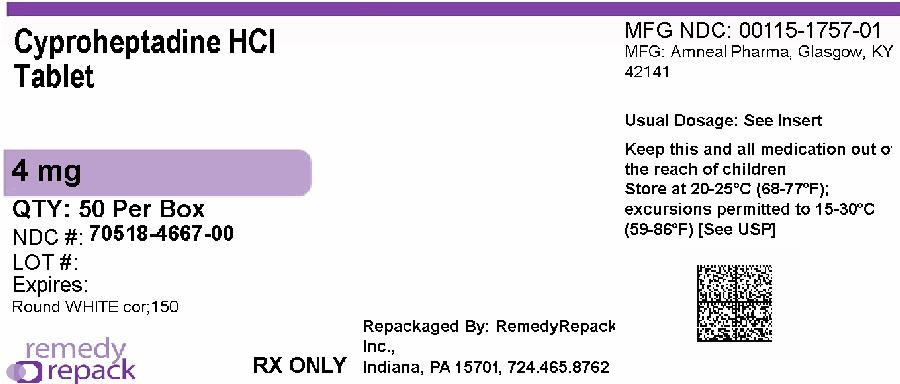
(cyproheptadine · DailyMed)
BASEVITA PLUS TABLETS
Cyproheptadine /Vitamin A /Vitamin D3 /Vitamin B1 /Riboflavin /Cyanocobalamin /Nicotinamide /Calcium Pantothenate /Calcium Lactate
What it does
Cholecalciferol is a form of vitamin D that helps maintain healthy bones and teeth.
Commonly used for: vitamin D deficiency, rickets, osteomalacia
Read more in plain English ↓Plain-language summary for general understanding - not medical advice. Always follow your pharmacist/doctor.
Ask about this medicine
Answers come only from this medicine's registration record, BNF monograph and interaction data - not medical advice.
Medicine sourcing is available in Kenya only. We don't sell or dispense medicines - licensed pharmacies do.
Sourcing - Kenya onlyRegistration & product details
Source: Food and Drugs Authority · fetched 2026-04-18 08:33:08 · updated 2026-09-15 04:00:13
Drug Interactions
2Pharmacodynamic Warnings
Cyproheptadine appears in TABLE 10: Drugs with antimuscarinic effects
Cyproheptadine appears in TABLE 11: Drugs with CNS depressant effects
Severe (1)
Metyrapone - decreases effects
Cyproheptadine decreases the effects of metyrapone. Avoid.
Unknown (1)
Fenfluramine - decreases efficacy
Cyproheptadinemightdecreasetheefficacyoffenfluramine. rTheoretical
Data from BNF 85 (British National Formulary). This is not a substitute for professional medical advice. Matched via: exact
About cholecalciferol
Cholecalciferol is a form of vitamin D that helps maintain healthy bones and teeth.
What it treats
- vitamin D deficiency
- rickets
- osteomalacia
How it works
Cholecalciferol helps your body absorb calcium and phosphorus, which are essential for strong bones.
Who it's for
It is suitable for individuals who need to boost their vitamin D levels, especially those with limited sun exposure.
AI-assisted summary grounded in BNF data - general information only, not medical advice. Always confirm with your pharmacist or doctor.
About cyanocobalamin
Cyanocobalamin is a form of vitamin B12 that is important for maintaining healthy nerve cells and producing red blood cells.
What it treats
- vitamin B12 deficiency
- pernicious anemia
- certain types of anemia
How it works
It helps in the production of red blood cells and supports the nervous system.
Who it's for
It is for people who have low levels of vitamin B12, including those with certain dietary restrictions or absorption issues.
AI-assisted summary grounded in BNF data - general information only, not medical advice. Always confirm with your pharmacist or doctor.
About cyproheptadine
Cyproheptadine is a sedating antihistamine used to relieve allergy symptoms and other conditions.
What it treats
- allergic reactions
- hay fever (allergic rhinitis)
- sneezing
- runny nose
- itchy eyes
- appetite stimulation
How it works
It works by blocking histamine, a substance in the body that causes allergic symptoms.
Who it's for
It is suitable for adults and children who need relief from allergies or increased appetite.
Drug class
Antihistamines, sedating
Cautions
- • Avoid using with medications that have similar effects on the body, like those that cause dry mouth or blurred vision.
- • Be cautious if you're taking medications that make you sleepy or affect your central nervous system.
AI-assisted summary grounded in BNF data - general information only, not medical advice. Always confirm with your pharmacist or doctor.
About lactate
Lactate is a substance used in medical settings to help manage certain conditions related to acid-base balance in the body.
What it treats
- metabolic acidosis
- lactic acidosis
- supporting hydration
How it works
Lactate helps to correct acid levels in the body, providing energy to cells and supporting metabolic processes.
Who it's for
Adults and children who have conditions causing an imbalance in body acids.
AI-assisted summary grounded in BNF data - general information only, not medical advice. Always confirm with your pharmacist or doctor.
About nicotinamide
Nicotinamide is a form of vitamin B3 that helps maintain healthy skin and supports various body functions.
What it treats
- acne (acne vulgaris)
- skin conditions
- dry skin
- certain types of dermatitis
How it works
Nicotinamide helps improve skin health by reducing inflammation and promoting cell repair.
Who it's for
It is suitable for people looking to improve their skin condition or reduce acne.
AI-assisted summary grounded in BNF data - general information only, not medical advice. Always confirm with your pharmacist or doctor.
About pantothenate
Pantothenate is a form of vitamin B5 that helps support overall health and wellbeing.
What it treats
- fatigue
- stress
- skin conditions
- hair loss
How it works
Pantothenate helps the body convert food into energy and is important for making red blood cells.
Who it's for
This supplement is suitable for people looking to boost their energy levels or support their skin and hair health.
AI-assisted summary grounded in BNF data - general information only, not medical advice. Always confirm with your pharmacist or doctor.
About retinol
Retinol is a form of vitamin A that helps improve skin health and appearance.
What it treats
- acne
- wrinkles
- dry skin
- psoriasis
How it works
Retinol promotes skin cell turnover, helping to clear up acne and reduce signs of aging.
Who it's for
Adults looking to improve their skin quality or treat specific skin conditions.
AI-assisted summary grounded in BNF data - general information only, not medical advice. Always confirm with your pharmacist or doctor.
About riboflavin
Riboflavin, also known as Vitamin B2, is essential for energy production and helps maintain healthy skin, eyes, and nerve functions.
What it treats
- Vitamin B2 deficiency
- Mouth sores
- Migraines
How it works
Riboflavin helps the body convert food into energy and supports various cellular functions.
Who it's for
Riboflavin is suitable for individuals who may not get enough Vitamin B2 from their diet or have specific health conditions.
AI-assisted summary grounded in BNF data - general information only, not medical advice. Always confirm with your pharmacist or doctor.
About thiamine
Thiamine, also known as vitamin B1, is a nutrient that helps convert food into energy and supports the nervous system.
What it treats
- thiamine deficiency
- Wernicke-Korsakoff syndrome
- beriberi
How it works
Thiamine helps the body use carbohydrates for energy and is essential for the proper functioning of the nervous system.
Who it's for
Thiamine is for people who have low levels of vitamin B1 or certain conditions that increase the need for it.
AI-assisted summary grounded in BNF data - general information only, not medical advice. Always confirm with your pharmacist or doctor.
Clinical monograph: Cyanocobalamin
BNF-referencedCyanocobalamin, commonly known as vitamin B12, is a water-soluble vitamin essential for various bodily functions, including DNA synthesis, red blood cell formation, and neurological function. It plays a crucial role in the metabolism of fatty acids and amino acids. Deficiency in vitamin B12 can lead to megaloblastic anemia and neurological disorders.
Mechanism of action
Cyanocobalamin serves as a cofactor for methionine synthase and L-methylmalonyl-CoA mutase enzymes. Methionine synthase is essential for the synthesis of purines and pyrimidines that form DNA. L-methylmalonyl-CoA mutase is involved in the degradation of propionate, crucial for fat and protein metabolism. The lack of vitamin B12 results in the accumulation of methylmalonyl CoA, contributing to neurological manifestations. Additionally, it is vital for the synthesis of methionine from homocysteine, and its deficiency can lead to functional folate deficiency, which impacts red blood cell formation.
Pharmacodynamics
Cyanocobalamin corrects vitamin B12 deficiency and alleviates symptoms and laboratory abnormalities associated with pernicious anemia, such as megaloblastic indices, gastrointestinal lesions, and neurological damage. It is essential for growth, cell reproduction, hematopoiesis, nucleoprotein, and myelin synthesis. The drug significantly impacts fat and carbohydrate metabolism, as well as protein synthesis. Rapidly dividing cells, such as those in the bone marrow, have a high demand for vitamin B12. Parenteral administration of cyanocobalamin can quickly reverse the anemia and gastrointestinal symptoms of vitamin B12 deficiency, while also preventing the progression of related neurological damage.
Pharmacokinetics
Cyanocobalamin is absorbed in the intestine, primarily in the ileum, via specific transport mechanisms that may be impaired in individuals with intrinsic factor deficiency (as seen in pernicious anemia). Once absorbed, it is widely distributed in body tissues, with significant concentrations found in the liver, kidneys, and heart. The vitamin is stored in the liver, where it can be released into circulation as needed. Cyanocobalamin undergoes conversion to its active forms, methylcobalamin and adenosylcobalamin, which are utilized in various metabolic processes. The elimination half-life is variable, but it is generally excreted via urine as metabolites
Adverse effects
- Abdominal distension
- Decreased appetite
- Flatulence
- Nausea
Interactions
- Folic acid may interact with cyanocobalamin, especially in cases of megaloblastic anemia caused by folate deficiency.
Precautions
- Should not be given alone for pernicious anemia.
- Use caution in patients with Leber's disease, as it may worsen optic atrophy.
Pregnancy
Cyanocobalamin is essential during pregnancy as it helps prevent neural tube defects. It is advised that females of childbearing potential take 5 mg of folic acid daily before conception and throughout pregnancy.
Breast-feeding
Cyanocobalamin is generally considered safe during breastfeeding, but it is advised to monitor the infant for any adverse effects.
Storage
Store in a cool, dry place, away from direct sunlight. Protect from moisture.
Formulations
- Tablet: 1000 micrograms
- Tablet: 500 micrograms
- Tablet: 100 micrograms
- Oral solution: 50 micrograms per ml
- Solution for injection: 1000 micrograms per ml
AI-synthesized from BNF references - general information only, not a substitute for professional medical advice or the current BNF. Verify doses with a pharmacist.
Clinical monograph: Nicotinamide
BNF-referencedNicotinamide, also known as niacinamide, is a form of vitamin B3 that is involved in numerous biological processes including energy metabolism and DNA repair. It is primarily utilized topically for the treatment of skin conditions such as papulopustular rosacea and inflammatory acne vulgaris. Nicotinamide is known for its anti-inflammatory properties and its ability to improve skin barrier function, making it beneficial for various dermatological conditions.
Indications
- Papulopustular rosacea
- Inflammatory acne vulgaris
Dosage
Children: Refer to the BNF for Children for specific dosing recommendations.
Adults: For papulopustular rosacea, apply daily for up to 4 months. The treatment course may be repeated; discontinue if no improvement is observed after 3 months. For inflammatory acne vulgaris, apply twice daily, reduced to once daily or alternate days if irritation occurs.
Mechanism of action
Nicotinamide exhibits anti-inflammatory effects by inhibiting the release of pro-inflammatory cytokines and enhancing the barrier function of the skin. It is also involved in the NAD salvage pathway, which is essential for maintaining cellular energy levels and promoting cell repair mechanisms. Additionally, nicotinamide contributes to the synthesis of coenzymes involved in metabolic processes, including the conversion of niacin into NAD+.
Pharmacodynamics
Nicotinamide is known for its ability to improve skin hydration and reduce transepidermal water loss. It has been shown to decrease the appearance of acne lesions and rosacea by modulating inflammatory responses and accelerating cell turnover. Its antioxidant properties also help to protect the skin from oxidative stress and UV damage.
Pharmacokinetics
When applied topically, nicotinamide is absorbed through the skin layers, with minimal systemic absorption. Its peak plasma concentrations are generally low, and the drug has a half-life that varies depending on the route of administration. The metabolism of nicotinamide occurs primarily in the liver, where it is converted into its active forms, including NAD+. The elimination route is via the kidneys, with metabolites excreted in urine.
Contra-indications
- Pregnancy
- Severe acne involving large areas
- Severe skin reactions
Adverse effects
- Sunburn
- Skin reactions (common or very common)
- Cheilitis
- Eyelid oedema
- Flushing
- Dry skin
- Eye irritation
- Photosensitivity reactions
- Transient skin pigmentation changes
Interactions
- Clindamycin
- Topical retinoids
- Abrasive cleaners
- Comedogenic cosmetics
Precautions
- Avoid exposure to UV light, including sunlight and sunlamps
- Wash hands immediately after use
- Avoid contact with eyes and mucous membranes
- Use moisturizers to reduce the risk of skin irritation
- Discontinue treatment if severe irritation occurs
Pregnancy
Avoid use during pregnancy due to potential risks, as limited information is available regarding toxicity.
Breast-feeding
Amount of drug in milk after topical application is probably too small to be harmful; ensure infant does not come in contact with treated areas.
Storage
Store at room temperature away from moisture and light.
Formulations
- Cream
- Gel
AI-synthesized from BNF references - general information only, not a substitute for professional medical advice or the current BNF. Verify doses with a pharmacist.
Clinical monograph: Riboflavin
BNF-referencedRiboflavin, also known as vitamin B2, is a water-soluble vitamin crucial for various biochemical functions in the body. It plays a pivotal role in energy production through the metabolism of fats, carbohydrates, and proteins. Additionally, riboflavin is essential for red blood cell formation, maintaining skin health, and supporting overall growth and reproduction. It has antioxidant properties and is involved in the prevention of certain eye disorders, including cataracts.
Indications
- Vitamin B2 deficiency
- Isoniazid-induced neuropathy (prophylaxis and treatment)
- Metabolic diseases
- Cystathioninuria
- Homocystinuria
- Wilson's disease
- Prevention of penicillamine-induced neuropathy
Mechanism of action
Riboflavin acts as a precursor to flavin mononucleotide (FMN) and flavin adenine dinucleotide (FAD), which are essential coenzymes in various enzymatic reactions. It binds to riboflavin hydrogenase, riboflavin kinase, and riboflavin synthase, facilitating the production of FMN and FAD. These coenzymes are critical for normal tissue respiration and energy metabolism, influencing hydrogen transport in oxidative enzyme systems such as cytochrome C reductase and succinic dehydrogenase. Moreover, riboflavin contributes to the antioxidant activity by aiding in the production of reduced glutathione, a key antioxidant in the body.
Pharmacodynamics
Riboflavin is an easily absorbed, water-soluble micronutrient that supports energy production by assisting in the metabolism of fats, carbohydrates, and proteins. It is vital for red blood cell formation, antibody production, and regulating growth and reproduction. The vitamin plays a significant role in maintaining healthy skin, nails, and hair, as well as supporting thyroid activity. Riboflavin also has therapeutic implications in preventing or treating various eye disorders, including cataracts.
Pharmacokinetics
Riboflavin is rapidly absorbed in the gastrointestinal tract, with its bioavailability influenced by dietary intake. It is primarily excreted through urine, with excess intake leading to bright yellow urine, which is a harmless side effect. The vitamin does not accumulate in the body, necessitating regular dietary intake to maintain adequate levels.
Adverse effects
- Urine discolouration
- Peripheral neuritis
Precautions
- With intravenous use, risk of cardiovascular collapse; resuscitation facilities must be available and monitor closely.
Pregnancy
Crosses the placenta but no adverse effects reported; information at high doses limited.
Breast-feeding
Present in breast milk but no adverse effects reported; information at high doses limited.
Storage
Store in a cool, dry place away from direct sunlight.
Formulations
- 100 mg modified-release tablets
- 50 mg capsules
- 100 mg capsules
- 100 mg tablets
- Oral solution
AI-synthesized from BNF references - general information only, not a substitute for professional medical advice or the current BNF. Verify doses with a pharmacist.
Clinical monograph: Thiamine
BNF-referencedThiamine, also known as vitamin B1, is a water-soluble vitamin that is essential for carbohydrate metabolism and plays a critical role in energy production. It acts as a coenzyme in several biochemical pathways, particularly in the conversion of pyruvate to acetyl-CoA and in the pentose phosphate pathway. Thiamine deficiency can lead to serious health issues, including Wernicke-Korsakoff syndrome, beriberi, and other neurological disorders. Thiamine is found in various foods such as whole grains, legumes, nuts, and meat.
Indications
- Vitamin B1 deficiency
- Wernicke-Korsakoff syndrome
- Beriberi
- Isoniazid-induced neuropathy (prophylaxis and treatment)
- Severe depletion or malabsorption of vitamins B and C
Dosage
Adults: For vitamin deficiency: 25–100 mg daily. For severe deficiency: 200–300 mg daily in divided doses. For
Mechanism of action
Thiamine functions primarily as a precursor for several phosphorylated active forms, which act as coenzymes in metabolic pathways. It reduces intracellular protein glycation by redirecting glycolytic flux and supports the synthesis of nucleic acids necessary for cell survival and proliferation. Additionally, thiamine has been shown to inhibit glucose-induced proliferation of endothelial cells, thus possibly playing a role in the modulation of vascular health.
Pharmacodynamics
Thiamine exhibits antioxidant properties and contributes to erythropoiesis, cognitive function, and mood regulation. It has protective effects against oxidative stress, particularly in neuronal tissues, where deficiency can lead to neuronal death due to increased free radical production. Thiamine also modulates glucose metabolism, influencing smooth muscle cell proliferation and potentially impacting the progression of atherosclerosis.
Pharmacokinetics
Thiamine is rapidly absorbed from the gastrointestinal tract, primarily in the jejunum, and is distributed throughout the body, with higher concentrations found in the liver, heart, and brain. It is excreted in urine, and its half-life is relatively short. The vitamin is converted into active forms within tissues, including thiamine diphosphate (TDP), which is the coenzyme form involved in carbohydrate metabolism. The body does not store significant amounts of thiamine, making regular dietary intake essential.
Adverse effects
- Allergic reactions
- Anaphylaxis (rare)
- Gastrointestinal disturbances
Precautions
- Facilities for treating anaphylaxis should be available when parenteral thiamine is administered
- Use with caution in patients with a history of hypersensitivity to thiamine
Pregnancy
Thiamine crosses the placenta but no adverse effects have been reported. Information regarding high doses is limited.
Breast-feeding
Severely thiamine-deficient mothers should avoid breast-feeding as thiamine is present in breast milk.
Storage
Store in a cool, dry place away from direct sunlight. Keep out of reach of children.
Formulations
- Thiamine hydrochloride 20 mg/ml oral solution
- Thiamine hydrochloride 50 mg tablets
- Thiamine hydrochloride 100 mg modified-release tablets
- Thiamine hydrochloride oral suspension
AI-synthesized from BNF references - general information only, not a substitute for professional medical advice or the current BNF. Verify doses with a pharmacist.
Clinical monograph: Cyproheptadinehydrochloride
BNF-referencedCyproheptadine hydrochloride is a first-generation antihistamine with anticholinergic and sedative properties. It is primarily used for the symptomatic relief of allergic conditions, including hay fever and urticaria, and is known to stimulate appetite, making it useful in certain clinical contexts such as weight gain in undernourished patients.
Indications
- Allergic conditions
- Hay fever
- Urticaria
- Pruritus
- Appetite stimulation
Dosage
Children: For children aged 6 months to 5 years, the dose is 5-15 mg daily in divided doses, adjusted according to weight, with a maximum of 2 mg/kg per day. For children aged 6-17 years weighing up to 40 kg, the initial dose is 15-25 mg daily in divided doses, adjusted as necessary to a maximum of 2 mg/kg per day. For those weighing 40 kg and above, the initial dose is 15-25 mg daily in divided doses, increased if necessary to 50-100 mg daily.
Adults: Initially, 25 mg daily, taken at night; may be increased if necessary to 25 mg 3-4 times a day. Maximum dose is 32 mg per day.
Mechanism of action
Cyproheptadine acts as a competitive antagonist at histamine H1 receptors, thereby inhibiting the action of histamine, which is responsible for allergic symptoms. Additionally, it may also block serotonin receptors, contributing to its appetite-stimulating effects.
Pharmacodynamics
The drug exhibits sedative effects by crossing the blood-brain barrier, leading to central nervous system depression. It can also produce anticholinergic effects, such as dry mouth and urinary retention, due to its action on muscarinic receptors. The sedative properties can impair the performance of skilled tasks and may be potentiated by alcohol consumption.
Pharmacokinetics
Cyproheptadine is well-absorbed from the gastrointestinal tract and undergoes hepatic metabolism. Its elimination half-life is approximately 8-12 hours, and it is excreted primarily in urine. The onset of action is typically within 1-2 hours, with effects lasting for several hours.
Contra-indications
- Acute porphyrias
- Prolonged QT-interval
- Risk factors for QT prolongation
Adverse effects
- Drowsiness
- Dizziness
- Dry mouth
- Nausea
- Constipation
- Headache
- Palpitations
- Tachycardia
- Fatigue
- Irritability
- Paradoxical excitability
- Tremor
Interactions
- Antihistamines
- Sedating agents
- Alcohol
Precautions
- Use with caution in the elderly
- Patients with epilepsy
- Prostatic hypertrophy
- Pyloroduodenal obstruction
- Susceptibility to angle-closure glaucoma
- Urinary retention
Pregnancy
Most manufacturers of antihistamines advise avoiding their use during pregnancy; however, there is no evidence of teratogenicity. Use in the latter part of the third trimester may cause adverse effects in neonates.
Breast-feeding
Most antihistamines are present in breast milk in varying amounts; although not known to be harmful, most manufacturers advise avoiding their use in mothers who are breastfeeding.
Storage
Store in a cool, dry place away from direct sunlight. Keep out of reach of children.
Formulations
- Oral suspension
- Tablets (4 mg)
AI-synthesized from BNF references - general information only, not a substitute for professional medical advice or the current BNF. Verify doses with a pharmacist.
Clinical monograph: cholecalciferol
BNF-referencedCholecalciferol, also known as vitamin D3, is a fat-soluble vitamin essential for maintaining normal serum calcium and phosphorus levels. It is naturally synthesized in the skin upon exposure to sunlight and can also be obtained from certain dietary sources. Cholecalciferol is crucial for bone health, as it aids in the absorption of calcium and phosphorus from the gut and supports bone mineralization. Deficiency in vitamin D can lead to conditions such as rickets in children and osteomalacia in adults, characterized by weakened bones and skeletal deformities.
Indications
- Vitamin D deficiency
- Rickets
- Osteomalacia
- Osteoporosis
- Hypoparathyroidism
Dosage
Adults: The usual adult dose for vitamin D deficiency is 800 to 2000 IU daily, depending on the severity of deficiency and clinical condition. Higher doses may be used under medical supervision.
Mechanism of action
Cholecalciferol is converted to its active forms, 25-hydroxyvitamin D in the liver and 1,25-dihydroxyvitamin D in the kidneys. These metabolites enhance the intestinal absorption of calcium and phosphorus, increase serum calcium levels, and mobilize these minerals from bone. This process is regulated by parathyroid hormone, which influences calcium and phosphate metabolism, particularly in the kidneys.
Pharmacodynamics
The pharmacodynamics of cholecalciferol involve its conversion to active metabolites that play a significant role in calcium and phosphorus homeostasis. The metabolites facilitate intestinal absorption of these minerals, promote bone mineralization, and influence renal reabsorption. The onset of action occurs within 10 to 24 hours following administration, as metabolic activation is required for its biological effects.
Pharmacokinetics
Cholecalciferol is absorbed in the gastrointestinal tract, and its absorption is enhanced by the presence of dietary fats. It is transported in the bloodstream bound to vitamin D-binding protein. Once in the liver, it undergoes hydroxylation to form 25-hydroxyvitamin D, which is further converted in the kidneys to the active form, 1,25-dihydroxyvitamin D. The elimination half-life of cholecalciferol varies, typically spanning several days, and it is primarily excreted in bile and urine.
Adverse effects
- Hypercalcemia
- Hypercalciuria
- Nausea
- Vomiting
- Constipation
- Weakness
- Fatigue
Interactions
- May enhance the effects of thiazide diuretics, leading to increased risk of hypercalcemia
- Anticonvulsants may increase metabolism of vitamin D, leading to reduced effectiveness
- Cholestyramine may reduce absorption of vitamin D
Precautions
- Monitor serum calcium levels in patients with renal impairment
- Caution in patients with a history of hypercalcemia or hyperparathyroidism
- Use with caution in patients taking other medications that affect calcium metabolism
Pregnancy
Cholecalciferol can be used during pregnancy if indicated, as vitamin D is essential for fetal bone development.
Breast-feeding
Cholecalciferol is excreted in breast milk, but is generally considered safe during breastfeeding.
Storage
Store in a cool, dry place, away from light. Keep out of reach of children.
Formulations
- Capsules
- Tablets
- Liquid formulations
AI-synthesized from BNF references - general information only, not a substitute for professional medical advice or the current BNF. Verify doses with a pharmacist.
Clinical monograph: cyproheptadine
BNF-referencedCyproheptadine is a sedating antihistamine that primarily acts as a competitive antagonist at H1 histamine receptors and serotonin receptors. It is used clinically for its antihistaminic and antiserotonin effects, contributing to its ability to stimulate appetite and manage allergic reactions. Additionally, cyproheptadine exhibits weak anticholinergic properties and moderate central depressant effects.
Indications
- Allergic rhinitis
- Allergic conjunctivitis
- Urticaria
- Angioedema
- Anaphylaxis (as adjunct therapy)
- Appetite stimulation in certain conditions
Dosage
Children: Refer to BNF for Children for appropriate pediatric dosing, as it varies by age and condition. Generally, doses may start at 0.25 mg/kg for younger children, but specific guidelines should be
Adults: The usual adult dose for allergic conditions is 4 mg three times daily, which may be increased to a maximum of 12 mg per day as needed. For appetite stimulation, the starting dose is often 4 mg taken once or twice daily.
Mechanism of action
Cyproheptadine exerts its effects by competing with free histamine and serotonin for binding at their respective receptors. Its action as an H1 blocker is complemented by its antagonism of serotonin at 5-HT2A receptors, particularly influencing the appetite center in the hypothalamus. This dual action accounts for its appetite-stimulating properties and mitigates several pharmacodynamic effects of serotonin.
Pharmacodynamics
Cyproheptadine antagonizes several effects of serotonin and histamine, including bronchoconstriction and vasodepression. Its efficacy in combatting histamine-mediated effects has been established, although the details regarding its role in preventing anaphylactic shock remain unclear, likely linked to its anti-serotonergic activity. The drug's sedative properties arise from its central nervous system effects.
Pharmacokinetics
Cyproheptadine is well-absorbed after oral administration. It is metabolized in the liver, with a variable half-life and is primarily excreted in urine. The onset of action typically occurs within one to two hours, and the duration of action can last up to 12 hours. The pharmacokinetic profile may be influenced by individual metabolic variations.
Adverse effects
- Drowsiness
- Dizziness
- Dry mouth
- Constipation
- Blurred vision
- Increased appetite
Interactions
- cyproheptadine+metyrapone: Severe (decreases effects)
- cyproheptadine+fenfluramine: Unknown (decreases efficacy)
Precautions
- Caution in patients with glaucoma
- Caution in patients with prostate hypertrophy
- Use with caution in elderly patients due to increased sensitivity
Pregnancy
Cyproheptadine should only be used during pregnancy if the potential benefit justifies the potential risk to the fetus. Limited data are available on its safety.
Breast-feeding
Cyproheptadine is excreted in breast milk. Caution is advised when administered to breastfeeding mothers.
Storage
Store at room temperature, away from moisture and heat. Keep out of reach of children.
Formulations
- Tablets
- Syrup
AI-synthesized from BNF references - general information only, not a substitute for professional medical advice or the current BNF. Verify doses with a pharmacist.
Clinical monograph: lactate
BNF-referencedLactate, the anion of lactic acid, is a key intermediate in metabolic processes, primarily produced during anaerobic glycolysis. It serves as an important energy source, particularly for heart and skeletal muscle, and plays a crucial role in the Cori cycle, where it is converted back to glucose in the liver. Elevated lactate levels can indicate anaerobic metabolism, often observed in conditions such as sepsis, shock, or strenuous exercise.
Indications
- Metabolic acidosis
- Lactic acidosis
- Energy substrate in critical illness
- Monitoring tissue perfusion and oxygenation
Dosage
Children: Refer to the BNF for Children for appropriate dosing in paediatric patients.
Adults: Refer to specific guidelines based on clinical context as dosing is highly variable and situation-dependent.
Mechanism of action
Lactate acts as a signaling molecule and energy substrate in various physiological and pathological processes. It is involved in the modulation of several metabolic pathways, including the Cori cycle and Krebs cycle. Lactate also participates in metabolic reprogramming, especially in cancer cells, where it can promote tumor growth and survival by providing an alternative energy source and influencing cellular signaling pathways such as the PI3K/AKT/mTOR pathway.
Pharmacodynamics
Lactate plays a vital role in energy metabolism. It can be oxidized back to pyruvate by lactate dehydrogenase, entering the Krebs cycle for ATP production. In addition to serving as an energy substrate, lactate impacts pH regulation and can influence the function of various immune cells. Its levels can indicate the state of oxygen delivery and utilization in tissues, thus serving as a marker for metabolic stress.
Pharmacokinetics
Lactate is produced primarily in the cytoplasm during glycolysis, with its concentration in the blood reflecting the balance between production and clearance. It is metabolized predominantly in the liver, where it can be converted back to glucose or utilized in the Krebs cycle. Lactate levels can vary based on factors such as exercise, tissue hypoxia, and metabolic conditions.
Pregnancy
Lactate is generally regarded as safe during pregnancy as it is a naturally occurring metabolite in the body, but specific clinical advice should be sought.
Breast-feeding
Lactate is considered safe during breastfeeding as it is a normal component of human metabolism, but consult a healthcare provider for personalized advice.
Storage
Store in a cool, dry place away from direct sunlight. Keep out of reach of children.
AI-synthesized from BNF references - general information only, not a substitute for professional medical advice or the current BNF. Verify doses with a pharmacist.
Clinical monograph: pantothenate
BNF-referencedPantothenate, also known as vitamin B5, is a water-soluble vitamin that is essential for human metabolism. It is a component of coenzyme A, which plays a critical role in the synthesis and degradation of fatty acids, the metabolism of carbohydrates, and the synthesis of neurotransmitters. Pantothenate is involved in the synthesis of steroid hormones and hemoglobin and is required for the production of energy through the Krebs cycle.
Indications
- Pantothenate deficiency
- Support in energy metabolism
- Adjuvant therapy in chronic conditions requiring enhanced energy production
Dosage
Children: Refer to the BNF for Children for paediatric dosing recommendations.
Adults: Refer to the BNF for specific dosing information, generally 5-10 mg daily for adults.
Mechanism of action
Pantothenate functions primarily as a precursor to coenzyme A (CoA), which is vital for various biochemical reactions in the body. CoA is involved in the metabolism of fatty acids, the synthesis of cholesterol and steroid hormones, and the acetylation of various substrates, which is crucial for energy production and metabolic processes.
Pharmacodynamics
Pantothenate plays a significant role in energy metabolism, cellular respiration, and the biosynthesis of fatty acids. It facilitates the transfer of acyl groups, which is critical for the metabolism of carbohydrates and fats, thereby influencing the overall energy production in cells. Adequate levels of pantothenate are necessary for maintaining metabolic homeostasis and supporting growth and development.
Pharmacokinetics
Pantothenate is well absorbed from the gastrointestinal tract, with a bioavailability of approximately 70%. Once absorbed, it is widely distributed throughout the body, particularly in the liver, adrenal glands, and kidneys. The vitamin is metabolized primarily in the liver, where it is converted to coenzyme A. Excess pantothenate is excreted in the urine as pantothenic acid and its metabolites. The half-life of pantothenate in the body is not well-defined but is generally considered to be relatively short due to its water-soluble nature.
Pregnancy
Pantothenic acid (Vitamin B5) is generally regarded as safe during pregnancy. It is important to maintain adequate levels for fetal development.
Breast-feeding
Pantothenic acid is excreted in breast milk in small amounts. Adequate intake is important for breastfeeding mothers, but supplementation is typically not necessary.
Storage
Store in a cool, dry place, away from light. Keep out of reach of children.
Formulations
- Pantothenate tablets
- Pantothenic acid capsules
- Pantothenate injections
AI-synthesized from BNF references - general information only, not a substitute for professional medical advice or the current BNF. Verify doses with a pharmacist.
Clinical monograph: retinol
BNF-referencedRetinol, also known as Vitamin A, is a fat-soluble vitamin essential for various physiological functions including vision, epithelial differentiation, growth, and immune function. It is critical for the synthesis of rhodopsin, a photoreceptor protein in the retina that enables vision in low-light conditions. Retinol acts through nuclear retinoid receptors to influence gene expression and is vital for maintaining healthy skin and mucous membranes.
Indications
- Vitamin A deficiency
- Night blindness
- Impaired wound healing
- Epithelial disorders
Dosage
Children: Refer to BNF for Children for specific paediatric dosing information.
Adults: Refer to BNF for specific adult dosing information.
Mechanism of action
Retinol is converted in the retina to 11-cis-retinal, which is crucial for the conversion of light into neural signals necessary for vision. It binds to opsin in rhodopsin, facilitating the isomerization to all-trans-retinal upon exposure to light, thus triggering visual signaling. Additionally, retinol interacts with retinoic acid receptors (RARs) and retinoid-X receptors (RXRs) as transcription factors, modulating gene expression related to cellular differentiation and growth.
Pharmacodynamics
Vitamin A is effective in treating Vitamin A deficiency, which can lead to vision impairment and other health issues. It plays a critical role in various biological processes including vision, cellular differentiation, reproduction, and immune system function. Its deficiency can cause symptoms such as night blindness and impaired wound healing, while adequate levels support growth and development.
Pharmacokinetics
Retinol is absorbed from the gastrointestinal tract and stored in the liver, where it can be mobilized as needed. It undergoes metabolism primarily in the liver, where it is converted to retinal and retinoic acid, the active forms of Vitamin A. The elimination half-life varies, but retinol is generally excreted in urine and bile. The bioavailability can be affected by dietary fat intake.
Adverse effects
- Nausea
- Vomiting
- Headache
- Dizziness
- Fatigue
- Irritability
- Dry skin
- Peeling of skin
- Itching
- Blurred vision
Precautions
- Use with caution in patients with liver disease due to potential hepatotoxicity.
- Monitor for signs of vitamin A toxicity, especially in patients on high doses or prolonged therapy.
- Caution in patients with a history of alcohol abuse, as it may exacerbate liver conditions.
Pregnancy
Retinol should be used with caution during pregnancy due to the risk of teratogenic effects. High doses of vitamin A can lead to fetal malformations.
Breast-feeding
Retinol is generally considered safe during breastfeeding, but excessive intake should be avoided to prevent potential adverse effects on the infant.
Storage
Store in a cool, dry place away from light. Keep out of reach of children.
Formulations
- Capsules
- Tablets
- Oral solutions
- Topical preparations
AI-synthesized from BNF references - general information only, not a substitute for professional medical advice or the current BNF. Verify doses with a pharmacist.
Clinical monograph: thiaminehydrochloride
Thiamine hydrochloride, also known as vitamin B1, is a water-soluble vitamin that plays a critical role in carbohydrate metabolism and is essential for the proper functioning of the nervous system. It is involved in the decarboxylation of alpha-keto acids and the hexose monophosphate shunt, which are vital processes for energy production from carbohydrates.
Indications
- Thiamine deficiency
- Wernicke's encephalopathy
- Beriberi
- Alcoholism-related complications
- Certain metabolic disorders
Dosage
Children: Refer to BNF for Children for appropriate dosing information.
Adults: Refer to established clinical guidelines or BNF for specific dosing recommendations.
Mechanism of action
Thiamine is a coenzyme for several important enzymatic reactions, including the pyruvate dehydrogenase complex and alpha-ketoglutarate dehydrogenase. It is essential for converting carbohydrates into energy, facilitating the metabolism of glucose, and maintaining normal nerve function.
Pharmacodynamics
Thiamine deficiency leads to impaired carbohydrate metabolism, which can result in neurological and cardiovascular dysfunction. Supplementation with thiamine helps restore normal metabolic function and can alleviate symptoms associated with deficiency, such as Wernicke's encephalopathy and Beriberi. It also plays a role in the synthesis of neurotransmitters and in maintaining myelin integrity.
Pharmacokinetics
Thiamine is readily absorbed from the gastrointestinal tract, with peak plasma concentrations occurring within 1-2 hours after oral administration. It is distributed throughout the body, primarily in the liver, kidneys, and heart. Thiamine is metabolized in the liver to its active form, thiamine pyrophosphate. It has a biological half-life of about 9-18 days and is excreted primarily in the urine. Excess thiamine is excreted, making toxicity rare.
Adverse effects
- Allergic reactions
- Hypersensitivity reactions
- Gastrointestinal disturbances
Interactions
- May interact with certain diuretics, leading to altered thiamine levels
Precautions
- Use with caution in patients with renal impairment
- Monitor patients with a history of thiamine deficiency
Pregnancy
Thiamine is considered safe during pregnancy, as it is an essential nutrient.
Breast-feeding
Thiamine is excreted in breast milk, but supplementation is generally considered safe for breastfeeding mothers.
Storage
Store in a cool, dry place away from direct sunlight.
Formulations
- Thiamine hydrochloride injection
- Thiamine hydrochloride oral tablets
- Thiamine hydrochloride oral solution
AI-synthesized from BNF references - general information only, not a substitute for professional medical advice or the current BNF. Verify doses with a pharmacist.
Molecular reference: Cyanocobalamin
PubChem CID 166596686Molecular formula: C63H88CoN14O14P
Mechanism of action
Vitamin B12 serves as a cofactor for _methionine synthase_ and _L-methylmalonyl-CoA mutase_ enzymes. Methionine synthase is essential for the synthesis of purines and pyrimidines that form DNA. L-methylmalonyl-CoA mutase converts L-methylmalonyl-CoA to _succinyl-CoA_ in the degradation of propionate, an important reaction required for both fat and protein metabolism. It is a lack of vitamin B12 cofactor in the above reaction and the resulting accumulation of methylmalonyl CoA that is believed to be responsible for the neurological manifestations of B12 deficiency. Succinyl-CoA is also necessary for the synthesis of hemoglobin. In tissues, vitamin B12 is required for the synthesis of _methionine_ from homocysteine. Methionine is required for the formation of S-adenosylmethionine, a methyl donor for nearly 100 substrates, comprised of DNA, RNA, hormones, proteins, as well as lipids. Without vitamin B12, tetrahydrofolate cannot be regenerated from 5-methyltetrahydrofolate, and this can lead to functional folate deficiency,. This reaction is dependent on methylcobalamin (vitamin B12) as a co-factor and is also dependent on folate, in which the methyl group of methyltetrahydrofolate is transferred to homocysteine to form _methionine_ and _tetrahydrofolate_. Vitamin B12 incorporates into circulating folic acid into growing red blood cells; retaining the folate in these cells. A deficiency of vitamin B12 and the interruption of this reaction leads to the development of megaloblastic anemia.
Pharmacodynamics
**General effects** Cyanocobalamin corrects vitamin B12 deficiency and improves the symptoms and laboratory abnormalities associated with pernicious anemia (megaloblastic indices, gastrointestinal lesions, and neurologic damage). This drug aids in growth, cell reproduction, hematopoiesis, nucleoprotein, and myelin synthesis. It also plays an important role in fat metabolism, carbohydrate metabolism, as well as protein synthesis. Cells that undergo rapid division (for example, epithelial cells, bone marrow, and myeloid cells) have a high demand for vitamin B12. **Parenteral cyanocobalamin effects** The parenteral administration of vitamin B12 rapidly and completely reverses the megaloblastic anemia and gastrointestinal symptoms of vitamin B12 deficiency. Rapid parenteral administration of vitamin B12 in deficiency related neurological damage prevents the progression of this condition. **Nasal spray effects** In 24 vitamin B12 deficient patients who were already stabilized on intramuscular (IM) vitamin B12 therapy, single daily doses of intranasal cyanocobalamin for 8 weeks lead to serum vitamin B12 concentrations that were within the target therapeutic range (>200 ng/L).
Source: PubChem (NCBI) · pathways from PathBank, Reactome, WikiPathways & PharmGKB.
Molecular reference: Nicotinamide
PubChem CID 936Molecular formula: C6H6N2O
Biological pathways
Source: PubChem (NCBI) · pathways from PathBank, Reactome, WikiPathways & PharmGKB.
Molecular reference: Riboflavin
PubChem CID 493570Molecular formula: C17H20N4O6
Mechanism of action
Binds to riboflavin hydrogenase, riboflavin kinase, and riboflavin synthase. Riboflavin is the precursor of flavin mononucleotide (FMN, riboflavin monophosphate) and flavin adenine dinucleotide (FAD). The antioxidant activity of riboflavin is principally derived from its role as a precursor of FAD and the role of this cofactor in the production of the antioxidant reduced glutathione. Reduced glutathione is the cofactor of the selenium-containing glutathione peroxidases among other things. The glutathione peroxidases are major antioxidant enzymes. Reduced glutathione is generated by the FAD-containing enzyme glutathione reductase. Riboflavin is converted to 2 coenzymes, flavin mononucleotide (FMN) and flavin adenine dinucleotide (FAD), which are necessary for normal tissue respiration. Riboflavin is also required for activation of pyridoxine, conversion of tryptophan to niacin, and may be involved in maintaining erythrocyte integrity. Riboflavin functions as the coenzyme for flavin adenine dinucleotide (FAD) and flavin mononucleotide (FMN), which primarily influence hydrogen transport in oxidative enzyme systems (eg, cytochrome C reductase, succinic dehydrogenase, xanthine oxidase). Two active forms of riboflavin exist ... coenzyme flavin mononucleotide (FMN) and coenzyme flavin adenine dinucleotide (FAD). They are formed by reaction of riboflavin with 1 and 2 molecules of ATP as follow: riboflavin + ATP = riboflavin-P (FMN) + ADP; FMN + ATP = riboflavin-ADP (FAD) + PP. Riboflavin is a water-soluble, yellow, fluorescent compound. The primary form of the vitamin is as an integral component of the coenzymes flavin mononucleotide (FMN) and flavin-adenine dinucleotide (FAD). It is in these bound coenzyme forms that riboflavin functions as a catalyst for redox reactions in numerous metabolic pathways and in energy production. ... The redox reactions in which flavocoenzymes participate include flavoprotein-catalyzed dehydrogenations that are both pyridine nucleotide (niacin) dependent and independent, reactions with sulfur-containing compounds, hydroxylations, oxidative decarboxylations (involving thiamin as its pyrophosphate), dioxygenations, and reduction of oxygen to hydrogen peroxide. There are obligatory roles of flavocoenzymes in the formation of some vitamins and their coenzymes. For example, the biosynthesis of two niacin-containing coenzymes from tryptophan occurs via FAD-dependent kynurenine hydroxylase, an FMN-dependent oxidase catalyzes the conversion of the 5'-phosphates of vitamin B6 to coenzymic pyridoxal 5'-phosphate, and an FAD-dependent dehydrogenase reduces 5,10-methylene-tetrahydrofolate to the 5'-methyl product that interfaces with the B12-dependent formation of methionine from homocysteine and thus with sulfur amino acid metabolism. For more Mechanism of Action (Complete) data for Riboflavin (7 total), please visit the HSDB record page.
Pharmacodynamics
Riboflavin or vitamin B2 is an easily absorbed, water-soluble micronutrient with a key role in maintaining human health. Like the other B vitamins, it supports energy production by aiding in the metabolising of fats, carbohydrates, and proteins. Vitamin B2 is also required for red blood cell formation and respiration, antibody production, and for regulating human growth and reproduction. It is essential for healthy skin, nails, hair growth and general good health, including regulating thyroid activity. Riboflavin also helps in the prevention or treatment of many types of eye disorders, including some cases of cataracts.
Biological pathways
Source: PubChem (NCBI) · pathways from PathBank, Reactome, WikiPathways & PharmGKB.
Molecular reference: Thiamine
PubChem CID 1130Molecular formula: C12H17N4OS+
Mechanism of action
It is thought that the mechanism of action of thiamine on endothelial cells is related to a reduction in intracellular protein glycation by redirecting the glycolytic flux. Thiamine is mainly the transport form of the vitamin, while the active forms are phosphorylated thiamine derivatives. Natural derivatives of thiamine phosphate, such as thiamine monophosphate (ThMP), thiamine diphosphate (ThDP), also sometimes called thiamine pyrophosphate (TPP), thiamine triphosphate (ThTP), and thiamine triphosphate (AThTP), that act as coenzymes in addition to their each unique biological functions. Metabolic control analysis predicts that stimulators of transketolase enzyme synthesis such as thiamin (vitamin B-1) support a high rate of nucleic acid ribose synthesis necessary for tumor cell survival, chemotherapy resistance, and proliferation. Metabolic control analysis also predicts that transketolase inhibitor drugs will have the opposite effect on tumor cells. This may have important implications in the nutrition and future treatment of patients with cancer.
Pharmacodynamics
Thiamine is a vitamin with antioxidant, erythropoietic, cognition-and mood-modulatory, antiatherosclerotic, putative ergogenic, and detoxification activities. Thiamine has been found to protect against lead-induced lipid peroxidation in rat liver and kidney. Thiamine deficiency results in selective neuronal death in animal models. The neuronal death is associated with increased free radical production, suggesting that oxidative stress may play an important early role in brain damage associated with thiamine deficiency. Thiamine plays a key role in intracellular glucose metabolism and it is thought that thiamine inhibits the effect of glucose and insulin on arterial smooth muscle cell proliferation. Inhibition of endothelial cell proliferation may also promote atherosclerosis. Endothelial cells in culture have been found to have a decreased proliferative rate and delayed migration in response to hyperglycemic conditions. Thiamine has been shown to inhibit this effect of glucose on endothelial cells.
Biological pathways
Source: PubChem (NCBI) · pathways from PathBank, Reactome, WikiPathways & PharmGKB.
Molecular reference: cholecalciferol
PubChem CID 5280795Molecular formula: C27H44O
Mechanism of action
Most individuals naturally generate adequate amounts of vitamin D through ordinary dietary intake of vitamin D (in some foods like eggs, fish, and cheese) and natural photochemical conversion of the vitamin D3 precursor 7-dehydrocholesterol in the skin via exposure to sunlight. Conversely, vitamin D deficiency can often occur from a combination of insufficient exposure to sunlight, inadequate dietary intake of vitamin D, genetic defects with endogenous vitamin D receptor, or even severe liver or kidney disease. Such deficiency is known for resulting in conditions like rickets or osteomalacia, all of which reflect inadequate mineralization of bone, enhanced compensatory skeletal demineralization, resultant decreased calcium ion blood concentrations, and increases in the production and secretion of parathyroid hormone. Increases in parathyroid hormone stimulate the mobilization of skeletal calcium and the renal excretion of phosphorus. This enhanced mobilization of skeletal calcium leads towards porotic bone conditions. Ordinarily, while vitamin D3 is made naturally via photochemical processes in the skin, both itself and vitamin D2 can be found in various food and pharmaceutical sources as dietary supplements. The principal biological function of vitamin D is the maintenance of normal levels of serum calcium and phosphorus in the bloodstream by enhancing the efficacy of the small intestine to absorb these minerals from the diet. At the liver, vitamin D3 or D2 is hydroxylated to 25-hydroxyvitamin D and then finally to the primary active metabolite 1,25-dihydroxyvitamin D in the kidney via further hydroxylation. This final metabolite binds to endogenous vitamin d receptors, which results in a variety of regulatory roles - including maintaining calcium balance, the regulation of parathyroid hormone, the promotion of the renal reabsorption of calcium, increased intestinal absorption of calcium and phosphorus, and increased calcium and phosphorus mobilization of calcium and phosphorus from bone to plasma to maintain balanced levels of each in bone and the plasma. In particular, calcitriol interacts with vitamin D receptors in the small intestine to enhance the efficiency of intestinal calcium and phosphorous absorption from about 10-15% to 30-40% and 60% increased to 80%, respectively. Furthermore, calcitriol binds with vitamin D receptors in osteoblasts to stimulate a receptor activator of nuclear factor kB ligand (or RANKL) which subsequently interacts with receptor activator of nuclear factor kB (NFkB) on immature preosteoclasts, causing them to become mature bone-resorbing osteoclasts. Such mature osteoclasts ultimately function in removing calcium and phosphorus from bone to maintain blood calcium and phosphorus levels. Moreover, calcitriol also stimulates calcium reabsorption from the glomerular filtrate in the kidneys. Additionally, it is believed that when calcitriol binds with nuclear vitamin D receptors, that this bound complex itself binds to retinoic acid X receptor (RXR) to generate a heterodimeric complex that consequently binds to specific nucleotide sequences in the DNA called vitamin D response elements. When bound, various transcription factors attach to this complex, resulting in either up or down-regulation of the associated gene's activity. It is thought that there may be as much as 200 to 2000 genes that possess vitamin D response elements or that are influenced indirectly to control a multitude of genes across the genome. It is in this way that cholecalciferol is believed to function in regulating gene transcription associated with cancer risk, autoimmune disorders, and cardiovascular disease linked to vitamin D deficiency. In fact, there has been some research to suggest calcitriol may also be able to prevent malignancies by inducing cellular maturation and inducing apoptosis and inhibiting angiogenesis, exhibit anti-inflammatory effects by inhibiting foam cell formation and promoting angiogenesis in en
Pharmacodynamics
The in vivo synthesis of the predominant two biologically active metabolites of vitamin D occurs in two steps. The first hydroxylation of vitamin D3 cholecalciferol (or D2) occurs in the liver to yield 25-hydroxyvitamin D while the second hydroxylation happens in the kidneys to give 1, 25-dihydroxyvitamin D. These vitamin D metabolites subsequently facilitate the active absorption of calcium and phosphorus in the small intestine, serving to increase serum calcium and phosphate levels sufficiently to allow bone mineralization. Conversely, these vitamin D metabolites also assist in mobilizing calcium and phosphate from bone and likely increase the reabsorption of calcium and perhaps also of phosphate via the renal tubules. There exists a period of 10 to 24 hours between the administration of cholecalciferol and the initiation of its action in the body due to the necessity of synthesis of the active vitamin D metabolites in the liver and kidneys. It is parathyroid hormone that is responsible for the regulation of such metabolism at the level of the kidneys.
Biological pathways
Source: PubChem (NCBI) · pathways from PathBank, Reactome, WikiPathways & PharmGKB.
Molecular reference: cyproheptadine
PubChem CID 2913Molecular formula: C21H21N
Mechanism of action
Cyproheptadine appears to exert its antihistamine and antiserotonin effects by competing with free histamine and serotonin for binding at their respective receptors. Antagonism of serotonin on the appetite center of the hypothalamus may account for cyproheptadine's ability to stimulate the appetite. CYPROHEPTADINE...IS A SEROTONIN & HISTAMINE ANTAGONIST... ... It is an effective H1 blocker. Cyproheptadine also has prominent 5-H blocking activity on smooth muscle by virtue of its binding to 5-HT2A receptors. ... It has weak anticholinergic activity and possess mild central depressant properties.
Pharmacodynamics
Cyproheptadine has been observed to antagonize several pharmacodynamic effects of serotonin in laboratory animals, including bronchoconstriction and vasodepression, and has demonstrated similar efficacy in antagonizing histamine-mediated effects. The reason for its efficacy in preventing anaphylactic shock has not been elucidated, but appears to be related to its anti-serotonergic effects.
Biological pathways
Source: PubChem (NCBI) · pathways from PathBank, Reactome, WikiPathways & PharmGKB.
Molecular reference: lactate
PubChem CID 91435Molecular formula: C3H5O3-
Biological pathways
Source: PubChem (NCBI) · pathways from PathBank, Reactome, WikiPathways & PharmGKB.
Molecular reference: pantothenate
PubChem CID 5191579Molecular formula: C9H16NO5-
Source: PubChem (NCBI) · pathways from PathBank, Reactome, WikiPathways & PharmGKB.
Molecular reference: retinol
PubChem CID 445354Molecular formula: C20H30O
Mechanism of action
Vision:Vitamin A (all-<i>trans</i> retinol) is converted in the retina to the 11-<i>cis</i>-isomer of retinaldehyde or 11-<i>cis</i>-retinal. 11-<i>cis</i>-retinal functions in the retina in the transduction of light into the neural signals necessary for vision. 11-<i>cis</i>-retinal, while attached to opsin in rhodopsin is isomerized to all-<i>trans</i>-retinal by light. This is the event that triggers the nerve impulse to the brain which allows for the perception of light. All-<i>trans</i>-retinal is then released from opsin and reduced to all-<i>trans</i>-retinol. All-<i>trans</i>-retinol is isomerized to 11-<i>cis</i>-retinol in the dark, and then oxidized to 11-<i>cis</i>-retinal. 11-<i>cis</i>-retinal recombines with opsin to re-form rhodopsin. Night blindness or defective vision at low illumination results from a failure to re-synthesize 11-<i>cis</i> retinal rapidly. Epithelial differentiation: The role of Vitamin A in epithelial differentiation, as well as in other physiological processes, involves the binding of Vitamin A to two families of nuclear retinoid receptors (retinoic acid receptors, RARs; and retinoid-X receptors, RXRs). These receptors function as ligand-activated transcription factors that modulate gene transcription. When there is not enough Vitamin A to bind these receptors, natural cell differentiation and growth are interrupted. Topical vitamin A can reverse the impairment of wound healing seen in patients receiving corticosteroids, perhaps by restoring the normal inflammatory reaction in the wound. The possibility has been suggested that systemic vitamin A could inhibit the anti-inflammatory effect of systemic corticosteroids. Retinol arrested proliferation of cultured neuroblastoma cells at concentrations of 50 um. A correlation existed between inhibition of growth and inhibition of ornithine decarboxylase in both neuroblastoma cells and glioma cells with retinol. In rats exptl-hypervitaminosis A has been shown ... to produce severe damage of the retina, mainly in the pigment epithelium according to electron microscopy. Alcohol dehydrogenase activity was shown to disappear in the pigment epithelium and visual cells ... . /The authors/ have shown that in an experimental cell culture system consisting of carcinogen-treated 10T1/2 cells, both retinoids and all dietary carotenoids examined can reversibly inhibit neoplastic transformation in the post-initiation phase of carcinogenesis. This activity strongly correlates with their ability to increase gap junctional intercellular communication by up-regulating the expression of the gene CX43 (connexin43). Connexins comprise the structural unit of gap junctions, organelles which allow direct transfer of signals, nutrients and waste products between contacting cells. CX43 is the most widely expressed member of the gap junction family of genes, and we have demonstrated that its expression is strongly down-regulated in human cancers and in several premalignant conditions. When several human tumour cell lines were genetically engineered to conditionally express CX43 under the influence of a tetracycline promoter, their neoplastic phenotype was strongly attenuated. Specifically, induced cells were inhibited from growing in an anchorage-independent manner and, additionally, growth as xenografts in immunocompromised animals was also strongly attenuated. Growth inhibition in suspension was associated both with increased G(1) cell-cycle arrest and with increased apoptosis. /The authors/ propose a model whereby junctional communication allows the transfer of growth inhibitory signals from normal to neoplastic cells and that retinoids and carotenoids, by increasing signal transfer, act to prevent cancer.
Pharmacodynamics
Vitamin A is effective for the treatment of Vitamin A deficiency. Vitamin A refers to a group of fat-soluble substances that are structurally related to and possess the biological activity of the parent substance of the group called all-<i>trans</i> retinol or retinol. Vitamin A plays vital roles in vision, epithelial differentiation, growth, reproduction, pattern formation during embryogenesis, bone development, hematopoiesis and brain development. It is also important for the maintenance of the proper functioning of the immune system.
Biological pathways
Source: PubChem (NCBI) · pathways from PathBank, Reactome, WikiPathways & PharmGKB.
This drug in other countries
The same active ingredient registered across other registries we cover - including different brands.
- 1/2 DS · Abacus Pharma
- 374-MULTIVITAMIN INJECTABLE EMULSION · Medina Chemicals
- A TO Z NS TABLETS · Aglowmed
- AMIDIOSTAT -PLUS WATER SOLUBLE POWDER · Dawa
- ANOFER TABLETS · Sun Pharma
- APETAMIN (CYPROHEPTADINE, LYSINE AND VITAMINS SYRUP) · Harleys