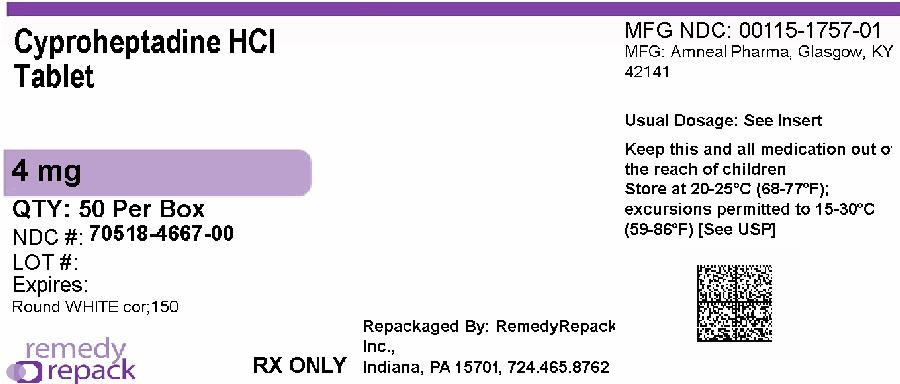
(cyproheptadine · DailyMed)
CYPREE SYRUP
Cyproheptadine/ B-Complex
What it does
B-complex vitamins are a group of essential nutrients that help your body convert food into energy, support brain function, and maintain healthy skin and muscles.
Commonly used for: vitamin deficiency, fatigue, skin problems, nervous system support
Read more in plain English ↓Plain-language summary for general understanding - not medical advice. Always follow your pharmacist/doctor.
Ask about this medicine
Answers come only from this medicine's registration record, BNF monograph and interaction data - not medical advice.
Medicine sourcing is available in Kenya only. We don't sell or dispense medicines - licensed pharmacies do.
Sourcing - Kenya onlyRegistration & product details
Source: Food and Drugs Authority · fetched 2026-04-18 08:33:04 · updated 2026-09-25 04:00:08
Drug Interactions
2Pharmacodynamic Warnings
Cyproheptadine appears in TABLE 10: Drugs with antimuscarinic effects
Cyproheptadine appears in TABLE 11: Drugs with CNS depressant effects
Severe (1)
Metyrapone - decreases effects
Cyproheptadine decreases the effects of metyrapone. Avoid.
Unknown (1)
Fenfluramine - decreases efficacy
Cyproheptadinemightdecreasetheefficacyoffenfluramine. rTheoretical
Data from BNF 85 (British National Formulary). This is not a substitute for professional medical advice. Matched via: exact
About b-complex
B-complex vitamins are a group of essential nutrients that help your body convert food into energy, support brain function, and maintain healthy skin and muscles.
What it treats
- vitamin deficiency
- fatigue
- skin problems
- nervous system support
How it works
B-complex vitamins work together to ensure your body has enough energy and supports overall health by aiding in metabolism and maintaining healthy cells.
Who it's for
B-complex vitamins are suitable for individuals looking to improve their energy levels, support their skin, or address vitamin deficiencies.
AI-assisted summary grounded in BNF data - general information only, not medical advice. Always confirm with your pharmacist or doctor.
About cyproheptadine
Cyproheptadine is a sedating antihistamine used to relieve allergy symptoms and other conditions.
What it treats
- allergic reactions
- hay fever (allergic rhinitis)
- sneezing
- runny nose
- itchy eyes
- appetite stimulation
How it works
It works by blocking histamine, a substance in the body that causes allergic symptoms.
Who it's for
It is suitable for adults and children who need relief from allergies or increased appetite.
Drug class
Antihistamines, sedating
Cautions
- • Avoid using with medications that have similar effects on the body, like those that cause dry mouth or blurred vision.
- • Be cautious if you're taking medications that make you sleepy or affect your central nervous system.
AI-assisted summary grounded in BNF data - general information only, not medical advice. Always confirm with your pharmacist or doctor.
Clinical monograph: Cyproheptadinehydrochloride
BNF-referencedCyproheptadine hydrochloride is a first-generation antihistamine with anticholinergic and sedative properties. It is primarily used for the symptomatic relief of allergic conditions, including hay fever and urticaria, and is known to stimulate appetite, making it useful in certain clinical contexts such as weight gain in undernourished patients.
Indications
- Allergic conditions
- Hay fever
- Urticaria
- Pruritus
- Appetite stimulation
Dosage
Children: For children aged 6 months to 5 years, the dose is 5-15 mg daily in divided doses, adjusted according to weight, with a maximum of 2 mg/kg per day. For children aged 6-17 years weighing up to 40 kg, the initial dose is 15-25 mg daily in divided doses, adjusted as necessary to a maximum of 2 mg/kg per day. For those weighing 40 kg and above, the initial dose is 15-25 mg daily in divided doses, increased if necessary to 50-100 mg daily.
Adults: Initially, 25 mg daily, taken at night; may be increased if necessary to 25 mg 3-4 times a day. Maximum dose is 32 mg per day.
Mechanism of action
Cyproheptadine acts as a competitive antagonist at histamine H1 receptors, thereby inhibiting the action of histamine, which is responsible for allergic symptoms. Additionally, it may also block serotonin receptors, contributing to its appetite-stimulating effects.
Pharmacodynamics
The drug exhibits sedative effects by crossing the blood-brain barrier, leading to central nervous system depression. It can also produce anticholinergic effects, such as dry mouth and urinary retention, due to its action on muscarinic receptors. The sedative properties can impair the performance of skilled tasks and may be potentiated by alcohol consumption.
Pharmacokinetics
Cyproheptadine is well-absorbed from the gastrointestinal tract and undergoes hepatic metabolism. Its elimination half-life is approximately 8-12 hours, and it is excreted primarily in urine. The onset of action is typically within 1-2 hours, with effects lasting for several hours.
Contra-indications
- Acute porphyrias
- Prolonged QT-interval
- Risk factors for QT prolongation
Adverse effects
- Drowsiness
- Dizziness
- Dry mouth
- Nausea
- Constipation
- Headache
- Palpitations
- Tachycardia
- Fatigue
- Irritability
- Paradoxical excitability
- Tremor
Interactions
- Antihistamines
- Sedating agents
- Alcohol
Precautions
- Use with caution in the elderly
- Patients with epilepsy
- Prostatic hypertrophy
- Pyloroduodenal obstruction
- Susceptibility to angle-closure glaucoma
- Urinary retention
Pregnancy
Most manufacturers of antihistamines advise avoiding their use during pregnancy; however, there is no evidence of teratogenicity. Use in the latter part of the third trimester may cause adverse effects in neonates.
Breast-feeding
Most antihistamines are present in breast milk in varying amounts; although not known to be harmful, most manufacturers advise avoiding their use in mothers who are breastfeeding.
Storage
Store in a cool, dry place away from direct sunlight. Keep out of reach of children.
Formulations
- Oral suspension
- Tablets (4 mg)
AI-synthesized from BNF references - general information only, not a substitute for professional medical advice or the current BNF. Verify doses with a pharmacist.
Clinical monograph: bcomplex
B complex refers to a group of water-soluble vitamins that play important roles in cell metabolism. This complex typically includes vitamins B1 (thiamine), B2 (riboflavin), B3 (niacin), B5 (pantothenic acid), B6 (pyridoxine), B7 (biotin), B9 (folate), and B12 (cobalamin). Each vitamin has unique functions, but they often work synergistically to support energy production, red blood cell formation, and neurological functions.
Indications
- Vitamin B deficiency
- Improvement of energy levels
- Support for metabolic processes
- Support for red blood cell production
- Neurological health maintenance
Dosage
Children: Refer to specific product guidelines for paediatric dosing, as it may vary based on age and formulation.
Adults: Refer to specific product guidelines for adult dosing, as it may vary based on the formulation and individual needs.
Mechanism of action
The B vitamins collectively act as coenzymes in various biochemical pathways. For example, B1 is essential for carbohydrate metabolism, B2 and B3 are involved in energy production, and B6 is crucial for amino acid metabolism. B12 and folate are vital for DNA synthesis and regulation. By facilitating enzymatic reactions, these vitamins play a critical role in maintaining metabolic homeostasis.
Pharmacodynamics
B vitamins help in the conversion of carbohydrates, fats, and proteins into energy. They are also involved in the synthesis of neurotransmitters and the maintenance of normal nerve function. Deficiencies in B vitamins can lead to a variety of health issues, including anemia, fatigue, neurological disorders, and impaired immune function.
Pharmacokinetics
B vitamins are generally well absorbed from the gastrointestinal tract, with the degree of absorption varying among the different vitamins. They are water-soluble, leading to limited storage in the body, which necessitates regular dietary intake. Excess amounts are typically excreted in urine. Metabolism involves conversion to active coenzyme forms, which are then utilized in various metabolic pathways.
Adverse effects
- Nausea
- Vomiting
- Diarrhea
- Abdominal cramps
- Allergic reactions
- Skin rash
- Flushing
- Headache
Interactions
- May enhance the effects of certain diuretics
- May interact with anticonvulsants
- Alcohol may decrease the absorption of B vitamins
Precautions
- Use with caution in patients with a history of allergic reactions to vitamins
- Monitor for adverse effects in patients with renal impairment
Pregnancy
Generally considered safe during pregnancy, but consult a healthcare provider for specific needs.
Breast-feeding
B vitamins are excreted in breast milk; consult a healthcare provider for supplementation advice.
Storage
Store in a cool, dry place away from direct sunlight. Keep out of reach of children.
Formulations
- Oral tablets
- Capsules
- Syrup
- Injectable solutions
AI-synthesized from BNF references - general information only, not a substitute for professional medical advice or the current BNF. Verify doses with a pharmacist.
Clinical monograph: cyproheptadine
BNF-referencedCyproheptadine is a sedating antihistamine that primarily acts as a competitive antagonist at H1 histamine receptors and serotonin receptors. It is used clinically for its antihistaminic and antiserotonin effects, contributing to its ability to stimulate appetite and manage allergic reactions. Additionally, cyproheptadine exhibits weak anticholinergic properties and moderate central depressant effects.
Indications
- Allergic rhinitis
- Allergic conjunctivitis
- Urticaria
- Angioedema
- Anaphylaxis (as adjunct therapy)
- Appetite stimulation in certain conditions
Dosage
Children: Refer to BNF for Children for appropriate pediatric dosing, as it varies by age and condition. Generally, doses may start at 0.25 mg/kg for younger children, but specific guidelines should be
Adults: The usual adult dose for allergic conditions is 4 mg three times daily, which may be increased to a maximum of 12 mg per day as needed. For appetite stimulation, the starting dose is often 4 mg taken once or twice daily.
Mechanism of action
Cyproheptadine exerts its effects by competing with free histamine and serotonin for binding at their respective receptors. Its action as an H1 blocker is complemented by its antagonism of serotonin at 5-HT2A receptors, particularly influencing the appetite center in the hypothalamus. This dual action accounts for its appetite-stimulating properties and mitigates several pharmacodynamic effects of serotonin.
Pharmacodynamics
Cyproheptadine antagonizes several effects of serotonin and histamine, including bronchoconstriction and vasodepression. Its efficacy in combatting histamine-mediated effects has been established, although the details regarding its role in preventing anaphylactic shock remain unclear, likely linked to its anti-serotonergic activity. The drug's sedative properties arise from its central nervous system effects.
Pharmacokinetics
Cyproheptadine is well-absorbed after oral administration. It is metabolized in the liver, with a variable half-life and is primarily excreted in urine. The onset of action typically occurs within one to two hours, and the duration of action can last up to 12 hours. The pharmacokinetic profile may be influenced by individual metabolic variations.
Adverse effects
- Drowsiness
- Dizziness
- Dry mouth
- Constipation
- Blurred vision
- Increased appetite
Interactions
- cyproheptadine+metyrapone: Severe (decreases effects)
- cyproheptadine+fenfluramine: Unknown (decreases efficacy)
Precautions
- Caution in patients with glaucoma
- Caution in patients with prostate hypertrophy
- Use with caution in elderly patients due to increased sensitivity
Pregnancy
Cyproheptadine should only be used during pregnancy if the potential benefit justifies the potential risk to the fetus. Limited data are available on its safety.
Breast-feeding
Cyproheptadine is excreted in breast milk. Caution is advised when administered to breastfeeding mothers.
Storage
Store at room temperature, away from moisture and heat. Keep out of reach of children.
Formulations
- Tablets
- Syrup
AI-synthesized from BNF references - general information only, not a substitute for professional medical advice or the current BNF. Verify doses with a pharmacist.
Molecular reference: cyproheptadine
PubChem CID 2913Molecular formula: C21H21N
Mechanism of action
Cyproheptadine appears to exert its antihistamine and antiserotonin effects by competing with free histamine and serotonin for binding at their respective receptors. Antagonism of serotonin on the appetite center of the hypothalamus may account for cyproheptadine's ability to stimulate the appetite. CYPROHEPTADINE...IS A SEROTONIN & HISTAMINE ANTAGONIST... ... It is an effective H1 blocker. Cyproheptadine also has prominent 5-H blocking activity on smooth muscle by virtue of its binding to 5-HT2A receptors. ... It has weak anticholinergic activity and possess mild central depressant properties.
Pharmacodynamics
Cyproheptadine has been observed to antagonize several pharmacodynamic effects of serotonin in laboratory animals, including bronchoconstriction and vasodepression, and has demonstrated similar efficacy in antagonizing histamine-mediated effects. The reason for its efficacy in preventing anaphylactic shock has not been elucidated, but appears to be related to its anti-serotonergic effects.
Biological pathways
Source: PubChem (NCBI) · pathways from PathBank, Reactome, WikiPathways & PharmGKB.
This drug in other countries
The same active ingredient registered across other registries we cover - including different brands.
- APETAMIN (CYPROHEPTADINE, LYSINE AND VITAMINS SYRUP) · Harleys
- APITUP P LIQUID · Agrilords
- APPEVITE FORTE · Sphinx Pharmaceuticals
- BECOACTIN SYRUP · Harleys
- BECOACTIN SYRUP · Meyer Organic Pvt Ltd
- BECOACTIN TABLETS · Harleys
- Cypine-4 · Leben Laboratories
- Cypon syrup · Geno Pharmaceutical
- Cyproheptadine tablets · Medopharm
- Cyprovital + syrup · Lincoln Pharmaceuticals
- Gudapet syrup · Bliss Gvs Pharma
- Super Apeti Plus syrup · Shalina Healthcare