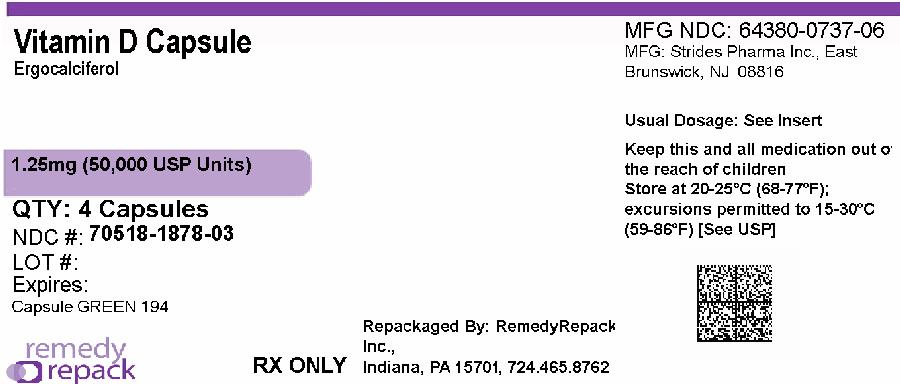
(vitamin · DailyMed)
DEVAMIN PLUS SYRUP
OMEGA-3/L-ARGININE/VITAMIN A/VITAMIN B/VITAMIN C/VITAMIN E/ZINC
What it does
Ascorbic acid, commonly known as Vitamin C, is essential for overall health and helps the body in many ways.
Commonly used for: scurvy, immune system support, wound healing, antioxidant support
Read more in plain English ↓Plain-language summary for general understanding - not medical advice. Always follow your pharmacist/doctor.
Ask about this medicine
Answers come only from this medicine's registration record, BNF monograph and interaction data - not medical advice.
Medicine sourcing is available in Kenya only. We don't sell or dispense medicines - licensed pharmacies do.
Sourcing - Kenya onlyRegistration & product details
Source: Food and Drugs Authority · fetched 2026-04-18 08:33:03 · updated 2026-10-20 04:00:03
Drug Interactions
7Severe (2)
Vitamin - increases risk of vitamin a toxicity
TretinoinispredictedtoincreasetheriskofvitaminAtoxicity whengivenwithvitaminA.Avoid.rStudy Ribavirin e
Vitamin - increases risk of vitamin a toxicity
Retinoids(tretinoin)arepredictedtoincreasetheriskof vitaminAtoxicitywhengivenwithvitaminA.Avoid.r Study VitaminDsubstances . . . . . alfacalcidol.calcipotri..ol calcitriol colecalciferol ergocalcifero
Moderate (1)
Vitamin - increases risk of toxicity
Retinoids (bexarotene) are predicted to increase the risk of toxicity when given with vitamin A. Adjust dose.
Unknown (4)
Vitamin - decreases effects
Carbamazepine is predicted to decrease the effects of vitamin D substances.
Vitamin - increases exposure
Cobicistat is predicted to increase the exposure to vitamin D substances (paricalcitol).
Vitamin - increases exposure
Idelalisib is predicted to increase the exposure to vitamin D substances (paricalcitol).
Vitamin - increases exposure
Clarithromycin is predicted to increase the exposure to vitamin D substances (paricalcitol).
Data from BNF 85 (British National Formulary). This is not a substitute for professional medical advice. Matched via: exact
About ascorbic acid
Ascorbic acid, commonly known as Vitamin C, is essential for overall health and helps the body in many ways.
What it treats
- scurvy
- immune system support
- wound healing
- antioxidant support
How it works
Ascorbic acid helps in the production of collagen, a protein important for skin, blood vessels, and connective tissues, and acts as an antioxidant to protect cells.
Who it's for
It is suitable for people needing vitamin C, such as those with a deficiency or increased requirements due to illness or stress.
AI-assisted summary grounded in BNF data - general information only, not medical advice. Always confirm with your pharmacist or doctor.
About l-arginine
L-arginine is an amino acid that helps improve blood flow and may support heart health.
What it treats
- angina (chest pain)
- heart disease
- erectile dysfunction
- high blood pressure (hypertension)
- wound healing
How it works
L-arginine helps the body produce nitric oxide, which relaxes blood vessels and improves blood circulation.
Who it's for
L-arginine may be suitable for adults looking to improve their cardiovascular health or manage related conditions.
AI-assisted summary grounded in BNF data - general information only, not medical advice. Always confirm with your pharmacist or doctor.
About omega-3
Omega-3 is a type of fatty acid that is beneficial for heart health and may help reduce inflammation.
What it treats
- high cholesterol (hyperlipidemia)
- heart disease (coronary artery disease)
- rheumatoid arthritis
How it works
Omega-3 fatty acids help lower triglycerides and can improve overall heart health by reducing inflammation in the body.
Who it's for
Omega-3 can be taken by adults who need to manage cholesterol levels, support heart health, or reduce inflammation.
AI-assisted summary grounded in BNF data - general information only, not medical advice. Always confirm with your pharmacist or doctor.
About retinol
Retinol is a form of vitamin A that helps improve skin health and appearance.
What it treats
- acne
- wrinkles
- dry skin
- psoriasis
How it works
Retinol promotes skin cell turnover, helping to clear up acne and reduce signs of aging.
Who it's for
Adults looking to improve their skin quality or treat specific skin conditions.
AI-assisted summary grounded in BNF data - general information only, not medical advice. Always confirm with your pharmacist or doctor.
About tocopherol
Tocopherol is a form of vitamin E, an antioxidant that helps protect cells from damage.
What it treats
- skin health
- antioxidant support
- nutritional supplement
How it works
It helps protect your body from harmful substances by neutralizing free radicals.
Who it's for
It is suitable for people looking to support their overall health and skin condition.
AI-assisted summary grounded in BNF data - general information only, not medical advice. Always confirm with your pharmacist or doctor.
About vitamin
Vitamins are essential nutrients that support various bodily functions and overall health.
What it treats
- nutritional deficiency
- general health maintenance
How it works
Vitamins support normal bodily functions, including metabolism, immune function, and cell repair.
Who it's for
Anyone needing to improve their nutrient intake or maintain good health.
AI-assisted summary grounded in BNF data - general information only, not medical advice. Always confirm with your pharmacist or doctor.
Clinical monograph: Ascorbicacid
BNF-referencedAscorbic acid, also known as Vitamin C, is a water-soluble vitamin essential for various bodily functions, including the synthesis of collagen, neurotransmitters, and the immune response. It acts as an antioxidant, protecting cells from damage by free radicals.
Indications
- Vitamin C deficiency
- Scurvy
- Adjunct therapy in iron overload conditions
Dosage
Children: Child 1 month–3 years: 125–250 mg daily in 1–2 divided doses; Child 4–11 years: 250–500 mg daily in 1–2 divided doses; Child 12–17 years: 0.5–1 g daily in 1–2 divided doses.
Adults: 500 mg daily, taken in 1-2 divided doses, depending on the clinical condition and dietary needs.
Mechanism of action
Ascorbic acid functions primarily as a reducing agent, facilitating enzymatic reactions in the body, including the hydroxylation of proline and lysine in collagen synthesis. It also plays a role in the absorption of iron from the gastrointestinal tract and enhances the immune response.
Pharmacodynamics
Ascorbic acid is crucial for the maintenance of connective tissue and is involved in the metabolism of several amino acids. Its antioxidant properties help to mitigate oxidative stress and may play a role in reducing the risk of chronic diseases.
Pharmacokinetics
Ascorbic acid is absorbed in the intestines and is widely distributed throughout the body. The renal clearance of ascorbic acid is dose-dependent, with higher doses leading to increased excretion. The half-life varies but is generally around 15 to 30 minutes in healthy individuals, with tissue saturation levels influencing its retention.
Contra-indications
- Hypercalcaemia
- Hyperoxaluria
- Patients with cardiac dysfunction
Adverse effects
- Abdominal pain
- Headache
- Nausea
- Vomiting
- Diarrhoea
- Constipation
- Weight loss
- Polyuria
- Sweating
- Thirst
- Vertigo
Interactions
- Increases risk of cardiovascular adverse effects with iron chelators
- Increases risk of cardiovascular adverse effects with deferiprone
- Increases risk of cardiovascular adverse effects with desferrioxamine
Precautions
- Use with caution in patients with iron overload
- Monitor for symptoms of overdose
Pregnancy
High doses teratogenic in animals but therapeutic doses unlikely to be harmful.
Storage
Store in a cool, dry place away from direct sunlight.
Formulations
- Ascorbic acid 50 mg tablets
- Ascorbic acid 100 mg tablets
- Ascorbic acid 200 mg tablets
- Ascorbic acid 250 mg tablets
- Ascorbic acid 500 mg capsules
AI-synthesized from BNF references - general information only, not a substitute for professional medical advice or the current BNF. Verify doses with a pharmacist.
Clinical monograph: larginine
BNF-referencedL-arginine is a semi-essential amino acid that serves as a precursor for nitric oxide (NO) production in the body. It plays critical roles in various physiological processes, including cardiovascular function, immune response, and tissue repair. L-arginine supplementation is often utilized for its potential benefits in enhancing blood flow, promoting wound healing, and supporting muscle growth.
Indications
- Cardiovascular diseases
- Erectile dysfunction
- Peripheral arterial disease
- Wound healing
- Muscle growth and recovery
- Immune system support
Dosage
Children: For paediatric dosing, it is important to refer to the BNF for Children for appropriate guidelines based on the child's age, weight, and clinical condition.
Adults: The typical dosage for adults varies based on the condition being treated, but common oral doses range from 2 to 30 grams per day, divided into multiple doses. For specific dosing recommendations, please refer to the BNF.
Mechanism of action
L-arginine is converted to nitric oxide by nitric oxide synthase (NOS), which is crucial for vascular function and blood flow regulation. NO activates guanylate cyclase, leading to increased levels of cyclic GMP, a secondary messenger that mediates vasodilation and other cellular responses. This pathway is vital in both the cardiovascular and immune systems, with different isoforms of NOS (eNOS, nNOS, iNOS) contributing to various physiological effects.
Pharmacodynamics
L-arginine has been shown to enhance immune responses, improve wound healing, stimulate growth hormone release, and support muscle hypertrophy and tissue repair. Its role in nitric oxide production aids in vasodilation, improving blood circulation and oxygen delivery to tissues, which is essential for recovery and regeneration.
Pharmacokinetics
L-arginine is absorbed from the gastrointestinal tract, with peak plasma concentrations occurring within 1-2 hours after oral administration. It is metabolized primarily in the liver and kidneys, with a half-life of approximately 1-2 hours. The bioavailability of L-arginine can be influenced by dietary intake and metabolic conditions.
Adverse effects
- Gastrointestinal disturbances
- Nausea
- Diarrhea
- Abdominal pain
- Hypotension
- Allergic reactions
Interactions
- Antihypertensive agents may have additive effects leading to increased hypotension
- Sildenafil and other medications for erectile dysfunction may have enhanced effects when used with L-arginine
Precautions
- Caution in patients with a history of asthma or allergies
- Use with caution in patients with hypotension
- Monitor blood pressure in patients taking antihypertensive medications
Pregnancy
The safety of L-arginine in pregnancy has not been established. Consult a healthcare provider before use.
Breast-feeding
L-arginine is excreted in breast milk, and its safety during breastfeeding is not well established. Consult a healthcare provider.
Storage
Store in a cool, dry place away from direct sunlight. Keep out of reach of children.
Formulations
- Oral tablets
- Powder for oral solution
- Capsules
AI-synthesized from BNF references - general information only, not a substitute for professional medical advice or the current BNF. Verify doses with a pharmacist.
Clinical monograph: omega3
BNF-referencedOmega-3 fatty acids are a group of polyunsaturated fatty acids that play a crucial role in human health, particularly in cardiovascular health, anti-inflammatory processes, and cellular function. They are primarily found in fish oils, flaxseed, and certain nuts. Omega-3 fatty acids such as eicosapentaenoic acid (EPA) and docosahexaenoic acid (DHA) are known for their ability to lower plasma triglyceride levels, reduce inflammation, and improve overall lipid profiles, which may contribute to a decreased risk of heart disease.
Indications
- Hypertriglyceridemia
- Cardiovascular disease prevention
Mechanism of action
Omega-3 fatty acids exert their effects through multiple mechanisms. They compete with arachidonic acid for incorporation into cell membranes, leading to the production of eicosanoids with lower pro-inflammatory potential. This results in decreased levels of pro-inflammatory mediators such as prostaglandin E2 and leukotrienes. They also activate peroxisome proliferator-activated receptors (PPARs), which regulate inflammatory gene expression and inhibit the production of inflammatory cytokines like TNF and IL-1β. Omega-3 fatty acids also promote the generation of resolvins and protectins, which have further anti-inflammatory effects.
Pharmacodynamics
Omega-3 fatty acids are metabolized into smaller fatty acid units, impacting various physiological functions. They are known to reduce plasma triglyceride levels, increase cholesterol levels, and exhibit antiarrhythmic properties. These fatty acids also play a role in inhibiting platelet aggregation, prolonging bleeding time, and reducing plasma fibrinogen levels. As constituents of phospholipids, they are integral to cell membrane structure and function, and they are involved in the formation of eicosanoids, which are critical signaling molecules across multiple body systems.
Pharmacokinetics
Omega-3 fatty acids are absorbed in the gastrointestinal tract and incorporated into chylomicrons, which are transported in the lymphatic system and subsequently released into the bloodstream. They are distributed widely throughout body tissues, particularly in the heart, brain, and retina. The metabolism occurs primarily in the liver, where they undergo beta-oxidation and can be converted into various bioactive lipid mediators. The half-life of omega-3 fatty acids can vary based on the specific fatty acid and individual metabolism.
Adverse effects
- Nausea
- Diarrhea
- Abdominal pain
- Fishy aftertaste
- Belching
- Increased bleeding time
Interactions
- Anticoagulants
- Antiplatelet agents
- Blood pressure medications
Precautions
- Use with caution in patients with bleeding disorders
- Monitor for signs of bleeding in patients taking anticoagulants
- Consider potential effects on lipid levels
Pregnancy
Omega-3 fatty acids are generally considered safe during pregnancy, but it's advisable to consult a healthcare provider for individual recommendations.
Breast-feeding
Omega-3 fatty acids are excreted in breast milk; consult a healthcare provider for guidance.
Storage
Store in a cool, dry place, away from direct sunlight. Keep tightly closed.
Formulations
- Capsules
- Softgels
- Liquid formulations
AI-synthesized from BNF references - general information only, not a substitute for professional medical advice or the current BNF. Verify doses with a pharmacist.
Clinical monograph: retinol
BNF-referencedRetinol, also known as Vitamin A, is a fat-soluble vitamin essential for various physiological functions including vision, epithelial differentiation, growth, and immune function. It is critical for the synthesis of rhodopsin, a photoreceptor protein in the retina that enables vision in low-light conditions. Retinol acts through nuclear retinoid receptors to influence gene expression and is vital for maintaining healthy skin and mucous membranes.
Indications
- Vitamin A deficiency
- Night blindness
- Impaired wound healing
- Epithelial disorders
Dosage
Children: Refer to BNF for Children for specific paediatric dosing information.
Adults: Refer to BNF for specific adult dosing information.
Mechanism of action
Retinol is converted in the retina to 11-cis-retinal, which is crucial for the conversion of light into neural signals necessary for vision. It binds to opsin in rhodopsin, facilitating the isomerization to all-trans-retinal upon exposure to light, thus triggering visual signaling. Additionally, retinol interacts with retinoic acid receptors (RARs) and retinoid-X receptors (RXRs) as transcription factors, modulating gene expression related to cellular differentiation and growth.
Pharmacodynamics
Vitamin A is effective in treating Vitamin A deficiency, which can lead to vision impairment and other health issues. It plays a critical role in various biological processes including vision, cellular differentiation, reproduction, and immune system function. Its deficiency can cause symptoms such as night blindness and impaired wound healing, while adequate levels support growth and development.
Pharmacokinetics
Retinol is absorbed from the gastrointestinal tract and stored in the liver, where it can be mobilized as needed. It undergoes metabolism primarily in the liver, where it is converted to retinal and retinoic acid, the active forms of Vitamin A. The elimination half-life varies, but retinol is generally excreted in urine and bile. The bioavailability can be affected by dietary fat intake.
Adverse effects
- Nausea
- Vomiting
- Headache
- Dizziness
- Fatigue
- Irritability
- Dry skin
- Peeling of skin
- Itching
- Blurred vision
Precautions
- Use with caution in patients with liver disease due to potential hepatotoxicity.
- Monitor for signs of vitamin A toxicity, especially in patients on high doses or prolonged therapy.
- Caution in patients with a history of alcohol abuse, as it may exacerbate liver conditions.
Pregnancy
Retinol should be used with caution during pregnancy due to the risk of teratogenic effects. High doses of vitamin A can lead to fetal malformations.
Breast-feeding
Retinol is generally considered safe during breastfeeding, but excessive intake should be avoided to prevent potential adverse effects on the infant.
Storage
Store in a cool, dry place away from light. Keep out of reach of children.
Formulations
- Capsules
- Tablets
- Oral solutions
- Topical preparations
AI-synthesized from BNF references - general information only, not a substitute for professional medical advice or the current BNF. Verify doses with a pharmacist.
Clinical monograph: tocopherol
BNF-referencedTocopherol, commonly known as vitamin E, is a fat-soluble antioxidant that plays a critical role in protecting cell membranes from oxidative stress. It is primarily found in various dietary sources, including nuts, seeds, and green leafy vegetables. Tocopherol acts by donating hydrogen atoms to free radicals, thereby neutralizing their harmful effects and preventing cellular damage.
Indications
- Prevention of vitamin E deficiency
- Antioxidant therapy
- Support in conditions related to oxidative stress
Dosage
Children: Refer to BNF for Children for specific dosage guidelines.
Adults: Refer to BNF for specific dosage guidelines.
Mechanism of action
Tocopherol acts as a radical scavenger, primarily functioning as an antioxidant for lipid bilayers. It donates hydrogen atoms to free radicals, trapping them and preventing cellular damage. Its effectiveness is influenced by its location within the membrane and its interaction with cytosolic reductants like ascorbate. Tocopherol can trap multiple radicals, including alkyl and peroxy radicals.
Pharmacodynamics
The antioxidant properties of tocopherol lead to significant pharmacodynamic effects, including the inhibition of cell death through modulation of protein kinase C (PKC). Tocopherol also exhibits anti-inflammatory effects, which can be attributed to its influence on cytokines, prostaglandins, prostanoids, and thromboxanes. These interactions may contribute to its protective effects in various pathological conditions.
Pharmacokinetics
Tocopherol is absorbed in the intestines and its bioavailability can be influenced by dietary fat intake. It is transported in the plasma primarily bound to lipoproteins. Tocopherol is stored in adipose tissue and the liver, and its elimination occurs through bile and urine. The half-life of tocopherol can vary depending on the individual's nutritional status and other factors.
Pregnancy
Tocopherol is generally considered safe during pregnancy, but it is advisable to consult a healthcare provider before use.
Breast-feeding
Tocopherol is excreted in breast milk, and while it is considered safe, a healthcare provider should be consulted for specific recommendations.
Storage
Store in a cool, dry place away from direct sunlight.
AI-synthesized from BNF references - general information only, not a substitute for professional medical advice or the current BNF. Verify doses with a pharmacist.
Clinical monograph: vitamin
BNF-referencedVitamins are organic compounds that are essential for various metabolic processes in the body. They play crucial roles in maintaining health, supporting the immune system, and promoting growth and development. Different vitamins have specific functions, and they are required in varying amounts depending on age, sex, and physiological conditions.
Indications
- Vitamin deficiency syndromes (e.g., scurvy for vitamin C deficiency, rickets for vitamin D deficiency)
- Support for immune function
- Antioxidant support
- Bone health maintenance
- Vision health
- Energy metabolism support
Dosage
Children: Refer to the BNF for Children for specific vitamin dosing guidelines, which depend on age and nutritional requirements.
Adults: Refer to specific vitamin guidelines as dosage varies significantly depending on the type of vitamin and individual needs.
Mechanism of action
Vitamins function primarily as coenzymes or precursors for coenzymes in enzymatic reactions. For instance, B vitamins are involved in energy metabolism, while vitamins A, C, D, E, and K support various physiological functions including vision, antioxidant activity, calcium regulation, and blood clotting. Each vitamin has a unique mechanism of action based on its structure and role in the body.
Pharmacodynamics
Vitamins exert their effects at the cellular level, influencing metabolic pathways, gene expression, and immune responses. For example, vitamin D regulates calcium and phosphate homeostasis, while vitamin A is crucial for vision and immune function. Deficiencies in vitamins can lead to a range of disorders, highlighting their importance in maintaining health.
Pharmacokinetics
The pharmacokinetics of vitamins vary widely. Fat-soluble vitamins (A, D, E, and K) are stored in liver and adipose tissues and can be released into circulation as needed. Water-soluble vitamins (B-complex and C) are not stored and must be consumed regularly, with excess amounts excreted in urine. Absorption rates, half-lives, and distribution can also differ based on the specific vitamin and individual metabolic factors.
Interactions
- tretinoin+vitamin: Severe (increases risk of vitamin toxicity)
- retinoids+vitamin: Severe (increases risk of vitamin toxicity)
- retinoids+vitamin: Moderate (increases risk of toxicity)
- carbamazepine+vitamin: Unknown (decreases effects)
- cobicistat+vitamin: Unknown (increases exposure)
- vitamin D substances+digoxin: Unknown (increases risk of toxicity)
- idelalisib+vitamin: Unknown (increases exposure)
- clarithromycin+vitamin: Unknown (increases exposure)
Pregnancy
Consult healthcare professional before use. Vitamin supplementation during pregnancy should be carefully managed to avoid hypervitaminosis.
Breast-feeding
Consult healthcare professional before use. Some vitamins can pass into breast milk and may affect the infant.
Storage
Store in a cool, dry place, away from direct sunlight. Ensure it is kept out of reach of children.
Formulations
- {'name': 'Vitamin A', 'form': 'Capsule', 'strength': '10000 IU'}
- {'name': 'Vitamin D', 'form': 'Tablet', 'strength': '1000 IU'}
- {'name': 'Vitamin E', 'form': 'Softgel', 'strength': '400 IU'}
AI-synthesized from BNF references - general information only, not a substitute for professional medical advice or the current BNF. Verify doses with a pharmacist.
Molecular reference: l-arginine
PubChem CID 6322Molecular formula: C6H14N4O2
Mechanism of action
Many of supplemental L-arginine's activities, including its possible anti-atherogenic actions, may be accounted for by its role as the precursor to nitric oxide or NO. NO is produced by all tissues of the body and plays very important roles in the cardiovascular system, immune system and nervous system. NO is formed from L-arginine via the enzyme nitric oxide synthase or synthetase (NOS), and the effects of NO are mainly mediated by 3,'5' -cyclic guanylate or cyclic GMP. NO activates the enzyme guanylate cyclase, which catalyzes the synthesis of cyclic GMP from guanosine triphosphate or GTP. Cyclic GMP is converted to guanylic acid via the enzyme cyclic GMP phosphodiesterase. NOS is a heme-containing enzyme with some sequences similar to cytochrome P-450 reductase. Several isoforms of NOS exist, two of which are constitutive and one of which is inducible by immunological stimuli. The constitutive NOS found in the vascular endothelium is designated eNOS and that present in the brain, spinal cord and peripheral nervous system is designated nNOS. The form of NOS induced by immunological or inflammatory stimuli is known as iNOS. iNOS may be expressed constitutively in select tissues such as lung epithelium. All the nitric oxide synthases use NADPH (reduced nicotinamide adenine dinucleotide phosphate) and oxygen (O2) as cosubstrates, as well as the cofactors FAD (flavin adenine dinucleotide), FMN (flavin mononucleotide), tetrahydrobiopterin and heme. Interestingly, ascorbic acid appears to enhance NOS activity by increasing intracellular tetrahydrobiopterin. eNOS and nNOS synthesize NO in response to an increased concentration of calcium ions or in some cases in response to calcium-independent stimuli, such as shear stress. In vitro studies of NOS indicate that the Km of the enzyme for L-arginine is in the micromolar range. The concentration of L-arginine in endothelial cells, as well as in other cells, and in plasma is in the millimolar range. What this means is that, under physiological conditions, NOS is saturated with its L-arginine substrate. In other words, L-arginine would not be expected to be rate-limiting for the enzyme, and it would not appear that supraphysiological levels of L-arginine which could occur with oral supplementation of the amino acid^would make any difference with regard to NO production. The reaction would appear to have reached its maximum level. However, in vivo studies have demonstrated that, under certain conditions, e.g. hypercholesterolemia, supplemental L-arginine could enhance endothelial-dependent vasodilation and NO production.
Pharmacodynamics
Studies have shown that is has improved immune responses to bacteria, viruses and tumor cells; promotes wound healing and regeneration of the liver; causes the release of growth hormones; considered crucial for optimal muscle growth and tissue repair.
Biological pathways
Source: PubChem (NCBI) · pathways from PathBank, Reactome, WikiPathways & PharmGKB.
Molecular reference: omega-3
PubChem CID 56842239Molecular formula: C60H92O6
Mechanism of action
Omega-3 fatty acids mediate anti-inflammatory effects and increased levels of EPA or DHA has shown to decrease the levels of PGE2 and 4 series-LT. Eicosapentaenoic acids compete with constitutive levels of arachidonic acid in cell membranes for the same desaturation enzymes and produce 3-series prostaglandins and thromboxanes, and 5-series leukotrienes which have low pro-inflammatory potential. The alteration in leukotriene biosynthesis due to higher concentration of omega-3 fatty acids compared to arachidonic acid underlies the anti-inflammatory effects. EPA and DHA also give rise to resolvins and related lipid signalling molecules such as protectins via cyclooxygenase and lipoxygenase pathways, which have anti-inflammatory effects. They inhibit transendothelial migration of neutrophils and inhibit TNF and IL-1β production. Omega-3 fatty acids also decrease adhesion molecule expression on leukocytes and on endothelial cells and decrease intercellular adhesive interactions. Omega-3 (or n-3) polyunsaturated fatty acids (PUFAs) and their metabolites are natural ligands for peroxisome proliferator-activated receptor (PPAR) gamma that regulates inflammatory gene expression and NFκB activation. PPAR alpha activation is also associated with induction of COX-2 expression. The role of EPA and DHA in reducing triglyceride levels include inhibition of acyl-CoA:1,2-diacylglycerol acyltransferase, increased mitochondrial and peroxisomal-beta-oxidation in the liver, decreased lipogenesis in the liver, and increased plasma lipoprotein lipase activity. They also may reduce triglyceride synthesis because they are poor substrates for the enzymes responsible for TG synthesis, and EPA and DHA inhibit esterification of other fatty acids.
Pharmacodynamics
Omega-3 fatty acids are triglycerides that get broken down into smaller fatty acid units. They act to reduce plasma triglyceride levels however increase the cholesterol levels and are thought to possess potent antiarrythmic effects. Polyunsaturated fatty acids including eicosapentaenoic and docosahexaenoic acid mediate important cellular function such as inhibition of platelet function, prolongation of bleeding time, anti-inflammatory effects and reduction of plasma fibrinogen. Polyunsaturated fatty acids are components of the phospholipids that form the structures of the cell membranes and also serve as energy source. They form eicosanoids which are important signalling molecules with wide-ranging functions in the body's cardiovascular, pulmonary, immune and endocrine systems. DHA tends to exist in high concentrations in the retina, brain (via uptake by Mfsd2a as a transporter), and sperm.
Source: PubChem (NCBI) · pathways from PathBank, Reactome, WikiPathways & PharmGKB.
Molecular reference: retinol
PubChem CID 445354Molecular formula: C20H30O
Mechanism of action
Vision:Vitamin A (all-<i>trans</i> retinol) is converted in the retina to the 11-<i>cis</i>-isomer of retinaldehyde or 11-<i>cis</i>-retinal. 11-<i>cis</i>-retinal functions in the retina in the transduction of light into the neural signals necessary for vision. 11-<i>cis</i>-retinal, while attached to opsin in rhodopsin is isomerized to all-<i>trans</i>-retinal by light. This is the event that triggers the nerve impulse to the brain which allows for the perception of light. All-<i>trans</i>-retinal is then released from opsin and reduced to all-<i>trans</i>-retinol. All-<i>trans</i>-retinol is isomerized to 11-<i>cis</i>-retinol in the dark, and then oxidized to 11-<i>cis</i>-retinal. 11-<i>cis</i>-retinal recombines with opsin to re-form rhodopsin. Night blindness or defective vision at low illumination results from a failure to re-synthesize 11-<i>cis</i> retinal rapidly. Epithelial differentiation: The role of Vitamin A in epithelial differentiation, as well as in other physiological processes, involves the binding of Vitamin A to two families of nuclear retinoid receptors (retinoic acid receptors, RARs; and retinoid-X receptors, RXRs). These receptors function as ligand-activated transcription factors that modulate gene transcription. When there is not enough Vitamin A to bind these receptors, natural cell differentiation and growth are interrupted. Topical vitamin A can reverse the impairment of wound healing seen in patients receiving corticosteroids, perhaps by restoring the normal inflammatory reaction in the wound. The possibility has been suggested that systemic vitamin A could inhibit the anti-inflammatory effect of systemic corticosteroids. Retinol arrested proliferation of cultured neuroblastoma cells at concentrations of 50 um. A correlation existed between inhibition of growth and inhibition of ornithine decarboxylase in both neuroblastoma cells and glioma cells with retinol. In rats exptl-hypervitaminosis A has been shown ... to produce severe damage of the retina, mainly in the pigment epithelium according to electron microscopy. Alcohol dehydrogenase activity was shown to disappear in the pigment epithelium and visual cells ... . /The authors/ have shown that in an experimental cell culture system consisting of carcinogen-treated 10T1/2 cells, both retinoids and all dietary carotenoids examined can reversibly inhibit neoplastic transformation in the post-initiation phase of carcinogenesis. This activity strongly correlates with their ability to increase gap junctional intercellular communication by up-regulating the expression of the gene CX43 (connexin43). Connexins comprise the structural unit of gap junctions, organelles which allow direct transfer of signals, nutrients and waste products between contacting cells. CX43 is the most widely expressed member of the gap junction family of genes, and we have demonstrated that its expression is strongly down-regulated in human cancers and in several premalignant conditions. When several human tumour cell lines were genetically engineered to conditionally express CX43 under the influence of a tetracycline promoter, their neoplastic phenotype was strongly attenuated. Specifically, induced cells were inhibited from growing in an anchorage-independent manner and, additionally, growth as xenografts in immunocompromised animals was also strongly attenuated. Growth inhibition in suspension was associated both with increased G(1) cell-cycle arrest and with increased apoptosis. /The authors/ propose a model whereby junctional communication allows the transfer of growth inhibitory signals from normal to neoplastic cells and that retinoids and carotenoids, by increasing signal transfer, act to prevent cancer.
Pharmacodynamics
Vitamin A is effective for the treatment of Vitamin A deficiency. Vitamin A refers to a group of fat-soluble substances that are structurally related to and possess the biological activity of the parent substance of the group called all-<i>trans</i> retinol or retinol. Vitamin A plays vital roles in vision, epithelial differentiation, growth, reproduction, pattern formation during embryogenesis, bone development, hematopoiesis and brain development. It is also important for the maintenance of the proper functioning of the immune system.
Biological pathways
Source: PubChem (NCBI) · pathways from PathBank, Reactome, WikiPathways & PharmGKB.
Molecular reference: tocopherol
PubChem CID 14986Molecular formula: C28H48O2
Mechanism of action
Tocopherol acts as a radical scavenger. It mainly acts as an antioxidant for lipid bilayers. Tocopherol's functions depend on the H-atom donating ability, location, and movement within the membrane, as well as the efficiency in the radical recycling by some cytosolic reductants such as ascorbate. Tocopherol actions are related to the trap of radicals, and it has been shown that even in the absence of substituents in the ortho-positions, tocopherol can trap more than two radicals. The type of radicals available for tocopherol are alkyl and peroxy.
Pharmacodynamics
The antioxidant effects of tocopherol can be translated into different changes at the pharmacodynamic level. In vitro studies have shown that this antioxidant activity can produce modification in protein kinase C (PKC) which will later be translated into an inhibition of cell death. Some other derivate effects are the anti-inflammatory properties of tocopherol which can be related to the modulation of cytokines or prostaglandins, prostanoids and thromboxanes.
Source: PubChem (NCBI) · pathways from PathBank, Reactome, WikiPathways & PharmGKB.
Molecular reference: vitamin
PubChem CID 266052Molecular formula: C14H15NO7
Source: PubChem (NCBI) · pathways from PathBank, Reactome, WikiPathways & PharmGKB.
This drug in other countries
The same active ingredient registered across other registries we cover - including different brands.