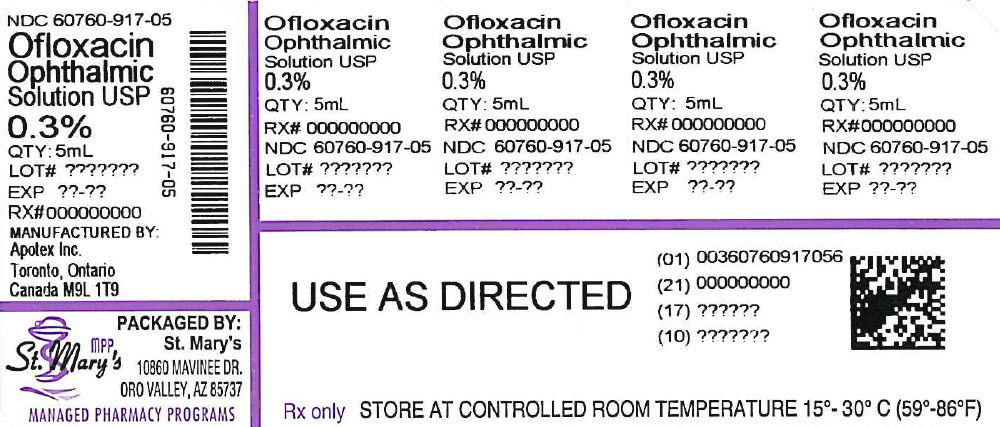
(ofloxacin · DailyMed)
DEXAFLOX POTHALMIC SUSPENSION
OFLOXACIN/DEXAMETHAONE
What it does
Dexamethasone is a steroid medication that helps reduce inflammation and suppress the immune system.
Commonly used for: inflammation, allergic reactions, certain types of arthritis, skin conditions …
Read more in plain English ↓Plain-language summary for general understanding - not medical advice. Always follow your pharmacist/doctor.
Ask about this medicine
Answers come only from this medicine's registration record, BNF monograph and interaction data - not medical advice.
Medicine sourcing is available in Kenya only. We don't sell or dispense medicines - licensed pharmacies do.
Sourcing - Kenya onlyRegistration & product details
Source: Food and Drugs Authority · fetched 2026-05-08 08:00:26 · updated 2026-09-25 04:00:08
Drug Interactions
6Severe (1)
Quinolones - decreases absorption
Strontiumispredictedtodecreasetheabsorptionof quinolones.Avoid.oTheoretical
Unknown (5)
Quinolones - decreases exposure
Lanthanum moderately decreases the exposure to quinolones. Quinolones should be taken 2 hours before or 4 hours after lanthanum.
Quinolones - increases exposure
Leflunomideispredictedtoincreasetheexposuretoquinolones (ciprofloxacin).oTheoretical
Quinolones - decreases exposure
Sucralfate decreases the exposure to quinolones. Separate administration by 2 hours.
Quinolones - decreases exposure
Zinc is predicted to decrease the exposure to quinolones. Separate administration by 2 hours. Rabeprazole → see proton pump inhibitors Rabies immunoglobulin → see immunoglobulins Rabies vaccine
Quinolones - increases exposure
Teriflunomideispredictedtoincreasetheexposureto quinolones(ciprofloxacin).oTheoretical https://www.facebook.c (Books-Courses-Medic
Data from BNF 85 (British National Formulary). This is not a substitute for professional medical advice. Matched via: class
About dexamethaone
Dexamethasone is a steroid medication that helps reduce inflammation and suppress the immune system.
What it treats
- inflammation
- allergic reactions
- certain types of arthritis
- skin conditions
- some cancers
- autoimmune diseases
How it works
It works by blocking substances in the body that cause inflammation and allergic reactions.
Who it's for
Dexamethasone is for people needing treatment for conditions related to inflammation or immune responses.
AI-assisted summary grounded in BNF data - general information only, not medical advice. Always confirm with your pharmacist or doctor.
About ofloxacin
Ofloxacin is an antibiotic that helps to treat infections caused by bacteria.
What it treats
- bacterial infections
- urinary tract infections
- respiratory infections
- skin infections
How it works
Ofloxacin works by stopping the growth of bacteria, helping your body to fight off the infection.
Who it's for
Ofloxacin is for adults and children who have bacterial infections that can be treated with this antibiotic.
Drug class
Quinolones
AI-assisted summary grounded in BNF data - general information only, not medical advice. Always confirm with your pharmacist or doctor.
Clinical monograph: dexamethaone
Dexamethasone is a synthetic corticosteroid that is used for its anti-inflammatory and immunosuppressant properties. It is a potent glucocorticoid that mimics the effects of cortisol, playing a crucial role in the regulation of various physiological processes including metabolism, immune response, and inflammation. Dexamethasone is commonly used in various clinical scenarios, including but not limited to allergic reactions, autoimmune diseases, and certain types of cancer.
Indications
- Allergic reactions
- Asthma exacerbation
- Rheumatoid arthritis
- Systemic lupus erythematosus
- Cerebral edema
- Certain cancers (e.g., leukemia, lymphoma)
- Adrenal insufficiency
- Multiple sclerosis exacerbations
Dosage
Children: Refer
Adults: Refer to the BNF for specific dosing guidelines as doses may vary based on the condition being treated and individual patient factors.
Mechanism of action
Dexamethasone exerts its effects by binding to the glucocorticoid receptor in the cytoplasm, which leads to the translocation of the receptor-ligand complex into the nucleus. Inside the nucleus, the complex interacts with glucocorticoid response elements in the DNA, resulting in the modulation of gene expression. This process leads to the upregulation of anti-inflammatory proteins and the downregulation of pro-inflammatory cytokines, ultimately decreasing inflammation and immune responses.
Pharmacodynamics
Dexamethasone demonstrates a high anti-inflammatory potency, which is approximately 30 times greater than that of cortisol. Its effects are dose-dependent, and it influences various metabolic pathways, including glucose metabolism, protein catabolism, and lipid metabolism. Additionally, it has effects on electrolyte balance and can lead to fluid retention due to its mineralocorticoid activity, although this is less pronounced than with other corticosteroids.
Pharmacokinetics
Dexamethasone is well-absorbed following oral administration and has a bioavailability of approximately 80%. It is extensively metabolized in the liver, primarily through the cytochrome P450 enzyme system. The drug has an elimination half-life ranging from 3 to 5 hours, but its effects can last much longer due to the nature of corticosteroids in modulating gene expression. Dexamethasone is excreted predominantly in the urine as metabolites.
Contra-indications
- Systemic fungal infections
- Hypersensitivity to dexamethasone or any component of the formulation
- Active tuberculosis
- Live vaccinations in immunocompromised patients
Adverse effects
- Increased risk of infection
- Hyperglycemia
- Cushing's syndrome
- Osteoporosis
- Gastrointestinal bleeding
- Mood changes, including euphoria or depression
- Weight gain
- Hypertension
Interactions
- Non-steroidal anti-inflammatory drugs (NSAIDs) may increase the risk of gastrointestinal side effects
- Anticoagulants may have altered effects
- Rifampicin may reduce the effect of dexamethasone
- Live vaccines may be less effective
Precautions
- Use with caution in patients with cardiovascular disease
- Monitor blood glucose levels in diabetic patients
- Tapering of dosage may be required to avoid adrenal insufficiency
- Caution in patients with peptic ulcer disease or gastrointestinal disorders
Pregnancy
Dexamethasone should be used during pregnancy only if the potential benefit justifies the potential risk to the fetus. It crosses the placenta.
Breast-feeding
Dexamethasone is excreted in breast milk. Caution is advised when administering to breastfeeding mothers.
Storage
Store at room temperature, away from light and moisture. Keep out of reach of children.
Formulations
- Oral tablets
- Injectable solutions
- Topical creams
- Ophthalmic solutions
AI-synthesized from BNF references - general information only, not a substitute for professional medical advice or the current BNF. Verify doses with a pharmacist.
Clinical monograph: Ofloxacin
BNF-referencedOfloxacin is a broad-spectrum fluoroquinolone antibiotic used for the treatment of various bacterial infections. It is effective against both Gram-positive and Gram-negative bacteria, leveraging its bactericidal properties through inhibition of DNA replication. Due to its high affinity for bacterial enzymes, it is preferred for treating infections where resistance to other antibiotics may exist.
Indications
- Bacterial infections
- Complicated urinary-tract infections
- Lower respiratory-tract infections
- Skin infections
- Gonorrhoea
- Pelvic inflammatory disease
- Prostatitis
- Acute pyelonephritis
Dosage
Children: Refer to the BNF for Children for specific dosing guidance.
Adults: 200–400 mg daily for 3 days for uncomplicated urinary-tract infections; for severe or complicated infections, the dose may be increased to 400 mg twice daily for 7–10 days. In cases of renal impairment, the dose should be adjusted based on creatinine clearance.
Mechanism of action
Ofloxacin acts by inhibiting bacterial DNA gyrase and topoisomerase IV, enzymes crucial for DNA replication and transcription. This inhibition prevents normal cell division, leading to cell death. Ofloxacin has a significantly higher affinity for bacterial DNA gyrase compared to mammalian enzymes, making it effective against infectious pathogens.
Pharmacodynamics
As a quinolone antibiotic, ofloxacin demonstrates bactericidal activity, meaning it kills bacteria rather than merely inhibiting their growth. Its mechanism is primarily through the disruption of DNA supercoiling, a vital process for bacterial cell division and viability. The drug's broad-spectrum activity allows it to target a wide variety of bacterial pathogens, enhancing its utility in clinical settings.
Pharmacokinetics
Ofloxacin is well-absorbed after oral administration, with a bioavailability of approximately 98%. It is primarily metabolized in the liver and excreted through the kidneys, necessitating caution in patients with hepatic or renal impairment. The elimination half-life is about 4 to 7 hours, which supports twice-daily dosing for effective therapeutic levels.
Contra-indications
- Hypersensitivity to ofloxacin or other quinolones
- History of tendon disorders related to fluoroquinolone use
- Severe hepatic impairment
- History of QT interval prolongation
- Concurrent use of drugs that prolong the QT interval
Adverse effects
- Nausea
- Diarrhea
- Headache
- Dizziness
- Tendonitis and tendon rupture
- QT interval prolongation
- Photosensitivity
- Rash
- Anaphylaxis
Interactions
- Antacids containing magnesium or aluminum (may reduce absorption)
- Cationic drugs (e.g., iron salts, sucralfate)
- Warfarin (may enhance anticoagulant effect)
- Drugs that prolong the QT interval (e.g., class IA and III antiarrhythmics)
Precautions
- Use with caution in patients with a history of seizures or CNS disorders
- Monitor for signs of tendon damage
- Assess renal function prior to dosing, especially in elderly patients
- Caution in patients with a history of myasthenia gravis
Pregnancy
Manufacturer advises use only if the benefit outweighs the risk, as systemic quinolones have been associated with risks during pregnancy.
Breast-feeding
Ofloxacin is excreted in breast milk; caution is advised when administering to nursing mothers.
Storage
Store at room temperature, away from moisture and heat. Protect from light.
Formulations
- 200 mg tablets
- 400 mg tablets
- Injectable solution (200 mg in 100 mL)
- Eye drops (0.3% solution)
AI-synthesized from BNF references - general information only, not a substitute for professional medical advice or the current BNF. Verify doses with a pharmacist.
Molecular reference: Ofloxacin
PubChem CID 4583Molecular formula: C18H20FN3O4
Mechanism of action
Ofloxacin acts on DNA gyrase and toposiomerase IV, enzymes which, like human topoisomerase, prevents the excessive supercoiling of DNA during replication or transcription. By inhibiting their function, the drug thereby inhibits normal cell division. Quinolone(s) (QNs) is widely used in infection therapy due to its good antimicrobial characteristics. However, QNs-induced arthropathy of immature animals has led to restrictions on the therapeutic use of these antimicrobial agents. The exact mechanism(s) of QNs-induced chondrotoxicity remain unknown. In the present study, .../the authors/ investigated the possible mechanism of ofloxacin (one typical QNs)-induced injuries of chondrocytes. Juvenile rabbit joint chondrocytes cultured in alginate microspheres were incubated with ofloxacin at concentrations of 0, 2, 5, 10, 20, and 40 microg/mL for up to 96 hr. Concentration of 10 microg/mL ofloxacin induced apoptosis of chondrocyte with visible apoptotic signs, including degradation of poly(ADP-ribose) polymerase, caspase-3 activation, and DNA ladder formation. Furthermore, extracellular signal-regulated kinase 1/2 (phospho-ERK1/2) and growth factor receptor-bound protein 2 (Grb2) were significantly reduced, and similar changes were also observed in the beta(1)-integrin receptor as assessed by immunoblotting. However, the mRNA level of beta(1)-integrin obtained from reverse transcription-polymerase chain reaction remained unchanged. Results of beta(1)-integrin immunoprecipitation have also shown that beta(1)-integrin did not interact with activated intracellular signaling proteins. In addition, ofloxacin did not induce apoptosis and decrease beta(1)-integrin expression in chondrocytes supplemented with Mg(2+), and the ofloxacin-induced apoptosis was caspase-8-dependent, inhibition of which did not affect the expression mode of phospho-ERK1/2 and beta(1)-integrin. Our results demonstrate that ofloxacin affects beta(1)-integrin receptor functions and the ERK mitogen-activated protein kinase signaling pathway, causing caspase-8-dependent apoptosis after exposure of 48 hr. Quinolones are widely used in infection therapy due to their good antimicrobial characteristics. However, there potential joint chondrotoxicity on immature animals has stood in the way of the therapeutic application of these agents, the exact mechanism of which is still unclear. This study was undertaken to investigate the role of oxidative damage in ofloxacin (one typical quinolones)-induced arthropathy. Chondrocytes from juvenile rabbit joints were incubated with ofloxacin at concentrations of 0, 5, 10, 20, 40 and 80 ug/mL, respectively. The extent of oxidative damage was assessed by measuring the reactive oxygen species level, activities of antioxidant enzymes, and oxidative damage to some macromolecules. It was observed that ofloxacin induced a concentration-dependent increase in intracellular reactive oxygen species production, which may be an early mediator of ofloxacin cytotoxicity. Similarly, ofloxacin resulted in a significant lipid peroxidation, revealed by a concentration-dependent increase in the level of thiobarbituric acid reactive substances. At the same time, ofloxacin induced DNA damage in a concentration-dependent manner for 24 hr measured by comet assay, which may be a cause for overproduction of reactive oxygen species. Furthermore, antioxidant enzyme activities, such as glutathione peroxidase (GPx), catalase and superoxide dismutase (SOD), were rapidly decreased after treatment with ofloxacin. In addition, SOD decline and reactive oxygen species production were strongly inhibited, and the loss in cell viability was partly abated by additional glutathione (GSH), N-acetylcysteine (NAC) and dithiothreitol (DTT). In conclusion, these results clearly demonstrated that ofloxacin could induce oxidative stress, lipid peroxidation and DNA oxidative damage to chondrocytes. Ofloxacin is a quinolone antimicrobial agent. The mechanism of action of ofloxacin and o
Pharmacodynamics
Ofloxacin is a quinolone/fluoroquinolone antibiotic. Ofloxacin is bactericidal and its mode of action depends on blocking of bacterial DNA replication by binding itself to an enzyme called DNA gyrase, which allows the untwisting required to replicate one DNA double helix into two. Notably the drug has 100 times higher affinity for bacterial DNA gyrase than for mammalian. Ofloxacin is a broad-spectrum antibiotic that is active against both Gram-positive and Gram-negative bacteria.
Source: PubChem (NCBI) · pathways from PathBank, Reactome, WikiPathways & PharmGKB.
This drug in other countries
The same active ingredient registered across other registries we cover - including different brands.
- AGIFLO-OZ TABLETS · Phillips Healthcare
- AS OFLOAS · Opera Pharma
- AUROFLOX · Dawa
- AXAFLOX INFUSION · Danvantri Enterprises
- AXAFLOX-OD · Evka Consultz
- AXAFLOX-OD · Danvantri Enterprises
- ARFLOX_OZ 200/500MG TABLET
- DREP COMBINATION PRODUCT EAR DROPS
- GLOFLOXACIN 200MG TABLET
- HIPOFLOX 0.2% INFUSION
- O2 200MG/500MG TABLET
- O2_ 50MG/125MG SUSPENSION