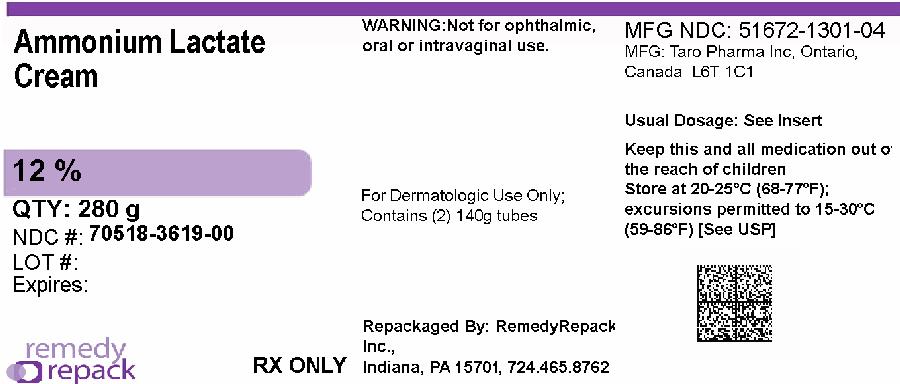
(ammonium · DailyMed)
FINE LIFE BLOOD TONIC
LNER EXTRACT+VIT B1+VIT B2+VIT B6+NICOTINAMIDE+LYSINE HCL+MANGANESE SULPHATE+SODIUM GLYCEROPHOSPHATE+POTASSIUM GLYCERICPHOSPHATE+FERRIC AMMONIUM CITRATE+CAFFEINE CITRATE
What it does
Ammonium is a compound that can be used in various treatments but is not classified under a specific drug class.
Read more in plain English ↓Plain-language summary for general understanding - not medical advice. Always follow your pharmacist/doctor.
Ask about this medicine
Answers come only from this medicine's registration record, BNF monograph and interaction data - not medical advice.
Medicine sourcing is available in Kenya only. We don't sell or dispense medicines - licensed pharmacies do.
Sourcing - Kenya onlyRegistration & product details
Source: Food and Drugs Authority · fetched 2026-04-18 08:37:31 · updated 2026-05-29 03:52:21
About ammonium
Ammonium is a compound that can be used in various treatments but is not classified under a specific drug class.
How it works
Ammonium works by balancing chemical levels in the body.
Who it's for
It may be used in specific medical conditions as determined by a healthcare provider.
AI-assisted summary grounded in BNF data - general information only, not medical advice. Always confirm with your pharmacist or doctor.
About caffeine
Caffeine is a natural stimulant that helps increase alertness and reduce tiredness.
What it treats
- fatigue
- drowsiness
- headaches
- migraine (common migraine)
How it works
Caffeine works by blocking certain receptors in the brain, which helps to improve mood and concentration.
Who it's for
Caffeine is suitable for adults who need a boost of energy or alertness.
AI-assisted summary grounded in BNF data - general information only, not medical advice. Always confirm with your pharmacist or doctor.
About extract
This medicine is an extract that is used for various health conditions.
What it treats
- general health improvement
- nutritional support
How it works
The extract may provide health benefits by supplying essential nutrients or compounds that support bodily functions.
Who it's for
This medicine is suitable for individuals looking to improve their overall health or address specific nutritional needs.
AI-assisted summary grounded in BNF data - general information only, not medical advice. Always confirm with your pharmacist or doctor.
About ferric
Ferric is a form of iron used to treat iron deficiency and related conditions.
What it treats
- iron deficiency
- iron deficiency anemia
How it works
Ferric works by providing your body with the iron it needs to make red blood cells, which carry oxygen.
Who it's for
Ferric is for people who have low iron levels or anemia caused by insufficient iron.
AI-assisted summary grounded in BNF data - general information only, not medical advice. Always confirm with your pharmacist or doctor.
About glycericphosphate
Glyceric phosphate is a substance used in various health conditions, particularly for its supportive properties in metabolic processes.
What it treats
- metabolic disorders
- energy production issues
How it works
Glyceric phosphate helps in energy production within the body and supports various metabolic functions.
Who it's for
This substance is generally used for individuals with specific metabolic needs or deficiencies.
AI-assisted summary grounded in BNF data - general information only, not medical advice. Always confirm with your pharmacist or doctor.
About glycerophosphate
Glycerophosphate is used as a source of phosphorus in the body, which is important for energy production and overall health.
What it treats
- nutritional supplement
How it works
Glycerophosphate provides phosphorus, which helps in the formation of ATP, the energy currency of cells.
Who it's for
Glycerophosphate is for individuals needing additional phosphorus, often those with dietary deficiencies.
AI-assisted summary grounded in BNF data - general information only, not medical advice. Always confirm with your pharmacist or doctor.
About lner
Lner is a medication used to manage certain health conditions.
How it works
Lner helps the body to function better, but specific details about its action are not provided.
Who it's for
Lner may be suitable for individuals with specific health needs as determined by a healthcare provider.
AI-assisted summary grounded in BNF data - general information only, not medical advice. Always confirm with your pharmacist or doctor.
About lysine
Lysine is an essential amino acid that helps your body build proteins and supports immune function.
What it treats
- to support the treatment of cold sores (herpes simplex)
- to promote muscle recovery and growth
- to improve overall health and wellness
How it works
Lysine helps the body produce proteins and supports various bodily functions, including the immune system.
Who it's for
Lysine is for people looking to boost their protein intake, support immune health, or manage cold sores.
Cautions
- • Consult a healthcare professional if you have kidney issues.
- • May cause gastrointestinal discomfort in some individuals.
AI-assisted summary grounded in BNF data - general information only, not medical advice. Always confirm with your pharmacist or doctor.
About manganese
Manganese is a trace mineral important for many bodily functions, including bone formation and metabolism.
What it treats
- nutritional support
- bone health
How it works
Manganese helps the body use certain nutrients and is involved in the formation of connective tissue, bones, and blood-clotting factors.
Who it's for
Adults and children who may have low manganese levels due to dietary deficiencies.
Cautions
- • Excessive intake can lead to toxicity.
- • Consult a healthcare provider if you have liver problems.
AI-assisted summary grounded in BNF data - general information only, not medical advice. Always confirm with your pharmacist or doctor.
About nicotinamide
Nicotinamide is a form of vitamin B3 that helps maintain healthy skin and supports various body functions.
What it treats
- acne (acne vulgaris)
- skin conditions
- dry skin
- certain types of dermatitis
How it works
Nicotinamide helps improve skin health by reducing inflammation and promoting cell repair.
Who it's for
It is suitable for people looking to improve their skin condition or reduce acne.
AI-assisted summary grounded in BNF data - general information only, not medical advice. Always confirm with your pharmacist or doctor.
About vit
Vitamin supplements are used to provide essential nutrients that may be missing from your diet.
What it treats
- vitamin deficiency
- poor diet
- boosting overall health
How it works
Vitamins help your body function properly and support overall health by aiding in various biological processes.
Who it's for
People who may not get enough vitamins from their food, including those with dietary restrictions, certain health conditions, or increased nutrient needs.
Cautions
- • Consult a healthcare professional before starting any vitamin supplement, especially if you are pregnant, breastfeeding, or have underlying health conditions.
AI-assisted summary grounded in BNF data - general information only, not medical advice. Always confirm with your pharmacist or doctor.
Clinical monograph: Nicotinamide
BNF-referencedNicotinamide, also known as niacinamide, is a form of vitamin B3 that is involved in numerous biological processes including energy metabolism and DNA repair. It is primarily utilized topically for the treatment of skin conditions such as papulopustular rosacea and inflammatory acne vulgaris. Nicotinamide is known for its anti-inflammatory properties and its ability to improve skin barrier function, making it beneficial for various dermatological conditions.
Indications
- Papulopustular rosacea
- Inflammatory acne vulgaris
Dosage
Children: Refer to the BNF for Children for specific dosing recommendations.
Adults: For papulopustular rosacea, apply daily for up to 4 months. The treatment course may be repeated; discontinue if no improvement is observed after 3 months. For inflammatory acne vulgaris, apply twice daily, reduced to once daily or alternate days if irritation occurs.
Mechanism of action
Nicotinamide exhibits anti-inflammatory effects by inhibiting the release of pro-inflammatory cytokines and enhancing the barrier function of the skin. It is also involved in the NAD salvage pathway, which is essential for maintaining cellular energy levels and promoting cell repair mechanisms. Additionally, nicotinamide contributes to the synthesis of coenzymes involved in metabolic processes, including the conversion of niacin into NAD+.
Pharmacodynamics
Nicotinamide is known for its ability to improve skin hydration and reduce transepidermal water loss. It has been shown to decrease the appearance of acne lesions and rosacea by modulating inflammatory responses and accelerating cell turnover. Its antioxidant properties also help to protect the skin from oxidative stress and UV damage.
Pharmacokinetics
When applied topically, nicotinamide is absorbed through the skin layers, with minimal systemic absorption. Its peak plasma concentrations are generally low, and the drug has a half-life that varies depending on the route of administration. The metabolism of nicotinamide occurs primarily in the liver, where it is converted into its active forms, including NAD+. The elimination route is via the kidneys, with metabolites excreted in urine.
Contra-indications
- Pregnancy
- Severe acne involving large areas
- Severe skin reactions
Adverse effects
- Sunburn
- Skin reactions (common or very common)
- Cheilitis
- Eyelid oedema
- Flushing
- Dry skin
- Eye irritation
- Photosensitivity reactions
- Transient skin pigmentation changes
Interactions
- Clindamycin
- Topical retinoids
- Abrasive cleaners
- Comedogenic cosmetics
Precautions
- Avoid exposure to UV light, including sunlight and sunlamps
- Wash hands immediately after use
- Avoid contact with eyes and mucous membranes
- Use moisturizers to reduce the risk of skin irritation
- Discontinue treatment if severe irritation occurs
Pregnancy
Avoid use during pregnancy due to potential risks, as limited information is available regarding toxicity.
Breast-feeding
Amount of drug in milk after topical application is probably too small to be harmful; ensure infant does not come in contact with treated areas.
Storage
Store at room temperature away from moisture and light.
Formulations
- Cream
- Gel
AI-synthesized from BNF references - general information only, not a substitute for professional medical advice or the current BNF. Verify doses with a pharmacist.
Clinical monograph: ammonium
BNF-referencedAmmonium is a positively charged ion (NH4+) that plays a crucial role in various biochemical processes, including nitrogen metabolism in living organisms. It is involved in the synthesis of amino acids and nucleotides, acting as a precursor in the biosynthesis of important biological compounds. Ammonium is also a key component in the nitrogen cycle, contributing to the fertility of soil and aquatic environments.
Indications
- Nitrogen supplementation in clinical nutrition
- Management of metabolic alkalosis
- Treatment of certain types of kidney disorders
Dosage
Children: Specific pediatric dosing information is not detailed in the BNF. Refer to the BNF for Children for appropriate dosing based on age and condition.
Adults: Dosage varies based on clinical indication and should be guided by specific treatment protocols. Refer to clinical guidelines for detailed dosing information.
Mechanism of action
Ammonium ions participate in various metabolic pathways, including the biosynthesis of amino acids and nucleotides. It serves as a nitrogen source for organisms, facilitating the synthesis of essential biomolecules. The presence of ammonium can influence pH levels and osmotic balance within cells, thereby affecting cellular functions and enzyme activities.
Pharmacodynamics
Ammonium affects cellular metabolism by acting as a nitrogen donor in the synthesis of organic compounds. Its role in the nitrogen cycle and as a substrate in biochemical pathways allows for the maintenance of cellular functions, including energy production and cellular growth. Alterations in ammonium levels can influence various physiological processes, including neurotransmitter synthesis and energy metabolism.
Pharmacokinetics
Ammonium is readily absorbed and distributed in biological systems. It can be produced endogenously through amino acid metabolism or obtained from dietary sources. The excretion of ammonium primarily occurs through the kidneys, where it is converted to urea for elimination. Ammonium levels are regulated by various mechanisms, including the action of renal tubular cells that either secrete or reabsorb ammonium based on the body's needs.
AI-synthesized from BNF references - general information only, not a substitute for professional medical advice or the current BNF. Verify doses with a pharmacist.
Clinical monograph: ammoniumchloride
BNF-referencedAmmonium chloride is an inorganic compound with the chemical formula ClH4N. It is primarily used as an expectorant and systemic acidifier. Its mechanism involves increasing hydrogen ion concentrations, thereby enhancing acidity and promoting the production of respiratory tract fluid, which aids in effective coughing. Additionally, it alters the bicarbonate:carbonic acid ratio in the body, potentially leading to acidosis and promoting the excretion of electrolytes and water.
Indications
- Cough associated with respiratory tract infections
- Acid-base disorders
- Edema management
Dosage
Children: Refer to the BNF for Children for appropriate paediatric dosing guidelines based on age and condition.
Adults: Refer to the BNF for specific adult dosing guidelines as they depend on the indication and clinical context.
Mechanism of action
Ammonium chloride increases acidity by raising hydrogen ion concentrations. It dissociates into ammonium and chloride ions; the ammonium is converted to urea in the liver, releasing hydrogen ions that lower pH. The chloride ions displace bicarbonate in extracellular fluid, leading to acidosis and increased renal excretion of electrolytes and water, resulting in fluid mobilization.
Pharmacodynamics
Ammonium chloride acts as a systemic acidifier, facilitating the excretion of chloride and sodium, while also increasing the acidity of body fluids. The conversion of ammonium to urea in the liver with the release of hydrogen ions contributes to a decrease in blood pH, affecting acid-base balance in the body.
Pharmacokinetics
Ammonium chloride is absorbed from the gastrointestinal tract and metabolized in the liver, where it is converted to urea. The dissociated ions impact renal function, leading to increased excretion of sodium, potassium, and water. The elimination half-life and specific metabolism details are not explicitly defined.
Adverse effects
- Nausea
- Vomiting
- Abdominal pain
- Diarrhea
- Dizziness
- Headache
Interactions
- Antacids may reduce the effectiveness of ammonium chloride
- Potassium-sparing diuretics may increase the risk of hyperkalemia
Precautions
- Use with caution in patients with renal impairment
- Monitor electrolyte levels during prolonged therapy
- Consider potential for acidosis in patients with liver disease
Pregnancy
Ammonium chloride should only be used during pregnancy if the potential benefit justifies the potential risk to the fetus. Consult a healthcare provider for individualized advice.
Breast-feeding
Ammonium chloride is excreted in breast milk. Use caution and consult a healthcare provider if breastfeeding.
Storage
Store in a cool, dry place, away from direct sunlight and moisture. Keep out of reach of children.
Formulations
- Oral solution
- Powder for oral solution
AI-synthesized from BNF references - general information only, not a substitute for professional medical advice or the current BNF. Verify doses with a pharmacist.
Clinical monograph: caffeine
BNF-referencedCaffeine is a central nervous system stimulant that temporarily wards off drowsiness and restores alertness. It is widely consumed in beverages like coffee, tea, and energy drinks. Its pharmacological effects are attributed to its ability to block adenosine receptors and influence several signaling pathways, impacting multiple physiological systems.
Indications
- Management of apnea of prematurity
- Enhancement of alertness and cognitive performance
- Relief of headaches, particularly when combined with analgesics
- Enhancement of physical performance in sports
Dosage
Children: For infants, particularly for apnea of prematurity
Adults: The usual adult dose for alertness enhancement is 100 to 200 mg, taken as needed. For the management of apnea of prematurity, doses may vary and should be determined by a healthcare professional.
Mechanism of action
Caffeine acts primarily as an antagonist of adenosine receptors, inhibiting the action of adenosine, which normally promotes sleep and relaxation. This antagonism leads to increased neuronal firing and the release of neurotransmitters such as dopamine and norepinephrine. Caffeine also inhibits phosphodiesterase enzymes, enhancing levels of cyclic AMP and cyclic GMP, which are important for various cellular functions. Additionally, in the context of respiratory function, caffeine stimulates the respiratory centers in the central nervous system, enhancing ventilation.
Pharmacodynamics
Caffeine stimulates the central nervous system, increasing alertness and reducing fatigue. It relaxes smooth muscles, increases cardiac muscle contraction, and can enhance physical performance. Caffeine also promotes gastric acid secretion and gastrointestinal motility, and it exhibits mild diuretic properties. Its effects can lead to restlessness and agitation in some individuals, particularly at higher doses.
Pharmacokinetics
Caffeine is rapidly absorbed from the gastrointestinal tract, with peak plasma concentrations occurring within 30 to 120 minutes after ingestion. It is distributed widely throughout body tissues, readily crossing the blood-brain barrier. Caffeine is metabolized primarily in the liver by cytochrome P450 1A2, producing three primary metabolites: paraxanthine, theobromine, and theophylline. The elimination half-life varies significantly among individuals, influenced by factors such as age, liver function, pregnancy, and the use of certain medications. It is primarily excreted in urine.
Adverse effects
- Restlessness
- Agitation
- Insomnia
- Increased heart rate
- Nausea
- Gastrointestinal discomfort
- Headaches
Interactions
- caffeinecitrate+adenosine: Unknown (decreases efficacy)
- caffeinecitrate+antiarrhythmics: Unknown (decreases efficacy)
Precautions
- Use cautiously in patients with a history of anxiety disorders, insomnia, or cardiac arrhythmias.
- Monitor caffeine intake in individuals with certain medical conditions, such as hypertension.
Pregnancy
Caffeine crosses the placenta; excessive intake during pregnancy may be associated with adverse outcomes. It is generally recommended to limit caffeine consumption.
Breast-feeding
Caffeine is excreted in breast milk; moderate consumption is considered safe, but excessive intake may affect the infant's sleep and behavior.
Storage
Store in a cool, dry place away from direct light. Keep out of reach of children.
Formulations
- Tablets
- Oral solutions
- Injectable preparations
- Caffeine citrate
AI-synthesized from BNF references - general information only, not a substitute for professional medical advice or the current BNF. Verify doses with a pharmacist.
Clinical monograph: extract
Extracts are concentrated preparations obtained from plants, herbs, or other natural sources through various extraction methods such as solvent extraction, steam distillation, or cold pressing. They are used for their therapeutic properties in herbal medicine and can contain a variety of bioactive compounds including alkaloids, flavonoids, terpenes, and essential oils. The specific effects and uses of an extract depend on its source material and the compounds it contains.
Indications
- General wellness support
- Anti-inflammatory effects
- Antioxidant activity
- Digestive aid
- Support for immune function
Dosage
Children: Paediatric dosing should be determined based on the specific extract and its intended use. Consultation with a healthcare provider is recommended for accurate dosing.
Adults: Dosage varies widely depending on the specific extract and formulation. It is essential to follow the manufacturer's instructions or consult a healthcare professional for appropriate dosing.
Mechanism of action
The mechanism of action of herbal extracts can vary significantly based on their constituents. Commonly, they exert their effects through multiple pathways including modulation of neurotransmitter systems, interference with inflammatory processes, or direct antioxidant activity. Some extracts may activate certain receptors or inhibit enzymes related to disease processes.
Pharmacodynamics
The pharmacodynamics of extracts is complex due to the presence of multiple active compounds which can have synergistic or antagonistic effects. These compounds may influence cellular signaling pathways, alter gene expression, or modulate immune response. The overall pharmacological profile is determined by the specific composition of the extract, its concentration, and the biological target it interacts with.
Pharmacokinetics
The pharmacokinetics of extracts involves absorption, distribution, metabolism, and excretion of the active compounds. Generally, herbal extracts are absorbed in the gastrointestinal tract, with bioavailability influenced by factors such as formulation, the presence of food, and individual metabolic differences. Compounds may undergo hepatic metabolism, and elimination can occur through urine or feces, depending on their chemical nature.
Pregnancy
Consult a healthcare professional before use, as the safety of the extract during pregnancy has not been established.
Breast-feeding
Consult a healthcare professional before use, as the safety of the extract during breastfeeding has not been established.
Storage
Store in a cool, dry place away from direct sunlight. Keep out of reach of children.
AI-synthesized from BNF references - general information only, not a substitute for professional medical advice or the current BNF. Verify doses with a pharmacist.
Clinical monograph: ferric
BNF-referencedFerric, often referring to ferric iron or its salts, is an essential mineral primarily involved in oxygen transport and storage in the body. It plays a crucial role in erythropoiesis and is a key component of hemoglobin. Ferric compounds are commonly used in the treatment of iron deficiency anemia, a condition where the body lacks sufficient iron to produce adequate hemoglobin. The ferric ion is the oxidized form of iron, which is more stable in biological systems compared to ferrous iron.
Indications
- Iron deficiency anemia
- Chronic blood loss
- Nutritional iron deficiency
- Pregnancy-related anemia
Dosage
Children: Refer to the BNF for Children for specific dosing information as it may vary based on the formulation and clinical context.
Adults: Refer to the BNF for specific dosing information as it may vary based on the formulation and clinical context.
Mechanism of action
Ferric ions participate in various biological processes, including oxygen transport and electron transfer. They facilitate the formation of hemoglobin in red blood cells, allowing for efficient oxygen delivery throughout the body. Ferric compounds can also promote the absorption of iron from the gastrointestinal tract by providing a more bioavailable form of iron.
Pharmacodynamics
Ferric compounds exhibit their effects primarily through the restoration of iron levels in the body. This leads to improved synthesis of hemoglobin and overall enhancement of oxygen-carrying capacity. The pharmacological action is dose-dependent, with higher doses leading to more pronounced effects on hemoglobin levels and erythropoiesis. Additionally, ferric ions can influence various metabolic pathways involved in cellular respiration and energy production.
Pharmacokinetics
Ferric is absorbed in the gastrointestinal tract, with absorption rates influenced by dietary factors and the presence of other substances in the gut. Once absorbed, ferric ions are transported in the bloodstream bound to transferrin, a transport protein. The body regulates iron levels primarily through absorption rather than excretion, and excess iron can be stored in the liver, spleen, and bone marrow. The elimination of ferric compounds is generally slow, as they are incorporated into various biological systems or stored for future use.
Contra-indications
- Hypersensitivity to ferric compounds
- Iron overload conditions such as haemochromatosis or haemosiderosis
- Chronic liver disease
- Active peptic ulcer disease
Adverse effects
- Gastrointestinal disturbances including nausea, vomiting, and constipation
- Diarrhea
- Abdominal pain
- Black stools
- Allergic reactions including rashes and anaphylaxis
- Staining of teeth (with oral formulations)
Interactions
- Antacids may reduce the absorption of oral ferric preparations
- Tetracyclines and quinolone antibiotics may have reduced absorption when taken with iron
- Ascorbic acid may enhance the absorption of iron
Precautions
- Caution in patients with a history of gastrointestinal disease
- Monitor for signs of iron overload in patients receiving repeated doses
- Use with caution in patients with renal impairment
Pregnancy
Ferric compounds are generally considered safe in pregnancy when used as directed to treat iron deficiency, but should be used under medical supervision.
Breast-feeding
Ferric compounds are excreted in breast milk in small amounts, usually considered safe but should be used under medical supervision.
Storage
Store in a cool, dry place away from direct sunlight. Keep out of reach of children.
Formulations
- Oral tablets
- Oral solution
- Intravenous injection
AI-synthesized from BNF references - general information only, not a substitute for professional medical advice or the current BNF. Verify doses with a pharmacist.
Clinical monograph: glycericphosphate
Glyceric phosphate, also known as glycerol-3-phosphate, is an important intermediate in the metabolism of carbohydrates and lipids. It plays a vital role in the biosynthesis of triglycerides and phospholipids, and serves as a substrate for energy production in various tissues. Glyceric phosphate is a key component of the glycerol phosphate shuttle, which facilitates the transfer of reducing equivalents into the mitochondria for ATP production.
Indications
- Metabolic disorders
- Fatty liver disease
- Lipid metabolism disorders
Dosage
Children: Consult pediatric dosing guidelines and clinical studies for appropriate dosing in children, as no specific doses are provided.
Adults: Refer to established guidelines and clinical studies for specific adult dosing recommendations, as no standard doses are provided.
Mechanism of action
Glyceric phosphate acts as a substrate for glycerol-3-phosphate dehydrogenase, an enzyme involved in the conversion of dihydroxyacetone phosphate to glycerol-3-phosphate. This process is critical for the conversion of excess glucose into fatty acids for storage. Additionally, glyceric phosphate is involved in the synthesis of phosphatidic acid, a precursor for phospholipid synthesis, thus playing a crucial role in cell membrane formation and repair.
Pharmacodynamics
Glyceric phosphate contributes to the regulation of energy metabolism by facilitating the transfer of electrons during cellular respiration. It plays a role in the synthesis of ATP and is involved in various metabolic pathways, including glycolysis and gluconeogenesis. The compound also influences lipid metabolism, promoting the storage of energy in adipose tissue.
Pharmacokinetics
The pharmacokinetics of glyceric phosphate are characterized by its rapid metabolism in the body. It is readily taken up by cells and can be converted to dihydroxyacetone phosphate or used in glycerolipid synthesis. The compound is distributed widely in tissues, with significant concentrations found in the liver, muscle, and adipose tissue. Excretion occurs primarily through urine as metabolites.
Pregnancy
There is limited information on the safety of glyceric phosphate during pregnancy. Consult a healthcare professional before use.
Breast-feeding
It is not known whether glyceric phosphate is excreted in human milk. Caution is advised when administering to breastfeeding women.
Storage
Store in a cool, dry place away from direct sunlight. Keep out of reach of children.
AI-synthesized from BNF references - general information only, not a substitute for professional medical advice or the current BNF. Verify doses with a pharmacist.
Clinical monograph: glycero
Glycerol, also known as glycerin or glycerine, is a simple polyol compound. It is a colorless, odorless, viscous liquid that is sweet-tasting and non-toxic. Glycerol is widely used in pharmaceutical formulations as a humectant, solvent, and sweetening agent. It is also utilized in the treatment of various medical conditions, including constipation and as a moisturizer in skin care products.
Indications
- Constipation
- Topical moisturizer for dry skin
- Ocular lubricant in eye drops
Dosage
Children: Refer to BNF for Children for specific dosing based on age and weight.
Adults: Refer to clinical guidelines for specific dosing based on the formulation and indication.
Mechanism of action
Glycerol acts as an osmotic agent, drawing water into the intestines, which helps to soften stools and promote bowel movements. It increases the osmotic pressure in the intestinal lumen, aiding in the treatment of constipation. Additionally, glycerol may provide hydration to the skin and mucous membranes due to its hygroscopic properties.
Pharmacodynamics
Glycerol has a low molecular weight and is easily absorbed by the body. Its osmotic effects help to increase the water content in the intestines, facilitating stool passage. In topical applications, glycerol enhances skin hydration, improving skin barrier function and reducing transepidermal water loss.
Pharmacokinetics
Glycerol is absorbed from the gastrointestinal tract and distributed throughout the body. It is metabolized primarily in the liver, where it can be converted into glucose or fatty acids. The elimination of glycerol occurs mainly through renal excretion, with a half-life of approximately 1.5 to 3 hours. It has a volume of distribution of about 0.4 to 0.6 L/kg.
Pregnancy
Glycerol is generally considered safe for use during pregnancy, but it is advisable to consult a healthcare provider before use.
Breast-feeding
Glycerol is excreted in breast milk in small amounts, and caution should be exercised when administering it to nursing mothers.
Storage
Store at room temperature, away from light and moisture. Keep out of reach of children.
Formulations
- Glycerol oral solution
- Glycerol suppositories
- Glycerol topical preparations
AI-synthesized from BNF references - general information only, not a substitute for professional medical advice or the current BNF. Verify doses with a pharmacist.
Clinical monograph: glycerophosphate
BNF-referencedGlycerophosphate is a phosphoric acid derivative of glycerol, characterized by the molecular formula C3H9O6P. It plays a crucial role in various biochemical processes, including energy metabolism and cellular signaling. As a component of phospholipids, it is integral to cell membrane structure and function.
Indications
- Nutritional supplementation
- Support in metabolic disorders
- Potential use in sports nutrition
Dosage
Children: Refer to the BNF for Children for appropriate dosing recommendations.
Adults: Refer to the BNF for specific dosing guidelines.
Mechanism of action
Glycerophosphate serves as a substrate for the synthesis of phospholipids and triglycerides. It is metabolized to dihydroxyacetone phosphate, which is involved in glycolysis and gluconeogenesis, thereby participating in energy production. It may also promote the formation of ATP, enhancing cellular energy availability.
Pharmacodynamics
Glycerophosphate functions in cellular metabolism as a key intermediate in the synthesis of nucleotides and phospholipids. It aids in the regulation of osmotic balance and may influence cell signaling pathways, including those associated with growth and differentiation.
Pharmacokinetics
Glycerophosphate is absorbed in the gastrointestinal tract and is distributed throughout body tissues. It is metabolized primarily in the liver and muscle tissues, with its metabolites being excreted through urine. The half-life of glycerophosphate is variable based on tissue distribution and metabolic demand.
Pregnancy
There is no established safety profile for glycerophosphate use in pregnancy. Consult relevant guidelines and literature before prescribing.
Breast-feeding
Safety during breastfeeding has not been established. Caution is advised when administering to nursing mothers.
Storage
Store in a cool, dry place away from direct sunlight. Keep out of reach of children.
Formulations
- {'formulation': 'Glycerophosphate oral solution', 'strength': None}
- {'formulation': 'Glycerophosphate injection', 'strength': None}
AI-synthesized from BNF references - general information only, not a substitute for professional medical advice or the current BNF. Verify doses with a pharmacist.
Clinical monograph: lner
Lner, also known as L-Norepinephrine, is a sympathomimetic amine that acts as a vasopressor. It is primarily used in critical care settings to manage hypotension, particularly in patients with septic shock or other forms of acute circulatory failure. Lner is a potent alpha-1 adrenergic receptor agonist, leading to vasoconstriction and increased systemic vascular resistance, thereby raising blood pressure.
Indications
- Septic shock
- Acute hypotension
- Cardiogenic shock
- Hypoperfusion syndromes
- Acute circulatory failure
Dosage
Children: Refer to the BNF for Children for specific dosing information.
Adults: Lner is typically administered as a continuous intravenous infusion. The initial dose may start at 0.05 to 0.5 mcg/kg/min, adjusted based on blood pressure response and clinical condition. Dosage may vary based on individual patient needs and response.
Mechanism of action
Lner primarily acts by stimulating alpha-1 adrenergic receptors on vascular smooth muscle, which results in vasoconstriction and increased peripheral vascular resistance. Additionally, it has some beta-1 adrenergic activity that can enhance myocardial contractility, although this effect is less pronounced compared to its vasopressor activity. The overall effect is an increase in blood pressure and improved perfusion to vital organs.
Pharmacodynamics
The pharmacodynamic effects of Lner include increased systemic vascular resistance and blood pressure, with a potential increase in heart rate due to reflex tachycardia. The drug's effects can be rapid, typically within minutes, and its duration of action is dose-dependent. Continuous intravenous infusion is often required to maintain therapeutic levels, particularly in critically ill patients.
Pharmacokinetics
Lner is administered intravenously and has a rapid onset of action. It is metabolized primarily by catechol-O-methyltransferase and monoamine oxidase, leading to the formation of inactive metabolites. The elimination half-life is short, typically ranging from 2 to 3 minutes, necessitating continuous infusion for sustained effect. Renal and hepatic functions may influence the pharmacokinetics of Lner, and dose adjustments may be required in patients with significant organ impairment.
Pregnancy
Refer to relevant guidelines, as data on the safety of lner during pregnancy is limited.
Breast-feeding
Consult healthcare professionals regarding the use of lner while breastfeeding due to lack of comprehensive safety data.
Storage
Store in a cool, dry place away from light. Keep out of reach of children.
AI-synthesized from BNF references - general information only, not a substitute for professional medical advice or the current BNF. Verify doses with a pharmacist.
Clinical monograph: lysine
BNF-referencedLysine is an essential amino acid that plays a crucial role in various physiological processes, including protein synthesis, calcium absorption, and the production of antibodies, hormones, and enzymes. It is particularly noted for its potential in inhibiting the replication of the herpes simplex virus when present in higher ratios relative to L-arginine. Lysine deficiency can lead to a range of health issues such as fatigue, irritability, and reproductive problems.
Indications
- Herpes simplex virus infections
- Lysine deficiency
Dosage
Children: Refer to the BNF for Children for specific dosage recommendations.
Adults: Refer to the BNF for specific dosage recommendations.
Mechanism of action
Lysine inhibits the viral replication of the herpes simplex virus by altering the amino acid ratio in the tissue culture media. A higher concentration of L-lysine compared to L-arginine has been shown to reduce viral growth and cytopathogenicity. Additionally, lysine facilitates calcium absorption from the small intestine and is involved in protein synthesis through its role in the tRNA charging process, linking amino acids to their corresponding tRNA for translation.
Pharmacodynamics
Lysine ensures adequate calcium absorption and is involved in the formation of collagen, essential for bone, cartilage, and connective tissues. It aids in the production of various biological molecules, including antibodies, hormones, and enzymes. Deficiency in lysine can manifest as tiredness, inability to concentrate, irritability, and other health issues.
Pharmacokinetics
Lysine is absorbed in the small intestine and is transported in the bloodstream to various tissues, where it participates in protein synthesis and other metabolic processes. The metabolism of lysine involves its degradation and utilization in various biosynthetic pathways.
Adverse effects
- Gastrointestinal upset
- Diarrhea
- Nausea
- Abdominal pain
Precautions
- Use with caution in individuals with kidney disease
- Consult a healthcare professional before use if pregnant or breastfeeding
Pregnancy
Safety in pregnancy has not been established. Consult a healthcare professional before use.
Breast-feeding
Lysine is generally considered safe in breastfeeding, but consult a healthcare professional before use.
Storage
Store in a cool, dry place away from direct sunlight. Keep out of reach of children.
Formulations
- Oral tablet
- Oral capsule
- Powder for oral solution
AI-synthesized from BNF references - general information only, not a substitute for professional medical advice or the current BNF. Verify doses with a pharmacist.
Clinical monograph: manganese
BNF-referencedManganese is a trace mineral that is essential for human health, playing a critical role in various physiological processes. It is involved in the formation of connective tissue, bones, blood clotting factors, and sex hormones. Additionally, manganese is a cofactor for several important enzymes, including those involved in metabolism and antioxidant defense. It is found in foods such as nuts, seeds, whole grains, and leafy vegetables.
Indications
- Manganese deficiency
- Bone health and development
- Antioxidant support
- Enzyme cofactor in metabolic processes
Dosage
Children: Refer to the BNF for Children for appropriate dosing recommendations.
Adults: Refer to specific clinical guidelines or the BNF for appropriate dosing recommendations.
Mechanism of action
Manganese serves as a cofactor for several enzymes, including manganese superoxide dismutase (MnSOD), which protects cells from oxidative stress by catalyzing the dismutation of superoxide radicals into oxygen and hydrogen peroxide. It also participates in the activation of enzymes involved in carbohydrate, fat, and protein metabolism.
Pharmacodynamics
Manganese plays a role in various biochemical pathways, particularly in the metabolism of amino acids, cholesterol, glucose, and carbohydrates. It is crucial for bone formation and the maintenance of cartilage. Manganese also aids in the synthesis of glycosyltransferases, which are important for the formation of glycoproteins and proteoglycans.
Pharmacokinetics
Manganese is absorbed primarily in the small intestine, with absorption efficiency influenced by dietary factors and the presence of competing minerals. It is transported in the bloodstream bound to proteins such as alpha-2-macroglobulin and transferrin. Manganese is stored in the liver, pancreas, and bones, and is excreted primarily through bile and to a lesser extent in urine. Its half-life in the human body is not well defined due to its trace nature and variable absorption.
Pregnancy
Manganese is classified as a dietary mineral that is essential for human health, but excessive intake should be avoided during pregnancy as it may affect fetal development.
Breast-feeding
Manganese is present in breast milk, and normal dietary intake is considered safe during breastfeeding. However, excessive supplementation should be avoided.
Storage
Store in a cool, dry place, away from direct light and moisture.
AI-synthesized from BNF references - general information only, not a substitute for professional medical advice or the current BNF. Verify doses with a pharmacist.
Molecular reference: Nicotinamide
PubChem CID 936Molecular formula: C6H6N2O
Biological pathways
Source: PubChem (NCBI) · pathways from PathBank, Reactome, WikiPathways & PharmGKB.
Molecular reference: ammonium
PubChem CID 223Molecular formula: H4N+
Biological pathways
Source: PubChem (NCBI) · pathways from PathBank, Reactome, WikiPathways & PharmGKB.
Molecular reference: ammoniumchloride
PubChem CID 25517Molecular formula: ClH4N
Mechanism of action
Ammonium chloride increases acidity by increasing the amount of hydrogen ion concentrations. Ammonium chloride can be used as an expectorant due to its irritative action on the bronchial mucosa. This effect causes the production of respiratory tract fluid which in order facilitates the effective cough. The acid-forming properties of ammonium chloride result from dissociation of the salt to an ammonium cation and a chloride anion. In patients with normal hepatic function, the ammonium cation is converted to urea by the liver and a hydrogen cation is released which reacts with a bicarbonate ion to form water and carbon dioxide. The chloride anion combines with fixed bases in the extracellular fluid, thereby reducing the alkaline reserve of the body. The net result is the displacement of bicarbonate ions by chloride anions. The displacement of bicarbonate by chloride alters the bicarbonate:carbonic acid ratio if the body and acidosis results. The increased chloride concentration in the extracellular fluid produces an increased load to the renal tubules and appreciable amounts of chloride anions escape reabsorption. These anions are excreted along with cations and water. Sodium is the principal cation excreted; however, potassium excretion may also be increased to some degree. By increasing the excretion of both extracellular electrolytes and water, ammonium chloride causes a net loss of extracellular fluid and promotes the mobilization of edema fluid.
Pharmacodynamics
Systemic acidifier. In liver ammonium chloride is converted into urea with the liberation of hydrogen ions ( which lowers the pH) and chloride.
Biological pathways
Source: PubChem (NCBI) · pathways from PathBank, Reactome, WikiPathways & PharmGKB.
Molecular reference: caffeine
PubChem CID 2519Molecular formula: C8H10N4O2
Mechanism of action
The mechanism of action of caffeine is complex, as it impacts several body systems, which are listed below. The effects as they relate to various body systems are described as follows: **General and cellular actions** Caffeine exerts several actions on cells, but the clinical relevance is poorly understood. One probable mechanism is the inhibition of nucleotide phosphodiesterase enzymes, adenosine receptors, regulation of calcium handling in cells, and participates in adenosine receptor antagonism. Phosphodiesterase enzymes regulate cell function via actions on second messengers cAMP and cGMP. This causes lipolysis through activation of hormone-sensitive lipases, releasing fatty acids and glycerol. **Respiratory** The exact mechanism of action of caffeine in treating apnea related to prematurity is unknown, however, there are several proposed mechanisms, including respiratory center stimulation in the central nervous system, a reduced threshold to hypercapnia with increased response, and increased consumption of oxygen, among others. The blocking of the adenosine receptors enhances respiratory drive via an increase in brain medullary response to carbon dioxide, stimulating ventilation and respiratory drive, while increasing contractility of the diaphragm. **Central nervous system** Caffeine demonstrates antagonism of all 4 adenosine receptor subtypes (A1, A2a, A2b, A3) in the central nervous system. Caffeine's effects on alertness and combatting drowsiness are specifically related to the antagonism of the A2a receptor. **Renal system** Caffeine has diuretic effects due to is stimulatory effects on renal blood flow, increase in glomerular filtration, and increase in sodium excretion. **Cardiovascular system** Adenosine receptor antagonism at the A1 receptor by caffeine stimulates inotropic effects in the heart. Blocking of adenosine receptors promotes catecholamine release, leading to stimulatory effects occurring in the heart and the rest of the body. In the blood vessels, caffeine exerts direct antagonism of adenosine receptors, causing vasodilation. It stimulates the endothelial cells in the blood vessel wall to release nitric oxide, potentiating blood vessel relaxation. Catecholamine release, however, antagonizes this and exerts inotropic and chronotropic effects on the heart, ultimately leading to vasoconstriction. Finally, caffeine is shown to raise systolic blood pressure measurements by 5 to 10 mmHg when it is not taken regularly, versus no effect in those who consume it regularly. The vasoconstricting effects of caffeine are beneficial in migraines and other types of headache, which are normally caused by vasodilation in the brain. Caffeine competitively inhibits phosphodiesterase, the enzyme that degrades cyclic 3',5'-adenosine monophosphate (AMP). Increased levels of intracellular cyclic AMP mediate most of caffeine's pharmacologic actions. Caffeine stimulates all levels of the CNS... Caffeine's cortical effects are milder and of shorter duration than those of amphetamines. In slightly larger doses, caffeine stimulates medullary, vagal, vasomotor, and respiratory centers, promoting bradycardia, vasoconstriction, and increased respiratory rate. Caffeine constricts cerebral vasculature. In contrast, the drug directly dilates peripheral blood vessels...
Pharmacodynamics
Caffeine stimulates the central nervous system (CNS), heightening alertness, and sometimes causing restlessness and agitation. It relaxes smooth muscle, stimulates the contraction of cardiac muscle, and enhances athletic performance. Caffeine promotes gastric acid secretion and increases gastrointestinal motility. It is often combined in products with analgesics and ergot alkaloids, relieving the symptoms of migraine and other types of headaches. Finally, caffeine acts as a mild diuretic.
Biological pathways
Source: PubChem (NCBI) · pathways from PathBank, Reactome, WikiPathways & PharmGKB.
Molecular reference: ferric
PubChem CID 16048613Molecular formula: C30H21FeN3O15-3
Source: PubChem (NCBI) · pathways from PathBank, Reactome, WikiPathways & PharmGKB.
Molecular reference: glycerophosphate
PubChem CID 754Molecular formula: C3H9O6P
Source: PubChem (NCBI) · pathways from PathBank, Reactome, WikiPathways & PharmGKB.
Molecular reference: lysine
PubChem CID 5962Molecular formula: C6H14N2O2
Mechanism of action
Proteins of the herpes simplex virus are rich in L-arginine, and tissue culture studies indicate an enhancing effect on viral replication when the amino acid ratio of L-arginine to lysine is high in the tissue culture media. When the ratio of L-lysine to L-arginine is high, viral replication and the cytopathogenicity of herpes simplex virus have been found to be inhibited. L-lysine may facilitate the absorption of calcium from the small intestine. Amino acids are selected for protein synthesis by binding with transfer RNA (tRNA) in the cell cytoplasm. The information on the amino acid sequence of each individual protein is contained in the sequence of nucleotides in the messenger RNA (mRNA) molecules, which are synthesized in the nucleus from regions of DNA by the process of transcription. The mRNA molecules then interact with various tRNA molecules attached to specific amino acids in the cytoplasm to synthesize the specific protein by linking together individual amino acids; this process, known as translation, is regulated by amino acids (e.g., leucine), and hormones. Which specific proteins are expressed in any particular cell and the relative rates at which the different cellular proteins are synthesized, are determined by the relative abundances of the different mRNAs and the availability of specific tRNA-amino acid combinations, and hence by the rate of transcription and the stability of the messages. From a nutritional and metabolic point of view, it is important to recognize that protein synthesis is a continuing process that takes place in most cells of the body. In a steady state, when neither net growth nor protein loss is occurring, protein synthesis is balanced by an equal amount of protein degradation. The major consequence of inadequate protein intakes, or diets low or lacking in specific indispensable amino acids relative to other amino acids (often termed limiting amino acids), is a shift in this balance so that rates of synthesis of some body proteins decrease while protein degradation continues, thus providing an endogenous source of those amino acids most in need. /Amino acids/ The mechanism of intracellular protein degradation, by which protein is hydrolyzed to free amino acids, is more complex and is not as well characterized at the mechanistic level as that of synthesis. A wide variety of different enzymes that are capable of splitting peptide bonds are present in cells. However, the bulk of cellular proteolysis seems to be shared between two multienzyme systems: the lysosomal and proteasomal systems. The lysosome is a membrane-enclosed vesicle inside the cell that contains a variety of proteolytic enzymes and operates mostly at acid pH. Volumes of the cytoplasm are engulfed (autophagy) and are then subjected to the action of the protease enzymes at high concentration. This system is thought to be relatively unselective in most cases, although it can also degrade specific intracellular proteins. The system is highly regulated by hormones such as insulin and glucocorticoids, and by amino acids. The second system is the ATP-dependent ubiquitin-proteasome system, which is present in the cytoplasm. The first step is to join molecules of ubiquitin, a basic 76-amino acid peptide, to lysine residues in the target protein. Several enzymes are involved in this process, which selectively targets proteins for degradation by a second component, the proteasome. /Amino acids/
Pharmacodynamics
Insures the adequate absorption of calcium; helps form collagen ( which makes up bone cartilage & connective tissues); aids in the production of antibodies, hormones & enzymes. Recent studies have shown that Lysine may be effective against herpes by improving the balance of nutrients that reduce viral growth. A deficiency may result in tiredness, inability to concentrate, irritability, bloodshot eyes, retarded growth, hair loss, anemia & reproductive problems.
Biological pathways
Source: PubChem (NCBI) · pathways from PathBank, Reactome, WikiPathways & PharmGKB.
Molecular reference: manganese
PubChem CID 23930Molecular formula: Mn
Source: PubChem (NCBI) · pathways from PathBank, Reactome, WikiPathways & PharmGKB.
This drug in other countries
The same active ingredient registered across other registries we cover - including different brands.