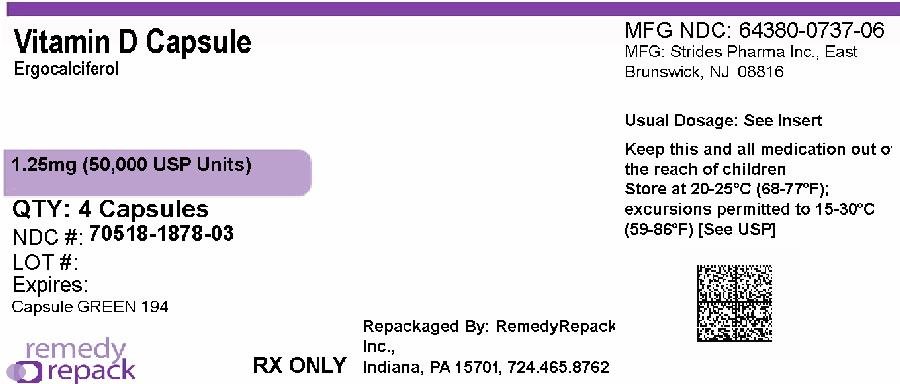
(vitamin · DailyMed)
JARIFAN -2
VITAMIN B10/VITAMIN B2/VITAMIN B12/VITANIN B6/NICOTINAMIDE/MAGNESSIUM OXIDE /MAGNESSE SULPHATE /COPPER(AS COPPER SULPHATE )/CALCIUM D-PANTOTHENATE/ FERROUS FUMERATE /ZINC SULPHATE /FOLIC ACID
What it does
Copper is a mineral that is essential for various bodily functions, playing a role in the formation of red blood cells and maintaining healthy bones and nerves.
Commonly used for: copper deficiency, anemia, bone health, nerve health
Read more in plain English ↓Plain-language summary for general understanding - not medical advice. Always follow your pharmacist/doctor.
Ask about this medicine
Answers come only from this medicine's registration record, BNF monograph and interaction data - not medical advice.
Medicine sourcing is available in Kenya only. We don't sell or dispense medicines - licensed pharmacies do.
Sourcing - Kenya onlyRegistration & product details
Source: Food and Drugs Authority · fetched 2026-04-18 08:33:09 · updated 2026-09-18 04:00:06
Drug Interactions
7Severe (2)
Vitamin - increases risk of vitamin a toxicity
TretinoinispredictedtoincreasetheriskofvitaminAtoxicity whengivenwithvitaminA.Avoid.rStudy Ribavirin e
Vitamin - increases risk of vitamin a toxicity
Retinoids(tretinoin)arepredictedtoincreasetheriskof vitaminAtoxicitywhengivenwithvitaminA.Avoid.r Study VitaminDsubstances . . . . . alfacalcidol.calcipotri..ol calcitriol colecalciferol ergocalcifero
Moderate (1)
Vitamin - increases risk of toxicity
Retinoids (bexarotene) are predicted to increase the risk of toxicity when given with vitamin A. Adjust dose.
Unknown (4)
Vitamin - decreases effects
Carbamazepine is predicted to decrease the effects of vitamin D substances.
Vitamin - increases exposure
Cobicistat is predicted to increase the exposure to vitamin D substances (paricalcitol).
Vitamin - increases exposure
Idelalisib is predicted to increase the exposure to vitamin D substances (paricalcitol).
Vitamin - increases exposure
Clarithromycin is predicted to increase the exposure to vitamin D substances (paricalcitol).
Data from BNF 85 (British National Formulary). This is not a substitute for professional medical advice. Matched via: exact
About copper
Copper is a mineral that is essential for various bodily functions, playing a role in the formation of red blood cells and maintaining healthy bones and nerves.
What it treats
- copper deficiency
- anemia
- bone health
- nerve health
How it works
Copper helps the body create red blood cells and supports the proper functioning of nerves and bones.
Who it's for
Copper supplements may be recommended for individuals with low copper levels or certain health conditions that affect copper absorption.
Cautions
- • Excessive copper intake can be harmful.
- • People with certain health conditions should consult a healthcare provider before use.
AI-assisted summary grounded in BNF data - general information only, not medical advice. Always confirm with your pharmacist or doctor.
About cyanocobalamin
Cyanocobalamin is a form of vitamin B12 that is important for maintaining healthy nerve cells and producing red blood cells.
What it treats
- vitamin B12 deficiency
- pernicious anemia
- certain types of anemia
How it works
It helps in the production of red blood cells and supports the nervous system.
Who it's for
It is for people who have low levels of vitamin B12, including those with certain dietary restrictions or absorption issues.
AI-assisted summary grounded in BNF data - general information only, not medical advice. Always confirm with your pharmacist or doctor.
About d-pantothenate
D-pantothenate is a form of vitamin B5, which supports energy production and is important for the synthesis of hormones and cholesterol.
What it treats
- vitamin B5 deficiency
- fatigue
- stress management
How it works
D-pantothenate helps your body convert food into energy and is essential for the production of certain hormones and fats.
Who it's for
It is suitable for individuals needing extra support for energy levels or those with low vitamin B5.
AI-assisted summary grounded in BNF data - general information only, not medical advice. Always confirm with your pharmacist or doctor.
About ferrous
Ferrous is a type of iron supplement used to treat or prevent low iron levels in the body.
What it treats
- iron deficiency anemia
- low iron levels
How it works
Ferrous provides the body with iron, which is necessary for producing red blood cells and transporting oxygen.
Who it's for
It is suitable for individuals who have low iron levels or are at risk of iron deficiency, such as pregnant women, vegetarians, or those with certain medical conditions.
AI-assisted summary grounded in BNF data - general information only, not medical advice. Always confirm with your pharmacist or doctor.
About folate
Folate is a type of B vitamin that is important for the production of red blood cells and helps prevent certain types of birth defects.
What it treats
- prevention of neural tube defects in pregnancy
- treatment of folate deficiency
- supporting overall health
How it works
Folate helps the body make DNA and is essential for the growth and division of cells.
Who it's for
Folate is suitable for pregnant women, those planning to become pregnant, and individuals with low levels of folate.
AI-assisted summary grounded in BNF data - general information only, not medical advice. Always confirm with your pharmacist or doctor.
About fumerate
Fumerate is a medication used to manage certain health conditions, although specific details about its exact uses are not provided.
How it works
Fumerate works by influencing certain biological processes in the body to help improve health.
Who it's for
Fumerate is intended for patients with specific health conditions as determined by a healthcare provider.
AI-assisted summary grounded in BNF data - general information only, not medical advice. Always confirm with your pharmacist or doctor.
About magnesse
Magnesse is a mineral supplement that helps maintain normal muscle and nerve function, supports a healthy immune system, and keeps bones strong.
What it treats
- magnesium deficiency
- muscle cramps
- maintaining overall health
How it works
Magnesse works by providing magnesium, which is essential for various bodily functions, including nerve transmission and muscle contraction.
Who it's for
This supplement is suitable for individuals who may not get enough magnesium from their diet, including those with certain health conditions or dietary restrictions.
AI-assisted summary grounded in BNF data - general information only, not medical advice. Always confirm with your pharmacist or doctor.
About magnessium
Magnesium is an essential mineral that supports various bodily functions, including muscle and nerve function, blood sugar control, and blood pressure regulation.
What it treats
- muscle cramps
- migraine prevention
- constipation
- heart health
How it works
Magnesium helps maintain normal muscle and nerve function, supports a healthy immune system, and helps regulate blood pressure.
Who it's for
Magnesium is for individuals who may have low magnesium levels or need extra support for muscle and nerve health.
AI-assisted summary grounded in BNF data - general information only, not medical advice. Always confirm with your pharmacist or doctor.
About nicotinamide
Nicotinamide is a form of vitamin B3 that helps maintain healthy skin and supports various body functions.
What it treats
- acne (acne vulgaris)
- skin conditions
- dry skin
- certain types of dermatitis
How it works
Nicotinamide helps improve skin health by reducing inflammation and promoting cell repair.
Who it's for
It is suitable for people looking to improve their skin condition or reduce acne.
AI-assisted summary grounded in BNF data - general information only, not medical advice. Always confirm with your pharmacist or doctor.
About oxide
Oxide is a type of compound often used in various treatments. It is important to understand its uses and any precautions necessary when taking it.
What it treats
- treatment of certain skin conditions
- used in some respiratory therapies
How it works
Oxide works by interacting with the body in a way that helps improve certain health conditions.
Who it's for
Oxide may be suitable for individuals suffering from specific health issues as determined by their healthcare provider.
Cautions
- • Always follow the healthcare provider's instructions when using this compound.
- • Inform your doctor about any other medications you are taking.
AI-assisted summary grounded in BNF data - general information only, not medical advice. Always confirm with your pharmacist or doctor.
About riboflavin
Riboflavin, also known as Vitamin B2, is essential for energy production and helps maintain healthy skin, eyes, and nerve functions.
What it treats
- Vitamin B2 deficiency
- Mouth sores
- Migraines
How it works
Riboflavin helps the body convert food into energy and supports various cellular functions.
Who it's for
Riboflavin is suitable for individuals who may not get enough Vitamin B2 from their diet or have specific health conditions.
AI-assisted summary grounded in BNF data - general information only, not medical advice. Always confirm with your pharmacist or doctor.
About vitamin
Vitamins are essential nutrients that support various bodily functions and overall health.
What it treats
- nutritional deficiency
- general health maintenance
How it works
Vitamins support normal bodily functions, including metabolism, immune function, and cell repair.
Who it's for
Anyone needing to improve their nutrient intake or maintain good health.
AI-assisted summary grounded in BNF data - general information only, not medical advice. Always confirm with your pharmacist or doctor.
About vitanin
Vitamin is essential for many body functions and helps maintain overall health.
What it treats
- Vitamin deficiency
- General health support
How it works
Vitamins play a vital role in various bodily processes, including energy production and immune function.
Who it's for
Anyone looking to improve their health or address a vitamin deficiency.
AI-assisted summary grounded in BNF data - general information only, not medical advice. Always confirm with your pharmacist or doctor.
Clinical monograph: Cyanocobalamin
BNF-referencedCyanocobalamin, commonly known as vitamin B12, is a water-soluble vitamin essential for various bodily functions, including DNA synthesis, red blood cell formation, and neurological function. It plays a crucial role in the metabolism of fatty acids and amino acids. Deficiency in vitamin B12 can lead to megaloblastic anemia and neurological disorders.
Mechanism of action
Cyanocobalamin serves as a cofactor for methionine synthase and L-methylmalonyl-CoA mutase enzymes. Methionine synthase is essential for the synthesis of purines and pyrimidines that form DNA. L-methylmalonyl-CoA mutase is involved in the degradation of propionate, crucial for fat and protein metabolism. The lack of vitamin B12 results in the accumulation of methylmalonyl CoA, contributing to neurological manifestations. Additionally, it is vital for the synthesis of methionine from homocysteine, and its deficiency can lead to functional folate deficiency, which impacts red blood cell formation.
Pharmacodynamics
Cyanocobalamin corrects vitamin B12 deficiency and alleviates symptoms and laboratory abnormalities associated with pernicious anemia, such as megaloblastic indices, gastrointestinal lesions, and neurological damage. It is essential for growth, cell reproduction, hematopoiesis, nucleoprotein, and myelin synthesis. The drug significantly impacts fat and carbohydrate metabolism, as well as protein synthesis. Rapidly dividing cells, such as those in the bone marrow, have a high demand for vitamin B12. Parenteral administration of cyanocobalamin can quickly reverse the anemia and gastrointestinal symptoms of vitamin B12 deficiency, while also preventing the progression of related neurological damage.
Pharmacokinetics
Cyanocobalamin is absorbed in the intestine, primarily in the ileum, via specific transport mechanisms that may be impaired in individuals with intrinsic factor deficiency (as seen in pernicious anemia). Once absorbed, it is widely distributed in body tissues, with significant concentrations found in the liver, kidneys, and heart. The vitamin is stored in the liver, where it can be released into circulation as needed. Cyanocobalamin undergoes conversion to its active forms, methylcobalamin and adenosylcobalamin, which are utilized in various metabolic processes. The elimination half-life is variable, but it is generally excreted via urine as metabolites
Adverse effects
- Abdominal distension
- Decreased appetite
- Flatulence
- Nausea
Interactions
- Folic acid may interact with cyanocobalamin, especially in cases of megaloblastic anemia caused by folate deficiency.
Precautions
- Should not be given alone for pernicious anemia.
- Use caution in patients with Leber's disease, as it may worsen optic atrophy.
Pregnancy
Cyanocobalamin is essential during pregnancy as it helps prevent neural tube defects. It is advised that females of childbearing potential take 5 mg of folic acid daily before conception and throughout pregnancy.
Breast-feeding
Cyanocobalamin is generally considered safe during breastfeeding, but it is advised to monitor the infant for any adverse effects.
Storage
Store in a cool, dry place, away from direct sunlight. Protect from moisture.
Formulations
- Tablet: 1000 micrograms
- Tablet: 500 micrograms
- Tablet: 100 micrograms
- Oral solution: 50 micrograms per ml
- Solution for injection: 1000 micrograms per ml
AI-synthesized from BNF references - general information only, not a substitute for professional medical advice or the current BNF. Verify doses with a pharmacist.
Clinical monograph: Ferrousfumarate
BNF-referencedFerrous fumarate is an iron supplement used primarily in the treatment and prevention of iron deficiency anemia. It provides elemental iron, which is essential for the synthesis of hemoglobin and the production of red blood cells. This compound plays a crucial role in increasing the iron stores in the body, which can be depleted in conditions such as chronic blood loss, malnutrition, or increased physiological demands.
Indications
- Iron deficiency anemia
- Prophylaxis of iron deficiency in at-risk populations
- Epithelial tissue changes such as atrophic glossitis and koilonychia
Dosage
Children: For children aged 1 month to 11 years: 0.25 mL per kilogram twice daily, with the total daily dose possibly given in 3 divided doses, not exceeding 20 mL per day. For children aged 12-17 years: 10 mL once daily.
Adults: The dose is calculated according to body weight and the iron deficit, specifying both the iron salt and formulation. For specific dosing, consult product literature.
Mechanism of action
Iron is necessary for the production of hemoglobin. Iron deficiency can lead to decreased production of hemoglobin and a microcytic, hypochromic anemia. Ferrous fumarate releases iron in the gastrointestinal tract, facilitating its absorption and subsequent incorporation into hemoglobin, thus alleviating anemia.
Pharmacodynamics
The major activity of supplemental iron, including ferrous fumarate, is in the prevention and treatment of iron deficiency anemia. Iron also has putative immune-enhancing, anticarcinogenic, and cognition-enhancing activities, supporting overall health and functionality.
Pharmacokinetics
Ferrous fumarate is absorbed in the gastrointestinal tract, with absorption being optimal in an acidic environment. The bioavailability can be influenced by dietary factors, such as the presence of certain foods or medications that may inhibit iron absorption. Once absorbed, iron is transported in the blood bound to transferrin and is stored in tissues as ferritin and hemosiderin. The elimination half-life of iron is variable and depends on the individual's iron status and the amount of iron stored.
Contra-indications
- Iron overload syndromes
- Repeated blood transfusions
- Porphyria cutanea tarda
Adverse effects
- Asthenia
- Drowsiness
- Urine discoloration
- Cold sweat
- Confusion
- Decreased level of consciousness
- Thrombophlebitis
- Headache
- Joint stiffness
- Pain in extremities
- Skin reactions
- Small intestinal bacterial overgrowth
- Thirst
- Nausea
- Constipation
- Diarrhea
- Decreased appetite
Interactions
- Iron absorption may be affected by antacids and certain medications that alter gastric pH.
Precautions
- Monitor iron status to avoid iron overload.
- Caution in patients with intestinal strictures or diverticular disease.
- Care in elderly patients and those on high doses.
Pregnancy
Iron is generally considered safe during pregnancy, but supplementation should be monitored to avoid overload.
Breast-feeding
Iron supplementation may be necessary for exclusively breast-fed infants if maternal iron stores are low.
Storage
Store in a cool, dry place, away from direct sunlight. Keep out of reach of children.
Formulations
- Solution for injection (Iron as Iron sucrose 20 mg per 1 ml)
- Capsules containing iron formulations
AI-synthesized from BNF references - general information only, not a substitute for professional medical advice or the current BNF. Verify doses with a pharmacist.
Clinical monograph: Nicotinamide
BNF-referencedNicotinamide, also known as niacinamide, is a form of vitamin B3 that is involved in numerous biological processes including energy metabolism and DNA repair. It is primarily utilized topically for the treatment of skin conditions such as papulopustular rosacea and inflammatory acne vulgaris. Nicotinamide is known for its anti-inflammatory properties and its ability to improve skin barrier function, making it beneficial for various dermatological conditions.
Indications
- Papulopustular rosacea
- Inflammatory acne vulgaris
Dosage
Children: Refer to the BNF for Children for specific dosing recommendations.
Adults: For papulopustular rosacea, apply daily for up to 4 months. The treatment course may be repeated; discontinue if no improvement is observed after 3 months. For inflammatory acne vulgaris, apply twice daily, reduced to once daily or alternate days if irritation occurs.
Mechanism of action
Nicotinamide exhibits anti-inflammatory effects by inhibiting the release of pro-inflammatory cytokines and enhancing the barrier function of the skin. It is also involved in the NAD salvage pathway, which is essential for maintaining cellular energy levels and promoting cell repair mechanisms. Additionally, nicotinamide contributes to the synthesis of coenzymes involved in metabolic processes, including the conversion of niacin into NAD+.
Pharmacodynamics
Nicotinamide is known for its ability to improve skin hydration and reduce transepidermal water loss. It has been shown to decrease the appearance of acne lesions and rosacea by modulating inflammatory responses and accelerating cell turnover. Its antioxidant properties also help to protect the skin from oxidative stress and UV damage.
Pharmacokinetics
When applied topically, nicotinamide is absorbed through the skin layers, with minimal systemic absorption. Its peak plasma concentrations are generally low, and the drug has a half-life that varies depending on the route of administration. The metabolism of nicotinamide occurs primarily in the liver, where it is converted into its active forms, including NAD+. The elimination route is via the kidneys, with metabolites excreted in urine.
Contra-indications
- Pregnancy
- Severe acne involving large areas
- Severe skin reactions
Adverse effects
- Sunburn
- Skin reactions (common or very common)
- Cheilitis
- Eyelid oedema
- Flushing
- Dry skin
- Eye irritation
- Photosensitivity reactions
- Transient skin pigmentation changes
Interactions
- Clindamycin
- Topical retinoids
- Abrasive cleaners
- Comedogenic cosmetics
Precautions
- Avoid exposure to UV light, including sunlight and sunlamps
- Wash hands immediately after use
- Avoid contact with eyes and mucous membranes
- Use moisturizers to reduce the risk of skin irritation
- Discontinue treatment if severe irritation occurs
Pregnancy
Avoid use during pregnancy due to potential risks, as limited information is available regarding toxicity.
Breast-feeding
Amount of drug in milk after topical application is probably too small to be harmful; ensure infant does not come in contact with treated areas.
Storage
Store at room temperature away from moisture and light.
Formulations
- Cream
- Gel
AI-synthesized from BNF references - general information only, not a substitute for professional medical advice or the current BNF. Verify doses with a pharmacist.
Clinical monograph: Ferroussulfate
BNF-referencedFerrous sulfate is an iron supplement used primarily for the treatment and prevention of iron-deficiency anemia. It provides the body with iron, an essential component of hemoglobin in red blood cells, facilitating oxygen transport throughout the body. Iron-deficiency anemia can result from inadequate dietary intake, chronic blood loss, or increased physiological demands such as pregnancy.
Indications
- Iron-deficiency anemia (therapeutic)
- Iron-deficiency anemia (prophylactic)
Dosage
Children: For children aged 1 month to 11 years: 0.25 mL/kilogram twice daily. For children aged 12 to 17 years: 10 mL once daily.
Adults: 280 mg twice daily.
Mechanism of action
Ferrous sulfate acts as a source of iron, which is essential for the synthesis of hemoglobin, the protein in red blood cells that carries oxygen. Iron is absorbed in the intestines, where it is converted into a form that can be incorporated into hemoglobin. The mechanism involves transport proteins that facilitate iron uptake and incorporation into the heme group of hemoglobin.
Pharmacodynamics
The pharmacodynamic effect of ferrous sulfate is the increase in hemoglobin levels and improvement in symptoms of anemia, such as fatigue and weakness. Iron supplementation leads to increased erythropoiesis (red blood cell production) in the bone marrow, effectively correcting the deficit in iron stores and enhancing oxygen-carrying capacity.
Pharmacokinetics
Ferrous sulfate is absorbed in the gastrointestinal tract, particularly in the duodenum and proximal jejunum. The bioavailability of iron from ferrous sulfate can be affected by dietary factors, with enhanced absorption in acidic environments. Peak plasma concentrations typically occur within 2 to 6 hours post-administration. Iron is primarily stored in the liver and bone marrow, and any excess iron is excreted through feces, urine, and sweat.
Contra-indications
- Hypersensitivity to ferrous sulfate or any of its excipients
- Hemochromatosis
- Hemosiderosis
- Thalassemia
- Other anemias not due to iron deficiency
Adverse effects
- Gastrointestinal disturbances (nausea, constipation, diarrhea, abdominal pain)
- Dark stools
- Staining of teeth (with liquid formulations)
- Allergic reactions (rare)
Interactions
- Antacids may reduce the absorption of iron
- Tetracycline antibiotics may interfere with iron absorption
- Ascorbic acid (vitamin C) may enhance iron absorption
- Certain foods and beverages (e.g., tea, coffee, dairy) can decrease iron absorption
Precautions
- Use with caution in patients with peptic ulcer disease
- Monitor for signs of iron overload
- Assess the cause of anemia before initiation of therapy
- Keep out of reach of children to prevent accidental overdose
Pregnancy
Ferrous sulfate is generally considered safe for use during pregnancy to prevent or treat iron-deficiency anemia.
Breast-feeding
Ferrous sulfate is excreted in breast milk in small amounts but is considered safe for breastfeeding mothers.
Storage
Store in a cool, dry place away from direct sunlight. Keep out of reach of children.
Formulations
- Ferrous sulfate 200 mg tablets
- Ferrous sulfate 325 mg modified-release tablets
- Ferrous sulfate oral solution 140 mg/5 mL
- Ferrous sulfate drops
AI-synthesized from BNF references - general information only, not a substitute for professional medical advice or the current BNF. Verify doses with a pharmacist.
Clinical monograph: Riboflavin
BNF-referencedRiboflavin, also known as vitamin B2, is a water-soluble vitamin crucial for various biochemical functions in the body. It plays a pivotal role in energy production through the metabolism of fats, carbohydrates, and proteins. Additionally, riboflavin is essential for red blood cell formation, maintaining skin health, and supporting overall growth and reproduction. It has antioxidant properties and is involved in the prevention of certain eye disorders, including cataracts.
Indications
- Vitamin B2 deficiency
- Isoniazid-induced neuropathy (prophylaxis and treatment)
- Metabolic diseases
- Cystathioninuria
- Homocystinuria
- Wilson's disease
- Prevention of penicillamine-induced neuropathy
Mechanism of action
Riboflavin acts as a precursor to flavin mononucleotide (FMN) and flavin adenine dinucleotide (FAD), which are essential coenzymes in various enzymatic reactions. It binds to riboflavin hydrogenase, riboflavin kinase, and riboflavin synthase, facilitating the production of FMN and FAD. These coenzymes are critical for normal tissue respiration and energy metabolism, influencing hydrogen transport in oxidative enzyme systems such as cytochrome C reductase and succinic dehydrogenase. Moreover, riboflavin contributes to the antioxidant activity by aiding in the production of reduced glutathione, a key antioxidant in the body.
Pharmacodynamics
Riboflavin is an easily absorbed, water-soluble micronutrient that supports energy production by assisting in the metabolism of fats, carbohydrates, and proteins. It is vital for red blood cell formation, antibody production, and regulating growth and reproduction. The vitamin plays a significant role in maintaining healthy skin, nails, and hair, as well as supporting thyroid activity. Riboflavin also has therapeutic implications in preventing or treating various eye disorders, including cataracts.
Pharmacokinetics
Riboflavin is rapidly absorbed in the gastrointestinal tract, with its bioavailability influenced by dietary intake. It is primarily excreted through urine, with excess intake leading to bright yellow urine, which is a harmless side effect. The vitamin does not accumulate in the body, necessitating regular dietary intake to maintain adequate levels.
Adverse effects
- Urine discolouration
- Peripheral neuritis
Precautions
- With intravenous use, risk of cardiovascular collapse; resuscitation facilities must be available and monitor closely.
Pregnancy
Crosses the placenta but no adverse effects reported; information at high doses limited.
Breast-feeding
Present in breast milk but no adverse effects reported; information at high doses limited.
Storage
Store in a cool, dry place away from direct sunlight.
Formulations
- 100 mg modified-release tablets
- 50 mg capsules
- 100 mg capsules
- 100 mg tablets
- Oral solution
AI-synthesized from BNF references - general information only, not a substitute for professional medical advice or the current BNF. Verify doses with a pharmacist.
Clinical monograph: copper
BNF-referencedCopper is an essential trace element that plays a crucial role in various biological processes, including the functioning of enzymes and the formation of connective tissue. It is an important cofactor for many oxidase enzymes and has antioxidant properties. Copper deficiency can lead to serious health conditions such as Occipital Horn Syndrome and Menke's disease, which are associated with impaired development and neurological impairment. In addition, copper is used in certain contraceptive devices, where it reduces sperm viability and motility, thereby preventing fertilization.
Indications
- Copper deficiency
- Occipital Horn Syndrome
- Menke's disease
- Contraception (via copper IUD)
Dosage
Children: Refer to the BNF for Children for specific dosing information.
Adults: Refer to the relevant clinical guidelines and BNF for specific dosing information.
Mechanism of action
Copper is absorbed from the gastrointestinal tract via high affinity copper uptake proteins and low affinity copper uptake proteins, likely being reduced to the Cu1+ form prior to transport. Inside enterocytes, it binds to the copper transport protein ATOX1, which facilitates its transport to copper transporting ATPase-1 on the Golgi membrane for incorporation into the Golgi apparatus. Once in systemic circulation, copper binds primarily to ceruloplasmin, albumin, and alpha 2-macroglobulin. It acts as a cofactor in a variety of oxidase enzymes and also influences sperm motility when released from copper IUDs, contributing to its contraceptive effect.
Pharmacodynamics
Copper is essential for the activity of many enzymes and plays a vital role in processes such as iron metabolism, neurotransmitter synthesis, and antioxidant defense. Copper ions, particularly when released from intrauterine devices, have been shown to decrease sperm viability, thereby impacting fertility.
Pharmacokinetics
Copper is absorbed from the gut and is predominantly transported in the plasma bound to proteins such as ceruloplasmin and albumin. The absorption efficiency can vary; however, a significant portion of dietary copper is usually absorbed. The body regulates copper levels through hepatic excretion and storage mechanisms, ensuring homeostasis. Excess copper can lead to toxicity, while deficiency results in various health issues.
Pregnancy
Copper is considered essential during pregnancy, but excessive intake should be avoided due to potential toxicity.
Breast-feeding
Copper is excreted in breast milk, and adequate maternal intake is important for infant development.
Storage
Store in a cool, dry place, away from moisture and heat.
AI-synthesized from BNF references - general information only, not a substitute for professional medical advice or the current BNF. Verify doses with a pharmacist.
Clinical monograph: dpantothenate
BNF-referencedD-Pantothenate, also known as pantothenic acid or vitamin B5, is a water-soluble vitamin that is part of the B-vitamin complex. It is essential for the synthesis of coenzyme A (CoA), which plays a critical role in fatty acid metabolism and the synthesis of steroid hormones. D-Pantothenate is naturally found in various foods, including meats, whole grains, and vegetables.
Indications
- Pantothenic acid deficiency
- Supplementation for improved energy metabolism
- Support for adrenal function
- As part of a balanced diet
Dosage
Children: Refer to the BNF for Children for specific dosing information.
Adults: Refer to the BNF for specific dosing information.
Mechanism of action
D-Pantothenate is converted into coenzyme A (CoA) in the body. CoA is vital for the metabolism of carbohydrates, fats, and proteins, facilitating the transfer of acyl groups in various biochemical reactions. This action is crucial for the synthesis and degradation of fatty acids, as well as the metabolism of pyruvate and the Krebs cycle.
Pharmacodynamics
As a water-soluble vitamin, D-Pantothenate is involved in numerous physiological functions, including energy production, the synthesis of neurotransmitters, and the generation of steroid hormones. It aids in the conversion of fats and carbohydrates into energy, and it plays a role in maintaining healthy skin and hair.
Pharmacokinetics
D-Pantothenate is absorbed in the intestines and is widely distributed throughout the body. It is excreted primarily in the urine, with very little stored in the body. The half-life of pantothenic acid in the plasma is relatively short, necessitating regular dietary intake. Excessive amounts are typically excreted without significant toxicity.
Pregnancy
D Pantothenate is generally considered safe during pregnancy as it is a vitamin and essential for fetal development, but consultation with a healthcare provider is advised.
Breast-feeding
D Pantothenate is excreted in breast milk but is considered safe for breastfeeding mothers.
Storage
Store in a cool, dry place away from light and moisture.
Formulations
- D Pantothenate 500 mg tablets
- D Pantothenate 250 mg capsules
AI-synthesized from BNF references - general information only, not a substitute for professional medical advice or the current BNF. Verify doses with a pharmacist.
Clinical monograph: ferrous
BNF-referencedFerrous refers to iron in its +2 oxidation state, primarily encountered as ferrous sulfate, which is used as an iron supplement to treat or prevent iron deficiency anemia. Iron is a crucial component of hemoglobin in red blood cells, facilitating oxygen transport throughout the body. Adequate iron levels are essential for various biological functions, including energy metabolism and immune system performance.
Indications
- Iron deficiency anemia
- Iron deficiency due to inadequate dietary intake
- Anemia associated with chronic disease
- Pregnancy-related anemia
Dosage
Children: Refer to the BNF for Children for specific dosing recommendations based on age and weight.
Adults: Refer to the BNF for specific dosing recommendations, generally, adults may require 100-200 mg of elemental iron daily divided into several doses.
Mechanism of action
Ferrous ions (Fe2+) play a vital role in hemoglobin production by participating in the synthesis of heme, the iron-containing compound essential for oxygen transport in the blood. In addition, iron is a cofactor for various enzymes involved in metabolic pathways, including those related to DNA synthesis and energy production.
Pharmacodynamics
The pharmacodynamic effects of ferrous include increased hemoglobin synthesis, improved oxygen transport, and enhanced cellular energy metabolism. Supplementation leads to an increase in serum ferritin levels and replenishment of iron stores in the body, which is particularly beneficial in cases of iron deficiency anemia.
Pharmacokinetics
Ferrous iron is absorbed primarily in the duodenum and upper jejunum of the small intestine. The absorption rate can be influenced by various factors, including the presence of food, the form of iron, and individual patient characteristics. Once absorbed, ferrous is transported in the bloodstream bound to transferrin, and it is stored in the liver, spleen, and bone marrow as ferritin. The elimination half-life of iron is not well-defined as it is not excreted directly but rather recycled in the body.
Pregnancy
Not contraindicated, but iron supplementation should be done under medical supervision.
Breast-feeding
Iron is excreted in breast milk, but supplementation is generally considered safe.
Storage
Store in a cool, dry place away from sunlight. Keep out of reach of children.
AI-synthesized from BNF references - general information only, not a substitute for professional medical advice or the current BNF. Verify doses with a pharmacist.
Clinical monograph: folate
BNF-referencedFolate, also known as vitamin B9, is a water-soluble vitamin essential for the synthesis of nucleic acids and amino acids. It plays a crucial role in cellular division and growth, making it particularly important during periods of rapid growth such as pregnancy and infancy. Folate is naturally found in various foods, including leafy green vegetables, fruits, and legumes. It is also available as a dietary supplement and is often used to prevent or treat folate deficiency, which can lead to conditions such as megaloblastic anemia.
Indications
- Folate deficiency
- Megaloblastic anemia
- Prevention of neural tube defects in pregnancy
- Supplementation in patients on certain medications (e.g., methotrexate)
Dosage
Children: Refer to the BNF for Children for appropriate pa
Adults: Refer to specific guidelines or the BNF for appropriate adult dosing based on the indication.
Mechanism of action
Folate functions as a coenzyme in the conversion of homocysteine to methionine, a process that is vital for DNA synthesis and repair. It is involved in the one-carbon metabolism pathway, where it acts as a carrier of one-carbon units necessary for the synthesis of purines and thymidylate, thus supporting the production of nucleotides and DNA. This mechanism is particularly important in rapidly dividing cells.
Pharmacodynamics
Folate is critical for the formation of red blood cells and the proper functioning of the nervous system. It aids in the production of nucleic acids, which are essential for cell proliferation. Folate deficiency can lead to impaired DNA synthesis, resulting in megaloblastic anemia characterized by the presence of large, immature red blood cells in the bloodstream. Adequate folate levels are also associated with reduced risk of neural tube defects in developing fetuses.
Pharmacokinetics
Folate is absorbed in the proximal part of the small intestine, primarily in the jejunum, and is transported in the bloodstream bound to plasma proteins. It undergoes hepatic metabolism and is stored mainly in the liver. The elimination half-life varies, but dietary folate can be retained in the body for several weeks. Excess folate is excreted through the urine. The bioavailability of folate from food sources is lower compared to synthetic folic acid found in supplements.
Interactions
- folates+fluorouracil: Severe (increases risk of toxicity)
- folates+antiepileptics: Moderate (decreases concentration)
- folates+fosphenytoin: Moderate (decreases concentration)
- folates+phenobarbital: Moderate (decreases concentration)
- folates+phenytoin: Moderate (decreases concentration)
- folates+primidone: Moderate (decreases concentration)
- sulfasalazine+folates: Unknown (decreases absorption)
Pregnancy
Folate is essential for fetal development and is often recommended to prevent neural tube defects.
Breast-feeding
Folate is generally safe during breastfeeding, as it is important for both maternal and infant health.
Storage
Store in a cool, dry place, away from direct sunlight.
Formulations
- Tablets
- Injection
AI-synthesized from BNF references - general information only, not a substitute for professional medical advice or the current BNF. Verify doses with a pharmacist.
Clinical monograph: fumerate
BNF-referencedFumarate is a dicarboxylic acid that plays a critical role in the tricarboxylic acid (TCA) cycle, serving as an intermediate in cellular metabolism. It is involved in various biochemical pathways, including the urea cycle and the glyoxylate cycle, contributing to energy production and metabolic regulation. Its molecular formula is C4H2O4-2, indicating it exists as a dicarboxylate ion under physiological conditions.
Dosage
Children: Refer to official dosing guidelines for paediatric indications and dosages.
Adults: Refer to official dosing guidelines for specific indications and dosages.
Mechanism of action
Fumarate acts primarily as an intermediate in the TCA cycle, where it is converted to malate by the enzyme fumarase. This process is essential for the continuation of aerobic respiration, facilitating the conversion of carbohydrates, fats, and proteins into energy. Additionally, fumarate can participate in redox reactions, influencing cellular metabolism and signaling pathways.
Pharmacodynamics
Fumarate influences various metabolic pathways, including the urea cycle and glycolysis, by participating in electron transfer processes. Its role in the TCA cycle is vital for ATP production, and its interaction with other metabolic pathways helps regulate energy homeostasis and the balance of nitrogen in the body.
Pharmacokinetics
The pharmacokinetics of fumarate involve its absorption, distribution, metabolism, and excretion. Fumarate is readily absorbed when introduced into the body and is distributed to various tissues where it participates in metabolic processes. The metabolic conversion of fumarate occurs primarily in the mitochondria through the TCA cycle, and its elimination from the body is facilitated by renal pathways.
Pregnancy
There are no established guidelines regarding the use of fumerate during pregnancy. Consult healthcare professionals for individual risk assessment.
Breast-feeding
The safety of fumerate during breastfeeding has not been established. Caution is advised and consultation with healthcare professionals is recommended.
Storage
Store in a cool, dry place away from light. Keep out of reach of children.
AI-synthesized from BNF references - general information only, not a substitute for professional medical advice or the current BNF. Verify doses with a pharmacist.
Clinical monograph: magnesse
Magnesium, often referred to as magnesse in some contexts, is a vital mineral and an essential electrolyte in the human body. It plays a crucial role in numerous biochemical processes, including energy production, protein synthesis, and the maintenance of normal muscle and nerve function. Magnesium is also involved in the regulation of blood pressure and blood glucose levels, contributing to overall cardiovascular and metabolic health.
Indications
- Hypomagnesemia
- Prevention and treatment of magnesium deficiency
- Management of certain cardiac arrhythmias
- Adjunctive treatment in severe asthma
- Eclampsia and pre-eclampsia in pregnant women
Dosage
Children: Refer to pediatric dosing guidelines in the BNF for Children or consult a healthcare professional for appropriate dosing.
Adults: Refer to specific guidelines and consult professional resources for appropriate dosing based on the condition and severity.
Mechanism of action
Magnesium exerts its effects primarily through its role as a cofactor for over 300 enzymatic reactions. It facilitates the activity of ATP (adenosine triphosphate), the energy currency of cells, and is crucial for the synthesis of nucleic acids and proteins. Magnesium also helps stabilize cell membranes and is involved in neurotransmission and muscle contraction. Additionally, it modulates calcium levels in the body, influencing vascular tone and muscle function.
Pharmacodynamics
The pharmacodynamics of magnesium are closely linked to its role in enzymatic activities and cellular signaling. It influences neuromuscular transmission and muscle contraction by modulating calcium ion channels and preventing excessive release of neurotransmitters. Magnesium has a calming effect on the nervous system, potentially aiding in the management of anxiety and promoting relaxation. Its vasodilatory properties contribute to the reduction of blood pressure, making it beneficial for cardiovascular health.
Pharmacokinetics
Magnesium is absorbed primarily in the intestines, and its bioavailability can be affected by dietary factors and the presence of other minerals. Once absorbed, magnesium is distributed throughout the body, with significant concentrations in the bones, muscles, and soft tissues. The kidneys play a key role in regulating magnesium levels, excreting excess amounts to maintain homeostasis. The half-life of magnesium in the body varies depending on the form and route of administration but generally ranges from several hours to a few days.
Adverse effects
- Diarrhea
- Nausea
- Abdominal cramping
- Hypotension
- Drowsiness
Interactions
- May interact with certain antibiotics, reducing their effectiveness
- May enhance the effects of calcium channel blockers
- May interfere with the absorption of some medications when taken simultaneously
Precautions
- Use with caution in patients with renal impairment
- Monitor electrolyte levels in patients receiving large doses
- Caution in patients with heart block or cardiac arrhythmias
Pregnancy
Magnesium is generally considered safe during pregnancy but should be used under medical supervision.
Breast-feeding
Magnesium is excreted in breast milk, typically considered safe for breastfeeding mothers.
Storage
Store in a cool, dry place away from direct sunlight. Keep out of reach of children.
Formulations
- Oral tablets
- Powder for oral solution
- Intravenous solution
AI-synthesized from BNF references - general information only, not a substitute for professional medical advice or the current BNF. Verify doses with a pharmacist.
Clinical monograph: magnessium
Magnesium is a vital mineral involved in numerous biochemical reactions in the body. It plays a crucial role in muscle function, nerve transmission, energy production, and the synthesis of proteins and nucleic acids. Magnesium is also important for maintaining normal heart rhythm, blood pressure regulation, and bone health. Deficiency can lead to various health issues, including muscle cramps, fatigue, and cardiovascular problems.
Indications
- Hypomagnesemia
- Magnesium deficiency
- Cardiac arrhythmias
- Eclampsia
- Asthma exacerbations
- Migraine prophylaxis
Dosage
Children: Refer to the BNF for Children for pediatric dosing recommendations.
Adults: Refer to clinical guidelines or specific product information for adult dosing.
Mechanism of action
Magnesium acts as a cofactor for over 300 enzymatic reactions in the body. It is essential for ATP production, the synthesis of nucleic acids, and the regulation of calcium homeostasis. By modulating calcium channels and neurotransmitter release, magnesium influences neuromuscular transmission and muscle contraction. It also plays a role in stabilizing cellular membranes and protecting against oxidative stress.
Pharmacodynamics
Magnesium's pharmacodynamics involve its effects on various physiological processes, particularly in the cardiovascular and neuromuscular systems. It helps to maintain normal muscle and nerve function and influences cardiac rhythm. Magnesium is known to inhibit excessive calcium influx into cells, thus contributing to vasodilation and lowering blood pressure. It also has a calming effect on the nervous system, which can help alleviate anxiety and promote relaxation.
Pharmacokinetics
Magnesium is absorbed primarily in the small intestine, with the efficiency of absorption being influenced by dietary factors and the presence of other minerals. The body regulates magnesium levels through renal excretion and intestinal absorption. The half-life of magnesium varies depending on the route of administration, with intravenous administration leading to quicker distribution and elimination. The majority of magnesium is stored in the bones, muscles, and soft tissues, with only a small fraction present in the extracellular fluid.
Contra-indications
- Severe renal impairment
- Myasthenia gravis
- Hypocalcemia
- Hypophosphatemia
Adverse effects
- Diarrhea
- Nausea
- Vomiting
- Abdominal cramping
- Hypotension
- Bradypnea
- Muscle weakness
Interactions
- Antibiotics (e.g., tetracyclines, fluoroquinolones) - may bind and reduce their absorption
- Calcium supplements - may compete for absorption
- Diuretics (especially loop diuretics) - can increase the risk of magnesium deficiency
- ACE inhibitors - may enhance the hypotensive effect
- Neuromuscular blocking agents - may potentiate their effects
Precautions
- Use with caution in patients with renal impairment
- Monitor electrolytes in patients with gastrointestinal losses
- Avoid in patients with heart block
- Caution in elderly patients due to potential for electrolyte imbalance
Pregnancy
Magnesium is generally considered safe during pregnancy and is often recommended for certain conditions, such as preeclampsia.
Breast-feeding
Magnesium is excreted in breast milk but is generally considered safe for use during breastfeeding.
Storage
Store in a cool, dry place away from direct sunlight. Keep out of reach of children.
Formulations
- Oral tablets
- Oral solution
- Intravenous injection
- Intramuscular injection
AI-synthesized from BNF references - general information only, not a substitute for professional medical advice or the current BNF. Verify doses with a pharmacist.
Clinical monograph: oxide
BNF-referencedOxide refers to a chemical compound that contains at least one oxygen atom and one other element. Oxides can be formed from a variety of elements, and their properties can vary significantly depending on the specific elements involved. Common oxides include metal oxides, such as iron oxide (rust), and non-metal oxides, such as carbon dioxide. In a pharmaceutical context, oxides may play roles as inactive ingredients or act as preservatives or stabilizers in drug formulations.
Mechanism of action
Oxides do not have a single mechanism of action as they are a broad category of compounds. However, in general, metal oxides can exhibit catalytic properties, while non-metal oxides may participate in biochemical reactions by forming acids or bases upon dissolution in water.
Pharmacodynamics
The pharmacodynamics of oxides depend on the specific type of oxide and its interaction with biological systems. For instance, metal oxides may have antimicrobial properties, while certain non-metal oxides can influence metabolic pathways through their acid-base chemistry. The effects vary widely, necessitating specific studies for each oxide's role in therapeutic contexts.
Pharmacokinetics
The pharmacokinetics of oxides are also variable. Many metal oxides are poorly soluble and thus have limited absorption when ingested. Non-metal oxides, such as carbon dioxide, can be readily absorbed and utilized in metabolic processes. The distribution, metabolism, and excretion of oxides depend on their chemical form and the biological system in which they are involved.
Pregnancy
Not applicable as oxide is not a drug but a class of chemical compounds.
Breast-feeding
Not applicable as oxide is not a drug but a class of chemical compounds.
Storage
Store in a cool, dry place away from direct sunlight.
AI-synthesized from BNF references - general information only, not a substitute for professional medical advice or the current BNF. Verify doses with a pharmacist.
Clinical monograph: vitamin
BNF-referencedVitamins are organic compounds that are essential for various metabolic processes in the body. They play crucial roles in maintaining health, supporting the immune system, and promoting growth and development. Different vitamins have specific functions, and they are required in varying amounts depending on age, sex, and physiological conditions.
Indications
- Vitamin deficiency syndromes (e.g., scurvy for vitamin C deficiency, rickets for vitamin D deficiency)
- Support for immune function
- Antioxidant support
- Bone health maintenance
- Vision health
- Energy metabolism support
Dosage
Children: Refer to the BNF for Children for specific vitamin dosing guidelines, which depend on age and nutritional requirements.
Adults: Refer to specific vitamin guidelines as dosage varies significantly depending on the type of vitamin and individual needs.
Mechanism of action
Vitamins function primarily as coenzymes or precursors for coenzymes in enzymatic reactions. For instance, B vitamins are involved in energy metabolism, while vitamins A, C, D, E, and K support various physiological functions including vision, antioxidant activity, calcium regulation, and blood clotting. Each vitamin has a unique mechanism of action based on its structure and role in the body.
Pharmacodynamics
Vitamins exert their effects at the cellular level, influencing metabolic pathways, gene expression, and immune responses. For example, vitamin D regulates calcium and phosphate homeostasis, while vitamin A is crucial for vision and immune function. Deficiencies in vitamins can lead to a range of disorders, highlighting their importance in maintaining health.
Pharmacokinetics
The pharmacokinetics of vitamins vary widely. Fat-soluble vitamins (A, D, E, and K) are stored in liver and adipose tissues and can be released into circulation as needed. Water-soluble vitamins (B-complex and C) are not stored and must be consumed regularly, with excess amounts excreted in urine. Absorption rates, half-lives, and distribution can also differ based on the specific vitamin and individual metabolic factors.
Interactions
- tretinoin+vitamin: Severe (increases risk of vitamin toxicity)
- retinoids+vitamin: Severe (increases risk of vitamin toxicity)
- retinoids+vitamin: Moderate (increases risk of toxicity)
- carbamazepine+vitamin: Unknown (decreases effects)
- cobicistat+vitamin: Unknown (increases exposure)
- vitamin D substances+digoxin: Unknown (increases risk of toxicity)
- idelalisib+vitamin: Unknown (increases exposure)
- clarithromycin+vitamin: Unknown (increases exposure)
Pregnancy
Consult healthcare professional before use. Vitamin supplementation during pregnancy should be carefully managed to avoid hypervitaminosis.
Breast-feeding
Consult healthcare professional before use. Some vitamins can pass into breast milk and may affect the infant.
Storage
Store in a cool, dry place, away from direct sunlight. Ensure it is kept out of reach of children.
Formulations
- {'name': 'Vitamin A', 'form': 'Capsule', 'strength': '10000 IU'}
- {'name': 'Vitamin D', 'form': 'Tablet', 'strength': '1000 IU'}
- {'name': 'Vitamin E', 'form': 'Softgel', 'strength': '400 IU'}
AI-synthesized from BNF references - general information only, not a substitute for professional medical advice or the current BNF. Verify doses with a pharmacist.
Clinical monograph: vitanin
Vitamin refers to a group of organic compounds that are essential for normal growth and metabolism in living organisms. They play crucial roles in various biochemical processes and are necessary for maintaining health. Vitamins are generally categorized into two groups: water-soluble (e.g., vitamin C, B vitamins) and fat-soluble (e.g., vitamins A, D, E, K). Deficiencies or excesses of vitamins can lead to a range of health issues.
Indications
- Vitamin deficiency disorders
- Scurvy (vitamin C deficiency)
- Rickets (vitamin D deficiency)
- Pernicious anemia (vitamin B12 deficiency)
- Night blindness (vitamin A deficiency)
Dosage
Children: Refer to specific guidelines for individual vitamins, as dosages vary based on age, weight, and clinical condition.
Adults: Refer to specific guidelines for individual vitamins, as dosages vary widely between different types.
Mechanism of action
Vitamins act as coenzymes or precursors for coenzymes in various metabolic pathways. For instance, B vitamins are involved in energy metabolism by facilitating enzymatic reactions that convert carbohydrates, fats, and proteins into energy. Vitamin C acts as an antioxidant and is involved in collagen synthesis, while vitamin D regulates calcium and phosphate metabolism, promoting bone health.
Pharmacodynamics
Vitamins exert their effects by interacting with specific receptors or enzymes, influencing metabolic pathways. For example, vitamin A is crucial for vision and immune function, while vitamin K is essential for blood coagulation. The pharmacodynamic effects vary widely depending on the specific vitamin and its role in the body.
Pharmacokinetics
The absorption, distribution, metabolism, and excretion of vitamins differ based on their solubility. Water-soluble vitamins are typically absorbed in the gastrointestinal tract and excreted via urine, which can lead to rapid depletion if not regularly consumed. Fat-soluble vitamins are absorbed along with dietary fats and can be stored in body tissues, leading to a risk of toxicity if taken in excessive amounts. Metabolism of vitamins often involves conversion to active forms, such as the conversion of provitamin A carotenoids to retinol.
Adverse effects
- Nausea
- Vomiting
- Diarrhea
- Constipation
- Abdominal cramps
- Fatigue
- Headache
Interactions
- Anticoagulants (e.g., warfarin) may have their effects altered when taken with vitamin K
- Large doses of vitamin E may increase the risk of bleeding when used with anticoagulants
- Certain medications may reduce the absorption of fat-soluble vitamins
Precautions
- Use with caution in patients with liver disease
- Monitor for potential interactions with anticoagulant therapy
- Avoid excessive doses, particularly of fat-soluble vitamins (A, D, E, K) due to risk of toxicity
Pregnancy
Generally considered safe, but high doses should be avoided. Consult a healthcare provider.
Breast-feeding
Generally safe, but consult a healthcare provider for high doses.
Storage
Store in a cool, dry place away from direct sunlight. Keep out of reach of children.
Formulations
- Tablets
- Capsules
- Soft gels
- Powders
- Liquid formulations
AI-synthesized from BNF references - general information only, not a substitute for professional medical advice or the current BNF. Verify doses with a pharmacist.
Molecular reference: Cyanocobalamin
PubChem CID 166596686Molecular formula: C63H88CoN14O14P
Mechanism of action
Vitamin B12 serves as a cofactor for _methionine synthase_ and _L-methylmalonyl-CoA mutase_ enzymes. Methionine synthase is essential for the synthesis of purines and pyrimidines that form DNA. L-methylmalonyl-CoA mutase converts L-methylmalonyl-CoA to _succinyl-CoA_ in the degradation of propionate, an important reaction required for both fat and protein metabolism. It is a lack of vitamin B12 cofactor in the above reaction and the resulting accumulation of methylmalonyl CoA that is believed to be responsible for the neurological manifestations of B12 deficiency. Succinyl-CoA is also necessary for the synthesis of hemoglobin. In tissues, vitamin B12 is required for the synthesis of _methionine_ from homocysteine. Methionine is required for the formation of S-adenosylmethionine, a methyl donor for nearly 100 substrates, comprised of DNA, RNA, hormones, proteins, as well as lipids. Without vitamin B12, tetrahydrofolate cannot be regenerated from 5-methyltetrahydrofolate, and this can lead to functional folate deficiency,. This reaction is dependent on methylcobalamin (vitamin B12) as a co-factor and is also dependent on folate, in which the methyl group of methyltetrahydrofolate is transferred to homocysteine to form _methionine_ and _tetrahydrofolate_. Vitamin B12 incorporates into circulating folic acid into growing red blood cells; retaining the folate in these cells. A deficiency of vitamin B12 and the interruption of this reaction leads to the development of megaloblastic anemia.
Pharmacodynamics
**General effects** Cyanocobalamin corrects vitamin B12 deficiency and improves the symptoms and laboratory abnormalities associated with pernicious anemia (megaloblastic indices, gastrointestinal lesions, and neurologic damage). This drug aids in growth, cell reproduction, hematopoiesis, nucleoprotein, and myelin synthesis. It also plays an important role in fat metabolism, carbohydrate metabolism, as well as protein synthesis. Cells that undergo rapid division (for example, epithelial cells, bone marrow, and myeloid cells) have a high demand for vitamin B12. **Parenteral cyanocobalamin effects** The parenteral administration of vitamin B12 rapidly and completely reverses the megaloblastic anemia and gastrointestinal symptoms of vitamin B12 deficiency. Rapid parenteral administration of vitamin B12 in deficiency related neurological damage prevents the progression of this condition. **Nasal spray effects** In 24 vitamin B12 deficient patients who were already stabilized on intramuscular (IM) vitamin B12 therapy, single daily doses of intranasal cyanocobalamin for 8 weeks lead to serum vitamin B12 concentrations that were within the target therapeutic range (>200 ng/L).
Source: PubChem (NCBI) · pathways from PathBank, Reactome, WikiPathways & PharmGKB.
Molecular reference: Ferrousfumarate
PubChem CID 6433164Molecular formula: C4H2FeO4
Mechanism of action
Iron is necessary for the production of hemoglobin. Iron-deficiency can lead to decreased production of hemoglobin and a microcytic, hypochromic anemia.
Pharmacodynamics
The major activity of supplemental iron is in the prevention and treatment of iron deficiency anemia. Iron has putative immune-enhancing, anticarcinogenic and cognition-enhancing activities.
Source: PubChem (NCBI) · pathways from PathBank, Reactome, WikiPathways & PharmGKB.
Molecular reference: Ferrousgluconate
PubChem CID 23616740Molecular formula: C12H22FeO14
Mechanism of action
Iron is necessary for the production of hemoglobin. Iron-deficiency can lead to decreased production of hemoglobin and a microcytic, hypochromic anemia.
Pharmacodynamics
The major activity of supplemental iron is in the prevention and treatment of iron deficiency anemia. Iron has putative immune-enhancing, anticarcinogenic and cognition-enhancing activities.
Source: PubChem (NCBI) · pathways from PathBank, Reactome, WikiPathways & PharmGKB.
Molecular reference: Nicotinamide
PubChem CID 936Molecular formula: C6H6N2O
Biological pathways
Source: PubChem (NCBI) · pathways from PathBank, Reactome, WikiPathways & PharmGKB.
Molecular reference: Riboflavin
PubChem CID 493570Molecular formula: C17H20N4O6
Mechanism of action
Binds to riboflavin hydrogenase, riboflavin kinase, and riboflavin synthase. Riboflavin is the precursor of flavin mononucleotide (FMN, riboflavin monophosphate) and flavin adenine dinucleotide (FAD). The antioxidant activity of riboflavin is principally derived from its role as a precursor of FAD and the role of this cofactor in the production of the antioxidant reduced glutathione. Reduced glutathione is the cofactor of the selenium-containing glutathione peroxidases among other things. The glutathione peroxidases are major antioxidant enzymes. Reduced glutathione is generated by the FAD-containing enzyme glutathione reductase. Riboflavin is converted to 2 coenzymes, flavin mononucleotide (FMN) and flavin adenine dinucleotide (FAD), which are necessary for normal tissue respiration. Riboflavin is also required for activation of pyridoxine, conversion of tryptophan to niacin, and may be involved in maintaining erythrocyte integrity. Riboflavin functions as the coenzyme for flavin adenine dinucleotide (FAD) and flavin mononucleotide (FMN), which primarily influence hydrogen transport in oxidative enzyme systems (eg, cytochrome C reductase, succinic dehydrogenase, xanthine oxidase). Two active forms of riboflavin exist ... coenzyme flavin mononucleotide (FMN) and coenzyme flavin adenine dinucleotide (FAD). They are formed by reaction of riboflavin with 1 and 2 molecules of ATP as follow: riboflavin + ATP = riboflavin-P (FMN) + ADP; FMN + ATP = riboflavin-ADP (FAD) + PP. Riboflavin is a water-soluble, yellow, fluorescent compound. The primary form of the vitamin is as an integral component of the coenzymes flavin mononucleotide (FMN) and flavin-adenine dinucleotide (FAD). It is in these bound coenzyme forms that riboflavin functions as a catalyst for redox reactions in numerous metabolic pathways and in energy production. ... The redox reactions in which flavocoenzymes participate include flavoprotein-catalyzed dehydrogenations that are both pyridine nucleotide (niacin) dependent and independent, reactions with sulfur-containing compounds, hydroxylations, oxidative decarboxylations (involving thiamin as its pyrophosphate), dioxygenations, and reduction of oxygen to hydrogen peroxide. There are obligatory roles of flavocoenzymes in the formation of some vitamins and their coenzymes. For example, the biosynthesis of two niacin-containing coenzymes from tryptophan occurs via FAD-dependent kynurenine hydroxylase, an FMN-dependent oxidase catalyzes the conversion of the 5'-phosphates of vitamin B6 to coenzymic pyridoxal 5'-phosphate, and an FAD-dependent dehydrogenase reduces 5,10-methylene-tetrahydrofolate to the 5'-methyl product that interfaces with the B12-dependent formation of methionine from homocysteine and thus with sulfur amino acid metabolism. For more Mechanism of Action (Complete) data for Riboflavin (7 total), please visit the HSDB record page.
Pharmacodynamics
Riboflavin or vitamin B2 is an easily absorbed, water-soluble micronutrient with a key role in maintaining human health. Like the other B vitamins, it supports energy production by aiding in the metabolising of fats, carbohydrates, and proteins. Vitamin B2 is also required for red blood cell formation and respiration, antibody production, and for regulating human growth and reproduction. It is essential for healthy skin, nails, hair growth and general good health, including regulating thyroid activity. Riboflavin also helps in the prevention or treatment of many types of eye disorders, including some cases of cataracts.
Biological pathways
Source: PubChem (NCBI) · pathways from PathBank, Reactome, WikiPathways & PharmGKB.
Molecular reference: copper
PubChem CID 23978Molecular formula: Cu
Mechanism of action
Copper is absorbed from the gut via high affinity copper uptake protein and likely through low affinity copper uptake protein and natural resistance-associated macrophage protein-2. It is believed that copper is reduced to the Cu1+ form prior to transport. Once inside the enterocyte, it is bound to copper transport protein ATOX1 which shuttles the ion to copper transporting ATPase-1 on the golgi membrane which take up copper into the golgi apparatus. Once copper has been secreted by enterocytes into the systemic circulation it remain largely bound by ceruloplasmin (65-90%), albumin (18%), and alpha 2-macroglobulin (12%). Copper is an essential element in the body and is incorporated into many oxidase enzymes as a cofactor. It is also a component of zinc/copper super oxide dismutase, giving it an anti-oxidant role. Copper defiency occurs in Occipital Horn Syndrome and Menke's disease both of which are associated with impaired development of connective tissue due to the lack of copper to act as a cofactor in protein-lysine-6-oxidase. Menke's disease is also associated with progressive neurological impairment leading to death in infancy. The precise mechanisms of the effects of copper deficiency are vague due to the wide range of enzymes which use the ion as a cofactor. Copper appears to reduce the viabilty and motility of spermatozoa. This reduces the likelihood of fertilization with a copper IUD, producing copper's contraceptive effect. The exact mechanism of copper's effect on sperm are unknown. The reason for the less severe reaction when the foreign body is at a distance from the retina has been proposed to be ... that near the retina & its blood vessels there is greater oxygen tension than at a distance, which causes metallic copper to oxidize to toxic copper compounds more rapidly close to or in contact with the retina than at a distance. Furthermore, the abscess formation that is characteristic of copper undergoing oxidation close to the retina & choroiod can be attributed to attraction of polymorphonuclear leukocytes from these nearby vascular tissues, which become heavily infiltrated. Liquefaction & disorganization of the vitreous body has been explained on the basis of copper catalysis of oxidation of ascorbic acid, leading to depolymerization of the hyaluronic acid of the vitreous humor. Changes in protein & hexosamine content have also been related to decrease in viscosity of the vitreous humor. Increased content of amino acids in the vitreous humor has been consistent with proteolysis of the vitreous body, but decreased concentration in the aqueous humor has suggested suppression of secretion of amino acids by the ciliary body under the influence of copper.
Pharmacodynamics
Copper is incorporated into many enzymes throughout the body as an essential part of their function. Copper ions are known to reduce fertility when released from copper-containing IUDs.
Biological pathways
Source: PubChem (NCBI) · pathways from PathBank, Reactome, WikiPathways & PharmGKB.
Molecular reference: d-pantothenate
PubChem CID 6997253Molecular formula: C9H16NO5-
Source: PubChem (NCBI) · pathways from PathBank, Reactome, WikiPathways & PharmGKB.
Molecular reference: ferrous
PubChem CID 27284Molecular formula: Fe+2
Biological pathways
Source: PubChem (NCBI) · pathways from PathBank, Reactome, WikiPathways & PharmGKB.
Molecular reference: folate
PubChem CID 135405876Molecular formula: C19H19N7O6
Source: PubChem (NCBI) · pathways from PathBank, Reactome, WikiPathways & PharmGKB.
Molecular reference: fumerate
PubChem CID 5460307Molecular formula: C4H2O4-2
Biological pathways
Source: PubChem (NCBI) · pathways from PathBank, Reactome, WikiPathways & PharmGKB.
Molecular reference: oxide
PubChem CID 190217Molecular formula: O-2
Source: PubChem (NCBI) · pathways from PathBank, Reactome, WikiPathways & PharmGKB.
Molecular reference: vitamin
PubChem CID 266052Molecular formula: C14H15NO7
Source: PubChem (NCBI) · pathways from PathBank, Reactome, WikiPathways & PharmGKB.
This drug in other countries
The same active ingredient registered across other registries we cover - including different brands.
- ---TENOFOVIR DISOPROXIL FUMERATE TABLETS. · Simba Pharmaceuticals
- ---Tenofovir Disoproxil fumerate tablets. · Aurobindo Pharma Limited Unit Iii
- 9-VIT INFUSION · Kenpharma Healthcare
- A TO Z NS TABLETS · Aglowmed
- ADDAVEN · Surgipharm
- ADDITRACE · Surgipharm