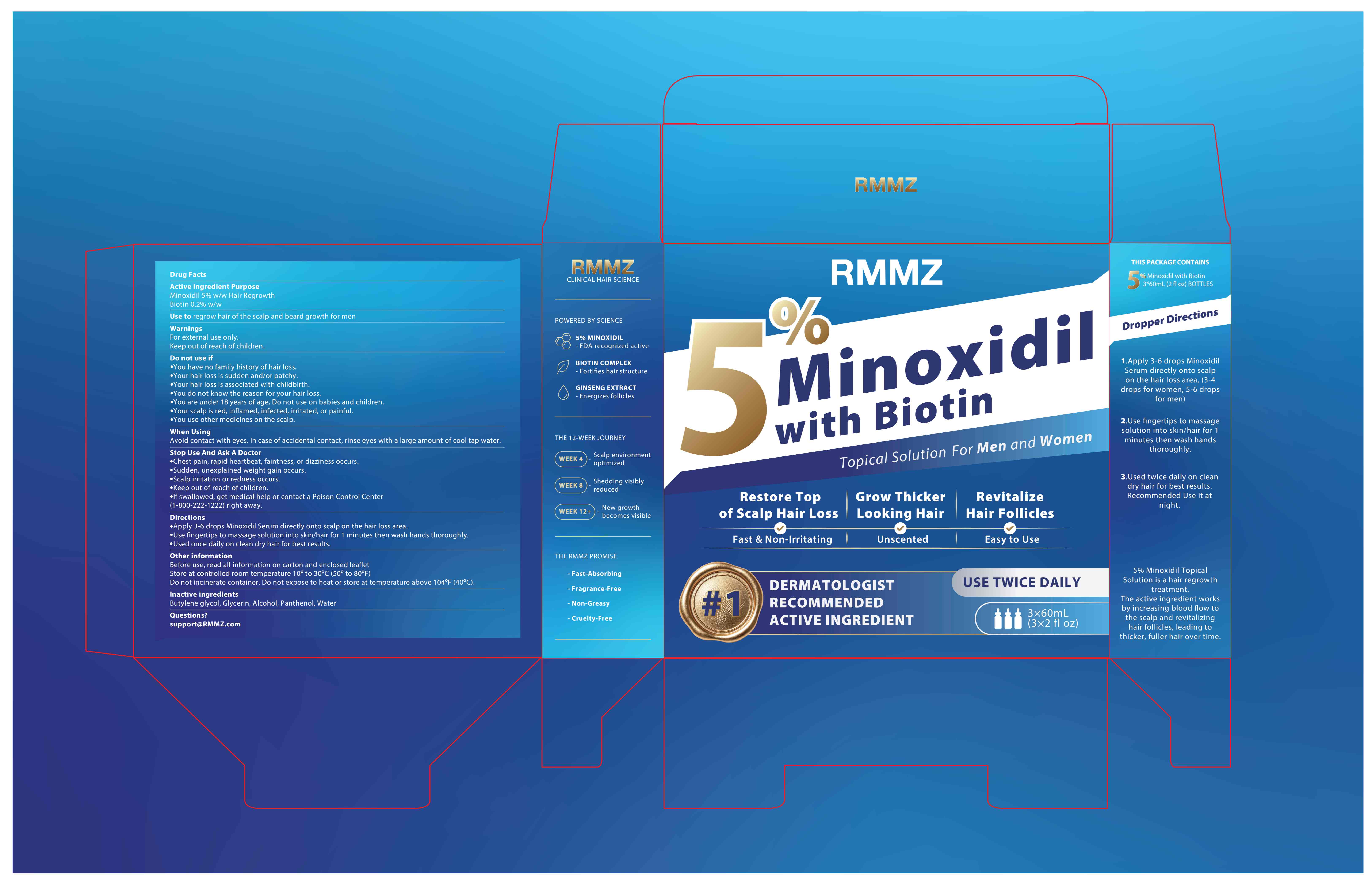
(biotin · DailyMed)
LETAMIN CAPSULE
VIT A+VIT B1+VIT B2+VIT B12+NIACIN+VIT+BIOTIN+FOLIC ACID+CALCIUM PANTOTHENATE+VIT C+VIT D3+MAGNESSIUM SULPHATE+ZINC+CHROMIUM
What it does
Biotin is a vitamin that helps support healthy hair, skin, and nails.
Commonly used for: brittle nails, hair loss, skin health
Read more in plain English ↓Plain-language summary for general understanding - not medical advice. Always follow your pharmacist/doctor.
Ask about this medicine
Answers come only from this medicine's registration record, BNF monograph and interaction data - not medical advice.
Medicine sourcing is available in Kenya only. We don't sell or dispense medicines - licensed pharmacies do.
Sourcing - Kenya onlyRegistration & product details
Source: Food and Drugs Authority · fetched 2026-04-18 08:37:40 · updated 2026-09-25 04:00:10
About biotin
Biotin is a vitamin that helps support healthy hair, skin, and nails.
What it treats
- brittle nails
- hair loss
- skin health
How it works
Biotin helps the body convert food into energy and is important for the health of hair, skin, and nails.
Who it's for
Biotin is suitable for individuals looking to improve the strength of their nails and hair health.
AI-assisted summary grounded in BNF data - general information only, not medical advice. Always confirm with your pharmacist or doctor.
About chromium
Chromium is a mineral that may help with blood sugar control and improve insulin sensitivity.
What it treats
- type 2 diabetes
- high blood sugar
- metabolic syndrome
How it works
Chromium helps your body use insulin effectively, which can lower blood sugar levels.
Who it's for
It is typically used by people with type 2 diabetes or those looking to manage their blood sugar.
AI-assisted summary grounded in BNF data - general information only, not medical advice. Always confirm with your pharmacist or doctor.
About folate
Folate is a type of B vitamin that is important for the production of red blood cells and helps prevent certain types of birth defects.
What it treats
- prevention of neural tube defects in pregnancy
- treatment of folate deficiency
- supporting overall health
How it works
Folate helps the body make DNA and is essential for the growth and division of cells.
Who it's for
Folate is suitable for pregnant women, those planning to become pregnant, and individuals with low levels of folate.
AI-assisted summary grounded in BNF data - general information only, not medical advice. Always confirm with your pharmacist or doctor.
About magnessium
Magnesium is an essential mineral that supports various bodily functions, including muscle and nerve function, blood sugar control, and blood pressure regulation.
What it treats
- muscle cramps
- migraine prevention
- constipation
- heart health
How it works
Magnesium helps maintain normal muscle and nerve function, supports a healthy immune system, and helps regulate blood pressure.
Who it's for
Magnesium is for individuals who may have low magnesium levels or need extra support for muscle and nerve health.
AI-assisted summary grounded in BNF data - general information only, not medical advice. Always confirm with your pharmacist or doctor.
About niacin
Niacin is a form of vitamin B3 that helps improve cholesterol levels and supports heart health.
What it treats
- high cholesterol (hyperlipidemia)
- niacin deficiency
- improving heart health
How it works
Niacin works by helping to reduce bad cholesterol and increase good cholesterol in the blood.
Who it's for
Niacin is typically used for adults needing help with cholesterol levels or those with a deficiency in vitamin B3.
AI-assisted summary grounded in BNF data - general information only, not medical advice. Always confirm with your pharmacist or doctor.
About pantothenate
Pantothenate is a form of vitamin B5 that helps support overall health and wellbeing.
What it treats
- fatigue
- stress
- skin conditions
- hair loss
How it works
Pantothenate helps the body convert food into energy and is important for making red blood cells.
Who it's for
This supplement is suitable for people looking to boost their energy levels or support their skin and hair health.
AI-assisted summary grounded in BNF data - general information only, not medical advice. Always confirm with your pharmacist or doctor.
About vit
Vitamin supplements are used to provide essential nutrients that may be missing from your diet.
What it treats
- vitamin deficiency
- poor diet
- boosting overall health
How it works
Vitamins help your body function properly and support overall health by aiding in various biological processes.
Who it's for
People who may not get enough vitamins from their food, including those with dietary restrictions, certain health conditions, or increased nutrient needs.
Cautions
- • Consult a healthcare professional before starting any vitamin supplement, especially if you are pregnant, breastfeeding, or have underlying health conditions.
AI-assisted summary grounded in BNF data - general information only, not medical advice. Always confirm with your pharmacist or doctor.
Clinical monograph: Biotin
BNF-referencedBiotin, also known as vitamin H, is a water-soluble B-vitamin that plays a crucial role in carbohydrate, fat, and protein metabolism. It is involved in the synthesis of fatty acids and glucose, and is essential for normal physiological functions.
Indications
- Isolated carboxylase defects
- Defects of biotin metabolism
- Prevention of deficiency in complete biliary obstruction
Dosage
Children: Neonate: Initially 10 mg once daily, adjusted according to response; maintenance 5–20 mg daily. Child: Initially 10 mg once daily, adjusted according to response; maintenance 5–20 mg daily, higher doses may be required.
Adults: For adults, the dosing may vary based on the condition being treated. General guidance is to refer to the BNF for specific dosing recommendations.
Mechanism of action
Biotin acts as a coenzyme for carboxylase enzymes, facilitating critical metabolic processes including gluconeogenesis, fatty acid synthesis, and amino acid catabolism.
Pharmacodynamics
Biotin is essential for the carboxylation of substrates in metabolic pathways, influencing energy metabolism and the synthesis of important biomolecules. It supports normal growth and development.
Pharmacokinetics
Biotin is absorbed in the intestine and is widely distributed in body tissues. It is not stored in large amounts, with excess being excreted in urine. The half-life and specific pharmacokinetic parameters can vary based on individual metabolism and dietary intake.
Adverse effects
- Rough skin
- Dry hair
- Enlarged liver
- Increases in erythrocyte sedimentation rate
- Increased serum calcium
- Increased serum alkaline phosphatase concentration
Precautions
- Excessive doses may be teratogenic
- High levels of vitamin A may cause birth defects
Pregnancy
No information available.
Breast-feeding
No information available.
Formulations
- Tablet
- Oral suspension
- Oral solution
- Solution for injection
AI-synthesized from BNF references - general information only, not a substitute for professional medical advice or the current BNF. Verify doses with a pharmacist.
Clinical monograph: chromium
BNF-referencedChromium is an essential trace mineral that plays a critical role in carbohydrate, fat, and protein metabolism. It is particularly known for its involvement in enhancing insulin sensitivity and glucose metabolism. Chromium is often utilized as a dietary supplement for managing conditions related to insulin resistance, such as type 2 diabetes. It also contributes to the regulation of blood lipid levels, thereby playing a potential role in cardiovascular health.
Indications
- Type 2 diabetes mellitus
- Insulin resistance
- Impaired glucose tolerance
- Metabolic syndrome
- Hyperlipidemia
Dosage
Children: Refer to the BNF for Children for specific dosage recommendations suitable for pediatric patients.
Adults: Refer to the BNF for specific dosage recommendations based on the condition being treated.
Mechanism of action
Chromium enhances insulin signaling by upregulating insulin receptor-mediated pathways. It affects downstream effector molecules after insulin binds to its receptor, leading to the activation of phosphatidylinositol 2-kinase (PI3K) and protein kinase B (Akt). This process promotes the translocation of glucose transporter-4 (Glut4) to the cell membrane, facilitating increased glucose uptake. Additionally, chromium can promote GLUT-4 transporter translocation independently of insulin receptor activity under insulin-resistant conditions and aids in cholesterol efflux by increasing membrane fluidity.
Pharmacodynamics
Trivalent chromium is essential for the glucose tolerance factor, which activates insulin-mediated pathways. It enhances insulin binding to cells, increases the density of insulin receptors, and activates insulin receptor kinase, all of which contribute to improved insulin sensitivity. Chromium deficiency can lead to impaired glucose metabolism, and supplementation can normalize glucose tolerance in individuals exhibiting diabetic-like characteristics due to deficiency.
Pharmacokinetics
Chromium absorption occurs primarily in the intestines, but its bioavailability is influenced by various dietary factors, such as the presence of other minerals and vitamins. The mineral is transported in the bloodstream bound to transferrin and is predominantly stored in the liver, spleen, and bone. The elimination of chromium occurs mainly through urine, with small amounts excreted in feces. The half-life and exact metabolic pathways for chromium can vary based on its form and the individual's nutritional status.
Pregnancy
Chromium is generally considered safe during pregnancy when taken in appropriate amounts, but it is advisable to consult a healthcare provider.
Breast-feeding
Chromium is excreted in breast milk, and while it is deemed safe in moderate amounts, consultation with a healthcare provider is recommended.
Storage
Store in a cool, dry place away from light. Keep out of reach of children.
AI-synthesized from BNF references - general information only, not a substitute for professional medical advice or the current BNF. Verify doses with a pharmacist.
Clinical monograph: folate
BNF-referencedFolate, also known as vitamin B9, is a water-soluble vitamin essential for the synthesis of nucleic acids and amino acids. It plays a crucial role in cellular division and growth, making it particularly important during periods of rapid growth such as pregnancy and infancy. Folate is naturally found in various foods, including leafy green vegetables, fruits, and legumes. It is also available as a dietary supplement and is often used to prevent or treat folate deficiency, which can lead to conditions such as megaloblastic anemia.
Indications
- Folate deficiency
- Megaloblastic anemia
- Prevention of neural tube defects in pregnancy
- Supplementation in patients on certain medications (e.g., methotrexate)
Dosage
Children: Refer to the BNF for Children for appropriate pa
Adults: Refer to specific guidelines or the BNF for appropriate adult dosing based on the indication.
Mechanism of action
Folate functions as a coenzyme in the conversion of homocysteine to methionine, a process that is vital for DNA synthesis and repair. It is involved in the one-carbon metabolism pathway, where it acts as a carrier of one-carbon units necessary for the synthesis of purines and thymidylate, thus supporting the production of nucleotides and DNA. This mechanism is particularly important in rapidly dividing cells.
Pharmacodynamics
Folate is critical for the formation of red blood cells and the proper functioning of the nervous system. It aids in the production of nucleic acids, which are essential for cell proliferation. Folate deficiency can lead to impaired DNA synthesis, resulting in megaloblastic anemia characterized by the presence of large, immature red blood cells in the bloodstream. Adequate folate levels are also associated with reduced risk of neural tube defects in developing fetuses.
Pharmacokinetics
Folate is absorbed in the proximal part of the small intestine, primarily in the jejunum, and is transported in the bloodstream bound to plasma proteins. It undergoes hepatic metabolism and is stored mainly in the liver. The elimination half-life varies, but dietary folate can be retained in the body for several weeks. Excess folate is excreted through the urine. The bioavailability of folate from food sources is lower compared to synthetic folic acid found in supplements.
Interactions
- folates+fluorouracil: Severe (increases risk of toxicity)
- folates+antiepileptics: Moderate (decreases concentration)
- folates+fosphenytoin: Moderate (decreases concentration)
- folates+phenobarbital: Moderate (decreases concentration)
- folates+phenytoin: Moderate (decreases concentration)
- folates+primidone: Moderate (decreases concentration)
- sulfasalazine+folates: Unknown (decreases absorption)
Pregnancy
Folate is essential for fetal development and is often recommended to prevent neural tube defects.
Breast-feeding
Folate is generally safe during breastfeeding, as it is important for both maternal and infant health.
Storage
Store in a cool, dry place, away from direct sunlight.
Formulations
- Tablets
- Injection
AI-synthesized from BNF references - general information only, not a substitute for professional medical advice or the current BNF. Verify doses with a pharmacist.
Clinical monograph: magnessium
Magnesium is a vital mineral involved in numerous biochemical reactions in the body. It plays a crucial role in muscle function, nerve transmission, energy production, and the synthesis of proteins and nucleic acids. Magnesium is also important for maintaining normal heart rhythm, blood pressure regulation, and bone health. Deficiency can lead to various health issues, including muscle cramps, fatigue, and cardiovascular problems.
Indications
- Hypomagnesemia
- Magnesium deficiency
- Cardiac arrhythmias
- Eclampsia
- Asthma exacerbations
- Migraine prophylaxis
Dosage
Children: Refer to the BNF for Children for pediatric dosing recommendations.
Adults: Refer to clinical guidelines or specific product information for adult dosing.
Mechanism of action
Magnesium acts as a cofactor for over 300 enzymatic reactions in the body. It is essential for ATP production, the synthesis of nucleic acids, and the regulation of calcium homeostasis. By modulating calcium channels and neurotransmitter release, magnesium influences neuromuscular transmission and muscle contraction. It also plays a role in stabilizing cellular membranes and protecting against oxidative stress.
Pharmacodynamics
Magnesium's pharmacodynamics involve its effects on various physiological processes, particularly in the cardiovascular and neuromuscular systems. It helps to maintain normal muscle and nerve function and influences cardiac rhythm. Magnesium is known to inhibit excessive calcium influx into cells, thus contributing to vasodilation and lowering blood pressure. It also has a calming effect on the nervous system, which can help alleviate anxiety and promote relaxation.
Pharmacokinetics
Magnesium is absorbed primarily in the small intestine, with the efficiency of absorption being influenced by dietary factors and the presence of other minerals. The body regulates magnesium levels through renal excretion and intestinal absorption. The half-life of magnesium varies depending on the route of administration, with intravenous administration leading to quicker distribution and elimination. The majority of magnesium is stored in the bones, muscles, and soft tissues, with only a small fraction present in the extracellular fluid.
Contra-indications
- Severe renal impairment
- Myasthenia gravis
- Hypocalcemia
- Hypophosphatemia
Adverse effects
- Diarrhea
- Nausea
- Vomiting
- Abdominal cramping
- Hypotension
- Bradypnea
- Muscle weakness
Interactions
- Antibiotics (e.g., tetracyclines, fluoroquinolones) - may bind and reduce their absorption
- Calcium supplements - may compete for absorption
- Diuretics (especially loop diuretics) - can increase the risk of magnesium deficiency
- ACE inhibitors - may enhance the hypotensive effect
- Neuromuscular blocking agents - may potentiate their effects
Precautions
- Use with caution in patients with renal impairment
- Monitor electrolytes in patients with gastrointestinal losses
- Avoid in patients with heart block
- Caution in elderly patients due to potential for electrolyte imbalance
Pregnancy
Magnesium is generally considered safe during pregnancy and is often recommended for certain conditions, such as preeclampsia.
Breast-feeding
Magnesium is excreted in breast milk but is generally considered safe for use during breastfeeding.
Storage
Store in a cool, dry place away from direct sunlight. Keep out of reach of children.
Formulations
- Oral tablets
- Oral solution
- Intravenous injection
- Intramuscular injection
AI-synthesized from BNF references - general information only, not a substitute for professional medical advice or the current BNF. Verify doses with a pharmacist.
Clinical monograph: niacin
BNF-referencedNiacin, also known as vitamin B3, is a water-soluble vitamin that plays a crucial role in energy metabolism and is essential for the proper functioning of the nervous system, digestive system, and skin health. It is used clinically to treat vitamin deficiencies, hyperlipidemia, dyslipidemia, and hypertriglyceridemia, and to reduce the risk of myocardial infarctions. Niacin can significantly improve lipid profiles by decreasing very low density lipoproteins (VLDL) and low density lipoproteins (LDL), while raising high density lipoproteins (HDL).
Indications
- Vitamin B3 deficiency
- Hyperlipidemia
- Dyslipidemia
Mechanism of action
Niacin decreases lipids and apolipoprotein B (apo B)-containing lipoproteins by modulating triglyceride synthesis in the liver and inhibiting lipolysis in adipose tissue. It inhibits hepatocyte diacylglycerol acyltransferase-2, preventing the final step of triglyceride synthesis, leading to reduced VLDL production. Additionally, niacin inhibits HDL catabolism receptors, increasing HDL levels and half-life. Acute effects include inhibition of nonesterified fatty acid release from adipocytes and stimulation of prostaglandin release from skin Langerhans cells, although these acute effects diminish over time.
Pharmacodynamics
Niacin is used therapeutically to treat vitamin deficiencies and to manage conditions like hyperlipidemia and dyslipidemia. It effectively reduces levels of VLDL and LDL while increasing HDL levels. Niacin has a wide therapeutic window, with typical oral doses ranging from 500 mg to 2000 mg. Caution is advised in patients with diabetes, renal failure, uncontrolled hypothyroidism, and in elderly patients, particularly when combined with simvastatin or lovastatin, due to an increased risk of myopathy and rhabdomyolysis.
Pharmacokinetics
Niacin is absorbed from the gastrointestinal tract and undergoes hepatic metabolism. It is excreted primarily in the urine. The pharmacokinetics can be affected by factors such as age, renal function, and concomitant medications. Peak plasma concentrations are typically reached within 30 minutes to 2 hours after oral administration, depending on the formulation used.
Contra-indications
- Hypersensitivity to niacin or any of its components
- Active liver disease
- Peptic ulcer disease
Adverse effects
- Flushing
- Itching
- Nausea
- Vomiting
- Diarrhea
- Abdominal pain
- Hepatotoxicity
- Hyperglycemia
- Gout exacerbation
Interactions
- Increased risk of myopathy and rhabdomyolysis with statins such as simvastatin or lovastatin
- May enhance the effects of antihypertensive medications
- Potential interaction with anticoagulants
Precautions
- Caution in patients with diabetes due to potential for hyperglycemia
- Monitor liver function tests periodically during prolonged therapy
- Use with caution in patients with renal impairment
- Elderly patients may be more susceptible to adverse effects
Pregnancy
Niacin should only be used during pregnancy if clearly needed and the benefits outweigh the risks. Consult with a healthcare provider for individual assessment.
Breast-feeding
Niacin is excreted in breast milk. Caution is advised when administering to nursing mothers, and a decision should be made whether to discontinue breastfeeding or the drug.
Storage
Store at room temperature, away from moisture and heat. Keep out of reach of children.
Formulations
- Immediate-release tablets
- Extended-release tablets
- Sustained-release tablets
AI-synthesized from BNF references - general information only, not a substitute for professional medical advice or the current BNF. Verify doses with a pharmacist.
Clinical monograph: pantothenate
BNF-referencedPantothenate, also known as vitamin B5, is a water-soluble vitamin that is essential for human metabolism. It is a component of coenzyme A, which plays a critical role in the synthesis and degradation of fatty acids, the metabolism of carbohydrates, and the synthesis of neurotransmitters. Pantothenate is involved in the synthesis of steroid hormones and hemoglobin and is required for the production of energy through the Krebs cycle.
Indications
- Pantothenate deficiency
- Support in energy metabolism
- Adjuvant therapy in chronic conditions requiring enhanced energy production
Dosage
Children: Refer to the BNF for Children for paediatric dosing recommendations.
Adults: Refer to the BNF for specific dosing information, generally 5-10 mg daily for adults.
Mechanism of action
Pantothenate functions primarily as a precursor to coenzyme A (CoA), which is vital for various biochemical reactions in the body. CoA is involved in the metabolism of fatty acids, the synthesis of cholesterol and steroid hormones, and the acetylation of various substrates, which is crucial for energy production and metabolic processes.
Pharmacodynamics
Pantothenate plays a significant role in energy metabolism, cellular respiration, and the biosynthesis of fatty acids. It facilitates the transfer of acyl groups, which is critical for the metabolism of carbohydrates and fats, thereby influencing the overall energy production in cells. Adequate levels of pantothenate are necessary for maintaining metabolic homeostasis and supporting growth and development.
Pharmacokinetics
Pantothenate is well absorbed from the gastrointestinal tract, with a bioavailability of approximately 70%. Once absorbed, it is widely distributed throughout the body, particularly in the liver, adrenal glands, and kidneys. The vitamin is metabolized primarily in the liver, where it is converted to coenzyme A. Excess pantothenate is excreted in the urine as pantothenic acid and its metabolites. The half-life of pantothenate in the body is not well-defined but is generally considered to be relatively short due to its water-soluble nature.
Pregnancy
Pantothenic acid (Vitamin B5) is generally regarded as safe during pregnancy. It is important to maintain adequate levels for fetal development.
Breast-feeding
Pantothenic acid is excreted in breast milk in small amounts. Adequate intake is important for breastfeeding mothers, but supplementation is typically not necessary.
Storage
Store in a cool, dry place, away from light. Keep out of reach of children.
Formulations
- Pantothenate tablets
- Pantothenic acid capsules
- Pantothenate injections
AI-synthesized from BNF references - general information only, not a substitute for professional medical advice or the current BNF. Verify doses with a pharmacist.
Molecular reference: Biotin
PubChem CID 171548Molecular formula: C10H16N2O3S
Mechanism of action
Biotin is necessary for the proper functioning of enzymes that transport carboxyl units and fix carbon dioxide, and is required for various metabolic functions, including gluconeogenesis, lipogenesis, fatty acid biosynthesis, propionate metabolism, and catabolism of branched-chain amino acids. In human tissues biotin is a cofactor for the enzymatic carboxylation of four substrates: pyruvate, acetyl coenzyme A (CoA), propionyl CoA, and beta-methylcrotonyl CoA. As such, it plays an important role in both carbohydrate and fat metabolism. Carbon dioxide fixation occurs in a two-step reaction, the first involving binding of carbon dioxide to the biotin moiety of the holoenzyme, and the second involving transfer of the biotin-bound carbon dioxide to an appropriate acceptor. Biotin functions in carbon dioxide fixation reactions in intermediate metabolism, transferring the carboxyl group to acceptor molecules. It acts similarly in decarboxylation reactions. Biotin is essential in human metabolism for its part in the previously described enzymatic steps, in catalyzing deamination of amino acids, and in oleic acid synthesis. Biotin is a cofactor for the enzymatic carboxylation of pyruvate, acetyl coenzyme A (CoA), propionyl CoA, and beta-methylcrotonyl CoA, and, therefore, plays an important role in carbohydrate and fat metabolism. Protein folding in the endoplasmic reticulum (ER) depends on Ca2+; uptake of Ca2+ into the ER is mediated by sarco/endoplasmic reticulum Ca2+-ATPase 3 (SERCA3). The 5'-flanking region of the SERCA3 gene (ATP2A3) contains numerous binding sites for the transcription factors Sp1 and Sp3. Biotin affects the nuclear abundance of Sp1 and Sp3, which may act as transcriptional activators or repressors. Here we determined whether biotin affects the expression of the SERCA3 gene and, thus, protein folding in human lymphoid cells. Jurkat cells were cultured in media containing 0.025 nmol/L biotin (denoted "deficient") or 10 nmol/L biotin ("supplemented"). The transcriptional activity of the full-length human SERCA3 promoter was 50% lower in biotin-supplemented cells compared to biotin-deficient cells. Biotin-dependent repressors bind to elements located 731 to 1312 bp upstream from the transcription start site in the SERCA3 gene. The following suggest that low expression of SERCA3 in biotin-supplemented cells impaired folding of secretory proteins in the ER, triggering unfolded protein response: (i) sequestration of Ca2+ in the ER decreased by 14 to 24% in response to biotin supplementation; (ii) secretion of interleukin-2 into the extracellular space decreased by 75% in response to biotin supplementation; (iii) the nuclear abundance of stress-induced transcription factors increased in response to biotin supplementation; and (iv) the abundance of stress-related proteins such ubiquitin activating enzyme 1, growth arrest and DNA damage 153 gene, X-box binding protein 1 and phosphorylated eukaryotic translation initiation factor 2alpha increased in response to biotin supplementation. Collectively, this study suggests that supplements containing pharmacological doses of biotin may cause cell stress by impairing protein folding in the ER. Evidence is emerging that biotin participates in processes other than classical carboxylation reactions. Specifically, novel roles for biotin in cell signaling, gene expression, and chromatin structure have been identified in recent years. Human cells accumulate biotin by using both the sodium-dependent multivitamin transporter and monocarboxylate transporter 1. These transporters and other biotin-binding proteins partition biotin to compartments involved in biotin signaling: cytoplasm, mitochondria, and nuclei. The activity of cell signals such as biotinyl-AMP, Sp1 and Sp3, nuclear factor (NF)-kappaB, and receptor tyrosine kinases depends on biotin supply. Consistent with a role for biotin and its catabolites in modulating these cell signals, greater than 2000 biotin-dependent genes have
Pharmacodynamics
Biotin is a water-soluble B-complex vitamin which is composed of an ureido ring fused with a tetrahydrothiophene ring, which attaches a valeric acid substituent at one of its carbon atoms. Biotin is used in cell growth, the production of fatty acids, metabolism of fats, and amino acids. It plays a role in the Kreb cycle, which is the process in which energy is released from food. Biotin not only assists in various metabolic chemical conversions, but also helps with the transfer of carbon dioxide. Biotin is also helpful in maintaining a steady blood sugar level. Biotin is often recommended for strengthening hair and nails. Consequenty, it is found in many cosmetic and health products for the hair and skin. Biotin deficiency is a rare nutritional disorder caused by a deficiency of biotin. Initial symptoms of biotin deficiency include: Dry skin, Seborrheic dermatitis, Fungal infections, rashes including erythematous periorofacial macular rash, fine and brittle hair, and hair loss or total alopecia. If left untreated, neurological symptoms can develop, including mild depression, which may progress to profound lassitude and, eventually, to somnolence; changes in mental status, generalized muscular pains (myalgias), hyperesthesias and paresthesias. The treatment for biotin deficiency is to simply start taking some biotin supplements. A lack of biotin in infants will lead to a condition called seborrheic dermatitis or "cradle cap". Biotin deficiencies are extremely rare in adults but if it does occur, it will lead to anemia, depression, hair loss, high blood sugar levels, muscle pain, nausea, loss of appetite and inflamed mucous membranes.
Biological pathways
Source: PubChem (NCBI) · pathways from PathBank, Reactome, WikiPathways & PharmGKB.
Molecular reference: chromium
PubChem CID 23976Molecular formula: Cr
Mechanism of action
Chromium is an essential nutrient involved in the metabolism of glucose, insulin and blood lipids. Its role in potentiating insulin signalling cascades has been implicated in several studies. Chromium upregulates insulin-stimulated insulin signal transduction via affecting effector molecules downstream of the insulin receptor (IR). IR-mediated signalling pathway involves phoshorylation of multiple intracellular domains and protein kinases, and downstream effector molecules. Upon activation by ligands, intracellular β-subunit of IR autophosphorylates and activates tyrosine kinase domain of the IR, followed by activation and phosphorylation of regulatory proteins and downstream signalling effectors including phosphatidylinositol 2-kinase (PI3K). PI3K activates further downstream reaction cascades to activate protein kinase B (Akt) to ultimately promote translocation of glucose transporter-4 (Glut4)-vesicles from the cytoplasm to the cell surface and regulate glucose uptake. Chromium enhances the kinase activity of insulin receptor β and increases the activity of downstream effectors, pI3-kinase and Akt. Under insulin-resistant conditions, chromium also promotes GLUT-4 transporter translocation that is independent of activity of IR, IRS-1, PI3-kinase, or Akt; chromium mediates cholesterol efflux from the membranes via increasing fluidity of the membrane by decreasing the membrane cholesterol and upregulation of sterol regulatory element-binding protein. As a result, intracellular GLUT-4 transporters are stimulated to translocate from intracellular to the plasma membrane, leading to enhanced glucose uptake in muscle cells. Chromium attenuates the activity of PTP-1B _in vitro,_ which is a negative regulator of insulin signaling. It also alleviates ER stress that is observed to be elevated the suppression of insulin signaling. ER stress is thought to activate c-Jun N-terminal kinase (JNK), which subsequently induces serine phosphorylation of IRS and aberration of insulin signalling. Transient upregulation of AMPK by chromium also leads to increased glucose uptake. While the toxicity of metals and metalloids, like arsenic, cadmium, mercury, lead and chromium, is undisputed, the underlying molecular mechanisms are not entirely clear. General consensus holds that proteins are the prime targets; heavy metals interfere with the physiological activity of specific, particularly susceptible proteins, either by forming a complex with functional side chain groups or by displacing essential metal ions in metalloproteins. Recent studies have revealed an additional mode of metal action targeted at proteins in a non-native state; certain heavy metals and metalloids have been found to inhibit the in vitro refolding of chemically denatured proteins, to interfere with protein folding in vivo and to cause aggregation of nascent proteins in living cells. Apparently, unfolded proteins with motile backbone and side chains are considerably more prone to engage in stable, pluridentate metal complexes than native proteins with their well-defined 3D structure. By interfering with the folding process, heavy metal ions and metalloids profoundly affect protein homeostasis and cell viability. This review describes how heavy metals impede protein folding and promote protein aggregation, how cells regulate quality control systems to protect themselves from metal toxicity and how metals might contribute to protein misfolding disorders.
Pharmacodynamics
Trivalent chromium is part of glucose tolerance factor, an essential activator of insulin-mediated reactions. Chromium helps to maintain normal glucose metabolism and peripheral nerve function. Chromium increases insulin binding to cells, increases insulin receptor density and activates insulin receptor kinase leading to enhanced insulin sensitivity. In chromium deficiency, intravenous administration of chromium resulted in normalization of the glucose tolerance curve from the diabetic-like curve typical of chromium deficiency.
Source: PubChem (NCBI) · pathways from PathBank, Reactome, WikiPathways & PharmGKB.
Molecular reference: folate
PubChem CID 135405876Molecular formula: C19H19N7O6
Source: PubChem (NCBI) · pathways from PathBank, Reactome, WikiPathways & PharmGKB.
Molecular reference: niacin
PubChem CID 938Molecular formula: C6H5NO2
Mechanism of action
Niacin performs a number of functions in the body and so has many mechanisms, not all of which have been fully described. Niacin can decrease lipids and apolipoprotein B (apo B)-containing lipoproteins by modulating triglyceride synthesis in the liver, which degrades apo B, or by modulating lipolysis in adipose tissue. Niacin inhibits hepatocyte diacylglycerol acyltransferase-2. This action prevents the final step of triglyceride synthesis in hepatocytes, limiting available triglycerides for very low density lipoproteins (VLDL). This activity also leads to intracellular degradation of apo B and decreased production of low density lipoproteins, the catabolic product of VLDL. Niacin also inhibits a high density lipoprotein (HDL) catabolism receptor, which increases the levels and half life of HDL. Prolonged niacin treatment elicits beneficial effects on the plasma lipid and lipoprotein profile that is associated with a protective CVD risk profile. Acute niacin treatment inhibits nonesterified fatty acid release from adipocytes and stimulates prostaglandin release from skin Langerhans cells, but the acute effects diminish upon prolonged treatment, while the beneficial effects remain. To gain insight in the prolonged effects of niacin on lipid metabolism in adipocytes, we used a mouse model with a human-like lipoprotein metabolism and drug response [female APOE*3-Leiden.CETP (apoE3 Leiden cholesteryl ester transfer protein) mice] treated with and without niacin for 15 weeks. The gene expression profile of gonadal white adipose tissue (gWAT) from niacin-treated mice showed an upregulation of the "biosynthesis of unsaturated fatty acids" pathway, which was corroborated by quantitative PCR and analysis of the FA ratios in gWAT. Also, adipocytes from niacin-treated mice secreted more of the PUFA DHA ex vivo. This resulted in an increased DHA/arachidonic acid (AA) ratio in the adipocyte FA secretion profile and in plasma of niacin-treated mice. Interestingly, the DHA metabolite 19,20-dihydroxy docosapentaenoic acid (19,20-diHDPA) was increased in plasma of niacin-treated mice. Both an increased DHA/AA ratio and increased 19,20-diHDPA are indicative for an anti-inflammatory profile and may indirectly contribute to the atheroprotective lipid and lipoprotein profile associated with prolonged niacin treatment. /The study objective was/ to determine the effects of niacin on adiponectin and markers of adipose tissue inflammation in a mouse model of obesity. Male C57BL/6 mice were placed on a control or high-fat diet (HFD) and were maintained on such diets for the duration of the study. After 6 weeks on the control or high fat diets, vehicle or niacin treatments were initiated and maintained for 5 weeks. Identical studies were conducted concurrently in HCA2 (-/-) (niacin receptor(-/-)) mice. Niacin increased serum concentrations of the anti-inflammatory adipokine, adiponectin by 21% in HFD-fed wild-type mice, but had no effect on lean wild-type or lean or HFD-fed HCA2 (-/-) mice. Niacin increased adiponectin gene and protein expression in the HFD-fed wild-type mice only. The increases in adiponectin serum concentrations, gene and protein expression occurred independently of changes in expression of PPARgamma C/EBPalpha or SREBP-1c (key transcription factors known to positively regulate adiponectin gene transcription) in the adipose tissue. Further, niacin had no effect on adipose tissue expression of ERp44, Ero1-Lalpha, or DsbA-L (key ER chaperones involved in adiponectin production and secretion). However, niacin treatment attenuated HFD-induced increases in adipose tissue gene expression of MCP-1 and IL-1beta in the wild-type HFD-fed mice. Niacin also reduced the expression of the pro-inflammatory M1 macrophage marker CD11c in HFD-fed wild-type mice. Niacin treatment attenuates obesity-induced adipose tissue inflammation through increased adiponectin and anti-inflammatory cytokine expression and reduced pro-inflammatory cytokine expressio
Pharmacodynamics
Niacin is a B vitamin used to treat vitamin deficiencies as well as hyperlipidemia, dyslipidemia, hypertriglyceridemia, and to reduce the risk of myocardial infarctions. Niacin acts to decrease levels of very low density lipoproteins and low density lipoproteins, while increasing levels of high density lipoproteins. Niacin has a wide therapeutic window with usual oral doses between 500mg and 2000mg. Patients with diabetes, renal failure, uncontrolled hypothyroidism, and elderly patients taking niacin with simvastatin or lovastatin are at increased risk of myopathy and rhabdomyolysis.
Biological pathways
Source: PubChem (NCBI) · pathways from PathBank, Reactome, WikiPathways & PharmGKB.
Molecular reference: pantothenate
PubChem CID 5191579Molecular formula: C9H16NO5-
Source: PubChem (NCBI) · pathways from PathBank, Reactome, WikiPathways & PharmGKB.
This drug in other countries
The same active ingredient registered across other registries we cover - including different brands.