International reference: 1 US FDA recall for this ingredient
Marketed Without An Approved NDA/ANDA: Product is sold over the counter whose labeling includes drug claims to act as an antidote. (hydrolyzed)
US-market enforcement records (OpenFDA), shown for reference - not specific to this product in Ghana.
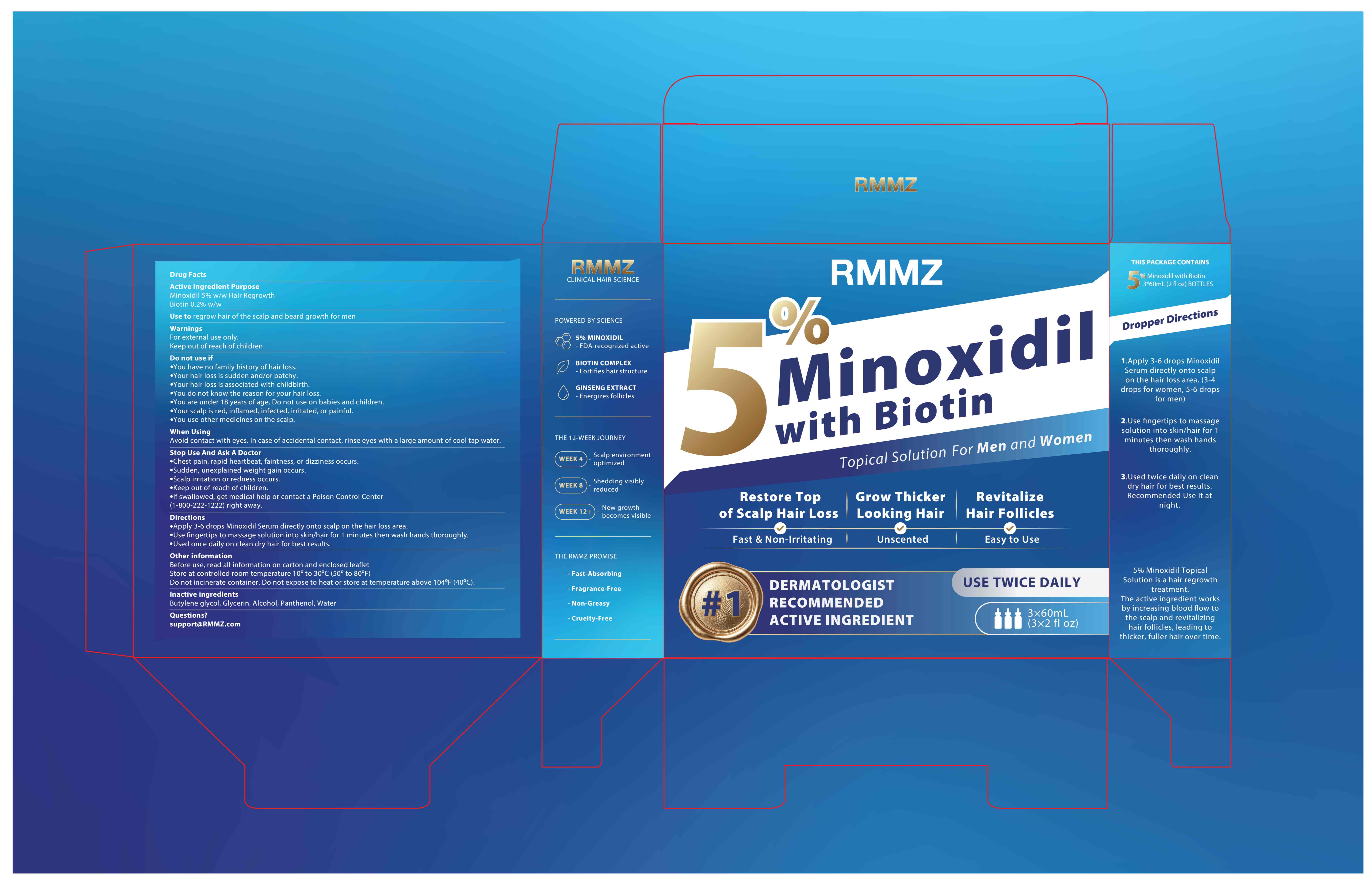
(biotin · DailyMed)
MARINE COLLAGEN POWDER
Hydrolyzed marine collagen/Inulin/Vitamin C/Vitamin E/ Biotin/ Black Currant Seed Oil/ Alpha Lipoic Acid/ Co-Enzyme Q10/ L-Glutathione/ Hyaluronic Acid/ Sesbania Extract
What it does
Alpha is a medication used to treat various health conditions. It is important to follow your healthcare provider's guidance when using this medication.
Commonly used for: high blood pressure (hypertension), anxiety disorders, certain types of pain
Read more in plain English ↓Plain-language summary for general understanding - not medical advice. Always follow your pharmacist/doctor.
Ask about this medicine
Answers come only from this medicine's registration record, BNF monograph and interaction data - not medical advice.
Medicine sourcing is available in Kenya only. We don't sell or dispense medicines - licensed pharmacies do.
Sourcing - Kenya onlyRegistration & product details
Source: Food and Drugs Authority · fetched 2026-04-18 08:33:08 · updated 2026-10-20 04:00:12
About alpha
Alpha is a medication used to treat various health conditions. It is important to follow your healthcare provider's guidance when using this medication.
What it treats
- high blood pressure (hypertension)
- anxiety disorders
- certain types of pain
How it works
Alpha works by affecting certain chemicals in the brain that help regulate mood and pain perception.
Who it's for
Alpha is prescribed for adults and may also be used in children under the supervision of a healthcare provider.
AI-assisted summary grounded in BNF data - general information only, not medical advice. Always confirm with your pharmacist or doctor.
About ascorbic acid
Ascorbic acid, commonly known as Vitamin C, is essential for overall health and helps the body in many ways.
What it treats
- scurvy
- immune system support
- wound healing
- antioxidant support
How it works
Ascorbic acid helps in the production of collagen, a protein important for skin, blood vessels, and connective tissues, and acts as an antioxidant to protect cells.
Who it's for
It is suitable for people needing vitamin C, such as those with a deficiency or increased requirements due to illness or stress.
AI-assisted summary grounded in BNF data - general information only, not medical advice. Always confirm with your pharmacist or doctor.
About biotin
Biotin is a vitamin that helps support healthy hair, skin, and nails.
What it treats
- brittle nails
- hair loss
- skin health
How it works
Biotin helps the body convert food into energy and is important for the health of hair, skin, and nails.
Who it's for
Biotin is suitable for individuals looking to improve the strength of their nails and hair health.
AI-assisted summary grounded in BNF data - general information only, not medical advice. Always confirm with your pharmacist or doctor.
About black
Black is an ingredient used in various medicinal products.
How it works
The specific mechanism of action for black is not provided.
Who it's for
Black may be suitable for different patient groups, depending on its applications.
AI-assisted summary grounded in BNF data - general information only, not medical advice. Always confirm with your pharmacist or doctor.
About collagen
Collagen is a protein that helps support the structure of skin, bones, and joints.
What it treats
- skin health
- joint pain
- bone strength
How it works
Collagen provides structure and elasticity to skin and supports the strength and flexibility of joints and bones.
Who it's for
People looking to improve skin appearance, support joint function, or enhance bone health.
AI-assisted summary grounded in BNF data - general information only, not medical advice. Always confirm with your pharmacist or doctor.
About currant
Currant is a fruit often used in cooking and baking, known for its sweet and tart flavor.
What it treats
- nutritional supplement
- antioxidant support
- improving digestive health
How it works
Currants are rich in vitamins and antioxidants, which help support overall health and may protect the body from damage by free radicals.
Who it's for
Currants can be enjoyed by most people, including those looking for healthy snack options or added nutrition in their diet.
AI-assisted summary grounded in BNF data - general information only, not medical advice. Always confirm with your pharmacist or doctor.
About extract
This medicine is an extract that is used for various health conditions.
What it treats
- general health improvement
- nutritional support
How it works
The extract may provide health benefits by supplying essential nutrients or compounds that support bodily functions.
Who it's for
This medicine is suitable for individuals looking to improve their overall health or address specific nutritional needs.
AI-assisted summary grounded in BNF data - general information only, not medical advice. Always confirm with your pharmacist or doctor.
About hyaluronic
Hyaluronic acid is a substance found naturally in the body that helps keep skin hydrated and joints lubricated.
What it treats
- dry skin
- joint pain
- osteoarthritis
How it works
Hyaluronic acid draws moisture into the skin and helps cushion and lubricate joints.
Who it's for
People looking to improve skin hydration or manage joint pain.
AI-assisted summary grounded in BNF data - general information only, not medical advice. Always confirm with your pharmacist or doctor.
About hydrolyzed
Hydrolyzed is a form of treatment that involves breaking down substances to help the body absorb them better.
What it treats
- nutritional support
- food allergies
- digestive issues
How it works
It helps the body absorb nutrients more easily by breaking them down into smaller parts.
Who it's for
This treatment is suitable for individuals needing assistance with nutrient absorption, such as those with allergies or digestive problems.
AI-assisted summary grounded in BNF data - general information only, not medical advice. Always confirm with your pharmacist or doctor.
About inulin
Inulin is a type of fiber found in certain plants that helps improve digestive health and manage blood sugar levels.
What it treats
- high blood sugar (hyperglycemia)
- digestive issues
- weight management
How it works
Inulin works by promoting the growth of good bacteria in the gut and can help slow down sugar absorption in the blood.
Who it's for
Inulin is suitable for people looking to improve their digestive health or manage their blood sugar levels.
AI-assisted summary grounded in BNF data - general information only, not medical advice. Always confirm with your pharmacist or doctor.
About l-glutathione
L-glutathione is a substance that acts as an antioxidant, helping to protect cells from damage and support overall health.
What it treats
- skin lightening
- antioxidant support
- detoxification
How it works
L-glutathione helps to neutralize harmful free radicals in the body, which can damage cells and lead to various health issues.
Who it's for
L-glutathione may be suitable for individuals looking to improve their skin appearance or boost their antioxidant levels.
AI-assisted summary grounded in BNF data - general information only, not medical advice. Always confirm with your pharmacist or doctor.
About lipoic
Lipoic is a natural compound that acts as an antioxidant, helping to protect cells from damage.
What it treats
- diabetes (high blood sugar)
- nervous system disorders (neuropathy)
How it works
It helps reduce oxidative stress in the body, which can improve insulin sensitivity and support nerve health.
Who it's for
It is typically used by people with diabetes or those experiencing nerve pain.
AI-assisted summary grounded in BNF data - general information only, not medical advice. Always confirm with your pharmacist or doctor.
About marine
Marine is a natural ingredient often used for its potential health benefits.
What it treats
- supporting overall health
- promoting skin health
How it works
Marine ingredients may provide nutrients that help improve health and well-being.
Who it's for
Suitable for individuals looking to enhance their health naturally.
AI-assisted summary grounded in BNF data - general information only, not medical advice. Always confirm with your pharmacist or doctor.
About seed
This medicine is made from seeds and is often used for various health benefits.
What it treats
- general wellness
- nutritional support
How it works
The seeds contain natural compounds that may help improve health and support the body's functions.
Who it's for
This product is suitable for individuals looking to enhance their overall health.
AI-assisted summary grounded in BNF data - general information only, not medical advice. Always confirm with your pharmacist or doctor.
About sesbania
Sesbania is a plant used for its potential health benefits.
What it treats
- diabetes
- high blood pressure (hypertension)
- inflammation
How it works
Sesbania may help improve blood sugar levels and reduce inflammation in the body.
Who it's for
Adults and children with specific health conditions as advised by a healthcare provider.
AI-assisted summary grounded in BNF data - general information only, not medical advice. Always confirm with your pharmacist or doctor.
About tocopherol
Tocopherol is a form of vitamin E, an antioxidant that helps protect cells from damage.
What it treats
- skin health
- antioxidant support
- nutritional supplement
How it works
It helps protect your body from harmful substances by neutralizing free radicals.
Who it's for
It is suitable for people looking to support their overall health and skin condition.
AI-assisted summary grounded in BNF data - general information only, not medical advice. Always confirm with your pharmacist or doctor.
Clinical monograph: Biotin
BNF-referencedBiotin, also known as vitamin H, is a water-soluble B-vitamin that plays a crucial role in carbohydrate, fat, and protein metabolism. It is involved in the synthesis of fatty acids and glucose, and is essential for normal physiological functions.
Indications
- Isolated carboxylase defects
- Defects of biotin metabolism
- Prevention of deficiency in complete biliary obstruction
Dosage
Children: Neonate: Initially 10 mg once daily, adjusted according to response; maintenance 5–20 mg daily. Child: Initially 10 mg once daily, adjusted according to response; maintenance 5–20 mg daily, higher doses may be required.
Adults: For adults, the dosing may vary based on the condition being treated. General guidance is to refer to the BNF for specific dosing recommendations.
Mechanism of action
Biotin acts as a coenzyme for carboxylase enzymes, facilitating critical metabolic processes including gluconeogenesis, fatty acid synthesis, and amino acid catabolism.
Pharmacodynamics
Biotin is essential for the carboxylation of substrates in metabolic pathways, influencing energy metabolism and the synthesis of important biomolecules. It supports normal growth and development.
Pharmacokinetics
Biotin is absorbed in the intestine and is widely distributed in body tissues. It is not stored in large amounts, with excess being excreted in urine. The half-life and specific pharmacokinetic parameters can vary based on individual metabolism and dietary intake.
Adverse effects
- Rough skin
- Dry hair
- Enlarged liver
- Increases in erythrocyte sedimentation rate
- Increased serum calcium
- Increased serum alkaline phosphatase concentration
Precautions
- Excessive doses may be teratogenic
- High levels of vitamin A may cause birth defects
Pregnancy
No information available.
Breast-feeding
No information available.
Formulations
- Tablet
- Oral suspension
- Oral solution
- Solution for injection
AI-synthesized from BNF references - general information only, not a substitute for professional medical advice or the current BNF. Verify doses with a pharmacist.
Clinical monograph: Ascorbicacid
BNF-referencedAscorbic acid, also known as Vitamin C, is a water-soluble vitamin essential for various bodily functions, including the synthesis of collagen, neurotransmitters, and the immune response. It acts as an antioxidant, protecting cells from damage by free radicals.
Indications
- Vitamin C deficiency
- Scurvy
- Adjunct therapy in iron overload conditions
Dosage
Children: Child 1 month–3 years: 125–250 mg daily in 1–2 divided doses; Child 4–11 years: 250–500 mg daily in 1–2 divided doses; Child 12–17 years: 0.5–1 g daily in 1–2 divided doses.
Adults: 500 mg daily, taken in 1-2 divided doses, depending on the clinical condition and dietary needs.
Mechanism of action
Ascorbic acid functions primarily as a reducing agent, facilitating enzymatic reactions in the body, including the hydroxylation of proline and lysine in collagen synthesis. It also plays a role in the absorption of iron from the gastrointestinal tract and enhances the immune response.
Pharmacodynamics
Ascorbic acid is crucial for the maintenance of connective tissue and is involved in the metabolism of several amino acids. Its antioxidant properties help to mitigate oxidative stress and may play a role in reducing the risk of chronic diseases.
Pharmacokinetics
Ascorbic acid is absorbed in the intestines and is widely distributed throughout the body. The renal clearance of ascorbic acid is dose-dependent, with higher doses leading to increased excretion. The half-life varies but is generally around 15 to 30 minutes in healthy individuals, with tissue saturation levels influencing its retention.
Contra-indications
- Hypercalcaemia
- Hyperoxaluria
- Patients with cardiac dysfunction
Adverse effects
- Abdominal pain
- Headache
- Nausea
- Vomiting
- Diarrhoea
- Constipation
- Weight loss
- Polyuria
- Sweating
- Thirst
- Vertigo
Interactions
- Increases risk of cardiovascular adverse effects with iron chelators
- Increases risk of cardiovascular adverse effects with deferiprone
- Increases risk of cardiovascular adverse effects with desferrioxamine
Precautions
- Use with caution in patients with iron overload
- Monitor for symptoms of overdose
Pregnancy
High doses teratogenic in animals but therapeutic doses unlikely to be harmful.
Storage
Store in a cool, dry place away from direct sunlight.
Formulations
- Ascorbic acid 50 mg tablets
- Ascorbic acid 100 mg tablets
- Ascorbic acid 200 mg tablets
- Ascorbic acid 250 mg tablets
- Ascorbic acid 500 mg capsules
AI-synthesized from BNF references - general information only, not a substitute for professional medical advice or the current BNF. Verify doses with a pharmacist.
Clinical monograph: alpha
BNF-referencedAlpha is a medication classified as an alpha-adrenergic antagonist. It is primarily used to treat conditions related to hypertension and other disorders involving the adrenergic system. It works by blocking alpha-adrenergic receptors, which leads to vasodilation and a subsequent reduction in blood pressure. Its pharmacological effects can also be utilized in managing symptoms of conditions such as benign prostatic hyperplasia.
Indications
- Hypertension
- Benign prostatic hyperplasia
- Urinary retention related to prostate enlargement
Dosage
Children: Refer to the BNF for Children for appropriate dosing guidelines in the paediatric population.
Adults: Refer to the BNF for specific dosing recommendations based on individual clinical scenarios.
Mechanism of action
Alpha acts by selectively blocking alpha-1 adrenergic receptors, which are responsible for mediating vasoconstriction in blood vessels. By inhibiting these receptors, alpha promotes vasodilation, leading to a decrease in peripheral vascular resistance and subsequently lowering blood pressure. Additionally, this action can help alleviate urinary symptoms associated with an enlarged prostate.
Pharmacodynamics
The pharmacodynamics of alpha involve its competitive antagonism at alpha-1 adrenergic receptors, resulting in decreased vasoconstriction and increased blood flow. This mechanism is beneficial in conditions characterized by high blood pressure and urinary retention due to prostatic enlargement. The onset of action typically occurs within hours, with peak effects observed within a few days of consistent dosing.
Pharmacokinetics
Alpha is absorbed well from the gastrointestinal tract, with peak plasma concentrations achieved within 1-3 hours post-administration. The drug undergoes hepatic metabolism, primarily via cytochrome P450 enzymes, resulting in active and inactive metabolites. The elimination half-life varies, but it generally is around 6-12 hours, allowing for once-daily dosing in many cases. Renal excretion is a significant route for its metabolites, necessitating caution in patients with renal impairment.
Interactions
- maois, irreversible + alpha blockers: Severe (increases effects)
- ribociclib + alpha blockers: Severe (increases exposure)
- cobicistat + alpha blockers: Moderate (increases exposure)
- idelalisib + alpha blockers: Moderate (increases exposure)
- dronedarone + alpha blockers: Unknown (increases exposure)
- antifungals, azoles + alpha blockers: Unknown (increases exposure)
- crizotinib + alpha blockers: Unknown (increases exposure)
- imatinib + alpha blockers: Unknown (increases exposure)
- letermovir + alpha blockers: Unknown (increases exposure)
- clarithromycin + alpha blockers: Unknown (increases exposure)
AI-synthesized from BNF references - general information only, not a substitute for professional medical advice or the current BNF. Verify doses with a pharmacist.
Clinical monograph: black
Black is a term that can refer to various substances, but in pharmacological contexts, it is important to clarify the specific drug being referenced. Without additional information, it is challenging to provide a detailed monograph. Generally, drugs can have distinct properties, mechanisms of action, and therapeutic uses based on their chemical structures. Therefore, a precise identification is necessary for adequate information.
Dosage
Children: Refer to specific guidelines or literature for dosing information.
Adults: Refer to specific guidelines or literature for dosing information.
Pregnancy
Consult healthcare professionals before use. Safety during pregnancy is not well established.
Breast-feeding
Consult healthcare professionals before use. Safety during breastfeeding is not well established.
Storage
Store in a cool, dry place away from direct sunlight.
AI-synthesized from BNF references - general information only, not a substitute for professional medical advice or the current BNF. Verify doses with a pharmacist.
Clinical monograph: collagen
Collagen is a structural protein that is a major component of connective tissues in the body, including skin, tendons, ligaments, and cartilage. It plays a crucial role in providing strength, elasticity, and support to various tissues. Collagen supplements are often used in the context of skin health, joint pain relief, and overall wellness, with usage increasing in cosmetic and orthopedic applications.
Indications
- Skin aging and wrinkle reduction
- Joint pain and osteoarthritis
- Tendon and ligament injuries
- Bone health
- Wound healing
Dosage
Children: Refer to specific product guidelines or consult a healthcare professional for appropriate dosing based on the indication and formulation used.
Adults: Refer to specific product guidelines or consult a healthcare professional for appropriate dosing based on the indication and formulation used.
Mechanism of action
Collagen exerts its effects primarily by providing the necessary amino acids, such as glycine, proline, and hydroxyproline, that are crucial for the synthesis of new collagen in the body. It is thought to stimulate fibroblast proliferation, which leads to increased collagen production and improved tissue repair. Additionally, collagen may enhance the hydration of the skin and improve its elasticity.
Pharmacodynamics
Collagen supplementation may promote the synthesis of new collagen and improve the integrity of the extracellular matrix. This can lead to improved skin hydration, elasticity, and the reduction of wrinkles. In joint health, collagen may help reduce inflammation and pain, contributing to improved mobility and function. The effects can vary based on the source of collagen (bovine, porcine, marine) and the form of administration (powder, liquid, capsules).
Pharmacokinetics
After oral administration, collagen peptides are absorbed in the gastrointestinal tract and enter the bloodstream. They can be transported to various tissues where they may be incorporated into the extracellular matrix. The half-life of collagen peptides is relatively short, and they are metabolized in the liver and other tissues. The bioavailability of collagen can vary based on the formulation and the presence of other dietary components.
Adverse effects
- Allergic reactions
- Skin rash
- Itching
- Gastrointestinal disturbances
- Nausea
Precautions
- Use with caution in individuals with fish allergies if derived from fish sources
- Monitor for allergic reactions
Pregnancy
Collagen is generally considered safe during pregnancy, but consult a healthcare professional before use.
Breast-feeding
Collagen is likely safe during breastfeeding, but consult a healthcare professional before use.
Storage
Store in a cool, dry place, away from direct sunlight. Keep out of reach of children.
Formulations
- Powder
- Capsules
- Liquid
AI-synthesized from BNF references - general information only, not a substitute for professional medical advice or the current BNF. Verify doses with a pharmacist.
Clinical monograph: currant
Currants are small, dried berries that come from several species of the Ribes plant, primarily the black currant, red currant, and white currant. They are rich in vitamins, particularly vitamin C, and antioxidants, which contribute to their health benefits. Currants are often consumed in various forms, including fresh, dried, as jams, or in beverages. They have been associated with numerous health benefits, including immune support and anti-inflammatory effects.
Indications
- Immune support
- Antioxidant effects
- Anti-inflammatory effects
- Heart health
- Skin health
Dosage
Children: There are no specific dosing guidelines for currants in children. They can be introduced into the diet according to age-appropriate recommendations.
Adults: There are no specific dosing guidelines for currants. They can be consumed in varying amounts as part of a balanced diet.
Mechanism of action
The health benefits of currants are largely attributed to their high content of anthocyanins, flavonoids, and vitamin C. These compounds exhibit antioxidant properties, which help in neutralizing free radicals in the body, thus reducing oxidative stress. Additionally, vitamin C is crucial for collagen synthesis and plays a significant role in the immune response.
Pharmacodynamics
The pharmacodynamic effects of currants are mainly due to their bioactive compounds. Anthocyanins enhance endothelial function and may improve blood circulation, while vitamin C is essential for immune function and acts as an antioxidant. The flavonoids present in currants also have anti-inflammatory properties, which can contribute to overall health.
Pharmacokinetics
The pharmacokinetics of currants is not well-documented in the literature, but it is known that their bioactive compounds are absorbed in the gastrointestinal tract. Once ingested, these compounds may undergo metabolic transformations in the liver before exerting their effects in the body. The elimination half-life of these compounds can vary based on individual metabolism and the form of currant consumed.
Pregnancy
Currants are generally considered safe to consume during pregnancy as they are a natural food source rich in vitamins and minerals. However, excessive intake should be avoided due to potential effects on blood sugar levels.
Breast-feeding
Currants can be consumed during breastfeeding as they are a nutritious food; however, moderation is advised to avoid any gastrointestinal discomfort in the infant.
Storage
Store currants in a cool, dry place. If fresh, refrigerate and consume within a few days. Dried currants should be kept in an airtight container to maintain freshness.
Formulations
- Fresh currants
- Dried currants
- Currant juice
- Currant jams or jellies
AI-synthesized from BNF references - general information only, not a substitute for professional medical advice or the current BNF. Verify doses with a pharmacist.
Clinical monograph: extract
Extracts are concentrated preparations obtained from plants, herbs, or other natural sources through various extraction methods such as solvent extraction, steam distillation, or cold pressing. They are used for their therapeutic properties in herbal medicine and can contain a variety of bioactive compounds including alkaloids, flavonoids, terpenes, and essential oils. The specific effects and uses of an extract depend on its source material and the compounds it contains.
Indications
- General wellness support
- Anti-inflammatory effects
- Antioxidant activity
- Digestive aid
- Support for immune function
Dosage
Children: Paediatric dosing should be determined based on the specific extract and its intended use. Consultation with a healthcare provider is recommended for accurate dosing.
Adults: Dosage varies widely depending on the specific extract and formulation. It is essential to follow the manufacturer's instructions or consult a healthcare professional for appropriate dosing.
Mechanism of action
The mechanism of action of herbal extracts can vary significantly based on their constituents. Commonly, they exert their effects through multiple pathways including modulation of neurotransmitter systems, interference with inflammatory processes, or direct antioxidant activity. Some extracts may activate certain receptors or inhibit enzymes related to disease processes.
Pharmacodynamics
The pharmacodynamics of extracts is complex due to the presence of multiple active compounds which can have synergistic or antagonistic effects. These compounds may influence cellular signaling pathways, alter gene expression, or modulate immune response. The overall pharmacological profile is determined by the specific composition of the extract, its concentration, and the biological target it interacts with.
Pharmacokinetics
The pharmacokinetics of extracts involves absorption, distribution, metabolism, and excretion of the active compounds. Generally, herbal extracts are absorbed in the gastrointestinal tract, with bioavailability influenced by factors such as formulation, the presence of food, and individual metabolic differences. Compounds may undergo hepatic metabolism, and elimination can occur through urine or feces, depending on their chemical nature.
Pregnancy
Consult a healthcare professional before use, as the safety of the extract during pregnancy has not been established.
Breast-feeding
Consult a healthcare professional before use, as the safety of the extract during breastfeeding has not been established.
Storage
Store in a cool, dry place away from direct sunlight. Keep out of reach of children.
AI-synthesized from BNF references - general information only, not a substitute for professional medical advice or the current BNF. Verify doses with a pharmacist.
Clinical monograph: hyaluronic
Hyaluronic acid, a naturally occurring glycosaminoglycan, is found in connective tissues, skin, and the synovial fluid of joints. It plays a crucial role in maintaining hydration, lubrication, and structural integrity within tissues. Due to its unique properties, it is widely used in various medical and cosmetic applications, including joint injections for osteoarthritis, dermal fillers in aesthetic medicine, and eye surgeries.
Indications
- Osteoarthritis
- Dermal filler for aesthetic procedures
- Dry eye syndrome
- Surgical adjunct in ophthalmic procedures
Dosage
Children: Refer to specific product guidelines for dosing, as it varies by formulation and indication.
Adults: Refer to specific product guidelines for dosing, as it varies by formulation and indication.
Mechanism of action
Hyaluronic acid exerts its effects primarily through its ability to bind and retain water, thus contributing to tissue hydration and lubrication. In joints, it provides viscoelastic properties to synovial fluid, reducing friction and facilitating smooth movement. In dermal applications, it promotes skin moisture and elasticity by attracting water to the skin surface.
Pharmacodynamics
The pharmacodynamic properties of hyaluronic acid are attributed to its capacity to form a gel-like structure upon hydration, which enhances its mechanical and biological functions. In joint injections, it alleviates pain and improves function in patients with osteoarthritis by restoring the viscosity of synovial fluid. In cosmetic applications, its hydrophilic nature increases skin volume and smoothness, reducing the appearance of wrinkles.
Pharmacokinetics
Hyaluronic acid is administered via various routes, including intra-articular injections, topical formulations, and subdermal injections. After administration, it is distributed in the extracellular matrix, where it remains for varying durations depending on the formulation and site of application. The half-life can range from hours to days; however, once in the body, it is metabolized by hyaluronidases and other enzymes, with catabolites excreted primarily through urine.
Adverse effects
- Injection site reactions
- Allergic reactions
- Headache
- Dizziness
Precautions
- Use with caution in patients with a history of hypersensitivity to hyaluronic acid or any of its components
- Consider potential risks in patients with bleeding disorders or those on anticoagulant therapy
Pregnancy
Hyaluronic acid is generally considered safe for topical use during pregnancy, but systemic safety has not been fully established. Consult a healthcare provider before use.
Breast-feeding
Topical hyaluronic acid is considered safe for use during breastfeeding, but consult a healthcare provider for systemic use.
Storage
Store at room temperature, away from direct sunlight. Once opened, use as directed and do not freeze.
Formulations
- Injectable solutions
- Topical gels
- Ophthalmic solutions
AI-synthesized from BNF references - general information only, not a substitute for professional medical advice or the current BNF. Verify doses with a pharmacist.
Clinical monograph: hydrolyzed
Hydrolyzed is a term that refers to substances that have undergone hydrolysis, a chemical process where water is used to break down compounds. In pharmacology, hydrolyzed forms of drugs are often more readily absorbed or bioavailable than their parent compounds. This term is commonly associated with proteins or peptides that are broken down into smaller fragments, which can enhance their absorption and efficacy in the body.
Indications
- Nutritional supplementation
- Improved protein absorption
- Specific dietary needs
- Medical food formulations
Dosage
Children: Refer to specific product guidelines or professional recommendations for dosing.
Adults: Refer to specific product guidelines or professional recommendations for dosing.
Mechanism of action
The mechanism of action of hydrolyzed substances generally involves the breakdown of larger molecules into smaller, more manageable units. For example, in the case of hydrolyzed proteins, the resulting peptides can easily interact with physiological receptors or be utilized in metabolic pathways, providing essential amino acids and promoting biological functions.
Pharmacodynamics
Pharmacodynamics of hydrolyzed substances generally includes the enhanced absorption, distribution, metabolism, and excretion (ADME) properties due to their smaller molecular size. This can lead to a more rapid onset of action and potentially improved therapeutic outcomes compared to their intact forms.
Pharmacokinetics
Hydrolyzed compounds typically exhibit altered pharmacokinetic profiles characterized by increased solubility and faster absorption rates. The smaller size of hydrolyzed molecules allows for better penetration through biological membranes, resulting in higher plasma concentrations and potentially shorter half-lives. Metabolism and excretion may also vary depending on the specific hydrolyzed compound and its pathway.
Pregnancy
The safety of hydrolyzed formulations during pregnancy has not been well established. Consult healthcare professionals before use.
Breast-feeding
It is important to consider the potential effects on the infant. Consult healthcare professionals before use.
Storage
Store in a cool, dry place, away from direct sunlight. Keep out of reach of children.
AI-synthesized from BNF references - general information only, not a substitute for professional medical advice or the current BNF. Verify doses with a pharmacist.
Clinical monograph: inulin
Inulin is a naturally occurring polysaccharide composed of fructose units, primarily extracted from chicory roots. It is classified as a soluble dietary fiber and is used therapeutically as an insulin sensitizer in the management of type 2 diabetes and for its prebiotic effects, promoting gut health. Inulin is not digested in the upper gastrointestinal tract, allowing it to reach the colon where it can be fermented by gut microbiota.
Indications
- Type 2 diabetes mellitus
- Hyperglycemia
- Irritable bowel syndrome
- Constipation
- Dysbiosis
Dosage
Children: Refer to the BNF for Children for appropriate pediatric dosing, as it is not universally established.
Adults: Refer to specific clinical guidelines and local protocols for appropriate dosing, as it may vary based on the condition being treated.
Mechanism of action
Inulin functions primarily as a prebiotic, stimulating the growth of beneficial gut bacteria and enhancing gut health. It may improve insulin sensitivity and glycemic control by modulating gut hormones, leading to increased secretion of glucagon-like peptide-1 (GLP-1), which enhances insulin secretion and decreases glucagon levels. Additionally, it may slow gastric emptying, contributing to a reduction in postprandial blood glucose levels.
Pharmacodynamics
Inulin's pharmacodynamics involve its role in carbohydrate metabolism and its effects on gut microbiota. By promoting the growth of beneficial bacteria, it can lead to improved intestinal barrier function and reduced inflammation. Inulin also aids in the modulation of lipid metabolism, potentially lowering cholesterol levels. Its effects on insulin sensitivity can help improve glycemic control in patients with insulin resistance.
Pharmacokinetics
Inulin is not absorbed in the gastrointestinal tract; it remains intact until it reaches the colon. It is fermented by intestinal bacteria, producing short-chain fatty acids (SCFAs) that may have systemic effects. The fermentation of inulin results in an increase in stool bulk and may improve bowel regularity. The time to reach the colon varies, but fermentation typically begins within 24 hours of ingestion. The elimination route is primarily through feces, as it is not metabolized by human enzymes.
Contra-indications
- Hypoglycemia
- Hypersensitivity to inulin or its components
Adverse effects
- Hypoglycemia
- Allergic reactions including rash, itching, or swelling
- Gastrointestinal disturbances such as nausea, vomiting, or diarrhea
- Injection site reactions
Interactions
- Insulin and other antidiabetic agents may increase the risk of hypoglycemia
- Certain medications like corticosteroids, diuretics, and thiazide diuretics may reduce the effectiveness of inulin
Precautions
- Monitor blood glucose levels closely, especially when initiating therapy or adjusting doses
- Caution in patients with renal impairment as clearance may be affected
- Use with caution in patients with liver dysfunction
Pregnancy
Inulin is generally considered safe during pregnancy; however, blood glucose levels should be monitored closely.
Breast-feeding
Inulin is excreted in breast milk, but it is typically considered safe during breastfeeding; consult with a healthcare provider for individualized advice.
Storage
Store in a refrigerator (2-8°C). Do not freeze. Keep out of reach of children.
Formulations
- Injectable forms (e.g., insulin syringes or pens)
- Inhalable formulations (in some regions)
AI-synthesized from BNF references - general information only, not a substitute for professional medical advice or the current BNF. Verify doses with a pharmacist.
Clinical monograph: lglutathione
BNF-referencedL-glutathione is a tripeptide composed of glutamic acid, cysteine, and glycine. It serves as a critical antioxidant in human physiology, protecting cells from oxidative stress and maintaining the redox state. L-glutathione plays a pivotal role in detoxification processes, particularly in the liver, where it conjugates with various metabolites and xenobiotics to facilitate their excretion. It is also important in the synthesis of leukotrienes, which are involved in inflammatory responses.
Mechanism of action
Glutathione (GSH) participates in leukotriene synthesis and acts as a cofactor for the enzyme glutathione peroxidase. It plays a critical role in detoxifying lipophilic toxins through conjugation, enhancing their excretion in bile. Glutathione is involved in detoxifying methylglyoxal, a toxic by-product of metabolism, through the glyoxalase enzyme pathway. Glyoxalase I and II catalyze the conversion of methylglyoxal and reduced glutathione to S-D-Lactoyl-glutathione and then to reduced glutathione and D-lactate. GSH is also a cofactor for conjugation reactions mediated by glutathione S-transferase enzymes and can engage in non-enzymatic conjugation with certain reactive metabolites, such as N-acetyl-p-benzoquinone imine (NAPQI), thereby detoxifying them.
Pharmacodynamics
L-glutathione exerts its antioxidant effects by directly scavenging free radicals and reactive oxygen species, thus preventing cellular damage. It also maintains the activity of other antioxidants, such as vitamins C and E, and plays a crucial role in the regeneration of oxidized glutathione. Due to its involvement in various metabolic pathways, including the detoxification of harmful substances, it is essential for overall cellular health and function.
Pharmacokinetics
L-glutathione is absorbed in the gastrointestinal tract, but its bioavailability is variable due to rapid metabolism and degradation in the intestinal lumen. It is distributed throughout the body, with higher concentrations found in the liver, lungs, and erythrocytes. The metabolism of glutathione primarily occurs in the liver, where it undergoes conjugation and is involved in various metabolic pathways. Excretion occurs mainly through biliary routes, and it is also recycled through the action of enzymes that convert
Pregnancy
There is insufficient data on the safety of glutathione during pregnancy. It is advisable to use it only if clearly needed and after assessing the benefits and risks.
Breast-feeding
Limited information is available regarding the excretion of glutathione in human milk. Caution is advised when administering to breastfeeding women.
Storage
Store in a cool, dry place away from direct sunlight. Ensure the container is tightly closed to maintain product stability.
AI-synthesized from BNF references - general information only, not a substitute for professional medical advice or the current BNF. Verify doses with a pharmacist.
Clinical monograph: lipoic
Lipoic acid, also known as alpha-lipoic acid, is a naturally occurring antioxidant that plays a crucial role in mitochondrial energy metabolism. It is both water-soluble and fat-soluble, allowing it to function in various cellular environments. Lipoic acid is involved in the regeneration of other antioxidants and the metabolism of carbohydrates, proteins, and fats.
Indications
- Diabetic neuropathy
- Oxidative stress-related disorders
- Metabolic syndrome
- Weight management
- Liver health
Dosage
Children: Refer to specific product guidelines, as safety and efficacy in children have not been established.
Adults: Refer to specific product guidelines, as dosages may vary based on the formulation and indication.
Mechanism of action
Lipoic acid acts as a cofactor for mitochondrial enzyme complexes, particularly those involved in the Krebs cycle, enhancing energy production. It also possesses antioxidant properties, neutralizing free radicals and regenerating other antioxidants such as vitamins C and E. Additionally, lipoic acid can modulate various signaling pathways, including those related to insulin sensitivity and inflammation.
Pharmacodynamics
Lipoic acid has a dual role as a coenzyme and an antioxidant. By participating in the decarboxylation of alpha-keto acids, it aids in energy production. Its antioxidant properties contribute to the protection of cells from oxidative stress, which is implicated in various chronic diseases. Lipoic acid can improve insulin sensitivity, making it beneficial in managing glucose metabolism disorders.
Pharmacokinetics
After oral administration, lipoic acid is absorbed in the gastrointestinal tract, with peak plasma concentrations occurring within 30 to 60 minutes. It undergoes hepatic metabolism, primarily via reduction and conjugation, resulting in various metabolites. The elimination half-life is approximately 30 minutes to 2 hours, and it is excreted primarily in urine. The bioavailability of lipoic acid can be affected by food intake.
Adverse effects
- Nausea
- Vomiting
- Abdominal pain
- Skin rash
- Hypoglycemia
Interactions
- May enhance the effects of insulin and other antidiabetic medications
- May interact with heavy metal chelators
Precautions
- Use with caution in patients with diabetes due to the risk of hypoglycemia
- Monitor blood sugar levels in diabetic patients
Pregnancy
Safety during pregnancy has not been established; use only if clearly needed.
Breast-feeding
It is not known whether lipoic acid is excreted in human breast milk; caution is advised.
Storage
Store in a cool, dry place away from light.
Formulations
- Capsules
- Tablets
- Injectable solutions
AI-synthesized from BNF references - general information only, not a substitute for professional medical advice or the current BNF. Verify doses with a pharmacist.
Clinical monograph: marine
Marine refers to various products derived from marine organisms, including fish oils and other seafood, which are often used for their health benefits. These products are rich in omega-3 fatty acids, which are known for their anti-inflammatory properties, cardiovascular benefits, and contributions to brain health. Marine-derived supplements are commonly used in dietary interventions for various health conditions.
Indications
- Cardiovascular disease prevention
- Hypertriglyceridemia
- Rheumatoid arthritis
- Cognitive health and neuroprotection
- Inflammatory bowel disease
- General health supplement
Dosage
Children: Due to variability in formulations and indications, it is recommended to refer to the BNF for Children for specific dosing information regarding
Adults: The dosage of marine-derived omega-3 fatty acids varies based on the indication and product formulation. General recommendations suggest 1 to 4 grams of combined EPA and DHA per day for cardiovascular benefits. It is advisable to refer to specific product guidelines for exact dosing.
Mechanism of action
The omega-3 fatty acids, particularly eicosapentaenoic acid (EPA) and docosahexaenoic acid (DHA), exert their effects through various pathways, including the modulation of lipid metabolism and inflammatory responses. They influence cell membrane fluidity and play a critical role in the synthesis of eicosanoids, which are signaling molecules that can reduce inflammation and promote cardiovascular health.
Pharmacodynamics
Marine-derived omega-3 fatty acids have been shown to decrease triglyceride levels, lower blood pressure, and reduce the risk of cardiovascular events. They also exhibit anti-inflammatory effects, which can benefit conditions such as rheumatoid arthritis and inflammatory bowel disease. Additionally, DHA is an important structural component of neuronal membranes and is essential for brain development and function.
Pharmacokinetics
After ingestion, omega-3 fatty acids are absorbed in the small intestine and transported into the bloodstream, where they are incorporated into cell membranes. The bioavailability of these fatty acids can vary depending on the form of marine product consumed (such as triglycerides or ethyl esters). Metabolism primarily occurs in the liver, where they undergo beta-oxidation and can influence the synthesis of lipoproteins and other metabolites. The elimination half-life can vary, but regular consumption is generally recommended to maintain effective levels in the body.
Pregnancy
Safety during pregnancy has not been established. Consult a healthcare provider before use.
Breast-feeding
Consult a healthcare provider before use, as safety during breastfeeding is not well studied.
Storage
Store in a cool, dry place, away from direct sunlight.
AI-synthesized from BNF references - general information only, not a substitute for professional medical advice or the current BNF. Verify doses with a pharmacist.
Clinical monograph: seed
Seed refers to the reproductive unit in flowering plants that contains an embryo and is capable of developing into another plant. Seeds are a source of various nutrients and bioactive compounds, making them important in nutrition and pharmacology. Different types of seeds, such as pumpkin seeds, sunflower seeds, and flaxseeds, have been studied for their health benefits, including anti-inflammatory, antioxidant, and cholesterol-lowering effects.
Indications
- Dietary supplement for heart health
- Source of essential fatty acids
- Antioxidant support
- Promotion of digestive health
- Management of cholesterol levels
Dosage
Children: Refer to specific seed type and formulation for dosing information, as it can vary widely based on type and intended use.
Adults: Refer to specific seed type and formulation for dosing information, as it can vary widely based on type and intended use.
Mechanism of action
The bioactive compounds in seeds, such as polyunsaturated fatty acids, phytosterols, and antioxidants, exert various effects in the body. For example, omega-3 fatty acids found in flaxseeds can influence lipid metabolism and reduce inflammation by modulating the production of eicosanoids. Antioxidants such as tocopherols and phenolic compounds can scavenge free radicals, reducing oxidative stress.
Pharmacodynamics
Seeds have shown potential benefits, including the modulation of lipid profiles, reduction in inflammatory markers, and improvement in glycemic control. The consumption of seeds may lead to decreased low-density lipoprotein (LDL) cholesterol levels and increased high-density lipoprotein (HDL) cholesterol levels, contributing to cardiovascular health. The dietary fiber in seeds can also aid in digestive health and promote satiety.
Pharmacokinetics
The pharmacokinetics of seeds can vary widely depending on the type of seed and the specific compounds being analyzed. Generally, the bioactive components are digested and absorbed in the gastrointestinal tract, with fatty acids being incorporated into chylomicrons and transported via the lymphatic system. Antioxidants are absorbed in the small intestine and may have systemic effects, while fiber can influence gastrointestinal motility and fermentation in the colon.
Pregnancy
Consult a healthcare provider before use, as safety during pregnancy is not well established.
Breast-feeding
Consult a healthcare provider before use, as safety during breastfeeding is not well established.
Storage
Store in a cool, dry place, away from direct sunlight.
AI-synthesized from BNF references - general information only, not a substitute for professional medical advice or the current BNF. Verify doses with a pharmacist.
Clinical monograph: sesbania
Sesbania, a genus of flowering plants in the legume family Fabaceae, is known for its potential medicinal properties, particularly in traditional medicine. Species such as Sesbania grandiflora are recognized for their anti-inflammatory, antioxidant, and hepatoprotective effects, though scientific research on their clinical applications is still emerging. The plant is also utilized for its nutritional benefits, as it is rich in protein and other essential nutrients.
Indications
- Anti-inflammatory conditions
- Oxidative stress-related disorders
- Hepatoprotection
- Nutritional supplementation
Dosage
Children: Refer to established guidelines or consult a healthcare professional for appropriate dosing.
Adults: Refer to established guidelines or consult a healthcare professional for appropriate dosing.
Mechanism of action
The exact mechanism of action of Sesbania and its active compounds is not fully elucidated. However, it is believed that the bioactive compounds, including flavonoids and phenolic acids, exert their effects through the modulation of various signaling pathways associated with inflammation and oxidative stress. These compounds may inhibit pro-inflammatory cytokine production and enhance antioxidant defenses.
Pharmacodynamics
Sesbania exhibits various pharmacodynamic effects, primarily attributed to its antioxidant and anti-inflammatory properties. These effects may contribute to the reduction of oxidative stress in cells, thereby protecting against cellular damage. Additionally, it may enhance liver function and help in the detoxification processes, which is beneficial in conditions of liver impairment.
Pharmacokinetics
Information on the pharmacokinetics of Sesbania is limited. However, it is understood that the bioactive components may be absorbed in the gastrointestinal tract following oral administration. The distribution, metabolism, and excretion profiles of these compounds are not well-characterized and require further studies to establish comprehensive pharmacokinetic data.
Pregnancy
Safety during pregnancy has not been established. Consult a healthcare provider before use.
Breast-feeding
Safety during breastfeeding has not been established. Consult a healthcare provider before use.
Storage
Store in a cool, dry place away from direct sunlight. Keep out of reach of children.
AI-synthesized from BNF references - general information only, not a substitute for professional medical advice or the current BNF. Verify doses with a pharmacist.
Clinical monograph: tocopherol
BNF-referencedTocopherol, commonly known as vitamin E, is a fat-soluble antioxidant that plays a critical role in protecting cell membranes from oxidative stress. It is primarily found in various dietary sources, including nuts, seeds, and green leafy vegetables. Tocopherol acts by donating hydrogen atoms to free radicals, thereby neutralizing their harmful effects and preventing cellular damage.
Indications
- Prevention of vitamin E deficiency
- Antioxidant therapy
- Support in conditions related to oxidative stress
Dosage
Children: Refer to BNF for Children for specific dosage guidelines.
Adults: Refer to BNF for specific dosage guidelines.
Mechanism of action
Tocopherol acts as a radical scavenger, primarily functioning as an antioxidant for lipid bilayers. It donates hydrogen atoms to free radicals, trapping them and preventing cellular damage. Its effectiveness is influenced by its location within the membrane and its interaction with cytosolic reductants like ascorbate. Tocopherol can trap multiple radicals, including alkyl and peroxy radicals.
Pharmacodynamics
The antioxidant properties of tocopherol lead to significant pharmacodynamic effects, including the inhibition of cell death through modulation of protein kinase C (PKC). Tocopherol also exhibits anti-inflammatory effects, which can be attributed to its influence on cytokines, prostaglandins, prostanoids, and thromboxanes. These interactions may contribute to its protective effects in various pathological conditions.
Pharmacokinetics
Tocopherol is absorbed in the intestines and its bioavailability can be influenced by dietary fat intake. It is transported in the plasma primarily bound to lipoproteins. Tocopherol is stored in adipose tissue and the liver, and its elimination occurs through bile and urine. The half-life of tocopherol can vary depending on the individual's nutritional status and other factors.
Pregnancy
Tocopherol is generally considered safe during pregnancy, but it is advisable to consult a healthcare provider before use.
Breast-feeding
Tocopherol is excreted in breast milk, and while it is considered safe, a healthcare provider should be consulted for specific recommendations.
Storage
Store in a cool, dry place away from direct sunlight.
AI-synthesized from BNF references - general information only, not a substitute for professional medical advice or the current BNF. Verify doses with a pharmacist.
Molecular reference: Biotin
PubChem CID 171548Molecular formula: C10H16N2O3S
Mechanism of action
Biotin is necessary for the proper functioning of enzymes that transport carboxyl units and fix carbon dioxide, and is required for various metabolic functions, including gluconeogenesis, lipogenesis, fatty acid biosynthesis, propionate metabolism, and catabolism of branched-chain amino acids. In human tissues biotin is a cofactor for the enzymatic carboxylation of four substrates: pyruvate, acetyl coenzyme A (CoA), propionyl CoA, and beta-methylcrotonyl CoA. As such, it plays an important role in both carbohydrate and fat metabolism. Carbon dioxide fixation occurs in a two-step reaction, the first involving binding of carbon dioxide to the biotin moiety of the holoenzyme, and the second involving transfer of the biotin-bound carbon dioxide to an appropriate acceptor. Biotin functions in carbon dioxide fixation reactions in intermediate metabolism, transferring the carboxyl group to acceptor molecules. It acts similarly in decarboxylation reactions. Biotin is essential in human metabolism for its part in the previously described enzymatic steps, in catalyzing deamination of amino acids, and in oleic acid synthesis. Biotin is a cofactor for the enzymatic carboxylation of pyruvate, acetyl coenzyme A (CoA), propionyl CoA, and beta-methylcrotonyl CoA, and, therefore, plays an important role in carbohydrate and fat metabolism. Protein folding in the endoplasmic reticulum (ER) depends on Ca2+; uptake of Ca2+ into the ER is mediated by sarco/endoplasmic reticulum Ca2+-ATPase 3 (SERCA3). The 5'-flanking region of the SERCA3 gene (ATP2A3) contains numerous binding sites for the transcription factors Sp1 and Sp3. Biotin affects the nuclear abundance of Sp1 and Sp3, which may act as transcriptional activators or repressors. Here we determined whether biotin affects the expression of the SERCA3 gene and, thus, protein folding in human lymphoid cells. Jurkat cells were cultured in media containing 0.025 nmol/L biotin (denoted "deficient") or 10 nmol/L biotin ("supplemented"). The transcriptional activity of the full-length human SERCA3 promoter was 50% lower in biotin-supplemented cells compared to biotin-deficient cells. Biotin-dependent repressors bind to elements located 731 to 1312 bp upstream from the transcription start site in the SERCA3 gene. The following suggest that low expression of SERCA3 in biotin-supplemented cells impaired folding of secretory proteins in the ER, triggering unfolded protein response: (i) sequestration of Ca2+ in the ER decreased by 14 to 24% in response to biotin supplementation; (ii) secretion of interleukin-2 into the extracellular space decreased by 75% in response to biotin supplementation; (iii) the nuclear abundance of stress-induced transcription factors increased in response to biotin supplementation; and (iv) the abundance of stress-related proteins such ubiquitin activating enzyme 1, growth arrest and DNA damage 153 gene, X-box binding protein 1 and phosphorylated eukaryotic translation initiation factor 2alpha increased in response to biotin supplementation. Collectively, this study suggests that supplements containing pharmacological doses of biotin may cause cell stress by impairing protein folding in the ER. Evidence is emerging that biotin participates in processes other than classical carboxylation reactions. Specifically, novel roles for biotin in cell signaling, gene expression, and chromatin structure have been identified in recent years. Human cells accumulate biotin by using both the sodium-dependent multivitamin transporter and monocarboxylate transporter 1. These transporters and other biotin-binding proteins partition biotin to compartments involved in biotin signaling: cytoplasm, mitochondria, and nuclei. The activity of cell signals such as biotinyl-AMP, Sp1 and Sp3, nuclear factor (NF)-kappaB, and receptor tyrosine kinases depends on biotin supply. Consistent with a role for biotin and its catabolites in modulating these cell signals, greater than 2000 biotin-dependent genes have
Pharmacodynamics
Biotin is a water-soluble B-complex vitamin which is composed of an ureido ring fused with a tetrahydrothiophene ring, which attaches a valeric acid substituent at one of its carbon atoms. Biotin is used in cell growth, the production of fatty acids, metabolism of fats, and amino acids. It plays a role in the Kreb cycle, which is the process in which energy is released from food. Biotin not only assists in various metabolic chemical conversions, but also helps with the transfer of carbon dioxide. Biotin is also helpful in maintaining a steady blood sugar level. Biotin is often recommended for strengthening hair and nails. Consequenty, it is found in many cosmetic and health products for the hair and skin. Biotin deficiency is a rare nutritional disorder caused by a deficiency of biotin. Initial symptoms of biotin deficiency include: Dry skin, Seborrheic dermatitis, Fungal infections, rashes including erythematous periorofacial macular rash, fine and brittle hair, and hair loss or total alopecia. If left untreated, neurological symptoms can develop, including mild depression, which may progress to profound lassitude and, eventually, to somnolence; changes in mental status, generalized muscular pains (myalgias), hyperesthesias and paresthesias. The treatment for biotin deficiency is to simply start taking some biotin supplements. A lack of biotin in infants will lead to a condition called seborrheic dermatitis or "cradle cap". Biotin deficiencies are extremely rare in adults but if it does occur, it will lead to anemia, depression, hair loss, high blood sugar levels, muscle pain, nausea, loss of appetite and inflamed mucous membranes.
Biological pathways
Source: PubChem (NCBI) · pathways from PathBank, Reactome, WikiPathways & PharmGKB.
Molecular reference: alpha
PubChem CID 14647596Molecular formula: C10H13NO2
Source: PubChem (NCBI) · pathways from PathBank, Reactome, WikiPathways & PharmGKB.
Molecular reference: l-glutathione
PubChem CID 124886Molecular formula: C10H17N3O6S
Mechanism of action
Glutathione (GSH) participates in leukotriene synthesis and is a cofactor for the enzyme glutathione peroxidase. It also plays a role in the hepatic biotransformation and detoxification process; it acts as a hydrophilic molecule that is added to other lipophilic toxins or wastes prior to entering biliary excretion. It participates in the detoxification of methylglyoxal, a toxic by-product of metabolism, mediated by glyoxalase enzymes. Glyoxalase I catalyzes the conversion of methylglyoxal and reduced glutathione to S-D-Lactoyl-glutathione. Glyoxalase II catalyzes the conversion of S-D-Lactoyl Glutathione to Reduced Glutathione and D-lactate. Glyoxalase I catalyzes the conversion of methylglyoxal and reduced glutathione to S-D-Lactoyl-glutathione. Glyoxalase II catalyzes the conversion of S-D-Lactoyl Glutathione to Reduced Glutathione and D-lactate. GSH is a cofactor of conjugation and reduction reactions that are catalyzed by glutathione S-transferase enzymes expressed in the cytosol, microsomes, and mitochondria. However, it is capable of participating in non-enzymatic conjugation with some chemicals, as it is hypothesized to do to a significant extent with n-acetyl-p-benzoquinone imine (NAPQI), the reactive cytochrome P450 reactive metabolite formed by toxic overdose of acetaminophen. Glutathione in this capacity binds to NAPQI as a suicide substrate and in the process detoxifies it, taking the place of cellular protein sulfhydryl groups which would otherwise be toxically adducted. The preferred medical treatment to an overdose of this nature, whose efficacy has been consistently supported in literature, is the administration (usually in atomized form) of N-acetylcysteine, which is used by cells to replace spent GSSG and allow a usable GSH pool.
Biological pathways
Source: PubChem (NCBI) · pathways from PathBank, Reactome, WikiPathways & PharmGKB.
Molecular reference: tocopherol
PubChem CID 14986Molecular formula: C28H48O2
Mechanism of action
Tocopherol acts as a radical scavenger. It mainly acts as an antioxidant for lipid bilayers. Tocopherol's functions depend on the H-atom donating ability, location, and movement within the membrane, as well as the efficiency in the radical recycling by some cytosolic reductants such as ascorbate. Tocopherol actions are related to the trap of radicals, and it has been shown that even in the absence of substituents in the ortho-positions, tocopherol can trap more than two radicals. The type of radicals available for tocopherol are alkyl and peroxy.
Pharmacodynamics
The antioxidant effects of tocopherol can be translated into different changes at the pharmacodynamic level. In vitro studies have shown that this antioxidant activity can produce modification in protein kinase C (PKC) which will later be translated into an inhibition of cell death. Some other derivate effects are the anti-inflammatory properties of tocopherol which can be related to the modulation of cytokines or prostaglandins, prostanoids and thromboxanes.
Source: PubChem (NCBI) · pathways from PathBank, Reactome, WikiPathways & PharmGKB.
This drug in other countries
The same active ingredient registered across other registries we cover - including different brands.