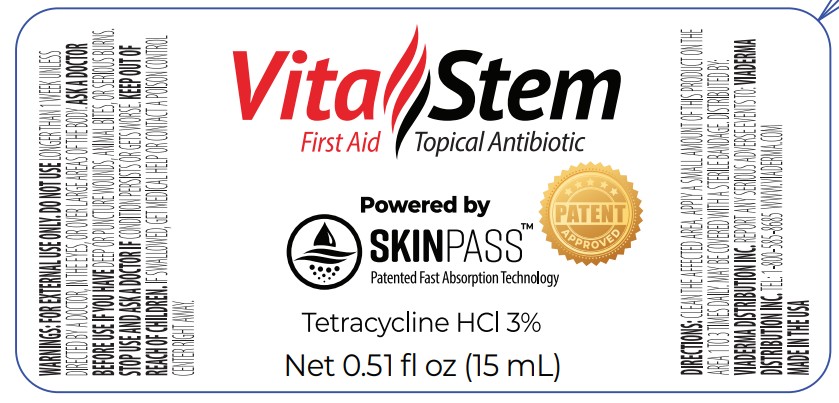
(tetracycline · DailyMed)
NARCOX PLUS SOLUBLE POWDER
SULFADAMIDINE SODIUM+PYRIMETHAMINE HCL+TETRACYCLINE HCL+MULTIVITAMINS
What it does
Multivitamins are dietary supplements that provide a combination of vitamins and minerals to support overall health.
Commonly used for: general health maintenance, nutritional deficiencies, support during pregnancy
Read more in plain English ↓Plain-language summary for general understanding - not medical advice. Always follow your pharmacist/doctor.
Ask about this medicine
Answers come only from this medicine's registration record, BNF monograph and interaction data - not medical advice.
Medicine sourcing is available in Kenya only. We don't sell or dispense medicines - licensed pharmacies do.
Sourcing - Kenya onlyRegistration & product details
Source: Food and Drugs Authority · fetched 2026-04-18 08:33:01 · updated 2026-09-25 04:00:08
Drug Interactions
18Pharmacodynamic Warnings
Tetracycline appears in TABLE 1: Drugs that cause hepatotoxicity
Severe (1)
Tetracyclines - decreases absorption
Strontium is predicted to decrease the absorption of tetracyclines. Avoid. Theoretical Sucralfate
Moderate (3)
Lithium - increases risk of lithium toxicity
Tetracyclines are predicted to increase the risk of lithium toxicity when given with lithium. Avoid or adjust dose.
Tetracyclines - decreases concentration
Fosphenytoin is predicted to decrease the concentration of tetracyclines (doxycycline). Adjust dose.
Tetracyclines - decreases exposure
Rifampicin modestly decreases the exposure to tetracyclines (doxycycline). Adjust dose.
Unknown (14)
Antiepileptics - increases risk of haematological toxicity
Pyrimethamine increases the risk of haematological toxicity when given with antiepileptics (fosphenytoin, phenytoin).
Antimalarials - decreases concentration
Tetracycline decreases the concentration of antimalarials (atovaquone).
Atovaquone - decreases concentration
Tetracycline decreases the concentration of antimalarials (atovaquone).
Fosphenytoin - increases risk of haematological toxicity
Pyrimethamine increases the risk of haematological toxicity when given with antiepileptics (fosphenytoin, phenytoin).
Methotrexate - increases risk of adverse effects
Pyrimethamine is predicted to increase the risk of adverse effects when given with methotrexate.
Data from BNF 85 (British National Formulary). This is not a substitute for professional medical advice. Matched via: class
About multivitamins
Multivitamins are dietary supplements that provide a combination of vitamins and minerals to support overall health.
What it treats
- general health maintenance
- nutritional deficiencies
- support during pregnancy
How it works
They help fill nutritional gaps in the diet, ensuring the body gets essential vitamins and minerals needed for various bodily functions.
Who it's for
Multivitamins are suitable for people of all ages, including those with specific dietary restrictions or increased nutritional needs.
AI-assisted summary grounded in BNF data - general information only, not medical advice. Always confirm with your pharmacist or doctor.
About pyrimethamine
Pyrimethamine is a medicine used to treat certain infections, particularly those caused by parasites.
What it treats
- malaria
- toxoplasmosis
How it works
Pyrimethamine works by stopping the growth of parasites in the body.
Who it's for
This medicine is for people with infections caused by specific parasites.
AI-assisted summary grounded in BNF data - general information only, not medical advice. Always confirm with your pharmacist or doctor.
About sulfadamidine
Sulfadamidine is a medication used to treat certain infections and conditions caused by bacteria.
What it treats
- bacterial infections
- skin infections
- respiratory infections
How it works
It works by stopping the growth of bacteria, helping the body to fight off the infection.
Who it's for
This medication is for people with infections caused by bacteria.
AI-assisted summary grounded in BNF data - general information only, not medical advice. Always confirm with your pharmacist or doctor.
About tetracycline
Tetracycline is an antibiotic that helps fight bacterial infections.
What it treats
- bacterial infections
- acne
- respiratory infections
How it works
It works by stopping the growth of bacteria in the body.
Who it's for
It is for people who have infections caused by certain types of bacteria.
Drug class
Tetracyclines
Cautions
- • Be cautious if you are taking other medications that can harm the liver.
AI-assisted summary grounded in BNF data - general information only, not medical advice. Always confirm with your pharmacist or doctor.
Clinical monograph: Pyrimethamine
BNF-referencedPyrimethamine is an antiprotozoal medication, primarily utilized for the treatment and prevention of malaria, particularly caused by Plasmodium species, and for toxoplasmosis. It acts as a folic acid antagonist, inhibiting the enzyme dihydrofolate reductase, which is essential for the synthesis of nucleic acids in protozoal organisms. This results in impaired growth and division of the parasites. Pyrimethamine is often used in combination with sulfadiazine and folinic acid for enhanced therapeutic effect, especially in cases of toxoplasmosis during pregnancy.
Indications
- Malaria caused by Plasmodium species
- Toxoplasmosis, particularly in immunocompromised patients
- Adjunct treatment of autoimmunity-related conditions
Dosage
Adults: For the treatment of toxoplasmosis in adults, the recommended dosage is 50 mg once daily until delivery, usually in combination with sulfadiazine and
Mechanism of action
Pyrimethamine inhibits the dihydrofolate reductase enzyme in plasmodia, blocking the biosynthesis of purines and pyrimidines necessary for DNA synthesis and cell multiplication. This inhibition leads to failure in nuclear division during the formation of schizonts in erythrocytes and liver. Additionally, it has immunomodulatory effects by increasing oxidative stress, which may aid in the elimination of parasites.
Pharmacodynamics
As an antiparasitic compound, pyrimethamine is particularly effective against uncomplicated, chloroquine-resistant Plasmodium falciparum malaria and Toxoplasma gondii. It exhibits blood schizonticidal activity and some tissue schizonticidal effects, though it does not affect gametocytes. The selective toxicity towards parasites, contrasted with minimal effects on human cells, is due to differences in nucleic acid precursor requirements. Its effectiveness is notably enhanced when used in combination with sulfonamides.
Pharmacokinetics
Pyrimethamine is absorbed well after oral administration and undergoes hepatic metabolism. Its elimination half-life is variable but can be prolonged in cases of renal impairment. The drug is primarily excreted in urine, both as unchanged drug and metabolites. Caution is advised in patients with liver and renal impairment, and monitoring of blood counts is recommended during prolonged therapy due to the risk of haematological toxicity.
Contra-indications
- G6PD deficiency
- Severe renal impairment
- Severe hepatic impairment
- History of seizures
- Heart block (requires ECG monitoring during parenteral treatment)
Adverse effects
- Abdominal pain
- Agitation
- Agranulocytosis
- Anaemia
- Angioedema
- Asthma
- Diarrhoea
- Dizziness
- Fever
- Flushing
- Headache
- Hearing impairment
- Hypersensitivity reactions
- Loss of consciousness
- Muscle weakness
- Nausea
- Skin reactions
- Thrombocytopenia
- Tinnitus
- Vertigo
- Vomiting
Interactions
- Antiepileptics (increases risk of haematological toxicity)
- Fosphenytoin (increases risk of haematological toxicity)
- Phenytoin (increases risk of haematological toxicity)
- Phenobarbital (increases risk of haematological toxicity)
- Primidone (increases risk of haematological toxicity)
- Methotrexate (increases risk of adverse effects)
- Pemetrexed (increases risk of adverse effects)
Precautions
- Monitor blood counts during prolonged treatment
- Consider dose reduction in renal and hepatic impairment
- Caution in patients predisposed to folate deficiency
- Avoid large loading doses in patients with a history of seizures
- Use with caution in pregnancy (theoretical teratogenic risk in the first trimester)
Pregnancy
High doses are teratogenic in the first trimester; however, in malaria, the benefit of treatment may outweigh the risks.
Breast-feeding
Present in milk but not known to be harmful; adequate folate supplements should be given to the mother. Avoid breastfeeding during treatment of toxoplasmosis.
Storage
Store in a cool, dry place away from light. Keep out of reach of children.
Formulations
- Daraprim 25 mg tablets
- Oral suspension
AI-synthesized from BNF references - general information only, not a substitute for professional medical advice or the current BNF. Verify doses with a pharmacist.
Clinical monograph: Tetracycline
BNF-referencedTetracycline is a broad-spectrum antibiotic belonging to the tetracycline class of drugs. It is primarily used to treat various bacterial infections by inhibiting protein synthesis in susceptible bacteria. Its efficacy includes treatment for infections caused by organisms such as Chlamydia, Rickettsia, and Mycoplasma. Due to its ability to bind to calcium, it can cause deposition in growing bones and teeth, which is a significant consideration in pediatric use.
Indications
- Bacterial infections such as chlamydia
- Rickettsial infections
- Mycoplasma infections
- Acne vulgaris (off-label use)
Dosage
Children: In children aged 12 to 17 years, the recommended dose for susceptible infections is 100 mg daily, but this can vary based on specific circumstances and should be guided by the BNF for Children
Adults: For susceptible infections, the typical adult dose is 100 mg twice daily for 5 to 14 days, depending on the specific infection. For acne, 500 mg twice daily for 6 to 12 weeks may be used.
Mechanism of action
Tetracycline works by binding to the 30S ribosomal subunit of bacteria, inhibiting the attachment of aminoacyl-tRNA to the ribosomal acceptor site. This effectively prevents protein synthesis, which is essential for bacterial growth and replication.
Pharmacodynamics
The pharmacodynamics of tetracycline involves its bacteriostatic action, meaning it stops bacteria from multiplying rather than killing them outright. Its spectrum of activity covers a wide range of gram-positive and gram-negative bacteria, as well as some atypical pathogens. Resistance can develop through various mechanisms, including efflux pumps and ribosomal protection.
Pharmacokinetics
Tetracycline is well-absorbed from the gastrointestinal tract, although its absorption can be decreased by the presence of divalent and trivalent metal ions (such as calcium, magnesium, and iron). It is distributed widely in body tissues and fluids, with a volume of distribution of approximately 0.5-1.0 L/kg. Tetracycline is largely excreted unchanged in the urine, with a half-life ranging from 6 to 12 hours. Renal impairment can increase its half-life, necessitating caution in dosing.
Contra-indications
- Children under 12 years due to deposition in growing bone and teeth, causing staining and occasionally dental hypoplasia
Adverse effects
- Gastrointestinal disturbances
- Hearing impairment
- Discoloration of teeth
- Photosensitivity
- Dizziness
- Vertigo
- Skin reactions such as rash or pruritus
- Allergic reactions including anaphylaxis
- Esophagitis
- Stomatitis
- Pseudomembranous colitis
Interactions
- Strontium and tetracyclines: Severe (decreases absorption)
- Fosphenytoin and tetracyclines: Moderate (decreases concentration)
- Tetracyclines and lithium: Moderate (increases risk of lithium toxicity)
- Rifampicin and tetracyclines: Moderate (decreases exposure)
- Mitotane and tetracyclines: Unknown (decreases exposure)
- St John's Wort and tetracyclines: Unknown (decreases exposure)
- Tetracycline and antimalarials: Unknown (decreases concentration)
- Tetracycline and atovaquone: Unknown (decreases concentration)
- Tetracycline and relugolix: Unknown (increases exposure)
Precautions
- Use with caution in patients with renal impairment, as dose adjustments may be necessary
- Monitor for hepatotoxicity, pigmentation, and systemic lupus erythematosus in long-term use
- Avoid concurrent use with medications that may affect absorption or increase toxicity
- Advise patients to remain upright for at least 30 minutes after taking to prevent esophageal irritation
Pregnancy
Tetracyclines are generally not recommended during pregnancy due to the risk of dental staining and skeletal abnormalities in the developing fetus.
Breast-feeding
Tetracyclines can be excreted in breast milk and may affect the infant's dental development; caution is advised.
Storage
Store in a cool, dry place, away from direct sunlight and moisture. Keep out of reach of children.
Formulations
- Tablets: 250 mg, 500 mg
- Oral suspension
AI-synthesized from BNF references - general information only, not a substitute for professional medical advice or the current BNF. Verify doses with a pharmacist.
Clinical monograph: multivitamins
Multivitamins are dietary supplements containing a combination of vitamins, and often minerals, intended to provide nutrients that may be lacking in an individual's diet. They are commonly used to prevent or treat vitamin deficiencies due to poor diet, certain health conditions, or increased physiological needs. Multivitamins can contribute to overall health and well-being when taken as part of a balanced diet.
Indications
- Vitamin deficiency prevention
- Nutritional supplementation
- Support during pregnancy
- Support in elderly patients
- Immune system support
- General health and well-being
Dosage
Children: Refer to the BNF for Children for appropriate pediatric dosing, as this can vary based on age, dietary needs, and specific formulations of multivitamins.
Adults: Refer to specific product guidelines for dosing, as multivitamin formulations can vary widely. Generally, a typical adult multivitamin may be taken once daily, but this can depend on the specific formulation and the individual's nutritional needs.
Mechanism of action
Multivitamins provide essential vitamins and minerals that play critical roles in various biochemical processes in the body. For instance, B vitamins are involved in energy metabolism, vitamin C acts as an antioxidant, and vitamin D supports calcium absorption for bone health. The specific mechanism of action varies with each vitamin and mineral, as they contribute to enzymatic reactions, hormone production, and cellular functions.
Pharmacodynamics
The pharmacodynamics of multivitamins involves the physiological effects that these vitamins and minerals have on the body. Each vitamin and mineral has a unique role, such as supporting immune function, promoting growth and development, and mitigating oxidative stress. Adequate levels of these nutrients are essential for maintaining homeostasis and preventing deficiency-related diseases.
Pharmacokinetics
The pharmacokinetics of multivitamins can vary widely depending on the specific vitamins and minerals included. Water-soluble vitamins, such as B-complex and vitamin C, are typically absorbed in the intestines and excreted in urine when in excess. Fat-soluble vitamins, such as vitamins A, D, E, and K, are absorbed along with dietary fats and stored in body tissues, which can lead to toxicity if taken in excessive amounts. The bioavailability of these nutrients can be influenced by dietary factors, the presence of other nutrients, and individual metabolism.
Adverse effects
- Nausea
- Vomiting
- Diarrhea
- Constipation
- Allergic reactions
- Headache
Interactions
- Anticoagulants may have altered effects due to vitamin K
- Certain antibiotics may have reduced efficacy due to iron or calcium in multivitamins
- Absorption of some medications may be affected by the presence of fat-soluble vitamins
Precautions
- Use with caution in patients with renal impairment
- Monitor for potential overdose, particularly in children
- Consult a healthcare provider before use in patients with underlying health conditions
Pregnancy
Generally considered safe, but high doses of certain vitamins should be avoided. Consult a healthcare provider.
Breast-feeding
Usually safe, but high doses of certain vitamins should be avoided. Consult a healthcare provider.
Storage
Store in a cool, dry place away from direct sunlight, keep out of reach of children.
Formulations
- Tablets
- Capsules
- Chewable tablets
- Liquid formulations
AI-synthesized from BNF references - general information only, not a substitute for professional medical advice or the current BNF. Verify doses with a pharmacist.
Clinical monograph: sulfadamidine
Sulfadamidine is a sulfonamide antibiotic primarily used for its bactericidal properties against a wide range of gram-positive and gram-negative bacteria. It is structurally related to sulfanilamide and acts as an antimicrobial agent by inhibiting bacterial growth. Sulfadimidine is part of a class of drugs that are effective against various infections, particularly in settings where penicillin is not suitable.
Indications
- Bacterial infections
- Urinary tract infections
- Respiratory tract infections
- Skin and soft tissue infections
- Certain types of pneumonia
Dosage
Children: Refer to BNF for Children for specific dosing information.
Adults: Refer to clinical guidelines or BNF for specific dosing information.
Mechanism of action
Sulfadamidine works by competitively inhibiting the bacterial enzyme dihydropteroate synthase, which is crucial in the synthesis of folate. By preventing the conversion of para-aminobenzoic acid (PABA) to dihydropteroic acid, it effectively reduces the production of folate, which is essential for bacterial DNA and RNA synthesis.
Pharmacodynamics
The pharmacodynamics of sulfadamidine involve its ability to inhibit bacterial growth through folate synthesis interference. The drug's efficacy is influenced by factors such as bacterial resistance mechanisms and the presence of other competing substrates. Generally, sulfadamidine exhibits bacteriostatic activity, meaning it stops bacteria from multiplying rather than killing them outright.
Pharmacokinetics
Sulfadamidine is absorbed from the gastrointestinal tract and can reach therapeutic concentrations in bodily tissues and fluids. It has a variable half-life, which can be affected by the patient's renal function, as it is primarily excreted unchanged in the urine. The volume of distribution and protein binding characteristics may also influence its pharmacokinetic profile, impacting both efficacy and safety.
Contra-indications
- Hypersensitivity to sulfamides or any component of the formulation
- Severe liver or kidney disease
- Porphyria
Adverse effects
- Nausea
- Vomiting
- Diarrhea
- Rash
- Allergic reactions including Stevens-Johnson syndrome
- Hematological reactions such as leukopenia and thrombocytopenia
- Hyperkalemia
Interactions
- May interact with warfarin, increasing its anticoagulant effect
- May enhance the effects of other drugs that are metabolized by the liver
- Can interact with methotrexate, increasing its toxicity
- May reduce the effectiveness of oral contraceptives
Precautions
- Use cautiously in patients with renal impairment
- Monitor blood counts regularly due to the risk of agranulocytosis
- Ensure adequate hydration to prevent crystalluria
- Consider potential interactions with other medications
Pregnancy
Use during pregnancy only if the potential benefit justifies the potential risk to the fetus. Category C.
Breast-feeding
Caution is advised as sulfamidine may be excreted in breast milk and could affect the nursing infant.
Storage
Store in a cool, dry place away from direct light. Keep out of reach of children.
Formulations
- Tablets
- Oral suspension
AI-synthesized from BNF references - general information only, not a substitute for professional medical advice or the current BNF. Verify doses with a pharmacist.
Molecular reference: Pyrimethamine
PubChem CID 4993Molecular formula: C12H13ClN4
Mechanism of action
Pyrimethamine inhibits the dihydrofolate reductase of plasmodia and thereby blocks the biosynthesis of purines and pyrimidines, which are essential for DNA synthesis and cell multiplication. This leads to failure of nuclear division at the time of schizont formation in erythrocytes and liver. Pyrimethamine is an antimalarial drug that has also been used successfully to treat autoimmune diseases such as lymphoproliferative syndrome. In this work, the effect of pyrimethamine (PYR) on the production of free radicals in malaria-infected mice was studied to better understand the drug's immunomodulatory properties. BALB/c and CBA/Ca mice were infected with Plasmodium yoelii 17XL. Seven days after infection, mice were treated with PYR or vehicle and sacrificed 24h later. Treatment with PYR increased superoxide dismutase and glutathione peroxidase activities in erythrocytes and the liver, augmented the levels of nitric oxide in the serum, and upregulated mRNA levels of superoxide dismutase, glutathione peroxidase, catalase, and iNOS in the spleen. In addition, PYR increased lipoperoxidation and protein carbonylation in infected mice. Our results indicate that P. yoelii 17XL reduces oxidative stress in infected cells, while PYR induces it, which is associated with increased parasite elimination. Thus, it is possible that oxidative stress generated by pyrimethamine is also involved in its immunomodulatory mechanism of action. Co-infection of human immunodeficiency virus (HIV) with malaria is one of the pandemic problems in Africa and parts of Asia. Here we investigated the impact of pyrimethamine (PYR) and two other clinical anti-malarial drugs (chloroquine [CQ] or artemisinin [ART]) on HIV-1 replication. Peripheral blood mononuclear cells (PBMCs) or MT-2 cells were infected with HIV(NL4.3) strain and treated with different concentrations of the anti-malarial drugs. HIV-1 replication was measured using p24 ELISA. We show that 10 uM CQ and ART inhibited HIV-1 replication by 76% and 60% in PBMCs, respectively, but not in MT-2 cells. In contrast, 10 uM PYR enhanced HIV-1 replication in MT-2 cells by >10-fold. A series of molecular mechanism studies revealed that PYR increased intracellular HIV gag proteins without affecting the promoter or the reverse transcriptase activity. The effect of PYR was independent of HTLV-1 produced by MT-2 cells. Of interest, PYR treatment led to S-phase accumulation and increased AZT and d4T antiviral activity by ~ 4-fold. Taken together, we show that PYR significantly enhances HIV-1 replication by affecting the cellular machinery. Our results could be relevant for the management of malaria and HIV particularly in regions where HIV-1 and malaria epidemics overlap. Autosomal dominant polycystic kidney disease (ADPKD) is a commonly inherited disorder mostly caused by mutations in PKD1, encoding polycystin-1 (PC1). The disease is characterized by development and growth of epithelium-lined cyst in both kidneys, often leading to renal failure. There is no specific treatment for this disease. Here, we report a sustained activation of the transcription factor signal transducer and activator of transcription 3 (STAT3) in ischemic injured and uninjured Pkd1 knockout polycystic kidneys and in human ADPKD kidneys. Through a chemical library screen, we identified the anti-parasitic compound pyrimethamine as an inhibitor of STAT3 function. Treatment with pyrimethamine decreases cell proliferation in human ADPKD cells and blocks renal cyst formation in an adult and a neonatal PKD mouse model. Moreover, we demonstrated that a specific STAT3 inhibitor, S3I-201, reduces cyst formation and growth in a neonatal PKD mouse model. Our results suggest that PC1 acts as a negative regulator of STAT3 and that blocking STAT3 signaling with pyrimethamine or similar drugs may be an attractive therapy for human ADPKD. The unresponsiveness of metastatic melanoma to conventional chemotherapeutic and biological agents is largely due to the de
Pharmacodynamics
Pyrimethamine is an antiparasitic compound commonly used as an adjunct in the treatment of uncomplicated, chloroquine resistant, P. falciparum malaria. Pyrimethamine is a folic acid antagonist and the rationale for its therapeutic action is based on the differential requirement between host and parasite for nucleic acid precursors involved in growth. This activity is highly selective against plasmodia and Toxoplasma gondii. Pyrimethamine possesses blood schizonticidal and some tissue schizonticidal activity against malaria parasites of humans. However, the 4-amino-quinoline compounds are more effective against the erythrocytic schizonts. It does not destroy gametocytes, but arrests sporogony in the mosquito. The action of pyrimethamine against Toxoplasma gondii is greatly enhanced when used in conjunction with sulfonamides.
Source: PubChem (NCBI) · pathways from PathBank, Reactome, WikiPathways & PharmGKB.
Molecular reference: Tetracycline
PubChem CID 54675776Molecular formula: C22H24N2O8
Biological pathways
Source: PubChem (NCBI) · pathways from PathBank, Reactome, WikiPathways & PharmGKB.
This drug in other countries
The same active ingredient registered across other registries we cover - including different brands.
- ABAMYCIN 10% INJECTION · Murphy Chemicals
- BIOTET CAPSULES · Biodeal Laboratories
- BIOTET OINTMENT · Biodeal Laboratories
- CO-ARINATE FDC ADULT · Energia Pharma
- CO-ARINATE FDC JUNIOR · Energia Pharma
- Co-Arinate FDC adult · Dafra Pharma GMBH
- ALAXIN-PLUS COMBINATION PRODUCT TABLET
- AMINOSOFT-LIQUID COMBINATION PRODUCT LIQUID
- ARTESUNATE + SP COMBINATION PRODUCT TABLET
- ASU-DENK 200MG/500MG/25MG TABLET
- ASUNATE_DENK_PLUS COMBINATION PRODUT TABLET
- CO-ARINATE*JUNIOR*FDC COMBINATION PRODUCT TABLET