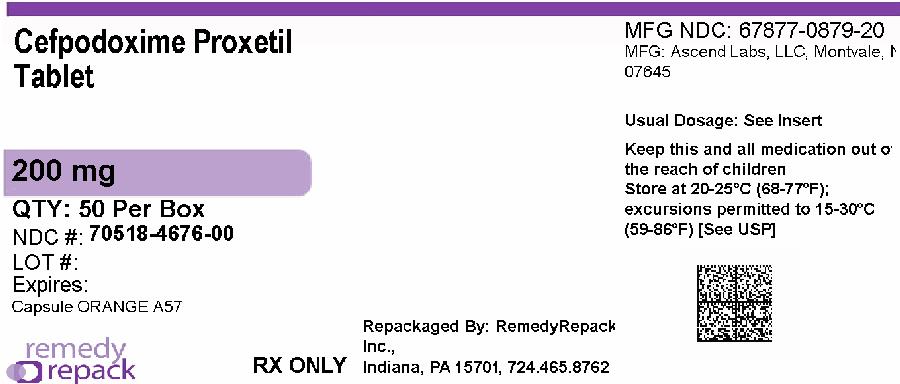
(proxetil · DailyMed)
ORELOX TABLETS (Each film coated tablet contains Ceftriaxone Proxetil 200mg)
Ceftriaxone Proxetil
What it does
Ceftriaxone is an antibiotic used to treat various bacterial infections.
Commonly used for: bacterial infections, infections of the lungs (pneumonia), infections of the skin, infections of the urinary tract
Read more in plain English ↓Plain-language summary for general understanding - not medical advice. Always follow your pharmacist/doctor.
Ask about this medicine
Answers come only from this medicine's registration record, BNF monograph and interaction data - not medical advice.
Medicine sourcing is available in Kenya only. We don't sell or dispense medicines - licensed pharmacies do.
Sourcing - Kenya onlyRegistration & product details
Source: Food and Drugs Authority · fetched 2026-05-08 08:00:14 · updated 2026-10-23 04:00:04
Drug Interactions
3Pharmacodynamic Warnings
Ceftriaxone appears in TABLE 2: Drugs that cause nephrotoxicity
Unknown (3)
Cephalosporins - increases exposure
Leflunomideispredictedtoincreasetheexposureto cephalosporins(cefaclor).oTheoretical
Cephalosporins - increases exposure
Nitisinone is predicted to increase the exposure to cephalosporins (cefaclor).
Cephalosporins - increases exposure
Teriflunomide is predicted to increase the exposure to cephalosporins (cefaclor).
Data from BNF 85 (British National Formulary). This is not a substitute for professional medical advice. Matched via: class
About ceftriaxone
Ceftriaxone is an antibiotic used to treat various bacterial infections.
What it treats
- bacterial infections
- infections of the lungs (pneumonia)
- infections of the skin
- infections of the urinary tract
How it works
Ceftriaxone works by stopping the growth of bacteria, helping to eliminate infections.
Who it's for
This medicine is for adults and children needing treatment for infections caused by bacteria.
Drug class
Cephalosporins
Cautions
- • Be careful if you are taking other medicines that can harm your kidneys.
AI-assisted summary grounded in BNF data - general information only, not medical advice. Always confirm with your pharmacist or doctor.
About proxetil
Proxetil is a medication used to manage certain mental health conditions.
What it treats
- depression
- anxiety disorders
How it works
Proxetil works by helping to balance chemicals in the brain that affect mood and emotions.
Who it's for
This medication is for adults who are experiencing symptoms of depression or anxiety.
AI-assisted summary grounded in BNF data - general information only, not medical advice. Always confirm with your pharmacist or doctor.
Clinical monograph: Ceftriaxone
BNF-referencedCeftriaxone is a broad-spectrum cephalosporin antibiotic used for the treatment of various bacterial infections. It is particularly effective against susceptible Gram-positive and Gram-negative bacteria. Ceftriaxone is administered via intravenous injection or infusion, and it has a long half-life, allowing for once-daily dosing in many cases. It is commonly used for conditions such as community-acquired pneumonia, hospital-acquired pneumonia, intra-abdominal infections, and complicated urinary tract infections.
Indications
- Bacterial infections
- Susceptible infections due to sensitive Gram-positive and Gram-negative bacteria
- Community-acquired pneumonia
- Hospital-acquired pneumonia
- Intra-abdominal infections
- Complicated urinary tract infections
- Severe diabetic foot infections
- Prophylaxis of infection from human and animal bites
Dosage
Adults: 1–2 g once daily, or 2 g every 8 hours for severe infections or hospital-acquired pneumonia.
Mechanism of action
Ceftriaxone works by inhibiting mucopeptide synthesis in the bacterial cell wall. Its beta-lactam structure binds to carboxypeptidases, endopeptidases, and transpeptidases located in the bacterial cytoplasmic membrane, which are crucial for cell wall synthesis and division. This binding leads to enzyme inactivity, resulting in the formation of defective cell walls and ultimately bacterial cell death.
Pharmacodynamics
Ceftriaxone is a beta-lactam antibiotic with bactericidal properties, primarily affecting the synthesis of bacterial cell walls. It exhibits activity against a variety of Gram-positive and Gram-negative organisms. The drug is stable against hydrolysis by many beta-lactamases, which enhances its effectiveness against resistant bacterial strains. However, it can still be subject to resistance mechanisms such as beta-lactamase production and alterations in penicillin-binding proteins.
Pharmacokinetics
Ceftriaxone has a long half-life, allowing for once-daily dosing in many cases. It is widely distributed in body tissues and fluids, including the central nervous system, making it effective for treating infections such as meningitis. The drug is primarily eliminated via the kidneys, with a portion excreted in the bile. Dose adjustments may be necessary in patients with renal impairment.
Contra-indications
- Hypersensitivity to ceftriaxone or any of its ingredients
- History of severe allergic reactions to penicillins or other beta-lactam antibiotics
- Newborns with hyperbilirubinemia
- Concurrent use with calcium-containing solutions in neonates
Adverse effects
- Diarrhea
- Nausea
- Vomiting
- Rash
- Thrombocytosis
- Thrombophlebitis at the injection site
- Antibiotic-associated colitis
- Acute kidney injury
- Jaundice
- Biliary sludge
- Neurotoxicity (rare, may include seizures)
Interactions
- Calcium-containing solutions (risk of precipitation)
- Probenecid (may increase plasma concentrations of ceftriaxone)
- Anticoagulants (may enhance anticoagulant effect)
- Other nephrotoxic agents (increased risk of renal impairment)
Precautions
- Use with caution in patients with renal impairment
- Caution in patients with hepatic impairment
- Monitor for signs of antibiotic-associated colitis
- Use with caution in patients with a history of gastrointestinal disease
Pregnancy
Not known to be harmful, but should be used only if clearly needed.
Breast-feeding
Present in milk in low concentrations, but generally considered appropriate to use.
Storage
Store in a cool, dry place away from light. Reconstituted solutions should be used immediately or stored at 2-8 degrees Celsius and used within 24 hours.
Formulations
- Powder for solution for injection: 500 mg, 1 g, 2 g vials
AI-synthesized from BNF references - general information only, not a substitute for professional medical advice or the current BNF. Verify doses with a pharmacist.
Clinical monograph: proxetil
Proxetil is an antidepressant belonging to the class of selective serotonin reuptake inhibitors (SSRIs). It is primarily utilized for the treatment of major depressive disorder and is thought to have a favorable side effect profile compared to older antidepressants. It works by increasing serotonin levels in the brain, which helps to improve mood and alleviate symptoms of depression.
Indications
- Major depressive disorder
- Generalized anxiety disorder
- Obsessive-compulsive disorder
- Panic disorder
- Post-traumatic stress disorder
Dosage
Children: Refer to the BNF for Children for appropriate dosing recommendations, as pediatric dosing may differ significantly from adult dosing.
Adults: Refer to the specific prescribing information for dosing guidance as it may vary based on individual patient factors and clinical judgment.
Mechanism of action
Proxetil functions as a selective serotonin reuptake inhibitor (SSRI), which means it inhibits the reuptake of serotonin (5-HT) in the presynaptic neuron. By blocking the serotonin transporter (SERT), it increases the availability of serotonin in the synaptic cleft, enhancing serotonergic neurotransmission. This mechanism is believed to contribute to its antidepressant effects.
Pharmacodynamics
The pharmacodynamics of proxetil involve the modulation of serotonin levels in the central nervous system. The increase in serotonin availability leads to improved mood, reduction in anxiety, and overall enhancement of emotional well-being. The onset of therapeutic effects may take several weeks, and the drug is generally well tolerated, with common side effects including gastrointestinal disturbances and changes in sexual function.
Pharmacokinetics
Proxetil is absorbed rapidly after oral administration, with peak plasma concentrations occurring within several hours. It undergoes extensive first-pass metabolism, primarily in the liver, which affects its bioavailability. The drug is metabolized by cytochrome P450 enzymes, and its elimination half-life is generally around 24 hours, allowing for once-daily dosing. It is excreted mainly in urine, with a small amount excreted as unchanged drug.
Contra-indications
- Hypersensitivity to proxetil or any of its components
- Severe hepatic impairment
- Concurrent use with monoamine oxidase inhibitors (MAOIs)
Adverse effects
- Nausea
- Diarrhea
- Dizziness
- Somnolence
- Dry mouth
- Insomnia
- Sexual dysfunction
Interactions
- Caution when used with other central nervous system depressants
- May increase the effects of anticoagulants
- Potential interaction with other serotonergic drugs, increasing the risk of serotonin syndrome
Precautions
- Use with caution in patients with a history of seizures
- Monitor for worsening of depression or emergence of suicidal thoughts
- Consider potential for withdrawal symptoms upon discontinuation
Pregnancy
Proxetil should be used during pregnancy only if the potential benefit justifies the potential risk to the fetus. Consult clinical guidelines for further information.
Breast-feeding
Proxetil is excreted in breast milk. Caution is advised when administering to nursing mothers.
Storage
Store at room temperature, away from moisture and direct sunlight. Keep out of reach of children.
Formulations
- Oral tablets
- Oral solution
AI-synthesized from BNF references - general information only, not a substitute for professional medical advice or the current BNF. Verify doses with a pharmacist.
Molecular reference: Ceftriaxone
PubChem CID 5479530Molecular formula: C18H18N8O7S3
Mechanism of action
Ceftriaxone works by inhibiting the mucopeptide synthesis in the bacterial cell wall. The beta-lactam moiety of ceftriaxone binds to carboxypeptidases, endopeptidases, and transpeptidases in the bacterial cytoplasmic membrane. These enzymes are involved in cell-wall synthesis and cell division. Binding of ceftriaxone to these enzymes causes the enzyme to lose activity; therefore, the bacteria produce defective cell walls, causing cell death.
Pharmacodynamics
Ceftriaxone is a cephalosporin/cephamycin beta-lactam antibiotic used in the treatment of bacterial infections caused by susceptible, usually gram-positive, organisms. Ceftriaxone has <i>in vitro</i> activity against gram-positive aerobic, gram-negative aerobic, and anaerobic bacteria. The bactericidal activity of ceftriaxone results from the inhibition of cell wall synthesis and is mediated through ceftriaxone binding to penicillin-binding proteins (PBPs). Ceftriaxone is stable against hydrolysis by a variety of beta-lactamases, including penicillinases, and cephalosporinases and extended-spectrum beta-lactamases. However, resistance to ceftriaxone usually occurs through beta-lactamase hydrolysis, altered PBPs, or reduced bacterial cell permeability. Ceftriaxone should not be mixed with or giving in the same IV line as diluents/products containing calcium as they may cause ceftriaxone to precipitate. Ceftriaxone use may also cause biliary sludge or gallbladder pseudolithiasis.
Source: PubChem (NCBI) · pathways from PathBank, Reactome, WikiPathways & PharmGKB.
This drug in other countries
The same active ingredient registered across other registries we cover - including different brands.