International reference: 1 US FDA recall for this ingredient
Superpotent Drug: The vitamin supplement contains an extremely high level of vitamin D3 (Cholecalciferol). (ubiquinol)
US-market enforcement records (OpenFDA), shown for reference - not specific to this product in Ghana.
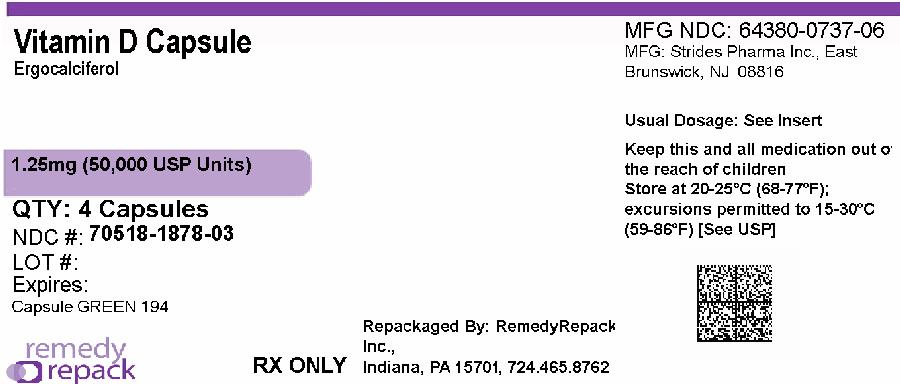
(vitamin · DailyMed)
OVAZOA-F SOFT GELATIN CAPSULES
gelatin capsule contains Magnesium Bisglycinate/Ubiquinol/DHA 12%/L-Arginine/Lycopene 6%/Zinc Sulphate Monohydrate/Melatonin/L-Methylfolate Calcium/Selenomethionine/Vitamin D 3/Superoxide dismutase
What it does
Bisglycinate is a form of mineral supplement often used to support overall health.
Commonly used for: iron deficiency, anemia (low iron levels), improving energy levels
Read more in plain English ↓Plain-language summary for general understanding - not medical advice. Always follow your pharmacist/doctor.
Ask about this medicine
Answers come only from this medicine's registration record, BNF monograph and interaction data - not medical advice.
Medicine sourcing is available in Kenya only. We don't sell or dispense medicines - licensed pharmacies do.
Sourcing - Kenya onlyRegistration & product details
Source: Food and Drugs Authority · fetched 2026-04-18 08:33:06 · updated 2026-10-20 04:00:08
Drug Interactions
20Pharmacodynamic Warnings
Melatonin appears in TABLE 11: Drugs with CNS depressant effects
Severe (3)
Melatonin - increases exposure
Fluvoxamine very markedly increases the exposure to melatonin. Avoid.
Vitamin - increases risk of vitamin a toxicity
TretinoinispredictedtoincreasetheriskofvitaminAtoxicity whengivenwithvitaminA.Avoid.rStudy Ribavirin e
Vitamin - increases risk of vitamin a toxicity
Retinoids(tretinoin)arepredictedtoincreasetheriskof vitaminAtoxicitywhengivenwithvitaminA.Avoid.r Study VitaminDsubstances . . . . . alfacalcidol.calcipotri..ol calcitriol colecalciferol ergocalcifero
Moderate (2)
Melatonin - increases exposure
Givosiran is predicted to increase the exposure to melatonin. Use with caution and adjust dose.
Vitamin - increases risk of toxicity
Retinoids (bexarotene) are predicted to increase the risk of toxicity when given with vitamin A. Adjust dose.
Unknown (15)
Melatonin - decreases exposure
Phenytoinispredictedtodecreasetheexposuretomelatonin. oTheoretical
Melatonin - increases exposure
Axitinibispredictedtoincreasetheexposuretomelatonin. oTheoretical
Melatonin - decreases exposure
Ritonavirispredictedtodecreasetheexposuretomelatonin. oTheoretical
Melatonin - decreases exposure
Leflunomideispredictedtodecreasetheexposureto melatonin.oTheoretical
Melatonin - increases exposure
Mexiletineispredictedtoincreasetheexposuretomelatonin. oTheoretical
Data from BNF 85 (British National Formulary). This is not a substitute for professional medical advice. Matched via: exact
About bisglycinate
Bisglycinate is a form of mineral supplement often used to support overall health.
What it treats
- iron deficiency
- anemia (low iron levels)
- improving energy levels
How it works
Bisglycinate helps the body absorb minerals better, especially iron, which is important for producing red blood cells.
Who it's for
This supplement is suitable for anyone needing extra iron, especially those who are pregnant, have heavy menstrual periods, or follow vegetarian diets.
AI-assisted summary grounded in BNF data - general information only, not medical advice. Always confirm with your pharmacist or doctor.
About contains
This medicine contains a variety of active ingredients that work together to help treat certain health conditions.
How it works
The active ingredients in this medicine perform specific functions to help your body in various ways, depending on the condition being treated.
Who it's for
This medicine is meant for individuals with specific health issues as determined by a healthcare provider.
AI-assisted summary grounded in BNF data - general information only, not medical advice. Always confirm with your pharmacist or doctor.
About dha
DHA is an omega-3 fatty acid that supports brain health and overall well-being.
What it treats
- supports brain development
- promotes heart health
- aids in eye health
How it works
DHA helps build and maintain healthy cells, especially in the brain and eyes.
Who it's for
DHA is suitable for individuals looking to improve brain and heart health, including pregnant women and infants.
AI-assisted summary grounded in BNF data - general information only, not medical advice. Always confirm with your pharmacist or doctor.
About dismutase
Dismutase is a substance that helps reduce oxidative stress in the body, which can contribute to various health issues.
What it treats
- oxidative stress
- cell damage prevention
How it works
Dismutase helps to neutralize harmful molecules called free radicals, which can cause damage to cells.
Who it's for
This may be suitable for individuals looking to support their body's defense against oxidative stress.
AI-assisted summary grounded in BNF data - general information only, not medical advice. Always confirm with your pharmacist or doctor.
About gelatin
Gelatin is a substance often used in various food products and supplements. It is derived from animal collagen and is commonly used to help improve joint health and support digestion.
What it treats
- joint pain
- digestive health
- skin elasticity
How it works
Gelatin helps to provide structure to the body, supporting joints, skin, and digestive tract by providing essential proteins.
Who it's for
Gelatin is suitable for people looking to support their joint health, improve skin appearance, or enhance digestion.
AI-assisted summary grounded in BNF data - general information only, not medical advice. Always confirm with your pharmacist or doctor.
About l-arginine
L-arginine is an amino acid that helps improve blood flow and may support heart health.
What it treats
- angina (chest pain)
- heart disease
- erectile dysfunction
- high blood pressure (hypertension)
- wound healing
How it works
L-arginine helps the body produce nitric oxide, which relaxes blood vessels and improves blood circulation.
Who it's for
L-arginine may be suitable for adults looking to improve their cardiovascular health or manage related conditions.
AI-assisted summary grounded in BNF data - general information only, not medical advice. Always confirm with your pharmacist or doctor.
About l-methylfolate
L-methylfolate is a form of vitamin B that helps the body use folate effectively.
What it treats
- folate deficiency
- depression
- certain types of anemia
How it works
It assists in the production of red blood cells and supports mental health by improving mood.
Who it's for
It is suitable for individuals who need extra folate, including those with specific medical conditions or dietary restrictions.
AI-assisted summary grounded in BNF data - general information only, not medical advice. Always confirm with your pharmacist or doctor.
About lycopene
Lycopene is a natural pigment found in tomatoes and other red fruits and vegetables. It is known for its antioxidant properties.
What it treats
- prostate cancer
- breast cancer
- heart disease
- high cholesterol
How it works
Lycopene helps protect cells from damage caused by free radicals, which can contribute to various diseases.
Who it's for
Adults looking for potential health benefits related to cancer and heart health.
AI-assisted summary grounded in BNF data - general information only, not medical advice. Always confirm with your pharmacist or doctor.
About melatonin
Melatonin is a natural hormone that helps regulate sleep patterns.
What it treats
- insomnia
- jet lag
- sleep disorders
How it works
Melatonin helps signal to your body that it's time to sleep, promoting a natural sleep cycle.
Who it's for
Adults and children who have trouble sleeping or adjusting to new sleep schedules.
Cautions
- • Be careful if you are taking other medications that make you sleepy.
AI-assisted summary grounded in BNF data - general information only, not medical advice. Always confirm with your pharmacist or doctor.
About selenomethionine
Selenomethionine is a form of the mineral selenium that is used as a dietary supplement.
What it treats
- selenium deficiency
- support for immune function
- antioxidant support
How it works
Selenomethionine helps protect cells from damage and supports various bodily functions by providing selenium.
Who it's for
It is suitable for adults who need additional selenium in their diet.
AI-assisted summary grounded in BNF data - general information only, not medical advice. Always confirm with your pharmacist or doctor.
About superoxide
Superoxide is a reactive molecule that can be involved in various biological processes in the body. It is not a medication but is studied for its role in health and disease.
How it works
Superoxide is produced naturally in the body and can participate in cellular processes, including signaling and defense against pathogens.
Who it's for
Research on superoxide may be relevant for scientists and healthcare professionals studying oxidative stress and related conditions.
AI-assisted summary grounded in BNF data - general information only, not medical advice. Always confirm with your pharmacist or doctor.
About ubiquinol
Ubiquinol is a form of coenzyme Q10 that helps produce energy in cells and acts as an antioxidant.
What it treats
- heart disease
- high blood pressure (hypertension)
- muscle weakness
- general fatigue
How it works
It helps your cells generate energy and protects them from damage caused by harmful molecules.
Who it's for
It may be suitable for adults looking to support heart health and energy levels.
AI-assisted summary grounded in BNF data - general information only, not medical advice. Always confirm with your pharmacist or doctor.
About vitamin
Vitamins are essential nutrients that support various bodily functions and overall health.
What it treats
- nutritional deficiency
- general health maintenance
How it works
Vitamins support normal bodily functions, including metabolism, immune function, and cell repair.
Who it's for
Anyone needing to improve their nutrient intake or maintain good health.
AI-assisted summary grounded in BNF data - general information only, not medical advice. Always confirm with your pharmacist or doctor.
Clinical monograph: Melatonin
BNF-referencedAdverse effects
- Arthralgia
- Infection
- Dizziness
- Dry mouth
- Gastrointestinal discomfort
- Headaches
- Nausea
- Altered mood
- Night sweats
- Skin reactions
- Aggression
- Depression
- Disorientation
- Weight gain
- Electrolyte imbalance
Interactions
- Fluvoxamine: Severe (increases exposure)
- Givosiran: Moderate (increases exposure)
- Phenytoin: Unknown (decreases exposure)
- Axitinib: Unknown (increases exposure)
- Ritonavir: Unknown (decreases exposure)
- Leflunomide: Unknown (decreases exposure)
- Mexiletine: Unknown (increases exposure)
- Osilodrostat: Unknown (increases exposure)
- Rucaparib: Unknown (increases exposure)
- Teriflunomide: Unknown (decreases exposure)
Precautions
- Use with caution in hepatic impairment
- Use with caution in renal impairment
- Drowsiness may persist into the next day, affecting performance of skilled tasks such as driving
Pregnancy
No information available-avoid.
Breast-feeding
Present in milk-avoid.
Storage
Store in a cool, dry place away from light.
Formulations
- Modified-release tablets (Circadin®, Slenyto®)
- Immediate-release tablets (Adaflex®, Ceyesto®, Syncrodin®)
- Hard capsules
- Oral solution
AI-synthesized from BNF references - general information only, not a substitute for professional medical advice or the current BNF. Verify doses with a pharmacist.
Clinical monograph: Gelatin
BNF-referencedGelatin is a plasma substitute derived from protein obtained from plasma, serum, or normal placentas, with at least 95% of the protein being albumin. It is used to restore blood volume in patients with low blood volume conditions such as hypovolemic shock, burns, and during cardiopulmonary bypass procedures. Gelatin solutions can be isotonic, containing 3.5-5% protein, or concentrated, containing 15-25% protein.
Indications
- Low blood volume
- Hypovolemic shock
- Burns
- Cardiopulmonary bypass
Dosage
Children: Initially 10-20 mL per kilogram. Adjust according to the patient's condition and response, using 3.5-4% solution. Use under specialist supervision to mitigate the risk of fluid overload.
Adults: Dose according to requirements, typically administered intravenously. Consult product literature for specific dosing guidance.
Mechanism of action
Gelatin acts as a plasma expander by increasing the oncotic pressure in the vascular compartment, which helps to retain fluid within the bloodstream and restore circulating blood volume. This mechanism aids in maintaining blood pressure and improving tissue perfusion.
Pharmacodynamics
Gelatin solutions increase blood volume and improve hemodynamic stability in patients experiencing hypovolemic conditions. By drawing water into the vascular space, they help to counteract the effects of low blood volume, such as hypotension and compromised organ perfusion.
Pharmacokinetics
Gelatin is administered intravenously, and its effects can be observed relatively quickly. The half-life and the metabolic clearance depend on the formulation and concentration of the solution. Gelatin is gradually metabolized by macrophages and eliminated by the renal system. Close monitoring of fluid balance is essential, particularly in patients with cardiac or renal impairment.
Contra-indications
- Severe liver disease
- History of circulatory disease
- Severe cardiac disease
Adverse effects
- Fever
- Flushing
- Nausea
- Urticaria
- Rare or very rare shock
Interactions
- Calcium salts
Precautions
- Monitor cardiovascular and respiratory function
- Correct dehydration when administering
- Administer slowly to avoid rapid rise in blood pressure and cardiac failure
- Increased capillary permeability
Pregnancy
Consult product literature for specific guidance regarding use in pregnancy.
Breast-feeding
Consult product literature for specific guidance regarding use in breastfeeding.
Storage
Store at controlled room temperature, protect from light. Refer to product-specific storage instructions.
Formulations
- 5% solution for infusion
- 20% solution for infusion
- Concentrated solution (15-25% protein)
- Isotonic solution (3.5-5% protein)
AI-synthesized from BNF references - general information only, not a substitute for professional medical advice or the current BNF. Verify doses with a pharmacist.
Clinical monograph: bisglycinate
Bisglycinate is a chelated form of minerals, particularly magnesium, where the mineral is bound to two glycine molecules. This form enhances the bioavailability of magnesium, making it more easily absorbed in the gastrointestinal tract compared to other mineral salts. It is often used as a dietary supplement to support various physiological functions, particularly in individuals with magnesium deficiency.
Indications
- Magnesium deficiency
- Muscle cramps
- Fatigue
- Anxiety
- Sleep disorders
- Bone health maintenance
Dosage
Children: Refer to specific product guidelines for dosing, as pediatric doses should be determined based on clinical guidelines and individual assessment.
Adults: Refer to specific product guidelines for dosing, as doses may vary based on individual needs and formulations.
Mechanism of action
Bisglycinate works by providing a bioavailable source of magnesium, which is essential for numerous enzymatic processes in the body. Magnesium ions play a crucial role in muscle function, nerve transmission, and the maintenance of normal heart rhythm. The glycine component may also have additional benefits, including promoting relaxation and improving sleep quality.
Pharmacodynamics
As a magnesium supplement, bisglycinate contributes to the maintenance of normal physiological functions, including muscle contraction, nerve signal transmission, and energy production through ATP synthesis. It also contributes to the regulation of blood pressure and supports bone health. The presence of glycine may enhance its calming effects, potentially aiding in reducing anxiety and improving sleep.
Pharmacokinetics
The absorption of bisglycinate occurs primarily in the small intestine, where the chelated form enhances the solubility and bioavailability of magnesium. Once absorbed, magnesium enters the bloodstream and is distributed to various tissues, where it is utilized or stored. The metabolism of bisglycinate is minimal, as it primarily exists as a mineral supplement. The elimination of excess magnesium is primarily through renal excretion.
Adverse effects
- Gastrointestinal discomfort
- Nausea
- Diarrhea
- Constipation
Precautions
- Use with caution in patients with renal impairment
- Monitor for potential gastrointestinal side effects
Pregnancy
Safety in pregnancy has not been established. Use only if clearly needed and prescribed by a healthcare provider.
Breast-feeding
Limited data available. Consult a healthcare provider before use.
Storage
Store in a cool, dry place, away from direct sunlight.
Formulations
- Oral powder
- Tablets
- Capsules
AI-synthesized from BNF references - general information only, not a substitute for professional medical advice or the current BNF. Verify doses with a pharmacist.
Clinical monograph: contains
Contains is a term generally used to refer to formulations that include one or more active pharmaceutical ingredients. The specific effects, uses, and formulations depend on the particular drug in question. It is often used in the context of drug labels to inform about the components of a medication.
Dosage
Children: Refer to specific drug information for detailed dosage recommendations.
Adults: Refer to specific drug information for detailed dosage recommendations.
Mechanism of action
The mechanism of action varies depending on the specific drug that 'contains' certain active ingredients. Each compound will have its own unique pharmacological pathway and target within the body, which can include receptor modulation, enzyme inhibition, or other biochemical interactions.
Pharmacodynamics
Pharmacodynamics will depend on the active ingredients in the formulation. It generally encompasses the biochemical and physiological effects of the drug and its mechanisms of action, including the relationship between drug concentration and effect.
Pharmacokinetics
Pharmacokinetics involves the absorption, distribution, metabolism, and excretion of the specific active ingredients within the formulation. This can vary significantly based on the drug's chemical properties, route of administration, and individual patient factors.
Pregnancy
Consult with a healthcare provider before use, as safety during pregnancy has not been established.
Breast-feeding
Consult with a healthcare provider before use, as it is not known if this drug is excreted in human milk.
Storage
Store in a cool, dry place away from direct sunlight. Keep out of reach of children.
AI-synthesized from BNF references - general information only, not a substitute for professional medical advice or the current BNF. Verify doses with a pharmacist.
Clinical monograph: dismutase
Dismutase, specifically superoxide dismutase (SOD), is an antioxidant enzyme that plays a crucial role in protecting cells from oxidative damage by catalyzing the dismutation of superoxide radicals into oxygen and hydrogen peroxide. This enzyme is pivotal in reducing oxidative stress, which is implicated in various pathological conditions, including inflammation, cardiovascular diseases, and neurodegenerative disorders.
Indications
- Oxidative stress-related disorders
- Inflammation
- Cardiovascular diseases
- Neurodegenerative diseases
- Age-related conditions
Dosage
Children: Refer to specific product guidelines or clinical studies for dosing information, as no standard dose is established.
Adults: Refer to specific product guidelines or clinical studies for dosing information, as no standard dose is established.
Mechanism of action
Superoxide dismutase catalyzes the conversion of superoxide (O2-) radicals into molecular oxygen (O2) and hydrogen peroxide (H2O2). This reaction is vital for mitigating oxidative stress by reducing the concentration of harmful superoxide radicals in the body, thereby protecting cellular components from oxidative damage.
Pharmacodynamics
Dismutase exerts its pharmacological effects primarily through its antioxidant properties. By lowering the levels of superoxide radicals, it helps to maintain cellular redox balance and prevent oxidative damage to proteins, lipids, and DNA. This action contributes to reduced inflammation and may improve tissue repair and recovery in various diseases where oxidative stress is a contributing factor.
Pharmacokinetics
The pharmacokinetics of dismutase can vary based on its source (e.g., human, animal, or plant-derived). Generally, it exhibits a short half-life in circulation due to rapid clearance by the body. Its bioavailability may also be affected by factors such as administration route and formulation. After administration, dismutase is distributed to tissues where it exerts its protective effects against oxidative stress. However, specific pharmacokinetic parameters may not be well characterized due to variability in formulations and routes of administration.
Pregnancy
There is insufficient data on the safety of dismutase in pregnancy. Consult a healthcare provider before use.
Breast-feeding
Limited data is available on the excretion of dismutase in human milk. Consult a healthcare provider before use.
Storage
Store in a cool, dry place away from light. Keep out of reach of children.
AI-synthesized from BNF references - general information only, not a substitute for professional medical advice or the current BNF. Verify doses with a pharmacist.
Clinical monograph: larginine
BNF-referencedL-arginine is a semi-essential amino acid that serves as a precursor for nitric oxide (NO) production in the body. It plays critical roles in various physiological processes, including cardiovascular function, immune response, and tissue repair. L-arginine supplementation is often utilized for its potential benefits in enhancing blood flow, promoting wound healing, and supporting muscle growth.
Indications
- Cardiovascular diseases
- Erectile dysfunction
- Peripheral arterial disease
- Wound healing
- Muscle growth and recovery
- Immune system support
Dosage
Children: For paediatric dosing, it is important to refer to the BNF for Children for appropriate guidelines based on the child's age, weight, and clinical condition.
Adults: The typical dosage for adults varies based on the condition being treated, but common oral doses range from 2 to 30 grams per day, divided into multiple doses. For specific dosing recommendations, please refer to the BNF.
Mechanism of action
L-arginine is converted to nitric oxide by nitric oxide synthase (NOS), which is crucial for vascular function and blood flow regulation. NO activates guanylate cyclase, leading to increased levels of cyclic GMP, a secondary messenger that mediates vasodilation and other cellular responses. This pathway is vital in both the cardiovascular and immune systems, with different isoforms of NOS (eNOS, nNOS, iNOS) contributing to various physiological effects.
Pharmacodynamics
L-arginine has been shown to enhance immune responses, improve wound healing, stimulate growth hormone release, and support muscle hypertrophy and tissue repair. Its role in nitric oxide production aids in vasodilation, improving blood circulation and oxygen delivery to tissues, which is essential for recovery and regeneration.
Pharmacokinetics
L-arginine is absorbed from the gastrointestinal tract, with peak plasma concentrations occurring within 1-2 hours after oral administration. It is metabolized primarily in the liver and kidneys, with a half-life of approximately 1-2 hours. The bioavailability of L-arginine can be influenced by dietary intake and metabolic conditions.
Adverse effects
- Gastrointestinal disturbances
- Nausea
- Diarrhea
- Abdominal pain
- Hypotension
- Allergic reactions
Interactions
- Antihypertensive agents may have additive effects leading to increased hypotension
- Sildenafil and other medications for erectile dysfunction may have enhanced effects when used with L-arginine
Precautions
- Caution in patients with a history of asthma or allergies
- Use with caution in patients with hypotension
- Monitor blood pressure in patients taking antihypertensive medications
Pregnancy
The safety of L-arginine in pregnancy has not been established. Consult a healthcare provider before use.
Breast-feeding
L-arginine is excreted in breast milk, and its safety during breastfeeding is not well established. Consult a healthcare provider.
Storage
Store in a cool, dry place away from direct sunlight. Keep out of reach of children.
Formulations
- Oral tablets
- Powder for oral solution
- Capsules
AI-synthesized from BNF references - general information only, not a substitute for professional medical advice or the current BNF. Verify doses with a pharmacist.
Clinical monograph: lmethylfolate
BNF-referencedLevomefolate, also known as levomefolic acid, is the active metabolite of folic acid that plays a crucial role in one-carbon metabolism. It is essential for various biological processes, including DNA biosynthesis, amino acid metabolism, and neurotransmitter synthesis. This compound is particularly important for methylating homocysteine to methionine, thereby contributing to cardiovascular health and the formation of critical biomolecules like S-adenosylmethionine (SAMe). As the only form of folate that can effectively cross the blood-brain barrier, it is involved in the synthesis of monoamines, which are vital for normal brain function.
Indications
- Folate deficiency
- Hyperhomocysteinemia
- Supporting treatment in certain neurological disorders
- Prevention of neural tube defects during pregnancy
Dosage
Children: Refer to the BNF for Children for specific dosing recommendations.
Adults: Refer to the BNF for specific dosing recommendations.
Mechanism of action
Levomefolic acid acts as a methyl donor in the conversion of homocysteine to methionine, a reaction that is catalyzed by vitamin B12-dependent methionine synthase. This process is essential for reducing homocysteine levels and facilitating the production of S-adenosylmethionine (SAMe), which participates in various methylation reactions, including neurotransmitter synthesis.
Pharmacodynamics
Levomefolate serves as an active metabolite in one-carbon metabolism, regulating key cellular functions such as DNA synthesis, gene expression, and amino acid metabolism. By acting as a cofactor in the synthesis of neurotransmitters like dopamine, serotonin, and norepinephrine, it plays a vital role in maintaining mental health and cognitive function. Additionally, it contributes to red blood cell formation and myelin synthesis.
Pharmacokinetics
Levomefolate is absorbed efficiently from the gastrointestinal tract and is known to cross the blood-brain barrier, which is significant for its role in neurological functions. It is metabolized in the liver and excreted through urine. Its pharmacokinetic profile is influenced by individual variations in folate metabolism and transport pathways.
Pregnancy
Levomefolic acid is generally considered safe during pregnancy as it is a natural form of folate.
Breast-feeding
Levomefolic acid is compatible with breastfeeding, as it is a natural metabolite of folate.
Storage
Store in a cool, dry place away from direct sunlight.
AI-synthesized from BNF references - general information only, not a substitute for professional medical advice or the current BNF. Verify doses with a pharmacist.
Clinical monograph: lycopene
BNF-referencedLycopene is a naturally occurring carotenoid found predominantly in tomatoes and other red fruits. It is known for its potent antioxidant properties and its potential role in reducing the risk of certain cancers, particularly lung and prostate cancers. Lycopene has garnered attention for its ability to interfere with cancer cell growth and proliferation through various cellular mechanisms.
Indications
- Dietary supplement for antioxidant support
- Potential risk reduction for prostate cancer
- Potential risk reduction for lung cancer
Dosage
Children: Refer to specific guidelines as dosing can vary based on the formulation and purpose of use.
Adults: Refer to specific guidelines as dosing can vary based on the formulation and purpose of use.
Mechanism of action
Lycopene functions as a very potent antioxidant, trapping singlet oxygen and reducing mutagenesis. It inhibits cancer cell growth by disrupting growth factor receptor signaling and cell cycle progression. Lycopene upregulates connexin 43, enhancing gap junctional communication which is often deficient in tumors. Furthermore, it exhibits synergistic effects on cell proliferation and differentiation when combined with 1,25-dihydroxyvitamin D3, indicating interactions at a nuclear or subcellular level.
Pharmacodynamics
Lycopene's antioxidant properties play a critical role in protecting cells from oxidative stress. By trapping reactive oxygen species, it lessens cellular damage and may help to prevent the initiation and progression of cancer. Its ability to modulate cell signaling pathways and improve gap junction communication contributes to its anticancer effects. The interactions with vitamin D3 suggest a complex role in regulating cellular functions.
Pharmacokinetics
Lycopene is absorbed in the intestine and can be detected in the serum and various tissues. Its bioavailability can be influenced by dietary factors, including fat intake, which enhances absorption. Once in the body, lycopene is stored in adipose tissue and the liver. The elimination half-life and exact metabolic pathways are not well defined, but it is believed to undergo some conversion into other metabolites before excretion.
Pregnancy
There is insufficient reliable information regarding the safety of lycopene during pregnancy. Caution is advised.
Breast-feeding
Lycopene is considered safe during breastfeeding, but data on its excretion in human milk is limited.
Storage
Store in a cool, dry place, away from light.
AI-synthesized from BNF references - general information only, not a substitute for professional medical advice or the current BNF. Verify doses with a pharmacist.
Clinical monograph: selenomethionine
BNF-referencedSelenomethionine is an organoselenium compound and the major component of selenium used in various clinical settings, particularly for cancer chemoprevention. It is a naturally occurring amino acid derivative of methionine, wherein sulfur is replaced by selenium. Selenomethionine has gained attention due to its potential anticancer properties, although studies suggest its effects are weaker compared to other selenium forms.
Indications
- Cancer chemoprevention
- Selenium deficiency
Dosage
Children: Refer to the BNF for Children for appropriate dosing information.
Adults: Refer to the BNF for appropriate dosing information.
Mechanism of action
Selenomethionine exerts its anticancer effects primarily through metabolism into reactive metabolites that interact with cellular pathways. Specifically, when combined with methioninase, its anticancer activity is enhanced, leading to increased levels of superoxide and apoptosis in cancer cells expressing wild-type p53. This process involves translocation of p53 to mitochondria, activation of caspase pathways, and modulation of apoptosis-related proteins.
Pharmacodynamics
Selenomethionine has shown a capacity to induce apoptosis in certain cancer cell lines, particularly those with functional p53. The compound appears to increase superoxide production, mitochondrial dysfunction, and activation of apoptotic markers. While it has been investigated for its chemopreventive properties, its weaker efficacy compared to other selenium compounds limits its role as a primary agent in cancer therapy.
Pharmacokinetics
Upon administration, selenomethionine is absorbed and distributed throughout the body, where it participates in selenium metabolism and is incorporated into proteins in place of methionine. The metabolism involves conversion to various selenoamino acids and metabolites, which are then excreted primarily via renal pathways. The pharmacokinetics can be influenced by dietary selenium intake and individual metabolic variations.
Pregnancy
Selenomethionine should only be used in pregnancy if the potential benefit justifies the potential risk to the fetus.
Breast-feeding
Caution should be exercised when administering selenomethionine to nursing mothers.
Storage
Store in a cool, dry place, away from direct sunlight and out of reach of children.
Formulations
- Selenomethionine capsules
- Selenomethionine tablets
AI-synthesized from BNF references - general information only, not a substitute for professional medical advice or the current BNF. Verify doses with a pharmacist.
Clinical monograph: superoxide
BNF-referencedSuperoxide is a reactive oxygen species (ROS) with the molecular formula O2-. It is produced in biological systems as a byproduct of various metabolic processes, particularly during the electron transport chain in mitochondria. Superoxide plays a dual role in biology; while it is involved in cell signaling and defense mechanisms, excessive accumulation can lead to oxidative stress, contributing to cellular damage and various diseases.
Mechanism of action
Superoxide functions primarily as a signaling molecule, influencing various biological pathways. It participates in redox signaling by modulating the activity of proteins through reversible oxidation. Notably, superoxide is involved in pathways such as protein S-nitrosylation and denitrosylation, which affect protein function and signaling. Additionally, it is implicated in the superpathway of glycolysis and the Entner-Doudoroff pathway, linking energy metabolism to oxidative stress responses.
Pharmacodynamics
The pharmacodynamics of superoxide are complex, as it can exert both beneficial and harmful effects depending on its concentration and context. At low concentrations, superoxide can promote cell survival and proliferation through signaling pathways. Conversely, at high concentrations, it contributes to oxidative damage, lipid peroxidation, and DNA damage, potentially leading to conditions such as inflammation, cancer, and neurodegenerative diseases.
Pharmacokinetics
Superoxide is generated endogenously and does not have a traditional pharmacokinetic profile like drugs. Its lifespan is extremely short, with a half-life measured in microseconds to milliseconds, as it rapidly dismutates to hydrogen peroxide through the action of superoxide dismutase. Due to its reactive nature, superoxide does not circulate in the body but rather acts locally at the site of production.
Pregnancy
Not applicable. Superoxide is a reactive oxygen species and does not have a defined use in pregnancy.
Breast-feeding
Not applicable. Superoxide is a reactive oxygen species and does not have a defined use in breastfeeding.
Storage
Not applicable. Superoxide is a reactive oxygen species and is not stored as a medicinal product.
AI-synthesized from BNF references - general information only, not a substitute for professional medical advice or the current BNF. Verify doses with a pharmacist.
Clinical monograph: ubiquinol
BNF-referencedUbiquinol, the reduced form of coenzyme Q10, is a lipid-soluble antioxidant that plays a crucial role in the production of energy within the mitochondria. It is involved in the electron transport chain (ETC), facilitating the conversion of nutrients into adenosine triphosphate (ATP), the primary energy currency of the cell. Ubiquinol also has protective effects against oxidative stress and may support cardiovascular health and mitochondrial function.
Indications
- Supplementation in individuals with coenzyme Q10 deficiency
- Support for cardiovascular health
- Management of certain neurodegenerative diseases
- Enhancement of energy levels and exercise performance
Dosage
Children: Refer to the BNF for Children for specific dosing recommendations.
Adults: Refer to the BNF for specific dosing recommendations.
Mechanism of action
Ubiquinol participates in the mitochondrial electron transport chain, where it acts as an electron carrier, transferring electrons between complexes I and III. This process is essential for the generation of ATP through oxidative phosphorylation. Additionally, as an antioxidant, ubiquinol helps to neutralize free radicals, thereby protecting cellular components from oxidative damage. It is involved in several metabolic pathways, including the TCA cycle and aerobic respiration.
Pharmacodynamics
Ubiquinol enhances mitochondrial energy production and improves cellular bioenergetics. Its antioxidant properties contribute to the stabilization of cellular membranes and the protection of lipids, proteins, and DNA from oxidative damage. The effect of ubiquinol on mitochondrial function can lead to improved exercise capacity, enhanced cardiovascular function, and potential neuroprotective benefits.
Pharmacokinetics
Ubiquinol is absorbed from the gastrointestinal tract and is distributed throughout the body, particularly in organs with high energy demands, such as the heart, liver, and kidneys. Its bioavailability can be influenced by factors such as formulation, food intake, and individual metabolic variations. The half-life of ubiquinol is variable, but it is generally estimated to be several hours. It is metabolized in the liver and excreted primarily through the bile.
Pregnancy
There is insufficient data on the safety of ubiquinol during pregnancy. Consult healthcare professionals before use.
Breast-feeding
Limited data available. Caution is advised when using ubiquinol while breastfeeding.
Storage
Store in a cool, dry place, away from direct sunlight.
Formulations
- Capsules
- Softgels
- Tablets
AI-synthesized from BNF references - general information only, not a substitute for professional medical advice or the current BNF. Verify doses with a pharmacist.
Clinical monograph: vitamin
BNF-referencedVitamins are organic compounds that are essential for various metabolic processes in the body. They play crucial roles in maintaining health, supporting the immune system, and promoting growth and development. Different vitamins have specific functions, and they are required in varying amounts depending on age, sex, and physiological conditions.
Indications
- Vitamin deficiency syndromes (e.g., scurvy for vitamin C deficiency, rickets for vitamin D deficiency)
- Support for immune function
- Antioxidant support
- Bone health maintenance
- Vision health
- Energy metabolism support
Dosage
Children: Refer to the BNF for Children for specific vitamin dosing guidelines, which depend on age and nutritional requirements.
Adults: Refer to specific vitamin guidelines as dosage varies significantly depending on the type of vitamin and individual needs.
Mechanism of action
Vitamins function primarily as coenzymes or precursors for coenzymes in enzymatic reactions. For instance, B vitamins are involved in energy metabolism, while vitamins A, C, D, E, and K support various physiological functions including vision, antioxidant activity, calcium regulation, and blood clotting. Each vitamin has a unique mechanism of action based on its structure and role in the body.
Pharmacodynamics
Vitamins exert their effects at the cellular level, influencing metabolic pathways, gene expression, and immune responses. For example, vitamin D regulates calcium and phosphate homeostasis, while vitamin A is crucial for vision and immune function. Deficiencies in vitamins can lead to a range of disorders, highlighting their importance in maintaining health.
Pharmacokinetics
The pharmacokinetics of vitamins vary widely. Fat-soluble vitamins (A, D, E, and K) are stored in liver and adipose tissues and can be released into circulation as needed. Water-soluble vitamins (B-complex and C) are not stored and must be consumed regularly, with excess amounts excreted in urine. Absorption rates, half-lives, and distribution can also differ based on the specific vitamin and individual metabolic factors.
Interactions
- tretinoin+vitamin: Severe (increases risk of vitamin toxicity)
- retinoids+vitamin: Severe (increases risk of vitamin toxicity)
- retinoids+vitamin: Moderate (increases risk of toxicity)
- carbamazepine+vitamin: Unknown (decreases effects)
- cobicistat+vitamin: Unknown (increases exposure)
- vitamin D substances+digoxin: Unknown (increases risk of toxicity)
- idelalisib+vitamin: Unknown (increases exposure)
- clarithromycin+vitamin: Unknown (increases exposure)
Pregnancy
Consult healthcare professional before use. Vitamin supplementation during pregnancy should be carefully managed to avoid hypervitaminosis.
Breast-feeding
Consult healthcare professional before use. Some vitamins can pass into breast milk and may affect the infant.
Storage
Store in a cool, dry place, away from direct sunlight. Ensure it is kept out of reach of children.
Formulations
- {'name': 'Vitamin A', 'form': 'Capsule', 'strength': '10000 IU'}
- {'name': 'Vitamin D', 'form': 'Tablet', 'strength': '1000 IU'}
- {'name': 'Vitamin E', 'form': 'Softgel', 'strength': '400 IU'}
AI-synthesized from BNF references - general information only, not a substitute for professional medical advice or the current BNF. Verify doses with a pharmacist.
Molecular reference: Melatonin
PubChem CID 896Molecular formula: C13H16N2O2
Mechanism of action
Melatonin is a derivative of tryptophan. It binds to melatonin receptor type 1A, which then acts on adenylate cylcase and the inhibition of a cAMP signal transduction pathway. Melatonin not only inhibits adenylate cyclase, but it also activates phosphilpase C. This potentiates the release of arachidonate. By binding to melatonin receptors 1 and 2, the downstream signallling cascades have various effects in the body. The melatonin receptors are G protein-coupled receptors and are expressed in various tissues of the body. There are two subtypes of the receptor in humans, melatonin receptor 1 (MT1) and melatonin receptor 2 (MT2). Melatonin and melatonin receptor agonists, on market or in clinical trials, all bind to and activate both receptor types.The binding of the agonists to the receptors has been investigated for over two decades or since 1986. It is somewhat known, but still not fully understood. When melatonin receptor agonists bind to and activate their receptors it causes numerous physiological processes. MT1 receptors are expressed in many regions of the central nervous system (CNS): suprachiasmatic nucleus of the hypothalamus (SNC), hippocampus, substantia nigra, cerebellum, central dopaminergic pathways, ventral tegmental area and nucleus accumbens. MT1 is also expressed in the retina, ovary, testis, mammary gland, coronary circulation and aorta, gallbladder, liver, kidney, skin and the immune system. MT2 receptors are expressed mainly in the CNS, also in the lung, cardiac, coronary and aortic tissue, myometrium and granulosa cells, immune cells, duodenum and adipocytes. The binding of melatonin to melatonin receptors activates a few signaling pathways. MT1 receptor activation inhibits the adenylyl cyclase and its inhibition causes a rippling effect of non activation; starting with decreasing formation of cyclic adenosine monophosphate (cAMP), and then progressing to less protein kinase A (PKA) activity, which in turn hinders the phosphorilation of cAMP responsive element-binding protein (CREB binding protein) into P-CREB. MT1 receptors also activate phospholipase C (PLC), affect ion channels and regulate ion flux inside the cell. The binding of melatonin to MT2 receptors inhibits adenylyl cyclase which decreases the formation of cAMP.[4] As well it hinders guanylyl cyclase and therefore the forming of cyclic guanosine monophosphate (cGMP). Binding to MT2 receptors probably affects PLC which increases protein kinase C (PKC) activity. Activation of the receptor can lead to ion flux inside the cell. Melatonin is implicated in numerous physiological processes, including circadian rhythms, stress, and reproduction, many of which are mediated by the hypothalamus and pituitary. The physiological actions of melatonin are mainly mediated by melatonin receptors. /The authors/ describe the distribution of the melatonin receptor MT1 in the human hypothalamus and pituitary by immunocytochemistry. MT1 immunoreactivity showed a widespread pattern in the hypothalamus. In addition to the area of the suprachiasmatic nucleus (SCN), a number of novel sites, including the paraventricular nucleus (PVN), periventricular nucleus, supraoptic nucleus (SON), sexually dimorphic nucleus, the diagonal band of Broca, the nucleus basalis of Meynert, infundibular nucleus, ventromedial and dorsomedial nucleus, tuberomamillary nucleus, mamillary body, and paraventricular thalamic nucleus were observed to have neuronal MT1 receptor expression. No staining was observed in the nucleus tuberalis lateralis and bed nucleus of the stria terminalis. The MT1 receptor was colocalized with some vasopressin (AVP) neurons in the SCN, colocalized with some parvocellular and magnocellular AVP and oxytocine (OXT) neurons in the PVN and SON, and colocalized with some parvocellular corticotropin-releasing hormone (CRH) neurons in the PVN. In the pituitary, strong MT1 expression was observed in the pars tuberalis, while a weak staining was found in the posterior and ant
Pharmacodynamics
Melatonin is a hormone normally produced in the pineal gland and released into the blood. The essential amino acid L-tryptophan is a precursor in the synthesis of melatonin. It helps regulate sleep-wake cycles or the circadian rhythm. Production of melatonin is stimulated by darkness and inhibited by light. High levels of melatonin induce sleep and so consumption of the drug can be used to combat insomnia and jet lag. MT1 and MT2 receptors may be a target for the treatment of circadian and non circadian sleep disorders because of their differences in pharmacology and function within the SCN. SCN is responsible for maintaining the 24 hour cycle which regulates many different body functions ranging from sleep to immune functions
Biological pathways
Source: PubChem (NCBI) · pathways from PathBank, Reactome, WikiPathways & PharmGKB.
Molecular reference: l-arginine
PubChem CID 6322Molecular formula: C6H14N4O2
Mechanism of action
Many of supplemental L-arginine's activities, including its possible anti-atherogenic actions, may be accounted for by its role as the precursor to nitric oxide or NO. NO is produced by all tissues of the body and plays very important roles in the cardiovascular system, immune system and nervous system. NO is formed from L-arginine via the enzyme nitric oxide synthase or synthetase (NOS), and the effects of NO are mainly mediated by 3,'5' -cyclic guanylate or cyclic GMP. NO activates the enzyme guanylate cyclase, which catalyzes the synthesis of cyclic GMP from guanosine triphosphate or GTP. Cyclic GMP is converted to guanylic acid via the enzyme cyclic GMP phosphodiesterase. NOS is a heme-containing enzyme with some sequences similar to cytochrome P-450 reductase. Several isoforms of NOS exist, two of which are constitutive and one of which is inducible by immunological stimuli. The constitutive NOS found in the vascular endothelium is designated eNOS and that present in the brain, spinal cord and peripheral nervous system is designated nNOS. The form of NOS induced by immunological or inflammatory stimuli is known as iNOS. iNOS may be expressed constitutively in select tissues such as lung epithelium. All the nitric oxide synthases use NADPH (reduced nicotinamide adenine dinucleotide phosphate) and oxygen (O2) as cosubstrates, as well as the cofactors FAD (flavin adenine dinucleotide), FMN (flavin mononucleotide), tetrahydrobiopterin and heme. Interestingly, ascorbic acid appears to enhance NOS activity by increasing intracellular tetrahydrobiopterin. eNOS and nNOS synthesize NO in response to an increased concentration of calcium ions or in some cases in response to calcium-independent stimuli, such as shear stress. In vitro studies of NOS indicate that the Km of the enzyme for L-arginine is in the micromolar range. The concentration of L-arginine in endothelial cells, as well as in other cells, and in plasma is in the millimolar range. What this means is that, under physiological conditions, NOS is saturated with its L-arginine substrate. In other words, L-arginine would not be expected to be rate-limiting for the enzyme, and it would not appear that supraphysiological levels of L-arginine which could occur with oral supplementation of the amino acid^would make any difference with regard to NO production. The reaction would appear to have reached its maximum level. However, in vivo studies have demonstrated that, under certain conditions, e.g. hypercholesterolemia, supplemental L-arginine could enhance endothelial-dependent vasodilation and NO production.
Pharmacodynamics
Studies have shown that is has improved immune responses to bacteria, viruses and tumor cells; promotes wound healing and regeneration of the liver; causes the release of growth hormones; considered crucial for optimal muscle growth and tissue repair.
Biological pathways
Source: PubChem (NCBI) · pathways from PathBank, Reactome, WikiPathways & PharmGKB.
Molecular reference: l-methylfolate
PubChem CID 135398561Molecular formula: C20H25N7O6
Mechanism of action
Levomefolic acid plays a critical role in methylating homocysteines into methionine by acting as a methyl donor in a reaction catalyzed by vitamine B12-dependent methionine synthase. Homocysteine must either be further metabolized via transulfuration to become cysteine, taurine, and glutathione via a B6-dependent process, or re-methylated to become methionine again. Methionine formed from remethylation of homocysteine by levomefolic acid forms the downstream metabolite S-adenosylmethionine (SAMe), which is involved in numerous biochemical methyl donation reactions, including reactions forming monoamine neurotransmitters. Studies suggest that high plasma levels of homocysteine is associated with increased incidences of arterial plaque formation.
Pharmacodynamics
Levomefolic acid is an active metabolite of folic acid and a methyl group donor in one-carbon metabolism reactions. It regulates important cellular functions such as DNA biosynthesis, gene expression regulation, amino acid synthesis and metabolism, and myelin synthesis and repair. As a only form of folate that can cross the blood-brain barrier, it acts as a cofactor in the production of monoamine neurotransmitters such as dopamine, serotonin and norepinephrine. Levomefolic acid is also involved in red blood cell formation.
Biological pathways
Source: PubChem (NCBI) · pathways from PathBank, Reactome, WikiPathways & PharmGKB.
Molecular reference: lycopene
PubChem CID 446925Molecular formula: C40H56
Mechanism of action
Serum and tissue lycopene levels have been inversely related to the risk of lung and prostate cancers. Lycopene functions as a very potent antioxidant, and it can trap singlet oxygen and reduce mutagenesis in the Ames test. Lycopene at physiological concentrations can inhibit human cancer cell growth by interfering with growth factor receptor signaling and cell cycle progression. Studies using human and animal cells identified connexin 43, a gene whose expression is upregulated by lycopene and which allows direct intercellular gap junctional communication (GJC). GJC is deficient in many human tumors and its restoration or upregulation is associated with decreased proliferation. The combination of low concentrations of lycopene with 1,25-dihydroxyvitamin D3 exhibits a synergistic effect on cell proliferation and differentiation, and an additive effect on cell cycle progression in the HL-60 promyelocytic leukemia cell line, suggesting some interaction at a nuclear or subcellular level.
Biological pathways
Source: PubChem (NCBI) · pathways from PathBank, Reactome, WikiPathways & PharmGKB.
Molecular reference: selenomethionine
PubChem CID 15103Molecular formula: C5H11NO2Se
Mechanism of action
Selenomethionine (SeMet) is the chemical form or major component of selenium used for cancer chemoprevention in several clinical trials. However, evidence from experimental studies indicates that SeMet has weaker anticancer effects than most other forms of selenium. ... The anticancer activity of SeMet can be enhanced by methioninase (METase), indicating that SeMet metabolites are responsible for its anticancer activity. ... Wild-type p53-expressing LNCaP human prostate cancer cells were more sensitive to cotreatment with SeMet and METase than p53-null PC3 human prostate cancer cells. SeMet and METase cotreatment significantly increased levels of superoxide and apoptosis in LNCaP cells. Cotreatment with SeMet and METase resulted in increased levels of phosphorylated p53 (Ser15), total p53, Bax, and p21(Waf1) proteins. LNCaP cells treated with SeMet and METase also showed p53 translocation to mitochondria, decreased mitochondrial membrane potential, cytochrome c release into the cytosol, and activation of caspase-9. The effects of SeMet and METase were suppressed by pretreatment with a synthetic superoxide dismutase mimic or by knockdown of p53 via RNA interference. Reexpression of wild-type p53 in PC3 cells resulted in increases in superoxide production, apoptosis, and caspase-9 activity and a decrease in mitochondrial membrane potential following cotreatment with SeMet and METase. /The/ study shows that apoptosis induced by SeMet plus METase is superoxide mediated and p53 dependent via mitochondrial pathway(s). These results suggest that superoxide and p53 may play a role in cancer chemoprevention by selenium. ... The toxicity of Se is thought to arise from its ability to substitute for sulfur during the assembly of proteins. .../More/ recent studies also indicate that some forms of selenium are capable of generating oxidative stress in an in vitro test system that includes glutathione. L-Selenomethionine, the predominant form of selenium in the eggs of oviparous vertebrates, does not generate oxidative radicals in this system, but lesions consistent with oxidative stress have been identified in fish and birds with high concentrations of Se. /This study reports/ on the ability of rainbow trout embryos to transform L-selenomethionine to a form capable of producing a superoxide radical. Oxidative stress appears to be generated by methioninase enzyme activity in the embryos that liberates methylselenol from l-selenomethionine. Methylselenol redox cycles in the presence of glutathione producing superoxide and likely accounts for oxidative lesions present in fish and birds environmentally exposed to excessive loads of selenomethionine. /L-Selenomethionine/ Primary cultures of porcine aortic endothelial cells were used to test the potential protective effect ... against several types of oxidative stress. The stressors included exposure to hyperoxia, treatment with paraquat, and incubation in the presence of the hypoxanthine/xanthine oxidase system. This protective effect ... of selenomethionine ... is known to increase glutathione peroxidase activity. ... High-selenium containing yeast is being evaluated in clinical trials against colon polyp recurrence. However, the molecular targets for the anticancer effects of selenium remain unclear. Previous studies by our group demonstrated that selenomethionine-induced growth arrest appears to be mediated by activation of ERK and subsequent phosphorylation of RSK and histone H3. These results suggest that selenomethionine can alter gene expression. In the present study, we have used cDNA microarrays to determine whether gene expression differences exist in HCT116 colon cancer cells treated with selenomethionine. These experiments reveal statistically significant expression changes for 50 genes. Genes we found to increase with selenomethionine treatment include KLK6, ATOX1, SGK, GJB2, DAP-1, PLAU, VIM, DPYSL2, STC2 and PXN. Conversely, genes downregulated by selenomethionine include PRKACB,
Biological pathways
Source: PubChem (NCBI) · pathways from PathBank, Reactome, WikiPathways & PharmGKB.
Molecular reference: superoxide
PubChem CID 5359597Molecular formula: O2-
Biological pathways
Source: PubChem (NCBI) · pathways from PathBank, Reactome, WikiPathways & PharmGKB.
Molecular reference: ubiquinol
PubChem CID 9962735Molecular formula: C59H92O4
Biological pathways
Source: PubChem (NCBI) · pathways from PathBank, Reactome, WikiPathways & PharmGKB.
Molecular reference: vitamin
PubChem CID 266052Molecular formula: C14H15NO7
Source: PubChem (NCBI) · pathways from PathBank, Reactome, WikiPathways & PharmGKB.
This drug in other countries
The same active ingredient registered across other registries we cover - including different brands.