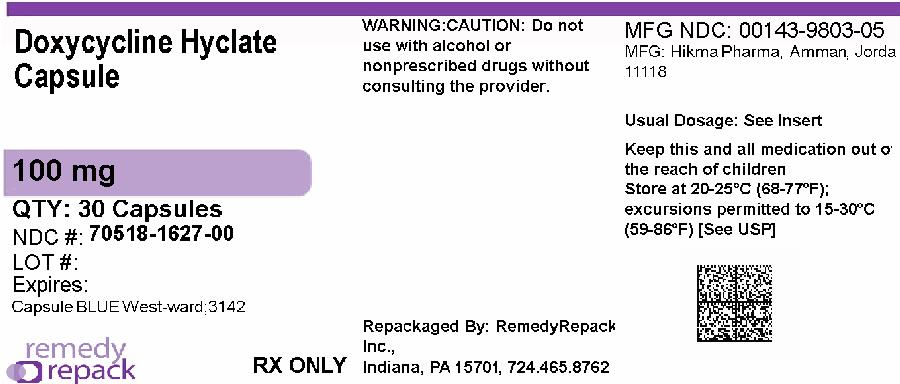
(doxycycline · DailyMed)
PRESTIGE TIADOX SOLUTION (Each 100ml contains: Tiamulin hydrogen fumarate/Spiramycin/Doxycycline hydrate 1500mg/500mg/2000mg)
Tiamulin hydrogen fumarate/Spiramycin/Doxycycline hydrate
What it does
Doxycycline is an antibiotic used to treat various infections.
Commonly used for: bacterial infections, acne, respiratory infections, malaria prevention
Read more in plain English ↓Plain-language summary for general understanding - not medical advice. Always follow your pharmacist/doctor.
Ask about this medicine
Answers come only from this medicine's registration record, BNF monograph and interaction data - not medical advice.
Medicine sourcing is available in Kenya only. We don't sell or dispense medicines - licensed pharmacies do.
Sourcing - Kenya onlyRegistration & product details
Source: Food and Drugs Authority · fetched 2026-04-18 08:32:59 · updated 2026-09-29 04:00:04
Drug Interactions
11Pharmacodynamic Warnings
Doxycycline appears in TABLE 1: Drugs that cause hepatotoxicity
Severe (1)
Tetracyclines - decreases absorption
Strontium is predicted to decrease the absorption of tetracyclines. Avoid. Theoretical Sucralfate
Moderate (5)
Doxycycline - decreases concentration
Fosphenytoin is predicted to decrease the concentration of tetracyclines (doxycycline). Adjust dose.
Doxycycline - decreases exposure
Rifampicin modestly decreases the exposure to tetracyclines (doxycycline). Adjust dose.
Lithium - increases risk of lithium toxicity
Tetracyclines are predicted to increase the risk of lithium toxicity when given with lithium. Avoid or adjust dose.
Tetracyclines - decreases concentration
Fosphenytoin is predicted to decrease the concentration of tetracyclines (doxycycline). Adjust dose.
Tetracyclines - decreases exposure
Rifampicin modestly decreases the exposure to tetracyclines (doxycycline). Adjust dose.
Unknown (5)
Ciclosporin - increases concentration
Doxycyclineispredictedtoincreasetheconcentrationof ciclosporin.rTheoretical
Tetracyclines - decreases exposure
Mitotane is predicted to decrease the exposure to tetracyclines (eravacycline). Adjust eravacycline dose, p. 625.
Tetracyclines - decreases exposure
Rifampicin is predicted to decrease the exposure to tetracyclines (eravacycline). Adjust eravacycline dose, p. 625.
Tetracyclines - decreases exposure
St John's wort is predicted to decrease the exposure to tetracyclines (eravacycline). Adjust eravacycline dose, p. 625.
Tetracyclines - decreases absorption
Oralzincispredictedtodecreasetheabsorptionof tetracyclines.Separateadministrationby2to3hours. oTheoretical https://www.facebook.c (Books-Courses-Medic
Data from BNF 85 (British National Formulary). This is not a substitute for professional medical advice. Matched via: class
About doxycycline
Doxycycline is an antibiotic used to treat various infections.
What it treats
- bacterial infections
- acne
- respiratory infections
- malaria prevention
How it works
It works by stopping the growth of bacteria.
Who it's for
It is for adults and children who need treatment for bacterial infections.
Drug class
Tetracyclines
Cautions
- • Be cautious if taking other medications that can harm the liver.
AI-assisted summary grounded in BNF data - general information only, not medical advice. Always confirm with your pharmacist or doctor.
About hydrate
Hydrate is used to help maintain proper fluid balance in the body.
What it treats
- dehydration
- fluid imbalance
How it works
Hydrate helps the body retain water, ensuring that cells and organs function properly.
Who it's for
This is for anyone needing additional fluids, such as those who are dehydrated or have conditions affecting fluid levels.
AI-assisted summary grounded in BNF data - general information only, not medical advice. Always confirm with your pharmacist or doctor.
About hydrogen
Hydrogen is a chemical element often used in various applications but is not a conventional medicine. It is important to understand its uses and safety.
How it works
Hydrogen is a basic element and does not have a direct medicinal effect like traditional drugs. Its properties are utilized in various scientific and industrial processes.
Who it's for
Hydrogen is not prescribed for specific medical conditions as it is not classified as a medicine.
AI-assisted summary grounded in BNF data - general information only, not medical advice. Always confirm with your pharmacist or doctor.
About spiramycin
Spiramycin is an antibiotic that helps treat infections caused by bacteria.
What it treats
- bacterial infections
- toxoplasmosis
How it works
It works by stopping the growth of bacteria.
Who it's for
Spiramycin is for people who have certain bacterial infections or conditions like toxoplasmosis.
AI-assisted summary grounded in BNF data - general information only, not medical advice. Always confirm with your pharmacist or doctor.
About tiamulin
Tiamulin is an antibiotic used to treat certain bacterial infections in animals.
What it treats
- bacterial infections
- respiratory infections
- skin infections
How it works
Tiamulin works by stopping the growth of bacteria, helping the body fight off infections.
Who it's for
This medication is typically used in animals, such as pigs and poultry, under veterinary supervision.
Cautions
- • Use with caution in animals with liver problems.
- • Avoid use in animals allergic to tiamulin.
AI-assisted summary grounded in BNF data - general information only, not medical advice. Always confirm with your pharmacist or doctor.
Clinical monograph: Spiramycin
BNF-referencedSpiramycin is a macrolide antibiotic commonly used to treat various bacterial infections, particularly those caused by Gram-positive organisms. It is effective against infections such as toxoplasmosis and is often employed in cases where patients are allergic to penicillin. Spiramycin is notable for its ability to penetrate well into tissues and its relatively low toxicity profile compared to other antibiotics.
Indications
- Bacterial infections
- Toxoplasmosis
- Infections in penicillin-allergic patients
Dosage
Children: Refer to the BNF for Children for specific paediatric dosing recommendations.
Adults: Refer to the BNF for specific adult dosing guidelines, as these may vary based on the indication and severity of the infection.
Mechanism of action
Spiramycin inhibits bacterial protein synthesis by binding to the 50S ribosomal subunit, which impedes the translocation process during protein synthesis. This binding prevents the dissociation of peptidyl-tRNA from the ribosome, effectively stopping bacterial growth.
Pharmacodynamics
The absolute bioavailability of oral spiramycin is typically between 30% to 40%. Following a dose of 1 g, peak serum concentrations range from 0.4 to 1.4 mg/L. Spiramycin's pharmacodynamic profile allows it to exert a bacteriostatic effect at therapeutic concentrations, making it effective in the treatment of susceptible infections.
Pharmacokinetics
Spiramycin is well absorbed from the gastrointestinal tract, with peak plasma concentrations occurring within a few hours after administration. It is distributed widely in body tissues, including the lungs and liver, and has a long half-life, allowing for once or twice daily dosing. The drug is primarily excreted in the bile and feces, with minimal renal excretion.
Contra-indications
- Hypersensitivity to spiramycin or other macrolide antibiotics
- Severe hepatic impairment
Adverse effects
- Nausea
- Vomiting
- Diarrhoea
- Rash
- Headache
- Flushing
- Dysphonia
- QT interval prolongation
- Arrhythmias
- Convulsions (in overdose)
Interactions
- May interact with other drugs that prolong the QT interval
- Caution with other macrolides due to potential for cross-sensitivity
- May affect the metabolism of drugs processed by hepatic enzymes
Precautions
- Use with caution in patients with a history of arrhythmias or cardiac disease
- Monitor for potential hepatotoxicity in patients with liver impairment
- Evaluate for signs of hemolytic uremic syndrome
Pregnancy
High doses are teratogenic in the first trimester; however, in cases of malaria, the benefits of treatment may outweigh the risks.
Breast-feeding
Present in breast milk but not known to be harmful.
Storage
Store in a cool, dry place, protected from light.
Formulations
- Spiramycin 1.5 million unit tablets
- Spiramycin 3 million unit tablets
AI-synthesized from BNF references - general information only, not a substitute for professional medical advice or the current BNF. Verify doses with a pharmacist.
Clinical monograph: Doxycycline
BNF-referencedDoxycycline is a broad-spectrum tetracycline antibiotic effective against a variety of bacterial infections. It acts by inhibiting protein synthesis in susceptible bacteria, thereby halting their growth and replication. It is commonly used for treating infections such as chlamydia, rickettsia, and mycoplasma, and is also indicated for acne and certain periodontal diseases.
Indications
- Bacterial infections
- Acne
- Destructive (refractory) periodontal disease
- Exacerbations of chronic bronchitis
- Leptospirosis
- Chlamydia infections
- Rickettsial infections
- Mycoplasma infections
- Acute necrotising ulcerative gingivitis
Dosage
Children: For children aged 12–17 years, initially 200 mg daily in 1–2 divided doses for the
Adults: Initially 200 mg daily in 1–2 divided doses for the first day, then maintenance 100 mg daily.
Mechanism of action
Doxycycline exerts its antibacterial effects by binding to the 30S ribosomal subunit of bacterial ribosomes, inhibiting the binding of aminoacyl-tRNA to the mRNA-ribosome complex. This inhibition of protein synthesis is crucial for bacterial growth and is the primary mechanism by which doxycycline exhibits its antimicrobial activity. It also impacts cellular metabolism and has been associated with non-genotoxic carcinogenic effects.
Pharmacodynamics
Doxycycline has a broad spectrum of activity against Gram-positive, Gram-negative bacteria, and some protozoa. Its bacteriostatic action is particularly effective against certain resistant strains, including MRSA. The drug's efficacy may vary based on the sensitivity of the bacteria, and resistance can develop through various mechanisms, such as efflux pumps and ribosomal protection.
Pharmacokinetics
Doxycycline is well absorbed from the gastrointestinal tract, with peak plasma concentrations typically reached within 2 hours after oral administration. It has a high volume of distribution and is approximately 90% protein-bound. The drug is metabolized in the liver and excreted primarily in feces, with a smaller fraction eliminated in urine. The half-life of doxycycline is approximately 18 to 22 hours, allowing for once or twice daily dosing in most cases.
Contra-indications
- Pregnancy
- Breastfeeding
- Hypersensitivity to doxycycline or other tetracyclines
- Myasthenia gravis
- Severe hepatic impairment
Adverse effects
- Photosensitivity
- Dizziness
- Headache
- Nausea
- Vomiting
- Diarrhoea
- Angioedema
- Skin reactions
- Pseudomembranous enterocolitis
- Tooth discolouration
- Intracranial hypertension
- Thrombocytopenia
- Stevens-Johnson syndrome
- Pancreatitis
Interactions
- Fosphenytoin (decreases concentration)
- Rifampicin (decreases exposure)
- Ciclosporin (unknown effect on concentration)
- Antacids containing aluminium or magnesium (reduce absorption)
- Iron supplements (reduce absorption)
- Warfarin (may enhance anticoagulant effect)
Precautions
- Use with caution in renal impairment
- May cause increased intracranial pressure
- Risk of superinfection (e.g., fungal infections)
- Avoid exposure to sunlight or sun lamps
- Monitor liver function in patients receiving prolonged therapy
Pregnancy
Should not be given to pregnant women; effects on skeletal development have been documented in the first trimester in animal studies. Administration during the second or third trimester may cause discoloration of the child's teeth, and maternal hepatotoxicity has been reported with large parenteral doses.
Breast-feeding
Should not be given to women who are breastfeeding; absorption may lead to discoloration of teeth in the infant.
Storage
Store in a cool, dry place away from light. Keep out of reach of children.
Formulations
- Tablets
- Capsules
- Oral suspension
- Oral solution
AI-synthesized from BNF references - general information only, not a substitute for professional medical advice or the current BNF. Verify doses with a pharmacist.
Clinical monograph: hydrate
Hydration therapy involves the administration of fluids to maintain or restore fluid balance in the body. It is critical in treating conditions such as dehydration, which can arise from various causes including excessive fluid loss due to vomiting, diarrhea, or sweating. Hydration can be achieved through oral or intravenous routes, depending on the severity of the condition and the patient's ability to take fluids orally.
Indications
- Dehydration
- Electrolyte imbalance
- Heat-related illnesses
- Postoperative recovery
- Diarrhea and vomiting
- Chronic illnesses leading to fluid loss
Dosage
Children: Pediatric dosing should be guided by clinical guidelines and the severity of dehydration. For children experiencing mild to moderate dehydration, ORS is recommended, with the amount based on weight and age. For severe dehydration, intravenous fluid therapy is indicated, with specific protocols available in pediatric guidelines.
Adults: Dosage varies based on the degree of dehydration and the underlying clinical condition. For mild dehydration, oral rehydration solutions (ORS) are often sufficient, while severe cases may require intravenous fluids, with specific rates and types determined by clinical judgment.
Mechanism of action
Hydration works by replenishing lost fluids and electrolytes, restoring osmotic balance and cellular function. The primary components of hydration solutions, such as water, electrolytes (sodium, potassium, chloride), and sometimes glucose, promote proper cellular hydration and support metabolic processes.
Pharmacodynamics
The pharmacodynamics of hydration primarily involves the restoration of plasma volume and the maintenance of electrolyte homeostasis. Proper hydration enhances kidney function, improves cardiovascular stability, and supports normal physiological functions, such as thermoregulation and nutrient transport. It also aids in the recovery of tissues and organs affected by dehydration.
Pharmacokinetics
The pharmacokinetics of hydration solutions depend on the composition of the fluid administered. Oral hydration solutions are absorbed primarily in the gastrointestinal tract, with the rate of absorption influenced by the concentration of electrolytes and glucose. Intravenous fluids can distribute rapidly into the extracellular space, with effects seen almost immediately. The elimination of excess fluids occurs mainly through renal excretion.
Pregnancy
Hydration is essential during pregnancy, but fluid intake should be monitored to avoid excessive hydration, which can lead to complications.
Breast-feeding
Adequate hydration is important during breastfeeding, as it supports milk production. However, excessive fluid intake should be avoided.
Storage
Store in a cool, dry place away from direct sunlight.
Formulations
- Oral solutions
- Intravenous fluids
- Electrolyte solutions
AI-synthesized from BNF references - general information only, not a substitute for professional medical advice or the current BNF. Verify doses with a pharmacist.
Clinical monograph: hydrogen
BNF-referencedHydrogen (H2) is a colorless, odorless gas that has garnered significant interest for its potential therapeutic effects, particularly due to its antioxidant and anti-inflammatory properties. Research suggests that hydrogen-rich water may have beneficial effects on vascular health and could serve as an anti-aging agent by reducing oxidative stress and inflammation in endothelial cells. Its mechanism of action involves the activation of the Nrf2 pathway, which contributes to the protective effects against cellular senescence and other forms of oxidative damage.
Indications
- Oxidative stress-related conditions
- Inflammatory conditions
- Potential anti-aging applications
- Vascular health enhancement
Dosage
Children: Refer to specific product formulations and guidelines, as dosing can vary based on the concentration of hydrogen in the product used.
Adults: Refer to specific product formulations and guidelines, as dosing can vary based on the concentration of hydrogen in the product used.
Mechanism of action
Molecular hydrogen acts primarily as an antioxidant and anti-inflammatory agent. It is believed to exert its beneficial effects through the activation of the Nrf2 pathway, which enhances the expression of antioxidant enzymes and protects cells from oxidative stress. Hydrogen-rich environments have been shown to mitigate the harmful effects of various toxins on human umbilical vein endothelial cells, thereby promoting vascular health and longevity.
Pharmacodynamics
Hydrogen's pharmacodynamic properties are linked to its role as a potent antioxidant, which reduces reactive oxygen species (ROS) and modulates inflammation. It has been documented to counteract cellular senescence in endothelial cells, thereby maintaining vascular integrity and promoting overall health. The long-lasting effects of hydrogen exposure can be observed even after its concentration in the medium has decreased, suggesting a sustained activation of protective cellular pathways.
Pharmacokinetics
Hydrogen is a gaseous molecule that diffuses rapidly across biological membranes. Its absorption and distribution in the body are influenced by the method of administration, with hydrogen-rich water being a common delivery form. Once in the bloodstream, hydrogen is quickly utilized by tissues, and its concentration diminishes rapidly, with a half-life that can vary based on conditions. The elimination of hydrogen primarily occurs via exhalation, making it a non-toxic molecule with a favorable safety profile.
Pregnancy
Hydrogen is generally considered safe during pregnancy, but it is advisable to consult a healthcare provider for specific recommendations.
Breast-feeding
Hydrogen is considered safe during breastfeeding, but as with any substance, it is recommended to discuss with a healthcare provider.
Storage
Hydrogen should be stored in a cool, dry place away from direct sunlight and heat sources, in appropriate gas cylinders designed for compressed gases.
Formulations
- Hydrogen gas (H2)
- Hydrogen-rich water
AI-synthesized from BNF references - general information only, not a substitute for professional medical advice or the current BNF. Verify doses with a pharmacist.
Clinical monograph: hydrogenphosphate
BNF-referencedHydrogenphosphate (HPO4^2-) is an inorganic phosphate compound that plays a crucial role in various biological processes, including energy metabolism and cellular signaling. It is a key component in the formation of nucleotides, nucleic acids, and phospholipids, and is essential for ATP production and cellular energy transfer.
Mechanism of action
Hydrogenphosphate acts as a substrate for various enzymatic reactions where phosphate groups are transferred or incorporated into organic molecules. It is involved in metabolic pathways such as nicotine biosynthesis and NAD/NADH cycling, facilitating biochemical reactions that are vital for cellular function.
Pharmacodynamics
Hydrogenphosphate is crucial for maintaining cellular homeostasis. It regulates acid-base balance and is involved in energy metabolism. The phosphate groups it provides are integral to the structure and function of ATP, which is the primary energy currency of the cell. Additionally, hydrogenphosphate influences signal transduction pathways through phosphorylation and dephosphorylation processes.
Pharmacokinetics
Hydrogenphosphate is readily absorbed in the gastrointestinal tract and distributed throughout the body. Its elimination primarily occurs through renal excretion, where it is filtered and reabsorbed by the kidneys. The balance of hydrogenphosphate levels is tightly regulated by various physiological mechanisms to ensure proper metabolic function.
Pregnancy
There is limited information regarding the safety of hydrogenphosphate in pregnancy. Consult relevant guidelines and consider potential risks versus benefits.
Breast-feeding
Data on the excretion of hydrogenphosphate in human milk are not available. Caution is advised.
Storage
Store in a cool, dry place away from direct sunlight. Ensure containers are tightly closed.
AI-synthesized from BNF references - general information only, not a substitute for professional medical advice or the current BNF. Verify doses with a pharmacist.
Clinical monograph: tiamulin
BNF-referencedTiamulin is a semisynthetic diterpene antibiotic primarily used in veterinary medicine, particularly in livestock. It is effective against a range of bacterial infections and is known for its ability to inhibit certain cytochrome P-450 enzymes, which can lead to significant drug interactions. Tiamulin is often utilized in the treatment of respiratory diseases in pigs and poultry.
Indications
- Bacterial infections in livestock
- Respiratory diseases in pigs
- Enteritis in poultry
Dosage
Children: Refer to the BNF for Children for appropriate dosing guidelines in pediatric patients.
Adults: Refer to the BNF for specific dosing regimens based on the indication and patient characteristics.
Mechanism of action
Tiamulin functions by inhibiting the activity of cytochrome P-450 enzymes, particularly CYP3A4, thereby affecting drug metabolism. This inhibition occurs through the formation of a metabolic intermediate complex that stabilizes CYP3A4 protein, ultimately reducing the mutation frequency associated with aflatoxin B1 in CYP3A4-expressing cells.
Pharmacodynamics
Tiamulin exhibits antibacterial activity by targeting the bacterial protein synthesis process, specifically binding to the 50S ribosomal subunit. This action disrupts the translation process, thereby inhibiting the growth of susceptible bacteria. Its effectiveness against anaerobic bacteria and certain gram-positive organisms makes it a valuable treatment option in veterinary medicine.
Pharmacokinetics
Tiamulin is absorbed following oral administration, with its pharmacokinetic profile characterized by variable bioavailability. It is extensively metabolized in the liver, primarily via cytochrome P-450 pathways. The drug has a relatively short half-life, necessitating multiple doses for effective therapeutic outcomes. It is excreted mainly through urine and feces, and its distribution in tissues is influenced by its lipophilic nature.
Pregnancy
Tiamulin should only be used during pregnancy if the potential benefit justifies the potential risk to the fetus.
Breast-feeding
Tiamulin is not recommended during breastfeeding due to the potential for serious adverse reactions in nursing infants.
Storage
Store in a cool, dry place away from direct sunlight. Keep out of reach of children.
AI-synthesized from BNF references - general information only, not a substitute for professional medical advice or the current BNF. Verify doses with a pharmacist.
Molecular reference: Doxycycline
PubChem CID 54671203Molecular formula: C22H24N2O8
Biological pathways
Source: PubChem (NCBI) · pathways from PathBank, Reactome, WikiPathways & PharmGKB.
Molecular reference: Spiramycin
PubChem CID 5289394Molecular formula: C43H74N2O14
Mechanism of action
The mechanism of action of macrolides has been a matter of controversy for some time. Spiramycin, a 16-membered macrolide, inhibits translocation by binding to bacterial 50S ribosomal subunits with an apparent 1 : 1 stoichiometry. This antibiotic is a potent inhibitor of the binding to the ribosome of both donor and acceptor substrates. The primary mechanism of action is done by stimulation of dissociation of peptidyl-tRNA from ribosomes during translocation.I
Pharmacodynamics
The absolute bioavailability of oral spiramycin is generally within the range of 30 to 40%. After a 1 g oral dose, the maximum serum drug concentration was found to be within the range 0.4 to 1.4 mg/L.
Source: PubChem (NCBI) · pathways from PathBank, Reactome, WikiPathways & PharmGKB.
Molecular reference: hydrogen
PubChem CID 783Molecular formula: H2
Mechanism of action
Substantial evidence indicates that molecular hydrogen (H2) has beneficial vascular effects because of its antioxidant and/or anti-inflammatory effects. Thus, hydrogen-rich water may prove to be an effective anti-aging drink. This study examined the effects of H2 on endothelial senescence and clarified the mechanisms involved. Hydrogen-rich medium was produced by a high-purity hydrogen gas generator. Human umbilical vein endothelial cells (HUVECs) were incubated with 2,3,7,8-tetrachlorodibenzo-p-dioxin (TCDD) for various time periods in normal or hydrogen-rich medium. The baseline H2concentration in hydrogen-rich medium was 0.55 +/- 0.07 mmol/L. This concentration gradually decreased, and H2 was almost undetectable in medium after 12 hr. At 24 hr after TCDD exposure, HUVECs treated with TCDD exhibited increased 8OHdG and acetyl-p53 expression, decreased nicotinamide adenine dinucleotide (NAD(+))/NADH ratio, impaired Sirt1 activity, and enhanced senescence-associated beta-galactosidase. However, HUVECs incubated in hydrogen-rich medium did not exhibit these TCDD-induced changes accompanying Nrf2 activation, which was observed even after H2 was undetectable in the medium. Chrysin, an inhibitor of Nrf2, abolished the protective effects of H2 on HUVECs. H2 has long-lasting antioxidant and anti-aging effects on vascular endothelial cells through the Nrf2 pathway, even after transient exposure to H2. Hydrogen-rich water may thus be a functional drink that increases longevity. /Hydrogen-rich water/ Amyloid beta (Abeta) peptides are identified /as a/ cause of neurodegenerative diseases such as Alzheimer's disease (AD). Previous evidence suggests Abeta-induced neurotoxicity is linked to the stimulation of reactive oxygen species (ROS) production. The accumulation of Abeta-induced ROS leads to increased mitochondrial dysfunction and triggers apoptotic cell death. This suggests antioxidant therapies may be beneficial for preventing ROS-related diseases such as AD. Recently, hydrogen-rich water (HRW) has been proven effective in treating oxidative stress-induced disorders because of its ROS-scavenging abilities. However, the precise molecular mechanisms whereby HRW prevents neuronal death are still unclear. In the present study, we evaluated the putative pathways by which HRW protects against Abeta-induced cytotoxicity /in SK-N-MC cells/. Our results indicated that HRW directly counteracts oxidative damage by neutralizing excessive ROS, leading to the alleviation of Abeta-induced cell death. In addition, HRW also stimulated AMP-activated protein kinase (AMPK) in a sirtuin 1 (Sirt1)-dependent pathway, which upregulates forkhead box protein O3a (FoxO3a) downstream antioxidant response and diminishes Abeta-induced mitochondrial potential loss and oxidative stress. Taken together, our findings suggest that HRW may have potential therapeutic value to inhibit Abeta-induced neurotoxicity. /Hydrogen-rich water/ The NLRP3 inflammasome, an intracellular multi-protein complex controlling the maturation of cytokine interleukin-1beta, plays an important role in lipopolysaccharide (LPS)-induced inflammatory cascades. Recently, the production of mitochondrial reactive oxygen species (mtROS) in macrophages stimulated with LPS has been suggested to act as a trigger during the process of NLRP3 inflammasome activation that can be blocked by some mitochondria-targeted antioxidants. Known as a ROS scavenger, molecular hydrogen (H2) has been shown to possess therapeutic benefit on LPS-induced inflammatory damage in many animal experiments. Due to the unique molecular structure, H2 can easily target the mitochondria, suggesting that H2 is a potential antagonist of mtROS-dependent NLRP3 inflammasome activation. Here we have showed that, in mouse macrophages, H2 exhibited substantial inhibitory activity against LPS-initiated NLRP3 inflammasome activation by scavenging mtROS. Moreover, the elimination of mtROS by H2 resultantly inhibited mtROS-mediated NLRP3 deubi
Biological pathways
Source: PubChem (NCBI) · pathways from PathBank, Reactome, WikiPathways & PharmGKB.
Molecular reference: hydrogenphosphate
PubChem CID 3681305Molecular formula: HO4P-2
Biological pathways
Source: PubChem (NCBI) · pathways from PathBank, Reactome, WikiPathways & PharmGKB.
Molecular reference: tiamulin
PubChem CID 656958Molecular formula: C28H47NO4S
Mechanism of action
The mutation frequency of aflatoxin B1 could be completely inhibited by tiamulin in CYP3A4-expressing cells, but no effect was observed on the mutation frequency of the direct mutagen ethylmethanesulphonate. Western blotting of homogenates of the CYP3A4-expressing cell line showed stabilization of CYP3A4 protein after incubation with tiamulin, supporting the hypothesis that the mechanism of inhibition is by binding of tiamulin to the cytochrome. Tiamulin is a semisynthetic diterpene antibiotic frequently used in farm animals. The drug has been shown to produce clinically important--often lethal--interactions with other compounds. It has been suggested that this is caused by a selective inhibition of oxidative drug metabolism via the formation of a cytochrome P-450 metabolic intermediate complex. In the present study, rats were treated orally for 6 days with tiamulin at two different doses: 40 & 226 mg/kg of body weight. For comparison, another group received 300 mg of triacetyloleandomycin (TAO) per kg, which is equivalent to the 226-mg/kg tiamulin group. Subsequently, microsomal P-450 contents, P-450 enzyme activities, metabolic intermediate complex spectra, & P-450 apoprotein concentrations were assessed. In addition, effects on individual microsomal P-450 activities were studied in control microsomes at different tiamulin & substrate concentrations. In the rats treated with tiamulin, a dose-dependent complex formation as evidenced by its absorption spectrum & an increase in cytochrome P-4503A1/2 contents as assessed by Western blotting (immunoblotting) were found. The effects were comparable to those of TAO. Tiamulin induced microsomal P-450 content, testosterone 6 beta-hydroxylation rate, erythromycin N-demethylation rate, & the ethoxyresorufin O-deethylation activity. Other activities were not affected or decreased. When tiamulin was added to microsomes of control rats, the testosterone 6 beta-hydroxylation rate & the erythromycin N-demethylation were strongly inhibited. It is concluded that tiamulin is a potent & selective inducer-inhibitor of cytochrome P-450. Though not belonging to the macrolides, the compound produces an effect on P-450 similar to those of TAO & related compounds.
Source: PubChem (NCBI) · pathways from PathBank, Reactome, WikiPathways & PharmGKB.
This drug in other countries
The same active ingredient registered across other registries we cover - including different brands.
- ACP TH TABLETS · National Pharmacy
- ALKADIP LIQUID · Surgilinks
- ALKANIL · Krishna Chemists
- ALLDOX · Medox Pharmaceuticals
- ASDOXIN · Opera Pharma
- AVDOXI 100 · Zain Pharma Limited
- ASDOXIN 100MG CAPSULE
- AURA_HAND_SANITIZER 80%, 1.45%, 1.2%V/V LIQUID
- BACTROGEL_HAND_SANITIZER 80%, 1.45%, 1.2% V/V GEL
- BACTROLIQUID_HAND_SANITIZER 80%,1.45%, 1.2%V/V LIQUID
- DORYX 100MG CAPSULE
- DOXACIL 100MG CAPSULES