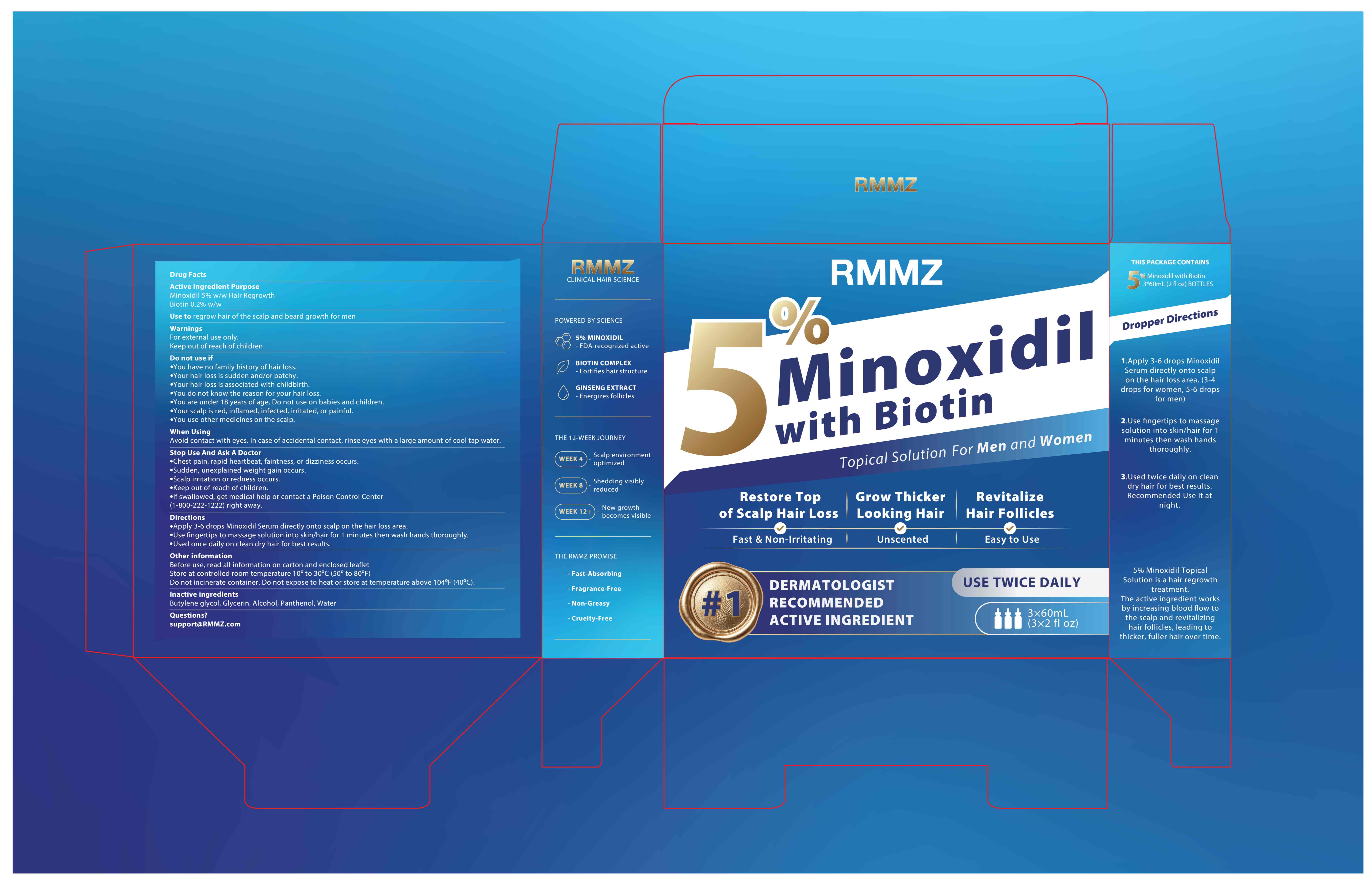
(biotin · DailyMed)
RONFIT BABY INFANT MILK FORMULA FROM BIRTH
Milk solids/ Demineralised Whey/ Vegetable fats/ Arachidonic acid(ARA)/ Docosahexaenoic acid (DHA)/ Maltodextrin/ Minerals [Calcium Carbonate/ Potassium Phosphate dibasic/ Potassium Chloride/ Magnesium Oxide / Copper Sulphate/ Zinc Sulphate/ Sodium Selenite / Sodium Chloride / Manganese Chloride / Ferrous Sulphate / Potassium Iodide/ Vitamins [Retinyl Palmitate RE/ Ascorbic acid / Ergocalciferol/ DL-alpha-Tocopheryl acetate α-TE/ Phytomenadione / Thiamine mononitrate / Riboflavin / Niacin/ Calcium -D- pantothenate/ Folic acid/ Pyridoxine hydrochloride/ D- biotin/ Cyanocobalamine/ Choline bitartrate/ Taurine/ L-Carnitine
What it does
Arachidonic is a fatty acid that plays a role in various bodily functions, including inflammation and cell signaling.
Commonly used for: inflammation, pain management
Read more in plain English ↓Plain-language summary for general understanding - not medical advice. Always follow your pharmacist/doctor.
Ask about this medicine
Answers come only from this medicine's registration record, BNF monograph and interaction data - not medical advice.
Medicine sourcing is available in Kenya only. We don't sell or dispense medicines - licensed pharmacies do.
Sourcing - Kenya onlyRegistration & product details
Source: Food and Drugs Authority · fetched 2026-04-18 08:33:00 · updated 2026-10-20 04:00:06
About arachidonic
Arachidonic is a fatty acid that plays a role in various bodily functions, including inflammation and cell signaling.
What it treats
- inflammation
- pain management
How it works
Arachidonic acid is involved in the production of compounds that help regulate inflammation and other important processes in the body.
Who it's for
Arachidonic may be relevant for individuals dealing with conditions related to inflammation or pain.
AI-assisted summary grounded in BNF data - general information only, not medical advice. Always confirm with your pharmacist or doctor.
About ascorbic acid
Ascorbic acid, commonly known as Vitamin C, is essential for overall health and helps the body in many ways.
What it treats
- scurvy
- immune system support
- wound healing
- antioxidant support
How it works
Ascorbic acid helps in the production of collagen, a protein important for skin, blood vessels, and connective tissues, and acts as an antioxidant to protect cells.
Who it's for
It is suitable for people needing vitamin C, such as those with a deficiency or increased requirements due to illness or stress.
AI-assisted summary grounded in BNF data - general information only, not medical advice. Always confirm with your pharmacist or doctor.
About biotin
Biotin is a vitamin that helps support healthy hair, skin, and nails.
What it treats
- brittle nails
- hair loss
- skin health
How it works
Biotin helps the body convert food into energy and is important for the health of hair, skin, and nails.
Who it's for
Biotin is suitable for individuals looking to improve the strength of their nails and hair health.
AI-assisted summary grounded in BNF data - general information only, not medical advice. Always confirm with your pharmacist or doctor.
About bitartrate
Bitartrate is a compound used in various medicinal products, often to improve the effectiveness of other ingredients.
What it treats
- nausea
- vomiting
- motion sickness
How it works
Bitartrate helps to reduce nausea and vomiting by affecting the brain and gut.
Who it's for
It is suitable for adults and children who experience nausea or vomiting from different causes.
AI-assisted summary grounded in BNF data - general information only, not medical advice. Always confirm with your pharmacist or doctor.
About carbonate
Carbonate is used to help manage acidity in the stomach and can be found in various over-the-counter products.
What it treats
- stomach acidity
- indigestion
- heartburn
How it works
Carbonate helps neutralize stomach acid, providing relief from discomfort caused by excess acidity.
Who it's for
Adults and children experiencing symptoms of stomach acidity or indigestion.
AI-assisted summary grounded in BNF data - general information only, not medical advice. Always confirm with your pharmacist or doctor.
About choline
Choline is a nutrient important for various bodily functions, including brain health and liver function.
What it treats
- supporting brain health
- helping with liver function
How it works
Choline helps produce important substances in the body, like phospholipids, which are essential for cell membranes.
Who it's for
Choline can be beneficial for people needing support for cognitive function and liver health.
AI-assisted summary grounded in BNF data - general information only, not medical advice. Always confirm with your pharmacist or doctor.
About copper
Copper is a mineral that is essential for various bodily functions, playing a role in the formation of red blood cells and maintaining healthy bones and nerves.
What it treats
- copper deficiency
- anemia
- bone health
- nerve health
How it works
Copper helps the body create red blood cells and supports the proper functioning of nerves and bones.
Who it's for
Copper supplements may be recommended for individuals with low copper levels or certain health conditions that affect copper absorption.
Cautions
- • Excessive copper intake can be harmful.
- • People with certain health conditions should consult a healthcare provider before use.
AI-assisted summary grounded in BNF data - general information only, not medical advice. Always confirm with your pharmacist or doctor.
About cyanocobalamine
Cyanocobalamine is a form of vitamin B12 important for the production of red blood cells and maintaining nerve health.
What it treats
- vitamin B12 deficiency
- pernicious anemia
- neuropathy
How it works
It helps the body make red blood cells and keeps the nervous system functioning properly.
Who it's for
This medication is for individuals who have low levels of vitamin B12 due to dietary issues or certain medical conditions.
AI-assisted summary grounded in BNF data - general information only, not medical advice. Always confirm with your pharmacist or doctor.
About demineralised
Demineralised is a treatment used for certain medical conditions, typically involving the management of mineral levels in the body.
What it treats
- mineral deficiency
- nutritional support
How it works
Demineralised helps restore or maintain proper mineral levels in the body, which are essential for various bodily functions.
Who it's for
It is suitable for individuals who have specific mineral deficiencies or require nutritional support.
AI-assisted summary grounded in BNF data - general information only, not medical advice. Always confirm with your pharmacist or doctor.
About dibasic
Dibasic is a medication used to treat certain health conditions. It helps to balance body chemistry and support overall health.
What it treats
- metabolic disorders
- acid-base imbalances
How it works
Dibasic works by helping to maintain the right balance of acids and bases in the body, which is important for normal bodily functions.
Who it's for
This medication is suitable for individuals dealing with specific metabolic issues or imbalances.
AI-assisted summary grounded in BNF data - general information only, not medical advice. Always confirm with your pharmacist or doctor.
About docosahexaenoic
Docosahexaenoic is an omega-3 fatty acid that is beneficial for heart and brain health.
What it treats
- high cholesterol (hyperlipidemia)
- heart disease (cardiovascular disease)
- inflammatory conditions
- cognitive function support
How it works
It helps reduce inflammation and supports healthy brain and heart function.
Who it's for
It is suitable for adults looking to improve their heart and brain health, especially those with certain health conditions.
AI-assisted summary grounded in BNF data - general information only, not medical advice. Always confirm with your pharmacist or doctor.
About ergocalciferol
Ergocalciferol is a form of vitamin D used to treat and prevent vitamin D deficiency.
What it treats
- vitamin D deficiency
- osteomalacia (softening of bones)
- rickets (bone disease in children)
How it works
It helps your body absorb calcium and phosphorus, which are essential for healthy bones.
Who it's for
This medication is for people who do not get enough vitamin D from sunlight or diet.
AI-assisted summary grounded in BNF data - general information only, not medical advice. Always confirm with your pharmacist or doctor.
About fats
Fats are essential nutrients that your body needs for energy and to support cell growth.
What it treats
- providing energy
- supporting cell function
- aiding in nutrient absorption
How it works
Fats are broken down in your body to provide energy and help absorb vitamins from food.
Who it's for
Everyone, as fats are a necessary part of a balanced diet.
AI-assisted summary grounded in BNF data - general information only, not medical advice. Always confirm with your pharmacist or doctor.
About ferrous
Ferrous is a type of iron supplement used to treat or prevent low iron levels in the body.
What it treats
- iron deficiency anemia
- low iron levels
How it works
Ferrous provides the body with iron, which is necessary for producing red blood cells and transporting oxygen.
Who it's for
It is suitable for individuals who have low iron levels or are at risk of iron deficiency, such as pregnant women, vegetarians, or those with certain medical conditions.
AI-assisted summary grounded in BNF data - general information only, not medical advice. Always confirm with your pharmacist or doctor.
About folate
Folate is a type of B vitamin that is important for the production of red blood cells and helps prevent certain types of birth defects.
What it treats
- prevention of neural tube defects in pregnancy
- treatment of folate deficiency
- supporting overall health
How it works
Folate helps the body make DNA and is essential for the growth and division of cells.
Who it's for
Folate is suitable for pregnant women, those planning to become pregnant, and individuals with low levels of folate.
AI-assisted summary grounded in BNF data - general information only, not medical advice. Always confirm with your pharmacist or doctor.
About iodide
Iodide is a substance used to help with certain health conditions, particularly those related to the thyroid gland.
What it treats
- thyroid conditions (goitre)
- certain types of thyroid cancer
How it works
Iodide helps the thyroid gland produce hormones that regulate many body functions.
Who it's for
It is used for people with thyroid problems or those needing support for thyroid health.
AI-assisted summary grounded in BNF data - general information only, not medical advice. Always confirm with your pharmacist or doctor.
About l-carnitine
L-carnitine is a substance that helps the body use fat for energy.
What it treats
- weight loss
- fatigue
- heart disease (cardiovascular disease)
- muscle weakness
How it works
It helps transport fatty acids into the cells, where they can be burned for energy.
Who it's for
It is used by people looking to improve their energy levels and support fat metabolism.
AI-assisted summary grounded in BNF data - general information only, not medical advice. Always confirm with your pharmacist or doctor.
About maltodextrin
Maltodextrin is a type of carbohydrate often used as a thickener or sweetener in food products and supplements.
What it treats
- energy source
- food additive
How it works
Maltodextrin is quickly absorbed by the body, providing a rapid source of energy.
Who it's for
Maltodextrin can be used by individuals looking for a quick energy boost, including athletes or those needing extra calories.
AI-assisted summary grounded in BNF data - general information only, not medical advice. Always confirm with your pharmacist or doctor.
About manganese
Manganese is a trace mineral important for many bodily functions, including bone formation and metabolism.
What it treats
- nutritional support
- bone health
How it works
Manganese helps the body use certain nutrients and is involved in the formation of connective tissue, bones, and blood-clotting factors.
Who it's for
Adults and children who may have low manganese levels due to dietary deficiencies.
Cautions
- • Excessive intake can lead to toxicity.
- • Consult a healthcare provider if you have liver problems.
AI-assisted summary grounded in BNF data - general information only, not medical advice. Always confirm with your pharmacist or doctor.
About milk
Milk is a nutritious beverage that provides essential vitamins and minerals.
What it treats
- bone health (osteoporosis)
- muscle growth and repair
- hydration
How it works
Milk contains calcium and protein, which are important for building strong bones and muscles.
Who it's for
Milk is suitable for most people, including children, adults, and the elderly.
AI-assisted summary grounded in BNF data - general information only, not medical advice. Always confirm with your pharmacist or doctor.
About minerals
Minerals are essential nutrients that help your body function properly. They play a key role in various bodily processes, including bone health, hydration, and maintaining overall well-being.
What it treats
- supports overall health
- maintains bone strength
- aids in hydration
- helps in muscle function
How it works
Minerals work by contributing to various physiological functions in the body, such as building strong bones, transmitting nerve signals, and regulating fluid balance.
Who it's for
Minerals are important for everyone, especially those with dietary deficiencies, athletes, and individuals with specific health conditions.
AI-assisted summary grounded in BNF data - general information only, not medical advice. Always confirm with your pharmacist or doctor.
About mononitrate
Mononitrate is a medicine used to help prevent chest pain (angina) by improving blood flow to the heart.
What it treats
- chest pain (angina)
- heart-related conditions
How it works
It works by relaxing and widening blood vessels, making it easier for the heart to receive blood.
Who it's for
It is for adults with a history of chest pain or other heart issues.
AI-assisted summary grounded in BNF data - general information only, not medical advice. Always confirm with your pharmacist or doctor.
About niacin
Niacin is a form of vitamin B3 that helps improve cholesterol levels and supports heart health.
What it treats
- high cholesterol (hyperlipidemia)
- niacin deficiency
- improving heart health
How it works
Niacin works by helping to reduce bad cholesterol and increase good cholesterol in the blood.
Who it's for
Niacin is typically used for adults needing help with cholesterol levels or those with a deficiency in vitamin B3.
AI-assisted summary grounded in BNF data - general information only, not medical advice. Always confirm with your pharmacist or doctor.
About oxide
Oxide is a type of compound often used in various treatments. It is important to understand its uses and any precautions necessary when taking it.
What it treats
- treatment of certain skin conditions
- used in some respiratory therapies
How it works
Oxide works by interacting with the body in a way that helps improve certain health conditions.
Who it's for
Oxide may be suitable for individuals suffering from specific health issues as determined by their healthcare provider.
Cautions
- • Always follow the healthcare provider's instructions when using this compound.
- • Inform your doctor about any other medications you are taking.
AI-assisted summary grounded in BNF data - general information only, not medical advice. Always confirm with your pharmacist or doctor.
About palmitate
Palmitate is a vitamin supplement that helps support overall health.
What it treats
- Vitamin deficiency
- General health support
How it works
Palmitate works by providing essential nutrients that may be lacking in the diet.
Who it's for
Palmitate is for individuals who need extra vitamins for their health.
AI-assisted summary grounded in BNF data - general information only, not medical advice. Always confirm with your pharmacist or doctor.
About pantothenate
Pantothenate is a form of vitamin B5 that helps support overall health and wellbeing.
What it treats
- fatigue
- stress
- skin conditions
- hair loss
How it works
Pantothenate helps the body convert food into energy and is important for making red blood cells.
Who it's for
This supplement is suitable for people looking to boost their energy levels or support their skin and hair health.
AI-assisted summary grounded in BNF data - general information only, not medical advice. Always confirm with your pharmacist or doctor.
About phytomenadione
Phytomenadione is a form of vitamin K that helps the blood to clot properly.
What it treats
- to treat vitamin K deficiency
- to help with blood clotting in people taking certain medications
How it works
It works by providing vitamin K, which is essential for the body to make certain proteins that help the blood to clot.
Who it's for
It is for people who have low levels of vitamin K or need help with blood clotting.
AI-assisted summary grounded in BNF data - general information only, not medical advice. Always confirm with your pharmacist or doctor.
About pyridoxine
Pyridoxine, also known as vitamin B6, is important for many bodily functions including the metabolism of proteins and the creation of neurotransmitters.
What it treats
- pyridoxine deficiency
- nerve pain (neuropathy)
- certain types of anemia
How it works
Pyridoxine helps the body use proteins and carbohydrates effectively and is essential for the production of chemicals that transmit signals in the brain.
Who it's for
Pyridoxine is for individuals who need to increase their vitamin B6 levels due to dietary deficiencies or certain health conditions.
AI-assisted summary grounded in BNF data - general information only, not medical advice. Always confirm with your pharmacist or doctor.
About riboflavin
Riboflavin, also known as Vitamin B2, is essential for energy production and helps maintain healthy skin, eyes, and nerve functions.
What it treats
- Vitamin B2 deficiency
- Mouth sores
- Migraines
How it works
Riboflavin helps the body convert food into energy and supports various cellular functions.
Who it's for
Riboflavin is suitable for individuals who may not get enough Vitamin B2 from their diet or have specific health conditions.
AI-assisted summary grounded in BNF data - general information only, not medical advice. Always confirm with your pharmacist or doctor.
About selenite
Selenite is a form of selenium, a mineral that is important for various bodily functions.
What it treats
- selenium deficiency
- supporting immune function
- antioxidant activity
How it works
Selenite helps protect cells from damage and supports the immune system by providing essential selenium.
Who it's for
Adults and children who need more selenium in their diet or have specific health concerns related to selenium deficiency.
AI-assisted summary grounded in BNF data - general information only, not medical advice. Always confirm with your pharmacist or doctor.
About solids
Solids are a type of medication that can help in various health conditions.
How it works
The specific way solids work depends on their type and purpose.
Who it's for
Solids can be prescribed to various patients depending on their health needs.
AI-assisted summary grounded in BNF data - general information only, not medical advice. Always confirm with your pharmacist or doctor.
About taurine
Taurine is an amino acid that supports various bodily functions.
What it treats
- heart health
- eye health
- brain function
- muscle performance
How it works
Taurine helps regulate water and mineral levels in the blood and supports the function of the heart and muscles.
Who it's for
Taurine is for individuals looking to support their overall health, especially in relation to the heart and muscles.
AI-assisted summary grounded in BNF data - general information only, not medical advice. Always confirm with your pharmacist or doctor.
About thiamine
Thiamine, also known as vitamin B1, is a nutrient that helps convert food into energy and supports the nervous system.
What it treats
- thiamine deficiency
- Wernicke-Korsakoff syndrome
- beriberi
How it works
Thiamine helps the body use carbohydrates for energy and is essential for the proper functioning of the nervous system.
Who it's for
Thiamine is for people who have low levels of vitamin B1 or certain conditions that increase the need for it.
AI-assisted summary grounded in BNF data - general information only, not medical advice. Always confirm with your pharmacist or doctor.
About vegetable
Vegetable is a natural product that can be consumed for various health benefits.
What it treats
- general nutrition
- supporting digestive health
- providing vitamins and minerals
How it works
Vegetables provide essential nutrients that help maintain overall health and support bodily functions.
Who it's for
Anyone looking to improve their diet and health through natural foods.
Cautions
- • Ensure vegetables are washed properly before consumption to avoid contamination.
AI-assisted summary grounded in BNF data - general information only, not medical advice. Always confirm with your pharmacist or doctor.
About vitamins
Vitamins are essential nutrients that help support various bodily functions and maintain overall health.
What it treats
- vitamin deficiency
- general health support
- boosting immune system
- improving energy levels
How it works
Vitamins support different processes in the body, such as energy production, immune function, and the maintenance of healthy skin and bones.
Who it's for
Vitamins are for anyone who wants to improve their health or address specific vitamin deficiencies.
AI-assisted summary grounded in BNF data - general information only, not medical advice. Always confirm with your pharmacist or doctor.
About whey
Whey is a protein derived from milk that can help with muscle building and recovery.
What it treats
- muscle building
- weight management
- nutritional support
How it works
Whey protein provides essential amino acids that help repair and build muscle after exercise.
Who it's for
Whey is suitable for individuals looking to increase their protein intake, such as athletes or those recovering from illness.
AI-assisted summary grounded in BNF data - general information only, not medical advice. Always confirm with your pharmacist or doctor.
Clinical monograph: Phytomenadione
BNF-referencedPhytomenadione, also known as vitamin K1, is a fat-soluble vitamin essential for the synthesis of certain proteins required for blood coagulation. It plays a crucial role in the post-translational modification of proteins that regulate bleeding and is vital for bone metabolism. Phytomenadione is primarily used to prevent and treat vitamin K deficiency, particularly in patients who are on anticoagulant therapy or those who cannot absorb vitamin K from their diet.
Indications
- Vitamin K deficiency
- Coagulation disorders due to vitamin K deficiency
- Reversal of anticoagulation in patients on warfarin therapy
- Neonatal prophylaxis of vitamin K deficiency bleeding
Dosage
Adults: For adults, the typical dosage is 1-5 mg administered orally or via slow intravenous injection. Dosing may be adjusted based on clinical response and INR levels.
Mechanism of action
Vitamin K acts as a cofactor for the enzyme gamma-carboxylase, which catalyzes the carboxylation of specific glutamic acid residues on clotting factors II (prothrombin), VII, IX, and X. This carboxylation allows these factors to bind calcium ions, which is essential for their activation and subsequent role in the coagulation cascade. Additionally, vitamin K is involved in carboxylating matrix proteins in chondrocytes, possibly influencing bone density and vascular calcification.
Pharmacodynamics
Phytomenadione is indicated in the management of coagulation disorders resulting from vitamin K deficiency. It promotes the hepatic biosynthesis of prothrombin and other clotting factors, restoring normal clotting function. Its long duration of action and wide therapeutic index make it a safe option for patients requiring vitamin K supplementation, but monitoring of prothrombin time is essential during therapy. Hypersensitivity reactions may occur, especially with parenteral administration.
Pharmacokinetics
Phytomenadione is absorbed in the intestine and transported in the lymphatic system. It is then stored in the liver and released into circulation as needed for clotting factor synthesis. Vitamin K has a long half-life, allowing for sustained action, and is cycled in the body, contributing to its prolonged effects. The elimination occurs primarily through the hepatic pathway, and caution is advised in patients with hepatic impairment.
Contra-indications
- Hypersensitivity to phytomenadione or any of its excipients
- Severe hepatic impairment
- Hyperbilirubinaemia in neonates
- Known risk of hemolytic anemia in newborns
Adverse effects
- Anaphylactoid reactions (especially with intravenous use)
- Hypersensitivity reactions
- Flushing
- Rash
- Gastrointestinal disturbances
Interactions
- Anticoagulants (e.g., warfarin) - may require dose adjustment
- Cholestyramine - may reduce absorption of vitamin K
- Mineral oil - may interfere with absorption
- Antibiotics (e.g., cephalosporins) - may affect vitamin K synthesis by gut flora
Precautions
- Use with caution in patients with G6PD deficiency due to risk of hemolysis
- Monitor INR closely in patients with hepatic impairment
- Use intravenous preparations slowly to avoid vascular collapse
- Caution in elderly patients due to altered pharmacokinetics
Pregnancy
Use only if potential benefit outweighs risk, especially in late pregnancy due to risk of neonatal hemolytic anemia.
Breast-feeding
Present in breast milk; caution is advised if large doses are administered.
Storage
Store at room temperature, away from light and moisture. Protect from freezing.
Formulations
- Capsules (200 units, 400 units)
- Oral solutions
- Tablets (10 mg)
- Injectable solution for intravenous use
AI-synthesized from BNF references - general information only, not a substitute for professional medical advice or the current BNF. Verify doses with a pharmacist.
Clinical monograph: Ergocalciferol
BNF-referencedErgocalciferol, also known as vitamin D2, is a fat-soluble vitamin that plays a crucial role in calcium and phosphorus metabolism. It is primarily obtained from dietary sources and synthesized in the skin upon exposure to ultraviolet light. Ergocalciferol is essential for maintaining bone health, regulating calcium levels, and supporting various biological functions such as immune response and cellular growth. It is particularly important in the prevention and treatment of vitamin D deficiency, which can lead to conditions like osteomalacia in adults and rickets in children.
Indications
- Vitamin D deficiency
- Calcium deficiency
- Rickets
- Osteomalacia
- Hypoparathyroidism
- Chronic kidney disease
Dosage
Adults: For the treatment of
Mechanism of action
For its activity, ergocalciferol is transformed to its major active circulating hydroxylated metabolite, which is then transported to target organs to bind to the vitamin D receptor. This receptor, a transcription factor, regulates the transcription rates of genes associated with vitamin D response elements. Additionally, ergocalciferol stimulates intestinal calcium transport and has rapid nongenomic effects, similar to steroid and thyroid hormones, facilitating various physiological processes.
Pharmacodynamics
Upon activation of the vitamin D receptor, ergocalciferol influences several biological changes, including the mobilization and accretion of calcium and phosphorus in bone, enhanced intestinal absorption of these minerals, and their reabsorption in the kidneys. It also promotes osteoblast formation, supports fetal development, influences pancreatic and neural functions, and improves immune response. Ergocalciferol is less potent compared to its counterpart cholecalciferol but has shown significant benefits in certain clinical settings, particularly in patients with renal disease.
Pharmacokinetics
Ergocalciferol is absorbed in the gastrointestinal tract and transported via chylomicrons. It undergoes hepatic metabolism to form 25-hydroxyergocalciferol, the major circulating form, which is then converted to the active form, calcitriol, in the kidneys. It has a long half-life, and factors such as age, body mass, and genetic variations can influence its metabolism and elimination. Vitamin D levels can be affected by dietary intake, sun exposure, and certain medical conditions that influence absorption or metabolism.
Adverse effects
- Hypercalcemia
- Hyperphosphatemia
- Nausea
- Vomiting
- Constipation
- Weakness
- Headache
- Dry mouth
- Metallic taste
- Fatigue
Interactions
- Thiazide diuretics may increase the risk of hypercalcemia
- Calcium supplements may increase calcium levels and lead to toxicity when used with ergocalciferol
- Cholestyramine may reduce the absorption of ergocalciferol
- Anticonvulsants may affect vitamin D metabolism
Precautions
- Monitor calcium levels during treatment
- Use with caution in patients with kidney disease
- Assess vitamin D levels before initiating therapy
- Consult a healthcare professional before combining with other medications
Pregnancy
Ergocalciferol is categorized as a vitamin and is generally considered safe during pregnancy, but high doses should be avoided. Consult a healthcare provider for individualized recommendations.
Breast-feeding
Ergocalciferol passes into breast milk, but is generally regarded as safe for breastfeeding mothers. Monitoring of infant vitamin D levels may be warranted.
Storage
Store in a cool, dry place away from direct sunlight. Keep out of reach of children.
Formulations
- Capsules
- Tablets
- Effervescent granules
- Oral solutions
AI-synthesized from BNF references - general information only, not a substitute for professional medical advice or the current BNF. Verify doses with a pharmacist.
Clinical monograph: Ferrousfumarate
BNF-referencedFerrous fumarate is an iron supplement used primarily in the treatment and prevention of iron deficiency anemia. It provides elemental iron, which is essential for the synthesis of hemoglobin and the production of red blood cells. This compound plays a crucial role in increasing the iron stores in the body, which can be depleted in conditions such as chronic blood loss, malnutrition, or increased physiological demands.
Indications
- Iron deficiency anemia
- Prophylaxis of iron deficiency in at-risk populations
- Epithelial tissue changes such as atrophic glossitis and koilonychia
Dosage
Children: For children aged 1 month to 11 years: 0.25 mL per kilogram twice daily, with the total daily dose possibly given in 3 divided doses, not exceeding 20 mL per day. For children aged 12-17 years: 10 mL once daily.
Adults: The dose is calculated according to body weight and the iron deficit, specifying both the iron salt and formulation. For specific dosing, consult product literature.
Mechanism of action
Iron is necessary for the production of hemoglobin. Iron deficiency can lead to decreased production of hemoglobin and a microcytic, hypochromic anemia. Ferrous fumarate releases iron in the gastrointestinal tract, facilitating its absorption and subsequent incorporation into hemoglobin, thus alleviating anemia.
Pharmacodynamics
The major activity of supplemental iron, including ferrous fumarate, is in the prevention and treatment of iron deficiency anemia. Iron also has putative immune-enhancing, anticarcinogenic, and cognition-enhancing activities, supporting overall health and functionality.
Pharmacokinetics
Ferrous fumarate is absorbed in the gastrointestinal tract, with absorption being optimal in an acidic environment. The bioavailability can be influenced by dietary factors, such as the presence of certain foods or medications that may inhibit iron absorption. Once absorbed, iron is transported in the blood bound to transferrin and is stored in tissues as ferritin and hemosiderin. The elimination half-life of iron is variable and depends on the individual's iron status and the amount of iron stored.
Contra-indications
- Iron overload syndromes
- Repeated blood transfusions
- Porphyria cutanea tarda
Adverse effects
- Asthenia
- Drowsiness
- Urine discoloration
- Cold sweat
- Confusion
- Decreased level of consciousness
- Thrombophlebitis
- Headache
- Joint stiffness
- Pain in extremities
- Skin reactions
- Small intestinal bacterial overgrowth
- Thirst
- Nausea
- Constipation
- Diarrhea
- Decreased appetite
Interactions
- Iron absorption may be affected by antacids and certain medications that alter gastric pH.
Precautions
- Monitor iron status to avoid iron overload.
- Caution in patients with intestinal strictures or diverticular disease.
- Care in elderly patients and those on high doses.
Pregnancy
Iron is generally considered safe during pregnancy, but supplementation should be monitored to avoid overload.
Breast-feeding
Iron supplementation may be necessary for exclusively breast-fed infants if maternal iron stores are low.
Storage
Store in a cool, dry place, away from direct sunlight. Keep out of reach of children.
Formulations
- Solution for injection (Iron as Iron sucrose 20 mg per 1 ml)
- Capsules containing iron formulations
AI-synthesized from BNF references - general information only, not a substitute for professional medical advice or the current BNF. Verify doses with a pharmacist.
Clinical monograph: Pyridoxinehydrochloride
BNF-referencedPyridoxine hydrochloride, also known as Vitamin B6, is a water-soluble vitamin that plays a crucial role in various bodily functions, including amino acid metabolism, neurotransmitter synthesis, and the regulation of gene expression. It is essential for the proper function of enzymes involved in the metabolism of proteins, carbohydrates, and fats. Pyridoxine is commonly used to treat and prevent vitamin B6 deficiencies and is also indicated in specific neuropathies, including those induced by isoniazid and penicillamine.
Indications
- Vitamin B6 deficiency
- Isoniazid-induced neuropathy (prophylaxis and treatment)
- Idiopathic sideroblastic anaemia
- Prevention of penicillamine-induced neuropathy in Wilson's disease
- Metabolic diseases such as cystathioninuria and homocystinuria
- Premenstrual syndrome
Mechanism of action
Pyridoxine hydrochloride is converted in the body to pyridoxal phosphate, which is the active form of vitamin B6. It serves as a cofactor for more than 100 enzymatic reactions, particularly those involved in the metabolism of amino acids, the synthesis of neurotransmitters (such as serotonin, dopamine, and gamma-aminobutyric acid), and the production of hemoglobin. Its role in neurotransmitter synthesis makes it crucial for normal brain function and mood regulation.
Pharmacodynamics
Pyridoxine hydrochloride exerts its effects by facilitating the conversion of amino acids into neurotransmitters and is involved in the synthesis of heme. It impacts the metabolism of tryptophan to serotonin and is essential for the production of norepinephrine and gamma-aminobutyric acid, which are vital for proper neurological function. Deficiency of vitamin B6 can lead to neurological symptoms, including peripheral neuropathy and cognitive disturbances.
Pharmacokinetics
Pyridoxine hydrochloride is readily absorbed from the gastrointestinal tract. It is primarily metabolized in the liver, where it is converted to its active form, pyridoxal phosphate. The elimination half-life of pyridoxine is approximately 15-20 days, and it is excreted primarily through the urine. Renal impairment may affect the metabolism and excretion of pyridoxine, necessitating dose adjustments.
Contra-indications
- Hyperkalaemia
- Severe liver damage
Adverse effects
- Peripheral neuritis
- Hepatitis
- Hypoglycaemia
- Urine discolouration
Interactions
- Potassium aminobenzoate
- Isoniazid
Precautions
- Caution in renal impairment (increased risk of hyperkalaemia)
- Interrupt treatment during periods of low food intake (such as fasting, anorexia, and nausea) to reduce risk of hypoglycaemia
- Monitor liver function tests monthly during high-dose therapy
Pregnancy
Manufacturer advises avoiding use in pregnancy due to potential risk of birth defects; however, no adverse effects have been reported at normal dietary levels.
Breast-feeding
Theoretical risk of toxicity in infants if mothers take large doses.
Storage
Store in a cool, dry place away from direct sunlight. Keep out of reach of children.
Formulations
- Pyridoxine hydrochloride 10 mg tablets
- Pyridoxine hydrochloride 20 mg tablets
- Pyridoxine hydrochloride 50 mg tablets
- Pyridoxine hydrochloride oral solution 20 mg per 1 ml
AI-synthesized from BNF references - general information only, not a substitute for professional medical advice or the current BNF. Verify doses with a pharmacist.
Clinical monograph: Biotin
BNF-referencedBiotin, also known as vitamin H, is a water-soluble B-vitamin that plays a crucial role in carbohydrate, fat, and protein metabolism. It is involved in the synthesis of fatty acids and glucose, and is essential for normal physiological functions.
Indications
- Isolated carboxylase defects
- Defects of biotin metabolism
- Prevention of deficiency in complete biliary obstruction
Dosage
Children: Neonate: Initially 10 mg once daily, adjusted according to response; maintenance 5–20 mg daily. Child: Initially 10 mg once daily, adjusted according to response; maintenance 5–20 mg daily, higher doses may be required.
Adults: For adults, the dosing may vary based on the condition being treated. General guidance is to refer to the BNF for specific dosing recommendations.
Mechanism of action
Biotin acts as a coenzyme for carboxylase enzymes, facilitating critical metabolic processes including gluconeogenesis, fatty acid synthesis, and amino acid catabolism.
Pharmacodynamics
Biotin is essential for the carboxylation of substrates in metabolic pathways, influencing energy metabolism and the synthesis of important biomolecules. It supports normal growth and development.
Pharmacokinetics
Biotin is absorbed in the intestine and is widely distributed in body tissues. It is not stored in large amounts, with excess being excreted in urine. The half-life and specific pharmacokinetic parameters can vary based on individual metabolism and dietary intake.
Adverse effects
- Rough skin
- Dry hair
- Enlarged liver
- Increases in erythrocyte sedimentation rate
- Increased serum calcium
- Increased serum alkaline phosphatase concentration
Precautions
- Excessive doses may be teratogenic
- High levels of vitamin A may cause birth defects
Pregnancy
No information available.
Breast-feeding
No information available.
Formulations
- Tablet
- Oral suspension
- Oral solution
- Solution for injection
AI-synthesized from BNF references - general information only, not a substitute for professional medical advice or the current BNF. Verify doses with a pharmacist.
Clinical monograph: Ferroussulfate
BNF-referencedFerrous sulfate is an iron supplement used primarily for the treatment and prevention of iron-deficiency anemia. It provides the body with iron, an essential component of hemoglobin in red blood cells, facilitating oxygen transport throughout the body. Iron-deficiency anemia can result from inadequate dietary intake, chronic blood loss, or increased physiological demands such as pregnancy.
Indications
- Iron-deficiency anemia (therapeutic)
- Iron-deficiency anemia (prophylactic)
Dosage
Children: For children aged 1 month to 11 years: 0.25 mL/kilogram twice daily. For children aged 12 to 17 years: 10 mL once daily.
Adults: 280 mg twice daily.
Mechanism of action
Ferrous sulfate acts as a source of iron, which is essential for the synthesis of hemoglobin, the protein in red blood cells that carries oxygen. Iron is absorbed in the intestines, where it is converted into a form that can be incorporated into hemoglobin. The mechanism involves transport proteins that facilitate iron uptake and incorporation into the heme group of hemoglobin.
Pharmacodynamics
The pharmacodynamic effect of ferrous sulfate is the increase in hemoglobin levels and improvement in symptoms of anemia, such as fatigue and weakness. Iron supplementation leads to increased erythropoiesis (red blood cell production) in the bone marrow, effectively correcting the deficit in iron stores and enhancing oxygen-carrying capacity.
Pharmacokinetics
Ferrous sulfate is absorbed in the gastrointestinal tract, particularly in the duodenum and proximal jejunum. The bioavailability of iron from ferrous sulfate can be affected by dietary factors, with enhanced absorption in acidic environments. Peak plasma concentrations typically occur within 2 to 6 hours post-administration. Iron is primarily stored in the liver and bone marrow, and any excess iron is excreted through feces, urine, and sweat.
Contra-indications
- Hypersensitivity to ferrous sulfate or any of its excipients
- Hemochromatosis
- Hemosiderosis
- Thalassemia
- Other anemias not due to iron deficiency
Adverse effects
- Gastrointestinal disturbances (nausea, constipation, diarrhea, abdominal pain)
- Dark stools
- Staining of teeth (with liquid formulations)
- Allergic reactions (rare)
Interactions
- Antacids may reduce the absorption of iron
- Tetracycline antibiotics may interfere with iron absorption
- Ascorbic acid (vitamin C) may enhance iron absorption
- Certain foods and beverages (e.g., tea, coffee, dairy) can decrease iron absorption
Precautions
- Use with caution in patients with peptic ulcer disease
- Monitor for signs of iron overload
- Assess the cause of anemia before initiation of therapy
- Keep out of reach of children to prevent accidental overdose
Pregnancy
Ferrous sulfate is generally considered safe for use during pregnancy to prevent or treat iron-deficiency anemia.
Breast-feeding
Ferrous sulfate is excreted in breast milk in small amounts but is considered safe for breastfeeding mothers.
Storage
Store in a cool, dry place away from direct sunlight. Keep out of reach of children.
Formulations
- Ferrous sulfate 200 mg tablets
- Ferrous sulfate 325 mg modified-release tablets
- Ferrous sulfate oral solution 140 mg/5 mL
- Ferrous sulfate drops
AI-synthesized from BNF references - general information only, not a substitute for professional medical advice or the current BNF. Verify doses with a pharmacist.
Clinical monograph: Ascorbicacid
BNF-referencedAscorbic acid, also known as Vitamin C, is a water-soluble vitamin essential for various bodily functions, including the synthesis of collagen, neurotransmitters, and the immune response. It acts as an antioxidant, protecting cells from damage by free radicals.
Indications
- Vitamin C deficiency
- Scurvy
- Adjunct therapy in iron overload conditions
Dosage
Children: Child 1 month–3 years: 125–250 mg daily in 1–2 divided doses; Child 4–11 years: 250–500 mg daily in 1–2 divided doses; Child 12–17 years: 0.5–1 g daily in 1–2 divided doses.
Adults: 500 mg daily, taken in 1-2 divided doses, depending on the clinical condition and dietary needs.
Mechanism of action
Ascorbic acid functions primarily as a reducing agent, facilitating enzymatic reactions in the body, including the hydroxylation of proline and lysine in collagen synthesis. It also plays a role in the absorption of iron from the gastrointestinal tract and enhances the immune response.
Pharmacodynamics
Ascorbic acid is crucial for the maintenance of connective tissue and is involved in the metabolism of several amino acids. Its antioxidant properties help to mitigate oxidative stress and may play a role in reducing the risk of chronic diseases.
Pharmacokinetics
Ascorbic acid is absorbed in the intestines and is widely distributed throughout the body. The renal clearance of ascorbic acid is dose-dependent, with higher doses leading to increased excretion. The half-life varies but is generally around 15 to 30 minutes in healthy individuals, with tissue saturation levels influencing its retention.
Contra-indications
- Hypercalcaemia
- Hyperoxaluria
- Patients with cardiac dysfunction
Adverse effects
- Abdominal pain
- Headache
- Nausea
- Vomiting
- Diarrhoea
- Constipation
- Weight loss
- Polyuria
- Sweating
- Thirst
- Vertigo
Interactions
- Increases risk of cardiovascular adverse effects with iron chelators
- Increases risk of cardiovascular adverse effects with deferiprone
- Increases risk of cardiovascular adverse effects with desferrioxamine
Precautions
- Use with caution in patients with iron overload
- Monitor for symptoms of overdose
Pregnancy
High doses teratogenic in animals but therapeutic doses unlikely to be harmful.
Storage
Store in a cool, dry place away from direct sunlight.
Formulations
- Ascorbic acid 50 mg tablets
- Ascorbic acid 100 mg tablets
- Ascorbic acid 200 mg tablets
- Ascorbic acid 250 mg tablets
- Ascorbic acid 500 mg capsules
AI-synthesized from BNF references - general information only, not a substitute for professional medical advice or the current BNF. Verify doses with a pharmacist.
Clinical monograph: Riboflavin
BNF-referencedRiboflavin, also known as vitamin B2, is a water-soluble vitamin crucial for various biochemical functions in the body. It plays a pivotal role in energy production through the metabolism of fats, carbohydrates, and proteins. Additionally, riboflavin is essential for red blood cell formation, maintaining skin health, and supporting overall growth and reproduction. It has antioxidant properties and is involved in the prevention of certain eye disorders, including cataracts.
Indications
- Vitamin B2 deficiency
- Isoniazid-induced neuropathy (prophylaxis and treatment)
- Metabolic diseases
- Cystathioninuria
- Homocystinuria
- Wilson's disease
- Prevention of penicillamine-induced neuropathy
Mechanism of action
Riboflavin acts as a precursor to flavin mononucleotide (FMN) and flavin adenine dinucleotide (FAD), which are essential coenzymes in various enzymatic reactions. It binds to riboflavin hydrogenase, riboflavin kinase, and riboflavin synthase, facilitating the production of FMN and FAD. These coenzymes are critical for normal tissue respiration and energy metabolism, influencing hydrogen transport in oxidative enzyme systems such as cytochrome C reductase and succinic dehydrogenase. Moreover, riboflavin contributes to the antioxidant activity by aiding in the production of reduced glutathione, a key antioxidant in the body.
Pharmacodynamics
Riboflavin is an easily absorbed, water-soluble micronutrient that supports energy production by assisting in the metabolism of fats, carbohydrates, and proteins. It is vital for red blood cell formation, antibody production, and regulating growth and reproduction. The vitamin plays a significant role in maintaining healthy skin, nails, and hair, as well as supporting thyroid activity. Riboflavin also has therapeutic implications in preventing or treating various eye disorders, including cataracts.
Pharmacokinetics
Riboflavin is rapidly absorbed in the gastrointestinal tract, with its bioavailability influenced by dietary intake. It is primarily excreted through urine, with excess intake leading to bright yellow urine, which is a harmless side effect. The vitamin does not accumulate in the body, necessitating regular dietary intake to maintain adequate levels.
Adverse effects
- Urine discolouration
- Peripheral neuritis
Precautions
- With intravenous use, risk of cardiovascular collapse; resuscitation facilities must be available and monitor closely.
Pregnancy
Crosses the placenta but no adverse effects reported; information at high doses limited.
Breast-feeding
Present in breast milk but no adverse effects reported; information at high doses limited.
Storage
Store in a cool, dry place away from direct sunlight.
Formulations
- 100 mg modified-release tablets
- 50 mg capsules
- 100 mg capsules
- 100 mg tablets
- Oral solution
AI-synthesized from BNF references - general information only, not a substitute for professional medical advice or the current BNF. Verify doses with a pharmacist.
Clinical monograph: Thiamine
BNF-referencedThiamine, also known as vitamin B1, is a water-soluble vitamin that is essential for carbohydrate metabolism and plays a critical role in energy production. It acts as a coenzyme in several biochemical pathways, particularly in the conversion of pyruvate to acetyl-CoA and in the pentose phosphate pathway. Thiamine deficiency can lead to serious health issues, including Wernicke-Korsakoff syndrome, beriberi, and other neurological disorders. Thiamine is found in various foods such as whole grains, legumes, nuts, and meat.
Indications
- Vitamin B1 deficiency
- Wernicke-Korsakoff syndrome
- Beriberi
- Isoniazid-induced neuropathy (prophylaxis and treatment)
- Severe depletion or malabsorption of vitamins B and C
Dosage
Adults: For vitamin deficiency: 25–100 mg daily. For severe deficiency: 200–300 mg daily in divided doses. For
Mechanism of action
Thiamine functions primarily as a precursor for several phosphorylated active forms, which act as coenzymes in metabolic pathways. It reduces intracellular protein glycation by redirecting glycolytic flux and supports the synthesis of nucleic acids necessary for cell survival and proliferation. Additionally, thiamine has been shown to inhibit glucose-induced proliferation of endothelial cells, thus possibly playing a role in the modulation of vascular health.
Pharmacodynamics
Thiamine exhibits antioxidant properties and contributes to erythropoiesis, cognitive function, and mood regulation. It has protective effects against oxidative stress, particularly in neuronal tissues, where deficiency can lead to neuronal death due to increased free radical production. Thiamine also modulates glucose metabolism, influencing smooth muscle cell proliferation and potentially impacting the progression of atherosclerosis.
Pharmacokinetics
Thiamine is rapidly absorbed from the gastrointestinal tract, primarily in the jejunum, and is distributed throughout the body, with higher concentrations found in the liver, heart, and brain. It is excreted in urine, and its half-life is relatively short. The vitamin is converted into active forms within tissues, including thiamine diphosphate (TDP), which is the coenzyme form involved in carbohydrate metabolism. The body does not store significant amounts of thiamine, making regular dietary intake essential.
Adverse effects
- Allergic reactions
- Anaphylaxis (rare)
- Gastrointestinal disturbances
Precautions
- Facilities for treating anaphylaxis should be available when parenteral thiamine is administered
- Use with caution in patients with a history of hypersensitivity to thiamine
Pregnancy
Thiamine crosses the placenta but no adverse effects have been reported. Information regarding high doses is limited.
Breast-feeding
Severely thiamine-deficient mothers should avoid breast-feeding as thiamine is present in breast milk.
Storage
Store in a cool, dry place away from direct sunlight. Keep out of reach of children.
Formulations
- Thiamine hydrochloride 20 mg/ml oral solution
- Thiamine hydrochloride 50 mg tablets
- Thiamine hydrochloride 100 mg modified-release tablets
- Thiamine hydrochloride oral suspension
AI-synthesized from BNF references - general information only, not a substitute for professional medical advice or the current BNF. Verify doses with a pharmacist.
Clinical monograph: arachidonic
Arachidonic acid is a polyunsaturated fatty acid that serves as a key component of cell membrane phospholipids. It is an important precursor for the synthesis of various bioactive lipids, including prostaglandins, thromboxanes, and leukotrienes, which play critical roles in inflammation, immune response, and other physiological processes.
Indications
- Inflammatory conditions
- Asthma
- Allergic reactions
- Cardiovascular diseases
Dosage
Children: Refer to specific clinical guidelines or literature for dosing information.
Adults: Refer to specific clinical guidelines or literature for dosing information.
Mechanism of action
Arachidonic acid is released from membrane phospholipids by the action of phospholipase A2. Once liberated, it can be metabolized by cyclooxygenase (COX) enzymes to form prostaglandins and thromboxanes, or by lipoxygenase enzymes to produce leukotrienes. These metabolites are involved in mediating inflammatory responses and regulating various physiological functions.
Pharmacodynamics
The pharmacodynamic effects of arachidonic acid primarily stem from its role as a precursor to eicosanoids, which include prostaglandins that mediate vasodilation, fever, and pain, as well as thromboxanes that promote platelet aggregation. Leukotrienes are involved in bronchoconstriction and airway inflammation. The balance between these metabolites can influence the severity and duration of inflammatory responses.
Pharmacokinetics
Arachidonic acid is rapidly incorporated into the phospholipid bilayer of cell membranes. Its release and metabolism can occur in response to various stimuli, including mechanical stress, cytokines, and growth factors. The bioavailability of arachidonic acid can be influenced by dietary intake of its precursors, such as linoleic acid. Metabolites of arachidonic acid have varying half-lives, depending on the specific eicosanoid produced.
Adverse effects
- Increased risk of inflammation
- Potential for allergic reactions
- Gastrointestinal disturbances
Precautions
- Use with caution in patients with a history of allergies
- Monitor for signs of excessive inflammation
Pregnancy
Arachidonic acid is naturally occurring in the body; however, the effects of supplementation during pregnancy are not well established. Consult a healthcare provider for advice.
Breast-feeding
Arachidonic acid is found in human breast milk, but the effects of additional supplementation during breastfeeding are not well studied. Consult a healthcare provider for advice.
Storage
Store in a cool, dry place, away from direct sunlight. Keep out of reach of children.
AI-synthesized from BNF references - general information only, not a substitute for professional medical advice or the current BNF. Verify doses with a pharmacist.
Clinical monograph: bitartrate
BNF-referencedBitartrate, also known as tartrate, is a salt or ester of tartaric acid. It is commonly used in various applications, including as a stabilizing agent in food and beverages, as well as in the pharmaceutical industry. Bitartrate compounds are often used in formulations to improve solubility and bioavailability of certain medications.
Indications
- Used as a stabilizing agent in pharmaceuticals
- Used in food products as a preservative or acidity regulator
Dosage
Children: Refer to specific product information for dosing recommendations in children, as pediatric dosing guidelines will depend on the formulation and indication.
Adults: Refer to specific product information for detailed dosing recommendations, as the dosage of bitartrate can vary based on its use in different formulations.
Mechanism of action
Bitartrate acts primarily as a buffering agent, helping to maintain pH balance in formulations. It may enhance the solubility of specific active ingredients, thereby facilitating their absorption and efficacy. The precise mechanisms may vary depending on the specific bitartrate compound and its application.
Pharmacodynamics
The pharmacodynamics of bitartrate compounds are largely dependent on their specific use. Generally, bitartrate can influence the pharmacokinetics of co-administered drugs by altering their solubility and stability. This can lead to increased absorption and improved therapeutic outcomes. The effects on the central nervous system or other systems are not well characterized, as bitartrate is primarily used for its physicochemical properties rather than direct pharmacological effects.
Pharmacokinetics
The pharmacokinetics of bitartrate compounds largely depend on the specific formulation and the active ingredients involved. Generally, bitartrate salts are expected to dissociate in the gastrointestinal tract, contributing to the systemic availability of the active drug. The absorption, distribution, metabolism, and excretion profiles will vary based on the formulation and route of administration.
Pregnancy
There are no adequate and well-controlled studies in pregnant women. Bitartrate should be used during pregnancy only if the potential benefit justifies the potential risk to the fetus.
Breast-feeding
Bitartrate is excreted in human milk. Caution should be exercised when administering to a nursing mother.
Storage
Store in a cool, dry place away from light. Keep out of reach of children.
AI-synthesized from BNF references - general information only, not a substitute for professional medical advice or the current BNF. Verify doses with a pharmacist.
Clinical monograph: carbonate
BNF-referencedCarbonate is a polyatomic ion with the molecular formula CO3^2-. It plays a critical role in various biological processes, including the regulation of pH in biological systems and the formation of bicarbonate, which is essential for maintaining acid-base balance. Carbonates are commonly found in nature and are involved in buffering systems in blood and other bodily fluids.
Mechanism of action
Carbonate ions participate in buffering reactions that help maintain pH homeostasis in biological systems. They can react with acids to form bicarbonate and carbon dioxide, thus neutralizing excess acidity in the body. This mechanism is crucial in processes such as respiration and metabolism.
Pharmacodynamics
As a buffer, carbonate helps to stabilize pH levels in different biological environments, preventing excessive acidity or alkalinity that could impair cellular functions. It is involved in the transport of carbon dioxide in the blood and plays a role in maintaining the acid-base equilibrium necessary for physiological processes.
Pharmacokinetics
Carbonate ions are readily absorbed in the gastrointestinal tract when ingested and can be found in various body fluids. They are involved in the bicarbonate buffering system, where they are converted to bicarbonate (HCO3-) and carbon dioxide (CO2) through reactions with acids. The kidneys regulate the levels of bicarbonate and carbonate in the body, excreting or reabsorbing them as needed to maintain homeostasis.
Pregnancy
There is no specific information available regarding the use of carbonate compounds during pregnancy. Consult a healthcare provider for advice.
Breast-feeding
There is no specific information available regarding the use of carbonate compounds while breastfeeding. Consult a healthcare provider for advice.
Storage
Store in a cool, dry place away from direct sunlight. Keep out of reach of children.
AI-synthesized from BNF references - general information only, not a substitute for professional medical advice or the current BNF. Verify doses with a pharmacist.
Clinical monograph: choline
BNF-referencedCholine is an essential nutrient that plays a critical role in various biological processes, particularly in the maintenance of cell membrane integrity, neurotransmitter synthesis, and lipid metabolism. It is a precursor of acetylcholine, a neurotransmitter vital for nerve conduction and cognitive function. Choline also contributes to the synthesis of phosphatidylcholine and sphingomyelin, important phospholipids in cellular membranes. Inadequate choline intake can lead to several health issues, including liver dysfunction and neurological disorders.
Indications
- Choline deficiency
- Support in liver function
- Neurological health, including cognitive function
- Fat metabolism disorders
Dosage
Children: Refer to the BNF for Children for specific dosing guidelines.
Adults: Refer to the BNF for specific dosing guidelines.
Mechanism of action
Choline is a major component of phosphatidylcholine, which is essential for maintaining cell membrane integrity, facilitating information flow, and intracellular communication. It is involved in the synthesis of acetylcholine, a key neurotransmitter in the central nervous system. Choline deficiency can lead to apoptosis by affecting cell membrane composition and increasing ceramide levels, which activates apoptotic pathways. Additionally, choline is a precursor to betaine, which helps regulate homocysteine levels, thus reducing cardiovascular risks.
Pharmacodynamics
Choline is crucial for proper nerve conduction in the central nervous system as it is a precursor for acetylcholine. It supports liver function, gallbladder regulation, and lipid metabolism. Adequate choline levels are associated with the prevention of excessive fat accumulation in the liver and may mitigate conditions such as Parkinsonism and tardive dyskinesia. Deficiencies can lead to serious health problems, including liver dysfunction and stunted growth.
Pharmacokinetics
Choline is absorbed in the intestines and distributed throughout the body, where it is utilized in various metabolic pathways. The liver plays a central role in choline metabolism, converting it into phosphatidylcholine and other metabolites. The half-life and excretion pathways of choline are not well defined but are influenced by dietary intake, physiological state, and individual metabolism.
Interactions
- corticosteroids+cholinesalicylate: Unknown (decreases concentration)
Pregnancy
Choline is generally considered safe during pregnancy, as it is essential for fetal development, particularly for brain development and function. However, it is important to adhere to recommended dietary allowances.
Breast-feeding
Choline is important during breastfeeding as it supports infant brain development. Adequate intake is recommended for nursing mothers.
Storage
Store in a cool, dry place, away from direct sunlight and moisture. Keep out of reach of children.
AI-synthesized from BNF references - general information only, not a substitute for professional medical advice or the current BNF. Verify doses with a pharmacist.
Clinical monograph: copper
BNF-referencedCopper is an essential trace element that plays a crucial role in various biological processes, including the functioning of enzymes and the formation of connective tissue. It is an important cofactor for many oxidase enzymes and has antioxidant properties. Copper deficiency can lead to serious health conditions such as Occipital Horn Syndrome and Menke's disease, which are associated with impaired development and neurological impairment. In addition, copper is used in certain contraceptive devices, where it reduces sperm viability and motility, thereby preventing fertilization.
Indications
- Copper deficiency
- Occipital Horn Syndrome
- Menke's disease
- Contraception (via copper IUD)
Dosage
Children: Refer to the BNF for Children for specific dosing information.
Adults: Refer to the relevant clinical guidelines and BNF for specific dosing information.
Mechanism of action
Copper is absorbed from the gastrointestinal tract via high affinity copper uptake proteins and low affinity copper uptake proteins, likely being reduced to the Cu1+ form prior to transport. Inside enterocytes, it binds to the copper transport protein ATOX1, which facilitates its transport to copper transporting ATPase-1 on the Golgi membrane for incorporation into the Golgi apparatus. Once in systemic circulation, copper binds primarily to ceruloplasmin, albumin, and alpha 2-macroglobulin. It acts as a cofactor in a variety of oxidase enzymes and also influences sperm motility when released from copper IUDs, contributing to its contraceptive effect.
Pharmacodynamics
Copper is essential for the activity of many enzymes and plays a vital role in processes such as iron metabolism, neurotransmitter synthesis, and antioxidant defense. Copper ions, particularly when released from intrauterine devices, have been shown to decrease sperm viability, thereby impacting fertility.
Pharmacokinetics
Copper is absorbed from the gut and is predominantly transported in the plasma bound to proteins such as ceruloplasmin and albumin. The absorption efficiency can vary; however, a significant portion of dietary copper is usually absorbed. The body regulates copper levels through hepatic excretion and storage mechanisms, ensuring homeostasis. Excess copper can lead to toxicity, while deficiency results in various health issues.
Pregnancy
Copper is considered essential during pregnancy, but excessive intake should be avoided due to potential toxicity.
Breast-feeding
Copper is excreted in breast milk, and adequate maternal intake is important for infant development.
Storage
Store in a cool, dry place, away from moisture and heat.
AI-synthesized from BNF references - general information only, not a substitute for professional medical advice or the current BNF. Verify doses with a pharmacist.
Clinical monograph: cyanocobalamine
BNF-referencedCyanocobalamin, also known as vitamin B12, is a water-soluble vitamin that plays a crucial role in various physiological processes, including DNA synthesis, fatty acid metabolism, and the formation of red blood cells. It is essential for the proper functioning of enzymes such as methionine synthase and L-methylmalonyl-CoA mutase. Deficiency in vitamin B12 can lead to megaloblastic anemia, neurological disorders, and other health complications.
Indications
- Vitamin B12
Mechanism of action
Cyanocobalamin serves as a cofactor for methionine synthase and L-methylmalonyl-CoA mutase enzymes. Methionine synthase is vital for the synthesis of purines and pyrimidines necessary for DNA, while L-methylmalonyl-CoA mutase converts L-methylmalonyl-CoA to succinyl-CoA, a key step in fat and protein metabolism. The lack of vitamin B12 leads to the accumulation of methylmalonyl CoA, which is associated with neurological symptoms of deficiency. Additionally, vitamin B12 is required for synthesizing methionine from homocysteine, which is crucial for many biological processes.
Pharmacodynamics
Cyanocobalamin corrects vitamin B12 deficiency and alleviates symptoms and laboratory abnormalities linked to pernicious anemia, such as megaloblastic indices and neurological damage. It supports growth, cell reproduction, hematopoiesis, nucleoprotein, and myelin synthesis. This vitamin also plays a significant role in the metabolism of fats, carbohydrates, and proteins. Rapidly dividing cells, including epithelial and bone marrow cells, have a high demand for vitamin B12. Parenteral administration effectively reverses megaloblastic anemia and gastrointestinal symptoms, while intranasal routes can maintain serum vitamin B12 levels in stabilized patients.
Pharmacokinetics
Cyanocobalamin is well-absorbed when administered parenterally and can be stored in the liver, where it is released as needed. The pharmacokinetics can vary based on the route of administration, with parenteral forms providing rapid increases in serum concentrations. After absorption, it is transported in the bloodstream bound to transcobalamin II. The half-life of vitamin B12 can be several days, depending on the individual's status and the presence of deficiency.
Adverse effects
- Hypokalemia
- Allergic reactions
- Rash
- Itching
- Diarrhea
Interactions
- Chloramphenicol may inhibit the therapeutic effects of vitamin B12
- Anticonvulsants may affect vitamin B12 metabolism
Precautions
- Monitor potassium levels in patients with severe deficiency
- Use with caution in patients with Leber's disease
- Assess for potential allergies to cobalt or vitamin B12
Pregnancy
Cyanocobalamin is generally considered safe in pregnancy, but caution is advised. Adequate vitamin B12 levels are important for fetal development.
Breast-feeding
Cyanocobalamin is safe for use during breastfeeding, as it is excreted in breast milk in small amounts.
Storage
Store in a cool, dry place away from light. Once opened, use within a specified period as recommended by the manufacturer.
Formulations
- Intramuscular injection
- Oral tablets
- Nasal spray
AI-synthesized from BNF references - general information only, not a substitute for professional medical advice or the current BNF. Verify doses with a pharmacist.
Clinical monograph: demineralised
Demineralised refers to substances from which minerals have been removed. This term is often used in the context of demineralised bone or demineralised water, which lacks ions and minerals. In medical applications, demineralised bone is used in orthopaedic procedures and dental implants, providing a scaffold for bone regeneration without the presence of mineral content.
Indications
- Bone grafting in orthopaedic surgery
- Dental implants and procedures
- Repair of bone defects
- Spinal fusion surgeries
Dosage
Children: Refer to specific clinical guidelines and protocols for the appropriate use of demineralised bone grafts in paediatric patients, as dosage will vary based on the surgical procedure and individual patient needs.
Adults: Refer to specific clinical guidelines and protocols for the appropriate use of demineralised bone grafts, as dosage will vary based on the surgical procedure and individual patient needs.
Mechanism of action
Demineralised bone acts as a matrix that supports the attachment and proliferation of osteoblasts and other cells involved in bone regeneration. The absence of minerals allows for enhanced cellular activity and growth factor release, facilitating the healing process.
Pharmacodynamics
Demineralised bone has properties that promote osteoconduction and osteoinduction, meaning it provides a scaffold for new bone formation and can induce the differentiation of progenitor cells into osteoblasts. Its composition, rich in collagen and bioactive factors, supports the natural process of bone healing.
Pharmacokinetics
Demineralised bone is typically used in a localized manner, with its pharmacokinetics being less relevant than its biological properties. The absorption and integration into the host bone occur through a biological process rather than traditional pharmacokinetics, as it works primarily through a scaffold mechanism rather than systemic absorption.
Pregnancy
Demineralised water is generally considered safe during pregnancy as it does not contain minerals, but its use should be based on clinical necessity.
Breast-feeding
Demineralised water is typically safe during breastfeeding, but hydration should be maintained with appropriate fluids.
Storage
Store in a cool, dry place, away from direct sunlight and contaminants.
Formulations
- Demineralised water
AI-synthesized from BNF references - general information only, not a substitute for professional medical advice or the current BNF. Verify doses with a pharmacist.
Clinical monograph: dibasic
Dibasic refers to a type of compound that contains two basic functional groups. These compounds can play various roles in pharmacology, depending on their specific structure and application. Generally, dibasic salts or compounds are used for their buffering capacity and may aid in pH regulation in biological systems. They can also serve as precursors or intermediates in drug synthesis.
Dosage
Children: Refer to specific formulations and clinical guidelines for dosing information as this can vary widely based on the context of use.
Adults: Refer to specific formulations and clinical guidelines for dosing information as this can vary widely based on the context of use.
Mechanism of action
Dibasic compounds often act by providing a buffering effect in biological systems, which helps to maintain physiological pH levels. They may also interact with various biological targets depending on their specific structure, influencing metabolic pathways and cellular functions.
Pharmacodynamics
The pharmacodynamics of dibasic compounds is highly variable and depends on their specific chemical structure and the context of their use. Generally, these compounds may alter the absorption and distribution of other drugs, modulate enzyme activity, or affect cellular signaling pathways through their interactions with biological molecules.
Pharmacokinetics
The pharmacokinetics of dibasic compounds can vary widely. Factors such as solubility, stability, and route of administration influence their absorption, distribution, metabolism, and excretion. Typically, dibasic compounds may be absorbed in the gastrointestinal tract and may undergo various metabolic processes depending on their specific nature.
Pregnancy
Dibasic compounds should be used during pregnancy only if the potential benefit justifies the potential risk to the fetus. Consult with a healthcare provider.
Breast-feeding
Caution is advised when administering dibasic compounds to breastfeeding mothers. Consult with a healthcare provider.
Storage
Store in a cool, dry place away from light. Keep out of reach of children.
AI-synthesized from BNF references - general information only, not a substitute for professional medical advice or the current BNF. Verify doses with a pharmacist.
Clinical monograph: docosahexaenoic
Docosahexaenoic acid (DHA) is an omega-3 fatty acid that is crucial for human health, particularly in the development and function of the brain, eyes, and cardiovascular system. It is predominantly found in fish oil and certain algae, and it plays an important role in cellular membrane fluidity and signaling pathways. DHA is often used as a dietary supplement to support cognitive function and cardiovascular health.
Indications
- Support for cognitive function
- Cardiovascular health
- Anti-inflammatory effects
- Eye health
- Neuroprotection
Dosage
Children: Refer to specific product guidelines or clinical recommendations for dosage.
Adults: Refer to specific product guidelines or clinical recommendations for dosage.
Mechanism of action
DHA is incorporated into cell membranes, particularly in the brain and retina, where it contributes to membrane fluidity and function. It serves as a precursor for the synthesis of neuroprotective and anti-inflammatory mediators, including resolvins and protectins, which help to modulate inflammatory responses and promote neuronal health.
Pharmacodynamics
DHA influences various physiological processes, including lipid metabolism, inflammation, and neuronal signaling. It has been shown to enhance synaptic plasticity and cognitive functions, and it may exert cardioprotective effects by improving endothelial function and reducing triglyceride levels. DHA also plays a role in the modulation of gene expression related to inflammation and lipid metabolism.
Pharmacokinetics
DHA is absorbed from the gastrointestinal tract and distributed throughout the body, particularly to the brain and retina. Its bioavailability can be influenced by dietary factors and the presence of other fatty acids. Metabolism occurs primarily through beta-oxidation and incorporation into phospholipids, with elimination taking place via the bile and urine. The half-life of DHA varies, but its effects can be prolonged due to incorporation into tissue.
Adverse effects
- Nausea
- Diarrhea
- Gastrointestinal discomfort
- Increased bleeding tendency
- Allergic reactions
Interactions
- Anticoagulants (e.g., warfarin) - may increase the risk of bleeding
- Antiplatelet drugs - may enhance the effects of these medications
Precautions
- Use caution in patients with a known allergy to fish or shellfish
- Monitor bleeding in patients taking anticoagulants or antiplatelet medications
- Consult healthcare provider before use in patients with liver disease
Pregnancy
DHA is generally considered safe during pregnancy, but high doses should be avoided unless prescribed by a healthcare provider.
Breast-feeding
DHA is beneficial during breastfeeding, as it can support infant brain development, but consult a healthcare provider for dosage.
Storage
Store in a cool, dry place away from direct sunlight. Keep out of reach of children.
Formulations
- Softgel capsules
- Liquid fish oil
- Fortified foods and beverages
AI-synthesized from BNF references - general information only, not a substitute for professional medical advice or the current BNF. Verify doses with a pharmacist.
Clinical monograph: fats
Fats, also known as lipids, are a diverse group of compounds that are insoluble in water but soluble in organic solvents. They play critical roles in the body, including serving as a major source of energy, aiding in the absorption of fat-soluble vitamins (A, D, E, and K), and serving as building blocks for cell membranes. Fats are classified into saturated, unsaturated, and trans fats, with varying effects on health. While essential for normal body function, an excess intake of certain types of fats can lead to health issues, including obesity, cardiovascular disease, and metabolic disorders.
Indications
- Energy source in nutrition
- Support for absorption of fat-soluble vitamins
- Building blocks for cell membranes
- Prevention of essential fatty acid deficiency
Mechanism of action
Fats are metabolized primarily in the liver and adipose tissue. They are broken down into fatty acids and glycerol through the process of lipolysis, where enzymes such as lipases catalyze the hydrolysis of triglycerides. Fatty acids are then transported into the mitochondria, where they undergo beta-oxidation to produce acetyl-CoA, which enters the citric acid cycle to generate ATP. Additionally, fats serve as precursors for bioactive lipids that play roles in cell signaling and inflammation.
Pharmacodynamics
Fats influence numerous physiological and biochemical processes. They are essential for the structure of cell membranes and contribute to the fluidity and functionality of cells. Dietary fats can also impact the levels of circulating lipoproteins and hormones, such as insulin and leptin, which regulate metabolism and appetite. The type of fat consumed can affect lipid profiles, influencing cholesterol levels and overall cardiovascular health.
Pharmacokinetics
The absorption of fats occurs primarily in the small intestine, where they are emulsified by bile acids and broken down by pancreatic lipases. After digestion, fatty acids and monoglycerides are absorbed by enterocytes and re-esterified into triglycerides, which are then packaged into chylomicrons for transport via the lymphatic system into the bloodstream. Fats are stored as triglycerides in adipose tissue and released into circulation as needed for energy. The metabolic rate of fats varies based on chain length and saturation, with medium-chain triglycerides being more rapidly metabolized than long-chain triglycerides.
Adverse effects
- Weight gain
- Hyperlipidemia
- Gastrointestinal discomfort
- Nausea
- Diarrhea
Precautions
- Use with caution in individuals with obesity or metabolic disorders
- Monitor lipid levels in patients with cardiovascular disease
Pregnancy
Fats are essential for fetal development, particularly for brain and nervous system growth. However, excessive intake should be avoided.
Breast-feeding
Fats are important in breast milk, providing essential fatty acids for infant growth and development.
Storage
Store in a cool, dry place away from direct sunlight. Solid fats should be kept in a sealed container to prevent rancidity.
Formulations
- Solid fats (butter, margarine)
- Liquid oils (olive oil, canola oil)
- Fatty acids (omega-3, omega-6 supplements)
AI-synthesized from BNF references - general information only, not a substitute for professional medical advice or the current BNF. Verify doses with a pharmacist.
Clinical monograph: ferrous
BNF-referencedFerrous refers to iron in its +2 oxidation state, primarily encountered as ferrous sulfate, which is used as an iron supplement to treat or prevent iron deficiency anemia. Iron is a crucial component of hemoglobin in red blood cells, facilitating oxygen transport throughout the body. Adequate iron levels are essential for various biological functions, including energy metabolism and immune system performance.
Indications
- Iron deficiency anemia
- Iron deficiency due to inadequate dietary intake
- Anemia associated with chronic disease
- Pregnancy-related anemia
Dosage
Children: Refer to the BNF for Children for specific dosing recommendations based on age and weight.
Adults: Refer to the BNF for specific dosing recommendations, generally, adults may require 100-200 mg of elemental iron daily divided into several doses.
Mechanism of action
Ferrous ions (Fe2+) play a vital role in hemoglobin production by participating in the synthesis of heme, the iron-containing compound essential for oxygen transport in the blood. In addition, iron is a cofactor for various enzymes involved in metabolic pathways, including those related to DNA synthesis and energy production.
Pharmacodynamics
The pharmacodynamic effects of ferrous include increased hemoglobin synthesis, improved oxygen transport, and enhanced cellular energy metabolism. Supplementation leads to an increase in serum ferritin levels and replenishment of iron stores in the body, which is particularly beneficial in cases of iron deficiency anemia.
Pharmacokinetics
Ferrous iron is absorbed primarily in the duodenum and upper jejunum of the small intestine. The absorption rate can be influenced by various factors, including the presence of food, the form of iron, and individual patient characteristics. Once absorbed, ferrous is transported in the bloodstream bound to transferrin, and it is stored in the liver, spleen, and bone marrow as ferritin. The elimination half-life of iron is not well-defined as it is not excreted directly but rather recycled in the body.
Pregnancy
Not contraindicated, but iron supplementation should be done under medical supervision.
Breast-feeding
Iron is excreted in breast milk, but supplementation is generally considered safe.
Storage
Store in a cool, dry place away from sunlight. Keep out of reach of children.
AI-synthesized from BNF references - general information only, not a substitute for professional medical advice or the current BNF. Verify doses with a pharmacist.
Clinical monograph: folate
BNF-referencedFolate, also known as vitamin B9, is a water-soluble vitamin essential for the synthesis of nucleic acids and amino acids. It plays a crucial role in cellular division and growth, making it particularly important during periods of rapid growth such as pregnancy and infancy. Folate is naturally found in various foods, including leafy green vegetables, fruits, and legumes. It is also available as a dietary supplement and is often used to prevent or treat folate deficiency, which can lead to conditions such as megaloblastic anemia.
Indications
- Folate deficiency
- Megaloblastic anemia
- Prevention of neural tube defects in pregnancy
- Supplementation in patients on certain medications (e.g., methotrexate)
Dosage
Children: Refer to the BNF for Children for appropriate pa
Adults: Refer to specific guidelines or the BNF for appropriate adult dosing based on the indication.
Mechanism of action
Folate functions as a coenzyme in the conversion of homocysteine to methionine, a process that is vital for DNA synthesis and repair. It is involved in the one-carbon metabolism pathway, where it acts as a carrier of one-carbon units necessary for the synthesis of purines and thymidylate, thus supporting the production of nucleotides and DNA. This mechanism is particularly important in rapidly dividing cells.
Pharmacodynamics
Folate is critical for the formation of red blood cells and the proper functioning of the nervous system. It aids in the production of nucleic acids, which are essential for cell proliferation. Folate deficiency can lead to impaired DNA synthesis, resulting in megaloblastic anemia characterized by the presence of large, immature red blood cells in the bloodstream. Adequate folate levels are also associated with reduced risk of neural tube defects in developing fetuses.
Pharmacokinetics
Folate is absorbed in the proximal part of the small intestine, primarily in the jejunum, and is transported in the bloodstream bound to plasma proteins. It undergoes hepatic metabolism and is stored mainly in the liver. The elimination half-life varies, but dietary folate can be retained in the body for several weeks. Excess folate is excreted through the urine. The bioavailability of folate from food sources is lower compared to synthetic folic acid found in supplements.
Interactions
- folates+fluorouracil: Severe (increases risk of toxicity)
- folates+antiepileptics: Moderate (decreases concentration)
- folates+fosphenytoin: Moderate (decreases concentration)
- folates+phenobarbital: Moderate (decreases concentration)
- folates+phenytoin: Moderate (decreases concentration)
- folates+primidone: Moderate (decreases concentration)
- sulfasalazine+folates: Unknown (decreases absorption)
Pregnancy
Folate is essential for fetal development and is often recommended to prevent neural tube defects.
Breast-feeding
Folate is generally safe during breastfeeding, as it is important for both maternal and infant health.
Storage
Store in a cool, dry place, away from direct sunlight.
Formulations
- Tablets
- Injection
AI-synthesized from BNF references - general information only, not a substitute for professional medical advice or the current BNF. Verify doses with a pharmacist.
Clinical monograph: iodide
BNF-referencedIodide, represented by the molecular formula I-, is an essential trace element that plays a crucial role in the synthesis of thyroid hormones. It is primarily involved in the production of thyroxine (T4) and triiodothyronine (T3), which are vital for regulating metabolism, growth, and development in humans. Iodide is obtained from dietary sources, primarily iodized salt, and is critical for maintaining adequate thyroid function.
Indications
- Iodine deficiency
- Hypothyroidism
- Goiter
- Thyroiditis
Dosage
Children: Refer to the BNF for Children for specific dosing information.
Adults: Refer to the BNF for specific dosing information.
Mechanism of action
Iodide functions as a substrate for the synthesis of thyroid hormones. It undergoes metabolism through various pathways, including thyroid hormone metabolism via conjugation and degradation, deiodination, and biosynthesis. In the thyroid gland, iodide is actively transported into cells where it is oxidized to iodine, which then combines with the amino acid tyrosine to form T3 and T4, essential hormones for metabolic regulation.
Pharmacodynamics
Iodide is crucial for maintaining thyroid hormone levels in the body. Adequate iodide levels are necessary to prevent hypothyroidism and associated conditions such as goiter. The pharmacodynamic effects include modulation of metabolic processes, enhancement of growth and development, and regulation of energy expenditure. Insufficient iodide can lead to decreased thyroid hormone production and subsequent metabolic disturbances.
Pharmacokinetics
Iodide is absorbed from the gastrointestinal tract and is distributed throughout the body, particularly accumulating in the thyroid gland. The half-life of iodide in the serum is approximately 10-20 days, depending on dietary intake and physiological status. It is excreted primarily through the kidneys. The bioavailability of iodide can be influenced by various factors, including the presence of certain food components and the overall dietary iodide intake.
Pregnancy
Iodide is generally considered safe during pregnancy when used in appropriate doses, as it is essential for fetal thyroid function.
Breast-feeding
Iodide is excreted in breast milk, but it is usually safe in normal dietary amounts.
Storage
Store in a cool, dry place, protected from light.
AI-synthesized from BNF references - general information only, not a substitute for professional medical advice or the current BNF. Verify doses with a pharmacist.
Clinical monograph: lcarnitine
BNF-referencedLevocarnitine, also known as L-carnitine, is a naturally occurring compound synthesized in the body from the amino acids lysine and methionine, with vitamin C playing a crucial role in its production. It functions primarily as a carrier molecule facilitating the transport of long-chain fatty acids across the inner mitochondrial membrane, thus playing a vital role in energy metabolism. In addition to its role in lipid metabolism, levocarnitine also helps in exporting acyl groups from cells to urine, preventing toxic accumulation. It is noted for its peripheral antagonistic action against thyroid hormone in certain tissues and has shown efficacy in mitigating symptoms associated with hyperthyroidism.
Mechanism of action
Levocarnitine acts as a carrier molecule for long-chain fatty acids, transporting them into mitochondria for beta-oxidation, which is critical for energy production. It also exports acyl groups from subcellular organelles and cells to urine, preventing toxic accumulation. The mechanism of action includes interactions with carnitine transporters, translocases, and acetyltransferases. Additionally, it normalizes the brain's redox state and enhances urea synthesis in the liver, potentially activating the glucocorticoid receptor. L-carnitine's antagonistic effects on thyroid hormone action, including inhibiting its nuclear entry, contribute to its therapeutic applications.
Pharmacodynamics
Levocarnitine plays a significant role in lipid metabolism and energy production through its involvement in the transport of fatty acids into the mitochondria. A deficiency in carnitine can lead to various metabolic issues, including liver, heart, and muscle dysfunction. The therapeutic use of levocarnitine includes its ability to stimulate gastric and pancreatic secretions and treat hyperlipoproteinemias. The L-isomer of carnitine is specifically active in lipid metabolism, and its deficiency can be identified through biochemical markers such as low plasma concentrations of free carnitine and elevated acylcarnitine levels.
Pharmacokinetics
Levocarnitine is absorbed in the intestines and distributed throughout the body tissues. It is primarily metabolized in the liver, with excretion occurring via urine. The pharmacokinetics of levocarnitine can vary based on dietary intake, physiological status, and specific health conditions that may affect its metabolism and clearance. The bioavailability of levocarnitine may also be
Adverse effects
- Nausea
- Vomiting
- Abdominal cramps
- Diarrhea
- Fishy body odor
- Rash
- Seizures (rare)
Interactions
- Anticoagulants may have altered effects.
- Thyroid hormones may have altered action due to L-carnitine's peripheral antagonism.
Precautions
- Use with caution in patients with renal impairment.
- Monitor for potential interactions with other medications.
Pregnancy
Limited data is available on the use of levocarnitine during pregnancy. Use only if clearly needed and after assessing benefits versus risks.
Breast-feeding
Levocarnitine is excreted in human milk. Caution is advised when administered to nursing mothers.
Storage
Store in a cool, dry place away from direct sunlight. Keep out of reach of children.
Formulations
- Oral solution
- Tablets
- Capsules
AI-synthesized from BNF references - general information only, not a substitute for professional medical advice or the current BNF. Verify doses with a pharmacist.
Clinical monograph: maltodextrin
Maltodextrin is a polysaccharide produced from starch through partial hydrolysis. It is commonly used as a food additive and carbohydrate source, often employed in sports nutrition products for its rapid digestibility and ability to provide a quick energy boost. Being a carbohydrate, maltodextrin has a high glycemic index, which can lead to rapid increases in blood glucose levels.
Indications
- Energy supplementation for athletes
- Rapid glucose replenishment
- Rehydration solutions
- Food additive for thickening and stabilizing
Dosage
Children: Refer to specific product guidelines or consult a healthcare professional for appropriate dosing.
Adults: Refer to specific product guidelines or consult a healthcare professional for appropriate dosing.
Mechanism of action
Maltodextrin is readily metabolized by the body to glucose. Upon ingestion, it is broken down by enzymes in the digestive tract into simpler sugars, which are then absorbed into the bloodstream. This rapid conversion supports immediate energy needs, particularly during physical activity.
Pharmacodynamics
Maltodextrin primarily serves as a source of energy, particularly for athletes and individuals requiring rapid glucose replenishment. Its high glycemic index means it can quickly raise blood sugar levels, providing immediate energy. Additionally, maltodextrin can help improve hydration status and nutrient absorption when included in rehydration solutions.
Pharmacokinetics
Maltodextrin is absorbed quickly in the gastrointestinal tract, leading to a rapid increase in plasma glucose concentrations. The peak plasma glucose levels typically occur within 30 minutes to 1 hour after consumption. The metabolic pathway involves conversion to glucose, which can then be utilized by various tissues for energy or stored as glycogen in the liver and muscles.
Adverse effects
- Gastrointestinal discomfort
- Diarrhea
- Nausea
- Flatulence
Precautions
- Use with caution in individuals with diabetes due to potential impact on blood glucose levels
- Monitor for gastrointestinal symptoms in sensitive individuals
Pregnancy
Maltodextrin is generally considered safe for use during pregnancy, but it is advisable to consult a healthcare provider.
Breast-feeding
Maltodextrin is regarded as safe during breastfeeding, though consultation with a healthcare provider is recommended.
Storage
Store in a cool, dry place, away from direct sunlight and moisture.
Formulations
- Powder
- Liquid
AI-synthesized from BNF references - general information only, not a substitute for professional medical advice or the current BNF. Verify doses with a pharmacist.
Clinical monograph: manganese
BNF-referencedManganese is a trace mineral that is essential for human health, playing a critical role in various physiological processes. It is involved in the formation of connective tissue, bones, blood clotting factors, and sex hormones. Additionally, manganese is a cofactor for several important enzymes, including those involved in metabolism and antioxidant defense. It is found in foods such as nuts, seeds, whole grains, and leafy vegetables.
Indications
- Manganese deficiency
- Bone health and development
- Antioxidant support
- Enzyme cofactor in metabolic processes
Dosage
Children: Refer to the BNF for Children for appropriate dosing recommendations.
Adults: Refer to specific clinical guidelines or the BNF for appropriate dosing recommendations.
Mechanism of action
Manganese serves as a cofactor for several enzymes, including manganese superoxide dismutase (MnSOD), which protects cells from oxidative stress by catalyzing the dismutation of superoxide radicals into oxygen and hydrogen peroxide. It also participates in the activation of enzymes involved in carbohydrate, fat, and protein metabolism.
Pharmacodynamics
Manganese plays a role in various biochemical pathways, particularly in the metabolism of amino acids, cholesterol, glucose, and carbohydrates. It is crucial for bone formation and the maintenance of cartilage. Manganese also aids in the synthesis of glycosyltransferases, which are important for the formation of glycoproteins and proteoglycans.
Pharmacokinetics
Manganese is absorbed primarily in the small intestine, with absorption efficiency influenced by dietary factors and the presence of competing minerals. It is transported in the bloodstream bound to proteins such as alpha-2-macroglobulin and transferrin. Manganese is stored in the liver, pancreas, and bones, and is excreted primarily through bile and to a lesser extent in urine. Its half-life in the human body is not well defined due to its trace nature and variable absorption.
Pregnancy
Manganese is classified as a dietary mineral that is essential for human health, but excessive intake should be avoided during pregnancy as it may affect fetal development.
Breast-feeding
Manganese is present in breast milk, and normal dietary intake is considered safe during breastfeeding. However, excessive supplementation should be avoided.
Storage
Store in a cool, dry place, away from direct light and moisture.
AI-synthesized from BNF references - general information only, not a substitute for professional medical advice or the current BNF. Verify doses with a pharmacist.
Clinical monograph: milk
Milk is a nutrient-rich liquid produced by the mammary glands of mammals, primarily composed of water, carbohydrates (mainly lactose), fats, proteins (casein and whey), vitamins, and minerals. It serves as a primary source of nutrition for infants and is also consumed by people of all ages for its health benefits. Milk is a source of essential nutrients including calcium, vitamin D, riboflavin, and potassium, contributing to bone health, muscle function, and overall growth.
Indications
- Nutritional supplementation
- Bone health support
- Growth and development in children
- Muscle repair and recovery
- Hydration
Dosage
Children: Refer to pediatric dietary guidelines; daily intake varies by age, generally 2-2.5 servings per day for children.
Adults: Refer to dietary guidelines for recommended daily intake of dairy products, typically 2-3 servings per day.
Mechanism of action
The components of milk, particularly its proteins and fats, are digested and metabolized to provide energy and essential nutrients. Lactose is broken down into glucose and galactose by the enzyme lactase. Calcium and vitamin D are crucial for bone metabolism, while proteins support muscle and tissue repair and growth.
Pharmacodynamics
The consumption of milk leads to increased levels of calcium and other minerals in the bloodstream, which are vital for maintaining bone density and structure. The proteins in milk contribute to muscle protein synthesis and repair, alongside providing a source of energy. The bioactive compounds in milk may also have protective effects against certain diseases.
Pharmacokinetics
After ingestion, milk is digested in the stomach and small intestine, where nutrients are absorbed into the bloodstream. The absorption of lactose depends on the presence of lactase. The fats are emulsified and absorbed through the lymphatic system. Calcium absorption can be enhanced by vitamin D. The metabolic effects vary based on individual tolerance and the presence of digestive enzymes.
Adverse effects
- Lactose intolerance may cause gastrointestinal discomfort, bloating, and diarrhea in sensitive individuals.
- Allergic reactions may occur in individuals with a milk allergy, potentially leading to anaphylaxis.
Precautions
- Use with caution in individuals with lactose intolerance or milk allergies.
- Consult a healthcare provider before introducing milk into the diet of infants.
Pregnancy
Milk is generally considered safe during pregnancy, providing essential nutrients such as calcium and vitamin D. However, pregnant individuals should opt for pasteurized milk to reduce the risk of infections.
Breast-feeding
Milk can be consumed during breastfeeding, but it is important to monitor for any allergic reactions in the infant, especially if there is a family history of allergies.
Storage
Store milk in a cool place, preferably refrigerated at 4°C or lower. Consume before the expiration date to ensure safety and quality.
Formulations
- Whole milk
- Skimmed milk
- Low-fat milk
- Condensed milk
- Evaporated milk
- Milk powder
AI-synthesized from BNF references - general information only, not a substitute for professional medical advice or the current BNF. Verify doses with a pharmacist.
Clinical monograph: minerals
Minerals are essential inorganic nutrients that play crucial roles in various physiological processes within the human body. They are required for numerous biochemical functions, including enzyme activation, hormone production, and maintaining structural integrity of bones and teeth. Common minerals include calcium, potassium, magnesium, sodium, and iron, among others, each serving specific functions in health and disease management.
Indications
- Calcium deficiency
- Iron deficiency anemia
- Magnesium deficiency
- Potassium depletion
- Electrolyte imbalances
Dosage
Children: Paediatric doses of minerals should be determined based on age, weight, and specific clinical indications. Consultation with pediatric dosing guidelines or the BNF for Children is recommended.
Adults: Doses of minerals vary widely based on the specific mineral and the condition being treated. It is essential to refer to established guidelines or the relevant pharmacopoeia for specific dosing recommendations.
Mechanism of action
Minerals exert their effects through various mechanisms, often by interacting with specific enzymes or cellular receptors. For example, calcium is vital for muscle contraction and neurotransmitter release, while iron is a key component of hemoglobin, facilitating oxygen transport in the blood. Additionally, minerals can influence physiological pathways such as nerve conduction, fluid balance, and cellular signaling.
Pharmacodynamics
Minerals contribute to numerous physiological functions, including muscle contraction, nerve impulse transmission, and cellular metabolism. Their pharmacodynamic effects depend on the specific mineral. For instance, magnesium plays a role in over 300 enzymatic reactions, while potassium is crucial for maintaining normal cellular function and fluid balance. Imbalances can lead to conditions such as hypertension, osteoporosis, and anemia.
Pharmacokinetics
The absorption, distribution, metabolism, and excretion of minerals vary widely among different types. Generally, minerals are absorbed in the gastrointestinal tract, with bioavailability influenced by dietary factors and the presence of other nutrients. For example, vitamin C enhances iron absorption, while phytates and oxalates can inhibit it. Once absorbed, minerals are distributed in the body fluids and tissues, with excess amounts typically excreted through the kidneys. Specific transport proteins may facilitate their uptake and distribution.
Pregnancy
Minerals are essential nutrients during pregnancy, with some, like iron and calcium, being particularly important. However, excessive intake of certain minerals can be harmful.
Breast-feeding
Minerals are important for lactating women, as they are necessary for both maternal health and the development of the nursing infant. Adequate mineral intake is recommended, but supplementation should be approached cautiously.
Storage
Store in a cool, dry place away from direct sunlight. Specific storage conditions may vary based on the type of mineral supplement.
AI-synthesized from BNF references - general information only, not a substitute for professional medical advice or the current BNF. Verify doses with a pharmacist.
Clinical monograph: mono
Monoclonal antibodies are laboratory-engineered molecules designed to target specific antigens in the body. They are derived from immune cells and can mimic the immune system's ability to fight off harmful pathogens such as viruses. These agents are widely used in various therapeutic applications, including oncology, autoimmune diseases, and infectious diseases.
Indications
- Cancer (various types)
- Rheumatoid arthritis
- Multiple sclerosis
- Inflammatory bowel disease
- Psoriasis
- Hypercholesterolemia
- Infectious diseases (e.g., COVID-19)
Dosage
Children: Refer to the BNF for Children for paediatric dosing information, as it varies based on the specific monoclonal antibody and the condition being treated.
Adults: Refer to the specific monoclonal antibody product information for adult dosage, as it varies based on indication and specific agent used.
Mechanism of action
Monoclonal antibodies work by binding to specific proteins on the surface of cells. This binding can block the activity of certain proteins, mark cells for destruction by the immune system, or deliver cytotoxic agents directly to target cells. The mechanism of action varies depending on the specific monoclonal antibody but often involves modulation of immune response, inhibition of cell proliferation, and induction of apoptotic pathways.
Pharmacodynamics
The pharmacodynamics of monoclonal antibodies is primarily characterized by their specificity and affinity for targeted antigens. This leads to a variety of effects, including neutralization of pathogens, blockade of receptor-ligand interactions, and antibody-dependent cellular cytotoxicity. The clinical effects depend on the disease being treated and the specific antibody's action, such as inducing tumor regression in cancer or reducing inflammation in autoimmune diseases.
Pharmacokinetics
Monoclonal antibodies typically have a long half-life, allowing for less frequent dosing. They are generally administered intravenously or subcutaneously, with absorption and distribution influenced by the antibody's size and charge. The elimination occurs primarily through proteolytic degradation and intracellular recycling. Factors such as patient-specific variables, including immunogenicity and the presence of antibodies against the monoclonal antibody, can impact pharmacokinetics.
Interactions
- abatacept+monoclonalantibodies: Severe (increases risk of generalised infection (possibly life-threatening))
- anakinra+monoclonalantibodies: Severe (increases risk of generalised infection (possibly life-threatening))
- anthracyclines+monoclonalantibodies: Severe (increases risk of cardiotoxicity)
- filgotinib+monoclonalantibodies: Severe (increases risk of immunosuppression)
- monoclonalantibodies+fingolimod: Severe (increases risk of generalised infection (possibly life-threatening))
- normal immunoglobulin+monoclonalantibodies: Severe (affects effects)
- monoclonalantibodies+ozanimod: Severe (increases risk of generalised infection (possibly life-threatening))
- monoclonalantibodies+siponimod: Severe (increases risk of generalised infection (possibly life-threatening))
- monoclonalantibodies+vemurafenib: Severe (increases risk of hepatotoxicity)
- monoclonalantibodies+aminophylline: Moderate (decreases exposure)
AI-synthesized from BNF references - general information only, not a substitute for professional medical advice or the current BNF. Verify doses with a pharmacist.
Clinical monograph: mononitrate
Mononitrate, specifically isosorbide mononitrate, is a nitrate vasodilator used primarily in the management of angina pectoris. It works by dilating blood vessels, which reduces the heart's workload and oxygen demand, thereby alleviating chest pain associated with ischemia. Isosorbide mononitrate is a metabolite of isosorbide dinitrate and is often used in chronic angina prophylaxis due to its longer duration of action.
Indications
- Angina pectoris
- Chronic stable angina
- Angina due to coronary artery disease
Dosage
Children: Refer to the appropriate prescribing guidelines and consult clinical references for paediatric dosing recommendations.
Adults: Refer to the appropriate prescribing guidelines and consult clinical references for specific adult dosing recommendations.
Mechanism of action
Isosorbide mononitrate is converted to nitric oxide (NO) in the body, which activates guanylate cyclase. This leads to an increase in cyclic guanosine monophosphate (cGMP) levels in smooth muscle cells, resulting in smooth muscle relaxation and vasodilation. This vasodilatory effect decreases preload and afterload on the heart, reducing myocardial oxygen demand and relieving symptoms of angina.
Pharmacodynamics
Mononitrate demonstrates a dose-dependent reduction in myocardial oxygen consumption by decreasing both venous return (preload) and systemic vascular resistance (afterload). It also facilitates coronary artery dilation, improving blood flow to ischemic myocardial tissue. The onset of action can be within 30 minutes, with peak effects generally occurring 1-2 hours after administration. The effects can last for 6-8 hours, depending on the dosing schedule.
Pharmacokinetics
Isosorbide mononitrate is well absorbed from the gastrointestinal tract, with a bioavailability of approximately 100% due to its oral formulation. It undergoes minimal first-pass metabolism. The peak plasma concentration is reached within 1-2 hours post-ingestion. The drug has a half-life of approximately 5 hours, and it is primarily eliminated via the kidneys as unchanged drug and metabolites. Steady-state concentrations are typically achieved within 24 hours of regular dosing.
Contra-indications
- Hypersensitivity to mononitrate or any of its components
- Severe hypotension
- Cardiogenic shock
- Severe anemia
- Concurrent use with phosphodiesterase inhibitors (e.g. sildenafil) due to risk of severe hypotension
Adverse effects
- Headache
- Dizziness
- Hypotension
- Flushing
- Tachycardia
- Palpitations
- Nausea
- Vomiting
Interactions
- Nitrates may enhance the effects of other antihypertensive agents
- Use with caution with alcohol, as it may exacerbate hypotensive effects
- Interactions may occur with phosphodiesterase type 5 inhibitors (e.g. sildenafil) leading to severe hypotension
Precautions
- Caution in patients with recent myocardial infarction or congestive heart failure
- Use with caution in patients with hepatic or renal impairment
- Monitor blood pressure regularly during treatment
- Consider tolerance development with long-term use
Pregnancy
Limited data available on the use of mononitrate in pregnancy. It should only be used if clearly needed and the benefits outweigh the risks.
Breast-feeding
Limited data available. Consider the benefits of breastfeeding against the need for the medication.
Storage
Store at room temperature, away from moisture and heat. Keep out of reach of children.
Formulations
- Extended-release tablets
- Sustained-release capsules
- Oral tablets
AI-synthesized from BNF references - general information only, not a substitute for professional medical advice or the current BNF. Verify doses with a pharmacist.
Clinical monograph: niacin
BNF-referencedNiacin, also known as vitamin B3, is a water-soluble vitamin that plays a crucial role in energy metabolism and is essential for the proper functioning of the nervous system, digestive system, and skin health. It is used clinically to treat vitamin deficiencies, hyperlipidemia, dyslipidemia, and hypertriglyceridemia, and to reduce the risk of myocardial infarctions. Niacin can significantly improve lipid profiles by decreasing very low density lipoproteins (VLDL) and low density lipoproteins (LDL), while raising high density lipoproteins (HDL).
Indications
- Vitamin B3 deficiency
- Hyperlipidemia
- Dyslipidemia
Mechanism of action
Niacin decreases lipids and apolipoprotein B (apo B)-containing lipoproteins by modulating triglyceride synthesis in the liver and inhibiting lipolysis in adipose tissue. It inhibits hepatocyte diacylglycerol acyltransferase-2, preventing the final step of triglyceride synthesis, leading to reduced VLDL production. Additionally, niacin inhibits HDL catabolism receptors, increasing HDL levels and half-life. Acute effects include inhibition of nonesterified fatty acid release from adipocytes and stimulation of prostaglandin release from skin Langerhans cells, although these acute effects diminish over time.
Pharmacodynamics
Niacin is used therapeutically to treat vitamin deficiencies and to manage conditions like hyperlipidemia and dyslipidemia. It effectively reduces levels of VLDL and LDL while increasing HDL levels. Niacin has a wide therapeutic window, with typical oral doses ranging from 500 mg to 2000 mg. Caution is advised in patients with diabetes, renal failure, uncontrolled hypothyroidism, and in elderly patients, particularly when combined with simvastatin or lovastatin, due to an increased risk of myopathy and rhabdomyolysis.
Pharmacokinetics
Niacin is absorbed from the gastrointestinal tract and undergoes hepatic metabolism. It is excreted primarily in the urine. The pharmacokinetics can be affected by factors such as age, renal function, and concomitant medications. Peak plasma concentrations are typically reached within 30 minutes to 2 hours after oral administration, depending on the formulation used.
Contra-indications
- Hypersensitivity to niacin or any of its components
- Active liver disease
- Peptic ulcer disease
Adverse effects
- Flushing
- Itching
- Nausea
- Vomiting
- Diarrhea
- Abdominal pain
- Hepatotoxicity
- Hyperglycemia
- Gout exacerbation
Interactions
- Increased risk of myopathy and rhabdomyolysis with statins such as simvastatin or lovastatin
- May enhance the effects of antihypertensive medications
- Potential interaction with anticoagulants
Precautions
- Caution in patients with diabetes due to potential for hyperglycemia
- Monitor liver function tests periodically during prolonged therapy
- Use with caution in patients with renal impairment
- Elderly patients may be more susceptible to adverse effects
Pregnancy
Niacin should only be used during pregnancy if clearly needed and the benefits outweigh the risks. Consult with a healthcare provider for individual assessment.
Breast-feeding
Niacin is excreted in breast milk. Caution is advised when administering to nursing mothers, and a decision should be made whether to discontinue breastfeeding or the drug.
Storage
Store at room temperature, away from moisture and heat. Keep out of reach of children.
Formulations
- Immediate-release tablets
- Extended-release tablets
- Sustained-release tablets
AI-synthesized from BNF references - general information only, not a substitute for professional medical advice or the current BNF. Verify doses with a pharmacist.
Clinical monograph: oxide
BNF-referencedOxide refers to a chemical compound that contains at least one oxygen atom and one other element. Oxides can be formed from a variety of elements, and their properties can vary significantly depending on the specific elements involved. Common oxides include metal oxides, such as iron oxide (rust), and non-metal oxides, such as carbon dioxide. In a pharmaceutical context, oxides may play roles as inactive ingredients or act as preservatives or stabilizers in drug formulations.
Mechanism of action
Oxides do not have a single mechanism of action as they are a broad category of compounds. However, in general, metal oxides can exhibit catalytic properties, while non-metal oxides may participate in biochemical reactions by forming acids or bases upon dissolution in water.
Pharmacodynamics
The pharmacodynamics of oxides depend on the specific type of oxide and its interaction with biological systems. For instance, metal oxides may have antimicrobial properties, while certain non-metal oxides can influence metabolic pathways through their acid-base chemistry. The effects vary widely, necessitating specific studies for each oxide's role in therapeutic contexts.
Pharmacokinetics
The pharmacokinetics of oxides are also variable. Many metal oxides are poorly soluble and thus have limited absorption when ingested. Non-metal oxides, such as carbon dioxide, can be readily absorbed and utilized in metabolic processes. The distribution, metabolism, and excretion of oxides depend on their chemical form and the biological system in which they are involved.
Pregnancy
Not applicable as oxide is not a drug but a class of chemical compounds.
Breast-feeding
Not applicable as oxide is not a drug but a class of chemical compounds.
Storage
Store in a cool, dry place away from direct sunlight.
AI-synthesized from BNF references - general information only, not a substitute for professional medical advice or the current BNF. Verify doses with a pharmacist.
Clinical monograph: palmitate
BNF-referencedPalmitate, or palmitic acid, is a saturated fatty acid with the molecular formula C16H32O2. It is a key intermediate in lipid metabolism, playing a crucial role in the synthesis and degradation of fatty acids. Palmitate is produced during lipogenesis and serves as a precursor for longer-chain fatty acids. It has various biological roles, including energy storage and cell membrane structure. Palmitate's metabolism can influence insulin secretion and has been implicated in metabolic disorders such as diabetes.
Mechanism of action
Excessive palmitoylcarnitine formation and exhausted L-carnitine stores lead to energy depletion, which, along with attenuated acetylcholine synthesis and oxidative stress, are main mechanisms behind palmitate-induced neuronal loss. High levels of palmitate exposure are suggested to contribute to diabetic neuropathy and gastrointestinal dysregulation. Additionally, palmitate negatively regulates acetyl-CoA carboxylase, thereby preventing further palmitate generation.
Pharmacodynamics
Palmitate is the first fatty acid generated during lipogenesis and serves as a precursor for the synthesis of longer fatty acids. The presence of palmitate inhibits acetyl-CoA carboxylase, reducing the conversion of acetyl-ACP to malonyl-ACP, which subsequently decreases the synthesis of new palmitate. This feedback mechanism is crucial for maintaining lipid homeostasis within the body.
Pharmacokinetics
Palmitate is absorbed from dietary sources and can also be synthesized endogenously in the liver and adipose tissue. Once in circulation, it is transported via chylomicrons or albumin. The metabolism of palmitate occurs primarily in the mitochondria through fatty acid oxidation, generating acetyl-CoA, which can enter the citric acid cycle for energy production. The overall kinetics of palmitate are influenced by dietary intake, metabolic demand, and hormonal regulation.
Pregnancy
Palmitate is classified as a category C drug. Animal reproduction studies have not been conducted, and there are no adequate and well-controlled studies in pregnant women. It should be used during pregnancy only if the potential benefit justifies the potential risk to the fetus.
Breast-feeding
There are no data on the excretion of palmitate in human milk. Caution should be exercised when administering to nursing mothers.
Storage
Store at room temperature, away from light and moisture. Keep the container tightly closed.
Formulations
- Palmitate 500 mg softgel
- Palmitate 1000 mg softgel
AI-synthesized from BNF references - general information only, not a substitute for professional medical advice or the current BNF. Verify doses with a pharmacist.
Clinical monograph: pantothenate
BNF-referencedPantothenate, also known as vitamin B5, is a water-soluble vitamin that is essential for human metabolism. It is a component of coenzyme A, which plays a critical role in the synthesis and degradation of fatty acids, the metabolism of carbohydrates, and the synthesis of neurotransmitters. Pantothenate is involved in the synthesis of steroid hormones and hemoglobin and is required for the production of energy through the Krebs cycle.
Indications
- Pantothenate deficiency
- Support in energy metabolism
- Adjuvant therapy in chronic conditions requiring enhanced energy production
Dosage
Children: Refer to the BNF for Children for paediatric dosing recommendations.
Adults: Refer to the BNF for specific dosing information, generally 5-10 mg daily for adults.
Mechanism of action
Pantothenate functions primarily as a precursor to coenzyme A (CoA), which is vital for various biochemical reactions in the body. CoA is involved in the metabolism of fatty acids, the synthesis of cholesterol and steroid hormones, and the acetylation of various substrates, which is crucial for energy production and metabolic processes.
Pharmacodynamics
Pantothenate plays a significant role in energy metabolism, cellular respiration, and the biosynthesis of fatty acids. It facilitates the transfer of acyl groups, which is critical for the metabolism of carbohydrates and fats, thereby influencing the overall energy production in cells. Adequate levels of pantothenate are necessary for maintaining metabolic homeostasis and supporting growth and development.
Pharmacokinetics
Pantothenate is well absorbed from the gastrointestinal tract, with a bioavailability of approximately 70%. Once absorbed, it is widely distributed throughout the body, particularly in the liver, adrenal glands, and kidneys. The vitamin is metabolized primarily in the liver, where it is converted to coenzyme A. Excess pantothenate is excreted in the urine as pantothenic acid and its metabolites. The half-life of pantothenate in the body is not well-defined but is generally considered to be relatively short due to its water-soluble nature.
Pregnancy
Pantothenic acid (Vitamin B5) is generally regarded as safe during pregnancy. It is important to maintain adequate levels for fetal development.
Breast-feeding
Pantothenic acid is excreted in breast milk in small amounts. Adequate intake is important for breastfeeding mothers, but supplementation is typically not necessary.
Storage
Store in a cool, dry place, away from light. Keep out of reach of children.
Formulations
- Pantothenate tablets
- Pantothenic acid capsules
- Pantothenate injections
AI-synthesized from BNF references - general information only, not a substitute for professional medical advice or the current BNF. Verify doses with a pharmacist.
Clinical monograph: pyridoxine
BNF-referencedPyridoxine, also known as vitamin B6, is a water-soluble vitamin that is essential for various biochemical processes in the body. It comprises a group of three related compounds, including pyridoxine, pyridoxal, and pyridoxamine, along with their phosphorylated derivatives. Pyridoxine primarily serves as a precursor to pyridoxal 5'-phosphate, the active coenzyme form that plays a vital role in amino acid metabolism, glycogen synthesis, and the production of neurotransmitters such as serotonin and dopamine.
Indications
- Vitamin B6 deficiency
- Peripheral neuropathy associated with isoniazid therapy
- Supplementation in specific dietary deficiencies
Dosage
Children: Refer to the BNF for Children for specific paediatric dosing guidance.
Adults: Refer to the BNF for specific dosing details, typically 10-50 mg daily for deficiency.
Mechanism of action
Pyridoxine, mainly in its active form pyridoxal 5'-phosphate, is involved in numerous biochemical reactions, including amino acid metabolism, glycogen breakdown, nucleic acid synthesis, and the production of key neurotransmitters. It aids in the synthesis of hemoglobin and sphingolipids, and its deficiency can impair several physiological processes, including immune response and vascular health.
Pharmacodynamics
Pyridoxine is utilized for the prevention and treatment of vitamin B6 deficiency, particularly in individuals undergoing treatment with isoniazid, which can deplete vitamin B6 levels. It may also have beneficial effects on blood pressure and lipid profiles, as studies have shown it can lower both systolic and diastolic blood pressure, inhibit platelet aggregation, and improve cholesterol levels. Additionally, it plays a role in enhancing immune function and protecting endothelial cells from injury.
Pharmacokinetics
Pyridoxine is rapidly absorbed from the gastrointestinal tract. It is transported to tissues where it is phosphorylated to its active form, pyridoxal 5'-phosphate. The vitamin is primarily excreted in urine as pyridoxine and its metabolites. Its half-life varies depending on the individual’s nutritional status and other factors. Adequate dietary intake is essential for maintaining optimal levels in the body.
Pregnancy
Pyridoxine is generally considered safe during pregnancy. However, high doses should be avoided unless specifically prescribed.
Breast-feeding
Pyridoxine is excreted in breast milk, but at normal dietary levels it is considered safe for breastfeeding mothers.
Storage
Store in a cool, dry place away from direct sunlight. Keep out of reach of children.
Formulations
- Tablets
- Oral solution
- Injectable form
AI-synthesized from BNF references - general information only, not a substitute for professional medical advice or the current BNF. Verify doses with a pharmacist.
Clinical monograph: selenite
BNF-referencedSelenite is an inorganic form of selenium that is used in various therapeutic applications, primarily for its antioxidant properties and its role in selenium metabolism. It is involved in the body's selenoamino acid metabolism and is crucial for the synthesis of selenoproteins, which have important roles in cellular function and protection against oxidative stress.
Indications
- Selenium deficiency
- Antioxidant therapy
- Support in thyroid function
- Potential adjunctive treatment in cancer therapy
Dosage
Children: Refer to the BNF for Children for specific dosing recommendations.
Adults: Refer to the BNF for specific dosing recommendations.
Mechanism of action
Selenite acts as a source of selenium, which is incorporated into selenoproteins. These proteins play essential roles in antioxidant defense, thyroid hormone metabolism, and immune function. The selenium from selenite is metabolized to selenophosphate, which is a precursor for the synthesis of selenoamino acids and subsequently selenoproteins.
Pharmacodynamics
Selenite exhibits antioxidant properties by enhancing the activity of antioxidant enzymes, such as glutathione peroxidase. This helps to reduce oxidative stress in the body. The effects of selenite can vary depending on the dose and duration of exposure, with low doses being beneficial and high doses potentially leading to toxicity.
Pharmacokinetics
Selenite is absorbed in the gastrointestinal tract and is distributed throughout the body, with a preference for high accumulation in the liver, kidney, and muscle tissues. The elimination half-life of selenium varies but is generally a few days. Selenium is primarily excreted through urine, and its metabolism involves conversion to various seleno compounds.
Formulations
- Sodium selenite
AI-synthesized from BNF references - general information only, not a substitute for professional medical advice or the current BNF. Verify doses with a pharmacist.
Clinical monograph: solids
Solids are typically referred to in the context of pharmaceutical formulations that exist in solid form, such as tablets, capsules, and powders. They are commonly used for the oral administration of medications, providing a stable and convenient means of delivering active pharmaceutical ingredients. Solid dosage forms are designed to release the drug in a controlled manner, ensuring therapeutic efficacy and minimizing side effects.
Dosage
Children: Refer to specific medication BNF for Children for accurate dosing information.
Adults: Refer to specific medication BNF for accurate dosing information.
Mechanism of action
The mechanism of action for solid dosage forms depends on the active pharmaceutical ingredient contained within. Generally, these forms are designed to dissolve in the gastrointestinal tract, releasing the active ingredient which then interacts with specific receptors or enzymes to exert its pharmacological effects. The rate of dissolution and subsequent absorption can vary based on the formulation characteristics and the physicochemical properties of the drug.
Pharmacodynamics
Pharmacodynamics of solid dosage forms is influenced by the drug's concentration at the site of action, the duration of action, and the affinity of the drug for its target receptors. The release profile from solid forms can be immediate or modified (controlled release), affecting the overall therapeutic outcome. The pharmacodynamic response is also subject to factors such as the patient's age, health status, and concomitant medications.
Pharmacokinetics
Pharmacokinetics refers to the absorption, distribution, metabolism, and excretion (ADME) of the drug contained in solid dosage forms. After administration, the solid must disintegrate and dissolve in the gastrointestinal tract to be absorbed into the bloodstream. The absorption rate may be influenced by factors such as the formulation, presence of food, and gastrointestinal pH. Once absorbed, the drug is distributed throughout the body, metabolized primarily by the liver, and eventually excreted through urine or feces.
Pregnancy
Consult a healthcare provider for use during pregnancy.
Breast-feeding
Consult a healthcare provider for use while breastfeeding.
Storage
Store in a cool, dry place away from direct sunlight.
AI-synthesized from BNF references - general information only, not a substitute for professional medical advice or the current BNF. Verify doses with a pharmacist.
Clinical monograph: taurine
BNF-referencedTaurine is a sulfur-containing amino acid that plays a crucial role in various physiological processes. It is commonly found in high concentrations in the brain, heart, and skeletal muscles. Taurine acts as a dietary supplement to provide nutritional support, particularly in individuals with deficiencies. It is involved in the formation of bile salts, regulation of cell volume, modulation of intracellular calcium levels, and offers cytoprotection for the central nervous system.
Indications
- Nutritional supplementation in adults and children
- Management of conditions related to taurine deficiency
- Support in metabolic disorders
Dosage
Children: Refer to BNF for Children for specific dosing guidelines.
Adults: Refer to BNF for specific dosing guidelines.
Mechanism of action
Taurine functions by replacing missing nutrients in the body. It serves as a substrate for bile salt formation, regulates cell volume, modulates intracellular calcium levels, and provides cytoprotection in the central nervous system.
Pharmacodynamics
Taurine supplements are well-tolerated and serve as a nitrogen source for nutritional support. The administration of taurine regulates plasma amino acid concentrations, nitrogen balance, weight, and serum protein levels to normalize values and enhance overall nutritional status.
Pharmacokinetics
Taurine is absorbed from the gastrointestinal tract and is distributed widely in the body, particularly in tissues with high metabolic activity. It is excreted primarily through urine. The pharmacokinetics may vary based on dietary intake and individual metabolic rates.
Pregnancy
Taurine is generally considered safe during pregnancy, but consult a healthcare provider before use.
Breast-feeding
Taurine is thought to be safe during breastfeeding, but it is advisable to consult a healthcare provider.
Storage
Store in a cool, dry place away from direct sunlight.
Formulations
- Dietary supplements containing taurine
AI-synthesized from BNF references - general information only, not a substitute for professional medical advice or the current BNF. Verify doses with a pharmacist.
Clinical monograph: thiaminehydrochloride
Thiamine hydrochloride, also known as vitamin B1, is a water-soluble vitamin that plays a critical role in carbohydrate metabolism and is essential for the proper functioning of the nervous system. It is involved in the decarboxylation of alpha-keto acids and the hexose monophosphate shunt, which are vital processes for energy production from carbohydrates.
Indications
- Thiamine deficiency
- Wernicke's encephalopathy
- Beriberi
- Alcoholism-related complications
- Certain metabolic disorders
Dosage
Children: Refer to BNF for Children for appropriate dosing information.
Adults: Refer to established clinical guidelines or BNF for specific dosing recommendations.
Mechanism of action
Thiamine is a coenzyme for several important enzymatic reactions, including the pyruvate dehydrogenase complex and alpha-ketoglutarate dehydrogenase. It is essential for converting carbohydrates into energy, facilitating the metabolism of glucose, and maintaining normal nerve function.
Pharmacodynamics
Thiamine deficiency leads to impaired carbohydrate metabolism, which can result in neurological and cardiovascular dysfunction. Supplementation with thiamine helps restore normal metabolic function and can alleviate symptoms associated with deficiency, such as Wernicke's encephalopathy and Beriberi. It also plays a role in the synthesis of neurotransmitters and in maintaining myelin integrity.
Pharmacokinetics
Thiamine is readily absorbed from the gastrointestinal tract, with peak plasma concentrations occurring within 1-2 hours after oral administration. It is distributed throughout the body, primarily in the liver, kidneys, and heart. Thiamine is metabolized in the liver to its active form, thiamine pyrophosphate. It has a biological half-life of about 9-18 days and is excreted primarily in the urine. Excess thiamine is excreted, making toxicity rare.
Adverse effects
- Allergic reactions
- Hypersensitivity reactions
- Gastrointestinal disturbances
Interactions
- May interact with certain diuretics, leading to altered thiamine levels
Precautions
- Use with caution in patients with renal impairment
- Monitor patients with a history of thiamine deficiency
Pregnancy
Thiamine is considered safe during pregnancy, as it is an essential nutrient.
Breast-feeding
Thiamine is excreted in breast milk, but supplementation is generally considered safe for breastfeeding mothers.
Storage
Store in a cool, dry place away from direct sunlight.
Formulations
- Thiamine hydrochloride injection
- Thiamine hydrochloride oral tablets
- Thiamine hydrochloride oral solution
AI-synthesized from BNF references - general information only, not a substitute for professional medical advice or the current BNF. Verify doses with a pharmacist.
Clinical monograph: vegetable
Vegetables are nutrient-rich plant-based foods that are fundamental to a balanced diet. They provide a variety of vitamins, minerals, fiber, and antioxidants. The consumption of vegetables is associated with numerous health benefits, including reduced risk of chronic diseases such as heart disease, diabetes, and certain cancers. Different types of vegetables offer varying health benefits, depending on their nutrient composition.
Indications
- Nutritional support
- Dietary management of obesity
- Reduction of cardiovascular disease risk
- Support for digestive health
- Management of diabetes
Dosage
Children: Refer to age-appropriate dietary guidelines for vegetable intake, generally suggesting a range of 1 to 3 servings per day depending on age and nutritional requirements.
Adults: Incorporate a variety of vegetables into the daily diet, aiming for at least 5 servings per day, as recommended by dietary guidelines.
Mechanism of action
Vegetables contain a wide array of bioactive compounds, including vitamins (such as vitamin C and folate), minerals (such as potassium and magnesium), fiber, and phytochemicals (such as flavonoids and carotenoids). These compounds contribute to their health benefits through various mechanisms, including antioxidant activity, anti-inflammatory effects, and modulation of metabolic pathways. For example, fiber can enhance digestive health and help regulate blood sugar levels, while antioxidants can protect cells from oxidative stress.
Pharmacodynamics
The pharmacodynamics of vegetables is complex and varies widely depending on the specific type of vegetable and its constituents. Generally, the active components in vegetables can influence physiological processes such as inflammation, immune function, and cellular repair. For example, the high fiber content found in many vegetables promotes gastrointestinal health by enhancing bowel regularity and supporting a healthy gut microbiome.
Pharmacokinetics
The pharmacokinetics of vegetables are not typically defined in the same way as pharmaceuticals. However, the bioavailability of nutrients and phytochemicals found in vegetables can be influenced by factors such as preparation methods, digestion, and individual metabolic differences. Nutrients from vegetables are absorbed in the gastrointestinal tract and can be distributed throughout the body where they exert their effects.
Pregnancy
Vegetables are generally safe and recommended during pregnancy as they provide essential nutrients and fiber. However, certain vegetables should be washed thoroughly to reduce the risk of foodborne illness.
Breast-feeding
Vegetables are encouraged during breastfeeding due to their nutritional benefits. They can provide essential vitamins and minerals that support both maternal health and milk quality.
Storage
Store vegetables in a cool, dry place. Leafy greens should be kept in the refrigerator to maintain freshness. Most vegetables should be consumed within a few days of purchase for optimal nutrient retention.
AI-synthesized from BNF references - general information only, not a substitute for professional medical advice or the current BNF. Verify doses with a pharmacist.
Clinical monograph: vitamins
Vitamins are organic compounds that are essential for normal growth and metabolism in the body. They play a critical role in various biochemical processes, including energy production, immune function, and the synthesis of hormones and neurotransmitters. Vitamins are classified into two main categories: water-soluble and fat-soluble. Water-soluble vitamins include the B-complex vitamins and vitamin C, while fat-soluble vitamins include vitamins A, D, E, and K.
Indications
- Vitamin deficiency
- Nutritional supplementation
- Prevention of certain diseases
- Supporting metabolic functions
Dosage
Children: Refer to specific guidelines for individual vitamins or consult a healthcare professional for personalized dosing recommendations.
Adults: Refer to specific guidelines for individual vitamins or consult a healthcare professional for personalized dosing recommendations.
Mechanism of action
Vitamins function primarily as coenzymes or precursors for enzyme cofactors in various metabolic pathways. For instance, B vitamins are involved in energy metabolism by assisting in the conversion of carbohydrates, fats, and proteins into energy. Vitamin C acts as an antioxidant, protecting cells from damage, and is also crucial for collagen synthesis. Fat-soluble vitamins like A are involved in vision and immune function, while vitamin D regulates calcium and phosphate metabolism.
Pharmacodynamics
Vitamins exert their effects by participating in biochemical reactions and influencing metabolic pathways. For example, vitamin A is vital for vision and immune response, while vitamin D is important for maintaining bone health through its role in calcium absorption. The effects of vitamins can vary significantly depending on their solubility, with water-soluble vitamins typically being excreted more readily than fat-soluble ones, which can accumulate in the body.
Pharmacokinetics
The absorption of vitamins varies; water-soluble vitamins are generally absorbed in the small intestine and excreted in urine, while fat-soluble vitamins require dietary fats for absorption and are stored in the liver and fatty tissues. The bioavailability of vitamins can be affected by dietary composition, age, and health status. Elimination half-lives also differ; for instance, vitamin C has a shorter half-life compared to vitamin A, which can persist in the body for longer periods.
Adverse effects
- Nausea
- Vomiting
- Diarrhea
- Constipation
- Headache
- Fatigue
- Allergic reactions
Interactions
- Fat-soluble vitamins (A, D, E, K) can accumulate and cause toxicity when taken in excess, especially with other supplements
- Certain medications (e.g., anticoagulants) may interact with vitamin K
- Vitamin C can enhance the absorption of iron supplements
Precautions
- Use caution in patients with kidney disease when taking vitamin D
- Monitor for signs of toxicity with high-dose vitamin supplementation
- Consider dietary sources of vitamins before recommending supplements
Pregnancy
Vitamins are generally considered safe during pregnancy when taken at recommended dosages. However, excessive intake, particularly of fat-soluble vitamins, should be avoided.
Breast-feeding
Most vitamins are safe during breastfeeding at recommended doses, but excessive amounts can affect breast milk composition.
Storage
Store in a cool, dry place away from direct sunlight. Keep out of reach of children.
Formulations
- Tablets
- Capsules
- Soft gels
- Powders
- Liquid solutions
- Chewable tablets
AI-synthesized from BNF references - general information only, not a substitute for professional medical advice or the current BNF. Verify doses with a pharmacist.
Clinical monograph: whey
Whey is a high-quality protein derived from milk during the cheese-making process. It contains all essential amino acids and is particularly rich in branched-chain amino acids (BCAAs), which are important for muscle growth and recovery. Whey protein is available in various forms, including whey protein concentrate, isolate, and hydrolysate, each differing in protein content and processing methods.
Indications
- Muscle building and recovery
- Supplementation for athletes
- Weight management
- Support for individuals with increased protein needs
Dosage
Children: Refer to product-specific recommendations and consult healthcare professionals for appropriate dosing in children.
Adults: Refer to product-specific recommendations, as dosages can vary widely based on individual goals and protein content.
Mechanism of action
Whey protein promotes muscle protein synthesis primarily through the activation of the mTOR (mechanistic target of rapamycin) pathway. This pathway plays a crucial role in cell growth and metabolism. The high leucine content in whey stimulates muscle protein synthesis more effectively than other protein sources. Additionally, whey protein can enhance the release of insulin, which further aids in amino acid uptake by muscle tissues.
Pharmacodynamics
Whey protein has been shown to increase muscle mass, strength, and recovery rates following exercise. Its rapid digestion and absorption make it ideal for post-workout nutrition, while its amino acid profile supports various physiological functions such as immune response and muscle repair. Whey has also been associated with benefits in weight management, as it can promote satiety and reduce appetite.
Pharmacokinetics
After ingestion, whey protein is rapidly digested and absorbed, leading to a quick increase in amino acid levels in the bloodstream. This rapid absorption supports immediate muscle recovery and growth post-exercise. The bioavailability of whey protein is high, with studies indicating that a significant portion of the ingested protein can be utilized by the body within a short timeframe. The half-life of specific amino acids can vary but typically ranges from a few hours to several hours depending on the specific amino acid and individual metabolism.
Adverse effects
- Allergic reactions in individuals with milk allergies
- Gastrointestinal discomfort or bloating
- Diarrhea in sensitive individuals
Precautions
- Use with caution in individuals with lactose intolerance
- Monitor for potential allergic reactions in individuals with a history of dairy allergies
Pregnancy
Whey protein is generally considered safe during pregnancy when consumed in moderation as part of a balanced diet. However, consult a healthcare provider before supplementing.
Breast-feeding
Whey protein is also considered safe during breastfeeding when consumed in moderation. Consultation with a healthcare provider is advised before use.
Storage
Store in a cool, dry place, away from direct sunlight. Ensure the container is tightly sealed.
Formulations
- Whey protein concentrate
- Whey protein isolate
- Hydrolyzed whey protein
AI-synthesized from BNF references - general information only, not a substitute for professional medical advice or the current BNF. Verify doses with a pharmacist.
Molecular reference: Biotin
PubChem CID 171548Molecular formula: C10H16N2O3S
Mechanism of action
Biotin is necessary for the proper functioning of enzymes that transport carboxyl units and fix carbon dioxide, and is required for various metabolic functions, including gluconeogenesis, lipogenesis, fatty acid biosynthesis, propionate metabolism, and catabolism of branched-chain amino acids. In human tissues biotin is a cofactor for the enzymatic carboxylation of four substrates: pyruvate, acetyl coenzyme A (CoA), propionyl CoA, and beta-methylcrotonyl CoA. As such, it plays an important role in both carbohydrate and fat metabolism. Carbon dioxide fixation occurs in a two-step reaction, the first involving binding of carbon dioxide to the biotin moiety of the holoenzyme, and the second involving transfer of the biotin-bound carbon dioxide to an appropriate acceptor. Biotin functions in carbon dioxide fixation reactions in intermediate metabolism, transferring the carboxyl group to acceptor molecules. It acts similarly in decarboxylation reactions. Biotin is essential in human metabolism for its part in the previously described enzymatic steps, in catalyzing deamination of amino acids, and in oleic acid synthesis. Biotin is a cofactor for the enzymatic carboxylation of pyruvate, acetyl coenzyme A (CoA), propionyl CoA, and beta-methylcrotonyl CoA, and, therefore, plays an important role in carbohydrate and fat metabolism. Protein folding in the endoplasmic reticulum (ER) depends on Ca2+; uptake of Ca2+ into the ER is mediated by sarco/endoplasmic reticulum Ca2+-ATPase 3 (SERCA3). The 5'-flanking region of the SERCA3 gene (ATP2A3) contains numerous binding sites for the transcription factors Sp1 and Sp3. Biotin affects the nuclear abundance of Sp1 and Sp3, which may act as transcriptional activators or repressors. Here we determined whether biotin affects the expression of the SERCA3 gene and, thus, protein folding in human lymphoid cells. Jurkat cells were cultured in media containing 0.025 nmol/L biotin (denoted "deficient") or 10 nmol/L biotin ("supplemented"). The transcriptional activity of the full-length human SERCA3 promoter was 50% lower in biotin-supplemented cells compared to biotin-deficient cells. Biotin-dependent repressors bind to elements located 731 to 1312 bp upstream from the transcription start site in the SERCA3 gene. The following suggest that low expression of SERCA3 in biotin-supplemented cells impaired folding of secretory proteins in the ER, triggering unfolded protein response: (i) sequestration of Ca2+ in the ER decreased by 14 to 24% in response to biotin supplementation; (ii) secretion of interleukin-2 into the extracellular space decreased by 75% in response to biotin supplementation; (iii) the nuclear abundance of stress-induced transcription factors increased in response to biotin supplementation; and (iv) the abundance of stress-related proteins such ubiquitin activating enzyme 1, growth arrest and DNA damage 153 gene, X-box binding protein 1 and phosphorylated eukaryotic translation initiation factor 2alpha increased in response to biotin supplementation. Collectively, this study suggests that supplements containing pharmacological doses of biotin may cause cell stress by impairing protein folding in the ER. Evidence is emerging that biotin participates in processes other than classical carboxylation reactions. Specifically, novel roles for biotin in cell signaling, gene expression, and chromatin structure have been identified in recent years. Human cells accumulate biotin by using both the sodium-dependent multivitamin transporter and monocarboxylate transporter 1. These transporters and other biotin-binding proteins partition biotin to compartments involved in biotin signaling: cytoplasm, mitochondria, and nuclei. The activity of cell signals such as biotinyl-AMP, Sp1 and Sp3, nuclear factor (NF)-kappaB, and receptor tyrosine kinases depends on biotin supply. Consistent with a role for biotin and its catabolites in modulating these cell signals, greater than 2000 biotin-dependent genes have
Pharmacodynamics
Biotin is a water-soluble B-complex vitamin which is composed of an ureido ring fused with a tetrahydrothiophene ring, which attaches a valeric acid substituent at one of its carbon atoms. Biotin is used in cell growth, the production of fatty acids, metabolism of fats, and amino acids. It plays a role in the Kreb cycle, which is the process in which energy is released from food. Biotin not only assists in various metabolic chemical conversions, but also helps with the transfer of carbon dioxide. Biotin is also helpful in maintaining a steady blood sugar level. Biotin is often recommended for strengthening hair and nails. Consequenty, it is found in many cosmetic and health products for the hair and skin. Biotin deficiency is a rare nutritional disorder caused by a deficiency of biotin. Initial symptoms of biotin deficiency include: Dry skin, Seborrheic dermatitis, Fungal infections, rashes including erythematous periorofacial macular rash, fine and brittle hair, and hair loss or total alopecia. If left untreated, neurological symptoms can develop, including mild depression, which may progress to profound lassitude and, eventually, to somnolence; changes in mental status, generalized muscular pains (myalgias), hyperesthesias and paresthesias. The treatment for biotin deficiency is to simply start taking some biotin supplements. A lack of biotin in infants will lead to a condition called seborrheic dermatitis or "cradle cap". Biotin deficiencies are extremely rare in adults but if it does occur, it will lead to anemia, depression, hair loss, high blood sugar levels, muscle pain, nausea, loss of appetite and inflamed mucous membranes.
Biological pathways
Source: PubChem (NCBI) · pathways from PathBank, Reactome, WikiPathways & PharmGKB.
Molecular reference: Ergocalciferol
PubChem CID 5280793Molecular formula: C28H44O
Mechanism of action
For its activity, ergocalciferol is required to be transformed to its major active circulating hydroxylated metabolite and transported to the target organs in order to bind to its target, the vitamin D receptor. The activation of the vitamin D receptor is part of the vitamin D endocrine system and it is described by the production of a change in the transcription rates of the vitamin D receptor target genes. The target genes in the DNA affected by the presence of ergocalciferol are called vitamin D response elements which are dependent on co-modulators. The vitamin D receptor is a transcription factor and member of the steroid hormone nuclear receptor family. It presents a DNA binding domain (VDRE) that, when activated, recruits coregulatory complexes to regulate the genomic activity. Additionally, ergocalciferol presents nongenomic effects such as the stimulation of intestinal calcium transport via transcaltachia. The mechanism of action of calcitriol, the activated form of vitamin D, resembles that of the steroid and thyroid hormones. Thus, calcitriol binds to cytosolic receptors within target cells, and the receptor-hormone complex interacts with the DNA of certain genes to either enhance or inhibit their transcription. Structural analysis of the calcitriol receptor indicates that it belongs to the same supergene family as the steroid receptors. Calcitriol also appears to exert a few effects that occur too rapidly to be explained by genomic actions. /Calcitriol/ The mechanisms responsible for mobilization of bone salts have been only partially defined, and the interaction of multiple factors appears to be involved. Paradoxically, the cells responsible for bone resorption (osteoclasts) are not directly acted upon by calcitriol and do not appear to contain calcitriol receptors. Instead, calcitriol causes an increase in the number of osteoclasts available to resorb bone; this may result from an action upon myeloid hematopoietic precursor cells that are induced to differentiate toward functional osteoclasts. The cells responsible for bone formation (osteoblasts) do contain receptors, and calcitriol causes them to elaborate several proteins, including osteocalcin, a vitamin K-dependent protein that contains gamma-carboxyglutamic acid residues. The exact role of this protein is not known, but other unidentified substances are also elaborated that appear to stimulate the function of osteoclasts. In addition, calcitriol acts synergistically with gamma-interferon to increase the production of interleukin-1, a lymphokine that promotes bone resorption.
Pharmacodynamics
After the activation of the vitamin D receptor, some of the biological changes produced by ergocalciferol include mobilization and accretion of calcium and phosphorus in the bone, absorption of calcium and phosphorus in the intestine, and reabsorption of calcium and phosphorus in the kidney. Some other effects known to be produced due to the presence of vitamin D are osteoblast formation, fetus development, induction of pancreatic function, induction of neural function, improvement of immune function, cellular growth and cellular differentiation. When compared to its vitamin D counterpart [cholecalciferol], ergocalciferol has been shown to present a reduced induction of calcidiol and hence, it is less potent. Ergocalciferol supplementation in patients with end-stage renal disease has been shown to generate a significant benefit in lab parameters of bone and mineral metabolism as well as improvement in glycemic control, serum albumin levels and reduced levels of inflammatory markers.
Biological pathways
Source: PubChem (NCBI) · pathways from PathBank, Reactome, WikiPathways & PharmGKB.
Molecular reference: Ferrousfumarate
PubChem CID 6433164Molecular formula: C4H2FeO4
Mechanism of action
Iron is necessary for the production of hemoglobin. Iron-deficiency can lead to decreased production of hemoglobin and a microcytic, hypochromic anemia.
Pharmacodynamics
The major activity of supplemental iron is in the prevention and treatment of iron deficiency anemia. Iron has putative immune-enhancing, anticarcinogenic and cognition-enhancing activities.
Source: PubChem (NCBI) · pathways from PathBank, Reactome, WikiPathways & PharmGKB.
Molecular reference: Ferrousgluconate
PubChem CID 23616740Molecular formula: C12H22FeO14
Mechanism of action
Iron is necessary for the production of hemoglobin. Iron-deficiency can lead to decreased production of hemoglobin and a microcytic, hypochromic anemia.
Pharmacodynamics
The major activity of supplemental iron is in the prevention and treatment of iron deficiency anemia. Iron has putative immune-enhancing, anticarcinogenic and cognition-enhancing activities.
Source: PubChem (NCBI) · pathways from PathBank, Reactome, WikiPathways & PharmGKB.
Molecular reference: Phytomenadione
PubChem CID 5284607Molecular formula: C31H46O2
Mechanism of action
Vitamin K is a cofactor of gamma-carboxylase. Gamma carboxylase attaches carboxylic acid functional groups to glutamate, allowing precursors of factors II, VII, IX, and X to bind calcium ions. Binding of calcium ions converts these clotting factors to their active form, which are then secreted from hepatocytes into the blood, restoring normal clotting function. Vitamin K may also carboxylate matrix proteins in chondrocytes, inhibiting calcification of joints, and may increase type II collagen. The role of vitamin K in osteroarthritis, bone density, and vascular calcification is currently under investigation. Vit k is necessary for formation of prothrombinogen & other blood clotting factors in liver. During clotting, circulating prothrombin is required for production of thrombin; in turn, thrombin converts fibrinogen to fibrin, network of which constitutes clot. /vit k/ In normal animals and man, phyltonadione ... /is/ virtually devoid of pharmacodynamic activity. In Animals and man deficient in vitamin k, the pharmacological action of vitamin k is identical to its normal physiological function, that is, to promote hepatic biosynthesis of prothrombin (factor ii), proconvertin (factor vii), plasma thromboplastin component (ptc, christmas factor, factor ix), and Stuart factor (factor x). On the basis of studies of microsomal metabolism in vitro and studies in rats and mice in vivo, /it was suggested/ that vitamin K may be mutagenic by affecting the mixed-function oxidase system which metabolizes benzo(a)pyrene. Phylloquinone at a high concentration (200 umol/l) inhibited the conversion of benzo(a)pyrene to its more polar metabolites, ... . Paradoxically, at a lower concentration of phylloquinone (25 umol/l), ... the metabolism of benzo(a)pyrene was increased. In this system, therefore, .... phylloquinone could either potentiate or inhibit it, depending on the concentration. This overall weaker inhibitory effect of phylloquinone could be due to the low solubility of this lipophilic compound, but it is difficult to explain the mechanism of the enhanced metabolism of benzo(a)pyrene at lower concentrations of phylloquinone.
Pharmacodynamics
Phylloquinone is a vitamin K indicated in the treatment of coagulation disorders due to faulty formation of coagulation factors II, VII, IX, and X caused by deficiency or interference in the activity of vitamin K. It has a long duration of action as vitamin K is cycled in the body, and a wide therapeutic index as large doses can be tolerated. Patients should have their prothrombin time monitored during therapy and healthcare professionals should be aware of the increased risk of hypersensitivity reactions with parenteral administration.
Source: PubChem (NCBI) · pathways from PathBank, Reactome, WikiPathways & PharmGKB.
Molecular reference: Riboflavin
PubChem CID 493570Molecular formula: C17H20N4O6
Mechanism of action
Binds to riboflavin hydrogenase, riboflavin kinase, and riboflavin synthase. Riboflavin is the precursor of flavin mononucleotide (FMN, riboflavin monophosphate) and flavin adenine dinucleotide (FAD). The antioxidant activity of riboflavin is principally derived from its role as a precursor of FAD and the role of this cofactor in the production of the antioxidant reduced glutathione. Reduced glutathione is the cofactor of the selenium-containing glutathione peroxidases among other things. The glutathione peroxidases are major antioxidant enzymes. Reduced glutathione is generated by the FAD-containing enzyme glutathione reductase. Riboflavin is converted to 2 coenzymes, flavin mononucleotide (FMN) and flavin adenine dinucleotide (FAD), which are necessary for normal tissue respiration. Riboflavin is also required for activation of pyridoxine, conversion of tryptophan to niacin, and may be involved in maintaining erythrocyte integrity. Riboflavin functions as the coenzyme for flavin adenine dinucleotide (FAD) and flavin mononucleotide (FMN), which primarily influence hydrogen transport in oxidative enzyme systems (eg, cytochrome C reductase, succinic dehydrogenase, xanthine oxidase). Two active forms of riboflavin exist ... coenzyme flavin mononucleotide (FMN) and coenzyme flavin adenine dinucleotide (FAD). They are formed by reaction of riboflavin with 1 and 2 molecules of ATP as follow: riboflavin + ATP = riboflavin-P (FMN) + ADP; FMN + ATP = riboflavin-ADP (FAD) + PP. Riboflavin is a water-soluble, yellow, fluorescent compound. The primary form of the vitamin is as an integral component of the coenzymes flavin mononucleotide (FMN) and flavin-adenine dinucleotide (FAD). It is in these bound coenzyme forms that riboflavin functions as a catalyst for redox reactions in numerous metabolic pathways and in energy production. ... The redox reactions in which flavocoenzymes participate include flavoprotein-catalyzed dehydrogenations that are both pyridine nucleotide (niacin) dependent and independent, reactions with sulfur-containing compounds, hydroxylations, oxidative decarboxylations (involving thiamin as its pyrophosphate), dioxygenations, and reduction of oxygen to hydrogen peroxide. There are obligatory roles of flavocoenzymes in the formation of some vitamins and their coenzymes. For example, the biosynthesis of two niacin-containing coenzymes from tryptophan occurs via FAD-dependent kynurenine hydroxylase, an FMN-dependent oxidase catalyzes the conversion of the 5'-phosphates of vitamin B6 to coenzymic pyridoxal 5'-phosphate, and an FAD-dependent dehydrogenase reduces 5,10-methylene-tetrahydrofolate to the 5'-methyl product that interfaces with the B12-dependent formation of methionine from homocysteine and thus with sulfur amino acid metabolism. For more Mechanism of Action (Complete) data for Riboflavin (7 total), please visit the HSDB record page.
Pharmacodynamics
Riboflavin or vitamin B2 is an easily absorbed, water-soluble micronutrient with a key role in maintaining human health. Like the other B vitamins, it supports energy production by aiding in the metabolising of fats, carbohydrates, and proteins. Vitamin B2 is also required for red blood cell formation and respiration, antibody production, and for regulating human growth and reproduction. It is essential for healthy skin, nails, hair growth and general good health, including regulating thyroid activity. Riboflavin also helps in the prevention or treatment of many types of eye disorders, including some cases of cataracts.
Biological pathways
Source: PubChem (NCBI) · pathways from PathBank, Reactome, WikiPathways & PharmGKB.
Molecular reference: Thiamine
PubChem CID 1130Molecular formula: C12H17N4OS+
Mechanism of action
It is thought that the mechanism of action of thiamine on endothelial cells is related to a reduction in intracellular protein glycation by redirecting the glycolytic flux. Thiamine is mainly the transport form of the vitamin, while the active forms are phosphorylated thiamine derivatives. Natural derivatives of thiamine phosphate, such as thiamine monophosphate (ThMP), thiamine diphosphate (ThDP), also sometimes called thiamine pyrophosphate (TPP), thiamine triphosphate (ThTP), and thiamine triphosphate (AThTP), that act as coenzymes in addition to their each unique biological functions. Metabolic control analysis predicts that stimulators of transketolase enzyme synthesis such as thiamin (vitamin B-1) support a high rate of nucleic acid ribose synthesis necessary for tumor cell survival, chemotherapy resistance, and proliferation. Metabolic control analysis also predicts that transketolase inhibitor drugs will have the opposite effect on tumor cells. This may have important implications in the nutrition and future treatment of patients with cancer.
Pharmacodynamics
Thiamine is a vitamin with antioxidant, erythropoietic, cognition-and mood-modulatory, antiatherosclerotic, putative ergogenic, and detoxification activities. Thiamine has been found to protect against lead-induced lipid peroxidation in rat liver and kidney. Thiamine deficiency results in selective neuronal death in animal models. The neuronal death is associated with increased free radical production, suggesting that oxidative stress may play an important early role in brain damage associated with thiamine deficiency. Thiamine plays a key role in intracellular glucose metabolism and it is thought that thiamine inhibits the effect of glucose and insulin on arterial smooth muscle cell proliferation. Inhibition of endothelial cell proliferation may also promote atherosclerosis. Endothelial cells in culture have been found to have a decreased proliferative rate and delayed migration in response to hyperglycemic conditions. Thiamine has been shown to inhibit this effect of glucose on endothelial cells.
Biological pathways
Source: PubChem (NCBI) · pathways from PathBank, Reactome, WikiPathways & PharmGKB.
Molecular reference: bitartrate
PubChem CID 3667129Molecular formula: C4H5O6-
Source: PubChem (NCBI) · pathways from PathBank, Reactome, WikiPathways & PharmGKB.
Molecular reference: carbonate
PubChem CID 19660Molecular formula: CO3-2
Biological pathways
Source: PubChem (NCBI) · pathways from PathBank, Reactome, WikiPathways & PharmGKB.
Molecular reference: choline
PubChem CID 305Molecular formula: C5H14NO+
Mechanism of action
Choline is a major part of the polar head group of phosphatidylcholine. Phosphatidylcholine's role in the maintenance of cell membrane integrity is vital to all of the basic biological processes: information flow, intracellular communication and bioenergetics. Inadequate choline intake would negatively affect all these processes. Choline is also a major part of another membrane phospholipid, sphingomyelin, also important for the maintenance of cell structure and function. It is noteworthy and not surprising that choline deficiency in cell culture causes apoptosis or programmed cell death. This appears to be due to abnormalities in cell membrane phosphatidylcholine content and an increase in ceramide, a precursor, as well as a metabolite, of sphingomyelin. Ceramide accumulation, which is caused by choline deficiency, appears to activate Caspase, a type of enzyme that mediates apoptosis. Betaine or trimethylglycine is derived from choline via an oxidation reaction. Betaine is one of the factors that maintains low levels of homocysteine by resynthesizing L-methionine from homocysteine. Elevated homocysteine levels are a significant risk factor for atherosclerosis, as well as other cardiovascular and neurological disorders. Acetylcholine is one of the major neurotransmitters and requires choline for its synthesis. Adequate acetylcholine levels in the brain are believed to be protective against certain types of dementia, including Alzheimer's disease.
Pharmacodynamics
This compound is needed for good nerve conduction throughout the CNS (central nervous system) as it is a precursor to acetylcholine (ACh). Choline is also needed for gallbladder regulation, liver function and lecithin (a key lipid) formation. Choline also aids in fat and cholesterol metabolism and prevents excessive fat build up in the liver. Choline has been used to mitigate the effects of Parkinsonism and tardive dyskinesia. Choline deficiencies may result in excessive build-up of fat in the liver, high blood pressure, gastric ulcers, kidney and liver dysfunction and stunted growth.
Biological pathways
Source: PubChem (NCBI) · pathways from PathBank, Reactome, WikiPathways & PharmGKB.
Molecular reference: copper
PubChem CID 23978Molecular formula: Cu
Mechanism of action
Copper is absorbed from the gut via high affinity copper uptake protein and likely through low affinity copper uptake protein and natural resistance-associated macrophage protein-2. It is believed that copper is reduced to the Cu1+ form prior to transport. Once inside the enterocyte, it is bound to copper transport protein ATOX1 which shuttles the ion to copper transporting ATPase-1 on the golgi membrane which take up copper into the golgi apparatus. Once copper has been secreted by enterocytes into the systemic circulation it remain largely bound by ceruloplasmin (65-90%), albumin (18%), and alpha 2-macroglobulin (12%). Copper is an essential element in the body and is incorporated into many oxidase enzymes as a cofactor. It is also a component of zinc/copper super oxide dismutase, giving it an anti-oxidant role. Copper defiency occurs in Occipital Horn Syndrome and Menke's disease both of which are associated with impaired development of connective tissue due to the lack of copper to act as a cofactor in protein-lysine-6-oxidase. Menke's disease is also associated with progressive neurological impairment leading to death in infancy. The precise mechanisms of the effects of copper deficiency are vague due to the wide range of enzymes which use the ion as a cofactor. Copper appears to reduce the viabilty and motility of spermatozoa. This reduces the likelihood of fertilization with a copper IUD, producing copper's contraceptive effect. The exact mechanism of copper's effect on sperm are unknown. The reason for the less severe reaction when the foreign body is at a distance from the retina has been proposed to be ... that near the retina & its blood vessels there is greater oxygen tension than at a distance, which causes metallic copper to oxidize to toxic copper compounds more rapidly close to or in contact with the retina than at a distance. Furthermore, the abscess formation that is characteristic of copper undergoing oxidation close to the retina & choroiod can be attributed to attraction of polymorphonuclear leukocytes from these nearby vascular tissues, which become heavily infiltrated. Liquefaction & disorganization of the vitreous body has been explained on the basis of copper catalysis of oxidation of ascorbic acid, leading to depolymerization of the hyaluronic acid of the vitreous humor. Changes in protein & hexosamine content have also been related to decrease in viscosity of the vitreous humor. Increased content of amino acids in the vitreous humor has been consistent with proteolysis of the vitreous body, but decreased concentration in the aqueous humor has suggested suppression of secretion of amino acids by the ciliary body under the influence of copper.
Pharmacodynamics
Copper is incorporated into many enzymes throughout the body as an essential part of their function. Copper ions are known to reduce fertility when released from copper-containing IUDs.
Biological pathways
Source: PubChem (NCBI) · pathways from PathBank, Reactome, WikiPathways & PharmGKB.
Molecular reference: cyanocobalamine
PubChem CID 166596686Molecular formula: C63H88CoN14O14P
Mechanism of action
Vitamin B12 serves as a cofactor for _methionine synthase_ and _L-methylmalonyl-CoA mutase_ enzymes. Methionine synthase is essential for the synthesis of purines and pyrimidines that form DNA. L-methylmalonyl-CoA mutase converts L-methylmalonyl-CoA to _succinyl-CoA_ in the degradation of propionate, an important reaction required for both fat and protein metabolism. It is a lack of vitamin B12 cofactor in the above reaction and the resulting accumulation of methylmalonyl CoA that is believed to be responsible for the neurological manifestations of B12 deficiency. Succinyl-CoA is also necessary for the synthesis of hemoglobin. In tissues, vitamin B12 is required for the synthesis of _methionine_ from homocysteine. Methionine is required for the formation of S-adenosylmethionine, a methyl donor for nearly 100 substrates, comprised of DNA, RNA, hormones, proteins, as well as lipids. Without vitamin B12, tetrahydrofolate cannot be regenerated from 5-methyltetrahydrofolate, and this can lead to functional folate deficiency,. This reaction is dependent on methylcobalamin (vitamin B12) as a co-factor and is also dependent on folate, in which the methyl group of methyltetrahydrofolate is transferred to homocysteine to form _methionine_ and _tetrahydrofolate_. Vitamin B12 incorporates into circulating folic acid into growing red blood cells; retaining the folate in these cells. A deficiency of vitamin B12 and the interruption of this reaction leads to the development of megaloblastic anemia.
Pharmacodynamics
**General effects** Cyanocobalamin corrects vitamin B12 deficiency and improves the symptoms and laboratory abnormalities associated with pernicious anemia (megaloblastic indices, gastrointestinal lesions, and neurologic damage). This drug aids in growth, cell reproduction, hematopoiesis, nucleoprotein, and myelin synthesis. It also plays an important role in fat metabolism, carbohydrate metabolism, as well as protein synthesis. Cells that undergo rapid division (for example, epithelial cells, bone marrow, and myeloid cells) have a high demand for vitamin B12. **Parenteral cyanocobalamin effects** The parenteral administration of vitamin B12 rapidly and completely reverses the megaloblastic anemia and gastrointestinal symptoms of vitamin B12 deficiency. Rapid parenteral administration of vitamin B12 in deficiency related neurological damage prevents the progression of this condition. **Nasal spray effects** In 24 vitamin B12 deficient patients who were already stabilized on intramuscular (IM) vitamin B12 therapy, single daily doses of intranasal cyanocobalamin for 8 weeks lead to serum vitamin B12 concentrations that were within the target therapeutic range (>200 ng/L).
Source: PubChem (NCBI) · pathways from PathBank, Reactome, WikiPathways & PharmGKB.
Molecular reference: ferrous
PubChem CID 27284Molecular formula: Fe+2
Biological pathways
Source: PubChem (NCBI) · pathways from PathBank, Reactome, WikiPathways & PharmGKB.
Molecular reference: folate
PubChem CID 135405876Molecular formula: C19H19N7O6
Source: PubChem (NCBI) · pathways from PathBank, Reactome, WikiPathways & PharmGKB.
Molecular reference: iodide
PubChem CID 30165Molecular formula: I-
Biological pathways
Source: PubChem (NCBI) · pathways from PathBank, Reactome, WikiPathways & PharmGKB.
Molecular reference: l-carnitine
PubChem CID 10917Molecular formula: C7H15NO3
Mechanism of action
Levocarnitine can be synthesised within the body from the amino acids lysine or methionine. Vitamin C (ascorbic acid) is essential to the synthesis of carnitine. Levocarnitine is a carrier molecule in the transport of long chain fatty acids across the inner mitochondrial membrane. It also exports acyl groups from subcellular organelles and from cells to urine before they accumulate to toxic concentrations. Only the L isomer of carnitine (sometimes called vitamin BT) affects lipid metabolism. Levocarnitine is handled by several proteins in different pathways including carnitine transporters, carnitine translocases, carnitine acetyltransferases and carnitine palmitoyltransferases. L-Carnitine is a peripheral antagonist of thyroid hormone action in some tissues. It inhibits thyroid hormone entry into cell nuclei. In a controlled clinical trial, L-carnitine was shown to reverse or prevent some symptoms of hyperthyroidism. ... Mortality and metabolic consequences of acute ammonium intoxication in mice are reduced by pharmacologic admin of L-carnitine. The mechanism for this effect may have 2 components. L-Carnitine admin normalizes the redox state of the brain (perhaps by incr the avail of beta-hydroxybutyrate and/or acetyl-L-carnitine to the brain), and it incr the rate of urea synth in the liver, perhaps in part by activation of the glucocorticoid receptor. At least part of the protective effect is associated with flux through the carnitine acyltransferases, as analogs of L-carnitine that are competitive inhibitors of carnitine acyltransferases enhance the toxicity of acute ammonium admin. Thus, it has been proposed that L-carnitine incr urea synth in the liver by facilitating fatty acid entry into mitochondria, leading to incr flux through the beta-oxidation pathway, an incr of intramitochondrial reducing equivalents, and enhancement of ATP production. ... Levocarnitine is necessary for normal mammalian fat utilization and energy metabolism. It facilitates entry of long-chain fatty acids into cellular mitochondria, where they are used during oxidation and energy production. It also exports acyl groups from subcellular organelles and from cells to urine before they accumulate to toxic concentrations. Carnitine's primary mechanism of action is apparently attributable to its role as a cofactor in the transformation of free long-chain fatty acids into acylcarnitines for subsequent transport into the mitochondrial matrix. Carnitine is involved in the metabolism of ketones for energy and the conversion of branched-chain amino acids - valine, leucine, and isoleucine - into energy. /Carnitine/ L-Carnitine participates in a reversible transesterification reaction, in which an acyl group is transferred from coenzyme A to the hydroxyl group of L-carnitine ... /This reaction facilitates the/ transfer of long-chain fatty acids from cytoplasm ... /and/ chain-shortened /very-long-chain/ fatty acids from peroxisomes to mitochondria /and the/ modulation of the acyl-CoA/CoA ratio in cellular compartments.
Pharmacodynamics
Levocarnitine is a carrier molecule in the transport of long chain fatty acids across the inner mitochondrial membrane. It also exports acyl groups from subcellular organelles and from cells to urine before they accumulate to toxic concentrations. Lack of carnitine can lead to liver, heart, and muscle problems. Carnitine deficiency is defined biochemically as abnormally low plasma concentrations of free carnitine, less than 20 µmol/L at one week post term and may be associated with low tissue and/or urine concentrations. Further, this condition may be associated with a plasma concentration ratio of acylcarnitine/levocarnitine greater than 0.4 or abnormally elevated concentrations of acylcarnitine in the urine. Only the L isomer of carnitine (sometimes called vitamin BT) affects lipid metabolism. The "vitamin BT" form actually contains D,L-carnitine, which competitively inhibits levocarnitine and can cause deficiency. Levocarnitine can be used therapeutically to stimulate gastric and pancreatic secretions and in the treatment of hyperlipoproteinemias.
Biological pathways
Source: PubChem (NCBI) · pathways from PathBank, Reactome, WikiPathways & PharmGKB.
Molecular reference: manganese
PubChem CID 23930Molecular formula: Mn
Source: PubChem (NCBI) · pathways from PathBank, Reactome, WikiPathways & PharmGKB.
Molecular reference: niacin
PubChem CID 938Molecular formula: C6H5NO2
Mechanism of action
Niacin performs a number of functions in the body and so has many mechanisms, not all of which have been fully described. Niacin can decrease lipids and apolipoprotein B (apo B)-containing lipoproteins by modulating triglyceride synthesis in the liver, which degrades apo B, or by modulating lipolysis in adipose tissue. Niacin inhibits hepatocyte diacylglycerol acyltransferase-2. This action prevents the final step of triglyceride synthesis in hepatocytes, limiting available triglycerides for very low density lipoproteins (VLDL). This activity also leads to intracellular degradation of apo B and decreased production of low density lipoproteins, the catabolic product of VLDL. Niacin also inhibits a high density lipoprotein (HDL) catabolism receptor, which increases the levels and half life of HDL. Prolonged niacin treatment elicits beneficial effects on the plasma lipid and lipoprotein profile that is associated with a protective CVD risk profile. Acute niacin treatment inhibits nonesterified fatty acid release from adipocytes and stimulates prostaglandin release from skin Langerhans cells, but the acute effects diminish upon prolonged treatment, while the beneficial effects remain. To gain insight in the prolonged effects of niacin on lipid metabolism in adipocytes, we used a mouse model with a human-like lipoprotein metabolism and drug response [female APOE*3-Leiden.CETP (apoE3 Leiden cholesteryl ester transfer protein) mice] treated with and without niacin for 15 weeks. The gene expression profile of gonadal white adipose tissue (gWAT) from niacin-treated mice showed an upregulation of the "biosynthesis of unsaturated fatty acids" pathway, which was corroborated by quantitative PCR and analysis of the FA ratios in gWAT. Also, adipocytes from niacin-treated mice secreted more of the PUFA DHA ex vivo. This resulted in an increased DHA/arachidonic acid (AA) ratio in the adipocyte FA secretion profile and in plasma of niacin-treated mice. Interestingly, the DHA metabolite 19,20-dihydroxy docosapentaenoic acid (19,20-diHDPA) was increased in plasma of niacin-treated mice. Both an increased DHA/AA ratio and increased 19,20-diHDPA are indicative for an anti-inflammatory profile and may indirectly contribute to the atheroprotective lipid and lipoprotein profile associated with prolonged niacin treatment. /The study objective was/ to determine the effects of niacin on adiponectin and markers of adipose tissue inflammation in a mouse model of obesity. Male C57BL/6 mice were placed on a control or high-fat diet (HFD) and were maintained on such diets for the duration of the study. After 6 weeks on the control or high fat diets, vehicle or niacin treatments were initiated and maintained for 5 weeks. Identical studies were conducted concurrently in HCA2 (-/-) (niacin receptor(-/-)) mice. Niacin increased serum concentrations of the anti-inflammatory adipokine, adiponectin by 21% in HFD-fed wild-type mice, but had no effect on lean wild-type or lean or HFD-fed HCA2 (-/-) mice. Niacin increased adiponectin gene and protein expression in the HFD-fed wild-type mice only. The increases in adiponectin serum concentrations, gene and protein expression occurred independently of changes in expression of PPARgamma C/EBPalpha or SREBP-1c (key transcription factors known to positively regulate adiponectin gene transcription) in the adipose tissue. Further, niacin had no effect on adipose tissue expression of ERp44, Ero1-Lalpha, or DsbA-L (key ER chaperones involved in adiponectin production and secretion). However, niacin treatment attenuated HFD-induced increases in adipose tissue gene expression of MCP-1 and IL-1beta in the wild-type HFD-fed mice. Niacin also reduced the expression of the pro-inflammatory M1 macrophage marker CD11c in HFD-fed wild-type mice. Niacin treatment attenuates obesity-induced adipose tissue inflammation through increased adiponectin and anti-inflammatory cytokine expression and reduced pro-inflammatory cytokine expressio
Pharmacodynamics
Niacin is a B vitamin used to treat vitamin deficiencies as well as hyperlipidemia, dyslipidemia, hypertriglyceridemia, and to reduce the risk of myocardial infarctions. Niacin acts to decrease levels of very low density lipoproteins and low density lipoproteins, while increasing levels of high density lipoproteins. Niacin has a wide therapeutic window with usual oral doses between 500mg and 2000mg. Patients with diabetes, renal failure, uncontrolled hypothyroidism, and elderly patients taking niacin with simvastatin or lovastatin are at increased risk of myopathy and rhabdomyolysis.
Biological pathways
Source: PubChem (NCBI) · pathways from PathBank, Reactome, WikiPathways & PharmGKB.
Molecular reference: oxide
PubChem CID 190217Molecular formula: O-2
Source: PubChem (NCBI) · pathways from PathBank, Reactome, WikiPathways & PharmGKB.
Molecular reference: palmitate
PubChem CID 985Molecular formula: C16H32O2
Mechanism of action
... Excessive palmitoylcarnitine formation and exhausted L-carnitine stores leading to energy depletion, attenuated acetylcholine synthesis and oxidative stress to be main mechanisms behind PA-induced neuronal loss.High PA exposure is suggested to be a factor in causing diabetic neuropathy and gastrointestinal dysregulation. ... First phase insulin release response was lost in these islets. FFAs slightly increased the insulin output of normal fresh pancreas beta-cells. However, chronic exposure to FFAs resulted in loss of first phase insulin release and blunted insulin secretion response to various levels of D-glucose stimulation.
Pharmacodynamics
Palmitic acid is the first fatty acid produced during lipogenesis (fatty acid synthesis) and from which longer fatty acids can be produced. Palmitate negatively feeds back on acetyl-CoA carboxylase (ACC) which is responsible for converting acetyl-ACP to malonyl-ACP on the growing acyl chain, thus preventing further palmitate generation
Biological pathways
Source: PubChem (NCBI) · pathways from PathBank, Reactome, WikiPathways & PharmGKB.
Molecular reference: pantothenate
PubChem CID 5191579Molecular formula: C9H16NO5-
Source: PubChem (NCBI) · pathways from PathBank, Reactome, WikiPathways & PharmGKB.
Molecular reference: pyridoxine
PubChem CID 1054Molecular formula: C8H11NO3
Mechanism of action
Vitamin B6 is the collective term for a group of three related compounds, pyridoxine (PN), pyridoxal (PL) and pyridoxamine (PM), and their phosphorylated derivatives, pyridoxine 5'-phosphate (PNP), pyridoxal 5'-phosphate (PLP) and pyridoxamine 5'-phosphate (PMP). Although all six of these compounds should technically be referred to as vitamin B6, the term vitamin B6 is commonly used interchangeably with just one of them, pyridoxine. Vitamin B6, principally in its biologically active coenzyme form pyridoxal 5'-phosphate, is involved in a wide range of biochemical reactions, including the metabolism of amino acids and glycogen, the synthesis of nucleic acids, hemogloblin, sphingomyelin and other sphingolipids, and the synthesis of the neurotransmitters serotonin, dopamine, norepinephrine and gamma-aminobutyric acid (GABA).
Pharmacodynamics
Vitamin B6 (pyridoxine) is a water-soluble vitamin used in the prophylaxis and treatment of vitamin B6 deficiency and peripheral neuropathy in those receiving isoniazid (isonicotinic acid hydrazide, INH). Vitamin B6 has been found to lower systolic and diastolic blood pressure in a small group of subjects with essential hypertension. Hypertension is another risk factor for atherosclerosis and coronary heart disease. Another study showed pyridoxine hydrochloride to inhibit ADP- or epinephrine-induced platelet aggregation and to lower total cholesterol levels and increase HDL-cholesterol levels, again in a small group of subjects. Vitamin B6, in the form of pyridoxal 5'-phosphate, was found to protect vascular endothelial cells in culture from injury by activated platelets. Endothelial injury and dysfunction are critical initiating events in the pathogenesis of atherosclerosis. Human studies have demonstrated that vitamin B6 deficiency affects cellular and humoral responses of the immune system. Vitamin B6 deficiency results in altered lymphocyte differentiation and maturation, reduced delayed-type hypersensitivity (DTH) responses, impaired antibody production, decreased lymphocyte proliferation and decreased interleukin (IL)-2 production, among other immunologic activities.
Biological pathways
Source: PubChem (NCBI) · pathways from PathBank, Reactome, WikiPathways & PharmGKB.
Molecular reference: selenite
PubChem CID 1090Molecular formula: O3Se-2
Biological pathways
Source: PubChem (NCBI) · pathways from PathBank, Reactome, WikiPathways & PharmGKB.
Molecular reference: taurine
PubChem CID 1123Molecular formula: C2H7NO3S
Mechanism of action
The diet supplements containing taurine function by replacing the missing nutriments in the body. Taurine, as a single agent, presents different functions like substrate for formation of bile salts, cell volume regulation, modulation of intracellular calcium, cytoprotection of central nervous system, etc.
Pharmacodynamics
The diet supplements containing taurine are formulated as a well-tolerated nitrogen source for nutritional support. Administration of diet supplements regulates the level of plasma amino acid concentration, nitrogen balance, weight and serum protein concentration to reach normal values, thus improving the nutritional status.
Biological pathways
Source: PubChem (NCBI) · pathways from PathBank, Reactome, WikiPathways & PharmGKB.
This drug in other countries
The same active ingredient registered across other registries we cover - including different brands.
- 374-MULTIVITAMIN INJECTABLE EMULSION · Medina Chemicals
- A TO Z NS TABLETS · Aglowmed
- ACIDEX SUSPENSION · Pine Healthcare
- ADDAVEN · Surgipharm
- ADDITRACE · Surgipharm
- ADRENALINE 1.0 MG · Reddys Pharma
- BIACOLD SACHETS · Bda Healthcare
- DENCIUM-ND3 · Pulse Pharmaceuticals Pvt. Ltd
- FOLIC ACID · Remedica
- GAVISCON LIQUID PEPPERMINT SUSPENSION · Reckitt Benckiser
- GAVISCON LIQUID PEPPERMINT SUSPENSION · Reckitt Benckiser
- PROSEAL ® VITAMIN C 1000MG EFFERVESCENT TABLETS