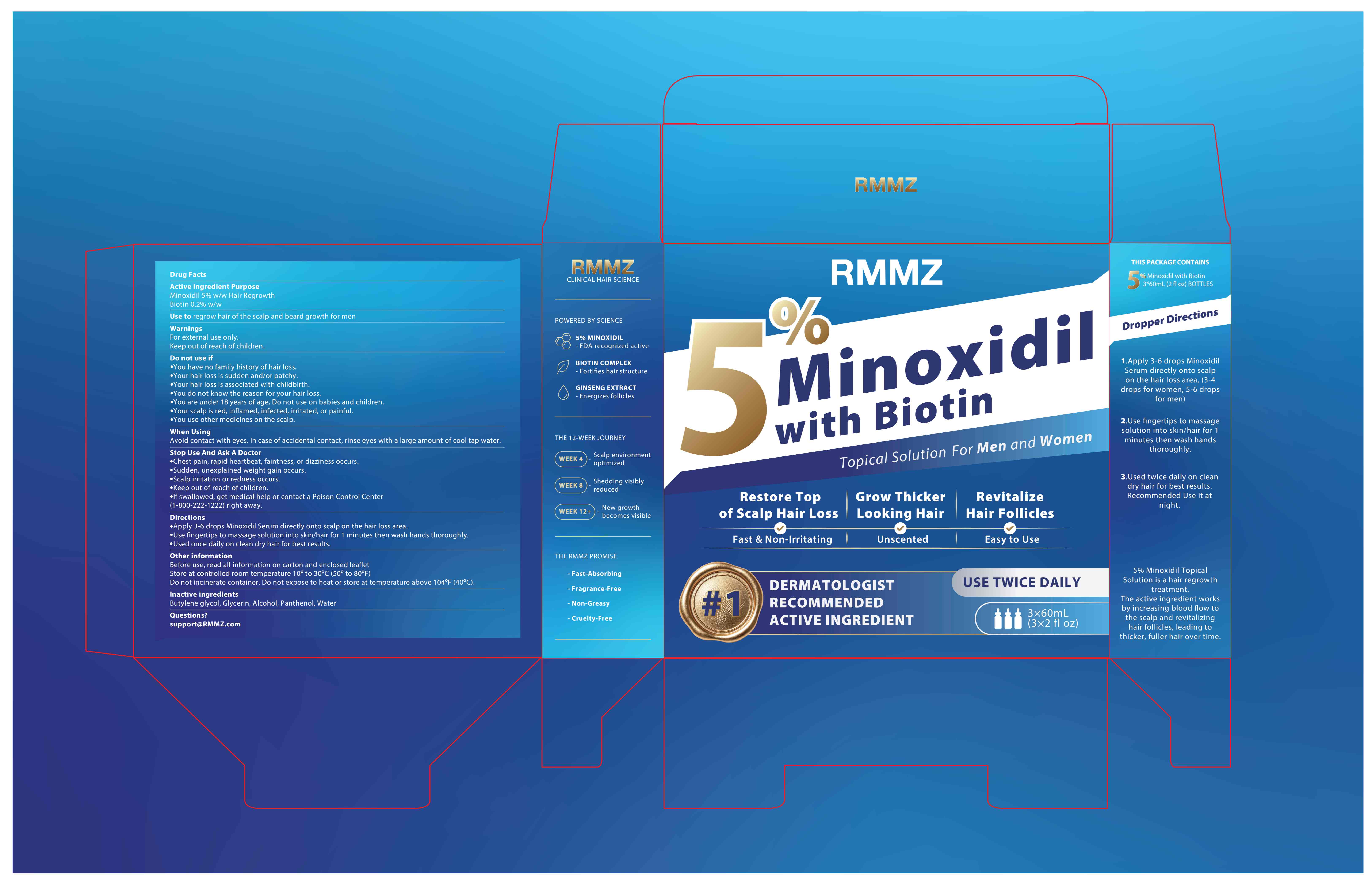
(biotin · DailyMed)
SIDME PRO TABLET
Alpha Lipoic Acid/ Pine Bark/ Ginseng/ Ginkgo Biloba Extract/ Citrus Bioflavonoids/ Natural Mixed Carotenoids 10%/ Green Tea Extract/ Lycopene/ Vitamin C/ Vitamin B3/ Tocoferol/ Benfotiamine/ Inositol/ Vitamin B2/ Vitamin B6/ Folic Acid/ Vitamin A/ Methylcobalamin/ Biotin/ Vitamin B5/ Vitamin B12/ Vitamin D3/ EPA/ DHA(Veg)/ Iron/ Zinc/ Potassium/ Chloride/ Manganese/ Copper/ Silicon/ Boron/ Molybdenum/ Chromium (Picolinate)/ Iodine/ Selenium/ Vanadium/ Tin/ L-Lysine/ L-Methionine/ L-Glutamic Acid/ L-Arginine/ L-Choline Bitartrate/ L-Carnitine-Tartrate/ L-Cystine
What it does
Alpha is a medication used to treat various health conditions. It is important to follow your healthcare provider's guidance when using this medication.
Commonly used for: high blood pressure (hypertension), anxiety disorders, certain types of pain
Read more in plain English ↓Plain-language summary for general understanding - not medical advice. Always follow your pharmacist/doctor.
Ask about this medicine
Answers come only from this medicine's registration record, BNF monograph and interaction data - not medical advice.
Medicine sourcing is available in Kenya only. We don't sell or dispense medicines - licensed pharmacies do.
Sourcing - Kenya onlyRegistration & product details
Source: Food and Drugs Authority · fetched 2026-04-18 08:48:18 · updated 2026-09-18 04:00:04
Drug Interactions
7Severe (2)
Vitamin - increases risk of vitamin a toxicity
TretinoinispredictedtoincreasetheriskofvitaminAtoxicity whengivenwithvitaminA.Avoid.rStudy Ribavirin e
Vitamin - increases risk of vitamin a toxicity
Retinoids(tretinoin)arepredictedtoincreasetheriskof vitaminAtoxicitywhengivenwithvitaminA.Avoid.r Study VitaminDsubstances . . . . . alfacalcidol.calcipotri..ol calcitriol colecalciferol ergocalcifero
Moderate (1)
Vitamin - increases risk of toxicity
Retinoids (bexarotene) are predicted to increase the risk of toxicity when given with vitamin A. Adjust dose.
Unknown (4)
Vitamin - decreases effects
Carbamazepine is predicted to decrease the effects of vitamin D substances.
Vitamin - increases exposure
Cobicistat is predicted to increase the exposure to vitamin D substances (paricalcitol).
Vitamin - increases exposure
Idelalisib is predicted to increase the exposure to vitamin D substances (paricalcitol).
Vitamin - increases exposure
Clarithromycin is predicted to increase the exposure to vitamin D substances (paricalcitol).
Data from BNF 85 (British National Formulary). This is not a substitute for professional medical advice. Matched via: exact
About alpha
Alpha is a medication used to treat various health conditions. It is important to follow your healthcare provider's guidance when using this medication.
What it treats
- high blood pressure (hypertension)
- anxiety disorders
- certain types of pain
How it works
Alpha works by affecting certain chemicals in the brain that help regulate mood and pain perception.
Who it's for
Alpha is prescribed for adults and may also be used in children under the supervision of a healthcare provider.
AI-assisted summary grounded in BNF data - general information only, not medical advice. Always confirm with your pharmacist or doctor.
About ascorbic acid
Ascorbic acid, commonly known as Vitamin C, is essential for overall health and helps the body in many ways.
What it treats
- scurvy
- immune system support
- wound healing
- antioxidant support
How it works
Ascorbic acid helps in the production of collagen, a protein important for skin, blood vessels, and connective tissues, and acts as an antioxidant to protect cells.
Who it's for
It is suitable for people needing vitamin C, such as those with a deficiency or increased requirements due to illness or stress.
AI-assisted summary grounded in BNF data - general information only, not medical advice. Always confirm with your pharmacist or doctor.
About bark
Bark is used for various health benefits and is often found in traditional remedies.
What it treats
- various health conditions
How it works
Bark contains natural compounds that may help improve health in different ways.
Who it's for
People looking for natural remedies for health issues.
Cautions
- • Consult a healthcare provider before use, especially if you have existing health conditions or are pregnant.
AI-assisted summary grounded in BNF data - general information only, not medical advice. Always confirm with your pharmacist or doctor.
About benfotiamine
Benfotiamine is a dietary supplement that helps support nerve health and may help in managing certain conditions related to vitamin B1 deficiency.
What it treats
- nerve pain (neuropathy)
- diabetes-related nerve damage
- vitamin B1 deficiency
How it works
Benfotiamine is a form of vitamin B1 that helps improve nerve function and reduce pain by supporting the body's metabolism.
Who it's for
Benfotiamine is suitable for adults experiencing nerve pain or those with diabetes who need support for their nerve health.
AI-assisted summary grounded in BNF data - general information only, not medical advice. Always confirm with your pharmacist or doctor.
About biloba
Biloba is a herbal supplement often used to support brain health and improve blood circulation.
What it treats
- memory problems
- dementia
- anxiety
- tinnitus
How it works
Biloba is believed to improve blood flow to the brain and enhance the function of neurotransmitters, which may help with cognitive functions.
Who it's for
Biloba may be suitable for adults looking for natural support for memory and cognitive health.
AI-assisted summary grounded in BNF data - general information only, not medical advice. Always confirm with your pharmacist or doctor.
About bioflavonoids
Bioflavonoids are natural compounds found in many fruits and vegetables, known for their antioxidant properties.
What it treats
- supporting overall health
- reducing inflammation
- improving blood circulation
How it works
They help protect cells from damage and may support the immune system.
Who it's for
Bioflavonoids can be beneficial for anyone looking to enhance their diet and overall wellness.
AI-assisted summary grounded in BNF data - general information only, not medical advice. Always confirm with your pharmacist or doctor.
About biotin
Biotin is a vitamin that helps support healthy hair, skin, and nails.
What it treats
- brittle nails
- hair loss
- skin health
How it works
Biotin helps the body convert food into energy and is important for the health of hair, skin, and nails.
Who it's for
Biotin is suitable for individuals looking to improve the strength of their nails and hair health.
AI-assisted summary grounded in BNF data - general information only, not medical advice. Always confirm with your pharmacist or doctor.
About bitartrate
Bitartrate is a compound used in various medicinal products, often to improve the effectiveness of other ingredients.
What it treats
- nausea
- vomiting
- motion sickness
How it works
Bitartrate helps to reduce nausea and vomiting by affecting the brain and gut.
Who it's for
It is suitable for adults and children who experience nausea or vomiting from different causes.
AI-assisted summary grounded in BNF data - general information only, not medical advice. Always confirm with your pharmacist or doctor.
About boron
Boron is a naturally occurring mineral that is sometimes used as a dietary supplement.
What it treats
- Osteoporosis (weak bones)
- Arthritis (joint pain and swelling)
- Hormonal balance
How it works
Boron helps the body use minerals like calcium and magnesium, which are important for bone health and hormone regulation.
Who it's for
Boron may be suitable for individuals looking to support their bone health or hormonal balance.
AI-assisted summary grounded in BNF data - general information only, not medical advice. Always confirm with your pharmacist or doctor.
About carotenoids
Carotenoids are natural pigments found in many fruits and vegetables. They are known for their antioxidant properties and may help support overall health.
What it treats
- supporting eye health
- boosting the immune system
- promoting skin health
How it works
Carotenoids help protect cells from damage caused by free radicals, which can contribute to various health issues.
Who it's for
Carotenoids are generally safe for most people, especially those looking to improve their diet and health through natural sources.
AI-assisted summary grounded in BNF data - general information only, not medical advice. Always confirm with your pharmacist or doctor.
About cholecalciferol
Cholecalciferol is a form of vitamin D that helps maintain healthy bones and teeth.
What it treats
- vitamin D deficiency
- rickets
- osteomalacia
How it works
Cholecalciferol helps your body absorb calcium and phosphorus, which are essential for strong bones.
Who it's for
It is suitable for individuals who need to boost their vitamin D levels, especially those with limited sun exposure.
AI-assisted summary grounded in BNF data - general information only, not medical advice. Always confirm with your pharmacist or doctor.
About chromium
Chromium is a mineral that may help with blood sugar control and improve insulin sensitivity.
What it treats
- type 2 diabetes
- high blood sugar
- metabolic syndrome
How it works
Chromium helps your body use insulin effectively, which can lower blood sugar levels.
Who it's for
It is typically used by people with type 2 diabetes or those looking to manage their blood sugar.
AI-assisted summary grounded in BNF data - general information only, not medical advice. Always confirm with your pharmacist or doctor.
About citrus
Citrus is a natural ingredient often used for its refreshing flavor and potential health benefits.
What it treats
- boosting vitamin C intake
- aiding digestion
- enhancing skin health
How it works
Citrus fruits are rich in vitamins and antioxidants, which support overall health and wellness.
Who it's for
Anyone looking to improve their nutrition and support their immune system.
AI-assisted summary grounded in BNF data - general information only, not medical advice. Always confirm with your pharmacist or doctor.
About copper
Copper is a mineral that is essential for various bodily functions, playing a role in the formation of red blood cells and maintaining healthy bones and nerves.
What it treats
- copper deficiency
- anemia
- bone health
- nerve health
How it works
Copper helps the body create red blood cells and supports the proper functioning of nerves and bones.
Who it's for
Copper supplements may be recommended for individuals with low copper levels or certain health conditions that affect copper absorption.
Cautions
- • Excessive copper intake can be harmful.
- • People with certain health conditions should consult a healthcare provider before use.
AI-assisted summary grounded in BNF data - general information only, not medical advice. Always confirm with your pharmacist or doctor.
About cyanocobalamin
Cyanocobalamin is a form of vitamin B12 that is important for maintaining healthy nerve cells and producing red blood cells.
What it treats
- vitamin B12 deficiency
- pernicious anemia
- certain types of anemia
How it works
It helps in the production of red blood cells and supports the nervous system.
Who it's for
It is for people who have low levels of vitamin B12, including those with certain dietary restrictions or absorption issues.
AI-assisted summary grounded in BNF data - general information only, not medical advice. Always confirm with your pharmacist or doctor.
About dha
DHA is an omega-3 fatty acid that supports brain health and overall well-being.
What it treats
- supports brain development
- promotes heart health
- aids in eye health
How it works
DHA helps build and maintain healthy cells, especially in the brain and eyes.
Who it's for
DHA is suitable for individuals looking to improve brain and heart health, including pregnant women and infants.
AI-assisted summary grounded in BNF data - general information only, not medical advice. Always confirm with your pharmacist or doctor.
About epa
EPA is a type of omega-3 fatty acid that is used to support heart health and reduce inflammation.
What it treats
- high cholesterol (hyperlipidemia)
- heart disease (cardiovascular disease)
- inflammatory conditions
How it works
EPA helps to lower bad cholesterol levels and reduce inflammation in the body.
Who it's for
Adults looking to improve heart health or manage inflammation.
AI-assisted summary grounded in BNF data - general information only, not medical advice. Always confirm with your pharmacist or doctor.
About extract
This medicine is an extract that is used for various health conditions.
What it treats
- general health improvement
- nutritional support
How it works
The extract may provide health benefits by supplying essential nutrients or compounds that support bodily functions.
Who it's for
This medicine is suitable for individuals looking to improve their overall health or address specific nutritional needs.
AI-assisted summary grounded in BNF data - general information only, not medical advice. Always confirm with your pharmacist or doctor.
About folate
Folate is a type of B vitamin that is important for the production of red blood cells and helps prevent certain types of birth defects.
What it treats
- prevention of neural tube defects in pregnancy
- treatment of folate deficiency
- supporting overall health
How it works
Folate helps the body make DNA and is essential for the growth and division of cells.
Who it's for
Folate is suitable for pregnant women, those planning to become pregnant, and individuals with low levels of folate.
AI-assisted summary grounded in BNF data - general information only, not medical advice. Always confirm with your pharmacist or doctor.
About ginkgo
Ginkgo is a herbal supplement often used to support brain health and improve circulation.
What it treats
- memory problems
- dementia
- anxiety
- poor blood flow
- tinnitus (ringing in the ears)
How it works
Ginkgo is thought to improve blood flow in the body, particularly to the brain, which may help with memory and cognitive function.
Who it's for
Ginkgo may be suitable for adults looking to support their brain health or improve circulation, but should be used with care.
Cautions
- • May increase the risk of bleeding, especially if taken with blood-thinning medications.
- • Not recommended for people with certain medical conditions or who are pregnant or breastfeeding.
AI-assisted summary grounded in BNF data - general information only, not medical advice. Always confirm with your pharmacist or doctor.
About ginseng
Ginseng is a herbal supplement that is often used to boost energy and improve overall health.
What it treats
- fatigue
- stress relief
- improving mental performance
How it works
Ginseng is believed to enhance physical and mental performance by supporting the body's ability to adapt to stress and improve energy levels.
Who it's for
Ginseng is commonly used by adults looking for natural ways to increase energy and reduce stress.
AI-assisted summary grounded in BNF data - general information only, not medical advice. Always confirm with your pharmacist or doctor.
About green
Green is a substance that can be used for various health benefits, although specific details about its uses are limited.
How it works
Green is believed to have properties that may support health, but the exact mechanisms are not clearly defined.
Who it's for
Green may be suitable for individuals looking for natural health support.
AI-assisted summary grounded in BNF data - general information only, not medical advice. Always confirm with your pharmacist or doctor.
About inositol
Inositol is a natural substance often used to support mental health and hormonal balance.
What it treats
- anxiety
- depression
- polycystic ovary syndrome (PCOS)
- bipolar disorder
How it works
Inositol helps improve the communication between brain cells and plays a role in regulating hormones.
Who it's for
Inositol is for adults looking for support with mood stability and hormonal issues.
AI-assisted summary grounded in BNF data - general information only, not medical advice. Always confirm with your pharmacist or doctor.
About iodine
Iodine is a vital mineral that helps the body produce thyroid hormones, which are essential for metabolism and overall health.
What it treats
- prevention of iodine deficiency
- supporting thyroid health
- treatment of certain thyroid disorders
How it works
Iodine is necessary for the production of thyroid hormones, which help regulate many body functions including growth, metabolism, and energy levels.
Who it's for
Iodine is recommended for people who need to boost their iodine levels, such as those with certain dietary restrictions or thyroid issues.
AI-assisted summary grounded in BNF data - general information only, not medical advice. Always confirm with your pharmacist or doctor.
About l-arginine
L-arginine is an amino acid that helps improve blood flow and may support heart health.
What it treats
- angina (chest pain)
- heart disease
- erectile dysfunction
- high blood pressure (hypertension)
- wound healing
How it works
L-arginine helps the body produce nitric oxide, which relaxes blood vessels and improves blood circulation.
Who it's for
L-arginine may be suitable for adults looking to improve their cardiovascular health or manage related conditions.
AI-assisted summary grounded in BNF data - general information only, not medical advice. Always confirm with your pharmacist or doctor.
About l-carnitine
L-carnitine is a substance that helps the body use fat for energy.
What it treats
- weight loss
- fatigue
- heart disease (cardiovascular disease)
- muscle weakness
How it works
It helps transport fatty acids into the cells, where they can be burned for energy.
Who it's for
It is used by people looking to improve their energy levels and support fat metabolism.
AI-assisted summary grounded in BNF data - general information only, not medical advice. Always confirm with your pharmacist or doctor.
About l-cystine
L-cystine is a supplement that is used to support various health conditions.
What it treats
- cystinuria (a condition that causes kidney stones)
- supporting hair and skin health
How it works
L-cystine helps the body produce proteins and may assist in maintaining healthy hair and skin.
Who it's for
It is suitable for individuals looking to support their kidney health or improve their hair and skin condition.
AI-assisted summary grounded in BNF data - general information only, not medical advice. Always confirm with your pharmacist or doctor.
About l-lysine
L-lysine is an essential amino acid that your body needs to build proteins and support various bodily functions.
What it treats
- cold sores (herpes simplex)
- supporting immune function
- promoting muscle recovery
How it works
L-lysine helps your body produce proteins and is important for growth and maintenance.
Who it's for
L-lysine is suitable for adults and children who need extra support for their immune system or muscle recovery.
AI-assisted summary grounded in BNF data - general information only, not medical advice. Always confirm with your pharmacist or doctor.
About l-methionine
L-methionine is an amino acid that helps in various bodily functions and is sometimes used as a dietary supplement.
What it treats
- liver support
- preventing fatigue
- promoting healthy skin and hair
How it works
L-methionine contributes to protein synthesis and helps in the production of important substances in the body.
Who it's for
This supplement is generally for adults looking to support their liver health or overall well-being.
AI-assisted summary grounded in BNF data - general information only, not medical advice. Always confirm with your pharmacist or doctor.
About lipoic
Lipoic is a natural compound that acts as an antioxidant, helping to protect cells from damage.
What it treats
- diabetes (high blood sugar)
- nervous system disorders (neuropathy)
How it works
It helps reduce oxidative stress in the body, which can improve insulin sensitivity and support nerve health.
Who it's for
It is typically used by people with diabetes or those experiencing nerve pain.
AI-assisted summary grounded in BNF data - general information only, not medical advice. Always confirm with your pharmacist or doctor.
About lycopene
Lycopene is a natural pigment found in tomatoes and other red fruits and vegetables. It is known for its antioxidant properties.
What it treats
- prostate cancer
- breast cancer
- heart disease
- high cholesterol
How it works
Lycopene helps protect cells from damage caused by free radicals, which can contribute to various diseases.
Who it's for
Adults looking for potential health benefits related to cancer and heart health.
AI-assisted summary grounded in BNF data - general information only, not medical advice. Always confirm with your pharmacist or doctor.
About manganese
Manganese is a trace mineral important for many bodily functions, including bone formation and metabolism.
What it treats
- nutritional support
- bone health
How it works
Manganese helps the body use certain nutrients and is involved in the formation of connective tissue, bones, and blood-clotting factors.
Who it's for
Adults and children who may have low manganese levels due to dietary deficiencies.
Cautions
- • Excessive intake can lead to toxicity.
- • Consult a healthcare provider if you have liver problems.
AI-assisted summary grounded in BNF data - general information only, not medical advice. Always confirm with your pharmacist or doctor.
About methylcobalamin
Methylcobalamin is a form of vitamin B12 that helps your body produce red blood cells and maintain healthy nerve cells.
What it treats
- Vitamin B12 deficiency
- Peripheral neuropathy (nerve damage)
- Anemia
How it works
It supports the production of red blood cells and helps in the proper functioning of the nervous system.
Who it's for
It is suitable for individuals with low vitamin B12 levels or conditions affecting nerve health.
AI-assisted summary grounded in BNF data - general information only, not medical advice. Always confirm with your pharmacist or doctor.
About mixed
This medicine is a combination of ingredients that work together to treat various health conditions.
What it treats
- pain relief
- inflammation reduction
- fever reduction
How it works
It works by targeting different pathways in the body to alleviate symptoms such as pain and fever.
Who it's for
This medicine is suitable for adults and children who need relief from pain, inflammation, or fever.
AI-assisted summary grounded in BNF data - general information only, not medical advice. Always confirm with your pharmacist or doctor.
About molybdenum
Molybdenum is a trace element important for various bodily functions.
What it treats
- molybdenum deficiency
- supporting enzyme functions
How it works
Molybdenum helps the body by supporting enzymes that are involved in processing certain substances.
Who it's for
It is for individuals who may not get enough molybdenum from their diet.
AI-assisted summary grounded in BNF data - general information only, not medical advice. Always confirm with your pharmacist or doctor.
About natural
Natural products are derived from plants, animals, or minerals and are used in various health applications.
What it treats
- supporting overall health
- boosting the immune system
- reducing inflammation
How it works
Natural products may contain compounds that can help the body function better or support healing.
Who it's for
People looking for alternative or complementary health options.
AI-assisted summary grounded in BNF data - general information only, not medical advice. Always confirm with your pharmacist or doctor.
About niacin
Niacin is a form of vitamin B3 that helps improve cholesterol levels and supports heart health.
What it treats
- high cholesterol (hyperlipidemia)
- niacin deficiency
- improving heart health
How it works
Niacin works by helping to reduce bad cholesterol and increase good cholesterol in the blood.
Who it's for
Niacin is typically used for adults needing help with cholesterol levels or those with a deficiency in vitamin B3.
AI-assisted summary grounded in BNF data - general information only, not medical advice. Always confirm with your pharmacist or doctor.
About pine
Pine is a natural substance often used for its potential health benefits.
What it treats
- respiratory issues
- inflammation
- antioxidant support
How it works
Pine may help reduce inflammation and support the immune system due to its natural compounds.
Who it's for
Pine can be used by adults looking for natural ways to support their health, particularly for respiratory and inflammatory conditions.
AI-assisted summary grounded in BNF data - general information only, not medical advice. Always confirm with your pharmacist or doctor.
About pyridoxine
Pyridoxine, also known as vitamin B6, is important for many bodily functions including the metabolism of proteins and the creation of neurotransmitters.
What it treats
- pyridoxine deficiency
- nerve pain (neuropathy)
- certain types of anemia
How it works
Pyridoxine helps the body use proteins and carbohydrates effectively and is essential for the production of chemicals that transmit signals in the brain.
Who it's for
Pyridoxine is for individuals who need to increase their vitamin B6 levels due to dietary deficiencies or certain health conditions.
AI-assisted summary grounded in BNF data - general information only, not medical advice. Always confirm with your pharmacist or doctor.
About retinol
Retinol is a form of vitamin A that helps improve skin health and appearance.
What it treats
- acne
- wrinkles
- dry skin
- psoriasis
How it works
Retinol promotes skin cell turnover, helping to clear up acne and reduce signs of aging.
Who it's for
Adults looking to improve their skin quality or treat specific skin conditions.
AI-assisted summary grounded in BNF data - general information only, not medical advice. Always confirm with your pharmacist or doctor.
About riboflavin
Riboflavin, also known as Vitamin B2, is essential for energy production and helps maintain healthy skin, eyes, and nerve functions.
What it treats
- Vitamin B2 deficiency
- Mouth sores
- Migraines
How it works
Riboflavin helps the body convert food into energy and supports various cellular functions.
Who it's for
Riboflavin is suitable for individuals who may not get enough Vitamin B2 from their diet or have specific health conditions.
AI-assisted summary grounded in BNF data - general information only, not medical advice. Always confirm with your pharmacist or doctor.
About selenium
Selenium is a mineral that is important for various bodily functions, including supporting the immune system and maintaining healthy cells.
What it treats
- supports immune health
- promotes healthy cell function
- may help prevent certain diseases
How it works
Selenium acts as an antioxidant, helping to protect cells from damage caused by free radicals.
Who it's for
Selenium is for people who need support for their immune system or those who have low levels of this mineral.
AI-assisted summary grounded in BNF data - general information only, not medical advice. Always confirm with your pharmacist or doctor.
About silicon
Silicon is a mineral that may help support healthy bones and connective tissues.
What it treats
- bone health
- joint health
- skin health
How it works
Silicon helps form collagen, which is important for maintaining the strength and elasticity of bones and tissues.
Who it's for
Silicon is for individuals looking to support their bone and joint health.
AI-assisted summary grounded in BNF data - general information only, not medical advice. Always confirm with your pharmacist or doctor.
About tea
Tea is a popular beverage made from the leaves of the Camellia sinensis plant. It is enjoyed for its refreshing taste and potential health benefits.
What it treats
- hydration
- antioxidant support
- caffeine boost
How it works
Tea contains compounds like caffeine and antioxidants that can help improve alertness and provide health benefits.
Who it's for
Tea can be consumed by most people looking for a refreshing drink or a source of caffeine.
AI-assisted summary grounded in BNF data - general information only, not medical advice. Always confirm with your pharmacist or doctor.
About tin
Tin is a chemical element that is sometimes used in various applications, but it is not commonly recognized as a medicine.
How it works
Tin does not have established medicinal properties or mechanisms of action as a drug.
Who it's for
There are no specific patient groups for tin as a medication.
AI-assisted summary grounded in BNF data - general information only, not medical advice. Always confirm with your pharmacist or doctor.
About tocoferol
Tocoferol is a form of vitamin E that helps protect cells from damage and supports overall health.
What it treats
- Vitamin E deficiency
- Antioxidant support
- Skin health
How it works
Tocoferol acts as an antioxidant, helping to neutralize harmful free radicals in the body.
Who it's for
It is suitable for individuals needing extra vitamin E, such as those with certain health conditions or dietary restrictions.
AI-assisted summary grounded in BNF data - general information only, not medical advice. Always confirm with your pharmacist or doctor.
About vanadium
Vanadium is a trace mineral that may have potential health benefits.
What it treats
- may support blood sugar control
- may help in conditions related to diabetes (diabetes mellitus)
How it works
Vanadium may mimic insulin and help regulate blood sugar levels in the body.
Who it's for
Individuals looking to manage blood sugar levels, especially those with diabetes.
AI-assisted summary grounded in BNF data - general information only, not medical advice. Always confirm with your pharmacist or doctor.
About vitamin
Vitamins are essential nutrients that support various bodily functions and overall health.
What it treats
- nutritional deficiency
- general health maintenance
How it works
Vitamins support normal bodily functions, including metabolism, immune function, and cell repair.
Who it's for
Anyone needing to improve their nutrient intake or maintain good health.
AI-assisted summary grounded in BNF data - general information only, not medical advice. Always confirm with your pharmacist or doctor.
Clinical monograph: Cyanocobalamin
BNF-referencedCyanocobalamin, commonly known as vitamin B12, is a water-soluble vitamin essential for various bodily functions, including DNA synthesis, red blood cell formation, and neurological function. It plays a crucial role in the metabolism of fatty acids and amino acids. Deficiency in vitamin B12 can lead to megaloblastic anemia and neurological disorders.
Mechanism of action
Cyanocobalamin serves as a cofactor for methionine synthase and L-methylmalonyl-CoA mutase enzymes. Methionine synthase is essential for the synthesis of purines and pyrimidines that form DNA. L-methylmalonyl-CoA mutase is involved in the degradation of propionate, crucial for fat and protein metabolism. The lack of vitamin B12 results in the accumulation of methylmalonyl CoA, contributing to neurological manifestations. Additionally, it is vital for the synthesis of methionine from homocysteine, and its deficiency can lead to functional folate deficiency, which impacts red blood cell formation.
Pharmacodynamics
Cyanocobalamin corrects vitamin B12 deficiency and alleviates symptoms and laboratory abnormalities associated with pernicious anemia, such as megaloblastic indices, gastrointestinal lesions, and neurological damage. It is essential for growth, cell reproduction, hematopoiesis, nucleoprotein, and myelin synthesis. The drug significantly impacts fat and carbohydrate metabolism, as well as protein synthesis. Rapidly dividing cells, such as those in the bone marrow, have a high demand for vitamin B12. Parenteral administration of cyanocobalamin can quickly reverse the anemia and gastrointestinal symptoms of vitamin B12 deficiency, while also preventing the progression of related neurological damage.
Pharmacokinetics
Cyanocobalamin is absorbed in the intestine, primarily in the ileum, via specific transport mechanisms that may be impaired in individuals with intrinsic factor deficiency (as seen in pernicious anemia). Once absorbed, it is widely distributed in body tissues, with significant concentrations found in the liver, kidneys, and heart. The vitamin is stored in the liver, where it can be released into circulation as needed. Cyanocobalamin undergoes conversion to its active forms, methylcobalamin and adenosylcobalamin, which are utilized in various metabolic processes. The elimination half-life is variable, but it is generally excreted via urine as metabolites
Adverse effects
- Abdominal distension
- Decreased appetite
- Flatulence
- Nausea
Interactions
- Folic acid may interact with cyanocobalamin, especially in cases of megaloblastic anemia caused by folate deficiency.
Precautions
- Should not be given alone for pernicious anemia.
- Use caution in patients with Leber's disease, as it may worsen optic atrophy.
Pregnancy
Cyanocobalamin is essential during pregnancy as it helps prevent neural tube defects. It is advised that females of childbearing potential take 5 mg of folic acid daily before conception and throughout pregnancy.
Breast-feeding
Cyanocobalamin is generally considered safe during breastfeeding, but it is advised to monitor the infant for any adverse effects.
Storage
Store in a cool, dry place, away from direct sunlight. Protect from moisture.
Formulations
- Tablet: 1000 micrograms
- Tablet: 500 micrograms
- Tablet: 100 micrograms
- Oral solution: 50 micrograms per ml
- Solution for injection: 1000 micrograms per ml
AI-synthesized from BNF references - general information only, not a substitute for professional medical advice or the current BNF. Verify doses with a pharmacist.
Clinical monograph: Pyridoxinehydrochloride
BNF-referencedPyridoxine hydrochloride, also known as Vitamin B6, is a water-soluble vitamin that plays a crucial role in various bodily functions, including amino acid metabolism, neurotransmitter synthesis, and the regulation of gene expression. It is essential for the proper function of enzymes involved in the metabolism of proteins, carbohydrates, and fats. Pyridoxine is commonly used to treat and prevent vitamin B6 deficiencies and is also indicated in specific neuropathies, including those induced by isoniazid and penicillamine.
Indications
- Vitamin B6 deficiency
- Isoniazid-induced neuropathy (prophylaxis and treatment)
- Idiopathic sideroblastic anaemia
- Prevention of penicillamine-induced neuropathy in Wilson's disease
- Metabolic diseases such as cystathioninuria and homocystinuria
- Premenstrual syndrome
Mechanism of action
Pyridoxine hydrochloride is converted in the body to pyridoxal phosphate, which is the active form of vitamin B6. It serves as a cofactor for more than 100 enzymatic reactions, particularly those involved in the metabolism of amino acids, the synthesis of neurotransmitters (such as serotonin, dopamine, and gamma-aminobutyric acid), and the production of hemoglobin. Its role in neurotransmitter synthesis makes it crucial for normal brain function and mood regulation.
Pharmacodynamics
Pyridoxine hydrochloride exerts its effects by facilitating the conversion of amino acids into neurotransmitters and is involved in the synthesis of heme. It impacts the metabolism of tryptophan to serotonin and is essential for the production of norepinephrine and gamma-aminobutyric acid, which are vital for proper neurological function. Deficiency of vitamin B6 can lead to neurological symptoms, including peripheral neuropathy and cognitive disturbances.
Pharmacokinetics
Pyridoxine hydrochloride is readily absorbed from the gastrointestinal tract. It is primarily metabolized in the liver, where it is converted to its active form, pyridoxal phosphate. The elimination half-life of pyridoxine is approximately 15-20 days, and it is excreted primarily through the urine. Renal impairment may affect the metabolism and excretion of pyridoxine, necessitating dose adjustments.
Contra-indications
- Hyperkalaemia
- Severe liver damage
Adverse effects
- Peripheral neuritis
- Hepatitis
- Hypoglycaemia
- Urine discolouration
Interactions
- Potassium aminobenzoate
- Isoniazid
Precautions
- Caution in renal impairment (increased risk of hyperkalaemia)
- Interrupt treatment during periods of low food intake (such as fasting, anorexia, and nausea) to reduce risk of hypoglycaemia
- Monitor liver function tests monthly during high-dose therapy
Pregnancy
Manufacturer advises avoiding use in pregnancy due to potential risk of birth defects; however, no adverse effects have been reported at normal dietary levels.
Breast-feeding
Theoretical risk of toxicity in infants if mothers take large doses.
Storage
Store in a cool, dry place away from direct sunlight. Keep out of reach of children.
Formulations
- Pyridoxine hydrochloride 10 mg tablets
- Pyridoxine hydrochloride 20 mg tablets
- Pyridoxine hydrochloride 50 mg tablets
- Pyridoxine hydrochloride oral solution 20 mg per 1 ml
AI-synthesized from BNF references - general information only, not a substitute for professional medical advice or the current BNF. Verify doses with a pharmacist.
Clinical monograph: Biotin
BNF-referencedBiotin, also known as vitamin H, is a water-soluble B-vitamin that plays a crucial role in carbohydrate, fat, and protein metabolism. It is involved in the synthesis of fatty acids and glucose, and is essential for normal physiological functions.
Indications
- Isolated carboxylase defects
- Defects of biotin metabolism
- Prevention of deficiency in complete biliary obstruction
Dosage
Children: Neonate: Initially 10 mg once daily, adjusted according to response; maintenance 5–20 mg daily. Child: Initially 10 mg once daily, adjusted according to response; maintenance 5–20 mg daily, higher doses may be required.
Adults: For adults, the dosing may vary based on the condition being treated. General guidance is to refer to the BNF for specific dosing recommendations.
Mechanism of action
Biotin acts as a coenzyme for carboxylase enzymes, facilitating critical metabolic processes including gluconeogenesis, fatty acid synthesis, and amino acid catabolism.
Pharmacodynamics
Biotin is essential for the carboxylation of substrates in metabolic pathways, influencing energy metabolism and the synthesis of important biomolecules. It supports normal growth and development.
Pharmacokinetics
Biotin is absorbed in the intestine and is widely distributed in body tissues. It is not stored in large amounts, with excess being excreted in urine. The half-life and specific pharmacokinetic parameters can vary based on individual metabolism and dietary intake.
Adverse effects
- Rough skin
- Dry hair
- Enlarged liver
- Increases in erythrocyte sedimentation rate
- Increased serum calcium
- Increased serum alkaline phosphatase concentration
Precautions
- Excessive doses may be teratogenic
- High levels of vitamin A may cause birth defects
Pregnancy
No information available.
Breast-feeding
No information available.
Formulations
- Tablet
- Oral suspension
- Oral solution
- Solution for injection
AI-synthesized from BNF references - general information only, not a substitute for professional medical advice or the current BNF. Verify doses with a pharmacist.
Clinical monograph: Ascorbicacid
BNF-referencedAscorbic acid, also known as Vitamin C, is a water-soluble vitamin essential for various bodily functions, including the synthesis of collagen, neurotransmitters, and the immune response. It acts as an antioxidant, protecting cells from damage by free radicals.
Indications
- Vitamin C deficiency
- Scurvy
- Adjunct therapy in iron overload conditions
Dosage
Children: Child 1 month–3 years: 125–250 mg daily in 1–2 divided doses; Child 4–11 years: 250–500 mg daily in 1–2 divided doses; Child 12–17 years: 0.5–1 g daily in 1–2 divided doses.
Adults: 500 mg daily, taken in 1-2 divided doses, depending on the clinical condition and dietary needs.
Mechanism of action
Ascorbic acid functions primarily as a reducing agent, facilitating enzymatic reactions in the body, including the hydroxylation of proline and lysine in collagen synthesis. It also plays a role in the absorption of iron from the gastrointestinal tract and enhances the immune response.
Pharmacodynamics
Ascorbic acid is crucial for the maintenance of connective tissue and is involved in the metabolism of several amino acids. Its antioxidant properties help to mitigate oxidative stress and may play a role in reducing the risk of chronic diseases.
Pharmacokinetics
Ascorbic acid is absorbed in the intestines and is widely distributed throughout the body. The renal clearance of ascorbic acid is dose-dependent, with higher doses leading to increased excretion. The half-life varies but is generally around 15 to 30 minutes in healthy individuals, with tissue saturation levels influencing its retention.
Contra-indications
- Hypercalcaemia
- Hyperoxaluria
- Patients with cardiac dysfunction
Adverse effects
- Abdominal pain
- Headache
- Nausea
- Vomiting
- Diarrhoea
- Constipation
- Weight loss
- Polyuria
- Sweating
- Thirst
- Vertigo
Interactions
- Increases risk of cardiovascular adverse effects with iron chelators
- Increases risk of cardiovascular adverse effects with deferiprone
- Increases risk of cardiovascular adverse effects with desferrioxamine
Precautions
- Use with caution in patients with iron overload
- Monitor for symptoms of overdose
Pregnancy
High doses teratogenic in animals but therapeutic doses unlikely to be harmful.
Storage
Store in a cool, dry place away from direct sunlight.
Formulations
- Ascorbic acid 50 mg tablets
- Ascorbic acid 100 mg tablets
- Ascorbic acid 200 mg tablets
- Ascorbic acid 250 mg tablets
- Ascorbic acid 500 mg capsules
AI-synthesized from BNF references - general information only, not a substitute for professional medical advice or the current BNF. Verify doses with a pharmacist.
Clinical monograph: Riboflavin
BNF-referencedRiboflavin, also known as vitamin B2, is a water-soluble vitamin crucial for various biochemical functions in the body. It plays a pivotal role in energy production through the metabolism of fats, carbohydrates, and proteins. Additionally, riboflavin is essential for red blood cell formation, maintaining skin health, and supporting overall growth and reproduction. It has antioxidant properties and is involved in the prevention of certain eye disorders, including cataracts.
Indications
- Vitamin B2 deficiency
- Isoniazid-induced neuropathy (prophylaxis and treatment)
- Metabolic diseases
- Cystathioninuria
- Homocystinuria
- Wilson's disease
- Prevention of penicillamine-induced neuropathy
Mechanism of action
Riboflavin acts as a precursor to flavin mononucleotide (FMN) and flavin adenine dinucleotide (FAD), which are essential coenzymes in various enzymatic reactions. It binds to riboflavin hydrogenase, riboflavin kinase, and riboflavin synthase, facilitating the production of FMN and FAD. These coenzymes are critical for normal tissue respiration and energy metabolism, influencing hydrogen transport in oxidative enzyme systems such as cytochrome C reductase and succinic dehydrogenase. Moreover, riboflavin contributes to the antioxidant activity by aiding in the production of reduced glutathione, a key antioxidant in the body.
Pharmacodynamics
Riboflavin is an easily absorbed, water-soluble micronutrient that supports energy production by assisting in the metabolism of fats, carbohydrates, and proteins. It is vital for red blood cell formation, antibody production, and regulating growth and reproduction. The vitamin plays a significant role in maintaining healthy skin, nails, and hair, as well as supporting thyroid activity. Riboflavin also has therapeutic implications in preventing or treating various eye disorders, including cataracts.
Pharmacokinetics
Riboflavin is rapidly absorbed in the gastrointestinal tract, with its bioavailability influenced by dietary intake. It is primarily excreted through urine, with excess intake leading to bright yellow urine, which is a harmless side effect. The vitamin does not accumulate in the body, necessitating regular dietary intake to maintain adequate levels.
Adverse effects
- Urine discolouration
- Peripheral neuritis
Precautions
- With intravenous use, risk of cardiovascular collapse; resuscitation facilities must be available and monitor closely.
Pregnancy
Crosses the placenta but no adverse effects reported; information at high doses limited.
Breast-feeding
Present in breast milk but no adverse effects reported; information at high doses limited.
Storage
Store in a cool, dry place away from direct sunlight.
Formulations
- 100 mg modified-release tablets
- 50 mg capsules
- 100 mg capsules
- 100 mg tablets
- Oral solution
AI-synthesized from BNF references - general information only, not a substitute for professional medical advice or the current BNF. Verify doses with a pharmacist.
Clinical monograph: Selenium
BNF-referencedSelenium is a trace element essential for human health, playing a crucial role in various biological processes. It is primarily incorporated into selenoproteins, which are vital for antioxidant defense, thyroid hormone metabolism, and immune function. Selenium deficiency can lead to several health issues, including impaired immune response and increased oxidative stress.
Indications
- Selenium deficiency
- Supportive therapy in conditions requiring antioxidant support
- Potential adjunct in cancer prevention strategies
Dosage
Children: Refer to BNF for Children for specific dosing information.
Adults: Initially 100–500 micrograms daily, adjusted according to response and serum levels.
Mechanism of action
Selenium is metabolized to selenophosphate and selenocysteine, which are essential for the synthesis of selenoproteins. This process involves the incorporation of selenium into proteins through a specialized tRNA that recognizes the RNA sequence UGA, which is facilitated by SECIS structures and SBP-2 proteins. Key selenoproteins, like glutathione peroxidases, help protect cells from oxidative damage, thus playing a significant role in reducing the risk of diseases such as atherosclerosis and certain cancers.
Pharmacodynamics
Selenium is incorporated into various selenoproteins that perform essential functions, including antioxidant activity, redox balance, and regulation of thyroid hormones. Its role in antioxidant defense mechanisms is particularly important for protecting cells against reactive oxygen species (ROS). Selenium supplementation has been linked to improved immune function and potential cancer prevention.
Pharmacokinetics
Selenium is absorbed through the gastrointestinal tract, and its bioavailability can vary based on the source and form of selenium. Once absorbed, it is distributed to various tissues, where it is incorporated into selenoproteins. Selenium is primarily excreted through urine, and its half-life can depend on dietary intake and individual metabolism. Selenium status can be assessed through blood levels of selenoproteins and selenium itself.
Adverse effects
- Nausea
- Anaemia
- Aplastic anaemia
- Skin reactions
- Gastrointestinal disorders
Precautions
- Selenium supplementation should not be given unless there is good evidence of deficiency.
- Use caution in patients with a history of hypersensitivity to selenium or its compounds.
Pregnancy
Limited information is available regarding selenium supplementation during pregnancy. Consult specialist sources for guidance.
Breast-feeding
Limited information is available; the effect of selenium on copper levels in milk is conflicting, and its impact on the infant is unknown.
Storage
After opening, store in a refrigerator (2–8°C).
Formulations
- Tablets (e.g., L-Selenomethionine 200 micrograms, SelenoPrecise 100 micrograms)
- Capsules (e.g., Trientine dihydrochloride 250 mg)
- Injection solutions (e.g., Sodium selenite 50 micrograms per 1 ml)
AI-synthesized from BNF references - general information only, not a substitute for professional medical advice or the current BNF. Verify doses with a pharmacist.
Clinical monograph: alpha
BNF-referencedAlpha is a medication classified as an alpha-adrenergic antagonist. It is primarily used to treat conditions related to hypertension and other disorders involving the adrenergic system. It works by blocking alpha-adrenergic receptors, which leads to vasodilation and a subsequent reduction in blood pressure. Its pharmacological effects can also be utilized in managing symptoms of conditions such as benign prostatic hyperplasia.
Indications
- Hypertension
- Benign prostatic hyperplasia
- Urinary retention related to prostate enlargement
Dosage
Children: Refer to the BNF for Children for appropriate dosing guidelines in the paediatric population.
Adults: Refer to the BNF for specific dosing recommendations based on individual clinical scenarios.
Mechanism of action
Alpha acts by selectively blocking alpha-1 adrenergic receptors, which are responsible for mediating vasoconstriction in blood vessels. By inhibiting these receptors, alpha promotes vasodilation, leading to a decrease in peripheral vascular resistance and subsequently lowering blood pressure. Additionally, this action can help alleviate urinary symptoms associated with an enlarged prostate.
Pharmacodynamics
The pharmacodynamics of alpha involve its competitive antagonism at alpha-1 adrenergic receptors, resulting in decreased vasoconstriction and increased blood flow. This mechanism is beneficial in conditions characterized by high blood pressure and urinary retention due to prostatic enlargement. The onset of action typically occurs within hours, with peak effects observed within a few days of consistent dosing.
Pharmacokinetics
Alpha is absorbed well from the gastrointestinal tract, with peak plasma concentrations achieved within 1-3 hours post-administration. The drug undergoes hepatic metabolism, primarily via cytochrome P450 enzymes, resulting in active and inactive metabolites. The elimination half-life varies, but it generally is around 6-12 hours, allowing for once-daily dosing in many cases. Renal excretion is a significant route for its metabolites, necessitating caution in patients with renal impairment.
Interactions
- maois, irreversible + alpha blockers: Severe (increases effects)
- ribociclib + alpha blockers: Severe (increases exposure)
- cobicistat + alpha blockers: Moderate (increases exposure)
- idelalisib + alpha blockers: Moderate (increases exposure)
- dronedarone + alpha blockers: Unknown (increases exposure)
- antifungals, azoles + alpha blockers: Unknown (increases exposure)
- crizotinib + alpha blockers: Unknown (increases exposure)
- imatinib + alpha blockers: Unknown (increases exposure)
- letermovir + alpha blockers: Unknown (increases exposure)
- clarithromycin + alpha blockers: Unknown (increases exposure)
AI-synthesized from BNF references - general information only, not a substitute for professional medical advice or the current BNF. Verify doses with a pharmacist.
Clinical monograph: bark
Bark refers to the outer covering of trees and shrubs, which contains various compounds that can have medicinal properties. Different types of bark, such as willow bark, cinchona bark, and others, have been used in traditional medicine systems for their therapeutic effects. The chemical constituents of bark can vary widely, contributing to their diverse pharmacological actions.
Indications
- Pain relief
- Fever reduction
- Anti-inflammatory purposes
- Treatment of malaria (specific to cinchona bark)
- Digestive issues
Dosage
Children: Refer to specific bark product guidelines and formulations, as dosing can vary widely based on the type of bark and preparation.
Adults: Refer to specific bark product guidelines and formulations, as dosing can vary widely based on the type of bark and preparation.
Mechanism of action
The mechanism of action of bark-derived compounds largely depends on the specific type of bark. For instance, salicin from willow bark is converted to salicylic acid, which has anti-inflammatory and analgesic effects. Similarly, quinine from cinchona bark works by inhibiting the growth of the malaria parasite through interference with its metabolism.
Pharmacodynamics
Bark extracts often exhibit anti-inflammatory, analgesic, antipyretic, and antimicrobial properties. These effects are mediated through various pathways, including the inhibition of cyclooxygenase enzymes (COX-1 and COX-2) for anti-inflammatory effects and disruption of cellular processes in pathogens for antimicrobial action.
Pharmacokinetics
The pharmacokinetics of bark-derived compounds can vary significantly based on the type of bark and the specific active constituents. Generally, these compounds may be absorbed through the gastrointestinal tract, metabolized in the liver, and excreted via the kidneys. The onset and duration of action also depend on the preparation method and dosage form.
Pregnancy
The safety of bark in pregnancy has not been established. Consultation with a healthcare provider is recommended before use.
Breast-feeding
There is limited data on the excretion of bark components in breast milk. Caution is advised when using during breastfeeding.
Storage
Store in a cool, dry place away from direct sunlight. Ensure the container is tightly closed to prevent moisture accumulation.
AI-synthesized from BNF references - general information only, not a substitute for professional medical advice or the current BNF. Verify doses with a pharmacist.
Clinical monograph: benfotiamine
BNF-referencedBenfotiamine is a synthetic derivative of thiamine (vitamin B1) that is lipid-soluble, enhancing its absorption and bioavailability compared to water-soluble thiamine. It is primarily used for the management of diabetic complications and as a nutritional supplement. Benfotiamine has been investigated for its potential benefits in reducing oxidative stress and improving glucose metabolism.
Indications
- Diabetic neuropathy
- Diabetic complications
- Nutritional supplementation in thiamine deficiency
Dosage
Children: Refer to the BNF for Children for appropriate dosing information.
Adults: The usual adult dosage is 300 mg to 600 mg per day, divided into 2 to 3 doses.
Mechanism of action
Benfotiamine is converted into thiamine in the body, where it serves as a cofactor for several enzymes involved in carbohydrate metabolism. It helps to reduce the formation of advanced glycation end-products (AGEs) and modulates pathways involved in diabetic complications, including the hexosamine pathway and the polyol pathway.
Pharmacodynamics
Benfotiamine enhances the activity of thiamine-dependent enzymes, which play critical roles in energy metabolism. This action may lead to improved glucose utilization and reduced oxidative stress, which is particularly beneficial in conditions such as diabetes mellitus. By inhibiting the accumulation of toxic metabolites associated with hyperglycemia, benfotiamine may help mitigate diabetic complications.
Pharmacokinetics
Benfotiamine is well-absorbed from the gastrointestinal tract due to its lipophilic nature. After absorption, it is metabolized to thiamine and its active metabolites. The elimination half-life and excretion pathways are not well established but are thought to involve renal excretion, similar to other thiamine metabolites.
Pregnancy
Benfotiamine should be used in pregnancy only if the potential benefit justifies the potential risk to the fetus.
Breast-feeding
There are no data on the excretion of benfotiamine in human milk. Caution should be exercised when administering to breastfeeding women.
Storage
Store in a cool, dry place, protected from light.
Formulations
- {'form': 'Capsules', 'strength': '300 mg'}
- {'form': 'Tablets', 'strength': '150 mg'}
AI-synthesized from BNF references - general information only, not a substitute for professional medical advice or the current BNF. Verify doses with a pharmacist.
Clinical monograph: biloba
Biloba, derived from the Ginkgo biloba tree, is commonly used as a dietary supplement, primarily for its potential cognitive and circulatory benefits. It contains flavonoids and terpenoids, which are thought to contribute to its pharmacological effects, including antioxidant properties and neuroprotective effects. Biloba is often marketed for improving memory, attention, and reducing symptoms of anxiety, particularly in older adults.
Indications
- Cognitive impairment
- Dementia
- Memory enhancement
- Anxiety
- Peripheral vascular disease
Dosage
Children: Safety and efficacy in children have not been established. Use is not generally recommended without professional guidance.
Adults: Refer to specific product guidelines, as Ginkgo biloba is available in various forms including tablets, extracts, and teas. Typical doses range from 120 to 240 mg per day, divided into two or three doses.
Mechanism of action
The exact mechanism of action of Ginkgo biloba is not fully understood, but it is believed to enhance cerebral blood flow and improve circulation by inhibiting platelet-activating factor (PAF) and promoting vasodilation through nitric oxide release. Additionally, the antioxidant properties of flavonoids and terpenoids may protect neurons from oxidative stress and free radical damage.
Pharmacodynamics
Ginkgo biloba exhibits several pharmacodynamic effects, including increased blood flow to the brain, improved oxygen utilization, and enhanced glucose metabolism. It may also modulate neurotransmitter systems, including serotonin and dopamine, which could contribute to its effects on mood and cognitive function. The anti-inflammatory properties may further aid in neuroprotection.
Pharmacokinetics
Ginkgo biloba extracts are well-absorbed after oral administration. The bioavailability of its active constituents varies, and peak plasma concentrations occur within 1 to 4 hours post-ingestion. The elimination half-life of ginkgo flavonoids is approximately 4 to 5 hours, and metabolites are primarily excreted in urine. Factors such as age, health status, and concurrent medications can affect its pharmacokinetics.
Adverse effects
- Headache
- Dizziness
- Gastrointestinal upset
- Allergic skin reactions
- Palpitations
Interactions
- Anticoagulants (e.g., warfarin)
- Antiplatelet agents (e.g., aspirin)
- Nonsteroidal anti-inflammatory drugs (NSAIDs)
- Certain antidepressants (e.g., selective serotonin reuptake inhibitors)
Precautions
- Use with caution in patients with bleeding disorders
- Monitor for potential interactions with other medications
- Discontinue use prior to surgery to reduce bleeding risk
Pregnancy
Not recommended due to insufficient safety data.
Breast-feeding
Lack of sufficient data, caution is advised.
Storage
Store in a cool, dry place away from direct sunlight.
Formulations
- Tablets
- Capsules
- Liquid extracts
AI-synthesized from BNF references - general information only, not a substitute for professional medical advice or the current BNF. Verify doses with a pharmacist.
Clinical monograph: bioflavonoids
Bioflavonoids, also known as flavonoids, are a diverse group of plant compounds known for their antioxidant properties. They are widely distributed in fruits, vegetables, and beverages like tea and wine. Bioflavonoids have been studied for their potential health benefits, including anti-inflammatory, anti-cancer, and cardiovascular protective effects. They contribute to the pigmentation and taste of many plants and are often used as dietary supplements.
Indications
- Antioxidant support
- Cardiovascular health
- Anti-inflammatory treatment
- Support for immune function
- Potential anti-cancer effects
Dosage
Children: Refer to specific product recommendations or consult a healthcare professional for appropriate dosing.
Adults: Refer to specific product recommendations or consult a healthcare professional for appropriate dosing.
Mechanism of action
Bioflavonoids exert their effects primarily through their antioxidant activity, which involves scavenging free radicals and reducing oxidative stress. They modulate various signaling pathways, including those involved in inflammation, cell proliferation, and apoptosis. Some bioflavonoids also influence the activity of enzymes involved in drug metabolism and can affect the bioavailability of other compounds.
Pharmacodynamics
Bioflavonoids demonstrate a wide range of pharmacological activities, including anti-inflammatory, antiviral, and antimicrobial effects. They interact with various cellular targets, including transcription factors and enzymes, to exert protective effects against cellular damage and inflammation. Their ability to enhance endothelial function and promote vasodilation contributes to cardiovascular health.
Pharmacokinetics
Bioflavonoids are generally well-absorbed in the gastrointestinal tract, although their bioavailability can vary significantly depending on the specific flavonoid and its sources. They undergo extensive metabolism in the liver, where they are converted into various metabolites. The elimination half-life of bioflavonoids can vary, and their pharmacokinetic profiles are influenced by factors such as dietary intake and the presence of other substances in the gut.
Adverse effects
- Headache
- Gastrointestinal disturbances
- Skin rashes
- Allergic reactions
Interactions
- May enhance the effects of certain medications, such as anticoagulants and antiplatelet agents
- Potential interaction with certain chemotherapy agents
Precautions
- Use with caution in patients with known allergies to flavonoids
- Monitor for interactions if the patient is on anticoagulant therapy
Pregnancy
Bioflavonoids are generally considered safe during pregnancy, but it is advisable to consult a healthcare provider before use.
Breast-feeding
Bioflavonoids are typically deemed safe during breastfeeding, but consultation with a healthcare professional is recommended.
Storage
Store in a cool, dry place, away from direct sunlight.
Formulations
- Capsules
- Tablets
- Powders
- Liquid extracts
AI-synthesized from BNF references - general information only, not a substitute for professional medical advice or the current BNF. Verify doses with a pharmacist.
Clinical monograph: bitartrate
BNF-referencedBitartrate, also known as tartrate, is a salt or ester of tartaric acid. It is commonly used in various applications, including as a stabilizing agent in food and beverages, as well as in the pharmaceutical industry. Bitartrate compounds are often used in formulations to improve solubility and bioavailability of certain medications.
Indications
- Used as a stabilizing agent in pharmaceuticals
- Used in food products as a preservative or acidity regulator
Dosage
Children: Refer to specific product information for dosing recommendations in children, as pediatric dosing guidelines will depend on the formulation and indication.
Adults: Refer to specific product information for detailed dosing recommendations, as the dosage of bitartrate can vary based on its use in different formulations.
Mechanism of action
Bitartrate acts primarily as a buffering agent, helping to maintain pH balance in formulations. It may enhance the solubility of specific active ingredients, thereby facilitating their absorption and efficacy. The precise mechanisms may vary depending on the specific bitartrate compound and its application.
Pharmacodynamics
The pharmacodynamics of bitartrate compounds are largely dependent on their specific use. Generally, bitartrate can influence the pharmacokinetics of co-administered drugs by altering their solubility and stability. This can lead to increased absorption and improved therapeutic outcomes. The effects on the central nervous system or other systems are not well characterized, as bitartrate is primarily used for its physicochemical properties rather than direct pharmacological effects.
Pharmacokinetics
The pharmacokinetics of bitartrate compounds largely depend on the specific formulation and the active ingredients involved. Generally, bitartrate salts are expected to dissociate in the gastrointestinal tract, contributing to the systemic availability of the active drug. The absorption, distribution, metabolism, and excretion profiles will vary based on the formulation and route of administration.
Pregnancy
There are no adequate and well-controlled studies in pregnant women. Bitartrate should be used during pregnancy only if the potential benefit justifies the potential risk to the fetus.
Breast-feeding
Bitartrate is excreted in human milk. Caution should be exercised when administering to a nursing mother.
Storage
Store in a cool, dry place away from light. Keep out of reach of children.
AI-synthesized from BNF references - general information only, not a substitute for professional medical advice or the current BNF. Verify doses with a pharmacist.
Clinical monograph: boron
BNF-referencedBoron is a chemical element with the symbol B and atomic number 5. It is a metalloid that plays a significant role in various biological functions, although it is not classified as an essential nutrient for humans. Boron is involved in the metabolism of minerals, particularly calcium, magnesium, and phosphorus. It has been studied for its potential therapeutic effects in conditions such as osteoporosis and arthritis due to its role in bone health and inflammation modulation.
Indications
- Osteoporosis
- Arthritis
- Inflammatory conditions
- Bone health enhancement
Dosage
Children: Refer to BNF for Children for specific dosing information.
Adults: Refer to BNF for specific dosing information.
Mechanism of action
Boron is thought to influence the metabolism of steroid hormones, particularly estrogen and testosterone. It may enhance the absorption and utilization of calcium and magnesium, contributing to improved bone density and health. Additionally, boron may help in reducing inflammation and modulating immune responses, potentially benefiting conditions characterized by joint pain and inflammation.
Pharmacodynamics
Boron exhibits a variety of effects on cellular processes, including the modulation of cell signaling pathways involved in bone metabolism and inflammation. It has been shown to influence the activity of osteoblasts and osteoclasts, cells responsible for bone formation and resorption, respectively. This modulation can lead to increased bone density and improved mineralization.
Pharmacokinetics
Boron is absorbed through the gastrointestinal tract, and its bioavailability can vary depending on the source and form of boron consumed. Once absorbed, boron is distributed throughout the body, with a higher concentration in bones and teeth. It is primarily excreted through urine, and its elimination half-life is not well defined but is thought to be relatively short. There is limited data on the pharmacokinetics of boron in humans.
Pregnancy
Boron is generally regarded as safe in dietary amounts during pregnancy, but high doses should be avoided as they may be harmful.
Breast-feeding
Boron is excreted in breast milk, and while typical dietary amounts are considered safe, high doses should be avoided.
Storage
Store in a cool, dry place away from direct sunlight.
AI-synthesized from BNF references - general information only, not a substitute for professional medical advice or the current BNF. Verify doses with a pharmacist.
Clinical monograph: carotenoids
BNF-referencedCarotenoids are a class of pigments found naturally in many plants, responsible for the yellow, orange, and red colors in fruits and vegetables. They play a crucial role in photosynthesis and serve as precursors to vitamin A in the human body. Carotenoids are known for their antioxidant properties and potential health benefits, including supporting eye health and immune function.
Indications
- Vitamin A deficiency
- Age-related macular degeneration
- Skin protection against UV radiation
- Antioxidant support
Dosage
Children: Refer to the BNF for Children for appropriate dosing guidelines.
Adults: Refer to specific product guidelines as carotenoid dosing can vary based on formulation and indication.
Mechanism of action
Carotenoids exert their effects primarily through their antioxidant activity, scavenging free radicals and reducing oxidative stress. They can also modulate cell signaling pathways, influencing gene expression related to immune responses and cellular growth. Some carotenoids, such as beta-carotene, can be converted into retinol (vitamin A) in the body, which is essential for vision, growth, and immune function.
Pharmacodynamics
Carotenoids have been shown to impact various biological processes, including the modulation of inflammation and the enhancement of immune responses. They may also contribute to the maintenance of healthy visual function by protecting retinal cells from oxidative damage. The antioxidant effects of carotenoids can reduce the risk of chronic diseases associated with oxidative stress, such as cardiovascular diseases and certain types of cancer.
Pharmacokinetics
Carotenoids are absorbed in the intestine and transported in the bloodstream bound to lipoproteins. Their bioavailability can be influenced by dietary fat intake, as they are fat-soluble compounds. Once absorbed, carotenoids are metabolized in the liver, where they can be stored or converted into active forms such as retinol. Elimination occurs primarily via bile and feces, with a variable half-life depending on the specific carotenoid.
Pregnancy
Carotenoids are generally considered safe during pregnancy, but high doses should be avoided. They play a role in fetal development, particularly in vision and immune function.
Breast-feeding
Carotenoids are excreted in breast milk, but they are generally regarded as safe during breastfeeding. Adequate intake is beneficial for both mother and infant.
Storage
Store in a cool, dry place away from light. Keep tightly closed to protect from moisture.
Formulations
- Capsules
- Soft gels
- Powders
- Liquid formulations
AI-synthesized from BNF references - general information only, not a substitute for professional medical advice or the current BNF. Verify doses with a pharmacist.
Clinical monograph: cholecalciferol
BNF-referencedCholecalciferol, also known as vitamin D3, is a fat-soluble vitamin essential for maintaining normal serum calcium and phosphorus levels. It is naturally synthesized in the skin upon exposure to sunlight and can also be obtained from certain dietary sources. Cholecalciferol is crucial for bone health, as it aids in the absorption of calcium and phosphorus from the gut and supports bone mineralization. Deficiency in vitamin D can lead to conditions such as rickets in children and osteomalacia in adults, characterized by weakened bones and skeletal deformities.
Indications
- Vitamin D deficiency
- Rickets
- Osteomalacia
- Osteoporosis
- Hypoparathyroidism
Dosage
Adults: The usual adult dose for vitamin D deficiency is 800 to 2000 IU daily, depending on the severity of deficiency and clinical condition. Higher doses may be used under medical supervision.
Mechanism of action
Cholecalciferol is converted to its active forms, 25-hydroxyvitamin D in the liver and 1,25-dihydroxyvitamin D in the kidneys. These metabolites enhance the intestinal absorption of calcium and phosphorus, increase serum calcium levels, and mobilize these minerals from bone. This process is regulated by parathyroid hormone, which influences calcium and phosphate metabolism, particularly in the kidneys.
Pharmacodynamics
The pharmacodynamics of cholecalciferol involve its conversion to active metabolites that play a significant role in calcium and phosphorus homeostasis. The metabolites facilitate intestinal absorption of these minerals, promote bone mineralization, and influence renal reabsorption. The onset of action occurs within 10 to 24 hours following administration, as metabolic activation is required for its biological effects.
Pharmacokinetics
Cholecalciferol is absorbed in the gastrointestinal tract, and its absorption is enhanced by the presence of dietary fats. It is transported in the bloodstream bound to vitamin D-binding protein. Once in the liver, it undergoes hydroxylation to form 25-hydroxyvitamin D, which is further converted in the kidneys to the active form, 1,25-dihydroxyvitamin D. The elimination half-life of cholecalciferol varies, typically spanning several days, and it is primarily excreted in bile and urine.
Adverse effects
- Hypercalcemia
- Hypercalciuria
- Nausea
- Vomiting
- Constipation
- Weakness
- Fatigue
Interactions
- May enhance the effects of thiazide diuretics, leading to increased risk of hypercalcemia
- Anticonvulsants may increase metabolism of vitamin D, leading to reduced effectiveness
- Cholestyramine may reduce absorption of vitamin D
Precautions
- Monitor serum calcium levels in patients with renal impairment
- Caution in patients with a history of hypercalcemia or hyperparathyroidism
- Use with caution in patients taking other medications that affect calcium metabolism
Pregnancy
Cholecalciferol can be used during pregnancy if indicated, as vitamin D is essential for fetal bone development.
Breast-feeding
Cholecalciferol is excreted in breast milk, but is generally considered safe during breastfeeding.
Storage
Store in a cool, dry place, away from light. Keep out of reach of children.
Formulations
- Capsules
- Tablets
- Liquid formulations
AI-synthesized from BNF references - general information only, not a substitute for professional medical advice or the current BNF. Verify doses with a pharmacist.
Clinical monograph: chromium
BNF-referencedChromium is an essential trace mineral that plays a critical role in carbohydrate, fat, and protein metabolism. It is particularly known for its involvement in enhancing insulin sensitivity and glucose metabolism. Chromium is often utilized as a dietary supplement for managing conditions related to insulin resistance, such as type 2 diabetes. It also contributes to the regulation of blood lipid levels, thereby playing a potential role in cardiovascular health.
Indications
- Type 2 diabetes mellitus
- Insulin resistance
- Impaired glucose tolerance
- Metabolic syndrome
- Hyperlipidemia
Dosage
Children: Refer to the BNF for Children for specific dosage recommendations suitable for pediatric patients.
Adults: Refer to the BNF for specific dosage recommendations based on the condition being treated.
Mechanism of action
Chromium enhances insulin signaling by upregulating insulin receptor-mediated pathways. It affects downstream effector molecules after insulin binds to its receptor, leading to the activation of phosphatidylinositol 2-kinase (PI3K) and protein kinase B (Akt). This process promotes the translocation of glucose transporter-4 (Glut4) to the cell membrane, facilitating increased glucose uptake. Additionally, chromium can promote GLUT-4 transporter translocation independently of insulin receptor activity under insulin-resistant conditions and aids in cholesterol efflux by increasing membrane fluidity.
Pharmacodynamics
Trivalent chromium is essential for the glucose tolerance factor, which activates insulin-mediated pathways. It enhances insulin binding to cells, increases the density of insulin receptors, and activates insulin receptor kinase, all of which contribute to improved insulin sensitivity. Chromium deficiency can lead to impaired glucose metabolism, and supplementation can normalize glucose tolerance in individuals exhibiting diabetic-like characteristics due to deficiency.
Pharmacokinetics
Chromium absorption occurs primarily in the intestines, but its bioavailability is influenced by various dietary factors, such as the presence of other minerals and vitamins. The mineral is transported in the bloodstream bound to transferrin and is predominantly stored in the liver, spleen, and bone. The elimination of chromium occurs mainly through urine, with small amounts excreted in feces. The half-life and exact metabolic pathways for chromium can vary based on its form and the individual's nutritional status.
Pregnancy
Chromium is generally considered safe during pregnancy when taken in appropriate amounts, but it is advisable to consult a healthcare provider.
Breast-feeding
Chromium is excreted in breast milk, and while it is deemed safe in moderate amounts, consultation with a healthcare provider is recommended.
Storage
Store in a cool, dry place away from light. Keep out of reach of children.
AI-synthesized from BNF references - general information only, not a substitute for professional medical advice or the current BNF. Verify doses with a pharmacist.
Clinical monograph: citrus
BNF-referencedCitrus refers to a genus of flowering plants in the rue family, Rutaceae. The fruits of these plants, such as oranges, lemons, and limes, are rich in vitamin C, flavonoids, and other beneficial compounds. Citrus fruits are widely consumed for their refreshing taste and potential health benefits, including antioxidant and anti-inflammatory properties. They are also used in culinary applications and traditional medicine.
Indications
- Antioxidant support
- Immune system support
- Anti-inflammatory effects
- Culinary uses
Dosage
Children: Refer to the BNF for Children for specific dosing recommendations based on age and condition.
Adults: Refer to specific product guidelines or clinical recommendations, as dosages may vary based on the form of citrus used (e.g., juice, supplements).
Mechanism of action
Citrus fruits contain a variety of bioactive compounds, including ascorbic acid (vitamin C), flavonoids, and limonoids. These compounds exert their effects through antioxidant activity, modulating cellular signaling pathways, and enhancing immune function. The flavonoids in citrus may inhibit oxidative stress and inflammation, contributing to their health-promoting effects.
Pharmacodynamics
The pharmacodynamic properties of citrus components are largely attributed to their antioxidant capacity and ability to scavenge free radicals. The bioactive compounds interact with various cellular pathways, potentially reducing the risk of chronic diseases such as cardiovascular disease and certain cancers. The vitamin C content also plays a crucial role in collagen synthesis and immune support.
Pharmacokinetics
Citrus bioactive compounds are absorbed in the gastrointestinal tract, with vitamin C being readily absorbed. The metabolism of flavonoids occurs primarily in the liver through phase I and II metabolic processes, resulting in various metabolites that can exert biological effects. The elimination half-lives of these compounds vary, and they are primarily excreted via the urine.
Pregnancy
Citrus fruits are generally considered safe during pregnancy. However, excessive consumption may lead to gastrointestinal discomfort, and pregnant individuals should consult with healthcare providers regarding their diet.
Breast-feeding
Citrus fruits are safe during breastfeeding, but it is advisable to consume them in moderation as they may cause gastrointestinal discomfort in some infants.
Storage
Citrus fruits should be stored in a cool, dry place. They can also be refrigerated to extend freshness, but should be kept in a breathable bag to avoid moisture accumulation.
Formulations
- fresh fruit
- juice
- essential oil
AI-synthesized from BNF references - general information only, not a substitute for professional medical advice or the current BNF. Verify doses with a pharmacist.
Clinical monograph: copper
BNF-referencedCopper is an essential trace element that plays a crucial role in various biological processes, including the functioning of enzymes and the formation of connective tissue. It is an important cofactor for many oxidase enzymes and has antioxidant properties. Copper deficiency can lead to serious health conditions such as Occipital Horn Syndrome and Menke's disease, which are associated with impaired development and neurological impairment. In addition, copper is used in certain contraceptive devices, where it reduces sperm viability and motility, thereby preventing fertilization.
Indications
- Copper deficiency
- Occipital Horn Syndrome
- Menke's disease
- Contraception (via copper IUD)
Dosage
Children: Refer to the BNF for Children for specific dosing information.
Adults: Refer to the relevant clinical guidelines and BNF for specific dosing information.
Mechanism of action
Copper is absorbed from the gastrointestinal tract via high affinity copper uptake proteins and low affinity copper uptake proteins, likely being reduced to the Cu1+ form prior to transport. Inside enterocytes, it binds to the copper transport protein ATOX1, which facilitates its transport to copper transporting ATPase-1 on the Golgi membrane for incorporation into the Golgi apparatus. Once in systemic circulation, copper binds primarily to ceruloplasmin, albumin, and alpha 2-macroglobulin. It acts as a cofactor in a variety of oxidase enzymes and also influences sperm motility when released from copper IUDs, contributing to its contraceptive effect.
Pharmacodynamics
Copper is essential for the activity of many enzymes and plays a vital role in processes such as iron metabolism, neurotransmitter synthesis, and antioxidant defense. Copper ions, particularly when released from intrauterine devices, have been shown to decrease sperm viability, thereby impacting fertility.
Pharmacokinetics
Copper is absorbed from the gut and is predominantly transported in the plasma bound to proteins such as ceruloplasmin and albumin. The absorption efficiency can vary; however, a significant portion of dietary copper is usually absorbed. The body regulates copper levels through hepatic excretion and storage mechanisms, ensuring homeostasis. Excess copper can lead to toxicity, while deficiency results in various health issues.
Pregnancy
Copper is considered essential during pregnancy, but excessive intake should be avoided due to potential toxicity.
Breast-feeding
Copper is excreted in breast milk, and adequate maternal intake is important for infant development.
Storage
Store in a cool, dry place, away from moisture and heat.
AI-synthesized from BNF references - general information only, not a substitute for professional medical advice or the current BNF. Verify doses with a pharmacist.
Clinical monograph: extract
Extracts are concentrated preparations obtained from plants, herbs, or other natural sources through various extraction methods such as solvent extraction, steam distillation, or cold pressing. They are used for their therapeutic properties in herbal medicine and can contain a variety of bioactive compounds including alkaloids, flavonoids, terpenes, and essential oils. The specific effects and uses of an extract depend on its source material and the compounds it contains.
Indications
- General wellness support
- Anti-inflammatory effects
- Antioxidant activity
- Digestive aid
- Support for immune function
Dosage
Children: Paediatric dosing should be determined based on the specific extract and its intended use. Consultation with a healthcare provider is recommended for accurate dosing.
Adults: Dosage varies widely depending on the specific extract and formulation. It is essential to follow the manufacturer's instructions or consult a healthcare professional for appropriate dosing.
Mechanism of action
The mechanism of action of herbal extracts can vary significantly based on their constituents. Commonly, they exert their effects through multiple pathways including modulation of neurotransmitter systems, interference with inflammatory processes, or direct antioxidant activity. Some extracts may activate certain receptors or inhibit enzymes related to disease processes.
Pharmacodynamics
The pharmacodynamics of extracts is complex due to the presence of multiple active compounds which can have synergistic or antagonistic effects. These compounds may influence cellular signaling pathways, alter gene expression, or modulate immune response. The overall pharmacological profile is determined by the specific composition of the extract, its concentration, and the biological target it interacts with.
Pharmacokinetics
The pharmacokinetics of extracts involves absorption, distribution, metabolism, and excretion of the active compounds. Generally, herbal extracts are absorbed in the gastrointestinal tract, with bioavailability influenced by factors such as formulation, the presence of food, and individual metabolic differences. Compounds may undergo hepatic metabolism, and elimination can occur through urine or feces, depending on their chemical nature.
Pregnancy
Consult a healthcare professional before use, as the safety of the extract during pregnancy has not been established.
Breast-feeding
Consult a healthcare professional before use, as the safety of the extract during breastfeeding has not been established.
Storage
Store in a cool, dry place away from direct sunlight. Keep out of reach of children.
AI-synthesized from BNF references - general information only, not a substitute for professional medical advice or the current BNF. Verify doses with a pharmacist.
Clinical monograph: folate
BNF-referencedFolate, also known as vitamin B9, is a water-soluble vitamin essential for the synthesis of nucleic acids and amino acids. It plays a crucial role in cellular division and growth, making it particularly important during periods of rapid growth such as pregnancy and infancy. Folate is naturally found in various foods, including leafy green vegetables, fruits, and legumes. It is also available as a dietary supplement and is often used to prevent or treat folate deficiency, which can lead to conditions such as megaloblastic anemia.
Indications
- Folate deficiency
- Megaloblastic anemia
- Prevention of neural tube defects in pregnancy
- Supplementation in patients on certain medications (e.g., methotrexate)
Dosage
Children: Refer to the BNF for Children for appropriate pa
Adults: Refer to specific guidelines or the BNF for appropriate adult dosing based on the indication.
Mechanism of action
Folate functions as a coenzyme in the conversion of homocysteine to methionine, a process that is vital for DNA synthesis and repair. It is involved in the one-carbon metabolism pathway, where it acts as a carrier of one-carbon units necessary for the synthesis of purines and thymidylate, thus supporting the production of nucleotides and DNA. This mechanism is particularly important in rapidly dividing cells.
Pharmacodynamics
Folate is critical for the formation of red blood cells and the proper functioning of the nervous system. It aids in the production of nucleic acids, which are essential for cell proliferation. Folate deficiency can lead to impaired DNA synthesis, resulting in megaloblastic anemia characterized by the presence of large, immature red blood cells in the bloodstream. Adequate folate levels are also associated with reduced risk of neural tube defects in developing fetuses.
Pharmacokinetics
Folate is absorbed in the proximal part of the small intestine, primarily in the jejunum, and is transported in the bloodstream bound to plasma proteins. It undergoes hepatic metabolism and is stored mainly in the liver. The elimination half-life varies, but dietary folate can be retained in the body for several weeks. Excess folate is excreted through the urine. The bioavailability of folate from food sources is lower compared to synthetic folic acid found in supplements.
Interactions
- folates+fluorouracil: Severe (increases risk of toxicity)
- folates+antiepileptics: Moderate (decreases concentration)
- folates+fosphenytoin: Moderate (decreases concentration)
- folates+phenobarbital: Moderate (decreases concentration)
- folates+phenytoin: Moderate (decreases concentration)
- folates+primidone: Moderate (decreases concentration)
- sulfasalazine+folates: Unknown (decreases absorption)
Pregnancy
Folate is essential for fetal development and is often recommended to prevent neural tube defects.
Breast-feeding
Folate is generally safe during breastfeeding, as it is important for both maternal and infant health.
Storage
Store in a cool, dry place, away from direct sunlight.
Formulations
- Tablets
- Injection
AI-synthesized from BNF references - general information only, not a substitute for professional medical advice or the current BNF. Verify doses with a pharmacist.
Clinical monograph: ginkgo
Ginkgo biloba, commonly known as ginkgo, is a herbal remedy derived from the leaves of the Ginkgo biloba tree. It is primarily used as a dietary supplement for various health conditions. Ginkgo is believed to enhance cognitive function, improve blood circulation, and provide antioxidant effects. It has been traditionally used in the management of memory disorders, tinnitus, and peripheral vascular disease.
Indications
- Cognitive enhancement
- Memory disorders
- Tinnitus
- Peripheral vascular disease
- Anxiety
- Age-related macular degeneration
Dosage
Children: Safety and efficacy have not been established in children, so refer to specific guidelines if considering use in paediatric populations.
Adults: Refer to specific product guidelines, typically ranging from 120 to 240 mg of standardized ginkgo extract per day, divided into two or three doses.
Mechanism of action
The exact mechanism of action of ginkgo is not fully understood, but it is thought to involve several pathways. Ginkgo extracts contain flavonoids and terpenoids, which are believed to contribute to its pharmacological effects. These compounds may enhance cerebral blood flow by dilating blood vessels and reducing blood viscosity. Ginkgo also has antioxidant properties that help protect against oxidative stress, and it may modulate neurotransmitter systems, particularly those involving serotonin and dopamine.
Pharmacodynamics
Ginkgo exhibits various pharmacodynamic effects, including vasodilation, increased blood flow, and improved neurotransmission. It is noted for its ability to enhance cognitive function, particularly in older adults with mild cognitive impairment. The antioxidant properties of ginkgo help mitigate damage caused by free radicals, potentially reducing the risk of neurodegenerative diseases. Its effects on blood circulation can also alleviate symptoms associated with peripheral vascular disease.
Pharmacokinetics
Ginkgo is rapidly absorbed after oral administration, with peak plasma concentrations typically occurring within 1-3 hours. It undergoes extensive metabolism in the liver, primarily via cytochrome P450 enzymes. The elimination half-life of ginkgo components can vary, generally ranging from 4 to 12 hours. The bioavailability of ginkgo extracts can be influenced by formulation and individual patient factors, including age and health status.
Contra-indications
- Hypersensitivity to ginkgo or any of its components
- Active bleeding disorders
- Concurrent use with anticoagulants or antiplatelet agents
Adverse effects
- Gastrointestinal upset
- Headache
- Dizziness
- Allergic skin reactions
- Palpitations
Interactions
- Increased risk of bleeding when used with warfarin, aspirin, or other anticoagulants
- Potential interaction with selective serotonin reuptake inhibitors (SSRIs) and other antidepressants
- May affect the metabolism of certain drugs metabolized by cytochrome P450 enzymes
Precautions
- Use with caution in patients with a history of seizures
- Monitor for bleeding complications in patients with bleeding disorders
- Discontinue use prior to surgical procedures to reduce bleeding risk
Pregnancy
Limited data available, caution advised; consult healthcare provider.
Breast-feeding
Insufficient reliable information available regarding safety; consult healthcare provider.
Storage
Store in a cool, dry place away from direct sunlight. Keep out of reach of children.
Formulations
- Ginkgo biloba extract (standardized)
- Ginkgo leaf tablets
- Ginkgo capsules
- Ginkgo tinctures
AI-synthesized from BNF references - general information only, not a substitute for professional medical advice or the current BNF. Verify doses with a pharmacist.
Clinical monograph: ginseng
Ginseng refers to a group of plants in the genus Panax, known for their potential health benefits. The most commonly used species are Panax ginseng (Asian ginseng) and Panax quinquefolius (American ginseng). Ginseng is often used as an adaptogen, believed to help the body resist stress and improve energy levels. It has also been studied for its effects on cognitive function, immune system support, and overall vitality.
Indications
- Fatigue
- Stress management
- Cognitive enhancement
- Immune support
- General well-being
Dosage
Children: Refer to specific product guidelines, as dosing in children should be determined by a healthcare professional.
Adults: Refer to specific product guidelines, as dosing can vary based on formulation and intended use.
Mechanism of action
Ginseng is thought to exert its effects through several mechanisms, including modulation of the hypothalamic-pituitary-adrenal (HPA) axis, enhancement of antioxidant activity, and regulation of neurotransmitter levels. Ginsenosides, the active compounds in ginseng, may influence cellular signaling pathways, promote neuroprotection, and enhance immune responses.
Pharmacodynamics
The pharmacodynamic effects of ginseng are attributed primarily to its active constituents, ginsenosides, which interact with various receptors and enzymes in the body. These interactions can lead to increased energy metabolism, improved cognitive function, enhanced physical performance, and modulation of the immune system. Ginseng may also exhibit adaptogenic properties, helping the body to maintain homeostasis under stress.
Pharmacokinetics
Ginsenosides undergo extensive metabolism in the body, primarily by the liver. Bioavailability can vary significantly based on the specific ginsenoside and the method of administration. Ginseng is usually administered orally, with effects typically observed within several hours after ingestion. The elimination half-life of ginsenosides can vary based on the specific compound and individual metabolism, with some studies suggesting that effects may persist for several hours to days.
Adverse effects
- Insomnia
- Headache
- Gastrointestinal disturbances
- Nervousness
- Hypertension
- Allergic reactions
Interactions
- May interact with anticoagulants (e.g., warfarin)
- May enhance the effects of caffeine
- May affect insulin levels and blood sugar control
- Potential interaction with immunosuppressants
Precautions
- Use with caution in patients with hypertension
- May cause sleep disturbances; avoid use before bedtime
- Should be used cautiously in patients with diabetes
- Consult a healthcare provider before use in individuals with autoimmune conditions
Pregnancy
Limited data available. Generally not recommended due to potential hormonal effects.
Breast-feeding
Limited data available. Consult a healthcare provider before use.
Storage
Store in a cool, dry place, away from direct sunlight.
Formulations
- Dried root
- Powdered extract
- Capsules
- Tinctures
- Teas
AI-synthesized from BNF references - general information only, not a substitute for professional medical advice or the current BNF. Verify doses with a pharmacist.
Clinical monograph: green
BNF-referencedAllantoin is a compound known for its skin healing properties and is often used in dermatological formulations. It is recognized for its ability to promote wound healing and has moisturizing and keratolytic effects. Allantoin is commonly incorporated in topical treatments due to its favorable profile in enhancing skin repair and hydration.
Indications
- Wound healing
- Skin ulceration
- Burns
- Psoriasis
- Dermatitis
Dosage
Children: Refer to the BNF for Children for appropriate dosing information based on the child's age and condition.
Adults: Refer to the BNF for specific formulations and dosing guidelines, as dosages may vary based on the condition being treated and the formulation used.
Mechanism of action
While there is no well-controlled data to formally substantiate the method of action, ongoing studies suggest that allantoin may induce a histological wound healing profile in animal models, leading to improved reestablishment of normal skin. This includes increased vasodilation, inflammatory cell presence, angiogenesis, fibroblast proliferation, and collagen deposition in treated wounds compared to untreated ones.
Pharmacodynamics
There is limited controlled data regarding the pharmacodynamic properties of allantoin. However, studies indicate that allantoin may possess moisturizing and keratolytic effects, increasing the extracellular matrix's water content and enhancing the desquamation of dead skin cells. These activities can promote cell proliferation and facilitate wound healing.
Pharmacokinetics
Specific pharmacokinetic data for allantoin in humans is limited. However, it is known to be applied topically, which suggests local absorption at the site of application. Systemic absorption is considered minimal due to its low molecular weight and hydrophilicity.
Pregnancy
There is limited data on the safety of allantoin in pregnancy. It is advisable to consult a healthcare professional before use.
Breast-feeding
Allantoin is generally considered safe during breastfeeding, but caution is recommended. Consult a healthcare professional before use.
Storage
Store at room temperature, away from direct sunlight and moisture. Keep out of reach of children.
Formulations
- Topical cream
- Gel
- Ointment
AI-synthesized from BNF references - general information only, not a substitute for professional medical advice or the current BNF. Verify doses with a pharmacist.
Clinical monograph: inositol
BNF-referencedInositol is a sugar alcohol, specifically a six-carbon cyclic compound chemically classified as a hexitol. It plays a crucial role in cellular signaling and is involved in the structure of phosphoinositides, which are important for various cellular processes, including signal transduction, cell growth, and metabolism. Inositol is naturally found in various foods and is synthesized in the human body from glucose. It has been studied for its potential therapeutic effects in conditions such as polycystic ovary syndrome (PCOS), depression, and anxiety.
Indications
- Polycystic ovary syndrome (PCOS)
- Generalized anxiety disorder
- Depression
- Obsessive-compulsive disorder
- Insulin resistance
Dosage
Children: Refer to the BNF for Children for appropriate dosing guidelines for paediatric patients.
Adults: Refer to the BNF for specific dosing recommendations, as doses may vary based on the condition being treated.
Mechanism of action
Inositol functions primarily as a precursor for the synthesis of phosphoinositides, which are key components of cell membranes. These phosphoinositides are involved in various intracellular signaling pathways, particularly those mediated by G-protein coupled receptors. Inositol also influences the action of neurotransmitters such as serotonin and has been shown to enhance insulin sensitivity and glucose metabolism.
Pharmacodynamics
Inositol has been observed to have mood-stabilizing effects and may improve insulin sensitivity. Its role in cell signaling impacts various physiological processes, including cellular communication and metabolic regulation. The therapeutic effects of inositol in psychiatric conditions may be attributed to its ability to modulate neurotransmitter systems, particularly involving serotonin and dopamine.
Pharmacokinetics
Inositol is well-absorbed from the gastrointestinal tract, with peak plasma levels occurring within 1 to 2 hours after ingestion. It is distributed throughout the body and can cross the blood-brain barrier. Inositol is predominantly excreted in the urine, with a half-life that varies based on dosage and individual metabolism. Metabolism occurs primarily through dephosphorylation to form various inositol phosphates.
Pregnancy
Inositol is generally considered safe during pregnancy but should be used under medical supervision.
Breast-feeding
Inositol is likely safe during breastfeeding, but consult a healthcare provider for specific recommendations.
Storage
Store in a cool, dry place, away from direct sunlight. Keep out of reach of children.
Formulations
- Powder
- Capsules
AI-synthesized from BNF references - general information only, not a substitute for professional medical advice or the current BNF. Verify doses with a pharmacist.
Clinical monograph: iodine
BNF-referencedIodine (I2) is a trace element essential for the synthesis of thyroid hormones. It is crucial for normal thyroid function and is involved in various metabolic processes. Iodine supplementation is often used to prevent and treat iodine deficiency disorders, including goiter and hypothyroidism, particularly in areas where dietary intake is insufficient.
Indications
- Iodine deficiency
- Goiter
- Hypothyroidism
- Thyroiditis
- Fibrocystic breast disease
Dosage
Children: Refer to the BNF for Children for appropriate dosing guidelines based on age and weight.
Adults: Refer to the BNF for appropriate dosing guidelines based on condition and clinical judgment.
Mechanism of action
Molecular iodine inhibits the induction and promotion of carcinogenesis in mammary tissues and has shown beneficial effects in fibrocystic breast disease. It temporarily decreases thyroid hormone production through the acute Wolff-Chaikoff effect, followed by a return to normal hormone synthesis due to down regulation of the sodium-iodide symport. This mechanism can lead to a transient hypothyroid state in some individuals with underlying thyroid conditions.
Pharmacodynamics
Iodine is vital for the synthesis of thyroid hormones thyroxine (T4) and triiodothyronine (T3). It affects the metabolism of amine-derived hormones and plays a role in amino acid metabolism. The acute excess of iodide can lead to decreased circulating levels of T4 and T3 in susceptible individuals, while most people can escape this effect and maintain normal thyroid function.
Pharmacokinetics
Iodine is absorbed primarily in the gastrointestinal tract and is distributed throughout the body, particularly in the thyroid gland, where it is concentrated for hormone synthesis. The kidney plays a significant role in the excretion of excess iodine. The half-life of iodine in the body varies and can be influenced by dietary intake and underlying health conditions.
Adverse effects
- Hypothyroidism
- Hyperthyroidism
- Iodine allergy
- Gastrointestinal disturbances
Interactions
- Thyroid hormones
- Antithyroid drugs
- Lithium
- Diuretics
Precautions
- Use with caution in patients with thyroid dysfunction
- Monitor thyroid function periodically during treatment
- Pregnant or breastfeeding women should consult a healthcare provider before use
Pregnancy
Iodine is essential for fetal thyroid hormone synthesis, but excessive iodine intake should be avoided.
Breast-feeding
Iodine is excreted in breast milk; consult a healthcare provider regarding supplementation.
Storage
Store in a cool, dry place away from light.
Formulations
- Iodine solution
- Iodine tincture
- Potassium iodide tablets
AI-synthesized from BNF references - general information only, not a substitute for professional medical advice or the current BNF. Verify doses with a pharmacist.
Clinical monograph: larginine
BNF-referencedL-arginine is a semi-essential amino acid that serves as a precursor for nitric oxide (NO) production in the body. It plays critical roles in various physiological processes, including cardiovascular function, immune response, and tissue repair. L-arginine supplementation is often utilized for its potential benefits in enhancing blood flow, promoting wound healing, and supporting muscle growth.
Indications
- Cardiovascular diseases
- Erectile dysfunction
- Peripheral arterial disease
- Wound healing
- Muscle growth and recovery
- Immune system support
Dosage
Children: For paediatric dosing, it is important to refer to the BNF for Children for appropriate guidelines based on the child's age, weight, and clinical condition.
Adults: The typical dosage for adults varies based on the condition being treated, but common oral doses range from 2 to 30 grams per day, divided into multiple doses. For specific dosing recommendations, please refer to the BNF.
Mechanism of action
L-arginine is converted to nitric oxide by nitric oxide synthase (NOS), which is crucial for vascular function and blood flow regulation. NO activates guanylate cyclase, leading to increased levels of cyclic GMP, a secondary messenger that mediates vasodilation and other cellular responses. This pathway is vital in both the cardiovascular and immune systems, with different isoforms of NOS (eNOS, nNOS, iNOS) contributing to various physiological effects.
Pharmacodynamics
L-arginine has been shown to enhance immune responses, improve wound healing, stimulate growth hormone release, and support muscle hypertrophy and tissue repair. Its role in nitric oxide production aids in vasodilation, improving blood circulation and oxygen delivery to tissues, which is essential for recovery and regeneration.
Pharmacokinetics
L-arginine is absorbed from the gastrointestinal tract, with peak plasma concentrations occurring within 1-2 hours after oral administration. It is metabolized primarily in the liver and kidneys, with a half-life of approximately 1-2 hours. The bioavailability of L-arginine can be influenced by dietary intake and metabolic conditions.
Adverse effects
- Gastrointestinal disturbances
- Nausea
- Diarrhea
- Abdominal pain
- Hypotension
- Allergic reactions
Interactions
- Antihypertensive agents may have additive effects leading to increased hypotension
- Sildenafil and other medications for erectile dysfunction may have enhanced effects when used with L-arginine
Precautions
- Caution in patients with a history of asthma or allergies
- Use with caution in patients with hypotension
- Monitor blood pressure in patients taking antihypertensive medications
Pregnancy
The safety of L-arginine in pregnancy has not been established. Consult a healthcare provider before use.
Breast-feeding
L-arginine is excreted in breast milk, and its safety during breastfeeding is not well established. Consult a healthcare provider.
Storage
Store in a cool, dry place away from direct sunlight. Keep out of reach of children.
Formulations
- Oral tablets
- Powder for oral solution
- Capsules
AI-synthesized from BNF references - general information only, not a substitute for professional medical advice or the current BNF. Verify doses with a pharmacist.
Clinical monograph: lcarnitine
BNF-referencedLevocarnitine, also known as L-carnitine, is a naturally occurring compound synthesized in the body from the amino acids lysine and methionine, with vitamin C playing a crucial role in its production. It functions primarily as a carrier molecule facilitating the transport of long-chain fatty acids across the inner mitochondrial membrane, thus playing a vital role in energy metabolism. In addition to its role in lipid metabolism, levocarnitine also helps in exporting acyl groups from cells to urine, preventing toxic accumulation. It is noted for its peripheral antagonistic action against thyroid hormone in certain tissues and has shown efficacy in mitigating symptoms associated with hyperthyroidism.
Mechanism of action
Levocarnitine acts as a carrier molecule for long-chain fatty acids, transporting them into mitochondria for beta-oxidation, which is critical for energy production. It also exports acyl groups from subcellular organelles and cells to urine, preventing toxic accumulation. The mechanism of action includes interactions with carnitine transporters, translocases, and acetyltransferases. Additionally, it normalizes the brain's redox state and enhances urea synthesis in the liver, potentially activating the glucocorticoid receptor. L-carnitine's antagonistic effects on thyroid hormone action, including inhibiting its nuclear entry, contribute to its therapeutic applications.
Pharmacodynamics
Levocarnitine plays a significant role in lipid metabolism and energy production through its involvement in the transport of fatty acids into the mitochondria. A deficiency in carnitine can lead to various metabolic issues, including liver, heart, and muscle dysfunction. The therapeutic use of levocarnitine includes its ability to stimulate gastric and pancreatic secretions and treat hyperlipoproteinemias. The L-isomer of carnitine is specifically active in lipid metabolism, and its deficiency can be identified through biochemical markers such as low plasma concentrations of free carnitine and elevated acylcarnitine levels.
Pharmacokinetics
Levocarnitine is absorbed in the intestines and distributed throughout the body tissues. It is primarily metabolized in the liver, with excretion occurring via urine. The pharmacokinetics of levocarnitine can vary based on dietary intake, physiological status, and specific health conditions that may affect its metabolism and clearance. The bioavailability of levocarnitine may also be
Adverse effects
- Nausea
- Vomiting
- Abdominal cramps
- Diarrhea
- Fishy body odor
- Rash
- Seizures (rare)
Interactions
- Anticoagulants may have altered effects.
- Thyroid hormones may have altered action due to L-carnitine's peripheral antagonism.
Precautions
- Use with caution in patients with renal impairment.
- Monitor for potential interactions with other medications.
Pregnancy
Limited data is available on the use of levocarnitine during pregnancy. Use only if clearly needed and after assessing benefits versus risks.
Breast-feeding
Levocarnitine is excreted in human milk. Caution is advised when administered to nursing mothers.
Storage
Store in a cool, dry place away from direct sunlight. Keep out of reach of children.
Formulations
- Oral solution
- Tablets
- Capsules
AI-synthesized from BNF references - general information only, not a substitute for professional medical advice or the current BNF. Verify doses with a pharmacist.
Clinical monograph: lcystine
BNF-referencedL-Cystine is a nonessential amino acid that plays a crucial role in the synthesis of glutathione, a potent antioxidant. It is formed by the oxidation of two cysteine molecules linked by a disulfide bond. L-Cystine is involved in various physiological processes, including the healing of wounds and burns, the breakdown of mucus in respiratory conditions, and the utilization of vitamin B6. Additionally, it contributes to maintaining cellular integrity during oxidative stress conditions, such as acetaminophen overdose.
Indications
- Acetaminophen overdose
- Wound healing
- Burn treatment
- Management of cystic fibrosis
- Support in bronchitis
Dosage
Children: Refer to the BNF for Children for specific dosing recommendations.
Adults: Refer to the BNF for specific dosing recommendations.
Mechanism of action
L-Cystine acts as a precursor for glutathione synthesis, which is essential for cellular protection against oxidative stress. By increasing glutathione levels, it helps to restore cellular integrity and mitigate damage caused by reactive oxygen species.
Pharmacodynamics
L-Cystine is a dimeric amino acid formed from two cysteine molecules, which are linked by a disulfide bond. This compound plays a vital role in the body's antioxidant defense system, particularly by enhancing glutathione levels, which is crucial for various metabolic processes. L-Cystine is also involved in metabolic pathways associated with the utilization of vitamin B6 and supporting pancreatic insulin supply. Its properties aid in the healing process of wounds and burns and assist in clearing mucus in respiratory conditions, thus contributing to improved respiratory health.
Pharmacokinetics
L-Cystine is absorbed in the gastrointestinal tract and is metabolized in the liver. Following its absorption, it participates in the synthesis of glutathione, which is distributed throughout the body, including the lungs, liver, kidneys, and bone marrow. The half-life and elimination profiles of L-Cystine are not extensively documented but are influenced by factors such as dietary intake and the body's demand for glutathione.
Pregnancy
L-Cystine should be used during pregnancy only if clearly needed, as safety in pregnancy has not been established.
Breast-feeding
L-Cystine is excreted in breast milk, and caution should be exercised when administering to nursing mothers.
Storage
Store in a cool, dry place, away from direct sunlight and moisture.
Formulations
- L-Cystine 500 mg tablets
- L-Cystine oral solution
AI-synthesized from BNF references - general information only, not a substitute for professional medical advice or the current BNF. Verify doses with a pharmacist.
Clinical monograph: llysine
BNF-referencedLysine is an essential amino acid that plays a critical role in protein synthesis and various metabolic functions. It is vital for the production of proteins, collagen, hormones, and enzymes. Additionally, lysine is known to inhibit the replication of herpes simplex virus when present in higher concentrations relative to L-arginine, providing potential therapeutic benefits for managing herpes infections. It also aids in calcium absorption and is necessary for proper growth and development.
Indications
- Herpes simplex virus infections
- Lysine deficiency
- Support in calcium absorption
- Collagen synthesis
Dosage
Children: Refer to the BNF for Children for specific paediatric dosing guidelines.
Adults: Refer to the BNF for specific adult dosing guidelines.
Mechanism of action
Lysine inhibits the replication of herpes simplex virus by altering the amino acid ratio in tissues, particularly decreasing the availability of L-arginine which the virus requires for replication. Additionally, lysine is involved in protein synthesis where it binds with transfer RNA (tRNA) to facilitate the translation process that produces specific proteins.
Pharmacodynamics
Lysine ensures the adequate absorption of calcium, supports collagen formation which is essential for bone, cartilage, and connective tissues, and aids in the production of antibodies, hormones, and enzymes. A deficiency in lysine can lead to various health issues including fatigue, concentration difficulties, irritability, and reproductive problems.
Pharmacokinetics
Lysine is rapidly absorbed from the gastrointestinal tract. It is distributed throughout the body and is primarily excreted via the kidneys. The half-life and detailed metabolic pathways of lysine can vary based on individual physiological conditions and dietary intake.
Adverse effects
- Gastrointestinal disturbances
- Abdominal pain
- Nausea
- Diarrhea
Precautions
- Use with caution in individuals with kidney disease
- Monitor for gastrointestinal effects
Pregnancy
L-lysine is generally considered safe during pregnancy, but clinical advice should be sought.
Breast-feeding
L-lysine is excreted in breast milk, but is typically deemed safe during breastfeeding.
Storage
Store in a cool, dry place away from direct sunlight.
Formulations
- Tablets
- Capsules
- Powder
AI-synthesized from BNF references - general information only, not a substitute for professional medical advice or the current BNF. Verify doses with a pharmacist.
Clinical monograph: lmethionine
BNF-referencedL-methionine is an essential amino acid that plays a critical role in various biological processes, including protein synthesis and metabolism. It serves as a precursor to cysteine, which is important for the synthesis of the antioxidant glutathione. L-methionine is also associated with potential hepatoprotective properties, particularly in the context of acetaminophen-induced liver damage. It functions as a natural chelator for heavy metals and has roles in regulating cholesterol levels and promoting healthy hair, skin, and nails.
Indications
- Hepatotoxicity prevention, particularly related to acetaminophen overdose
- Cholesterol management
- Support for hair, skin, and nail health
- Heavy metal chelation
- Kidney function support
Mechanism of action
The exact mechanism of action of L-methionine's anti-hepatotoxic activity is not fully understood. It is believed that L-methionine metabolism may counteract the depletion of hepatic glutathione caused by high doses of acetaminophen, thereby reducing oxidative stress. Additionally, L-methionine and its metabolites may exhibit free-radical scavenging activity due to the presence of sulfur, which contributes to its potential antioxidant effects. L-methionine also plays a role in protein synthesis by binding with transfer RNA (tRNA) in the cytoplasm to facilitate the translation of mRNA into proteins.
Pharmacodynamics
L-methionine serves as a primary source of sulfur, which is vital for preventing disorders affecting hair, skin, and nails. It helps lower cholesterol levels by promoting the liver's production of lecithin, reduces liver fat, and may protect the kidneys. As a natural chelating agent, it aids in the detoxification of heavy metals and influences the formation of ammonia, leading to ammonia-free urine that minimizes bladder irritation. Furthermore, it is thought to promote hair growth and exhibit antioxidant properties.
Pharmacokinetics
L-methionine is absorbed in the gastrointestinal tract and subsequently distributed throughout the body. It undergoes metabolic conversion primarily in the liver, where it is involved in various pathways, including the biosynthesis of S-adenosyl-L-methionine and the regulation of one-carbon metabolism. The elimination of L-methionine occurs through metabolic pathways and is dependent on the body's protein synthesis needs.
Adverse effects
- Gastrointestinal disturbances
- Allergic reactions
- Nausea
- Vomiting
Precautions
- Use with caution in patients with renal impairment
- Not recommended for use in patients with known hypersensitivity to methionine
Pregnancy
There is limited data on the use of L-methionine during pregnancy. Consult a healthcare provider before use.
Breast-feeding
Limited information is available. Consult a healthcare provider before use while breastfeeding.
Storage
Store in a cool, dry place away from direct sunlight. Keep out of reach of children.
Formulations
- Tablets
- Capsules
- Powder
AI-synthesized from BNF references - general information only, not a substitute for professional medical advice or the current BNF. Verify doses with a pharmacist.
Clinical monograph: lipoic
Lipoic acid, also known as alpha-lipoic acid, is a naturally occurring antioxidant that plays a crucial role in mitochondrial energy metabolism. It is both water-soluble and fat-soluble, allowing it to function in various cellular environments. Lipoic acid is involved in the regeneration of other antioxidants and the metabolism of carbohydrates, proteins, and fats.
Indications
- Diabetic neuropathy
- Oxidative stress-related disorders
- Metabolic syndrome
- Weight management
- Liver health
Dosage
Children: Refer to specific product guidelines, as safety and efficacy in children have not been established.
Adults: Refer to specific product guidelines, as dosages may vary based on the formulation and indication.
Mechanism of action
Lipoic acid acts as a cofactor for mitochondrial enzyme complexes, particularly those involved in the Krebs cycle, enhancing energy production. It also possesses antioxidant properties, neutralizing free radicals and regenerating other antioxidants such as vitamins C and E. Additionally, lipoic acid can modulate various signaling pathways, including those related to insulin sensitivity and inflammation.
Pharmacodynamics
Lipoic acid has a dual role as a coenzyme and an antioxidant. By participating in the decarboxylation of alpha-keto acids, it aids in energy production. Its antioxidant properties contribute to the protection of cells from oxidative stress, which is implicated in various chronic diseases. Lipoic acid can improve insulin sensitivity, making it beneficial in managing glucose metabolism disorders.
Pharmacokinetics
After oral administration, lipoic acid is absorbed in the gastrointestinal tract, with peak plasma concentrations occurring within 30 to 60 minutes. It undergoes hepatic metabolism, primarily via reduction and conjugation, resulting in various metabolites. The elimination half-life is approximately 30 minutes to 2 hours, and it is excreted primarily in urine. The bioavailability of lipoic acid can be affected by food intake.
Adverse effects
- Nausea
- Vomiting
- Abdominal pain
- Skin rash
- Hypoglycemia
Interactions
- May enhance the effects of insulin and other antidiabetic medications
- May interact with heavy metal chelators
Precautions
- Use with caution in patients with diabetes due to the risk of hypoglycemia
- Monitor blood sugar levels in diabetic patients
Pregnancy
Safety during pregnancy has not been established; use only if clearly needed.
Breast-feeding
It is not known whether lipoic acid is excreted in human breast milk; caution is advised.
Storage
Store in a cool, dry place away from light.
Formulations
- Capsules
- Tablets
- Injectable solutions
AI-synthesized from BNF references - general information only, not a substitute for professional medical advice or the current BNF. Verify doses with a pharmacist.
Clinical monograph: lycopene
BNF-referencedLycopene is a naturally occurring carotenoid found predominantly in tomatoes and other red fruits. It is known for its potent antioxidant properties and its potential role in reducing the risk of certain cancers, particularly lung and prostate cancers. Lycopene has garnered attention for its ability to interfere with cancer cell growth and proliferation through various cellular mechanisms.
Indications
- Dietary supplement for antioxidant support
- Potential risk reduction for prostate cancer
- Potential risk reduction for lung cancer
Dosage
Children: Refer to specific guidelines as dosing can vary based on the formulation and purpose of use.
Adults: Refer to specific guidelines as dosing can vary based on the formulation and purpose of use.
Mechanism of action
Lycopene functions as a very potent antioxidant, trapping singlet oxygen and reducing mutagenesis. It inhibits cancer cell growth by disrupting growth factor receptor signaling and cell cycle progression. Lycopene upregulates connexin 43, enhancing gap junctional communication which is often deficient in tumors. Furthermore, it exhibits synergistic effects on cell proliferation and differentiation when combined with 1,25-dihydroxyvitamin D3, indicating interactions at a nuclear or subcellular level.
Pharmacodynamics
Lycopene's antioxidant properties play a critical role in protecting cells from oxidative stress. By trapping reactive oxygen species, it lessens cellular damage and may help to prevent the initiation and progression of cancer. Its ability to modulate cell signaling pathways and improve gap junction communication contributes to its anticancer effects. The interactions with vitamin D3 suggest a complex role in regulating cellular functions.
Pharmacokinetics
Lycopene is absorbed in the intestine and can be detected in the serum and various tissues. Its bioavailability can be influenced by dietary factors, including fat intake, which enhances absorption. Once in the body, lycopene is stored in adipose tissue and the liver. The elimination half-life and exact metabolic pathways are not well defined, but it is believed to undergo some conversion into other metabolites before excretion.
Pregnancy
There is insufficient reliable information regarding the safety of lycopene during pregnancy. Caution is advised.
Breast-feeding
Lycopene is considered safe during breastfeeding, but data on its excretion in human milk is limited.
Storage
Store in a cool, dry place, away from light.
AI-synthesized from BNF references - general information only, not a substitute for professional medical advice or the current BNF. Verify doses with a pharmacist.
Clinical monograph: manganese
BNF-referencedManganese is a trace mineral that is essential for human health, playing a critical role in various physiological processes. It is involved in the formation of connective tissue, bones, blood clotting factors, and sex hormones. Additionally, manganese is a cofactor for several important enzymes, including those involved in metabolism and antioxidant defense. It is found in foods such as nuts, seeds, whole grains, and leafy vegetables.
Indications
- Manganese deficiency
- Bone health and development
- Antioxidant support
- Enzyme cofactor in metabolic processes
Dosage
Children: Refer to the BNF for Children for appropriate dosing recommendations.
Adults: Refer to specific clinical guidelines or the BNF for appropriate dosing recommendations.
Mechanism of action
Manganese serves as a cofactor for several enzymes, including manganese superoxide dismutase (MnSOD), which protects cells from oxidative stress by catalyzing the dismutation of superoxide radicals into oxygen and hydrogen peroxide. It also participates in the activation of enzymes involved in carbohydrate, fat, and protein metabolism.
Pharmacodynamics
Manganese plays a role in various biochemical pathways, particularly in the metabolism of amino acids, cholesterol, glucose, and carbohydrates. It is crucial for bone formation and the maintenance of cartilage. Manganese also aids in the synthesis of glycosyltransferases, which are important for the formation of glycoproteins and proteoglycans.
Pharmacokinetics
Manganese is absorbed primarily in the small intestine, with absorption efficiency influenced by dietary factors and the presence of competing minerals. It is transported in the bloodstream bound to proteins such as alpha-2-macroglobulin and transferrin. Manganese is stored in the liver, pancreas, and bones, and is excreted primarily through bile and to a lesser extent in urine. Its half-life in the human body is not well defined due to its trace nature and variable absorption.
Pregnancy
Manganese is classified as a dietary mineral that is essential for human health, but excessive intake should be avoided during pregnancy as it may affect fetal development.
Breast-feeding
Manganese is present in breast milk, and normal dietary intake is considered safe during breastfeeding. However, excessive supplementation should be avoided.
Storage
Store in a cool, dry place, away from direct light and moisture.
AI-synthesized from BNF references - general information only, not a substitute for professional medical advice or the current BNF. Verify doses with a pharmacist.
Clinical monograph: methylcobalamin
BNF-referencedMethylcobalamin is a form of vitamin B12, essential for various biological processes including DNA synthesis, red blood cell formation, and neurological function. It is particularly important in the metabolism of homocysteine, which is a risk factor for cardiovascular diseases. Methylcobalamin is often used in the treatment of vitamin B12 deficiency and associated conditions such as neuropathy and megaloblastic anemia.
Indications
- Vitamin B12 deficiency
- Megaloblastic anemia
- Peripheral neuropathy
- Neuropathic pain
- Multiple sclerosis
Dosage
Children: For paediatric patients, refer to the BNF for Children for appropriate dosing guidelines.
Adults: The typical adult dosage for methylcobalamin is 500 micrograms to 1,000 micrograms administered intramuscularly or subcutaneously, usually once daily for the initial treatment, followed by maintenance doses as needed.
Mechanism of action
Methylcobalamin serves as a cofactor for the enzyme methionine synthase, which catalyzes the conversion of homocysteine to methionine. This reaction is crucial in the synthesis of S-adenosylmethionine (SAMe), an important methyl donor in numerous methylation reactions within the body. Methylcobalamin also plays a role in myelin formation and the maintenance of nerve cells.
Pharmacodynamics
Methylcobalamin exhibits neuroprotective effects, promoting nerve regeneration and repair in peripheral neuropathy. It is believed to enhance nerve conduction and improve neurological function. The physiological effects are primarily attributed to its role in methylation processes and the synthesis of neurotransmitters.
Pharmacokinetics
Methylcobalamin is water-soluble and is absorbed in the intestine. The bioavailability can be affected by gastrointestinal health, and intrinsic factor is not required for its absorption. It is distributed throughout the body, with high concentrations in the liver, kidneys, and brain. The elimination half-life of methylcobalamin is approximately 6 hours, and it is excreted primarily in the urine.
Adverse effects
- Nausea
- Diarrhea
- Headache
- Dizziness
- Anxiety
- Rash
- Pruritus
Precautions
- Monitor patients with Leber's disease due to potential optic nerve damage.
- Caution in patients with allergies to cobalt or vitamin B12.
- Use with caution in patients with renal impairment.
Pregnancy
Methylcobalamin is classified as a category A drug. It is generally considered safe during pregnancy, but consultation with a healthcare provider is recommended.
Breast-feeding
Methylcobalamin is excreted in breast milk. It is generally considered safe during breastfeeding, but consultation with a healthcare provider is recommended.
Storage
Store in a cool, dry place away from direct sunlight. Keep out of reach of children.
Formulations
- Tablets
- Injections
- Sublingual tablets
- Oral solutions
AI-synthesized from BNF references - general information only, not a substitute for professional medical advice or the current BNF. Verify doses with a pharmacist.
Clinical monograph: mixed
Mixed refers to a category of medications that may have diverse effects and applications depending on their specific pharmacological properties. These drugs can act on various systems in the body, including the central nervous system, cardiovascular system, or metabolic pathways. They can be used for a range of conditions such as pain management, mood disorders, or metabolic syndromes. The exact nature of mixed drugs can vary widely, making it important to understand each drug's specific characteristics and indications.
Dosage
Children: Refer to specific drug guidelines as paediatric dosing must be determined based on the individual drug and condition being treated.
Adults: Refer to specific drug guidelines as dosing can vary widely based on the exact medication and its intended use.
Mechanism of action
The mechanism of action of mixed drugs can vary widely, often involving multiple pathways. For example, some may act as agonists or antagonists at certain receptors, while others may inhibit enzymes or modulate neurotransmitter levels. This complexity allows mixed drugs to have a broad spectrum of effects, which can be beneficial in treating conditions that require multifaceted approaches.
Pharmacodynamics
Pharmacodynamics of mixed drugs also varies significantly. Their effects can be dose-dependent, with lower doses potentially providing different therapeutic effects than higher doses. The interactions with various receptors and pathways can lead to synergistic or antagonistic effects, influencing the overall therapeutic outcome. Side effects and therapeutic efficacy must be carefully monitored.
Pharmacokinetics
Pharmacokinetics of mixed drugs includes absorption, distribution, metabolism, and excretion, which are influenced by the drug's chemical structure and route of administration. Many mixed drugs are absorbed rapidly and have wide distribution in body tissues. Metabolism can occur in the liver, often involving cytochrome P450 enzymes, and excretion may be renal or hepatic, depending on the drug's properties. The half-life can vary, affecting dosing schedules and potential for drug interactions.
Pregnancy
Consult with a healthcare provider regarding use during pregnancy, as the safety profile may vary depending on the specific components involved in the mixed formulation.
Breast-feeding
Consult with a healthcare provider regarding use during breastfeeding, as the safety profile may vary depending on the specific components involved in the mixed formulation.
Storage
Store in a cool, dry place away from direct sunlight. Keep out of reach of children.
AI-synthesized from BNF references - general information only, not a substitute for professional medical advice or the current BNF. Verify doses with a pharmacist.
Clinical monograph: molybdenum
BNF-referencedMolybdenum is a trace element essential for human health, primarily functioning as a cofactor for various enzymes involved in the metabolism of sulfur-containing amino acids, purines, and the detoxification of sulfites. It plays a critical role in processes such as the catabolism of certain amino acids and the synthesis of uric acid.
Indications
- Molybdenum deficiency
- Support for enzymatic functions related to sulfur metabolism
- Potential use in metabolic disorders associated with sulfite toxicity
Dosage
Children: Refer to specific guidelines for dosing, as molybdenum is typically obtained from dietary sources and supplementation is uncommon.
Adults: Refer to specific guidelines for dosing, as molybdenum is typically obtained from dietary sources and supplementation is uncommon.
Mechanism of action
Molybdenum serves as a cofactor for several important enzymes, including sulfite oxidase, which converts sulfite to sulfate, and xanthine oxidase, which is involved in purine metabolism. These enzymatic reactions are crucial for the detoxification of sulfites and the metabolism of nitrogenous compounds.
Pharmacodynamics
Molybdenum is vital for the activity of enzymes that contribute to the metabolism of sulfur-containing amino acids, purine degradation, and the detoxification of harmful compounds. Its deficiency can lead to metabolic disorders, highlighting its importance in enzymatic processes within the body.
Pharmacokinetics
Molybdenum is absorbed mainly in the small intestine, and its absorption may be influenced by dietary factors. Once absorbed, it is distributed throughout the body and is predominantly found in the liver, kidneys, and bones. The half-life of molybdenum and its excretion primarily through the urine is not well characterized, but excess amounts are generally eliminated by the body.
Pregnancy
Molybdenum is an essential trace element required for normal human metabolism. Adequate intake during pregnancy is important, but excessive amounts may be harmful. Consultation with a healthcare provider is advised.
Breast-feeding
Molybdenum is secreted in breast milk, and adequate intake is important for the nursing infant. Mothers should ensure they meet recommended dietary allowances.
Storage
Store in a cool, dry place, away from direct sunlight and moisture. Keep out of reach of children.
AI-synthesized from BNF references - general information only, not a substitute for professional medical advice or the current BNF. Verify doses with a pharmacist.
Clinical monograph: natural
BNF-referencedEugenol is a natural compound primarily derived from clove oil, with a chemical formula of C10H12O2. It is known for its various applications in medicine and dentistry due to its analgesic, anti-inflammatory, and antiseptic properties. Eugenol is recognized for its role in inhibiting pain and inflammation, making it a compound of interest in treating various conditions, particularly those involving pain and inflammation. Its diverse pharmacological effects make it a valuable agent in complementary and alternative medicine.
Indications
- Pain relief
- Inflammatory conditions
- Dental applications
- Antifungal treatments
- Antioxidant support
Dosage
Children: Refer to specific product guidelines for pediatric dosing as it may vary based on formulation and intended use.
Adults: Refer to specific product guidelines as dosing may vary based on formulation and intended use.
Mechanism of action
The exact mechanism of action of eugenol is not fully understood. However, it has been shown to interrupt action potentials, contributing to its analgesic properties. Eugenol exhibits anti-inflammatory effects by modulating the activity of polymorphonuclear leukocytes, which release inflammatory mediators. Additionally, eugenol has demonstrated antioxidant activity, protecting cells from oxidative stress. It has been observed to inhibit the formation of malondialdehyde in irradiated thymocytes, suggesting a protective role against oxidative damage.
Pharmacodynamics
Eugenol exhibits several pharmacological properties, including analgesic, anti-inflammatory, antipyretic, neuroprotective, antifungal, and antioxidant effects. Its ability to inhibit reactive oxygen species generation and modulate inflammatory mediators contributes to its therapeutic potential in managing pain and inflammation. The dose-dependent effects of eugenol on respiratory inhibition of mitochondria highlight its impact on cellular energy metabolism, further extending its pharmacodynamic profile.
Pharmacokinetics
Eugenol is rapidly absorbed and distributed throughout the body following administration. It undergoes extensive metabolism in the liver, with various metabolic pathways including conjugation and oxidation. The elimination half-life and specific pharmacokinetic parameters can be influenced by the route of administration and individual patient factors. The exact pharmacokinetics of eugenol in humans require further elucidation through clinical studies.
Adverse effects
- Nausea
- Vomiting
- Diarrhea
- Skin irritation
- Allergic reactions
Precautions
- Use with caution in individuals with liver disease or gastrointestinal disorders.
- Caution is advised in patients who are pregnant or breastfeeding.
Pregnancy
Eugenol should be used with caution during pregnancy due to insufficient data on safety.
Breast-feeding
Eugenol is excreted in breast milk; caution is advised when administering to breastfeeding mothers.
Storage
Store in a tightly closed container, in a cool, dry place away from light.
Formulations
- Essential oil
- Topical preparations
AI-synthesized from BNF references - general information only, not a substitute for professional medical advice or the current BNF. Verify doses with a pharmacist.
Clinical monograph: niacin
BNF-referencedNiacin, also known as vitamin B3, is a water-soluble vitamin that plays a crucial role in energy metabolism and is essential for the proper functioning of the nervous system, digestive system, and skin health. It is used clinically to treat vitamin deficiencies, hyperlipidemia, dyslipidemia, and hypertriglyceridemia, and to reduce the risk of myocardial infarctions. Niacin can significantly improve lipid profiles by decreasing very low density lipoproteins (VLDL) and low density lipoproteins (LDL), while raising high density lipoproteins (HDL).
Indications
- Vitamin B3 deficiency
- Hyperlipidemia
- Dyslipidemia
Mechanism of action
Niacin decreases lipids and apolipoprotein B (apo B)-containing lipoproteins by modulating triglyceride synthesis in the liver and inhibiting lipolysis in adipose tissue. It inhibits hepatocyte diacylglycerol acyltransferase-2, preventing the final step of triglyceride synthesis, leading to reduced VLDL production. Additionally, niacin inhibits HDL catabolism receptors, increasing HDL levels and half-life. Acute effects include inhibition of nonesterified fatty acid release from adipocytes and stimulation of prostaglandin release from skin Langerhans cells, although these acute effects diminish over time.
Pharmacodynamics
Niacin is used therapeutically to treat vitamin deficiencies and to manage conditions like hyperlipidemia and dyslipidemia. It effectively reduces levels of VLDL and LDL while increasing HDL levels. Niacin has a wide therapeutic window, with typical oral doses ranging from 500 mg to 2000 mg. Caution is advised in patients with diabetes, renal failure, uncontrolled hypothyroidism, and in elderly patients, particularly when combined with simvastatin or lovastatin, due to an increased risk of myopathy and rhabdomyolysis.
Pharmacokinetics
Niacin is absorbed from the gastrointestinal tract and undergoes hepatic metabolism. It is excreted primarily in the urine. The pharmacokinetics can be affected by factors such as age, renal function, and concomitant medications. Peak plasma concentrations are typically reached within 30 minutes to 2 hours after oral administration, depending on the formulation used.
Contra-indications
- Hypersensitivity to niacin or any of its components
- Active liver disease
- Peptic ulcer disease
Adverse effects
- Flushing
- Itching
- Nausea
- Vomiting
- Diarrhea
- Abdominal pain
- Hepatotoxicity
- Hyperglycemia
- Gout exacerbation
Interactions
- Increased risk of myopathy and rhabdomyolysis with statins such as simvastatin or lovastatin
- May enhance the effects of antihypertensive medications
- Potential interaction with anticoagulants
Precautions
- Caution in patients with diabetes due to potential for hyperglycemia
- Monitor liver function tests periodically during prolonged therapy
- Use with caution in patients with renal impairment
- Elderly patients may be more susceptible to adverse effects
Pregnancy
Niacin should only be used during pregnancy if clearly needed and the benefits outweigh the risks. Consult with a healthcare provider for individual assessment.
Breast-feeding
Niacin is excreted in breast milk. Caution is advised when administering to nursing mothers, and a decision should be made whether to discontinue breastfeeding or the drug.
Storage
Store at room temperature, away from moisture and heat. Keep out of reach of children.
Formulations
- Immediate-release tablets
- Extended-release tablets
- Sustained-release tablets
AI-synthesized from BNF references - general information only, not a substitute for professional medical advice or the current BNF. Verify doses with a pharmacist.
Clinical monograph: pine
Pine, specifically pine bark extract, is derived from the inner bark of the pine tree, primarily the Pinus pinaster species. It is rich in proanthocyanidins, which are powerful antioxidants. Pine bark extract is often used as a dietary supplement for its potential health benefits, including improving circulation and reducing inflammation.
Indications
- Chronic venous insufficiency
- Osteoarthritis
- Hypertension
- Diabetes
- Cardiovascular health
- Antioxidant support
Dosage
Children: Refer to a healthcare professional or product guidelines for pediatric dosing, as safety and efficacy have not been well established in children.
Adults: Refer to the specific product guidelines, as dosages can vary based on the formulation and concentration of the extract.
Mechanism of action
The active compounds in pine bark extract, particularly proanthocyanidins, exert their effects through several mechanisms. They enhance nitric oxide production, which leads to vasodilation and improved blood flow. Additionally, they inhibit the oxidation of low-density lipoprotein (LDL) cholesterol, thus contributing to cardiovascular health. The antioxidant properties help reduce oxidative stress and inflammation by scavenging free radicals and modulating inflammatory pathways.
Pharmacodynamics
Pine bark extract displays a range of pharmacodynamic effects, including vasodilatory, anti-inflammatory, and antioxidant properties. These effects can lead to improved circulation, reduced symptoms of chronic venous insufficiency, and potential benefits in conditions associated with oxidative stress. The anti-inflammatory effects may also contribute to pain relief in osteoarthritis and other inflammatory conditions.
Pharmacokinetics
The pharmacokinetics of pine bark extract are influenced by its route of administration, typically oral. After ingestion, proanthocyanidins are absorbed in the gastrointestinal tract and distributed throughout the body. They undergo metabolic conversion in the liver, with a half-life that can vary based on individual metabolism and formulation. Elimination occurs primarily through urine, with metabolites detectable for several hours post-administration.
Adverse effects
- Allergic reactions
- Skin irritation
- Headache
- Gastrointestinal disturbances
Precautions
- Use with caution in individuals with known allergies to pine products.
- Monitor for allergic reactions in sensitive individuals.
Pregnancy
Pine products should be used with caution during pregnancy. Limited data is available regarding the safety of pine in pregnancy, consult a healthcare provider before use.
Breast-feeding
Caution is advised when using pine products while breastfeeding. Consult a healthcare provider for safety information.
Storage
Store in a cool, dry place away from direct sunlight. Keep out of reach of children.
Formulations
- Essential oil
- Extracts
- Topical ointments
AI-synthesized from BNF references - general information only, not a substitute for professional medical advice or the current BNF. Verify doses with a pharmacist.
Clinical monograph: pyridoxine
BNF-referencedPyridoxine, also known as vitamin B6, is a water-soluble vitamin that is essential for various biochemical processes in the body. It comprises a group of three related compounds, including pyridoxine, pyridoxal, and pyridoxamine, along with their phosphorylated derivatives. Pyridoxine primarily serves as a precursor to pyridoxal 5'-phosphate, the active coenzyme form that plays a vital role in amino acid metabolism, glycogen synthesis, and the production of neurotransmitters such as serotonin and dopamine.
Indications
- Vitamin B6 deficiency
- Peripheral neuropathy associated with isoniazid therapy
- Supplementation in specific dietary deficiencies
Dosage
Children: Refer to the BNF for Children for specific paediatric dosing guidance.
Adults: Refer to the BNF for specific dosing details, typically 10-50 mg daily for deficiency.
Mechanism of action
Pyridoxine, mainly in its active form pyridoxal 5'-phosphate, is involved in numerous biochemical reactions, including amino acid metabolism, glycogen breakdown, nucleic acid synthesis, and the production of key neurotransmitters. It aids in the synthesis of hemoglobin and sphingolipids, and its deficiency can impair several physiological processes, including immune response and vascular health.
Pharmacodynamics
Pyridoxine is utilized for the prevention and treatment of vitamin B6 deficiency, particularly in individuals undergoing treatment with isoniazid, which can deplete vitamin B6 levels. It may also have beneficial effects on blood pressure and lipid profiles, as studies have shown it can lower both systolic and diastolic blood pressure, inhibit platelet aggregation, and improve cholesterol levels. Additionally, it plays a role in enhancing immune function and protecting endothelial cells from injury.
Pharmacokinetics
Pyridoxine is rapidly absorbed from the gastrointestinal tract. It is transported to tissues where it is phosphorylated to its active form, pyridoxal 5'-phosphate. The vitamin is primarily excreted in urine as pyridoxine and its metabolites. Its half-life varies depending on the individual’s nutritional status and other factors. Adequate dietary intake is essential for maintaining optimal levels in the body.
Pregnancy
Pyridoxine is generally considered safe during pregnancy. However, high doses should be avoided unless specifically prescribed.
Breast-feeding
Pyridoxine is excreted in breast milk, but at normal dietary levels it is considered safe for breastfeeding mothers.
Storage
Store in a cool, dry place away from direct sunlight. Keep out of reach of children.
Formulations
- Tablets
- Oral solution
- Injectable form
AI-synthesized from BNF references - general information only, not a substitute for professional medical advice or the current BNF. Verify doses with a pharmacist.
Clinical monograph: retinol
BNF-referencedRetinol, also known as Vitamin A, is a fat-soluble vitamin essential for various physiological functions including vision, epithelial differentiation, growth, and immune function. It is critical for the synthesis of rhodopsin, a photoreceptor protein in the retina that enables vision in low-light conditions. Retinol acts through nuclear retinoid receptors to influence gene expression and is vital for maintaining healthy skin and mucous membranes.
Indications
- Vitamin A deficiency
- Night blindness
- Impaired wound healing
- Epithelial disorders
Dosage
Children: Refer to BNF for Children for specific paediatric dosing information.
Adults: Refer to BNF for specific adult dosing information.
Mechanism of action
Retinol is converted in the retina to 11-cis-retinal, which is crucial for the conversion of light into neural signals necessary for vision. It binds to opsin in rhodopsin, facilitating the isomerization to all-trans-retinal upon exposure to light, thus triggering visual signaling. Additionally, retinol interacts with retinoic acid receptors (RARs) and retinoid-X receptors (RXRs) as transcription factors, modulating gene expression related to cellular differentiation and growth.
Pharmacodynamics
Vitamin A is effective in treating Vitamin A deficiency, which can lead to vision impairment and other health issues. It plays a critical role in various biological processes including vision, cellular differentiation, reproduction, and immune system function. Its deficiency can cause symptoms such as night blindness and impaired wound healing, while adequate levels support growth and development.
Pharmacokinetics
Retinol is absorbed from the gastrointestinal tract and stored in the liver, where it can be mobilized as needed. It undergoes metabolism primarily in the liver, where it is converted to retinal and retinoic acid, the active forms of Vitamin A. The elimination half-life varies, but retinol is generally excreted in urine and bile. The bioavailability can be affected by dietary fat intake.
Adverse effects
- Nausea
- Vomiting
- Headache
- Dizziness
- Fatigue
- Irritability
- Dry skin
- Peeling of skin
- Itching
- Blurred vision
Precautions
- Use with caution in patients with liver disease due to potential hepatotoxicity.
- Monitor for signs of vitamin A toxicity, especially in patients on high doses or prolonged therapy.
- Caution in patients with a history of alcohol abuse, as it may exacerbate liver conditions.
Pregnancy
Retinol should be used with caution during pregnancy due to the risk of teratogenic effects. High doses of vitamin A can lead to fetal malformations.
Breast-feeding
Retinol is generally considered safe during breastfeeding, but excessive intake should be avoided to prevent potential adverse effects on the infant.
Storage
Store in a cool, dry place away from light. Keep out of reach of children.
Formulations
- Capsules
- Tablets
- Oral solutions
- Topical preparations
AI-synthesized from BNF references - general information only, not a substitute for professional medical advice or the current BNF. Verify doses with a pharmacist.
Clinical monograph: silicon
BNF-referencedSilicon, represented by the molecular formula Si, is a metalloid that plays a significant role in various biological processes, particularly in the formation of connective tissues and bone. It is thought to contribute to the structural integrity of collagen and other extracellular matrix components. Silicon is not classified as an essential element in the human diet, but it is involved in the metabolism of minerals and may affect bone health and formation.
Indications
- Potential role in bone health
- Support for connective tissue formation
- May aid in mineral metabolism
Dosage
Children: There is no established clinical dosage for silicon in paediatric populations, as it is not classified as an essential nutrient.
Adults: There is no established clinical dosage for silicon in adults, as it is not classified as an essential nutrient.
Mechanism of action
Silicon is believed to enhance the synthesis of glycosaminoglycans and collagen, which are important for the structural integrity of connective tissues. It may also influence the activity of certain enzymes involved in bone mineralization, thus playing a role in maintaining bone density and health.
Pharmacodynamics
The pharmacodynamics of silicon is not fully elucidated; however, it is thought to involve the modulation of bone metabolism and the promotion of connective tissue health. Silicon may have a synergistic effect with other minerals, such as calcium and magnesium, aiding in their utilization and metabolism in the body.
Pharmacokinetics
The pharmacokinetics of silicon is complex, as it is not absorbed through typical gastrointestinal pathways. Instead, silicon is thought to be taken up in the form of silicates and then distributed throughout the body, particularly in connective tissues. The elimination of silicon occurs primarily through renal excretion, with some variations depending on dietary intake and individual metabolism.
Pregnancy
Silicon is generally considered safe during pregnancy, as it is a naturally occurring element in the human body. However, specific recommendations regarding supplementation should be followed based on the advice of a healthcare provider.
Breast-feeding
Silicon is present in breast milk in small amounts. Its safety during breastfeeding is generally regarded as acceptable, although supplementation should be approached with caution and under medical advice.
Storage
Silicon should be stored in a cool, dry place, protected from light and moisture. Follow specific storage recommendations provided by the manufacturer if available.
AI-synthesized from BNF references - general information only, not a substitute for professional medical advice or the current BNF. Verify doses with a pharmacist.
Clinical monograph: tocoferol
Tocoferol, commonly known as vitamin E, is a fat-soluble antioxidant that plays a crucial role in protecting cell membranes from oxidative damage. It exists in several forms, with alpha-tocopherol being the most biologically active and widely studied. Tocoferol is essential for various physiological functions, including immune response, skin health, and cellular signaling. It is obtained primarily from dietary sources such as nuts, seeds, and green leafy vegetables, and can also be taken as a dietary supplement.
Indications
- Vitamin E deficiency
- Antioxidant supplementation
- Support in cardiovascular health
- Potential support in skin health and aging
- May assist in the management of certain chronic diseases related to oxidative stress
Dosage
Children: Refer
Adults: Refer to established guidelines for dosing, as specific doses may vary based on the indication and product formulation. Common dietary supplementation ranges from 100 to 400 IU daily, but clinical doses should be determined based on individual needs and clinical judgement.
Mechanism of action
Tocoferol functions primarily as an antioxidant, neutralizing free radicals and preventing the peroxidation of lipids in cellular membranes. It protects polyunsaturated fatty acids in cell membranes from oxidative stress, which can lead to cell damage and apoptosis. Tocoferol also modulates gene expression and may influence immune functions by enhancing the activity of certain immune cells.
Pharmacodynamics
Tocoferol exhibits antioxidant properties, scavenging reactive oxygen species and inhibiting lipid peroxidation. It plays a role in the maintenance of redox balance in the body and is involved in various metabolic processes. The efficacy of tocoferol in clinical settings is linked to its ability to enhance immune response and protect against diseases related to oxidative stress, such as cardiovascular diseases and certain cancers.
Pharmacokinetics
Tocoferol is absorbed from the gastrointestinal tract and is transported in the bloodstream primarily by lipoproteins. Its bioavailability is influenced by dietary fat intake. The liver plays a significant role in the metabolism of tocoferol, where it is preferentially metabolized into various forms. The elimination half-life of tocoferol varies, but it is generally stored in adipose tissue, with gradual release into circulation as needed. Renal excretion is minimal, primarily involving metabolites.
Adverse effects
- Nausea
- Diarrhea
- Abdominal cramps
- Fatigue
- Blurred vision
- Allergic reactions
Interactions
- May enhance the anticoagulant effects of warfarin and other anticoagulants
- Potential interaction with cholesterol-lowering medications
- May affect the absorption of fat-soluble vitamins
Precautions
- Use with caution in patients with a history of bleeding disorders
- Monitor for signs of bleeding in patients on anticoagulant therapy
- Consider potential effects on lipid profiles
Pregnancy
Tocopherol is generally considered safe during pregnancy when used in recommended amounts. However, high doses should be avoided due to potential risks.
Breast-feeding
Tocopherol is excreted in breast milk, but it is considered safe when used at recommended doses.
Storage
Store in a cool, dry place away from light. Keep out of reach of children.
Formulations
- Soft gelatin capsules
- Liquid form
- Topical preparations
AI-synthesized from BNF references - general information only, not a substitute for professional medical advice or the current BNF. Verify doses with a pharmacist.
Clinical monograph: vanadium
BNF-referencedVanadium is a transition metal that has been studied for its potential role in various biological processes and therapeutic uses. It is known to have insulin-mimetic properties and has been investigated for its effects on glucose metabolism, lipid profiles, and bone health. Vanadium compounds, such as vanadyl sulfate, are the most commonly researched forms in clinical and preclinical studies. However, its clinical applications are still being evaluated, and it is not widely used in conventional medicine.
Indications
- Type 2 Diabetes Mellitus
- Impaired Glucose Tolerance
- Hyperlipidemia
- Osteoporosis
- Metabolic Syndrome
Dosage
Children: Refer to the BNF for Children for specific dosing information, as paediatric dosing is not standardised and should be based on individual clinical assessment.
Adults: Dosage varies based on the specific vanadium compound used and clinical context. Refer to the BNF for appropriate dosing guidelines and recommendations.
Mechanism of action
Vanadium exerts its biological effects primarily through the activation of insulin signaling pathways, mimicking insulin action. It enhances glucose uptake in cells, stimulates glycogen synthesis, and may influence the activity of various enzymes involved in glucose and lipid metabolism. Additionally, vanadium compounds can inhibit protein tyrosine phosphatases, which play a role in insulin signaling, thus promoting the action of insulin.
Pharmacodynamics
Vanadium's pharmacodynamics involve its capacity to influence cellular processes related to glucose and lipid metabolism. It has been shown to improve insulin sensitivity and reduce blood glucose levels in various animal models. The exact mechanisms of action are complex and may involve multiple signaling pathways, including the modulation of metabolic enzyme activities and cellular transport mechanisms.
Pharmacokinetics
The pharmacokinetics of vanadium can vary significantly depending on the form used and the route of administration. Following oral administration, vanadium is absorbed in the gastrointestinal tract, but its bioavailability is relatively low. It is distributed in various tissues, including the liver, kidneys, and bones, and is subject to metabolic conversion to different vanadium species. Excretion primarily occurs through the kidneys, with a half-life that can vary based on the specific compound and dosage used.
Pregnancy
There is insufficient evidence regarding the safety of vanadium during pregnancy. Caution is advised.
Breast-feeding
There is limited information on the excretion of vanadium in human milk. Caution is recommended for nursing mothers.
Storage
Store in a cool, dry place away from direct sunlight.
AI-synthesized from BNF references - general information only, not a substitute for professional medical advice or the current BNF. Verify doses with a pharmacist.
Clinical monograph: vitamin
BNF-referencedVitamins are organic compounds that are essential for various metabolic processes in the body. They play crucial roles in maintaining health, supporting the immune system, and promoting growth and development. Different vitamins have specific functions, and they are required in varying amounts depending on age, sex, and physiological conditions.
Indications
- Vitamin deficiency syndromes (e.g., scurvy for vitamin C deficiency, rickets for vitamin D deficiency)
- Support for immune function
- Antioxidant support
- Bone health maintenance
- Vision health
- Energy metabolism support
Dosage
Children: Refer to the BNF for Children for specific vitamin dosing guidelines, which depend on age and nutritional requirements.
Adults: Refer to specific vitamin guidelines as dosage varies significantly depending on the type of vitamin and individual needs.
Mechanism of action
Vitamins function primarily as coenzymes or precursors for coenzymes in enzymatic reactions. For instance, B vitamins are involved in energy metabolism, while vitamins A, C, D, E, and K support various physiological functions including vision, antioxidant activity, calcium regulation, and blood clotting. Each vitamin has a unique mechanism of action based on its structure and role in the body.
Pharmacodynamics
Vitamins exert their effects at the cellular level, influencing metabolic pathways, gene expression, and immune responses. For example, vitamin D regulates calcium and phosphate homeostasis, while vitamin A is crucial for vision and immune function. Deficiencies in vitamins can lead to a range of disorders, highlighting their importance in maintaining health.
Pharmacokinetics
The pharmacokinetics of vitamins vary widely. Fat-soluble vitamins (A, D, E, and K) are stored in liver and adipose tissues and can be released into circulation as needed. Water-soluble vitamins (B-complex and C) are not stored and must be consumed regularly, with excess amounts excreted in urine. Absorption rates, half-lives, and distribution can also differ based on the specific vitamin and individual metabolic factors.
Interactions
- tretinoin+vitamin: Severe (increases risk of vitamin toxicity)
- retinoids+vitamin: Severe (increases risk of vitamin toxicity)
- retinoids+vitamin: Moderate (increases risk of toxicity)
- carbamazepine+vitamin: Unknown (decreases effects)
- cobicistat+vitamin: Unknown (increases exposure)
- vitamin D substances+digoxin: Unknown (increases risk of toxicity)
- idelalisib+vitamin: Unknown (increases exposure)
- clarithromycin+vitamin: Unknown (increases exposure)
Pregnancy
Consult healthcare professional before use. Vitamin supplementation during pregnancy should be carefully managed to avoid hypervitaminosis.
Breast-feeding
Consult healthcare professional before use. Some vitamins can pass into breast milk and may affect the infant.
Storage
Store in a cool, dry place, away from direct sunlight. Ensure it is kept out of reach of children.
Formulations
- {'name': 'Vitamin A', 'form': 'Capsule', 'strength': '10000 IU'}
- {'name': 'Vitamin D', 'form': 'Tablet', 'strength': '1000 IU'}
- {'name': 'Vitamin E', 'form': 'Softgel', 'strength': '400 IU'}
AI-synthesized from BNF references - general information only, not a substitute for professional medical advice or the current BNF. Verify doses with a pharmacist.
Molecular reference: Biotin
PubChem CID 171548Molecular formula: C10H16N2O3S
Mechanism of action
Biotin is necessary for the proper functioning of enzymes that transport carboxyl units and fix carbon dioxide, and is required for various metabolic functions, including gluconeogenesis, lipogenesis, fatty acid biosynthesis, propionate metabolism, and catabolism of branched-chain amino acids. In human tissues biotin is a cofactor for the enzymatic carboxylation of four substrates: pyruvate, acetyl coenzyme A (CoA), propionyl CoA, and beta-methylcrotonyl CoA. As such, it plays an important role in both carbohydrate and fat metabolism. Carbon dioxide fixation occurs in a two-step reaction, the first involving binding of carbon dioxide to the biotin moiety of the holoenzyme, and the second involving transfer of the biotin-bound carbon dioxide to an appropriate acceptor. Biotin functions in carbon dioxide fixation reactions in intermediate metabolism, transferring the carboxyl group to acceptor molecules. It acts similarly in decarboxylation reactions. Biotin is essential in human metabolism for its part in the previously described enzymatic steps, in catalyzing deamination of amino acids, and in oleic acid synthesis. Biotin is a cofactor for the enzymatic carboxylation of pyruvate, acetyl coenzyme A (CoA), propionyl CoA, and beta-methylcrotonyl CoA, and, therefore, plays an important role in carbohydrate and fat metabolism. Protein folding in the endoplasmic reticulum (ER) depends on Ca2+; uptake of Ca2+ into the ER is mediated by sarco/endoplasmic reticulum Ca2+-ATPase 3 (SERCA3). The 5'-flanking region of the SERCA3 gene (ATP2A3) contains numerous binding sites for the transcription factors Sp1 and Sp3. Biotin affects the nuclear abundance of Sp1 and Sp3, which may act as transcriptional activators or repressors. Here we determined whether biotin affects the expression of the SERCA3 gene and, thus, protein folding in human lymphoid cells. Jurkat cells were cultured in media containing 0.025 nmol/L biotin (denoted "deficient") or 10 nmol/L biotin ("supplemented"). The transcriptional activity of the full-length human SERCA3 promoter was 50% lower in biotin-supplemented cells compared to biotin-deficient cells. Biotin-dependent repressors bind to elements located 731 to 1312 bp upstream from the transcription start site in the SERCA3 gene. The following suggest that low expression of SERCA3 in biotin-supplemented cells impaired folding of secretory proteins in the ER, triggering unfolded protein response: (i) sequestration of Ca2+ in the ER decreased by 14 to 24% in response to biotin supplementation; (ii) secretion of interleukin-2 into the extracellular space decreased by 75% in response to biotin supplementation; (iii) the nuclear abundance of stress-induced transcription factors increased in response to biotin supplementation; and (iv) the abundance of stress-related proteins such ubiquitin activating enzyme 1, growth arrest and DNA damage 153 gene, X-box binding protein 1 and phosphorylated eukaryotic translation initiation factor 2alpha increased in response to biotin supplementation. Collectively, this study suggests that supplements containing pharmacological doses of biotin may cause cell stress by impairing protein folding in the ER. Evidence is emerging that biotin participates in processes other than classical carboxylation reactions. Specifically, novel roles for biotin in cell signaling, gene expression, and chromatin structure have been identified in recent years. Human cells accumulate biotin by using both the sodium-dependent multivitamin transporter and monocarboxylate transporter 1. These transporters and other biotin-binding proteins partition biotin to compartments involved in biotin signaling: cytoplasm, mitochondria, and nuclei. The activity of cell signals such as biotinyl-AMP, Sp1 and Sp3, nuclear factor (NF)-kappaB, and receptor tyrosine kinases depends on biotin supply. Consistent with a role for biotin and its catabolites in modulating these cell signals, greater than 2000 biotin-dependent genes have
Pharmacodynamics
Biotin is a water-soluble B-complex vitamin which is composed of an ureido ring fused with a tetrahydrothiophene ring, which attaches a valeric acid substituent at one of its carbon atoms. Biotin is used in cell growth, the production of fatty acids, metabolism of fats, and amino acids. It plays a role in the Kreb cycle, which is the process in which energy is released from food. Biotin not only assists in various metabolic chemical conversions, but also helps with the transfer of carbon dioxide. Biotin is also helpful in maintaining a steady blood sugar level. Biotin is often recommended for strengthening hair and nails. Consequenty, it is found in many cosmetic and health products for the hair and skin. Biotin deficiency is a rare nutritional disorder caused by a deficiency of biotin. Initial symptoms of biotin deficiency include: Dry skin, Seborrheic dermatitis, Fungal infections, rashes including erythematous periorofacial macular rash, fine and brittle hair, and hair loss or total alopecia. If left untreated, neurological symptoms can develop, including mild depression, which may progress to profound lassitude and, eventually, to somnolence; changes in mental status, generalized muscular pains (myalgias), hyperesthesias and paresthesias. The treatment for biotin deficiency is to simply start taking some biotin supplements. A lack of biotin in infants will lead to a condition called seborrheic dermatitis or "cradle cap". Biotin deficiencies are extremely rare in adults but if it does occur, it will lead to anemia, depression, hair loss, high blood sugar levels, muscle pain, nausea, loss of appetite and inflamed mucous membranes.
Biological pathways
Source: PubChem (NCBI) · pathways from PathBank, Reactome, WikiPathways & PharmGKB.
Molecular reference: Cyanocobalamin
PubChem CID 166596686Molecular formula: C63H88CoN14O14P
Mechanism of action
Vitamin B12 serves as a cofactor for _methionine synthase_ and _L-methylmalonyl-CoA mutase_ enzymes. Methionine synthase is essential for the synthesis of purines and pyrimidines that form DNA. L-methylmalonyl-CoA mutase converts L-methylmalonyl-CoA to _succinyl-CoA_ in the degradation of propionate, an important reaction required for both fat and protein metabolism. It is a lack of vitamin B12 cofactor in the above reaction and the resulting accumulation of methylmalonyl CoA that is believed to be responsible for the neurological manifestations of B12 deficiency. Succinyl-CoA is also necessary for the synthesis of hemoglobin. In tissues, vitamin B12 is required for the synthesis of _methionine_ from homocysteine. Methionine is required for the formation of S-adenosylmethionine, a methyl donor for nearly 100 substrates, comprised of DNA, RNA, hormones, proteins, as well as lipids. Without vitamin B12, tetrahydrofolate cannot be regenerated from 5-methyltetrahydrofolate, and this can lead to functional folate deficiency,. This reaction is dependent on methylcobalamin (vitamin B12) as a co-factor and is also dependent on folate, in which the methyl group of methyltetrahydrofolate is transferred to homocysteine to form _methionine_ and _tetrahydrofolate_. Vitamin B12 incorporates into circulating folic acid into growing red blood cells; retaining the folate in these cells. A deficiency of vitamin B12 and the interruption of this reaction leads to the development of megaloblastic anemia.
Pharmacodynamics
**General effects** Cyanocobalamin corrects vitamin B12 deficiency and improves the symptoms and laboratory abnormalities associated with pernicious anemia (megaloblastic indices, gastrointestinal lesions, and neurologic damage). This drug aids in growth, cell reproduction, hematopoiesis, nucleoprotein, and myelin synthesis. It also plays an important role in fat metabolism, carbohydrate metabolism, as well as protein synthesis. Cells that undergo rapid division (for example, epithelial cells, bone marrow, and myeloid cells) have a high demand for vitamin B12. **Parenteral cyanocobalamin effects** The parenteral administration of vitamin B12 rapidly and completely reverses the megaloblastic anemia and gastrointestinal symptoms of vitamin B12 deficiency. Rapid parenteral administration of vitamin B12 in deficiency related neurological damage prevents the progression of this condition. **Nasal spray effects** In 24 vitamin B12 deficient patients who were already stabilized on intramuscular (IM) vitamin B12 therapy, single daily doses of intranasal cyanocobalamin for 8 weeks lead to serum vitamin B12 concentrations that were within the target therapeutic range (>200 ng/L).
Source: PubChem (NCBI) · pathways from PathBank, Reactome, WikiPathways & PharmGKB.
Molecular reference: Riboflavin
PubChem CID 493570Molecular formula: C17H20N4O6
Mechanism of action
Binds to riboflavin hydrogenase, riboflavin kinase, and riboflavin synthase. Riboflavin is the precursor of flavin mononucleotide (FMN, riboflavin monophosphate) and flavin adenine dinucleotide (FAD). The antioxidant activity of riboflavin is principally derived from its role as a precursor of FAD and the role of this cofactor in the production of the antioxidant reduced glutathione. Reduced glutathione is the cofactor of the selenium-containing glutathione peroxidases among other things. The glutathione peroxidases are major antioxidant enzymes. Reduced glutathione is generated by the FAD-containing enzyme glutathione reductase. Riboflavin is converted to 2 coenzymes, flavin mononucleotide (FMN) and flavin adenine dinucleotide (FAD), which are necessary for normal tissue respiration. Riboflavin is also required for activation of pyridoxine, conversion of tryptophan to niacin, and may be involved in maintaining erythrocyte integrity. Riboflavin functions as the coenzyme for flavin adenine dinucleotide (FAD) and flavin mononucleotide (FMN), which primarily influence hydrogen transport in oxidative enzyme systems (eg, cytochrome C reductase, succinic dehydrogenase, xanthine oxidase). Two active forms of riboflavin exist ... coenzyme flavin mononucleotide (FMN) and coenzyme flavin adenine dinucleotide (FAD). They are formed by reaction of riboflavin with 1 and 2 molecules of ATP as follow: riboflavin + ATP = riboflavin-P (FMN) + ADP; FMN + ATP = riboflavin-ADP (FAD) + PP. Riboflavin is a water-soluble, yellow, fluorescent compound. The primary form of the vitamin is as an integral component of the coenzymes flavin mononucleotide (FMN) and flavin-adenine dinucleotide (FAD). It is in these bound coenzyme forms that riboflavin functions as a catalyst for redox reactions in numerous metabolic pathways and in energy production. ... The redox reactions in which flavocoenzymes participate include flavoprotein-catalyzed dehydrogenations that are both pyridine nucleotide (niacin) dependent and independent, reactions with sulfur-containing compounds, hydroxylations, oxidative decarboxylations (involving thiamin as its pyrophosphate), dioxygenations, and reduction of oxygen to hydrogen peroxide. There are obligatory roles of flavocoenzymes in the formation of some vitamins and their coenzymes. For example, the biosynthesis of two niacin-containing coenzymes from tryptophan occurs via FAD-dependent kynurenine hydroxylase, an FMN-dependent oxidase catalyzes the conversion of the 5'-phosphates of vitamin B6 to coenzymic pyridoxal 5'-phosphate, and an FAD-dependent dehydrogenase reduces 5,10-methylene-tetrahydrofolate to the 5'-methyl product that interfaces with the B12-dependent formation of methionine from homocysteine and thus with sulfur amino acid metabolism. For more Mechanism of Action (Complete) data for Riboflavin (7 total), please visit the HSDB record page.
Pharmacodynamics
Riboflavin or vitamin B2 is an easily absorbed, water-soluble micronutrient with a key role in maintaining human health. Like the other B vitamins, it supports energy production by aiding in the metabolising of fats, carbohydrates, and proteins. Vitamin B2 is also required for red blood cell formation and respiration, antibody production, and for regulating human growth and reproduction. It is essential for healthy skin, nails, hair growth and general good health, including regulating thyroid activity. Riboflavin also helps in the prevention or treatment of many types of eye disorders, including some cases of cataracts.
Biological pathways
Source: PubChem (NCBI) · pathways from PathBank, Reactome, WikiPathways & PharmGKB.
Molecular reference: Selenium
PubChem CID 6326970Molecular formula: Se
Mechanism of action
Selenium is first metabolized to selenophosphate and selenocysteine. Selenium incorporation is genetically encoded through the RNA sequence UGA. This sequence is recognized by RNA ste loop structures called selenocysteine inserting sequences (SECIS). These structures require the binding of SECIS binding proteins (SBP-2) to recognize selenocystiene. The specialized tRNA is first bound to a serine residue which is then enzymatically processed to a selylcysteyl-tRNA by selenocystiene sythase using selenophosphate as a selenium donor. Other unidentified proteins are required as part of the binding of this tRNA to the ribosome. Selenoproteins appear to be necessary for life as mice with the specialized tRNA gene knocked out exhibited early embryonic lethality. The most important selenoproteins seem to be the glutathione peroxidases and thioredoxin reductases which are part of the body's defenses againts reactive oxygen species (ROS). The importance of selenium in these anti-oxidant proteins has been implicated in the reduction of atherosclerosis by preventing the oxidation of low density lipoprotein. Selenium supplementation is also being investigated in the prevention of cancer and has been suggested to be beneficial to immune function. Converging data from epidemiological, ecological, and clinical studies have shown that selenium (Se) can decrease the risk for some types of human cancers. Induction of apoptosis is considered an important cellular event that can account for the cancer preventive effects of Se. Prior to occurrence of apoptosis, Se compounds alter the expression and/or activities of signaling molecules, mitochondria-associated factors, transcriptional factors, tumor suppressor genes, and cellular reduced glutathione. Mechanistic studies have demonstrated that the methylselenol metabolite pool has many desirable attributes of chemoprevention, whereas the hydrogen selenide pool with excess of selenoprotein synthesis can lead to DNA single-strand breaks. To elucidate the effects of Se on cytotoxic events, it should be remembered that the chemical forms and the dose of Se, and the experimental system used, are determinants of its biological activities. This mini-review focuses on elucidation of the molecular mechanisms of cancer prevention by Se with the apoptotic approach. /Selenium/ Selenium status can also influence thyroid hormone function via the deiodinase enzymes. Selenium is a critical component of the deiodinase enzymes, including iodothyronine 5'-deiodinases, which convert the prohormone thyroxine (T4) to the active circulating form, triiodothyronine (T3). Selenium is also a component of GPX, the main enzyme responsible for protecting thyroid cells against oxidative damage. GPX is involved in the detoxification of hydrogen peroxide, which is produced in the thyroid during the conversion of T4 to T3. /Selenium/ Selenium readily substitutes for sulfur in biomolecules and in many biochemical reactions, especially when the concentration of selenium is high and the concentration of sulfur is low in the organism. Inactivation of the sulfhydryl enzymes necessary for oxidative reactions in cellular respiration, through effects on mitochondrial and microsomal electron transport, might contribute to acute selenium toxicity. Selenium may have a role in hepatic heme metabolism that is related to GPX or lipid peroxidation. Selenocysteine is specifically found in some proteins (e.g., glutathione peroxidase); selenomethionine appears to randomly substitute for methionine in protein synthesis. This appears to be an additional mechanism for intermediate- or chronic-duration toxicity. Skin, hair, and nail damage are significant indicators of chronic selenium overexposure. The mechanism causing these integumentary effects is unclear, but could be related to the high selenium concentrations in these tissues as a consequence of the substitution of selenium for sulfur in certain amino acids, including the disulfide bridges that pr
Pharmacodynamics
Selenium is incorporated into many different selenoproteins which serve various functions throughout the body.
Biological pathways
Source: PubChem (NCBI) · pathways from PathBank, Reactome, WikiPathways & PharmGKB.
Molecular reference: alpha
PubChem CID 14647596Molecular formula: C10H13NO2
Source: PubChem (NCBI) · pathways from PathBank, Reactome, WikiPathways & PharmGKB.
Molecular reference: benfotiamine
PubChem CID 3032771Molecular formula: C19H23N4O6PS
Source: PubChem (NCBI) · pathways from PathBank, Reactome, WikiPathways & PharmGKB.
Molecular reference: bitartrate
PubChem CID 3667129Molecular formula: C4H5O6-
Source: PubChem (NCBI) · pathways from PathBank, Reactome, WikiPathways & PharmGKB.
Molecular reference: boron
PubChem CID 5462311Molecular formula: B
Source: PubChem (NCBI) · pathways from PathBank, Reactome, WikiPathways & PharmGKB.
Molecular reference: carotenoids
PubChem CID 11227325Molecular formula: C40H54O5
Source: PubChem (NCBI) · pathways from PathBank, Reactome, WikiPathways & PharmGKB.
Molecular reference: cholecalciferol
PubChem CID 5280795Molecular formula: C27H44O
Mechanism of action
Most individuals naturally generate adequate amounts of vitamin D through ordinary dietary intake of vitamin D (in some foods like eggs, fish, and cheese) and natural photochemical conversion of the vitamin D3 precursor 7-dehydrocholesterol in the skin via exposure to sunlight. Conversely, vitamin D deficiency can often occur from a combination of insufficient exposure to sunlight, inadequate dietary intake of vitamin D, genetic defects with endogenous vitamin D receptor, or even severe liver or kidney disease. Such deficiency is known for resulting in conditions like rickets or osteomalacia, all of which reflect inadequate mineralization of bone, enhanced compensatory skeletal demineralization, resultant decreased calcium ion blood concentrations, and increases in the production and secretion of parathyroid hormone. Increases in parathyroid hormone stimulate the mobilization of skeletal calcium and the renal excretion of phosphorus. This enhanced mobilization of skeletal calcium leads towards porotic bone conditions. Ordinarily, while vitamin D3 is made naturally via photochemical processes in the skin, both itself and vitamin D2 can be found in various food and pharmaceutical sources as dietary supplements. The principal biological function of vitamin D is the maintenance of normal levels of serum calcium and phosphorus in the bloodstream by enhancing the efficacy of the small intestine to absorb these minerals from the diet. At the liver, vitamin D3 or D2 is hydroxylated to 25-hydroxyvitamin D and then finally to the primary active metabolite 1,25-dihydroxyvitamin D in the kidney via further hydroxylation. This final metabolite binds to endogenous vitamin d receptors, which results in a variety of regulatory roles - including maintaining calcium balance, the regulation of parathyroid hormone, the promotion of the renal reabsorption of calcium, increased intestinal absorption of calcium and phosphorus, and increased calcium and phosphorus mobilization of calcium and phosphorus from bone to plasma to maintain balanced levels of each in bone and the plasma. In particular, calcitriol interacts with vitamin D receptors in the small intestine to enhance the efficiency of intestinal calcium and phosphorous absorption from about 10-15% to 30-40% and 60% increased to 80%, respectively. Furthermore, calcitriol binds with vitamin D receptors in osteoblasts to stimulate a receptor activator of nuclear factor kB ligand (or RANKL) which subsequently interacts with receptor activator of nuclear factor kB (NFkB) on immature preosteoclasts, causing them to become mature bone-resorbing osteoclasts. Such mature osteoclasts ultimately function in removing calcium and phosphorus from bone to maintain blood calcium and phosphorus levels. Moreover, calcitriol also stimulates calcium reabsorption from the glomerular filtrate in the kidneys. Additionally, it is believed that when calcitriol binds with nuclear vitamin D receptors, that this bound complex itself binds to retinoic acid X receptor (RXR) to generate a heterodimeric complex that consequently binds to specific nucleotide sequences in the DNA called vitamin D response elements. When bound, various transcription factors attach to this complex, resulting in either up or down-regulation of the associated gene's activity. It is thought that there may be as much as 200 to 2000 genes that possess vitamin D response elements or that are influenced indirectly to control a multitude of genes across the genome. It is in this way that cholecalciferol is believed to function in regulating gene transcription associated with cancer risk, autoimmune disorders, and cardiovascular disease linked to vitamin D deficiency. In fact, there has been some research to suggest calcitriol may also be able to prevent malignancies by inducing cellular maturation and inducing apoptosis and inhibiting angiogenesis, exhibit anti-inflammatory effects by inhibiting foam cell formation and promoting angiogenesis in en
Pharmacodynamics
The in vivo synthesis of the predominant two biologically active metabolites of vitamin D occurs in two steps. The first hydroxylation of vitamin D3 cholecalciferol (or D2) occurs in the liver to yield 25-hydroxyvitamin D while the second hydroxylation happens in the kidneys to give 1, 25-dihydroxyvitamin D. These vitamin D metabolites subsequently facilitate the active absorption of calcium and phosphorus in the small intestine, serving to increase serum calcium and phosphate levels sufficiently to allow bone mineralization. Conversely, these vitamin D metabolites also assist in mobilizing calcium and phosphate from bone and likely increase the reabsorption of calcium and perhaps also of phosphate via the renal tubules. There exists a period of 10 to 24 hours between the administration of cholecalciferol and the initiation of its action in the body due to the necessity of synthesis of the active vitamin D metabolites in the liver and kidneys. It is parathyroid hormone that is responsible for the regulation of such metabolism at the level of the kidneys.
Biological pathways
Source: PubChem (NCBI) · pathways from PathBank, Reactome, WikiPathways & PharmGKB.
Molecular reference: chromium
PubChem CID 23976Molecular formula: Cr
Mechanism of action
Chromium is an essential nutrient involved in the metabolism of glucose, insulin and blood lipids. Its role in potentiating insulin signalling cascades has been implicated in several studies. Chromium upregulates insulin-stimulated insulin signal transduction via affecting effector molecules downstream of the insulin receptor (IR). IR-mediated signalling pathway involves phoshorylation of multiple intracellular domains and protein kinases, and downstream effector molecules. Upon activation by ligands, intracellular β-subunit of IR autophosphorylates and activates tyrosine kinase domain of the IR, followed by activation and phosphorylation of regulatory proteins and downstream signalling effectors including phosphatidylinositol 2-kinase (PI3K). PI3K activates further downstream reaction cascades to activate protein kinase B (Akt) to ultimately promote translocation of glucose transporter-4 (Glut4)-vesicles from the cytoplasm to the cell surface and regulate glucose uptake. Chromium enhances the kinase activity of insulin receptor β and increases the activity of downstream effectors, pI3-kinase and Akt. Under insulin-resistant conditions, chromium also promotes GLUT-4 transporter translocation that is independent of activity of IR, IRS-1, PI3-kinase, or Akt; chromium mediates cholesterol efflux from the membranes via increasing fluidity of the membrane by decreasing the membrane cholesterol and upregulation of sterol regulatory element-binding protein. As a result, intracellular GLUT-4 transporters are stimulated to translocate from intracellular to the plasma membrane, leading to enhanced glucose uptake in muscle cells. Chromium attenuates the activity of PTP-1B _in vitro,_ which is a negative regulator of insulin signaling. It also alleviates ER stress that is observed to be elevated the suppression of insulin signaling. ER stress is thought to activate c-Jun N-terminal kinase (JNK), which subsequently induces serine phosphorylation of IRS and aberration of insulin signalling. Transient upregulation of AMPK by chromium also leads to increased glucose uptake. While the toxicity of metals and metalloids, like arsenic, cadmium, mercury, lead and chromium, is undisputed, the underlying molecular mechanisms are not entirely clear. General consensus holds that proteins are the prime targets; heavy metals interfere with the physiological activity of specific, particularly susceptible proteins, either by forming a complex with functional side chain groups or by displacing essential metal ions in metalloproteins. Recent studies have revealed an additional mode of metal action targeted at proteins in a non-native state; certain heavy metals and metalloids have been found to inhibit the in vitro refolding of chemically denatured proteins, to interfere with protein folding in vivo and to cause aggregation of nascent proteins in living cells. Apparently, unfolded proteins with motile backbone and side chains are considerably more prone to engage in stable, pluridentate metal complexes than native proteins with their well-defined 3D structure. By interfering with the folding process, heavy metal ions and metalloids profoundly affect protein homeostasis and cell viability. This review describes how heavy metals impede protein folding and promote protein aggregation, how cells regulate quality control systems to protect themselves from metal toxicity and how metals might contribute to protein misfolding disorders.
Pharmacodynamics
Trivalent chromium is part of glucose tolerance factor, an essential activator of insulin-mediated reactions. Chromium helps to maintain normal glucose metabolism and peripheral nerve function. Chromium increases insulin binding to cells, increases insulin receptor density and activates insulin receptor kinase leading to enhanced insulin sensitivity. In chromium deficiency, intravenous administration of chromium resulted in normalization of the glucose tolerance curve from the diabetic-like curve typical of chromium deficiency.
Source: PubChem (NCBI) · pathways from PathBank, Reactome, WikiPathways & PharmGKB.
Molecular reference: citrus
PubChem CID 18818Molecular formula: C10H16
Source: PubChem (NCBI) · pathways from PathBank, Reactome, WikiPathways & PharmGKB.
Molecular reference: copper
PubChem CID 23978Molecular formula: Cu
Mechanism of action
Copper is absorbed from the gut via high affinity copper uptake protein and likely through low affinity copper uptake protein and natural resistance-associated macrophage protein-2. It is believed that copper is reduced to the Cu1+ form prior to transport. Once inside the enterocyte, it is bound to copper transport protein ATOX1 which shuttles the ion to copper transporting ATPase-1 on the golgi membrane which take up copper into the golgi apparatus. Once copper has been secreted by enterocytes into the systemic circulation it remain largely bound by ceruloplasmin (65-90%), albumin (18%), and alpha 2-macroglobulin (12%). Copper is an essential element in the body and is incorporated into many oxidase enzymes as a cofactor. It is also a component of zinc/copper super oxide dismutase, giving it an anti-oxidant role. Copper defiency occurs in Occipital Horn Syndrome and Menke's disease both of which are associated with impaired development of connective tissue due to the lack of copper to act as a cofactor in protein-lysine-6-oxidase. Menke's disease is also associated with progressive neurological impairment leading to death in infancy. The precise mechanisms of the effects of copper deficiency are vague due to the wide range of enzymes which use the ion as a cofactor. Copper appears to reduce the viabilty and motility of spermatozoa. This reduces the likelihood of fertilization with a copper IUD, producing copper's contraceptive effect. The exact mechanism of copper's effect on sperm are unknown. The reason for the less severe reaction when the foreign body is at a distance from the retina has been proposed to be ... that near the retina & its blood vessels there is greater oxygen tension than at a distance, which causes metallic copper to oxidize to toxic copper compounds more rapidly close to or in contact with the retina than at a distance. Furthermore, the abscess formation that is characteristic of copper undergoing oxidation close to the retina & choroiod can be attributed to attraction of polymorphonuclear leukocytes from these nearby vascular tissues, which become heavily infiltrated. Liquefaction & disorganization of the vitreous body has been explained on the basis of copper catalysis of oxidation of ascorbic acid, leading to depolymerization of the hyaluronic acid of the vitreous humor. Changes in protein & hexosamine content have also been related to decrease in viscosity of the vitreous humor. Increased content of amino acids in the vitreous humor has been consistent with proteolysis of the vitreous body, but decreased concentration in the aqueous humor has suggested suppression of secretion of amino acids by the ciliary body under the influence of copper.
Pharmacodynamics
Copper is incorporated into many enzymes throughout the body as an essential part of their function. Copper ions are known to reduce fertility when released from copper-containing IUDs.
Biological pathways
Source: PubChem (NCBI) · pathways from PathBank, Reactome, WikiPathways & PharmGKB.
Molecular reference: folate
PubChem CID 135405876Molecular formula: C19H19N7O6
Source: PubChem (NCBI) · pathways from PathBank, Reactome, WikiPathways & PharmGKB.
Molecular reference: green
PubChem CID 204Molecular formula: C4H6N4O3
Mechanism of action
There is no well controlled data that can formally substantiate the method of action. However, ongoing studies suggest that there may exist a histological wound healing profile induced by allantoin in rats that leads to the amelioration and fastening of the reestablishment of normal skin. This facilitation of wound healing is supported by observations that wounds inflicted to rat subjects to which topical allantoin preparations were applied histologically demonstrated increased vasodilation, presence of inflammatory exudates, number of inflammatory cells, angiogenesis, fibroblast proliferation, and increased collagen deposition when compared to rat subjects with wounds that did not receive any allantoin administration.
Pharmacodynamics
There is no well controlled and appropriate data that can formally substantiate the pharmacodynamic properties of allantoin. Nevertheless, ongoing studies suggest that allantoin possesses moisturizing and keratolytic effects, as well as abilities to increase the water content of the extracellular matrix and enhance the desquamation of upper layers of dead skin cells, all of which are activities that can promote cell proliferation and facilitate wound healing.
Biological pathways
Source: PubChem (NCBI) · pathways from PathBank, Reactome, WikiPathways & PharmGKB.
Molecular reference: inositol
PubChem CID 892Molecular formula: C6H12O6
Biological pathways
Source: PubChem (NCBI) · pathways from PathBank, Reactome, WikiPathways & PharmGKB.
Molecular reference: iodine
PubChem CID 807Molecular formula: I2
Mechanism of action
Molecular iodine is known to inhibit the induction and promotion of N-methyl-n-nitrosourea-induced mammary carcinogenesis, to regress 7,12-dimethylbenz(a)anthracene-induced breast tumors in rats.It has also been shown to have beneficial effects in fibrocystic human breast disease. An acute iodide excess (above the preexisting dietary intake) transiently decreases the production of thyroid hormones in the thyroid gland; this is referred to as the acute Wolff-Chaikoff effect. In normal people, this is followed by a return to normal levels of hormone synthesis, referred to as escape from the acute Wolff-Chaikoff effect, without a significant change in circulating hormone levels. Escape is thought to be the result of down regulation of the sodium-iodide symport (NIS), the iodide transporter in the thyroid gland, resulting in a decrease in the intrathyroidal iodine and the resumption of normal hormone synthesis. An acute or chronic excess of iodide can also decrease circulating T4 and T3 levels and induce a hypothyroid state in some people who have underlying thyroid disorders. These effects are the result of a failure to escape from the acute Wolff-Chaikoff effect. Most people who experience iodine-induced hypothyroidism recover when the excess iodine intake is discontinued.
Biological pathways
Source: PubChem (NCBI) · pathways from PathBank, Reactome, WikiPathways & PharmGKB.
Molecular reference: l-arginine
PubChem CID 6322Molecular formula: C6H14N4O2
Mechanism of action
Many of supplemental L-arginine's activities, including its possible anti-atherogenic actions, may be accounted for by its role as the precursor to nitric oxide or NO. NO is produced by all tissues of the body and plays very important roles in the cardiovascular system, immune system and nervous system. NO is formed from L-arginine via the enzyme nitric oxide synthase or synthetase (NOS), and the effects of NO are mainly mediated by 3,'5' -cyclic guanylate or cyclic GMP. NO activates the enzyme guanylate cyclase, which catalyzes the synthesis of cyclic GMP from guanosine triphosphate or GTP. Cyclic GMP is converted to guanylic acid via the enzyme cyclic GMP phosphodiesterase. NOS is a heme-containing enzyme with some sequences similar to cytochrome P-450 reductase. Several isoforms of NOS exist, two of which are constitutive and one of which is inducible by immunological stimuli. The constitutive NOS found in the vascular endothelium is designated eNOS and that present in the brain, spinal cord and peripheral nervous system is designated nNOS. The form of NOS induced by immunological or inflammatory stimuli is known as iNOS. iNOS may be expressed constitutively in select tissues such as lung epithelium. All the nitric oxide synthases use NADPH (reduced nicotinamide adenine dinucleotide phosphate) and oxygen (O2) as cosubstrates, as well as the cofactors FAD (flavin adenine dinucleotide), FMN (flavin mononucleotide), tetrahydrobiopterin and heme. Interestingly, ascorbic acid appears to enhance NOS activity by increasing intracellular tetrahydrobiopterin. eNOS and nNOS synthesize NO in response to an increased concentration of calcium ions or in some cases in response to calcium-independent stimuli, such as shear stress. In vitro studies of NOS indicate that the Km of the enzyme for L-arginine is in the micromolar range. The concentration of L-arginine in endothelial cells, as well as in other cells, and in plasma is in the millimolar range. What this means is that, under physiological conditions, NOS is saturated with its L-arginine substrate. In other words, L-arginine would not be expected to be rate-limiting for the enzyme, and it would not appear that supraphysiological levels of L-arginine which could occur with oral supplementation of the amino acid^would make any difference with regard to NO production. The reaction would appear to have reached its maximum level. However, in vivo studies have demonstrated that, under certain conditions, e.g. hypercholesterolemia, supplemental L-arginine could enhance endothelial-dependent vasodilation and NO production.
Pharmacodynamics
Studies have shown that is has improved immune responses to bacteria, viruses and tumor cells; promotes wound healing and regeneration of the liver; causes the release of growth hormones; considered crucial for optimal muscle growth and tissue repair.
Biological pathways
Source: PubChem (NCBI) · pathways from PathBank, Reactome, WikiPathways & PharmGKB.
Molecular reference: l-carnitine
PubChem CID 10917Molecular formula: C7H15NO3
Mechanism of action
Levocarnitine can be synthesised within the body from the amino acids lysine or methionine. Vitamin C (ascorbic acid) is essential to the synthesis of carnitine. Levocarnitine is a carrier molecule in the transport of long chain fatty acids across the inner mitochondrial membrane. It also exports acyl groups from subcellular organelles and from cells to urine before they accumulate to toxic concentrations. Only the L isomer of carnitine (sometimes called vitamin BT) affects lipid metabolism. Levocarnitine is handled by several proteins in different pathways including carnitine transporters, carnitine translocases, carnitine acetyltransferases and carnitine palmitoyltransferases. L-Carnitine is a peripheral antagonist of thyroid hormone action in some tissues. It inhibits thyroid hormone entry into cell nuclei. In a controlled clinical trial, L-carnitine was shown to reverse or prevent some symptoms of hyperthyroidism. ... Mortality and metabolic consequences of acute ammonium intoxication in mice are reduced by pharmacologic admin of L-carnitine. The mechanism for this effect may have 2 components. L-Carnitine admin normalizes the redox state of the brain (perhaps by incr the avail of beta-hydroxybutyrate and/or acetyl-L-carnitine to the brain), and it incr the rate of urea synth in the liver, perhaps in part by activation of the glucocorticoid receptor. At least part of the protective effect is associated with flux through the carnitine acyltransferases, as analogs of L-carnitine that are competitive inhibitors of carnitine acyltransferases enhance the toxicity of acute ammonium admin. Thus, it has been proposed that L-carnitine incr urea synth in the liver by facilitating fatty acid entry into mitochondria, leading to incr flux through the beta-oxidation pathway, an incr of intramitochondrial reducing equivalents, and enhancement of ATP production. ... Levocarnitine is necessary for normal mammalian fat utilization and energy metabolism. It facilitates entry of long-chain fatty acids into cellular mitochondria, where they are used during oxidation and energy production. It also exports acyl groups from subcellular organelles and from cells to urine before they accumulate to toxic concentrations. Carnitine's primary mechanism of action is apparently attributable to its role as a cofactor in the transformation of free long-chain fatty acids into acylcarnitines for subsequent transport into the mitochondrial matrix. Carnitine is involved in the metabolism of ketones for energy and the conversion of branched-chain amino acids - valine, leucine, and isoleucine - into energy. /Carnitine/ L-Carnitine participates in a reversible transesterification reaction, in which an acyl group is transferred from coenzyme A to the hydroxyl group of L-carnitine ... /This reaction facilitates the/ transfer of long-chain fatty acids from cytoplasm ... /and/ chain-shortened /very-long-chain/ fatty acids from peroxisomes to mitochondria /and the/ modulation of the acyl-CoA/CoA ratio in cellular compartments.
Pharmacodynamics
Levocarnitine is a carrier molecule in the transport of long chain fatty acids across the inner mitochondrial membrane. It also exports acyl groups from subcellular organelles and from cells to urine before they accumulate to toxic concentrations. Lack of carnitine can lead to liver, heart, and muscle problems. Carnitine deficiency is defined biochemically as abnormally low plasma concentrations of free carnitine, less than 20 µmol/L at one week post term and may be associated with low tissue and/or urine concentrations. Further, this condition may be associated with a plasma concentration ratio of acylcarnitine/levocarnitine greater than 0.4 or abnormally elevated concentrations of acylcarnitine in the urine. Only the L isomer of carnitine (sometimes called vitamin BT) affects lipid metabolism. The "vitamin BT" form actually contains D,L-carnitine, which competitively inhibits levocarnitine and can cause deficiency. Levocarnitine can be used therapeutically to stimulate gastric and pancreatic secretions and in the treatment of hyperlipoproteinemias.
Biological pathways
Source: PubChem (NCBI) · pathways from PathBank, Reactome, WikiPathways & PharmGKB.
Molecular reference: l-cystine
PubChem CID 67678Molecular formula: C6H12N2O4S2
Mechanism of action
Certain conditions, e.g. an acetaminophen overdose, deplete hepatic glutathione and subject the tissues to oxidative stress resulting in loss of cellular integrity. L-Cystine serves as a major precursor for synthesis of glutathione.
Pharmacodynamics
L-Cystine is a covalently linked dimeric nonessential amino acid formed by the oxidation of cysteine. Two molecules of cysteine are joined together by a disulfide bridge to form cystine. Cystine is a chemical substance which naturally occurs as a deposit in the urine, and can form a calculus (hard mineral formation) when deposited in the kidney. The compound produced when two cysteine molecules linked by a disulfide (S-S) bond. Cystine is required for proper vitamin B6 utilization and is also helpful in the healing of burns and wounds, breaking down mucus deposits in illnesses such as bronchitis as well as cystic fibrosis. Cysteine also assists in the supply of insulin to the pancreas, which is needed for the assimilation of sugars and starches. It increases the level of glutathione in the lungs, liver, kidneys and bone marrow, and this may have an anti-aging effect on the body by reducing age-spots etc.
Biological pathways
Source: PubChem (NCBI) · pathways from PathBank, Reactome, WikiPathways & PharmGKB.
Molecular reference: l-lysine
PubChem CID 5962Molecular formula: C6H14N2O2
Mechanism of action
Proteins of the herpes simplex virus are rich in L-arginine, and tissue culture studies indicate an enhancing effect on viral replication when the amino acid ratio of L-arginine to lysine is high in the tissue culture media. When the ratio of L-lysine to L-arginine is high, viral replication and the cytopathogenicity of herpes simplex virus have been found to be inhibited. L-lysine may facilitate the absorption of calcium from the small intestine. Amino acids are selected for protein synthesis by binding with transfer RNA (tRNA) in the cell cytoplasm. The information on the amino acid sequence of each individual protein is contained in the sequence of nucleotides in the messenger RNA (mRNA) molecules, which are synthesized in the nucleus from regions of DNA by the process of transcription. The mRNA molecules then interact with various tRNA molecules attached to specific amino acids in the cytoplasm to synthesize the specific protein by linking together individual amino acids; this process, known as translation, is regulated by amino acids (e.g., leucine), and hormones. Which specific proteins are expressed in any particular cell and the relative rates at which the different cellular proteins are synthesized, are determined by the relative abundances of the different mRNAs and the availability of specific tRNA-amino acid combinations, and hence by the rate of transcription and the stability of the messages. From a nutritional and metabolic point of view, it is important to recognize that protein synthesis is a continuing process that takes place in most cells of the body. In a steady state, when neither net growth nor protein loss is occurring, protein synthesis is balanced by an equal amount of protein degradation. The major consequence of inadequate protein intakes, or diets low or lacking in specific indispensable amino acids relative to other amino acids (often termed limiting amino acids), is a shift in this balance so that rates of synthesis of some body proteins decrease while protein degradation continues, thus providing an endogenous source of those amino acids most in need. /Amino acids/ The mechanism of intracellular protein degradation, by which protein is hydrolyzed to free amino acids, is more complex and is not as well characterized at the mechanistic level as that of synthesis. A wide variety of different enzymes that are capable of splitting peptide bonds are present in cells. However, the bulk of cellular proteolysis seems to be shared between two multienzyme systems: the lysosomal and proteasomal systems. The lysosome is a membrane-enclosed vesicle inside the cell that contains a variety of proteolytic enzymes and operates mostly at acid pH. Volumes of the cytoplasm are engulfed (autophagy) and are then subjected to the action of the protease enzymes at high concentration. This system is thought to be relatively unselective in most cases, although it can also degrade specific intracellular proteins. The system is highly regulated by hormones such as insulin and glucocorticoids, and by amino acids. The second system is the ATP-dependent ubiquitin-proteasome system, which is present in the cytoplasm. The first step is to join molecules of ubiquitin, a basic 76-amino acid peptide, to lysine residues in the target protein. Several enzymes are involved in this process, which selectively targets proteins for degradation by a second component, the proteasome. /Amino acids/
Pharmacodynamics
Insures the adequate absorption of calcium; helps form collagen ( which makes up bone cartilage & connective tissues); aids in the production of antibodies, hormones & enzymes. Recent studies have shown that Lysine may be effective against herpes by improving the balance of nutrients that reduce viral growth. A deficiency may result in tiredness, inability to concentrate, irritability, bloodshot eyes, retarded growth, hair loss, anemia & reproductive problems.
Biological pathways
Source: PubChem (NCBI) · pathways from PathBank, Reactome, WikiPathways & PharmGKB.
Molecular reference: l-methionine
PubChem CID 6137Molecular formula: C5H11NO2S
Mechanism of action
The mechanism of the possible anti-hepatotoxic activity of L-methionine is not entirely clear. It is thought that metabolism of high doses of acetaminophen in the liver lead to decreased levels of hepatic glutathione and increased oxidative stress. L-methionine is a precursor to L-cysteine. L-cysteine itself may have antioxidant activity. L-cysteine is also a precursor to the antioxidant glutathione. Antioxidant activity of L-methionine and metabolites of L-methionine appear to account for its possible anti-hepatotoxic activity. Recent research suggests that methionine itself has free-radical scavenging activity by virtue of its sulfur, as well as its chelating ability. Amino acids are selected for protein synthesis by binding with transfer RNA (tRNA) in the cell cytoplasm. The information on the amino acid sequence of each individual protein is contained in the sequence of nucleotides in the messenger RNA (mRNA) molecules, which are synthesized in the nucleus from regions of DNA by the process of transcription. The mRNA molecules then interact with various tRNA molecules attached to specific amino acids in the cytoplasm to synthesize the specific protein by linking together individual amino acids; this process, known as translation, is regulated by amino acids (e.g., leucine), and hormones. Which specific proteins are expressed in any particular cell and the relative rates at which the different cellular proteins are synthesized, are determined by the relative abundances of the different mRNAs and the availability of specific tRNA-amino acid combinations, and hence by the rate of transcription and the stability of the messages. From a nutritional and metabolic point of view, it is important to recognize that protein synthesis is a continuing process that takes place in most cells of the body. In a steady state, when neither net growth nor protein loss is occurring, protein synthesis is balanced by an equal amount of protein degradation. The major consequence of inadequate protein intakes, or diets low or lacking in specific indispensable amino acids relative to other amino acids (often termed limiting amino acids), is a shift in this balance so that rates of synthesis of some body proteins decrease while protein degradation continues, thus providing an endogenous source of those amino acids most in need. /Protein synthesis/ The mechanism of intracellular protein degradation, by which protein is hydrolyzed to free amino acids, is more complex and is not as well characterized at the mechanistic level as that of synthesis. A wide variety of different enzymes that are capable of splitting peptide bonds are present in cells. However, the bulk of cellular proteolysis seems to be shared between two multienzyme systems: the lysosomal and proteasomal systems. The lysosome is a membrane-enclosed vesicle inside the cell that contains a variety of proteolytic enzymes and operates mostly at acid pH. Volumes of the cytoplasm are engulfed (autophagy) and are then subjected to the action of the protease enzymes at high concentration. This system is thought to be relatively unselective in most cases, although it can also degrade specific intracellular proteins. The system is highly regulated by hormones such as insulin and glucocorticoids, and by amino acids. The second system is the ATP-dependent ubiquitin-proteasome system, which is present in the cytoplasm. The first step is to join molecules of ubiquitin, a basic 76-amino acid peptide, to lysine residues in the target protein. Several enzymes are involved in this process, which selectively targets proteins for degradation by a second component, the proteasome. /Protein degradation/ Methionine dependence, the inability of cells to grow when the amino acid methionine is replaced in culture medium by its metabolic precursor homocysteine, is characteristic of many cancer cell lines and some tumors in situ. Most cell lines proliferate normally under these conditions. The methionine dependent t
Pharmacodynamics
L-Methionine is a principle supplier of sulfur which prevents disorders of the hair, skin and nails; helps lower cholesterol levels by increasing the liver's production of lecithin; reduces liver fat and protects the kidneys; a natural chelating agent for heavy metals; regulates the formation of ammonia and creates ammonia-free urine which reduces bladder irritation; influences hair follicles and promotes hair growth. L-methionine may protect against the toxic effects of hepatotoxins, such as acetaminophen. Methionine may have antioxidant activity.
Biological pathways
Source: PubChem (NCBI) · pathways from PathBank, Reactome, WikiPathways & PharmGKB.
Molecular reference: lycopene
PubChem CID 446925Molecular formula: C40H56
Mechanism of action
Serum and tissue lycopene levels have been inversely related to the risk of lung and prostate cancers. Lycopene functions as a very potent antioxidant, and it can trap singlet oxygen and reduce mutagenesis in the Ames test. Lycopene at physiological concentrations can inhibit human cancer cell growth by interfering with growth factor receptor signaling and cell cycle progression. Studies using human and animal cells identified connexin 43, a gene whose expression is upregulated by lycopene and which allows direct intercellular gap junctional communication (GJC). GJC is deficient in many human tumors and its restoration or upregulation is associated with decreased proliferation. The combination of low concentrations of lycopene with 1,25-dihydroxyvitamin D3 exhibits a synergistic effect on cell proliferation and differentiation, and an additive effect on cell cycle progression in the HL-60 promyelocytic leukemia cell line, suggesting some interaction at a nuclear or subcellular level.
Biological pathways
Source: PubChem (NCBI) · pathways from PathBank, Reactome, WikiPathways & PharmGKB.
Molecular reference: manganese
PubChem CID 23930Molecular formula: Mn
Source: PubChem (NCBI) · pathways from PathBank, Reactome, WikiPathways & PharmGKB.
Molecular reference: methylcobalamin
PubChem CID 10898559Molecular formula: C63H91CoN13O14P
Source: PubChem (NCBI) · pathways from PathBank, Reactome, WikiPathways & PharmGKB.
Molecular reference: molybdenum
PubChem CID 23932Molecular formula: Mo
Source: PubChem (NCBI) · pathways from PathBank, Reactome, WikiPathways & PharmGKB.
Molecular reference: natural
PubChem CID 3314Molecular formula: C10H12O2
Mechanism of action
The exact mechanism of action of eugenol is unknown. However, eugenol has been shown to interrupt action potentials, which may be involved in its anti-pain activity. Research has also shown eugenol to have anti-inflammatory, neuroprotective, antipyretic, antioxidant, antifungal and analgesic properties. ... Thymocyte suspension was irradiated by gamma-rays, and the malondialdehyde (MDA) formation was measured with the thiobarbituric acid reactive species (TBARS) method. The results showed an increase in MDA in irradiated (2 Gy) thymocytes, which was inhibited in samples treated with increasing concentrations of eugenol (10-200 uM) prior to irradiation. The concentration of eugenol required to inhibit half of the MDA formation (IC(50)) in irradiated thymocytes was 100 uM. A dose-dependent increase in the generation of ROS was observed in irradiated thymocytes (0.5-200 cGy) as measured by 2,7-dichlorodihydro fluorescein diacetate (DCH-FDA), which was inhibited by eugenol administered before irradiation. Respiratory inhibition of isolated rat liver mitochondria by eugenol was dose related and uncoupled oxidative phosphorylation from electron transfer. Polymorphonuclear leukocytes (PMNL) play an important role in the modulation of inflammatory conditions in humans. PMNL cells recruited at the site of inflammation, release inflammatory mediators such as leukotrienes, proteolytic enzymes and reactive oxygen species. Among these, leukotrienes are implicated in pathophysiology of allergic and inflammatory disorders like asthma, allergic rhinitis, arthritis, inflammatory bowel disease and psoriasis. 5-lipoxygenase (5-LO) is the key enzyme in biosynthetic pathway of leukotrienes. Our earlier studies showed that spice phenolic active principles significantly inhibit 5-LO enzyme in human PMNLs. In this study we have further characterized the inhibitory mechanism of eugenol, the active principle of spice-clove on 5-LO enzyme and also its effect on leukotriene C((4)) (LTC(4)). Substrate dependent enzyme kinetics showed that the inhibitory effect of eugenol on 5-LO was of a non-competitive nature. Further, eugenol was found to significantly inhibit the formation of LTC(4) in calcium ionophore A23187 and arachidonic acid (AA) stimulated PMNL cells. These data clearly suggest that eugenol inhibits 5-LO by non-competitive mechanism and also inhibits formation of LTC(4) in human PMNL cells and thus may have beneficial role in modulating 5-LO pathway in human PMNL cells. The Ca(2+)-activated Cl(-) channel TMEM16A is involved in epithelial fluid secretion, smooth muscle contraction and neurosensory signaling. We identified a Thai herbal antidiarrheal formulation that inhibited TMEM16A Cl(-) conductance. C18-reversed-phase HPLC fractionation of the herbal formulation revealed >98% of TMEM16A inhibition activity in one out of approximately 20 distinct peaks. The purified, active compound was identified as eugenol (4-allyl-2-methoxyphenol), the major component of clove oil. Eugenol fully inhibited TMEM16A Cl(-) conductance with single-site IC(50)~150 uM. Eugenol inhibition of TMEM16A in interstitial cells of Cajal produced strong inhibition of intestinal contraction in mouse ileal segments. TMEM16A Cl(-) channel inhibition adds to the list of eugenol molecular targets and may account for some of its biological activities. For more Mechanism of Action (Complete) data for EUGENOL (21 total), please visit the HSDB record page.
Biological pathways
Source: PubChem (NCBI) · pathways from PathBank, Reactome, WikiPathways & PharmGKB.
Molecular reference: niacin
PubChem CID 938Molecular formula: C6H5NO2
Mechanism of action
Niacin performs a number of functions in the body and so has many mechanisms, not all of which have been fully described. Niacin can decrease lipids and apolipoprotein B (apo B)-containing lipoproteins by modulating triglyceride synthesis in the liver, which degrades apo B, or by modulating lipolysis in adipose tissue. Niacin inhibits hepatocyte diacylglycerol acyltransferase-2. This action prevents the final step of triglyceride synthesis in hepatocytes, limiting available triglycerides for very low density lipoproteins (VLDL). This activity also leads to intracellular degradation of apo B and decreased production of low density lipoproteins, the catabolic product of VLDL. Niacin also inhibits a high density lipoprotein (HDL) catabolism receptor, which increases the levels and half life of HDL. Prolonged niacin treatment elicits beneficial effects on the plasma lipid and lipoprotein profile that is associated with a protective CVD risk profile. Acute niacin treatment inhibits nonesterified fatty acid release from adipocytes and stimulates prostaglandin release from skin Langerhans cells, but the acute effects diminish upon prolonged treatment, while the beneficial effects remain. To gain insight in the prolonged effects of niacin on lipid metabolism in adipocytes, we used a mouse model with a human-like lipoprotein metabolism and drug response [female APOE*3-Leiden.CETP (apoE3 Leiden cholesteryl ester transfer protein) mice] treated with and without niacin for 15 weeks. The gene expression profile of gonadal white adipose tissue (gWAT) from niacin-treated mice showed an upregulation of the "biosynthesis of unsaturated fatty acids" pathway, which was corroborated by quantitative PCR and analysis of the FA ratios in gWAT. Also, adipocytes from niacin-treated mice secreted more of the PUFA DHA ex vivo. This resulted in an increased DHA/arachidonic acid (AA) ratio in the adipocyte FA secretion profile and in plasma of niacin-treated mice. Interestingly, the DHA metabolite 19,20-dihydroxy docosapentaenoic acid (19,20-diHDPA) was increased in plasma of niacin-treated mice. Both an increased DHA/AA ratio and increased 19,20-diHDPA are indicative for an anti-inflammatory profile and may indirectly contribute to the atheroprotective lipid and lipoprotein profile associated with prolonged niacin treatment. /The study objective was/ to determine the effects of niacin on adiponectin and markers of adipose tissue inflammation in a mouse model of obesity. Male C57BL/6 mice were placed on a control or high-fat diet (HFD) and were maintained on such diets for the duration of the study. After 6 weeks on the control or high fat diets, vehicle or niacin treatments were initiated and maintained for 5 weeks. Identical studies were conducted concurrently in HCA2 (-/-) (niacin receptor(-/-)) mice. Niacin increased serum concentrations of the anti-inflammatory adipokine, adiponectin by 21% in HFD-fed wild-type mice, but had no effect on lean wild-type or lean or HFD-fed HCA2 (-/-) mice. Niacin increased adiponectin gene and protein expression in the HFD-fed wild-type mice only. The increases in adiponectin serum concentrations, gene and protein expression occurred independently of changes in expression of PPARgamma C/EBPalpha or SREBP-1c (key transcription factors known to positively regulate adiponectin gene transcription) in the adipose tissue. Further, niacin had no effect on adipose tissue expression of ERp44, Ero1-Lalpha, or DsbA-L (key ER chaperones involved in adiponectin production and secretion). However, niacin treatment attenuated HFD-induced increases in adipose tissue gene expression of MCP-1 and IL-1beta in the wild-type HFD-fed mice. Niacin also reduced the expression of the pro-inflammatory M1 macrophage marker CD11c in HFD-fed wild-type mice. Niacin treatment attenuates obesity-induced adipose tissue inflammation through increased adiponectin and anti-inflammatory cytokine expression and reduced pro-inflammatory cytokine expressio
Pharmacodynamics
Niacin is a B vitamin used to treat vitamin deficiencies as well as hyperlipidemia, dyslipidemia, hypertriglyceridemia, and to reduce the risk of myocardial infarctions. Niacin acts to decrease levels of very low density lipoproteins and low density lipoproteins, while increasing levels of high density lipoproteins. Niacin has a wide therapeutic window with usual oral doses between 500mg and 2000mg. Patients with diabetes, renal failure, uncontrolled hypothyroidism, and elderly patients taking niacin with simvastatin or lovastatin are at increased risk of myopathy and rhabdomyolysis.
Biological pathways
Source: PubChem (NCBI) · pathways from PathBank, Reactome, WikiPathways & PharmGKB.
Molecular reference: pyridoxine
PubChem CID 1054Molecular formula: C8H11NO3
Mechanism of action
Vitamin B6 is the collective term for a group of three related compounds, pyridoxine (PN), pyridoxal (PL) and pyridoxamine (PM), and their phosphorylated derivatives, pyridoxine 5'-phosphate (PNP), pyridoxal 5'-phosphate (PLP) and pyridoxamine 5'-phosphate (PMP). Although all six of these compounds should technically be referred to as vitamin B6, the term vitamin B6 is commonly used interchangeably with just one of them, pyridoxine. Vitamin B6, principally in its biologically active coenzyme form pyridoxal 5'-phosphate, is involved in a wide range of biochemical reactions, including the metabolism of amino acids and glycogen, the synthesis of nucleic acids, hemogloblin, sphingomyelin and other sphingolipids, and the synthesis of the neurotransmitters serotonin, dopamine, norepinephrine and gamma-aminobutyric acid (GABA).
Pharmacodynamics
Vitamin B6 (pyridoxine) is a water-soluble vitamin used in the prophylaxis and treatment of vitamin B6 deficiency and peripheral neuropathy in those receiving isoniazid (isonicotinic acid hydrazide, INH). Vitamin B6 has been found to lower systolic and diastolic blood pressure in a small group of subjects with essential hypertension. Hypertension is another risk factor for atherosclerosis and coronary heart disease. Another study showed pyridoxine hydrochloride to inhibit ADP- or epinephrine-induced platelet aggregation and to lower total cholesterol levels and increase HDL-cholesterol levels, again in a small group of subjects. Vitamin B6, in the form of pyridoxal 5'-phosphate, was found to protect vascular endothelial cells in culture from injury by activated platelets. Endothelial injury and dysfunction are critical initiating events in the pathogenesis of atherosclerosis. Human studies have demonstrated that vitamin B6 deficiency affects cellular and humoral responses of the immune system. Vitamin B6 deficiency results in altered lymphocyte differentiation and maturation, reduced delayed-type hypersensitivity (DTH) responses, impaired antibody production, decreased lymphocyte proliferation and decreased interleukin (IL)-2 production, among other immunologic activities.
Biological pathways
Source: PubChem (NCBI) · pathways from PathBank, Reactome, WikiPathways & PharmGKB.
Molecular reference: retinol
PubChem CID 445354Molecular formula: C20H30O
Mechanism of action
Vision:Vitamin A (all-<i>trans</i> retinol) is converted in the retina to the 11-<i>cis</i>-isomer of retinaldehyde or 11-<i>cis</i>-retinal. 11-<i>cis</i>-retinal functions in the retina in the transduction of light into the neural signals necessary for vision. 11-<i>cis</i>-retinal, while attached to opsin in rhodopsin is isomerized to all-<i>trans</i>-retinal by light. This is the event that triggers the nerve impulse to the brain which allows for the perception of light. All-<i>trans</i>-retinal is then released from opsin and reduced to all-<i>trans</i>-retinol. All-<i>trans</i>-retinol is isomerized to 11-<i>cis</i>-retinol in the dark, and then oxidized to 11-<i>cis</i>-retinal. 11-<i>cis</i>-retinal recombines with opsin to re-form rhodopsin. Night blindness or defective vision at low illumination results from a failure to re-synthesize 11-<i>cis</i> retinal rapidly. Epithelial differentiation: The role of Vitamin A in epithelial differentiation, as well as in other physiological processes, involves the binding of Vitamin A to two families of nuclear retinoid receptors (retinoic acid receptors, RARs; and retinoid-X receptors, RXRs). These receptors function as ligand-activated transcription factors that modulate gene transcription. When there is not enough Vitamin A to bind these receptors, natural cell differentiation and growth are interrupted. Topical vitamin A can reverse the impairment of wound healing seen in patients receiving corticosteroids, perhaps by restoring the normal inflammatory reaction in the wound. The possibility has been suggested that systemic vitamin A could inhibit the anti-inflammatory effect of systemic corticosteroids. Retinol arrested proliferation of cultured neuroblastoma cells at concentrations of 50 um. A correlation existed between inhibition of growth and inhibition of ornithine decarboxylase in both neuroblastoma cells and glioma cells with retinol. In rats exptl-hypervitaminosis A has been shown ... to produce severe damage of the retina, mainly in the pigment epithelium according to electron microscopy. Alcohol dehydrogenase activity was shown to disappear in the pigment epithelium and visual cells ... . /The authors/ have shown that in an experimental cell culture system consisting of carcinogen-treated 10T1/2 cells, both retinoids and all dietary carotenoids examined can reversibly inhibit neoplastic transformation in the post-initiation phase of carcinogenesis. This activity strongly correlates with their ability to increase gap junctional intercellular communication by up-regulating the expression of the gene CX43 (connexin43). Connexins comprise the structural unit of gap junctions, organelles which allow direct transfer of signals, nutrients and waste products between contacting cells. CX43 is the most widely expressed member of the gap junction family of genes, and we have demonstrated that its expression is strongly down-regulated in human cancers and in several premalignant conditions. When several human tumour cell lines were genetically engineered to conditionally express CX43 under the influence of a tetracycline promoter, their neoplastic phenotype was strongly attenuated. Specifically, induced cells were inhibited from growing in an anchorage-independent manner and, additionally, growth as xenografts in immunocompromised animals was also strongly attenuated. Growth inhibition in suspension was associated both with increased G(1) cell-cycle arrest and with increased apoptosis. /The authors/ propose a model whereby junctional communication allows the transfer of growth inhibitory signals from normal to neoplastic cells and that retinoids and carotenoids, by increasing signal transfer, act to prevent cancer.
Pharmacodynamics
Vitamin A is effective for the treatment of Vitamin A deficiency. Vitamin A refers to a group of fat-soluble substances that are structurally related to and possess the biological activity of the parent substance of the group called all-<i>trans</i> retinol or retinol. Vitamin A plays vital roles in vision, epithelial differentiation, growth, reproduction, pattern formation during embryogenesis, bone development, hematopoiesis and brain development. It is also important for the maintenance of the proper functioning of the immune system.
Biological pathways
Source: PubChem (NCBI) · pathways from PathBank, Reactome, WikiPathways & PharmGKB.
Molecular reference: silicon
PubChem CID 5461123Molecular formula: Si
Source: PubChem (NCBI) · pathways from PathBank, Reactome, WikiPathways & PharmGKB.
Molecular reference: vanadium
PubChem CID 23990Molecular formula: V
Source: PubChem (NCBI) · pathways from PathBank, Reactome, WikiPathways & PharmGKB.
Molecular reference: vitamin
PubChem CID 266052Molecular formula: C14H15NO7
Source: PubChem (NCBI) · pathways from PathBank, Reactome, WikiPathways & PharmGKB.
This drug in other countries
The same active ingredient registered across other registries we cover - including different brands.