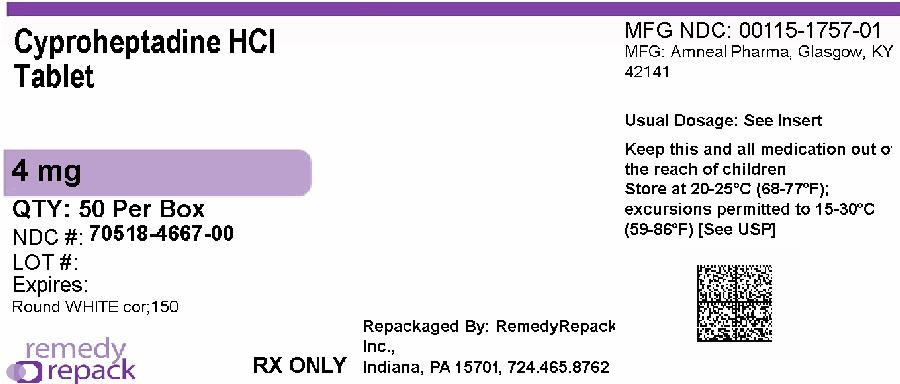
(cyproheptadine · DailyMed)
TRIHEPTA TABLETS
CYPROHEPTADINE HCL ANHYDROUS+THIAMINE MONONITRATE+NICOTINAMIDE+PYRIDOXINE
What it does
Cyproheptadine is a sedating antihistamine used to relieve allergy symptoms and other conditions.
Commonly used for: allergic reactions, hay fever (allergic rhinitis), sneezing, runny nose …
Read more in plain English ↓Plain-language summary for general understanding - not medical advice. Always follow your pharmacist/doctor.
Ask about this medicine
Answers come only from this medicine's registration record, BNF monograph and interaction data - not medical advice.
Medicine sourcing is available in Kenya only. We don't sell or dispense medicines - licensed pharmacies do.
Sourcing - Kenya onlyRegistration & product details
Source: Food and Drugs Authority · fetched 2026-04-18 08:33:01 · updated 2026-06-30 04:00:06
Drug Interactions
2Pharmacodynamic Warnings
Cyproheptadine appears in TABLE 10: Drugs with antimuscarinic effects
Cyproheptadine appears in TABLE 11: Drugs with CNS depressant effects
Severe (1)
Metyrapone - decreases effects
Cyproheptadine decreases the effects of metyrapone. Avoid.
Unknown (1)
Fenfluramine - decreases efficacy
Cyproheptadinemightdecreasetheefficacyoffenfluramine. rTheoretical
Data from BNF 85 (British National Formulary). This is not a substitute for professional medical advice. Matched via: exact
About cyproheptadine
Cyproheptadine is a sedating antihistamine used to relieve allergy symptoms and other conditions.
What it treats
- allergic reactions
- hay fever (allergic rhinitis)
- sneezing
- runny nose
- itchy eyes
- appetite stimulation
How it works
It works by blocking histamine, a substance in the body that causes allergic symptoms.
Who it's for
It is suitable for adults and children who need relief from allergies or increased appetite.
Drug class
Antihistamines, sedating
Cautions
- • Avoid using with medications that have similar effects on the body, like those that cause dry mouth or blurred vision.
- • Be cautious if you're taking medications that make you sleepy or affect your central nervous system.
AI-assisted summary grounded in BNF data - general information only, not medical advice. Always confirm with your pharmacist or doctor.
About mononitrate
Mononitrate is a medicine used to help prevent chest pain (angina) by improving blood flow to the heart.
What it treats
- chest pain (angina)
- heart-related conditions
How it works
It works by relaxing and widening blood vessels, making it easier for the heart to receive blood.
Who it's for
It is for adults with a history of chest pain or other heart issues.
AI-assisted summary grounded in BNF data - general information only, not medical advice. Always confirm with your pharmacist or doctor.
About nicotinamide
Nicotinamide is a form of vitamin B3 that helps maintain healthy skin and supports various body functions.
What it treats
- acne (acne vulgaris)
- skin conditions
- dry skin
- certain types of dermatitis
How it works
Nicotinamide helps improve skin health by reducing inflammation and promoting cell repair.
Who it's for
It is suitable for people looking to improve their skin condition or reduce acne.
AI-assisted summary grounded in BNF data - general information only, not medical advice. Always confirm with your pharmacist or doctor.
About pyridoxine
Pyridoxine, also known as vitamin B6, is important for many bodily functions including the metabolism of proteins and the creation of neurotransmitters.
What it treats
- pyridoxine deficiency
- nerve pain (neuropathy)
- certain types of anemia
How it works
Pyridoxine helps the body use proteins and carbohydrates effectively and is essential for the production of chemicals that transmit signals in the brain.
Who it's for
Pyridoxine is for individuals who need to increase their vitamin B6 levels due to dietary deficiencies or certain health conditions.
AI-assisted summary grounded in BNF data - general information only, not medical advice. Always confirm with your pharmacist or doctor.
About thiamine
Thiamine, also known as vitamin B1, is a nutrient that helps convert food into energy and supports the nervous system.
What it treats
- thiamine deficiency
- Wernicke-Korsakoff syndrome
- beriberi
How it works
Thiamine helps the body use carbohydrates for energy and is essential for the proper functioning of the nervous system.
Who it's for
Thiamine is for people who have low levels of vitamin B1 or certain conditions that increase the need for it.
AI-assisted summary grounded in BNF data - general information only, not medical advice. Always confirm with your pharmacist or doctor.
Clinical monograph: Pyridoxinehydrochloride
BNF-referencedPyridoxine hydrochloride, also known as Vitamin B6, is a water-soluble vitamin that plays a crucial role in various bodily functions, including amino acid metabolism, neurotransmitter synthesis, and the regulation of gene expression. It is essential for the proper function of enzymes involved in the metabolism of proteins, carbohydrates, and fats. Pyridoxine is commonly used to treat and prevent vitamin B6 deficiencies and is also indicated in specific neuropathies, including those induced by isoniazid and penicillamine.
Indications
- Vitamin B6 deficiency
- Isoniazid-induced neuropathy (prophylaxis and treatment)
- Idiopathic sideroblastic anaemia
- Prevention of penicillamine-induced neuropathy in Wilson's disease
- Metabolic diseases such as cystathioninuria and homocystinuria
- Premenstrual syndrome
Mechanism of action
Pyridoxine hydrochloride is converted in the body to pyridoxal phosphate, which is the active form of vitamin B6. It serves as a cofactor for more than 100 enzymatic reactions, particularly those involved in the metabolism of amino acids, the synthesis of neurotransmitters (such as serotonin, dopamine, and gamma-aminobutyric acid), and the production of hemoglobin. Its role in neurotransmitter synthesis makes it crucial for normal brain function and mood regulation.
Pharmacodynamics
Pyridoxine hydrochloride exerts its effects by facilitating the conversion of amino acids into neurotransmitters and is involved in the synthesis of heme. It impacts the metabolism of tryptophan to serotonin and is essential for the production of norepinephrine and gamma-aminobutyric acid, which are vital for proper neurological function. Deficiency of vitamin B6 can lead to neurological symptoms, including peripheral neuropathy and cognitive disturbances.
Pharmacokinetics
Pyridoxine hydrochloride is readily absorbed from the gastrointestinal tract. It is primarily metabolized in the liver, where it is converted to its active form, pyridoxal phosphate. The elimination half-life of pyridoxine is approximately 15-20 days, and it is excreted primarily through the urine. Renal impairment may affect the metabolism and excretion of pyridoxine, necessitating dose adjustments.
Contra-indications
- Hyperkalaemia
- Severe liver damage
Adverse effects
- Peripheral neuritis
- Hepatitis
- Hypoglycaemia
- Urine discolouration
Interactions
- Potassium aminobenzoate
- Isoniazid
Precautions
- Caution in renal impairment (increased risk of hyperkalaemia)
- Interrupt treatment during periods of low food intake (such as fasting, anorexia, and nausea) to reduce risk of hypoglycaemia
- Monitor liver function tests monthly during high-dose therapy
Pregnancy
Manufacturer advises avoiding use in pregnancy due to potential risk of birth defects; however, no adverse effects have been reported at normal dietary levels.
Breast-feeding
Theoretical risk of toxicity in infants if mothers take large doses.
Storage
Store in a cool, dry place away from direct sunlight. Keep out of reach of children.
Formulations
- Pyridoxine hydrochloride 10 mg tablets
- Pyridoxine hydrochloride 20 mg tablets
- Pyridoxine hydrochloride 50 mg tablets
- Pyridoxine hydrochloride oral solution 20 mg per 1 ml
AI-synthesized from BNF references - general information only, not a substitute for professional medical advice or the current BNF. Verify doses with a pharmacist.
Clinical monograph: Nicotinamide
BNF-referencedNicotinamide, also known as niacinamide, is a form of vitamin B3 that is involved in numerous biological processes including energy metabolism and DNA repair. It is primarily utilized topically for the treatment of skin conditions such as papulopustular rosacea and inflammatory acne vulgaris. Nicotinamide is known for its anti-inflammatory properties and its ability to improve skin barrier function, making it beneficial for various dermatological conditions.
Indications
- Papulopustular rosacea
- Inflammatory acne vulgaris
Dosage
Children: Refer to the BNF for Children for specific dosing recommendations.
Adults: For papulopustular rosacea, apply daily for up to 4 months. The treatment course may be repeated; discontinue if no improvement is observed after 3 months. For inflammatory acne vulgaris, apply twice daily, reduced to once daily or alternate days if irritation occurs.
Mechanism of action
Nicotinamide exhibits anti-inflammatory effects by inhibiting the release of pro-inflammatory cytokines and enhancing the barrier function of the skin. It is also involved in the NAD salvage pathway, which is essential for maintaining cellular energy levels and promoting cell repair mechanisms. Additionally, nicotinamide contributes to the synthesis of coenzymes involved in metabolic processes, including the conversion of niacin into NAD+.
Pharmacodynamics
Nicotinamide is known for its ability to improve skin hydration and reduce transepidermal water loss. It has been shown to decrease the appearance of acne lesions and rosacea by modulating inflammatory responses and accelerating cell turnover. Its antioxidant properties also help to protect the skin from oxidative stress and UV damage.
Pharmacokinetics
When applied topically, nicotinamide is absorbed through the skin layers, with minimal systemic absorption. Its peak plasma concentrations are generally low, and the drug has a half-life that varies depending on the route of administration. The metabolism of nicotinamide occurs primarily in the liver, where it is converted into its active forms, including NAD+. The elimination route is via the kidneys, with metabolites excreted in urine.
Contra-indications
- Pregnancy
- Severe acne involving large areas
- Severe skin reactions
Adverse effects
- Sunburn
- Skin reactions (common or very common)
- Cheilitis
- Eyelid oedema
- Flushing
- Dry skin
- Eye irritation
- Photosensitivity reactions
- Transient skin pigmentation changes
Interactions
- Clindamycin
- Topical retinoids
- Abrasive cleaners
- Comedogenic cosmetics
Precautions
- Avoid exposure to UV light, including sunlight and sunlamps
- Wash hands immediately after use
- Avoid contact with eyes and mucous membranes
- Use moisturizers to reduce the risk of skin irritation
- Discontinue treatment if severe irritation occurs
Pregnancy
Avoid use during pregnancy due to potential risks, as limited information is available regarding toxicity.
Breast-feeding
Amount of drug in milk after topical application is probably too small to be harmful; ensure infant does not come in contact with treated areas.
Storage
Store at room temperature away from moisture and light.
Formulations
- Cream
- Gel
AI-synthesized from BNF references - general information only, not a substitute for professional medical advice or the current BNF. Verify doses with a pharmacist.
Clinical monograph: Thiamine
BNF-referencedThiamine, also known as vitamin B1, is a water-soluble vitamin that is essential for carbohydrate metabolism and plays a critical role in energy production. It acts as a coenzyme in several biochemical pathways, particularly in the conversion of pyruvate to acetyl-CoA and in the pentose phosphate pathway. Thiamine deficiency can lead to serious health issues, including Wernicke-Korsakoff syndrome, beriberi, and other neurological disorders. Thiamine is found in various foods such as whole grains, legumes, nuts, and meat.
Indications
- Vitamin B1 deficiency
- Wernicke-Korsakoff syndrome
- Beriberi
- Isoniazid-induced neuropathy (prophylaxis and treatment)
- Severe depletion or malabsorption of vitamins B and C
Dosage
Adults: For vitamin deficiency: 25–100 mg daily. For severe deficiency: 200–300 mg daily in divided doses. For
Mechanism of action
Thiamine functions primarily as a precursor for several phosphorylated active forms, which act as coenzymes in metabolic pathways. It reduces intracellular protein glycation by redirecting glycolytic flux and supports the synthesis of nucleic acids necessary for cell survival and proliferation. Additionally, thiamine has been shown to inhibit glucose-induced proliferation of endothelial cells, thus possibly playing a role in the modulation of vascular health.
Pharmacodynamics
Thiamine exhibits antioxidant properties and contributes to erythropoiesis, cognitive function, and mood regulation. It has protective effects against oxidative stress, particularly in neuronal tissues, where deficiency can lead to neuronal death due to increased free radical production. Thiamine also modulates glucose metabolism, influencing smooth muscle cell proliferation and potentially impacting the progression of atherosclerosis.
Pharmacokinetics
Thiamine is rapidly absorbed from the gastrointestinal tract, primarily in the jejunum, and is distributed throughout the body, with higher concentrations found in the liver, heart, and brain. It is excreted in urine, and its half-life is relatively short. The vitamin is converted into active forms within tissues, including thiamine diphosphate (TDP), which is the coenzyme form involved in carbohydrate metabolism. The body does not store significant amounts of thiamine, making regular dietary intake essential.
Adverse effects
- Allergic reactions
- Anaphylaxis (rare)
- Gastrointestinal disturbances
Precautions
- Facilities for treating anaphylaxis should be available when parenteral thiamine is administered
- Use with caution in patients with a history of hypersensitivity to thiamine
Pregnancy
Thiamine crosses the placenta but no adverse effects have been reported. Information regarding high doses is limited.
Breast-feeding
Severely thiamine-deficient mothers should avoid breast-feeding as thiamine is present in breast milk.
Storage
Store in a cool, dry place away from direct sunlight. Keep out of reach of children.
Formulations
- Thiamine hydrochloride 20 mg/ml oral solution
- Thiamine hydrochloride 50 mg tablets
- Thiamine hydrochloride 100 mg modified-release tablets
- Thiamine hydrochloride oral suspension
AI-synthesized from BNF references - general information only, not a substitute for professional medical advice or the current BNF. Verify doses with a pharmacist.
Clinical monograph: Cyproheptadinehydrochloride
BNF-referencedCyproheptadine hydrochloride is a first-generation antihistamine with anticholinergic and sedative properties. It is primarily used for the symptomatic relief of allergic conditions, including hay fever and urticaria, and is known to stimulate appetite, making it useful in certain clinical contexts such as weight gain in undernourished patients.
Indications
- Allergic conditions
- Hay fever
- Urticaria
- Pruritus
- Appetite stimulation
Dosage
Children: For children aged 6 months to 5 years, the dose is 5-15 mg daily in divided doses, adjusted according to weight, with a maximum of 2 mg/kg per day. For children aged 6-17 years weighing up to 40 kg, the initial dose is 15-25 mg daily in divided doses, adjusted as necessary to a maximum of 2 mg/kg per day. For those weighing 40 kg and above, the initial dose is 15-25 mg daily in divided doses, increased if necessary to 50-100 mg daily.
Adults: Initially, 25 mg daily, taken at night; may be increased if necessary to 25 mg 3-4 times a day. Maximum dose is 32 mg per day.
Mechanism of action
Cyproheptadine acts as a competitive antagonist at histamine H1 receptors, thereby inhibiting the action of histamine, which is responsible for allergic symptoms. Additionally, it may also block serotonin receptors, contributing to its appetite-stimulating effects.
Pharmacodynamics
The drug exhibits sedative effects by crossing the blood-brain barrier, leading to central nervous system depression. It can also produce anticholinergic effects, such as dry mouth and urinary retention, due to its action on muscarinic receptors. The sedative properties can impair the performance of skilled tasks and may be potentiated by alcohol consumption.
Pharmacokinetics
Cyproheptadine is well-absorbed from the gastrointestinal tract and undergoes hepatic metabolism. Its elimination half-life is approximately 8-12 hours, and it is excreted primarily in urine. The onset of action is typically within 1-2 hours, with effects lasting for several hours.
Contra-indications
- Acute porphyrias
- Prolonged QT-interval
- Risk factors for QT prolongation
Adverse effects
- Drowsiness
- Dizziness
- Dry mouth
- Nausea
- Constipation
- Headache
- Palpitations
- Tachycardia
- Fatigue
- Irritability
- Paradoxical excitability
- Tremor
Interactions
- Antihistamines
- Sedating agents
- Alcohol
Precautions
- Use with caution in the elderly
- Patients with epilepsy
- Prostatic hypertrophy
- Pyloroduodenal obstruction
- Susceptibility to angle-closure glaucoma
- Urinary retention
Pregnancy
Most manufacturers of antihistamines advise avoiding their use during pregnancy; however, there is no evidence of teratogenicity. Use in the latter part of the third trimester may cause adverse effects in neonates.
Breast-feeding
Most antihistamines are present in breast milk in varying amounts; although not known to be harmful, most manufacturers advise avoiding their use in mothers who are breastfeeding.
Storage
Store in a cool, dry place away from direct sunlight. Keep out of reach of children.
Formulations
- Oral suspension
- Tablets (4 mg)
AI-synthesized from BNF references - general information only, not a substitute for professional medical advice or the current BNF. Verify doses with a pharmacist.
Clinical monograph: cyproheptadine
BNF-referencedCyproheptadine is a sedating antihistamine that primarily acts as a competitive antagonist at H1 histamine receptors and serotonin receptors. It is used clinically for its antihistaminic and antiserotonin effects, contributing to its ability to stimulate appetite and manage allergic reactions. Additionally, cyproheptadine exhibits weak anticholinergic properties and moderate central depressant effects.
Indications
- Allergic rhinitis
- Allergic conjunctivitis
- Urticaria
- Angioedema
- Anaphylaxis (as adjunct therapy)
- Appetite stimulation in certain conditions
Dosage
Children: Refer to BNF for Children for appropriate pediatric dosing, as it varies by age and condition. Generally, doses may start at 0.25 mg/kg for younger children, but specific guidelines should be
Adults: The usual adult dose for allergic conditions is 4 mg three times daily, which may be increased to a maximum of 12 mg per day as needed. For appetite stimulation, the starting dose is often 4 mg taken once or twice daily.
Mechanism of action
Cyproheptadine exerts its effects by competing with free histamine and serotonin for binding at their respective receptors. Its action as an H1 blocker is complemented by its antagonism of serotonin at 5-HT2A receptors, particularly influencing the appetite center in the hypothalamus. This dual action accounts for its appetite-stimulating properties and mitigates several pharmacodynamic effects of serotonin.
Pharmacodynamics
Cyproheptadine antagonizes several effects of serotonin and histamine, including bronchoconstriction and vasodepression. Its efficacy in combatting histamine-mediated effects has been established, although the details regarding its role in preventing anaphylactic shock remain unclear, likely linked to its anti-serotonergic activity. The drug's sedative properties arise from its central nervous system effects.
Pharmacokinetics
Cyproheptadine is well-absorbed after oral administration. It is metabolized in the liver, with a variable half-life and is primarily excreted in urine. The onset of action typically occurs within one to two hours, and the duration of action can last up to 12 hours. The pharmacokinetic profile may be influenced by individual metabolic variations.
Adverse effects
- Drowsiness
- Dizziness
- Dry mouth
- Constipation
- Blurred vision
- Increased appetite
Interactions
- cyproheptadine+metyrapone: Severe (decreases effects)
- cyproheptadine+fenfluramine: Unknown (decreases efficacy)
Precautions
- Caution in patients with glaucoma
- Caution in patients with prostate hypertrophy
- Use with caution in elderly patients due to increased sensitivity
Pregnancy
Cyproheptadine should only be used during pregnancy if the potential benefit justifies the potential risk to the fetus. Limited data are available on its safety.
Breast-feeding
Cyproheptadine is excreted in breast milk. Caution is advised when administered to breastfeeding mothers.
Storage
Store at room temperature, away from moisture and heat. Keep out of reach of children.
Formulations
- Tablets
- Syrup
AI-synthesized from BNF references - general information only, not a substitute for professional medical advice or the current BNF. Verify doses with a pharmacist.
Clinical monograph: mono
Monoclonal antibodies are laboratory-engineered molecules designed to target specific antigens in the body. They are derived from immune cells and can mimic the immune system's ability to fight off harmful pathogens such as viruses. These agents are widely used in various therapeutic applications, including oncology, autoimmune diseases, and infectious diseases.
Indications
- Cancer (various types)
- Rheumatoid arthritis
- Multiple sclerosis
- Inflammatory bowel disease
- Psoriasis
- Hypercholesterolemia
- Infectious diseases (e.g., COVID-19)
Dosage
Children: Refer to the BNF for Children for paediatric dosing information, as it varies based on the specific monoclonal antibody and the condition being treated.
Adults: Refer to the specific monoclonal antibody product information for adult dosage, as it varies based on indication and specific agent used.
Mechanism of action
Monoclonal antibodies work by binding to specific proteins on the surface of cells. This binding can block the activity of certain proteins, mark cells for destruction by the immune system, or deliver cytotoxic agents directly to target cells. The mechanism of action varies depending on the specific monoclonal antibody but often involves modulation of immune response, inhibition of cell proliferation, and induction of apoptotic pathways.
Pharmacodynamics
The pharmacodynamics of monoclonal antibodies is primarily characterized by their specificity and affinity for targeted antigens. This leads to a variety of effects, including neutralization of pathogens, blockade of receptor-ligand interactions, and antibody-dependent cellular cytotoxicity. The clinical effects depend on the disease being treated and the specific antibody's action, such as inducing tumor regression in cancer or reducing inflammation in autoimmune diseases.
Pharmacokinetics
Monoclonal antibodies typically have a long half-life, allowing for less frequent dosing. They are generally administered intravenously or subcutaneously, with absorption and distribution influenced by the antibody's size and charge. The elimination occurs primarily through proteolytic degradation and intracellular recycling. Factors such as patient-specific variables, including immunogenicity and the presence of antibodies against the monoclonal antibody, can impact pharmacokinetics.
Interactions
- abatacept+monoclonalantibodies: Severe (increases risk of generalised infection (possibly life-threatening))
- anakinra+monoclonalantibodies: Severe (increases risk of generalised infection (possibly life-threatening))
- anthracyclines+monoclonalantibodies: Severe (increases risk of cardiotoxicity)
- filgotinib+monoclonalantibodies: Severe (increases risk of immunosuppression)
- monoclonalantibodies+fingolimod: Severe (increases risk of generalised infection (possibly life-threatening))
- normal immunoglobulin+monoclonalantibodies: Severe (affects effects)
- monoclonalantibodies+ozanimod: Severe (increases risk of generalised infection (possibly life-threatening))
- monoclonalantibodies+siponimod: Severe (increases risk of generalised infection (possibly life-threatening))
- monoclonalantibodies+vemurafenib: Severe (increases risk of hepatotoxicity)
- monoclonalantibodies+aminophylline: Moderate (decreases exposure)
AI-synthesized from BNF references - general information only, not a substitute for professional medical advice or the current BNF. Verify doses with a pharmacist.
Clinical monograph: mononitrate
Mononitrate, specifically isosorbide mononitrate, is a nitrate vasodilator used primarily in the management of angina pectoris. It works by dilating blood vessels, which reduces the heart's workload and oxygen demand, thereby alleviating chest pain associated with ischemia. Isosorbide mononitrate is a metabolite of isosorbide dinitrate and is often used in chronic angina prophylaxis due to its longer duration of action.
Indications
- Angina pectoris
- Chronic stable angina
- Angina due to coronary artery disease
Dosage
Children: Refer to the appropriate prescribing guidelines and consult clinical references for paediatric dosing recommendations.
Adults: Refer to the appropriate prescribing guidelines and consult clinical references for specific adult dosing recommendations.
Mechanism of action
Isosorbide mononitrate is converted to nitric oxide (NO) in the body, which activates guanylate cyclase. This leads to an increase in cyclic guanosine monophosphate (cGMP) levels in smooth muscle cells, resulting in smooth muscle relaxation and vasodilation. This vasodilatory effect decreases preload and afterload on the heart, reducing myocardial oxygen demand and relieving symptoms of angina.
Pharmacodynamics
Mononitrate demonstrates a dose-dependent reduction in myocardial oxygen consumption by decreasing both venous return (preload) and systemic vascular resistance (afterload). It also facilitates coronary artery dilation, improving blood flow to ischemic myocardial tissue. The onset of action can be within 30 minutes, with peak effects generally occurring 1-2 hours after administration. The effects can last for 6-8 hours, depending on the dosing schedule.
Pharmacokinetics
Isosorbide mononitrate is well absorbed from the gastrointestinal tract, with a bioavailability of approximately 100% due to its oral formulation. It undergoes minimal first-pass metabolism. The peak plasma concentration is reached within 1-2 hours post-ingestion. The drug has a half-life of approximately 5 hours, and it is primarily eliminated via the kidneys as unchanged drug and metabolites. Steady-state concentrations are typically achieved within 24 hours of regular dosing.
Contra-indications
- Hypersensitivity to mononitrate or any of its components
- Severe hypotension
- Cardiogenic shock
- Severe anemia
- Concurrent use with phosphodiesterase inhibitors (e.g. sildenafil) due to risk of severe hypotension
Adverse effects
- Headache
- Dizziness
- Hypotension
- Flushing
- Tachycardia
- Palpitations
- Nausea
- Vomiting
Interactions
- Nitrates may enhance the effects of other antihypertensive agents
- Use with caution with alcohol, as it may exacerbate hypotensive effects
- Interactions may occur with phosphodiesterase type 5 inhibitors (e.g. sildenafil) leading to severe hypotension
Precautions
- Caution in patients with recent myocardial infarction or congestive heart failure
- Use with caution in patients with hepatic or renal impairment
- Monitor blood pressure regularly during treatment
- Consider tolerance development with long-term use
Pregnancy
Limited data available on the use of mononitrate in pregnancy. It should only be used if clearly needed and the benefits outweigh the risks.
Breast-feeding
Limited data available. Consider the benefits of breastfeeding against the need for the medication.
Storage
Store at room temperature, away from moisture and heat. Keep out of reach of children.
Formulations
- Extended-release tablets
- Sustained-release capsules
- Oral tablets
AI-synthesized from BNF references - general information only, not a substitute for professional medical advice or the current BNF. Verify doses with a pharmacist.
Clinical monograph: pyridoxine
BNF-referencedPyridoxine, also known as vitamin B6, is a water-soluble vitamin that is essential for various biochemical processes in the body. It comprises a group of three related compounds, including pyridoxine, pyridoxal, and pyridoxamine, along with their phosphorylated derivatives. Pyridoxine primarily serves as a precursor to pyridoxal 5'-phosphate, the active coenzyme form that plays a vital role in amino acid metabolism, glycogen synthesis, and the production of neurotransmitters such as serotonin and dopamine.
Indications
- Vitamin B6 deficiency
- Peripheral neuropathy associated with isoniazid therapy
- Supplementation in specific dietary deficiencies
Dosage
Children: Refer to the BNF for Children for specific paediatric dosing guidance.
Adults: Refer to the BNF for specific dosing details, typically 10-50 mg daily for deficiency.
Mechanism of action
Pyridoxine, mainly in its active form pyridoxal 5'-phosphate, is involved in numerous biochemical reactions, including amino acid metabolism, glycogen breakdown, nucleic acid synthesis, and the production of key neurotransmitters. It aids in the synthesis of hemoglobin and sphingolipids, and its deficiency can impair several physiological processes, including immune response and vascular health.
Pharmacodynamics
Pyridoxine is utilized for the prevention and treatment of vitamin B6 deficiency, particularly in individuals undergoing treatment with isoniazid, which can deplete vitamin B6 levels. It may also have beneficial effects on blood pressure and lipid profiles, as studies have shown it can lower both systolic and diastolic blood pressure, inhibit platelet aggregation, and improve cholesterol levels. Additionally, it plays a role in enhancing immune function and protecting endothelial cells from injury.
Pharmacokinetics
Pyridoxine is rapidly absorbed from the gastrointestinal tract. It is transported to tissues where it is phosphorylated to its active form, pyridoxal 5'-phosphate. The vitamin is primarily excreted in urine as pyridoxine and its metabolites. Its half-life varies depending on the individual’s nutritional status and other factors. Adequate dietary intake is essential for maintaining optimal levels in the body.
Pregnancy
Pyridoxine is generally considered safe during pregnancy. However, high doses should be avoided unless specifically prescribed.
Breast-feeding
Pyridoxine is excreted in breast milk, but at normal dietary levels it is considered safe for breastfeeding mothers.
Storage
Store in a cool, dry place away from direct sunlight. Keep out of reach of children.
Formulations
- Tablets
- Oral solution
- Injectable form
AI-synthesized from BNF references - general information only, not a substitute for professional medical advice or the current BNF. Verify doses with a pharmacist.
Clinical monograph: thiaminehydrochloride
Thiamine hydrochloride, also known as vitamin B1, is a water-soluble vitamin that plays a critical role in carbohydrate metabolism and is essential for the proper functioning of the nervous system. It is involved in the decarboxylation of alpha-keto acids and the hexose monophosphate shunt, which are vital processes for energy production from carbohydrates.
Indications
- Thiamine deficiency
- Wernicke's encephalopathy
- Beriberi
- Alcoholism-related complications
- Certain metabolic disorders
Dosage
Children: Refer to BNF for Children for appropriate dosing information.
Adults: Refer to established clinical guidelines or BNF for specific dosing recommendations.
Mechanism of action
Thiamine is a coenzyme for several important enzymatic reactions, including the pyruvate dehydrogenase complex and alpha-ketoglutarate dehydrogenase. It is essential for converting carbohydrates into energy, facilitating the metabolism of glucose, and maintaining normal nerve function.
Pharmacodynamics
Thiamine deficiency leads to impaired carbohydrate metabolism, which can result in neurological and cardiovascular dysfunction. Supplementation with thiamine helps restore normal metabolic function and can alleviate symptoms associated with deficiency, such as Wernicke's encephalopathy and Beriberi. It also plays a role in the synthesis of neurotransmitters and in maintaining myelin integrity.
Pharmacokinetics
Thiamine is readily absorbed from the gastrointestinal tract, with peak plasma concentrations occurring within 1-2 hours after oral administration. It is distributed throughout the body, primarily in the liver, kidneys, and heart. Thiamine is metabolized in the liver to its active form, thiamine pyrophosphate. It has a biological half-life of about 9-18 days and is excreted primarily in the urine. Excess thiamine is excreted, making toxicity rare.
Adverse effects
- Allergic reactions
- Hypersensitivity reactions
- Gastrointestinal disturbances
Interactions
- May interact with certain diuretics, leading to altered thiamine levels
Precautions
- Use with caution in patients with renal impairment
- Monitor patients with a history of thiamine deficiency
Pregnancy
Thiamine is considered safe during pregnancy, as it is an essential nutrient.
Breast-feeding
Thiamine is excreted in breast milk, but supplementation is generally considered safe for breastfeeding mothers.
Storage
Store in a cool, dry place away from direct sunlight.
Formulations
- Thiamine hydrochloride injection
- Thiamine hydrochloride oral tablets
- Thiamine hydrochloride oral solution
AI-synthesized from BNF references - general information only, not a substitute for professional medical advice or the current BNF. Verify doses with a pharmacist.
Molecular reference: Nicotinamide
PubChem CID 936Molecular formula: C6H6N2O
Biological pathways
Source: PubChem (NCBI) · pathways from PathBank, Reactome, WikiPathways & PharmGKB.
Molecular reference: Thiamine
PubChem CID 1130Molecular formula: C12H17N4OS+
Mechanism of action
It is thought that the mechanism of action of thiamine on endothelial cells is related to a reduction in intracellular protein glycation by redirecting the glycolytic flux. Thiamine is mainly the transport form of the vitamin, while the active forms are phosphorylated thiamine derivatives. Natural derivatives of thiamine phosphate, such as thiamine monophosphate (ThMP), thiamine diphosphate (ThDP), also sometimes called thiamine pyrophosphate (TPP), thiamine triphosphate (ThTP), and thiamine triphosphate (AThTP), that act as coenzymes in addition to their each unique biological functions. Metabolic control analysis predicts that stimulators of transketolase enzyme synthesis such as thiamin (vitamin B-1) support a high rate of nucleic acid ribose synthesis necessary for tumor cell survival, chemotherapy resistance, and proliferation. Metabolic control analysis also predicts that transketolase inhibitor drugs will have the opposite effect on tumor cells. This may have important implications in the nutrition and future treatment of patients with cancer.
Pharmacodynamics
Thiamine is a vitamin with antioxidant, erythropoietic, cognition-and mood-modulatory, antiatherosclerotic, putative ergogenic, and detoxification activities. Thiamine has been found to protect against lead-induced lipid peroxidation in rat liver and kidney. Thiamine deficiency results in selective neuronal death in animal models. The neuronal death is associated with increased free radical production, suggesting that oxidative stress may play an important early role in brain damage associated with thiamine deficiency. Thiamine plays a key role in intracellular glucose metabolism and it is thought that thiamine inhibits the effect of glucose and insulin on arterial smooth muscle cell proliferation. Inhibition of endothelial cell proliferation may also promote atherosclerosis. Endothelial cells in culture have been found to have a decreased proliferative rate and delayed migration in response to hyperglycemic conditions. Thiamine has been shown to inhibit this effect of glucose on endothelial cells.
Biological pathways
Source: PubChem (NCBI) · pathways from PathBank, Reactome, WikiPathways & PharmGKB.
Molecular reference: cyproheptadine
PubChem CID 2913Molecular formula: C21H21N
Mechanism of action
Cyproheptadine appears to exert its antihistamine and antiserotonin effects by competing with free histamine and serotonin for binding at their respective receptors. Antagonism of serotonin on the appetite center of the hypothalamus may account for cyproheptadine's ability to stimulate the appetite. CYPROHEPTADINE...IS A SEROTONIN & HISTAMINE ANTAGONIST... ... It is an effective H1 blocker. Cyproheptadine also has prominent 5-H blocking activity on smooth muscle by virtue of its binding to 5-HT2A receptors. ... It has weak anticholinergic activity and possess mild central depressant properties.
Pharmacodynamics
Cyproheptadine has been observed to antagonize several pharmacodynamic effects of serotonin in laboratory animals, including bronchoconstriction and vasodepression, and has demonstrated similar efficacy in antagonizing histamine-mediated effects. The reason for its efficacy in preventing anaphylactic shock has not been elucidated, but appears to be related to its anti-serotonergic effects.
Biological pathways
Source: PubChem (NCBI) · pathways from PathBank, Reactome, WikiPathways & PharmGKB.
Molecular reference: pyridoxine
PubChem CID 1054Molecular formula: C8H11NO3
Mechanism of action
Vitamin B6 is the collective term for a group of three related compounds, pyridoxine (PN), pyridoxal (PL) and pyridoxamine (PM), and their phosphorylated derivatives, pyridoxine 5'-phosphate (PNP), pyridoxal 5'-phosphate (PLP) and pyridoxamine 5'-phosphate (PMP). Although all six of these compounds should technically be referred to as vitamin B6, the term vitamin B6 is commonly used interchangeably with just one of them, pyridoxine. Vitamin B6, principally in its biologically active coenzyme form pyridoxal 5'-phosphate, is involved in a wide range of biochemical reactions, including the metabolism of amino acids and glycogen, the synthesis of nucleic acids, hemogloblin, sphingomyelin and other sphingolipids, and the synthesis of the neurotransmitters serotonin, dopamine, norepinephrine and gamma-aminobutyric acid (GABA).
Pharmacodynamics
Vitamin B6 (pyridoxine) is a water-soluble vitamin used in the prophylaxis and treatment of vitamin B6 deficiency and peripheral neuropathy in those receiving isoniazid (isonicotinic acid hydrazide, INH). Vitamin B6 has been found to lower systolic and diastolic blood pressure in a small group of subjects with essential hypertension. Hypertension is another risk factor for atherosclerosis and coronary heart disease. Another study showed pyridoxine hydrochloride to inhibit ADP- or epinephrine-induced platelet aggregation and to lower total cholesterol levels and increase HDL-cholesterol levels, again in a small group of subjects. Vitamin B6, in the form of pyridoxal 5'-phosphate, was found to protect vascular endothelial cells in culture from injury by activated platelets. Endothelial injury and dysfunction are critical initiating events in the pathogenesis of atherosclerosis. Human studies have demonstrated that vitamin B6 deficiency affects cellular and humoral responses of the immune system. Vitamin B6 deficiency results in altered lymphocyte differentiation and maturation, reduced delayed-type hypersensitivity (DTH) responses, impaired antibody production, decreased lymphocyte proliferation and decreased interleukin (IL)-2 production, among other immunologic activities.
Biological pathways
Source: PubChem (NCBI) · pathways from PathBank, Reactome, WikiPathways & PharmGKB.
This drug in other countries
The same active ingredient registered across other registries we cover - including different brands.