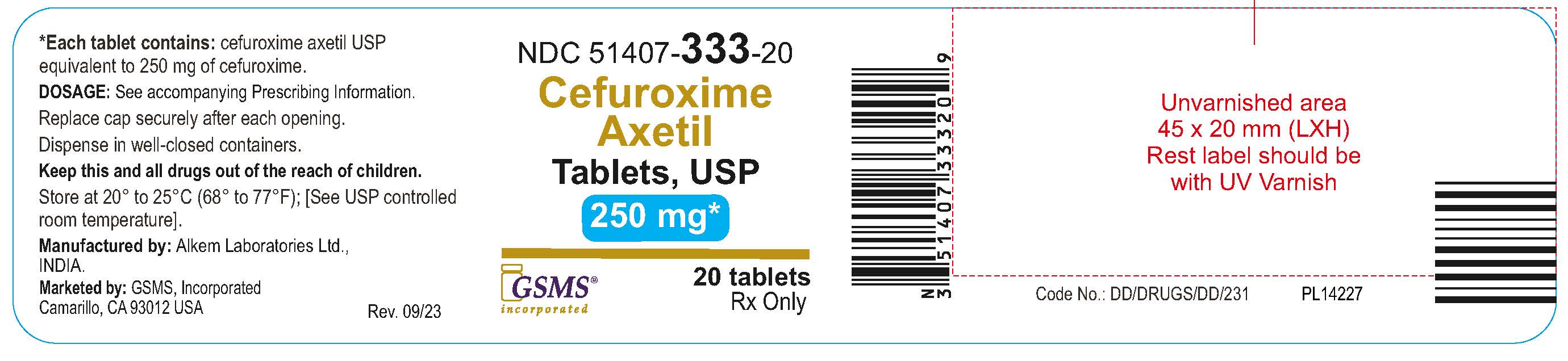
(cefuroxime · DailyMed)
XALAPA 250MG TABLETS
CEFUROXIME AXELIL
What it does
Axelil is a medication that is used to treat certain health conditions.
Read more in plain English ↓Plain-language summary for general understanding - not medical advice. Always follow your pharmacist/doctor.
Ask about this medicine
Answers come only from this medicine's registration record, BNF monograph and interaction data - not medical advice.
Medicine sourcing is available in Kenya only. We don't sell or dispense medicines - licensed pharmacies do.
Sourcing - Kenya onlyRegistration & product details
Source: Food and Drugs Authority · fetched 2026-04-18 08:32:57 · updated 2026-09-25 04:00:03
Drug Interactions
3Pharmacodynamic Warnings
Cefuroxime appears in TABLE 2: Drugs that cause nephrotoxicity
Unknown (3)
Cephalosporins - increases exposure
Leflunomideispredictedtoincreasetheexposureto cephalosporins(cefaclor).oTheoretical
Cephalosporins - increases exposure
Nitisinone is predicted to increase the exposure to cephalosporins (cefaclor).
Cephalosporins - increases exposure
Teriflunomide is predicted to increase the exposure to cephalosporins (cefaclor).
Data from BNF 85 (British National Formulary). This is not a substitute for professional medical advice. Matched via: class
About axelil
Axelil is a medication that is used to treat certain health conditions.
How it works
The exact way Axelil works is not specified, but it is used to help manage specific health issues.
Who it's for
Axelil is prescribed for individuals with specific medical conditions as determined by a healthcare professional.
AI-assisted summary grounded in BNF data - general information only, not medical advice. Always confirm with your pharmacist or doctor.
About cefuroxime
Cefuroxime is an antibiotic used to treat various infections.
What it treats
- bacterial infections
- pneumonia
- bronchitis
- urinary tract infections
- skin infections
How it works
Cefuroxime works by stopping the growth of bacteria in the body.
Who it's for
It is suitable for adults and children with infections caused by bacteria.
Drug class
Cephalosporins
Cautions
- • Be cautious if you are taking other medications that may harm the kidneys.
AI-assisted summary grounded in BNF data - general information only, not medical advice. Always confirm with your pharmacist or doctor.
Clinical monograph: axelil
Axelil is a medication used primarily for its anti-inflammatory and analgesic properties. It is often indicated for conditions such as rheumatoid arthritis, osteoarthritis, and other inflammatory disorders. Axelil functions through its impact on the cyclooxygenase (COX) enzymes, leading to a reduction in the synthesis of prostaglandins, which are mediators of inflammation and pain.
Indications
- Rheumatoid arthritis
- Osteoarthritis
- Acute pain
- Chronic pain
- Inflammatory disorders
Dosage
Children: Refer to BNF for Children for appropriate paediatric dosing recommendations.
Adults: Refer to prescribing information for specific dosing guidelines based on clinical condition and patient factors.
Mechanism of action
Axelil exerts its effects by selectively inhibiting cyclooxygenase-2 (COX-2) enzymes, which are responsible for the conversion of arachidonic acid to prostaglandins. By decreasing prostaglandin levels, Axelil alleviates pain and inflammation. This selective inhibition minimizes gastrointestinal side effects often associated with non-selective COX inhibitors.
Pharmacodynamics
The pharmacodynamic effects of Axelil include the reduction of pain, fever, and inflammation. Its anti-inflammatory action is particularly beneficial in chronic diseases characterized by inflammation, such as arthritis. The onset of action can vary based on the route of administration, but it generally provides relief within hours of dosing.
Pharmacokinetics
Axelil is absorbed well from the gastrointestinal tract, with peak plasma concentrations typically occurring within 1 to 3 hours post-administration. It undergoes extensive hepatic metabolism, primarily via cytochrome P450 enzymes. The elimination half-life varies, but it is generally around 4 to 6 hours. Renal excretion accounts for the elimination of metabolites, making renal function an important consideration in dosing.
Pregnancy
Use during pregnancy only if the potential benefit justifies the potential risk to the fetus. Consult relevant guidelines.
Breast-feeding
Exercise caution when administering to nursing mothers. Consult relevant guidelines.
Storage
Store in a cool, dry place away from light. Keep out of reach of children.
AI-synthesized from BNF references - general information only, not a substitute for professional medical advice or the current BNF. Verify doses with a pharmacist.
Clinical monograph: Cefuroxime
BNF-referencedCefuroxime is a second-generation cephalosporin antibiotic that is primarily used to treat a variety of bacterial infections. It is effective against both Gram-positive and Gram-negative bacteria, making it a broad-spectrum antibiotic suitable for various clinical indications. Cefuroxime operates by disrupting the synthesis of bacterial cell walls, leading to cell lysis and death. It is available in various forms, including oral tablets and injectable formulations.
Indications
- Bacterial infections due to susceptible organisms
- Complicated urinary tract infections
- Pyelonephritis
- Cellulitis
- Erysipelas
- Prophylaxis of infection from human bites
- Acute diverticulitis
- Superficial bacterial eye infections
- Endophthalmitis prophylaxis after cataract surgery
Mechanism of action
Cefuroxime, like other beta-lactam antibiotics, binds to specific penicillin-binding proteins (PBPs) located inside the bacterial cell wall. This binding inhibits the third and final stage of bacterial cell wall synthesis. The resultant disruption leads to cell lysis, aided by bacterial cell wall autolytic enzymes such as autolysins. Cefuroxime may also interfere with an autolysin inhibitor, enhancing its bactericidal effect.
Pharmacodynamics
Cefuroxime is a bactericidal agent that works by inhibiting the synthesis of peptidoglycan, an essential component of the bacterial cell wall. This inhibition occurs through the blockade of the transpeptidation process, which is required for cross-linking of the cell wall structure. Cefuroxime is effective against various organisms, including aerobic Gram-positive bacteria such as Staphylococcus aureus and Streptococcus pneumoniae, as well as Gram-negative bacteria like Escherichia coli and Haemophilus influenzae, including strains that produce beta-lactamase.
Pharmacokinetics
Cefuroxime is well-absorbed after oral administration, with its bioavailability being enhanced when taken with food. The drug exhibits a volume of distribution indicating good tissue penetration. Cefuroxime is primarily eliminated by the kidneys, with renal clearance contributing significantly to its overall elimination. Dosage adjustments may be necessary in patients with renal impairment to prevent accumulation and toxicity.
Adverse effects
- Diarrhea
- Nausea
- Vomiting
- Rash
- Allergic reactions
- Thrombophlebitis at the injection site
- Renal impairment
Interactions
- Probenecid may increase cefuroxime levels
- Other nephrotoxic drugs may enhance renal toxicity
- Anticoagulants may have increased effects
Precautions
- Use with caution in patients with renal impairment
- Monitor for signs of superinfection
- May cause allergic reactions in sensitive individuals
- Caution in patients with a history of gastrointestinal disease
Pregnancy
Not known to be harmful, but should be used only if clearly needed.
Breast-feeding
Present in low concentrations in breast milk; generally considered appropriate to use.
Storage
Store in a cool, dry place away from direct light. Reconstituted solutions should be used immediately or stored at 2–8°C for a short time.
Formulations
- Intravenous injection solution
- Powder for solution for injection
- Oral suspension
- Tablets
AI-synthesized from BNF references - general information only, not a substitute for professional medical advice or the current BNF. Verify doses with a pharmacist.
Molecular reference: Cefuroxime
PubChem CID 5479529Molecular formula: C16H16N4O8S
Mechanism of action
Cefuroxime, like the penicillins, is a beta-lactam antibiotic. By binding to specific penicillin-binding proteins (PBPs) located inside the bacterial cell wall, it inhibits the third and last stage of bacterial cell wall synthesis. Cell lysis is then mediated by bacterial cell wall autolytic enzymes such as autolysins; it is possible that cefuroxime interferes with an autolysin inhibitor.
Pharmacodynamics
Cefuroxime is a β-lactam type antibiotic. More specifically, it is a second-generation cephalosporin. Cephalosporins work the same way as penicillins: they interfere with the peptidoglycan synthesis of the bacterial wall by inhibiting the final transpeptidation needed for the cross-links. This effect is bactericidal. Cefuroxime is effective against the following organisms: Aerobic Gram-positive Microorganisms: <i>Staphylococcus aureus</i>, <i>Streptococcus pneumoniae</i>, <i>Streptococcus pyogenes</i>. Aerobic Gram-negative Microorganisms: <i>Escherichia coli</i>, <i>Haemophilus influenzae</i> (including beta-lactamase-producing strains), <i>Haemophilus parainfluenzae</i>, <i>Klebsiella pneumoniae</i>, <i>Moraxella catarrhalis</i> (including beta-lactamase-producing strains), <i>Neisseria gonorrhoeae</i> (including beta-lactamase-producing strains). Spirochetes: <i>Borrelia burgdorferi</i>. Cefuroxime axetil is the prodrug
Source: PubChem (NCBI) · pathways from PathBank, Reactome, WikiPathways & PharmGKB.
This drug in other countries
The same active ingredient registered across other registries we cover - including different brands.