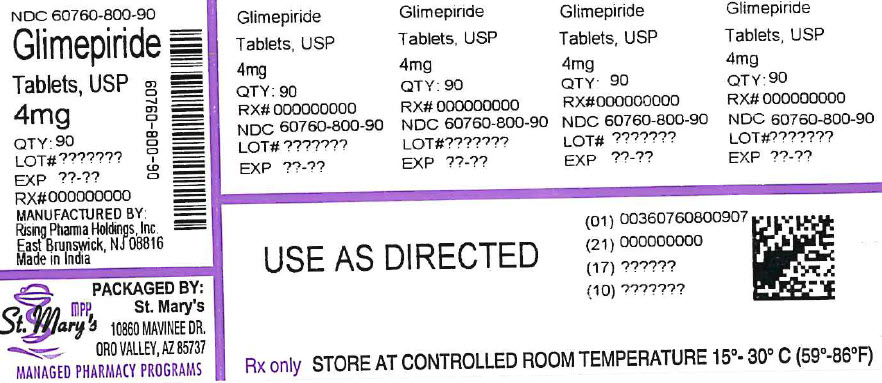
(glimepiride · DailyMed)
GLIMULIN 2
Glimepiride 2 mg
What it does
Glimepiride is a medication used to help control blood sugar levels in people with diabetes.
Commonly used for: diabetes (diabetes mellitus)
Read more in plain English ↓Plain-language summary for general understanding - not medical advice. Always follow your pharmacist/doctor.
Ask about this medicine
Answers come only from this medicine's registration record, BNF monograph and interaction data - not medical advice.
Medicine sourcing is available in Kenya only. We don't sell or dispense medicines - licensed pharmacies do.
Sourcing - Kenya onlyRegistration & product details
Source: Botswana Medicines Regulatory Authority · fetched 2026-09-18 04:32:31
Drug Interactions
3Pharmacodynamic Warnings
Glimepiride appears in TABLE 14: Antidiabetic drugs
Moderate (1)
Glimepiride - increases exposure
Ceritinib is predicted to increase the exposure to sulfonylureas (glimepiride). Adjust dose.
Unknown (2)
Glimepiride - increases exposure
Mifepristone is predicted to increase the exposure to sulfonylureas (glimepiride, tolbutamide).
Glimepiride - increases exposure
Nitisinone is predicted to increase the exposure to sulfonylureas (glimepiride, tolbutamide). Nitrates → see TABLE 7 p. 1518 (first-dose hypotension), TABLE 8 e gp. ly1 c5 e18 ry (lh ty rp ino itt re
Data from BNF 85 (British National Formulary). This is not a substitute for professional medical advice. Matched via: exact
About this medicine
Glimepiride is a medication used to help control blood sugar levels in people with diabetes.
What it treats
- diabetes (diabetes mellitus)
How it works
It helps the pancreas produce more insulin, which lowers blood sugar levels.
Who it's for
It is for adults with type 2 diabetes who need help managing their blood sugar.
Drug class
Sulphonylureas
Cautions
- • Use with caution if you are taking other antidiabetic drugs.
AI-assisted summary grounded in BNF data - general information only, not medical advice. Always confirm with your pharmacist or doctor.
Clinical monograph: Glimepiride
BNF-referencedGlimepiride is an oral hypoglycemic agent belonging to the sulfonylurea class. It is primarily used in the management of type 2 diabetes mellitus to improve glycemic control. By stimulating insulin secretion from pancreatic beta cells, glimepiride helps to lower blood glucose levels. It is typically used in conjunction with diet and exercise to enhance glycemic control in patients with insufficient glycemic control with diet and exercise alone.
Indications
- Type 2 diabetes mellitus
Dosage
Children: null
Adults: Initially, 1 mg daily, adjusted according to response, increased in steps of 1 mg every 1 to 2 weeks, with a maximum dose of 6 mg per day. The dose should be taken shortly before or with the first main meal.
Mechanism of action
Glimepiride works by binding to specific receptors on the pancreatic beta cells, leading to an increase in insulin secretion. This occurs through the closure of ATP-sensitive potassium channels, which depolarizes the cell membrane and opens voltage-gated calcium channels, resulting in calcium influx and subsequent insulin release. Additionally, glimepiride may enhance insulin sensitivity in peripheral tissues.
Pharmacodynamics
Glimepiride enhances insulin secretion in response to glucose, reducing blood glucose levels postprandially. It has a relatively long duration of action compared to other sulfonylureas, providing more stable glycemic control. The drug also has effects on peripheral insulin sensitivity, contributing to its overall hypoglycemic effect.
Pharmacokinetics
Glimepiride is well absorbed from the gastrointestinal tract, with peak plasma concentrations occurring within 2 to 3 hours after oral administration. It is highly protein-bound (approximately 99%), mainly to albumin, which affects its distribution. The drug undergoes hepatic metabolism, primarily via CYP2C9, and is excreted in the urine as metabolites. The elimination half-life is approximately 5 to 9 hours, allowing for once-daily dosing.
Contra-indications
- Acute porphyrias
Adverse effects
- Hypoglycaemia
- Dizziness
- Drowsiness
- Tremor
- Confusion
- Headache
- Hyponatraemia
- Malaise
- Gastrointestinal discomfort
- Hypersensitivity
- Vasculitis
Interactions
- Ceritinib: Moderate (increases exposure)
- Mifepristone: Unknown (increases exposure)
- Nitisinone: Unknown (increases exposure)
Precautions
- Caution in hepatic impairment
- Monitor regularly for hepatic and haematological parameters
- Use with caution in patients with a history of allergy to sulphonylureas
Pregnancy
The use of sulfonylureas in pregnancy should generally be avoided because of the risk of neonatal hypoglycaemia.
Breast-feeding
Avoid-theoretical possibility of hypoglycaemia in the infant.
Storage
Store in a cool, dry place, away from light.
Formulations
- Glimepiride 1 mg tablets
- Glimepiride 2 mg tablets
- Glimepiride 3 mg tablets
- Glimepiride 4 mg tablets
AI-synthesized from BNF references - general information only, not a substitute for professional medical advice or the current BNF. Verify doses with a pharmacist.
Molecular reference: Glimepiride
PubChem CID 3476Molecular formula: C24H34N4O5S
Source: PubChem (NCBI) · pathways from PathBank, Reactome, WikiPathways & PharmGKB.
This drug in other countries
The same active ingredient registered across other registries we cover - including different brands.
- AMARYL 1MG TABLET · Ressourcethica
- AMARYL 2MG · Ressourcethica
- AMARYL 3MG TABLET · Ressourcethica
- AMARYL 4MG TABLET · Ressourcethica
- AMARYL M 2MG/500MG TABLET · Ressourcethica
- AMARYL M SR 2MG/500MG TABLET · Ressourcethica
- DEXEL 4mg FILM COATED TABLETS · Lek
- GLIMEPIRIDE · Ernest Chemist
- GLIMEPIRIDE DENK 2MGTABLETS · Denk Pharma
- GLIMEPIRIDE 2MG TABLETS (Each uncoated tablet contains Glimepiride 2mg) · Fredun Pharmaceuticals
- GLIMEPIRIDE DENK 3MG TABLETS · Denk Pharma
- GLIMER 2MG TABLETS · Oa&j Pharmaceuticals