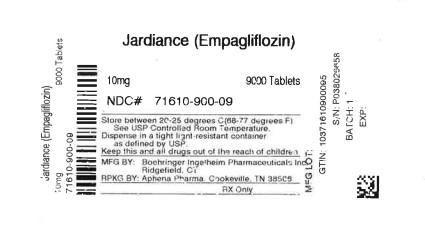
(empagliflozin · DailyMed)
GLYMPA 25/5 TABLET
EMPAGLIFLOZIN & LINAGLIPTIN
What it does
Empagliflozin is a medication that helps lower blood sugar levels in people with diabetes.
Commonly used for: type 2 diabetes (non-insulin dependent diabetes), high blood sugar (hyperglycemia)
Read more in plain English ↓Plain-language summary for general understanding - not medical advice. Always follow your pharmacist/doctor.
Ask about this medicine
Answers come only from this medicine's registration record, BNF monograph and interaction data - not medical advice.
Hard to find? We help patients in Kenya source rare medicines. We don't sell or dispense medicines - licensed pharmacies do.
Source this medicineRegistration & product details
Source: Pharmacy and Poisons Board · fetched 2026-01-28 19:29:29 · updated 2026-09-15 02:25:54
Drug Interactions
4Pharmacodynamic Warnings
Empagliflozin appears in TABLE 8: Drugs that cause hypotension
Empagliflozin appears in TABLE 14: Antidiabetic drugs
Linagliptin appears in TABLE 14: Antidiabetic drugs
Unknown (4)
Empagliflozin - decreases exposure
Antiepileptics (phenytoin) might decrease the exposure to empagliflozin. Avoid or monitor diabetic control.
Empagliflozin - decreases exposure
Rifamycins (rifampicin) might decrease the exposure to empagliflozin. Avoid or monitor diabetic control.
Linagliptin - decreases exposure
Mitotane is predicted to decrease the exposure to linagliptin.
Lomitapide - increases exposure
Linagliptin is predicted to increase the exposure to lomitapide. Separate administration by 12 hours.
Data from BNF 85 (British National Formulary). This is not a substitute for professional medical advice. Matched via: exact
About empagliflozin
Empagliflozin is a medication that helps lower blood sugar levels in people with diabetes.
What it treats
- type 2 diabetes (non-insulin dependent diabetes)
- high blood sugar (hyperglycemia)
How it works
It helps your kidneys remove excess sugar from your blood through urine, which lowers blood sugar levels.
Who it's for
This medicine is for adults with type 2 diabetes who need help controlling their blood sugar.
Cautions
- • Be cautious if you are taking medications that can lower blood pressure.
- • Consult your doctor if you are using other diabetes medications.
AI-assisted summary grounded in BNF data - general information only, not medical advice. Always confirm with your pharmacist or doctor.
About linagliptin
Linagliptin is a medication used to help control blood sugar levels in people with diabetes.
What it treats
- type 2 diabetes (non-insulin dependent diabetes)
- high blood sugar (hyperglycemia)
How it works
Linagliptin helps increase the amount of insulin your body makes after meals and lowers the amount of sugar produced by the liver.
Who it's for
It is for adults with type 2 diabetes, especially when diet and exercise alone have not been enough to control blood sugar.
Cautions
- • Use with other diabetes medicines should be monitored.
AI-assisted summary grounded in BNF data - general information only, not medical advice. Always confirm with your pharmacist or doctor.
Clinical monograph: Empagliflozin
BNF-referencedEmpagliflozin is a sodium-glucose co-transporter 2 (SGLT2) inhibitor used primarily for the management of type 2 diabetes mellitus. It lowers blood glucose levels by preventing the reabsorption of glucose in the proximal renal tubules, which increases urinary glucose excretion. Empagliflozin also has potential cardiovascular benefits, particularly in reducing the risk of heart failure.
Indications
- Type 2 diabetes mellitus as monotherapy (if metformin is inappropriate)
- Type 2 diabetes mellitus in combination with insulin or other antidiabetic drugs (if existing treatment fails to achieve adequate glycaemic control)
- Symptomatic chronic heart failure
Dosage
Adults: 10 mg once daily, increased to 25 mg once daily if necessary and tolerated.
Mechanism of action
Empagliflozin inhibits the SGLT2 transporters in the proximal tubules of the kidneys. By blocking the co-transport of sodium and glucose into the blood, it increases glucosuria, leading to lower blood glucose levels. Additionally, it may offer cardiovascular benefits by mechanisms yet to be fully elucidated, including effects on myocardial sodium/hydrogen exchangers and diuretic actions.
Pharmacodynamics
Empagliflozin effectively reduces blood glucose levels through increased urinary glucose excretion, necessitating once-daily dosing due to its prolonged action. Patients should be monitored for ketoacidosis, as it can occur even in the absence of significantly elevated blood glucose. The drug also poses a risk of urogenital infections due to the elevated glucose levels in urine.
Pharmacokinetics
Empagliflozin is absorbed after oral administration, with peak plasma concentrations occurring within 1.5 hours. It has a volume of distribution of approximately 73 liters and is primarily excreted via urine. Renal function should be monitored, as impaired renal function may affect drug efficacy and safety.
Contra-indications
- Diabetic ketoacidosis
- Severe renal impairment (eGFR < 30 mL/min)
- Hypersensitivity to empagliflozin or any of the excipients
Adverse effects
- Genital infections
- Urinary tract infections
- Dehydration
- Hypotension
- Diabetic ketoacidosis (rare)
- Fournier's gangrene (necrotizing fasciitis of the genitalia)
Interactions
- Antiepileptics (unknown effect on exposure)
- Rifamycins (unknown effect on exposure)
- Insulin and insulin secretagogues (may require dose adjustments)
Precautions
- Monitor for signs of diabetic ketoacidosis, particularly in patients with risk factors
- Consider temporary interruption in patients with complicated urinary tract infections
- Caution in elderly patients due to risk of hypotension and volume depletion
- Monitor renal function periodically
Pregnancy
Empagliflozin is not recommended during pregnancy due to potential risks to the fetus. Consult a healthcare provider for alternatives.
Breast-feeding
Empagliflozin is not recommended for use while breastfeeding. The effects on a nursing infant are unknown.
Storage
Store below 30°C. Protect from moisture. Keep out of reach of children.
Formulations
- Tablets: 10 mg, 25 mg
AI-synthesized from BNF references - general information only, not a substitute for professional medical advice or the current BNF. Verify doses with a pharmacist.
Clinical monograph: Linagliptin
BNF-referencedLinagliptin is an oral antihyperglycemic medication used primarily for the management of type 2 diabetes mellitus. It is classified as a dipeptidyl peptidase-4 (DPP-4) inhibitor, which functions to enhance the body's own ability to lower blood sugar levels. Linagliptin works by increasing the levels of incretin hormones, which in turn stimulates insulin secretion and inhibits glucagon release, thereby promoting better glycemic control.
Indications
- Type 2 diabetes mellitus as monotherapy
- Type 2 diabetes mellitus in combination with metformin
- Type 2 diabetes mellitus in combination with insulin
- Type 2 diabetes mellitus not controlled by metformin alone or in combination with other antidiabetic drugs
Dosage
Adults: The usual adult dose is 5 mg once daily, with or without food. Dosing may vary based on the patient's current metformin dose or when used
Mechanism of action
Linagliptin is a competitive, reversible inhibitor of the DPP-4 enzyme. By inhibiting DPP-4, linagliptin slows the breakdown of incretin hormones such as glucagon-like peptide-1 (GLP-1) and glucose-dependent insulinotropic polypeptide (GIP). Elevated levels of these hormones lead to increased insulin secretion from pancreatic beta cells and reduced glucagon secretion, facilitating a reduction in hepatic glucose output and improved glucose homeostasis.
Pharmacodynamics
A 5 mg oral dose of linagliptin achieves over 80% inhibition of DPP-4 for at least 24 hours. This sustained inhibition results in increased concentrations of GLP-1, which is associated with decreased levels of glycosylated hemoglobin and lower fasting plasma glucose levels, contributing to enhanced glycemic control in patients with type 2 diabetes.
Pharmacokinetics
Linagliptin is well-absorbed after oral administration, with peak plasma concentrations occurring within 1.5 hours. Its bioavailability is approximately 30%, and it has a long half-life of about 12 hours, allowing for once-daily dosing. Linagliptin is primarily excreted unchanged in the feces, with minimal renal clearance, making it suitable for patients with varying degrees of renal function. No dose adjustment is needed for mild to moderate renal impairment.
Contra-indications
- Hypersensitivity to linagliptin or any excipients
- Severe renal impairment (eGFR < 30 mL/min)
Adverse effects
- Hypoglycaemia
- Nausea
- Diarrhea
- Abdominal pain
- Pancreatitis
- Headache
- Upper respiratory tract infections
Interactions
- Linagliptin may increase exposure to lomitapide
- Mitotane may decrease exposure to linagliptin
- Concomitant use with sulfonylureas or insulin may increase risk of hypoglycaemia
Precautions
- Monitor renal function before and during treatment
- History of pancreatitis
- Assess for signs of allergic reactions
Pregnancy
No adequate data on the use of linagliptin during pregnancy. Use only if the potential benefit justifies the potential risk to the fetus.
Breast-feeding
It is not known whether linagliptin is excreted in human milk. Caution is advised when administering to nursing mothers.
Storage
Store below 30 degrees Celsius in a dry place. Keep out of reach of children.
Formulations
- Linagliptin 5 mg tablets (Trajenta)
- Linagliptin with metformin 2.5 mg/850 mg tablets (Jentadueto)
AI-synthesized from BNF references - general information only, not a substitute for professional medical advice or the current BNF. Verify doses with a pharmacist.
Molecular reference: Empagliflozin
PubChem CID 11949646Molecular formula: C23H27ClO7
Mechanism of action
The vast majority of glucose filtered through the glomerulus is reabsorbed within the proximal tubule, primarily via SGLT2 (sodium-glucose linked co-transporter-2) which is responsible for ~90% of the total glucose reabsorption within the kidneys. Na<sup>+</sup>/K<sup>+</sup>-ATPase on the basolateral membrane of proximal tubular cells utilize ATP to actively pump Na+ ions into the interstitium surrounding the tubule, establishing a Na<sup>+</sup> gradient within the tubular cell. SGLT2 on the apical membrane of these cells then utilize this gradient to facilitate secondary active co-transport of both Na+ and glucose out of the filtrate, thereby reabsorbing glucose back into the blood – inhibiting this co-transport, then, allows for a marked increase in glucosuria and decrease in blood glucose levels. Empagliflozin is a potent inhibitor of renal SGLT2 transporters located in the proximal tubules of the kidneys and works to lower blood glucose levels via an increase in glucosuria. Empagliflozin also appears to exert cardiovascular benefits - specifically in the prevention of heart failure - independent of its blood glucose-lowering effects, though the exact mechanism of this benefit is not precisely understood. Several theories have been posited, including the potential inhibition of Na<sup>+</sup>/H<sup>+</sup> exchanger (NHE) 1 in the myocardium and NHE3 in the proximal tubule, reduction of pre-load via diuretic/natriuretic effects and reduction of blood pressure, prevention of cardiac fibrosis via suppression of pro-fibrotic markers, and reduction of pro-inflammatory adipokines.
Pharmacodynamics
Empagliflozin lowers blood glucose levels by preventing glucose reabsorption in the kidneys, thereby increasing the amount of glucose excreted in the urine. It has a relatively long duration of action requiring only once-daily dosing. Patients should be monitored closely for signs and symptoms of ketoacidosis regardless of blood glucose level as empagliflozin may precipitate diabetic ketoacidosis in the absence of hyperglycemia. As its mechanism of action is contingent on the renal excretion of glucose, empagliflozin may be held in cases of acute kidney injury and/or discontinued in patients who develop chronic renal disease. The overexcretion of glucose creates a sugar-rich urogenital environment which increases the risk of urogenital infections in both male and female patients - monitor closely for signs and symptoms of developing infection.
Source: PubChem (NCBI) · pathways from PathBank, Reactome, WikiPathways & PharmGKB.
Molecular reference: Linagliptin
PubChem CID 10096344Molecular formula: C25H28N8O2
Mechanism of action
Linagliptin is a competitive, reversible DPP-4 inhibitor. Inhibition of this enzyme slows the breakdown of GLP-1 and glucose-dependant insulinotropic polypeptide (GIP). GLP-1 and GIP stimulate the release of insulin from beta cells in the pancreas while inhibiting release of glucagon from pancreatic beta cells. These effects together reduce the breakdown of glycogen in the liver and increase insulin release in response to glucose. Linagliptin is an inhibitor of DPP-4, an enzyme that degrades the incretin hormones glucagon-like peptide-1 (GLP-1) and glucose-dependent insulinotropic polypeptide (GIP). Thus, linagliptin increases the concentrations of active incretin hormones, stimulating the release of insulin in a glucose-dependent manner and decreasing the levels of glucagon in the circulation. Both incretin hormones are involved in the physiological regulation of glucose homeostasis. Incretin hormones are secreted at a low basal level throughout the day and levels rise immediately after meal intake. GLP-1 and GIP increase insulin biosynthesis and secretion from pancreatic beta-cells in the presence of normal and elevated blood glucose levels. Furthermore, GLP-1 also reduces glucagon secretion from pancreatic alpha-cells, resulting in a reduction in hepatic glucose output.
Pharmacodynamics
A 5mg oral dose of linagliptin results in >80% inhibition of dipeptidyl peptidase 4 (DPP-4) for ≥24 hours. Inhibition of DPP-4 increases the concentration of glucagon-like peptide 1 (GLP-1), leading to decreased glycosylated hemoglobin and fasting plasma glucose.
Source: PubChem (NCBI) · pathways from PathBank, Reactome, WikiPathways & PharmGKB.
This drug in other countries
The same active ingredient registered across other registries we cover - including different brands.
- Diampa 10 · Getz Pharma Limited
- EMGLY 25 · Annora Pharma Private Limited
- EMPADIL M 12.5/1000 · Ajanta Pharma
- EMPADIL M 12.5/500 · Ajanta Pharma
- EMPADIL M 5/1000 · Ajanta Pharma
- EMPADIL M 5/500 · Ajanta Pharma
- EMFLOZIN 10 TABLETS · Aristopharma
- EMFLOZIN 25 TABLETS · Aristopharma
- EMGLY 10 TABLETS (Each film coated tablet contains Empagliflozin 25mg) · Annora Pharma
- EMPAZOX-L 25MG/15MG TABLETS (Each tablet contains Empagliflozin/Linagliptin 25mg/5mg · Annora Pharma
- EMPIGET M 12.5/100 TABLETS · Getz Pharma
- EMPIGET M 12.5/50 TABLETS · Getz Pharma
- EMPADIL-M 12.5/1000 · Ajanta Pharma
- EMPAGLIFLOZIN AND METFORMIN HYDROCHLORIDE · Cipla
- EMPAGLIFLOZIN AND METFORMIN HYDROCHLORIDE · Cipla
- EMPAGLIFLOZIN AND METFORMIN HYDROCHLORIDE 10MG/1000MG · Cipla Ltd
- EMPAGLIFLOZIN AND METFORMIN HYDROCHLORIDE EXTENDED RELEASE TABLETS 12.5 MG/1000 MG · Cipla
- LINCRET M 1000