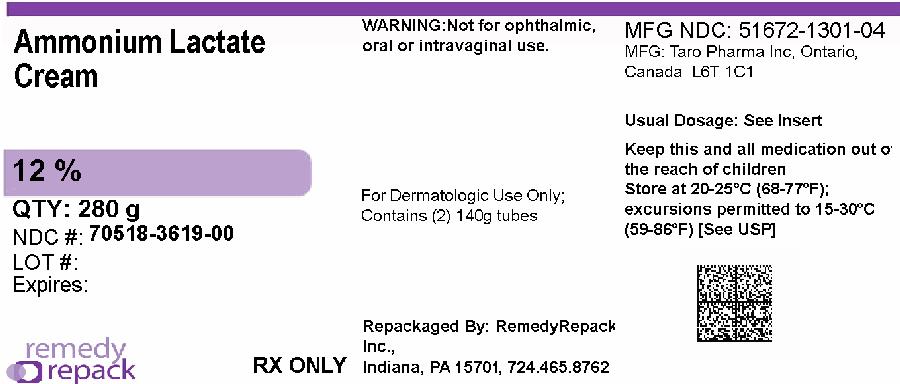
(ammonium · DailyMed)
Go Coff Cough syrup
Ammonium Chloride 200 mg/10ml,Menthol 15.5 mg/10ml,Sodium Citrate 100 mg/10ml,Squill Tincture 0.002 ml,Tolu balsam 0.002 ml
What it does
Ammonium is a compound that can be used in various treatments but is not classified under a specific drug class.
Read more in plain English ↓Plain-language summary for general understanding - not medical advice. Always follow your pharmacist/doctor.
Ask about this medicine
Answers come only from this medicine's registration record, BNF monograph and interaction data - not medical advice.
Medicine sourcing is available in Kenya only. We don't sell or dispense medicines - licensed pharmacies do.
Sourcing - Kenya onlyRegistration & product details
Source: Zambia Medicines Regulatory Authority · fetched 2026-03-12 00:04:18 · updated 2026-10-19 03:36:23
About ammonium
Ammonium is a compound that can be used in various treatments but is not classified under a specific drug class.
How it works
Ammonium works by balancing chemical levels in the body.
Who it's for
It may be used in specific medical conditions as determined by a healthcare provider.
AI-assisted summary grounded in BNF data - general information only, not medical advice. Always confirm with your pharmacist or doctor.
About balsam
Balsam is a natural substance often used for its soothing properties. It is commonly found in topical treatments and some medicinal products.
What it treats
- skin irritations
- coughs (as an ingredient in syrups)
- wound healing
How it works
Balsam helps to soothe and protect the skin, and it may also help relieve coughs by acting on the throat.
Who it's for
Balsam can be used by adults and children who need relief from skin issues or coughs.
AI-assisted summary grounded in BNF data - general information only, not medical advice. Always confirm with your pharmacist or doctor.
About menthol
Menthol is a natural compound often used for its soothing and cooling effects.
What it treats
- cough relief
- muscle pain relief
- skin irritation treatment
How it works
Menthol creates a cooling sensation on the skin and mucous membranes, which can help relieve discomfort.
Who it's for
Menthol is suitable for adults and children who need relief from coughs, muscle aches, or skin irritation.
AI-assisted summary grounded in BNF data - general information only, not medical advice. Always confirm with your pharmacist or doctor.
About squill
Squill is a natural remedy that is used to help with certain heart and respiratory conditions.
What it treats
- heart failure
- congestive heart failure
- difficulty breathing
How it works
Squill helps improve heart function and can aid in breathing by promoting the elimination of excess fluid from the body.
Who it's for
Adults experiencing heart problems or respiratory issues.
AI-assisted summary grounded in BNF data - general information only, not medical advice. Always confirm with your pharmacist or doctor.
About tincture
Tincture is a liquid form of medicine that contains a plant extract or other medicinal ingredient dissolved in alcohol or another solvent.
What it treats
- various ailments
- pain relief
- anxiety
- sleep problems
How it works
Tinctures work by allowing the active ingredients from plants or other substances to be absorbed into the body quickly, providing relief from certain conditions.
Who it's for
Tinctures can be used by adults for various health issues, but it is important to consult with a healthcare provider before use.
Cautions
- • Not suitable for people with alcohol intolerance.
- • Use with caution in pregnant or breastfeeding women.
AI-assisted summary grounded in BNF data - general information only, not medical advice. Always confirm with your pharmacist or doctor.
About tolu
Tolu is a substance used in various medical applications.
What it treats
- skin conditions (dermatitis)
- respiratory issues
How it works
Tolu helps by soothing and healing affected areas.
Who it's for
People suffering from certain skin or breathing problems.
AI-assisted summary grounded in BNF data - general information only, not medical advice. Always confirm with your pharmacist or doctor.
Clinical monograph: ammonium
BNF-referencedAmmonium is a positively charged ion (NH4+) that plays a crucial role in various biochemical processes, including nitrogen metabolism in living organisms. It is involved in the synthesis of amino acids and nucleotides, acting as a precursor in the biosynthesis of important biological compounds. Ammonium is also a key component in the nitrogen cycle, contributing to the fertility of soil and aquatic environments.
Indications
- Nitrogen supplementation in clinical nutrition
- Management of metabolic alkalosis
- Treatment of certain types of kidney disorders
Dosage
Children: Specific pediatric dosing information is not detailed in the BNF. Refer to the BNF for Children for appropriate dosing based on age and condition.
Adults: Dosage varies based on clinical indication and should be guided by specific treatment protocols. Refer to clinical guidelines for detailed dosing information.
Mechanism of action
Ammonium ions participate in various metabolic pathways, including the biosynthesis of amino acids and nucleotides. It serves as a nitrogen source for organisms, facilitating the synthesis of essential biomolecules. The presence of ammonium can influence pH levels and osmotic balance within cells, thereby affecting cellular functions and enzyme activities.
Pharmacodynamics
Ammonium affects cellular metabolism by acting as a nitrogen donor in the synthesis of organic compounds. Its role in the nitrogen cycle and as a substrate in biochemical pathways allows for the maintenance of cellular functions, including energy production and cellular growth. Alterations in ammonium levels can influence various physiological processes, including neurotransmitter synthesis and energy metabolism.
Pharmacokinetics
Ammonium is readily absorbed and distributed in biological systems. It can be produced endogenously through amino acid metabolism or obtained from dietary sources. The excretion of ammonium primarily occurs through the kidneys, where it is converted to urea for elimination. Ammonium levels are regulated by various mechanisms, including the action of renal tubular cells that either secrete or reabsorb ammonium based on the body's needs.
AI-synthesized from BNF references - general information only, not a substitute for professional medical advice or the current BNF. Verify doses with a pharmacist.
Clinical monograph: ammoniumchloride
BNF-referencedAmmonium chloride is an inorganic compound with the chemical formula ClH4N. It is primarily used as an expectorant and systemic acidifier. Its mechanism involves increasing hydrogen ion concentrations, thereby enhancing acidity and promoting the production of respiratory tract fluid, which aids in effective coughing. Additionally, it alters the bicarbonate:carbonic acid ratio in the body, potentially leading to acidosis and promoting the excretion of electrolytes and water.
Indications
- Cough associated with respiratory tract infections
- Acid-base disorders
- Edema management
Dosage
Children: Refer to the BNF for Children for appropriate paediatric dosing guidelines based on age and condition.
Adults: Refer to the BNF for specific adult dosing guidelines as they depend on the indication and clinical context.
Mechanism of action
Ammonium chloride increases acidity by raising hydrogen ion concentrations. It dissociates into ammonium and chloride ions; the ammonium is converted to urea in the liver, releasing hydrogen ions that lower pH. The chloride ions displace bicarbonate in extracellular fluid, leading to acidosis and increased renal excretion of electrolytes and water, resulting in fluid mobilization.
Pharmacodynamics
Ammonium chloride acts as a systemic acidifier, facilitating the excretion of chloride and sodium, while also increasing the acidity of body fluids. The conversion of ammonium to urea in the liver with the release of hydrogen ions contributes to a decrease in blood pH, affecting acid-base balance in the body.
Pharmacokinetics
Ammonium chloride is absorbed from the gastrointestinal tract and metabolized in the liver, where it is converted to urea. The dissociated ions impact renal function, leading to increased excretion of sodium, potassium, and water. The elimination half-life and specific metabolism details are not explicitly defined.
Adverse effects
- Nausea
- Vomiting
- Abdominal pain
- Diarrhea
- Dizziness
- Headache
Interactions
- Antacids may reduce the effectiveness of ammonium chloride
- Potassium-sparing diuretics may increase the risk of hyperkalemia
Precautions
- Use with caution in patients with renal impairment
- Monitor electrolyte levels during prolonged therapy
- Consider potential for acidosis in patients with liver disease
Pregnancy
Ammonium chloride should only be used during pregnancy if the potential benefit justifies the potential risk to the fetus. Consult a healthcare provider for individualized advice.
Breast-feeding
Ammonium chloride is excreted in breast milk. Use caution and consult a healthcare provider if breastfeeding.
Storage
Store in a cool, dry place, away from direct sunlight and moisture. Keep out of reach of children.
Formulations
- Oral solution
- Powder for oral solution
AI-synthesized from BNF references - general information only, not a substitute for professional medical advice or the current BNF. Verify doses with a pharmacist.
Clinical monograph: balsam
BNF-referencedBalsam refers to various aromatic resins obtained from certain trees, primarily used in traditional medicine and as flavoring agents in food and beverages. The most common types include balsam of Peru and balsam of Tolu. These substances are known for their pleasant fragrance and potential therapeutic properties.
Indications
- Skin conditions (e.g., eczema, dermatitis)
- Respiratory issues (e.g., cough, cold)
- Topical antiseptic applications
- Aromatic uses for mood enhancement
Dosage
Children: Refer to relevant product-specific guidelines as doses may vary by formulation and use.
Adults: Refer to relevant product-specific guidelines as doses may vary by formulation and use.
Mechanism of action
Balsam exerts its effects primarily through its volatile compounds, which may exhibit anti-inflammatory, antiseptic, and analgesic properties. The specific pathways are not well-characterized in modern pharmacology, but traditional uses suggest modulation of inflammatory pathways and soothing of mucosal irritations.
Pharmacodynamics
Balsam compounds may influence various biological pathways, contributing to their anti-inflammatory and soothing effects. The aromatic properties can enhance mood and well-being, while topical applications are known to relieve certain skin conditions. The pharmacodynamics in humans, however, require more clinical evidence to fully elucidate their mechanisms.
Pharmacokinetics
The pharmacokinetics of balsam components are not extensively documented, but it is known that the compounds can be absorbed through the skin and mucous membranes. Metabolism primarily occurs in the liver, and elimination is expected to be via urine. However, specific half-lives and clearance rates are not well-studied.
Pregnancy
There is limited information available regarding the safety of balsam during pregnancy. It is advisable to avoid use unless clearly necessary.
Breast-feeding
Due to insufficient data on the excretion of balsam in human milk, caution is advised when using balsam while breastfeeding.
Storage
Store in a cool, dry place away from direct sunlight.
Formulations
- {'name': 'Balsam', 'molecular_formula': 'C15H24', 'description': 'Balsam is a natural resin obtained from various trees, known for its aromatic and medicinal properties. It is often used in topical preparations and alternative medicine.'}
AI-synthesized from BNF references - general information only, not a substitute for professional medical advice or the current BNF. Verify doses with a pharmacist.
Clinical monograph: menthol
BNF-referencedMenthol is a cyclic monoterpene alcohol that is widely used as a flavoring agent and in topical analgesic preparations due to its cooling sensation. It is commonly derived from peppermint oil and is known for its soothing properties in various applications, including cough drops, ointments, and as a fragrance in personal care products.
Indications
- Topical analgesic for muscle and joint pain
- Cough suppressant in cough drops and lozenges
- Relief of minor throat irritation
- Cooling agent in various cosmetic and personal care products
Dosage
Children: Refer to BNF for Children for specific dosing guidelines, as doses may vary based on age and formulation.
Adults: For topical use, apply a thin layer to the affected area not more than 3 to 4 times daily. For cough drops, follow the product-specific instructions as per the formulation.
Mechanism of action
Menthol acts as an agonist for the transient receptor potential subtype M8 (TRPM8), a non-selective cation channel that is activated by cold temperatures. This activation leads to calcium influx in mast cells, inducing the release of histamine, which can trigger allergic responses such as urticaria, asthma, and rhinitis. Menthol's ability to induce histamine release via TRPM8 suggests potential therapeutic applications for TRPM8 antagonists in managing cold- and menthol-induced allergies.
Pharmacodynamics
Menthol produces a cooling effect by stimulating sensory neurons that convey cold sensations. It interacts with TRPM8 channels, leading to the activation of intracellular signaling pathways that can result in vasodilation and increased blood flow to the area of application. This cooling sensation can provide symptomatic relief in conditions characterized by pain or irritation.
Pharmacokinetics
Menthol is absorbed through the skin and mucous membranes, with systemic effects depending on the route of administration. Its bioavailability can vary, and it is metabolized primarily in the liver. The elimination half-life and excretion pathways have not been extensively characterized, but menthol is generally considered to have a rapid onset of action with effects lasting for a few hours.
Adverse effects
- Allergic reactions
- Urticaria
- Asthma
- Rhinitis
- Skin irritation
Precautions
- Use with caution in patients with known allergies to menthol or related compounds
- May exacerbate asthma in sensitive individuals
Pregnancy
There are no well-controlled studies of menthol in pregnant women. Menthol should be used during pregnancy only if clearly needed.
Breast-feeding
Menthol is excreted in breast milk. Caution should be exercised when administering to nursing mothers.
Storage
Store in a cool, dry place away from light. Keep out of reach of children.
Formulations
- Topical ointment
- Cream
- Liquid
AI-synthesized from BNF references - general information only, not a substitute for professional medical advice or the current BNF. Verify doses with a pharmacist.
Clinical monograph: squill
BNF-referencedSquill is an herbal remedy derived from the bulbs of the Urginea (or Scilla) species, particularly Urginea maritima. Traditionally, it has been used for its cardiotonic and diuretic properties. The active compounds in squill are glycosides, which are believed to exert their effects primarily on the heart and kidneys. Due to its potent effects, squill should be used with caution and under medical supervision.
Indications
- Heart failure
- Edema
- Hypertension
- Congestive heart failure
Dosage
Children: Refer to the BNF for Children for specific dosage information regarding squill in paediatric patients.
Adults: Refer to the BNF for specific dosage information regarding squill in adults.
Mechanism of action
Squill contains cardiac glycosides, which inhibit the Na+/K+ ATPase enzyme. This inhibition leads to an increase in intracellular sodium levels, which causes an increase in intracellular calcium levels via the sodium-calcium exchanger. This results in enhanced myocardial contractility (positive inotropic effect) and a reduction in heart rate (negative chronotropic effect). Additionally, squill promotes diuresis by increasing renal blood flow and glomerular filtration rate.
Pharmacodynamics
The positive inotropic effect of squill enhances cardiac output and is useful in the management of certain heart conditions. The diuretic effect aids in fluid management, making it beneficial for patients with heart failure or edema. However, the therapeutic window is narrow, and toxicity can occur with overdose, leading to arrhythmias and gastrointestinal disturbances.
Pharmacokinetics
The pharmacokinetics of squill have not been extensively studied. However, it is generally understood that the active glycosides are absorbed in the gastrointestinal tract, with peak plasma concentrations occurring within a few hours after ingestion. The elimination half-life is variable and depends on the specific glycoside. The metabolites are primarily excreted via the kidneys.
Pregnancy
The safety of squill during pregnancy has not been established. Use only if clearly needed and prescribed by a healthcare provider.
Breast-feeding
It is not known whether squill is excreted in human milk. Caution should be exercised when administering to breastfeeding women.
Storage
Store in a cool, dry place, away from direct sunlight and moisture. Keep out of reach of children.
AI-synthesized from BNF references - general information only, not a substitute for professional medical advice or the current BNF. Verify doses with a pharmacist.
Clinical monograph: tincture
Tinctures are concentrated herbal extracts made by soaking plant materials in alcohol or vinegar to extract their active ingredients. They are typically used for their therapeutic benefits and can be administered sublingually, added to water, or used topically, depending on the formulation. Tinctures often serve as a convenient way to deliver herbal medicine in a liquid form, allowing for easier absorption and dosage adjustments.
Indications
- Herbal remedy for anxiety
- Support for digestive health
- Anti-inflammatory support
- Antimicrobial effects
- Pain relief
- Support for immune function
Dosage
Children: Refer to specific tincture product instructions for dosage, as this varies significantly based on the plant and concentration.
Adults: Refer to specific tincture product instructions for dosage, as this varies significantly based on the plant and concentration.
Mechanism of action
The mechanism of action of tinctures depends on the specific herbs or plants used in their preparation. Generally, the active compounds extracted from the plant material interact with various biological pathways, including receptor modulation, enzyme inhibition, and antioxidant activity. For example, flavonoids and alkaloids found in many tinctures may exhibit anti-inflammatory, analgesic, or antimicrobial effects through their interaction with cellular signaling pathways.
Pharmacodynamics
The pharmacodynamics of tinctures is influenced by the specific constituents of the herbal material. These constituents may exert effects such as enhancing or inhibiting neurotransmitter activity, modulating inflammatory responses, or influencing metabolic pathways. The effects can vary widely among different tinctures based on the plant used, the extraction method, and the concentration of the active ingredients.
Pharmacokinetics
The pharmacokinetics of tinctures involves absorption, distribution, metabolism, and excretion of the active compounds. After administration, the alcohol or vinegar solvent aids in the rapid absorption of these compounds through the mucosal membranes or gastrointestinal tract. Once absorbed, the compounds are distributed throughout the body and may undergo metabolic transformations primarily in the liver. The elimination half-life varies based on the specific herb and its active constituents, with some compounds being excreted unchanged while others are metabolized into active or inactive metabolites.
Contra-indications
- Hypersensitivity to any component of the tincture
- Severe liver disease
- Pregnancy (specific tinctures may vary)
Adverse effects
- Skin irritation
- Allergic reactions
- Gastrointestinal upset
- Drowsiness or sedation (depending on the active ingredient)
Interactions
- May interact with alcohol, increasing sedative effects
- Potential interactions with other CNS depressants
- May affect the metabolism of certain drugs via hepatic pathways
Precautions
- Use cautiously in patients with a history of substance abuse
- Monitor liver function in patients with liver disease
- Caution in operating machinery or driving due to potential drowsiness
Pregnancy
Generally not recommended during pregnancy due to potential risks associated with alcohol and other active ingredients.
Breast-feeding
Caution is advised, as components may pass into breast milk and affect the infant.
Storage
Store in a cool, dry place away from direct sunlight. Keep tightly closed and out of reach of children.
Formulations
- Tinctures of various herbs and compounds, including but not limited to: echinacea, valerian, and calendula
AI-synthesized from BNF references - general information only, not a substitute for professional medical advice or the current BNF. Verify doses with a pharmacist.
Clinical monograph: tolu
Tolu, also known as toluene, is an aromatic hydrocarbon commonly used as an industrial solvent and in the production of various chemicals. It is a colorless liquid with a sweet odor, and it is primarily used in paint thinners, adhesives, and coatings. Toluene is known for its ability to dissolve a wide range of organic compounds, making it useful in various applications including chemical synthesis and extraction processes.
Dosage
Children: There are no established therapeutic doses for toluene in the pediatric population. Exposure should be avoided due to potential toxicity.
Adults: There are no established therapeutic doses for toluene as it is primarily used as an industrial solvent. Exposure should be minimized due to its toxic effects.
Mechanism of action
Toluene exerts its effects primarily through its interaction with the central nervous system. It acts as a neurotoxin and can influence neurotransmitter systems, particularly those involving gamma-aminobutyric acid (GABA) and glutamate. The exact pathways are not fully elucidated, but toluene is known to enhance GABAergic activity, leading to sedative and anxiolytic effects, while also disrupting glutamate signaling, which can contribute to neurotoxicity.
Pharmacodynamics
The pharmacodynamics of toluene involve its effects on the central nervous system, where it can lead to a range of symptoms from euphoria and intoxication to neurological impairment and respiratory depression at higher exposures. Chronic exposure may result in neurobehavioral deficits, cognitive dysfunction, and potential long-term neurological damage. The effects can vary significantly based on concentration, duration of exposure, and individual susceptibility.
Pharmacokinetics
Toluene is rapidly absorbed through inhalation and dermal routes, with peak blood concentrations occurring shortly after exposure. It is metabolized primarily in the liver via cytochrome P450 enzymes, leading to the formation of various metabolites, including benzyl alcohol and hippuric acid. These metabolites are excreted in the urine. The elimination half-life of toluene varies depending on the route of exposure and individual metabolic factors, generally ranging from a few hours to a day.
Pregnancy
Toluene is not recommended during pregnancy due to potential risks to fetal development. It may cause teratogenic effects.
Breast-feeding
Toluene may be excreted in breast milk, and its use is generally not recommended while breastfeeding due to potential harm to the nursing infant.
Storage
Store in a cool, dry place away from direct sunlight, heat, and ignition sources. Ensure containers are tightly sealed.
AI-synthesized from BNF references - general information only, not a substitute for professional medical advice or the current BNF. Verify doses with a pharmacist.
Molecular reference: ammonium
PubChem CID 223Molecular formula: H4N+
Biological pathways
Source: PubChem (NCBI) · pathways from PathBank, Reactome, WikiPathways & PharmGKB.
Molecular reference: ammoniumchloride
PubChem CID 25517Molecular formula: ClH4N
Mechanism of action
Ammonium chloride increases acidity by increasing the amount of hydrogen ion concentrations. Ammonium chloride can be used as an expectorant due to its irritative action on the bronchial mucosa. This effect causes the production of respiratory tract fluid which in order facilitates the effective cough. The acid-forming properties of ammonium chloride result from dissociation of the salt to an ammonium cation and a chloride anion. In patients with normal hepatic function, the ammonium cation is converted to urea by the liver and a hydrogen cation is released which reacts with a bicarbonate ion to form water and carbon dioxide. The chloride anion combines with fixed bases in the extracellular fluid, thereby reducing the alkaline reserve of the body. The net result is the displacement of bicarbonate ions by chloride anions. The displacement of bicarbonate by chloride alters the bicarbonate:carbonic acid ratio if the body and acidosis results. The increased chloride concentration in the extracellular fluid produces an increased load to the renal tubules and appreciable amounts of chloride anions escape reabsorption. These anions are excreted along with cations and water. Sodium is the principal cation excreted; however, potassium excretion may also be increased to some degree. By increasing the excretion of both extracellular electrolytes and water, ammonium chloride causes a net loss of extracellular fluid and promotes the mobilization of edema fluid.
Pharmacodynamics
Systemic acidifier. In liver ammonium chloride is converted into urea with the liberation of hydrogen ions ( which lowers the pH) and chloride.
Biological pathways
Source: PubChem (NCBI) · pathways from PathBank, Reactome, WikiPathways & PharmGKB.
Molecular reference: balsam
PubChem CID 133110026Molecular formula: C15H24
Source: PubChem (NCBI) · pathways from PathBank, Reactome, WikiPathways & PharmGKB.
Molecular reference: menthol
PubChem CID 1254Molecular formula: C10H20O
Mechanism of action
Exposure to low temperatures often causes allergic responses or urticaria. Similarly, menthol, a common food additive is also known to cause urticaria, asthma, and rhinitis. However, despite the obvious clinical implications, the molecular mechanisms responsible for inducing allergic responses to low temperatures and menthol have not been determined. Because a non-selective cation channel, transient receptor potential subtype M8 (TRPM8) is activated by cold and menthol, we hypothesized that this channel mediates cold- and menthol-induced histamine release in mast cells. Here, we report that TRPM8 is expressed in the basophilic leukemia mast cell line, RBL-2H3, and that exposure to menthol or low temperatures induced Ca(2+) influx in RBL-2H3 cells, which was reversed by a TRPM8 blocker. Furthermore, menthol, a TRPM8 agonist, induced the dose-dependent release of histamine from RBL-2H3 cells. When TRPM8 transcripts were reduced by siRNA (small interfering RNA), menthol- and cold-induced Ca(2+) influx and histamine release were significantly reduced. In addition, subcutaneous injection of menthol evoked scratching, a typical histamine-induced response which was reversed by a TRPM8 blocker. Thus, our findings indicate that TRPM8 mediates the menthol- and cold-induced allergic responses of mast cells, and suggest that TRPM8 antagonists be viewed as potential treatments for cold- and menthol-induced allergies. /DL-Menthol/ Menthol's characteristic cooling sensation is due, in part, to the activation of sensory neurons generally termed transient receptor potential (TRP) channels, in particular transient receptor potential melastatin family member 8 (TRPM8) and transient receptor potential subfamily A, member 1 (TRPA1). Menthol acts upon TRPM8 receptors by rapidly increasing intracellular calcium and mobilizing calcium flux through the channels to induce cold response signals at the application site. Aside from its cold-inducing sensation capabilities, menthol exhibits cytotoxic effects in cancer cells, induces reduction in malignant cell growth, and engages in synergistic excitation of GABA receptors and sodium ion channels resulting in analgesia. /DL-Menthol/ In recent years, the transient receptor potential melastatin member 8 (TRPM8) channel has emerged as a promising prognostic marker and putative therapeutic target in prostate cancer. We have found that forced overexpression of TRPM8 in PC-3 cells can inhibit the cell proliferation and motility probably through the TRPM8 activation. In this study, we aimed to investigate whether activating the TRPM8 channel by its selective agonist menthol can inhibit the proliferation and motility of androgen-independent prostate cancer (AIPC) with remarkable expression of TRPM8. Menthol is a naturally occurring compound, which has been widely used in cosmetics and pharmaceutical products, and also as flavoring in food. DU145 cells are androgen-independent but have a remarkable expression of TRPM8. The demonstration of the existence of TRPM8 and the absence of TRPA1 in DU145 cells provided the foundation for the following experiments, because both TRPM8 and TRPA1 are molecular targets of menthol. The outcome of MTT assay indicated that menthol inhibited the cell growth (p < 0.01). Cell cycle distribution and scratch assay analysis revealed that menthol induced cell cycle arrest at the G(0)/G(1) phase (p < 0.01). Furthermore, menthol inhibited the migration of DU145 cells by downregulating the focal-adhesion kinase. So it suggests that the activation of the existing TRPM8 channels may serve as a potential and pragmatic treatment for those AIPC with remarkable expression of TRPM8, and menthol is a useful compound for future development as an anticancer agent. /DL-Menthol/
Source: PubChem (NCBI) · pathways from PathBank, Reactome, WikiPathways & PharmGKB.
Molecular reference: squill
PubChem CID 441871Molecular formula: C32H44O12
Source: PubChem (NCBI) · pathways from PathBank, Reactome, WikiPathways & PharmGKB.
This drug in other countries
The same active ingredient registered across other registries we cover - including different brands.
- ABICOF JUNIOR SYRUP · Socomed Pharmaceutical
- ABICOF SYRUP · Socomed Pharmaceutical
- ADDRUB GEL · Addii Biotech
- ADDRUB GEL ( Diclofenac Diethylamine/ Methyl Salicylate/Menthol/ Linseed Oil Gel 1.16%w/w/1.0%w/w/ 10.0% w/w / 5.0w/w/ 3.0w/w) · Addii Biotech
- ADULT MALIN COUGH SYRUP · M&g Pharmaceuticals
- AMCOF ADULT COUGH SYRUP · Salom Pharmacy
- BRONCLEER CHILDREN'S COUGH SYRUP · Adcock Ingram
- COFSYL ORIGINAL SYRUP · Cospharm
- STREPSILS COOLMINT LOZENGES · Reckitt Benckiser
- STREPSILS COOLMINT LOZENGES · Reckitt Benckiser
- STREPSILS COOLMINT LOZENGES · Reckitt Benckiser
- STREPSILS COOLMINT LOZENGES · Reckitt Benckiser