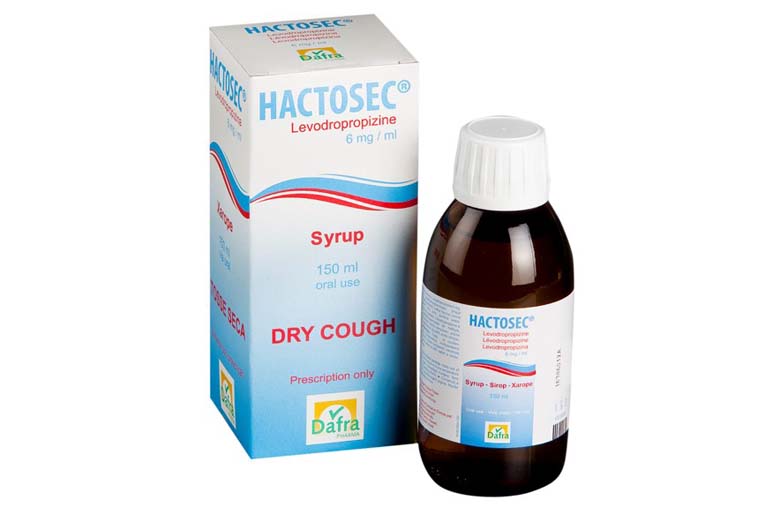
HACTOSEC
LEVODROPROPIZINE
What it does
Levodropropizine is a medicine used to relieve coughs.
Commonly used for: cough (dry cough), cough due to colds or flu
Read more in plain English ↓Plain-language summary for general understanding - not medical advice. Always follow your pharmacist/doctor.
Ask about this medicine
Answers come only from this medicine's registration record, BNF monograph and interaction data - not medical advice.
Hard to find? We help patients in Kenya source rare medicines. We don't sell or dispense medicines - licensed pharmacies do.
Source this medicineRegistration & product details
Source: Pharmacy and Poisons Board · fetched 2026-01-28 20:32:51 · updated 2026-10-23 02:27:33
About this medicine
Levodropropizine is a medicine used to relieve coughs.
What it treats
- cough (dry cough)
- cough due to colds or flu
How it works
It works by calming the cough reflex in the brain, helping to reduce the urge to cough.
Who it's for
It is suitable for adults and children over a certain age, as directed by a healthcare professional.
AI-assisted summary grounded in BNF data - general information only, not medical advice. Always confirm with your pharmacist or doctor.
Clinical monograph: levodropropizine
BNF-referencedLevodropropizine is an antitussive agent primarily used to relieve cough. It is a derivative of the morphinan class of compounds and acts centrally in the cough reflex pathway. The drug is often utilized in cases of acute and chronic coughs that are non-productive, providing symptomatic relief without suppressing the respiratory drive.
Indications
- Cough associated with upper respiratory tract infections
- Non-productive cough
- Chronic bronchitis
- Cough due to environmental irritants
Dosage
Children: For children aged 2 to 12 years, the typical dosage is 1 mg/kg three times daily, not exceeding 45 mg per dose. For children under 2 years, consult the BNF for Children for appropriate dosing.
Adults: The usual adult dose is 45 mg to 90 mg three times daily, depending on the severity of symptoms.
Mechanism of action
Levodropropizine acts as a cough suppressant by inhibiting the cough reflex at the central level in the medulla oblongata. It reduces the sensitivity of the cough center to peripheral stimuli, thereby diminishing the urge to cough. This action is primarily through its effect on the opioid receptors without exhibiting significant analgesic properties.
Pharmacodynamics
The pharmacodynamic profile of levodropropizine reveals that it effectively reduces the frequency of coughing by modulating the response of the cough reflex. It has minimal sedative effects compared to traditional narcotic cough suppressants, making it preferable for patients who require cough relief without significant drowsiness.
Pharmacokinetics
Levodropropizine is absorbed following oral administration, with peak plasma concentrations typically occurring within a few hours. The drug undergoes extensive first-pass metabolism, leading to a bioavailability that varies among individuals. It is primarily excreted through the kidneys, with both unchanged drug and metabolites present in urine. The half-life is approximately 6 to 9 hours, allowing for once or twice daily dosing.
Adverse effects
- Drowsiness
- Dizziness
- Gastrointestinal disturbances
- Allergic reactions
Precautions
- Use with caution in patients with hepatic impairment
- Caution in patients with a history of bronchial asthma or other respiratory conditions
Pregnancy
Safety in pregnancy has not been established. Use only if potential benefit justifies the potential risk to the fetus.
Breast-feeding
It is not known whether levodropropizine is excreted in human milk. Caution should be exercised when administering to nursing mothers.
Storage
Store in a cool, dry place, away from direct sunlight. Keep out of reach of children.
Formulations
- Syrup
- Tablet
AI-synthesized from BNF references - general information only, not a substitute for professional medical advice or the current BNF. Verify doses with a pharmacist.
Molecular reference: levodropropizine
PubChem CID 65859Molecular formula: C13H20N2O2
Source: PubChem (NCBI) · pathways from PathBank, Reactome, WikiPathways & PharmGKB.
This drug in other countries
The same active ingredient registered across other registries we cover - including different brands.