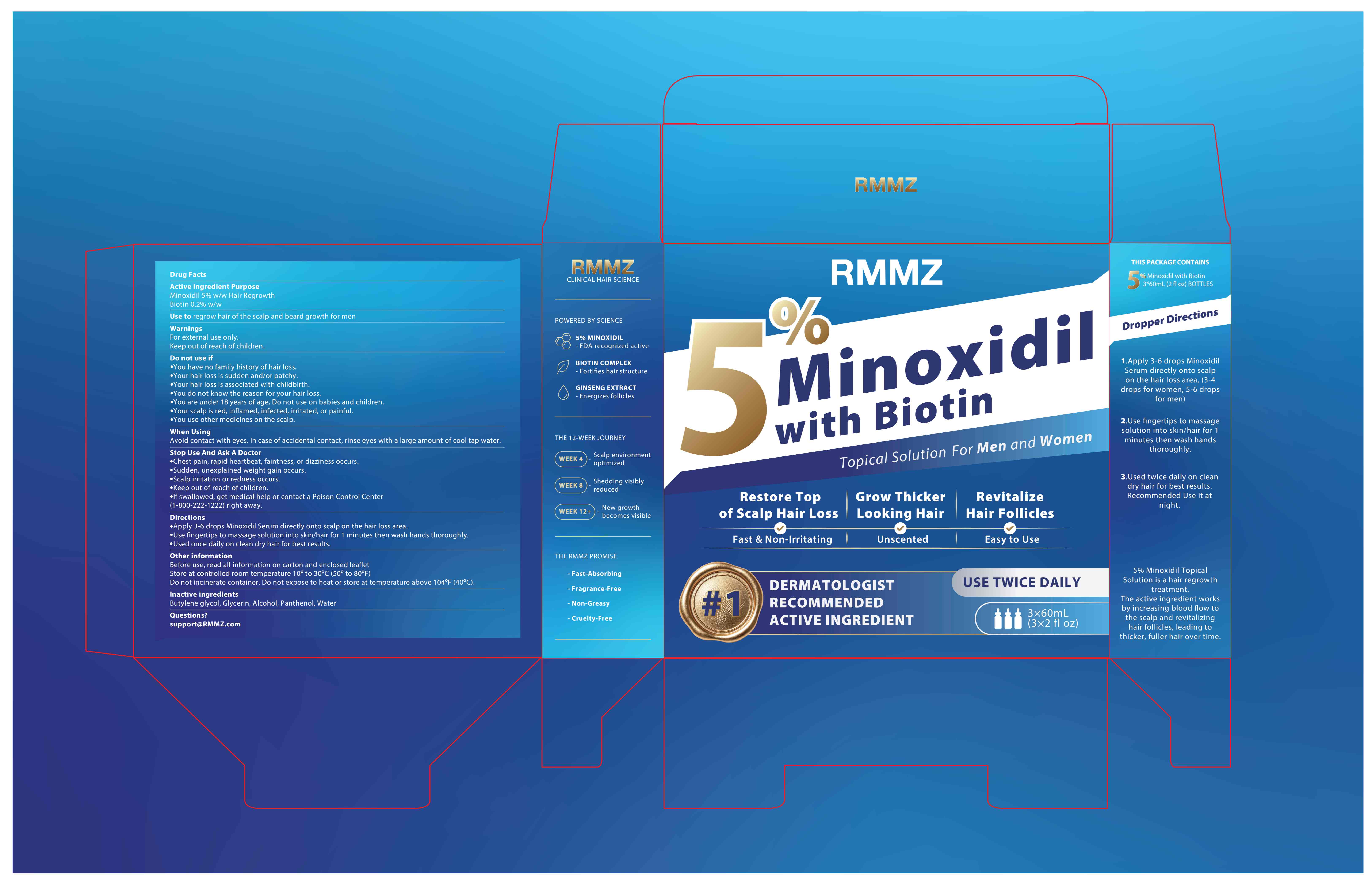
(biotin · DailyMed)
HEPGISER LIQUID
DL-METHIONINE USP CHOLINE DIHYDROGEN CITRATE NF THIAMINE HYDROCHLORIDE BP RIBOFLAVIN (AS RIBOFLAVIN SODIUM PHOSPHATE) PYRIDOXINE HYDROCHLORIDE BP NICOTINAMIDE BP BIOTIN USP FOLIC ACID BP CYANOCOBALAMIN BP DEXPANTHENOL BP AND ALPHA TOCOPHE
What it does
Alpha is a medication used to treat various health conditions. It is important to follow your healthcare provider's guidance when using this medication.
Commonly used for: high blood pressure (hypertension), anxiety disorders, certain types of pain
Read more in plain English ↓Plain-language summary for general understanding - not medical advice. Always follow your pharmacist/doctor.
Ask about this medicine
Answers come only from this medicine's registration record, BNF monograph and interaction data - not medical advice.
Hard to find? We help patients in Kenya source rare medicines. We don't sell or dispense medicines - licensed pharmacies do.
Source this medicineRegistration & product details
Source: Pharmacy and Poisons Board · fetched 2026-01-28 21:04:45 · updated 2026-07-26 13:47:13
About alpha
Alpha is a medication used to treat various health conditions. It is important to follow your healthcare provider's guidance when using this medication.
What it treats
- high blood pressure (hypertension)
- anxiety disorders
- certain types of pain
How it works
Alpha works by affecting certain chemicals in the brain that help regulate mood and pain perception.
Who it's for
Alpha is prescribed for adults and may also be used in children under the supervision of a healthcare provider.
AI-assisted summary grounded in BNF data - general information only, not medical advice. Always confirm with your pharmacist or doctor.
About biotin
Biotin is a vitamin that helps support healthy hair, skin, and nails.
What it treats
- brittle nails
- hair loss
- skin health
How it works
Biotin helps the body convert food into energy and is important for the health of hair, skin, and nails.
Who it's for
Biotin is suitable for individuals looking to improve the strength of their nails and hair health.
AI-assisted summary grounded in BNF data - general information only, not medical advice. Always confirm with your pharmacist or doctor.
About choline
Choline is a nutrient important for various bodily functions, including brain health and liver function.
What it treats
- supporting brain health
- helping with liver function
How it works
Choline helps produce important substances in the body, like phospholipids, which are essential for cell membranes.
Who it's for
Choline can be beneficial for people needing support for cognitive function and liver health.
AI-assisted summary grounded in BNF data - general information only, not medical advice. Always confirm with your pharmacist or doctor.
About cyanocobalamin
Cyanocobalamin is a form of vitamin B12 that is important for maintaining healthy nerve cells and producing red blood cells.
What it treats
- vitamin B12 deficiency
- pernicious anemia
- certain types of anemia
How it works
It helps in the production of red blood cells and supports the nervous system.
Who it's for
It is for people who have low levels of vitamin B12, including those with certain dietary restrictions or absorption issues.
AI-assisted summary grounded in BNF data - general information only, not medical advice. Always confirm with your pharmacist or doctor.
About dexpanthenol
Dexpanthenol is a vitamin B5 derivative used to help heal and soothe the skin.
What it treats
- skin irritation
- dry skin
- wound healing
How it works
Dexpanthenol helps to moisturize the skin and promotes the healing process.
Who it's for
It is suitable for anyone needing relief from skin issues or support for skin healing.
AI-assisted summary grounded in BNF data - general information only, not medical advice. Always confirm with your pharmacist or doctor.
About dihydrogen
Dihydrogen is a simple chemical compound that is commonly found in nature. It is essential for many biological processes.
What it treats
- water (a vital component for life)
- involved in chemical reactions
How it works
Dihydrogen plays a key role in chemical reactions, especially in forming water and other compounds.
Who it's for
Everyone, as it is a fundamental part of water and essential for life.
AI-assisted summary grounded in BNF data - general information only, not medical advice. Always confirm with your pharmacist or doctor.
About folic
Folic acid is a type of B vitamin that helps your body produce and maintain new cells. It is essential for making DNA and other genetic material.
What it treats
- preventing folic acid deficiency
- helping in the development of the baby during pregnancy (especially in the early stages)
- treating certain types of anemia (low red blood cell count)
How it works
Folic acid works by helping the body create new cells and produce DNA, which is vital for growth and development.
Who it's for
Folic acid is for people who need extra folate, such as pregnant women or those with certain medical conditions.
AI-assisted summary grounded in BNF data - general information only, not medical advice. Always confirm with your pharmacist or doctor.
About nicotinamide
Nicotinamide is a form of vitamin B3 that helps maintain healthy skin and supports various body functions.
What it treats
- acne (acne vulgaris)
- skin conditions
- dry skin
- certain types of dermatitis
How it works
Nicotinamide helps improve skin health by reducing inflammation and promoting cell repair.
Who it's for
It is suitable for people looking to improve their skin condition or reduce acne.
AI-assisted summary grounded in BNF data - general information only, not medical advice. Always confirm with your pharmacist or doctor.
About pyridoxine
Pyridoxine, also known as vitamin B6, is important for many bodily functions including the metabolism of proteins and the creation of neurotransmitters.
What it treats
- pyridoxine deficiency
- nerve pain (neuropathy)
- certain types of anemia
How it works
Pyridoxine helps the body use proteins and carbohydrates effectively and is essential for the production of chemicals that transmit signals in the brain.
Who it's for
Pyridoxine is for individuals who need to increase their vitamin B6 levels due to dietary deficiencies or certain health conditions.
AI-assisted summary grounded in BNF data - general information only, not medical advice. Always confirm with your pharmacist or doctor.
About riboflavin
Riboflavin, also known as Vitamin B2, is essential for energy production and helps maintain healthy skin, eyes, and nerve functions.
What it treats
- Vitamin B2 deficiency
- Mouth sores
- Migraines
How it works
Riboflavin helps the body convert food into energy and supports various cellular functions.
Who it's for
Riboflavin is suitable for individuals who may not get enough Vitamin B2 from their diet or have specific health conditions.
AI-assisted summary grounded in BNF data - general information only, not medical advice. Always confirm with your pharmacist or doctor.
About thiamine
Thiamine, also known as vitamin B1, is a nutrient that helps convert food into energy and supports the nervous system.
What it treats
- thiamine deficiency
- Wernicke-Korsakoff syndrome
- beriberi
How it works
Thiamine helps the body use carbohydrates for energy and is essential for the proper functioning of the nervous system.
Who it's for
Thiamine is for people who have low levels of vitamin B1 or certain conditions that increase the need for it.
AI-assisted summary grounded in BNF data - general information only, not medical advice. Always confirm with your pharmacist or doctor.
About tocophe
Tocopher is a form of vitamin E that acts as an antioxidant, helping to protect cells from damage.
What it treats
- boosting overall health
- preventing vitamin E deficiency
- supporting skin health
How it works
Tocopher helps protect your body's cells from damage caused by free radicals, which are unstable molecules that can harm cells.
Who it's for
This supplement is suitable for people looking to improve their vitamin E levels and support their health.
AI-assisted summary grounded in BNF data - general information only, not medical advice. Always confirm with your pharmacist or doctor.
Clinical monograph: Cyanocobalamin
BNF-referencedCyanocobalamin, commonly known as vitamin B12, is a water-soluble vitamin essential for various bodily functions, including DNA synthesis, red blood cell formation, and neurological function. It plays a crucial role in the metabolism of fatty acids and amino acids. Deficiency in vitamin B12 can lead to megaloblastic anemia and neurological disorders.
Mechanism of action
Cyanocobalamin serves as a cofactor for methionine synthase and L-methylmalonyl-CoA mutase enzymes. Methionine synthase is essential for the synthesis of purines and pyrimidines that form DNA. L-methylmalonyl-CoA mutase is involved in the degradation of propionate, crucial for fat and protein metabolism. The lack of vitamin B12 results in the accumulation of methylmalonyl CoA, contributing to neurological manifestations. Additionally, it is vital for the synthesis of methionine from homocysteine, and its deficiency can lead to functional folate deficiency, which impacts red blood cell formation.
Pharmacodynamics
Cyanocobalamin corrects vitamin B12 deficiency and alleviates symptoms and laboratory abnormalities associated with pernicious anemia, such as megaloblastic indices, gastrointestinal lesions, and neurological damage. It is essential for growth, cell reproduction, hematopoiesis, nucleoprotein, and myelin synthesis. The drug significantly impacts fat and carbohydrate metabolism, as well as protein synthesis. Rapidly dividing cells, such as those in the bone marrow, have a high demand for vitamin B12. Parenteral administration of cyanocobalamin can quickly reverse the anemia and gastrointestinal symptoms of vitamin B12 deficiency, while also preventing the progression of related neurological damage.
Pharmacokinetics
Cyanocobalamin is absorbed in the intestine, primarily in the ileum, via specific transport mechanisms that may be impaired in individuals with intrinsic factor deficiency (as seen in pernicious anemia). Once absorbed, it is widely distributed in body tissues, with significant concentrations found in the liver, kidneys, and heart. The vitamin is stored in the liver, where it can be released into circulation as needed. Cyanocobalamin undergoes conversion to its active forms, methylcobalamin and adenosylcobalamin, which are utilized in various metabolic processes. The elimination half-life is variable, but it is generally excreted via urine as metabolites
Adverse effects
- Abdominal distension
- Decreased appetite
- Flatulence
- Nausea
Interactions
- Folic acid may interact with cyanocobalamin, especially in cases of megaloblastic anemia caused by folate deficiency.
Precautions
- Should not be given alone for pernicious anemia.
- Use caution in patients with Leber's disease, as it may worsen optic atrophy.
Pregnancy
Cyanocobalamin is essential during pregnancy as it helps prevent neural tube defects. It is advised that females of childbearing potential take 5 mg of folic acid daily before conception and throughout pregnancy.
Breast-feeding
Cyanocobalamin is generally considered safe during breastfeeding, but it is advised to monitor the infant for any adverse effects.
Storage
Store in a cool, dry place, away from direct sunlight. Protect from moisture.
Formulations
- Tablet: 1000 micrograms
- Tablet: 500 micrograms
- Tablet: 100 micrograms
- Oral solution: 50 micrograms per ml
- Solution for injection: 1000 micrograms per ml
AI-synthesized from BNF references - general information only, not a substitute for professional medical advice or the current BNF. Verify doses with a pharmacist.
Clinical monograph: Pyridoxinehydrochloride
BNF-referencedPyridoxine hydrochloride, also known as Vitamin B6, is a water-soluble vitamin that plays a crucial role in various bodily functions, including amino acid metabolism, neurotransmitter synthesis, and the regulation of gene expression. It is essential for the proper function of enzymes involved in the metabolism of proteins, carbohydrates, and fats. Pyridoxine is commonly used to treat and prevent vitamin B6 deficiencies and is also indicated in specific neuropathies, including those induced by isoniazid and penicillamine.
Indications
- Vitamin B6 deficiency
- Isoniazid-induced neuropathy (prophylaxis and treatment)
- Idiopathic sideroblastic anaemia
- Prevention of penicillamine-induced neuropathy in Wilson's disease
- Metabolic diseases such as cystathioninuria and homocystinuria
- Premenstrual syndrome
Mechanism of action
Pyridoxine hydrochloride is converted in the body to pyridoxal phosphate, which is the active form of vitamin B6. It serves as a cofactor for more than 100 enzymatic reactions, particularly those involved in the metabolism of amino acids, the synthesis of neurotransmitters (such as serotonin, dopamine, and gamma-aminobutyric acid), and the production of hemoglobin. Its role in neurotransmitter synthesis makes it crucial for normal brain function and mood regulation.
Pharmacodynamics
Pyridoxine hydrochloride exerts its effects by facilitating the conversion of amino acids into neurotransmitters and is involved in the synthesis of heme. It impacts the metabolism of tryptophan to serotonin and is essential for the production of norepinephrine and gamma-aminobutyric acid, which are vital for proper neurological function. Deficiency of vitamin B6 can lead to neurological symptoms, including peripheral neuropathy and cognitive disturbances.
Pharmacokinetics
Pyridoxine hydrochloride is readily absorbed from the gastrointestinal tract. It is primarily metabolized in the liver, where it is converted to its active form, pyridoxal phosphate. The elimination half-life of pyridoxine is approximately 15-20 days, and it is excreted primarily through the urine. Renal impairment may affect the metabolism and excretion of pyridoxine, necessitating dose adjustments.
Contra-indications
- Hyperkalaemia
- Severe liver damage
Adverse effects
- Peripheral neuritis
- Hepatitis
- Hypoglycaemia
- Urine discolouration
Interactions
- Potassium aminobenzoate
- Isoniazid
Precautions
- Caution in renal impairment (increased risk of hyperkalaemia)
- Interrupt treatment during periods of low food intake (such as fasting, anorexia, and nausea) to reduce risk of hypoglycaemia
- Monitor liver function tests monthly during high-dose therapy
Pregnancy
Manufacturer advises avoiding use in pregnancy due to potential risk of birth defects; however, no adverse effects have been reported at normal dietary levels.
Breast-feeding
Theoretical risk of toxicity in infants if mothers take large doses.
Storage
Store in a cool, dry place away from direct sunlight. Keep out of reach of children.
Formulations
- Pyridoxine hydrochloride 10 mg tablets
- Pyridoxine hydrochloride 20 mg tablets
- Pyridoxine hydrochloride 50 mg tablets
- Pyridoxine hydrochloride oral solution 20 mg per 1 ml
AI-synthesized from BNF references - general information only, not a substitute for professional medical advice or the current BNF. Verify doses with a pharmacist.
Clinical monograph: Biotin
BNF-referencedBiotin, also known as vitamin H, is a water-soluble B-vitamin that plays a crucial role in carbohydrate, fat, and protein metabolism. It is involved in the synthesis of fatty acids and glucose, and is essential for normal physiological functions.
Indications
- Isolated carboxylase defects
- Defects of biotin metabolism
- Prevention of deficiency in complete biliary obstruction
Dosage
Children: Neonate: Initially 10 mg once daily, adjusted according to response; maintenance 5–20 mg daily. Child: Initially 10 mg once daily, adjusted according to response; maintenance 5–20 mg daily, higher doses may be required.
Adults: For adults, the dosing may vary based on the condition being treated. General guidance is to refer to the BNF for specific dosing recommendations.
Mechanism of action
Biotin acts as a coenzyme for carboxylase enzymes, facilitating critical metabolic processes including gluconeogenesis, fatty acid synthesis, and amino acid catabolism.
Pharmacodynamics
Biotin is essential for the carboxylation of substrates in metabolic pathways, influencing energy metabolism and the synthesis of important biomolecules. It supports normal growth and development.
Pharmacokinetics
Biotin is absorbed in the intestine and is widely distributed in body tissues. It is not stored in large amounts, with excess being excreted in urine. The half-life and specific pharmacokinetic parameters can vary based on individual metabolism and dietary intake.
Adverse effects
- Rough skin
- Dry hair
- Enlarged liver
- Increases in erythrocyte sedimentation rate
- Increased serum calcium
- Increased serum alkaline phosphatase concentration
Precautions
- Excessive doses may be teratogenic
- High levels of vitamin A may cause birth defects
Pregnancy
No information available.
Breast-feeding
No information available.
Formulations
- Tablet
- Oral suspension
- Oral solution
- Solution for injection
AI-synthesized from BNF references - general information only, not a substitute for professional medical advice or the current BNF. Verify doses with a pharmacist.
Clinical monograph: Nicotinamide
BNF-referencedNicotinamide, also known as niacinamide, is a form of vitamin B3 that is involved in numerous biological processes including energy metabolism and DNA repair. It is primarily utilized topically for the treatment of skin conditions such as papulopustular rosacea and inflammatory acne vulgaris. Nicotinamide is known for its anti-inflammatory properties and its ability to improve skin barrier function, making it beneficial for various dermatological conditions.
Indications
- Papulopustular rosacea
- Inflammatory acne vulgaris
Dosage
Children: Refer to the BNF for Children for specific dosing recommendations.
Adults: For papulopustular rosacea, apply daily for up to 4 months. The treatment course may be repeated; discontinue if no improvement is observed after 3 months. For inflammatory acne vulgaris, apply twice daily, reduced to once daily or alternate days if irritation occurs.
Mechanism of action
Nicotinamide exhibits anti-inflammatory effects by inhibiting the release of pro-inflammatory cytokines and enhancing the barrier function of the skin. It is also involved in the NAD salvage pathway, which is essential for maintaining cellular energy levels and promoting cell repair mechanisms. Additionally, nicotinamide contributes to the synthesis of coenzymes involved in metabolic processes, including the conversion of niacin into NAD+.
Pharmacodynamics
Nicotinamide is known for its ability to improve skin hydration and reduce transepidermal water loss. It has been shown to decrease the appearance of acne lesions and rosacea by modulating inflammatory responses and accelerating cell turnover. Its antioxidant properties also help to protect the skin from oxidative stress and UV damage.
Pharmacokinetics
When applied topically, nicotinamide is absorbed through the skin layers, with minimal systemic absorption. Its peak plasma concentrations are generally low, and the drug has a half-life that varies depending on the route of administration. The metabolism of nicotinamide occurs primarily in the liver, where it is converted into its active forms, including NAD+. The elimination route is via the kidneys, with metabolites excreted in urine.
Contra-indications
- Pregnancy
- Severe acne involving large areas
- Severe skin reactions
Adverse effects
- Sunburn
- Skin reactions (common or very common)
- Cheilitis
- Eyelid oedema
- Flushing
- Dry skin
- Eye irritation
- Photosensitivity reactions
- Transient skin pigmentation changes
Interactions
- Clindamycin
- Topical retinoids
- Abrasive cleaners
- Comedogenic cosmetics
Precautions
- Avoid exposure to UV light, including sunlight and sunlamps
- Wash hands immediately after use
- Avoid contact with eyes and mucous membranes
- Use moisturizers to reduce the risk of skin irritation
- Discontinue treatment if severe irritation occurs
Pregnancy
Avoid use during pregnancy due to potential risks, as limited information is available regarding toxicity.
Breast-feeding
Amount of drug in milk after topical application is probably too small to be harmful; ensure infant does not come in contact with treated areas.
Storage
Store at room temperature away from moisture and light.
Formulations
- Cream
- Gel
AI-synthesized from BNF references - general information only, not a substitute for professional medical advice or the current BNF. Verify doses with a pharmacist.
Clinical monograph: Riboflavin
BNF-referencedRiboflavin, also known as vitamin B2, is a water-soluble vitamin crucial for various biochemical functions in the body. It plays a pivotal role in energy production through the metabolism of fats, carbohydrates, and proteins. Additionally, riboflavin is essential for red blood cell formation, maintaining skin health, and supporting overall growth and reproduction. It has antioxidant properties and is involved in the prevention of certain eye disorders, including cataracts.
Indications
- Vitamin B2 deficiency
- Isoniazid-induced neuropathy (prophylaxis and treatment)
- Metabolic diseases
- Cystathioninuria
- Homocystinuria
- Wilson's disease
- Prevention of penicillamine-induced neuropathy
Mechanism of action
Riboflavin acts as a precursor to flavin mononucleotide (FMN) and flavin adenine dinucleotide (FAD), which are essential coenzymes in various enzymatic reactions. It binds to riboflavin hydrogenase, riboflavin kinase, and riboflavin synthase, facilitating the production of FMN and FAD. These coenzymes are critical for normal tissue respiration and energy metabolism, influencing hydrogen transport in oxidative enzyme systems such as cytochrome C reductase and succinic dehydrogenase. Moreover, riboflavin contributes to the antioxidant activity by aiding in the production of reduced glutathione, a key antioxidant in the body.
Pharmacodynamics
Riboflavin is an easily absorbed, water-soluble micronutrient that supports energy production by assisting in the metabolism of fats, carbohydrates, and proteins. It is vital for red blood cell formation, antibody production, and regulating growth and reproduction. The vitamin plays a significant role in maintaining healthy skin, nails, and hair, as well as supporting thyroid activity. Riboflavin also has therapeutic implications in preventing or treating various eye disorders, including cataracts.
Pharmacokinetics
Riboflavin is rapidly absorbed in the gastrointestinal tract, with its bioavailability influenced by dietary intake. It is primarily excreted through urine, with excess intake leading to bright yellow urine, which is a harmless side effect. The vitamin does not accumulate in the body, necessitating regular dietary intake to maintain adequate levels.
Adverse effects
- Urine discolouration
- Peripheral neuritis
Precautions
- With intravenous use, risk of cardiovascular collapse; resuscitation facilities must be available and monitor closely.
Pregnancy
Crosses the placenta but no adverse effects reported; information at high doses limited.
Breast-feeding
Present in breast milk but no adverse effects reported; information at high doses limited.
Storage
Store in a cool, dry place away from direct sunlight.
Formulations
- 100 mg modified-release tablets
- 50 mg capsules
- 100 mg capsules
- 100 mg tablets
- Oral solution
AI-synthesized from BNF references - general information only, not a substitute for professional medical advice or the current BNF. Verify doses with a pharmacist.
Clinical monograph: Thiamine
BNF-referencedThiamine, also known as vitamin B1, is a water-soluble vitamin that is essential for carbohydrate metabolism and plays a critical role in energy production. It acts as a coenzyme in several biochemical pathways, particularly in the conversion of pyruvate to acetyl-CoA and in the pentose phosphate pathway. Thiamine deficiency can lead to serious health issues, including Wernicke-Korsakoff syndrome, beriberi, and other neurological disorders. Thiamine is found in various foods such as whole grains, legumes, nuts, and meat.
Indications
- Vitamin B1 deficiency
- Wernicke-Korsakoff syndrome
- Beriberi
- Isoniazid-induced neuropathy (prophylaxis and treatment)
- Severe depletion or malabsorption of vitamins B and C
Dosage
Adults: For vitamin deficiency: 25–100 mg daily. For severe deficiency: 200–300 mg daily in divided doses. For
Mechanism of action
Thiamine functions primarily as a precursor for several phosphorylated active forms, which act as coenzymes in metabolic pathways. It reduces intracellular protein glycation by redirecting glycolytic flux and supports the synthesis of nucleic acids necessary for cell survival and proliferation. Additionally, thiamine has been shown to inhibit glucose-induced proliferation of endothelial cells, thus possibly playing a role in the modulation of vascular health.
Pharmacodynamics
Thiamine exhibits antioxidant properties and contributes to erythropoiesis, cognitive function, and mood regulation. It has protective effects against oxidative stress, particularly in neuronal tissues, where deficiency can lead to neuronal death due to increased free radical production. Thiamine also modulates glucose metabolism, influencing smooth muscle cell proliferation and potentially impacting the progression of atherosclerosis.
Pharmacokinetics
Thiamine is rapidly absorbed from the gastrointestinal tract, primarily in the jejunum, and is distributed throughout the body, with higher concentrations found in the liver, heart, and brain. It is excreted in urine, and its half-life is relatively short. The vitamin is converted into active forms within tissues, including thiamine diphosphate (TDP), which is the coenzyme form involved in carbohydrate metabolism. The body does not store significant amounts of thiamine, making regular dietary intake essential.
Adverse effects
- Allergic reactions
- Anaphylaxis (rare)
- Gastrointestinal disturbances
Precautions
- Facilities for treating anaphylaxis should be available when parenteral thiamine is administered
- Use with caution in patients with a history of hypersensitivity to thiamine
Pregnancy
Thiamine crosses the placenta but no adverse effects have been reported. Information regarding high doses is limited.
Breast-feeding
Severely thiamine-deficient mothers should avoid breast-feeding as thiamine is present in breast milk.
Storage
Store in a cool, dry place away from direct sunlight. Keep out of reach of children.
Formulations
- Thiamine hydrochloride 20 mg/ml oral solution
- Thiamine hydrochloride 50 mg tablets
- Thiamine hydrochloride 100 mg modified-release tablets
- Thiamine hydrochloride oral suspension
AI-synthesized from BNF references - general information only, not a substitute for professional medical advice or the current BNF. Verify doses with a pharmacist.
Clinical monograph: alpha
BNF-referencedAlpha is a medication classified as an alpha-adrenergic antagonist. It is primarily used to treat conditions related to hypertension and other disorders involving the adrenergic system. It works by blocking alpha-adrenergic receptors, which leads to vasodilation and a subsequent reduction in blood pressure. Its pharmacological effects can also be utilized in managing symptoms of conditions such as benign prostatic hyperplasia.
Indications
- Hypertension
- Benign prostatic hyperplasia
- Urinary retention related to prostate enlargement
Dosage
Children: Refer to the BNF for Children for appropriate dosing guidelines in the paediatric population.
Adults: Refer to the BNF for specific dosing recommendations based on individual clinical scenarios.
Mechanism of action
Alpha acts by selectively blocking alpha-1 adrenergic receptors, which are responsible for mediating vasoconstriction in blood vessels. By inhibiting these receptors, alpha promotes vasodilation, leading to a decrease in peripheral vascular resistance and subsequently lowering blood pressure. Additionally, this action can help alleviate urinary symptoms associated with an enlarged prostate.
Pharmacodynamics
The pharmacodynamics of alpha involve its competitive antagonism at alpha-1 adrenergic receptors, resulting in decreased vasoconstriction and increased blood flow. This mechanism is beneficial in conditions characterized by high blood pressure and urinary retention due to prostatic enlargement. The onset of action typically occurs within hours, with peak effects observed within a few days of consistent dosing.
Pharmacokinetics
Alpha is absorbed well from the gastrointestinal tract, with peak plasma concentrations achieved within 1-3 hours post-administration. The drug undergoes hepatic metabolism, primarily via cytochrome P450 enzymes, resulting in active and inactive metabolites. The elimination half-life varies, but it generally is around 6-12 hours, allowing for once-daily dosing in many cases. Renal excretion is a significant route for its metabolites, necessitating caution in patients with renal impairment.
Interactions
- maois, irreversible + alpha blockers: Severe (increases effects)
- ribociclib + alpha blockers: Severe (increases exposure)
- cobicistat + alpha blockers: Moderate (increases exposure)
- idelalisib + alpha blockers: Moderate (increases exposure)
- dronedarone + alpha blockers: Unknown (increases exposure)
- antifungals, azoles + alpha blockers: Unknown (increases exposure)
- crizotinib + alpha blockers: Unknown (increases exposure)
- imatinib + alpha blockers: Unknown (increases exposure)
- letermovir + alpha blockers: Unknown (increases exposure)
- clarithromycin + alpha blockers: Unknown (increases exposure)
AI-synthesized from BNF references - general information only, not a substitute for professional medical advice or the current BNF. Verify doses with a pharmacist.
Clinical monograph: choline
BNF-referencedCholine is an essential nutrient that plays a critical role in various biological processes, particularly in the maintenance of cell membrane integrity, neurotransmitter synthesis, and lipid metabolism. It is a precursor of acetylcholine, a neurotransmitter vital for nerve conduction and cognitive function. Choline also contributes to the synthesis of phosphatidylcholine and sphingomyelin, important phospholipids in cellular membranes. Inadequate choline intake can lead to several health issues, including liver dysfunction and neurological disorders.
Indications
- Choline deficiency
- Support in liver function
- Neurological health, including cognitive function
- Fat metabolism disorders
Dosage
Children: Refer to the BNF for Children for specific dosing guidelines.
Adults: Refer to the BNF for specific dosing guidelines.
Mechanism of action
Choline is a major component of phosphatidylcholine, which is essential for maintaining cell membrane integrity, facilitating information flow, and intracellular communication. It is involved in the synthesis of acetylcholine, a key neurotransmitter in the central nervous system. Choline deficiency can lead to apoptosis by affecting cell membrane composition and increasing ceramide levels, which activates apoptotic pathways. Additionally, choline is a precursor to betaine, which helps regulate homocysteine levels, thus reducing cardiovascular risks.
Pharmacodynamics
Choline is crucial for proper nerve conduction in the central nervous system as it is a precursor for acetylcholine. It supports liver function, gallbladder regulation, and lipid metabolism. Adequate choline levels are associated with the prevention of excessive fat accumulation in the liver and may mitigate conditions such as Parkinsonism and tardive dyskinesia. Deficiencies can lead to serious health problems, including liver dysfunction and stunted growth.
Pharmacokinetics
Choline is absorbed in the intestines and distributed throughout the body, where it is utilized in various metabolic pathways. The liver plays a central role in choline metabolism, converting it into phosphatidylcholine and other metabolites. The half-life and excretion pathways of choline are not well defined but are influenced by dietary intake, physiological state, and individual metabolism.
Interactions
- corticosteroids+cholinesalicylate: Unknown (decreases concentration)
Pregnancy
Choline is generally considered safe during pregnancy, as it is essential for fetal development, particularly for brain development and function. However, it is important to adhere to recommended dietary allowances.
Breast-feeding
Choline is important during breastfeeding as it supports infant brain development. Adequate intake is recommended for nursing mothers.
Storage
Store in a cool, dry place, away from direct sunlight and moisture. Keep out of reach of children.
AI-synthesized from BNF references - general information only, not a substitute for professional medical advice or the current BNF. Verify doses with a pharmacist.
Clinical monograph: dexpanthenol
BNF-referencedDexpanthenol is an alcohol derivative of pantothenic acid, an essential component of the B complex vitamins. It plays a crucial role in maintaining the integrity of epithelial tissues and is involved in various metabolic processes. Dexpanthenol is primarily used for its topical applications in dermatology, promoting wound healing and providing moisture to the skin.
Indications
- Wound healing
- Skin moisturizing
- Epithelial protection
- Treatment of skin irritations
- Topical anti-inflammatory treatment
Dosage
Children: Refer to BNF for Children for specific dosing recommendations based on age and condition.
Adults: Topical application as needed, typically applied to the affected area 1 to 3 times daily.
Mechanism of action
Dexpanthenol is enzymatically converted to pantothenic acid, a precursor of coenzyme A. This coenzyme acts as a cofactor in numerous enzymatic reactions critical for protein metabolism, particularly in epithelial cells. Topically, dexpanthenol enhances fibroblast proliferation and accelerates re-epithelialization in wound healing. It also functions as a moisturizer and has anti-inflammatory properties. Additionally, it increases the availability of coenzyme A for synthesizing acetylcholine, which is essential for maintaining intestinal tone and peristalsis.
Pharmacodynamics
Dexpanthenol, through its active form pantothenic acid, contributes to various biochemical pathways, particularly those involving the synthesis of coenzyme A. This coenzyme facilitates the transfer of acetyl groups necessary for the synthesis of acetylcholine, a neurotransmitter that regulates parasympathetic nervous system functions, including gastrointestinal motility. Enhanced levels of acetylcholine promote normal intestinal functions, while a deficiency may lead to decreased peristalsis.
Pharmacokinetics
Dexpanthenol is readily absorbed when applied topically, and it is metabolized to pantothenic acid, which is then incorporated into various metabolic pathways. The pharmacokinetics of dexpanthenol, including its distribution, metabolism, and elimination, are influenced by the route of administration. Its efficacy in promoting wound healing is attributed to its ability to penetrate the skin and exert effects at the cellular level.
Pregnancy
Dexpanthenol is generally considered safe during pregnancy; however, its use should be based on a risk-benefit assessment by a healthcare provider.
Breast-feeding
Dexpanthenol is excreted in breast milk in small amounts. Caution is advised when administered to breastfeeding women, and its use should be evaluated in terms of potential benefits and risks.
Storage
Store at room temperature, away from light and moisture. Keep out of reach of children.
Formulations
- Topical solution
- Cream
- Ointment
AI-synthesized from BNF references - general information only, not a substitute for professional medical advice or the current BNF. Verify doses with a pharmacist.
Clinical monograph: dihydrogen
BNF-referencedDihydrogen, commonly known as molecular hydrogen (H2), is a colorless, odorless gas that has garnered attention for its potential therapeutic properties. Its primary benefits are attributed to its antioxidant and anti-inflammatory effects, which may contribute to vascular health and longevity. Research indicates that hydrogen-rich water may serve as an effective anti-aging drink due to its ability to modulate cellular responses and protect against oxidative stress.
Indications
- Vascular health
- Oxidative stress-related conditions
- Anti-aging applications
- Inflammatory disorders
Dosage
Children: Refer to the BNF for Children for pediatric dosing information regarding hydrogen-rich water.
Adults: Refer to the BNF for specific dosages and administration guidelines for hydrogen-rich water.
Mechanism of action
Molecular hydrogen exerts its effects primarily through its antioxidant properties, which involve the activation of the Nrf2 pathway. This pathway regulates the expression of various antioxidant enzymes, thereby reducing oxidative stress and inflammation. In endothelial cells, H2 has been shown to prevent TCDD-induced senescence and promote cellular longevity by maintaining cellular homeostasis and modulating redox status.
Pharmacodynamics
The pharmacodynamics of dihydrogen are characterized by its ability to scavenge free radicals and reduce oxidative stress. It also influences cellular signaling pathways related to inflammation and aging. Specifically, H2 aids in maintaining the balance of NAD+/NADH, which is crucial for cellular metabolism and energy production. The modulation of the Nrf2 pathway leads to enhanced production of endogenous antioxidants, contributing to its protective effects on vascular endothelial cells.
Pharmacokinetics
Dihydrogen is rapidly absorbed and distributed in the body. When administered as hydrogen-rich water, it is absorbed through the gastrointestinal tract. Its concentration decreases over time, becoming nearly undetectable after 12 hours in aqueous solutions. The pharmacokinetic profile indicates that the effects of hydrogen may persist even after the gas has been eliminated, likely due to the activation of protective cellular mechanisms.
Pregnancy
There is insufficient data on the use of dihydrogen during pregnancy. Consult a healthcare provider for guidance.
Breast-feeding
Limited information is available regarding the safety of dihydrogen during breastfeeding. Consult a healthcare provider before use.
Storage
Store in a cool, dry place away from direct sunlight. Keep container tightly closed.
Formulations
- Hydrogen-rich water
AI-synthesized from BNF references - general information only, not a substitute for professional medical advice or the current BNF. Verify doses with a pharmacist.
Clinical monograph: folic
BNF-referencedFolic acid, also known as Vitamin B9 or folate, is a water-soluble B-complex vitamin essential for numerous biochemical processes, including DNA and RNA synthesis. It plays a critical role in the synthesis of purines, pyrimidines, and the amino acid methionine, making it vital for normal cell division and growth. Folic acid is predominantly found in foods such as liver, kidney, yeast, and leafy green vegetables, and due to the body's inability to synthesize it, dietary intake or supplementation is necessary to prevent deficiencies. Folic acid is particularly important during periods of rapid cell proliferation, such as infancy and pregnancy, and has been associated with reduced risks of certain cancers.
Mechanism of action
Folic acid is biochemically inactive until it is converted into active forms, primarily tetrahydrofolic acid and methyltetrahydrofolate, by the enzyme dihydrofolate reductase (DHFR). These active forms are essential for maintaining normal erythropoiesis, synthesizing nucleic acids, interconverting amino acids, and generating formate. They participate in critical one-carbon transfer reactions necessary for DNA synthesis and methylation processes. Folic acid, in conjunction with vitamin B12, helps normalize elevated homocysteine levels by facilitating its remethylation to methionine, a process that is crucial for various metabolic pathways.
Pharmacodynamics
Folic acid is an essential cofactor for enzymes involved in nucleic acid synthesis and amino acid metabolism. It is particularly significant in preventing megaloblastic anemia, which arises from impaired DNA synthesis due to folate deficiency. The synthesis of thymidylate, necessary for DNA formation, is directly influenced by folate availability. Folic acid's role is especially crucial during periods of rapid cellular division, and it has protective effects against certain cancer developments. As humans cannot synthesize folic acid endogenously, adequate dietary intake is essential for maintaining normal physiological functions.
Pharmacokinetics
Folic acid is absorbed in the small intestine and is then converted into its active forms within the body. The bioavailability of folic acid is influenced by factors such as food composition and the presence of certain gastrointestinal conditions. Once absorbed, it is transported in the bloodstream, mainly as 5-methyltetrahydrofolate. The distribution of folate occurs within various tissues, with significant
Adverse effects
- Allergic reactions
- Gastrointestinal disturbances
- Skin rash
- Altered sleep patterns
Interactions
- Anticonvulsants may reduce the effectiveness of folic acid
- Methotrexate may interfere with folic acid metabolism
- Trimethoprim-sulfamethoxazole can enhance the effects of folic acid deficiency
Precautions
- Monitor for signs of anemia in patients with malabsorption syndromes
- Use cautiously in patients with a history of hypersensitivity to folic acid
- Assess for vitamin B12 deficiency before initiating treatment, as folic acid can mask symptoms
Pregnancy
Folic acid is essential during pregnancy to prevent neural tube defects and support fetal development. Supplementation is recommended before conception and during the first trimester.
Breast-feeding
Folic acid passes into breast milk, and adequate maternal intake is important to ensure sufficient levels for the nursing infant.
Storage
Store in a cool, dry place away from light. Keep out of reach of children.
Formulations
- Tablets
- Oral solutions
- Injectable forms
AI-synthesized from BNF references - general information only, not a substitute for professional medical advice or the current BNF. Verify doses with a pharmacist.
Clinical monograph: pyridoxine
BNF-referencedPyridoxine, also known as vitamin B6, is a water-soluble vitamin that is essential for various biochemical processes in the body. It comprises a group of three related compounds, including pyridoxine, pyridoxal, and pyridoxamine, along with their phosphorylated derivatives. Pyridoxine primarily serves as a precursor to pyridoxal 5'-phosphate, the active coenzyme form that plays a vital role in amino acid metabolism, glycogen synthesis, and the production of neurotransmitters such as serotonin and dopamine.
Indications
- Vitamin B6 deficiency
- Peripheral neuropathy associated with isoniazid therapy
- Supplementation in specific dietary deficiencies
Dosage
Children: Refer to the BNF for Children for specific paediatric dosing guidance.
Adults: Refer to the BNF for specific dosing details, typically 10-50 mg daily for deficiency.
Mechanism of action
Pyridoxine, mainly in its active form pyridoxal 5'-phosphate, is involved in numerous biochemical reactions, including amino acid metabolism, glycogen breakdown, nucleic acid synthesis, and the production of key neurotransmitters. It aids in the synthesis of hemoglobin and sphingolipids, and its deficiency can impair several physiological processes, including immune response and vascular health.
Pharmacodynamics
Pyridoxine is utilized for the prevention and treatment of vitamin B6 deficiency, particularly in individuals undergoing treatment with isoniazid, which can deplete vitamin B6 levels. It may also have beneficial effects on blood pressure and lipid profiles, as studies have shown it can lower both systolic and diastolic blood pressure, inhibit platelet aggregation, and improve cholesterol levels. Additionally, it plays a role in enhancing immune function and protecting endothelial cells from injury.
Pharmacokinetics
Pyridoxine is rapidly absorbed from the gastrointestinal tract. It is transported to tissues where it is phosphorylated to its active form, pyridoxal 5'-phosphate. The vitamin is primarily excreted in urine as pyridoxine and its metabolites. Its half-life varies depending on the individual’s nutritional status and other factors. Adequate dietary intake is essential for maintaining optimal levels in the body.
Pregnancy
Pyridoxine is generally considered safe during pregnancy. However, high doses should be avoided unless specifically prescribed.
Breast-feeding
Pyridoxine is excreted in breast milk, but at normal dietary levels it is considered safe for breastfeeding mothers.
Storage
Store in a cool, dry place away from direct sunlight. Keep out of reach of children.
Formulations
- Tablets
- Oral solution
- Injectable form
AI-synthesized from BNF references - general information only, not a substitute for professional medical advice or the current BNF. Verify doses with a pharmacist.
Clinical monograph: thiaminehydrochloride
Thiamine hydrochloride, also known as vitamin B1, is a water-soluble vitamin that plays a critical role in carbohydrate metabolism and is essential for the proper functioning of the nervous system. It is involved in the decarboxylation of alpha-keto acids and the hexose monophosphate shunt, which are vital processes for energy production from carbohydrates.
Indications
- Thiamine deficiency
- Wernicke's encephalopathy
- Beriberi
- Alcoholism-related complications
- Certain metabolic disorders
Dosage
Children: Refer to BNF for Children for appropriate dosing information.
Adults: Refer to established clinical guidelines or BNF for specific dosing recommendations.
Mechanism of action
Thiamine is a coenzyme for several important enzymatic reactions, including the pyruvate dehydrogenase complex and alpha-ketoglutarate dehydrogenase. It is essential for converting carbohydrates into energy, facilitating the metabolism of glucose, and maintaining normal nerve function.
Pharmacodynamics
Thiamine deficiency leads to impaired carbohydrate metabolism, which can result in neurological and cardiovascular dysfunction. Supplementation with thiamine helps restore normal metabolic function and can alleviate symptoms associated with deficiency, such as Wernicke's encephalopathy and Beriberi. It also plays a role in the synthesis of neurotransmitters and in maintaining myelin integrity.
Pharmacokinetics
Thiamine is readily absorbed from the gastrointestinal tract, with peak plasma concentrations occurring within 1-2 hours after oral administration. It is distributed throughout the body, primarily in the liver, kidneys, and heart. Thiamine is metabolized in the liver to its active form, thiamine pyrophosphate. It has a biological half-life of about 9-18 days and is excreted primarily in the urine. Excess thiamine is excreted, making toxicity rare.
Adverse effects
- Allergic reactions
- Hypersensitivity reactions
- Gastrointestinal disturbances
Interactions
- May interact with certain diuretics, leading to altered thiamine levels
Precautions
- Use with caution in patients with renal impairment
- Monitor patients with a history of thiamine deficiency
Pregnancy
Thiamine is considered safe during pregnancy, as it is an essential nutrient.
Breast-feeding
Thiamine is excreted in breast milk, but supplementation is generally considered safe for breastfeeding mothers.
Storage
Store in a cool, dry place away from direct sunlight.
Formulations
- Thiamine hydrochloride injection
- Thiamine hydrochloride oral tablets
- Thiamine hydrochloride oral solution
AI-synthesized from BNF references - general information only, not a substitute for professional medical advice or the current BNF. Verify doses with a pharmacist.
Clinical monograph: tocophe
Tocopherol, commonly referred to as vitamin E, is a fat-soluble antioxidant that plays a crucial role in protecting cell membranes from oxidative damage. It is essential for various biological functions, including immune function and skin health. Tocopherol exists in several forms, with alpha-tocopherol being the most biologically active and widely studied.
Indications
- Nutritional supplementation
- Antioxidant therapy
- Prevention of vitamin E deficiency
- Support for skin health
- Potential adjunct therapy for cardiovascular diseases
Dosage
Children: Refer to specific clinical guidelines for dosing recommendations in children, as it may vary based on the indication and formulation.
Adults: Refer to specific clinical guidelines for dosing recommendations, as it may vary based on the indication and formulation.
Mechanism of action
Tocopherol acts primarily as an antioxidant, scavenging free radicals and preventing the oxidation of lipids. It integrates into cell membranes, protecting them from oxidative stress and maintaining their integrity. Tocopherol also plays a role in regulating gene expression and modulating immune function.
Pharmacodynamics
The antioxidant properties of tocopherol help to prevent oxidative stress, which is implicated in various diseases, including cardiovascular disease, cancer, and age-related conditions. Tocopherol also enhances the immune response and may have anti-inflammatory effects. The effectiveness of tocopherol as an antioxidant is dose-dependent, with higher concentrations providing greater protective effects.
Pharmacokinetics
Tocopherol is absorbed in the intestine, with absorption enhanced by dietary fats. It is transported in the bloodstream via lipoproteins and is stored primarily in adipose tissue and the liver. The half-life of tocopherol varies depending on the form and the individual's metabolic state. It is excreted in the urine and bile, with minimal renal excretion of the parent compound.
Contra-indications
- Hypersensitivity to tocopherol or any component of the formulation
- Certain bleeding disorders (e.g., thrombocytopenia)
Adverse effects
- Nausea
- Diarrhea
- Fatigue
- Headache
- Increased risk of bleeding
- Allergic reactions (rare)
Interactions
- Anticoagulants (e.g., warfarin) may have enhanced effect leading to increased bleeding risk
- Cholestyramine may reduce absorption
- Mineral oil may reduce absorption
Precautions
- Use with caution in patients with a history of bleeding disorders
- Monitor for signs of bleeding in patients using anticoagulants
- Discontinue prior to surgery to reduce bleeding risk
Pregnancy
Tocopherol is generally considered safe during pregnancy, but high doses should be avoided unless recommended by a healthcare provider.
Breast-feeding
Tocopherol is excreted in breast milk, and normal dietary intake is considered safe during breastfeeding.
Storage
Store in a cool, dry place away from light, and keep out of reach of children.
Formulations
- Capsules
- Soft gels
- Topical formulations
- Liquid
AI-synthesized from BNF references - general information only, not a substitute for professional medical advice or the current BNF. Verify doses with a pharmacist.
Molecular reference: Biotin
PubChem CID 171548Molecular formula: C10H16N2O3S
Mechanism of action
Biotin is necessary for the proper functioning of enzymes that transport carboxyl units and fix carbon dioxide, and is required for various metabolic functions, including gluconeogenesis, lipogenesis, fatty acid biosynthesis, propionate metabolism, and catabolism of branched-chain amino acids. In human tissues biotin is a cofactor for the enzymatic carboxylation of four substrates: pyruvate, acetyl coenzyme A (CoA), propionyl CoA, and beta-methylcrotonyl CoA. As such, it plays an important role in both carbohydrate and fat metabolism. Carbon dioxide fixation occurs in a two-step reaction, the first involving binding of carbon dioxide to the biotin moiety of the holoenzyme, and the second involving transfer of the biotin-bound carbon dioxide to an appropriate acceptor. Biotin functions in carbon dioxide fixation reactions in intermediate metabolism, transferring the carboxyl group to acceptor molecules. It acts similarly in decarboxylation reactions. Biotin is essential in human metabolism for its part in the previously described enzymatic steps, in catalyzing deamination of amino acids, and in oleic acid synthesis. Biotin is a cofactor for the enzymatic carboxylation of pyruvate, acetyl coenzyme A (CoA), propionyl CoA, and beta-methylcrotonyl CoA, and, therefore, plays an important role in carbohydrate and fat metabolism. Protein folding in the endoplasmic reticulum (ER) depends on Ca2+; uptake of Ca2+ into the ER is mediated by sarco/endoplasmic reticulum Ca2+-ATPase 3 (SERCA3). The 5'-flanking region of the SERCA3 gene (ATP2A3) contains numerous binding sites for the transcription factors Sp1 and Sp3. Biotin affects the nuclear abundance of Sp1 and Sp3, which may act as transcriptional activators or repressors. Here we determined whether biotin affects the expression of the SERCA3 gene and, thus, protein folding in human lymphoid cells. Jurkat cells were cultured in media containing 0.025 nmol/L biotin (denoted "deficient") or 10 nmol/L biotin ("supplemented"). The transcriptional activity of the full-length human SERCA3 promoter was 50% lower in biotin-supplemented cells compared to biotin-deficient cells. Biotin-dependent repressors bind to elements located 731 to 1312 bp upstream from the transcription start site in the SERCA3 gene. The following suggest that low expression of SERCA3 in biotin-supplemented cells impaired folding of secretory proteins in the ER, triggering unfolded protein response: (i) sequestration of Ca2+ in the ER decreased by 14 to 24% in response to biotin supplementation; (ii) secretion of interleukin-2 into the extracellular space decreased by 75% in response to biotin supplementation; (iii) the nuclear abundance of stress-induced transcription factors increased in response to biotin supplementation; and (iv) the abundance of stress-related proteins such ubiquitin activating enzyme 1, growth arrest and DNA damage 153 gene, X-box binding protein 1 and phosphorylated eukaryotic translation initiation factor 2alpha increased in response to biotin supplementation. Collectively, this study suggests that supplements containing pharmacological doses of biotin may cause cell stress by impairing protein folding in the ER. Evidence is emerging that biotin participates in processes other than classical carboxylation reactions. Specifically, novel roles for biotin in cell signaling, gene expression, and chromatin structure have been identified in recent years. Human cells accumulate biotin by using both the sodium-dependent multivitamin transporter and monocarboxylate transporter 1. These transporters and other biotin-binding proteins partition biotin to compartments involved in biotin signaling: cytoplasm, mitochondria, and nuclei. The activity of cell signals such as biotinyl-AMP, Sp1 and Sp3, nuclear factor (NF)-kappaB, and receptor tyrosine kinases depends on biotin supply. Consistent with a role for biotin and its catabolites in modulating these cell signals, greater than 2000 biotin-dependent genes have
Pharmacodynamics
Biotin is a water-soluble B-complex vitamin which is composed of an ureido ring fused with a tetrahydrothiophene ring, which attaches a valeric acid substituent at one of its carbon atoms. Biotin is used in cell growth, the production of fatty acids, metabolism of fats, and amino acids. It plays a role in the Kreb cycle, which is the process in which energy is released from food. Biotin not only assists in various metabolic chemical conversions, but also helps with the transfer of carbon dioxide. Biotin is also helpful in maintaining a steady blood sugar level. Biotin is often recommended for strengthening hair and nails. Consequenty, it is found in many cosmetic and health products for the hair and skin. Biotin deficiency is a rare nutritional disorder caused by a deficiency of biotin. Initial symptoms of biotin deficiency include: Dry skin, Seborrheic dermatitis, Fungal infections, rashes including erythematous periorofacial macular rash, fine and brittle hair, and hair loss or total alopecia. If left untreated, neurological symptoms can develop, including mild depression, which may progress to profound lassitude and, eventually, to somnolence; changes in mental status, generalized muscular pains (myalgias), hyperesthesias and paresthesias. The treatment for biotin deficiency is to simply start taking some biotin supplements. A lack of biotin in infants will lead to a condition called seborrheic dermatitis or "cradle cap". Biotin deficiencies are extremely rare in adults but if it does occur, it will lead to anemia, depression, hair loss, high blood sugar levels, muscle pain, nausea, loss of appetite and inflamed mucous membranes.
Biological pathways
Source: PubChem (NCBI) · pathways from PathBank, Reactome, WikiPathways & PharmGKB.
Molecular reference: Cyanocobalamin
PubChem CID 166596686Molecular formula: C63H88CoN14O14P
Mechanism of action
Vitamin B12 serves as a cofactor for _methionine synthase_ and _L-methylmalonyl-CoA mutase_ enzymes. Methionine synthase is essential for the synthesis of purines and pyrimidines that form DNA. L-methylmalonyl-CoA mutase converts L-methylmalonyl-CoA to _succinyl-CoA_ in the degradation of propionate, an important reaction required for both fat and protein metabolism. It is a lack of vitamin B12 cofactor in the above reaction and the resulting accumulation of methylmalonyl CoA that is believed to be responsible for the neurological manifestations of B12 deficiency. Succinyl-CoA is also necessary for the synthesis of hemoglobin. In tissues, vitamin B12 is required for the synthesis of _methionine_ from homocysteine. Methionine is required for the formation of S-adenosylmethionine, a methyl donor for nearly 100 substrates, comprised of DNA, RNA, hormones, proteins, as well as lipids. Without vitamin B12, tetrahydrofolate cannot be regenerated from 5-methyltetrahydrofolate, and this can lead to functional folate deficiency,. This reaction is dependent on methylcobalamin (vitamin B12) as a co-factor and is also dependent on folate, in which the methyl group of methyltetrahydrofolate is transferred to homocysteine to form _methionine_ and _tetrahydrofolate_. Vitamin B12 incorporates into circulating folic acid into growing red blood cells; retaining the folate in these cells. A deficiency of vitamin B12 and the interruption of this reaction leads to the development of megaloblastic anemia.
Pharmacodynamics
**General effects** Cyanocobalamin corrects vitamin B12 deficiency and improves the symptoms and laboratory abnormalities associated with pernicious anemia (megaloblastic indices, gastrointestinal lesions, and neurologic damage). This drug aids in growth, cell reproduction, hematopoiesis, nucleoprotein, and myelin synthesis. It also plays an important role in fat metabolism, carbohydrate metabolism, as well as protein synthesis. Cells that undergo rapid division (for example, epithelial cells, bone marrow, and myeloid cells) have a high demand for vitamin B12. **Parenteral cyanocobalamin effects** The parenteral administration of vitamin B12 rapidly and completely reverses the megaloblastic anemia and gastrointestinal symptoms of vitamin B12 deficiency. Rapid parenteral administration of vitamin B12 in deficiency related neurological damage prevents the progression of this condition. **Nasal spray effects** In 24 vitamin B12 deficient patients who were already stabilized on intramuscular (IM) vitamin B12 therapy, single daily doses of intranasal cyanocobalamin for 8 weeks lead to serum vitamin B12 concentrations that were within the target therapeutic range (>200 ng/L).
Source: PubChem (NCBI) · pathways from PathBank, Reactome, WikiPathways & PharmGKB.
Molecular reference: Nicotinamide
PubChem CID 936Molecular formula: C6H6N2O
Biological pathways
Source: PubChem (NCBI) · pathways from PathBank, Reactome, WikiPathways & PharmGKB.
Molecular reference: Riboflavin
PubChem CID 493570Molecular formula: C17H20N4O6
Mechanism of action
Binds to riboflavin hydrogenase, riboflavin kinase, and riboflavin synthase. Riboflavin is the precursor of flavin mononucleotide (FMN, riboflavin monophosphate) and flavin adenine dinucleotide (FAD). The antioxidant activity of riboflavin is principally derived from its role as a precursor of FAD and the role of this cofactor in the production of the antioxidant reduced glutathione. Reduced glutathione is the cofactor of the selenium-containing glutathione peroxidases among other things. The glutathione peroxidases are major antioxidant enzymes. Reduced glutathione is generated by the FAD-containing enzyme glutathione reductase. Riboflavin is converted to 2 coenzymes, flavin mononucleotide (FMN) and flavin adenine dinucleotide (FAD), which are necessary for normal tissue respiration. Riboflavin is also required for activation of pyridoxine, conversion of tryptophan to niacin, and may be involved in maintaining erythrocyte integrity. Riboflavin functions as the coenzyme for flavin adenine dinucleotide (FAD) and flavin mononucleotide (FMN), which primarily influence hydrogen transport in oxidative enzyme systems (eg, cytochrome C reductase, succinic dehydrogenase, xanthine oxidase). Two active forms of riboflavin exist ... coenzyme flavin mononucleotide (FMN) and coenzyme flavin adenine dinucleotide (FAD). They are formed by reaction of riboflavin with 1 and 2 molecules of ATP as follow: riboflavin + ATP = riboflavin-P (FMN) + ADP; FMN + ATP = riboflavin-ADP (FAD) + PP. Riboflavin is a water-soluble, yellow, fluorescent compound. The primary form of the vitamin is as an integral component of the coenzymes flavin mononucleotide (FMN) and flavin-adenine dinucleotide (FAD). It is in these bound coenzyme forms that riboflavin functions as a catalyst for redox reactions in numerous metabolic pathways and in energy production. ... The redox reactions in which flavocoenzymes participate include flavoprotein-catalyzed dehydrogenations that are both pyridine nucleotide (niacin) dependent and independent, reactions with sulfur-containing compounds, hydroxylations, oxidative decarboxylations (involving thiamin as its pyrophosphate), dioxygenations, and reduction of oxygen to hydrogen peroxide. There are obligatory roles of flavocoenzymes in the formation of some vitamins and their coenzymes. For example, the biosynthesis of two niacin-containing coenzymes from tryptophan occurs via FAD-dependent kynurenine hydroxylase, an FMN-dependent oxidase catalyzes the conversion of the 5'-phosphates of vitamin B6 to coenzymic pyridoxal 5'-phosphate, and an FAD-dependent dehydrogenase reduces 5,10-methylene-tetrahydrofolate to the 5'-methyl product that interfaces with the B12-dependent formation of methionine from homocysteine and thus with sulfur amino acid metabolism. For more Mechanism of Action (Complete) data for Riboflavin (7 total), please visit the HSDB record page.
Pharmacodynamics
Riboflavin or vitamin B2 is an easily absorbed, water-soluble micronutrient with a key role in maintaining human health. Like the other B vitamins, it supports energy production by aiding in the metabolising of fats, carbohydrates, and proteins. Vitamin B2 is also required for red blood cell formation and respiration, antibody production, and for regulating human growth and reproduction. It is essential for healthy skin, nails, hair growth and general good health, including regulating thyroid activity. Riboflavin also helps in the prevention or treatment of many types of eye disorders, including some cases of cataracts.
Biological pathways
Source: PubChem (NCBI) · pathways from PathBank, Reactome, WikiPathways & PharmGKB.
Molecular reference: Thiamine
PubChem CID 1130Molecular formula: C12H17N4OS+
Mechanism of action
It is thought that the mechanism of action of thiamine on endothelial cells is related to a reduction in intracellular protein glycation by redirecting the glycolytic flux. Thiamine is mainly the transport form of the vitamin, while the active forms are phosphorylated thiamine derivatives. Natural derivatives of thiamine phosphate, such as thiamine monophosphate (ThMP), thiamine diphosphate (ThDP), also sometimes called thiamine pyrophosphate (TPP), thiamine triphosphate (ThTP), and thiamine triphosphate (AThTP), that act as coenzymes in addition to their each unique biological functions. Metabolic control analysis predicts that stimulators of transketolase enzyme synthesis such as thiamin (vitamin B-1) support a high rate of nucleic acid ribose synthesis necessary for tumor cell survival, chemotherapy resistance, and proliferation. Metabolic control analysis also predicts that transketolase inhibitor drugs will have the opposite effect on tumor cells. This may have important implications in the nutrition and future treatment of patients with cancer.
Pharmacodynamics
Thiamine is a vitamin with antioxidant, erythropoietic, cognition-and mood-modulatory, antiatherosclerotic, putative ergogenic, and detoxification activities. Thiamine has been found to protect against lead-induced lipid peroxidation in rat liver and kidney. Thiamine deficiency results in selective neuronal death in animal models. The neuronal death is associated with increased free radical production, suggesting that oxidative stress may play an important early role in brain damage associated with thiamine deficiency. Thiamine plays a key role in intracellular glucose metabolism and it is thought that thiamine inhibits the effect of glucose and insulin on arterial smooth muscle cell proliferation. Inhibition of endothelial cell proliferation may also promote atherosclerosis. Endothelial cells in culture have been found to have a decreased proliferative rate and delayed migration in response to hyperglycemic conditions. Thiamine has been shown to inhibit this effect of glucose on endothelial cells.
Biological pathways
Source: PubChem (NCBI) · pathways from PathBank, Reactome, WikiPathways & PharmGKB.
Molecular reference: alpha
PubChem CID 14647596Molecular formula: C10H13NO2
Source: PubChem (NCBI) · pathways from PathBank, Reactome, WikiPathways & PharmGKB.
Molecular reference: choline
PubChem CID 305Molecular formula: C5H14NO+
Mechanism of action
Choline is a major part of the polar head group of phosphatidylcholine. Phosphatidylcholine's role in the maintenance of cell membrane integrity is vital to all of the basic biological processes: information flow, intracellular communication and bioenergetics. Inadequate choline intake would negatively affect all these processes. Choline is also a major part of another membrane phospholipid, sphingomyelin, also important for the maintenance of cell structure and function. It is noteworthy and not surprising that choline deficiency in cell culture causes apoptosis or programmed cell death. This appears to be due to abnormalities in cell membrane phosphatidylcholine content and an increase in ceramide, a precursor, as well as a metabolite, of sphingomyelin. Ceramide accumulation, which is caused by choline deficiency, appears to activate Caspase, a type of enzyme that mediates apoptosis. Betaine or trimethylglycine is derived from choline via an oxidation reaction. Betaine is one of the factors that maintains low levels of homocysteine by resynthesizing L-methionine from homocysteine. Elevated homocysteine levels are a significant risk factor for atherosclerosis, as well as other cardiovascular and neurological disorders. Acetylcholine is one of the major neurotransmitters and requires choline for its synthesis. Adequate acetylcholine levels in the brain are believed to be protective against certain types of dementia, including Alzheimer's disease.
Pharmacodynamics
This compound is needed for good nerve conduction throughout the CNS (central nervous system) as it is a precursor to acetylcholine (ACh). Choline is also needed for gallbladder regulation, liver function and lecithin (a key lipid) formation. Choline also aids in fat and cholesterol metabolism and prevents excessive fat build up in the liver. Choline has been used to mitigate the effects of Parkinsonism and tardive dyskinesia. Choline deficiencies may result in excessive build-up of fat in the liver, high blood pressure, gastric ulcers, kidney and liver dysfunction and stunted growth.
Biological pathways
Source: PubChem (NCBI) · pathways from PathBank, Reactome, WikiPathways & PharmGKB.
Molecular reference: dexpanthenol
PubChem CID 131204Molecular formula: C9H19NO4
Mechanism of action
Dexpanthenol is an alcohol derivative of pantothenic acid, a component of the B complex vitamins and an essential component of a normally functioning epithelium. Dexpanthenol is enzymatically cleaved to form pantothenic acid, which is an essential component of Coenzyme A, which acts as a cofactor in many enzymatic reactions that are important for protein metabolism in the epithelium. Dermatological effects of the topical use of dexpanthenol include increased fibroblast proliferation and accelerated re-epithelialization in wound healing. Furthermore, it acts as a topical protectant, moisturizer, and has demonstrated anti-inflammatory properties. This alcohol ... is said to increase the amount of coenzyme A available for the synthesis of acetylcholine. Increased formation of acetylcholine is thought to increase peristalsis and intestinal tone. ... To test the functional effect of pantothenate on dermal fibroblasts, cells were cultured and in vitro proliferation tests were performed using a standardized scratch test procedure. For all three donors analyzed, a strong stimulatory effect of pantothenate at a concentration of 20 ug/mL on the proliferation of cultivated dermal fibroblasts was observed. To study the molecular mechanisms resulting in the proliferative effect of pantothenate, gene expression was analyzed in dermal fibroblasts cultivated with 20 ug/mL of pantothenate compared with untreated cells using the GeneChip Human Exon 1.0 ST Array. A number of significantly regulated genes were identified including genes coding for interleukin (IL)-6, IL-8, Id1, HMOX-1, HspB7, CYP1B1 and MARCH-II. Regulation of these genes was subsequently verified by quantitative real-time polymerase chain reaction analysis. Induction of HMOX-1 expression by pantothenol and pantothenic acid in dermal cells was confirmed on the protein level using immunoblots. Functional studies revealed the enhanced suppression of free radical formation in skin fibroblasts cultured with panthenol. In conclusion, these studies provided new insight in the molecular mechanisms linked to the stimulatory effect of pantothenate and panthenol on the proliferation of dermal fibroblasts. /Calcium pantotenate/ ... Pantothenic acid, pantothenol and other derivatives ... are precursors of CoA /that/ protect cells and whole organs against peroxidative damage by increasing the content of cell glutathione...
Pharmacodynamics
Pantothenic acid is a precursor of coenzyme A, which serves as a cofactor for a variety of enzyme-catalyzed reactions involving transfer of acetyl groups. The final step in the synthesis of acetylcholine consists of the choline acetylase transfer of acetyl group from acetylcoenzyme A to choline. Acetylcholine is the neurohumoral transmitter in the parasympathetic system and as such maintains the normal functions of the intestine. Decrease in acetylcholine content would result in decreased peristalsis and in extreme cases adynamic ileus.
Biological pathways
Source: PubChem (NCBI) · pathways from PathBank, Reactome, WikiPathways & PharmGKB.
Molecular reference: dihydrogen
PubChem CID 783Molecular formula: H2
Mechanism of action
Substantial evidence indicates that molecular hydrogen (H2) has beneficial vascular effects because of its antioxidant and/or anti-inflammatory effects. Thus, hydrogen-rich water may prove to be an effective anti-aging drink. This study examined the effects of H2 on endothelial senescence and clarified the mechanisms involved. Hydrogen-rich medium was produced by a high-purity hydrogen gas generator. Human umbilical vein endothelial cells (HUVECs) were incubated with 2,3,7,8-tetrachlorodibenzo-p-dioxin (TCDD) for various time periods in normal or hydrogen-rich medium. The baseline H2concentration in hydrogen-rich medium was 0.55 +/- 0.07 mmol/L. This concentration gradually decreased, and H2 was almost undetectable in medium after 12 hr. At 24 hr after TCDD exposure, HUVECs treated with TCDD exhibited increased 8OHdG and acetyl-p53 expression, decreased nicotinamide adenine dinucleotide (NAD(+))/NADH ratio, impaired Sirt1 activity, and enhanced senescence-associated beta-galactosidase. However, HUVECs incubated in hydrogen-rich medium did not exhibit these TCDD-induced changes accompanying Nrf2 activation, which was observed even after H2 was undetectable in the medium. Chrysin, an inhibitor of Nrf2, abolished the protective effects of H2 on HUVECs. H2 has long-lasting antioxidant and anti-aging effects on vascular endothelial cells through the Nrf2 pathway, even after transient exposure to H2. Hydrogen-rich water may thus be a functional drink that increases longevity. /Hydrogen-rich water/ Amyloid beta (Abeta) peptides are identified /as a/ cause of neurodegenerative diseases such as Alzheimer's disease (AD). Previous evidence suggests Abeta-induced neurotoxicity is linked to the stimulation of reactive oxygen species (ROS) production. The accumulation of Abeta-induced ROS leads to increased mitochondrial dysfunction and triggers apoptotic cell death. This suggests antioxidant therapies may be beneficial for preventing ROS-related diseases such as AD. Recently, hydrogen-rich water (HRW) has been proven effective in treating oxidative stress-induced disorders because of its ROS-scavenging abilities. However, the precise molecular mechanisms whereby HRW prevents neuronal death are still unclear. In the present study, we evaluated the putative pathways by which HRW protects against Abeta-induced cytotoxicity /in SK-N-MC cells/. Our results indicated that HRW directly counteracts oxidative damage by neutralizing excessive ROS, leading to the alleviation of Abeta-induced cell death. In addition, HRW also stimulated AMP-activated protein kinase (AMPK) in a sirtuin 1 (Sirt1)-dependent pathway, which upregulates forkhead box protein O3a (FoxO3a) downstream antioxidant response and diminishes Abeta-induced mitochondrial potential loss and oxidative stress. Taken together, our findings suggest that HRW may have potential therapeutic value to inhibit Abeta-induced neurotoxicity. /Hydrogen-rich water/ The NLRP3 inflammasome, an intracellular multi-protein complex controlling the maturation of cytokine interleukin-1beta, plays an important role in lipopolysaccharide (LPS)-induced inflammatory cascades. Recently, the production of mitochondrial reactive oxygen species (mtROS) in macrophages stimulated with LPS has been suggested to act as a trigger during the process of NLRP3 inflammasome activation that can be blocked by some mitochondria-targeted antioxidants. Known as a ROS scavenger, molecular hydrogen (H2) has been shown to possess therapeutic benefit on LPS-induced inflammatory damage in many animal experiments. Due to the unique molecular structure, H2 can easily target the mitochondria, suggesting that H2 is a potential antagonist of mtROS-dependent NLRP3 inflammasome activation. Here we have showed that, in mouse macrophages, H2 exhibited substantial inhibitory activity against LPS-initiated NLRP3 inflammasome activation by scavenging mtROS. Moreover, the elimination of mtROS by H2 resultantly inhibited mtROS-mediated NLRP3 deubi
Biological pathways
Source: PubChem (NCBI) · pathways from PathBank, Reactome, WikiPathways & PharmGKB.
Molecular reference: folic
PubChem CID 135398658Molecular formula: C19H19N7O6
Mechanism of action
Folic acid, as it is biochemically inactive, is converted to tetrahydrofolic acid and methyltetrahydrofolate by dihydrofolate reductase (DHFR). These folic acid congeners are transported across cells by receptor-mediated endocytosis where they are needed to maintain normal erythropoiesis, synthesize purine and thymidylate nucleic acids, interconvert amino acids, methylate tRNA, and generate and use formate. Using vitamin B12 as a cofactor, folic acid can normalize high homocysteine levels by remethylation of homocysteine to methionine via methionine synthetase. Folic acid, after conversion to tetrahydrofolic acid, is necessary for normal erythropoiesis, synthesis of purine and thymidylates, metabolism of amino acids such as glycine and methionine, and the metabolism of histidine. The principal biochemical function of folates is the mediation of one-carbon transfer reactions. 5-Methyltetrahydrofolate donates a methyl group to homocystine, in the conversion of homocystine to L-methionine. ... 5,10-Methyltetrahydrofolate is regenerated from tetrahydrofolate via the enzyme serine hydroxymethyltransferase, a reaction, which in addition to producing 5,10-methyltetrahydrofolate, yields glycine. ... 5,10-methyltetrahydrofolate, supplies the one carbon group for the methylation of deoxyuridylic acid to form the DNA precursor thymidylic acid. This reaction is catalyzed by thymidylate synthase and the folate product of the reaction is dihydrofolate. Dihydrofolate is converted to tetrahydrofolate via the enzyme dihydrofolate reductase ...
Pharmacodynamics
Folic acid is a water-soluble B-complex vitamin found in foods such as liver, kidney, yeast, and leafy, green vegetables. Also known as folate or Vitamin B9, folic acid is an essential cofactor for enzymes involved in DNA and RNA synthesis. More specifically, folic acid is required by the body for the synthesis of purines, pyrimidines, and methionine before incorporation into DNA or protein. Folic acid is the precursor of tetrahydrofolic acid, which is involved as a cofactor for transformylation reactions in the biosynthesis of purines and thymidylates of nucleic acids. Impairment of thymidylate synthesis in patients with folic acid deficiency is thought to account for the defective deoxyribonucleic acid (DNA) synthesis that leads to megaloblast formation and megaloblastic and macrocytic anemias. Folic acid is particularly important during phases of rapid cell division, such as infancy, pregnancy, and erythropoiesis, and plays a protective factor in the development of cancer. As humans are unable to synthesize folic acid endogenously, diet and supplementation is necessary to prevent deficiencies. In order to function properly within the body, folic acid must first be reduced by the enzyme dihydrofolate reductase (DHFR) into the cofactors dihydrofolate (DHF) and tetrahydrofolate (THF). This important pathway, which is required for de novo synthesis of nucleic acids and amino acids, is disrupted by anti-metabolite therapies such as [DB00563] as they function as DHFR inhibitors to prevent DNA synthesis in rapidly dividing cells, and therefore prevent the formation of DHF and THF. In general, folate serum levels below 5 ng/mL indicate folate deficiency, and levels below 2 ng/mL usually result in megaloblastic anemia.
Biological pathways
Source: PubChem (NCBI) · pathways from PathBank, Reactome, WikiPathways & PharmGKB.
Molecular reference: pyridoxine
PubChem CID 1054Molecular formula: C8H11NO3
Mechanism of action
Vitamin B6 is the collective term for a group of three related compounds, pyridoxine (PN), pyridoxal (PL) and pyridoxamine (PM), and their phosphorylated derivatives, pyridoxine 5'-phosphate (PNP), pyridoxal 5'-phosphate (PLP) and pyridoxamine 5'-phosphate (PMP). Although all six of these compounds should technically be referred to as vitamin B6, the term vitamin B6 is commonly used interchangeably with just one of them, pyridoxine. Vitamin B6, principally in its biologically active coenzyme form pyridoxal 5'-phosphate, is involved in a wide range of biochemical reactions, including the metabolism of amino acids and glycogen, the synthesis of nucleic acids, hemogloblin, sphingomyelin and other sphingolipids, and the synthesis of the neurotransmitters serotonin, dopamine, norepinephrine and gamma-aminobutyric acid (GABA).
Pharmacodynamics
Vitamin B6 (pyridoxine) is a water-soluble vitamin used in the prophylaxis and treatment of vitamin B6 deficiency and peripheral neuropathy in those receiving isoniazid (isonicotinic acid hydrazide, INH). Vitamin B6 has been found to lower systolic and diastolic blood pressure in a small group of subjects with essential hypertension. Hypertension is another risk factor for atherosclerosis and coronary heart disease. Another study showed pyridoxine hydrochloride to inhibit ADP- or epinephrine-induced platelet aggregation and to lower total cholesterol levels and increase HDL-cholesterol levels, again in a small group of subjects. Vitamin B6, in the form of pyridoxal 5'-phosphate, was found to protect vascular endothelial cells in culture from injury by activated platelets. Endothelial injury and dysfunction are critical initiating events in the pathogenesis of atherosclerosis. Human studies have demonstrated that vitamin B6 deficiency affects cellular and humoral responses of the immune system. Vitamin B6 deficiency results in altered lymphocyte differentiation and maturation, reduced delayed-type hypersensitivity (DTH) responses, impaired antibody production, decreased lymphocyte proliferation and decreased interleukin (IL)-2 production, among other immunologic activities.
Biological pathways
Source: PubChem (NCBI) · pathways from PathBank, Reactome, WikiPathways & PharmGKB.
This drug in other countries
The same active ingredient registered across other registries we cover - including different brands.
- .FORMULA 1 HEALTHY MEAL SHAKE MIX BANANA CREAM · Fine Foods
- .FORMULA 1 HEALTHY MEAL SHAKE MIX COOKIE CRUNCH · Fine Foods
- ABIVIT DROPS · Accelius Global
- ABVITE ADULT MULTIVITAMIN GUMMIES · Abvite
- ABYCO SYRUP (Clear syrupy liquid contains Cyproheptadine HCL BP/Thiamine HCL (Vitamin B1) BP/Riboflavin (Vitamin B2) (as a Riboflavin 5 phosphate sodium)/Pyridoxine HCL (Vitamin B6) BP/Cyanocobalamin (Vitamin B12) BP/D-Panthenol (Dexpanthenol) USP 2mg/5mg/2.2mg/5mg/5mg/25mg) · Socomed Pharma
- ABYCO CAPSULES ORAL (Each film-coated tablet contains Cyproheptadine Hydrochloride Eq/Cyproheptadine HCl Anhydrous/Thiamine Hydrochloride (Vitamin B1)/Riboflavin (Vitamin B2)/Pyridoxine Hydrochloride (Vitamin B6)/Cyanocobalamin (Vitamin B12) /Calcium Pantothenate 4mg/2mg/2.2mg/1.5mg/1mcg/5mg) · Socomed Pharma