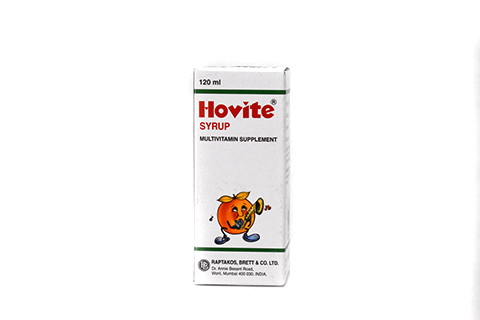
HOVITE CAPSULES
SYNTHETIC RETINOLCHOLECALCIFEROLALPHA-TOPHERYL ACETATEASCORBIC ACIDTHIAMINE NITRATERIBOFLAVINPYRODIXINE HCL NICOTANAMIDEDEXAPATHENOLCYNOCOBALAMINEBIOTINFOLIC ACIDCALCIUM PANTOTHANATEHEAVY MAGNESIUM OXIDEMAGNESIUM SULPHATE MONOHYDRATECOPPER
What it does
Acetate ascorbic is a form of vitamin C that helps support overall health and boost the immune system.
Commonly used for: vitamin C deficiency, scurvy, supporting immune function
Read more in plain English ↓Plain-language summary for general understanding - not medical advice. Always follow your pharmacist/doctor.
Ask about this medicine
Answers come only from this medicine's registration record, BNF monograph and interaction data - not medical advice.
Hard to find? We help patients in Kenya source rare medicines. We don't sell or dispense medicines - licensed pharmacies do.
Source this medicineRegistration & product details
Source: Pharmacy and Poisons Board · fetched 2026-01-28 22:00:43 · updated 2026-03-23 04:45:51
About acetateascorbic
Acetate ascorbic is a form of vitamin C that helps support overall health and boost the immune system.
What it treats
- vitamin C deficiency
- scurvy
- supporting immune function
How it works
It acts as an antioxidant, protecting cells from damage and helping the body absorb iron.
Who it's for
It is suitable for individuals needing extra vitamin C, such as those with a poor diet or certain health conditions.
AI-assisted summary grounded in BNF data - general information only, not medical advice. Always confirm with your pharmacist or doctor.
About acidcalcium
Acidcalcium is a supplement that helps maintain healthy bones and teeth by providing calcium, which is an essential mineral for the body.
What it treats
- calcium deficiency
- osteoporosis
- rickets
- osteomalacia
How it works
It supplies calcium, which is crucial for bone structure and strength, helping to prevent bone-related conditions.
Who it's for
It is suitable for individuals who need extra calcium, such as those with low dietary intake or certain medical conditions.
AI-assisted summary grounded in BNF data - general information only, not medical advice. Always confirm with your pharmacist or doctor.
About acidthiamine
Acidthiamine is a form of vitamin B1 that helps the body process carbohydrates and supports nerve function.
What it treats
- beriberi (thiamine deficiency)
- Wernicke's encephalopathy
- support for nerve health
How it works
Acidthiamine helps convert food into energy and is important for nerve health.
Who it's for
This medicine is for people who have low levels of vitamin B1 or conditions affecting nerve function.
AI-assisted summary grounded in BNF data - general information only, not medical advice. Always confirm with your pharmacist or doctor.
About monohydratecopper
Monohydrate copper is a compound used in various treatments, but specific information about its drug class, interactions, and cautions is limited.
How it works
Monohydrate copper may help in different health conditions, but its exact mechanism of action is not specified.
Who it's for
Monohydrate copper is generally used for individuals who require treatment related to copper deficiency or related conditions.
AI-assisted summary grounded in BNF data - general information only, not medical advice. Always confirm with your pharmacist or doctor.
About nicotanamidedexapathenolcynocobalaminebiotinfolic
This medication is a combination of vitamins that help support overall health and well-being.
What it treats
- vitamin deficiency
- general health support
- boosting energy levels
How it works
It provides essential vitamins that your body needs for various functions, including energy production and maintaining healthy skin and nerves.
Who it's for
This medicine is suitable for individuals needing extra vitamins or those with certain health conditions that affect vitamin absorption.
AI-assisted summary grounded in BNF data - general information only, not medical advice. Always confirm with your pharmacist or doctor.
About nitrateriboflavinpyrodixine
Nitrateriboflavinpyrodixine is a medication that may be used for certain health conditions.
How it works
The exact way nitrateriboflavinpyrodixine works in the body is not specified.
Who it's for
This medication may be suitable for individuals with specific health concerns, as advised by a healthcare professional.
AI-assisted summary grounded in BNF data - general information only, not medical advice. Always confirm with your pharmacist or doctor.
About oxidemagnesium
Oxide magnesium is a supplement often used to help with various health issues, including digestive problems.
What it treats
- indigestion
- heartburn
- stomach upset
- constipation
How it works
Oxide magnesium works by neutralizing stomach acid and helping to relieve discomfort in the digestive system.
Who it's for
This medication is suitable for adults and children who are experiencing digestive discomfort.
AI-assisted summary grounded in BNF data - general information only, not medical advice. Always confirm with your pharmacist or doctor.
About pantothanateheavy
Pantothanate is a form of vitamin B that helps your body use food for energy and is important for normal growth and development.
What it treats
- vitamin B deficiency
- metabolic disorders
How it works
It helps convert food into energy and is essential for the production of red blood cells.
Who it's for
It is suitable for people who have low levels of vitamin B or certain health conditions affecting metabolism.
AI-assisted summary grounded in BNF data - general information only, not medical advice. Always confirm with your pharmacist or doctor.
About synthetic
This synthetic medication is used to treat various health conditions.
How it works
This medication works by mimicking or affecting the body's natural processes.
Who it's for
This medication is suitable for individuals needing treatment for specific health issues as determined by a healthcare professional.
AI-assisted summary grounded in BNF data - general information only, not medical advice. Always confirm with your pharmacist or doctor.
Clinical monograph: acetateascorbic
Acetateascorbic is a synthetic derivative of ascorbic acid (vitamin C) designed to provide antioxidant properties and support collagen synthesis. It is often utilized for its potential to enhance immune function and promote skin health due to its role in collagen formation and as a cofactor in enzymatic reactions involving the metabolism of various biomolecules. Additionally, it may have applications in treating scurvy and other conditions associated with vitamin C deficiency.
Indications
- Vitamin C deficiency
- Scurvy
- Collagen-related disorders
- Skin health improvement
- Immune system support
Dosage
Children: Pediatric dosing should be based on weight and age, and it is essential to consult the BNF for Children for specific recommendations.
Adults: General adult dosing recommendations should be referred to established guidelines or pharmacological references.
Mechanism of action
Acetateascorbic acts as a potent antioxidant, scavenging free radicals and reducing oxidative stress in tissues. It also plays a crucial role in the hydroxylation of proline and lysine residues in collagen, which is essential for maintaining the structural integrity of connective tissues. The presence of acetate may enhance its stability and bioavailability compared to standard ascorbic acid.
Pharmacodynamics
The pharmacodynamic effects of acetateascorbic primarily stem from its antioxidant activity and its involvement in collagen biosynthesis. The compound helps in reducing the risk of cellular damage by neutralizing reactive oxygen species. Its role in collagen synthesis contributes to tissue repair, wound healing, and overall skin health. Additionally, it may modulate immune responses, aiding in the prevention of infections.
Pharmacokinetics
Acetateascorbic is absorbed through the gastrointestinal tract, with peak plasma concentrations occurring within 2 hours after administration. The compound is widely distributed throughout the body and is concentrated in the adrenal glands, pituitary gland, and leukocytes. It is metabolized primarily in the liver and excreted in urine. The elimination half-life is approximately 30 minutes to 2 hours, depending on the dose and the individual's health status.
Adverse effects
- Gastrointestinal disturbances
- Nausea
- Diarrhea
- Abdominal cramps
- Headache
- Skin rash
Interactions
- May interact with anticoagulants, increasing the risk of bleeding
- Antioxidants may affect the pharmacodynamic properties of some chemotherapy agents
- Iron supplements may enhance absorption when taken concurrently
Precautions
- Use with caution in patients with renal impairment
- Monitor glucose levels in diabetic patients
- Avoid excessive doses to prevent potential adverse effects
Pregnancy
Generally considered safe in pregnancy, but high doses should be avoided unless prescribed.
Breast-feeding
Excreted in breast milk, use with caution and consult a healthcare provider.
Storage
Store in a cool, dry place, away from direct sunlight. Keep out of reach of children.
Formulations
- Tablets
- Powder for solution
- Injectable solution
AI-synthesized from BNF references - general information only, not a substitute for professional medical advice or the current BNF. Verify doses with a pharmacist.
Clinical monograph: acid
Acid refers to a broad class of compounds characterized by the ability to donate protons (H+) in a chemical reaction. In a pharmacological context, specific acids, such as acetylsalicylic acid (aspirin) or ascorbic acid (vitamin C), play important roles in various therapeutic applications. Acids can influence physiological processes, including metabolism and signaling pathways, depending on their specific properties and mechanisms of action.
Indications
- Pain relief
- Anti-inflammatory treatment
- Antipyretic therapy
- Vitamin supplementation
- Antioxidant therapy
Dosage
Children: Refer to specific acid formulation and context for paediatric dosing. Consult BNF for Children for accurate dosing recommendations.
Adults: Refer to specific acid formulation and context for dosing. Consult relevant guidelines or BNF for precise dosing information.
Mechanism of action
Acids typically exert their effects by participating in biochemical reactions as proton donors. For example, in the case of acetylsalicylic acid, it inhibits the enzyme cyclooxygenase (COX), leading to a decrease in the synthesis of prostaglandins, which are mediators of inflammation and pain. This mechanism reduces inflammation, alleviates pain, and can lower fever. Other acids may act through different pathways, depending on their structure and target sites.
Pharmacodynamics
The pharmacodynamic properties of acids are variable and depend on the specific acid in question. Generally, they can modulate pH levels, influence metabolic pathways, and affect cellular signaling. For instance, ascorbic acid acts as an antioxidant, protecting cells from oxidative stress, and plays a role in collagen synthesis and immune function. The effects of acids can be dose-dependent and influenced by factors such as absorption, distribution, metabolism, and excretion.
Pharmacokinetics
The pharmacokinetics of acids varies widely depending on the specific compound. Generally, they are absorbed through the gastrointestinal tract, with some, like ascorbic acid, being actively transported. Distribution occurs via systemic circulation, with binding to plasma proteins varying among different acids. Metabolism typically involves conjugation and transformation into metabolites, which may retain therapeutic properties or be inactive. Excretion is primarily renal, with many acids being eliminated as free acids or conjugated forms.
Pregnancy
The use of acid-based medications during pregnancy should be approached with caution. Some acids may have teratogenic effects, while others may be safe. Consultation with a healthcare professional is advised.
Breast-feeding
Caution is advised when using acid-based medications during breastfeeding, as some acids may pass into breast milk and affect the infant. Consultation with a healthcare provider is recommended.
Storage
Store at room temperature, away from moisture and light. Specific storage conditions may vary depending on the type of acid.
AI-synthesized from BNF references - general information only, not a substitute for professional medical advice or the current BNF. Verify doses with a pharmacist.
Clinical monograph: acidcalcium
Acid calcium, commonly referred to as calcium acetate, is a calcium salt used primarily as a dietary supplement and phosphate binder in patients with chronic kidney disease. It helps to maintain adequate calcium levels in the body, particularly in individuals with dietary deficiencies or those undergoing dialysis. It may also assist in reducing the absorption of phosphate from the diet, thus helping to manage hyperphosphatemia, a common complication in renal failure.
Indications
- Hyperphosphatemia in chronic kidney disease
- Calcium supplementation in patients with dietary deficiency
- Management of secondary hyperparathyroidism
Dosage
Children: Refer to established guidelines and pediatric dosing resources for specific recommendations based on age, weight, and clinical condition.
Adults: Refer to established guidelines and clinical protocols for specific dosing recommendations based on individual patient needs and renal function.
Mechanism of action
Calcium acetate acts as a phosphate binder by forming insoluble calcium phosphate in the gastrointestinal tract, which reduces the absorption of dietary phosphate. This mechanism helps to lower serum phosphate levels in patients with chronic kidney disease, thereby mitigating the risk of secondary hyperparathyroidism and related bone disorders.
Pharmacodynamics
Calcium is essential for various physiological functions, including bone health, muscle contraction, and neurotransmitter release. Calcium acetate, specifically, plays a role in regulating calcium and phosphate homeostasis. It helps control parathyroid hormone secretion by lowering serum phosphate levels, which in turn can stabilize calcium levels in the body. The balance between calcium and phosphate is crucial for bone mineralization and overall skeletal health.
Pharmacokinetics
After oral administration, calcium acetate is absorbed in the gastrointestinal tract, where it dissociates to release calcium ions. Its onset of action is relatively quick, allowing for immediate effects on phosphate binding. The bioavailability of calcium from calcium acetate is influenced by dietary factors, such as the presence of food. The elimination half-life of calcium can vary, but calcium is excreted primarily through the kidneys, and patients with renal impairment may have altered pharmacokinetics.
Adverse effects
- Constipation
- Nausea
- Vomiting
- Abdominal pain
- Hypercalcemia
- Kidney stones
- Fatigue
Interactions
- Antacids (may decrease absorption of certain medications)
- Thiazide diuretics (may increase risk of hypercalcemia)
- Digitalis glycosides (risk of arrhythmias due to calcium levels)
Precautions
- Use with caution in patients with renal impairment
- Monitor serum calcium levels during treatment
- Assess for signs of hypercalcemia
- Consider potential interactions with other medications
Pregnancy
Calcium is generally considered safe during pregnancy, but excessive intake should be avoided.
Breast-feeding
Calcium is excreted in breast milk, but normal dietary levels are sufficient for breastfeeding mothers.
Storage
Store in a cool, dry place away from direct sunlight. Keep out of reach of children.
Formulations
- Calcium carbonate tablets
- Calcium citrate tablets
- Calcium gluconate injections
- Calcium lactate tablets
AI-synthesized from BNF references - general information only, not a substitute for professional medical advice or the current BNF. Verify doses with a pharmacist.
Clinical monograph: acidthiamine
Acid thiamine, also known as thiamine hydrochloride or vitamin B1, is a water-soluble vitamin that plays a crucial role in carbohydrate metabolism and is essential for the proper functioning of the nervous system. It is involved in the decarboxylation of alpha-keto acids and the hexose monophosphate shunt, contributing to energy production and the synthesis of neurotransmitters.
Indications
- Thiamine deficiency
- Wernicke's encephalopathy
- Beriberi
- Korsakoff syndrome
- Neuropathy associated with diabetes
- Supportive treatment in chronic alcoholism
Dosage
Children: Refer to the BNF for Children for specific dosing recommendations based on the child's age and condition.
Adults: Refer to the BNF for specific dosing recommendations based on the condition being treated.
Mechanism of action
Acid thiamine acts as a coenzyme for several important enzymes, including pyruvate dehydrogenase and alpha-ketoglutarate dehydrogenase. These enzymes are crucial for the metabolism of carbohydrates and the conversion of pyruvate to acetyl-CoA, which is a key step in energy production. Thiamine also plays a role in the synthesis of neurotransmitters, particularly acetylcholine, which is vital for nerve function.
Pharmacodynamics
Thiamine is absorbed in the gastrointestinal tract and is distributed throughout the body, particularly in the heart, liver, and kidneys. It exerts its effects by facilitating metabolic processes that convert carbohydrates into energy, thus preventing the accumulation of pyruvate and lactate. A deficiency in thiamine can lead to neurological symptoms and metabolic disorders, such as Wernicke's encephalopathy and Beriberi.
Pharmacokinetics
Acid thiamine is rapidly absorbed from the gastrointestinal tract, with peak plasma concentrations occurring within 1-2 hours after oral administration. It is primarily excreted in the urine as thiamine and its metabolites. The half-life of thiamine in the body is relatively short, typically around 1-2 hours, necessitating regular dietary intake to maintain adequate levels.
Pregnancy
Acidthiamine is generally considered safe during pregnancy, but it is advised to consult a healthcare provider before use.
Breast-feeding
Acidthiamine is excreted in breast milk; caution should be exercised and a healthcare provider should be consulted.
Storage
Store in a cool, dry place away from direct sunlight. Keep out of reach of children.
Formulations
- Tablets
- Injectable solution
AI-synthesized from BNF references - general information only, not a substitute for professional medical advice or the current BNF. Verify doses with a pharmacist.
Clinical monograph: monohydratecopper
Monohydrate copper, commonly referred to as copper(II) sulfate pentahydrate, is an inorganic compound that is widely utilized in various applications, including agriculture, industry, and medicine. In the medical field, it has been investigated for its potential role in treating copper deficiency and certain skin conditions. Copper is an essential trace element involved in numerous biological processes, including the formation of red blood cells, the maintenance of nerve cells, and the absorption of iron.
Indications
- Copper deficiency
- Wilson's disease (copper accumulation disorder)
- Certain skin conditions (e.g., wounds, ulcers)
Dosage
Children: Refer to established guidelines or clinical protocols for specific dosing recommendations, as they may vary based on the condition being treated and individual patient factors.
Adults: Refer to established guidelines or clinical protocols for specific dosing recommendations, as they may vary based on the condition being treated and individual patient factors.
Mechanism of action
Copper acts as a cofactor for various enzymes, including cytochrome c oxidase, superoxide dismutase, and lysyl oxidase, which are critical for oxidizing substrates and facilitating electron transport in cellular respiration. Its role in enzymatic functions helps maintain normal physiological processes and supports the immune system's function.
Pharmacodynamics
The pharmacodynamic effects of monohydrate copper are primarily related to its essential role as a trace element. Adequate copper levels support hematopoiesis, connective tissue formation, and neurological function. Copper deficiency can lead to anemia, bone abnormalities, and impaired immune responses, while excess copper can be toxic and cause oxidative stress.
Pharmacokinetics
Copper is absorbed in the gastrointestinal tract, with absorption efficiency varying based on dietary intake and the presence of other minerals. Once absorbed, copper is transported in the bloodstream bound to proteins such as ceruloplasmin. It is stored primarily in the liver, with regulated excretion occurring through bile. The half-life of copper in the body varies, but it is typically measured in days to weeks.
Adverse effects
- Gastrointestinal upset
- Nausea
- Vomiting
- Diarrhea
- Abdominal cramps
Precautions
- Monitor for signs of copper toxicity
- Use cautiously in patients with liver disease
Pregnancy
Safety during pregnancy has not been established; use only if clearly needed.
Breast-feeding
Copper is a trace element that is essential for health; consult a healthcare provider for advice.
Storage
Store in a cool, dry place, away from direct sunlight.
Formulations
- Copper sulfate monohydrate
- Copper chelates
AI-synthesized from BNF references - general information only, not a substitute for professional medical advice or the current BNF. Verify doses with a pharmacist.
Clinical monograph: nicotanamidedexapathenolcynocobalaminebiotinfolic
Nicotinamide, dexpanthenol, cyanocobalamin, biotin, and folic acid are vitamins and vitamin-like substances that play essential roles in various metabolic processes in the body. They are often combined in formulations to support overall health, particularly in conditions related to deficiency or increased metabolic demand. Each component has specific functions: nicotinamide is involved in energy metabolism, dexpanthenol acts as a precursor to coenzyme A, cyanocobalamin is crucial for red blood cell formation and neurological function, biotin supports carbohydrate and fat metabolism, and folic acid is vital for DNA synthesis and repair. This combination may be used to address deficiencies, support energy metabolism, and promote overall well-being.
Mechanism of action
Nicotinamide functions as a precursor to nicotinamide adenine dinucleotide (NAD+), a coenzyme involved in redox reactions. Dexpanthenol is converted in the body to pantothenic acid, which is essential for the synthesis of coenzyme A. Cyanocobalamin is converted to coenzymes that participate in methylation reactions, critical for cellular metabolism. Biotin serves as a cofactor for carboxylase enzymes, facilitating the metabolism of fatty acids, amino acids, and glucose. Folic acid is converted into tetrahydrofolate, necessary for nucleotide synthesis and methylation processes, influencing DNA and RNA synthesis.
Pharmacodynamics
The combination of these vitamins contributes to various biochemical pathways that enhance cellular metabolism, energy production, and hematopoiesis. Nicotinamide enhances the availability of NAD+, promoting oxidative phosphorylation and ATP production. Dexpanthenol supports the synthesis of coenzyme A, crucial for fatty acid metabolism. Cyanocobalamin's role in red blood cell formation is significant in preventing anemia, while biotin's involvement in metabolic processes supports overall energy levels. Folic acid's role in nucleotide synthesis is vital for rapid cell division and growth, making it particularly important during periods of increased cellular turnover.
Pharmacokinetics
Nicotinamide is well absorbed from the gastrointestinal tract and is widely distributed in body tissues. It is metabolized primarily in the liver and excreted via the kidneys. Dexpanthenol is also readily absorbed and converted to pantothenic acid, with a similar distribution and elimination profile. Cyanocobalamin absorption requires intrinsic factor and occurs primarily in the
Pregnancy
Consult a healthcare professional before use. Safety during pregnancy has not been established for all components.
Breast-feeding
Consult a healthcare professional before use. Safety during breastfeeding has not been established for all components.
Storage
Store in a cool, dry place, away from direct sunlight. Keep out of reach of children.
AI-synthesized from BNF references - general information only, not a substitute for professional medical advice or the current BNF. Verify doses with a pharmacist.
Clinical monograph: nitrateriboflavinpyrodixine
Nitrateriboflavinpyrodixine is a synthetic compound that combines nitrates with vitamin B2 (riboflavin) and vitamin B6 (pyridoxine). It is primarily utilized in the management of certain conditions related to vitamin deficiencies, particularly in cases where both riboflavin and pyridoxine are needed to support metabolic processes. Its unique structure may also lend it some pharmacological properties associated with nitrates, commonly known for their vasodilatory effects.
Indications
- Vitamin B2 deficiency
- Vitamin B6 deficiency
- Support in metabolic disorders
- Conditions requiring enhanced vasodilation
Dosage
Children: Refer to the BNF for Children for specific dosing recommendations.
Adults: Refer to the specific guidelines provided in the BNF or consult a healthcare professional for appropriate dosing.
Mechanism of action
Nitrateriboflavinpyrodixine acts as a nitrate which, upon metabolism, releases nitric oxide (NO). Nitric oxide is a potent vasodilator that relaxes vascular smooth muscle, leading to increased blood flow and reduced blood pressure. Additionally, riboflavin and pyridoxine are essential cofactors in various enzymatic reactions within the body, contributing to energy metabolism and neurotransmitter synthesis.
Pharmacodynamics
The pharmacodynamics of nitrateriboflavinpyrodixine involve the vasodilatory effects mediated by the release of nitric oxide from nitrates. This leads to relaxation of vascular smooth muscle, decreased preload and afterload on the heart, and improved oxygen delivery to tissues. Riboflavin and pyridoxine support numerous metabolic pathways, enhancing their significance in maintaining cellular health and function.
Pharmacokinetics
Nitrateriboflavinpyrodixine is absorbed in the gastrointestinal tract, with its bioavailability potentially influenced by food intake. The compound is expected to undergo hepatic metabolism, with the nitrates being converted to nitric oxide and other metabolites. Elimination from the body occurs primarily through the kidneys, with renal excretion of both the nitrate component and the water-soluble vitamins.
AI-synthesized from BNF references - general information only, not a substitute for professional medical advice or the current BNF. Verify doses with a pharmacist.
Clinical monograph: oxidemagnesium
Oxide magnesium, commonly known as magnesium oxide, is a white solid inorganic compound. It is widely used as a dietary supplement and in the treatment of various conditions related to magnesium deficiency. Magnesium plays a critical role in numerous biological processes, including muscle function, nerve transmission, energy production, and bone health.
Indications
- Magnesium deficiency
- Constipation
- Heartburn
- Gastroesophageal reflux disease (GERD)
- Preventive treatment of migraine headaches
Dosage
Children: Refer to the BNF for Children for appropriate dosing in paediatric patients.
Adults: Refer to specific guidelines or the BNF for appropriate dosing; typical adult doses range from 250 mg to 1000 mg of magnesium oxide daily, depending on the indication.
Mechanism of action
Magnesium oxide acts as a source of magnesium ions in the body, which are essential for many enzymatic reactions. It helps in stabilizing the structure of proteins, nucleic acids, and cellular membranes. When ingested, magnesium oxide dissociates in the gastrointestinal tract to release magnesium, which is then absorbed and utilized in various physiological processes.
Pharmacodynamics
The pharmacodynamics of magnesium oxide relate to its role in neuromuscular transmission and muscle contraction. Magnesium is a cofactor for over 300 enzymatic reactions, including those involved in the synthesis of ATP, the energy currency of the cell. It also helps regulate calcium levels in the body, which is vital for maintaining normal muscle and nerve function. Additionally, magnesium has a calming effect on the nervous system and can influence mood and sleep patterns.
Pharmacokinetics
After oral administration, magnesium oxide is poorly absorbed in the gastrointestinal tract, with absorption varying widely among individuals. It is primarily absorbed in the small intestine, where it is converted to magnesium ions. The bioavailability of magnesium from magnesium oxide is lower compared to other forms of magnesium supplements. Once absorbed, magnesium is distributed throughout the body, with significant amounts stored in bones, muscles, and soft tissues. Renal excretion is the main route of elimination, and the kidneys play a critical role in maintaining magnesium homeostasis.
Contra-indications
- Severe renal impairment
- Hypermagnesemia
- Bowel obstruction
Adverse effects
- Diarrhea
- Nausea
- Abdominal cramping
- Electrolyte imbalance
- Hypotension (with excessive doses)
Interactions
- May interfere with the absorption of certain medications, such as tetracycline antibiotics
- May potentiate the effects of neuromuscular blockers
Precautions
- Use cautiously in patients with renal insufficiency
- Monitor electrolyte levels during prolonged use
- Assess for signs of magnesium toxicity
Pregnancy
Magnesium compounds are generally considered safe during pregnancy but should be used under medical supervision.
Breast-feeding
Magnesium is excreted in breast milk; however, it is typically considered safe.
Storage
Store in a cool, dry place, away from direct sunlight and moisture.
Formulations
- Oral tablets
- Powder for suspension
- Liquid preparations
AI-synthesized from BNF references - general information only, not a substitute for professional medical advice or the current BNF. Verify doses with a pharmacist.
Clinical monograph: pantothanateheavy
Pantothenate, also known as vitamin B5 or pantothenic acid, is a water-soluble vitamin that is essential for the synthesis of coenzyme A (CoA) and the metabolism of carbohydrates, fats, and proteins. It plays a critical role in various biochemical pathways, including the synthesis of steroid hormones, neurotransmitters, and hemoglobin.
Indications
- Pantothenic acid deficiency
- Support for energy metabolism
- Adjuvant therapy in certain metabolic disorders
Dosage
Children: Refer to appropriate clinical guidelines and consult with a healthcare professional for specific dosing information.
Adults: Refer to appropriate clinical guidelines and consult with a healthcare professional for specific dosing information.
Mechanism of action
Pantothenate is a precursor of coenzyme A, which is vital for various enzymatic reactions, including the metabolism of fatty acids and the synthesis of acetylcholine. Coenzyme A is involved in the transfer of acyl groups in metabolic pathways, facilitating the conversion of carbohydrates, proteins, and fats into energy.
Pharmacodynamics
Pantothenic acid is essential for cellular metabolism and energy production. It aids in the synthesis of fatty acids, cholesterol, and hormones. As a cofactor in enzyme reactions, it helps in the conversion of food into energy, supporting overall metabolic health and function. Deficiency can lead to symptoms such as fatigue, irritability, and impaired immune function.
Pharmacokinetics
Pantothenic acid is readily absorbed from the gastrointestinal tract and is widely distributed in body tissues. It is metabolized in the liver and excreted primarily via urine. The half-life of pantothenic acid in the body is relatively short, necessitating regular dietary intake to maintain adequate levels.
Pregnancy
There is limited data on the safety of pantothenate during pregnancy. It is advised to consult a healthcare professional before use.
Breast-feeding
Pantothenate is generally considered safe during breastfeeding, but it is best to consult a healthcare professional.
Storage
Store in a cool, dry place away from direct sunlight. Keep out of reach of children.
AI-synthesized from BNF references - general information only, not a substitute for professional medical advice or the current BNF. Verify doses with a pharmacist.
Clinical monograph: synthetic
Synthetic refers to a class of drugs that are artificially created through chemical processes rather than being derived from natural sources. These drugs can mimic the effects of naturally occurring substances in the body and are often designed to target specific pathways for therapeutic effects.
Indications
- Pain management
- Anxiety disorders
- Depression
- Attention-deficit hyperactivity disorder (ADHD)
- Substance use disorders
- Certain types of cancer
Dosage
Children: Refer to BNF for Children for specific paediatric dosing information as it varies widely among synthetic drugs.
Adults: Refer to specific product guidelines or BNF for dosing information as it varies widely among synthetic drugs.
Mechanism of action
Synthetic drugs can act through various mechanisms depending on their structure and intended use. They may function by inhibiting or activating specific receptors, modulating enzyme activity, or affecting neurotransmitter levels in the brain. For example, some synthetic opioids bind to the mu-opioid receptors in the central nervous system, producing analgesic effects.
Pharmacodynamics
The pharmacodynamics of synthetic drugs varies widely based on their chemical composition and target receptors. Generally, these drugs can produce a range of effects from sedation and analgesia to stimulation and increased energy. The potency and efficacy of synthetic drugs depend on their affinity for specific receptors and their ability to cross biological membranes.
Pharmacokinetics
Pharmacokinetics of synthetic drugs involves absorption, distribution, metabolism, and excretion (ADME). These drugs are typically well absorbed after administration, with bioavailability varying by route. They may be extensively metabolized in the liver, often resulting in active metabolites. Elimination half-lives can differ significantly, affecting dosing regimens and potential accumulation in the body.
Pregnancy
The safety of synthetic compounds during pregnancy varies widely. Always assess the specific compound and consult relevant guidelines.
Breast-feeding
The safety of synthetic compounds during breastfeeding depends on the specific compound. Consult relevant guidelines for each individual case.
Storage
Store in a cool, dry place, away from direct sunlight. Specific storage conditions may vary based on the individual compound.
AI-synthesized from BNF references - general information only, not a substitute for professional medical advice or the current BNF. Verify doses with a pharmacist.
This drug in other countries
The same active ingredient registered across other registries we cover - including different brands.