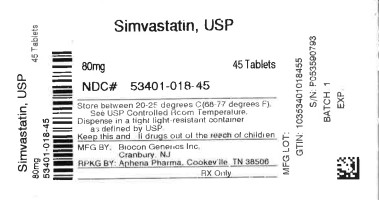
(simvastatin · DailyMed)
INEGY 10/40 MG
EZETIMIBE/SIMVASTATIN
What it does
Ezetimibe is a medication that helps lower cholesterol levels in the blood.
Commonly used for: high cholesterol (hyperlipidemia)
Read more in plain English ↓Plain-language summary for general understanding - not medical advice. Always follow your pharmacist/doctor.
Ask about this medicine
Answers come only from this medicine's registration record, BNF monograph and interaction data - not medical advice.
Hard to find? We help patients in Kenya source rare medicines. We don't sell or dispense medicines - licensed pharmacies do.
Source this medicineRegistration & product details
Source: Pharmacy and Poisons Board · fetched 2026-01-28 20:39:00 · updated 2026-07-26 11:29:33
Drug Interactions
126Pharmacodynamic Warnings
Simvastatin appears in TABLE 1: Drugs that cause hepatotoxicity
Severe (10)
Simvastatin - increases exposure
Cobicistat is predicted to increase the exposure to statins (simvastatin). Avoid.
Simvastatin - increases exposure
Idelalisib is predicted to increase the exposure to statins (simvastatin). Avoid.
Simvastatin - increases exposure
Letermovir is predicted to increase the exposure to statins (rosuvastatin, simvastatin). Avoid.
Simvastatin - increases exposure
Clarithromycin is predicted to increase the exposure to statins (simvastatin). Avoid.
Simvastatin - increases exposure
Erythromycin markedly increases the exposure to statins (simvastatin). Avoid.
Simvastatin - increases exposure
Ribociclib (high-dose) is predicted to increase the exposure to statins (simvastatin). Avoid.
Statins - increases exposure
Darolutamide is predicted to increase the exposure to statins (atorvastatin, fluvastatin, rosuvastatin). Avoid.
Statins - increases exposure
Posaconazole is predicted to increase the exposure to statins (atorvastatin). Avoid.
Statins - increases exposure
Tedizolid is predicted to increase the exposure to statins (atorvastatin, fluvastatin, rosuvastatin). Avoid.
Statins - increases exposure
Voxilaprevir with sofosbuvir and velpatasvir markedly increases the exposure to statins (rosuvastatin). Avoid.
Moderate (38)
Simvastatin - increases exposure
Dronedarone moderately increases the exposure to statins (simvastatin). Monitor and adjust dose.
Simvastatin - increases exposure
Fluconazole is predicted to increase the exposure to statins (atorvastatin, simvastatin). Monitor and adjust dose. Also see TABLE 1 p. 1517.
Simvastatin - increases exposure
Isavuconazole is predicted to increase the exposure to statins (simvastatin). Monitor and adjust dose.
Simvastatin - decreases exposure
Cenobamate is predicted to decrease the exposure to statins (simvastatin). Adjust dose.
Simvastatin - increases exposure
Crizotinib is predicted to increase the exposure to statins (simvastatin). Monitor and adjust dose.
Unknown (78)
Bulevirtide - affects efficacy
Ezetimibeispredictedtoaffecttheefficacyofbulevirtide. Avoid.rTheoretical
Daptomycin - increases risk of rhabdomyolysis
Statins are predicted to increase the risk of rhabdomyolysis when given with daptomycin. Daratumumab → see monoclonal antibodies Darbepoetin alfa → see TABLE 5 p. 1518 (thromboembolism), TABLE 16 p. 1
Daptomycin - increases risk of rhabdomyolysis e
Statins are predicted to increase the risk of rhabdomyolysis when given with daptomycin.
Simvastatin - decreases exposure
Enzalutamide is predicted to decrease the exposure to statins (atorvastatin, simvastatin).
Simvastatin - increases concentration
Darolutamide is predicted to increase the concentration of statins (pravastatin, simvastatin).
Data from BNF 85 (British National Formulary). This is not a substitute for professional medical advice. Matched via: exact
About ezetimibe
Ezetimibe is a medication that helps lower cholesterol levels in the blood.
What it treats
- high cholesterol (hyperlipidemia)
How it works
It works by reducing the amount of cholesterol your body absorbs from the food you eat.
Who it's for
This medication is for adults and children over the age of 10 who need help managing their cholesterol levels.
AI-assisted summary grounded in BNF data - general information only, not medical advice. Always confirm with your pharmacist or doctor.
About simvastatin
Simvastatin is a medication that helps lower cholesterol levels in the blood.
What it treats
- high cholesterol (hyperlipidemia)
- preventing heart disease
- reducing the risk of strokes
How it works
It works by blocking a substance your body needs to make cholesterol, which helps lower overall cholesterol levels.
Who it's for
Simvastatin is for adults who have high cholesterol or are at risk of heart disease.
Drug class
Statins
Cautions
- • Avoid using with other drugs that can harm the liver.
AI-assisted summary grounded in BNF data - general information only, not medical advice. Always confirm with your pharmacist or doctor.
Clinical monograph: Ezetimibe
BNF-referencedEzetimibe is a cholesterol absorption inhibitor used primarily to lower lipid levels in the blood. It works by selectively inhibiting the intestinal absorption of cholesterol and phytosterols, leading to a decrease in the delivery of intestinal cholesterol to the liver, which in turn reduces hepatic cholesterol stores and increases clearance from the bloodstream. This medication is often used in conjunction with statins for enhanced lipid-lowering effects.
Indications
- Adjunct to dietary measures in primary hypercholesterolaemia
- Adjunct to dietary measures and statin treatment in homozygous familial hypercholesterolaemia
- Adjunct to dietary measures in homozygous sitosterolaemia
Dosage
Children: Refer to the BNF for Children for appropriate dosing information, as the
Adults: The typical adult dosage of ezetimibe is 10 mg once daily.
Mechanism of action
Ezetimibe mediates its cholesterol-lowering effects by selectively inhibiting the absorption of cholesterol and phytosterols in the small intestine. It primarily targets the Niemann-Pick C1-Like 1 (NPC1L1) protein, which is vital for the internalization of free cholesterol into enterocytes. By blocking this protein at the jejunal brush border, ezetimibe reduces intestinal cholesterol uptake, consequently lowering hepatic cholesterol levels and enhancing cholesterol clearance from the blood.
Pharmacodynamics
Ezetimibe effectively reduces levels of total cholesterol, low-density lipoprotein cholesterol (LDL-C), apoprotein B (Apo B), non-high-density lipoprotein cholesterol (non-HDL-C), and triglycerides while increasing high-density lipoprotein cholesterol (HDL-C) in patients with hyperlipidemia. Its lipid-lowering effects are significantly enhanced when used in combination with statins or fenofibrate, resulting in substantial reductions in LDL levels and modest increases in HDL-C.
Pharmacokinetics
Ezetimibe is absorbed in the gastrointestinal tract and undergoes extensive first-pass metabolism to its active form. The elimination half-life is approximately 22 hours, and it is primarily excreted in the bile. The pharmacokinetics may be affected by hepatic impairment, and its use is not recommended in patients with significant liver disease. Ezetimibe does not require exocrine pancreatic function for its activity.
Contra-indications
- Gall bladder disease
- Hypoalbuminaemia
- Nephrotic syndrome
- Severe hepatic impairment
Adverse effects
- Common or very common: Asthenia, gastrointestinal discomfort, decreased appetite, diarrhea, dizziness, headache, muscle complaints
- Uncommon: Acute kidney injury, alopecia, cholestasis, erectile dysfunction, nausea, photosensitivity reaction
- Rare or very rare: Cholelithiasis, depression, insomnia, interstitial lung disease, pancreatitis, pancytopenia, peripheral neuropathy, rhabdomyolysis
Interactions
- Ciclosporin: Increases exposure to ciclosporin when co-administered
- Bulevirtide: Unknown interaction affecting efficacy
Precautions
- Use with caution in patients with moderate to severe hepatic impairment
- Monitor for signs of muscle pain or weakness, especially if used concurrently with statins
Pregnancy
Manufacturer advises use only if potential benefit outweighs risk; no information available.
Breast-feeding
Manufacturer advises avoiding use; no information available.
Storage
Store at room temperature, away from moisture and heat.
Formulations
- Ezetimibe 10 mg tablets
AI-synthesized from BNF references - general information only, not a substitute for professional medical advice or the current BNF. Verify doses with a pharmacist.
Clinical monograph: Simvastatin
BNF-referencedSimvastatin is a member of the statin class of drugs, primarily used as an antilipemic agent to lower cholesterol levels in patients with hyperlipidaemia. It works by inhibiting HMG-CoA reductase, an enzyme crucial for cholesterol biosynthesis, ultimately reducing low-density lipoprotein (LDL) and triglyceride levels while increasing high-density lipoprotein (HDL) levels. This drug is part of a comprehensive strategy to reduce the risk of cardiovascular events and manage associated conditions such as atherosclerosis.
Mechanism of action
Simvastatin is a prodrug that is hydrolyzed in vivo to its active metabolite, which resembles HMG-CoA. This metabolite competes with HMG-CoA for the active site of HMG-CoA reductase, thereby inhibiting cholesterol synthesis. The reduction in hepatic cholesterol concentrations enhances the upregulation of LDL receptors, facilitating increased clearance of LDL from the bloodstream. Additionally, simvastatin inhibits the synthesis of very low-density lipoprotein (VLDL), contributing to its lipid-lowering effects. Beyond its cholesterol-lowering properties, simvastatin has been shown to exert vasculoprotective effects, known as pleiotropic effects.
Pharmacodynamics
Simvastatin effectively lowers total cholesterol, LDL cholesterol, apolipoprotein B, non-HDL cholesterol, and triglyceride levels, while increasing HDL cholesterol concentrations. Elevated levels of LDL and triglycerides are associated with an increased risk of atherosclerosis and cardiovascular diseases (CVD). By modulating these lipid levels, simvastatin reduces cardiovascular morbidity and mortality. The balance of cholesterol levels, particularly the total cholesterol to HDL ratio, serves as a predictive marker for coronary artery disease, with statins like simvastatin demonstrating significant cost-effectiveness in CVD management.
Pharmacokinetics
Simvastatin is administered orally and exhibits a peak plasma concentration within 1 to 2 hours post-dose. It is extensively metabolized in the liver, primarily by CYP3A4, with a half-life of approximately 1 to 2 hours. The drug's bioavailability is approximately 5% due to extensive first-pass metabolism. Simvastatin and its metabolites are primarily excreted via bile, with only a small fraction eliminated through urine. The pharmacokinetic profile necessitates caution in patients with renal impairment, particularly for higher doses.
Contra-indications
- Active liver disease
- Pregnancy
- Hypersensitivity to simvastatin or any component of the formulation
Adverse effects
- Myopathy
- Rhabdomyolysis
- Hepatic enzyme abnormalities
- Gastrointestinal disturbances
- Headache
- Dizziness
- Sleep disturbances
- Skin rash
- Increased creatine kinase levels
Interactions
- Cobicistat (severe increase in exposure)
- Idelalisib (severe increase in exposure)
- Letermovir (severe increase in exposure)
- Clarithromycin (severe increase in exposure)
- Erythromycin (severe increase in exposure)
- Ribociclib (severe increase in exposure)
- Dronedarone (moderate increase in exposure)
- Fluconazole (moderate increase in exposure)
- Isavuconazole (moderate increase in exposure)
- Cenobamate (moderate decrease in exposure)
- Amiodarone (max 20 mg daily)
- Amlodipine (max 20 mg daily)
- Verapamil (max 20 mg daily)
- Diltiazem (max 20 mg daily)
- Bezafibrate (max 10 mg daily)
- Ciprofibrate (max 10 mg daily)
- Lomitapide (max 40 mg daily)
- Ticagrelor (max 20 mg daily)
- Elbasvir with grazoprevir (max 20 mg daily)
- Bempedoic acid (max 20 mg daily with concurrent use)
Precautions
- Use with caution in patients with renal impairment
- Monitor liver function tests before and during treatment
- Consider routine monitoring of renal function
- Counsel patients regarding the risk of myopathy and rhabdomyolysis
- Assess for any potential drug interactions prior to initiation
Pregnancy
Manufacturer advises avoiding use during pregnancy due to potential risks.
Breast-feeding
Manufacturer advises avoiding use during breastfeeding due to lack of safety data.
Storage
Store at room temperature, away from moisture and
AI-synthesized from BNF references - general information only, not a substitute for professional medical advice or the current BNF. Verify doses with a pharmacist.
Molecular reference: Ezetimibe
PubChem CID 150311Molecular formula: C24H21F2NO3
Mechanism of action
Ezetimibe mediates its blood cholesterol-lowering effect via selectively inhibiting the absorption of cholesterol and phytosterol by the small intestine without altering the absorption of fat-soluble vitamins and nutrients. The primary target of ezetimibe is the cholesterol transport protein Niemann-Pick C1-Like 1 (NPC1L1) protein. NPC1L1 is expressed on enterocytes/gut lumen (apical) as well as the hepatobiliary (canalicular) interface and plays a role in facilitating internalization of free cholesterol into the enterocyte in conjunction with the adaptor protein 2 (AP2) complex and clathrin. Once cholesterol in the gut lumen or bile is incorporated into the cell membrane of enterocytes, it binds to the sterol-sensing domain of NPC1L1 and forms a NPC1L1/cholesterol complex. The complex is then internalized or endocytosed by joining to AP2 clathrin, forming a vesicle complex that is translocated for storage in the endocytic recycling compartment. Ezetimibe does not require exocrine pancreatic function for its pharmacological activity; rather, it localizes and appears to act at the brush border of the small intestine. Ezetimibe selectively blocks the NPC1L1 protein in the jejunal brush border, reducing the uptake of intestinal lumen micelles into the enterocyte. Overall, ezetimibe causes a decrease in the delivery of intestinal cholesterol to the liver and reduction of hepatic cholesterol stores and an increase in clearance of cholesterol from the blood. While the full mechanism of action of ezetimibe in reducing the entry of cholesterol into both enterocytes and hepatocytes is not fully understood, one study proposed that ezetimibe prevents the NPC1L1/sterol complex from interacting with AP2 in clathrin coated vesicles and induces a conformational change in NPC1L1, rendering it incapable of binding to sterols. Another study suggested that ezetimibe disrupts the function of other protein complexes involved in regulating cholesterol uptake, including the CAV1–annexin 2 heterocomplex. Niemann-Pick C1-like 1 (NPC1L1) is a polytopic transmembrane protein that plays a critical role in cholesterol absorption. Ezetimibe, a hypocholesterolemic drug, has been reported to bind NPC1L1 and block cholesterol absorption. However, the molecular mechanism of NPC1L1-mediated cholesterol uptake and how ezetimibe inhibits this process are poorly defined. Here we find that cholesterol specifically promotes the internalization of NPC1L1 and that this process requires microfilaments and the clathrin/AP2 complex. Blocking NPC1L1 endocytosis dramatically decreases cholesterol internalization, indicating that NPC1L1 mediates cholesterol uptake via its vesicular endocytosis. Ezetimibe prevents NPC1L1 from incorporating into clathrin-coated vesicles and thus inhibits cholesterol uptake. ... Niemann-Pick C1-like protein (NPC1L1) mediates the absorption of dietary cholesterol in the proximal region of the intestine, a process that is blocked by cholesterol absorption inhibitors (CAIs), including ezetimibe. Using a proteomic approach, /it is/ demonstrated that NPC1L1 is the protein to which ezetimibe and its analogs bind. Next, ... the site of interaction of ezetimibe analogs /was determined/ with NPC1L1 by exploiting the different binding affinities of mouse and dog NPC1L1 for the radioligand analog of ezetimibe, [(3)H]AS. Chimeric and mutational studies indicate that high-affinity binding of [(3)H]AS to dog NPC1L1 depends on molecular determinants present in a 61-aa region of a large extracellular domain (loop C), where Phe-532 and Met-543 appear to be key contributors. These data suggest that the [(3)H]AS-binding site resides in the intestinal lumen and are consistent with preclinical data demonstrating in vivo efficacy of a minimally bioavailable CAI. Furthermore, these determinants of [(3)H]AS binding lie immediately adjacent to a hotspot of human NPC1L1 polymorphisms correlated with hypoabsorption of cholesterol. These observations, taken together wit
Pharmacodynamics
Ezetimibe was shown to reduce the levels of total cholesterol (total-C), low-density lipoprotein cholesterol (LDL-C), apoprotein B (Apo B), non-high-density lipoprotein cholesterol (non-HDL-C), and triglycerides (TG), and increase high-density lipoprotein cholesterol (HDL-C) in patients with hyperlipidemia. This therapeutic effect was more profound when ezetimibe was co-administered with a statin or fenofibrate compared to either treatment alone. In clinical trials involving patients with homozygous and heterozygous familial hypercholesterolemia and in those with sitosterolemia, a recommended therapeutic dose of ezetimibe was effective in reducing the LDL levels by 15-20% while increasing HDL-C by 2.5-5%. The effects of increased exposure to ezetimibe secondary to moderate-severe hepatic impairment have not been assessed - patients meeting these criteria should avoid the use of ezetimibe. Post-marketing reports indicate the potential for myopathy and rhabdomyolysis in patients taking ezetimibe, and this risk appears to be exacerbated in patients concurrently receiving, or having recently received, statin therapy.
Biological pathways
Source: PubChem (NCBI) · pathways from PathBank, Reactome, WikiPathways & PharmGKB.
Molecular reference: Simvastatin
PubChem CID 54454Molecular formula: C25H38O5
Mechanism of action
Simvastatin is a prodrug in which the 6-membered lactone ring of simvastatin is hydrolyzed <i>in vivo</i> to generate the beta,delta-dihydroxy acid, an active metabolite structurally similar to HMG-CoA (hydroxymethylglutaryl CoA). Once hydrolyzed, simvastatin competes with HMG-CoA for HMG-CoA reductase, a hepatic microsomal enzyme, which catalyzes the conversion of HMG-CoA to mevalonate, an early rate-limiting step in cholesterol biosynthesis. Simvastatin acts primarily in the liver, where decreased hepatic cholesterol concentrations stimulate the upregulation of hepatic low density lipoprotein (LDL) receptors which increases hepatic uptake of LDL. Simvastatin also inhibits hepatic synthesis of very low density lipoprotein (VLDL). The overall effect is a decrease in plasma LDL and VLDL. At therapeutic doses, the HMG-CoA enzyme is not completely blocked by simvastatin activity, thereby allowing biologically necessary amounts of mevalonate to remain available. As mevalonate is an early step in the biosynthetic pathway for cholesterol, therapy with simvastatin would also not be expected to cause any accumulation of potentially toxic sterols. In addition, HMG-CoA is metabolized readily back to acetyl-CoA, which participates in many biosynthetic processes in the body. In vitro and in vivo animal studies also demonstrate that simvastatin exerts vasculoprotective effects independent of its lipid-lowering properties, also known as the pleiotropic effects of statins. This includes improvement in endothelial function, enhanced stability of atherosclerotic plaques, reduced oxidative stress and inflammation, and inhibition of the thrombogenic response. Statins have also been found to bind allosterically to β2 integrin function-associated antigen-1 (LFA-1), which plays an important role in leukocyte trafficking and in T cell activation. Simvastatin is a prodrug and is hydrolyzed to its active beta-hydroxyacid form, simvastatin acid, after administration. Simvastatin is a specific inhibitor of 3-hydroxy-3-methylglutaryl-coenzyme A (HMG-CoA) reductase, the enzyme that catalyzes the conversion of HMG-CoA to mevalonate, an early and rate limiting step in the biosynthetic pathway for cholesterol. In addition, simvastatin reduces VLDL and TG and increases HDL-C. The HDL-associated enzyme paraoxonase protects LDLs from oxidative stress. 3-Hydroxy-3-methylglutaryl coenzyme A reductase inhibitors (statins) appear to favorably influence the atherosclerotic process by different mechanisms. The present study examined the influence of simvastatin on paraoxonase expression and serum paraoxonase levels. Simvastatin upregulated in a dose-dependent manner the activity of the promoter of the paraoxonase gene in expression cassettes transfected into HepG2 cells. Upregulation could be blocked by mevalonate and other intermediates of the cholesterol biosynthetic pathway. Simvastatin increased nuclear factors, notably sterol regulatory element-binding protein-2, capable of binding to the paraoxonase promoter; this was also blocked by mevalonate. Sterol regulatory element-binding protein-2 upregulated promoter activity in vitro. Patients treated with statin showed a significant increase in serum concentrations and activities of paraoxonase. The data indicate that simvastatin can modulate expression in vitro of the antioxidant enzyme paraoxonase and is associated with increased serum paraoxonase concentration and activity. It is consistent with effects of simvastatin treatment, which have the potential to influence beneficially antiatherogenic mechanisms at the HDL level. The study provides evidence for 1 molecular mechanism by which paraoxonase gene expression could be regulated. ... We report in this work that, unexpectedly, simvastatin enhances LPS-induced IL-12p40 production by murine macrophages, and that it does so by activating the IL-12p40 promoter. Mutational analysis and dominant-negative expression studies indicate that both C/EBP and AP-1 transcri
Pharmacodynamics
Simvastatin is an oral antilipemic agent which inhibits HMG-CoA reductase. It is used to lower total cholesterol, low density lipoprotein-cholesterol (LDL-C), apolipoprotein B (apoB), non-high density lipoprotein-cholesterol (non-HDL-C), and trigleride (TG) plasma concentrations while increasing HDL-C concentrations. High LDL-C, low HDL-C and high TG concentrations in the plasma are associated with increased risk of atherosclerosis and cardiovascular disease. The total cholesterol to HDL-C ratio is a strong predictor of coronary artery disease and high ratios are associated with higher risk of disease. Increased levels of HDL-C are associated with lower cardiovascular risk. By decreasing LDL-C and TG and increasing HDL-C, rosuvastatin reduces the risk of cardiovascular morbidity and mortality. Elevated cholesterol levels, and in particular, elevated low-density lipoprotein (LDL) levels, are an important risk factor for the development of CVD. Use of statins to target and reduce LDL levels has been shown in a number of landmark studies to significantly reduce the risk of development of CVD and all-cause mortality. Statins are considered a cost-effective treatment option for CVD due to their evidence of reducing all-cause mortality including fatal and non-fatal CVD as well as the need for surgical revascularization or angioplasty following a heart attack. Evidence has shown that even for low-risk individuals (with <10% risk of a major vascular event occurring within 5 years) statins cause a 20%-22% relative reduction in major cardiovascular events (heart attack, stroke, coronary revascularization, and coronary death) for every 1 mmol/L reduction in LDL without any significant side effects or risks. **Skeletal Muscle Effects** Simvastatin occasionally causes myopathy manifested as muscle pain, tenderness or weakness with creatine kinase (CK) above ten times the upper limit of normal (ULN). Myopathy sometimes takes the form of rhabdomyolysis with or without acute renal failure secondary to myoglobinuria, and rare fatalities have occurred. Predisposing factors for myopathy include advanced age (≥65 years), female gender, uncontrolled hypothyroidism, and renal impairment. Chinese patients may also be at increased risk for myopathy. In most cases, muscle symptoms and CK increases resolved when treatment was promptly discontinued. In a clinical trial database of 41,413 patients, the incidence of myopathy was approximately 0.03% and 0.08% at 20 and 40 mg/day, respectively, while the risk of myopathy with simvastatin 80 mg (0.61%) was disproportionately higher than that observed at the lower doses. It's therefore recommended that the 80mg dose of simvastatin should be used only in patients who have been taking simvastatin 80 mg chronically (e.g., for 12 months or more) without evidence of muscle toxicity. As well, patients already stabilized on simvastatin 80mg should be monitored closely for evidence of muscle toxicity; if they need to be initiated on an interacting drug that is contraindicated or is associated with a dose cap for simvastatin, that patient should be switched to an alternative statin with less potential for the drug-drug interaction. The risk of myopathy during treatment with simvastatin may be increased with concurrent administration of interacting drugs such as [fenofibrate], [niacin], [gemfibrozil], [cyclosporine], and strong inhibitors of the CYP3A4 enzyme. Cases of myopathy, including rhabdomyolysis, have been reported with HMG-CoA reductase inhibitors coadministered with [colchicine], and caution should therefore be exercised when prescribing these two medications together. **Liver Enzyme Abnormalities** Persistent increases (to more than 3X the ULN) in serum transaminases have occurred in approximately 1% of patients who received simvastatin in clinical studies. When drug treatment was interrupted or discontinued in these patients, the transaminase levels usually fell slowly to pretreatment levels. The in
Biological pathways
Source: PubChem (NCBI) · pathways from PathBank, Reactome, WikiPathways & PharmGKB.
This drug in other countries
The same active ingredient registered across other registries we cover - including different brands.
- *SIMVASTATIN 10 mg MPC
- *SIMVASTATIN 20 mg MPC
- *SIMVASTATIN 40 mg MPC
- CHOLIB 145/20
- CHOLIB 145/40
- ETROLTA
- ADCO-SIMVASTATIN · Leciva
- ADCO-SIMVASTATIN · Leciva
- ADCO-SIMVASTATIN · Leciva
- EZETROL · MSD International
- INEGY · MSD International
- INEGY · MSD International
- ATSTAT EZ 10mg/10mg (EZETIMIBE 10mg AND ATORVASTATIN 10mg FILM COATED TABLETS) · Ind-Swift
- ATSTAT EZ 20mg/10mg(EZETIMIBE 10mg AND ATORVASTATIN 20mg FILM COATED TABLETS) · Ind-Swift
- ATSTAT EZ 40mg/10mg (EZETIMIBE 10mg AND ATORVASTATIN 40mg FILM COATED TABLETS) · Ind-Swift
- ATSTAT EZ 80mg/10mg (EZETIMIBE 10mg AND ATORVASTATIN 80mg FILM COATED TABLETS) · Ind-Swift
- Etimib Denk 10 mg · Artesan Pharma