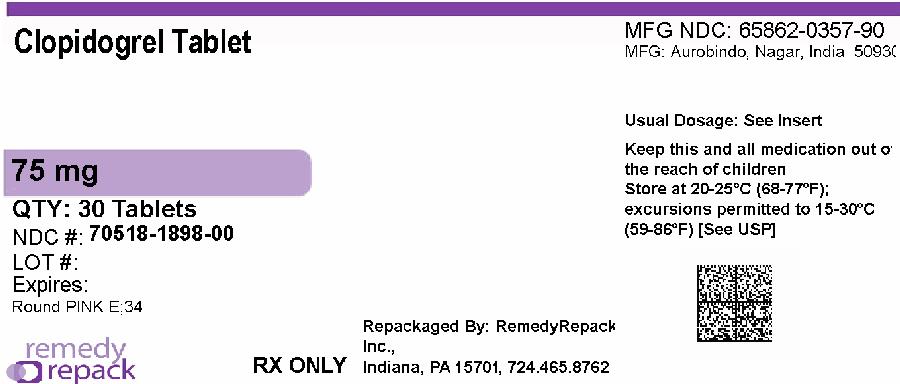
(clopidogrel · DailyMed)
INSTACLOP 75
Clopidogrel Bisulphate Equivalent to Clopidogrel 75 mg,Hydrogeneted castor oil mg,Low Substituted Hydroxyl Propyl Cellulose (LH 11) mg,Mannitol mg,Microcrystal cellulose mg,Polyethylene Glycol (PEG6000) mg,Purified Water IU/10ml,Wincoat WT MP 01289 Brown mg
What it does
Bisulphate is a medication that is used to treat certain conditions, particularly related to the heart and blood vessels.
Commonly used for: heart conditions, blood vessel issues
Read more in plain English ↓Plain-language summary for general understanding - not medical advice. Always follow your pharmacist/doctor.
Ask about this medicine
Answers come only from this medicine's registration record, BNF monograph and interaction data - not medical advice.
Medicine sourcing is available in Kenya only. We don't sell or dispense medicines - licensed pharmacies do.
Sourcing - Kenya onlyRegistration & product details
Source: Tanzania Medicines and Medical Devices Authority · fetched 2026-03-11 23:42:26 · updated 2026-09-28 03:00:45
Drug Interactions
24Pharmacodynamic Warnings
Clopidogrel appears in TABLE 4: Drugs with antiplatelet effects
Severe (4)
Clopidogrel - decreases efficacy
Voriconazole is predicted to decrease the efficacy of clopidogrel. Avoid.
Clopidogrel - decreases efficacy
HIV-protease inhibitors (ritonavir) might decrease the efficacy of clopidogrel. Avoid.
Clopidogrel - decreases efficacy
Moclobemide is predicted to decrease the efficacy of clopidogrel. Avoid.
Clopidogrel - decreases efficacy
Ritonavirmightdecreasetheefficacyofclopidogrel.Avoid. oTheoretical
Moderate (2)
Pioglitazone - increases exposure
Clopidogrel increases the exposure to pioglitazone. Monitor blood glucose and adjust dose.
Treprostinil - increases exposure
Clopidogrel is predicted to increase the exposure to treprostinil. Adjust dose. Also see TABLE 4 p. 1517
Unknown (18)
Alitretinoin - increases exposure
Clopidogrel is predicted to increase the exposure to retinoids (alitretinoin). Adjust alitretinoin dose, p. 1382.
Anti-Androgens - increases exposure
Clopidogrel is predicted to increase the exposure to anti-androgens (apalutamide) and anti-androgens (apalutamide) are predicted to increase the exposure to the active metabolite of clopidogrel. Avoid
Apalutamide - increases exposure
Clopidogrel is predicted to increase the exposure to anti-androgens (apalutamide) and anti-androgens (apalutamide) are predicted to increase the exposure to the active metabolite of clopidogrel. Avoid
Apalutamide And Apalutamide Is Predicted To Increase The Https - increases exposure
Clopidogrelispredictedtoincreasetheexposureto apalutamideandapalutamideispredictedtoincreasethe https://www.facebook.c (Books-Courses-Medic
Clopidogrel - decreases efficacy
Fluconazoleispredictedtodecreasetheefficacyofclopidogrel. Avoid.rTheoretical
Data from BNF 85 (British National Formulary). This is not a substitute for professional medical advice. Matched via: exact
About bisulphate
Bisulphate is a medication that is used to treat certain conditions, particularly related to the heart and blood vessels.
What it treats
- heart conditions
- blood vessel issues
How it works
It helps improve blood flow and reduce strain on the heart.
Who it's for
This medication is for adults who have specific heart or blood vessel problems.
AI-assisted summary grounded in BNF data - general information only, not medical advice. Always confirm with your pharmacist or doctor.
About brown
Brown is a medication used to treat various health conditions. It is important to use it as directed by a healthcare professional.
What it treats
- general health improvement
- specific medical conditions
How it works
Brown works by affecting certain processes in the body to help manage or alleviate symptoms of the conditions it is prescribed for.
Who it's for
Brown is intended for patients who have been prescribed this medication by their healthcare provider.
AI-assisted summary grounded in BNF data - general information only, not medical advice. Always confirm with your pharmacist or doctor.
About castor
Castor is a natural substance derived from the seeds of the castor bean plant, often used for its health benefits.
What it treats
- constipation
- skin conditions
- inducing labor (in pregnant women)
How it works
Castor works by stimulating the intestines to promote bowel movements and has moisturizing properties for the skin.
Who it's for
Castor is suitable for adults and may be used in specific situations by pregnant women under medical supervision.
Cautions
- • Do not use if allergic to castor or its components.
- • Should be used carefully in pregnant women and only under medical guidance.
AI-assisted summary grounded in BNF data - general information only, not medical advice. Always confirm with your pharmacist or doctor.
About cellulose
Cellulose is a type of fiber that helps with digestion and promotes bowel health.
What it treats
- constipation
- irregular bowel movements
How it works
Cellulose adds bulk to the stool, making it easier to pass through the intestines.
Who it's for
Suitable for people looking to improve their digestive health.
AI-assisted summary grounded in BNF data - general information only, not medical advice. Always confirm with your pharmacist or doctor.
About clopidogrel
Clopidogrel is a medication that helps prevent blood clots by making your blood less sticky.
What it treats
- prevention of heart attacks
- prevention of strokes
- peripheral artery disease management
How it works
Clopidogrel works by blocking platelets in your blood from sticking together, which helps to keep your blood flowing smoothly.
Who it's for
Clopidogrel is for individuals at risk of blood clots, such as those with heart conditions or a history of strokes.
Cautions
- • Avoid combining with other medications that also prevent blood clots.
AI-assisted summary grounded in BNF data - general information only, not medical advice. Always confirm with your pharmacist or doctor.
About glycol
Glycol is a substance used in various medical and industrial applications, primarily known for its properties as a solvent and humectant.
What it treats
- moisturizing skin (topical applications)
- acting as a solvent in medications
How it works
Glycol helps to retain moisture and can dissolve other substances, making it useful in creams and solutions.
Who it's for
Glycol is generally safe for use in topical products for adults and children when used as directed.
AI-assisted summary grounded in BNF data - general information only, not medical advice. Always confirm with your pharmacist or doctor.
About hydrogeneted
Hydrogeneted is a medication used to treat certain conditions related to the heart and blood vessels.
What it treats
- heart disease
- angina
- high cholesterol (hyperlipidemia)
How it works
This medication helps manage cholesterol levels in the blood, which can reduce the risk of heart problems.
Who it's for
It is prescribed for adults who need help controlling their cholesterol and improving heart health.
Cautions
- • Consult your doctor if you have liver problems.
- • Not suitable for pregnant or breastfeeding women.
AI-assisted summary grounded in BNF data - general information only, not medical advice. Always confirm with your pharmacist or doctor.
About hydroxyl
Hydroxyl is a medication often used to treat various conditions, but specific details about its uses are not provided.
How it works
The exact way hydroxyl works is not detailed, but it is typically used to help manage certain health issues.
Who it's for
This medication may be prescribed for individuals dealing with specific health conditions, but no details are available.
AI-assisted summary grounded in BNF data - general information only, not medical advice. Always confirm with your pharmacist or doctor.
About low
Low is a medication used to manage various health conditions. Please consult a healthcare provider for specific details.
How it works
Information about how Low works is not provided.
Who it's for
Low is prescribed for individuals with specific health conditions as determined by a healthcare provider.
AI-assisted summary grounded in BNF data - general information only, not medical advice. Always confirm with your pharmacist or doctor.
About mannitol
Mannitol is a type of sugar alcohol used mainly to help reduce swelling and pressure in the body, especially in the eyes and brain.
What it treats
- reducing pressure in the brain (intracranial hypertension)
- treating eye swelling (ocular hypertension)
- promoting urine production in kidney failure
How it works
Mannitol works by drawing water out of tissues and into the bloodstream, helping to decrease swelling and pressure.
Who it's for
Mannitol is typically used for patients with conditions that cause high pressure in the brain or eyes, and those with certain kidney issues.
AI-assisted summary grounded in BNF data - general information only, not medical advice. Always confirm with your pharmacist or doctor.
About microcrystal
Microcrystal is a substance used in various medical applications.
What it treats
- treatment of certain skin conditions
- management of inflammation
How it works
Microcrystal helps to reduce swelling and irritation in the affected area.
Who it's for
This treatment is suitable for individuals suffering from specific skin issues or inflammation.
AI-assisted summary grounded in BNF data - general information only, not medical advice. Always confirm with your pharmacist or doctor.
About polyethylene
Polyethylene is a substance often used to relieve constipation by increasing the amount of water in the stool, making it easier to pass.
What it treats
- constipation
- bowel obstruction
How it works
It works by drawing water into the intestines, softening the stool and helping it move through the digestive system.
Who it's for
It is suitable for adults and children experiencing constipation or needing to clear their bowels.
AI-assisted summary grounded in BNF data - general information only, not medical advice. Always confirm with your pharmacist or doctor.
About propyl
Propyl is a chemical compound often used in various medicines. It helps in treating certain health conditions, but specific information on its uses and interactions is not provided.
How it works
Propyl works by influencing biological processes in the body, but the exact mechanism is not detailed.
Who it's for
Propyl may be suitable for individuals needing treatment for specific health issues, though details are not provided.
AI-assisted summary grounded in BNF data - general information only, not medical advice. Always confirm with your pharmacist or doctor.
About purified
Purified ingredients are often used in various medicines to ensure safety and effectiveness by removing impurities.
What it treats
- various medical conditions
How it works
Purified ingredients help in delivering the intended effects of the medicine without the risk of contaminants.
Who it's for
People who need medications with safe and effective ingredients.
AI-assisted summary grounded in BNF data - general information only, not medical advice. Always confirm with your pharmacist or doctor.
About substituted
Substituted is a medication that may be used for various health conditions.
How it works
The specific mechanism of action for substituted is not detailed, but it is designed to affect certain body processes to help manage health issues.
Who it's for
This medication is prescribed to individuals based on their specific health needs and conditions.
AI-assisted summary grounded in BNF data - general information only, not medical advice. Always confirm with your pharmacist or doctor.
About wincoat
Wincoat is used to help with certain health conditions but specific details are not provided.
How it works
The way Wincoat works is not specified.
Who it's for
Wincoat may be suitable for various patients, but specific criteria are not provided.
AI-assisted summary grounded in BNF data - general information only, not medical advice. Always confirm with your pharmacist or doctor.
Clinical monograph: Mannitol
BNF-referencedMannitol is an osmotic diuretic and a sugar alcohol that is used primarily to reduce elevated intracranial pressure and to promote diuresis in various medical conditions, including cerebral edema and acute kidney injury. It is metabolically inert in humans and is eliminated primarily through the kidneys. Mannitol works by elevating blood plasma osmolality, drawing water out of tissues and into the bloodstream, which helps to reduce fluid volume and pressure in the brain and other compartments.
Indications
- Cerebral edema
- Elevated intracranial pressure
- Acute kidney injury
- Oliguria
- Glaucoma
- Renal function diagnostic aid
Dosage
Adults: For cerebral edema, administer 0
Mechanism of action
Mannitol elevates blood plasma osmolality, resulting in enhanced flow of water from tissues, including the brain and cerebrospinal fluid, into interstitial fluid and plasma. This action reduces cerebral edema and intracranial pressure. As a diuretic, it increases the osmolality of glomerular filtrate, leading to increased urinary excretion of water and preventing sodium and chloride reabsorption in the renal tubules. Mannitol also facilitates the urinary excretion of toxic substances and can help in assessing renal function by measuring glomerular filtration rate (GFR).
Pharmacodynamics
Mannitol is classified as an osmotic diuretic. It is chemically similar to other sugar alcohols but has a unique ability to promote diuresis by remaining unabsorbed in the renal tubules. Its use is indicated for conditions associated with increased body fluids, such as cerebral edema and glaucoma. Mannitol may be combined with other diuretics to enhance diuretic efficacy. Inhaled formulations are used in cystic fibrosis, though they may cause bronchospasm and hemoptysis.
Pharmacokinetics
Mannitol is freely filtered by the glomeruli with less than 10% tubular reabsorption, which allows for its urinary excretion rate to serve as a measurement of GFR. It does not undergo significant metabolism and is eliminated primarily through the kidneys. The onset of action occurs within 30 to 60 minutes after intravenous administration, with effects lasting for several hours. Administration may require monitoring of renal function and fluid balance.
Contra-indications
- Anuria
- Severe dehydration
- Severe renal impairment
- Intracranial bleeding
Adverse effects
- Asthenia
- Gastrointestinal disturbances
- Dry mouth
- Confusion
- Visual impairment
- Hypotension
- Electrolyte imbalances
- Pulmonary edema
- Hemoptysis (with inhalation use)
- Bronchospasm (with inhalation use)
Interactions
- Potassium-sparing diuretics may increase the risk of hyperkalemia
- Other diuretics may have additive effects
- Caution with nephrotoxic agents
Precautions
- Caution in patients with diabetes mellitus
- Caution in the elderly
- Caution in patients with gout
- Caution in patients with hepatic impairment
- Monitor renal function and electrolytes regularly
- May cause blue fluorescence of urine
Pregnancy
Manufacturer advises avoid due to potential toxicity in animal studies.
Breast-feeding
Manufacturer advises avoid due to lack of information available.
Storage
Store in a cool, dry place, away from light. Do not freeze.
Formulations
- Solution for injection
- Inhalation powder
- Oral solution
AI-synthesized from BNF references - general information only, not a substitute for professional medical advice or the current BNF. Verify doses with a pharmacist.
Clinical monograph: Clopidogrel
BNF-referencedClopidogrel is an antiplatelet medication that belongs to the thienopyridine class. It is primarily used to prevent atherothrombotic events in patients at risk of myocardial infarction, stroke, and other cardiovascular complications. Clopidogrel is administered orally and is known for its ability to irreversibly inhibit platelet aggregation, thereby reducing the risk of clot formation. Its long duration of action and once-daily dosing make it a convenient option in clinical practice.
Indications
- Prevention of atherothrombotic events in patients with acute coronary syndrome
- Secondary prevention of ischaemic stroke
- Prevention of atherothrombotic events in peripheral arterial disease
Mechanism of action
Clopidogrel is activated through a two-step metabolic process to form an active thiol-containing metabolite. This metabolite irreversibly binds to the P2Y12 ADP receptors on platelets, preventing ADP from activating the GPIIb/IIIa complex, which is crucial for platelet aggregation. As a result, clopidogrel inhibits platelet aggregation for the lifespan of the platelets (approximately 7 to 10 days). The inhibition of the P2Y12 receptor reduces platelet activation and aggregation not just from ADP, but also from other agonists.
Pharmacodynamics
Clopidogrel is a prodrug that serves as a potent antiplatelet agent, effectively reducing the risk of myocardial infarction and stroke. Its pharmacological effects are long-lasting, allowing for once-daily dosing. Clopidogrel exhibits a broad therapeutic window, and its dosage ranges from 75 mg to 300 mg per day, depending on the clinical scenario. Its action helps maintain blood flow and prevent occlusive vascular events.
Pharmacokinetics
Clopidogrel is well absorbed in the gastrointestinal tract, with peak plasma concentrations occurring within 1 to 2 hours after oral administration. It undergoes extensive hepatic metabolism, primarily through CYP450 enzymes, which convert it into its active form. The elimination half-life of clopidogrel is approximately 6 hours, but the antiplatelet effect lasts much longer due to the irreversible nature of its action on platelets. It is primarily excreted through urine, with a majority of the dose eliminated as inactive metabolites.
Contra-indications
- Active bleeding
Adverse effects
- Confusion
- Fever
- Gynaecomastia
- Hallucination
- Hepatic disorders
- Hypotension
- Myalgia
- Neutropenia
- Severe cutaneous adverse reactions (SCARs)
- Stomatitis
- Taste altered
- Ulcerative colitis
- Vasculitis
- Vertigo
- Wound haemorrhage
Interactions
- Voriconazole + clopidogrel: Severe (decreases efficacy)
- HIV protease inhibitors + clopidogrel: Severe (decreases efficacy)
- Moclobemide + clopidogrel: Severe (decreases efficacy)
- Ritonavir + clopidogrel: Severe (decreases efficacy)
- Clopidogrel + pioglitazone: Moderate (increases exposure)
- Clopidogrel + treprostinil: Moderate (increases exposure)
- Clopidogrel + apalutamide: Unknown (increases exposure)
- Clopidogrel + enzalutamide: Unknown (increases exposure)
- Fluconazole + clopidogrel: Unknown (decreases efficacy)
- Clopidogrel + anti-androgens: Unknown (increases exposure)
Precautions
- Caution with history of hypersensitivity reactions to thienopyridines
- Caution in moderate hepatic impairment
- Caution in renal impairment
- Discontinue 7 days before elective surgery if antiplatelet effect not desirable
- Patients at risk of increased bleeding from trauma, surgery, or other pathological conditions
Pregnancy
Manufacturer advises avoid-no information available.
Breast-feeding
Manufacturer advises avoid.
Storage
Store in a cool, dry place, away from direct sunlight.
Formulations
- Clopidogrel 75 mg tablet
- Clopidogrel 300 mg tablet
- Clopidogrel oral suspension
AI-synthesized from BNF references - general information only, not a substitute for professional medical advice or the current BNF. Verify doses with a pharmacist.
Clinical monograph: bisulphate
Bisulphate, also known as hydrogen sulfite, is a chemical compound often used as a food preservative and antioxidant. In medicinal contexts, it is utilized primarily for its role in preventing oxidative damage and as a reducing agent. It is important to consider that bisulphate can cause allergic reactions in sensitive individuals, particularly in asthmatics.
Indications
- Food preservation
- Antioxidant applications
- Reduction of oxidative stress
Dosage
Children: Refer to specific guidelines or consult a healthcare professional for dosing recommendations, as doses can vary based on the indication.
Adults: Refer to specific guidelines or consult a healthcare professional for dosing recommendations, as doses can vary based on the indication.
Mechanism of action
Bisulphate acts as a reducing agent, donating electrons to other molecules, which can help in neutralizing free radicals and preventing oxidative stress. It interacts with sulfite oxidase in the body, facilitating the conversion of sulfite to sulfate, a less toxic form. This mechanism is particularly relevant in the context of sulfite metabolism and detoxification.
Pharmacodynamics
Bisulphate's pharmacodynamics are primarily related to its antioxidant properties. It helps to protect cells from oxidative damage by scavenging free radicals. The compound also plays a role in maintaining the acid-base balance in the body, as it can act as a buffer in certain physiological conditions.
Pharmacokinetics
Bisulphate is rapidly absorbed and metabolized in the body. It is primarily metabolized in the liver, where it is converted to sulfate. The elimination route is mainly through urine, where it is excreted as sulfate. The half-life of bisulphate is short, necessitating frequent dosing in certain applications.
Adverse effects
- Headache
- Nausea
- Diarrhea
- Skin rash
- Hypersensitivity reactions
Precautions
- Use with caution in patients with asthma or respiratory issues
- Monitor for allergic reactions in sensitive individuals
Pregnancy
The safety of bisulphate during pregnancy has not been established. Use only if clearly needed and after assessing risks versus benefits.
Breast-feeding
It is not known whether bisulphate is excreted in human milk. Caution is advised when administering to nursing mothers.
Storage
Store in a cool, dry place away from direct sunlight. Keep out of reach of children.
AI-synthesized from BNF references - general information only, not a substitute for professional medical advice or the current BNF. Verify doses with a pharmacist.
Clinical monograph: brown
Brown is not a recognized pharmacological agent; however, if referring to a color-coded classification of a drug or a specific medication associated with a brown appearance, clarification is needed. In pharmacology, colors can sometimes indicate the formulation or specific properties of a medication, but further details are required for a comprehensive overview.
Dosage
Children: Refer to specific product information for dosing guidelines.
Adults: Refer to specific product information for dosing guidelines.
Pregnancy
Consult healthcare provider for specific information regarding use during pregnancy.
Breast-feeding
Consult healthcare provider for specific information regarding use during breastfeeding.
Storage
Store in a cool, dry place away from direct sunlight.
AI-synthesized from BNF references - general information only, not a substitute for professional medical advice or the current BNF. Verify doses with a pharmacist.
Clinical monograph: castor
Castor is derived from the seeds of the Ricinus communis plant, commonly known as castor bean. It is primarily known for its oil, which has been used for centuries for its laxative properties and as a lubricant. The oil contains ricinoleic acid, which is responsible for its therapeutic effects. Castor oil is often employed in various formulations to treat constipation, induce labor, and as a topical agent for skin conditions.
Indications
- Constipation
- Labor induction
- Topical treatment for skin conditions
Dosage
Children: Refer to the BNF for Children for appropriate pediatric dosing guidelines, as no specific doses are provided.
Adults: Refer to specific guidelines for adult dosing based on the formulation used and the condition being treated, as no standardized dose is provided.
Mechanism of action
Ricinoleic acid, the main active component of castor oil, acts as a stimulant laxative. It works by increasing the peristaltic movement of the intestines, which aids in the evacuation of stool. Additionally, it may inhibit the absorption of water in the intestines, resulting in softer stools. The oil is also believed to have anti-inflammatory properties, which can be beneficial in treating certain skin conditions.
Pharmacodynamics
The pharmacodynamic properties of castor oil include its ability to stimulate intestinal motility and increase the secretion of intestinal fluids. This leads to a faster transit time for stool through the bowel. In topical applications, castor oil exhibits emollient and moisturizing effects, promoting healing and soothing irritated skin. Its anti-inflammatory effects may also contribute to the reduction of swelling and pain in inflamed tissues.
Pharmacokinetics
Castor oil is absorbed in the gastrointestinal tract, where it is metabolized to ricinoleic acid. The onset of action for its laxative effect typically occurs within 2 to 6 hours after oral administration. The duration of action varies, but effects usually last for several hours. When applied topically, castor oil penetrates the skin and may provide localized effects without significant systemic absorption.
Adverse effects
- Abdominal cramps
- Diarrhea
- Nausea
- Vomiting
- Dehydration
Precautions
- Use with caution in patients with gastrointestinal disorders
- Not recommended for prolonged use
- Monitor for signs of dehydration
Pregnancy
Castor oil is generally not recommended during pregnancy due to potential uterine contractions and risk of premature labor.
Breast-feeding
Castor oil should be used with caution during breastfeeding as it may cause gastrointestinal discomfort in nursing infants.
Storage
Store in a cool, dry place, away from direct sunlight.
Formulations
- Liquid
- Capsules
AI-synthesized from BNF references - general information only, not a substitute for professional medical advice or the current BNF. Verify doses with a pharmacist.
Clinical monograph: cellulose
Cellulose is a complex carbohydrate and a key structural component of the plant cell wall. It is an indigestible polysaccharide made up of linear chains of glucose molecules linked by β-1,4-glycosidic bonds. As a dietary fiber, cellulose contributes to digestive health by promoting bowel regularity and is commonly used as a laxative and bulking agent in various food products and pharmaceuticals.
Indications
- Constipation
- Dietary fiber supplementation
- Irritable bowel syndrome
- Diverticular disease
- Weight management
Dosage
Children: Refer to appropriate guidelines for specific dosage; generally taken with adequate fluid intake.
Adults: Refer to appropriate guidelines for specific dosage; generally taken with adequate fluid intake.
Mechanism of action
Cellulose acts primarily as a bulk-forming laxative. It absorbs water in the intestines, which increases stool bulk and stimulates peristalsis, thus facilitating bowel movements. Additionally, cellulose is not digestible by human enzymes, leading to fermentation by gut bacteria, which may enhance gut health and alter gut microbiota composition.
Pharmacodynamics
Cellulose increases stool weight and frequency of bowel movements. It works by retaining water in the intestines, leading to softer stools and improved passage through the gastrointestinal tract. The bulking effect of cellulose can help alleviate constipation and promote overall digestive health. It may also play a role in cholesterol reduction and glycemic control through its effects on digestion and absorption of nutrients.
Pharmacokinetics
Cellulose is not absorbed into the bloodstream due to its indigestible nature. Instead, it passes through the gastrointestinal tract, where it adds bulk to the stool. Its fermentation by colonic bacteria produces short-chain fatty acids, which may have beneficial effects on colon health. The onset of action for cellulose as a laxative can vary but is generally within 24 to 72 hours after ingestion.
Adverse effects
- Bloating
- Flatulence
- Diarrhea
- Abdominal discomfort
Precautions
- Use with caution in patients with a history of gastrointestinal disorders.
- Monitor for potential allergic reactions in sensitive individuals.
Pregnancy
Cellulose is generally considered safe during pregnancy as it is a non-toxic, indigestible fiber.
Breast-feeding
Cellulose is also considered safe during breastfeeding; it is excreted in breast milk in negligible amounts.
Storage
Store in a cool, dry place away from direct sunlight.
Formulations
- Powder
- Capsules
- Tablets
- Granules
AI-synthesized from BNF references - general information only, not a substitute for professional medical advice or the current BNF. Verify doses with a pharmacist.
Clinical monograph: glycol
BNF-referencedEthylene glycol, a colorless, odorless liquid with a sweet taste, is primarily used in antifreeze and industrial applications. It is toxic to humans and can lead to severe metabolic acidosis and organ damage upon ingestion. Due to its potential for misuse and toxicity, it is classified as a hazardous substance.
Dosage
Children: Refer to the BNF for Children for appropriate dosing information in paediatric cases, especially in instances of overdose.
Adults: Refer to the BNF for specific dosing information based on clinical circumstances, particularly in cases of overdose.
Mechanism of action
Ethylene glycol is metabolized by alcohol dehydrogenase to glycoaldehyde, which is subsequently converted to glycolic, glyoxylic, and oxalic acids. These metabolites contribute to anion gap metabolic acidosis and are responsible for tissue injury through the formation of insoluble calcium oxalate crystals.
Pharmacodynamics
The toxicity of ethylene glycol arises from its metabolites, particularly glycolic and oxalic acids. These compounds induce metabolic acidosis, lead to renal failure through calcium oxalate crystal deposition in the kidneys, and can cause neurological impairment. The anion gap increases due to the accumulation of these acids, leading to complications such as cardiovascular instability and potential multi-organ failure.
Pharmacokinetics
Ethylene glycol is rapidly absorbed after oral ingestion. It undergoes first-pass metabolism primarily in the liver, where it is converted into its toxic metabolites. The elimination half-life of ethylene glycol varies but is generally prolonged in cases of renal impairment. Renal excretion of metabolites contributes to the duration of toxicity, necessitating prompt medical intervention in cases of overdose.
Adverse effects
- Metabolic acidosis
- Renal failure
- CNS depression
- Hypocalcemia
- Cardiovascular collapse
- Pulmonary edema
Precautions
- Use with caution in patients with renal impairment
- Monitor for signs of metabolic acidosis
- Evaluate electrolyte levels, particularly calcium
Pregnancy
There is limited data on the safety of ethylene glycol in pregnancy. It should only be used if clearly needed.
Breast-feeding
It is unknown if ethylene glycol is excreted in human milk. Caution is advised.
Storage
Store in a tightly closed container at room temperature, away from heat and moisture.
Formulations
- Liquid
AI-synthesized from BNF references - general information only, not a substitute for professional medical advice or the current BNF. Verify doses with a pharmacist.
Clinical monograph: hydrogeneted
Hydrogenated compounds, often referring to hydrogenated oils or fats, are derived from the process of hydrogenation, which involves the addition of hydrogen to unsaturated fats. This process transforms liquid oils into solid or semi-solid fats, enhancing their stability and shelf life. Hydrogenated fats are commonly used in the food industry for their desirable texture and ability to improve the flavor and structure of various products. However, the consumption of hydrogenated fats, particularly those containing trans fats, has been linked to adverse health effects, including an increased risk of cardiovascular disease.
Indications
- Food industry applications
- Culinary uses
- Food preservation
Dosage
Children: The dosage of hydrogenated fats in children should be approached with caution, and intake should be minimized due to the potential health risks associated with trans fats.
Adults: The dosage of hydrogenated fats varies widely based on dietary recommendations and individual health needs. It is important to limit the intake of trans fats due to their adverse health effects.
Mechanism of action
Hydrogenated fats primarily affect lipid metabolism and can alter the composition of cell membranes. The presence of trans fatty acids resulting from partial hydrogenation can raise low-density lipoprotein (LDL) cholesterol while lowering high-density lipoprotein (HDL) cholesterol, leading to an unfavorable lipid profile. This alteration in lipid levels contributes to the development of atherosclerosis and other cardiovascular diseases.
Pharmacodynamics
The pharmacodynamics of hydrogenated fats is largely associated with their impact on lipid metabolism and cardiovascular health. Trans fats can induce inflammatory responses and are thought to influence insulin resistance. The effects on cholesterol levels and inflammatory markers contribute to their association with increased risk of coronary heart disease.
Pharmacokinetics
The pharmacokinetics of hydrogenated fats involve absorption in the gastrointestinal tract, where they are emulsified and broken down by digestive enzymes. Once absorbed, they are transported via chylomicrons through the lymphatic system into the bloodstream. Hydrogenated fats are metabolized in the liver, where they can be re-esterified into triglycerides or incorporated into lipoproteins for distribution to tissues. The half-life and elimination of specific hydrogenated fats can vary based on their structure and the degree of hydrogenation.
Contra-indications
- Hypersensitivity to hydrogenated products
- Severe liver disease
- Active gastrointestinal bleeding
Adverse effects
- Nausea
- Vomiting
- Diarrhea
- Abdominal pain
- Headache
- Allergic reactions
Interactions
- May interact with anticoagulants leading to increased bleeding risk
- Potential interaction with other medications metabolized by the liver
Precautions
- Use with caution in patients with liver impairment
- Monitor for gastrointestinal side effects
- Assess for potential allergic reactions
Pregnancy
Use during pregnancy only if clearly needed and the benefits outweigh the risks.
Breast-feeding
Caution is advised; consult healthcare professionals for guidance.
Storage
Store in a cool, dry place away from direct sunlight. Keep out of reach of children.
Formulations
- Oral tablets
- Injectable forms
- Topical preparations
AI-synthesized from BNF references - general information only, not a substitute for professional medical advice or the current BNF. Verify doses with a pharmacist.
Clinical monograph: hydroxyl
BNF-referencedHydroxyl, represented by the molecular formula HO, is a fundamental chemical group involved in various biochemical pathways. It plays a crucial role in oxidative stress responses and is a significant contributor to the detoxification processes in cells. Hydroxyl groups are reactive and participate in numerous reactions, including those involving reactive oxygen species.
Mechanism of action
The hydroxyl group acts as a nucleophile, participating in various biochemical reactions, including the degradation of reactive oxygen species. It helps in the detoxification of oxidized guanosine triphosphate (GTP) and deoxyguanosine triphosphate (dGTP), which is critical for maintaining cellular integrity and function.
Pharmacodynamics
The presence of hydroxyl groups in compounds can significantly alter their pharmacological effects, enhancing solubility and reactivity. Hydroxyl groups can stabilize reactive intermediates, leading to increased efficacy in biochemical pathways, particularly in processes involving oxidative stress and cellular detoxification.
Pharmacokinetics
Hydroxyl-containing compounds typically exhibit variable absorption, distribution, metabolism, and excretion profiles depending on their specific structure. The pharmacokinetics of hydroxyl as a standalone entity is not well-defined, but its presence in larger molecules often influences their bioavailability and elimination.
Pregnancy
There is insufficient data to determine the safety of hydroxyl in pregnancy. Caution is advised.
Breast-feeding
There is no specific information available regarding the excretion of hydroxyl in human milk. Caution is advised.
Storage
Store in a cool, dry place away from direct sunlight.
AI-synthesized from BNF references - general information only, not a substitute for professional medical advice or the current BNF. Verify doses with a pharmacist.
Clinical monograph: microcrystal
Microcrystalline cellulose (MCC) is a commonly used excipient in pharmaceuticals, derived from cellulose, which is a natural polymer found in plant cell walls. It is primarily utilized for its properties as a filler, binder, and disintegrant in tablet formulations. MCC is characterized by its high purity, low moisture content, and ability to improve the flow properties of powders, making it essential in the manufacturing of solid dosage forms.
Indications
- Used as a filler in tablet formulations
- Serves as a binder in solid dosage forms
- Acts as a disintegrant to aid tablet dissolution
- Improves flow properties of powders in manufacturing
Dosage
Children: Refer to specific formulations and guidelines for dosing, as microcrystalline cellulose is used as an excipient and does not have a standard dosing regimen.
Adults: Refer to specific formulations and guidelines for dosing, as microcrystalline cellulose is used as an excipient and does not have a standard dosing regimen.
Mechanism of action
Microcrystalline cellulose functions primarily as a bulking agent and a stabilizer in pharmaceutical formulations. It does not exert pharmacological effects on its own but serves to provide structure and stability to the drug formulations, facilitating the release of the active pharmaceutical ingredient (API) during dissolution and absorption.
Pharmacodynamics
MCC does not have a pharmacodynamic profile as it is not an active drug. Its role is to enhance the physical properties of pharmaceutical products, ensuring uniformity, consistency, and stability of the drug formulation. Its ability to absorb water and swell aids in the disintegration of tablets in the gastrointestinal tract, promoting the release of the active ingredients.
Pharmacokinetics
As a non-digestible polysaccharide, microcrystalline cellulose is not absorbed in the gastrointestinal tract. It passes through the digestive system unchanged and is excreted in the feces. Its presence in the gastrointestinal tract can have a bulking effect, promoting bowel regularity without contributing calories.
Pregnancy
Microcrystalline cellulose is generally considered safe for use during pregnancy as it is not absorbed and is used as an excipient.
Breast-feeding
Microcrystalline cellulose is also considered safe during breastfeeding since it is not absorbed into the systemic circulation.
Storage
Store in a cool, dry place away from direct sunlight. Keep container tightly closed.
Formulations
- Tablets
- Capsules
- Powder
AI-synthesized from BNF references - general information only, not a substitute for professional medical advice or the current BNF. Verify doses with a pharmacist.
Clinical monograph: polyethylene
Polyethylene is a polymer used primarily as a laxative for the treatment of constipation. It is often administered in the form of polyethylene glycol (PEG), which acts by holding water in the stool, resulting in softer stools and increased bowel movements. It is generally considered safe for use in both adults and children, with minimal side effects when used as directed.
Indications
- Constipation
- Bowel preparation prior to surgical procedures or diagnostic tests
Dosage
Children: Refer to specific guidelines or BNF for Children for dosing information.
Adults: Refer to specific guidelines or BNF for detailed dosing information.
Mechanism of action
Polyethylene glycol works by osmotically retaining water in the intestinal lumen, which increases the water content of the stool. This enhances the passage of stool through the intestines and promotes bowel movements. The high molecular weight of polyethylene glycol prevents its absorption in the gastrointestinal tract, ensuring that it remains in the lumen to exert its effects.
Pharmacodynamics
The pharmacodynamic profile of polyethylene glycol involves its ability to increase stool water content, thereby reducing stool consistency and facilitating easier passage. It does not stimulate intestinal motility directly but rather relies on the osmotic effect to promote bowel evacuation. The onset of action typically occurs within 24 to 96 hours after ingestion.
Pharmacokinetics
Polyethylene glycol is not absorbed systemically, and its pharmacokinetics are characterized by its presence solely in the gastrointestinal tract. It is excreted unchanged in the stool. The volume of polyethylene glycol administered can influence the effectiveness and timing of its action, but its absorption is negligible, making systemic side effects rare.
Adverse effects
- Abdominal cramping
- Diarrhea
- Nausea
- Vomiting
- Bloating
- Flatulence
Precautions
- Use with caution in patients with gastrointestinal disorders or bowel obstruction.
- Ensure adequate hydration during use to prevent dehydration.
Pregnancy
Polyethylene glycol is generally considered safe during pregnancy, but should be used under medical supervision.
Breast-feeding
Polyethylene glycol is excreted in breast milk in very small amounts and is generally regarded as safe during breastfeeding.
Storage
Store at room temperature, away from moisture and heat.
Formulations
- Powder for oral solution
- Liquid formulation
AI-synthesized from BNF references - general information only, not a substitute for professional medical advice or the current BNF. Verify doses with a pharmacist.
Clinical monograph: propyl
BNF-referencedPropyl, or propyl group, refers to a branched alkyl group derived from propane and is often used in organic chemistry as a substituent on various compounds. In pharmacology, propyl derivatives have been associated with various therapeutic agents, including antithyroid medications. Propylthiouracil (PTU) is a notable drug that contains a propyl group and is used primarily in the management of hyperthyroidism. It inhibits the synthesis of thyroid hormones, thereby decreasing their levels in the body.
Indications
- Hyperthyroidism
- Graves' disease
- Thyroid storm
Dosage
Children: Refer to the BNF
Adults: The usual initial dose of propylthiouracil in adults is 300 mg per day, divided into 3 doses. The maintenance dose is typically 100-150 mg per day, adjusted based on thyroid function tests.
Mechanism of action
Propylthiouracil acts by inhibiting the enzyme thyroid peroxidase, which is involved in the iodination of tyrosine residues in thyroglobulin, a precursor of thyroid hormones. By blocking this enzyme, PTU reduces the production of thyroxine (T4) and triiodothyronine (T3), leading to decreased thyroid hormone levels in circulation. Additionally, PTU inhibits the conversion of T4 to T3 in peripheral tissues, further contributing to its antithyroid effects.
Pharmacodynamics
The pharmacodynamic effects of propylthiouracil are primarily centered around its ability to lower thyroid hormone levels, which helps alleviate symptoms of hyperthyroidism such as increased heart rate, weight loss, and anxiety. The onset of action can vary, but therapeutic effects may be observed within several weeks of initiation. Monitoring thyroid function tests is essential to assess the efficacy and adjust dosing as needed.
Pharmacokinetics
Propylthiouracil is well absorbed from the gastrointestinal tract, though its bioavailability can be affected by factors such as food intake. The drug is extensively metabolized in the liver, and its elimination half-life averages around 1-2 hours. Most of the drug is excreted in urine as metabolites. It is important to note that due to its rapid metabolism, multiple daily doses may be required to maintain therapeutic levels.
Interactions
- propylthiouracil+metyrapone: Severe (decreases effects)
AI-synthesized from BNF references - general information only, not a substitute for professional medical advice or the current BNF. Verify doses with a pharmacist.
Clinical monograph: purified
Purified refers to a substance that has been processed to remove impurities, contaminants, or unwanted substances, resulting in a more concentrated and effective form of the original compound. In pharmacology, purified compounds are often used to enhance therapeutic efficacy and reduce adverse effects. The purification process can apply to a variety of substances, including drugs, biological products, and chemical compounds.
Dosage
Children: Refer to specific drug formulations and product labels as purified substances can vary widely in their use and dosing.
Adults: Refer to specific drug formulations and product labels as purified substances can vary widely in their use and dosing.
Mechanism of action
The mechanism of action for purified compounds varies widely depending on the specific substance. Generally, purified drugs exert their effects by interacting with specific biological targets, such as receptors, enzymes, or ion channels, leading to a desired therapeutic effect. This interaction can involve binding to receptors to activate or inhibit signaling pathways, modulating enzymatic activity, or altering physiological processes.
Pharmacodynamics
Pharmacodynamics describes the effects of a drug on the body and the relationship between drug concentration and effect. For purified drugs, this can involve dose-response relationships and the time course of their action. The purified form often enhances potency and reduces variability in response among patients, which can lead to more predictable therapeutic outcomes. The overall effect is determined by the drug's affinity for its target, the efficacy of the drug-receptor interaction, and the downstream signaling pathways activated as a result of this interaction.
Pharmacokinetics
Pharmacokinetics involves the absorption, distribution, metabolism, and excretion (ADME) of a drug. For purified substances, absorption can be more efficient due to the absence of impurities that may affect solubility or stability. Distribution may also be enhanced, leading to higher bioavailability. Metabolism can be influenced by the structure of the purified compound, as it may be metabolized more readily by liver enzymes. Excretion typically occurs through the kidneys or liver, depending on the molecular characteristics of the purified drug.
Pregnancy
Consult with a healthcare professional, as the safety of purified forms of medications during pregnancy may vary depending on the specific substance.
Breast-feeding
Consult with a healthcare professional, as the safety of purified forms of medications during breastfeeding may vary depending on the specific substance.
Storage
Store in a cool, dry place, away from light and moisture, and keep out of reach of children.
AI-synthesized from BNF references - general information only, not a substitute for professional medical advice or the current BNF. Verify doses with a pharmacist.
Clinical monograph: substituted
Substituted drugs refer to a class of compounds that have been chemically modified to enhance their therapeutic efficacy or reduce side effects. These modifications can involve altering functional groups, changing molecular structures, or introducing new substituents to the parent compound. The therapeutic uses of substituted drugs vary widely depending on their specific structure and mechanism of action.
Dosage
Children: Refer to BNF for Children for appropriate dosing guidelines for paediatric patients.
Adults: Refer to specific guidelines or BNF for the appropriate dosing of substituted drugs as they vary widely based on the specific compound and its clinical use.
Mechanism of action
The mechanism of action for substituted drugs typically involves interaction with specific biological targets such as receptors, enzymes, or ion channels. By binding to these targets, substituted drugs can modulate various physiological processes, leading to desired therapeutic effects, such as analgesia, anti-inflammatory action, or modulation of neurotransmitter activity.
Pharmacodynamics
Pharmacodynamics of substituted drugs depends on their specific structure and target interactions. Generally, they exert effects through receptor activation or inhibition, leading to alterations in signaling pathways. This can result in enhanced or diminished cellular responses, contributing to the overall therapeutic outcome. The potency and efficacy of these drugs can vary widely based on their chemical modifications.
Pharmacokinetics
The pharmacokinetics of substituted drugs involves absorption, distribution, metabolism, and excretion (ADME). Factors such as the lipophilicity, molecular weight, and chemical stability of the substituents can affect how the drug is absorbed in the gastrointestinal tract, distributed throughout the body, metabolized by the liver, and ultimately excreted through the kidneys. Variations in these parameters will influence the drug's bioavailability, half-life, and duration of action.
Pregnancy
Consult healthcare provider before use. Safety during pregnancy has not been established.
Breast-feeding
Consult healthcare provider before use. Limited data available on safety during breastfeeding.
Storage
Store in a cool, dry place away from direct sunlight. Keep out of reach of children.
AI-synthesized from BNF references - general information only, not a substitute for professional medical advice or the current BNF. Verify doses with a pharmacist.
Clinical monograph: wincoat
Wincoat is a formulation that typically contains the active ingredient dexamethasone, which is a synthetic glucocorticoid. It is used for its anti-inflammatory and immunosuppressive properties. Wincoat is commonly employed in the treatment of various conditions, including allergic reactions, autoimmune disorders, and certain types of cancer. It helps reduce inflammation and modulate the immune response.
Indications
- Allergic reactions
- Asthma
- Rheumatoid arthritis
- Systemic lupus erythematosus
- Multiple sclerosis exacerbations
- Certain cancers
- Inflammatory bowel disease
- Skin disorders
Dosage
Children: Refer to the BNF for Children for appropriate pediatric dosing, as it is condition-specific and varies with age and weight.
Adults: Refer to the specific clinical guidelines or BNF for details on dosing, as it varies based on the condition being treated.
Mechanism of action
Dexamethasone, the active component of Wincoat, binds to the glucocorticoid receptor, leading to alterations in gene expression. This results in decreased production of pro-inflammatory cytokines and an increase in anti-inflammatory proteins. The overall effect is the suppression of immune response and inflammation.
Pharmacodynamics
Dexamethasone exhibits potent anti-inflammatory effects by inhibiting the migration of leukocytes and suppressing the expression of inflammatory mediators. It also affects carbohydrate metabolism, protein metabolism, and electrolyte balance, leading to various physiological effects. The drug's immunosuppressive properties are crucial in managing conditions where the immune system is overactive.
Pharmacokinetics
Dexamethasone is well absorbed when administered orally and reaches peak plasma concentrations within 1-2 hours. It is extensively metabolized in the liver, primarily by the cytochrome P450 system. The elimination half-life ranges from 3 to 5 hours, with metabolites excreted mainly in urine. Dexamethasone's protein binding is approximately 77%, and it has a large volume of distribution, indicating extensive tissue distribution.
Pregnancy
There is limited data on the use of Wincoat during pregnancy. It is advised to weigh the potential benefits against risks before prescribing.
Breast-feeding
It is unknown whether Wincoat is excreted in human milk. Caution should be exercised when administering to nursing mothers.
Storage
Store at room temperature, away from moisture and heat. Keep out of reach of children.
AI-synthesized from BNF references - general information only, not a substitute for professional medical advice or the current BNF. Verify doses with a pharmacist.
Molecular reference: Clopidogrel
PubChem CID 60606Molecular formula: C16H16ClNO2S
Mechanism of action
Clopidogrel is activated via a 2 steps reaction to an active thiol-containing metabolite. This active form is a platelet inhibitor that irreversibly binds to P2Y<sub>12</sub> ADP receptors on platelets. This binding prevents ADP binding to P2Y<sub>12</sub> receptors, activation of the glycoprotein GPIIb/IIIa complex, and platelet aggregation. Clopidogrel must be metabolized by CYP450 enzymes to produce the active metabolite that inhibits platelet aggregation. The active metabolite of clopidogrel selectively inhibits the binding of adenosine diphosphate (ADP) to its platelet P2Y12 receptor and the subsequent ADP-mediated activation of the glycoprotein GPIIb/IIIa complex, thereby inhibiting platelet aggregation. This action is irreversible. Consequently, platelets exposed to clopidogrel's active metabolite are affected for the remainder of their lifespan (about 7 to 10 days). Platelet aggregation induced by agonists other than ADP is also inhibited by blocking the amplification of platelet activation by released ADP. The P2Y12 receptor plays a crucial role in the regulation of platelet activation by several agonists, which is irreversibly antagonized by the active metabolite of clopidogrel, a widely used anti-thrombotic drug. In this study, we investigated whether reduction of platelet reactivity leads to reduced inflammatory responses using a rat model of erosive arthritis. We evaluated the effect of clopidogrel on inflammation in Lewis rats in a peptidoglycan polysaccharide (PG-PS)-induced arthritis model with four groups of rats: 1) untreated, 2) clopidogrel-treated, 3) PG-PS-induced, and 4) PG-PS-induced and clopidogrel-treated. There were significant differences between the PG-PS+clopidogrel group when compared to the PG-PS group including: increased joint diameter and clinical manifestations of inflammation, elevated plasma levels of pro-inflammatory cytokines (IL-1 beta, interferon (IFN) gamma, and IL-6), an elevated neutrophil blood count and an increased circulating platelet count. Plasma levels of IL-10 were significantly lower in the PG-PS+clopidogrel group compared to the PG-PS group. Plasma levels of platelet factor 4 (PF4) were elevated in both the PG-PS and the PG-PS+clopidogrel groups, however PF4 levels showed no difference upon clopidogrel treatment, suggesting that the pro- inflammatory effect of clopidogrel may be due to its action on cells other than platelets. Histology indicated an increase in leukocyte infiltration at the inflammatory area of the joint, increased pannus formation, blood vessel proliferation, subsynovial fibrosis and cartilage erosion upon treatment with clopidogrel in PG-PS-induced arthritis animals. In summary, animals treated with clopidogrel showed a pro-inflammatory effect in the PG-PS-induced arthritis animal model, which might not be mediated by platelets.
Pharmacodynamics
Clopidogrel is a prodrug of a platelet inhibitor used to reduce the risk of myocardial infarction and stroke. It has a long duration of action as it is taken once daily and a large therapeutic window as it is given in doses of 75-300mg daily.
Biological pathways
Source: PubChem (NCBI) · pathways from PathBank, Reactome, WikiPathways & PharmGKB.
Molecular reference: Mannitol
PubChem CID 6251Molecular formula: C6H14O6
Mechanism of action
Mannitol is an osmotic diuretic that is metabolically inert in humans and occurs naturally, as a sugar or sugar alcohol, in fruits and vegetables. Mannitol elevates blood plasma osmolality, resulting in enhanced flow of water from tissues, including the brain and cerebrospinal fluid, into interstitial fluid and plasma. As a result, cerebral edema, elevated intracranial pressure, and cerebrospinal fluid volume and pressure may be reduced. As a diurectic mannitol induces diuresis because it is not reabsorbed in the renal tubule, thereby increasing the osmolality of the glomerular filtrate, facilitating excretion of water, and inhibiting the renal tubular reabsorption of sodium, chloride, and other solutes. Mannitol promotes the urinary excretion of toxic materials and protects against nephrotoxicity by preventing the concentration of toxic substances in the tubular fluid. As an Antiglaucoma agent mannitol levates blood plasma osmolarity, resulting in enhanced flow of water from the eye into plasma and a consequent reduction in intraocular pressure. As a renal function diagnostic aid mannitol is freely filtered by the glomeruli with less than 10% tubular reabsorption. Therefore, its urinary excretion rate may serve as a measurement of glomerular filtration rate (GFR). The exact mechanism of action of inhaled mannitol in the symptomatic maintenance treatment of cystic fibrosis remains unclear. It is hypothesized that mannitol produces an osmotic gradient across the airway epithelium that draws fluid into the extracellular space and alters the properties of the airway surface mucus layer, allowing easier mucociliary clearance. MANNITOL IS.../USED/ IN PROPHYLAXIS OF ACUTE RENAL FAILURE. IT IS USED FOR THIS PURPOSE IN CONDITIONS AS DIVERSE AS CARDIOVASCULAR OPERATIONS, SEVERE TRAUMATIC INJURY, OPERATIONS IN THE PRESENCE OF SEVERE JAUNDICE, AND MGMNT OF HEMOLYTIC TRANSFUSION REACTIONS. IN EACH OF THESE CONDITIONS, A PRECIPITOUS FALL IN THE FLOW OF URINE MAY BE ANTICIPATED EITHER AS THE RESULT OF AN ACUTELY REDUCED FILTRATION RATE OR FROM ACUTE CHANGES IN TUBULAR PERMEABILITY. THE LATTER MAY BE CONSEQUENCE OF THE PRESENCE OF NOXIOUS AGENT WITHIN THE TUBULAR FLUID IN EXCESSIVELY HIGH CONCN, IN SOME INSTANCES SUFFICIENT TO RESULT IN ACTUAL PRECIPITATION. IN THESE SITUATIONS, MANNITOL EXERTS OSMOTIC EFFECT WITHIN THE TUBULAR FLUID, INHIBITS WATER REABSORPTION, & MAINTAINS THE RATE OF URINE FLOW. ...CONCN OF TOXIC AGENT WITHIN TUBULAR FLUID DOES NOT REACH EXCESSIVELY HIGH LEVELS THAT OTHERWISE WOULD HAVE BEEN ACHIEVED BY MORE COMPLETE REABSORPTION OF WATER. ...EVEN THOUGH /GLOMERULAR/ FILTRATION RATE IS REDUCED, MANNITOL IS STILL FILTERED @ GLOMERULUS. THE TUBULAR IMPERMEABILITY TO MANNITOL IS NOT ALTERED BY ACUTE RENAL ISCHEMIA OF SHORT DURATION. HENCE, THE MANNITOL THAT IS FILTERED IS ALSO EXCRETED IN THE VOIDED URINE. UNREABSORBED SOLUTE LIMITS BACK DIFFUSION OF WATER. ...URINE VOL CAN BE MAINTAINED EVEN IN PRESENCE OF DECR GLOMERULAR FILTRATION.
Pharmacodynamics
Chemically, mannitol is an alcohol and a sugar, or a polyol; it is similar to xylitol or sorbitol. However, mannitol has a tendency to lose a hydrogen ion in aqueous solutions, which causes the solution to become acidic. For this reason, it is not uncommon to add a substance to adjust its pH, such as sodium bicarbonate. Mannitol is commonly used to increase urine production (diuretic). It is also used to treat or prevent medical conditions that are caused by an increase in body fluids/water (e.g., cerebral edema, glaucoma, kidney failure). Mannitol is frequently given along with other diuretics (e.g., furosemide, chlorothiazide) and/or IV fluid replacement. Inhaled mannitol has the possibility to cause bronchospasm and hemoptysis; the occurrence of either should lead to discontinuation of inhaled mannitol.
Biological pathways
Source: PubChem (NCBI) · pathways from PathBank, Reactome, WikiPathways & PharmGKB.
Molecular reference: glycol
PubChem CID 174Molecular formula: C2H6O2
Mechanism of action
Ethylene glycol is metabolized by alcohol dehydrogenase to glycoaldehyde, which is then metabolized to glycolic, glyoxylic, and oxalic acids. These acids, along with excess lactic acid are responsible for the anion gap metabolic acidosis. Oxalic acid readily precipitates with calcium to form insoluble calcium oxalate crystals. Tissue injury is caused by widespread deposition of oxalate crystals and the toxic effects of glycolic and glyoxylic acids.
Biological pathways
Source: PubChem (NCBI) · pathways from PathBank, Reactome, WikiPathways & PharmGKB.
Molecular reference: hydroxyl
PubChem CID 157350Molecular formula: HO
Biological pathways
Source: PubChem (NCBI) · pathways from PathBank, Reactome, WikiPathways & PharmGKB.
Molecular reference: propyl
PubChem CID 123145Molecular formula: C3H7
Source: PubChem (NCBI) · pathways from PathBank, Reactome, WikiPathways & PharmGKB.
This drug in other countries
The same active ingredient registered across other registries we cover - including different brands.
- ANTIPLAR TABLETS · Emcure Pharmaceuticals
- BABY NAPPY RASH RELIEF CREAM (Each gram contains Zinc oxide/Castor oil 7.5%w/w/4.5%w/w) · Bells Sons & Company
- BEEHIVE BALSAM SYRUP · Ayrton Saunders
- BELL'S BABY TEETHING MIXTURE (Each 5ml contains Paracetamol/ Quinine Bisulphate BP 2.4%/ 0.5%) · Bells And Sons
- BELLS CASTOR OIL ( Castor oil 100%w/v) · Bells Sons & Company
- CLAVUAID 1000 TABLETS · Reyoung Pharmaceuticals