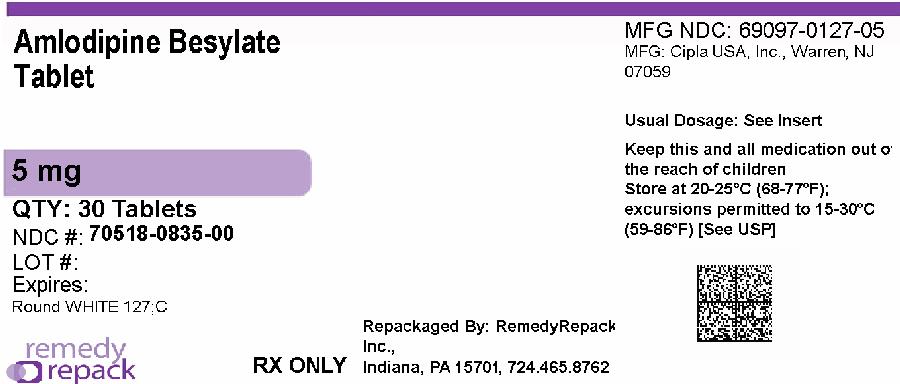
(amlodipine · DailyMed)
IRBESARTAN/AMLODIPINE BESYLATE IMPACT 300MG/10MG
CALCINED ASH SEA SHELL; GARCINA CAMBOGIA FRUIT EXTRAT; GLYCYRRHIZA GLABRA ROOT POWDER; TRIGONELLA FOENUM GRAECUM SEED POWDER;IRBESARTAN; AMLODIPINE BESYLATE
What it does
Amlodipine is a medicine that helps lower blood pressure and improve blood flow by relaxing the blood vessels.
Commonly used for: high blood pressure (hypertension), chest pain (angina)
Read more in plain English ↓Plain-language summary for general understanding - not medical advice. Always follow your pharmacist/doctor.
Ask about this medicine
Answers come only from this medicine's registration record, BNF monograph and interaction data - not medical advice.
Medicine sourcing is available in Kenya only. We don't sell or dispense medicines - licensed pharmacies do.
Sourcing - Kenya onlyRegistration & product details
Source: Medicines Control Authority of Zimbabwe · fetched 2026-04-18 08:22:08 · updated 2026-10-18 04:30:08
Drug Interactions
24Pharmacodynamic Warnings
Irbesartan appears in TABLE 7: Drugs that cause first dose hypotension
Amlodipine appears in TABLE 8: Drugs that cause hypotension
Irbesartan appears in TABLE 8: Drugs that cause hypotension
Irbesartan appears in TABLE 16: Drugs that increase serum potassium
Severe (1)
Amlodipine - increases exposure
Grapefruit juice very slightly increases the exposure to amlodipine. Avoid.
Moderate (18)
Amlodipine - decreases exposure
Enzalutamide is predicted to decrease the exposure to calcium channel blockers (amlodipine, felodipine, lacidipine, lercanidipine, nicardipine, nifedipine, nimodipine). Monitor and adjust dose.
Amlodipine - decreases exposure
Apalutamide is predicted to decrease the exposure to calcium channel blockers (amlodipine, felodipine, lacidipine, lercanidipine, nicardipine, nimodipine). Monitor and adjust dose.
Amlodipine - increases exposure
Dronedarone is predicted to increase the exposure to calcium channel blockers (amlodipine, felodipine, lacidipine, lercanidipine, nicardipine, nifedipine, nimodipine). Monitor and adjust dose.
Amlodipine - increases exposure
Antifungals, azoles (fluconazole, isavuconazole, posaconazole) are predicted to increase the exposure to calcium channel blockers (amlodipine, felodipine, lacidipine, lercanidipine, nicardipine, nifed
Amlodipine - increases exposure
Miconazole is predicted to increase the exposure to calcium channel blockers (amlodipine, felodipine, lacidipine, lercanidipine, nicardipine, nifedipine, nimodipine, verapamil). Use with caution and a
Unknown (5)
Amlodipine - increases risk of hypotension
Intravenous magnesium potentially increases the risk of hypotension when given with calcium channel blockers (amlodipine, felodipine, lacidipine, lercanidipine, nicardipine, nifedipine, nimodipine, ve
Amlodipine - increases risk of angioedema
Temsirolimusispredictedtoincreasetheriskofangioedema whengivenwithcalciumchannelblockers(amlodipine, felodipine,lacidipine,lercanidipine,nicardipine,nifedipine, nimodipine).oTheoretical https://www.fa
Bulevirtide - affects efficacy
Irbesartanispredictedtoaffecttheefficacyofbulevirtide. Avoid.rTheoretical
Simvastatin - increases exposure
Amlodipine slightly increases the exposure to statins (simvastatin). Adjust simvastatin dose, p. 224.
Statins - increases exposure
Amlodipine slightly increases the exposure to statins (simvastatin). Adjust simvastatin dose, p. 224.
Data from BNF 85 (British National Formulary). This is not a substitute for professional medical advice. Matched via: exact
About amlodipine
Amlodipine is a medicine that helps lower blood pressure and improve blood flow by relaxing the blood vessels.
What it treats
- high blood pressure (hypertension)
- chest pain (angina)
How it works
It works by blocking calcium from entering the cells of the heart and blood vessels, which helps to relax and widen them.
Who it's for
Amlodipine is for adults who need help managing high blood pressure or chest pain.
Drug class
Calcium channel blockers
Cautions
- • Be careful if you are taking other medications that lower blood pressure.
AI-assisted summary grounded in BNF data - general information only, not medical advice. Always confirm with your pharmacist or doctor.
About ash
Ash is a natural product often used for its potential health benefits.
What it treats
- general health support
How it works
The exact way ash works in the body is not well understood, but it is believed to have various health-promoting properties.
Who it's for
Ash can be used by individuals looking for natural health supplements.
Cautions
- • Consult a healthcare professional before use, especially if you are pregnant, nursing, or have underlying health conditions.
AI-assisted summary grounded in BNF data - general information only, not medical advice. Always confirm with your pharmacist or doctor.
About calcined
Calcined is a type of substance used in various treatments and applications.
What it treats
- calcium deficiency
- osteoporosis
- bone health
How it works
Calcined provides essential calcium, which helps strengthen bones and supports overall health.
Who it's for
It is suitable for individuals needing extra calcium, especially older adults or those with certain health conditions affecting bone density.
AI-assisted summary grounded in BNF data - general information only, not medical advice. Always confirm with your pharmacist or doctor.
About cambogia
Cambogia is a supplement often used for weight management.
What it treats
- weight loss
- obesity management
How it works
Cambogia is believed to help reduce appetite and block fat production in the body.
Who it's for
It's typically used by adults looking to manage their weight.
Cautions
- • Consult a healthcare provider before use, especially if you have underlying health conditions.
- • Not recommended for pregnant or breastfeeding women.
AI-assisted summary grounded in BNF data - general information only, not medical advice. Always confirm with your pharmacist or doctor.
About extrat
Extrat is a medication that may be used for various health conditions. Please consult your healthcare provider for specific uses.
How it works
The exact way Extrat works is not specified, but it is used to help manage certain health issues.
Who it's for
Extrat may be suitable for individuals dealing with specific health concerns. Always check with your doctor to see if it is right for you.
AI-assisted summary grounded in BNF data - general information only, not medical advice. Always confirm with your pharmacist or doctor.
About foenum
Foenum is a natural product often used for its potential health benefits.
What it treats
- digestive issues
- appetite stimulant
- menstrual discomfort
How it works
Foenum may help improve digestion and relieve discomfort in the stomach.
Who it's for
Adults looking for natural remedies for digestive problems or menstrual pain.
AI-assisted summary grounded in BNF data - general information only, not medical advice. Always confirm with your pharmacist or doctor.
About fruit
Fruit provides essential vitamins, minerals, and dietary fiber that are important for overall health.
What it treats
- supports general health
- helps maintain a healthy weight
- aids digestion
- reduces the risk of chronic diseases
How it works
Fruit contains various nutrients and antioxidants that help protect the body and support its functions.
Who it's for
Everyone, especially those looking to improve their diet and health.
AI-assisted summary grounded in BNF data - general information only, not medical advice. Always confirm with your pharmacist or doctor.
About garcina
Garcinia is a natural supplement often used for weight management and to support healthy metabolism.
What it treats
- weight loss
- obesity management
- metabolic support
How it works
Garcinia is believed to help reduce appetite and inhibit fat production in the body.
Who it's for
Adults looking to manage their weight or improve their metabolism.
AI-assisted summary grounded in BNF data - general information only, not medical advice. Always confirm with your pharmacist or doctor.
About glabra
Glabra is a natural ingredient often used for its potential health benefits.
What it treats
- skin conditions (dermatitis)
- inflammation
- digestive issues
How it works
Glabra may help reduce inflammation and support skin health.
Who it's for
Suitable for adults looking for natural remedies for skin or digestive concerns.
AI-assisted summary grounded in BNF data - general information only, not medical advice. Always confirm with your pharmacist or doctor.
About glycyrrhiza
Glycyrrhiza, commonly known as licorice root, is a herbal remedy used for its soothing properties.
What it treats
- sore throat
- stomach ulcers
- inflammation
- cough
How it works
Glycyrrhiza contains compounds that can help reduce inflammation and soothe irritation in the body.
Who it's for
Adults and children who are looking for natural relief from throat and stomach discomfort.
AI-assisted summary grounded in BNF data - general information only, not medical advice. Always confirm with your pharmacist or doctor.
About graecum
Graecum is a natural product used for various health benefits.
What it treats
- improving digestion
- boosting energy levels
- supporting immune function
How it works
Graecum contains compounds that may help improve bodily functions and overall health.
Who it's for
Graecum may be suitable for adults looking to enhance their health and well-being.
AI-assisted summary grounded in BNF data - general information only, not medical advice. Always confirm with your pharmacist or doctor.
About irbesartan
Irbesartan is a medication that helps lower blood pressure and protect the kidneys.
What it treats
- high blood pressure (hypertension)
- kidney problems related to diabetes
How it works
Irbesartan works by blocking a substance in the body that causes blood vessels to tighten, helping them to relax and lower blood pressure.
Who it's for
Irbesartan is for adults with high blood pressure or certain kidney issues.
Drug class
Angiotensin-II receptor antagonists
Cautions
- • Be careful if you are taking other medications that can lower blood pressure.
- • Avoid medications that can cause low blood pressure.
- • Watch out for drugs that may increase potassium levels in the blood.
AI-assisted summary grounded in BNF data - general information only, not medical advice. Always confirm with your pharmacist or doctor.
About root
This medicine is derived from the root of a plant and is used to help with various health conditions.
What it treats
- general health
- digestive issues
- inflammation
How it works
It works by supporting the body's natural processes and promoting overall wellness.
Who it's for
This medicine is suitable for adults and children who need support for their health.
AI-assisted summary grounded in BNF data - general information only, not medical advice. Always confirm with your pharmacist or doctor.
About sea
Sea is a natural substance often used for various health benefits.
What it treats
- general wellness
- skin hydration
- nutritional support
How it works
Sea is believed to help improve health by providing essential nutrients and hydration.
Who it's for
Suitable for individuals looking to enhance their overall health and hydration.
AI-assisted summary grounded in BNF data - general information only, not medical advice. Always confirm with your pharmacist or doctor.
About seed
This medicine is made from seeds and is often used for various health benefits.
What it treats
- general wellness
- nutritional support
How it works
The seeds contain natural compounds that may help improve health and support the body's functions.
Who it's for
This product is suitable for individuals looking to enhance their overall health.
AI-assisted summary grounded in BNF data - general information only, not medical advice. Always confirm with your pharmacist or doctor.
About shell
Shell is used in various traditional remedies but lacks specific clinical guidelines.
How it works
The exact way shell works in the body is not well defined and may vary depending on its use in traditional practices.
Who it's for
Shell may be used by individuals seeking alternative remedies, but it is important to consult with a healthcare provider.
AI-assisted summary grounded in BNF data - general information only, not medical advice. Always confirm with your pharmacist or doctor.
About trigonella
Trigonella is a natural supplement often used for various health benefits.
What it treats
- diabetes (high blood sugar)
- digestive issues
- high cholesterol
How it works
Trigonella may help lower blood sugar levels and improve digestion.
Who it's for
Adults seeking to manage blood sugar or improve digestive health.
AI-assisted summary grounded in BNF data - general information only, not medical advice. Always confirm with your pharmacist or doctor.
Clinical monograph: Amlodipine
BNF-referencedAmlodipine is a dihydropyridine calcium channel blocker primarily used for the treatment of hypertension and angina. It works by relaxing blood vessels, which lowers blood pressure and improves blood flow to the heart.
Indications
- Hypertension
- Angina
Dosage
Children: Children 1 month to 11 years: Initially 100–200 micrograms/kg once daily; increased if necessary at intervals of 1–2 weeks up to a maximum of 5 mg once daily.
Adults: Initially, 5 mg once daily, increased if necessary to a maximum of 10 mg once daily.
Mechanism of action
Amlodipine inhibits the influx of calcium ions into vascular smooth muscle and cardiac muscle cells, leading to vasodilation and decreased myocardial oxygen demand.
Pharmacodynamics
Amlodipine causes a reduction in systemic vascular resistance and arterial pressure, resulting in decreased workload on the heart. It has a long duration of action due to its slow onset and prolonged effects.
Pharmacokinetics
Amlodipine is well absorbed orally, with peak plasma concentrations occurring 6-12 hours after administration. It has a half-life of approximately 30-50 hours, allowing for once-daily dosing. It is extensively metabolized in the liver and excreted primarily in the urine.
Contra-indications
- Cardiogenic shock
- Aortic stenosis
Adverse effects
- Asthenia
- Constipation
- Diarrhoea
- Drowsiness
- Dyspnoea
- Gastrointestinal disturbances
Interactions
- Grapefruit juice (severe increase in exposure)
- Enzalutamide (moderate decrease in exposure)
- Apalutamide (moderate decrease in exposure)
- Dronedarone (moderate increase in exposure)
- Antifungals (azoles) (moderate increase in exposure)
- Miconazole (moderate increase in exposure)
- Cobicistat (moderate increase in exposure)
- Crizotinib (moderate increase in exposure)
- Dabrafenib (moderate decrease in exposure)
- Idelalisib (moderate increase in exposure)
Precautions
- Caution in hepatic impairment (risk of increased exposure)
- Monitor for sudden withdrawal effects, which may exacerbate myocardial ischaemia
Pregnancy
Manufacturer advises caution due to limited data on safety.
Breast-feeding
Manufacturer advises to avoid; no information available.
Storage
Store at room temperature, away from moisture and heat.
Formulations
- Amlodipine 5mg/5ml oral solution (sugar-free)
- Amlodipine 10mg/5ml oral solution (sugar-free)
- Amlodipine 5 mg tablets
- Amlodipine 10 mg tablets
AI-synthesized from BNF references - general information only, not a substitute for professional medical advice or the current BNF. Verify doses with a pharmacist.
Clinical monograph: Irbesartan
BNF-referencedIrbesartan is an angiotensin-II receptor antagonist commonly used to treat hypertension and to slow the progression of diabetic nephropathy in patients with type 2 diabetes. It works by blocking the action of angiotensin II, a potent vasoconstrictor, leading to vasodilation and reduced blood pressure. Irbesartan is usually administered orally and has a long duration of action, allowing for once-daily dosing.
Indications
- Hypertension
- Diabetic nephropathy in patients with type 2 diabetes
Dosage
Children: Refer to BNF for Children for specific dosing information.
Adults: Initially 75–150 mg once daily, may be increased to 300 mg once daily if tolerated.
Mechanism of action
Irbesartan prevents angiotensin II binding to the AT1 receptor in tissues such as vascular smooth muscle and the adrenal gland. It binds to the AT1 receptor with over 8500 times more affinity than to the AT2 receptor. By blocking angiotensin II from binding, irbesartan induces vascular smooth muscle relaxation and inhibits aldosterone secretion, which together lower blood pressure. This action counteracts the vasoconstrictive and sodium-retaining effects of angiotensin II.
Pharmacodynamics
Irbesartan is an effective angiotensin receptor blocker that lowers blood pressure and has a wide therapeutic index. It is well-tolerated at doses up to 900 mg daily, although typical therapeutic doses range from 150 mg. Its long half-life allows for once-daily dosing, making it convenient for patient adherence.
Pharmacokinetics
Irbesartan is well absorbed following oral administration, with peak plasma concentrations occurring within 1-2 hours. It undergoes extensive hepatic metabolism, primarily by glucuronidation, and is excreted via the urine and feces. The elimination half-life is approximately 11 hours, which supports its once-daily dosing regimen. Renal impairment may necessitate cautious use, especially in patients with creatinine clearance less than 30 mL/min.
Contra-indications
- Hypersensitivity to irbesartan or any of the excipients
- Severe hepatic impairment
- Bilateral renal artery stenosis or stenosis in a solitary kidney
Adverse effects
- Dizziness
- Fatigue
- Hypotension
- Angioedema
- Elevated blood urea or creatinine
- Hyperkalemia
- Gastrointestinal disturbances
Interactions
- Irbesartan and bulevirtide: Unknown (affects efficacy)
- Other antihypertensive agents may have additive effects
- Non-steroidal anti-inflammatory drugs (NSAIDs) may reduce the antihypertensive effect of irbesartan
Precautions
- Caution in patients with a history of angioedema
- Monitor renal function in patients with renal impairment
- Use with caution in patients with diabetes or heart failure
Pregnancy
Irbesartan is contraindicated during pregnancy due to potential harm to the fetus, particularly in the second and third trimesters.
Breast-feeding
Caution is advised as it is not known if irbesartan is excreted in human milk.
Storage
Store at room temperature, away from moisture and heat.
Formulations
- Irbesartan 75 mg tablets
- Irbesartan 150 mg tablets
- Irbesartan 300 mg tablets
- Oral suspension (special order)
AI-synthesized from BNF references - general information only, not a substitute for professional medical advice or the current BNF. Verify doses with a pharmacist.
Clinical monograph: calcined
Calcined refers to a process involving the heating of a substance to a high temperature, often to remove volatile components or to induce a chemical change. In a pharmacological context, calcined products, particularly calcium carbonate and calcium phosphate, are used as dietary supplements or in the treatment of certain conditions related to calcium deficiency. These compounds are important for maintaining bone health and metabolic functions.
Indications
- Calcium deficiency
- Osteoporosis prevention and treatment
- Hypoparathyroidism
- Rickets
- Osteomalacia
- Paget's disease of bone
Dosage
Children: Refer to the BNF for Children for appropriate dosing recommendations based on age and weight.
Adults: Refer to specific product instructions and guidelines for dosing information, as it can vary based on the condition being treated and the formulation used.
Mechanism of action
Calcined calcium supplements, such as calcium carbonate, act primarily by increasing the levels of calcium in the bloodstream. Calcium is crucial for various physiological processes, including bone formation, muscle contraction, and neurotransmitter release. In the context of bone metabolism, adequate calcium intake promotes the activity of osteoblasts, the cells responsible for bone formation.
Pharmacodynamics
Calcined calcium supplements help in maintaining and regulating serum calcium levels. They play a critical role in the prevention and treatment of osteoporosis, a condition characterized by weakened bones. Adequate calcium intake is necessary for the proper functioning of parathyroid hormone (PTH), which regulates calcium homeostasis. Additionally, these supplements may influence the metabolism of vitamin D, enhancing its action on calcium absorption in the gastrointestinal tract.
Pharmacokinetics
After oral administration, calcined calcium supplements are absorbed in the gastrointestinal tract, with absorption efficiency varying based on the formulation and presence of food. Calcium absorption occurs primarily in the small intestine, with 20-30% of dietary calcium typically absorbed. Peak serum calcium levels are reached within a few hours post-ingestion. The renal system plays a significant role in calcium homeostasis, with excess calcium being excreted in urine. Long-term supplementation can lead to increased urinary calcium excretion, necessitating monitoring for potential renal complications.
Pregnancy
Calcined products are generally considered safe in pregnancy, but clinical guidance should be sought before use.
Breast-feeding
Calcined products are typically safe during breastfeeding, but it is advisable to consult a healthcare provider.
Storage
Store in a cool, dry place, away from direct sunlight and moisture.
AI-synthesized from BNF references - general information only, not a substitute for professional medical advice or the current BNF. Verify doses with a pharmacist.
Clinical monograph: cambogia
Cambogia, often referred to as Garcinia cambogia, is a tropical fruit that contains hydroxycitric acid (HCA) as its active ingredient. It is commonly marketed as a dietary supplement for weight loss and appetite suppression. The fruit is native to Southeast Asia and has been used in traditional medicine for various health benefits, including its potential to improve metabolic health and reduce body fat.
Indications
- Obesity
- Weight management
- Appetite suppression
Dosage
Children: Refer to specific product guidelines, as safety and efficacy in children have not been well-established.
Adults: Refer to specific product guidelines, as dosages can vary widely between formulations.
Mechanism of action
The primary mechanism of action of HCA involves the inhibition of the enzyme ATP-citrate lyase, which plays a key role in the conversion of carbohydrates into fats. By inhibiting this enzyme, HCA may help to reduce fat storage and promote fat oxidation. Additionally, HCA is believed to increase serotonin levels in the brain, which may help to reduce appetite and cravings.
Pharmacodynamics
HCA has been shown to influence metabolic processes by promoting fat oxidation and reducing lipogenesis (fat creation). This can lead to weight reduction and may improve lipid profiles by lowering triglycerides and cholesterol levels. The appetite-suppressing effects are thought to be mediated through increased serotonin, which can enhance mood and reduce emotional eating.
Pharmacokinetics
HCA is absorbed in the gastrointestinal tract after oral administration. Its bioavailability can be affected by food intake. The metabolism of HCA primarily occurs in the liver, where it may undergo conjugation, and it is excreted via the urine. The half-life of HCA is not well-established, and further studies are needed to fully elucidate its pharmacokinetic profile.
Adverse effects
- Gastrointestinal upset
- Nausea
- Headache
- Dizziness
- Dry mouth
Interactions
- May interact with medications for diabetes, potentially leading to hypoglycemia
- Possible interaction with anticoagulants, increasing the risk of bleeding
Precautions
- Use with caution in patients with diabetes
- Should be avoided in patients with liver or kidney disease
- Not recommended for pregnant or breastfeeding women without medical advice
Pregnancy
Limited data is available; use is not recommended due to potential risks.
Breast-feeding
Not enough reliable information is available; use with caution.
Storage
Store in a cool, dry place away from direct sunlight. Keep out of reach of children.
Formulations
- Capsules
- Tablets
- Powder
AI-synthesized from BNF references - general information only, not a substitute for professional medical advice or the current BNF. Verify doses with a pharmacist.
Clinical monograph: extrat
Extrat is a pharmaceutical compound that is primarily used in the management of various conditions related to inflammation and pain. It is often employed in the treatment of osteoarthritis, rheumatoid arthritis, and other inflammatory disorders. The drug is known for its analgesic, anti-inflammatory, and antipyretic properties, making it a versatile option in pain management.
Indications
- Osteoarthritis
- Rheumatoid arthritis
- Acute pain management
- Chronic pain syndromes
- Inflammatory conditions
Dosage
Children: Refer to the BNF for Children for appropriate dosing information, as pediatric doses must be determined based on specific age, weight, and clinical condition.
Adults: Refer to the specific dosing guidelines in the relevant prescribing information, as doses may vary based on the formulation and individual patient factors.
Mechanism of action
Extrat acts primarily as a non-steroidal anti-inflammatory drug (NSAID). It inhibits the cyclooxygenase (COX) enzymes, COX-1 and COX-2, which are crucial for the synthesis of prostaglandins. By blocking these enzymes, Extrat reduces the production of prostaglandins that mediate inflammation, pain, and fever. This mechanism underlies its effectiveness in alleviating symptoms associated with inflammatory conditions.
Pharmacodynamics
Extrat exhibits dose-dependent analgesic and anti-inflammatory effects. The inhibition of prostaglandin synthesis leads to a reduction in vasodilation and increased vascular permeability, which are key processes in the inflammatory response. Its antipyretic effects arise from its action on the hypothalamic heat-regulating center, thereby lowering elevated body temperature.
Pharmacokinetics
Extrat is absorbed rapidly from the gastrointestinal tract, with peak plasma concentrations occurring within 1 to 2 hours after oral administration. It has a high protein binding capacity, usually around 90-95%. The drug is metabolized primarily in the liver through cytochrome P450 enzymes and is excreted via the kidneys. The elimination half-life varies depending on the formulation but generally ranges from 2 to 4 hours.
Pregnancy
Safety during pregnancy has not been established. Use only if the potential benefit justifies the potential risk to the fetus.
Breast-feeding
It is unknown whether extrat is excreted in human milk. Caution should be exercised when administering to nursing mothers.
Storage
Store in a cool, dry place, away from light. Keep out of reach of children.
AI-synthesized from BNF references - general information only, not a substitute for professional medical advice or the current BNF. Verify doses with a pharmacist.
Clinical monograph: foenum
Foenum, commonly known as fenugreek, is a herb that has been used in traditional medicine for various purposes, including as a dietary supplement. It is recognized for its potential health benefits, particularly in the management of blood sugar levels, digestive issues, and inflammation. The seeds of fenugreek are rich in soluble fiber, which contributes to its therapeutic effects.
Indications
- Diabetes mellitus
- Hyperlipidemia
- Digestive disorders
- Inflammatory conditions
Dosage
Children: There is insufficient established dosing information for pediatric populations. Consult relevant pediatric dosing references for guidance.
Adults: Refer to established guidelines and clinical protocols for specific dosing. Generally, fenugreek is available in various forms, including capsules, powders, and teas, with common dosages ranging from 5 to 30 grams of seeds per day.
Mechanism of action
Fenugreek exerts its effects primarily through its active components, including saponins, alkaloids, and flavonoids. These compounds may enhance insulin sensitivity and stimulate insulin secretion, thereby aiding in the management of blood glucose levels. Additionally, fenugreek may influence lipid metabolism, potentially leading to improvements in cholesterol levels. Its anti-inflammatory properties may be attributed to the modulation of inflammatory pathways, including the inhibition of pro-inflammatory cytokines.
Pharmacodynamics
The pharmacodynamic effects of fenugreek include improvements in glucose metabolism, lipid profile, and gastrointestinal health. The soluble fiber content may aid in slowing gastric emptying, promoting satiety, and improving bowel regularity. Fenugreek's anti-inflammatory properties may help alleviate symptoms of inflammatory conditions and contribute to overall health improvement.
Pharmacokinetics
The pharmacokinetics of fenugreek are not fully elucidated. However, it is known that the active constituents are absorbed in the gastrointestinal tract, with bioavailability influenced by the method of preparation and consumption. The onset of action can vary, with effects on blood glucose levels observed within a few hours post ingestion.
Adverse effects
- Allergic reactions
- Gastrointestinal disturbances
- Hypoglycemia
Interactions
- May enhance the effects of anticoagulants
- Potential interaction with antidiabetic medications
Precautions
- Use with caution in individuals with hormone-sensitive conditions
- Monitor blood glucose levels in diabetic patients
Pregnancy
Safety during pregnancy is not established; consult a healthcare provider.
Breast-feeding
Consult a healthcare provider before use while breastfeeding.
Storage
Store in a cool, dry place away from direct sunlight.
Formulations
- Seeds
- Extracts
- Capsules
AI-synthesized from BNF references - general information only, not a substitute for professional medical advice or the current BNF. Verify doses with a pharmacist.
Clinical monograph: fruit
Fruit refers to the mature ovary of a flowering plant, typically containing seeds. It is a key component of a balanced diet, providing essential vitamins, minerals, fiber, and antioxidants. Fruits are often consumed fresh, dried, or in juices and are known for their role in promoting health and preventing chronic diseases.
Indications
- Nutritional support
- Prevention of chronic diseases
- Support for digestive health
- Antioxidant support
- Hydration
Dosage
Children: In children, the recommendation for fruit intake varies by age, with guidelines typically suggesting 1 to 2 servings per day, depending on age and dietary requirements.
Adults: Fruits are generally consumed as part of a balanced diet, with recommendations often suggesting 5 portions of fruits and vegetables per day, though specific amounts may vary based on individual dietary needs.
Mechanism of action
Fruits contain various bioactive compounds, including vitamins (such as vitamin C and folate), minerals (like potassium), dietary fiber, and phytochemicals (such as flavonoids and carotenoids). These components contribute to their health benefits through various mechanisms, including antioxidant activity, modulation of inflammation, and enhancement of immune function.
Pharmacodynamics
The pharmacodynamic effects of fruits are largely attributed to their phytochemical content, which can influence metabolic pathways, reduce oxidative stress, and improve cardiovascular health. The fiber content aids in digestion and can contribute to maintaining healthy cholesterol levels. The vitamins and minerals support various physiological functions, including immune response and cellular repair.
Pharmacokinetics
The bioavailability of nutrients from fruits can vary based on the composition of the fruit and the individual's digestive health. Vitamins and antioxidants are typically absorbed in the small intestine, while dietary fiber is fermented in the colon. The metabolism of fruit-derived nutrients occurs through various pathways, with some compounds undergoing conjugation and excretion via the kidneys.
Pregnancy
Fruits are generally safe to consume during pregnancy and provide essential nutrients. However, certain fruits may need to be limited due to sugar content or potential allergies.
Breast-feeding
Fruits are safe to consume while breastfeeding and can contribute to the nutritional needs of both the mother and the infant. Some fruits may help with lactation.
Storage
Fruits should be stored in a cool, dry place, and refrigeration can help prolong freshness. Some fruits may require specific storage conditions to maintain quality.
Formulations
- whole fruit
- dried fruit
- fruit juice
- fruit puree
- fruit smoothie
AI-synthesized from BNF references - general information only, not a substitute for professional medical advice or the current BNF. Verify doses with a pharmacist.
Clinical monograph: garcina
Garcinia refers to a genus of tropical fruits, particularly Garcinia cambogia, known for its potential weight loss benefits. The active ingredient, hydroxycitric acid (HCA), is often marketed as a dietary supplement that may help in inhibiting fat production and suppressing appetite. Garcinia extracts are primarily used in weight management and obesity treatment, although clinical evidence supporting their efficacy is variable.
Indications
- Obesity
- Weight management
- Appetite control
Dosage
Children: Safety and efficacy in children have not been established; consult a healthcare professional for appropriate guidance.
Adults: Refer to specific product guidelines, as dosages can vary widely based on formulation and concentration of active ingredients.
Mechanism of action
The primary mechanism of action of hydroxycitric acid involves the inhibition of the enzyme citrate lyase, which plays a critical role in the conversion of carbohydrates into fats. By inhibiting this enzyme, HCA may reduce fat storage and increase fat oxidation. Additionally, HCA is thought to increase serotonin levels in the brain, which may contribute to appetite suppression.
Pharmacodynamics
The pharmacodynamic effects of Garcinia extracts are largely attributed to HCA, which may influence metabolic pathways involved in fat synthesis and energy expenditure. Studies suggest that HCA may lead to a modest reduction in body weight and body fat, although results can vary significantly among individuals. The appetite-suppressing effects might be linked to increased serotonin levels, potentially leading to reduced caloric intake.
Pharmacokinetics
The pharmacokinetics of Garcinia extracts, particularly HCA, include oral absorption with peak plasma concentrations generally occurring within 1 to 2 hours following ingestion. The elimination half-life of HCA is not well-defined, but it is metabolized in the liver and excreted primarily via urine. Notably, the bioavailability of HCA may be affected by food intake and the presence of other dietary compounds.
Adverse effects
- Gastrointestinal disturbances
- Headache
- Dizziness
- Dry mouth
- Fatigue
- Skin rash
Interactions
- May interact with medications that affect blood sugar levels
- Potential interaction with anticoagulants and antiplatelet drugs
Precautions
- Use with caution in patients with diabetes
- Monitor for potential liver toxicity
- Avoid use in pregnant and breastfeeding women unless advised by a healthcare professional
Pregnancy
Use during pregnancy is not recommended due to insufficient safety data.
Breast-feeding
Use during breastfeeding is not recommended due to insufficient safety data.
Storage
Store in a cool, dry place away from direct sunlight.
AI-synthesized from BNF references - general information only, not a substitute for professional medical advice or the current BNF. Verify doses with a pharmacist.
Clinical monograph: glabra
Glabra, commonly known as Glycyrrhiza glabra or licorice root, is a perennial herb belonging to the Fabaceae family. It has been utilized in traditional medicine for various ailments and is recognized for its sweet flavor due to the presence of glycyrrhizin. Glabra is known for its anti-inflammatory, antiviral, and antioxidant properties, which contribute to its use in treating gastrointestinal disorders and respiratory conditions.
Indications
- Gastrointestinal disorders (e.g., peptic ulcers, dyspepsia)
- Respiratory conditions (e.g., cough, bronchitis)
- Inflammatory conditions (e.g., arthritis, dermatitis)
- Viral infections (e.g., hepatitis, herpes simplex)
Dosage
Children: Refer to established clinical guidelines for appropriate dosing, as no specific dose is provided.
Adults: Refer to established clinical guidelines for appropriate dosing, as no specific dose is provided.
Mechanism of action
Glycyrrhizin, the active compound in glabra, inhibits the enzyme 11β-hydroxysteroid dehydrogenase type 2, leading to increased cortisol levels in tissues. This mechanism helps to reduce inflammation and modulate immune responses. Additionally, glabra exhibits antiviral activity by inhibiting the replication of certain viruses, possibly through interference with viral proteins and host cell interactions.
Pharmacodynamics
The pharmacodynamic effects of glabra are primarily attributed to glycyrrhizin and flavonoids present in the plant. Its anti-inflammatory effects are mediated through the inhibition of pro-inflammatory cytokines and pathways such as NF-κB. The compound also has expectorant properties, aiding in the relief of cough and respiratory distress by promoting mucus secretion and reducing irritation in the airways.
Pharmacokinetics
Glycyrrhizin is absorbed in the gastrointestinal tract, and its bioavailability can be influenced by the presence of other food components. Once absorbed, it undergoes hepatic metabolism, with its metabolites excreted primarily through urine. The half-life of glycyrrhizin can vary but is generally several hours, necessitating multiple doses for sustained therapeutic effects. Chronic use may lead to accumulation and potential side effects such as hypertension and hypokalemia due to its mineralocorticoid-like effects.
Pregnancy
The safety of glabra during pregnancy has not been established. It is advisable to avoid its use unless clearly needed.
Breast-feeding
There is limited information on the excretion of glabra in human milk. Caution is advised when administering to breastfeeding mothers.
Storage
Store at room temperature, away from moisture and direct light. Keep out of reach of children.
AI-synthesized from BNF references - general information only, not a substitute for professional medical advice or the current BNF. Verify doses with a pharmacist.
Clinical monograph: glycyrrhiza
Glycyrrhiza, commonly known as licorice, is a herbaceous plant belonging to the legume family, Fabaceae. The roots of Glycyrrhiza glabra, the most commonly used species, are primarily used for their therapeutic properties. Glycyrrhiza has been utilized in traditional medicine for centuries, particularly in the treatment of respiratory issues, digestive disorders, and inflammation. It is known for its sweet flavor due to the presence of glycyrrhizin, a compound that is significantly sweeter than sucrose.
Indications
- Adrenal insufficiency
- Chronic inflammatory conditions
Mechanism of action
Glycyrrhizin, the primary active component of Glycyrrhiza, exerts its effects primarily through inhibition of the enzyme 11β-hydroxysteroid dehydrogenase type 2 (11β-HSD2). This inhibition prevents the conversion of active cortisol to inactive cortisone, leading to increased cortisol levels. Elevated cortisol mimics the effects of aldosterone, resulting in sodium retention, potassium excretion, and increased blood pressure. Additionally, licorice has anti-inflammatory and antiviral properties attributed to its ability to modulate various immune pathways and inhibit viral replication.
Pharmacodynamics
The pharmacodynamic effects of Glycyrrhiza include anti-inflammatory, antiviral, and immunomodulatory activities. Glycyrrhizin has been shown to reduce inflammation by inhibiting the production of pro-inflammatory cytokines and mediators. Its potential antiviral properties are particularly noted in viral infections such as hepatitis C and COVID-19, where it may inhibit viral replication. Furthermore, its ability to enhance the effects of corticosteroids can be beneficial in treating conditions associated with adrenal insufficiency or chronic inflammation.
Pharmacokinetics
Glycyrrhizin is absorbed from the gastrointestinal tract, with peak plasma concentrations occurring within 1-2 hours after oral administration. It undergoes extensive metabolism in the liver, primarily through conjugation processes, leading to the formation of glycyrrhetic acid as a major metabolite. The elimination half-life of glycyrrhizin is approximately 6-8 hours. Glycyrrhiza components are excreted in urine predominantly as conjugated forms. Long-term use can lead to accumulation and potential side effects due to its mineralocorticoid-like effects.
Contra-indications
- Hypertension
- Hypokalemia
- Severe kidney disease
- Pregnancy (due to hormonal effects)
Adverse effects
- Hypertension
- Hypokalemia
- Edema
- Headaches
- Fatigue
- Muscle weakness
- Cardiac arrhythmias (with excessive use)
Interactions
- May enhance the effects of corticosteroids
- May increase the risk of hypokalemia with diuretics
- May interact with anticoagulants, increasing the risk of bleeding
- May affect the metabolism of drugs metabolized by CYP3A4
Precautions
- Use with caution in patients with cardiovascular disease
- Monitor blood pressure and potassium levels during prolonged use
- Not recommended for long-term use without medical supervision
Pregnancy
Glycyrrhiza should be avoided during pregnancy as it may cause hormonal effects that could affect fetal development.
Breast-feeding
Consult a healthcare provider before use while breastfeeding, as safety is not well established.
Storage
Store in a cool, dry place, away from direct sunlight and moisture.
Formulations
- Dried root
- Extracts (liquid and powdered)
- Teas
- Capsules
AI-synthesized from BNF references - general information only, not a substitute for professional medical advice or the current BNF. Verify doses with a pharmacist.
Clinical monograph: graecum
Graecum, commonly known as fenugreek, is a herb that has been used in traditional medicine and cooking for centuries. It is known for its seeds, which are rich in protein, fiber, and various micronutrients. Fenugreek has been studied for its potential health benefits including blood sugar control, cholesterol reduction, and appetite regulation. The active constituents include saponins, alkaloids, and flavonoids, which contribute to its medicinal properties.
Indications
- Diabetes management
- Hyperlipidemia
- Digestive disorders
- Appetite stimulation
- Lactation support
Dosage
Children: Refer to pediatric guidelines for specific dosage recommendations based on the child's condition and age.
Adults: Refer to professional guidelines for specific dosage recommendations based on the condition being treated.
Mechanism of action
Fenugreek exerts its effects mainly through its active compounds. It is believed to enhance insulin sensitivity and stimulate insulin secretion, which aids in blood sugar regulation. Additionally, fenugreek may influence lipid metabolism and reduce cholesterol absorption in the gastrointestinal tract. The presence of 4-hydroxyisoleucine, an amino acid derivative, is particularly noted for its role in modulating insulin release.
Pharmacodynamics
The pharmacodynamic effects of fenugreek are attributed to its ability to interact with various metabolic pathways. Its saponins can inhibit the absorption of cholesterol and triglycerides, thereby contributing to lipid-lowering effects. Furthermore, fenugreek's anti-inflammatory and antioxidant properties may improve overall metabolic health and reduce the risk of chronic diseases.
Pharmacokinetics
The pharmacokinetics of fenugreek are not extensively studied, but it is understood that the active compounds are absorbed in the gastrointestinal tract. Once absorbed, they may exert systemic effects, although the exact bioavailability and half-life of fenugreek constituents vary. The metabolism of fenugreek compounds likely occurs in the liver, leading to various metabolites that exert biological effects.
Pregnancy
There is insufficient evidence regarding the safety of graecum during pregnancy. Consult a healthcare provider before use.
Breast-feeding
The effects of graecum during breastfeeding are not well studied. It is advisable to consult a healthcare provider before use.
Storage
Store in a cool, dry place, away from direct sunlight. Keep out of reach of children.
AI-synthesized from BNF references - general information only, not a substitute for professional medical advice or the current BNF. Verify doses with a pharmacist.
Clinical monograph: root
Root is a term that generally refers to the underground part of a plant that typically anchors it and absorbs water and nutrients. However, in pharmacology, it may refer to various medicinal plants used for their therapeutic properties. Roots from different plants are utilized in traditional and modern medicine for a wide range of health benefits, varying from anti-inflammatory to antimicrobial effects. The specific pharmacological properties depend on the plant species and the active compounds contained within the root.
Dosage
Children: Refer to specific formulations and preparations for recommended dosing in children, as it varies widely by plant and intended use.
Adults: Refer to specific formulations and preparations for recommended dosing, as it varies widely by plant and intended use.
Mechanism of action
The mechanism of action varies significantly depending on the specific root being referred to. Many plant roots contain bioactive compounds such as alkaloids, flavonoids, and glycosides, which can modulate various biochemical pathways in the body. For instance, certain roots may inhibit enzymes involved in inflammation or microbial growth, while others may enhance immune responses or modulate neurotransmitter activity.
Pharmacodynamics
Pharmacodynamics will differ based on the specific root and its active compounds. Generally, roots may exhibit anti-inflammatory, analgesic, antimicrobial, or antioxidant effects. The pharmacodynamic profile will also depend on factors such as dosage, preparation method (e.g., decoction, tincture), and the specific condition being treated. For example, some roots may interact with cellular receptors, while others may exert their effects through modulation of gene expression.
Pharmacokinetics
The pharmacokinetics of a root extract will vary with the specific plant. Typically, factors such as absorption, distribution, metabolism, and excretion are influenced by the chemical composition of the root, the method of preparation, and the route of administration. Many active compounds are absorbed in the gastrointestinal tract, metabolized in the liver, and excreted via urine or feces. The bioavailability of these compounds can be affected by their solubility and stability.
Pregnancy
The safety of root during pregnancy has not been established. Consult a healthcare professional before use.
Breast-feeding
It is unknown whether root is excreted in human milk. Caution is advised when administering to nursing mothers.
Storage
Store in a cool, dry place away from direct sunlight and moisture.
AI-synthesized from BNF references - general information only, not a substitute for professional medical advice or the current BNF. Verify doses with a pharmacist.
Clinical monograph: seed
Seed refers to the reproductive unit in flowering plants that contains an embryo and is capable of developing into another plant. Seeds are a source of various nutrients and bioactive compounds, making them important in nutrition and pharmacology. Different types of seeds, such as pumpkin seeds, sunflower seeds, and flaxseeds, have been studied for their health benefits, including anti-inflammatory, antioxidant, and cholesterol-lowering effects.
Indications
- Dietary supplement for heart health
- Source of essential fatty acids
- Antioxidant support
- Promotion of digestive health
- Management of cholesterol levels
Dosage
Children: Refer to specific seed type and formulation for dosing information, as it can vary widely based on type and intended use.
Adults: Refer to specific seed type and formulation for dosing information, as it can vary widely based on type and intended use.
Mechanism of action
The bioactive compounds in seeds, such as polyunsaturated fatty acids, phytosterols, and antioxidants, exert various effects in the body. For example, omega-3 fatty acids found in flaxseeds can influence lipid metabolism and reduce inflammation by modulating the production of eicosanoids. Antioxidants such as tocopherols and phenolic compounds can scavenge free radicals, reducing oxidative stress.
Pharmacodynamics
Seeds have shown potential benefits, including the modulation of lipid profiles, reduction in inflammatory markers, and improvement in glycemic control. The consumption of seeds may lead to decreased low-density lipoprotein (LDL) cholesterol levels and increased high-density lipoprotein (HDL) cholesterol levels, contributing to cardiovascular health. The dietary fiber in seeds can also aid in digestive health and promote satiety.
Pharmacokinetics
The pharmacokinetics of seeds can vary widely depending on the type of seed and the specific compounds being analyzed. Generally, the bioactive components are digested and absorbed in the gastrointestinal tract, with fatty acids being incorporated into chylomicrons and transported via the lymphatic system. Antioxidants are absorbed in the small intestine and may have systemic effects, while fiber can influence gastrointestinal motility and fermentation in the colon.
Pregnancy
Consult a healthcare provider before use, as safety during pregnancy is not well established.
Breast-feeding
Consult a healthcare provider before use, as safety during breastfeeding is not well established.
Storage
Store in a cool, dry place, away from direct sunlight.
AI-synthesized from BNF references - general information only, not a substitute for professional medical advice or the current BNF. Verify doses with a pharmacist.
Clinical monograph: shell
Shell refers to a variety of substances derived from the exoskeleton of certain animals, such as mollusks (e.g., snails and oysters) or crustaceans (e.g., crabs and lobsters). These shells are primarily composed of calcium carbonate and chitin, providing structural support and protection for the organisms. In medicine, components derived from shells may be utilized in dietary supplements, bone health products, or as a calcium source.
Indications
- Calcium deficiency
- Osteoporosis prevention
- Osteomalacia
- Rickets
- Paget's disease
- Hypoparathyroidism
Dosage
Children: Refer to specific product guidelines or consult a healthcare professional for appropriate dosing.
Adults: Refer to specific product guidelines or consult a healthcare professional for appropriate dosing.
Mechanism of action
The calcium carbonate found in shells acts as a calcium supplement, which is essential for many physiological functions, including bone formation and maintenance. It provides the necessary calcium ions that play a critical role in various cellular processes, including muscle contraction, neurotransmitter release, and blood coagulation.
Pharmacodynamics
Calcium carbonate is a source of calcium, a vital mineral that maintains bone density and overall bone health. When ingested, it dissociates in the stomach, releasing calcium ions that are absorbed in the intestines. It contributes to the prevention of osteoporosis and can aid in the treatment of calcium deficiencies. The effectiveness of calcium carbonate is influenced by factors such as the presence of food in the stomach, which may enhance its absorption.
Pharmacokinetics
After oral administration, calcium carbonate is dissolved in gastric acid and then absorbed primarily in the small intestine. The rate of absorption can be affected by the presence of food. The peak plasma concentration of calcium typically occurs within 1 to 3 hours post-ingestion. The elimination half-life of calcium varies, as it is stored in the bones and slowly released back into circulation. The body regulates calcium levels through hormonal control involving parathyroid hormone and calcitonin.
Pregnancy
Consult a healthcare provider for guidance, as safety during pregnancy may vary based on specific shellfish.
Breast-feeding
Consult a healthcare provider for guidance, as safety during breastfeeding may vary based on specific shellfish.
Storage
Store in a cool, dry place, away from direct sunlight.
AI-synthesized from BNF references - general information only, not a substitute for professional medical advice or the current BNF. Verify doses with a pharmacist.
Clinical monograph: trigonella
Trigonella, commonly known as fenugreek, is an herb that has been used in traditional medicine for various conditions, including diabetes, digestive issues, and inflammation. Its seeds are rich in phytonutrients, particularly soluble fiber and alkaloids, which contribute to its therapeutic effects. Fenugreek is often utilized for its hypoglycemic properties and is considered an adjunct therapy in diabetes management. Additionally, it is used to stimulate appetite and aid in digestion.
Indications
- Type 2 diabetes mellitus
- Digestive disorders
- Increased appetite
- Inflammatory conditions
Dosage
Children: Refer to established guidelines; specific dosages should be evaluated based on age, weight, and clinical condition.
Adults: Refer to established guidelines; specific dosages may vary based on the formulation and intended use.
Mechanism of action
The active components of fenugreek, such as 4-hydroxyisoleucine, are thought to enhance insulin secretion from the pancreas and improve glucose uptake in peripheral tissues. This action aids in lowering blood glucose levels. Fenugreek also contains saponins and flavonoids that exhibit anti-inflammatory and antioxidant properties, contributing to its overall health benefits.
Pharmacodynamics
Fenugreek's pharmacodynamic effects are primarily attributed to its ability to modulate glucose metabolism and improve insulin sensitivity. The soluble fiber in fenugreek seeds may slow carbohydrate absorption in the intestines, leading to lower postprandial blood glucose levels. Additionally, its anti-inflammatory properties may help reduce inflammation in chronic diseases such as diabetes.
Pharmacokinetics
The pharmacokinetics of fenugreek are not extensively studied; however, it is known that the active compounds are absorbed in the gastrointestinal tract after ingestion. The metabolism and excretion of these compounds are likely influenced by individual variations in gut microbiota and enzyme activity. Fenugreek's effects may vary based on the form used (e.g., seeds, powder, extract) and the dosage.
Adverse effects
- Gastrointestinal upset
- Diarrhea
- Allergic reactions
- Hypoglycemia
Interactions
- May potentiate the effects of anticoagulants
- May interact with antidiabetic medications, requiring dose adjustments
Precautions
- Use with caution in patients with diabetes
- Monitor blood sugar levels in diabetic patients
- Allergic reactions may occur in sensitive individuals
Pregnancy
Trigonella is considered possibly unsafe during pregnancy due to potential hormonal effects and effects on uterine contractions.
Breast-feeding
Trigonella is generally considered safe during breastfeeding, but consult a healthcare provider for individual advice.
Storage
Store in a cool, dry place away from direct sunlight.
Formulations
- Seeds
- Powder
- Extracts
AI-synthesized from BNF references - general information only, not a substitute for professional medical advice or the current BNF. Verify doses with a pharmacist.
Molecular reference: Amlodipine
PubChem CID 2162Molecular formula: C20H25ClN2O5
Mechanism of action
**Mechanism of action on blood pressure** Amlodipine is considered a peripheral arterial vasodilator that exerts its action directly on vascular smooth muscle to lead to a reduction in peripheral vascular resistance, causing a decrease in blood pressure. Amlodipine is a dihydropyridine calcium antagonist (calcium ion antagonist or slow-channel blocker) that inhibits the influx of calcium ions into both vascular smooth muscle and cardiac muscle. Experimental studies imply that amlodipine binds to both _dihydropyridine_ and _nondihydropyridine_ binding sites, located on cell membranes. The contraction of cardiac muscle and vascular smooth muscle are dependent on the movement of extracellular calcium ions into these cells by specific ion channels. Amlodipine blocks calcium ion influx across cell membranes with selectivity. A stronger effect of amlodipine is exerted on vascular smooth muscle cells than on cardiac muscle cells. Direct actions of amlodipine on vascular smooth muscle result in reduced blood pressure. **Mechanism of action in angina** The exact mechanism by which amlodipine relieves the symptoms of angina have not been fully elucidated to this date, however, the mechanism of action is likely twofold: Amlodipine has a dilating effect on peripheral arterioles, reducing the total peripheral resistance (afterload) against which the cardiac muscle functions. Since the heart rate remains stable during amlodipine administration, the reduced work of the heart reduces both myocardial energy use and oxygen requirements. Dilatation of the main coronary arteries and coronary arterioles, both in healthy and ischemic areas, is another possible mechanism of amlodipine reduction of blood pressure. The dilatation causes an increase in myocardial oxygen delivery in patients experiencing coronary artery spasm (Prinzmetal's or variant angina) and reduces coronary vasoconstriction caused by smoking. Amlodipine is a dihydropyridine calcium antagonist (calcium ion antagonist or slow-channel blocker) that inhibits the transmembrane influx of calcium ions into vascular smooth muscle and cardiac muscle. Experimental data suggest that amlodipine binds to both dihydropyridine and nondihydropyridine binding sites. The contractile processes of cardiac muscle and vascular smooth muscle are dependent upon the movement of extracellular calcium ions into these cells through specific ion channels. Amlodipine inhibits calcium ion influx across cell membranes selectively, with a greater effect on vascular smooth muscle cells than on cardiac muscle cells. Negative inotropic effects can be detected in vitro but such effects have not been seen in intact animals at therapeutic doses. Serum calcium concentration is not affected by amlodipine. Within the physiologic pH range, amlodipine is an ionized compound (pKa=8.6), and its kinetic interaction with the calcium channel receptor is characterized by a gradual rate of association and dissociation with the receptor binding site, resulting in a gradual onset of effect. Recent studies have suggested that cytokines are capable of modifying cardiovascular function and that drugs used in the treatment of heart failure have various modulating properties on the production of cytokines. More recently, we have found that ouabain induces the production of cytokines. This study was performed to examine the effects of calcium channel blockers on the production of cytokines induced by a cardiac glycoside. Human peripheral blood mononuclear cells (PBMC) were obtained from healthy volunteers. PBMC were cultured in 0.1, 1, 10, and 30 umol/L amlodipine, diltiazem, and nifedipine in presence of 1 umol/L ouabain. After 24 hr of incubation, IL-1alpha, IL-1beta, IL-6, and TNF-alpha were measured in the culture supernatants by enzyme-linked immunosorbent assay. Ouabain induced the production of IL-1alpha, IL-1beta and IL-6, but not of TNF-alpha. Induction of IL-1beta was most prominent. The production of IL-1alpha, and IL-6 wa
Pharmacodynamics
**General pharmacodynamic effects** Amlodipine has a strong affinity for cell membranes, modulating calcium influx by inhibiting selected membrane calcium channels. This drug's unique binding properties allow for its long-acting action and less frequent dosing regimen,. **Hemodynamic effects** After the administration of therapeutic doses of amlodipine to patients diagnosed with hypertension, amlodipine causes vasodilation, which results in a reduction of supine and standing blood pressure. During these blood pressure reductions, there are no clinically significant changes in heart rate or plasma catecholamine levels with long-term use. Acute intravenous administration of amlodipine reduces arterial blood pressure and increases heart rate in patients with chronic stable angina, however, chronic oral administration of amlodipine in clinical studies did not cause clinically significant alterations in heart rate or blood pressures in patients diagnosed with angina and normal blood pressure. With long-term, once daily oral administration, antihypertensive effectiveness is maintained for at least 24 hours. **Electrophysiologic effects** Amlodipine does not change sinoatrial (SA) nodal function or atrioventricular (AV) conduction in animals or humans. In patients who were diagnosed with chronic stable angina, the intravenous administration of 10 mg of amlodipine did not cause clinically significant alterations A-H and H-V conduction and sinus node recovery time after cardiac pacing. Patients administered amlodipine with concomitant beta-blockers produced similar results. In clinical trials in which amlodipine was given in combination with beta-blockers to patients diagnosed with hypertension or angina, no adverse effects on electrocardiographic parameters were noted. In clinical studies comprised of angina patients alone, amlodipine did not change electrocardiographic intervals or produce high degrees of AV block. **Effects on angina** Amlodipine relieves the symptoms of chest pain associated with angina. In patients diagnosed with angina, daily administration of a single amlodipine dose increases total exercise time, the time to angina onset, and the time to 1 mm ST-segment depression on ECG studies, decreases anginal attack frequency, and decreases the requirement for nitroglycerin tablets.
Biological pathways
Source: PubChem (NCBI) · pathways from PathBank, Reactome, WikiPathways & PharmGKB.
Molecular reference: Irbesartan
PubChem CID 3749Molecular formula: C25H28N6O
Mechanism of action
Irbesartan prevents angiotensin II binding to the AT<sub>1</sub> receptor in tissues like vascular smooth muscle and the adrenal gland. Irbesartan and its active metabolite bind the AT<sub>1</sub> receptor with 8500 times more affinity than they bind to the AT<sub>2</sub> receptor. Irbesartan's prevention of angiotensin II binding causes vascular smooth muscle relaxation and prevents the secretion of aldosterone, lowering blood pressure. Angiotensin II would otherwise bind to the AT<sub>1</sub> receptor, inducing vasoconstriction and aldosterone secretion, raising blood pressure. Angiotensin II is a potent vasoconstrictor formed from angiotensin I in a reaction catalyzed by angiotensin-converting enzyme (ACE, kininase II). Angiotensin II is the principal pressor agent of the renin-angiotensin system (RAS) and also stimulates aldosterone synthesis and secretion by adrenal cortex, cardiac contraction, renal resorption of sodium, activity of the sympathetic nervous system, and smooth muscle cell growth. Irbesartan blocks the vasoconstrictor and aldosterone-secreting effects of angiotensin II by selectively binding to the AT1 angiotensin II receptor. There is also an AT2 receptor in many tissues, but it is not involved in cardiovascular homeostasis. Irbesartan is a specific competitive antagonist of AT1 receptors with a much greater affinity (more than 8500-fold) for the AT1 receptor than for the AT2 receptor and no agonist activity. Blockade of the AT1 receptor removes the negative feedback of angiotensin II on renin secretion, but the resulting increased plasma renin activity and circulating angiotensin II do not overcome the effects of irbesartan on blood pressure. Irbesartan does not inhibit ACE or renin or affect other hormone receptors or ion channels known to be involved in the cardiovascular regulation of blood pressure and sodium homeostasis. Because irbesartan does not inhibit ACE, it does not affect the response to bradykinin; whether this has clinical relevance is not known.
Pharmacodynamics
Irbesartan is an angiotensin receptor blocker used to treat hypertension and diabetic nephropathy. It has a long duration of action as it is usually taken once daily and a wide therapeutic index as doses may be as low as 150mg daily but doses of 900mg/day were well tolerated in healthy human subjects.
Biological pathways
Source: PubChem (NCBI) · pathways from PathBank, Reactome, WikiPathways & PharmGKB.
This drug in other countries
The same active ingredient registered across other registries we cover - including different brands.
- ACTAPRESS DUO 40/5 · Inventia Healthcare
- ACTAPRESS DUO 40/10 · Inventia Healthcare
- ACTAPRESS DUO 80/10 · Inventia Healthcare
- ACTAPRESS DUO 80/5 · Inventia Healthcare
- AMCARDIA-10 · Unique Pharmaceutical Laboratories
- AMCARDIA-5 · Unique Pharmaceutical Laboratories
- AJ WELLNESS PEARL SKIN, HAIR NAILS CAPSULES · Renown Pharmaceuticals
- AJ WELLNESS SKIN RADIANCE CAPSULES · Renown Pharmaceuticals
- AJ WELLNESS SKIN RADIANCE CAPSULES (Each soft gelatin capsules contains Vit A/Vit B3/Vit B6/Biotin/Vit C/Vit E/Selenium/Zinc/Glutathione/Collagen peptides/Hyaluronic acid/Green tea/Mixed caretenoids/Aloe vera extract/Pomegranate/Grape seed extract/Lycopene/Astanxanthin/Resveratrol 1500iu/12mg/0.75mg/30mcg/15mg/10mg/20mcg/7.5mg/100mg/200mg/5mg/40mg/15mg/10mg/10mg/5mg/3mg/1.2mg/1mg) · Renown Pharmaceuticals
- AJ WELLNESS VITALMAN 65+ CAPSULES · Renown Pharmaceuticals
- ALC GLUCOSAMINE TABLETS · Unicom Chemist
- AMANAT 10MG TABLETS · Oa&j Pharmaceuticals