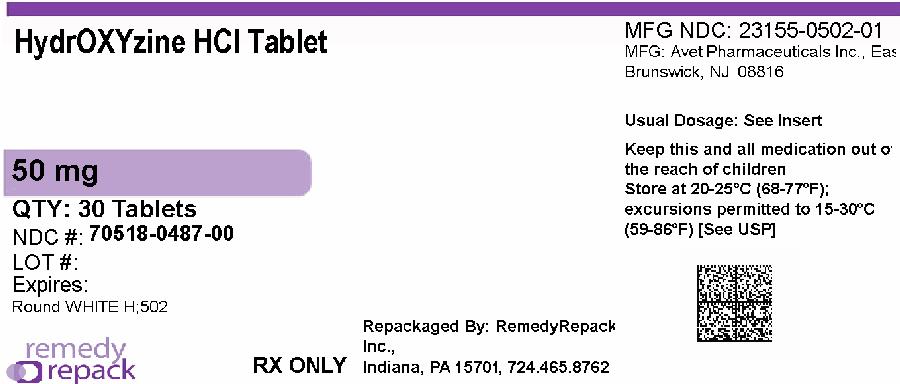
(hydroxy · DailyMed)
IVYMOICEL EYE 0.7%W/V DROPS
HYDROXY PROPYL METHYL CELLULOSE
What it does
Cellulose is a type of fiber that helps with digestion and promotes bowel health.
Commonly used for: constipation, irregular bowel movements
Read more in plain English ↓Plain-language summary for general understanding - not medical advice. Always follow your pharmacist/doctor.
Ask about this medicine
Answers come only from this medicine's registration record, BNF monograph and interaction data - not medical advice.
Medicine sourcing is available in Kenya only. We don't sell or dispense medicines - licensed pharmacies do.
Sourcing - Kenya onlyRegistration & product details
Source: Pharmacy and Medicines Regulatory Authority · fetched 2026-04-21 17:37:43 · updated 2026-09-22 04:33:04
About cellulose
Cellulose is a type of fiber that helps with digestion and promotes bowel health.
What it treats
- constipation
- irregular bowel movements
How it works
Cellulose adds bulk to the stool, making it easier to pass through the intestines.
Who it's for
Suitable for people looking to improve their digestive health.
AI-assisted summary grounded in BNF data - general information only, not medical advice. Always confirm with your pharmacist or doctor.
About hydroxy
Hydroxy is a medication used to treat various health conditions. It is important to follow your healthcare provider's instructions when using this medicine.
What it treats
- autoimmune diseases (such as rheumatoid arthritis)
- malaria prevention and treatment
- certain skin conditions (like lupus)
How it works
Hydroxy helps to reduce inflammation and the activity of the immune system.
Who it's for
This medicine is for people with specific autoimmune disorders, those at risk of malaria, or those with certain skin issues.
AI-assisted summary grounded in BNF data - general information only, not medical advice. Always confirm with your pharmacist or doctor.
About methyl
Methyl is an active ingredient used in various medications. It is involved in different treatments for health conditions.
What it treats
- mood disorders
- depression
- anxiety
How it works
Methyl helps to improve mood and reduce feelings of anxiety by affecting certain chemicals in the brain.
Who it's for
This medication is for adults experiencing mood-related issues.
AI-assisted summary grounded in BNF data - general information only, not medical advice. Always confirm with your pharmacist or doctor.
About propyl
Propyl is a chemical compound often used in various medicines. It helps in treating certain health conditions, but specific information on its uses and interactions is not provided.
How it works
Propyl works by influencing biological processes in the body, but the exact mechanism is not detailed.
Who it's for
Propyl may be suitable for individuals needing treatment for specific health issues, though details are not provided.
AI-assisted summary grounded in BNF data - general information only, not medical advice. Always confirm with your pharmacist or doctor.
Clinical monograph: cellulose
Cellulose is a complex carbohydrate and a key structural component of the plant cell wall. It is an indigestible polysaccharide made up of linear chains of glucose molecules linked by β-1,4-glycosidic bonds. As a dietary fiber, cellulose contributes to digestive health by promoting bowel regularity and is commonly used as a laxative and bulking agent in various food products and pharmaceuticals.
Indications
- Constipation
- Dietary fiber supplementation
- Irritable bowel syndrome
- Diverticular disease
- Weight management
Dosage
Children: Refer to appropriate guidelines for specific dosage; generally taken with adequate fluid intake.
Adults: Refer to appropriate guidelines for specific dosage; generally taken with adequate fluid intake.
Mechanism of action
Cellulose acts primarily as a bulk-forming laxative. It absorbs water in the intestines, which increases stool bulk and stimulates peristalsis, thus facilitating bowel movements. Additionally, cellulose is not digestible by human enzymes, leading to fermentation by gut bacteria, which may enhance gut health and alter gut microbiota composition.
Pharmacodynamics
Cellulose increases stool weight and frequency of bowel movements. It works by retaining water in the intestines, leading to softer stools and improved passage through the gastrointestinal tract. The bulking effect of cellulose can help alleviate constipation and promote overall digestive health. It may also play a role in cholesterol reduction and glycemic control through its effects on digestion and absorption of nutrients.
Pharmacokinetics
Cellulose is not absorbed into the bloodstream due to its indigestible nature. Instead, it passes through the gastrointestinal tract, where it adds bulk to the stool. Its fermentation by colonic bacteria produces short-chain fatty acids, which may have beneficial effects on colon health. The onset of action for cellulose as a laxative can vary but is generally within 24 to 72 hours after ingestion.
Adverse effects
- Bloating
- Flatulence
- Diarrhea
- Abdominal discomfort
Precautions
- Use with caution in patients with a history of gastrointestinal disorders.
- Monitor for potential allergic reactions in sensitive individuals.
Pregnancy
Cellulose is generally considered safe during pregnancy as it is a non-toxic, indigestible fiber.
Breast-feeding
Cellulose is also considered safe during breastfeeding; it is excreted in breast milk in negligible amounts.
Storage
Store in a cool, dry place away from direct sunlight.
Formulations
- Powder
- Capsules
- Tablets
- Granules
AI-synthesized from BNF references - general information only, not a substitute for professional medical advice or the current BNF. Verify doses with a pharmacist.
Clinical monograph: hydroxy
BNF-referencedHydroxyzine is an antihistamine of the first generation, primarily used for its sedative and anxiolytic properties. It is effective in treating anxiety, nausea, and allergic conditions. Hydroxyzine also possesses anticholinergic properties, which contribute to its sedative effects. It is commonly used in both adult and pediatric populations for various indications, including preoperative sedation and management of pruritus.
Indications
- Anxiety disorders
- Nausea and vomiting
- Allergic conditions
- Preoperative sedation
- Pruritus
Dosage
Children: Refer to the BNF for Children for appropriate dosing recommendations based on age and weight.
Adults: Refer to the BNF for specific dosing guidelines based on the indication and patient characteristics.
Mechanism of action
Hydroxyzine works by antagonizing the H1 histamine receptors, leading to a reduction in the effects of histamine in the body. This action helps alleviate symptoms of allergic reactions and promotes sedation. Additionally, it may exert effects on serotonin and adrenergic receptors, which could contribute to its anxiolytic properties. Hydroxyzine is also involved in various metabolic pathways, including selenium metabolism and the degradation of reactive oxygen species.
Pharmacodynamics
The pharmacodynamic effects of hydroxyzine include sedation, anxiolysis, and reduction of allergic symptoms. Its sedative effects can make it useful in managing anxiety and inducing sleep, while its antihistaminic properties help to relieve symptoms such as itching and rashes associated with allergic reactions. The onset of action is typically within 15 to 30 minutes when taken orally, with peak effects occurring within 1 to 2 hours.
Pharmacokinetics
Hydroxyzine is well absorbed from the gastrointestinal tract, with peak plasma concentrations occurring approximately 2 hours after oral administration. It is extensively metabolized in the liver, with metabolites, including cetirizine, possessing their own therapeutic effects. Hydroxyzine has a half-life of approximately 20 hours, allowing for once or twice daily dosing. It is primarily excreted in the urine, with less than 1% of the unchanged drug found in urine.
Interactions
- hydroxyzine+antiepileptics: Severe (increases risk of overheating and dehydration)
- hydroxyzine+zonisamide: Severe (increases risk of overheating and dehydration)
- hydroxychloroquine+penicillamine: Severe (increases risk of haematological toxicity)
- hydroxychloroquine+agalsidase alfa: Unknown (decreases effects)
- hydroxychloroquine+agalsidase beta: Unknown (decreases exposure)
- hydroxychloroquine+oral cholera vaccine: Unknown (decreases efficacy)
- live vaccines+hydroxy carbamide: Unknown (increases risk of generalised infection (possibly life-threatening))
- lanthanum+hydroxychloroquine: Unknown (decreases absorption)
- macrolides+hydroxychloroquine: Unknown (increases risk of serious cardiovascular adverse effects)
- hydroxychloroquine+remdesivir: Unknown (decreases effects)
Pregnancy
Safety in pregnancy has not been established. Use only if the potential benefit justifies the potential risk to the fetus.
Breast-feeding
Use with caution. Hydroxychloroquine is excreted in breast milk, and effects on the infant are unknown.
Storage
Store in a cool, dry place, protected from light. Keep out of reach of children.
Formulations
- Tablets
- Oral solution
AI-synthesized from BNF references - general information only, not a substitute for professional medical advice or the current BNF. Verify doses with a pharmacist.
Clinical monograph: methyl
BNF-referencedMethyl compounds, including corticosteroids like methylprednisolone, are synthetic derivatives of naturally occurring steroids. They are widely used for their anti-inflammatory and immunosuppressive properties. Methylprednisolone is notably effective in managing various conditions involving inflammation and autoimmunity.
Indications
- Allergic conditions
- Autoimmune diseases
- Asthma and chronic obstructive pulmonary disease (COPD)
- Certain cancers (e.g., leukemia, lymphoma)
- Skin conditions (e.g., dermatitis)
- Inflammatory bowel disease
- Multiple sclerosis exacerbations
- Severe infections requiring immunosuppression
Dosage
Children: Refer to BNF for Children for specific dosing; doses vary significantly based on the child's age, weight, and condition being treated.
Adults: Refer to BNF for specific dosing; typically, initial doses range from 4 to 48 mg depending on the severity of the condition.
Mechanism of action
Methylprednisolone exerts its effects by binding to glucocorticoid receptors, leading to the modulation of gene expression. This interaction influences the transcription of anti-inflammatory proteins while suppressing the expression of pro-inflammatory genes, ultimately resulting in reduced inflammation and immune response.
Pharmacodynamics
The pharmacodynamic effects of methylprednisolone are characterized by its ability to decrease inflammation, suppress the immune response, and affect carbohydrate metabolism. Therapeutic doses lead to various systemic effects, including modification of leukocyte distribution and inhibition of cytokine production.
Pharmacokinetics
Methylprednisolone is well absorbed after oral administration, with a bioavailability of approximately 50%. It has a volume of distribution that reflects extensive tissue binding. The drug is metabolized primarily in the liver through conjugation and reduction, and its metabolites are excreted in urine. The half-life varies based on the route of administration but is generally around 18 to 36 hours.
Adverse effects
- Increased blood pressure
- Hyperglycemia
- Weight gain
- Mood changes
- Insomnia
- Gastrointestinal disturbances
- Increased susceptibility to infections
Interactions
- methylphenidate+apraclonidine: Severe (decreases effects)
- methylthioninium chloride+bupropion: Severe (increases risk of severe hypertension)
- methylphenidate+linezolid: Severe (increases risk of elevated blood pressure)
- rasagiline+methylphenidate: Severe (increases risk of a hypertensive crisis)
- mao-inhibitors+methylphenidate: Severe (increases risk of a hypertensive crisis)
- dronedarone+methylprednisolone: Moderate (increases exposure)
- miconazole+methylprednisolone: Moderate (increases concentration)
- antifungals, azoles+methylprednisolone: Moderate (increases exposure)
- crizotinib+methylprednisolone: Moderate (increases exposure)
Precautions
- Use with caution in patients with hypertension
- Monitor blood glucose levels in diabetic patients
- Consider potential for infection risk due to immunosuppression
- Evaluate for psychiatric effects in susceptible individuals
Pregnancy
Corticosteroids may be used during pregnancy if the potential benefit justifies the risk to the fetus. Careful monitoring is advised.
Breast-feeding
Corticosteroids are excreted in breast milk; caution is advised. Monitor the infant for potential effects.
Storage
Store in a cool, dry place, away from light. Keep out of reach of children.
Formulations
- Tablets
- Injectable solutions
- Topical preparations
AI-synthesized from BNF references - general information only, not a substitute for professional medical advice or the current BNF. Verify doses with a pharmacist.
Clinical monograph: methylsulphate
BNF-referencedMethylsulphate, with the molecular formula CH3O4S, is an organic compound that serves as a methylating agent. It is commonly used in various chemical reactions, including the methylation of nucleophiles in organic synthesis. Methylsulphate is not typically used as a therapeutic agent in clinical practice but may be encountered in laboratory settings.
Mechanism of action
Methylsulphate functions as a methylating agent, transferring a methyl group to nucleophiles. This process involves the formation of a sulfonium ion, which is highly reactive and can readily react with nucleophilic sites on various substrates, leading to methylation reactions.
Pharmacodynamics
The pharmacodynamics of methylsulphate is primarily related to its role as a methylating agent in biochemical reactions. It can alter the structure and function of biological molecules, potentially affecting cellular processes and signaling pathways. However, detailed pharmacodynamic studies specific to therapeutic use are limited.
Pharmacokinetics
There is limited information on the pharmacokinetics of methylsulphate, given its typical use as a reagent in laboratory settings rather than a clinical drug. When used in chemical reactions, its reactivity and transformation into other compounds would dictate its pharmacokinetic profile, which could vary significantly based on the specific context of use.
Pregnancy
There is limited data on the use of methylsulphate in pregnancy. Consult relevant guidelines.
Breast-feeding
Data on the excretion of methylsulphate in human milk is not available. Caution is advised.
Storage
Store in a cool, dry place, away from direct sunlight.
AI-synthesized from BNF references - general information only, not a substitute for professional medical advice or the current BNF. Verify doses with a pharmacist.
Clinical monograph: propyl
BNF-referencedPropyl, or propyl group, refers to a branched alkyl group derived from propane and is often used in organic chemistry as a substituent on various compounds. In pharmacology, propyl derivatives have been associated with various therapeutic agents, including antithyroid medications. Propylthiouracil (PTU) is a notable drug that contains a propyl group and is used primarily in the management of hyperthyroidism. It inhibits the synthesis of thyroid hormones, thereby decreasing their levels in the body.
Indications
- Hyperthyroidism
- Graves' disease
- Thyroid storm
Dosage
Children: Refer to the BNF
Adults: The usual initial dose of propylthiouracil in adults is 300 mg per day, divided into 3 doses. The maintenance dose is typically 100-150 mg per day, adjusted based on thyroid function tests.
Mechanism of action
Propylthiouracil acts by inhibiting the enzyme thyroid peroxidase, which is involved in the iodination of tyrosine residues in thyroglobulin, a precursor of thyroid hormones. By blocking this enzyme, PTU reduces the production of thyroxine (T4) and triiodothyronine (T3), leading to decreased thyroid hormone levels in circulation. Additionally, PTU inhibits the conversion of T4 to T3 in peripheral tissues, further contributing to its antithyroid effects.
Pharmacodynamics
The pharmacodynamic effects of propylthiouracil are primarily centered around its ability to lower thyroid hormone levels, which helps alleviate symptoms of hyperthyroidism such as increased heart rate, weight loss, and anxiety. The onset of action can vary, but therapeutic effects may be observed within several weeks of initiation. Monitoring thyroid function tests is essential to assess the efficacy and adjust dosing as needed.
Pharmacokinetics
Propylthiouracil is well absorbed from the gastrointestinal tract, though its bioavailability can be affected by factors such as food intake. The drug is extensively metabolized in the liver, and its elimination half-life averages around 1-2 hours. Most of the drug is excreted in urine as metabolites. It is important to note that due to its rapid metabolism, multiple daily doses may be required to maintain therapeutic levels.
Interactions
- propylthiouracil+metyrapone: Severe (decreases effects)
AI-synthesized from BNF references - general information only, not a substitute for professional medical advice or the current BNF. Verify doses with a pharmacist.
Molecular reference: hydroxy
PubChem CID 961Molecular formula: HO-
Biological pathways
Source: PubChem (NCBI) · pathways from PathBank, Reactome, WikiPathways & PharmGKB.
Molecular reference: methyl
PubChem CID 3034819Molecular formula: CH3
Source: PubChem (NCBI) · pathways from PathBank, Reactome, WikiPathways & PharmGKB.
Molecular reference: methylbromide
PubChem CID 6323Molecular formula: CH3Br
Biological pathways
Source: PubChem (NCBI) · pathways from PathBank, Reactome, WikiPathways & PharmGKB.
Molecular reference: methylsulfate
PubChem CID 4694097Molecular formula: CH3O4S-
Source: PubChem (NCBI) · pathways from PathBank, Reactome, WikiPathways & PharmGKB.
Molecular reference: methylsulphate
PubChem CID 4694097Molecular formula: CH3O4S-
Source: PubChem (NCBI) · pathways from PathBank, Reactome, WikiPathways & PharmGKB.
Molecular reference: propyl
PubChem CID 123145Molecular formula: C3H7
Source: PubChem (NCBI) · pathways from PathBank, Reactome, WikiPathways & PharmGKB.
This drug in other countries
The same active ingredient registered across other registries we cover - including different brands.
- ADDRUB GEL ( Diclofenac Diethylamine/ Methyl Salicylate/Menthol/ Linseed Oil Gel 1.16%w/w/1.0%w/w/ 10.0% w/w / 5.0w/w/ 3.0w/w) · Addii Biotech
- ARTHROFLEX PLUS TABLETS (Each tablet contains Glucosamine 500mg/ Chondroitin 400mg/ Methyl Sulfonyl Methane 250mg/ Collagen type 2 40mg/ Hyaluronic Acid 3.3mg) · Aayansh Wellness
- AXARELIEF GEL ([Unit Content] DICLOFENAC DIETHYLAMINE, LINSEED OIL, METHYL SALICYLATE & MENTHOL GEL. 1.16%w/w/1%w/w/3%w/w/10%w/w/5%w/w · Kremoint Pharma
- BIOZIVIT SYRUP · Adsila Organics
- CAPSITOP GEL (Each 30g tube contains Diclofenac Diethylamine/ Capsicum Oleoresin/ Methyl Salicyclate/Levomenthol 0.025% w/w 1.160% w/w/ 1.000% w/w/ 3.000% w/w) · Stedman Pharmaceuticals
- CLAVUAID 1000 TABLETS · Reyoung Pharmaceuticals
- CAPSIFENAC GEL · Wessex Pharmaceuticals
- CARTISAFE FORTE MSM TABLETS · Unisel
- CHELATED IRON · Agrilords
- CHELATED ZINC · Agrilords
- CINEPAR AKTIV GEL · Medilife Biologicals
- CLEDOMOX 228.5 DT · Pharmamed Solution
- ALEVE® · Bayer Bitterfeld GMBH
- ETIMIB-DENK 10 MG · Artesan Pharma
- KRYXANA 200 MG · Novartis
- KRYXANA 200 MG · Novartis Singapore Pharmaceutical, Manufacturing PTY. Ltd
- LENACAPAVIR GILEAD FILM COATED TABLETS · Rottendorf Pharma
- MENTHOLATUM DEEP HEAT SPRAY · Wrapsa Ltd