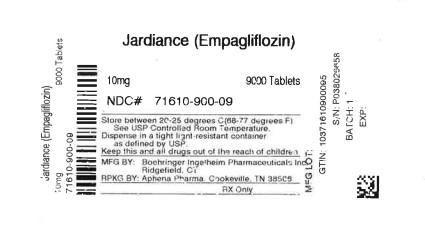
(empagliflozin · DailyMed)
JARDY-MET 5/500 TABLET
EMPAGLIFLOZIN & METFORMIN HCL
What it does
Empagliflozin is a medication that helps lower blood sugar levels in people with diabetes.
Commonly used for: type 2 diabetes (non-insulin dependent diabetes), high blood sugar (hyperglycemia)
Read more in plain English ↓Plain-language summary for general understanding - not medical advice. Always follow your pharmacist/doctor.
Ask about this medicine
Answers come only from this medicine's registration record, BNF monograph and interaction data - not medical advice.
Hard to find? We help patients in Kenya source rare medicines. We don't sell or dispense medicines - licensed pharmacies do.
Source this medicineRegistration & product details
Source: Pharmacy and Poisons Board · fetched 2026-01-28 19:31:57 · updated 2026-09-15 02:27:56
Drug Interactions
11Pharmacodynamic Warnings
Empagliflozin appears in TABLE 8: Drugs that cause hypotension
Empagliflozin appears in TABLE 14: Antidiabetic drugs
Metformin appears in TABLE 14: Antidiabetic drugs
Moderate (4)
Metformin - increases exposure
Dolutegravir increases the exposure to metformin. Adjust dose.
Metformin - increases exposure
Cimetidine increases the exposure to metformin. Monitor and adjust dose.
Metformin - increases concentration
Risdiplam is predicted to increase the concentration of metformin. Monitor and adjust dose.
Metformin - increases exposure
Vandetanib increases the exposure to metformin. Monitor and adjust dose. Methadone → see opioids Methenamine
Unknown (7)
Empagliflozin - decreases exposure
Antiepileptics (phenytoin) might decrease the exposure to empagliflozin. Avoid or monitor diabetic control.
Empagliflozin - decreases exposure
Rifamycins (rifampicin) might decrease the exposure to empagliflozin. Avoid or monitor diabetic control.
Metformin - increases exposure
Bictegravir slightly increases the exposure to metformin.
Metformin - increases concentration
Guanfacineispredictedtoincreasetheconcentrationof metformin.oTheoretical
Metformin - affects exposure
Mexiletineispredictedtoaffecttheexposuretometformin. qTheoretical
Metformin - increases exposure
Pitolisantispredictedtoincreasetheexposuretometformin. nTheoretical
Metformin - increases exposure
Ribociclibispredictedtoincreasetheexposuretometformin. oTheoretical
Data from BNF 85 (British National Formulary). This is not a substitute for professional medical advice. Matched via: exact
About empagliflozin
Empagliflozin is a medication that helps lower blood sugar levels in people with diabetes.
What it treats
- type 2 diabetes (non-insulin dependent diabetes)
- high blood sugar (hyperglycemia)
How it works
It helps your kidneys remove excess sugar from your blood through urine, which lowers blood sugar levels.
Who it's for
This medicine is for adults with type 2 diabetes who need help controlling their blood sugar.
Cautions
- • Be cautious if you are taking medications that can lower blood pressure.
- • Consult your doctor if you are using other diabetes medications.
AI-assisted summary grounded in BNF data - general information only, not medical advice. Always confirm with your pharmacist or doctor.
About metformin
Metformin is a medicine used to help control blood sugar levels in people with diabetes.
What it treats
- type 2 diabetes (non-insulin dependent diabetes)
- high blood sugar (hyperglycemia)
How it works
Metformin works by reducing the amount of sugar produced by the liver and improving how the body uses sugar.
Who it's for
It is for adults and children over 10 years with type 2 diabetes.
Cautions
- • If you are taking other diabetes medications, talk to your doctor.
AI-assisted summary grounded in BNF data - general information only, not medical advice. Always confirm with your pharmacist or doctor.
Clinical monograph: Metforminhydrochloride
BNF-referencedMetformin hydrochloride is a biguanide antihyperglycemic agent primarily used in the management of type 2 diabetes mellitus. It lowers blood glucose levels by decreasing hepatic glucose production and improving insulin sensitivity, thereby enhancing peripheral glucose uptake and utilization. Metformin is typically prescribed for patients who are unable to control their blood sugar levels through diet and exercise alone.
Indications
- Type 2 diabetes mellitus
- Gestational diabetes
- Management of pre-existing diabetes in pregnant women
Dosage
Children: For children aged 10 years and older, the usual starting dose is 500 mg taken with food, with gradual increases based on clinical response. Refer to the BNF for Children for specific dosing recommendations.
Adults: The initial dose is usually 500 mg to 1,000 mg taken orally with food, and the dosage may be gradually increased based on glycemic control and tolerance, with a maximum daily dose typically not exceeding 2,000 mg.
Mechanism of action
Metformin decreases hepatic glucose production and increases peripheral glucose utilization. It does not stimulate insulin release from the pancreas, making it antihyperglycemic rather than hypoglycemic. The drug also interacts with SIRT1, a protein involved in bile acid metabolism, contributing to its effects on glucose homeostasis.
Pharmacodynamics
Metformin improves glycemic control in patients with type 2 diabetes by reducing fasting and postprandial plasma glucose levels. It acts by decreasing intestinal absorption of glucose, increasing insulin sensitivity, and enhancing peripheral glucose uptake and utilization, without causing hypoglycemia.
Pharmacokinetics
Metformin is absorbed from the gastrointestinal tract and is excreted unchanged in the urine. It has a half-life of about 6 hours and does not undergo significant metabolism. The drug's pharmacokinetics can be affected by renal function, and caution is advised in patients with renal impairment.
Contra-indications
- Severe renal impairment (creatinine clearance less than 25 mL/minute)
- Acute or chronic metabolic acidosis, including diabetic ketoacidosis
- Hypersensitivity to metformin or any of its components
Adverse effects
- Nausea
- Vomiting
- Diarrhea
- Abdominal pain
- Lactic acidosis (rare)
- Hepatic disorders (rare)
- Oedema (rare)
- Acute generalised exanthematous pustulosis (very rare)
- Thrombocytopenia (very rare)
Interactions
- Angiotensin-converting enzyme inhibitors and angiotensin II receptor antagonists may require monitoring and adjustments
- Antacids containing magnesium and aluminium salts may reduce the absorption of metformin
- Concomitant use with other antihyperglycemic agents requires careful monitoring for hypoglycemia
Precautions
- Caution in patients with hepatic impairment
- Monitor liver function regularly during treatment
- Patients should be advised to discontinue use in the event of significant illness, especially dehydration or infections
Pregnancy
Avoid use during pregnancy. Women planning to become pregnant should discontinue metformin and consult a healthcare provider for safer alternatives.
Breast-feeding
Avoid use during breastfeeding. Metformin is excreted in breast milk, and its effects on a nursing infant are unknown.
Storage
Store in a cool, dry place, below 25°C. Protect from light.
Formulations
- Metformin hydrochloride 500 mg tablets
- Metformin hydrochloride 850 mg tablets
- Metformin hydrochloride 1000 mg tablets
AI-synthesized from BNF references - general information only, not a substitute for professional medical advice or the current BNF. Verify doses with a pharmacist.
Clinical monograph: Empagliflozin
BNF-referencedEmpagliflozin is a sodium-glucose co-transporter 2 (SGLT2) inhibitor used primarily for the management of type 2 diabetes mellitus. It lowers blood glucose levels by preventing the reabsorption of glucose in the proximal renal tubules, which increases urinary glucose excretion. Empagliflozin also has potential cardiovascular benefits, particularly in reducing the risk of heart failure.
Indications
- Type 2 diabetes mellitus as monotherapy (if metformin is inappropriate)
- Type 2 diabetes mellitus in combination with insulin or other antidiabetic drugs (if existing treatment fails to achieve adequate glycaemic control)
- Symptomatic chronic heart failure
Dosage
Adults: 10 mg once daily, increased to 25 mg once daily if necessary and tolerated.
Mechanism of action
Empagliflozin inhibits the SGLT2 transporters in the proximal tubules of the kidneys. By blocking the co-transport of sodium and glucose into the blood, it increases glucosuria, leading to lower blood glucose levels. Additionally, it may offer cardiovascular benefits by mechanisms yet to be fully elucidated, including effects on myocardial sodium/hydrogen exchangers and diuretic actions.
Pharmacodynamics
Empagliflozin effectively reduces blood glucose levels through increased urinary glucose excretion, necessitating once-daily dosing due to its prolonged action. Patients should be monitored for ketoacidosis, as it can occur even in the absence of significantly elevated blood glucose. The drug also poses a risk of urogenital infections due to the elevated glucose levels in urine.
Pharmacokinetics
Empagliflozin is absorbed after oral administration, with peak plasma concentrations occurring within 1.5 hours. It has a volume of distribution of approximately 73 liters and is primarily excreted via urine. Renal function should be monitored, as impaired renal function may affect drug efficacy and safety.
Contra-indications
- Diabetic ketoacidosis
- Severe renal impairment (eGFR < 30 mL/min)
- Hypersensitivity to empagliflozin or any of the excipients
Adverse effects
- Genital infections
- Urinary tract infections
- Dehydration
- Hypotension
- Diabetic ketoacidosis (rare)
- Fournier's gangrene (necrotizing fasciitis of the genitalia)
Interactions
- Antiepileptics (unknown effect on exposure)
- Rifamycins (unknown effect on exposure)
- Insulin and insulin secretagogues (may require dose adjustments)
Precautions
- Monitor for signs of diabetic ketoacidosis, particularly in patients with risk factors
- Consider temporary interruption in patients with complicated urinary tract infections
- Caution in elderly patients due to risk of hypotension and volume depletion
- Monitor renal function periodically
Pregnancy
Empagliflozin is not recommended during pregnancy due to potential risks to the fetus. Consult a healthcare provider for alternatives.
Breast-feeding
Empagliflozin is not recommended for use while breastfeeding. The effects on a nursing infant are unknown.
Storage
Store below 30°C. Protect from moisture. Keep out of reach of children.
Formulations
- Tablets: 10 mg, 25 mg
AI-synthesized from BNF references - general information only, not a substitute for professional medical advice or the current BNF. Verify doses with a pharmacist.
Clinical monograph: metformin
BNF-referencedMetformin is an oral antihyperglycemic medication primarily used in the management of type 2 diabetes mellitus. It is known for its ability to lower blood glucose levels through various mechanisms, including the reduction of hepatic glucose production, decreased intestinal absorption of glucose, and improved insulin sensitivity. Metformin is distinctive among oral antihyperglycemic agents as it does not stimulate insulin secretion, thus avoiding the risk of hypoglycemia commonly associated with other glucose-lowering medications.
Indications
- Type 2 diabetes mellitus
- Polycystic ovary syndrome (PCOS)
Dosage
Children: The
Adults: The usual starting dose of metformin for adults is 500 mg taken orally twice a day or 850 mg once daily, with gradual increases based on tolerance and blood glucose levels. The maximum recommended daily dose is 2000-3000 mg, depending on the formulation used.
Mechanism of action
Metformin decreases blood glucose levels by decreasing hepatic glucose production (gluconeogenesis), decreasing intestinal absorption of glucose, and increasing insulin sensitivity, which enhances peripheral glucose uptake and utilization. It is known to inhibit mitochondrial complex I activity, leading to increased AMP:ATP ratios that activate AMP-activated protein kinase (AMPK), a key regulator of glucose metabolism. This activation results in reduced hepatic glucose output and improved cellular glucose uptake.
Pharmacodynamics
Metformin exerts its effects primarily by enhancing insulin sensitivity and reducing glucose production by the liver. Unlike sulfonylureas, which increase insulin secretion, metformin does not cause hyperinsulinemia. Its ability to lower fasting plasma glucose and glycosylated hemoglobin (HbA1c) levels makes it a cornerstone in the management of type 2 diabetes. Clinical studies have shown significant reductions in fasting plasma glucose and HbA1c levels in patients treated with metformin.
Pharmacokinetics
Metformin is absorbed from the gastrointestinal tract, with peak plasma concentrations typically occurring 2-3 hours after ingestion. It has a bioavailability of approximately 50-60% when administered orally. The drug is primarily eliminated unchanged by the kidneys, and its clearance is proportional to renal function. The half-life of metformin is about 6.5 hours. Accumulation may occur in cases of renal impairment, necessitating caution in patients with reduced renal function.
Adverse effects
- Gastrointestinal disturbances (nausea, vomiting, diarrhea)
- Lactic acidosis
- Vitamin B12 deficiency
Interactions
- dolutegravir+metformin: Moderate (increases exposure)
- cimetidine+metformin: Moderate (increases exposure)
- risdiplam+metformin: Moderate (increases concentration)
- vandetanib+metformin: Moderate (increases exposure)
- bictegravir+metformin: Unknown (increases exposure)
- guanfacine+metformin: Unknown (increases concentration)
- mexiletine+metformin: Unknown (affects exposure)
- pitolisant+metformin: Unknown (increases exposure)
- ribociclib+metformin: Unknown (increases exposure)
Precautions
- Renal impairment
- Dehydration
- Excessive alcohol intake
Pregnancy
Metformin is classified as a Category B medication. It is often used during pregnancy for managing gestational diabetes but should be administered under medical supervision.
Breast-feeding
Metformin is excreted in breast milk, but is generally considered safe for use during breastfeeding. Consult with a healthcare provider for specific guidance.
Storage
Store in a cool, dry place, away from direct light. Keep out of reach of children.
Formulations
- Tablets
- Extended-release tablets
- Oral solution
AI-synthesized from BNF references - general information only, not a substitute for professional medical advice or the current BNF. Verify doses with a pharmacist.
Molecular reference: Empagliflozin
PubChem CID 11949646Molecular formula: C23H27ClO7
Mechanism of action
The vast majority of glucose filtered through the glomerulus is reabsorbed within the proximal tubule, primarily via SGLT2 (sodium-glucose linked co-transporter-2) which is responsible for ~90% of the total glucose reabsorption within the kidneys. Na<sup>+</sup>/K<sup>+</sup>-ATPase on the basolateral membrane of proximal tubular cells utilize ATP to actively pump Na+ ions into the interstitium surrounding the tubule, establishing a Na<sup>+</sup> gradient within the tubular cell. SGLT2 on the apical membrane of these cells then utilize this gradient to facilitate secondary active co-transport of both Na+ and glucose out of the filtrate, thereby reabsorbing glucose back into the blood – inhibiting this co-transport, then, allows for a marked increase in glucosuria and decrease in blood glucose levels. Empagliflozin is a potent inhibitor of renal SGLT2 transporters located in the proximal tubules of the kidneys and works to lower blood glucose levels via an increase in glucosuria. Empagliflozin also appears to exert cardiovascular benefits - specifically in the prevention of heart failure - independent of its blood glucose-lowering effects, though the exact mechanism of this benefit is not precisely understood. Several theories have been posited, including the potential inhibition of Na<sup>+</sup>/H<sup>+</sup> exchanger (NHE) 1 in the myocardium and NHE3 in the proximal tubule, reduction of pre-load via diuretic/natriuretic effects and reduction of blood pressure, prevention of cardiac fibrosis via suppression of pro-fibrotic markers, and reduction of pro-inflammatory adipokines.
Pharmacodynamics
Empagliflozin lowers blood glucose levels by preventing glucose reabsorption in the kidneys, thereby increasing the amount of glucose excreted in the urine. It has a relatively long duration of action requiring only once-daily dosing. Patients should be monitored closely for signs and symptoms of ketoacidosis regardless of blood glucose level as empagliflozin may precipitate diabetic ketoacidosis in the absence of hyperglycemia. As its mechanism of action is contingent on the renal excretion of glucose, empagliflozin may be held in cases of acute kidney injury and/or discontinued in patients who develop chronic renal disease. The overexcretion of glucose creates a sugar-rich urogenital environment which increases the risk of urogenital infections in both male and female patients - monitor closely for signs and symptoms of developing infection.
Source: PubChem (NCBI) · pathways from PathBank, Reactome, WikiPathways & PharmGKB.
Molecular reference: Metforminhydrochloride
PubChem CID 14219Molecular formula: C4H12ClN5
Mechanism of action
Metformin is widely used to treat hyperglycemia. However, metformin treatment may induce intrahepatic cholestasis and liver injury in a few patients with type II diabetes through an unknown mechanism. Here we show that metformin decreases SIRT1 protein levels in primary hepatocytes and liver. Both metformin-treated wild-type C57 mice and hepatic SIRT1-mutant mice had increased hepatic and serum bile acid levels. However, metformin failed to change systemic bile acid levels in hepatic SIRT1-mutant mice. Molecular mechanism study indicates that SIRT1 directly interacts with and deacetylates Foxa2 to inhibit its transcriptional activity on expression of genes involved in bile acids synthesis and transport. Hepatic SIRT1 mutation elevates Foxa2 acetylation levels, which promotes Foxa2 binding to and activating genes involved in bile acids metabolism, impairing hepatic and systemic bile acid homeostasis. Our data clearly suggest that hepatic SIRT1 mediates metformin effects on systemic bile acid metabolism and modulation of SIRT1 activity in liver may be an attractive approach for treatment of bile acid-related diseases such as cholestasis. Metformin is antihyperglycemic, not hypoglycemic. It does not cause insulin release from the pancreas and does not cause hypoglycemia, even in large doses. Metformin has no significant effects on the secretion of glucagon, cortisol, growth hormone or somatostatin. Metformin reduces glucose levels primarily by decreasing hepatic glucose production and by increasing insulin action in muscle and fat. ... May decrease plasma glucose by reducing the absorption of glucose from the intestine. /Salt not specified/ Metformin potentiates the effect of insulin by mechanisms not fully understood. Metformin does not stimulate pancreatic beta cells to increase secretion of insulin; insulin secretion must be present for metformin to work properly. It is postulated that metformin decreases hepatic glucose production and improves insulin sensitivity by increasing peripheral glucose uptake and utilization. /Salt not specified/ People with Type 2 diabetes mellitus (T2DM) have reduced bone mineral density and an increased risk of fractures due to altered mesenchymal stem cell (MSC) differentiation in the bone marrow. This leads to a shift in the balance of differentiation away from bone formation (osteogenesis) in favour of fat cell development (adipogenesis). The commonly used anti-diabetic drug, metformin, activates the osteogenic transcription factor Runt-related transcription factor 2 (Runx2), which may suppress adipogenesis, leading to improved bone health. Here we investigate the involvement of the metabolic enzyme, AMP-activated protein kinase (AMPK), in these protective actions of metformin. The anti-adipogenic actions of metformin were observed in multipotent C3H10T1/2 MSCs, in which metformin exerted reciprocal control over the activities of Runx2 and the adipogenic transcription factor, PPARgamma, leading to suppression of adipogenesis. These effects appeared to be independent of AMPK activation but rather through the suppression of the mTOR/p70S6K signalling pathway. Basal AMPK and mTOR/p70S6K activity did appear to be required for adipogenesis, as demonstrated by the use of the AMPK inhibitor, compound C. This observation was further supported by using AMPK knockout mouse embryo fibroblasts (MEFs) where adipogenesis, as assessed by reduced lipid accumulation and expression of the adipogeneic transcription factor, C/EBPbeta, was found to display an absolute requirement for AMPK. Further activation of AMPK in wild type MEFS, with either metformin or the AMPK-specific activator, A769662, was also associated with suppression of adipogenesis. It appears, therefore, that basal AMPK activity is required for adipogenesis and that metformin can inhibit adipogenesis through AMPK-dependent or -independent mechanisms, depending on the cellular context.
Source: PubChem (NCBI) · pathways from PathBank, Reactome, WikiPathways & PharmGKB.
Molecular reference: metformin
PubChem CID 4091Molecular formula: C4H11N5
Mechanism of action
Metformin's mechanisms of action are unique from other classes of oral antihyperglycemic drugs. Metformin decreases blood glucose levels by decreasing hepatic glucose production (also called gluconeogenesis), decreasing the intestinal absorption of glucose, and increasing insulin sensitivity by increasing peripheral glucose uptake and utilization. It is well established that metformin inhibits mitochondrial complex I activity, and it has since been generally postulated that its potent antidiabetic effects occur through this mechanism. The above processes lead to a decrease in blood glucose, managing type II diabetes and exerting positive effects on glycemic control. After ingestion, the organic cation transporter-1 (OCT1) is responsible for the uptake of metformin into hepatocytes (liver cells). As this drug is positively charged, it accumulates in cells and in the mitochondria because of the membrane potentials across the plasma membrane as well as the mitochondrial inner membrane. Metformin inhibits mitochondrial complex I, preventing the production of mitochondrial ATP leading to increased cytoplasmic ADP:ATP and AMP:ATP ratios. These changes activate AMP-activated protein kinase (AMPK), an enzyme that plays an important role in the regulation of glucose metabolism. Aside from this mechanism, AMPK can be activated by a lysosomal mechanism involving other activators. Following this process, increases in AMP:ATP ratio also inhibit _fructose-1,6-bisphosphatase_ enzyme, resulting in the inhibition of gluconeogenesis, while also inhibiting _adenylate cyclase_ and decreasing the production of cyclic adenosine monophosphate (cAMP), a derivative of ATP used for cell signaling. Activated AMPK phosphorylates two isoforms of acetyl-CoA carboxylase enzyme, thereby inhibiting fat synthesis and leading to fat oxidation, reducing hepatic lipid stores and increasing liver sensitivity to insulin. In the intestines, metformin increases anaerobic glucose metabolism in enterocytes (intestinal cells), leading to reduced net glucose uptake and increased delivery of lactate to the liver. Recent studies have also implicated the gut as a primary site of action of metformin and suggest that the liver may not be as important for metformin action in patients with type 2 diabetes. Some of the ways metformin may play a role on the intestines is by promoting the metabolism of glucose by increasing glucagon-like peptide I (GLP-1) as well as increasing gut utilization of glucose. In addition to the above pathway, the mechanism of action of metformin may be explained by other ways, and its exact mechanism of action has been under extensive study in recent years. Metformin is widely used to treat hyperglycemia. However, metformin treatment may induce intrahepatic cholestasis and liver injury in a few patients with type II diabetes through an unknown mechanism. Here we show that metformin decreases SIRT1 protein levels in primary hepatocytes and liver. Both metformin-treated wild-type C57 mice and hepatic SIRT1-mutant mice had increased hepatic and serum bile acid levels. However, metformin failed to change systemic bile acid levels in hepatic SIRT1-mutant mice. Molecular mechanism study indicates that SIRT1 directly interacts with and deacetylates Foxa2 to inhibit its transcriptional activity on expression of genes involved in bile acids synthesis and transport. Hepatic SIRT1 mutation elevates Foxa2 acetylation levels, which promotes Foxa2 binding to and activating genes involved in bile acids metabolism, impairing hepatic and systemic bile acid homeostasis. Our data clearly suggest that hepatic SIRT1 mediates metformin effects on systemic bile acid metabolism and modulation of SIRT1 activity in liver may be an attractive approach for treatment of bile acid-related diseases such as cholestasis. Metformin is antihyperglycemic, not hypoglycemic. It does not cause insulin release from the pancreas and does not cause hypoglycemia, even in large doses. Me
Pharmacodynamics
**General effects** Insulin is an important hormone that regulates blood glucose levels. Type II diabetes is characterized by a decrease in sensitivity to insulin, resulting in elevations in blood glucose when the pancreas can no longer compensate. In patients diagnosed with type 2 diabetes, insulin is unable to exert adequate effects on tissues and cells (i.e. insulin resistance) and insulin deficiency may also be present. Metformin reduces hepatic production of glucose, decreases the intestinal absorption of glucose, and enhances insulin sensitivity by increasing both peripheral glucose uptake and utilization. In contrast with drugs of the sulfonylurea class, which lead to hyperinsulinemia, the secretion of insulin is unchanged with metformin use. **Effect on fasting plasma glucose (FPG) and Glycosylated hemoglobin (HbA1c)** HbA1c is an important periodic measure of glycemic control used to monitor diabetic patients. Fasting plasma glucose is also a useful and important measure of glycemic control. In a 29-week clinical trial of subjects diagnosed with type II diabetes, metformin decreased the fasting plasma glucose levels by an average of 59 mg/dL from baseline, compared to an average increase of 6.3 mg/dL from baseline in subjects taking a placebo. Glycosylated hemoglobin (HbA1c) was decreased by about 1.4% in subjects receiving metformin, and increased by 0.4% in subjects receiving placebo only.
Biological pathways
Source: PubChem (NCBI) · pathways from PathBank, Reactome, WikiPathways & PharmGKB.
This drug in other countries
The same active ingredient registered across other registries we cover - including different brands.
- BETAFORM TABLETS 850MG · Bliss Gvs Pharma
- BG MET SR TABLET (Each tablet contains Metformin Hydrochloride 1G) · Bliss Gvs Pharma
- BGMET 500 TABLETS · Absun Pharma
- DAPAMET XR 10MG/ 1000MG TABLETS (Each film coated tablet contains Dapagliflozin propanediol/ Metformin HCL 10mg/1000mg) · Atoz Pharmaceuticals
- DAPAMET XR 10MG/ 500MG TABLETS (Each film coated tablet contains Dapagliflozin propanediol/ Metformin HCL 10mg/500mg) · Atoz Pharmaceuticals
- DAPAMET XR TABLETS (Each film coated tablet contains Dapagliflozin propanediol/ Metformin HCL 10mg/1000mg) · Atoz Pharmaceuticals