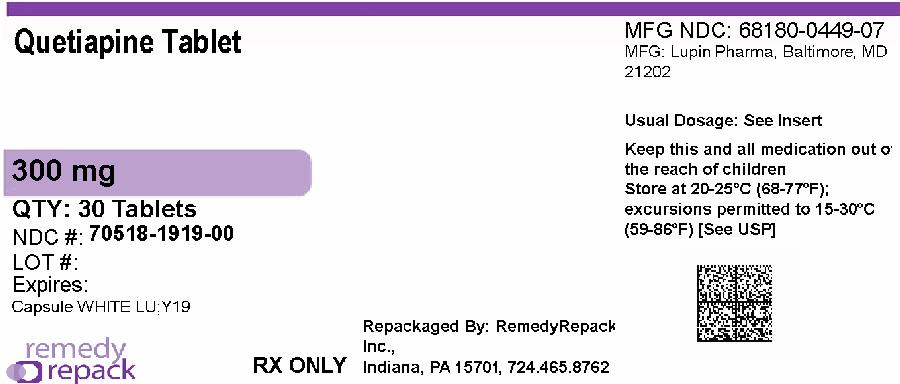
(quetiapine · DailyMed)
Keday XR 400 mg Prolonged Release Tablet
Film coating Material No: 8 (Opadry Y1-700 White) 26.00 mg/6 mL,Hydroxypropyl methylcellulose 250 mPa.s (Benecel K250 PH PRM) 133.50 mg/6 mL,Hydroxypropyl methylcellulose 4000 mPa.s (Methocel K4M Premium CR) 43.50 mg/6 mL,Lactose (anhydrous) 15.00 mg/6 mL,Magnesium Stearate 13.05 mg/6 mL,Microcrystalline cellulose PH-102 90.41 mg/6 mL,Purified Water q.s.p q.s,Quetiapine fumarate 400 mg/6 mL,Trisodium Citrate Dihydrate 114.00 mg/6 mL
What it does
Cellulose is a type of fiber that helps with digestion and promotes bowel health.
Commonly used for: constipation, irregular bowel movements
Read more in plain English ↓Plain-language summary for general understanding - not medical advice. Always follow your pharmacist/doctor.
Ask about this medicine
Answers come only from this medicine's registration record, BNF monograph and interaction data - not medical advice.
Medicine sourcing is available in Kenya only. We don't sell or dispense medicines - licensed pharmacies do.
Sourcing - Kenya onlyRegistration & product details
Source: Tanzania Medicines and Medical Devices Authority · fetched 2026-03-11 23:37:53 · updated 2026-09-24 03:00:46
Drug Interactions
20Pharmacodynamic Warnings
Quetiapine appears in TABLE 8: Drugs that cause hypotension
Quetiapine appears in TABLE 11: Drugs with CNS depressant effects
Severe (8)
Quetiapine - increases exposure
Dronedarone is predicted to increase the exposure to antipsychotics, second generation (quetiapine). Avoid.
Quetiapine - increases exposure
Antifungals, azoles (fluconazole, isavuconazole, posaconazole) are predicted to increase the exposure to antipsychotics, second generation (quetiapine). Avoid.
Quetiapine - increases exposure
Cobicistat is predicted to increase the exposure to antipsychotics, second generation (lurasidone, quetiapine). Avoid.
Quetiapine - increases exposure
Grapefruit juice is predicted to increase the exposure to antipsychotics, second generation (lurasidone, quetiapine). Avoid.
Quetiapine - increases exposure
Idelalisib is predicted to increase the exposure to antipsychotics, second generation (lurasidone, quetiapine). Avoid.
Quetiapine - increases exposure
Ribociclib(high-dose)ispredictedtoincreasetheexposureto quetiapine.Avoid.oTheoretical
Quetiapine - increases exposure
Clarithromycin is predicted to increase the exposure to antipsychotics, second generation (lurasidone, quetiapine). Avoid.
Quetiapine - increases exposure
Erythromycin is predicted to increase the exposure to antipsychotics, second generation (quetiapine). Avoid.
Moderate (1)
Quetiapine - decreases exposure
Cenobamate is predicted to decrease the exposure to antipsychotics, second generation (lurasidone, quetiapine). Adjust dose. Also see TABLE 11 p. 1519
Unknown (11)
Antipsychotics - additive effect
Antipsychotics,secondgeneration(clozapine)cancause constipation,ascanantipsychotics,secondgeneration (olanzapine,quetiapine);concurrentusemightincreasethe riskofdevelopingintestinalobstruction.rAnecdo
Levodopa - decreases effects
Quetiapinedecreasestheeffectsoflevodopa.r Anecdotal →AlsoseeTABLE8p.1518
Quetiapine - increases exposure
Crizotinib is predicted to increase the exposure to quetiapine. Avoid.
Quetiapine - decreases exposure
Dabrafenib is predicted to decrease the exposure to quetiapine.
Quetiapine - increases exposure
Imatinib is predicted to increase the exposure to quetiapine. Avoid.
Data from BNF 85 (British National Formulary). This is not a substitute for professional medical advice. Matched via: exact
About cellulose
Cellulose is a type of fiber that helps with digestion and promotes bowel health.
What it treats
- constipation
- irregular bowel movements
How it works
Cellulose adds bulk to the stool, making it easier to pass through the intestines.
Who it's for
Suitable for people looking to improve their digestive health.
AI-assisted summary grounded in BNF data - general information only, not medical advice. Always confirm with your pharmacist or doctor.
About coating
Coating is a treatment used to protect and cover the surface of the stomach and intestines.
What it treats
- stomach ulcers
- gastroesophageal reflux disease (GERD)
- irritable bowel syndrome
How it works
Coating forms a protective layer on the lining of the stomach and intestines, helping to soothe irritation and promote healing.
Who it's for
This treatment is suitable for individuals experiencing stomach or intestinal discomfort, ulcers, or acid reflux.
AI-assisted summary grounded in BNF data - general information only, not medical advice. Always confirm with your pharmacist or doctor.
About film
Film is used to help treat various conditions by delivering medication in a thin layer that dissolves in the mouth.
What it treats
- nausea
- vomiting
- pain relief
How it works
Film releases medication quickly when placed in the mouth, allowing for fast absorption into the body.
Who it's for
This medicine is suitable for adults and children who need quick relief from certain symptoms.
Cautions
- • Do not use if you are allergic to any ingredients in the film.
- • Consult your doctor if you have any other health conditions.
AI-assisted summary grounded in BNF data - general information only, not medical advice. Always confirm with your pharmacist or doctor.
About hydroxypropyl
Hydroxypropyl is a compound often used in various formulations for its properties, though specific details about its uses are not provided.
How it works
Hydroxypropyl serves as an ingredient that can help improve the consistency and stability of products, but its specific mechanism is not detailed.
Who it's for
Hydroxypropyl may be included in products for various populations, depending on its application in formulations.
AI-assisted summary grounded in BNF data - general information only, not medical advice. Always confirm with your pharmacist or doctor.
About lactose
Lactose is a sugar found in milk and dairy products. It is often used as an excipient in medications.
What it treats
- lactose intolerance
- as a filler in tablets and capsules
How it works
Lactose helps improve the texture and stability of medications and is sometimes used as a sweetener.
Who it's for
Individuals who require lactose as part of their medication or those who consume dairy products.
Cautions
- • May cause digestive issues in people with lactose intolerance.
AI-assisted summary grounded in BNF data - general information only, not medical advice. Always confirm with your pharmacist or doctor.
About material
This medicine contains material and is used to treat certain health conditions.
How it works
Material works by targeting specific processes in the body to help manage or relieve symptoms.
Who it's for
This medicine is suitable for individuals diagnosed with conditions that material is intended to treat.
AI-assisted summary grounded in BNF data - general information only, not medical advice. Always confirm with your pharmacist or doctor.
About methylcellulose
Methylcellulose is a type of fiber that helps relieve constipation and can also be used as a thickening agent in foods.
What it treats
- constipation
- irregular bowel movements
How it works
Methylcellulose absorbs water in the intestines, which helps to form a soft stool and makes it easier to pass.
Who it's for
It is suitable for adults and children who need help with bowel regularity.
AI-assisted summary grounded in BNF data - general information only, not medical advice. Always confirm with your pharmacist or doctor.
About microcrystalline
Microcrystalline is a type of substance often used in medicines to help with various health issues. It is commonly used as a filler or binder in tablets and capsules.
What it treats
- stomach issues
- constipation
- weight management
How it works
It helps to improve the texture of medicines and can assist in the absorption of other ingredients in the body.
Who it's for
Adults and children who need help with specific health conditions, as directed by a healthcare professional.
AI-assisted summary grounded in BNF data - general information only, not medical advice. Always confirm with your pharmacist or doctor.
About purified
Purified ingredients are often used in various medicines to ensure safety and effectiveness by removing impurities.
What it treats
- various medical conditions
How it works
Purified ingredients help in delivering the intended effects of the medicine without the risk of contaminants.
Who it's for
People who need medications with safe and effective ingredients.
AI-assisted summary grounded in BNF data - general information only, not medical advice. Always confirm with your pharmacist or doctor.
About quetiapine
Quetiapine is an antipsychotic medicine used to treat mood disorders and mental health conditions.
What it treats
- schizophrenia
- bipolar disorder
- depression
How it works
Quetiapine helps to balance certain chemicals in the brain, which can improve mood, thoughts, and behavior.
Who it's for
This medicine is prescribed for adults and sometimes for teenagers experiencing severe mood swings or psychosis.
Drug class
Antipsychotics
Cautions
- • Be careful if you are taking other medicines that lower blood pressure.
- • Avoid using with other medicines that can cause drowsiness or sedation.
AI-assisted summary grounded in BNF data - general information only, not medical advice. Always confirm with your pharmacist or doctor.
About trisodium
Trisodium is a compound used in various medical treatments. It may be involved in managing certain health conditions.
How it works
Trisodium works through its chemical properties to assist in medical treatments.
Who it's for
Trisodium may be prescribed for specific medical conditions, but please consult your healthcare provider for more details.
AI-assisted summary grounded in BNF data - general information only, not medical advice. Always confirm with your pharmacist or doctor.
Clinical monograph: Quetiapine
BNF-referencedQuetiapine is an atypical antipsychotic medication used primarily to treat schizophrenia, bipolar disorder, and major depressive disorder. It acts on multiple neurotransmitter receptors in the brain, including dopamine and serotonin receptors, leading to improved symptoms of psychosis as well as mood stabilization. Quetiapine is noted for its lower incidence of extrapyramidal side effects compared to typical antipsychotics, making it a preferred choice for certain patient populations.
Indications
- Schizophrenia
- Bipolar disorder (manic and depressive episodes)
- Major depressive disorder (as an adjunctive treatment)
Dosage
Adults: Initial dose of 50 mg twice daily on day 1, 100 mg twice daily on day 2, 150 mg twice daily on day 3, subsequently adjusted according to response. Usual maintenance dose is 400-800 mg daily
Mechanism of action
Quetiapine's exact mechanism of action is not completely understood, but it is believed to involve the antagonism of dopamine type 2 (D2) and serotonin 2A (5HT2A) receptors. In bipolar depression and major depression, its effects may result from binding to the norepinephrine transporter. Additionally, its sedative effects may come from antagonism of H1 receptors and adrenergic α1 receptors, while anticholinergic effects may arise from antagonism of muscarinic M1 receptors.
Pharmacodynamics
Quetiapine improves both positive and negative symptoms of schizophrenia and alleviates depressive episodes in bipolar disorder and major depression. Its action on various neurotransmitter receptors facilitates significant mood stabilization and reduction in psychotic symptoms. However, monitoring for suicidality is crucial, especially in younger patients, and it is contraindicated for use in dementia-related psychosis due to increased mortality risk in elderly populations.
Pharmacokinetics
Quetiapine is well absorbed from the gastrointestinal tract, with peak plasma concentrations occurring within 1.5 hours after oral administration. It has a large volume of distribution and is highly protein-bound. The drug undergoes extensive hepatic metabolism via CYP3A4, leading to various metabolites. The elimination half-life averages about 6 hours, though this can vary. Quetiapine is primarily excreted in urine as metabolites, with a small fraction being eliminated unchanged.
Contra-indications
- Hypersensitivity to quetiapine or any of its components
- Concomitant use with strong CYP3A4 inhibitors (e.g., ketoconazole, itraconazole)
- History of neuroleptic malignant syndrome
Adverse effects
- Sedation
- Dizziness
- Weight gain
- Dry mouth
- Constipation
- Orthostatic hypotension
- Extrapyramidal symptoms (rare)
- Increased cholesterol levels
- Hyperglycemia
Interactions
- Dronedarone: Severe (increases exposure)
- Antifungals (azoles): Severe (increases exposure)
- Cobicistat: Severe (increases exposure)
- Grapefruit juice: Severe (increases exposure)
- Idelalisib: Severe (increases exposure)
- Ribociclib: Severe (increases exposure)
- Clarithromycin: Severe (increases exposure)
- Erythromycin: Severe (increases exposure)
- Cenobamate: Moderate (decreases exposure)
- Crizotinib: Unknown (increases exposure)
Precautions
- Monitor for signs of suicidality, especially in young patients
- Caution in patients with cardiovascular disease
- Use with caution in elderly patients due to increased risk of mortality
- Monitor metabolic parameters: weight, glucose, and lipids
- Avoid abrupt discontinuation to prevent withdrawal symptoms
Pregnancy
Quetiapine should only be used in pregnancy if the potential benefit justifies the potential risk to the fetus. Limited data on human use.
Breast-feeding
Quetiapine is excreted in breast milk. Caution is advised when administering to nursing mothers.
Storage
Store at room temperature, away from moisture and heat. Keep out of reach of children.
Formulations
- Immediate-release tablets (25 mg, 100 mg, 200 mg, 300 mg)
- Modified-release tablets (50 mg, 150 mg, 300 mg, 400 mg)
AI-synthesized from BNF references - general information only, not a substitute for professional medical advice or the current BNF. Verify doses with a pharmacist.
Clinical monograph: Methylcellulose
BNF-referencedMethylcellulose is a bulk-forming laxative that is primarily used to relieve constipation by increasing the bulk of the stool, which stimulates peristalsis and promotes bowel movements. It is a non-digestible polysaccharide derived from cellulose, and it acts by absorbing water in the intestines, forming a gel-like substance that adds bulk to the stool.
Indications
- Constipation
- Faecal impaction
Dosage
Children: For children aged 1 month to 5 years, the recommended dosage is 2.5 to 5 mL twice daily. Dosage may vary based on individual response and should be guided by a healthcare professional.
Adults: For adults, the typical dosage is 1 to 2 tablespoons (around 15 to 30 mL) mixed with at least 240 mL of water, taken up to three times daily. It is important to ensure adequate fluid intake to avoid gastrointestinal obstruction.
Mechanism of action
Methylcellulose acts as a bulk-forming laxative by absorbing water in the gastrointestinal tract. This increases the stool's bulk and promotes bowel motility through mechanical stimulation of the intestinal walls, which enhances peristalsis. It does not undergo significant metabolism and directly influences the physical properties of the stool.
Pharmacodynamics
The pharmacodynamic profile of methylcellulose indicates that it increases stool bulk and moisture content, facilitating easier passage of stool. The osmotic effect helps to soften the stool, while the bulk created stimulates intestinal contractions, reducing the time stool remains in the colon and alleviating constipation.
Pharmacokinetics
Methylcellulose is not absorbed systemically as it is a non-digestible fiber. Its effects are localized to the gastrointestinal tract. After oral administration, it acts primarily in the intestines, where it retains water to form a gel-like mass. The onset of action may vary, with effects usually observed within 24 to 72 hours.
Adverse effects
- abdominal discomfort
- bloating
- diarrhea
- nausea
Precautions
- Ensure adequate fluid intake to prevent intestinal blockage.
- Use cautiously in patients with pre-existing gastrointestinal disorders.
Pregnancy
Methylcellulose is generally considered safe during pregnancy. However, it is advisable to consult with a healthcare professional before use.
Breast-feeding
Methylcellulose is excreted in breast milk. Consult a healthcare provider for advice on use while breastfeeding.
Storage
Store in a cool, dry place away from direct sunlight. Keep out of reach of children.
Formulations
- Oral liquid
- Granules
AI-synthesized from BNF references - general information only, not a substitute for professional medical advice or the current BNF. Verify doses with a pharmacist.
Clinical monograph: cellulose
Cellulose is a complex carbohydrate and a key structural component of the plant cell wall. It is an indigestible polysaccharide made up of linear chains of glucose molecules linked by β-1,4-glycosidic bonds. As a dietary fiber, cellulose contributes to digestive health by promoting bowel regularity and is commonly used as a laxative and bulking agent in various food products and pharmaceuticals.
Indications
- Constipation
- Dietary fiber supplementation
- Irritable bowel syndrome
- Diverticular disease
- Weight management
Dosage
Children: Refer to appropriate guidelines for specific dosage; generally taken with adequate fluid intake.
Adults: Refer to appropriate guidelines for specific dosage; generally taken with adequate fluid intake.
Mechanism of action
Cellulose acts primarily as a bulk-forming laxative. It absorbs water in the intestines, which increases stool bulk and stimulates peristalsis, thus facilitating bowel movements. Additionally, cellulose is not digestible by human enzymes, leading to fermentation by gut bacteria, which may enhance gut health and alter gut microbiota composition.
Pharmacodynamics
Cellulose increases stool weight and frequency of bowel movements. It works by retaining water in the intestines, leading to softer stools and improved passage through the gastrointestinal tract. The bulking effect of cellulose can help alleviate constipation and promote overall digestive health. It may also play a role in cholesterol reduction and glycemic control through its effects on digestion and absorption of nutrients.
Pharmacokinetics
Cellulose is not absorbed into the bloodstream due to its indigestible nature. Instead, it passes through the gastrointestinal tract, where it adds bulk to the stool. Its fermentation by colonic bacteria produces short-chain fatty acids, which may have beneficial effects on colon health. The onset of action for cellulose as a laxative can vary but is generally within 24 to 72 hours after ingestion.
Adverse effects
- Bloating
- Flatulence
- Diarrhea
- Abdominal discomfort
Precautions
- Use with caution in patients with a history of gastrointestinal disorders.
- Monitor for potential allergic reactions in sensitive individuals.
Pregnancy
Cellulose is generally considered safe during pregnancy as it is a non-toxic, indigestible fiber.
Breast-feeding
Cellulose is also considered safe during breastfeeding; it is excreted in breast milk in negligible amounts.
Storage
Store in a cool, dry place away from direct sunlight.
Formulations
- Powder
- Capsules
- Tablets
- Granules
AI-synthesized from BNF references - general information only, not a substitute for professional medical advice or the current BNF. Verify doses with a pharmacist.
Clinical monograph: coating
Coating refers to the process of covering a pharmaceutical tablet or capsule with a layer of material to protect the active ingredient, enhance stability, improve the taste, or control the release of the drug. Coatings can be made from various substances, including polymers, sugars, and waxes. This technique is commonly employed in the formulation of oral medications to improve patient compliance and therapeutic outcomes.
Indications
- Protection of drugs from degradation
- Taste masking
- Controlled release of active ingredients
- Improvement of patient compliance
- Targeted delivery of medications
Dosage
Children: Refer to specific product labeling for dosing information, as this varies widely based on formulation and indication.
Adults: Refer to specific product labeling for dosing information, as this varies widely based on formulation and indication.
Mechanism of action
The mechanism of action of coatings primarily involves the modification of drug release profiles. By altering the solubility and permeability of the drug through the coating material, the release rate can be controlled. For example, enteric coatings prevent drug dissolution in the acidic environment of the stomach, allowing the drug to be released in the more neutral pH of the intestine.
Pharmacodynamics
Pharmacodynamics of coated formulations can vary significantly based on the type of coating used. Immediate-release coatings dissolve quickly, leading to rapid absorption and onset of action. Controlled-release coatings are designed to dissolve slowly over time, providing a sustained release of the drug, which can lead to prolonged therapeutic effects and reduced dosing frequency. The choice of coating material and thickness influences the overall pharmacodynamic profile of the drug.
Pharmacokinetics
The pharmacokinetics of coated drugs are influenced by the coating material and the drug itself. Factors such as the rate of dissolution, absorption site, and first-pass metabolism play critical roles. Coatings can alter the bioavailability and distribution of the drug. For example, enteric coatings can enhance the absorption of drugs that are unstable in acidic conditions, potentially increasing their bioavailability when the drug reaches the intestine.
Pregnancy
Safety in pregnancy has not been established. Use only if the potential benefit justifies the potential risk to the fetus.
Breast-feeding
Caution is advised as it is not known whether it passes into breast milk.
Storage
Store in a cool, dry place, away from light. Keep out of reach of children.
AI-synthesized from BNF references - general information only, not a substitute for professional medical advice or the current BNF. Verify doses with a pharmacist.
Clinical monograph: film
Film is a term that generally refers to a thin layer or coating, but in pharmacology, it can indicate a formulation such as a film-coated tablet or an oral dissolving film. These formulations are designed to improve drug delivery, enhance patient compliance, and mask unpleasant tastes. Film formulations can be used for various medications and are particularly useful for patients who have difficulty swallowing tablets.
Dosage
Children: Refer to specific BNF for Children guidelines for the medication contained within the film formulation, as dosing will depend on the active ingredient and the patient's age and weight.
Adults: Refer to specific BNF guidelines for the medication contained within the film formulation, as dosing will vary widely based on the active ingredient.
Mechanism of action
The mechanism of action for drugs delivered via film formulations varies depending on the active pharmaceutical ingredient contained within the film. Generally, the drug is absorbed through the mucosal membranes in the mouth or gastrointestinal tract, leading to systemic circulation. This can enhance the onset of action compared to traditional solid dosage forms.
Pharmacodynamics
Pharmacodynamics will vary based on the specific drug contained in the film formulation. In general, pharmacodynamics refers to the biochemical and physiological effects of the drug on the body, including its mechanism of action, therapeutic effects, and side effects. Film formulations may provide rapid onset of action due to faster dissolution and absorption of the drug.
Pharmacokinetics
Pharmacokinetics, which includes absorption, distribution, metabolism, and excretion (ADME), will also vary by the specific active ingredient in the film formulation. In general, films may exhibit faster absorption rates due to their design, leading to quicker peak plasma concentrations. The distribution will depend on the lipophilicity of the drug, while metabolism will occur primarily in the liver, and excretion can be renal or fecal, depending on the drug's characteristics.
Pregnancy
The safety of film in pregnancy has not been well established. Use only if clearly needed.
Breast-feeding
It is unknown if film is excreted in human milk. Use with caution while breastfeeding.
Storage
Store in a cool, dry place, away from direct sunlight and out of reach of children.
AI-synthesized from BNF references - general information only, not a substitute for professional medical advice or the current BNF. Verify doses with a pharmacist.
Clinical monograph: hydroxypropyl
BNF-referencedHydroxypropyl is a chemical compound derived from propylene glycol, commonly used as an excipient in pharmaceuticals and cosmetics. It serves various roles, including acting as a solvent, stabilizer, and humectant. Hydroxypropyl is notable for its ability to enhance the solubility and stability of active pharmaceutical ingredients, making it a valuable component in formulation science.
Indications
- Used as an excipient in pharmaceutical formulations
- Improves solubility and stability of active ingredients
- Facilitates drug absorption
Dosage
Children: Refer to specific product guidelines as hydroxypropyl is typically used as an excipient and not dosed independently.
Adults: Refer to specific product guidelines as hydroxypropyl is typically used as an excipient and not dosed independently.
Mechanism of action
Hydroxypropyl functions primarily as a solubilizing agent, which aids in the dissolution of poorly soluble drugs. It interacts with water and other solvents to improve the dispersion of pharmaceutical compounds, thereby enhancing their bioavailability. Hydroxypropyl may also facilitate the permeability of drug molecules through biological membranes, contributing to their overall efficacy.
Pharmacodynamics
The pharmacodynamics of hydroxypropyl relate to its role in improving the physicochemical properties of drug formulations. By increasing solubility and stability, hydroxypropyl can enhance the absorption of drugs administered via various routes, including oral and topical. Its non-toxic nature allows for safe incorporation into formulations, making it suitable for a wide range of applications.
Pharmacokinetics
The pharmacokinetics of hydroxypropyl have not been extensively studied as it primarily acts as an excipient rather than an active pharmaceutical ingredient. When used in formulations, it is typically not absorbed into systemic circulation in significant amounts, thereby minimizing potential systemic effects. Hydroxypropyl is generally regarded as safe when used in appropriate amounts in drug formulations.
Pregnancy
Hydroxypropyl is not classified for use during pregnancy, and its safety has not been established. Caution is advised.
Breast-feeding
There is limited information on the excretion of hydroxypropyl in human milk. Caution is advised when administering to breastfeeding women.
Storage
Store in a cool, dry place, away from light. Keep out of reach of children.
AI-synthesized from BNF references - general information only, not a substitute for professional medical advice or the current BNF. Verify doses with a pharmacist.
Clinical monograph: lactose
BNF-referencedLactose is a disaccharide sugar composed of galactose and glucose, primarily found in milk and dairy products. It serves as a source of energy and is metabolized by the enzyme lactase. In individuals with lactase deficiency, lactose can lead to gastrointestinal symptoms such as bloating, diarrhea, and abdominal pain.
Indications
- Lactose intolerance
- As a filler or excipient in pharmaceutical formulations
Dosage
Children: Refer to the BNF for Children for specific dosing information based on age and clinical context.
Adults: Refer to the BNF for specific dosing information based on clinical context.
Mechanism of action
Lactose is metabolized in the intestine by the enzyme lactase into its constituent monosaccharides, glucose and galactose. In individuals with lactase deficiency, unabsorbed lactose passes into the colon, where it is fermented by bacteria, leading to gas production and osmotic effects that contribute to diarrhea.
Pharmacodynamics
The pharmacodynamics of lactose are primarily related to its effects on gastrointestinal function. In healthy individuals, lactose is effectively broken down into glucose and galactose, which are absorbed and utilized for energy. In individuals with lactose intolerance, the unabsorbed lactose can cause osmotic diarrhea and colonic fermentation, leading to discomfort and symptoms associated with lactose intolerance.
Pharmacokinetics
Lactose is not absorbed in the gastrointestinal tract until it is hydrolyzed into glucose and galactose by lactase. The absorption of glucose and galactose occurs in the small intestine. The half-life is not applicable as lactose is not typically administered as a medication but is rather ingested as a natural component of food. Its metabolism primarily occurs in the intestine.
Adverse effects
- Bloating
- Diarrhea
- Abdominal pain
- Flatulence
Precautions
- Use with caution in patients with lactose intolerance.
- Consider potential for gastrointestinal upset in sensitive individuals.
Pregnancy
Lactose is generally considered safe for use during pregnancy. However, consult a healthcare professional for individual advice.
Breast-feeding
Lactose is safe to use while breastfeeding, as it is a natural sugar present in breast milk.
Storage
Store in a cool, dry place, away from direct sunlight.
Formulations
- Powder
- Granules
- Tablets
- Syrup
AI-synthesized from BNF references - general information only, not a substitute for professional medical advice or the current BNF. Verify doses with a pharmacist.
Clinical monograph: material
Material is not a specific drug, but rather a term that encompasses various substances used in pharmaceutical formulations. These can include active pharmaceutical ingredients (APIs) as well as excipients used in the creation of tablets, capsules, injectables, and other dosage forms. The choice of materials in drug formulation can significantly impact the drug's bioavailability, stability, and overall effectiveness.
Dosage
Children: Refer to specific drug formulations and their respective dosing guidelines.
Adults: Refer to specific drug formulations and their respective dosing guidelines.
Mechanism of action
The mechanism of action for any specific material will depend on the particular active ingredient or excipient in question. For active pharmaceutical ingredients, mechanisms can range from receptor binding and enzyme inhibition to modulation of ion channels, depending on the therapeutic goal. Excipients may serve various roles such as stabilizers, fillers, or binders, facilitating the delivery of the active drug.
Pharmacodynamics
Pharmacodynamics varies widely among different materials. For active ingredients, it reflects their interaction with biological systems, including dose-response relationships and the time course of therapeutic effects. This may involve receptor activation, signal transduction pathways, or metabolic pathways influencing physiological responses. For excipients, pharmacodynamic effects are usually minimal but can affect the release and absorption profiles of the active ingredient.
Pharmacokinetics
Pharmacokinetics of materials, especially active ingredients, involves the study of absorption, distribution, metabolism, and excretion (ADME). Factors influencing pharmacokinetics include the route of administration, formulation characteristics, and patient-specific variables such as age, weight, and organ function. For excipients, their impact on pharmacokinetics is often related to their role in formulation, such as altering the absorption of the active drug.
AI-synthesized from BNF references - general information only, not a substitute for professional medical advice or the current BNF. Verify doses with a pharmacist.
Clinical monograph: microcrystalline
Microcrystalline cellulose is a refined wood pulp, commonly used as an excipient in pharmaceutical formulations. It serves as a bulking agent and stabilizer in tablets and capsules, improving the physical properties of the drug formulation. It is characterized by its ability to absorb moisture and provide a suitable texture for various dosage forms.
Indications
- Used as an excipient in tablet formulations
- Used as a bulking agent in capsule formulations
- Used in food products as a thickener or stabilizer
Dosage
Children: Refer to specific product guidelines as dosage will depend on the formulation and the active ingredients.
Adults: Refer to specific product guidelines as dosage will depend on the formulation and the active ingredients.
Mechanism of action
Microcrystalline cellulose acts as a non-digestible filler that enhances the flow properties of powders during the manufacturing of tablets and capsules. It does not have a direct pharmacological action on the body but ensures that the active ingredients are effectively delivered to the patient.
Pharmacodynamics
As a non-active ingredient, microcrystalline cellulose does not exert pharmacodynamic effects typical of active pharmaceutical ingredients. Its primary role is to provide a stable and consistent matrix for the drug, facilitating the release of the active compound once ingested.
Pharmacokinetics
Microcrystalline cellulose is not absorbed in the gastrointestinal tract; it passes through the digestive system largely unchanged. It adds bulk to the stool, which may aid in promoting regular bowel movements. The substance is excreted in feces, where it contributes to dietary fiber intake.
Pregnancy
Data regarding the use of microcrystalline cellulose during pregnancy is limited. It is advisable to consult with healthcare professionals before use.
Breast-feeding
Microcrystalline cellulose is considered safe during breastfeeding, as it is not absorbed systemically.
Storage
Store in a cool, dry place away from direct sunlight and moisture.
AI-synthesized from BNF references - general information only, not a substitute for professional medical advice or the current BNF. Verify doses with a pharmacist.
Clinical monograph: purified
Purified refers to a substance that has been processed to remove impurities, contaminants, or unwanted substances, resulting in a more concentrated and effective form of the original compound. In pharmacology, purified compounds are often used to enhance therapeutic efficacy and reduce adverse effects. The purification process can apply to a variety of substances, including drugs, biological products, and chemical compounds.
Dosage
Children: Refer to specific drug formulations and product labels as purified substances can vary widely in their use and dosing.
Adults: Refer to specific drug formulations and product labels as purified substances can vary widely in their use and dosing.
Mechanism of action
The mechanism of action for purified compounds varies widely depending on the specific substance. Generally, purified drugs exert their effects by interacting with specific biological targets, such as receptors, enzymes, or ion channels, leading to a desired therapeutic effect. This interaction can involve binding to receptors to activate or inhibit signaling pathways, modulating enzymatic activity, or altering physiological processes.
Pharmacodynamics
Pharmacodynamics describes the effects of a drug on the body and the relationship between drug concentration and effect. For purified drugs, this can involve dose-response relationships and the time course of their action. The purified form often enhances potency and reduces variability in response among patients, which can lead to more predictable therapeutic outcomes. The overall effect is determined by the drug's affinity for its target, the efficacy of the drug-receptor interaction, and the downstream signaling pathways activated as a result of this interaction.
Pharmacokinetics
Pharmacokinetics involves the absorption, distribution, metabolism, and excretion (ADME) of a drug. For purified substances, absorption can be more efficient due to the absence of impurities that may affect solubility or stability. Distribution may also be enhanced, leading to higher bioavailability. Metabolism can be influenced by the structure of the purified compound, as it may be metabolized more readily by liver enzymes. Excretion typically occurs through the kidneys or liver, depending on the molecular characteristics of the purified drug.
Pregnancy
Consult with a healthcare professional, as the safety of purified forms of medications during pregnancy may vary depending on the specific substance.
Breast-feeding
Consult with a healthcare professional, as the safety of purified forms of medications during breastfeeding may vary depending on the specific substance.
Storage
Store in a cool, dry place, away from light and moisture, and keep out of reach of children.
AI-synthesized from BNF references - general information only, not a substitute for professional medical advice or the current BNF. Verify doses with a pharmacist.
Clinical monograph: trisodium
BNF-referencedTrisodium is a compound consisting of three sodium ions. It is not a specific medication, but rather a term used to describe sodium salts that contain three sodium atoms. Trisodium compounds can be used in various pharmaceutical formulations, primarily as electrolytes or stabilizers in solutions. Their role in maintaining electrolyte balance is crucial for various physiological functions.
Indications
- Electrolyte replacement
- Management of dehydration
- Support in intravenous fluid therapy
Dosage
Children: Refer to the BNF for Children for appropriate dosing based on age and clinical condition.
Adults: Refer to the BNF for specific dosing recommendations based on clinical condition and formulation.
Mechanism of action
Trisodium compounds typically function as electrolytes that help maintain osmotic balance and proper hydration in cells. Sodium ions play a critical role in nerve impulse transmission and muscle contraction, as well as in regulating blood pressure and fluid balance within the body.
Pharmacodynamics
Trisodium compounds affect the body by influencing the electrolyte composition of body fluids. Sodium ions are essential for the depolarization of nerve membranes and the contraction of muscle fibers. They also participate in the regulation of blood volume and blood pressure through their effects on renal function and fluid retention.
Pharmacokinetics
Trisodium compounds are generally absorbed readily from the gastrointestinal tract when ingested. They are distributed throughout the body fluids and tissues, playing a role in maintaining extracellular fluid volume. The kidneys are primarily responsible for the excretion of excess sodium, regulating its concentration in the body to prevent hypernatremia or hyponatremia.
Pregnancy
There is limited data on the safety of trisodium in pregnancy. Caution is advised.
Breast-feeding
Trisodium is not known to be excreted in human milk. Caution is advised.
Storage
Store in a cool, dry place. Protect from light.
AI-synthesized from BNF references - general information only, not a substitute for professional medical advice or the current BNF. Verify doses with a pharmacist.
Molecular reference: Quetiapine
PubChem CID 5002Molecular formula: C21H25N3O2S
Mechanism of action
Although the mechanism of action of quetiapine is not fully understood, several proposed mechanisms exist. In schizophrenia, its actions could occur from the antagonism of dopamine type 2 (D2) and serotonin 2A (5HT2A) receptors. In bipolar depression and major depression, quetiapine's actions may be attributed to the binding of this drug or its metabolite to the norepinephrine transporter. Additional effects of quetiapine, including somnolence, orthostatic hypotension, and anticholinergic effects, may result from the antagonism of H1 receptors, adrenergic α1 receptors, and muscarinic M1 receptors, respectively. The therapeutic effects of antipsychotic drugs are thought to be mediated by dopaminergic blockade in the mesolimbic and mesocortical areas of the CNS, while antidopaminergic effects in the neostriatum appear to be associated with extrapyramidal effects. The apparently low incidence of extrapyramidal effects associated with quetiapine therapy suggests that the drug is more active in the mesolimbic than in the neostriatal dopaminergic system. In contrast to typical antipsychotic agents (e.g., chlorpromazine) but like other atypical antipsychotic drugs (e.g., clozapine), quetiapine does not cause sustained elevations in serum prolactin concentrations and therefore is unlikely to produce adverse effects such as amenorrhea, galactorrhea, and impotence. The exact mechanism of antipsychotic action of quetiapine has not been fully elucidated but may involve antagonism at serotonin type 1 (5-hydroxytryptamine [5- HT1A]) and type 2 (5-HT2A, 5-HT2C) receptors, and at dopamine (D1, D2) receptors. Current evidence suggests that the clinical potency and antipsychotic efficacy of both typical and atypical antipsychotic drugs generally are related to their affinity for and blockade of central dopamine D2 receptors; however, antagonism at dopamine D2 receptors does not appear to account fully for the antipsychotic effects of quetiapine. Results of in vivo and in vitro studies indicate that quetiapine is a comparatively weak antagonist at dopamine D2 receptors. Receptor binding studies show quetiapine is a weak antagonist at D1 receptors. Although their role in eliciting the pharmacologic effects of antipsychotic agents remains to be fully elucidated, dopamine D3, D4, and D5 receptors also have been identified; quetiapine possesses no affinity for the dopamine D4 receptor. Quetiapine exhibits alpha1- and alpha2-adrenergic blocking activity; blockade of alpha1-adrenergic receptors may explain the occasional orthostatic hypotension associated with the drug. Quetiapine also blocks histamine H1 receptors, which may explain the sedative effects associated with the drug. Quetiapine possesses little or no affinity for beta-adrenergic, gamma-aminobutyric acid (GABA), benzodiazepine, or muscarinic receptors. Recent neuroimaging and postmortem studies have reported abnormalities in white matter of schizophrenic brains, suggesting the involvement of oligodendrocytes in the etiopathology of schizophrenia. This view is being supported by gene microarray studies showing the downregulation of genes related to oligodendrocyte function and myelination in schizophrenic brain compared to control subjects. However, there is currently little information available on the response of oligodendrocytes to antipsychotic drugs (APDs), which could be invaluable for corroborating the oligodendrocyte hypothesis. In this study we found: (1) quetiapine (QUE, an atypical APD) treatment in conjunction with addition of growth factors increased the proliferation of neural progenitors isolated from the cerebral cortex of embryonic rats; (2) QUE directed the differentiation of neural progenitors to oligodendrocyte lineage through extracellular signal-related kinases; (3) addition of QUE increased the synthesis of myelin basic protein and facilitated myelination in rat embryonic cortical aggregate cultures; (4) chronic administration of QUE to C57BL/6 mice prevented cortical
Pharmacodynamics
Quetiapine improves the positive and negative symptoms of schizophrenia and major depression by acting on various neurotransmitter receptors, such as the serotonin and dopamine receptors. In bipolar disorder, it improves both depressive and manic symptoms. **A note on suicidality in young patients and administration in the elderly** Quetiapine can cause suicidal thinking or behavior in children and adolescents and should not be given to children under 10 years of age. It is important to monitor for suicidality if this drug is given to younger patients. In addition, this drug is not indicated for the treatment of psychosis related to dementia due to an increased death rate in elderly patients taking this drug.
Biological pathways
Source: PubChem (NCBI) · pathways from PathBank, Reactome, WikiPathways & PharmGKB.
Molecular reference: hydroxypropyl
PubChem CID 53627505Molecular formula: C3H5O
Source: PubChem (NCBI) · pathways from PathBank, Reactome, WikiPathways & PharmGKB.
Molecular reference: lactose
PubChem CID 6134Molecular formula: C12H22O11
Source: PubChem (NCBI) · pathways from PathBank, Reactome, WikiPathways & PharmGKB.
Molecular reference: trisodium
PubChem CID 16219045Molecular formula: Na3+3
Source: PubChem (NCBI) · pathways from PathBank, Reactome, WikiPathways & PharmGKB.
This drug in other countries
The same active ingredient registered across other registries we cover - including different brands.
- ALEVE® · Bayer Bitterfeld GMBH
- BEVAC® · Biological E. Limited
- CARBAMAZEPINE TABLETS 200MG · Medreich Limited
- COTRIMOL 400/80 · Ipca Labotratories Ltd
- CP-GLIMEPIRIDE 2 · Acme Formulation Pvt. Ltd
- EMPIGET TABLET 10MG · Getz Pharma Private Limited
- BEEHIVE BALSAM SYRUP · Ayrton Saunders
- CENQUEL-200 TABLETS · Mercury Laboratory
- CLAVUAID 1000 TABLETS · Reyoung Pharmaceuticals
- CLAVUAID 625 TABLETS · Reyoung Pharmaceuticals
- COLIVIT-DEX WSP · Dex Iberica
- DANNEX ORAL REHYDRATION SALT (ORS) POWDER FOR RECONSTITUTION · Dannex Ayrton Starwin