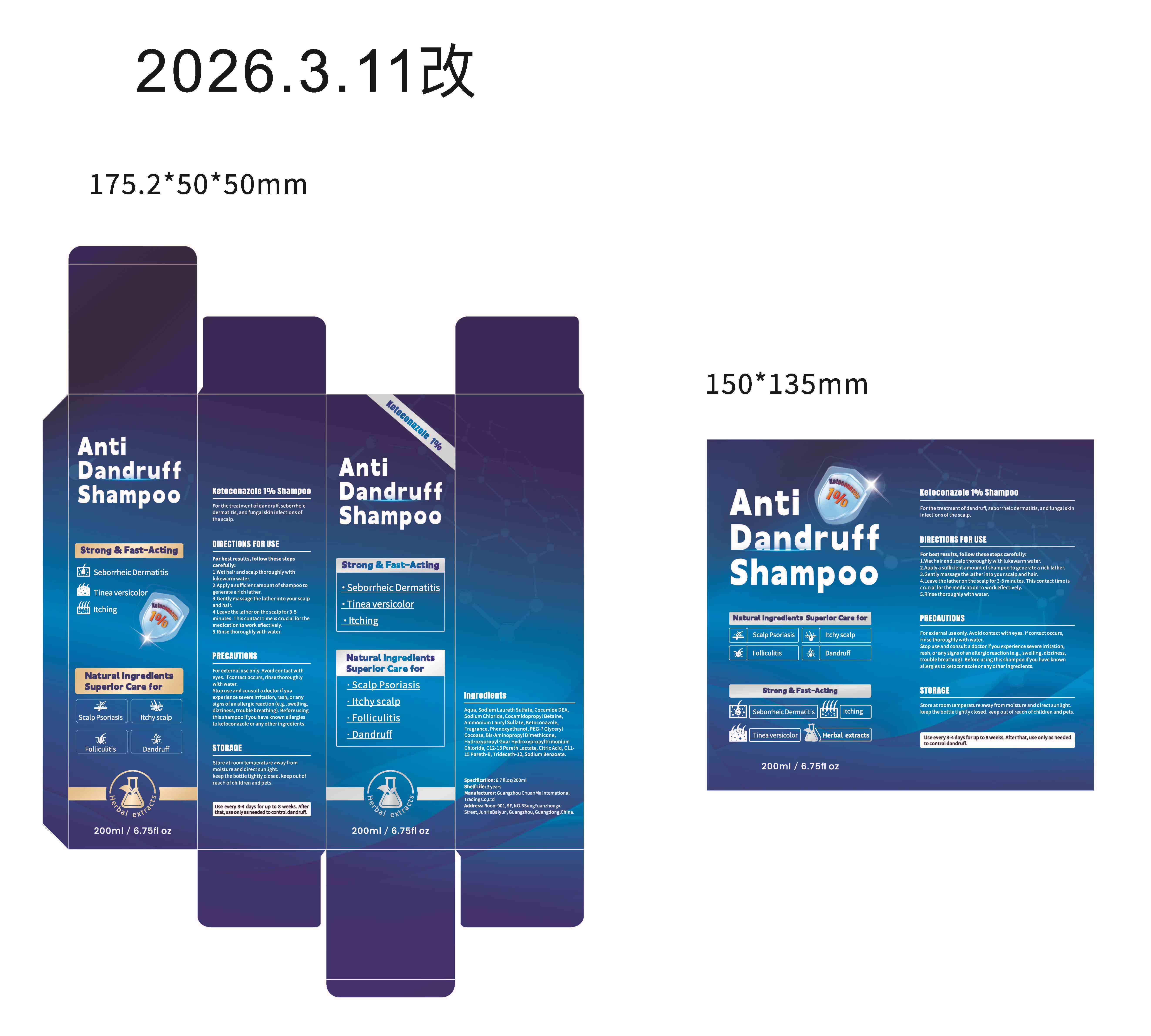
(ketoconazole · DailyMed)
KETOZ
Citric Acid Monohydrate 0.450 g,Color Sunset Yellow Supra 0.0017 g,Colour Tartrazine Supra 2.745 mg,Idacol Ponceau 4R 0.002 g,Ketoconazole 2 %w/v,Methyl paraben 0.050 g,Pink SS Fragrance 0.400 g,Propyl paraben 0.050 g,Propylene Glycol 3.000 g,Purified Water qs ml,Shampoo Base 50.00 g,Sodium Chloride 0.500 g,Sodium Lauryl Sulphate (Liq) 15.00 g
What it does
Citric acid is a natural substance often used to help with digestion and to support urinary health.
Commonly used for: urinary tract infections (UTIs), kidney stones, digestive issues
Read more in plain English ↓Plain-language summary for general understanding - not medical advice. Always follow your pharmacist/doctor.
Ask about this medicine
Answers come only from this medicine's registration record, BNF monograph and interaction data - not medical advice.
Medicine sourcing is available in Kenya only. We don't sell or dispense medicines - licensed pharmacies do.
Sourcing - Kenya onlyRegistration & product details
Source: Tanzania Medicines and Medical Devices Authority · fetched 2026-08-06 03:00:39 · updated 2026-09-24 03:00:47
Drug Interactions
22Severe (6)
Ketoconazole - decreases concentration
Phenobarbital is predicted to decrease the concentration of antifungals, azoles (ketoconazole). Avoid.
Ketoconazole - decreases concentration
Primidone is predicted to decrease the concentration of antifungals, azoles (ketoconazole, posaconazole). Avoid.
Ketoconazole - decreases exposure
Nevirapine moderately decreases the exposure to antifungals, azoles (ketoconazole). Avoid.
Ketoconazole - decreases exposure
Rifampicin markedly decreases the exposure to antifungals, azoles (ketoconazole) and antifungals, azoles (ketoconazole) potentially decreases the exposure to rifampicin. Avoid.
Rifabutin - increases concentration
Ketoconazole is predicted to increase the concentration of rifamycins (rifabutin) and rifamycins (rifabutin) are predicted to decrease the concentration of ketoconazole. Avoid.
Rifamycins - increases concentration
Ketoconazole is predicted to increase the concentration of rifamycins (rifabutin) and rifamycins (rifabutin) are predicted to decrease the concentration of ketoconazole. Avoid.
Moderate (4)
Anti-Androgens - increases exposure
Ketoconazole is predicted to increase the exposure to anti-androgens (darolutamide). Monitor and adjust dose.
Coumarins - increases anticoagulant effect
Ketoconazole potentially increases the anticoagulant effect of coumarins (warfarin). Monitor INR and adjust dose.
Darolutamide - increases exposure
Ketoconazole is predicted to increase the exposure to anti-androgens (darolutamide). Monitor and adjust dose.
Warfarin - increases anticoagulant effect
Ketoconazole potentially increases the anticoagulant effect of coumarins (warfarin). Monitor INR and adjust dose.
Unknown (12)
Aliskiren - increases exposure
Ketoconazole moderately increases the exposure to aliskiren.
Antimalarials - increases exposure
Ketoconazole increases the exposure to antimalarials (mefloquine).
Bosentan - increases exposure
Ketoconazole moderately increases the exposure to endothelin receptor antagonists (bosentan).
Endothelin Receptor Antagonists - increases exposure
Ketoconazole moderately increases the exposure to endothelin receptor antagonists (bosentan).
Ketoconazole - increases exposure
Cobicistat is predicted to increase the exposure to ketoconazole. Adjust ketoconazole dose, p. 759.
Data from BNF 85 (British National Formulary). This is not a substitute for professional medical advice. Matched via: exact
About citric
Citric acid is a natural substance often used to help with digestion and to support urinary health.
What it treats
- urinary tract infections (UTIs)
- kidney stones
- digestive issues
How it works
Citric acid helps to increase the acidity of urine, which can help to prevent the formation of certain types of kidney stones and may aid digestion.
Who it's for
Citric acid is suitable for adults and children who may need help with urinary health or digestion.
AI-assisted summary grounded in BNF data - general information only, not medical advice. Always confirm with your pharmacist or doctor.
About color
Color is an active ingredient used in various medications to provide visual distinction and identification.
What it treats
- To enhance the appearance of medications
How it works
Color adds visual appeal and helps in identifying different medications.
Who it's for
Anyone who uses medications that contain color for identification.
AI-assisted summary grounded in BNF data - general information only, not medical advice. Always confirm with your pharmacist or doctor.
About colour
This medicine is used to change the color of certain products.
What it treats
- to color food
- to tint cosmetics
- to dye textiles
How it works
It adds color to products, making them visually appealing.
Who it's for
This product is suitable for anyone needing to add color to food, cosmetics, or textiles.
AI-assisted summary grounded in BNF data - general information only, not medical advice. Always confirm with your pharmacist or doctor.
About fragrance
Fragrance is a common ingredient used to add scent to products. It can be found in various items like perfumes, lotions, and cleaning products.
What it treats
- adding scent to cosmetics
- enhancing aroma in household products
- improving the fragrance of personal care items
How it works
Fragrance works by releasing pleasant smells that can enhance mood and create a more enjoyable experience when using a product.
Who it's for
Fragrance is suitable for most people looking to enjoy scented products, but those with sensitive skin or allergies should be cautious.
Cautions
- • may cause allergic reactions in some individuals
- • people with asthma or respiratory issues should use with care
AI-assisted summary grounded in BNF data - general information only, not medical advice. Always confirm with your pharmacist or doctor.
About glycol
Glycol is a substance used in various medical and industrial applications, primarily known for its properties as a solvent and humectant.
What it treats
- moisturizing skin (topical applications)
- acting as a solvent in medications
How it works
Glycol helps to retain moisture and can dissolve other substances, making it useful in creams and solutions.
Who it's for
Glycol is generally safe for use in topical products for adults and children when used as directed.
AI-assisted summary grounded in BNF data - general information only, not medical advice. Always confirm with your pharmacist or doctor.
About idacol
Idacol is a medication used to treat certain medical conditions. However, there is limited information available about this active ingredient in the BNF.
What it treats
- No specific medical conditions are listed in the BNF for idacol.
How it works
The exact mechanism of action for idacol is not specified in the BNF.
Who it's for
Idacol may be prescribed for certain individuals, but the BNF does not provide specific information about this.
Cautions
- • No specific cautions are listed in the BNF for idacol.
AI-assisted summary grounded in BNF data - general information only, not medical advice. Always confirm with your pharmacist or doctor.
About ketoconazole
Ketoconazole is an antifungal medication used to treat fungal infections.
What it treats
- fungal infections of the skin
- fungal infections of the nails
- candidiasis (thrush)
How it works
It works by stopping the growth of fungi that cause infections.
Who it's for
Ketoconazole is for adults and children with fungal infections.
AI-assisted summary grounded in BNF data - general information only, not medical advice. Always confirm with your pharmacist or doctor.
About lauryl
Lauryl is a compound used in various products, known for its cleansing properties.
What it treats
- skin cleansing
- oral hygiene
How it works
Lauryl works by helping to remove dirt and oils from the skin and mouth.
Who it's for
Lauryl is suitable for people looking for effective cleansing products for their skin or oral health.
AI-assisted summary grounded in BNF data - general information only, not medical advice. Always confirm with your pharmacist or doctor.
About methyl
Methyl is an active ingredient used in various medications. It is involved in different treatments for health conditions.
What it treats
- mood disorders
- depression
- anxiety
How it works
Methyl helps to improve mood and reduce feelings of anxiety by affecting certain chemicals in the brain.
Who it's for
This medication is for adults experiencing mood-related issues.
AI-assisted summary grounded in BNF data - general information only, not medical advice. Always confirm with your pharmacist or doctor.
About paraben
Paraben is a substance often used as a preservative in cosmetics and some medications.
What it treats
- used in cosmetics
- used in some medications
How it works
Paraben helps prevent the growth of harmful bacteria and mold, keeping products safe for use.
Who it's for
Generally for anyone using cosmetic products or certain medications that contain parabens.
AI-assisted summary grounded in BNF data - general information only, not medical advice. Always confirm with your pharmacist or doctor.
About pink
Pink is used to treat various conditions but specific information is not provided.
How it works
The specific mechanism of action for Pink is not detailed.
Who it's for
Pink may be prescribed for individuals with specific health needs, but details are not available.
AI-assisted summary grounded in BNF data - general information only, not medical advice. Always confirm with your pharmacist or doctor.
About ponceau
Ponceau is a synthetic dye used in various food and pharmaceutical products.
What it treats
- food coloring
- cosmetic products
How it works
Ponceau adds color to products, making them more visually appealing.
Who it's for
Ponceau is used in products intended for all consumers, but those with allergies to food dyes should be cautious.
Cautions
- • May cause allergic reactions in some individuals.
AI-assisted summary grounded in BNF data - general information only, not medical advice. Always confirm with your pharmacist or doctor.
About propyl
Propyl is a chemical compound often used in various medicines. It helps in treating certain health conditions, but specific information on its uses and interactions is not provided.
How it works
Propyl works by influencing biological processes in the body, but the exact mechanism is not detailed.
Who it's for
Propyl may be suitable for individuals needing treatment for specific health issues, though details are not provided.
AI-assisted summary grounded in BNF data - general information only, not medical advice. Always confirm with your pharmacist or doctor.
About propylene
Propylene is a compound used in various medical applications, often as a solvent or carrier for medications.
What it treats
- used in some topical treatments
- acts as a solvent in pharmaceuticals
How it works
Propylene helps dissolve other substances, making them easier to apply or absorb in the body.
Who it's for
It is typically for adults and children who need certain medications delivered in a specific form.
AI-assisted summary grounded in BNF data - general information only, not medical advice. Always confirm with your pharmacist or doctor.
About purified
Purified ingredients are often used in various medicines to ensure safety and effectiveness by removing impurities.
What it treats
- various medical conditions
How it works
Purified ingredients help in delivering the intended effects of the medicine without the risk of contaminants.
Who it's for
People who need medications with safe and effective ingredients.
AI-assisted summary grounded in BNF data - general information only, not medical advice. Always confirm with your pharmacist or doctor.
About shampoo
Shampoo is a cleansing product used to wash hair and scalp.
What it treats
- cleansing hair
- removing dirt and oil
- treating dandruff
- soothing itchy scalp
How it works
Shampoo helps to remove dirt, oil, and impurities from the hair and scalp, leaving it clean and fresh.
Who it's for
Shampoo can be used by anyone looking to maintain clean hair and scalp, including those with specific scalp issues like dandruff.
AI-assisted summary grounded in BNF data - general information only, not medical advice. Always confirm with your pharmacist or doctor.
About sunset
Sunset is a natural remedy often used for various health purposes, though specific medical uses are not detailed.
How it works
The exact way sunset works in the body is not well understood.
Who it's for
Sunset may be used by individuals seeking natural remedies, but specific groups are not identified.
AI-assisted summary grounded in BNF data - general information only, not medical advice. Always confirm with your pharmacist or doctor.
About supra
Supra is a medication that is used to treat various health conditions. Please consult your healthcare provider for more details.
How it works
The exact way Supra works in the body is not specified, but it helps in managing certain health issues.
Who it's for
Supra may be prescribed to individuals with specific health conditions as determined by a healthcare professional.
AI-assisted summary grounded in BNF data - general information only, not medical advice. Always confirm with your pharmacist or doctor.
About tartrazine
Tartrazine is a yellow food dye commonly used in various products.
What it treats
- coloring food and beverages
- cosmetics
- medications
How it works
Tartrazine adds a yellow color to foods and products, making them more visually appealing.
Who it's for
People looking for colored food products, but those with certain allergies should be cautious.
Cautions
- • May cause allergic reactions in some individuals, especially those sensitive to aspirin.
AI-assisted summary grounded in BNF data - general information only, not medical advice. Always confirm with your pharmacist or doctor.
About yellow
Yellow is a medicinal product used to treat various conditions.
What it treats
- general health support
How it works
The exact way Yellow works is not specified, but it is designed to support overall well-being.
Who it's for
Yellow is suitable for individuals looking to improve their general health.
AI-assisted summary grounded in BNF data - general information only, not medical advice. Always confirm with your pharmacist or doctor.
Clinical monograph: Ketoconazole
BNF-referencedKetoconazole is an imidazole derivative classified as an antifungal agent. It is primarily used to treat endogenous Cushing's syndrome, a condition characterized by excess cortisol production. Ketoconazole acts by inhibiting the synthesis of cortisol and aldosterone, and it has been repurposed in some cases to manage fungal infections, although oral formulations for fungal infections have been suspended due to safety concerns regarding hepatotoxicity. It interferes with the ergosterol synthesis in fungal cell membranes, leading to increased permeability and impaired cell function.
Indications
- Endogenous Cushing's syndrome
- Cushing's disease
- Topical treatment of fungal infections (limited to specific formulations)
Dosage
Children: For paediatric dosing, refer to the BNF for Children
Adults: For Cushing's syndrome, the maximum dose is 200 mg daily with concurrent use of cobicistat-boosted regimens. The dosing should be adjusted based on patient response and liver enzyme levels.
Mechanism of action
Ketoconazole interacts with 14-alpha-sterol demethylase, a cytochrome P-450 enzyme essential for converting lanosterol to ergosterol. This inhibition results in reduced ergosterol levels in the fungal cell membrane, compromising its integrity and function. The metabolic blockage also leads to the accumulation of toxic sterol precursors, which further disrupt cellular processes. Ketoconazole's fungistatic properties prevent the growth and spread of fungal cells by altering cellular membranes and increasing membrane permeability.
Pharmacodynamics
As a fungistatic agent, ketoconazole halts growth in fungal cells, preventing their proliferation. It primarily targets the ergosterol biosynthesis pathway, which is crucial for maintaining fungal cell membrane integrity. This mechanism leads to increased membrane fluidity, impairing membrane-bound enzyme systems and resulting in growth inhibition of fungal pathogens.
Pharmacokinetics
Ketoconazole is well absorbed when taken orally, but its absorption can be affected by gastric pH. It undergoes extensive hepatic metabolism, primarily via cytochrome P450 enzymes, leading to various metabolites. The drug has a half-life of approximately 2-8 hours, but this can vary based on dose and individual metabolism. Ketoconazole is excreted mainly through the feces, with some renal excretion of unchanged drug.
Contra-indications
- Acquired QTc prolongation
- Acute porphyrias
- Congenital QTc prolongation
- Cushing's syndrome
Adverse effects
- Dizziness
- Flushing
- Hyperglycaemia
- Diarrhoea
- Gastrointestinal discomfort
- Nausea
- Vomiting
- Skin reactions
- Allergic conditions
- Alopecia
- Angioedema
- Asthenia
- Drowsiness
- Headache
- Thrombocytopenia
- Fever
- Hepatic disorders
- Taste alteration
- Appetite abnormality
- Arthralgia
- Dry mouth
- Epistaxis
- Flatulence
- Fontanelle bulging
- Gynaecomastia
- Hot flush
- Insomnia
- Increased intracranial pressure
- Malaise
- Myalgia
- Nervousness
- Papilloedema
- Paraesthesia
- Peripheral oedema
- Photophobia
- Photosensitivity reaction
- Tongue discolouration
Interactions
- Severe: phenobarbital decreases ketoconazole concentration
- Severe: primidone decreases ketoconazole concentration
- Severe: rifamycins increase ketoconazole concentration
- Severe: rifabutin increases ketoconazole concentration
- Severe: nevirapine decreases ketoconazole exposure
- Severe: rifampicin decreases ketoconazole exposure
- Moderate: anti-androgens increase ketoconazole exposure
- Moderate: darolutamide increases ketoconazole exposure
- Moderate: coumarins increase anticoagulant effect
- Moderate: warfarin increases anticoagulant effect
Precautions
- High dosage may cause proximal myopathy
- Avoid in chronic therapy
- Pre-treatment liver enzymes should not exceed 2 times the normal upper limit
- Risk of adrenal insufficiency
Pregnancy
Manufacturer advises avoid-teratogenic in animal
AI-synthesized from BNF references - general information only, not a substitute for professional medical advice or the current BNF. Verify doses with a pharmacist.
Clinical monograph: citric
BNF-referencedCitric acid, a key intermediate in the citric acid cycle, is a weak organic acid with the molecular formula C10H18O. It is commonly found in citrus fruits and is widely used in the food and pharmaceutical industries for its preservative and flavoring properties. Citric acid is also utilized in various formulations for its ability to enhance solubility and stability of active ingredients.
Indications
- Acidulant in food and beverages
- Preservative in pharmaceutical formulations
- pH adjuster in various chemical preparations
Dosage
Children: Refer to product-specific guidelines for appropriate dosing based on formulation and indication.
Adults: Refer to product-specific guidelines for appropriate dosing based on formulation and indication.
Mechanism of action
Citric acid acts by chelating metal ions, which can enhance the solubility of certain compounds and improve their bioavailability. It also contributes to the acidity of the environment, which can influence enzymatic activity and metabolic pathways, particularly in the degradation of citronellol.
Pharmacodynamics
Citric acid exhibits mild pharmacological effects primarily attributed to its role in metabolic processes. It aids in the regulation of pH levels, which can impact enzymatic reactions and biochemical pathways. The acid's chelating properties may help to reduce the toxicity of certain metal ions in biological systems.
Pharmacokinetics
Citric acid is rapidly absorbed after oral administration and is metabolized in the liver. It undergoes conversion to various metabolites in the citric acid cycle, contributing to energy production. The elimination primarily occurs through urine, with minimal accumulation in the body.
Pregnancy
Citric acid is generally regarded as safe during pregnancy when used in food amounts. However, consult a healthcare provider for advice on medicinal use.
Breast-feeding
Citric acid is considered safe during breastfeeding when consumed in food amounts. For medicinal use, consult a healthcare provider.
Storage
Store in a cool, dry place away from direct sunlight.
AI-synthesized from BNF references - general information only, not a substitute for professional medical advice or the current BNF. Verify doses with a pharmacist.
Clinical monograph: color
Color is not a pharmacological agent or drug; rather, it refers to the visual perception of different wavelengths of light. In pharmacology, color can relate to the appearance of medications, their formulations, and the way they are manufactured. Color can also influence patient adherence to medication regimens, as visually appealing medications may be more likely to be taken as prescribed.
Pregnancy
There is limited data on the safety of color additives during pregnancy. Use only if clearly needed and after consultation with a healthcare provider.
Breast-feeding
The safety of color additives during breastfeeding is not well studied. Use with caution and consult a healthcare provider.
Storage
Store in a cool, dry place away from direct sunlight. Keep out of reach of children.
AI-synthesized from BNF references - general information only, not a substitute for professional medical advice or the current BNF. Verify doses with a pharmacist.
Clinical monograph: colour
BNF-referencedColour is a compound with the molecular formula C13H18N2O, commonly recognized for its application in various industries, including pharmaceuticals and food. Its properties can vary based on its specific formulation and context of use. It is important to consult detailed sources for information regarding its use in clinical settings.
Mechanism of action
The precise mechanism of action is not well-documented in the provided resources. However, compounds with similar molecular structures often interact with biological pathways through modulation of neurotransmitter systems or receptor activity.
Pharmacodynamics
Pharmacodynamics for compounds like Colour typically involve interactions at the cellular level, influencing physiological responses through receptor binding and modulation of signaling pathways. The specific effects and potency would depend on the context of use and formulation.
Pharmacokinetics
Information on the pharmacokinetics of Colour, including absorption, distribution, metabolism, and excretion, is not provided in the available resources. Generally, pharmacokinetic properties will vary significantly based on formulation and route of administration.
Pregnancy
Safety in pregnancy has not been established. Use only if the benefits outweigh the risks.
Breast-feeding
Caution is advised. There are no adequate studies in breastfeeding women.
Storage
Store in a cool, dry place, away from light. Keep out of reach of children.
AI-synthesized from BNF references - general information only, not a substitute for professional medical advice or the current BNF. Verify doses with a pharmacist.
Clinical monograph: fragrance
Fragrance refers to a wide range of aromatic compounds that are used in various products such as perfumes, cosmetics, and household items to impart a pleasant scent. These compounds can be natural, derived from essential oils, or synthetic. Fragrances are popular in consumer products for their olfactory appeal and are often used to mask unpleasant odors.
Dosage
Children: As with adults, dosing for children is highly variable and specific to the product used. It is advisable to refer to product guidelines and consult a healthcare professional.
Adults: Dosing varies widely based on the specific product and its intended use, with no standardized dosage for fragrance as it is generally applied topically or used in the environment.
Mechanism of action
Fragrances primarily act by stimulating the olfactory receptors in the nasal cavity, which send signals to the brain's olfactory bulb. This process is responsible for the perception of smell and can evoke emotional responses, enhance mood, and even influence behavior. The specific compounds in fragrances can interact with various biochemical pathways, but their exact mechanisms can vary widely depending on the individual components and their concentrations.
Pharmacodynamics
The pharmacodynamics of fragrance compounds can involve modulation of neurotransmitter activity in the brain, particularly those associated with mood and emotional responses. Certain fragrance compounds may have calming effects, potentially influencing the levels of stress hormones and promoting relaxation. However, responses can be highly subjective and vary from person to person.
Pharmacokinetics
The pharmacokinetics of fragrance components depend on their chemical nature. Many volatile aromatic compounds can be rapidly absorbed through the skin or inhaled, leading to quick onset of effects. Metabolism may occur in the liver, and elimination can happen through urine or exhalation. The half-lives of these compounds can vary significantly based on their structure and the route of exposure.
Adverse effects
- Allergic reactions
- Skin irritation
- Respiratory issues
- Headaches
- Nausea
Precautions
- Use with caution in individuals with known allergies
- Avoid use in those with respiratory conditions like asthma
- Patch testing recommended prior to widespread use on skin
Pregnancy
Fragrance use during pregnancy should be limited, as some ingredients may pose risks to fetal development.
Breast-feeding
Generally considered safe, but caution is advised due to potential for skin absorption and transfer to infant.
Storage
Store in a cool, dry place away from direct sunlight, tightly sealed to prevent evaporation.
Formulations
- Perfumes
- Colognes
- Body sprays
- Scented lotions
- Candles
- Essential oils
AI-synthesized from BNF references - general information only, not a substitute for professional medical advice or the current BNF. Verify doses with a pharmacist.
Clinical monograph: glycol
BNF-referencedEthylene glycol, a colorless, odorless liquid with a sweet taste, is primarily used in antifreeze and industrial applications. It is toxic to humans and can lead to severe metabolic acidosis and organ damage upon ingestion. Due to its potential for misuse and toxicity, it is classified as a hazardous substance.
Dosage
Children: Refer to the BNF for Children for appropriate dosing information in paediatric cases, especially in instances of overdose.
Adults: Refer to the BNF for specific dosing information based on clinical circumstances, particularly in cases of overdose.
Mechanism of action
Ethylene glycol is metabolized by alcohol dehydrogenase to glycoaldehyde, which is subsequently converted to glycolic, glyoxylic, and oxalic acids. These metabolites contribute to anion gap metabolic acidosis and are responsible for tissue injury through the formation of insoluble calcium oxalate crystals.
Pharmacodynamics
The toxicity of ethylene glycol arises from its metabolites, particularly glycolic and oxalic acids. These compounds induce metabolic acidosis, lead to renal failure through calcium oxalate crystal deposition in the kidneys, and can cause neurological impairment. The anion gap increases due to the accumulation of these acids, leading to complications such as cardiovascular instability and potential multi-organ failure.
Pharmacokinetics
Ethylene glycol is rapidly absorbed after oral ingestion. It undergoes first-pass metabolism primarily in the liver, where it is converted into its toxic metabolites. The elimination half-life of ethylene glycol varies but is generally prolonged in cases of renal impairment. Renal excretion of metabolites contributes to the duration of toxicity, necessitating prompt medical intervention in cases of overdose.
Adverse effects
- Metabolic acidosis
- Renal failure
- CNS depression
- Hypocalcemia
- Cardiovascular collapse
- Pulmonary edema
Precautions
- Use with caution in patients with renal impairment
- Monitor for signs of metabolic acidosis
- Evaluate electrolyte levels, particularly calcium
Pregnancy
There is limited data on the safety of ethylene glycol in pregnancy. It should only be used if clearly needed.
Breast-feeding
It is unknown if ethylene glycol is excreted in human milk. Caution is advised.
Storage
Store in a tightly closed container at room temperature, away from heat and moisture.
Formulations
- Liquid
AI-synthesized from BNF references - general information only, not a substitute for professional medical advice or the current BNF. Verify doses with a pharmacist.
Clinical monograph: lauryl
Lauryl, also known as lauryl sulfate, is a surfactant and cleansing agent commonly used in various pharmaceutical and cosmetic formulations. It is derived from lauric acid, a medium-chain fatty acid found in coconut oil and palm kernel oil. Lauryl sulfate is primarily utilized for its ability to create lather and enhance the solubility of active ingredients in topical applications. Its use is widespread in shampoos, body washes, and other personal care products.
Indications
- Cleansing agent in topical formulations
- Emulsifying agent in cosmetic products
- Foaming agent in shampoos and body washes
Dosage
Children: Refer to specific product formulations for appropriate concentrations and application methods.
Adults: Refer to specific product formulations for appropriate concentrations and application methods.
Mechanism of action
Lauryl sulfate functions as an anionic surfactant. It reduces the surface tension between different substances, allowing for better spreading and wetting. In the context of cleansing, it facilitates the removal of dirt and oils from the skin and hair by emulsifying these substances, thus making them easier to rinse away with water.
Pharmacodynamics
As a surfactant, lauryl sulfate displays properties that can disrupt cellular membranes and alter permeability. This mechanism is beneficial in enhancing the penetration of other therapeutic agents in topical formulations. However, its irritant potential on skin and mucous membranes should be noted, as it can lead to dryness and irritation with prolonged exposure.
Pharmacokinetics
Lauryl sulfate is primarily applied topically and is not intended for systemic absorption. When used in formulations, it acts locally at the site of application. Its absorption through the skin is minimal, and any systemic exposure is limited. Metabolism and excretion pathways are not well-defined for topical applications, as it is largely washed away after use.
Pregnancy
Safety during pregnancy has not been established. Use only if the potential benefit justifies the potential risk to the fetus.
Breast-feeding
Unknown whether lauryl is excreted in human milk. Caution should be exercised when administering to nursing mothers.
Storage
Store in a cool, dry place away from direct sunlight. Keep out of reach of children.
AI-synthesized from BNF references - general information only, not a substitute for professional medical advice or the current BNF. Verify doses with a pharmacist.
Clinical monograph: methyl
BNF-referencedMethyl compounds, including corticosteroids like methylprednisolone, are synthetic derivatives of naturally occurring steroids. They are widely used for their anti-inflammatory and immunosuppressive properties. Methylprednisolone is notably effective in managing various conditions involving inflammation and autoimmunity.
Indications
- Allergic conditions
- Autoimmune diseases
- Asthma and chronic obstructive pulmonary disease (COPD)
- Certain cancers (e.g., leukemia, lymphoma)
- Skin conditions (e.g., dermatitis)
- Inflammatory bowel disease
- Multiple sclerosis exacerbations
- Severe infections requiring immunosuppression
Dosage
Children: Refer to BNF for Children for specific dosing; doses vary significantly based on the child's age, weight, and condition being treated.
Adults: Refer to BNF for specific dosing; typically, initial doses range from 4 to 48 mg depending on the severity of the condition.
Mechanism of action
Methylprednisolone exerts its effects by binding to glucocorticoid receptors, leading to the modulation of gene expression. This interaction influences the transcription of anti-inflammatory proteins while suppressing the expression of pro-inflammatory genes, ultimately resulting in reduced inflammation and immune response.
Pharmacodynamics
The pharmacodynamic effects of methylprednisolone are characterized by its ability to decrease inflammation, suppress the immune response, and affect carbohydrate metabolism. Therapeutic doses lead to various systemic effects, including modification of leukocyte distribution and inhibition of cytokine production.
Pharmacokinetics
Methylprednisolone is well absorbed after oral administration, with a bioavailability of approximately 50%. It has a volume of distribution that reflects extensive tissue binding. The drug is metabolized primarily in the liver through conjugation and reduction, and its metabolites are excreted in urine. The half-life varies based on the route of administration but is generally around 18 to 36 hours.
Adverse effects
- Increased blood pressure
- Hyperglycemia
- Weight gain
- Mood changes
- Insomnia
- Gastrointestinal disturbances
- Increased susceptibility to infections
Interactions
- methylphenidate+apraclonidine: Severe (decreases effects)
- methylthioninium chloride+bupropion: Severe (increases risk of severe hypertension)
- methylphenidate+linezolid: Severe (increases risk of elevated blood pressure)
- rasagiline+methylphenidate: Severe (increases risk of a hypertensive crisis)
- mao-inhibitors+methylphenidate: Severe (increases risk of a hypertensive crisis)
- dronedarone+methylprednisolone: Moderate (increases exposure)
- miconazole+methylprednisolone: Moderate (increases concentration)
- antifungals, azoles+methylprednisolone: Moderate (increases exposure)
- crizotinib+methylprednisolone: Moderate (increases exposure)
Precautions
- Use with caution in patients with hypertension
- Monitor blood glucose levels in diabetic patients
- Consider potential for infection risk due to immunosuppression
- Evaluate for psychiatric effects in susceptible individuals
Pregnancy
Corticosteroids may be used during pregnancy if the potential benefit justifies the risk to the fetus. Careful monitoring is advised.
Breast-feeding
Corticosteroids are excreted in breast milk; caution is advised. Monitor the infant for potential effects.
Storage
Store in a cool, dry place, away from light. Keep out of reach of children.
Formulations
- Tablets
- Injectable solutions
- Topical preparations
AI-synthesized from BNF references - general information only, not a substitute for professional medical advice or the current BNF. Verify doses with a pharmacist.
Clinical monograph: methylsulphate
BNF-referencedMethylsulphate, with the molecular formula CH3O4S, is an organic compound that serves as a methylating agent. It is commonly used in various chemical reactions, including the methylation of nucleophiles in organic synthesis. Methylsulphate is not typically used as a therapeutic agent in clinical practice but may be encountered in laboratory settings.
Mechanism of action
Methylsulphate functions as a methylating agent, transferring a methyl group to nucleophiles. This process involves the formation of a sulfonium ion, which is highly reactive and can readily react with nucleophilic sites on various substrates, leading to methylation reactions.
Pharmacodynamics
The pharmacodynamics of methylsulphate is primarily related to its role as a methylating agent in biochemical reactions. It can alter the structure and function of biological molecules, potentially affecting cellular processes and signaling pathways. However, detailed pharmacodynamic studies specific to therapeutic use are limited.
Pharmacokinetics
There is limited information on the pharmacokinetics of methylsulphate, given its typical use as a reagent in laboratory settings rather than a clinical drug. When used in chemical reactions, its reactivity and transformation into other compounds would dictate its pharmacokinetic profile, which could vary significantly based on the specific context of use.
Pregnancy
There is limited data on the use of methylsulphate in pregnancy. Consult relevant guidelines.
Breast-feeding
Data on the excretion of methylsulphate in human milk is not available. Caution is advised.
Storage
Store in a cool, dry place, away from direct sunlight.
AI-synthesized from BNF references - general information only, not a substitute for professional medical advice or the current BNF. Verify doses with a pharmacist.
Clinical monograph: paraben
Parabens are a class of synthetic compounds commonly used as preservatives in cosmetics, pharmaceuticals, and food products due to their antimicrobial properties. They are esters of para-hydroxybenzoic acid and are effective against a wide range of bacteria and fungi. Parabens help prolong the shelf life of products by preventing microbial growth, thus maintaining product efficacy and safety.
Indications
- Preservative in cosmetics
- Preservative in pharmaceuticals
- Preservative in food products
Dosage
Children: Refer to specific product guidelines as dosing varies based on formulation and concentration used.
Adults: Refer to specific product guidelines as dosing varies based on formulation and concentration used.
Mechanism of action
Parabens work by inhibiting the growth of microorganisms through their ability to disrupt the cellular processes of bacteria and fungi. They penetrate the microbial cell membrane and disrupt enzyme and protein functions, leading to cell death. Parabens are known to have low toxicity and are metabolized by the body, subsequently being excreted in urine.
Pharmacodynamics
Parabens demonstrate broad-spectrum antimicrobial activity, making them effective preservatives in various formulations. Their efficacy is influenced by factors such as concentration, pH, and the presence of other ingredients in the formulation. Due to their structural similarity to estrogen, there has been concern regarding their potential endocrine-disrupting effects, although the clinical significance of this is still debated.
Pharmacokinetics
Parabens are readily absorbed through the skin and gastrointestinal tract. Once absorbed, they are rapidly metabolized primarily in the liver. They undergo hydrolysis to form para-hydroxybenzoic acid, which is then conjugated with glucuronic acid and excreted in urine. The half-life of parabens in the human body is relatively short, and they are eliminated rapidly.
Adverse effects
- Allergic reactions, such as skin rashes
- Irritation at the site of application
- Endocrine disruption (in high concentrations)
Precautions
- Use with caution in individuals with known sensitivities or allergies to parabens
- Consider potential endocrine effects with prolonged exposure
Pregnancy
Parabens are generally considered safe in cosmetics and personal care products during pregnancy, although caution is advised due to potential endocrine disruption.
Breast-feeding
Parabens are considered safe in breastfeeding, but it is recommended to use products with minimal or no parabens when possible.
Storage
Store in a cool, dry place away from direct sunlight. Keep out of reach of children.
Formulations
- Topical creams
- Lotions
- Shampoos
- Conditioners
- Makeup products
- Pharmaceutical preparations
AI-synthesized from BNF references - general information only, not a substitute for professional medical advice or the current BNF. Verify doses with a pharmacist.
Clinical monograph: pink
BNF-referencedPink is a chemical compound with the molecular formula C16H22Cl2N2O. It is used in various therapeutic applications, although specific indications are not provided in the BNF text. The compound's properties suggest it may have a role in treating conditions related to its pharmacological activity.
Mechanism of action
The exact mechanism of action for Pink is not detailed in the provided information. However, compounds with similar structures often function as antagonists or inhibitors at certain receptors or enzymes, which modulates physiological processes.
Pharmacodynamics
Pharmacodynamics details for Pink are not specified. Typically, the pharmacodynamics of similar compounds involve interactions with neurotransmitter systems, influencing both central and peripheral nervous system functions. This can lead to varying therapeutic effects depending on the target receptors.
Pharmacokinetics
The pharmacokinetics of Pink, including absorption, distribution, metabolism, and excretion, are not explicitly stated. However, compounds of this nature generally exhibit moderate to high oral bioavailability, with metabolism primarily occurring in the liver, followed by renal excretion of metabolites.
AI-synthesized from BNF references - general information only, not a substitute for professional medical advice or the current BNF. Verify doses with a pharmacist.
Clinical monograph: ponceau
Ponceau, also known as Ponceau 4R or E124, is a synthetic red azo dye commonly used as a food colorant and in pharmaceutical formulations. It is derived from coal tar and is known for its vibrant red color. Ponceau is primarily utilized in the food industry for coloring various products, but it is also found in some medicinal formulations. Its use is regulated in many countries due to potential allergic reactions in sensitive individuals.
Dosage
Children: Refer to specific formulations and guidelines, as ponceau is primarily a colorant and not used therapeutically.
Adults: Refer to specific formulations and guidelines, as ponceau is primarily a colorant and not used therapeutically.
Mechanism of action
Ponceau exerts its color properties through the presence of azo groups (-N=N-), which absorb specific wavelengths of light, thereby producing a bright red color. The mechanism of action in terms of pharmacological effects is not well-defined, as ponceau is primarily a colorant rather than a pharmacologically active agent.
Pharmacodynamics
Ponceau does not have pharmacodynamic effects traditionally associated with therapeutic drugs, as it is not intended to exert a pharmacological effect. Its primary role is as a color additive, and any physiological response is typically limited to allergic reactions in susceptible individuals. The dye's interaction with biological systems is largely related to its structural properties rather than specific pharmacological activity.
Pharmacokinetics
The pharmacokinetics of ponceau are not well-studied, as it is mainly used as a colorant rather than a therapeutic agent. Generally, colorants like ponceau are not absorbed significantly in the gastrointestinal tract and are excreted unchanged. However, in cases of hypersensitivity or allergic reactions, the body's response may vary based on individual metabolism and immune response.
Pregnancy
There is limited data on the safety of ponceau in pregnancy. It should only be used if clearly needed and the potential benefits outweigh the risks.
Breast-feeding
It is unknown if ponceau is excreted in human milk. Caution should be exercised when administering to breastfeeding women.
Storage
Store in a cool, dry place away from light. Keep out of reach of children.
AI-synthesized from BNF references - general information only, not a substitute for professional medical advice or the current BNF. Verify doses with a pharmacist.
Clinical monograph: propyl
BNF-referencedPropyl, or propyl group, refers to a branched alkyl group derived from propane and is often used in organic chemistry as a substituent on various compounds. In pharmacology, propyl derivatives have been associated with various therapeutic agents, including antithyroid medications. Propylthiouracil (PTU) is a notable drug that contains a propyl group and is used primarily in the management of hyperthyroidism. It inhibits the synthesis of thyroid hormones, thereby decreasing their levels in the body.
Indications
- Hyperthyroidism
- Graves' disease
- Thyroid storm
Dosage
Children: Refer to the BNF
Adults: The usual initial dose of propylthiouracil in adults is 300 mg per day, divided into 3 doses. The maintenance dose is typically 100-150 mg per day, adjusted based on thyroid function tests.
Mechanism of action
Propylthiouracil acts by inhibiting the enzyme thyroid peroxidase, which is involved in the iodination of tyrosine residues in thyroglobulin, a precursor of thyroid hormones. By blocking this enzyme, PTU reduces the production of thyroxine (T4) and triiodothyronine (T3), leading to decreased thyroid hormone levels in circulation. Additionally, PTU inhibits the conversion of T4 to T3 in peripheral tissues, further contributing to its antithyroid effects.
Pharmacodynamics
The pharmacodynamic effects of propylthiouracil are primarily centered around its ability to lower thyroid hormone levels, which helps alleviate symptoms of hyperthyroidism such as increased heart rate, weight loss, and anxiety. The onset of action can vary, but therapeutic effects may be observed within several weeks of initiation. Monitoring thyroid function tests is essential to assess the efficacy and adjust dosing as needed.
Pharmacokinetics
Propylthiouracil is well absorbed from the gastrointestinal tract, though its bioavailability can be affected by factors such as food intake. The drug is extensively metabolized in the liver, and its elimination half-life averages around 1-2 hours. Most of the drug is excreted in urine as metabolites. It is important to note that due to its rapid metabolism, multiple daily doses may be required to maintain therapeutic levels.
Interactions
- propylthiouracil+metyrapone: Severe (decreases effects)
AI-synthesized from BNF references - general information only, not a substitute for professional medical advice or the current BNF. Verify doses with a pharmacist.
Clinical monograph: propylene
BNF-referencedPropylene, also known as propene, is a colorless gas with a faint petroleum-like odor. It is primarily used as a chemical feedstock in the production of polypropylene, a widely used plastic. Propylene also has applications in agriculture as a plant growth inhibitor, where it functions by affecting the oxidation processes in plants.
Indications
- Plant growth regulation
- Agricultural applications as a growth inhibitor
Dosage
Children: Not applicable.
Adults: Refer to the relevant agricultural guidelines for specific applications.
Mechanism of action
In an in vitro study, propylene acts as a plant growth inhibitor by inhibiting the oxidation of indole-3-acetic acid by peroxidase in the presence of superoxide anion radicals. This inhibition is linked to the activation of an iron complex (compound III) shuttle, which enhances the reaction rate between superoxide and peroxidase, ultimately affecting plant growth processes. Propylene is a less effective inhibitor compared to ethylene.
Pharmacodynamics
The pharmacodynamic effects of propylene are primarily observed in its role as a growth inhibitor in plants. By modulating the oxidation of phytohormones like indole-3-acetic acid, propylene can influence various growth responses in plants, potentially affecting processes such as cell elongation and division.
Pharmacokinetics
Information on the pharmacokinetics of propylene in humans is not well-documented, as its primary uses are industrial and agricultural. Its metabolism may be influenced by environmental factors, and its effects are primarily studied in the context of plant biology rather than human pharmacology.
AI-synthesized from BNF references - general information only, not a substitute for professional medical advice or the current BNF. Verify doses with a pharmacist.
Clinical monograph: purified
Purified refers to a substance that has been processed to remove impurities, contaminants, or unwanted substances, resulting in a more concentrated and effective form of the original compound. In pharmacology, purified compounds are often used to enhance therapeutic efficacy and reduce adverse effects. The purification process can apply to a variety of substances, including drugs, biological products, and chemical compounds.
Dosage
Children: Refer to specific drug formulations and product labels as purified substances can vary widely in their use and dosing.
Adults: Refer to specific drug formulations and product labels as purified substances can vary widely in their use and dosing.
Mechanism of action
The mechanism of action for purified compounds varies widely depending on the specific substance. Generally, purified drugs exert their effects by interacting with specific biological targets, such as receptors, enzymes, or ion channels, leading to a desired therapeutic effect. This interaction can involve binding to receptors to activate or inhibit signaling pathways, modulating enzymatic activity, or altering physiological processes.
Pharmacodynamics
Pharmacodynamics describes the effects of a drug on the body and the relationship between drug concentration and effect. For purified drugs, this can involve dose-response relationships and the time course of their action. The purified form often enhances potency and reduces variability in response among patients, which can lead to more predictable therapeutic outcomes. The overall effect is determined by the drug's affinity for its target, the efficacy of the drug-receptor interaction, and the downstream signaling pathways activated as a result of this interaction.
Pharmacokinetics
Pharmacokinetics involves the absorption, distribution, metabolism, and excretion (ADME) of a drug. For purified substances, absorption can be more efficient due to the absence of impurities that may affect solubility or stability. Distribution may also be enhanced, leading to higher bioavailability. Metabolism can be influenced by the structure of the purified compound, as it may be metabolized more readily by liver enzymes. Excretion typically occurs through the kidneys or liver, depending on the molecular characteristics of the purified drug.
Pregnancy
Consult with a healthcare professional, as the safety of purified forms of medications during pregnancy may vary depending on the specific substance.
Breast-feeding
Consult with a healthcare professional, as the safety of purified forms of medications during breastfeeding may vary depending on the specific substance.
Storage
Store in a cool, dry place, away from light and moisture, and keep out of reach of children.
AI-synthesized from BNF references - general information only, not a substitute for professional medical advice or the current BNF. Verify doses with a pharmacist.
Clinical monograph: shampoo
BNF-referencedShampoo is a formulation commonly used for cleansing hair and scalp. It typically contains surfactants that help to remove dirt, oil, and product buildup. The specific formulation may vary, but zinc-containing shampoos are often used for their antifungal and antibacterial properties, particularly in treating conditions like dandruff and seborrheic dermatitis.
Indications
- Dandruff
- Seborrheic dermatitis
- Scalp psoriasis
Dosage
Children: For children over 2 years, apply to wet hair, lather, and rinse. Use as directed on the product label.
Adults: Apply to wet hair, lather, and rinse. Repeat if necessary. Use as directed on the product label.
Mechanism of action
The mechanism of action of zinc-containing shampoos, such as those with zinc pyrithione, involves the inhibition of fungal growth and reduction of inflammation. Zinc acts by interfering with the metabolism of fungi, and its antimicrobial properties help to decrease the population of Malassezia, a yeast associated with dandruff.
Pharmacodynamics
Zinc pyrithione has both antifungal and antibacterial activities. It reduces the proliferation of Malassezia and may also help to normalize the turnover of skin cells on the scalp, addressing the flaking associated with dandruff. The anti-inflammatory effects may further alleviate scalp irritation.
Pharmacokinetics
The pharmacokinetics of zinc pyrithione in shampoos are not well characterized as it is typically used topically. Absorption through the skin is minimal, and systemic effects are unlikely when used as directed. The duration of action can vary based on the formulation and frequency of use, with regular application recommended for sustained benefits.
Pregnancy
Consult healthcare professional before use.
Breast-feeding
Consult healthcare professional before use.
Storage
Store in a cool, dry place, away from direct sunlight.
Formulations
- Shampoo containing C10H8N2O2S2Zn
AI-synthesized from BNF references - general information only, not a substitute for professional medical advice or the current BNF. Verify doses with a pharmacist.
Clinical monograph: sunset
Sunset is not a recognized pharmaceutical drug and is likely a colloquial term or product name that does not correspond to a specific medication. Therefore, no specific pharmacological information or clinical use can be provided.
Dosage
Children: Refer to product-specific guidelines or consult a healthcare professional.
Adults: Refer to product-specific guidelines or consult a healthcare professional.
Pregnancy
There is limited data on the safety of Sunset during pregnancy, thus it should be used only if clearly needed and prescribed by a healthcare provider.
Breast-feeding
Due to the lack of sufficient studies, it is advised to consult a healthcare professional before using Sunset while breastfeeding.
Storage
Store in a cool, dry place, away from direct sunlight and out of reach of children.
AI-synthesized from BNF references - general information only, not a substitute for professional medical advice or the current BNF. Verify doses with a pharmacist.
Clinical monograph: supra
BNF-referencedSupra is a formulation that contains superparamagnetic iron oxide nanoparticles primarily used in medical imaging and diagnostic applications. These nanoparticles are known for their ability to enhance contrast in magnetic resonance imaging (MRI) and other imaging techniques. Due to their unique properties, they are also explored for therapeutic applications, including drug delivery and cancer treatment.
Indications
- Magnetic resonance imaging (MRI) contrast enhancement
- Drug delivery systems
- Potential therapeutic applications in oncology
Dosage
Children: Refer to the BNF for Children for appropriate pediatric dosing information.
Adults: Refer to the specific guidelines for dosage as per BNF and clinical protocols.
Mechanism of action
The principal uptake mechanism for superparamagnetic iron oxide nanoparticles involves clathrin-mediated endocytosis that is dependent on scavenger receptor A. This process allows phagocytic cells, particularly macrophages, to internalize the nanoparticles effectively. The interaction of these nanoparticles with macrophages is critical for their application in imaging and potential therapeutic interventions.
Pharmacodynamics
Superparamagnetic iron oxide nanoparticles exhibit properties that enhance the visibility of tissues during imaging procedures. Their magnetic properties allow for a significant increase in contrast during MRI scans. Additionally, they may have implications in therapeutic contexts, such as in the targeting of cancer cells, where their uptake by macrophages could facilitate localized drug delivery.
Pharmacokinetics
The pharmacokinetics of superparamagnetic iron oxide nanoparticles are characterized by rapid uptake by phagocytic cells, particularly in the liver and spleen. Following systemic administration, these nanoparticles are primarily cleared by macrophages through endocytosis. The particles tend to accumulate in the reticuloendothelial system, which can influence their distribution and elimination from the body.
Pregnancy
There is limited data on the safety of iron oxide nanoparticles during pregnancy. Caution is advised.
Breast-feeding
Limited data is available regarding the excretion of iron oxide nanoparticles in breast milk. Caution is advised.
Storage
Store in a cool, dry place away from light. Keep out of reach of children.
Formulations
- Carboxydextran-coated superparamagnetic iron oxide nanoparticles
AI-synthesized from BNF references - general information only, not a substitute for professional medical advice or the current BNF. Verify doses with a pharmacist.
Clinical monograph: tartrazine
BNF-referencedTartrazine is a synthetic lemon yellow azo dye used primarily as a food coloring agent. It is also known as E102 in food additive regulations. Tartrazine is soluble in water and is commonly used in various food products, beverages, and cosmetics to enhance color. Its use is regulated in many countries due to potential allergic reactions in sensitive individuals.
Indications
- Food coloring agent
- Beverage coloring agent
- Cosmetic coloring agent
Dosage
Children: Refer to specific food product guidelines, as tartrazine is used as a coloring agent rather than a medication with a defined dosage.
Adults: Refer to specific food product guidelines, as tartrazine is used as a coloring agent rather than a medication with a defined dosage.
Mechanism of action
Tartrazine acts primarily as a colorant, providing a yellow hue to products. It is believed to exert its effects by interacting with proteins and other molecules in the food matrix to produce a stable color. The exact biochemical pathways of its action in the human body are not well-defined, but its primary role is as a dye rather than a pharmacologically active substance.
Pharmacodynamics
As a food dye, tartrazine does not have pharmacological properties in the traditional sense since it is not intended to exert therapeutic effects. However, it can cause hypersensitivity reactions in some individuals, particularly those with asthma or aspirin intolerance. The effects of tartrazine can vary based on individual sensitivities, with some people experiencing allergic reactions.
Pharmacokinetics
Tartrazine is absorbed from the gastrointestinal tract after ingestion. It is metabolized in the liver, and its metabolites are excreted primarily via the urine. The half-life of tartrazine in humans is not well-studied, but its rapid absorption and excretion suggest a short duration of action. Individuals with impaired renal function may experience altered pharmacokinetics.
Contra-indications
- Hypersensitivity to tartrazine or any of its components
- History of asthma or other allergic conditions in patients who are sensitive to tartrazine
Adverse effects
- Allergic reactions including urticaria and asthma exacerbation
- Headache
- Nausea
- Hyperactivity in children
Interactions
- May interact with other allergens, potentially exacerbating allergic reactions
- Use with caution in patients taking other medications that can cause allergic reactions
Precautions
- Caution in patients with a history of allergic reactions
- Monitor for signs of hypersensitivity, especially in asthmatic patients
- Not recommended for children with known sensitivities
Pregnancy
There are no adequate and well-controlled studies in pregnant women. Use only if clearly needed.
Breast-feeding
Caution is advised as it is unknown if tartrazine is excreted in human milk.
Storage
Store in a cool, dry place, away from direct light. Keep out of reach of children.
Formulations
- Powder for food coloring
- Liquid formulations for food and beverage products
AI-synthesized from BNF references - general information only, not a substitute for professional medical advice or the current BNF. Verify doses with a pharmacist.
Clinical monograph: yellow
BNF-referencedYellow is a compound with the molecular formula C24H12O2. It is not a specific drug but may refer to a class of compounds or a colorant used in various applications. Detailed pharmacological data and clinical applications are not provided in the standard references.
Pregnancy
No specific data available, consult a healthcare professional.
Breast-feeding
No specific data available, consult a healthcare professional.
Storage
Store in a cool, dry place away from light.
AI-synthesized from BNF references - general information only, not a substitute for professional medical advice or the current BNF. Verify doses with a pharmacist.
Molecular reference: Ketoconazole
PubChem CID 47576Molecular formula: C26H28Cl2N4O4
Mechanism of action
Ketoconazole interacts with 14-α-sterol demethylase, a cytochrome P-450 enzyme necessary for the conversion of lanosterol to ergosterol. This results in inhibition of ergosterol synthesis and increased fungal cellular permeability due to reduced amounts of ergosterol present in the fungal cell membrane. This metabolic inhibition also results in accumulation of 14α-methyl-3,6-diol, a toxic metabolite. The increase in membrane fluidity is also thought to produce impairment of membrane-bound enzyme systems as components become less closely packed. Ketoconazole blocks the synthesis of ergosterol, a key component of the fungal cell membrane, through the inhibition of cytochrome P-450 dependent enzyme lanosterol 14alpha-demethylase responsible for the conversion of lanosterol to ergosterol in the fungal cell membrane. This results in an accumulation of methylated sterol precursors and a depletion of ergosterol within the cell membrane thus weakening the structure and function of the fungal cell membrane. Like other azole antifungal agents, ketoconazole presumably exerts its antifungal activity by altering cellular membranes, resulting in increased membrane permeability, secondary metabolic effects, and growth inhibition. Although the exact mechanism of action of ketoconazole has not been fully determined, it has been suggested that the fungistatic activity of the drug may result from interference with ergosterol synthesis, probably via inhibition of C-14 demethylation of sterol intermediates (e.g., lanosterol). The fungicidal activity of ketoconazole at high concentrations may result from a direct physiochemical effect of the drug on the fungal cell membrane.
Pharmacodynamics
Ketoconazole, similarly to other azole antifungals, is a fungistatic agent which causes growth arrest in fungal cells thereby preventing growth and spread of the fungus throughout the body.
Biological pathways
Source: PubChem (NCBI) · pathways from PathBank, Reactome, WikiPathways & PharmGKB.
Molecular reference: citric
PubChem CID 7794Molecular formula: C10H18O
Biological pathways
Source: PubChem (NCBI) · pathways from PathBank, Reactome, WikiPathways & PharmGKB.
Molecular reference: colour
PubChem CID 21786582Molecular formula: C13H18N2O
Source: PubChem (NCBI) · pathways from PathBank, Reactome, WikiPathways & PharmGKB.
Molecular reference: glycol
PubChem CID 174Molecular formula: C2H6O2
Mechanism of action
Ethylene glycol is metabolized by alcohol dehydrogenase to glycoaldehyde, which is then metabolized to glycolic, glyoxylic, and oxalic acids. These acids, along with excess lactic acid are responsible for the anion gap metabolic acidosis. Oxalic acid readily precipitates with calcium to form insoluble calcium oxalate crystals. Tissue injury is caused by widespread deposition of oxalate crystals and the toxic effects of glycolic and glyoxylic acids.
Biological pathways
Source: PubChem (NCBI) · pathways from PathBank, Reactome, WikiPathways & PharmGKB.
Molecular reference: methyl
PubChem CID 3034819Molecular formula: CH3
Source: PubChem (NCBI) · pathways from PathBank, Reactome, WikiPathways & PharmGKB.
Molecular reference: methylbromide
PubChem CID 6323Molecular formula: CH3Br
Biological pathways
Source: PubChem (NCBI) · pathways from PathBank, Reactome, WikiPathways & PharmGKB.
Molecular reference: methylsulfate
PubChem CID 4694097Molecular formula: CH3O4S-
Source: PubChem (NCBI) · pathways from PathBank, Reactome, WikiPathways & PharmGKB.
Molecular reference: methylsulphate
PubChem CID 4694097Molecular formula: CH3O4S-
Source: PubChem (NCBI) · pathways from PathBank, Reactome, WikiPathways & PharmGKB.
Molecular reference: pink
PubChem CID 13544016Molecular formula: C16H22Cl2N2O
Source: PubChem (NCBI) · pathways from PathBank, Reactome, WikiPathways & PharmGKB.
Molecular reference: propyl
PubChem CID 123145Molecular formula: C3H7
Source: PubChem (NCBI) · pathways from PathBank, Reactome, WikiPathways & PharmGKB.
Molecular reference: propylene
PubChem CID 8252Molecular formula: C3H6
Mechanism of action
In an in vitro study of the mechanism of action of ethylene as a plant growth inhibitor, the effects of ethylene and some of its analogs, including propylene, on the oxidation of indole-3-acetic acid were examined. Ethylene and its analogs inhibited the oxidation of indole-3-acetic acid by peroxidase under conditions where the iron complex (compound III, an oxy-ferrous complex of peroxidase) shuttle was activated. Inhibition occurred only in the presence of the superoxide anion radical 02(-). Spectral and kinetic data indicated that ethylene and its analogs enhanced the rate of reaction of 02(-) with peroxidase; ie, the iron complex (compound III) shuttle, resulting in the formation of compound III. Propylene was a less effective inhibitor than ethylene.
Biological pathways
Source: PubChem (NCBI) · pathways from PathBank, Reactome, WikiPathways & PharmGKB.
Molecular reference: shampoo
PubChem CID 26041Molecular formula: C10H8N2O2S2Zn
Source: PubChem (NCBI) · pathways from PathBank, Reactome, WikiPathways & PharmGKB.
Molecular reference: supra
PubChem CID 518696Molecular formula: Fe2O3
Mechanism of action
Although systemically applied nanoparticles are quickly taken up by phagocytic cells, mainly macrophages, the interactions between engineered nanoparticles and macrophages are still not well defined. ...Therefore ... the uptake of diagnostically used carboxydextran-coated superparamagnetic iron oxide nanoparticles of 60 nm (SPIO) and 20 nm (USPIO) by human macrophages /was analyzed/. By pharmacological and in vitro knockdown approaches, the principal uptake mechanism for both particles was identified as clathrin-mediated, scavenger receptor A-dependent endocytosis... /Iron oxide nanoparticles/ ... /It has been/ suggested that ferric oxide serves as a carcinogenic cofactor either by retarding the clearance of inhaled carcinogens or by inducing cytopathological changes which make the cells of the respiratory tract more prone to develop cancer when exposed to carcinogenic substances.
Source: PubChem (NCBI) · pathways from PathBank, Reactome, WikiPathways & PharmGKB.
Molecular reference: tartrazine
PubChem CID 164825Molecular formula: C16H9N4Na3O9S2
Source: PubChem (NCBI) · pathways from PathBank, Reactome, WikiPathways & PharmGKB.
Molecular reference: yellow
PubChem CID 31412Molecular formula: C24H12O2
Source: PubChem (NCBI) · pathways from PathBank, Reactome, WikiPathways & PharmGKB.
Molecular reference: laurylsulfate
PubChem CID 8778Molecular formula: C12H26O4S
Source: PubChem (NCBI) · pathways from PathBank, Reactome, WikiPathways & PharmGKB.
This drug in other countries
The same active ingredient registered across other registries we cover - including different brands.
- ADDRUB GEL ( Diclofenac Diethylamine/ Methyl Salicylate/Menthol/ Linseed Oil Gel 1.16%w/w/1.0%w/w/ 10.0% w/w / 5.0w/w/ 3.0w/w) · Addii Biotech
- AMINOVITALYTE WATER SOLUBLE POWDER (Each 1000gram contains: Vitamin A 13,500,000iu/ Vitamin D3 4,150,000iu/ Vitamin E 3750mg/ Vitamin K 4500mg/ Vitamin B2 4,500mg/ Vitamin B6 3000mg/ Vitamin B12 11,500mcg/ Vitamin C 5,000mg/ Biotin 50mcg/ Folic Acid 1,000mg/ Niacin 16,750mg/ Citric Acid 10,000mg/ Glutamic Acid 1660mg/ Proline 4,800mg/ Threonine 52,500mg/ Glycine 3820mg/ L-Lysine 16,000mg/ DL-Methionine 12,000mg/ D-Calcium Pantothenate 8000mg/ Dicalcium Phosphate 10,000mg/ Magnesium Sulphate 4000mg/ Manganese Sulphate 4000mg/ Copper Sulphate 7500mg/ Zinc Sulphate 1500mg/ Iron Sulphate 5000mg/ Sodium Chloride 50,000mg/ Potassium Chloride 88,000mg/ Sodium Selenite 50mg/ Probiotics(Lactic Acid Baccillus ) 5,000,000CFU) · Osamed Green Solution
- ARTHROFLEX PLUS TABLETS (Each tablet contains Glucosamine 500mg/ Chondroitin 400mg/ Methyl Sulfonyl Methane 250mg/ Collagen type 2 40mg/ Hyaluronic Acid 3.3mg) · Aayansh Wellness
- AXARELIEF GEL ([Unit Content] DICLOFENAC DIETHYLAMINE, LINSEED OIL, METHYL SALICYLATE & MENTHOL GEL. 1.16%w/w/1%w/w/3%w/w/10%w/w/5%w/w · Kremoint Pharma
- BEEHIVE BALSAM SYRUP · Ayrton Saunders
- BELL'S BABY COUGH SYRUP · Bell Sons & Co