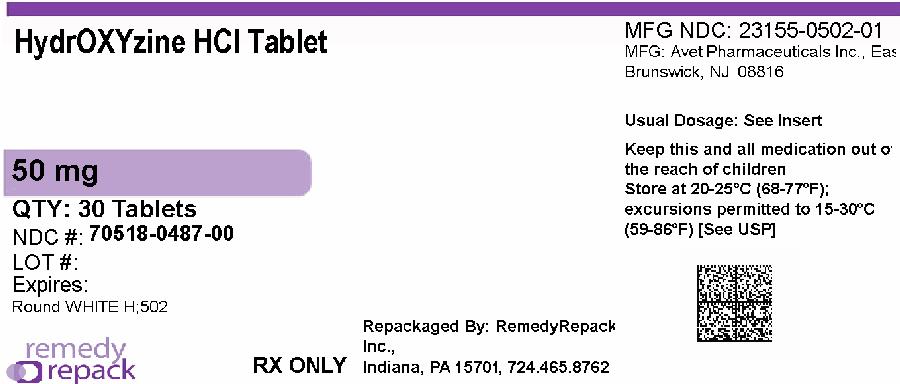
(hydroxy · DailyMed)
Kipel 5
Anhydrous lactose mg,Hydroxy Propyl Cellulose mg,Mannitol mg,Montelukast sodium equivalent to Montelukast 5 mg
What it does
Cellulose is a type of fiber that helps with digestion and promotes bowel health.
Commonly used for: constipation, irregular bowel movements
Read more in plain English ↓Plain-language summary for general understanding - not medical advice. Always follow your pharmacist/doctor.
Ask about this medicine
Answers come only from this medicine's registration record, BNF monograph and interaction data - not medical advice.
Medicine sourcing is available in Kenya only. We don't sell or dispense medicines - licensed pharmacies do.
Sourcing - Kenya onlyRegistration & product details
Source: Tanzania Medicines and Medical Devices Authority · fetched 2026-03-11 23:42:48 · updated 2026-09-24 03:00:47
Drug Interactions
8Severe (2)
Montelukast - increases exposure
Opicapone is predicted to increase the exposure to montelukast. Avoid.
Montelukast - increases exposure
Selpercatinib is predicted to increase the exposure to montelukast. Avoid.
Unknown (6)
Montelukast - increases exposure
Deferasiroxispredictedtoincreasetheexposureto montelukast.oTheoretical
Montelukast - increases exposure
Leflunomideispredictedtoincreasetheexposureto montelukast.oTheoretical
Montelukast - increases exposure
Mifepristoneispredictedtoincreasetheexposureto montelukast.oTheoretical
Montelukast - decreases exposure
Mitotane is predicted to decrease the exposure to montelukast.
Montelukast - increases exposure
Teriflunomide is predicted to increase the exposure to montelukast. Theoretical Morphine → see opioids Moxifloxacin → see quinolones Moxisylyte → see TABLE 8 p. 1518 (hypotension) Moxonidine → see TAB
Montelukast - decreases exposure
Rifampicin is predicted to decrease the exposure to montelukast.
Data from BNF 85 (British National Formulary). This is not a substitute for professional medical advice. Matched via: exact
About cellulose
Cellulose is a type of fiber that helps with digestion and promotes bowel health.
What it treats
- constipation
- irregular bowel movements
How it works
Cellulose adds bulk to the stool, making it easier to pass through the intestines.
Who it's for
Suitable for people looking to improve their digestive health.
AI-assisted summary grounded in BNF data - general information only, not medical advice. Always confirm with your pharmacist or doctor.
About hydroxy
Hydroxy is a medication used to treat various health conditions. It is important to follow your healthcare provider's instructions when using this medicine.
What it treats
- autoimmune diseases (such as rheumatoid arthritis)
- malaria prevention and treatment
- certain skin conditions (like lupus)
How it works
Hydroxy helps to reduce inflammation and the activity of the immune system.
Who it's for
This medicine is for people with specific autoimmune disorders, those at risk of malaria, or those with certain skin issues.
AI-assisted summary grounded in BNF data - general information only, not medical advice. Always confirm with your pharmacist or doctor.
About lactose
Lactose is a sugar found in milk and dairy products. It is often used as an excipient in medications.
What it treats
- lactose intolerance
- as a filler in tablets and capsules
How it works
Lactose helps improve the texture and stability of medications and is sometimes used as a sweetener.
Who it's for
Individuals who require lactose as part of their medication or those who consume dairy products.
Cautions
- • May cause digestive issues in people with lactose intolerance.
AI-assisted summary grounded in BNF data - general information only, not medical advice. Always confirm with your pharmacist or doctor.
About mannitol
Mannitol is a type of sugar alcohol used mainly to help reduce swelling and pressure in the body, especially in the eyes and brain.
What it treats
- reducing pressure in the brain (intracranial hypertension)
- treating eye swelling (ocular hypertension)
- promoting urine production in kidney failure
How it works
Mannitol works by drawing water out of tissues and into the bloodstream, helping to decrease swelling and pressure.
Who it's for
Mannitol is typically used for patients with conditions that cause high pressure in the brain or eyes, and those with certain kidney issues.
AI-assisted summary grounded in BNF data - general information only, not medical advice. Always confirm with your pharmacist or doctor.
About montelukast
Montelukast is a medication used to help manage asthma and relieve allergy symptoms.
What it treats
- asthma
- allergic rhinitis (hay fever)
How it works
Montelukast works by blocking substances in the body that cause asthma and allergy symptoms.
Who it's for
It is suitable for adults and children who suffer from asthma or allergies.
AI-assisted summary grounded in BNF data - general information only, not medical advice. Always confirm with your pharmacist or doctor.
About propyl
Propyl is a chemical compound often used in various medicines. It helps in treating certain health conditions, but specific information on its uses and interactions is not provided.
How it works
Propyl works by influencing biological processes in the body, but the exact mechanism is not detailed.
Who it's for
Propyl may be suitable for individuals needing treatment for specific health issues, though details are not provided.
AI-assisted summary grounded in BNF data - general information only, not medical advice. Always confirm with your pharmacist or doctor.
Clinical monograph: Montelukast
BNF-referencedMontelukast is a selective leukotriene receptor antagonist used primarily for the management of asthma and allergic rhinitis. It works by inhibiting the action of cysteinyl leukotrienes, which are inflammatory mediators involved in the pathophysiology of asthma. By blocking these leukotrienes, montelukast helps to reduce bronchoconstriction and mucus secretion, thereby improving airflow and decreasing respiratory symptoms.
Indications
- Prophylaxis of asthma
- Management of seasonal allergic rhinitis
- Symptomatic relief of seasonal allergic rhinitis in patients with asthma
Dosage
Adults: 10 mg once daily, taken in the evening.
Mechanism of action
Montelukast binds with high affinity and selectivity to the cysteinyl leukotriene receptor type-1 (CysLT1). This action inhibits the physiological effects of cysteinyl leukotrienes (like LTC4, LTD4, and LTE4), which include bronchoconstriction, mucus secretion, and eosinophil recruitment. By blocking these receptors, montelukast effectively reduces the bronchoconstriction and other symptoms associated with asthma and allergic rhinitis.
Pharmacodynamics
Montelukast exhibits significant affinity for the CysLT1 receptor, preferentially blocking the effects of leukotriene LTD4 at doses as low as 5 mg. Clinical studies have shown that montelukast can inhibit both early and late phase bronchoconstriction due to antigen exposure by approximately 75% and 57%, respectively. The onset of bronchodilation can occur within 2 hours of oral administration, and its effects can be additive when used with beta agonists. However, doses above 10 mg daily do not provide additional clinical benefits in adults.
Pharmacokinetics
Montelukast is well absorbed following oral administration, with peak plasma concentrations occurring within 3 to 4 hours. It is extensively metabolized in the liver, primarily via cytochrome P450 enzymes. The half-life of montelukast is approximately 2.7 to 5.5 hours, allowing for once-daily dosing. It is eliminated via bile, with a small percentage excreted unchanged in urine. Special populations, such as those with hepatic impairment, may require caution, although specific dosage adjustments have not been established.
Adverse effects
- Headache
- Abdominal pain
- Dizziness
- Fatigue
- Nausea
- Rash
- Changes in mood or behavior
- Sleep disturbances
Interactions
- Opicapone: Severe (increases exposure)
- Selpercatinib: Severe (increases exposure)
- Deferasirox: Unknown (increases exposure)
- Leflunomide: Unknown (increases exposure)
- Mifepristone: Unknown (increases exposure)
- Mitotane: Unknown (decreases exposure)
- Teriflunomide: Unknown (increases exposure)
- Rifampicin: Unknown (decreases exposure)
Precautions
- Caution in patients with hepatic impairment
- Use with caution in patients with renal impairment
- Consider risk of mood changes and behavioral side effects
Pregnancy
Manufacturer advises to avoid use during pregnancy due to limited information available.
Breast-feeding
Manufacturer advises to avoid during breastfeeding, especially in the first few days after birth due to potential transfer of antibodies to the infant.
Storage
Store in a cool, dry place away from direct sunlight. Keep out of reach of children.
Formulations
- Tablets: 10 mg (adults and children over 15 years)
- Chewable tablets: 5 mg (children 6–14 years)
- Granules: 4 mg (children 6 months–5 years)
AI-synthesized from BNF references - general information only, not a substitute for professional medical advice or the current BNF. Verify doses with a pharmacist.
Clinical monograph: Mannitol
BNF-referencedMannitol is an osmotic diuretic and a sugar alcohol that is used primarily to reduce elevated intracranial pressure and to promote diuresis in various medical conditions, including cerebral edema and acute kidney injury. It is metabolically inert in humans and is eliminated primarily through the kidneys. Mannitol works by elevating blood plasma osmolality, drawing water out of tissues and into the bloodstream, which helps to reduce fluid volume and pressure in the brain and other compartments.
Indications
- Cerebral edema
- Elevated intracranial pressure
- Acute kidney injury
- Oliguria
- Glaucoma
- Renal function diagnostic aid
Dosage
Adults: For cerebral edema, administer 0
Mechanism of action
Mannitol elevates blood plasma osmolality, resulting in enhanced flow of water from tissues, including the brain and cerebrospinal fluid, into interstitial fluid and plasma. This action reduces cerebral edema and intracranial pressure. As a diuretic, it increases the osmolality of glomerular filtrate, leading to increased urinary excretion of water and preventing sodium and chloride reabsorption in the renal tubules. Mannitol also facilitates the urinary excretion of toxic substances and can help in assessing renal function by measuring glomerular filtration rate (GFR).
Pharmacodynamics
Mannitol is classified as an osmotic diuretic. It is chemically similar to other sugar alcohols but has a unique ability to promote diuresis by remaining unabsorbed in the renal tubules. Its use is indicated for conditions associated with increased body fluids, such as cerebral edema and glaucoma. Mannitol may be combined with other diuretics to enhance diuretic efficacy. Inhaled formulations are used in cystic fibrosis, though they may cause bronchospasm and hemoptysis.
Pharmacokinetics
Mannitol is freely filtered by the glomeruli with less than 10% tubular reabsorption, which allows for its urinary excretion rate to serve as a measurement of GFR. It does not undergo significant metabolism and is eliminated primarily through the kidneys. The onset of action occurs within 30 to 60 minutes after intravenous administration, with effects lasting for several hours. Administration may require monitoring of renal function and fluid balance.
Contra-indications
- Anuria
- Severe dehydration
- Severe renal impairment
- Intracranial bleeding
Adverse effects
- Asthenia
- Gastrointestinal disturbances
- Dry mouth
- Confusion
- Visual impairment
- Hypotension
- Electrolyte imbalances
- Pulmonary edema
- Hemoptysis (with inhalation use)
- Bronchospasm (with inhalation use)
Interactions
- Potassium-sparing diuretics may increase the risk of hyperkalemia
- Other diuretics may have additive effects
- Caution with nephrotoxic agents
Precautions
- Caution in patients with diabetes mellitus
- Caution in the elderly
- Caution in patients with gout
- Caution in patients with hepatic impairment
- Monitor renal function and electrolytes regularly
- May cause blue fluorescence of urine
Pregnancy
Manufacturer advises avoid due to potential toxicity in animal studies.
Breast-feeding
Manufacturer advises avoid due to lack of information available.
Storage
Store in a cool, dry place, away from light. Do not freeze.
Formulations
- Solution for injection
- Inhalation powder
- Oral solution
AI-synthesized from BNF references - general information only, not a substitute for professional medical advice or the current BNF. Verify doses with a pharmacist.
Clinical monograph: cellulose
Cellulose is a complex carbohydrate and a key structural component of the plant cell wall. It is an indigestible polysaccharide made up of linear chains of glucose molecules linked by β-1,4-glycosidic bonds. As a dietary fiber, cellulose contributes to digestive health by promoting bowel regularity and is commonly used as a laxative and bulking agent in various food products and pharmaceuticals.
Indications
- Constipation
- Dietary fiber supplementation
- Irritable bowel syndrome
- Diverticular disease
- Weight management
Dosage
Children: Refer to appropriate guidelines for specific dosage; generally taken with adequate fluid intake.
Adults: Refer to appropriate guidelines for specific dosage; generally taken with adequate fluid intake.
Mechanism of action
Cellulose acts primarily as a bulk-forming laxative. It absorbs water in the intestines, which increases stool bulk and stimulates peristalsis, thus facilitating bowel movements. Additionally, cellulose is not digestible by human enzymes, leading to fermentation by gut bacteria, which may enhance gut health and alter gut microbiota composition.
Pharmacodynamics
Cellulose increases stool weight and frequency of bowel movements. It works by retaining water in the intestines, leading to softer stools and improved passage through the gastrointestinal tract. The bulking effect of cellulose can help alleviate constipation and promote overall digestive health. It may also play a role in cholesterol reduction and glycemic control through its effects on digestion and absorption of nutrients.
Pharmacokinetics
Cellulose is not absorbed into the bloodstream due to its indigestible nature. Instead, it passes through the gastrointestinal tract, where it adds bulk to the stool. Its fermentation by colonic bacteria produces short-chain fatty acids, which may have beneficial effects on colon health. The onset of action for cellulose as a laxative can vary but is generally within 24 to 72 hours after ingestion.
Adverse effects
- Bloating
- Flatulence
- Diarrhea
- Abdominal discomfort
Precautions
- Use with caution in patients with a history of gastrointestinal disorders.
- Monitor for potential allergic reactions in sensitive individuals.
Pregnancy
Cellulose is generally considered safe during pregnancy as it is a non-toxic, indigestible fiber.
Breast-feeding
Cellulose is also considered safe during breastfeeding; it is excreted in breast milk in negligible amounts.
Storage
Store in a cool, dry place away from direct sunlight.
Formulations
- Powder
- Capsules
- Tablets
- Granules
AI-synthesized from BNF references - general information only, not a substitute for professional medical advice or the current BNF. Verify doses with a pharmacist.
Clinical monograph: hydroxy
BNF-referencedHydroxyzine is an antihistamine of the first generation, primarily used for its sedative and anxiolytic properties. It is effective in treating anxiety, nausea, and allergic conditions. Hydroxyzine also possesses anticholinergic properties, which contribute to its sedative effects. It is commonly used in both adult and pediatric populations for various indications, including preoperative sedation and management of pruritus.
Indications
- Anxiety disorders
- Nausea and vomiting
- Allergic conditions
- Preoperative sedation
- Pruritus
Dosage
Children: Refer to the BNF for Children for appropriate dosing recommendations based on age and weight.
Adults: Refer to the BNF for specific dosing guidelines based on the indication and patient characteristics.
Mechanism of action
Hydroxyzine works by antagonizing the H1 histamine receptors, leading to a reduction in the effects of histamine in the body. This action helps alleviate symptoms of allergic reactions and promotes sedation. Additionally, it may exert effects on serotonin and adrenergic receptors, which could contribute to its anxiolytic properties. Hydroxyzine is also involved in various metabolic pathways, including selenium metabolism and the degradation of reactive oxygen species.
Pharmacodynamics
The pharmacodynamic effects of hydroxyzine include sedation, anxiolysis, and reduction of allergic symptoms. Its sedative effects can make it useful in managing anxiety and inducing sleep, while its antihistaminic properties help to relieve symptoms such as itching and rashes associated with allergic reactions. The onset of action is typically within 15 to 30 minutes when taken orally, with peak effects occurring within 1 to 2 hours.
Pharmacokinetics
Hydroxyzine is well absorbed from the gastrointestinal tract, with peak plasma concentrations occurring approximately 2 hours after oral administration. It is extensively metabolized in the liver, with metabolites, including cetirizine, possessing their own therapeutic effects. Hydroxyzine has a half-life of approximately 20 hours, allowing for once or twice daily dosing. It is primarily excreted in the urine, with less than 1% of the unchanged drug found in urine.
Interactions
- hydroxyzine+antiepileptics: Severe (increases risk of overheating and dehydration)
- hydroxyzine+zonisamide: Severe (increases risk of overheating and dehydration)
- hydroxychloroquine+penicillamine: Severe (increases risk of haematological toxicity)
- hydroxychloroquine+agalsidase alfa: Unknown (decreases effects)
- hydroxychloroquine+agalsidase beta: Unknown (decreases exposure)
- hydroxychloroquine+oral cholera vaccine: Unknown (decreases efficacy)
- live vaccines+hydroxy carbamide: Unknown (increases risk of generalised infection (possibly life-threatening))
- lanthanum+hydroxychloroquine: Unknown (decreases absorption)
- macrolides+hydroxychloroquine: Unknown (increases risk of serious cardiovascular adverse effects)
- hydroxychloroquine+remdesivir: Unknown (decreases effects)
Pregnancy
Safety in pregnancy has not been established. Use only if the potential benefit justifies the potential risk to the fetus.
Breast-feeding
Use with caution. Hydroxychloroquine is excreted in breast milk, and effects on the infant are unknown.
Storage
Store in a cool, dry place, protected from light. Keep out of reach of children.
Formulations
- Tablets
- Oral solution
AI-synthesized from BNF references - general information only, not a substitute for professional medical advice or the current BNF. Verify doses with a pharmacist.
Clinical monograph: lactose
BNF-referencedLactose is a disaccharide sugar composed of galactose and glucose, primarily found in milk and dairy products. It serves as a source of energy and is metabolized by the enzyme lactase. In individuals with lactase deficiency, lactose can lead to gastrointestinal symptoms such as bloating, diarrhea, and abdominal pain.
Indications
- Lactose intolerance
- As a filler or excipient in pharmaceutical formulations
Dosage
Children: Refer to the BNF for Children for specific dosing information based on age and clinical context.
Adults: Refer to the BNF for specific dosing information based on clinical context.
Mechanism of action
Lactose is metabolized in the intestine by the enzyme lactase into its constituent monosaccharides, glucose and galactose. In individuals with lactase deficiency, unabsorbed lactose passes into the colon, where it is fermented by bacteria, leading to gas production and osmotic effects that contribute to diarrhea.
Pharmacodynamics
The pharmacodynamics of lactose are primarily related to its effects on gastrointestinal function. In healthy individuals, lactose is effectively broken down into glucose and galactose, which are absorbed and utilized for energy. In individuals with lactose intolerance, the unabsorbed lactose can cause osmotic diarrhea and colonic fermentation, leading to discomfort and symptoms associated with lactose intolerance.
Pharmacokinetics
Lactose is not absorbed in the gastrointestinal tract until it is hydrolyzed into glucose and galactose by lactase. The absorption of glucose and galactose occurs in the small intestine. The half-life is not applicable as lactose is not typically administered as a medication but is rather ingested as a natural component of food. Its metabolism primarily occurs in the intestine.
Adverse effects
- Bloating
- Diarrhea
- Abdominal pain
- Flatulence
Precautions
- Use with caution in patients with lactose intolerance.
- Consider potential for gastrointestinal upset in sensitive individuals.
Pregnancy
Lactose is generally considered safe for use during pregnancy. However, consult a healthcare professional for individual advice.
Breast-feeding
Lactose is safe to use while breastfeeding, as it is a natural sugar present in breast milk.
Storage
Store in a cool, dry place, away from direct sunlight.
Formulations
- Powder
- Granules
- Tablets
- Syrup
AI-synthesized from BNF references - general information only, not a substitute for professional medical advice or the current BNF. Verify doses with a pharmacist.
Clinical monograph: propyl
BNF-referencedPropyl, or propyl group, refers to a branched alkyl group derived from propane and is often used in organic chemistry as a substituent on various compounds. In pharmacology, propyl derivatives have been associated with various therapeutic agents, including antithyroid medications. Propylthiouracil (PTU) is a notable drug that contains a propyl group and is used primarily in the management of hyperthyroidism. It inhibits the synthesis of thyroid hormones, thereby decreasing their levels in the body.
Indications
- Hyperthyroidism
- Graves' disease
- Thyroid storm
Dosage
Children: Refer to the BNF
Adults: The usual initial dose of propylthiouracil in adults is 300 mg per day, divided into 3 doses. The maintenance dose is typically 100-150 mg per day, adjusted based on thyroid function tests.
Mechanism of action
Propylthiouracil acts by inhibiting the enzyme thyroid peroxidase, which is involved in the iodination of tyrosine residues in thyroglobulin, a precursor of thyroid hormones. By blocking this enzyme, PTU reduces the production of thyroxine (T4) and triiodothyronine (T3), leading to decreased thyroid hormone levels in circulation. Additionally, PTU inhibits the conversion of T4 to T3 in peripheral tissues, further contributing to its antithyroid effects.
Pharmacodynamics
The pharmacodynamic effects of propylthiouracil are primarily centered around its ability to lower thyroid hormone levels, which helps alleviate symptoms of hyperthyroidism such as increased heart rate, weight loss, and anxiety. The onset of action can vary, but therapeutic effects may be observed within several weeks of initiation. Monitoring thyroid function tests is essential to assess the efficacy and adjust dosing as needed.
Pharmacokinetics
Propylthiouracil is well absorbed from the gastrointestinal tract, though its bioavailability can be affected by factors such as food intake. The drug is extensively metabolized in the liver, and its elimination half-life averages around 1-2 hours. Most of the drug is excreted in urine as metabolites. It is important to note that due to its rapid metabolism, multiple daily doses may be required to maintain therapeutic levels.
Interactions
- propylthiouracil+metyrapone: Severe (decreases effects)
AI-synthesized from BNF references - general information only, not a substitute for professional medical advice or the current BNF. Verify doses with a pharmacist.
Molecular reference: Mannitol
PubChem CID 6251Molecular formula: C6H14O6
Mechanism of action
Mannitol is an osmotic diuretic that is metabolically inert in humans and occurs naturally, as a sugar or sugar alcohol, in fruits and vegetables. Mannitol elevates blood plasma osmolality, resulting in enhanced flow of water from tissues, including the brain and cerebrospinal fluid, into interstitial fluid and plasma. As a result, cerebral edema, elevated intracranial pressure, and cerebrospinal fluid volume and pressure may be reduced. As a diurectic mannitol induces diuresis because it is not reabsorbed in the renal tubule, thereby increasing the osmolality of the glomerular filtrate, facilitating excretion of water, and inhibiting the renal tubular reabsorption of sodium, chloride, and other solutes. Mannitol promotes the urinary excretion of toxic materials and protects against nephrotoxicity by preventing the concentration of toxic substances in the tubular fluid. As an Antiglaucoma agent mannitol levates blood plasma osmolarity, resulting in enhanced flow of water from the eye into plasma and a consequent reduction in intraocular pressure. As a renal function diagnostic aid mannitol is freely filtered by the glomeruli with less than 10% tubular reabsorption. Therefore, its urinary excretion rate may serve as a measurement of glomerular filtration rate (GFR). The exact mechanism of action of inhaled mannitol in the symptomatic maintenance treatment of cystic fibrosis remains unclear. It is hypothesized that mannitol produces an osmotic gradient across the airway epithelium that draws fluid into the extracellular space and alters the properties of the airway surface mucus layer, allowing easier mucociliary clearance. MANNITOL IS.../USED/ IN PROPHYLAXIS OF ACUTE RENAL FAILURE. IT IS USED FOR THIS PURPOSE IN CONDITIONS AS DIVERSE AS CARDIOVASCULAR OPERATIONS, SEVERE TRAUMATIC INJURY, OPERATIONS IN THE PRESENCE OF SEVERE JAUNDICE, AND MGMNT OF HEMOLYTIC TRANSFUSION REACTIONS. IN EACH OF THESE CONDITIONS, A PRECIPITOUS FALL IN THE FLOW OF URINE MAY BE ANTICIPATED EITHER AS THE RESULT OF AN ACUTELY REDUCED FILTRATION RATE OR FROM ACUTE CHANGES IN TUBULAR PERMEABILITY. THE LATTER MAY BE CONSEQUENCE OF THE PRESENCE OF NOXIOUS AGENT WITHIN THE TUBULAR FLUID IN EXCESSIVELY HIGH CONCN, IN SOME INSTANCES SUFFICIENT TO RESULT IN ACTUAL PRECIPITATION. IN THESE SITUATIONS, MANNITOL EXERTS OSMOTIC EFFECT WITHIN THE TUBULAR FLUID, INHIBITS WATER REABSORPTION, & MAINTAINS THE RATE OF URINE FLOW. ...CONCN OF TOXIC AGENT WITHIN TUBULAR FLUID DOES NOT REACH EXCESSIVELY HIGH LEVELS THAT OTHERWISE WOULD HAVE BEEN ACHIEVED BY MORE COMPLETE REABSORPTION OF WATER. ...EVEN THOUGH /GLOMERULAR/ FILTRATION RATE IS REDUCED, MANNITOL IS STILL FILTERED @ GLOMERULUS. THE TUBULAR IMPERMEABILITY TO MANNITOL IS NOT ALTERED BY ACUTE RENAL ISCHEMIA OF SHORT DURATION. HENCE, THE MANNITOL THAT IS FILTERED IS ALSO EXCRETED IN THE VOIDED URINE. UNREABSORBED SOLUTE LIMITS BACK DIFFUSION OF WATER. ...URINE VOL CAN BE MAINTAINED EVEN IN PRESENCE OF DECR GLOMERULAR FILTRATION.
Pharmacodynamics
Chemically, mannitol is an alcohol and a sugar, or a polyol; it is similar to xylitol or sorbitol. However, mannitol has a tendency to lose a hydrogen ion in aqueous solutions, which causes the solution to become acidic. For this reason, it is not uncommon to add a substance to adjust its pH, such as sodium bicarbonate. Mannitol is commonly used to increase urine production (diuretic). It is also used to treat or prevent medical conditions that are caused by an increase in body fluids/water (e.g., cerebral edema, glaucoma, kidney failure). Mannitol is frequently given along with other diuretics (e.g., furosemide, chlorothiazide) and/or IV fluid replacement. Inhaled mannitol has the possibility to cause bronchospasm and hemoptysis; the occurrence of either should lead to discontinuation of inhaled mannitol.
Biological pathways
Source: PubChem (NCBI) · pathways from PathBank, Reactome, WikiPathways & PharmGKB.
Molecular reference: Montelukast
PubChem CID 5281040Molecular formula: C35H36ClNO3S
Mechanism of action
Cysteinyl leukotrienes (CysLT) like LTC4, LTD4, and LTE4, among others, are eicosanoids released by a variety of cells like mast cells and eosinophils. When such CysLT bind to corresponding CysLT receptors like CysLT type-1 receptors located on respiratory airway smooth muscle cells, airway macrophages, and on various pro-inflammatory cells like eosinophils and some specific myeloid stem cells activities that facilitate the pathophysiology of asthma and allergic rhinitis are stimulated. In particular, CysLT-mediated airway bronchoconstriction, occluding mucous secretion, vascular permeability, and eosinophil recruitment are all types of effects that facilitate asthma. Alternatively, in allergic rhinitis, CysLTs are released by the nasal mucosa when exposed to allergens during both early and late phase reactions and participate in eliciting symptoms of allergic rhinitis like a congested nose and airway. Subsequently, montelukast is a leukotriene receptor antagonist that binds with high affinity and selectivity to the CysLT type 1 receptor, which consequently assists in inhibiting any physiological actions of CysLTs like LTC4, LTD4, and LTE4 at the receptor that may facilitate asthma or allergic rhinitis. Montelukast inhibits bronchoconstriction due to antigen challenge. Montelukast is a selective leukotriene receptor antagonist of the cysteinyl leukotriene CysLT1 receptor. The cysteinyl leukotrienes (LTC4 , LTD4, LTE4) are products of arachidonic acid metabolism that are released from various cells, including mast cells and eosinophils. They bind to cysteinyl leukotriene receptors (CysLT) found in the human airway. Binding of cysteinyl leukotrienes to leukotriene receptors has been correlated with the pathophysiology of asthma, including airway edema, smooth muscle contraction, and altered cellular activity associated with the inflammatory process, factors that contribute to the signs and symptoms of asthma. Montelukast binding to the CysLT1, receptor is high-affinity and selective, preferring the CysLT1 receptor to other pharmacologically important airway receptors, such as the prostanoid, cholinergic, or beta-adrenergic receptor. Montelukcast inhibits physiologic actions of LTD4 at the CysLT1 receptors, without any agonist activity. Because of the role of leukotrienes in the pathogenesis of asthma, modification of leukotriene activity may be used to reduce airway symptoms, decrease bronchial smooth muscle tone, and improve asthma control. Inhibition of leukotriene-mediated effects may be achieved by drugs that interrupt 5-lipoxygenase activity and prevent formation of leukotrienes (e.g., zileuton) or by antagonism of leukotriene activity at specific receptor sites in the airway (e.g., montelukast, zafirlukast). The antagonist activity of montelukast is selective, competitive, and reversible. Montelukast competitively inhibits the action of LTD4 at a subgroup of CysLT receptors (CysLT1) in airway smooth muscle. In vitro, montelukast possesses affinity for the CysLT1 receptor that is similar to that of LTD4. In in vitro studies, montelukast antagonized contraction of isolated animal smooth muscle produced by LTD4, but did not antagonize contraction produced by LTC4. In animal studies, montelukast antagonized contraction of airway smooth muscle produced by LTD4 or antigen.
Pharmacodynamics
Montelukast is a leukotriene receptor antagonist that demonstrates a marked affinity and selectivity to the cysteinyl leukotriene receptor type-1 in preference to many other crucial airway receptors like the prostanoid, cholinergic, or beta-adrenergic receptors. As a consequence, the agent can elicit substantial blockage of LTD4 leukotriene-mediated bronchoconstriction with doses as low as 5 mg. Moreover, a placebo-controlled, crossover study (n=12) demonstrated that montelukast is capable of inhibiting early and late phase bronchoconstriction caused by antigen challenge by 75% and 57% respectively. In particular, it has been documented that montelukast can cause bronchodilation as soon as within 2 hours of oral administration. This action can also be additive to the bronchodilation caused by the concomitant use of a beta agonist. Nevertheless, clinical investigations performed with adults 15 years of age and older revealed that no additional clinical benefit is obtained when doses of montelukast greater than 10 mg a day are used. Additionally, in clinical trials with adults and pediatric asthmatic patients aged 6 to 14 years, it was also determined that montelukast can reduce mean peripheral blood eosinophils by about 13% to 15% from baseline in comparison to placebo during double-blind treatment periods. At the same time, in patients aged 15 years and older who were experiencing seasonal allergic rhinitis, the use of montelukast caused a median reduction of 13% in peripheral blood eosinophil counts when compared to placebo as well.
Biological pathways
Source: PubChem (NCBI) · pathways from PathBank, Reactome, WikiPathways & PharmGKB.
Molecular reference: hydroxy
PubChem CID 961Molecular formula: HO-
Biological pathways
Source: PubChem (NCBI) · pathways from PathBank, Reactome, WikiPathways & PharmGKB.
Molecular reference: lactose
PubChem CID 6134Molecular formula: C12H22O11
Source: PubChem (NCBI) · pathways from PathBank, Reactome, WikiPathways & PharmGKB.
Molecular reference: propyl
PubChem CID 123145Molecular formula: C3H7
Source: PubChem (NCBI) · pathways from PathBank, Reactome, WikiPathways & PharmGKB.
This drug in other countries
The same active ingredient registered across other registries we cover - including different brands.
- AERON FT 4MG TABLET · Nextgen Pharmaceuticals
- AERON TABLETS · Nextgen Pharmaceuticals
- AIREEZ 10MG TABLET · Harleys
- AIREEZ 5MG TABLET · Harleys
- ALMONT 10 · Pharmacor
- ALUKON® 10 · Energia Pharma
- ACTIHIST TABLETS (Each tablet contains Montelukast Sodium BP/ Levecetrizine · Maxtar Biogenics
- BIOZIVIT SYRUP · Adsila Organics
- BREATHEZY 10 TABLETS · Msn Laboratories
- BREATHEZY 4 TABLETS · Msn Lab
- BREATHEZY 5 TABLETS · Msn Lab
- BREATHEZY-L 10mg/5 mg TABLETS · Msn Lab