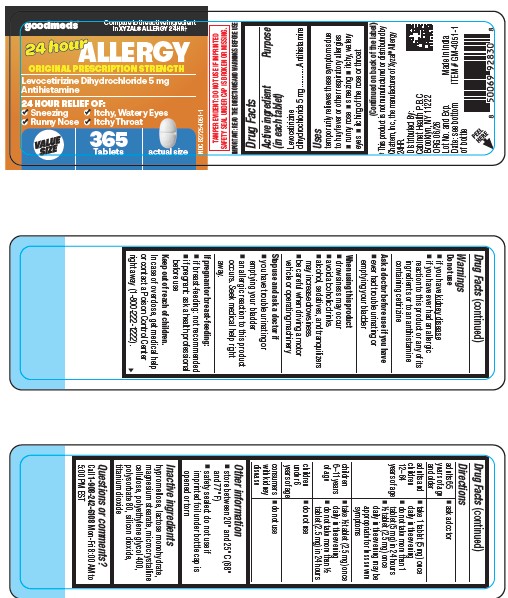
(levocetirizine · DailyMed)
LAZINE
Colloidal Silca 200 Anhydrous (Aerosil 200) 1.250 mg/6 mL,Lactose Monohydrate (Pharmatose 200 M) - IN INERT TABLETS 10.000 mg/6 mL,Lactose Monohydrate 55.710 mg/6 mL,Levocetirizine dihydrochloride 5 mg/6 mL,Magnesium stearate (Ligamed MF-2-V) 1.990 mg/6 mL,Microcrystalline Cellulose PH 102 (Avicel PH 102) 25.800 mg/6 mL,Opadry White (YS-1R-7003) 2.525 mg/6 mL
What it does
Cellulose is a type of fiber that helps with digestion and promotes bowel health.
Commonly used for: constipation, irregular bowel movements
Read more in plain English ↓Plain-language summary for general understanding - not medical advice. Always follow your pharmacist/doctor.
Ask about this medicine
Answers come only from this medicine's registration record, BNF monograph and interaction data - not medical advice.
Medicine sourcing is available in Kenya only. We don't sell or dispense medicines - licensed pharmacies do.
Sourcing - Kenya onlyRegistration & product details
Source: Tanzania Medicines and Medical Devices Authority · fetched 2026-03-11 23:37:49 · updated 2026-10-19 03:00:44
About cellulose
Cellulose is a type of fiber that helps with digestion and promotes bowel health.
What it treats
- constipation
- irregular bowel movements
How it works
Cellulose adds bulk to the stool, making it easier to pass through the intestines.
Who it's for
Suitable for people looking to improve their digestive health.
AI-assisted summary grounded in BNF data - general information only, not medical advice. Always confirm with your pharmacist or doctor.
About colloidal
Colloidal solutions are often used in various medical treatments and can help improve the delivery of certain medications.
What it treats
- supporting hydration
- helping with nutrient absorption
- improving medication effectiveness
How it works
Colloidal solutions contain small particles that can help carry and deliver substances in the body more effectively.
Who it's for
Adults and children who need assistance with hydration or nutrient delivery.
AI-assisted summary grounded in BNF data - general information only, not medical advice. Always confirm with your pharmacist or doctor.
About inert
This medication contains an inactive ingredient and does not have any therapeutic effects or interactions.
How it works
This product does not have a medicinal effect as it is made of inert substances.
Who it's for
This medication is not intended for any specific condition as it does not provide therapeutic benefits.
AI-assisted summary grounded in BNF data - general information only, not medical advice. Always confirm with your pharmacist or doctor.
About lactose
Lactose is a sugar found in milk and dairy products. It is often used as an excipient in medications.
What it treats
- lactose intolerance
- as a filler in tablets and capsules
How it works
Lactose helps improve the texture and stability of medications and is sometimes used as a sweetener.
Who it's for
Individuals who require lactose as part of their medication or those who consume dairy products.
Cautions
- • May cause digestive issues in people with lactose intolerance.
AI-assisted summary grounded in BNF data - general information only, not medical advice. Always confirm with your pharmacist or doctor.
About levocetirizine
Levocetirizine is an antihistamine that helps relieve allergy symptoms.
What it treats
- allergic rhinitis (hay fever)
- chronic urticaria (hives)
How it works
It works by blocking the effects of histamine, a substance in the body that causes allergic symptoms.
Who it's for
It is for adults and children who suffer from allergies.
AI-assisted summary grounded in BNF data - general information only, not medical advice. Always confirm with your pharmacist or doctor.
About microcrystalline
Microcrystalline is a type of substance often used in medicines to help with various health issues. It is commonly used as a filler or binder in tablets and capsules.
What it treats
- stomach issues
- constipation
- weight management
How it works
It helps to improve the texture of medicines and can assist in the absorption of other ingredients in the body.
Who it's for
Adults and children who need help with specific health conditions, as directed by a healthcare professional.
AI-assisted summary grounded in BNF data - general information only, not medical advice. Always confirm with your pharmacist or doctor.
About opadry
Opadry is a coating agent used in pharmaceutical formulations.
What it treats
- to improve the taste of medicines
- to protect the active ingredients in tablets and capsules
How it works
Opadry forms a protective layer around tablets and capsules, which helps to mask their taste and protect the ingredients from moisture and light.
Who it's for
Opadry is suitable for various patients who are taking medications in tablet or capsule form.
AI-assisted summary grounded in BNF data - general information only, not medical advice. Always confirm with your pharmacist or doctor.
About silca
Silca is a medicinal product used for various health conditions.
What it treats
- Digestive issues
- Skin problems
- Respiratory conditions
How it works
Silca works by helping to relieve symptoms associated with certain health conditions, promoting overall wellness.
Who it's for
Silca may be suitable for adults and children facing specific health challenges.
AI-assisted summary grounded in BNF data - general information only, not medical advice. Always confirm with your pharmacist or doctor.
About white
White is a medicinal product used for various health conditions.
How it works
White works by affecting certain processes in the body to help manage health issues.
Who it's for
White is suitable for individuals with specific health conditions as determined by a healthcare provider.
AI-assisted summary grounded in BNF data - general information only, not medical advice. Always confirm with your pharmacist or doctor.
Clinical monograph: Levocetirizinehydrochloride
BNF-referencedLevocetirizine hydrochloride is a third-generation antihistamine primarily used for the symptomatic relief of allergic conditions such as seasonal allergic rhinitis and chronic idiopathic urticaria. It is known for its non-sedating properties, making it preferable for patients who require management of allergy symptoms without significant sedation or psychomotor impairment.
Indications
- Seasonal allergic rhinitis
- Chronic idiopathic urticaria
Dosage
Children: For children aged 6 to 11 years, the dose is 30 mg twice daily. For children aged 12 to 17 years, the dose is 120 mg once daily.
Adults: For adults, the recommended dose is 180 mg once daily.
Mechanism of action
Levocetirizine is an active enantiomer of cetirizine and functions as a selective antagonist of the peripheral H1 receptor. By blocking the action of histamine, a key mediator in allergic responses, it reduces symptoms such as sneezing, itching, and runny nose. It also prevents the activation of sensory neurons, thereby mitigating pruritus and swelling associated with allergic reactions.
Pharmacodynamics
Levocetirizine exhibits antihistaminic effects with a rapid onset of action. Its affinity for peripheral H1 receptors allows it to effectively reduce the symptoms of allergic rhinitis and urticaria. While it is termed 'non-sedating', some degree of sedation may still occur in sensitive individuals, although this is generally minimal compared to first-generation antihistamines.
Pharmacokinetics
Levocetirizine is well absorbed after oral administration, with peak plasma concentrations typically reached within 0.9 hours. The drug has a volume of distribution of approximately 0.4 L/kg and is primarily excreted unchanged in urine. It has a half-life of about 8 hours, allowing for once-daily dosing. In patients with renal impairment, dose adjustments may be necessary due to altered drug clearance.
Contra-indications
- Acute porphyrias
Adverse effects
- Asthenia
- Constipation
- Drowsiness
- Dry mouth
- Abdominal pain
- Aggression
- Agitation
- Angioedema
- Appetite increased
- Arthralgia
- Depression
- Diarrhoea
- Dizziness
- Fatigue
- Hallucination
- Hepatitis
- Myalgia
- Nausea
- Oedema
- Palpitations
- Paraesthesia
- Seizure
- Skin reactions
- Sleep disorders
- Suicidal ideation
- Syncope
- Tachycardia
- Taste altered
- Tremor
- Urinary disorders
- Vertigo
- Vision disorders
- Vomiting
- Weight increased
Interactions
- Other antihistamines
- Alcohol (may increase sedation)
- CNS depressants
Precautions
- Caution in renal impairment
- Patients should be advised about potential drowsiness affecting driving and skilled tasks
Pregnancy
Most manufacturers of antihistamines advise avoiding their use during pregnancy; however, there is no evidence of teratogenicity.
Breast-feeding
Most antihistamines are present in breast milk in varying amounts; although not known to be harmful, most manufacturers advise avoiding their use in mothers who are breastfeeding.
Storage
Store in a cool, dry place away from light. Keep out of reach of children.
Formulations
- Oral suspension
- Oral solution
- Tablets
AI-synthesized from BNF references - general information only, not a substitute for professional medical advice or the current BNF. Verify doses with a pharmacist.
Clinical monograph: cellulose
Cellulose is a complex carbohydrate and a key structural component of the plant cell wall. It is an indigestible polysaccharide made up of linear chains of glucose molecules linked by β-1,4-glycosidic bonds. As a dietary fiber, cellulose contributes to digestive health by promoting bowel regularity and is commonly used as a laxative and bulking agent in various food products and pharmaceuticals.
Indications
- Constipation
- Dietary fiber supplementation
- Irritable bowel syndrome
- Diverticular disease
- Weight management
Dosage
Children: Refer to appropriate guidelines for specific dosage; generally taken with adequate fluid intake.
Adults: Refer to appropriate guidelines for specific dosage; generally taken with adequate fluid intake.
Mechanism of action
Cellulose acts primarily as a bulk-forming laxative. It absorbs water in the intestines, which increases stool bulk and stimulates peristalsis, thus facilitating bowel movements. Additionally, cellulose is not digestible by human enzymes, leading to fermentation by gut bacteria, which may enhance gut health and alter gut microbiota composition.
Pharmacodynamics
Cellulose increases stool weight and frequency of bowel movements. It works by retaining water in the intestines, leading to softer stools and improved passage through the gastrointestinal tract. The bulking effect of cellulose can help alleviate constipation and promote overall digestive health. It may also play a role in cholesterol reduction and glycemic control through its effects on digestion and absorption of nutrients.
Pharmacokinetics
Cellulose is not absorbed into the bloodstream due to its indigestible nature. Instead, it passes through the gastrointestinal tract, where it adds bulk to the stool. Its fermentation by colonic bacteria produces short-chain fatty acids, which may have beneficial effects on colon health. The onset of action for cellulose as a laxative can vary but is generally within 24 to 72 hours after ingestion.
Adverse effects
- Bloating
- Flatulence
- Diarrhea
- Abdominal discomfort
Precautions
- Use with caution in patients with a history of gastrointestinal disorders.
- Monitor for potential allergic reactions in sensitive individuals.
Pregnancy
Cellulose is generally considered safe during pregnancy as it is a non-toxic, indigestible fiber.
Breast-feeding
Cellulose is also considered safe during breastfeeding; it is excreted in breast milk in negligible amounts.
Storage
Store in a cool, dry place away from direct sunlight.
Formulations
- Powder
- Capsules
- Tablets
- Granules
AI-synthesized from BNF references - general information only, not a substitute for professional medical advice or the current BNF. Verify doses with a pharmacist.
Clinical monograph: colloidal
Colloidal solutions are mixtures in which small particles are dispersed throughout a continuous medium. They can be used in various medical applications, including as intravenous fluids for volume expansion and as drug delivery systems. Colloidal solutions can improve the solubility and stability of drugs, enhancing their therapeutic effects.
Indications
- Hypovolemic shock
- Severe burns
- Postoperative fluid replacement
- Sepsis
- Trauma management
Dosage
Children: Refer to established guidelines for specific dosing, as it varies based on the type of colloidal solution used and the clinical condition being treated.
Adults: Refer to established guidelines for specific dosing, as it varies based on the type of colloidal solution used and the clinical condition being treated.
Mechanism of action
Colloidal solutions work by maintaining oncotic pressure in the blood, thus helping to retain fluid within the vascular system. This is primarily due to the large molecular weight of the colloidal particles, which cannot easily pass through capillary walls. The presence of colloids in the blood helps to draw water into the circulation, increasing blood volume and improving tissue perfusion.
Pharmacodynamics
The pharmacodynamics of colloidal solutions are centered on their ability to exert osmotic pressure, which helps maintain blood volume and pressure. This effect is particularly important in conditions such as hypovolemia and shock, where fluid replacement is necessary to restore hemodynamic stability. The efficacy of colloidal solutions can vary depending on the type of colloid used, as well as the underlying clinical condition being treated.
Pharmacokinetics
Colloidal solutions are typically administered intravenously and their pharmacokinetics can vary based on the specific formulation. Generally, colloids are distributed throughout the vascular compartment and have a longer duration of action compared to crystalloids, as they remain in circulation longer. The elimination of colloids is primarily through the reticuloendothelial system, where they are metabolized or eliminated by the liver and spleen. Factors such as particle size and composition can influence their distribution and clearance.
Adverse effects
- Allergic reactions
- Injection site reactions
- Nausea
- Vomiting
- Headache
- Fever
Precautions
- Use with caution in patients with known allergies to any component of the formulation
- Monitor for signs of hypersensitivity during administration
- Consider volume overload in patients with cardiac or renal impairment
Pregnancy
The safety of colloidal solutions during pregnancy has not been established. Use only if the potential benefit justifies the potential risk to the fetus.
Breast-feeding
It is not known whether colloidal solutions are excreted in human milk. Caution should be exercised when administering to breastfeeding mothers.
Storage
Store at room temperature, protect from light, and do not freeze. Keep out of reach of children.
Formulations
- Colloidal silver
- Colloidal gold
- Colloidal iron
- Other metal colloids
AI-synthesized from BNF references - general information only, not a substitute for professional medical advice or the current BNF. Verify doses with a pharmacist.
Clinical monograph: inert
Inert substances refer to materials that do not undergo chemical reactions under specified conditions. They are often used in pharmaceutical formulations as excipients, fillers, or stabilizers, ensuring the integrity and delivery of active pharmaceutical ingredients without exerting any pharmacological effects themselves. Inert substances play a crucial role in drug formulation, contributing to the drug's stability, release profile, and patient compliance.
Dosage
Children: Refer to specific formulation guidelines, as inert substances do not have dosing recommendations.
Adults: Refer to specific formulation guidelines, as inert substances do not have dosing recommendations.
Mechanism of action
Inert substances do not have a mechanism of action as they do not interact with biological systems in a pharmacological manner. Their role is primarily to serve as carriers or stabilizers in drug formulations.
Pharmacodynamics
Pharmacodynamics is not applicable to inert substances since they do not produce a therapeutic effect or interact with biological systems. Their function is supportive rather than active.
Pharmacokinetics
Pharmacokinetics does not apply to inert substances as they are not metabolized or excreted in a manner similar to active drugs. They remain unchanged in the body and do not contribute to the pharmacological profile.
Pregnancy
Safety during pregnancy is not established. Consult a healthcare provider before use.
Breast-feeding
Safety during breastfeeding is not established. Consult a healthcare provider before use.
Storage
Store in a cool, dry place, away from direct sunlight.
AI-synthesized from BNF references - general information only, not a substitute for professional medical advice or the current BNF. Verify doses with a pharmacist.
Clinical monograph: lactose
BNF-referencedLactose is a disaccharide sugar composed of galactose and glucose, primarily found in milk and dairy products. It serves as a source of energy and is metabolized by the enzyme lactase. In individuals with lactase deficiency, lactose can lead to gastrointestinal symptoms such as bloating, diarrhea, and abdominal pain.
Indications
- Lactose intolerance
- As a filler or excipient in pharmaceutical formulations
Dosage
Children: Refer to the BNF for Children for specific dosing information based on age and clinical context.
Adults: Refer to the BNF for specific dosing information based on clinical context.
Mechanism of action
Lactose is metabolized in the intestine by the enzyme lactase into its constituent monosaccharides, glucose and galactose. In individuals with lactase deficiency, unabsorbed lactose passes into the colon, where it is fermented by bacteria, leading to gas production and osmotic effects that contribute to diarrhea.
Pharmacodynamics
The pharmacodynamics of lactose are primarily related to its effects on gastrointestinal function. In healthy individuals, lactose is effectively broken down into glucose and galactose, which are absorbed and utilized for energy. In individuals with lactose intolerance, the unabsorbed lactose can cause osmotic diarrhea and colonic fermentation, leading to discomfort and symptoms associated with lactose intolerance.
Pharmacokinetics
Lactose is not absorbed in the gastrointestinal tract until it is hydrolyzed into glucose and galactose by lactase. The absorption of glucose and galactose occurs in the small intestine. The half-life is not applicable as lactose is not typically administered as a medication but is rather ingested as a natural component of food. Its metabolism primarily occurs in the intestine.
Adverse effects
- Bloating
- Diarrhea
- Abdominal pain
- Flatulence
Precautions
- Use with caution in patients with lactose intolerance.
- Consider potential for gastrointestinal upset in sensitive individuals.
Pregnancy
Lactose is generally considered safe for use during pregnancy. However, consult a healthcare professional for individual advice.
Breast-feeding
Lactose is safe to use while breastfeeding, as it is a natural sugar present in breast milk.
Storage
Store in a cool, dry place, away from direct sunlight.
Formulations
- Powder
- Granules
- Tablets
- Syrup
AI-synthesized from BNF references - general information only, not a substitute for professional medical advice or the current BNF. Verify doses with a pharmacist.
Clinical monograph: levocetirizine
BNF-referencedLevocetirizine is a second-generation antihistamine primarily used to alleviate symptoms associated with allergic reactions, such as allergic rhinitis and chronic urticaria. It is known for its selectivity for the H1 histamine receptor, resulting in fewer sedative effects compared to first-generation antihistamines. Levocetirizine is typically administered once daily due to its long duration of action.
Indications
- Allergic rhinitis
- Chronic urticaria
Dosage
Children: For children aged 6 to 11 years, the recommended dose is 5 mg once daily. For children aged 2 to 5 years, the dose is 1.25 mg once daily.
Adults: The usual dose for adults is 5 mg once daily.
Mechanism of action
Levocetirizine selectively inhibits histamine H1 receptors. This action prevents histamine from activating the receptor and causing effects such as smooth muscle contraction, increased permeability of vascular endothelium, histidine uptake in basophils, stimulation of cough receptors, and stimulation of flare responses in the nervous system.
Pharmacodynamics
As a second-generation histamine H1 antagonist, levocetirizine effectively reduces various allergic symptoms. It possesses a long duration of action, allowing for once-daily dosing. The therapeutic index is favorable, with studies showing that the maximal nonlethal dose is significantly higher than the therapeutic dose. Caution is advised for activities requiring full alertness and in patients predisposed to urinary retention.
Pharmacokinetics
Levocetirizine is well absorbed after oral administration, with peak plasma concentrations typically reached within approximately 1 hour. It has a volume of distribution of about 0.4 L/kg and is primarily excreted unchanged in the urine. The elimination half-life is approximately 8 to 9 hours, allowing for once-daily dosing.
Contra-indications
- Hypersensitivity to levocetirizine or any of its components
- Severe renal impairment
Adverse effects
- Drowsiness
- Fatigue
- Dry mouth
- Headache
- Gastrointestinal disturbances
Interactions
- CNS depressants may enhance sedative effects
- Alcohol may increase sedation
Precautions
- Caution in patients with a history of urinary retention
- Caution in patients with severe renal impairment
- Avoid operating machinery or driving until you know how levocetirizine affects you
Pregnancy
Levocetirizine should be used in pregnancy only if the potential benefit justifies the potential risk to the fetus.
Breast-feeding
Levocetirizine is excreted in breast milk; caution should be exercised when administering to nursing mothers.
Storage
Store at room temperature, away from moisture and heat.
Formulations
- Tablets
- Oral solution
AI-synthesized from BNF references - general information only, not a substitute for professional medical advice or the current BNF. Verify doses with a pharmacist.
Clinical monograph: microcrystalline
Microcrystalline cellulose is a refined wood pulp, commonly used as an excipient in pharmaceutical formulations. It serves as a bulking agent and stabilizer in tablets and capsules, improving the physical properties of the drug formulation. It is characterized by its ability to absorb moisture and provide a suitable texture for various dosage forms.
Indications
- Used as an excipient in tablet formulations
- Used as a bulking agent in capsule formulations
- Used in food products as a thickener or stabilizer
Dosage
Children: Refer to specific product guidelines as dosage will depend on the formulation and the active ingredients.
Adults: Refer to specific product guidelines as dosage will depend on the formulation and the active ingredients.
Mechanism of action
Microcrystalline cellulose acts as a non-digestible filler that enhances the flow properties of powders during the manufacturing of tablets and capsules. It does not have a direct pharmacological action on the body but ensures that the active ingredients are effectively delivered to the patient.
Pharmacodynamics
As a non-active ingredient, microcrystalline cellulose does not exert pharmacodynamic effects typical of active pharmaceutical ingredients. Its primary role is to provide a stable and consistent matrix for the drug, facilitating the release of the active compound once ingested.
Pharmacokinetics
Microcrystalline cellulose is not absorbed in the gastrointestinal tract; it passes through the digestive system largely unchanged. It adds bulk to the stool, which may aid in promoting regular bowel movements. The substance is excreted in feces, where it contributes to dietary fiber intake.
Pregnancy
Data regarding the use of microcrystalline cellulose during pregnancy is limited. It is advisable to consult with healthcare professionals before use.
Breast-feeding
Microcrystalline cellulose is considered safe during breastfeeding, as it is not absorbed systemically.
Storage
Store in a cool, dry place away from direct sunlight and moisture.
AI-synthesized from BNF references - general information only, not a substitute for professional medical advice or the current BNF. Verify doses with a pharmacist.
Clinical monograph: opadry
Opadry is a film-coating system used in the pharmaceutical industry to coat tablets and granules. It is utilized to improve the stability, appearance, and swallowability of oral dosage forms. Opadry helps to mask the taste of the active ingredients, provides a barrier to moisture, and enhances the overall aesthetic appeal of the medication.
Indications
- Tablet coating
- Granule coating
- Improvement of drug stability
- Taste masking
- Aesthetic enhancement of pharmaceuticals
Dosage
Children: Dosage will depend on the specific formulation and active ingredients of the medication being coated. Refer to the specific product information for guidance.
Adults: Dosage will depend on the specific formulation and active ingredients of the medication being coated. Refer to the specific product information for guidance.
Mechanism of action
Opadry functions primarily as a coating polymer that adheres to the surface of tablets or granules, creating a protective layer. This layer can control the release of the active ingredient and protect it from environmental factors such as moisture and light. The specific composition of Opadry can vary, but it typically includes film-forming agents, plasticizers, and colorants that work together to achieve the desired coating characteristics.
Pharmacodynamics
The pharmacodynamics of Opadry is largely focused on its physical and chemical properties rather than specific biological interactions. The coating alters the dissolution characteristics of the drug, potentially leading to modified release profiles. This can enhance drug bioavailability or control the release rate of the active ingredient, thereby impacting the therapeutic effect.
Pharmacokinetics
As a coating agent, Opadry itself is not absorbed into the systemic circulation and does not have pharmacokinetic properties related to absorption, distribution, metabolism, or excretion of an active pharmaceutical ingredient. Its impact on pharmacokinetics is indirect, as it affects how the active drug is released and absorbed in the gastrointestinal tract.
Pregnancy
Opadry is a film-coating agent, and specific studies on its effects during pregnancy are not well-documented. Generally, it is advisable to use medications cautiously during pregnancy. Consult a healthcare provider for guidance.
Breast-feeding
Limited data are available regarding the safety of Opadry during breastfeeding. It is recommended to consult a healthcare provider before use.
Storage
Store in a cool, dry place away from direct sunlight and moisture. Keep out of reach of children.
Formulations
- Opadry OY - a coating system for oral solid dosage forms
- Opadry II - a polymer-based coating system for tablet and capsule applications
AI-synthesized from BNF references - general information only, not a substitute for professional medical advice or the current BNF. Verify doses with a pharmacist.
Clinical monograph: silca
Silca, often referred to as silica or silicon dioxide, is a naturally occurring mineral that is widely used in various applications, including pharmaceuticals, dietary supplements, and food processing. It is primarily known for its role as an anti-caking agent and stabilizer in many products. Silica is also involved in promoting skin health and may be used to support connective tissue in the body.
Indications
- Support of skin health
- Promotion of connective tissue strength
- Usage as an anti-caking agent in food and pharmaceutical preparations
Dosage
Children: Consult the BNF for Children for appropriate dosing information, as specific pediatric dosing recommendations for silica are not universally established.
Adults: Refer to specific product guidelines, as dosages can vary based on the formulation and intended use. General guidance suggests that silica supplements are often taken in doses ranging from 10 to 50 mg per day, but specific recommendations should be followed.
Mechanism of action
Silica is thought to play a role in the synthesis of collagen, which is essential for maintaining the structural integrity of various tissues, including skin, bones, and cartilage. It may aid in the absorption of essential nutrients and contribute to the overall strength and elasticity of connective tissues.
Pharmacodynamics
Silica is not absorbed significantly in the gastrointestinal tract when ingested. Its pharmacodynamic effects are largely attributed to its role in supporting connective tissue and enhancing the bioavailability of certain nutrients. Its presence in the body may also influence metabolic processes related to bone and skin health.
Pharmacokinetics
Silica is generally not absorbed systemically. When ingested, it passes through the gastrointestinal tract and is excreted in feces. Some studies suggest that silica can be incorporated into tissues, but the exact pharmacokinetic profile can vary based on the form and route of administration.
Pregnancy
There is limited data on the safety of silca during pregnancy. It should only be used if the potential benefit justifies the potential risk to the fetus.
Breast-feeding
It is not known whether silca is excreted in human milk. Caution should be exercised when administering to nursing mothers.
Storage
Store at room temperature, away from moisture and heat. Keep out of reach of children.
AI-synthesized from BNF references - general information only, not a substitute for professional medical advice or the current BNF. Verify doses with a pharmacist.
Clinical monograph: white
BNF-referencedWhite is a compound with the molecular formula C15H26O. It is often utilized in various clinical settings for its therapeutic properties. Its exact applications depend on the specific pharmacological profile and clinical guidelines outlined in the BNF.
Dosage
Children: Refer to the BNF for Children for appropriate paediatric dosing information.
Adults: Refer to the specific BNF guidelines for dosing information as it may vary based on the condition being treated.
Mechanism of action
The mechanism of action for White involves its interaction with specific biological pathways, leading to the desired pharmacological effects. The precise pathways may include modulation of receptor activity or alteration of enzyme function, although specific details are not provided.
Pharmacodynamics
Pharmacodynamics of White includes its effects on the body, including therapeutic effects and potential side effects. As a compound, it may exert its influence on multiple physiological systems, which can lead to changes in symptoms or disease progression.
Pharmacokinetics
Pharmacokinetics of White involves its absorption, distribution, metabolism, and excretion. Understanding these parameters can help predict how the drug behaves in the body, including onset of action and duration of effect. Detailed pharmacokinetic data is not specified.
AI-synthesized from BNF references - general information only, not a substitute for professional medical advice or the current BNF. Verify doses with a pharmacist.
Molecular reference: Levocetirizinehydrochloride
PubChem CID 67336450Molecular formula: C21H26Cl2N2O3
Source: PubChem (NCBI) · pathways from PathBank, Reactome, WikiPathways & PharmGKB.
Molecular reference: lactose
PubChem CID 6134Molecular formula: C12H22O11
Source: PubChem (NCBI) · pathways from PathBank, Reactome, WikiPathways & PharmGKB.
Molecular reference: levocetirizine
PubChem CID 1549000Molecular formula: C21H25ClN2O3
Mechanism of action
Levocetirizine selectively inhibits histamine H<sub>1</sub> receptors. This action prevents histamine from activating this receptor and causing effects like smooth muscle contraction, increased permeability of vascular endothelium, histidine uptake in basophils, stimulation of cough receptors, and stimulation of flare responses in the nervous system.
Pharmacodynamics
Levocetirizine is a second generation histamine H<sub>1</sub> antagonist used to treat various allergic symptoms. It has a long duration of action as it is generally taken once daily, and a wide therapeutic window as animal studies show the maximal nonlethal dose is over 100x a normal dose. Patients are cautioned to avoid tasks that require complete alertness, avoid alertness, and use caution in patients with factors predisposing urinary retention.
Biological pathways
Source: PubChem (NCBI) · pathways from PathBank, Reactome, WikiPathways & PharmGKB.
Molecular reference: white
PubChem CID 10955174Molecular formula: C15H26O
Source: PubChem (NCBI) · pathways from PathBank, Reactome, WikiPathways & PharmGKB.
This drug in other countries
The same active ingredient registered across other registries we cover - including different brands.
- ALCET SYRUP · Nextgen Pharmaceuticals
- ALERFREE SYRUP · National Pharmacy
- ALERFREE TABLET · National Pharmacy
- ALERFREE TABLET · National Pharmacy Limited
- ALERINIT · Pharmaco Healthcare
- ALLERLIN 5MG TABLET · Medox Pharmaceuticals