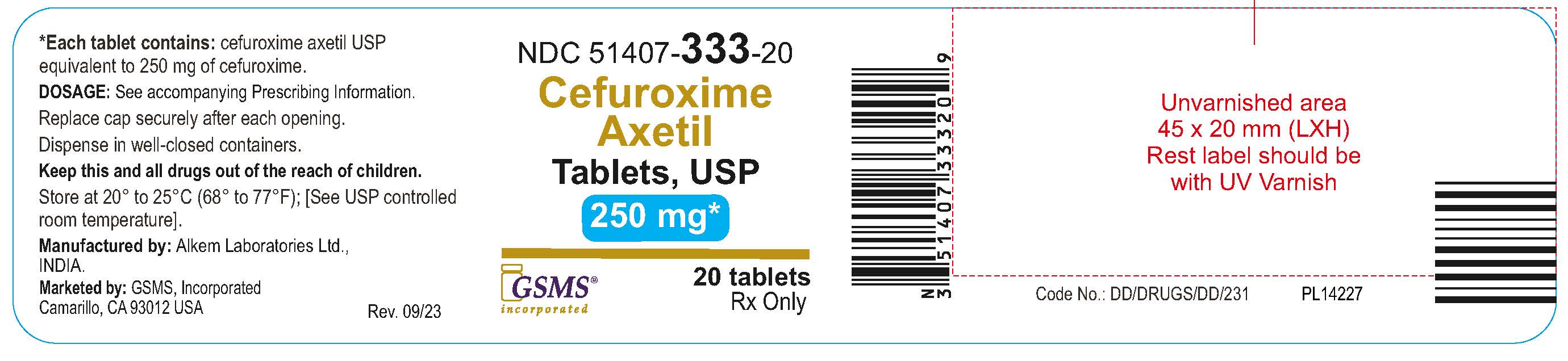
(cefuroxime · DailyMed)
LEBAC 750 IM/IV INJECTION
STERILE CEFUROXIME SODIUM
What it does
Cefuroxime is an antibiotic used to treat various infections.
Commonly used for: bacterial infections, pneumonia, bronchitis, urinary tract infections …
Read more in plain English ↓Plain-language summary for general understanding - not medical advice. Always follow your pharmacist/doctor.
Ask about this medicine
Answers come only from this medicine's registration record, BNF monograph and interaction data - not medical advice.
Hard to find? We help patients in Kenya source rare medicines. We don't sell or dispense medicines - licensed pharmacies do.
Source this medicineRegistration & product details
Source: Pharmacy and Poisons Board · fetched 2026-02-19 02:07:58 · updated 2026-08-03 02:10:03
Drug Interactions
3Pharmacodynamic Warnings
Cefuroxime appears in TABLE 2: Drugs that cause nephrotoxicity
Unknown (3)
Cephalosporins - increases exposure
Leflunomideispredictedtoincreasetheexposureto cephalosporins(cefaclor).oTheoretical
Cephalosporins - increases exposure
Nitisinone is predicted to increase the exposure to cephalosporins (cefaclor).
Cephalosporins - increases exposure
Teriflunomide is predicted to increase the exposure to cephalosporins (cefaclor).
Data from BNF 85 (British National Formulary). This is not a substitute for professional medical advice. Matched via: class
About cefuroxime
Cefuroxime is an antibiotic used to treat various infections.
What it treats
- bacterial infections
- pneumonia
- bronchitis
- urinary tract infections
- skin infections
How it works
Cefuroxime works by stopping the growth of bacteria in the body.
Who it's for
It is suitable for adults and children with infections caused by bacteria.
Drug class
Cephalosporins
Cautions
- • Be cautious if you are taking other medications that may harm the kidneys.
AI-assisted summary grounded in BNF data - general information only, not medical advice. Always confirm with your pharmacist or doctor.
About sterile
Sterile refers to products that are free from germs and bacteria, ensuring safety for use in medical settings.
What it treats
- Preparing medications
- Surgical procedures
- Injections and infusions
How it works
Sterile products are treated to eliminate all forms of microorganisms, making them safe for medical use.
Who it's for
Patients requiring clean and safe medical products, such as those undergoing surgery or receiving injections.
AI-assisted summary grounded in BNF data - general information only, not medical advice. Always confirm with your pharmacist or doctor.
Clinical monograph: Cefuroxime
BNF-referencedCefuroxime is a second-generation cephalosporin antibiotic that is primarily used to treat a variety of bacterial infections. It is effective against both Gram-positive and Gram-negative bacteria, making it a broad-spectrum antibiotic suitable for various clinical indications. Cefuroxime operates by disrupting the synthesis of bacterial cell walls, leading to cell lysis and death. It is available in various forms, including oral tablets and injectable formulations.
Indications
- Bacterial infections due to susceptible organisms
- Complicated urinary tract infections
- Pyelonephritis
- Cellulitis
- Erysipelas
- Prophylaxis of infection from human bites
- Acute diverticulitis
- Superficial bacterial eye infections
- Endophthalmitis prophylaxis after cataract surgery
Mechanism of action
Cefuroxime, like other beta-lactam antibiotics, binds to specific penicillin-binding proteins (PBPs) located inside the bacterial cell wall. This binding inhibits the third and final stage of bacterial cell wall synthesis. The resultant disruption leads to cell lysis, aided by bacterial cell wall autolytic enzymes such as autolysins. Cefuroxime may also interfere with an autolysin inhibitor, enhancing its bactericidal effect.
Pharmacodynamics
Cefuroxime is a bactericidal agent that works by inhibiting the synthesis of peptidoglycan, an essential component of the bacterial cell wall. This inhibition occurs through the blockade of the transpeptidation process, which is required for cross-linking of the cell wall structure. Cefuroxime is effective against various organisms, including aerobic Gram-positive bacteria such as Staphylococcus aureus and Streptococcus pneumoniae, as well as Gram-negative bacteria like Escherichia coli and Haemophilus influenzae, including strains that produce beta-lactamase.
Pharmacokinetics
Cefuroxime is well-absorbed after oral administration, with its bioavailability being enhanced when taken with food. The drug exhibits a volume of distribution indicating good tissue penetration. Cefuroxime is primarily eliminated by the kidneys, with renal clearance contributing significantly to its overall elimination. Dosage adjustments may be necessary in patients with renal impairment to prevent accumulation and toxicity.
Adverse effects
- Diarrhea
- Nausea
- Vomiting
- Rash
- Allergic reactions
- Thrombophlebitis at the injection site
- Renal impairment
Interactions
- Probenecid may increase cefuroxime levels
- Other nephrotoxic drugs may enhance renal toxicity
- Anticoagulants may have increased effects
Precautions
- Use with caution in patients with renal impairment
- Monitor for signs of superinfection
- May cause allergic reactions in sensitive individuals
- Caution in patients with a history of gastrointestinal disease
Pregnancy
Not known to be harmful, but should be used only if clearly needed.
Breast-feeding
Present in low concentrations in breast milk; generally considered appropriate to use.
Storage
Store in a cool, dry place away from direct light. Reconstituted solutions should be used immediately or stored at 2–8°C for a short time.
Formulations
- Intravenous injection solution
- Powder for solution for injection
- Oral suspension
- Tablets
AI-synthesized from BNF references - general information only, not a substitute for professional medical advice or the current BNF. Verify doses with a pharmacist.
Clinical monograph: sterile
Sterile refers to a state in which a substance, typically a pharmaceutical product or medical device, is free from all living microorganisms, including bacteria, viruses, fungi, and spores. Achieving sterility is essential for products intended for injection, surgical use, or any application where the introduction of microbes could lead to infection or contamination. Sterilization methods include autoclaving, filtration, ethylene oxide gas, and radiation.
Indications
- Surgical procedures
- Injection of medications
- Preparation of sterile pharmaceutical products
- Management of open wounds
- Use in controlled environments such as hospitals and laboratories
Dosage
Children: Refer to specific drug monographs for dosage information as sterile itself is not a pharmacological agent.
Adults: Refer to specific drug monographs for dosage information as sterile itself is not a pharmacological agent.
Mechanism of action
Sterility itself does not have a mechanism of action as it is a state of cleanliness and does not interact with biological systems. However, the methods used to achieve sterility, such as heat or chemical agents, act by denaturing proteins, disrupting cellular structures, or damaging nucleic acids in microorganisms, leading to their inactivation or destruction.
Pharmacodynamics
The pharmacodynamics of sterile techniques primarily involves the prevention of microbial infection and contamination when administering medications. By ensuring that products are sterile, the risk of adverse effects related to infections is minimized. The effectiveness of sterilization methods can be influenced by factors such as temperature, duration of exposure, and the type of microorganisms present.
Pharmacokinetics
As sterility does not pertain to a specific drug, pharmacokinetics is not applicable. However, the pharmacokinetics of a drug will depend on its formulation, route of administration, and the presence of preservatives or stabilizers that may be used alongside sterile preparations.
Pregnancy
Sterile preparations are generally considered safe during pregnancy as they are used to provide hydration, nutrition, or medications in a controlled manner, but specific formulations should be assessed individually.
Breast-feeding
Sterile solutions used for hydration or nutritional support are typically safe during breastfeeding, but any specific additives or medications within the solutions should be evaluated for safety.
Storage
Sterile solutions should be stored in a cool, dry place, protected from light, and should be used before the expiration date. Once opened, they may have specific storage requirements based on the formulation.
Formulations
- Sterile saline solution
- Sterile water for injection
- Sterile dextrose solution
- Sterile electrolyte solutions
AI-synthesized from BNF references - general information only, not a substitute for professional medical advice or the current BNF. Verify doses with a pharmacist.
Molecular reference: Cefuroxime
PubChem CID 5479529Molecular formula: C16H16N4O8S
Mechanism of action
Cefuroxime, like the penicillins, is a beta-lactam antibiotic. By binding to specific penicillin-binding proteins (PBPs) located inside the bacterial cell wall, it inhibits the third and last stage of bacterial cell wall synthesis. Cell lysis is then mediated by bacterial cell wall autolytic enzymes such as autolysins; it is possible that cefuroxime interferes with an autolysin inhibitor.
Pharmacodynamics
Cefuroxime is a β-lactam type antibiotic. More specifically, it is a second-generation cephalosporin. Cephalosporins work the same way as penicillins: they interfere with the peptidoglycan synthesis of the bacterial wall by inhibiting the final transpeptidation needed for the cross-links. This effect is bactericidal. Cefuroxime is effective against the following organisms: Aerobic Gram-positive Microorganisms: <i>Staphylococcus aureus</i>, <i>Streptococcus pneumoniae</i>, <i>Streptococcus pyogenes</i>. Aerobic Gram-negative Microorganisms: <i>Escherichia coli</i>, <i>Haemophilus influenzae</i> (including beta-lactamase-producing strains), <i>Haemophilus parainfluenzae</i>, <i>Klebsiella pneumoniae</i>, <i>Moraxella catarrhalis</i> (including beta-lactamase-producing strains), <i>Neisseria gonorrhoeae</i> (including beta-lactamase-producing strains). Spirochetes: <i>Borrelia burgdorferi</i>. Cefuroxime axetil is the prodrug
Source: PubChem (NCBI) · pathways from PathBank, Reactome, WikiPathways & PharmGKB.
This drug in other countries
The same active ingredient registered across other registries we cover - including different brands.
- ADVAXIME · Reyoung Pharmaceuticals
- ADVAXIME · Reyoung Pharmaceutical
- AFRISAF 125 ORAL SUSPENSION (Each 100ml glass bottle contains Cefuroxime Axetil 125mg/5ml) · Sakar Healthcare
- AFRISAF 250 TABLETS (Each film coated tablet contains Cefuroxime Axetil 250mg) · Sakar Healthcare
- AFRISAF-500 TABLETS (Each film coated tablet Cefuroxime Axetil 500mg) · Sakar Healthcare
- AMUROX 250 TABLET · Entrance Pharmaceuticals