International reference: 2 US FDA recalls for this ingredient
Presence of Foreign Substance: raw material recalled due to stainless steel and other contamination. (granular)
Impurities/Degradation Products: The product was found to contain a slightly out of specification level of bromides, exceeding the bromides limit for USP Sodium Chloride. (granular)
US-market enforcement records (OpenFDA), shown for reference - not specific to this product in Tanzania.
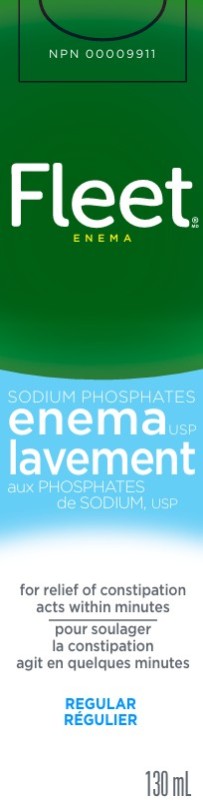
(dibasic · DailyMed)
Listerine Smart Rinse Mild Mint
Cetylpyridinium Chloride 0,02865 % w/v,Cool Jungle Mint SN731673 0,28653 %w/w,FD&C Blue #1 Granular 0,00002 %w/w,FD&C Yellow # 6 0,00038 %w/w,Menthol 0,02030 %w/w,Phosphoric Acid (80–85 %) 0,04967 %w/w,Purified water (Aqua) 80,42411 %w/w,Sodium Fluoride 0,02111 % w/v,Sodium phosphate dibasic (dihydrate) 0,01910 %w/w,Sorbitol solution 19,10220 %w/w,Sucralose 0,04776 %w/w
What it does
Blue is a medication used to treat various health conditions. It works by targeting specific processes in the body to provide relief.
Commonly used for: general health issues, pain relief
Read more in plain English ↓Plain-language summary for general understanding - not medical advice. Always follow your pharmacist/doctor.
Ask about this medicine
Answers come only from this medicine's registration record, BNF monograph and interaction data - not medical advice.
Medicine sourcing is available in Kenya only. We don't sell or dispense medicines - licensed pharmacies do.
Sourcing - Kenya onlyRegistration & product details
Source: Tanzania Medicines and Medical Devices Authority · fetched 2026-03-11 23:38:44 · updated 2026-09-17 03:00:43
About blue
Blue is a medication used to treat various health conditions. It works by targeting specific processes in the body to provide relief.
What it treats
- general health issues
- pain relief
How it works
Blue works by affecting certain chemicals in the body to help alleviate symptoms.
Who it's for
Blue is suitable for adults and children with the prescribed conditions.
AI-assisted summary grounded in BNF data - general information only, not medical advice. Always confirm with your pharmacist or doctor.
About cetylpyridinium
Cetylpyridinium is a compound often used in oral care products for its antibacterial properties.
What it treats
- mouth infections
- sore throat
- bad breath (halitosis)
How it works
It helps to kill germs in the mouth and throat, reducing infection and discomfort.
Who it's for
Suitable for adults and children who need relief from oral discomfort and infections.
AI-assisted summary grounded in BNF data - general information only, not medical advice. Always confirm with your pharmacist or doctor.
About cool
Cool is a medication used to help manage certain health conditions.
What it treats
- fever
- pain relief
How it works
Cool works by reducing fever and relieving pain in the body.
Who it's for
This medication is suitable for adults and children who need relief from fever and pain.
AI-assisted summary grounded in BNF data - general information only, not medical advice. Always confirm with your pharmacist or doctor.
About dibasic
Dibasic is a medication used to treat certain health conditions. It helps to balance body chemistry and support overall health.
What it treats
- metabolic disorders
- acid-base imbalances
How it works
Dibasic works by helping to maintain the right balance of acids and bases in the body, which is important for normal bodily functions.
Who it's for
This medication is suitable for individuals dealing with specific metabolic issues or imbalances.
AI-assisted summary grounded in BNF data - general information only, not medical advice. Always confirm with your pharmacist or doctor.
About fluoride
Fluoride is a mineral that helps to strengthen teeth and prevent cavities.
What it treats
- tooth decay prevention
- strengthening teeth
How it works
Fluoride works by making the tooth enamel stronger, which helps to resist decay and cavities.
Who it's for
Fluoride is suitable for people of all ages, especially children and teenagers who are still developing their teeth.
AI-assisted summary grounded in BNF data - general information only, not medical advice. Always confirm with your pharmacist or doctor.
About granular
Granular is a form of medication that is used to treat various health conditions.
How it works
Granular medications are designed to dissolve in water or other liquids, making them easier to take.
Who it's for
Granular may be suitable for patients who have difficulty swallowing pills or prefer a liquid form of medication.
AI-assisted summary grounded in BNF data - general information only, not medical advice. Always confirm with your pharmacist or doctor.
About jungle
Jungle is a medication used to treat various health conditions. It is important to be aware of its uses and any precautions when taking this medicine.
How it works
The exact way Jungle works in the body is not specified, but it is designed to help manage certain health issues.
Who it's for
Jungle is intended for individuals with specific health conditions as determined by a healthcare provider.
AI-assisted summary grounded in BNF data - general information only, not medical advice. Always confirm with your pharmacist or doctor.
About menthol
Menthol is a natural compound often used for its soothing and cooling effects.
What it treats
- cough relief
- muscle pain relief
- skin irritation treatment
How it works
Menthol creates a cooling sensation on the skin and mucous membranes, which can help relieve discomfort.
Who it's for
Menthol is suitable for adults and children who need relief from coughs, muscle aches, or skin irritation.
AI-assisted summary grounded in BNF data - general information only, not medical advice. Always confirm with your pharmacist or doctor.
About mint
Mint is a natural herb often used for its flavor and potential health benefits.
What it treats
- digestive issues (indigestion)
- relief from nausea
- common cold symptoms
- freshening breath
How it works
Mint may help soothe the stomach and has a cooling effect that can ease discomfort.
Who it's for
Mint can be used by most people looking for natural relief from digestive problems or to freshen their breath.
AI-assisted summary grounded in BNF data - general information only, not medical advice. Always confirm with your pharmacist or doctor.
About phosphoric
Phosphoric acid is often used to help with digestive issues and can also be found in some oral rehydration solutions.
What it treats
- stomach upset
- nausea
- dehydration
How it works
Phosphoric acid helps to balance the acids in your stomach and can assist in restoring hydration.
Who it's for
This medication may be suitable for adults and children experiencing digestive discomfort or dehydration.
AI-assisted summary grounded in BNF data - general information only, not medical advice. Always confirm with your pharmacist or doctor.
About purified
Purified ingredients are often used in various medicines to ensure safety and effectiveness by removing impurities.
What it treats
- various medical conditions
How it works
Purified ingredients help in delivering the intended effects of the medicine without the risk of contaminants.
Who it's for
People who need medications with safe and effective ingredients.
AI-assisted summary grounded in BNF data - general information only, not medical advice. Always confirm with your pharmacist or doctor.
About sorbitol
Sorbitol is a type of sugar alcohol used to help relieve constipation by softening the stool.
What it treats
- constipation
- bowel preparation
How it works
Sorbitol works by drawing water into the intestines, which helps to soften the stool and make it easier to pass.
Who it's for
Sorbitol is suitable for adults and children who need help with constipation.
AI-assisted summary grounded in BNF data - general information only, not medical advice. Always confirm with your pharmacist or doctor.
About sucralose
Sucralose is a low-calorie artificial sweetener used to provide sweetness without the calories of sugar.
What it treats
- sugar substitute
- weight management
- diabetes management
How it works
Sucralose is made from sugar but is processed in such a way that your body does not absorb it, meaning it adds sweetness without calories.
Who it's for
It is suitable for people looking to reduce sugar intake, including those with diabetes or those trying to lose weight.
AI-assisted summary grounded in BNF data - general information only, not medical advice. Always confirm with your pharmacist or doctor.
About yellow
Yellow is a medicinal product used to treat various conditions.
What it treats
- general health support
How it works
The exact way Yellow works is not specified, but it is designed to support overall well-being.
Who it's for
Yellow is suitable for individuals looking to improve their general health.
AI-assisted summary grounded in BNF data - general information only, not medical advice. Always confirm with your pharmacist or doctor.
Clinical monograph: blue
Blue, also known as methylene blue, is a synthetic dye that has been used for various therapeutic purposes, including the treatment of methemoglobinemia, a condition where hemoglobin is oxidized and unable to carry oxygen effectively. Additionally, it has applications in treating certain infections and as a surgical marker.
Indications
- Methemoglobinemia
- Urinary tract infections
- Surgical marking
- Treatment of certain types of cyanide poisoning
Dosage
Children: Refer to the BNF for Children for appropriate pediatric dosing information.
Adults: Refer to the relevant clinical guidelines or the BNF for specific dosing recommendations.
Mechanism of action
Methylene blue acts as a reducing agent, converting methemoglobin back to its functional form, hemoglobin. This is primarily achieved through its action as an electron donor, facilitating the reduction of ferric iron (Fe3+) in hemoglobin to ferrous iron (Fe2+), thereby restoring its oxygen-carrying capacity. It also exhibits antimicrobial properties through its ability to generate reactive oxygen species when exposed to light, which can inhibit bacterial growth.
Pharmacodynamics
The pharmacodynamics of methylene blue involve its role in enhancing oxygen delivery in patients suffering from methemoglobinemia. By converting methemoglobin back to hemoglobin, it effectively increases the amount of hemoglobin available for oxygen transport. The drug also shows effects on the vascular system, where it can induce vasodilation and influence blood pressure.
Pharmacokinetics
Methylene blue is rapidly absorbed after intravenous administration, with peak plasma concentrations occurring within 1 to 3 hours. It is extensively distributed in body tissues and fluids, including the liver, kidneys, and lungs. The drug undergoes hepatic metabolism, primarily through the cytochrome P450 system, and is excreted mainly through urine. The half-life ranges from 5 to 24 hours, depending on the dosage and individual patient factors.
Pregnancy
Consult healthcare provider before use, as safety in pregnancy is not established.
Breast-feeding
Consult healthcare provider before use, as safety during breastfeeding is not established.
Storage
Store in a cool, dry place away from direct sunlight.
AI-synthesized from BNF references - general information only, not a substitute for professional medical advice or the current BNF. Verify doses with a pharmacist.
Clinical monograph: cetylpyridinium
BNF-referencedCetylpyridinium is a quaternary ammonium compound with broad-spectrum antibacterial properties, primarily used in oral care products such as mouthwashes, toothpastes, and lozenges. It serves to reduce dental plaque formation, inhibit pathogenic bacterial growth, and diminish the virulence of these microorganisms. The compound is known for its surfactant properties, which enhance its ability to adhere to oral surfaces and exert a prolonged antimicrobial effect.
Indications
- Oral hygiene
- Prevention of dental plaque
- Management of minor infections in the oral cavity
Dosage
Children: Refer to BNF for Children for appropriate formulations and guidance on paediatric use.
Adults: Refer to BNF for specific formulations and usage instructions. Typical concentrations in mouthwashes are around 0.05% to 0.1%.
Mechanism of action
Cetylpyridinium chloride functions as a cationic surfactant that interacts with microbial cell surfaces due to its positively charged hydrophilic region. This interaction disrupts bacterial membrane integrity, leading to leakage of cytoplasmic components, interference with cellular metabolism, and ultimately, cell death. Additionally, it inhibits the synthesis of insoluble glucan by streptococcal glucosyltransferase, adsorbs to enamel surfaces, and prevents bacterial co-adhesion, enhancing its effectiveness in oral hygiene.
Pharmacodynamics
Cetylpyridinium chloride exhibits rapid bactericidal effects against gram-positive pathogens and fungicidal activity against yeasts. It is classified as a cationic disinfectant with local effects, making it suitable for managing minor infections. Its surfactant properties contribute to its efficacy in reducing microbial load in oral care applications.
Pharmacokinetics
Cetylpyridinium chloride is characterized by poor systemic absorption when used topically; therefore, its effects are primarily local rather than systemic. This property allows it to exert its antimicrobial action in the mouth without significant absorption into the bloodstream, making it safe for use in oral care products.
Adverse effects
- Mouth irritation
- Taste alteration
- Dryness of the mouth
- Nausea
- Diarrhea
Precautions
- Use with caution in individuals with a history of hypersensitivity to cetylpyridinium chloride or other quaternary ammonium compounds.
- Avoid swallowing the product.
- Not recommended for use in children under a certain age without medical advice.
Pregnancy
Cetylpyridinium chloride should be used during pregnancy only if the potential benefit justifies the potential risk to the fetus. Consultation with a healthcare provider is advised.
Breast-feeding
It is not known whether cetylpyridinium chloride is excreted in human milk. Caution should be exercised when administering to nursing mothers.
Storage
Store at room temperature, away from direct sunlight and moisture. Keep out of reach of children.
Formulations
- Mouthwash
- Toothpaste
- Lozenges
- Mouth sprays
AI-synthesized from BNF references - general information only, not a substitute for professional medical advice or the current BNF. Verify doses with a pharmacist.
Clinical monograph: cool
Cool is a term that generally refers to a sensation of reduced temperature or a state of being moderately cold. In pharmacology, 'cool' may relate to the use of certain medications or treatments that provide a cooling effect on the body or skin, often used in the context of pain relief, inflammation reduction, or fever management. Medications that have a cooling effect can include topical agents such as menthol and certain antipyretics. However, without specific drug information, detailed pharmacological properties cannot be attributed.
Indications
- Fever
- Pain relief
- Inflammation
- Skin irritation
- Muscle aches
Dosage
Children: Refer to specific product guidelines or the BNF for Children, as pediatric dosing varies with age and weight.
Adults: Refer to specific product guidelines as doses can vary based on the formulation and condition being treated.
Mechanism of action
The cooling effect of certain medications such as menthol is primarily due to its ability to activate the TRPM8 (transient receptor potential cation channel subfamily M member 8) receptors, which are involved in the sensation of coolness. This receptor activation leads to the perception of cooling on the skin or mucous membranes. In the case of antipyretics like paracetamol, the mechanism involves inhibition of the cyclooxygenase (COX) enzymes, leading to reduced prostaglandin synthesis and subsequently lowering fever.
Pharmacodynamics
Medications with cooling effects often produce their effects by local vasodilation, which increases blood flow to the area, facilitating a sensation of cooling. In the case of antipyretics, their pharmacodynamic effects include decreased prostaglandin production in the brain, resulting in lowered set-point temperature in the hypothalamus. This leads to an overall reduction in fever and alleviation of associated symptoms.
Pharmacokinetics
The pharmacokinetics of cooling agents such as menthol involve rapid absorption through the skin and mucous membranes, with peak effects typically occurring shortly after application. For systemic antipyretics like paracetamol, absorption occurs primarily in the gastrointestinal tract, with a bioavailability of approximately 70-90%. Metabolism occurs primarily in the liver, and elimination is primarily via renal excretion. The half-life of paracetamol is typically around 2-4 hours.
Pregnancy
Consult a healthcare provider before use, as safety during pregnancy has not been established.
Breast-feeding
Consult a healthcare provider before use, as safety during breastfeeding has not been established.
Storage
Store in a cool, dry place, away from direct sunlight and out of reach of children.
AI-synthesized from BNF references - general information only, not a substitute for professional medical advice or the current BNF. Verify doses with a pharmacist.
Clinical monograph: dibasic
Dibasic refers to a type of compound that contains two basic functional groups. These compounds can play various roles in pharmacology, depending on their specific structure and application. Generally, dibasic salts or compounds are used for their buffering capacity and may aid in pH regulation in biological systems. They can also serve as precursors or intermediates in drug synthesis.
Dosage
Children: Refer to specific formulations and clinical guidelines for dosing information as this can vary widely based on the context of use.
Adults: Refer to specific formulations and clinical guidelines for dosing information as this can vary widely based on the context of use.
Mechanism of action
Dibasic compounds often act by providing a buffering effect in biological systems, which helps to maintain physiological pH levels. They may also interact with various biological targets depending on their specific structure, influencing metabolic pathways and cellular functions.
Pharmacodynamics
The pharmacodynamics of dibasic compounds is highly variable and depends on their specific chemical structure and the context of their use. Generally, these compounds may alter the absorption and distribution of other drugs, modulate enzyme activity, or affect cellular signaling pathways through their interactions with biological molecules.
Pharmacokinetics
The pharmacokinetics of dibasic compounds can vary widely. Factors such as solubility, stability, and route of administration influence their absorption, distribution, metabolism, and excretion. Typically, dibasic compounds may be absorbed in the gastrointestinal tract and may undergo various metabolic processes depending on their specific nature.
Pregnancy
Dibasic compounds should be used during pregnancy only if the potential benefit justifies the potential risk to the fetus. Consult with a healthcare provider.
Breast-feeding
Caution is advised when administering dibasic compounds to breastfeeding mothers. Consult with a healthcare provider.
Storage
Store in a cool, dry place away from light. Keep out of reach of children.
AI-synthesized from BNF references - general information only, not a substitute for professional medical advice or the current BNF. Verify doses with a pharmacist.
Clinical monograph: fluoride
BNF-referencedFluoride is a negatively charged ion derived from fluorine, known for its role in dental health, particularly in the prevention of dental caries. It is used in various formulations, including topical gels and rinses, as well as in systemic applications such as water fluoridation. Fluoride enhances the remineralization of tooth enamel and inhibits the demineralization process caused by acid-producing bacteria in the mouth.
Indications
- Prevention of dental caries
- Treatment of dental hypersensitivity
- Topical application for high caries risk patients
Dosage
Children: Refer to the BNF for Children for specific paediatric dosage recommendations, which are typically based on age and dental health needs.
Adults: Refer to the BNF for specific adult dosage recommendations, which may vary based on the formulation and indication.
Mechanism of action
Fluoride acts primarily by enhancing the mineralization process of the tooth enamel through the formation of fluorapatite, which is more resistant to acid dissolution than hydroxyapatite. It also inhibits the activity of specific enzymes in bacteria that contribute to acid production, thereby reducing the overall cariogenic potential of dental plaque.
Pharmacodynamics
Fluoride exhibits a dose-dependent effect on dental health, with low concentrations promoting enamel remineralization and higher concentrations potentially toxic to bacteria. Its effectiveness is attributed to its ability to integrate into the crystalline structure of teeth, leading to improved resistance to acid attacks. Additionally, fluoride can modulate the metabolism of oral bacteria, reducing their ability to produce acid from fermentable carbohydrates.
Pharmacokinetics
Fluoride is readily absorbed from the gastrointestinal tract, with peak plasma concentrations occurring within 1 to 2 hours after ingestion. It is distributed throughout the body, with significant accumulation in bones and teeth. The elimination half-life varies, but fluoride is primarily excreted unchanged via the kidneys. The clearance rate can be influenced by renal function as well as dietary factors.
Pregnancy
Fluoride is generally considered safe during pregnancy when used in appropriate doses for dental health. However, excessive intake should be avoided.
Breast-feeding
Fluoride is excreted in breast milk in small amounts. It is generally regarded as safe for breastfeeding mothers when used appropriately.
Storage
Store in a cool, dry place away from direct sunlight. Keep out of reach of children.
AI-synthesized from BNF references - general information only, not a substitute for professional medical advice or the current BNF. Verify doses with a pharmacist.
Clinical monograph: granular
Granular formulations typically refer to a specific dosage form of medication that is composed of granules, which are small particles that can dissolve or disperse in a liquid. Granular medications are often used for their ease of administration and absorption, particularly in patients who may have difficulty swallowing tablets or capsules. The granular form can enhance the bioavailability of the active ingredient by allowing it to be absorbed more efficiently in the gastrointestinal tract.
Indications
- Pain relief
- Anti-inflammatory treatment
- Antipyretic therapy
- Nutritional supplementation
- Electrolyte replacement
- Treatment of gastrointestinal disorders
Dosage
Children: Refer to specific product labeling or clinical guidelines for paediatric dosing, as this varies widely depending on the active ingredient and condition being treated.
Adults: Refer to specific product labeling or clinical guidelines for adult dosing, as this varies widely depending on the active ingredient and condition being treated.
Mechanism of action
The mechanism of action for granular formulations depends on the active pharmaceutical ingredient contained within the granules. Generally, these medications may work by various mechanisms such as inhibiting certain enzymes, blocking receptors, or modulating specific pathways involved in disease processes. For example, if the granules contain a medication that acts as an anti-inflammatory, it may inhibit the cyclooxygenase (COX) enzymes involved in the production of inflammatory mediators.
Pharmacodynamics
Pharmacodynamics describes how a drug affects the body. Granular medications can provide a rapid onset of action due to their surface area, which facilitates quicker dissolution and absorption. The effects vary depending on the active ingredient, which may influence various biological pathways, such as neurotransmitter modulation, receptor activation, or inhibition of certain cellular processes. The therapeutic effects are often dose-dependent and can be influenced by factors such as age, weight, and overall health.
Pharmacokinetics
The pharmacokinetics of granular formulations also vary based on the specific active ingredient. Generally, pharmacokinetic parameters include absorption, distribution, metabolism, and excretion (ADME). Granular medications typically exhibit faster absorption compared to solid dosage forms due to the larger surface area. Distribution will depend on factors like solubility and protein binding. Metabolism primarily occurs in the liver, while excretion can take place via the kidneys or bile, again depending on the nature of the active compound.
Pregnancy
Safety during pregnancy has not been established. Use only if clearly needed and potential benefits justify the risks.
Breast-feeding
Use with caution. Limited data available, and effects on the nursing infant are unknown.
Storage
Store in a cool, dry place away from direct sunlight. Keep out of reach of children.
AI-synthesized from BNF references - general information only, not a substitute for professional medical advice or the current BNF. Verify doses with a pharmacist.
Clinical monograph: jungle
Jungle is not a recognized pharmaceutical drug. As such, there is no available information regarding its clinical use, pharmacology, or dosing guidelines. The term 'jungle' may refer to various natural products or herbal remedies, but detailed pharmacological data is not established in medical literature.
Dosage
Children: Refer to the relevant guidelines for specific dosing information.
Adults: Refer to the relevant guidelines for specific dosing information.
Pregnancy
Safety during pregnancy has not been established. Use only if clearly needed and the benefits outweigh the risks.
Breast-feeding
It is not known whether this drug is excreted in human milk. Caution is advised.
Storage
Store in a cool, dry place away from direct sunlight. Keep out of reach of children.
AI-synthesized from BNF references - general information only, not a substitute for professional medical advice or the current BNF. Verify doses with a pharmacist.
Clinical monograph: menthol
BNF-referencedMenthol is a cyclic monoterpene alcohol that is widely used as a flavoring agent and in topical analgesic preparations due to its cooling sensation. It is commonly derived from peppermint oil and is known for its soothing properties in various applications, including cough drops, ointments, and as a fragrance in personal care products.
Indications
- Topical analgesic for muscle and joint pain
- Cough suppressant in cough drops and lozenges
- Relief of minor throat irritation
- Cooling agent in various cosmetic and personal care products
Dosage
Children: Refer to BNF for Children for specific dosing guidelines, as doses may vary based on age and formulation.
Adults: For topical use, apply a thin layer to the affected area not more than 3 to 4 times daily. For cough drops, follow the product-specific instructions as per the formulation.
Mechanism of action
Menthol acts as an agonist for the transient receptor potential subtype M8 (TRPM8), a non-selective cation channel that is activated by cold temperatures. This activation leads to calcium influx in mast cells, inducing the release of histamine, which can trigger allergic responses such as urticaria, asthma, and rhinitis. Menthol's ability to induce histamine release via TRPM8 suggests potential therapeutic applications for TRPM8 antagonists in managing cold- and menthol-induced allergies.
Pharmacodynamics
Menthol produces a cooling effect by stimulating sensory neurons that convey cold sensations. It interacts with TRPM8 channels, leading to the activation of intracellular signaling pathways that can result in vasodilation and increased blood flow to the area of application. This cooling sensation can provide symptomatic relief in conditions characterized by pain or irritation.
Pharmacokinetics
Menthol is absorbed through the skin and mucous membranes, with systemic effects depending on the route of administration. Its bioavailability can vary, and it is metabolized primarily in the liver. The elimination half-life and excretion pathways have not been extensively characterized, but menthol is generally considered to have a rapid onset of action with effects lasting for a few hours.
Adverse effects
- Allergic reactions
- Urticaria
- Asthma
- Rhinitis
- Skin irritation
Precautions
- Use with caution in patients with known allergies to menthol or related compounds
- May exacerbate asthma in sensitive individuals
Pregnancy
There are no well-controlled studies of menthol in pregnant women. Menthol should be used during pregnancy only if clearly needed.
Breast-feeding
Menthol is excreted in breast milk. Caution should be exercised when administering to nursing mothers.
Storage
Store in a cool, dry place away from light. Keep out of reach of children.
Formulations
- Topical ointment
- Cream
- Liquid
AI-synthesized from BNF references - general information only, not a substitute for professional medical advice or the current BNF. Verify doses with a pharmacist.
Clinical monograph: mint
Mint refers to a group of aromatic herbs in the Mentha genus, commonly used for flavoring, dietary, and medicinal purposes. Peppermint (Mentha × piperita) and spearmint (Mentha spicata) are among the most widely recognized species. Mint is frequently used in culinary applications and traditional medicine due to its potential health benefits.
Indications
- Digestive issues
- Nausea
- Headaches
- Respiratory conditions
- Oral hygiene
- Muscle pain relief
Dosage
Children: Dosage should be determined based on age and formulation. Consult specific product instructions and healthcare providers.
Adults: Dosage varies based on preparation and indication. For herbal formulations, refer to specific product guidelines.
Mechanism of action
The active compounds in mint, particularly menthol and menthone, exert their effects primarily through activation of the TRPM8 receptor, which is a cold and menthol receptor. This activation induces a cooling sensation and may provide analgesic effects. Menthol also acts as a smooth muscle relaxant, which can help alleviate gastrointestinal discomfort.
Pharmacodynamics
Mint exhibits various pharmacological effects, including carminative, antispasmodic, and mild analgesic properties. It is known to enhance gastric motility and reduce symptoms of irritable bowel syndrome (IBS). The menthol component may also exhibit mild anti-inflammatory properties and has been used in topical formulations for its cooling and soothing effects.
Pharmacokinetics
After ingestion, mint compounds are rapidly absorbed in the gastrointestinal tract. Menthol is metabolized primarily in the liver, undergoing conjugation. The elimination half-life of menthol is roughly 1-3 hours. The compounds are excreted mainly through urine, with a small percentage being exhaled as volatile constituents.
Adverse effects
- Allergic reactions
- Gastrointestinal disturbances
- Heartburn
- Headaches
Interactions
- May interact with medications that affect the liver enzymes responsible for its metabolism
- Potential interaction with antacids
Precautions
- Use with caution in individuals with gastroesophageal reflux disease (GERD)
- May cause allergic reactions in sensitive individuals
Pregnancy
Generally considered safe when used in food amounts. High doses should be avoided due to potential effects on uterine tone.
Breast-feeding
Generally safe in usual dietary amounts. Consult healthcare provider for concentrated supplements.
Storage
Store in a cool, dry place away from direct sunlight. Keep out of reach of children.
Formulations
- Fresh leaves
- Dried leaves
- Essential oil
- Teas
AI-synthesized from BNF references - general information only, not a substitute for professional medical advice or the current BNF. Verify doses with a pharmacist.
Clinical monograph: phosphoric
Phosphoric acid, commonly referred to as phosphoric, is a colorless, odorless liquid that is used in various applications including food flavoring and as a rust remover. In medicine, it is primarily recognized for its role in treating conditions related to mineral deficiencies and is sometimes utilized as a pH adjuster in pharmaceutical preparations. It is an essential component of biological systems, playing a critical role in energy transfer through ATP, phospholipids in cell membranes, and nucleic acids.
Indications
- Hypophosphatemia
- Calcium phosphate deficiency
- Nutritional supplementation
- pH adjustment in pharmaceutical formulations
Dosage
Children: Refer to BNF for Children for specific dosing recommendations based on indication.
Adults: Refer to clinical guidelines or BNF for specific dosing recommendations based on indication.
Mechanism of action
Phosphoric acid provides phosphate ions that are critical for numerous biochemical reactions in the body. These phosphate ions are involved in the formation of ATP, which is essential for energy transfer within cells. The acid itself dissociates in aqueous solutions, releasing hydrogen ions and contributing to pH levels, which can affect enzymatic activities and cellular functions.
Pharmacodynamics
Phosphoric acid acts by replenishing phosphate levels in the body, which can be important in various physiological processes including energy metabolism, bone mineralization, and the synthesis of nucleic acids. Its effects on pH regulation can also influence metabolic pathways, particularly in managing acidosis or alkalosis.
Pharmacokinetics
Phosphoric acid is generally administered orally or intravenously, depending on the therapeutic application. Following administration, it is absorbed in the gastrointestinal tract, with phosphate ions distributed throughout the body. The kidneys play a significant role in regulating phosphate homeostasis, with excess phosphate being excreted in urine. The half-life of phosphoric acid is not well defined, as it is rapidly metabolized and utilized in various metabolic pathways.
Adverse effects
- Nausea
- Vomiting
- Diarrhea
- Abdominal pain
- Hypophosphatemia
Precautions
- Use with caution in patients with renal impairment
- Monitor phosphate levels in patients receiving long-term therapy
- Consider potential for gastrointestinal irritation
Pregnancy
Phosphoric acid is generally considered safe in pregnancy when used in recommended doses, but caution is advised.
Breast-feeding
Phosphoric acid is excreted in breast milk, use with caution and under medical supervision.
Storage
Store at room temperature, away from moisture and heat.
Formulations
- Oral solutions
- Tablets
- Syrups
AI-synthesized from BNF references - general information only, not a substitute for professional medical advice or the current BNF. Verify doses with a pharmacist.
Clinical monograph: purified
Purified refers to a substance that has been processed to remove impurities, contaminants, or unwanted substances, resulting in a more concentrated and effective form of the original compound. In pharmacology, purified compounds are often used to enhance therapeutic efficacy and reduce adverse effects. The purification process can apply to a variety of substances, including drugs, biological products, and chemical compounds.
Dosage
Children: Refer to specific drug formulations and product labels as purified substances can vary widely in their use and dosing.
Adults: Refer to specific drug formulations and product labels as purified substances can vary widely in their use and dosing.
Mechanism of action
The mechanism of action for purified compounds varies widely depending on the specific substance. Generally, purified drugs exert their effects by interacting with specific biological targets, such as receptors, enzymes, or ion channels, leading to a desired therapeutic effect. This interaction can involve binding to receptors to activate or inhibit signaling pathways, modulating enzymatic activity, or altering physiological processes.
Pharmacodynamics
Pharmacodynamics describes the effects of a drug on the body and the relationship between drug concentration and effect. For purified drugs, this can involve dose-response relationships and the time course of their action. The purified form often enhances potency and reduces variability in response among patients, which can lead to more predictable therapeutic outcomes. The overall effect is determined by the drug's affinity for its target, the efficacy of the drug-receptor interaction, and the downstream signaling pathways activated as a result of this interaction.
Pharmacokinetics
Pharmacokinetics involves the absorption, distribution, metabolism, and excretion (ADME) of a drug. For purified substances, absorption can be more efficient due to the absence of impurities that may affect solubility or stability. Distribution may also be enhanced, leading to higher bioavailability. Metabolism can be influenced by the structure of the purified compound, as it may be metabolized more readily by liver enzymes. Excretion typically occurs through the kidneys or liver, depending on the molecular characteristics of the purified drug.
Pregnancy
Consult with a healthcare professional, as the safety of purified forms of medications during pregnancy may vary depending on the specific substance.
Breast-feeding
Consult with a healthcare professional, as the safety of purified forms of medications during breastfeeding may vary depending on the specific substance.
Storage
Store in a cool, dry place, away from light and moisture, and keep out of reach of children.
AI-synthesized from BNF references - general information only, not a substitute for professional medical advice or the current BNF. Verify doses with a pharmacist.
Clinical monograph: sorbitol
BNF-referencedSorbitol is a sugar alcohol used primarily as a laxative due to its ability to draw water into the intestines, promoting bowel movements. It is also utilized in various food and pharmaceutical applications as a sweetener and humectant. Sorbitol is naturally found in certain fruits and can be synthesized from glucose. In addition to its laxative properties, sorbitol has been studied for its role in apoptosis in cancer cells and its involvement in metabolic pathways related to glucose.
Indications
- Constipation
- Diagnostic aid in colonoscopy preparation
- Management of hyperosmolality in various conditions
Dosage
Children: For children, the dosage should be determined based on age and condition, and it is advised to refer to the BNF for Children for specific dosing guidelines.
Adults: The typical dose for adults is 30 to 150 mL of sorbitol solution (70%) taken orally, as needed, usually before bedtime.
Mechanism of action
Sorbitol exerts its laxative effect by drawing water into the large intestine, thereby stimulating bowel movements. It acts as a hygroscopic agent, pulling water from tissues into the feces, which reflexively stimulates evacuation. In metabolic pathways, sorbitol is produced from glucose via aldose reductase and is converted to fructose by sorbitol dehydrogenase, with implications in diabetic complications such as retinopathy.
Pharmacodynamics
Sorbitol's laxative effect results from its osmotic properties, which increase the water content of the stool and soften it, facilitating easier passage. Additionally, sorbitol can induce apoptosis in certain cancer cell lines, indicating potential therapeutic implications beyond its laxative use. The modulation of intracellular signaling pathways through the regulation of proteins such as Bax and Bcl-2 suggests a complex role in cellular health and disease.
Pharmacokinetics
Sorbitol is poorly absorbed in the gastrointestinal tract, which contributes to its efficacy as a laxative. It is metabolized in the liver, primarily through the polyol pathway. The absorption and distribution of sorbitol are affected by its osmotic properties, leading to increased intestinal water retention. Its elimination is primarily via renal excretion, with minimal systemic absorption, thus reducing the risk of systemic side effects.
Adverse effects
- Diarrhea
- Abdominal cramps
- Nausea
- Vomiting
- Electrolyte imbalances
Precautions
- Use with caution in patients with renal impairment
- May exacerbate gastrointestinal conditions
Pregnancy
Sorbitol is generally considered safe during pregnancy, but should be used under medical supervision.
Breast-feeding
Sorbitol is excreted in breast milk in small amounts; consult a healthcare provider before use.
Storage
Store in a cool, dry place, away from direct sunlight.
Formulations
- Oral solution
- Syrup
AI-synthesized from BNF references - general information only, not a substitute for professional medical advice or the current BNF. Verify doses with a pharmacist.
Clinical monograph: sucralose
BNF-referencedSucralose is a non-caloric artificial sweetener derived from sucrose, commonly used as a sugar substitute in various food and beverage products. It is significantly sweeter than sugar, making it a popular choice for individuals seeking to reduce caloric intake without sacrificing sweetness. Sucralose is not metabolized by the body, thus it provides no calories when consumed.
Indications
- Caloric reduction in food and beverages
- Management of diabetes
- Weight management
Dosage
Children: Refer to the BNF for Children for specific guidelines on the use of sucralose in pediatric populations.
Adults: Sucralose is typically used in food and beverage products as a sweetener. There are no specific dosage recommendations for adults, as it is used according to taste preference and product formulation.
Mechanism of action
Sucralose acts as a positive allosteric modulator of the human sweet taste receptor. It interacts with the T1R taste receptor family, particularly enhancing the sweetness perception by binding to the hinge region of the receptor. This interaction induces a conformational change that stabilizes the active state of the receptor, increasing its responsiveness to sweet stimuli. This mechanism allows sucralose to mimic the taste of sugar without the associated caloric intake.
Pharmacodynamics
As a non-nutritive sweetener, sucralose does not undergo metabolic processing in the body, which means it does not contribute to energy intake. It provides intense sweetness at low concentrations, stimulating the sweetness receptors in the taste buds. The pharmacodynamic profile indicates minimal physiological effects beyond taste perception, making it suitable for dietary use without impacting blood glucose levels.
Pharmacokinetics
Sucralose is poorly absorbed in the gastrointestinal tract, with an estimated absorption rate of less than 15%. The majority of ingested sucralose is excreted unchanged in the urine. The elimination half-life is not well defined due to its minimal absorption, but it is generally considered to have a rapid clearance from the body. The pharmacokinetic properties support its use as a safe alternative to sugar for those managing caloric intake.
Pregnancy
Sucralose is generally considered safe during pregnancy, but it is recommended to consult a healthcare provider.
Breast-feeding
Sucralose is also considered safe during breastfeeding, although it is advisable to seek medical advice.
Storage
Store in a cool, dry place away from direct sunlight.
Formulations
- Granulated sucralose
- Liquid sucralose
- Tablets
AI-synthesized from BNF references - general information only, not a substitute for professional medical advice or the current BNF. Verify doses with a pharmacist.
Clinical monograph: yellow
BNF-referencedYellow is a compound with the molecular formula C24H12O2. It is not a specific drug but may refer to a class of compounds or a colorant used in various applications. Detailed pharmacological data and clinical applications are not provided in the standard references.
Pregnancy
No specific data available, consult a healthcare professional.
Breast-feeding
No specific data available, consult a healthcare professional.
Storage
Store in a cool, dry place away from light.
AI-synthesized from BNF references - general information only, not a substitute for professional medical advice or the current BNF. Verify doses with a pharmacist.
Molecular reference: cetylpyridinium
PubChem CID 2683Molecular formula: C21H38N+
Mechanism of action
When incorporated into mouthwashes, toothpastes, lozenges, or mouth sprays, cetylpyridinium chloride is expected to elicit a mechanism of action that decreases new dental plaque growth, decreases or removes existing dental plaque, diminishes the growth of pathogenic bacteria, and inhibits the production of virulence factors. Cetylpyridinium chloride is a quaternary ammonium compound that demonstrates a broad spectrum anti-bacterial activity. It possesses a cationic surface active agent surfactant which can absorb readily to oral surfaces. The molecules of this agent have both hydrophilic and hydrophobic groups. In action, the positively charged hydrophilic region of cetylpyridinium chloride molecules enables the compound to interact with microbial cell surfaces and even integrate into the bacterial cytoplasmic membrane. Consequently, there is a resultant disruption of bacterial membrane integrity causing a leakage of bacterial cytoplasmic components, interference with cellular metabolism, inhibition of cell growth, and ultimately - cell death. Moreover, cetylpyridinium chloride can also inhibit the synthesis of insoluble glucan by streptococcal glucosyltransferase, adsorb to pellicle-covered enamel, and inhibit co-adhesion of bacteria, and bind streptococcus mutans biofilms. This ability of cetylpyridinium chloride to be able to adsorb to pellicle covered enamel imparts substantivity to the compound molecules - that is retention in the mouth and continued antimicrobial activity for a period of time after rinsing. Taking these mechanisms into consideration, cetylpyridinium chloride may be considered an active ingredient that is effective in the treatment and prevention of bacterial or fungal disorders of the oropharyngeal cavity.
Pharmacodynamics
Cetylpyridinium chloride is considered a cationic disinfectant with properties and uses similar to other such cationic surfactants. In particular, cetylpyridinium chloride has demonstrated a rapid bactericidal and fungicide effect on gram-positive pathogens and yeasts, respectively. Cetylpyridinium chloride is subsequently utilized in a variety of preparations for the local treatment of minor infections. Despite the variety of formulations in which cetylpyridinium chloride may appear as an active ingredient, it is generally accepted that it only elicits a local effect owing to the compound's relatively poor absorption by route of exposure.
Source: PubChem (NCBI) · pathways from PathBank, Reactome, WikiPathways & PharmGKB.
Molecular reference: fluoride
PubChem CID 28179Molecular formula: F-
Biological pathways
Source: PubChem (NCBI) · pathways from PathBank, Reactome, WikiPathways & PharmGKB.
Molecular reference: menthol
PubChem CID 1254Molecular formula: C10H20O
Mechanism of action
Exposure to low temperatures often causes allergic responses or urticaria. Similarly, menthol, a common food additive is also known to cause urticaria, asthma, and rhinitis. However, despite the obvious clinical implications, the molecular mechanisms responsible for inducing allergic responses to low temperatures and menthol have not been determined. Because a non-selective cation channel, transient receptor potential subtype M8 (TRPM8) is activated by cold and menthol, we hypothesized that this channel mediates cold- and menthol-induced histamine release in mast cells. Here, we report that TRPM8 is expressed in the basophilic leukemia mast cell line, RBL-2H3, and that exposure to menthol or low temperatures induced Ca(2+) influx in RBL-2H3 cells, which was reversed by a TRPM8 blocker. Furthermore, menthol, a TRPM8 agonist, induced the dose-dependent release of histamine from RBL-2H3 cells. When TRPM8 transcripts were reduced by siRNA (small interfering RNA), menthol- and cold-induced Ca(2+) influx and histamine release were significantly reduced. In addition, subcutaneous injection of menthol evoked scratching, a typical histamine-induced response which was reversed by a TRPM8 blocker. Thus, our findings indicate that TRPM8 mediates the menthol- and cold-induced allergic responses of mast cells, and suggest that TRPM8 antagonists be viewed as potential treatments for cold- and menthol-induced allergies. /DL-Menthol/ Menthol's characteristic cooling sensation is due, in part, to the activation of sensory neurons generally termed transient receptor potential (TRP) channels, in particular transient receptor potential melastatin family member 8 (TRPM8) and transient receptor potential subfamily A, member 1 (TRPA1). Menthol acts upon TRPM8 receptors by rapidly increasing intracellular calcium and mobilizing calcium flux through the channels to induce cold response signals at the application site. Aside from its cold-inducing sensation capabilities, menthol exhibits cytotoxic effects in cancer cells, induces reduction in malignant cell growth, and engages in synergistic excitation of GABA receptors and sodium ion channels resulting in analgesia. /DL-Menthol/ In recent years, the transient receptor potential melastatin member 8 (TRPM8) channel has emerged as a promising prognostic marker and putative therapeutic target in prostate cancer. We have found that forced overexpression of TRPM8 in PC-3 cells can inhibit the cell proliferation and motility probably through the TRPM8 activation. In this study, we aimed to investigate whether activating the TRPM8 channel by its selective agonist menthol can inhibit the proliferation and motility of androgen-independent prostate cancer (AIPC) with remarkable expression of TRPM8. Menthol is a naturally occurring compound, which has been widely used in cosmetics and pharmaceutical products, and also as flavoring in food. DU145 cells are androgen-independent but have a remarkable expression of TRPM8. The demonstration of the existence of TRPM8 and the absence of TRPA1 in DU145 cells provided the foundation for the following experiments, because both TRPM8 and TRPA1 are molecular targets of menthol. The outcome of MTT assay indicated that menthol inhibited the cell growth (p < 0.01). Cell cycle distribution and scratch assay analysis revealed that menthol induced cell cycle arrest at the G(0)/G(1) phase (p < 0.01). Furthermore, menthol inhibited the migration of DU145 cells by downregulating the focal-adhesion kinase. So it suggests that the activation of the existing TRPM8 channels may serve as a potential and pragmatic treatment for those AIPC with remarkable expression of TRPM8, and menthol is a useful compound for future development as an anticancer agent. /DL-Menthol/
Source: PubChem (NCBI) · pathways from PathBank, Reactome, WikiPathways & PharmGKB.
Molecular reference: sorbitol
PubChem CID 5780Molecular formula: C6H14O6
Mechanism of action
Sorbitol exerts its laxative effect by drawing water into the large intestine, thereby stimulating bowel movements. ... Sorbitol exerts hygroscopic and/or local irritant action, drawing water from tissues into feces and reflexly stimulating evacuation. The polyol pathway consists of two enzymes aldose reductase (AR) and sorbitol dehydrogenase (SDH); the former is the first enzyme in the polyol pathway, that catalyzes the reduction of glucose to sorbitol, the latter is the second one, that converts sorbitol to fructose using by NAD(+) as a cofactor. ... SDH activity, the second step in the polyol pathway, might make a greater contribution to the etiology of diabetic retinopathy than does the first step involving AR. /This paper proposes/ a novel hypothesis that polymorphisms of SDH gene may be correlated with SDH gene expression levels in diabetic retinas, thus being a valuable genetic marker for diabetic retinopathy. It has been reported that sorbitol induces apoptosis in several cancer cell lines. ... In /this/ study, the intracellular signaling pathways of sorbitol-induced apoptosis in human K562 cells were investigated using both morphological analysis and DNA fragmentation technique. In this study, we demonstrated that sorbitol-induced apoptosis in human K562 cells is a concentration- and time-dependent manner. This sorbitol-induced apoptosis in human K562 cells was also accompanied by the up-regulation of Bax, and down-regulation of p-Bcl-2, but no effect on the levels of Bcl-X(L). Moreover, the sorbitol treatment resulted in a significant reduction of mitochondria membrane potential, increase in the release of mitochondrial cytochrome c (cyt c), and activation of caspase 3. Furthermore, treatment with caspase 3 inhibitor (z-DEVD-fmk) was capable of preventing the sorbitol-induced caspase 3 activity and cell death. These results clearly demonstrate that the induction of apoptosis by sorbitol involves multiple cellular/molecular pathways and strongly suggest that pro- and anti-apoptotic Bcl-2 family proteins, mitochondrial membrane potential, mitochondrial cyt c, and caspase 3, they all participate in sorbitol-induced apoptotic process in human K562 cells. Chronic diabetic complications, in particular, nephropathy, peripheral and autonomic neuropathy, "diabetic foot," retinopathy, and cardiovascular disease, remain the major cause of morbidity and mortality in patients with diabetes mellitus. Growing evidence indicates that both increased activity of the sorbitol pathway of glucose metabolism and enhanced oxidative stress are the leading factors in the pathogenesis of diabetic complications. The relation between the two mechanisms remains the area of controversy. One group has reported that increased sorbitol pathway activity has a protective rather than detrimental role in complication-prone tissues because the pathway detoxifies toxic lipid peroxidation products. Others put forward a so-called "unifying hypothesis" suggesting that activation of several major pathways implicated in diabetic complications (eg, sorbitol pathway) occurs due to increased production of superoxide anion radicals in mitochondria and resulting poly(ADP-ribose) polymerase activation. This review (a) presents findings supporting a key role for the sorbitol pathway in oxidative stress and oxidative stress-initiated downstream mechanisms of diabetic complications, and (b) summarizes experimental evidence against a detoxifying role of the sorbitol pathway, as well as the "unifying concept."
Biological pathways
Source: PubChem (NCBI) · pathways from PathBank, Reactome, WikiPathways & PharmGKB.
Molecular reference: sucralose
PubChem CID 71485Molecular formula: C12H19Cl3O8
Mechanism of action
Positive allosteric modulators of the human sweet taste receptor ...developed as a new way of reducing dietary sugar intake .../can be used as/ ...valuable tool molecules to study the general mechanism of positive allosteric modulations of T1R taste receptors. Using chimeric receptors, mutagenesis, and molecular modeling, .../the study/ reveal how ...sweet enhancers follow a similar mechanism as the natural umami taste enhancer molecules. Whereas the sweeteners bind to the hinge region and induce the closure of the Venus flytrap domain of T1R2, the enhancers bind close to the opening and further stabilize the closed and active conformation of the receptor.
Source: PubChem (NCBI) · pathways from PathBank, Reactome, WikiPathways & PharmGKB.
Molecular reference: yellow
PubChem CID 31412Molecular formula: C24H12O2
Source: PubChem (NCBI) · pathways from PathBank, Reactome, WikiPathways & PharmGKB.
This drug in other countries
The same active ingredient registered across other registries we cover - including different brands.
- ABICOF JUNIOR SYRUP · Socomed Pharmaceutical
- ABICOF SYRUP · Socomed Pharmaceutical
- ADDRUB GEL · Addii Biotech
- ADDRUB GEL ( Diclofenac Diethylamine/ Methyl Salicylate/Menthol/ Linseed Oil Gel 1.16%w/w/1.0%w/w/ 10.0% w/w / 5.0w/w/ 3.0w/w) · Addii Biotech
- ADULT MALIN COUGH SYRUP · M&g Pharmaceuticals
- AMCOF ADULT COUGH SYRUP · Salom Pharmacy
- BEVAC® · Biological E. Limited
- COTRIMOL 400/80 · Ipca Labotratories Ltd
- CP-GLIMEPIRIDE 2 · Acme Formulation Pvt. Ltd
- EMPIGET TABLET 10MG · Getz Pharma Private Limited
- EMPIGET TABLET 25MG · Getz Pharma Private Limited
- PLACLOP 75MG · Msn Laboratories Private Limited