International reference: 1 US FDA recall for this ingredient
Labeling: Label Mixup: PHENYTOIN SODIUM ER, Capsule, 30 mg may have potentially been mislabeled as the following drug: LITHIUM CARBONATE ER, Tablet, 450 mg, NDC 00054002025, Pedigree: W003327, EXP: 6/19/2014. (lithium)
US-market enforcement records (OpenFDA), shown for reference - not specific to this product in Kenya.
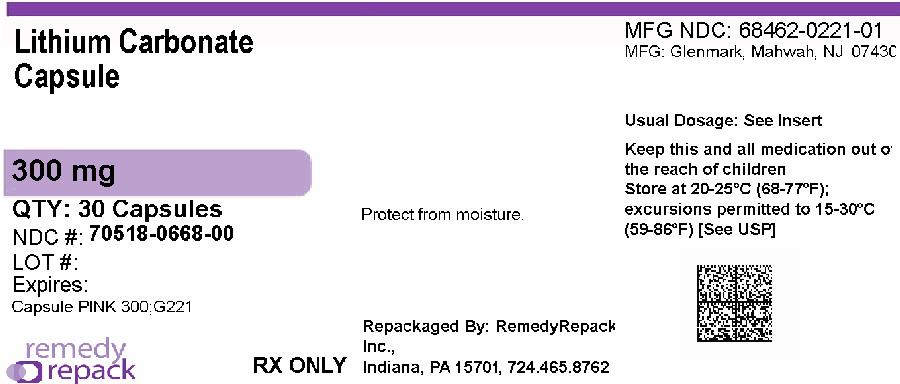
(carbonate · DailyMed)
LITHOSUN SR
LITHIUM CARBONATE
What it does
Carbonate is used to help manage acidity in the stomach and can be found in various over-the-counter products.
Commonly used for: stomach acidity, indigestion, heartburn
Read more in plain English ↓Plain-language summary for general understanding - not medical advice. Always follow your pharmacist/doctor.
Ask about this medicine
Answers come only from this medicine's registration record, BNF monograph and interaction data - not medical advice.
Hard to find? We help patients in Kenya source rare medicines. We don't sell or dispense medicines - licensed pharmacies do.
Source this medicineRegistration & product details
Source: Pharmacy and Poisons Board · fetched 2026-01-28 19:16:53 · updated 2026-09-29 02:15:15
Drug Interactions
11Pharmacodynamic Warnings
Lithium appears in TABLE 9: Drugs that prolong the QT interval
Lithium appears in TABLE 13: Drugs that cause serotonin syndrome
Severe (1)
Lithium - affects exposure
Mexiletinepotentiallyaffectstheexposuretolithium.Avoid. qTheoretical
Moderate (4)
Lithium - increases concentration
ACE inhibitors are predicted to increase the concentration of lithium. Monitor and adjust dose.
Lithium - increases concentration
Metronidazole is predicted to increase the concentration of lithium. Avoid or adjust dose.
Lithium - increases risk of lithium toxicity
Tetracyclines are predicted to increase the risk of lithium toxicity when given with lithium. Avoid or adjust dose.
Lithium - decreases concentration
Theophylline is predicted to decrease the concentration of lithium. Monitor concentration and adjust dose.
Unknown (6)
Lithium - affects concentration
Acetazolamidealterstheconcentrationoflithium.r Anecdotal
Lithium - decreases concentration
Aminophyllineispredictedtodecreasetheconcentrationof lithium.oTheoretical
Lithium - decreases concentration
Sodiumbicarbonatedecreasestheconcentrationoflithium. rAnecdotal
Lithium - increases risk of neurotoxicity
Zuclopenthixol potentially increases the risk of neurotoxicity when given with lithium. Anecdotal → Also see TABLE 9 p. 1519 Live vaccines. Bacillus Calmette-Guérin vaccine herpes-zoster vaccine, live
Lithium - increases concentration
Eplerenonepotentiallyincreasestheconcentrationoflithium. Avoid.oTheoretical
Lithium - increases concentration
Spironolactone potentially increases the concentration of lithium.
Data from BNF 85 (British National Formulary). This is not a substitute for professional medical advice. Matched via: exact
About carbonate
Carbonate is used to help manage acidity in the stomach and can be found in various over-the-counter products.
What it treats
- stomach acidity
- indigestion
- heartburn
How it works
Carbonate helps neutralize stomach acid, providing relief from discomfort caused by excess acidity.
Who it's for
Adults and children experiencing symptoms of stomach acidity or indigestion.
AI-assisted summary grounded in BNF data - general information only, not medical advice. Always confirm with your pharmacist or doctor.
About lithium
Lithium is a medication used to help stabilize mood, particularly in conditions like bipolar disorder.
What it treats
- bipolar disorder
- manic depression
How it works
Lithium works by balancing chemicals in the brain that affect mood and behavior.
Who it's for
This medication is for adults who experience mood swings or episodes of mania.
Cautions
- • Be cautious if taking medications that can affect heart rhythm.
- • Avoid drugs that may cause serotonin syndrome, a serious condition that affects mood and behavior.
AI-assisted summary grounded in BNF data - general information only, not medical advice. Always confirm with your pharmacist or doctor.
Clinical monograph: Lithiumcitrate
BNF-referencedLithium citrate is a medication primarily used to treat mental health disorders, including mania and bipolar disorder. It is also indicated for the prophylaxis of recurrent depression and for managing aggressive or self-harming behaviors. Lithium citrate acts as a mood stabilizer by modulating neurotransmitter release and enhancing neuronal resilience.
Indications
- Treatment of mania
- Treatment of bipolar disorder
- Prophylaxis of recurrent depression
- Prophylaxis of aggressive or self-harming behavior
Dosage
Children: Dose adjusted according to serum-lithium concentration; doses are initially divided throughout the day, but once daily administration is preferred when serum-lithium concentration is stabilized.
Adults: Initially 450–675 mg twice daily, adjusted according to serum-lithium concentration; doses are initially divided throughout the day, but once daily administration is preferred when serum-lithium concentration is stabilized.
Mechanism of action
Lithium exerts its therapeutic effects primarily through the inhibition of inositol monophosphatase and the modulation of glutamate levels in the brain. It influences intracellular signaling pathways, particularly those involving phosphoinositide metabolism, which plays a crucial role in synaptic transmission and neuroprotection. Additionally, lithium affects the serotoninergic and dopaminergic systems, contributing to mood stabilization.
Pharmacodynamics
Lithium's pharmacodynamic profile includes mood stabilization, reduction in the frequency and severity of manic episodes, and prevention of recurrent depressive episodes. Its effects are attributed to alterations in neurotransmitter levels and synaptic function, particularly through increased serotonin receptor sensitivity and decreased norepinephrine release.
Pharmacokinetics
Lithium is absorbed quickly from the gastrointestinal tract, with peak plasma concentrations occurring within 1-3 hours post-administration. It has a volume of distribution of about 0.7 L/kg and is primarily excreted unchanged by the kidneys. The half-life of lithium varies but is approximately 24 hours in patients with normal renal function. Serum lithium levels must be monitored to avoid toxicity, with therapeutic ranges typically between 0.6 and 1.2 mmol/L.
Adverse effects
- Nausea
- Vomiting
- Diarrhea
- Dizziness
- Tremors
- Weight gain
- Thyroid dysfunction
- Nephrotoxicity
- Cardiac arrhythmias
- Cognitive impairment
Interactions
- Diuretics may increase the risk of lithium toxicity
- Non-steroidal anti-inflammatory drugs (NSAIDs) may increase lithium levels
- Antidepressants may interact with lithium, especially SSRIs
- Antiepileptic drugs may alter lithium levels
Precautions
- Monitor renal function regularly
- Assess thyroid function periodically
- Use caution in patients with cardiovascular disease
- Monitor sodium intake as it affects lithium levels
- Adjust dosage in elderly patients due to decreased renal function
Pregnancy
Lithium should be used during pregnancy only if the potential benefit justifies the potential risk to the fetus. Risks include teratogenic effects, particularly during the first trimester.
Breast-feeding
Lithium is excreted in human milk. Caution is advised when administering to nursing mothers, and monitoring of the infant for signs of lithium toxicity is recommended.
Storage
Store in a cool, dry place away from direct sunlight. Keep out of reach of children.
Formulations
- Lithium citrate 250 mg tablets
- Lithium citrate liquid formulation
AI-synthesized from BNF references - general information only, not a substitute for professional medical advice or the current BNF. Verify doses with a pharmacist.
Clinical monograph: carbonate
BNF-referencedCarbonate is a polyatomic ion with the molecular formula CO3^2-. It plays a critical role in various biological processes, including the regulation of pH in biological systems and the formation of bicarbonate, which is essential for maintaining acid-base balance. Carbonates are commonly found in nature and are involved in buffering systems in blood and other bodily fluids.
Mechanism of action
Carbonate ions participate in buffering reactions that help maintain pH homeostasis in biological systems. They can react with acids to form bicarbonate and carbon dioxide, thus neutralizing excess acidity in the body. This mechanism is crucial in processes such as respiration and metabolism.
Pharmacodynamics
As a buffer, carbonate helps to stabilize pH levels in different biological environments, preventing excessive acidity or alkalinity that could impair cellular functions. It is involved in the transport of carbon dioxide in the blood and plays a role in maintaining the acid-base equilibrium necessary for physiological processes.
Pharmacokinetics
Carbonate ions are readily absorbed in the gastrointestinal tract when ingested and can be found in various body fluids. They are involved in the bicarbonate buffering system, where they are converted to bicarbonate (HCO3-) and carbon dioxide (CO2) through reactions with acids. The kidneys regulate the levels of bicarbonate and carbonate in the body, excreting or reabsorbing them as needed to maintain homeostasis.
Pregnancy
There is no specific information available regarding the use of carbonate compounds during pregnancy. Consult a healthcare provider for advice.
Breast-feeding
There is no specific information available regarding the use of carbonate compounds while breastfeeding. Consult a healthcare provider for advice.
Storage
Store in a cool, dry place away from direct sunlight. Keep out of reach of children.
AI-synthesized from BNF references - general information only, not a substitute for professional medical advice or the current BNF. Verify doses with a pharmacist.
Clinical monograph: lithium
BNF-referencedLithium is an alkali metal used primarily in the treatment of bipolar disorder and for the management of acute mania. It is also utilized as an adjunctive treatment for depression, particularly in treatment-resistant cases. Lithium has mood-stabilizing properties and is effective in reducing the frequency and severity of mood episodes.
Indications
- Bipolar disorder
- Acute mania
- Adjunctive treatment for depression
Dosage
Children: Refer to the BNF for Children for specific dosing information for paediatric patients, as it varies based on age and weight.
Adults: The usual starting dose for the treatment of acute mania is 900 to 1200 mg per day, divided into two or three doses. Maintenance doses usually range from 600 to 900 mg per day, adjusted based on serum lithium levels.
Mechanism of action
The exact mechanism of action of lithium is not fully understood. However, it is believed to influence neurotransmitter release and receptor sensitivity, particularly in relation to serotonin and norepinephrine. Lithium also affects second messenger systems, particularly inositol monophosphate and cyclic AMP, which play critical roles in neuronal signaling and mood regulation.
Pharmacodynamics
Lithium exhibits mood-stabilizing effects, decreasing the severity and frequency of mood swings in individuals with bipolar disorder. It has anti-manic effects that can lead to a reduction in symptoms such as euphoria, irritability, and hyperactivity. Lithium also has neuroprotective properties and may enhance neuronal survival and function.
Pharmacokinetics
Lithium is absorbed from the gastrointestinal tract and achieves peak plasma concentrations within 1 to 3 hours after oral administration. It has a volume of distribution of approximately 0.7 L/kg and is primarily excreted unchanged by the kidneys. The half-life of lithium can vary from 18 to 36 hours, and it requires careful monitoring to maintain therapeutic levels, as the therapeutic range is narrow.
Contra-indications
- Severe renal impairment
- Cardiovascular disease
- Dehydration
- Hypersensitivity to lithium
Adverse effects
- Nausea
- Diarrhea
- Tremors
- Weight gain
- Polyuria
- Thyroid dysfunction
- Cognitive impairment
- Kidney damage
Interactions
- mexiletine: Severe (affects exposure)
- ace inhibitors: Moderate (increases concentration)
- metronidazole: Moderate (increases concentration)
- tetracyclines: Moderate (increases risk of lithium toxicity)
- theophylline: Moderate (decreases concentration)
- acetazolamide: Unknown (affects concentration)
- aminophylline: Unknown (decreases concentration)
- sodium bicarbonate: Unknown (decreases concentration)
- zuclopenthixol: Unknown (increases risk of neurotoxicity)
- eplerenone: Unknown (increases concentration)
Precautions
- Monitor renal function regularly
- Assess thyroid function prior to treatment
- Careful use in patients with cardiovascular conditions
- Ensure adequate hydration
- Monitor for signs of lithium toxicity
Pregnancy
Use with caution, potential risk of teratogenic effects. Monitor closely if used during pregnancy.
Breast-feeding
Lithium is excreted in breast milk. Caution is advised; monitor infant for signs of toxicity.
Storage
Store at room temperature, away from light and moisture. Keep out of reach of children.
Formulations
- Oral tablets
- Oral solution
AI-synthesized from BNF references - general information only, not a substitute for professional medical advice or the current BNF. Verify doses with a pharmacist.
Molecular reference: carbonate
PubChem CID 19660Molecular formula: CO3-2
Biological pathways
Source: PubChem (NCBI) · pathways from PathBank, Reactome, WikiPathways & PharmGKB.
Molecular reference: lithium
PubChem CID 3028194Molecular formula: Li
Source: PubChem (NCBI) · pathways from PathBank, Reactome, WikiPathways & PharmGKB.
This drug in other countries
The same active ingredient registered across other registries we cover - including different brands.
- BELL'S ANTACID MIXTURE ( Magnesium Trisilicate/Light Magnessium Carbonate/Sodium Bicarbonate 2.5%w/v/ 2.5%w/v/ 2.5%w/v 2.5%w/v) · Bells Sons & Company
- BHM MAGNESIUM TRISILICATE MIXTURE SUSPENSION (Each 5ml contains Magnesium Trisilicate/ Light Magnesium Carbonate / Sodium Bicarbonate 250mg/250mg/250mg) · Evangelist Temple Bryant Mission
- CALCID-DENK TABLETS (Each effervescent tablet contains Calcium carbonate/Cholecalciferol 1000mg/22µg) · Losan Pharma
- CALVION TABLETS · Medopharm
- CLEANSHIELD LIQUID SUPPLEMENT ( Sodium carbonate/ Sodium phosphate 0.49%/ 0.514%) · Allgone
- DRIVCAL TABLETS (Each tablet contains Calcium Carbonate) · Addii Biotech
- BABY_GRIPE_WATER COMBINATION PRODUCT LIOUID
- CA-C COMBINATION PRODUCT TABLET
- CALCIUM-D3 COMBINATION PRODUCT SUSPENSION
- CALCIUM-SANDOZ COMBINATION PRODUCT EFFERVESCENT TABLET
- COMPOUND_MAGNESIUM_TRISILICATE COMBINATION PRODUCT ORAL LIQUID
- ENO_ACTIVE_FRUIT_SALTS_APPLE COMBINATION PRODUCT POWDER
- ALBENOR 2500 · Dips Bioscience
- ALBENOR 300 · Dips Bioscience
- ATORVAS 20 · Madras Pharmaceuticals
- ATSTAT EZ 10mg/10mg (EZETIMIBE 10mg AND ATORVASTATIN 10mg FILM COATED TABLETS) · Ind-Swift
- ATSTAT EZ 20mg/10mg(EZETIMIBE 10mg AND ATORVASTATIN 20mg FILM COATED TABLETS) · Ind-Swift
- ATSTAT EZ 40mg/10mg (EZETIMIBE 10mg AND ATORVASTATIN 40mg FILM COATED TABLETS) · Ind-Swift
- AGOLITHO TABLET · Agog Pharma
- AMEROPEM · Pharco B
- CALCIVITA · Mega Lifesciences
- CALCIVITA FORTE · Mega Lifesciences
- CALOSHELL-500 COATED TABLETS · Emcure Pharmaceuticals
- Famotidine BP 10 mg, Magnesium hydroxide BP 165 mg, Calcium carbonate BP 800 mg · Milan Laboratories