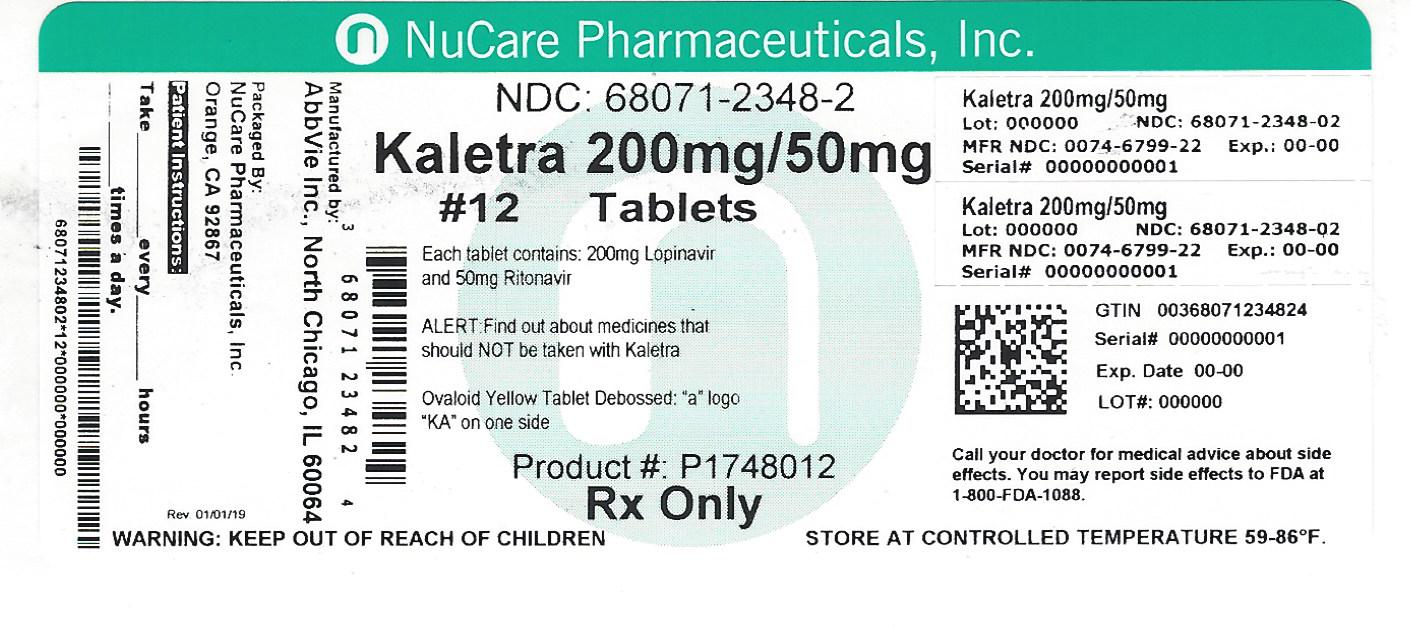
(lopinavir · DailyMed)
Lopinavir and Ritonavir Tablet
Colloidal silicon dioxide (Aerosil 200 pharma) 2.460 mg/6 mL,Colloidal silicon dioxide (Aerosil 200 pharma) 8.000 mg/6 mL,Colloidal silicon dioxide (Aerosil 200 pharma) 9.840 mg/6 mL,Copovidone (plasdone S 630) 170.760 mg/6 mL,Copovidone (plasdone S 630) 683.040 mg/6 mL,Lopinavir 200 mg/6 mL,Opadry Yellow 16B82511 30.000 mg/6 mL,Purified Water q.s q.s,Ritonavir 50 mg/6 mL,Sodium Stearyl Fumarate 12.000 mg/6 mL,Sorbitan Monolaurate 32.000 mg/6 mL,Sorbitan Monolaurate 35.12 mg/6 mL,Sorbitan Monolaurate 8.000 mg/6 mL,Sorbitan Monolaurate 8.780 mg/6 mL
What it does
Colloidal solutions are often used in various medical treatments and can help improve the delivery of certain medications.
Commonly used for: supporting hydration, helping with nutrient absorption, improving medication effectiveness
Read more in plain English ↓Plain-language summary for general understanding - not medical advice. Always follow your pharmacist/doctor.
Ask about this medicine
Answers come only from this medicine's registration record, BNF monograph and interaction data - not medical advice.
Medicine sourcing is available in Kenya only. We don't sell or dispense medicines - licensed pharmacies do.
Sourcing - Kenya onlyRegistration & product details
Source: Tanzania Medicines and Medical Devices Authority · fetched 2026-03-11 23:51:22 · updated 2026-09-17 03:00:44
Drug Interactions
63Severe (12)
Antipsychotics, Second Generation - affects exposure
Ritonavir is predicted to affect the exposure to antipsychotics, second generation (clozapine). Avoid.
Benzodiazepines - increases exposure
Ritonavir is predicted to increase the exposure to benzodiazepines (diazepam, flurazepam). Avoid.
Clopidogrel - decreases efficacy
Ritonavirmightdecreasetheefficacyofclopidogrel.Avoid. oTheoretical
Clozapine - affects exposure
Ritonavir is predicted to affect the exposure to antipsychotics, second generation (clozapine). Avoid.
Dabigatran - increases exposure
Ritonavir is predicted to increase the exposure to thrombin inhibitors (dabigatran). Avoid.
Moderate (11)
Antipsychotics, Second Generation - decreases exposure
Ritonavir is predicted to decrease the exposure to antipsychotics, second generation (olanzapine). Monitor and adjust dose.
Clarithromycin - increases exposure
Ritonavir increases the exposure to macrolides (clarithromycin). Adjust dose in renal impairment.
Deferasirox - decreases exposure
Ritonavir is predicted to decrease the exposure to iron chelators (deferasirox). Monitor serum ferritin and adjust dose.
Digoxin - increases concentration
Ritonavir increases the concentration of digoxin. Adjust dose and monitor concentration.
Ironchelators - decreases exposure
Ritonavir is predicted to decrease the exposure to iron chelators (deferasirox). Monitor serum ferritin and adjust dose.
Unknown (40)
Agomelatine - decreases exposure
Ritonavirispredictedtodecreasetheexposuretoagomelatine. oTheoretical
Albendazole - decreases exposure
Ritonavir decreases the exposure to albendazole.
Aliskiren - increases exposure
Ritonavirispredictedtoincreasetheexposuretoaliskiren. oTheoretical
Aminophylline - decreases exposure
Ritonavir decreases the exposure to aminophylline. Adjust dose.
Anaesthetics,local - decreases exposure
Ritonavir is predicted to decrease the exposure to anaesthetics, local (ropivacaine).
Data from BNF 85 (British National Formulary). This is not a substitute for professional medical advice. Matched via: exact
About colloidal
Colloidal solutions are often used in various medical treatments and can help improve the delivery of certain medications.
What it treats
- supporting hydration
- helping with nutrient absorption
- improving medication effectiveness
How it works
Colloidal solutions contain small particles that can help carry and deliver substances in the body more effectively.
Who it's for
Adults and children who need assistance with hydration or nutrient delivery.
AI-assisted summary grounded in BNF data - general information only, not medical advice. Always confirm with your pharmacist or doctor.
About copovidone
Copovidone is a substance often used as an ingredient in medications to help improve their effectiveness by aiding in the absorption of other active ingredients.
What it treats
- improving medication absorption
How it works
Copovidone helps other medicines work better by making it easier for the body to absorb them.
Who it's for
Copovidone is used in various medications, suitable for adults and children as directed.
AI-assisted summary grounded in BNF data - general information only, not medical advice. Always confirm with your pharmacist or doctor.
About dioxide
Dioxide is used in various medical applications, but specific details about its class or interactions are not provided.
How it works
The exact mechanism of action for dioxide is not specified, but it generally serves various therapeutic roles in medicine.
Who it's for
Dioxide may be suitable for individuals needing treatment related to its specific applications, but more information is needed to identify specific patient groups.
AI-assisted summary grounded in BNF data - general information only, not medical advice. Always confirm with your pharmacist or doctor.
About lopinavir
Lopinavir is an antiviral medicine used to help control HIV infection.
What it treats
- HIV infection (human immunodeficiency virus)
- AIDS (acquired immune deficiency syndrome)
How it works
Lopinavir works by stopping the virus from multiplying in the body, helping to manage HIV and improve immune function.
Who it's for
Lopinavir is for people living with HIV to help control the virus and improve their health.
AI-assisted summary grounded in BNF data - general information only, not medical advice. Always confirm with your pharmacist or doctor.
About monolaurate
Monolaurate is a natural compound derived from lauric acid, commonly found in coconut oil, that is used for its potential health benefits.
What it treats
- supporting immune health
- antimicrobial properties
- skin conditions like eczema
How it works
Monolaurate works by disrupting the outer layer of certain viruses and bacteria, helping to prevent infections.
Who it's for
It is suitable for individuals looking to support their immune system or manage certain skin conditions.
AI-assisted summary grounded in BNF data - general information only, not medical advice. Always confirm with your pharmacist or doctor.
About opadry
Opadry is a coating agent used in pharmaceutical formulations.
What it treats
- to improve the taste of medicines
- to protect the active ingredients in tablets and capsules
How it works
Opadry forms a protective layer around tablets and capsules, which helps to mask their taste and protect the ingredients from moisture and light.
Who it's for
Opadry is suitable for various patients who are taking medications in tablet or capsule form.
AI-assisted summary grounded in BNF data - general information only, not medical advice. Always confirm with your pharmacist or doctor.
About purified
Purified ingredients are often used in various medicines to ensure safety and effectiveness by removing impurities.
What it treats
- various medical conditions
How it works
Purified ingredients help in delivering the intended effects of the medicine without the risk of contaminants.
Who it's for
People who need medications with safe and effective ingredients.
AI-assisted summary grounded in BNF data - general information only, not medical advice. Always confirm with your pharmacist or doctor.
About ritonavir
Ritonavir is a medication primarily used to treat HIV infection. It helps boost the effectiveness of other HIV medications.
What it treats
- HIV infection
- Acquired Immunodeficiency Syndrome (AIDS)
How it works
Ritonavir works by inhibiting an enzyme that HIV needs to multiply, thus helping to control the virus in the body.
Who it's for
This medication is for individuals diagnosed with HIV or AIDS.
AI-assisted summary grounded in BNF data - general information only, not medical advice. Always confirm with your pharmacist or doctor.
About silicon
Silicon is a mineral that may help support healthy bones and connective tissues.
What it treats
- bone health
- joint health
- skin health
How it works
Silicon helps form collagen, which is important for maintaining the strength and elasticity of bones and tissues.
Who it's for
Silicon is for individuals looking to support their bone and joint health.
AI-assisted summary grounded in BNF data - general information only, not medical advice. Always confirm with your pharmacist or doctor.
About sorbitan
Sorbitan is a substance often used in products to help mix ingredients together and improve texture.
What it treats
- skin conditions
- wound care
- topical treatments
How it works
Sorbitan helps to blend oils and water in creams and lotions, making them smoother and easier to apply.
Who it's for
Sorbitan is suitable for people needing topical treatments for various skin conditions.
AI-assisted summary grounded in BNF data - general information only, not medical advice. Always confirm with your pharmacist or doctor.
About stearyl
Stearyl is a compound used in various formulations for its properties.
What it treats
- skin conditions
- moisturizing products
How it works
Stearyl helps to soften and smooth the skin, making it effective in moisturizing and protecting the skin barrier.
Who it's for
This ingredient is suitable for individuals looking for skin care solutions.
AI-assisted summary grounded in BNF data - general information only, not medical advice. Always confirm with your pharmacist or doctor.
About yellow
Yellow is a medicinal product used to treat various conditions.
What it treats
- general health support
How it works
The exact way Yellow works is not specified, but it is designed to support overall well-being.
Who it's for
Yellow is suitable for individuals looking to improve their general health.
AI-assisted summary grounded in BNF data - general information only, not medical advice. Always confirm with your pharmacist or doctor.
Clinical monograph: Ritonavir
BNF-referencedRitonavir is an antiretroviral medication primarily used in the treatment of HIV infection. It functions as a protease inhibitor, impeding the HIV protease enzyme's ability to cleave viral polyproteins, resulting in the production of immature and non-infectious viral particles. Ritonavir is often used in combination with other antiretroviral agents to enhance efficacy and improve therapeutic outcomes.
Indications
- HIV infection in combination with other antiretroviral drugs
Dosage
Children: For children over 2 years of age
Adults: The typical adult dose of ritonavir is 100–200 mg taken 1–2 times a day. For high-dose ritonavir used as a booster, the recommended dose is 800/200 mg once daily, but this should only be used in patients with an HIV strain that has fewer than 3 mutations to protease inhibitors.
Mechanism of action
Ritonavir inhibits the HIV protease enzyme, which is crucial for the cleavage of the viral polyprotein precursors into functional proteins essential for the formation of infectious HIV particles. By binding to the active site of the protease, ritonavir prevents this cleavage, leading to the production of non-infectious viral particles. Additionally, ritonavir is a potent inhibitor of the cytochrome P450 CYP3A4 isoenzyme, which enhances the pharmacokinetic profile of other protease inhibitors by reducing their metabolism.
Pharmacodynamics
Ritonavir exhibits antiviral activity specifically against HIV-1 by preventing the function of the viral protease. This inhibition disrupts the normal life cycle of HIV, resulting in immature viral particles that cannot propagate infection. Ritonavir is generally administered in conjunction with other antiretroviral therapies to achieve a synergistic effect, enhancing the overall antiviral activity and therapeutic success.
Pharmacokinetics
Ritonavir is well-absorbed when taken orally, with peak plasma concentrations occurring approximately 2 to 4 hours post-administration. Its bioavailability is influenced by food intake. The drug is extensively metabolized in the liver, primarily by the CYP3A4 enzyme. Ritonavir has a half-life of about 3 to 5 hours in adults, requiring multiple daily doses to maintain effective plasma levels. The drug is excreted mainly in feces, with minimal renal excretion.
Contra-indications
- Severe hepatic impairment
- Severe renal impairment
- History of pancreatitis
Adverse effects
- Nausea
- Diarrhea
- Vomiting
- Abdominal pain
- Increased risk of infections
- Pancreatitis
- Hyperlipidemia
- Fat redistribution
- Liver enzyme elevation
- Cardiac conduction disorders
- Visual impairment
- Peripheral neuropathy
- Hypersensitivity reactions
Interactions
- Ritonavir + antipsychotics (second-generation): Severe (affects exposure)
- Ritonavir + clozapine: Severe (affects exposure)
- Ritonavir + benzodiazepines: Severe (increases exposure)
- Ritonavir + diazepam: Severe (increases exposure)
- Ritonavir + flurazepam: Severe (increases exposure)
- Ritonavir + clopidogrel: Severe (decreases efficacy)
- Ritonavir + glecaprevir: Severe (increases exposure)
- Ritonavir + opioids: Severe (increases risk of central nervous system toxicity)
- Ritonavir + pethidine: Severe (increases risk of central nervous system toxicity)
- Ritonavir + tepotinib: Severe (increases exposure)
Precautions
- Monitor liver function tests regularly
- Use with caution in patients with a history of cardiac conduction disorders
- Evaluate signs of pancreatitis, discontinue if diagnosed
- Avoid use in severe impairment of hepatic or renal function
- Consider potential for drug interactions due to CYP3A4 inhibition
Pregnancy
Use during pregnancy only if the potential benefit justifies the potential risk to the fetus. Ritonavir is classified as Category B.
Breast-feeding
Ritonavir is excreted in breast milk. Weigh the benefits of breastfeeding against the potential risks of HIV transmission or adverse effects to the infant.
Storage
Store at room temperature, away from moisture and heat. Keep out of reach of children.
Formulations
- Ritonavir 50 mg tablets
AI-synthesized from BNF references - general information only, not a substitute for professional medical advice or the current BNF. Verify doses with a pharmacist.
Clinical monograph: colloidal
Colloidal solutions are mixtures in which small particles are dispersed throughout a continuous medium. They can be used in various medical applications, including as intravenous fluids for volume expansion and as drug delivery systems. Colloidal solutions can improve the solubility and stability of drugs, enhancing their therapeutic effects.
Indications
- Hypovolemic shock
- Severe burns
- Postoperative fluid replacement
- Sepsis
- Trauma management
Dosage
Children: Refer to established guidelines for specific dosing, as it varies based on the type of colloidal solution used and the clinical condition being treated.
Adults: Refer to established guidelines for specific dosing, as it varies based on the type of colloidal solution used and the clinical condition being treated.
Mechanism of action
Colloidal solutions work by maintaining oncotic pressure in the blood, thus helping to retain fluid within the vascular system. This is primarily due to the large molecular weight of the colloidal particles, which cannot easily pass through capillary walls. The presence of colloids in the blood helps to draw water into the circulation, increasing blood volume and improving tissue perfusion.
Pharmacodynamics
The pharmacodynamics of colloidal solutions are centered on their ability to exert osmotic pressure, which helps maintain blood volume and pressure. This effect is particularly important in conditions such as hypovolemia and shock, where fluid replacement is necessary to restore hemodynamic stability. The efficacy of colloidal solutions can vary depending on the type of colloid used, as well as the underlying clinical condition being treated.
Pharmacokinetics
Colloidal solutions are typically administered intravenously and their pharmacokinetics can vary based on the specific formulation. Generally, colloids are distributed throughout the vascular compartment and have a longer duration of action compared to crystalloids, as they remain in circulation longer. The elimination of colloids is primarily through the reticuloendothelial system, where they are metabolized or eliminated by the liver and spleen. Factors such as particle size and composition can influence their distribution and clearance.
Adverse effects
- Allergic reactions
- Injection site reactions
- Nausea
- Vomiting
- Headache
- Fever
Precautions
- Use with caution in patients with known allergies to any component of the formulation
- Monitor for signs of hypersensitivity during administration
- Consider volume overload in patients with cardiac or renal impairment
Pregnancy
The safety of colloidal solutions during pregnancy has not been established. Use only if the potential benefit justifies the potential risk to the fetus.
Breast-feeding
It is not known whether colloidal solutions are excreted in human milk. Caution should be exercised when administering to breastfeeding mothers.
Storage
Store at room temperature, protect from light, and do not freeze. Keep out of reach of children.
Formulations
- Colloidal silver
- Colloidal gold
- Colloidal iron
- Other metal colloids
AI-synthesized from BNF references - general information only, not a substitute for professional medical advice or the current BNF. Verify doses with a pharmacist.
Clinical monograph: copovidone
Copovidone is a synthetic polymer derived from polyvinylpyrrolidone (PVP) and is commonly used as a binder, stabilizer, and film-forming agent in pharmaceutical formulations. It is utilized in various dosage forms including tablets, capsules, and topical preparations due to its excellent solubility and compatibility with other excipients. Copovidone enhances the bioavailability of poorly soluble drugs by improving their dissolution characteristics.
Indications
- Used as a binder in tablet formulations
- Acts as a stabilizer in liquid formulations
- Serves as a film-forming agent in topical preparations
Dosage
Children: Refer to specific formulations for guidance; dosages will vary based on the formulation and therapeutic use.
Adults: Refer to specific formulations for guidance; dosages will vary based on the formulation and therapeutic use.
Mechanism of action
Copovidone acts primarily as a binder in solid dosage forms. It forms a cohesive gel in the presence of moisture, which helps in the agglomeration of powder particles, thus improving the mechanical strength and integrity of tablets. Additionally, copovidone can enhance drug solubility and dissolution rate, thereby facilitating better absorption of active pharmaceutical ingredients.
Pharmacodynamics
As a polymer, copovidone does not exert a pharmacological effect in the traditional sense but plays a crucial role in the pharmaceutical formulation process. It aids in the uniform distribution of active ingredients and can enhance the stability of formulations, thereby ensuring consistent therapeutic efficacy. Its properties allow for the sustained release of drugs when used in controlled-release formulations.
Pharmacokinetics
Copovidone is not absorbed in the gastrointestinal tract and therefore does not exhibit systemic pharmacokinetics. Instead, it remains in the gastrointestinal lumen, where it can affect the release and absorption of other co-administered drugs. Its degradation products are typically non-toxic and are excreted without causing harm to the body.
Adverse effects
- Hypersensitivity reactions
- Nausea
- Vomiting
- Diarrhea
- Abdominal pain
Precautions
- Use with caution in patients with known allergies to polyvinyl compounds
- Evaluate risk of allergic reactions in sensitive individuals
Pregnancy
Safety during pregnancy has not been established. Use only if clearly needed and potential benefits justify the risks.
Breast-feeding
It is not known whether copovidone is excreted in human milk. Caution is advised when administering to nursing mothers.
Storage
Store in a cool, dry place, protected from light. Keep out of reach of children.
Formulations
- Oral tablets
- Capsules
- Topical ointments
AI-synthesized from BNF references - general information only, not a substitute for professional medical advice or the current BNF. Verify doses with a pharmacist.
Clinical monograph: dioxide
Dioxide refers to a class of chemical compounds that contain two oxygen atoms bonded to another element or group. The most commonly referenced dioxide is carbon dioxide (CO2), a colorless, odorless gas produced by respiration in animals and plants and by the combustion of organic matter. In a clinical context, dioxides are often involved in various physiological processes and can play roles in drug mechanisms, particularly with respect to gas exchange and acid-base balance in the body.
Indications
- Monitoring respiratory function
- Assessment of metabolic status
- Management of respiratory acidosis
- Management of respiratory alkalosis
Dosage
Children: Dosing for interventions related to carbon dioxide levels in pediatric patients should be guided by clinical protocols and the BNF for Children.
Adults: Dosing for interventions related to carbon dioxide levels is typically based on clinical assessment and individual patient needs. Refer to clinical guidelines for specific scenarios.
Mechanism of action
Carbon dioxide acts primarily as a signaling molecule in the body, influencing respiratory drive and blood pH. It is produced during cellular respiration and is a critical component of the bicarbonate buffering system, which helps maintain acid-base homeostasis. Elevated levels of CO2 in the blood stimulate ventilation in the lungs, increasing the rate of gas exchange and facilitating the removal of excess CO2.
Pharmacodynamics
The pharmacodynamic effects of dioxides, particularly carbon dioxide, are closely related to its concentration in the blood. As CO2 levels increase, it leads to respiratory acidosis, which can stimulate the respiratory centers in the brain to increase ventilation. Conversely, low levels of CO2 can cause respiratory alkalosis, potentially leading to decreased respiratory drive. CO2 also plays a role in vasodilation and can affect blood flow and pressure through its influence on smooth muscle tone.
Pharmacokinetics
Carbon dioxide is produced endogenously during metabolic processes and is transported in the bloodstream primarily in three forms: dissolved in plasma, as bicarbonate ions (HCO3-), and bound to hemoglobin. The half-life of CO2 in the bloodstream is very short due to its rapid exchange with alveolar gas in the lungs. The elimination of CO2 occurs through exhalation, making it a dynamic component of respiratory physiology.
Pregnancy
Data on the effects of dioxide during pregnancy are limited. Caution is advised due to potential risks associated with exposure.
Breast-feeding
Limited data are available regarding the excretion of dioxide in human milk. Caution is recommended.
Storage
Store in a cool, dry place, away from direct sunlight and moisture.
AI-synthesized from BNF references - general information only, not a substitute for professional medical advice or the current BNF. Verify doses with a pharmacist.
Clinical monograph: lopinavir
BNF-referencedLopinavir is an antiretroviral medication that is primarily used in combination with ritonavir for the treatment of HIV infection. It belongs to the class of drugs known as protease inhibitors, which work by inhibiting the HIV-1 protease enzyme, thereby preventing the cleavage of viral proteins necessary for the maturation of infectious viral particles. Lopinavir is used as part of highly active antiretroviral therapy (HAART) to reduce viral load and improve immune function in individuals living with HIV.
Indications
- HIV infection
- AIDS (Acquired Immunodeficiency Syndrome)
- HIV-related opportunistic infections
Dosage
Adults: The recommended dose of lopinavir when used in combination with ritonavir is 400 mg/100 mg taken twice daily or 800 mg/200 mg taken
Mechanism of action
Lopinavir acts as an inhibitor of the HIV-1 protease enzyme, a dimeric aspartic protease that cleaves the Gag polyprotein into functional viral proteins. By mimicking the normal peptide linkage cleaved by the HIV protease, lopinavir prevents the proteolytic cleavage of the Gag polyprotein, leading to the production of immature, non-infectious viral particles. This mechanism disrupts the HIV lifecycle and reduces the infectivity of the virus.
Pharmacodynamics
Lopinavir inhibits the activity of HIV protease, which is critical for HIV maturation. It has a moderate duration of action, necessitating administration once or twice daily. As a protease inhibitor, lopinavir is prone to drug interactions due to its effects on the cytochrome P450 enzyme system. Caution is advised when administering it alongside other medications. Adverse effects may include hepatotoxicity and pancreatitis, particularly in patients with pre-existing risk factors.
Pharmacokinetics
Lopinavir is well absorbed after oral administration, with a bioavailability that can be affected by food. It is metabolized primarily by the liver through the cytochrome P450 system, particularly CYP3A4, which can lead to significant drug interactions. The elimination half-life of lopinavir is approximately 5 to 6 hours, but it can be prolonged when taken with ritonavir. The drug is primarily excreted in the feces, with a small percentage eliminated in the urine.
Contra-indications
- Severe hypersensitivity to lopinavir or any component of the formulation
- Severe hepatic impairment
- Concomitant use with certain drugs that are highly dependent on CYP3A for clearance and that may cause significant drug interactions
Adverse effects
- Nausea
- Diarrhea
- Vomiting
- Abdominal pain
- Headache
- Fatigue
- Hyperlipidemia
- Hepatotoxicity
- Pancreatitis
Interactions
- CYP3A4 inhibitors and inducers
- Anticoagulants
- Anticonvulsants
- Antituberculosis medications
- Hormonal contraceptives
Precautions
- Monitor liver function tests due to risk of hepatotoxicity
- Monitor for signs and symptoms of pancreatitis
- Use with caution in patients with a history of liver disease or pancreatitis
- Evaluate for potential drug-drug interactions before initiating therapy
Pregnancy
Lopinavir is classified as category C. It should be used during pregnancy only if the potential benefit justifies the potential risk to the fetus.
Breast-feeding
Lopinavir is excreted in human milk. The decision to continue or discontinue breastfeeding should consider the importance of the drug to the mother.
Storage
Store at room temperature, away from moisture and heat. Protect from light.
Formulations
- Lopinavir/ritonavir combination tablets
- Lopinavir/ritonavir oral solution
AI-synthesized from BNF references - general information only, not a substitute for professional medical advice or the current BNF. Verify doses with a pharmacist.
Clinical monograph: monolaurate
Monolaurate, also known as glycerol monolaurate or lauric acid monoglyceride, is a compound derived from lauric acid, a medium-chain fatty acid found in coconut oil and palm kernel oil. It is known for its antimicrobial properties and potential health benefits, including immune system support and gastrointestinal health. Monolaurate is often used in food and dietary supplements for its emulsifying and preservative qualities.
Indications
- Antimicrobial agent
- Support for immune function
- Gastrointestinal health
- Emulsifying agent in food products
Dosage
Children: Refer to specific product guidelines or consult a healthcare provider, as dosing can vary based on the formulation and intended use.
Adults: Refer to specific product guidelines or consult a healthcare provider, as dosing can vary based on the formulation and intended use.
Mechanism of action
Monolaurate exhibits its antimicrobial activity primarily through disruption of lipid membranes of bacteria, viruses, and fungi. Its mechanism involves the incorporation into the lipid bilayer of microbial cell membranes, leading to increased permeability and eventual cell lysis. This action makes it effective against a wide range of pathogens, including Gram-positive and Gram-negative bacteria.
Pharmacodynamics
Monolaurate has been shown to possess antiviral, antibacterial, and antifungal properties. The compound works by destabilizing the lipid membranes of pathogens, which can lead to their death. Additionally, it may enhance the immune response by promoting the activity of immune cells, although the exact pathways involved are still being explored. The effects of monolaurate can vary based on the concentration used and the specific microorganisms targeted.
Pharmacokinetics
Monolaurate is absorbed in the gastrointestinal tract and is rapidly metabolized into free fatty acids and glycerol. The medium-chain fatty acids can be readily transported to the liver and utilized for energy or converted into ketone bodies. Its bioavailability can be influenced by dietary fats present in the meal, as fats can enhance the absorption of monolaurate. The elimination half-life and specific metabolic pathways in humans are not well characterized, necessitating further research.
Pregnancy
There is insufficient data to determine the safety of monolaurate during pregnancy. Caution is advised.
Breast-feeding
Limited information is available on the safety of monolaurate during breastfeeding. Consult a healthcare provider before use.
Storage
Store in a cool, dry place, away from direct sunlight and heat.
Formulations
- Capsules
- Powder
- Liquid
AI-synthesized from BNF references - general information only, not a substitute for professional medical advice or the current BNF. Verify doses with a pharmacist.
Clinical monograph: opadry
Opadry is a film-coating system used in the pharmaceutical industry to coat tablets and granules. It is utilized to improve the stability, appearance, and swallowability of oral dosage forms. Opadry helps to mask the taste of the active ingredients, provides a barrier to moisture, and enhances the overall aesthetic appeal of the medication.
Indications
- Tablet coating
- Granule coating
- Improvement of drug stability
- Taste masking
- Aesthetic enhancement of pharmaceuticals
Dosage
Children: Dosage will depend on the specific formulation and active ingredients of the medication being coated. Refer to the specific product information for guidance.
Adults: Dosage will depend on the specific formulation and active ingredients of the medication being coated. Refer to the specific product information for guidance.
Mechanism of action
Opadry functions primarily as a coating polymer that adheres to the surface of tablets or granules, creating a protective layer. This layer can control the release of the active ingredient and protect it from environmental factors such as moisture and light. The specific composition of Opadry can vary, but it typically includes film-forming agents, plasticizers, and colorants that work together to achieve the desired coating characteristics.
Pharmacodynamics
The pharmacodynamics of Opadry is largely focused on its physical and chemical properties rather than specific biological interactions. The coating alters the dissolution characteristics of the drug, potentially leading to modified release profiles. This can enhance drug bioavailability or control the release rate of the active ingredient, thereby impacting the therapeutic effect.
Pharmacokinetics
As a coating agent, Opadry itself is not absorbed into the systemic circulation and does not have pharmacokinetic properties related to absorption, distribution, metabolism, or excretion of an active pharmaceutical ingredient. Its impact on pharmacokinetics is indirect, as it affects how the active drug is released and absorbed in the gastrointestinal tract.
Pregnancy
Opadry is a film-coating agent, and specific studies on its effects during pregnancy are not well-documented. Generally, it is advisable to use medications cautiously during pregnancy. Consult a healthcare provider for guidance.
Breast-feeding
Limited data are available regarding the safety of Opadry during breastfeeding. It is recommended to consult a healthcare provider before use.
Storage
Store in a cool, dry place away from direct sunlight and moisture. Keep out of reach of children.
Formulations
- Opadry OY - a coating system for oral solid dosage forms
- Opadry II - a polymer-based coating system for tablet and capsule applications
AI-synthesized from BNF references - general information only, not a substitute for professional medical advice or the current BNF. Verify doses with a pharmacist.
Clinical monograph: purified
Purified refers to a substance that has been processed to remove impurities, contaminants, or unwanted substances, resulting in a more concentrated and effective form of the original compound. In pharmacology, purified compounds are often used to enhance therapeutic efficacy and reduce adverse effects. The purification process can apply to a variety of substances, including drugs, biological products, and chemical compounds.
Dosage
Children: Refer to specific drug formulations and product labels as purified substances can vary widely in their use and dosing.
Adults: Refer to specific drug formulations and product labels as purified substances can vary widely in their use and dosing.
Mechanism of action
The mechanism of action for purified compounds varies widely depending on the specific substance. Generally, purified drugs exert their effects by interacting with specific biological targets, such as receptors, enzymes, or ion channels, leading to a desired therapeutic effect. This interaction can involve binding to receptors to activate or inhibit signaling pathways, modulating enzymatic activity, or altering physiological processes.
Pharmacodynamics
Pharmacodynamics describes the effects of a drug on the body and the relationship between drug concentration and effect. For purified drugs, this can involve dose-response relationships and the time course of their action. The purified form often enhances potency and reduces variability in response among patients, which can lead to more predictable therapeutic outcomes. The overall effect is determined by the drug's affinity for its target, the efficacy of the drug-receptor interaction, and the downstream signaling pathways activated as a result of this interaction.
Pharmacokinetics
Pharmacokinetics involves the absorption, distribution, metabolism, and excretion (ADME) of a drug. For purified substances, absorption can be more efficient due to the absence of impurities that may affect solubility or stability. Distribution may also be enhanced, leading to higher bioavailability. Metabolism can be influenced by the structure of the purified compound, as it may be metabolized more readily by liver enzymes. Excretion typically occurs through the kidneys or liver, depending on the molecular characteristics of the purified drug.
Pregnancy
Consult with a healthcare professional, as the safety of purified forms of medications during pregnancy may vary depending on the specific substance.
Breast-feeding
Consult with a healthcare professional, as the safety of purified forms of medications during breastfeeding may vary depending on the specific substance.
Storage
Store in a cool, dry place, away from light and moisture, and keep out of reach of children.
AI-synthesized from BNF references - general information only, not a substitute for professional medical advice or the current BNF. Verify doses with a pharmacist.
Clinical monograph: silicon
BNF-referencedSilicon, represented by the molecular formula Si, is a metalloid that plays a significant role in various biological processes, particularly in the formation of connective tissues and bone. It is thought to contribute to the structural integrity of collagen and other extracellular matrix components. Silicon is not classified as an essential element in the human diet, but it is involved in the metabolism of minerals and may affect bone health and formation.
Indications
- Potential role in bone health
- Support for connective tissue formation
- May aid in mineral metabolism
Dosage
Children: There is no established clinical dosage for silicon in paediatric populations, as it is not classified as an essential nutrient.
Adults: There is no established clinical dosage for silicon in adults, as it is not classified as an essential nutrient.
Mechanism of action
Silicon is believed to enhance the synthesis of glycosaminoglycans and collagen, which are important for the structural integrity of connective tissues. It may also influence the activity of certain enzymes involved in bone mineralization, thus playing a role in maintaining bone density and health.
Pharmacodynamics
The pharmacodynamics of silicon is not fully elucidated; however, it is thought to involve the modulation of bone metabolism and the promotion of connective tissue health. Silicon may have a synergistic effect with other minerals, such as calcium and magnesium, aiding in their utilization and metabolism in the body.
Pharmacokinetics
The pharmacokinetics of silicon is complex, as it is not absorbed through typical gastrointestinal pathways. Instead, silicon is thought to be taken up in the form of silicates and then distributed throughout the body, particularly in connective tissues. The elimination of silicon occurs primarily through renal excretion, with some variations depending on dietary intake and individual metabolism.
Pregnancy
Silicon is generally considered safe during pregnancy, as it is a naturally occurring element in the human body. However, specific recommendations regarding supplementation should be followed based on the advice of a healthcare provider.
Breast-feeding
Silicon is present in breast milk in small amounts. Its safety during breastfeeding is generally regarded as acceptable, although supplementation should be approached with caution and under medical advice.
Storage
Silicon should be stored in a cool, dry place, protected from light and moisture. Follow specific storage recommendations provided by the manufacturer if available.
AI-synthesized from BNF references - general information only, not a substitute for professional medical advice or the current BNF. Verify doses with a pharmacist.
Clinical monograph: sorbitan
Sorbitan, also known as sorbitan esters, is a group of emulsifying agents commonly used in pharmaceuticals and food products. It is derived from sorbitol and is used to stabilize emulsions and improve the texture of various formulations. Sorbitan plays a crucial role in enhancing the solubility of lipophilic compounds in aqueous solutions, making it valuable in both topical and oral drug formulations.
Indications
- Emulsifying agent in topical formulations
- Stabilizing agent in oral drug formulations
- Food industry applications as an emulsifier
- Cosmetic formulations
Dosage
Children: Refer to specific formulation guidelines for dosage recommendations.
Adults: Refer to specific formulation guidelines for dosage recommendations.
Mechanism of action
Sorbitan acts primarily as a surfactant and emulsifier. Its amphiphilic nature allows it to reduce the surface tension between oil and water, thereby facilitating the formation and stabilization of emulsions. The hydrophilic part of the sorbitan molecule interacts with water, while the lipophilic part interacts with oils, promoting the mixing of immiscible liquids.
Pharmacodynamics
As an emulsifier, sorbitan enhances the bioavailability of lipophilic drugs by aiding their dispersion in aqueous environments. This property is particularly valuable in formulations where uniform distribution of active ingredients is critical for efficacy. Sorbitan may also impact the release profiles of drugs from emulsified formulations, potentially affecting the onset of action.
Pharmacokinetics
Sorbitan is generally considered to be poorly absorbed when administered orally, leading to minimal systemic exposure. Its primary role is local, serving as an excipient in formulations rather than as an active therapeutic agent. Due to its emulsifying properties, it may enhance the solubility and absorption of other drugs in the gastrointestinal tract, but the absorption characteristics of sorbitan itself are limited. Metabolism and excretion details specific to sorbitan are not well-documented, as it typically functions in a non-systemic capacity.
Pregnancy
Sorbitan has not been well studied in pregnant women. Use during pregnancy should be based on a risk-benefit assessment.
Breast-feeding
Sorbitan is generally considered safe during breastfeeding, however, there is limited data available.
Storage
Store at room temperature, away from moisture and heat. Keep container tightly closed.
Formulations
- Sorbitan monooleate
- Sorbitan monostearate
- Sorbitan tristearate
AI-synthesized from BNF references - general information only, not a substitute for professional medical advice or the current BNF. Verify doses with a pharmacist.
Clinical monograph: stearyl
Stearyl, also known as stearyl alcohol, is a long-chain saturated fatty alcohol commonly used in various cosmetic and pharmaceutical formulations. It serves as an emollient, emulsifier, and thickening agent, contributing to the stability and texture of products. Stearyl alcohol is typically derived from natural sources such as palm oil or coconut oil, and it is recognized for its skin-conditioning properties.
Indications
- Dry skin conditions
- Cosmetic formulations
- Emollient in topical creams and lotions
- Emulsifying agent in pharmaceutical preparations
Dosage
Children: For pediatric use, refer to specific product formulations and guidelines, as dosing may vary based on the formulation and concentration.
Adults: Stearyl alcohol is used topically in various formulations. Specific dosing is typically determined by the formulation and intended use, refer to product guidelines for detailed instructions.
Mechanism of action
Stearyl alcohol functions primarily as an emollient and emulsifier. It aids in the formation of stable emulsions by reducing the surface tension between oil and water phases, allowing for the creation of creams and lotions. Its hydrophobic tail interacts with lipids, while the hydroxyl group can form hydrogen bonds with water, enhancing moisture retention in the skin.
Pharmacodynamics
Stearyl alcohol acts by providing a protective barrier on the skin, reducing transepidermal water loss and enhancing hydration. Its emollient properties make it effective in softening and smoothing the skin, which can alleviate dryness and improve the overall appearance of the skin. Additionally, it can enhance the delivery of other active ingredients in topical formulations.
Pharmacokinetics
Stearyl alcohol is not significantly absorbed systemically when applied topically. Its primary action is local to the site of application, where it exerts its emollient effects. The compound is metabolized in the body to various fatty acids and alcohols, and it is excreted primarily through the skin and gastrointestinal tract, with minimal systemic exposure.
Pregnancy
Stearyl is generally considered safe for use during pregnancy; however, specific formulations should be evaluated for their ingredients.
Breast-feeding
Stearyl can be used while breastfeeding, but it's recommended to consult a healthcare provider for specific concerns regarding topical applications.
Storage
Store in a cool, dry place away from direct sunlight. Keep out of reach of children.
Formulations
- Cream
- Ointment
- Lotion
AI-synthesized from BNF references - general information only, not a substitute for professional medical advice or the current BNF. Verify doses with a pharmacist.
Clinical monograph: yellow
BNF-referencedYellow is a compound with the molecular formula C24H12O2. It is not a specific drug but may refer to a class of compounds or a colorant used in various applications. Detailed pharmacological data and clinical applications are not provided in the standard references.
Pregnancy
No specific data available, consult a healthcare professional.
Breast-feeding
No specific data available, consult a healthcare professional.
Storage
Store in a cool, dry place away from light.
AI-synthesized from BNF references - general information only, not a substitute for professional medical advice or the current BNF. Verify doses with a pharmacist.
Molecular reference: Ritonavir
PubChem CID 392622Molecular formula: C37H48N6O5S2
Mechanism of action
Ritonavic inhibits the HIV viral proteinase enzyme that normally cleaves the structural and replicative proteins that arise from major HIV genes, such as *gag* and *pol*. *Gag* encodes proteins involved in the core and the nucleocapsid, while *pol* encodes the the HIV reverse transcriptase, ribonuclease H, integrase, and protease. The *pol*-encoded proteins are initially translated in the form of a larger precursoe polypeptide, *gag-pol*, and needs to be cleaved by HIV protease to form other complement proteins. Ritonavir prevents the cleavage of the *gag-pol* polyprotein, which results in noninfectious, immature viral particles. Ritonavir is a potent inhibitor of cytochrome P450 CYP3A4 isoenzyme present both in the intestinal tract and liver. It is a type II ligand that perfectly fits into the CYP3A4 active site cavity and irreversibly binds to the heme iron via the thiazole nitrogen, which decreases the redox potential of the protein and precludes its reduction with the redox partner, cytochrome P450 reductase. Ritonavir may also play a role in limiting cellular transport and efflux of other protease inhibitors via the P-glycoprotein and MRP efflux channels. Unlike nucleoside antiretroviral agents, the antiviral activity of ritonavir does not depend on intracellular conversion to an active metabolite. Ritonavir and other HIV protease inhibitors (e.g., amprenavir, indinavir, lopinavir, nelfinavir, saquinavir) act at a different stage of the HIV replication cycle than nucleoside and nonnucleoside reverse transcriptase inhibitors, and results of in vitro studies indicate that the antiretroviral effects of HIV protease inhibitors and some nucleoside or nonnucleoside antiretroviral agents may be additive or synergistic. Ritonavir is a selective, competitive, reversible inhibitor of HIV protease. HIV protease, an aspartic endopeptidase that functions as a homodimer, plays an essential role in the HIV replication cycle and the formation of infectious virus. During HIV replication, HIV protease cleaves viral polypeptide products of the gag and gag-pol genes (i.e., p55 and p160) to form structural proteins of the virion core (i.e., p17, p24, p9, and p7) and essential viral enzymes (i.e., reverse transcriptase, integrase, and protease). By interfering with the formation of these essential proteins and enzymes, ritonavir blocks maturation of the virus and causes formation of nonfunctional, immature, noninfectious virions. Ritonavir is active in both acutely and chronically infected cells since it targets the HIV replication cycle after translation and before assembly. Thus, the drug is active in chronically infected cells (e.g., monocytes and macrophages) that generally are not affected by nucleoside reverse transcriptase inhibitors (e.g., didanosine, lamivudine, stavudine, zalcitabine, zidovudine). Ritonavir does not affect early stages of the HIV replication cycle; however, the drug interferes with production of infectious HIV and limits further infectious spread of the virus. While the complete mechanisms of antiviral activity of ritonavir have not been fully elucidated, ritonavir apparently inhibits replication of retroviruses, including human immunodeficiency virus type 1 (HIV-1) and 2 (HIV-2), by interfering with HIV protease. The drug, therefore, exerts a virustatic effect against retroviruses by acting as an HIV protease inhibitor.
Pharmacodynamics
Ritonavir is a protease inhibitor with activity against Human Immunodeficiency Virus Type 1 (HIV-1). Protease inhibitors block the part of HIV called protease. HIV-1 protease is an enzyme required for the proteolytic cleavage of the viral polyprotein precursors into the individual functional proteins found in infectious HIV-1. Ritonavir binds to the protease active site and inhibits the activity of the enzyme. This inhibition prevents cleavage of the viral polyproteins resulting in the formation of immature non-infectious viral particles. Protease inhibitors are almost always used in combination with at least two other anti-HIV drugs. Modern protease inhibitors require the use of low-dose ritonavir to boost pharmacokinetic exposure through inhibition of metabolism via the cytochrome P450 3A4 enzyme pathway.
Source: PubChem (NCBI) · pathways from PathBank, Reactome, WikiPathways & PharmGKB.
Molecular reference: lopinavir
PubChem CID 92727Molecular formula: C37H48N4O5
Mechanism of action
The HIV lifecycle is comprised of 3 distinct stages: assembly, involving creation and packaging of essential viral components; budding, wherein the viral particle crosses the host cell plasma membrane and forms a lipid envelope; and maturation, wherein the viral particle alters its structure and becomes infectious. At the center of this lifecycle is the Gag polyprotein which, along with the products of its proteolysis, coordinate these stages and function as the major structural proteins of the virus. The HIV-1 protease enzyme, a dimeric aspartic protease, is the enzyme responsible for cleaving the Gag polyprotein and thus plays a critical role in many aspects of the HIV viral lifecycle. Lopinavir is an inhibitor of the HIV-1 protease enzyme. Its design is based on the "peptidomimetic" principle, wherein the molecule contains a hydroxyethylene scaffold which mimics the normal peptide linkage (cleaved by HIV protease) but which itself cannot be cleaved. By preventing HIV-1 protease activity, and thus the proteolysis of the Gag polyprotein, lopinavir results in the production of immature, non-infectious viral particles. /The researchers/ have previously shown that the HIV protease inhibitor lopinavir has selective toxicity against human papillomavirus (HPV)-positive cervical carcinoma cells via an unknown mechanism. SiHa cervical carcinoma cells were stably transfected with the proteasome sensor vector pZsProSensor-1 to confirm lopinavir inhibits the proteasome in these cells. The Panorama Xpress profiler 725 antibody array was then used to analyse specific changes in protein expression in lopinavir-treated versus control untreated SiHa cells followed by PCR and western blotting. Colorimetric growth assays of lopinavir-treated E6/E7 immortalised versus control human keratinocytes were performed. Targeted small interfering RNA gene silencing followed by growth assay comparison of lopinavir-treated/untreated SiHa cells was also used. Lopinavir induced an increase in the fluorescence of pZsProSensor-1 transfected SiHa cells, indicative of proteasomal inhibition. Ribonuclease L (RNASEL) protein was shown to be up-regulated in lopinavir-treated SiHa cells, which was confirmed by PCR and western blot. Targeted silencing of RNASEL reduced the sensitivity of SiHa cells to lopinavir. Selective toxicity against E6/E7 immortalised keratinocytes versus control cells was also seen with lopinavir and was associated with up-regulated RNASEL expression. These data are consistent with the toxicity of lopinavir against HPV-positive cervical carcinoma cells being related to its ability to block viral proteasome activation and induce an up-regulation of the antiviral protein RNASEL. This is supported by the drug's selective toxicity and up-regulation of RNASEL in E6/E7 immortalised keratinocytes combined with the increased resistance to lopinavir observed in SiHa cells following silencing of RNASEL gene expression. Lopinavir inhibits replication of HIV type 1 (HIV-1) by interfering with HIV protease. During HIV replication, HIV protease cleaves viral polypeptide products of the gag and gag-pol genes to form structural proteins of the virion core and essential viral enzymes. By interfering with the formation of these essential proteins and enzymes, lopinavir blocks maturation of the virus and causes formation of nonfunctional, immature, noninfectious virions. Lopinavir also has some in vitro activity against HIV type 2 (HIV-2).
Pharmacodynamics
Lopinavir inhibits the activity of an enzyme critical for the HIV viral lifecycle. It has a moderate duration of action necessitating once or twice daily dosing. Lopinavir, like other protease inhibitors, has a propensity for participating in drug interactions - use caution when administering lopinavir to patients maintained on other pharmaceutical agents as pharmacodynamic and pharmacokinetic interactions are common. Fatal hepatotoxicity and pancreatitis have been noted in patients undergoing therapy with lopinavir and patients with an increased baseline risk of these events should be monitored closely throughout therapy.
Source: PubChem (NCBI) · pathways from PathBank, Reactome, WikiPathways & PharmGKB.
Molecular reference: silicon
PubChem CID 5461123Molecular formula: Si
Source: PubChem (NCBI) · pathways from PathBank, Reactome, WikiPathways & PharmGKB.
Molecular reference: yellow
PubChem CID 31412Molecular formula: C24H12O2
Source: PubChem (NCBI) · pathways from PathBank, Reactome, WikiPathways & PharmGKB.
This drug in other countries
The same active ingredient registered across other registries we cover - including different brands.
- ABACAVIR, LAMIVUDINE, LOPINAVIR AND RITONAVIR GRANULES 30 MG/15 MG/40 MG/10 MG · Phillips Healthcare
- ABHAYRAB · Surgipharm
- ALUVIA 100/25 TABLETS · Harleys
- ALUVIA 200/50 TABLETS · Harleys
- AMOKLAVIN ES 600MG/42.9MG ORAL SUSPENSION,100ML. · Pharmaco Healthcare
- ANZAVIR-R TABLETS · Surgilinks
- ANZAVIR-R TABLETS · Mylan Laboratories
- ATAZOR-R TABLETS · Emcure Pharmaceuticals
- BEEHIVE BALSAM SYRUP · Ayrton Saunders
- CIROTAMIN CAPLETS · Ciron Drugs & Pharmaceuticals
- DARUNAVIR+RITONAVIR TABLETS · Mylan Laboratories
- DR. X MEDICATED SOAP · Sunda Purecare Limited
- BEVAC® · Biological E. Limited
- COTRIMOL 400/80 · Ipca Labotratories Ltd
- CP-GLIMEPIRIDE 2 · Acme Formulation Pvt. Ltd
- DARUNAVIR & RITONAVIR · Mylan Laboratories
- EMPIGET TABLET 10MG · Getz Pharma Private Limited
- EMPIGET TABLET 25MG · Getz Pharma Private Limited