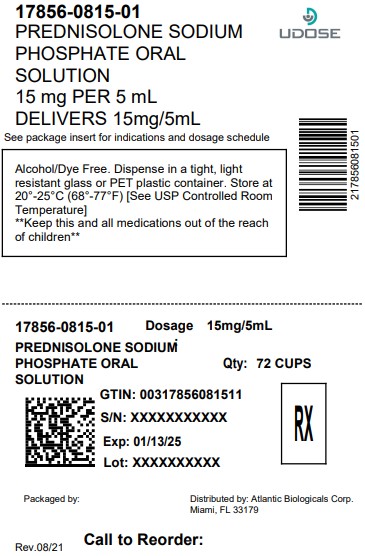
(prednisolone · DailyMed)
MASTINOR LC
Dihydrostreptomycin Sulphate 100 mg/6 mL,Liquid Paraffin up to 5 gram,Neomycin Sulphate 100 mg/6 mL,Prednisolone 10 mg/6 mL,Procaine Penicillin G 100000 IU,White Soft Paraffin 0.5 gram
What it does
Dihydrostreptomycin is an antibiotic used to treat certain bacterial infections.
Commonly used for: tuberculosis (TB), bacterial infections
Read more in plain English ↓Plain-language summary for general understanding - not medical advice. Always follow your pharmacist/doctor.
Ask about this medicine
Answers come only from this medicine's registration record, BNF monograph and interaction data - not medical advice.
Medicine sourcing is available in Kenya only. We don't sell or dispense medicines - licensed pharmacies do.
Sourcing - Kenya onlyRegistration & product details
Source: Tanzania Medicines and Medical Devices Authority · fetched 2026-03-11 23:42:39 · updated 2026-10-19 03:00:44
Drug Interactions
49Pharmacodynamic Warnings
Neomycin appears in TABLE 2: Drugs that cause nephrotoxicity
Prednisolone appears in TABLE 17: Drugs that reduce serum potassium
Neomycin appears in TABLE 19: Drugs that cause ototoxicity
Neomycin appears in TABLE 20: Drugs with neuromuscular blocking effects
Severe (3)
Agalsidasealfa - decreases effects
Aminoglycosidesarepredictedtodecreasetheeffectsof agalsidasealfa.Avoid.oTheoretical
Agalsidasebeta - decreases effects
Aminoglycosidesarepredictedtodecreasetheeffectsof agalsidasebeta.Avoid.oTheoretical
Mifamurtide - decreases efficacy
Corticosteroidsarepredictedtodecreasetheefficacyof mifamurtide.Avoid.rTheoretical
Moderate (20)
Corticosteroids - increases exposure
Dronedarone is predicted to increase the exposure to corticosteroids (methylprednisolone). Monitor and adjust dose.
Corticosteroids - increases concentration
Miconazole is predicted to increase the concentration of corticosteroids (methylprednisolone). Monitor and adjust dose.
Corticosteroids - increases exposure
Antifungals, azoles (fluconazole, isavuconazole, posaconazole) are predicted to increase the exposure to corticosteroids (methylprednisolone). Monitor and adjust dose.
Corticosteroids - decreases exposure
Cenobamate is predicted to decrease the exposure to corticosteroids (fluticasone). Adjust dose.
Corticosteroids - decreases efficacy
Mifepristone is predicted to decrease the efficacy of corticosteroids. Use with caution and adjust dose.
Unknown (26)
Aminoglycosides - decreases exposure
Miconazole potentially decreases the exposure to aminoglycosides (tobramycin).
Aspirin - decreases concentration
Corticosteroids are predicted to decrease the concentration of aspirin (high-dose) and aspirin (high-dose) increases the risk of gastrointestinal bleeding when given with corticosteroids.
Choline Salicylate - decreases concentration
Corticosteroids are predicted to decrease the concentration of cholinesalicylate. Ciclesonide → see corticosteroids Ciclosporin → see TABLE 2 p. 1517 (nephrotoxicity), TABLE 16 p. 1521 (increased seru
Corticosteroids - increases exposure
Cobicistat is predicted to increase the exposure to corticosteroids (beclometasone) (risk with beclometasone is likely to be lower than with other corticosteroids).
Corticosteroids - increases risk of gastrointestinal perforation
Erlotinib is predicted to increase the risk of gastrointestinal perforation when given with corticosteroids.
Data from BNF 85 (British National Formulary). This is not a substitute for professional medical advice. Matched via: class
About dihydrostreptomycin
Dihydrostreptomycin is an antibiotic used to treat certain bacterial infections.
What it treats
- tuberculosis (TB)
- bacterial infections
How it works
It fights bacteria by stopping their growth and reproduction.
Who it's for
This medicine is for adults and children with specific bacterial infections.
AI-assisted summary grounded in BNF data - general information only, not medical advice. Always confirm with your pharmacist or doctor.
About gram
Gram is a medication that may be used for various conditions.
How it works
The exact way Gram works is not specified, but it is used to treat certain health issues.
Who it's for
Gram may be prescribed for people with specific medical conditions as determined by a healthcare provider.
AI-assisted summary grounded in BNF data - general information only, not medical advice. Always confirm with your pharmacist or doctor.
About liquid
Liquid medications can come in various forms, including solutions, syrups, and suspensions. They are often used for easier swallowing and faster absorption.
What it treats
- nausea and vomiting
- pain relief
- fever reduction
- cough relief
How it works
Liquid medications are absorbed quickly into the body, providing rapid relief for various symptoms.
Who it's for
Liquid medications can be suitable for people of all ages, especially those who have difficulty swallowing tablets or capsules.
AI-assisted summary grounded in BNF data - general information only, not medical advice. Always confirm with your pharmacist or doctor.
About neomycin
Neomycin is an antibiotic used to treat infections caused by certain bacteria.
What it treats
- bacterial infections
- skin infections
- ear infections
How it works
Neomycin works by stopping the growth of bacteria.
Who it's for
Neomycin is for people who have bacterial infections that are sensitive to this antibiotic.
Drug class
Aminoglycosides
Cautions
- • Be careful if you are taking other medications that can harm the kidneys.
- • Avoid use with drugs that may cause hearing problems.
- • Use caution with medications that can affect muscle function.
AI-assisted summary grounded in BNF data - general information only, not medical advice. Always confirm with your pharmacist or doctor.
About paraffin
Paraffin is a substance used to help relieve constipation by softening stools.
What it treats
- constipation
- hard stools
How it works
Paraffin works by coating the stool and the intestines, making it easier to pass stools.
Who it's for
Paraffin is suitable for people experiencing constipation, particularly in cases where dietary changes are not sufficient.
Cautions
- • Avoid using if you have abdominal pain or intestinal blockage.
- • Consult a healthcare provider if symptoms persist.
AI-assisted summary grounded in BNF data - general information only, not medical advice. Always confirm with your pharmacist or doctor.
About penicillin
Penicillin is an antibiotic used to treat various bacterial infections.
What it treats
- bacterial infections
- pneumonia
- strep throat
- skin infections
How it works
Penicillin works by stopping the growth of bacteria, helping the body fight off the infection.
Who it's for
It is suitable for people who have bacterial infections that are known to respond to penicillin.
AI-assisted summary grounded in BNF data - general information only, not medical advice. Always confirm with your pharmacist or doctor.
About prednisolone
Prednisolone is a corticosteroid medication used to reduce inflammation and suppress the immune system.
What it treats
- inflammation
- allergic reactions
- asthma
- autoimmune diseases
- certain types of cancer
How it works
It works by mimicking the effects of hormones your body makes in the adrenal glands, helping to reduce swelling and control the immune response.
Who it's for
Prednisolone is prescribed for people with conditions that involve inflammation or an overactive immune system.
Drug class
Corticosteroids
Cautions
- • Be cautious if taking medications that lower potassium levels.
AI-assisted summary grounded in BNF data - general information only, not medical advice. Always confirm with your pharmacist or doctor.
About procaine
Procaine is a medication often used as a local anesthetic to numb specific areas of the body during medical procedures.
What it treats
- numbing during surgery
- to relieve pain in specific areas
How it works
Procaine works by blocking nerve signals in the area where it is applied, preventing feelings of pain.
Who it's for
Procaine is for patients needing local anesthesia for minor surgical procedures or pain relief.
AI-assisted summary grounded in BNF data - general information only, not medical advice. Always confirm with your pharmacist or doctor.
About soft
Soft is a medication that can help with various health issues.
What it treats
- general discomfort
- pain relief
- inflammation
How it works
Soft works by reducing pain and swelling in the body.
Who it's for
It is suitable for adults and children who need relief from discomfort or pain.
Cautions
- • Consult a healthcare provider before use if you have allergies.
- • Use with care if you have liver or kidney problems.
AI-assisted summary grounded in BNF data - general information only, not medical advice. Always confirm with your pharmacist or doctor.
About white
White is a medicinal product used for various health conditions.
How it works
White works by affecting certain processes in the body to help manage health issues.
Who it's for
White is suitable for individuals with specific health conditions as determined by a healthcare provider.
AI-assisted summary grounded in BNF data - general information only, not medical advice. Always confirm with your pharmacist or doctor.
Clinical monograph: Prednisolone
BNF-referencedPrednisolone is a synthetic corticosteroid that exhibits anti-inflammatory and immunosuppressive properties. It is commonly used to treat a variety of corticosteroid-responsive conditions, including inflammatory disorders, autoimmune diseases, and certain malignancies. Prednisolone works by modulating gene expression through binding to the glucocorticoid receptor, leading to decreased inflammation and altered immune responses.
Indications
- Corticosteroid-responsive conditions
- Autoimmune diseases
- Inflammatory eye conditions
- Certain malignancies
- Chronic inflammatory disorders
Dosage
Children: Refer to the BNF for Children for appropriate paediatric dosing recommendations based on age and weight.
Adults: Refer to the BNF for specific adult dosing guidelines based on the condition being treated. Doses may vary depending on the severity of the condition and the clinical response.
Mechanism of action
Prednisolone binds to the glucocorticoid receptor, resulting in altered gene expression that decreases vasodilation, capillary permeability, and leukocyte migration to sites of inflammation. It inhibits phospholipase A2, reducing the production of arachidonic acid derivatives, and suppresses pro-inflammatory transcription factors such as NF-Kappa B. This results in an anti-inflammatory effect at lower doses and immunosuppressive effects at higher doses.
Pharmacodynamics
Corticosteroids like prednisolone exert their effects by inhibiting pro-inflammatory signals and promoting anti-inflammatory signals through their action on the glucocorticoid receptor. Prednisolone has a relatively short half-life of 2.1 to 3.5 hours, and while it has a wide therapeutic window, long-term use can lead to hypothalamic-pituitary-adrenal axis suppression and increased infection risk.
Pharmacokinetics
Prednisolone is rapidly absorbed and has a short duration of action. Its pharmacokinetics involve extensive metabolism in the liver, primarily through hepatic enzymes, leading to various metabolites. The elimination half-life is approximately 2.1 to 3.5 hours, and it is primarily excreted in the urine. Chronic use can affect circadian rhythms and homeostasis.
Contra-indications
- Known allergy to prednisolone or any of its components
- Systemic fungal infections
- Active tuberculosis
- Untreated bacterial infections
Adverse effects
- Increased susceptibility to infections
- Gastrointestinal disturbances
- Fluid retention
- Hypertension
- Cushing's syndrome
- Osteoporosis
- Mood changes
- Hyperglycemia
Interactions
- Mitotane (Moderate - decreases exposure)
- Rifampicin (Moderate - decreases exposure)
- Cobicistat (Unknown - increases exposure)
- Idelalisib (Unknown - increases exposure)
- Clarithromycin (Unknown - increases exposure)
Precautions
- Monitor for signs of infection during therapy
- Use with caution in patients with a history of gastrointestinal ulcers
- Tapering of dosage may be necessary to avoid withdrawal symptoms
- Consider potential effects on growth in pediatric patients
Pregnancy
Prednisolone is classified as a Category C drug. It should only be used if the potential benefits justify the potential risk to the fetus.
Breast-feeding
Prednisolone is excreted in breast milk. Caution should be exercised when administered to nursing mothers.
Storage
Store in a cool, dry place away from light. Keep out of reach of children.
Formulations
- Tablets: 2 mg, 4 mg, 16 mg, 100 mg
- Suspension for injection
- Powder and solvent for solution for injection
AI-synthesized from BNF references - general information only, not a substitute for professional medical advice or the current BNF. Verify doses with a pharmacist.
Clinical monograph: Neomycinsulfate
BNF-referencedNeomycin sulfate is an aminoglycoside antibiotic used primarily for its effectiveness against a wide range of gram-negative bacterial infections. It is often employed in topical formulations but can also be used systemically for bowel sterilization before surgical procedures and in the treatment of hepatic coma. The drug acts by inhibiting bacterial protein synthesis, thus halting bacterial growth and replication.
Indications
- Bowel sterilization before surgery
- Hepatic coma
- Topical infections caused by susceptible organisms
Dosage
Children: Refer to the BNF for Children for appropriate dosing information.
Adults: By mouth: 1 g every 1 hour for 4 hours, then 1 g every 4 hours for 2–3 days. For hepatic coma: Up to 4 g daily in divided doses usually for 5–7 days.
Mechanism of action
Neomycin sulfate binds to the 30S ribosomal subunit of bacteria, leading to the misreading of mRNA and the inhibition of protein synthesis. This disrupts the production of essential proteins needed for bacterial growth and function, ultimately resulting in cell death.
Pharmacodynamics
Neomycin demonstrates bactericidal activity against susceptible bacteria. Its efficacy is enhanced in alkaline environments, which is why it is often used in combination with other agents for surgical prophylaxis. The drug is primarily effective against a range of gram-negative organisms, including Escherichia coli and Klebsiella species, but also has some activity against gram-positive organisms.
Pharmacokinetics
Neomycin is poorly absorbed from the gastrointestinal tract, and its systemic absorption is minimal when administered orally. In cases of systemic use, such as intramuscular or intravenous administration, neomycin is distributed widely in the body but is primarily excreted unchanged in the urine. The elimination half-life varies but is generally around 2 to 3 hours in individuals with normal renal function. Monitoring of serum concentrations is essential to prevent toxicity, especially in patients with renal impairment.
Adverse effects
- neurotoxicity
- ototoxicity
- nephrotoxicity
- allergic reactions
- skin rashes
- hearing loss
Interactions
- other nephrotoxic drugs
- loop diuretics
- neuromuscular blocking agents
Precautions
- monitor renal function
- use cautiously in patients with hearing impairment
- avoid concurrent use with other ototoxic medications
- ensure adequate hydration
Pregnancy
Safety in pregnancy has not been established. Use only if the potential benefit justifies the potential risk to the fetus.
Breast-feeding
Use caution; neomycin can be absorbed systemically and may affect the nursing infant.
Storage
Store at room temperature, away from light and moisture. Keep out of reach of children.
Formulations
- oral tablets
- topical ointments
- injectable solutions
AI-synthesized from BNF references - general information only, not a substitute for professional medical advice or the current BNF. Verify doses with a pharmacist.
Clinical monograph: dihydrostreptomycin
BNF-referencedDihydrostreptomycin is an aminoglycoside antibiotic that is used primarily to treat infections caused by certain bacteria. It is particularly effective against Mycobacterium tuberculosis, making it valuable in the treatment of tuberculosis. Dihydrostreptomycin works by inhibiting bacterial protein synthesis, which is essential for bacterial growth and replication.
Indications
- Tuberculosis
- Bacterial infections caused by susceptible strains of Mycobacteria
- Severe infections caused by Gram-negative bacteria
Dosage
Children: Refer to BNF for Children for appropriate pediatric dosing recommendations.
Adults: Refer to BNF for specific dosing guidance, as it may vary based on the indication and patient condition.
Mechanism of action
Dihydrostreptomycin binds to the 30S ribosomal subunit of bacteria, interfering with the initiation complex and causing misreading of the mRNA. This action leads to the production of nonfunctional proteins and ultimately results in bacterial cell death.
Pharmacodynamics
Dihydrostreptomycin exhibits concentration-dependent bactericidal activity against a variety of Gram-negative and some Gram-positive bacteria. Its efficacy is influenced by the peak concentration achieved relative to the minimum inhibitory concentration (MIC) of the organism.
Pharmacokinetics
Dihydrostreptomycin is administered parenterally due to poor oral absorption. It is widely distributed in body tissues and fluids, but does not penetrate well into the central nervous system. The drug is primarily eliminated by renal excretion, and its half-life can be prolonged in patients with renal impairment.
Contra-indications
- Hypersensitivity to dihydrostreptomycin or other aminoglycosides
- Severe renal impairment
- Myasthenia gravis
Adverse effects
- Ototoxicity, including hearing loss and vestibular dysfunction
- Nephrotoxicity, particularly with high doses or prolonged therapy
- Neuromuscular blockade
- Allergic reactions, including rash and anaphylaxis
Interactions
- Increased risk of nephrotoxicity with other nephrotoxic agents such as vancomycin, amphotericin B, and non-steroidal anti-inflammatory drugs (NSAIDs)
- Potentially enhanced neuromuscular blockade with neuromuscular blockers
Precautions
- Use with caution in patients with pre-existing renal impairment
- Monitor renal function regularly during therapy
- Assess hearing function prior to and during treatment
Pregnancy
Dihydrostreptomycin is categorized as a category D drug. It should be used during pregnancy only if the potential benefit justifies the potential risk to the fetus.
Breast-feeding
Dihydrostreptomycin is excreted in breast milk. Caution should be exercised when administering to breastfeeding women.
Storage
Store in a cool, dry place away from direct light. Keep out of reach of children.
Formulations
- Injection solution
AI-synthesized from BNF references - general information only, not a substitute for professional medical advice or the current BNF. Verify doses with a pharmacist.
Clinical monograph: gram
Gram is an antibiotic that is primarily used to treat bacterial infections. It belongs to the class of drugs known as aminoglycosides and is effective against a variety of gram-negative and some gram-positive bacteria. Its use is often limited to severe infections due to its potential for toxicity, particularly nephrotoxicity and ototoxicity.
Indications
- Severe infections caused by gram-negative bacteria
- Complicated urinary tract infections
- Bacterial sepsis
- Endocarditis caused by susceptible organisms
Dosage
Children: Dosing in children is also weight-based and varies by indication. Refer to the BNF for Children for specific dosing recommendations.
Adults: Dosage varies significantly based on the infection severity and type, renal function, and the specific bacterial susceptibility. Refer to clinical guidelines or the BNF for precise dosing.
Mechanism of action
Gram works by inhibiting bacterial protein synthesis. It binds to the 30S ribosomal subunit of the bacteria, causing misreading of the mRNA and ultimately preventing the synthesis of essential proteins necessary for bacterial growth and replication.
Pharmacodynamics
The pharmacodynamics of Gram include its bactericidal activity against susceptible bacteria. The drug shows concentration-dependent killing, meaning that higher drug concentrations correlate with greater bactericidal effects. The post-antibiotic effect is noted, where bacterial growth is inhibited even after the drug concentration falls below the minimum inhibitory concentration (MIC).
Pharmacokinetics
Gram is usually administered parenterally (intravenously or intramuscularly), and its absorption can vary based on the route of administration. It is distributed widely in body fluids and tissues, although it does not penetrate well into the central nervous system. The drug is primarily eliminated through the kidneys, and its half-life may be prolonged in patients with renal impairment. Monitoring of drug levels may be necessary to avoid toxicity.
Adverse effects
- Nausea
- Vomiting
- Diarrhea
- Abdominal pain
- Allergic reactions
- Rash
- Renal dysfunction
Precautions
- Use with caution in patients with renal impairment
- Monitor renal function during therapy
- Assess for potential allergic reactions
Pregnancy
Use only if the potential benefit justifies the potential risk to the fetus. Consult with a healthcare provider.
Breast-feeding
Use with caution, as it may be excreted in breast milk. Consult with a healthcare provider.
Storage
Store in a cool, dry place away from direct sunlight. Keep out of reach of children.
AI-synthesized from BNF references - general information only, not a substitute for professional medical advice or the current BNF. Verify doses with a pharmacist.
Clinical monograph: liquid
BNF-referencedMethyl parathion is an organophosphate compound primarily used as an insecticide. It exerts its effects through inhibition of key enzymes involved in neurotransmission, leading to toxic effects associated with acute poisoning. It is important to note that toxic manifestations generally occur only after significant inhibition of plasma cholinesterase levels, specifically when more than 50% inhibition is observed. This compound has been studied for its acute toxicity and enzymatic interactions.
Indications
- Insecticide for agricultural use
- Research tool in toxicology
Dosage
Children: Refer to the BNF for Children for specific dosing and administration guidelines.
Adults: Refer to the BNF for specific dosing and administration guidelines.
Mechanism of action
Methyl parathion acts primarily by inhibiting the enzyme acetylcholinesterase, which is essential for the breakdown of the neurotransmitter acetylcholine. Its active metabolite, methyl paraoxon, is a potent inhibitor of both acetylcholinesterase and butyrylcholinesterase. The inhibition of these enzymes results in the accumulation of acetylcholine at synapses, leading to overstimulation of cholinergic receptors and resultant toxic effects.
Pharmacodynamics
The pharmacodynamics of methyl parathion involve its action as a noncompetitive inhibitor of acetylcholinesterase, causing prolonged effects of acetylcholine due to its inability to be hydrolyzed. The resultant cholinergic toxicity can lead to symptoms such as muscle twitching, respiratory distress, and potentially fatal outcomes if not treated promptly. The extent of inhibition is dose-dependent, with significant toxicity occurring after substantial enzyme inhibition.
Pharmacokinetics
Methyl parathion is absorbed through the gastrointestinal tract and can also be absorbed through the skin and respiratory tract. It is metabolized in the liver to form methyl paraoxon, which is responsible for the majority of its toxic effects. The distribution of methyl parathion in body tissues is influenced by its lipophilicity, and it is primarily excreted as metabolites in the urine. The elimination half-life and specific pharmacokinetic parameters can vary based on individual metabolism and exposure levels.
Pregnancy
There are no adequate and well-controlled studies in pregnant women. Use only if the potential benefit justifies the potential risk to the fetus.
Breast-feeding
It is not known whether this drug is excreted in human milk. Caution is advised when administering to nursing women.
Storage
Store in a cool, dry place away from direct sunlight. Keep out of reach of children.
Formulations
- Liquid formulation
AI-synthesized from BNF references - general information only, not a substitute for professional medical advice or the current BNF. Verify doses with a pharmacist.
Clinical monograph: neomycin
BNF-referencedNeomycin is an aminoglycoside antibiotic that is primarily used to treat infections caused by aerobic bacteria. It acts by binding to the 30S ribosomal subunit of bacteria, leading to the misreading of mRNA and disrupting protein synthesis. Neomycin is effective against a range of gram-positive and gram-negative bacteria, including strains of Escherichia coli and Klebsiella species. It is also utilized in specific clinical situations such as hepatic coma to reduce ammonia-producing bacteria in the colon, thereby improving neurologic symptoms.
Indications
- Bacterial infections caused by aerobic organisms
- Topical treatment of skin infections
Mechanism of action
Neomycin binds to specific proteins and 16S rRNA within the 30S ribosomal subunit of susceptible bacteria. This binding interferes with the decoding site, causing misreading of mRNA and leading to the incorporation of incorrect amino acids into polypeptides. As a result, nonfunctional or toxic peptides are produced, and polysomes are disrupted into nonfunctional monosomes. Neomycin's bactericidal action is characterized by its ability to irreversibly bind to the 30S ribosomal subunit, thereby inhibiting bacterial protein synthesis.
Pharmacodynamics
Neomycin is primarily active against aerobic bacteria and is not effective against fungi, viruses, or most anaerobic bacteria. It mediates its bactericidal effects by inhibiting protein synthesis, which suppresses bacterial growth and survival. Following oral administration, neomycin exhibits a duration of bactericidal activity lasting between 48 to 72 hours. It is particularly useful in treating infections caused by strains of E. coli and Klebsiella, and it also acts to reduce colonic bacterial populations in patients with hepatic coma.
Pharmacokinetics
Neomycin is poorly absorbed from the gastrointestinal tract when taken orally, which limits its systemic availability and enhances its utility in targeting colonic bacteria. It is generally not used parenterally due to its potential for nephrotoxicity and ototoxicity. The duration of action following oral administration can last from 48 to 72 hours, and it is primarily excreted unchanged in the urine. Caution should be exercised when using neomycin in patients with renal impairment, as the risk of toxicity increases.
Adverse effects
- Nephrotoxicity
- Ototoxicity
- Allergic reactions
- Diarrhea
- Nausea
- Vomiting
Interactions
- neomycin+digoxin: Unknown (decreases absorption)
- neomycin+sorafenib: Unknown (decreases exposure)
Precautions
- Use with caution in patients with renal impairment
- Monitor renal function during therapy
- Evaluate hearing function in long-term use
Pregnancy
Neomycin is classified as category D; it should be used only if the potential benefit justifies the potential risk to the fetus.
Breast-feeding
Neomycin is excreted in breast milk; caution should be exercised when administered to nursing mothers.
Storage
Store in a cool, dry place away from light. Keep out of reach of children.
Formulations
- Topical ointment
- Cream
- Eye drops
- Oral tablets
AI-synthesized from BNF references - general information only, not a substitute for professional medical advice or the current BNF. Verify doses with a pharmacist.
Clinical monograph: paraffin
Paraffin, commonly referred to as mineral oil, is a colorless, odorless, and tasteless oil derived from petroleum. It is primarily used as a laxative and emollient. In medicinal formulations, it is often employed to relieve constipation by lubricating the intestinal tract, thus facilitating the passage of stool. Additionally, it can be used in topical applications to soften and moisturize the skin.
Indications
- Constipation
- Dry skin
- Skin irritation
Dosage
Children: Refer to specific guidelines and prescribing information for paediatric dosing.
Adults: Refer to specific guidelines and prescribing information for adult dosing.
Mechanism of action
Paraffin acts as a lubricating agent in the gastrointestinal tract. It coats the stool and the intestinal walls, which helps to ease the passage of feces by reducing friction. This action promotes bowel movements and alleviates constipation. When used topically, it forms a barrier on the skin, which helps to retain moisture and protect against irritants.
Pharmacodynamics
Paraffin has a low viscosity and surface tension, which allows it to spread easily over surfaces. Its lubricating properties facilitate the movement of stool through the intestines, while its emollient properties help in maintaining skin hydration and barrier function. The onset of action for oral administration typically occurs within 6 to 8 hours, making it effective in treating occasional constipation.
Pharmacokinetics
Paraffin is not absorbed systemically when ingested; it remains in the gastrointestinal tract and is excreted unchanged in the feces. After oral administration, it acts locally in the intestines without significant systemic effects. When used topically, it remains on the skin surface and does not penetrate deeply, providing a protective layer without altering systemic pharmacokinetics.
Adverse effects
- Abdominal cramps
- Diarrhea
- Nausea
- Vomiting
- Lipid pneumonia (when aspirated)
- Electrolyte imbalances
Precautions
- Use with caution in patients with gastrointestinal obstruction
- Avoid in patients with a history of aspiration
- Monitor for signs of dehydration with prolonged use
Pregnancy
Use only if clearly needed. Consult a healthcare provider for advice.
Breast-feeding
Paraffin can be excreted in breast milk, use with caution.
Storage
Store at room temperature away from moisture and heat.
Formulations
- Liquid paraffin
- Soft paraffin (for topical use)
AI-synthesized from BNF references - general information only, not a substitute for professional medical advice or the current BNF. Verify doses with a pharmacist.
Clinical monograph: penicillin
BNF-referencedPenicillin is a group of antibiotics that are widely used to treat bacterial infections. It works by inhibiting the synthesis of bacterial cell walls, leading to cell lysis and death. Penicillin is effective against a variety of gram-positive bacteria and some gram-negative bacteria, making it a cornerstone in the treatment of infections such as pneumonia, streptococcal infections, and syphilis.
Indications
- Bacterial infections
- Pneumonia
- Streptococcal infections
- Syphilis
- Meningitis
- Endocarditis
- Skin infections
Dosage
Children: Refer to the BNF for Children for specific dosing recommendations based on the type of penicillin and indication.
Adults: Refer to the BNF for specific dosing recommendations based on the type of penicillin and indication.
Mechanism of action
Penicillin targets penicillin-binding proteins (PBPs) located inside the bacterial cell wall. By binding to these proteins, penicillin disrupts the transpeptidation process, which is essential for cell wall structural integrity. This results in weakened cell walls, causing osmotic instability and ultimately leading to cell lysis and death.
Pharmacodynamics
Penicillin exhibits bactericidal activity, meaning that it kills bacteria rather than merely inhibiting their growth. Its effectiveness is generally dependent on the growth phase of the bacteria, as it is most active against actively dividing cells. The spectrum of activity varies among different penicillins, with some being more effective against specific bacterial strains.
Pharmacokinetics
Penicillin is primarily absorbed in the gastrointestinal tract, with its bioavailability varying depending on the specific type of penicillin. It is primarily excreted by the kidneys, with a half-life that typically ranges from 30 minutes to 2 hours, depending on the formulation. Dosage adjustments may be necessary in patients with renal impairment to prevent accumulation and toxicity.
Contra-indications
- History of hypersensitivity to penicillins
- Severe allergic reactions to beta-lactam antibiotics
Adverse effects
- Allergic reactions such as rash, urticaria, and anaphylaxis
- Gastrointestinal disturbances including nausea, vomiting, and diarrhea
- Superinfection due to alteration of normal flora
- Hematologic reactions such as leukopenia, thrombocytopenia
Interactions
- valproate+penicillins: Severe (increases risk of adverse effects)
- allopurinol+penicillins: Unknown (increases risk of skin rash)
- leflunomide+penicillins: Unknown (increases exposure)
- nitisinone+penicillins: Unknown (increases exposure)
- penicillins+phenindione: Unknown (increases risk of bleeding events)
- teriflunomide+penicillins: Unknown (increases exposure)
Precautions
- Use with caution in patients with renal impairment
- Monitor for signs of allergic reactions
- Consider alternative therapy in patients with a history of severe allergies
Pregnancy
Penicillins are generally considered safe to use during pregnancy; however, consult local guidelines and assess benefits versus risks.
Breast-feeding
Penicillins are excreted in breast milk in small amounts; generally considered safe, but monitor infant for possible effects.
Storage
Store in a cool, dry place away from direct sunlight. Keep out of reach of children.
Formulations
- Oral tablets
- Oral suspension
- Intravenous injection
- Intramuscular injection
AI-synthesized from BNF references - general information only, not a substitute for professional medical advice or the current BNF. Verify doses with a pharmacist.
Clinical monograph: procaine
BNF-referencedProcaine is a local anesthetic agent belonging to the ester group, primarily used for the production of local or regional anesthesia. It is particularly noted for its application in oral surgery, providing effective pain relief while also possessing the ability to constrict blood vessels, thereby reducing bleeding during procedures. Procaine is metabolized in the plasma, with a relatively short duration of action compared to some other local anesthetics.
Indications
- Local anesthesia for dental procedures
- Regional anesthesia
- Minor surgical procedures
Dosage
Children: Refer to the BNF for Children for age-appropriate dosing information.
Adults: Refer to the BNF for specific dosing guidelines.
Mechanism of action
Procaine acts mainly by inhibiting sodium influx through voltage-gated sodium channels in the neuronal cell membrane of peripheral nerves. This inhibition prevents the generation of action potentials, thereby blocking signal conduction. Additionally, procaine has been shown to bind to and inhibit the function of N-methyl-D-aspartate (NMDA) receptors, nicotinic acetylcholine receptors, and the serotonin receptor-ion channel complex. It also reduces the permeability of resting nerve membranes to potassium ions.
Pharmacodynamics
As an anesthetic agent, procaine is indicated for producing local or regional anesthesia, particularly during dental procedures. Its unique property of vasoconstriction helps minimize bleeding. The anesthetic action develops progressively, leading to an increased threshold for electrical excitability, a decline in the rate of rise of action potentials, and a decreased probability of nerve impulse propagation.
Pharmacokinetics
Procaine is metabolized by the enzyme pseudocholinesterase in the plasma, undergoing hydrolysis to form para-aminobenzoic acid (PABA), which is subsequently excreted by the kidneys in urine. The pharmacokinetics of procaine involve a rapid onset of action but also a relatively short duration, necessitating careful consideration of dosing during procedures.
Adverse effects
- Allergic reactions
- Hypotension
- Dizziness
- Nausea
- Vomiting
- Tachycardia
- Sedation
Interactions
- Increased risk of CNS toxicity with other local anesthetics
- Enhanced hypotensive effects with antihypertensive agents
- Potential interaction with anticholinesterase agents
Precautions
- Use with caution in patients with known hypersensitivity to procaine or other local anesthetics
- Caution in patients with pre-existing cardiovascular or neurological conditions
- Careful administration in elderly patients or those with compromised liver or kidney function
Pregnancy
Procaine should be used during pregnancy only if the potential benefit justifies the potential risk to the fetus. Consult relevant guidelines.
Breast-feeding
Caution is advised when administering procaine to breastfeeding mothers due to potential excretion in breast milk.
Storage
Store at room temperature, protected from light and moisture. Ensure the vial is sealed when not in use.
Formulations
- Procaine hydrochloride injection
AI-synthesized from BNF references - general information only, not a substitute for professional medical advice or the current BNF. Verify doses with a pharmacist.
Clinical monograph: soft
Soft (generic name: soft) is a term often used to describe various formulations such as soft gels or soft tablets which may include different active pharmaceutical ingredients. The pharmacological characteristics, indications, and specific uses depend on the actual active ingredients contained within the formulation. Without a specific drug name or active ingredient, comprehensive details cannot be provided.
Dosage
Children: Refer to specific product information for dosing guidelines.
Adults: Refer to specific product information for dosing guidelines.
Pregnancy
Consult a healthcare professional before use. The effects of Soft during pregnancy are not well-documented.
Breast-feeding
Consult a healthcare professional before use. The safety of Soft during breastfeeding is not well-established.
Storage
Store in a cool, dry place away from direct sunlight.
AI-synthesized from BNF references - general information only, not a substitute for professional medical advice or the current BNF. Verify doses with a pharmacist.
Clinical monograph: white
BNF-referencedWhite is a compound with the molecular formula C15H26O. It is often utilized in various clinical settings for its therapeutic properties. Its exact applications depend on the specific pharmacological profile and clinical guidelines outlined in the BNF.
Dosage
Children: Refer to the BNF for Children for appropriate paediatric dosing information.
Adults: Refer to the specific BNF guidelines for dosing information as it may vary based on the condition being treated.
Mechanism of action
The mechanism of action for White involves its interaction with specific biological pathways, leading to the desired pharmacological effects. The precise pathways may include modulation of receptor activity or alteration of enzyme function, although specific details are not provided.
Pharmacodynamics
Pharmacodynamics of White includes its effects on the body, including therapeutic effects and potential side effects. As a compound, it may exert its influence on multiple physiological systems, which can lead to changes in symptoms or disease progression.
Pharmacokinetics
Pharmacokinetics of White involves its absorption, distribution, metabolism, and excretion. Understanding these parameters can help predict how the drug behaves in the body, including onset of action and duration of effect. Detailed pharmacokinetic data is not specified.
AI-synthesized from BNF references - general information only, not a substitute for professional medical advice or the current BNF. Verify doses with a pharmacist.
Molecular reference: Prednisolone
PubChem CID 5755Molecular formula: C21H28O5
Mechanism of action
The short term effects of corticosteroids are decreased vasodilation and permeability of capillaries, as well as decreased leukocyte migration to sites of inflammation. Corticosteroids binding to the glucocorticoid receptor mediates changes in gene expression that lead to multiple downstream effects over hours to days. Glucocorticoids inhibit neutrophil apoptosis and demargination; they inhibit phospholipase A2, which decreases the formation of arachidonic acid derivatives; they inhibit NF-Kappa B and other inflammatory transcription factors; they promote anti-inflammatory genes like interleukin-10. Lower doses of corticosteroids provide an anti-inflammatory effect, while higher doses are immunosuppressive. High doses of glucocorticoids for an extended period bind to the mineralocorticoid receptor, raising sodium levels and decreasing potassium levels. Although altered homeostatic regulation, including disturbance of 24-h rhythms, is often observed in the patients undergoing glucocorticoid therapy, the mechanisms underlying the disturbance remains poorly understood. We report here that chronic treatment with a synthetic glucocorticoid, prednisolone, can cause alteration of circadian clock function at molecular level. Treatment of cultured hepatic cells (HepG2) with prednisolone induced expression of Period1 (Per1), and the prednisolone treatment also attenuated the serum-induced oscillations in the expression of Period2 (Per2), Rev-erbalpha, and Bmal1 mRNA in HepG2 cells. Because the attenuation of clock gene oscillations was blocked by pretreating the cells with a Per1 antisense phosphothioate oligodeoxynucleotide, the extensive expression of Per1 induced by prednisolone may have resulted in the reduced amplitude of other clock gene oscillations. Continuous administration of prednisolone into mice constitutively increased the Per1 mRNA levels in liver and skeletal muscle, which seems to attenuate the oscillation in the expressions of Per2, Rev-erbalpha, and Bmal1. However, a single daily administration of prednisolone at the time of day corresponding to acrophase of endogenous glucocorticoid levels had little effect on the rhythmic expression of clock genes. These results suggest a possible pharmacological action by prednisolone on the core circadian oscillation mechanism and indicate the possibility that the alteration of clock function induced by prednisolone can be avoided by optimizing the dosing schedule. Glucocorticoids are capable of suppressing the inflammatory process through numerous pathways. They interact with specific intracellular receptor proteins in target tissues to alter the expression of corticosteroid-responsive genes. Glucocorticoid-specific receptors in the cell cytoplasm bind with steroid ligands to form hormone-receptor complexes that eventually translocate to the cell nucleus. There these complexes bind to specific DNA sequences and alter their expression. The complexes may induce the transcription of mRNA leading to synthesis of new proteins. Such proteins include lipocortin, a protein known to inhibit PLA2a and thereby block the synthesis of prostaglandins, leukotrienes, and PAF. Glucocorticoids also inhibit the production of other mediators including AA metabolites such as COX, cytokines, the interleukins, adhesion molecules, and enzymes such as collagenase. /Glucocorticoids/
Pharmacodynamics
Corticosteroids bind to the glucocorticoid receptor, inhibiting pro-inflammatory signals, and promoting anti-inflammatory signals. Prednisolone has a short duration of action as the half life is 2.1-3.5 hours. Corticosteroids have a wide therapeutic window as patients make require doses that are multiples of what the body naturally produces. Patients taking corticosteroids should be counselled regarding the risk of hypothalamic-pituitary-adrenal axis suppression and increased susceptibility to infections.
Biological pathways
Source: PubChem (NCBI) · pathways from PathBank, Reactome, WikiPathways & PharmGKB.
Molecular reference: dihydrostreptomycin
PubChem CID 439369Molecular formula: C21H41N7O12
Source: PubChem (NCBI) · pathways from PathBank, Reactome, WikiPathways & PharmGKB.
Molecular reference: liquid
PubChem CID 4130Molecular formula: C8H10NO5PS
Mechanism of action
Acute poisoning ... is related to ... inhibiting action on enzyme acetylcholinesterase. Toxic manifestations generally occur only after more than 50% of plasma cholinesterase is inhibited. ... Methyl parathion ... depend on oxidative activation by replacement of thiono-sulfur with oxygen for ... toxicity. Methyl parathion has only a slight inhibitory action on acetylcholinesterase and butyrylcholinesterase, but its active metabolite, methyl paraoxon, is a potent inhibitor of both these enzymes. A study was conducted examining the inhibition of (Ca2+ and Mg2+)-ATPase by parathion (56382) and methyl parathion. Enzyme activity was assessed spectrophotometrically in pig erythrocyte membranes containing calcium2+ (Ca2+) and magnesium2+ and in solubilized membrane preparations incubated with the test agents. The enzyme response to ATP was biphasic. Equations expressing the kinetics of the substrate curves described two classes of the ATP binding active site, one with high affinity and low maximum rate and one with low affinity and high maximum rate. High affinity active sites were stimulated by low ATP concentrations (20 uM), whereas low affinity active sites were stimulated by high ATP levels (2 mM). Parathion and methylparathion dose dependently inhibited enzyme activity; parathion had a greater inhibitory effect than methylparathion. Lineweaver-Burke and Dixon plots indicated noncompetitive inhibition. Parathion and methylparathion induced enzyme inhibition occurred over a range of free calcium ion concentrations (0.5 to 5 mM); the inhibition was significantly greater at lower Ca2+ concentrations (1 to 100 uM) than at higher concentrations. The authors conclude that parathion and methylparathion inhibit ATPase activity by binding to a site on the enzyme rather than through an interaction with associated lipids. For more Mechanism of Action (Complete) data for METHYL PARATHION (6 total), please visit the HSDB record page.
Biological pathways
Source: PubChem (NCBI) · pathways from PathBank, Reactome, WikiPathways & PharmGKB.
Molecular reference: neomycin
PubChem CID 8378Molecular formula: C23H46N6O13
Mechanism of action
Framycetin binds to specific 30S-subunit proteins and 16S rRNA, four nucleotides of 16S rRNA and a single amino acid of protein S12. This interferes with decoding site in the vicinity of nucleotide 1400 in 16S rRNA of 30S subunit. This region interacts with the wobble base in the anticodon of tRNA. This leads to interference with the initiation complex, misreading of mRNA so incorrect amino acids are inserted into the polypeptide leading to nonfunctional or toxic peptides and the breakup of polysomes into nonfunctional monosomes. Like other aminoglycoside antibiotic drugs, neomycin inhibits bacterial ribosomes by binding to the 30S ribosomal subunit of susceptible bacteria and disrupting the translational machinery of bacterial protein synthesis. Bacterial translation is normally initiated by the mRNA binding to the 30S ribosomal subunit and subsequent binding with 50S subunit for elongation. Aminoglycosides are usually bactericidal in action. Although the exact mechanism of action has not been fully elucidated, the drugs appear to inhibit protein synthesis in susceptible bacteria by irreversibly binding to 30S ribosomal subunits. /Aminoglycosides/ A class of angiogenesis inhibitor has emerged from our mechanistic study of the action of angiogenin, a potent angiogenic factor. Neomycin, an aminoglycoside antibiotic, inhibits nuclear translocation of human angiogenin in human endothelial cells, an essential step for angiogenin-induced angiogenesis. The phospholipase C-inhibiting activity of neomycin appears to be involved, because U-73122, another phospholipase C inhibitor, has a similar effect. In contrast, genistein, oxophenylarsine, and staurosporine, inhibitors of tyrosine kinase, phosphotyrosine phosphatase, and protein kinase C, respectively, do not inhibit nuclear translocation of angiogenin. Neomycin inhibits angiogenin-induced proliferation of human endothelial cells in a dose-dependent manner. At 50 microM, neomycin abolishes angiogenin-induced proliferation but does not affect the basal level of proliferation and cell viability. Other aminoglycoside antibiotics, including gentamicin, streptomycin, kanamycin, amikacin, and paromomycin, have no effect on angiogenin-induced cell proliferation. Most importantly, neomycin completely inhibits angiogenin-induced angiogenesis in the chicken chorioallantoic membrane at a dose as low as 20 ng per egg. These results suggest that neomycin and its analogs are a class of agents that may be developed for anti-angiogenin therapy. ... Aminoglycosides are aminocyclitols that kill bacteria by inhibiting protein synthesis as they bind to the 16S rRNA and by disrupting the integrity of bacterial cell membrane. Aminoglycoside resistance mechanisms include: (a) the deactivation of aminoglycosides by N-acetylation, adenylylation or O-phosphorylation, (b) the reduction of the intracellular concentration of aminoglycosides by changes in outer membrane permeability, decreased inner membrane transport, active efflux, and drug trapping, (c) the alteration of the 30S ribosomal subunit target by mutation, and (d) methylation of the aminoglycoside binding site. ... /Aminoglycosides/
Pharmacodynamics
Framycetin is used for the treatment of bacterial eye infections such as conjunctivitis. Framycetin is an antibiotic. It is not active against fungi, viruses and most kinds of anaerobic bacteria. Framycetin works by binding to the bacterial 30S ribosomal subunit, causing misreading of t-RNA, leaving the bacterium unable to synthesize proteins vital to its growth. Framycetin is useful primarily in infections involving aerobic bacteria bacteria. Neomycin mediates its bactericidal action by inhibiting bacterial protein synthesis, thereby suppressing the growth and survival of susceptible bacteria. Following oral administration, the duration of bactericidal activity of neomycin ranged from 48 to 72 hours. By decreasing colonic bacteria that produce ammonia, neomycin was shown to be effective as an adjunctive therapy in hepatic coma to improve neurologic symptoms. Neomycin is active against both gram positive and gram negative organisms, including the major _E. coli_ species resident in the colon as well as the enteropathogenic forms of _E. coli_. It is also active against _Klebsiella_-_Enterobacter_ group. Resistant strains of _E. coli_, _Klebsiella_ and _Proteus spp_. may emerge from neomycin therapy. Neomycin has no antifungal activity and has some activity against some protozoa.
Biological pathways
Source: PubChem (NCBI) · pathways from PathBank, Reactome, WikiPathways & PharmGKB.
Molecular reference: penicillin
PubChem CID 2349Molecular formula: C16H18N2O4S
Source: PubChem (NCBI) · pathways from PathBank, Reactome, WikiPathways & PharmGKB.
Molecular reference: procaine
PubChem CID 4914Molecular formula: C13H20N2O2
Mechanism of action
Procaine acts mainly by inhibiting sodium influx through voltage gated sodium channels in the neuronal cell membrane of peripheral nerves. When the influx of sodium is interrupted, an action potential cannot arise and signal conduction is thus inhibited. The receptor site is thought to be located at the cytoplasmic (inner) portion of the sodium channel. Procaine has also been shown to bind or antagonize the function of N-methyl-D-aspartate (NMDA) receptors as well as nicotinic acetylcholine receptors and the serotonin receptor-ion channel complex. LOCAL ANESTHETICS BLOCK CONDUCTION BY DECREASING OR PREVENTING THE LARGE TRANSIENT INCREASE IN THE PERMEABILITY OF EXCITABLE MEMBRANES TO SODIUM IONS THAT NORMALLY IS PRODUCED BY A SLIGHT DEPOLARIZATION OF THE MEMBRANE. /LOCAL ANESTHETIC/ LOCAL ANESTHETICS BLOCK CONDUCTION IN NERVE PERHAPS BY COMPETING WITH CALCIUM @ SOME SITE THAT CONTROLS PERMEABILITY OF MEMBRANE. ... LOCAL ANESTHETICS ALSO REDUCE PERMEABILITY OF RESTING NERVE TO POTASSIUM AS WELL AS TO SODIUM IONS. /LOCAL ANESTHETICS/ AS THE ANESTHETIC ACTION PROGRESSIVELY DEVELOPS IN A NERVE, THE THRESHOLD FOR ELECTRICAL EXCITABILITY GRADUALLY INCREASES, THE RATE OF RISE OF THE ACTION POTENTIAL DECLINES, IMPULSE CONDUCTION SLOWS, & THE SAFETY FACTOR FOR CONDUCTION DECREASES; THESE FACTORS DECREASE THE PROBABILITY OF PROPAGATION OF THE ACTION POTENTIAL, AND NERVE CONDUCTION FAILS. /LOCAL ANESTHETICS/ POSTSYNAPTIC ACTION ... END-PLATE CURRENT IS MUCH PROLONGED BY PROCAINE. SIMILARLY, WHEN ... ADDED TO FLUID PERFUSING GANGLION, PREGANGLIONIC STIMULATION FAILS TO ELICIT POSTGANGLIONIC DISCHARGES & GANGLION CELLS BECOME INSENSITIVE TO STIMULATION BY ACETYLCHOLINE. IN ADDITION TO BLOCKING CONDITIONS IN NERVE AXONS IN THE PERIPHERAL NERVOUS SYSTEM, LOCAL ANESTHETICS INTERFERE WITH THE FUNCTION OF ALL ORGANS IN WHICH CONDUCTION OR TRANSMISSION OF IMPULSES OCCURS. ... EFFECTS ON ... CNS, THE AUTONOMIC GANGLIA, THE NEUROMUSCULAR JUNCTION, & ALL FORMS OF MUSCLE. /LOCAL ANESTHETICS/
Pharmacodynamics
Procaine is an anesthetic agent indicated for production of local or regional anesthesia, particularly for oral surgery. Procaine (like cocaine) has the advantage of constricting blood vessels which reduces bleeding, unlike other local anesthetics like lidocaine. Procaine is an ester anesthetic. It is metabolized in the plasma by the enzyme pseudocholinesterase through hydrolysis into para-aminobenzoic acid (PABA), which is then excreted by the kidneys into the urine.
Biological pathways
Source: PubChem (NCBI) · pathways from PathBank, Reactome, WikiPathways & PharmGKB.
Molecular reference: white
PubChem CID 10955174Molecular formula: C15H26O
Source: PubChem (NCBI) · pathways from PathBank, Reactome, WikiPathways & PharmGKB.
This drug in other countries
The same active ingredient registered across other registries we cover - including different brands.
- ADACT CREAM (Each gram contains Clotrimazole / Betamethasone Dipropionate / Neomycin Sulphate 1%w/w/0.025%w/w/0.5%w/w) · Rednex Phramaceuticals Pvt. Ltd
- AJ WELLNESS VITALWOMAN 45+ CAPSULES · Renown Pharmaceuticals
- ALC GLUCOSAMINE TABLETS · Unicom Chemist
- AMIDERM PLUS TRIPLE ACTION CREAM · Kremoint Pharma
- BADRUF CREAM (Each cream contains Clotrimazole / Betamethasone Dipropionate / Neomycin Sulphate 1.0%/w/v 0.05%/w/v 0.5%w/v) · Centurion Remedies
- BEEHIVE BALSAM SYRUP · Ayrton Saunders