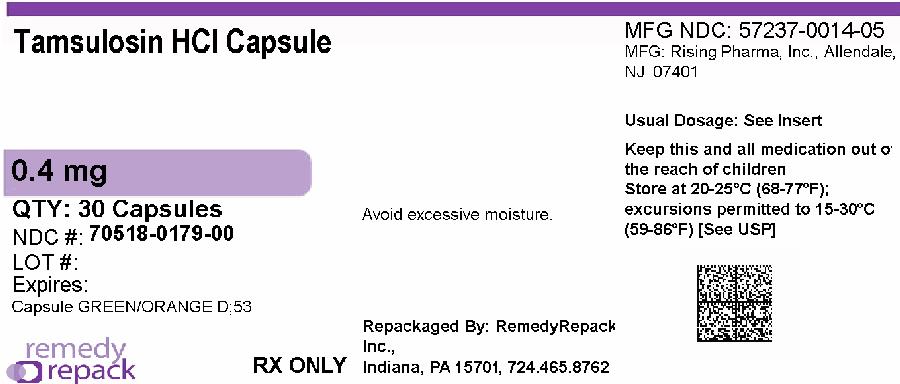
(tamsulosin · DailyMed)
Maxflow-D Capsule 0.4/0.5mg
TAMSULOSIN HYDROCHLORIDE, DUTASTERIDE
What it does
Dutasteride is a medication used primarily to treat conditions related to an enlarged prostate.
Commonly used for: enlarged prostate (benign prostatic hyperplasia)
Read more in plain English ↓Plain-language summary for general understanding - not medical advice. Always follow your pharmacist/doctor.
Ask about this medicine
Answers come only from this medicine's registration record, BNF monograph and interaction data - not medical advice.
Medicine sourcing is available in Kenya only. We don't sell or dispense medicines - licensed pharmacies do.
Sourcing - Kenya onlyRegistration & product details
Source: Rwanda Food and Drugs Authority · fetched 2026-05-27 03:33:07 · updated 2026-09-21 02:30:18
Drug Interactions
16Pharmacodynamic Warnings
Tamsulosin appears in TABLE 7: Drugs that cause first dose hypotension
Tamsulosin appears in TABLE 8: Drugs that cause hypotension
Moderate (5)
Dutasteride - increases exposure
Cobicistat is predicted to increase the exposure to dutasteride. Monitor adverse effects and adjust dose.
Dutasteride - increases exposure
Idelalisib is predicted to increase the exposure to dutasteride. Monitor adverse effects and adjust dose.
Dutasteride - increases exposure
Clarithromycin is predicted to increase the exposure to dutasteride. Monitor adverse effects and adjust dose.
Tamsulosin - increases exposure
Cobicistat is predicted to moderately increase the exposure to alpha blockers (alfuzosin, tamsulosin). Use with caution or avoid.
Tamsulosin - increases exposure
Idelalisib is predicted to moderately increase the exposure to alpha blockers (alfuzosin, tamsulosin). Use with caution or avoid.
Unknown (11)
Dutasteride - increases exposure
Crizotinib is predicted to moderately increase the exposure to dutasteride.
Dutasteride - increases exposure
Imatinib is predicted to moderately increase the exposure to dutasteride.
Dutasteride - increases exposure
Letermovir is predicted to moderately increase the exposure to dutasteride.
Dutasteride - increases exposure
Nilotinib is predicted to moderately increase the exposure to dutasteride. Study Eculizumab → see monoclonal antibodies Edoxaban → see factor Xa inhibitors Efavirenz → see NNRTIs Eicosapentaenoic acid
Tamsulosin - increases exposure
Antifungals, azoles (fluconazole, isavuconazole, posaconazole) are predicted to increase the exposure to tamsulosin.
Data from BNF 85 (British National Formulary). This is not a substitute for professional medical advice. Matched via: exact
About dutasteride
Dutasteride is a medication used primarily to treat conditions related to an enlarged prostate.
What it treats
- enlarged prostate (benign prostatic hyperplasia)
How it works
Dutasteride works by reducing the levels of certain hormones that can cause prostate growth, helping to shrink the prostate and improve urinary flow.
Who it's for
This medication is for adult men who have symptoms of an enlarged prostate.
AI-assisted summary grounded in BNF data - general information only, not medical advice. Always confirm with your pharmacist or doctor.
About tamsulosin
Tamsulosin is a medication used to help improve urination in men with enlarged prostate (benign prostatic hyperplasia).
What it treats
- enlarged prostate (benign prostatic hyperplasia)
- difficulty urinating
How it works
Tamsulosin relaxes the muscles in the prostate and bladder neck, making it easier to urinate.
Who it's for
This medication is for men who have issues with urination due to an enlarged prostate.
Cautions
- • Be careful if you are taking other medications that can lower blood pressure.
- • Avoid medications that might cause sudden drops in blood pressure.
AI-assisted summary grounded in BNF data - general information only, not medical advice. Always confirm with your pharmacist or doctor.
Clinical monograph: Tamsulosinhydrochloride
BNF-referencedTamsulosin hydrochloride is an alpha-1 adrenoceptor antagonist primarily used in the management of benign prostatic hyperplasia (BPH), a condition characterized by an enlarged prostate causing urinary symptoms. By selectively blocking alpha-1 receptors in the prostate and bladder neck, Tamsulosin facilitates urinary flow and alleviates associated symptoms.
Indications
- Benign prostatic hyperplasia
- Bladder outlet obstruction
- Urinary retention
Dosage
Children: Not established; refer to BNF for Children for any potential dosing information.
Adults: Initially 400 micrograms once daily, taken after a meal. Dosage may be adjusted based on clinical response and tolerability, typically not exceeding 800 micrograms daily.
Mechanism of action
Tamsulosin exerts its therapeutic effects through selective antagonism of the alpha-1A adrenergic receptors found predominantly in the smooth muscle of the prostate and bladder neck. This action results in relaxation of these muscles, leading to improved urinary flow and reduced bladder outlet obstruction.
Pharmacodynamics
The pharmacodynamics of Tamsulosin involve its ability to decrease urinary resistance and improve urinary flow rates. It exhibits a preferential binding affinity for the alpha-1A receptors compared to alpha-1B receptors, which minimizes cardiovascular side effects commonly associated with non-selective alpha blockers. The onset of action typically occurs within a few days of starting treatment, although maximum benefits may take several weeks.
Pharmacokinetics
Tamsulosin is well-absorbed from the gastrointestinal tract, with peak plasma concentrations occurring approximately 6 hours post-administration. It has a bioavailability of about 90% due to extensive first-pass metabolism. The drug is primarily metabolized in the liver via CYP2D6 and CYP3A4 pathways, resulting in several active metabolites. Tamsulosin has a half-life of approximately 15 hours, allowing for once-daily dosing. It is excreted mainly in urine as metabolites, with less than 10% of the drug eliminated unchanged.
Contra-indications
- History of micturition syncope
- History of postural hypotension
- Congestive heart failure (due to mechanical obstruction such as aortic stenosis)
Adverse effects
- Asthenia
- Dizziness
- Constipation
- Fatigue
- Sweating
Interactions
- Caution with concomitant antihypertensives
- Potential for additive hypotensive effects when used with other antihypertensives
Precautions
- Caution in elderly patients due to risk of first dose hypotension
- Care during cataract surgery due to risk of intra-operative floppy iris syndrome
- Monitor for symptomatic orthostatic hypotension
Pregnancy
There are no adequate and well-controlled studies in pregnant women. Use only if clearly needed.
Breast-feeding
It is not known whether tamsulosin is excreted in human milk. Caution is advised when administering to breastfeeding mothers.
Storage
Store below 25 degrees Celsius. Keep the container tightly closed.
Formulations
- Tamsulosin hydrochloride 400 microgram capsules
- Tamsulosin hydrochloride 500 microgram tablets
- Tamsulosin hydrochloride modified-release capsules
AI-synthesized from BNF references - general information only, not a substitute for professional medical advice or the current BNF. Verify doses with a pharmacist.
Clinical monograph: Dutasteride
BNF-referencedDutasteride is a synthetic 4-azasteroid compound that selectively inhibits both type I and type II isoforms of steroid 5α-reductase. This enzyme converts testosterone to 5α-dihydrotestosterone (DHT), a potent androgen responsible for the development and enlargement of the prostate gland. By inhibiting this enzyme, dutasteride effectively reduces DHT levels, leading to a decrease in prostate size and improvement in urinary symptoms associated with benign prostatic hyperplasia (BPH).
Indications
- Benign prostatic hyperplasia
Dosage
Adults: 500 micrograms daily, with treatment review at 3–6 months and then every 6–12 months.
Mechanism of action
Dutasteride binds to both type I and type II isoenzymes of 5α-reductase, forming a stable complex that inhibits the conversion of testosterone to DHT. DHT is a key hormone in prostate development and growth, and by reducing its levels by more than 90%, dutasteride alleviates symptoms of BPH and improves urinary flow.
Pharmacodynamics
Dutasteride exhibits a dose-dependent reduction in circulating DHT levels, with maximum effects observed within 1-2 weeks after initial administration. Clinical studies have shown that median serum DHT concentrations were reduced by 85% and 90% after 1 and 2 weeks of daily dosing with 0.5 mg, respectively. Continuous administration of dutasteride maintains DHT levels suppressed in the majority of patients, and it may also lead to decreased serum prostate-specific antigen (PSA) levels in patients with prostate cancer.
Pharmacokinetics
Dutasteride is well absorbed after oral administration, with a peak plasma concentration typically reached within 1-2 hours. The drug has a long half-life, allowing for once-daily dosing. It is extensively metabolized in the liver, primarily by CYP3A4 and CYP3A5 enzymes, leading to the formation of several metabolites. The elimination half-life is approximately 5 weeks, which supports the need for regular follow-up and dose adjustment based on clinical response.
Contra-indications
- History of micturition syncope
- History of postural hypotension
Adverse effects
- Abdominal pain
- Anxiety
- Angioedema
- Arrhythmias
- Asthenia
- Chest pain
- Constipation
- Cough
- Depression
- Dizziness
- Diarrhoea
- Drowsiness
- Fatigue
- Gastrointestinal disturbances
- Hyperhidrosis
- Insomnia
- Myalgia
- Nasal congestion
- Nausea
- Oedema
- Palpitations
- Paraesthesia
- Postural hypotension
- Sexual dysfunction
- Skin reactions
- Syncope
- Vomiting
- Weight gain
Interactions
- Cobicistat increases exposure
- Idelalisib increases exposure
- Clarithromycin increases exposure
- Crizotinib unknown effect on exposure
- Imatinib unknown effect on exposure
- Letermovir unknown effect on exposure
- Nilotinib unknown effect on exposure
- Terazosin may increase risk of hypotension
Precautions
- Caution in elderly patients
- Caution in patients with history of prostate cancer
- Monitor for signs of hypotension and syncope
- Consider lower initial dose in patients with autonomic neuropathy
Pregnancy
Dutasteride is contraindicated in pregnancy due to potential harm to a male fetus.
Breast-feeding
Manufacturer advises avoiding use during breastfeeding due to potential for effects on the infant.
Storage
Store at room temperature, away from moisture and heat.
Formulations
- Dutasteride 0.5 mg capsules
AI-synthesized from BNF references - general information only, not a substitute for professional medical advice or the current BNF. Verify doses with a pharmacist.
Clinical monograph: tamsulosin
BNF-referencedTamsulosin is an alpha-1 adrenergic antagonist primarily used to treat benign prostatic hyperplasia (BPH) in men. By selectively blocking alpha-1A and alpha-1D adrenoceptors, it relaxes smooth muscles in the prostate and bladder neck, improving urinary flow and alleviating symptoms associated with BPH. Its selectivity for these receptors reduces the likelihood of cardiovascular side effects, making it a preferred choice in managing urinary symptoms without significant blood pressure changes.
Indications
- Benign Prostatic Hyperplasia (BPH)
- Lower urinary tract symptoms associated with BPH
Dosage
Children: null
Adults: The usual dose is 400 micrograms once daily, taken approximately 30 minutes after the same meal each day.
Mechanism of action
Tamsulosin selectively blocks alpha-1A and alpha-1D adrenoceptors, which are prevalent in the prostate and bladder respectively. This leads to relaxation of the smooth muscle in the prostate and the bladder neck, thereby enhancing urinary flow. The drug's specific action on alpha-1A receptors minimizes effects on vascular smooth muscle, resulting in a lower incidence of adverse cardiovascular effects.
Pharmacodynamics
Tamsulosin exhibits selective antagonism of alpha-1 adrenergic receptors, with a greater affinity for alpha-1A and alpha-1D subtypes compared to alpha-1B. This selectivity allows for effective relief of urinary symptoms associated with BPH while reducing the risk of orthostatic hypotension and other cardiovascular side effects. Its pharmacodynamic profile supports improved urinary flow rates without significant hemodynamic changes.
Pharmacokinetics
Tamsulosin is well absorbed after oral administration and reaches peak plasma concentrations within 4 to 6 hours. It has a high protein binding rate (approximately 99%) and is primarily metabolized by the liver via cytochrome P450 enzymes, notably CYP3A4. The elimination half-life is approximately 9 to 15 hours, allowing for once-daily dosing. The drug is excreted mainly in the urine, with both unchanged drug and metabolites found in the urine.
Adverse effects
- dizziness
- headache
- nasal congestion
- semen abnormality
- orthostatic hypotension
Interactions
- cobicistat+tamsulosin: Moderate (increases exposure)
- idelalisib+tamsulosin: Moderate (increases exposure)
- antifungals, azoles+tamsulosin: Unknown (increases exposure)
- crizotinib+tamsulosin: Unknown (increases exposure)
- imatinib+tamsulosin: Unknown (increases exposure)
- letermovir+tamsulosin: Unknown (increases exposure)
- nilotinib+tamsulosin: Unknown (increases exposure)
- dronedarone+tamsulosin: Unknown (increases exposure)
- erythromycin+tamsulosin: Unknown (increases exposure)
Pregnancy
Tamsulosin is not recommended during pregnancy due to limited data on its safety.
Breast-feeding
It is unknown whether tamsulosin is excreted in human milk; caution is advised.
Storage
Store at room temperature, away from moisture and heat.
Formulations
- Capsules 0.4 mg
AI-synthesized from BNF references - general information only, not a substitute for professional medical advice or the current BNF. Verify doses with a pharmacist.
Molecular reference: Dutasteride
PubChem CID 6918296Molecular formula: C27H30F6N2O2
Mechanism of action
The 5α-reductase is a nuclear-bound steroid intracellular enzyme primarily located in the prostatic stromal cell that converts the androgen testosterone into the more active metabolite, 5α-dihydrotestosterone (DHT). DHT is considered to be the primary androgen playing a role in the initial development and subsequent enlargement of the prostate gland. It serves as the hormonal mediator for the hyperplasia upon accumulation within the prostate gland. DHT displays a higher affinity towards androgen receptors in the prostate gland compared to testosterone and by acting on the androgen receptors, DHT modulates genes that are responsible for cell proliferation. Responsible for the synthesis of approximately one-third of circulating DHT, type I 5α-reductase is predominant in the sebaceous glands of most regions of skin, including the scalp, and liver. The type II 5a-reductase isozyme is primarily found in the prostate, seminal vesicles, epididymides, and hair follicles as well as liver, and is responsible for two-thirds of circulating DHT. Due to its dual inhibition of both isoenzymes of 5α-reductase, dutasteride causes a near-complete suppression of DHT. Compared to a 70% reduction of serum DHT levels caused by [finasteride], a near-complete suppression of serum DHT-more than 90% is seen with dutasteride. By forming a stable complex with both type I and type II 5α-reductase, dutasteride inhibits its enzymatic action of converting testosterone to 5α-dihydrotestosterone (DHT), which is the androgen primarily responsible for the initial development and subsequent enlargement of the prostate gland. It is proposed that DHT is the principal androgen responsible for prostatic growth in later life-normal masculinization of the external genitalia and maturation of the prostate gland during development-thus reducing the serum DHT levels results in reduced prostatic volume and increased epithelial apoptosis. Dutasteride is a competitive and specific inhibitor of both Type I and Type II 5α-reductase isoenzymes and when evaluated under _in vitro_ and _in vivo_ conditions, the dissociation of the drug from the drug-enzyme complex is reported to be extremely slow. Dutasteride does not bind to the human androgen receptor.
Pharmacodynamics
Dutasteride is a synthetic 4-azasteroid compound that selectively inhibits both the type I and type II isoforms of steroid 5α-reductase, an intracellular enzyme that converts testosterone to 5α-dihydrotestosterone (DHT). Dutasteride works by reducing the levels of circulating DHT. It was also shown to reduce the size of the prostate gland, improve urinary flow, and symptoms of benign prostatic hyperplasia alone or in combination with tamsulosin. The effect of the reduction of DHT by dutasteride is dose-dependent, with the maximum effect observed within 1-2 weeks following initial administration. After 1 and 2 weeks of daily dosing with dutasteride 0.5 mg, median serum DHT concentrations were reduced by 85% and 90%, respectively. The serum concentrations of DHT were maintained to be decreased by more than 90% in 85% of patients following 1 years' administration of oral dutasteride 0.5 mg/day. As evident from the clinical studies, dutasteride may also cause decreases in serum PSA in the presence of prostate cancer.
Source: PubChem (NCBI) · pathways from PathBank, Reactome, WikiPathways & PharmGKB.
Molecular reference: tamsulosin
PubChem CID 129211Molecular formula: C20H28N2O5S
Mechanism of action
Tamsulosin is a blocker of alpha-1A and alpha-1D adrenoceptors. About 70% of the alpha-1 adrenoceptors in the prostate are of the alpha-1A subtype. By blocking these adrenoceptors, smooth muscle in the prostate is relaxed and urinary flow is improved. The blocking of alpha-1D adrenoceptors relaxes the detrusor muscles of the bladder which prevents storage symptoms. The specificity of tamsulosin focuses the effects to the target area while minimizing effects in other areas. Tamsulosin hydrochloride is a sulfamoylphenethylamine-derivative alpha1-adrenergic blocking agent. The drug is pharmacologically related to doxazosin, prazosin, and terazosin; however, unlike these drugs, tamsulosin has higher affinity and selectivity for alpha1A-adrenergic receptors, which are mainly located in nonvascular smooth muscle (eg, prostate), than for alpha1B-adrenergic receptors located in vascular smooth muscle (eg, internal iliac artery). Results of in vitro studies indicate that tamsulosin has 7-38 times greater affinity for alpha1A-adrenoceptors than for alpha1B-adrenoceptors; the drug has about 12 times greater affinity for alpha1-adrenergic receptors in the prostate than for those in the aorta. Such selectivity of tamsulosin for alpha1A-receptors may result in a reduced incidence of adverse cardiovascular effects (eg, syncope, dizziness, hypotension). On a molar basis, the alpha1-adrenergic receptor affinity of tamsulosin is about 6 times that of prazosin when tested in human prostatic tissue. Because of the prevalence of alpha-receptors on the prostate capsule, prostate adenoma, and bladder trigone and the relative absence of these receptors on the bladder body, alpha-adrenergic blocking agents decrease urinary outflow resistance in men. The symptoms associated with benign prostatic hyperplasia (BPH) are related to bladder outlet obstruction, which is comprised of two underlying components: static and dynamic. The static component is related to an increase in prostate size caused, in part, by a proliferation of smooth muscle cells in the prostatic stroma. However, the severity of BPH symptoms and the degree of urethral obstruction do not correlate well with the size of the prostate. The dynamic component is a function of an increase in smooth muscle tone in the prostate and bladder neck leading to constriction of the bladder outlet. Smooth muscle tone is mediated by the sympathetic nervous stimulation of alpha1 adrenoceptors, which are abundant in the prostate, prostatic capsule, prostatic urethra, and bladder neck. Blockade of these adrenoceptors can cause smooth muscles in the bladder neck and prostate to relax, resulting in an improvement in urine flow rate and a reduction in symptoms of BPH. The influence of (+/-)-tamsulosin, a selective alpha 1A-adrenoceptor antagonist, on the positive inotropic effect and the accumulation of inositol phosphates that are induced via alpha 1-adrenoceptors was studied in comparison with that of another alpha 1A-adrenoceptor ligand oxymetazoline in the rabbit ventricular myocardium. Phenylephrine elicited a concentration-dependent positive inotropic effect via alpha 1-adrenoceptors in the presence of either (+/-)-bupranolol or S(-)-timolol. The mode of antagonism induced by (+/-)-tamsulosin on the effect of phenylephrine was dependent or the concentration applied: (+/-)-tamsulosin at 1 and 3 nM acted in a competitive manner, the slope of the regression line of the Schild plot being unity and the pA2 value being 9.12; at 10 nM, it shifted further the concentration-response curve to the right without affecting the maximal response but the slope became less than unity. At 100 nM and higher, it suppressed the maximal response to phenylephrine. (+/-)-Tamsulosin effectively antagonized the positive inotropic effect of phenylephrine even after inactivation of alpha 1B-adrenoceptors by treatment with chlorethylclonidine, which is an indication that the (+/-)-tamsulosin-sensitive subtype belongs to a class resist
Pharmacodynamics
Tamsulosin is an alpha adrenoceptor blocker with specificity for the alpha-1A and alpha-1D subtypes, which are more common in the prostate and submaxillary tissue. The final subtype, alpha-1B, are most common in the aorta and spleen. Tamsulosin binds to alpha-1A receptors 3.9-38 times more selectively than alpha-1B and 3-20 times more selectively than alpha-1D. This selectivity allows for a significant effect on urinary flow with a reduced incidence of adverse reactions like orthostatic hypotension.
Source: PubChem (NCBI) · pathways from PathBank, Reactome, WikiPathways & PharmGKB.
This drug in other countries
The same active ingredient registered across other registries we cover - including different brands.
- AVODART CAPSULES · Laborex Kenya
- CONTIFLO OD CAPSULES 0.4MG · Sun Pharma
- D-TAM · Galaxy Pharmaceutical
- DIAX-T · Medfo Kenya
- DIAX-TS 10 · Medfo Kenya
- DIAX-TS 2.5 · Medfo Kenya
- CONTIFLO XL CAPSULES · Ranbaxy
- LAVIFLO CAPSULES (Each capsule contains Tamsulosin Hydrochloride USP 0.16 % w/w) · Hof Pharmaceuticals
- PROSTALIM CAPSULES (Each capsule contains Tamsulosin HCL 0.4mg · Atoz Pharmaceuticals
- TAMCONTIN TABLETS · Modi-Mundipharma
- TAMSULOSIN HCL CAPSULES (Each capsule contains Tamsulosin Hydrochloride 400mcg) · Relax Biotech
- TAMSULOSIN HYDROCHLORIDE MODIFIED RELEASE CAPSULES · Vega Biotec
- DUTABIT 0.5 · Aurobindo Pharma
- DUTABIT PLUS 0.5/0.4 · Aurobindo Pharma
- FLOEZY · Synthon Hispania
- Human Medicinal Product · Capsules
- OD-TAM 0.4 · Aurobindo Pharma
- Produta · Sun Pharmaceutical Industries