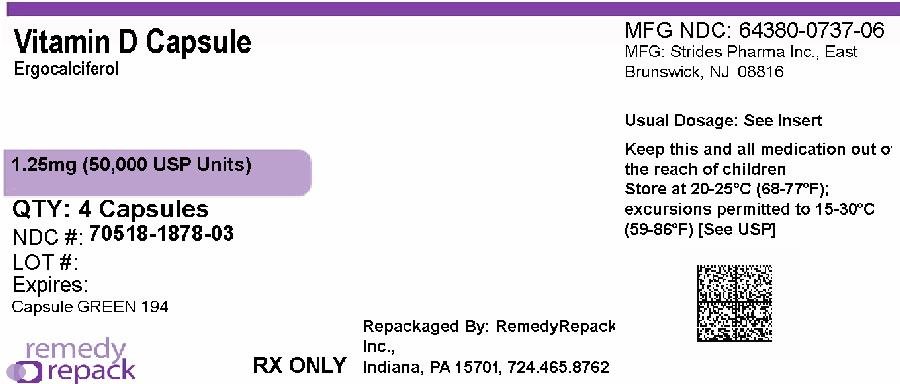
(vitamin · DailyMed)
MEBAAL ODS 1500
Glycerine 2.400 mg/6 mL,Hypromellose ( Methocel E 15 Premium LV) 19.2 mg/6 mL,Mecobalamine 1500 mcg,Mint Oil (Mentha Piperata) 1.00 mg/6 mL,Propylene Glycol 3.00 mg/6 mL,Purified Water 60.00 mg/6 mL,Simethicone 2.500 mg/6 mL,Sucralose 1.00 mg/6 mL,Titanium dioxide 1.00 mg/6 mL,dry vitamin E acetate 2.500 mg/6 mL
What it does
Dioxide is used in various medical applications, but specific details about its class or interactions are not provided.
Read more in plain English ↓Plain-language summary for general understanding - not medical advice. Always follow your pharmacist/doctor.
Ask about this medicine
Answers come only from this medicine's registration record, BNF monograph and interaction data - not medical advice.
Medicine sourcing is available in Kenya only. We don't sell or dispense medicines - licensed pharmacies do.
Sourcing - Kenya onlyRegistration & product details
Source: Tanzania Medicines and Medical Devices Authority · fetched 2026-03-11 23:45:59 · updated 2026-09-17 03:00:44
Drug Interactions
7Severe (2)
Vitamin - increases risk of vitamin a toxicity
TretinoinispredictedtoincreasetheriskofvitaminAtoxicity whengivenwithvitaminA.Avoid.rStudy Ribavirin e
Vitamin - increases risk of vitamin a toxicity
Retinoids(tretinoin)arepredictedtoincreasetheriskof vitaminAtoxicitywhengivenwithvitaminA.Avoid.r Study VitaminDsubstances . . . . . alfacalcidol.calcipotri..ol calcitriol colecalciferol ergocalcifero
Moderate (1)
Vitamin - increases risk of toxicity
Retinoids (bexarotene) are predicted to increase the risk of toxicity when given with vitamin A. Adjust dose.
Unknown (4)
Vitamin - decreases effects
Carbamazepine is predicted to decrease the effects of vitamin D substances.
Vitamin - increases exposure
Cobicistat is predicted to increase the exposure to vitamin D substances (paricalcitol).
Vitamin - increases exposure
Idelalisib is predicted to increase the exposure to vitamin D substances (paricalcitol).
Vitamin - increases exposure
Clarithromycin is predicted to increase the exposure to vitamin D substances (paricalcitol).
Data from BNF 85 (British National Formulary). This is not a substitute for professional medical advice. Matched via: exact
About dioxide
Dioxide is used in various medical applications, but specific details about its class or interactions are not provided.
How it works
The exact mechanism of action for dioxide is not specified, but it generally serves various therapeutic roles in medicine.
Who it's for
Dioxide may be suitable for individuals needing treatment related to its specific applications, but more information is needed to identify specific patient groups.
AI-assisted summary grounded in BNF data - general information only, not medical advice. Always confirm with your pharmacist or doctor.
About glycerine
Glycerine is a substance that helps to relieve constipation by drawing water into the bowel, making it easier to pass stools.
What it treats
- constipation
- bowel preparation before medical procedures
How it works
Glycerine works by attracting water to the intestines, which softens the stool and stimulates bowel movements.
Who it's for
Glycerine is suitable for adults and children who need help with constipation.
AI-assisted summary grounded in BNF data - general information only, not medical advice. Always confirm with your pharmacist or doctor.
About glycol
Glycol is a substance used in various medical and industrial applications, primarily known for its properties as a solvent and humectant.
What it treats
- moisturizing skin (topical applications)
- acting as a solvent in medications
How it works
Glycol helps to retain moisture and can dissolve other substances, making it useful in creams and solutions.
Who it's for
Glycol is generally safe for use in topical products for adults and children when used as directed.
AI-assisted summary grounded in BNF data - general information only, not medical advice. Always confirm with your pharmacist or doctor.
About hypromellose
Hypromellose is a substance that helps to keep the eyes moist and can be used to soothe irritation.
What it treats
- dry eyes (keratoconjunctivitis sicca)
- eye irritation
How it works
It forms a protective layer over the eye, which helps to retain moisture and relieve discomfort.
Who it's for
This medication is suitable for anyone experiencing dry or irritated eyes.
AI-assisted summary grounded in BNF data - general information only, not medical advice. Always confirm with your pharmacist or doctor.
About mecobalamine
Mecobalamine is a form of vitamin B12 that helps in the proper functioning of nerve cells and the production of red blood cells.
What it treats
- peripheral neuropathy
- nerve damage
- Vitamin B12 deficiency
How it works
It supports nerve health and helps in the formation of red blood cells, which are essential for carrying oxygen throughout the body.
Who it's for
This medicine is for people with nerve damage or conditions related to low levels of vitamin B12.
AI-assisted summary grounded in BNF data - general information only, not medical advice. Always confirm with your pharmacist or doctor.
About mint
Mint is a natural herb often used for its flavor and potential health benefits.
What it treats
- digestive issues (indigestion)
- relief from nausea
- common cold symptoms
- freshening breath
How it works
Mint may help soothe the stomach and has a cooling effect that can ease discomfort.
Who it's for
Mint can be used by most people looking for natural relief from digestive problems or to freshen their breath.
AI-assisted summary grounded in BNF data - general information only, not medical advice. Always confirm with your pharmacist or doctor.
About propylene
Propylene is a compound used in various medical applications, often as a solvent or carrier for medications.
What it treats
- used in some topical treatments
- acts as a solvent in pharmaceuticals
How it works
Propylene helps dissolve other substances, making them easier to apply or absorb in the body.
Who it's for
It is typically for adults and children who need certain medications delivered in a specific form.
AI-assisted summary grounded in BNF data - general information only, not medical advice. Always confirm with your pharmacist or doctor.
About purified
Purified ingredients are often used in various medicines to ensure safety and effectiveness by removing impurities.
What it treats
- various medical conditions
How it works
Purified ingredients help in delivering the intended effects of the medicine without the risk of contaminants.
Who it's for
People who need medications with safe and effective ingredients.
AI-assisted summary grounded in BNF data - general information only, not medical advice. Always confirm with your pharmacist or doctor.
About simethicone
Simethicone is a medicine that helps relieve discomfort caused by gas in the stomach and intestines.
What it treats
- bloating
- gas pain
- flatulence
How it works
Simethicone works by breaking up gas bubbles in the stomach and intestines, making it easier for the body to eliminate them.
Who it's for
This medicine is suitable for adults and children experiencing gas-related discomfort.
AI-assisted summary grounded in BNF data - general information only, not medical advice. Always confirm with your pharmacist or doctor.
About sucralose
Sucralose is a low-calorie artificial sweetener used to provide sweetness without the calories of sugar.
What it treats
- sugar substitute
- weight management
- diabetes management
How it works
Sucralose is made from sugar but is processed in such a way that your body does not absorb it, meaning it adds sweetness without calories.
Who it's for
It is suitable for people looking to reduce sugar intake, including those with diabetes or those trying to lose weight.
AI-assisted summary grounded in BNF data - general information only, not medical advice. Always confirm with your pharmacist or doctor.
About titanium
Titanium is a material often used in medical implants and devices due to its strength and compatibility with the body.
What it treats
- surgical implants
- dental implants
- orthopedic devices
How it works
Titanium is used in medical devices because it is strong, lightweight, and does not react negatively with body tissues.
Who it's for
People who need implants or devices for medical conditions, such as joint replacements or dental issues.
AI-assisted summary grounded in BNF data - general information only, not medical advice. Always confirm with your pharmacist or doctor.
About vitamin
Vitamins are essential nutrients that support various bodily functions and overall health.
What it treats
- nutritional deficiency
- general health maintenance
How it works
Vitamins support normal bodily functions, including metabolism, immune function, and cell repair.
Who it's for
Anyone needing to improve their nutrient intake or maintain good health.
AI-assisted summary grounded in BNF data - general information only, not medical advice. Always confirm with your pharmacist or doctor.
Clinical monograph: Hypromellose
BNF-referencedHypromellose is a semisynthetic polymer derived from cellulose, primarily used as an ocular lubricant in the management of dry eye conditions. It acts by forming a protective layer over the eye surface, providing moisture and relief from irritation, thereby improving comfort and protecting the corneal epithelium.
Indications
- Dry eye conditions
- Tear deficiency
- Keratoconjunctivitis sicca
Dosage
Children: Apply as required, typically in the form of eye drops.
Adults: Apply as required, typically in the form of eye drops.
Mechanism of action
Hypromellose acts by forming a viscous gel upon contact with the ocular surface, which helps to retain moisture and protect against irritants. This gel-like property enhances the stability of the tear film and reduces evaporation, thereby alleviating symptoms associated with dry eye conditions.
Pharmacodynamics
The pharmacodynamic effects of hypromellose are primarily related to its ability to mimic natural tears, providing lubrication to the ocular surface. This lubrication reduces friction during blinking and maintains corneal hydration, which is critical for ocular comfort and health. Its high viscosity also contributes to prolonged retention time on the eye surface.
Pharmacokinetics
Hypromellose is administered topically as eye drops and is not significantly absorbed systemically. The retention time of hypromellose on the ocular surface is enhanced due to its viscosity, allowing for extended relief of dry eye symptoms. The elimination of hypromellose occurs primarily through drainage from the eye and dilution by the natural tear fluid.
Adverse effects
- Temporary visual disturbance
- Eye irritation
Precautions
- Should not be used during contact lens wear
- Use with caution in patients with known hypersensitivity to any component of the formulation
Pregnancy
Hypromellose is generally considered safe for use during pregnancy. However, it should be used only if clearly needed and after consulting a healthcare provider.
Breast-feeding
Hypromellose is unlikely to affect breastfed infants when used as directed, but consultation with a healthcare provider is advisable.
Storage
Store in a cool, dry place away from direct sunlight. Once opened, use within a specified period as indicated on the packaging.
Formulations
- {'name': 'Teardew', 'concentration': '0.3%', 'form': 'eye drops', 'volume': '10 ml'}
- {'name': 'Xailin Hydrate', 'concentration': '0.3%', 'form': 'eye drops', 'volume': '10 ml'}
- {'name': 'AacuLose', 'concentration': '0.3%', 'form': 'eye drops', 'volume': '10 ml'}
- {'name': 'Artelac', 'concentration': '0.32%', 'form': 'eye drops', 'volume': '10 ml'}
- {'name': 'Lacrilube', 'concentration': '2 mg/g', 'form': 'eye ointment', 'volume': '3.5 g'}
- {'name': 'Celluvisc', 'concentration': '1%', 'form': 'eye drops', 'volume': '0.4 ml unit dose'}
AI-synthesized from BNF references - general information only, not a substitute for professional medical advice or the current BNF. Verify doses with a pharmacist.
Clinical monograph: dioxide
Dioxide refers to a class of chemical compounds that contain two oxygen atoms bonded to another element or group. The most commonly referenced dioxide is carbon dioxide (CO2), a colorless, odorless gas produced by respiration in animals and plants and by the combustion of organic matter. In a clinical context, dioxides are often involved in various physiological processes and can play roles in drug mechanisms, particularly with respect to gas exchange and acid-base balance in the body.
Indications
- Monitoring respiratory function
- Assessment of metabolic status
- Management of respiratory acidosis
- Management of respiratory alkalosis
Dosage
Children: Dosing for interventions related to carbon dioxide levels in pediatric patients should be guided by clinical protocols and the BNF for Children.
Adults: Dosing for interventions related to carbon dioxide levels is typically based on clinical assessment and individual patient needs. Refer to clinical guidelines for specific scenarios.
Mechanism of action
Carbon dioxide acts primarily as a signaling molecule in the body, influencing respiratory drive and blood pH. It is produced during cellular respiration and is a critical component of the bicarbonate buffering system, which helps maintain acid-base homeostasis. Elevated levels of CO2 in the blood stimulate ventilation in the lungs, increasing the rate of gas exchange and facilitating the removal of excess CO2.
Pharmacodynamics
The pharmacodynamic effects of dioxides, particularly carbon dioxide, are closely related to its concentration in the blood. As CO2 levels increase, it leads to respiratory acidosis, which can stimulate the respiratory centers in the brain to increase ventilation. Conversely, low levels of CO2 can cause respiratory alkalosis, potentially leading to decreased respiratory drive. CO2 also plays a role in vasodilation and can affect blood flow and pressure through its influence on smooth muscle tone.
Pharmacokinetics
Carbon dioxide is produced endogenously during metabolic processes and is transported in the bloodstream primarily in three forms: dissolved in plasma, as bicarbonate ions (HCO3-), and bound to hemoglobin. The half-life of CO2 in the bloodstream is very short due to its rapid exchange with alveolar gas in the lungs. The elimination of CO2 occurs through exhalation, making it a dynamic component of respiratory physiology.
Pregnancy
Data on the effects of dioxide during pregnancy are limited. Caution is advised due to potential risks associated with exposure.
Breast-feeding
Limited data are available regarding the excretion of dioxide in human milk. Caution is recommended.
Storage
Store in a cool, dry place, away from direct sunlight and moisture.
AI-synthesized from BNF references - general information only, not a substitute for professional medical advice or the current BNF. Verify doses with a pharmacist.
Clinical monograph: glycerine
BNF-referencedGlycerine, also known as glycerol, is a colorless, odorless, viscous liquid classified primarily as an osmotic laxative. It is used to relieve constipation and to decrease intraocular pressure in certain medical conditions. Glycerine works by drawing water into the intestines or the eye, facilitating evacuation or reducing pressure respectively. It is commonly available in suppository form for rectal administration and is effective within 15 to 30 minutes.
Indications
- Constipation
- Decreased intraocular pressure
Dosage
Children: For children, refer to the BNF for Children for appropriate glycerin dosing guidelines.
Adults: For constipation, glycerin can be administered rectally as a suppository. Follow specific product guidelines for dosage.
Mechanism of action
When administered rectally, glycerine exerts a hygroscopic and/or local irritant action, drawing water from the tissues into the feces and reflexively stimulating evacuation. Additionally, glycerine decreases intraocular pressure by creating an osmotic gradient between the blood and intraocular fluid, leading to fluid movement out of the aqueous and vitreous humors into the bloodstream.
Pharmacodynamics
Glycerine is commonly classified as an osmotic laxative but may also exert local irritant effects, lubricating, and fecal softening actions. Its onset of action typically occurs within 15 to 30 minutes when used as a suppository.
Pharmacokinetics
Glycerine is readily absorbed and metabolized in the body. It undergoes glycerol metabolism pathways, contributing to various biochemical processes including phospholipid biosynthesis. The pharmacokinetic profile of glycerine indicates a rapid onset of action due to its osmotic properties.
Adverse effects
- Abdominal cramps
- Diarrhea
- Nausea
- Vomiting
- Electrolyte imbalance
Precautions
- Use with caution in patients with renal impairment
- May cause dehydration if used excessively
- Monitor for electrolyte disturbances in prolonged use
Pregnancy
Glycerin is generally considered safe to use during pregnancy for indicated conditions. Always consult a healthcare provider before use.
Breast-feeding
Glycerin is unlikely to be harmful in breastfeeding mothers. Consult a healthcare provider for specific guidance.
Storage
Store in a cool, dry place, away from direct sunlight. Keep out of reach of children.
Formulations
- Suppositories
- Oral solution
AI-synthesized from BNF references - general information only, not a substitute for professional medical advice or the current BNF. Verify doses with a pharmacist.
Clinical monograph: glycol
BNF-referencedEthylene glycol, a colorless, odorless liquid with a sweet taste, is primarily used in antifreeze and industrial applications. It is toxic to humans and can lead to severe metabolic acidosis and organ damage upon ingestion. Due to its potential for misuse and toxicity, it is classified as a hazardous substance.
Dosage
Children: Refer to the BNF for Children for appropriate dosing information in paediatric cases, especially in instances of overdose.
Adults: Refer to the BNF for specific dosing information based on clinical circumstances, particularly in cases of overdose.
Mechanism of action
Ethylene glycol is metabolized by alcohol dehydrogenase to glycoaldehyde, which is subsequently converted to glycolic, glyoxylic, and oxalic acids. These metabolites contribute to anion gap metabolic acidosis and are responsible for tissue injury through the formation of insoluble calcium oxalate crystals.
Pharmacodynamics
The toxicity of ethylene glycol arises from its metabolites, particularly glycolic and oxalic acids. These compounds induce metabolic acidosis, lead to renal failure through calcium oxalate crystal deposition in the kidneys, and can cause neurological impairment. The anion gap increases due to the accumulation of these acids, leading to complications such as cardiovascular instability and potential multi-organ failure.
Pharmacokinetics
Ethylene glycol is rapidly absorbed after oral ingestion. It undergoes first-pass metabolism primarily in the liver, where it is converted into its toxic metabolites. The elimination half-life of ethylene glycol varies but is generally prolonged in cases of renal impairment. Renal excretion of metabolites contributes to the duration of toxicity, necessitating prompt medical intervention in cases of overdose.
Adverse effects
- Metabolic acidosis
- Renal failure
- CNS depression
- Hypocalcemia
- Cardiovascular collapse
- Pulmonary edema
Precautions
- Use with caution in patients with renal impairment
- Monitor for signs of metabolic acidosis
- Evaluate electrolyte levels, particularly calcium
Pregnancy
There is limited data on the safety of ethylene glycol in pregnancy. It should only be used if clearly needed.
Breast-feeding
It is unknown if ethylene glycol is excreted in human milk. Caution is advised.
Storage
Store in a tightly closed container at room temperature, away from heat and moisture.
Formulations
- Liquid
AI-synthesized from BNF references - general information only, not a substitute for professional medical advice or the current BNF. Verify doses with a pharmacist.
Clinical monograph: mecobalamine
BNF-referencedMecobalamine is a synthetic form of vitamin B12, specifically methylcobalamin, which is involved in the metabolism of homocysteine and the synthesis of methionine. It is essential for the maintenance of healthy nerve cells and red blood cells. Mecobalamine is used primarily in the treatment of neuropathies and certain types of anemia related to vitamin B12 deficiency.
Indications
- Vitamin B12 deficiency
- Neuropathy, including diabetic neuropathy
- Peripheral nerve injuries
- Megaloblastic anemia due to vitamin B12 deficiency
Dosage
Children: Refer to the BNF for Children for appropriate dosing in pediatric patients.
Adults: Refer to the BNF for specific dosing recommendations.
Mechanism of action
Mecobalamine acts as a coenzyme in the conversion of homocysteine to methionine and plays a crucial role in the synthesis of myelin, the protective sheath around nerves. It aids in the regeneration of damaged nerve tissues and improves nerve function, which is particularly beneficial in conditions like diabetic neuropathy.
Pharmacodynamics
Mecobalamine enhances the production of neurotransmitters and supports nerve regeneration. It has neuroprotective effects and can improve symptoms such as numbness and tingling in neuropathy patients. The compound's influence on homocysteine metabolism is also significant, as elevated homocysteine levels are associated with vascular and neurological disorders.
Pharmacokinetics
After administration, mecobalamine is absorbed from the gastrointestinal tract and is distributed throughout the body, particularly to the liver, kidneys, and nervous tissues. The half-life of mecobalamine is approximately 6 hours. The drug is primarily excreted in urine, and its bioavailability can be affected by the presence of food and other factors.
Adverse effects
- Nausea
- Diarrhea
- Rash
- Itching
- Headache
- Dizziness
Precautions
- Use with caution in patients with a history of hypersensitivity to cobalt or any component of the formulation
- Monitor patients with renal impairment
Pregnancy
Mecobalamine should be used during pregnancy only if clearly needed, as safety in pregnant women has not been established.
Breast-feeding
Mecobalamine is excreted in breast milk, caution is advised when administering to nursing mothers.
Storage
Store at room temperature, protect from light and moisture. Keep out of reach of children.
Formulations
- Tablets
- Injectable solution
AI-synthesized from BNF references - general information only, not a substitute for professional medical advice or the current BNF. Verify doses with a pharmacist.
Clinical monograph: mint
Mint refers to a group of aromatic herbs in the Mentha genus, commonly used for flavoring, dietary, and medicinal purposes. Peppermint (Mentha × piperita) and spearmint (Mentha spicata) are among the most widely recognized species. Mint is frequently used in culinary applications and traditional medicine due to its potential health benefits.
Indications
- Digestive issues
- Nausea
- Headaches
- Respiratory conditions
- Oral hygiene
- Muscle pain relief
Dosage
Children: Dosage should be determined based on age and formulation. Consult specific product instructions and healthcare providers.
Adults: Dosage varies based on preparation and indication. For herbal formulations, refer to specific product guidelines.
Mechanism of action
The active compounds in mint, particularly menthol and menthone, exert their effects primarily through activation of the TRPM8 receptor, which is a cold and menthol receptor. This activation induces a cooling sensation and may provide analgesic effects. Menthol also acts as a smooth muscle relaxant, which can help alleviate gastrointestinal discomfort.
Pharmacodynamics
Mint exhibits various pharmacological effects, including carminative, antispasmodic, and mild analgesic properties. It is known to enhance gastric motility and reduce symptoms of irritable bowel syndrome (IBS). The menthol component may also exhibit mild anti-inflammatory properties and has been used in topical formulations for its cooling and soothing effects.
Pharmacokinetics
After ingestion, mint compounds are rapidly absorbed in the gastrointestinal tract. Menthol is metabolized primarily in the liver, undergoing conjugation. The elimination half-life of menthol is roughly 1-3 hours. The compounds are excreted mainly through urine, with a small percentage being exhaled as volatile constituents.
Adverse effects
- Allergic reactions
- Gastrointestinal disturbances
- Heartburn
- Headaches
Interactions
- May interact with medications that affect the liver enzymes responsible for its metabolism
- Potential interaction with antacids
Precautions
- Use with caution in individuals with gastroesophageal reflux disease (GERD)
- May cause allergic reactions in sensitive individuals
Pregnancy
Generally considered safe when used in food amounts. High doses should be avoided due to potential effects on uterine tone.
Breast-feeding
Generally safe in usual dietary amounts. Consult healthcare provider for concentrated supplements.
Storage
Store in a cool, dry place away from direct sunlight. Keep out of reach of children.
Formulations
- Fresh leaves
- Dried leaves
- Essential oil
- Teas
AI-synthesized from BNF references - general information only, not a substitute for professional medical advice or the current BNF. Verify doses with a pharmacist.
Clinical monograph: propylene
BNF-referencedPropylene, also known as propene, is a colorless gas with a faint petroleum-like odor. It is primarily used as a chemical feedstock in the production of polypropylene, a widely used plastic. Propylene also has applications in agriculture as a plant growth inhibitor, where it functions by affecting the oxidation processes in plants.
Indications
- Plant growth regulation
- Agricultural applications as a growth inhibitor
Dosage
Children: Not applicable.
Adults: Refer to the relevant agricultural guidelines for specific applications.
Mechanism of action
In an in vitro study, propylene acts as a plant growth inhibitor by inhibiting the oxidation of indole-3-acetic acid by peroxidase in the presence of superoxide anion radicals. This inhibition is linked to the activation of an iron complex (compound III) shuttle, which enhances the reaction rate between superoxide and peroxidase, ultimately affecting plant growth processes. Propylene is a less effective inhibitor compared to ethylene.
Pharmacodynamics
The pharmacodynamic effects of propylene are primarily observed in its role as a growth inhibitor in plants. By modulating the oxidation of phytohormones like indole-3-acetic acid, propylene can influence various growth responses in plants, potentially affecting processes such as cell elongation and division.
Pharmacokinetics
Information on the pharmacokinetics of propylene in humans is not well-documented, as its primary uses are industrial and agricultural. Its metabolism may be influenced by environmental factors, and its effects are primarily studied in the context of plant biology rather than human pharmacology.
AI-synthesized from BNF references - general information only, not a substitute for professional medical advice or the current BNF. Verify doses with a pharmacist.
Clinical monograph: purified
Purified refers to a substance that has been processed to remove impurities, contaminants, or unwanted substances, resulting in a more concentrated and effective form of the original compound. In pharmacology, purified compounds are often used to enhance therapeutic efficacy and reduce adverse effects. The purification process can apply to a variety of substances, including drugs, biological products, and chemical compounds.
Dosage
Children: Refer to specific drug formulations and product labels as purified substances can vary widely in their use and dosing.
Adults: Refer to specific drug formulations and product labels as purified substances can vary widely in their use and dosing.
Mechanism of action
The mechanism of action for purified compounds varies widely depending on the specific substance. Generally, purified drugs exert their effects by interacting with specific biological targets, such as receptors, enzymes, or ion channels, leading to a desired therapeutic effect. This interaction can involve binding to receptors to activate or inhibit signaling pathways, modulating enzymatic activity, or altering physiological processes.
Pharmacodynamics
Pharmacodynamics describes the effects of a drug on the body and the relationship between drug concentration and effect. For purified drugs, this can involve dose-response relationships and the time course of their action. The purified form often enhances potency and reduces variability in response among patients, which can lead to more predictable therapeutic outcomes. The overall effect is determined by the drug's affinity for its target, the efficacy of the drug-receptor interaction, and the downstream signaling pathways activated as a result of this interaction.
Pharmacokinetics
Pharmacokinetics involves the absorption, distribution, metabolism, and excretion (ADME) of a drug. For purified substances, absorption can be more efficient due to the absence of impurities that may affect solubility or stability. Distribution may also be enhanced, leading to higher bioavailability. Metabolism can be influenced by the structure of the purified compound, as it may be metabolized more readily by liver enzymes. Excretion typically occurs through the kidneys or liver, depending on the molecular characteristics of the purified drug.
Pregnancy
Consult with a healthcare professional, as the safety of purified forms of medications during pregnancy may vary depending on the specific substance.
Breast-feeding
Consult with a healthcare professional, as the safety of purified forms of medications during breastfeeding may vary depending on the specific substance.
Storage
Store in a cool, dry place, away from light and moisture, and keep out of reach of children.
AI-synthesized from BNF references - general information only, not a substitute for professional medical advice or the current BNF. Verify doses with a pharmacist.
Clinical monograph: simethicone
BNF-referencedSimethicone is a medication that functions as an antifoaming agent, primarily used to relieve symptoms of excess gas in the gastrointestinal tract. It works by reducing the surface tension of gas bubbles, which helps them to coalesce and be expelled from the body. It is often utilized in the management of conditions characterized by bloating and discomfort due to gas, such as flatulence and gastroesophageal reflux disease.
Indications
- Flatulence
- Bloating
- Gastroesophageal reflux disease
- Functional dyspepsia
Dosage
Children: For children, refer to the BNF for Children for specific dosing recommendations.
Adults: The usual adult dose is 40 to 125 mg taken after meals and at bedtime, as needed.
Mechanism of action
Simethicone is a surfactant that decreases the surface tension of gas bubbles in the gastrointestinal tract, facilitating their expulsion. It acts by forming a film of low surface tension that promotes the coalescence of mucus-surrounded gas bubbles, allowing for easier passage of gas.
Pharmacodynamics
Simethicone decreases the surface tension of gas bubbles in the gastrointestinal tract, facilitating their expulsion. Its effects are generally short-lived, as it is typically administered as needed. The therapeutic index is wide since it is not absorbed systemically, making it safe for use in various patient populations.
Pharmacokinetics
Simethicone is not systemically absorbed following oral administration, which contributes to its safety profile. Due to its lack of systemic absorption, specific pharmacokinetic parameters such as half-life, clearance, and volume of distribution are not applicable.
Pregnancy
Simethicone can be used during pregnancy as there are no known risks associated with its use.
Breast-feeding
Simethicone is considered safe to use during breastfeeding, as it is not absorbed systemically.
Storage
Store in a cool, dry place, away from direct sunlight. Keep out of reach of children.
Formulations
- Oral suspension
- Chewable tablets
- Soft gels
AI-synthesized from BNF references - general information only, not a substitute for professional medical advice or the current BNF. Verify doses with a pharmacist.
Clinical monograph: sucralose
BNF-referencedSucralose is a non-caloric artificial sweetener derived from sucrose, commonly used as a sugar substitute in various food and beverage products. It is significantly sweeter than sugar, making it a popular choice for individuals seeking to reduce caloric intake without sacrificing sweetness. Sucralose is not metabolized by the body, thus it provides no calories when consumed.
Indications
- Caloric reduction in food and beverages
- Management of diabetes
- Weight management
Dosage
Children: Refer to the BNF for Children for specific guidelines on the use of sucralose in pediatric populations.
Adults: Sucralose is typically used in food and beverage products as a sweetener. There are no specific dosage recommendations for adults, as it is used according to taste preference and product formulation.
Mechanism of action
Sucralose acts as a positive allosteric modulator of the human sweet taste receptor. It interacts with the T1R taste receptor family, particularly enhancing the sweetness perception by binding to the hinge region of the receptor. This interaction induces a conformational change that stabilizes the active state of the receptor, increasing its responsiveness to sweet stimuli. This mechanism allows sucralose to mimic the taste of sugar without the associated caloric intake.
Pharmacodynamics
As a non-nutritive sweetener, sucralose does not undergo metabolic processing in the body, which means it does not contribute to energy intake. It provides intense sweetness at low concentrations, stimulating the sweetness receptors in the taste buds. The pharmacodynamic profile indicates minimal physiological effects beyond taste perception, making it suitable for dietary use without impacting blood glucose levels.
Pharmacokinetics
Sucralose is poorly absorbed in the gastrointestinal tract, with an estimated absorption rate of less than 15%. The majority of ingested sucralose is excreted unchanged in the urine. The elimination half-life is not well defined due to its minimal absorption, but it is generally considered to have a rapid clearance from the body. The pharmacokinetic properties support its use as a safe alternative to sugar for those managing caloric intake.
Pregnancy
Sucralose is generally considered safe during pregnancy, but it is recommended to consult a healthcare provider.
Breast-feeding
Sucralose is also considered safe during breastfeeding, although it is advisable to seek medical advice.
Storage
Store in a cool, dry place away from direct sunlight.
Formulations
- Granulated sucralose
- Liquid sucralose
- Tablets
AI-synthesized from BNF references - general information only, not a substitute for professional medical advice or the current BNF. Verify doses with a pharmacist.
Clinical monograph: titanium
BNF-referencedTitanium is a transition metal with the atomic number 22 and molecular formula Ti. It is known for its high strength-to-weight ratio, corrosion resistance, and biocompatibility, making it a valuable material in various medical and industrial applications, including implants and prosthetics. Its use in medicine primarily revolves around its incorporation into devices and materials rather than as a pharmacological agent.
Indications
- Orthopedic implants
- Dental implants
- Prosthetic devices
- Surgical instruments
Mechanism of action
Titanium does not have a specific mechanism of action as it is not a drug in the traditional sense. Instead, its biocompatibility allows it to integrate with biological tissues without eliciting significant immune responses, making it suitable for use in implants and prosthetic devices. The presence of titanium ions can influence biological processes, including cell proliferation and differentiation.
Pharmacodynamics
Titanium itself does not exhibit pharmacodynamics as it is not administered as a drug. Its interactions within biological systems are primarily mechanical and structural, providing support and stability in orthopedic and dental applications. The biocompatibility of titanium allows for favorable tissue integration and reduced rejection rates compared to other materials.
Pharmacokinetics
As titanium is not a pharmacological agent, traditional pharmacokinetic parameters such as absorption, distribution, metabolism, and excretion do not apply. Titanium is typically utilized in solid forms, such as implants, where it remains localized and does not undergo metabolism or systemic circulation.
Pregnancy
There is limited data on the use of titanium during pregnancy. Consult a healthcare professional before use.
Breast-feeding
There is limited data on the excretion of titanium in breast milk. Consult a healthcare professional before use.
Storage
Store in a cool, dry place away from direct sunlight.
AI-synthesized from BNF references - general information only, not a substitute for professional medical advice or the current BNF. Verify doses with a pharmacist.
Clinical monograph: vitamin
BNF-referencedVitamins are organic compounds that are essential for various metabolic processes in the body. They play crucial roles in maintaining health, supporting the immune system, and promoting growth and development. Different vitamins have specific functions, and they are required in varying amounts depending on age, sex, and physiological conditions.
Indications
- Vitamin deficiency syndromes (e.g., scurvy for vitamin C deficiency, rickets for vitamin D deficiency)
- Support for immune function
- Antioxidant support
- Bone health maintenance
- Vision health
- Energy metabolism support
Dosage
Children: Refer to the BNF for Children for specific vitamin dosing guidelines, which depend on age and nutritional requirements.
Adults: Refer to specific vitamin guidelines as dosage varies significantly depending on the type of vitamin and individual needs.
Mechanism of action
Vitamins function primarily as coenzymes or precursors for coenzymes in enzymatic reactions. For instance, B vitamins are involved in energy metabolism, while vitamins A, C, D, E, and K support various physiological functions including vision, antioxidant activity, calcium regulation, and blood clotting. Each vitamin has a unique mechanism of action based on its structure and role in the body.
Pharmacodynamics
Vitamins exert their effects at the cellular level, influencing metabolic pathways, gene expression, and immune responses. For example, vitamin D regulates calcium and phosphate homeostasis, while vitamin A is crucial for vision and immune function. Deficiencies in vitamins can lead to a range of disorders, highlighting their importance in maintaining health.
Pharmacokinetics
The pharmacokinetics of vitamins vary widely. Fat-soluble vitamins (A, D, E, and K) are stored in liver and adipose tissues and can be released into circulation as needed. Water-soluble vitamins (B-complex and C) are not stored and must be consumed regularly, with excess amounts excreted in urine. Absorption rates, half-lives, and distribution can also differ based on the specific vitamin and individual metabolic factors.
Interactions
- tretinoin+vitamin: Severe (increases risk of vitamin toxicity)
- retinoids+vitamin: Severe (increases risk of vitamin toxicity)
- retinoids+vitamin: Moderate (increases risk of toxicity)
- carbamazepine+vitamin: Unknown (decreases effects)
- cobicistat+vitamin: Unknown (increases exposure)
- vitamin D substances+digoxin: Unknown (increases risk of toxicity)
- idelalisib+vitamin: Unknown (increases exposure)
- clarithromycin+vitamin: Unknown (increases exposure)
Pregnancy
Consult healthcare professional before use. Vitamin supplementation during pregnancy should be carefully managed to avoid hypervitaminosis.
Breast-feeding
Consult healthcare professional before use. Some vitamins can pass into breast milk and may affect the infant.
Storage
Store in a cool, dry place, away from direct sunlight. Ensure it is kept out of reach of children.
Formulations
- {'name': 'Vitamin A', 'form': 'Capsule', 'strength': '10000 IU'}
- {'name': 'Vitamin D', 'form': 'Tablet', 'strength': '1000 IU'}
- {'name': 'Vitamin E', 'form': 'Softgel', 'strength': '400 IU'}
AI-synthesized from BNF references - general information only, not a substitute for professional medical advice or the current BNF. Verify doses with a pharmacist.
Molecular reference: glycerine
PubChem CID 753Molecular formula: C3H8O3
Mechanism of action
When administered rectally, glycerin exerts a hygroscopic and/or local irritant action, drawing water from the tissues into the feces and reflexively stimulating evacuation. Glycerin decreases intraocular pressure by creating an osmotic gradient between the blood and intraocular fluid, causing fluid to move out of the aqueous and vitreous humors into the bloodstream. Glycerin (glycerol) and sorbitol are hyperosmotic laxatives. When administered rectally, glycerin and sorbitol exert a hygroscopic and/or local irritant action, drawing water from the tissues into the feces and reflexly stimulating evacuation. The extent to which the simple physical distention of the rectum and the hygroscopic and/or local irritant actions are responsible for the laxative effects of some of these drugs is not known. Only extremely high oral doses of sorbitol (25 g daily) or glycerin exert laxative action. /Glycerin/ decreases intraocular pressure by creating an osmotic gradient between the blood and intraocular fluid, causing fluid to move out of the aqueous and vitreous humors into the bloodstream. The physicochemical effects of a series of alkanols, alkanediols and glycerol on erythrocyte shape and hemolysis at 4 and 20 degrees C were examined. We calculated the dielectric constant of the incubation medium, Ds, and the dielectric constant of the erythrocyte membrane Dm in the presence of organic solutes. The ratio Ds/Dm = -38.48 at 20 degrees C defines the normal biconcave shape in a medium without hemolytic agents. A decrease in Ds/Dm favors externalization or internalization with consequent hemolysis. Alkanols and alkanediols convert biconcave erythrocytes into echinocytes, which is accompanied by an increase in the projected surface area. Glycerol converts biconcave erythrocytes into stomatocytes, which was accompanied by a marginal decrease in the projected surface area. Progressive externalization in alkanols and alkanediols or internalization in glycerol resulted in a decrease in the projected surface area and the formation of smooth spheres. The degree of shape change induced was related to the degree of hemolysis and the ratio Ds/Dm. A decrease in temperature reduced both the degree of shape change and hemolysis. .../Thus/ physicochemical toxicity may be a result of a temperature dependent hydrophobic interaction between the organic solutes and the membrane and is best interpreted by the ability of the solutes to change Ds and Dm.
Pharmacodynamics
Glycerin is commonly classified as an osmotic laxative but may act additionally or alternatively through its local irritant effects; it may also have lubricating and fecal softening actions. Glycerin suppositories usually work within 15 to 30 minutes.
Biological pathways
Source: PubChem (NCBI) · pathways from PathBank, Reactome, WikiPathways & PharmGKB.
Molecular reference: glycol
PubChem CID 174Molecular formula: C2H6O2
Mechanism of action
Ethylene glycol is metabolized by alcohol dehydrogenase to glycoaldehyde, which is then metabolized to glycolic, glyoxylic, and oxalic acids. These acids, along with excess lactic acid are responsible for the anion gap metabolic acidosis. Oxalic acid readily precipitates with calcium to form insoluble calcium oxalate crystals. Tissue injury is caused by widespread deposition of oxalate crystals and the toxic effects of glycolic and glyoxylic acids.
Biological pathways
Source: PubChem (NCBI) · pathways from PathBank, Reactome, WikiPathways & PharmGKB.
Molecular reference: mecobalamine
PubChem CID 73415798Molecular formula: C63H91CoN13O14P
Source: PubChem (NCBI) · pathways from PathBank, Reactome, WikiPathways & PharmGKB.
Molecular reference: propylene
PubChem CID 8252Molecular formula: C3H6
Mechanism of action
In an in vitro study of the mechanism of action of ethylene as a plant growth inhibitor, the effects of ethylene and some of its analogs, including propylene, on the oxidation of indole-3-acetic acid were examined. Ethylene and its analogs inhibited the oxidation of indole-3-acetic acid by peroxidase under conditions where the iron complex (compound III, an oxy-ferrous complex of peroxidase) shuttle was activated. Inhibition occurred only in the presence of the superoxide anion radical 02(-). Spectral and kinetic data indicated that ethylene and its analogs enhanced the rate of reaction of 02(-) with peroxidase; ie, the iron complex (compound III) shuttle, resulting in the formation of compound III. Propylene was a less effective inhibitor than ethylene.
Biological pathways
Source: PubChem (NCBI) · pathways from PathBank, Reactome, WikiPathways & PharmGKB.
Molecular reference: simethicone
PubChem CID 6433516Molecular formula: C6H18O4Si3
Mechanism of action
Simethicone is a surfactant that decreases the surface tension of gas bubbles in the gastrointestinal tract, more easily allowing gas to exit the body. The clinical use of simethicone is based on its antifoam properties. Silicone antifoams spread on the surface of aqueous liquids, forming a film of low surface tension and thus causing collapse of foam bubbles. Simethicone reportedly allows mucus-surrounded gas bubbles in the GI tract to coalesce and be expelled.
Pharmacodynamics
Simethicone decreases the surface tension of gas bubbles in the gastrointestinal tract, facilitating their expulsion. It has a short duration of action as it is generally given as needed, and a wide therapeutic index as it is not systemically absorbed.
Source: PubChem (NCBI) · pathways from PathBank, Reactome, WikiPathways & PharmGKB.
Molecular reference: sucralose
PubChem CID 71485Molecular formula: C12H19Cl3O8
Mechanism of action
Positive allosteric modulators of the human sweet taste receptor ...developed as a new way of reducing dietary sugar intake .../can be used as/ ...valuable tool molecules to study the general mechanism of positive allosteric modulations of T1R taste receptors. Using chimeric receptors, mutagenesis, and molecular modeling, .../the study/ reveal how ...sweet enhancers follow a similar mechanism as the natural umami taste enhancer molecules. Whereas the sweeteners bind to the hinge region and induce the closure of the Venus flytrap domain of T1R2, the enhancers bind close to the opening and further stabilize the closed and active conformation of the receptor.
Source: PubChem (NCBI) · pathways from PathBank, Reactome, WikiPathways & PharmGKB.
Molecular reference: titanium
PubChem CID 23963Molecular formula: Ti
Source: PubChem (NCBI) · pathways from PathBank, Reactome, WikiPathways & PharmGKB.
Molecular reference: vitamin
PubChem CID 266052Molecular formula: C14H15NO7
Source: PubChem (NCBI) · pathways from PathBank, Reactome, WikiPathways & PharmGKB.
This drug in other countries
The same active ingredient registered across other registries we cover - including different brands.
- ABIVIT DROPS · Accelius Global
- ACIQUARD O SUSPENSION (Each 5ml contains Dried Aluminium Hydroxide / Magnesium Hydroxide / Simethicone / Oxethazaine 250mg/250mg/50mg/10mg) · Pharmanova
- ACTIKID MAGIC BEANS JELLY BEANS · Amapharm
- ADVANCED EGG FORMULA POWDER · Advanced Agrovets Biotechnologies
- AJ WELLNESS VITALMAN 45+ CAPSULES · Renown Pharmaceuticals
- AJ WELLNESS VITALMAN 65+ CAPSULES · Renown Pharmaceuticals